
Best TAA-Compliant SFP and QSFP Transceivers
The pluggable optic that lights a switch port, chosen for a purchase order that names a country-of-origin clause — read by data rate, fiber type, reach and whether the module's own title carries the TAA designation.
TAA-compliant transceivers in stock at Uniqcli
How to choose →A curated selection with live pricing — in-stock lines first, then back-ordered lines with a typical lead time. Every line is sourced through US distribution and screened for NDAA §889 status before checkout, with TAA verified on request.
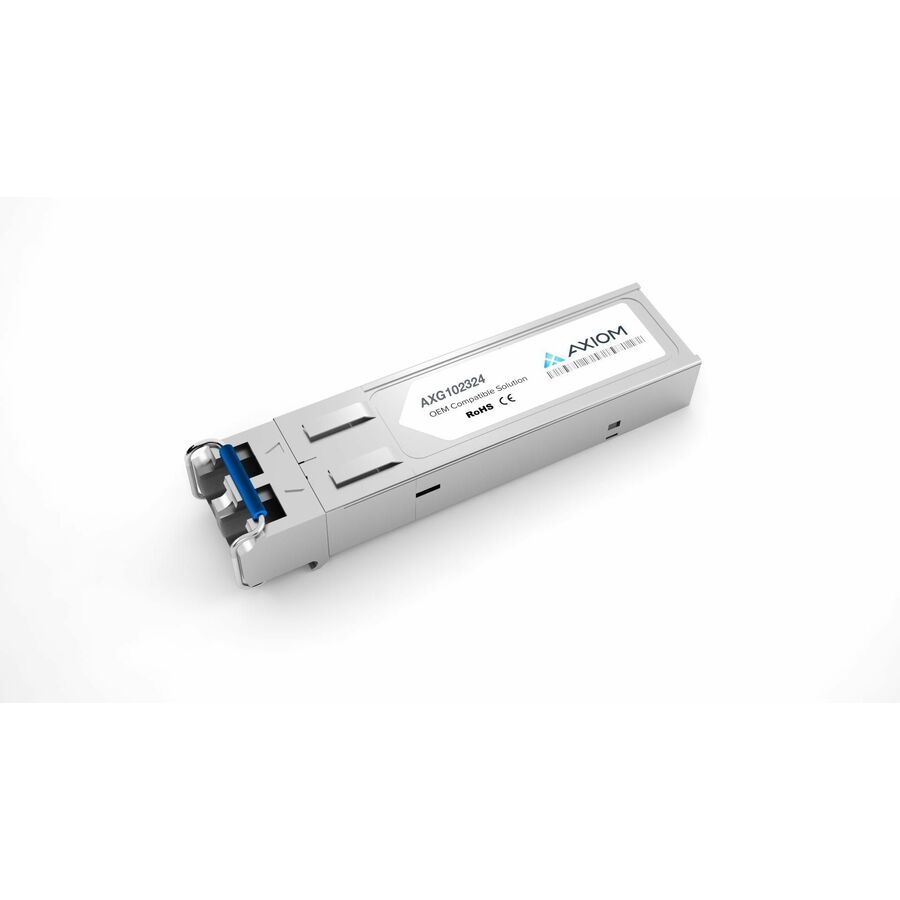
- Axiom Memory SolutionsAxiom 1000Base-SX SFP Transceiver for Mellanox - MC3208011-SX - TAA Compliant - For Data Networking, Optical Network - 1 x LC 1000Base-SX Network - Optical Fiber - Multi-mode - Gigabit Ethernet - 1000Base-SX0.55 km Maximum Distance - TAA CompliantAXG102324
$77.00
$30.66*
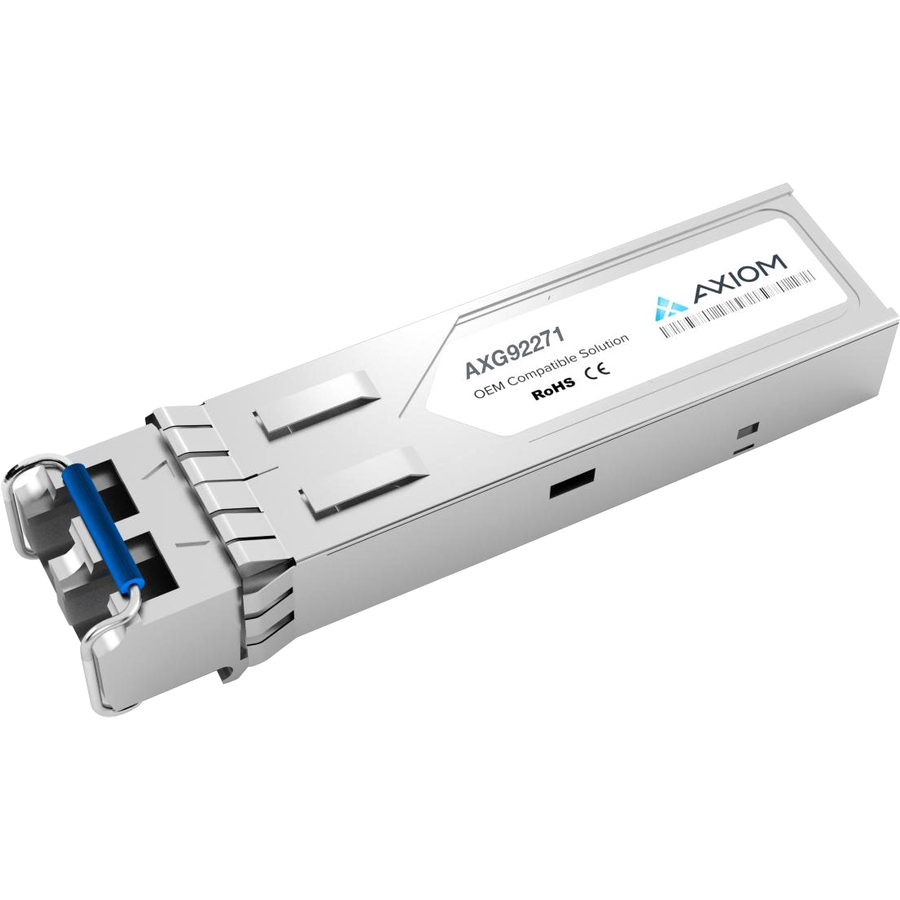
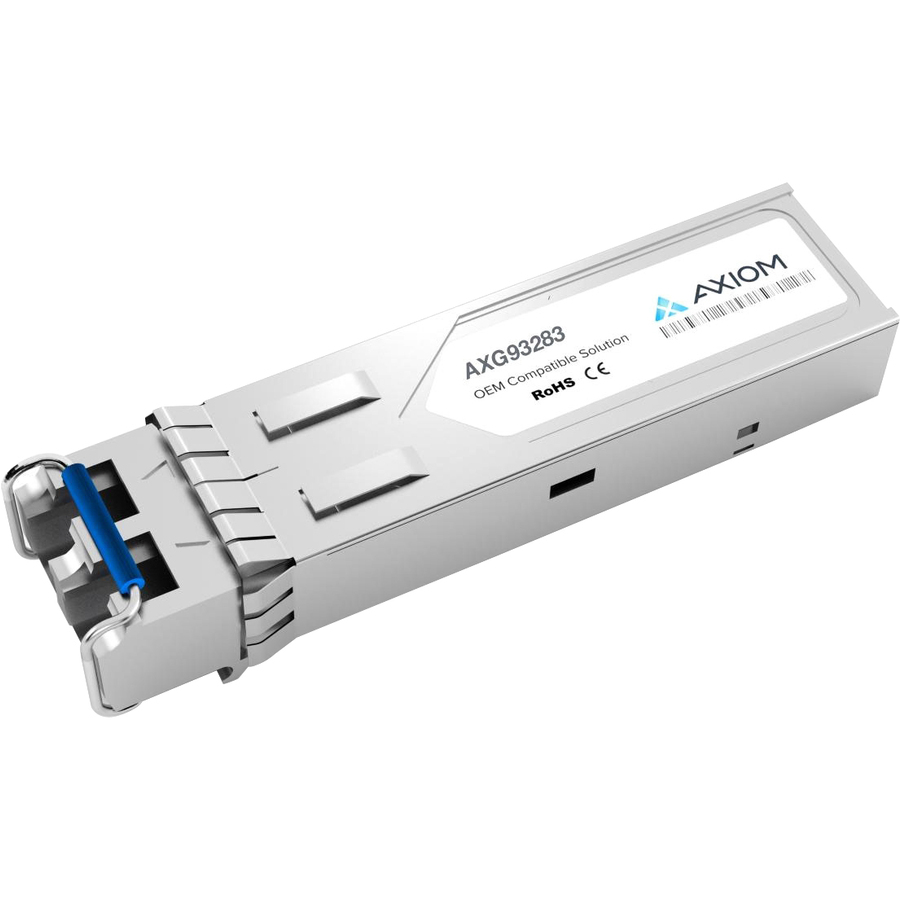
891 in stock - Axiom Memory SolutionsAxiom 1000BASE-SX SFP Transceiver - TAA Compliant - 100% MSA Compatible 1000BASE-SX SFPAXG93283
$90.00
$35.98*
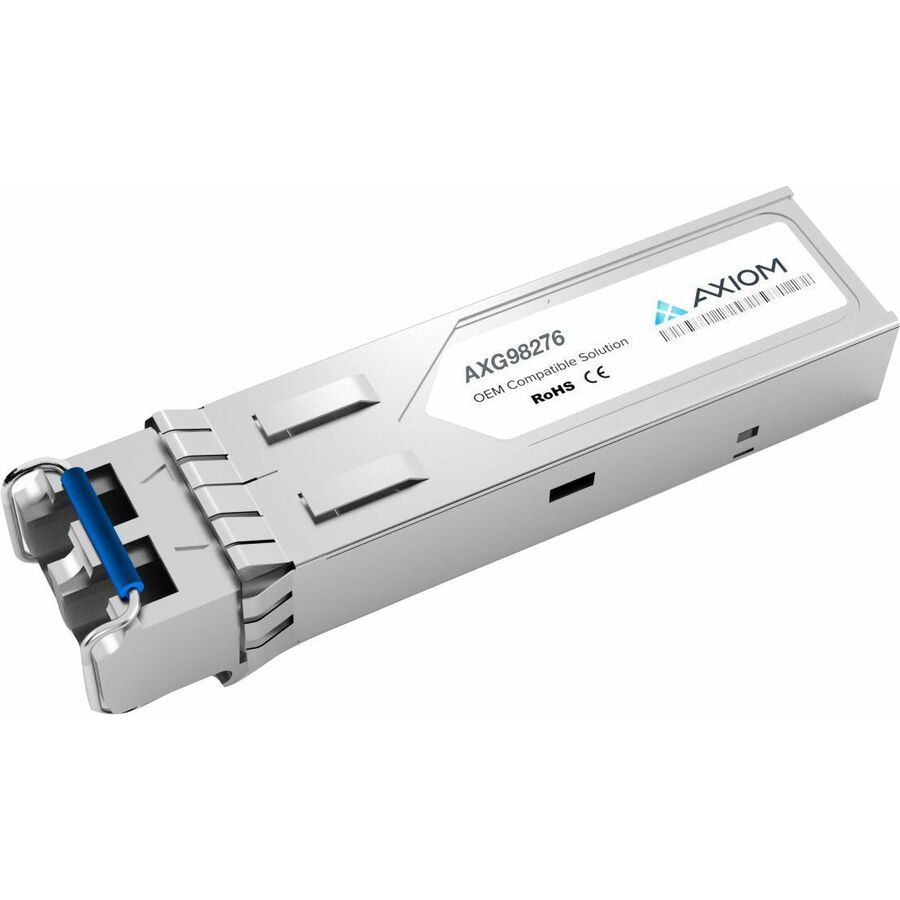
891 in stock - Axiom Memory SolutionsAxiom 1000BASE-SX SFP Transceiver for Fortinet - FR-TRAN-SX - For Data Networking, Optical Network - 1 x LC 1000Base-SX Network - Optical Fiber - 850 nm Wavelength - Multi-mode - Gigabit Ethernet - 1000Base-SX - 1 Gbit/s - 0.55 km Maximum Distance - TAA CompliantAXG98276
$93.33
$37.31*
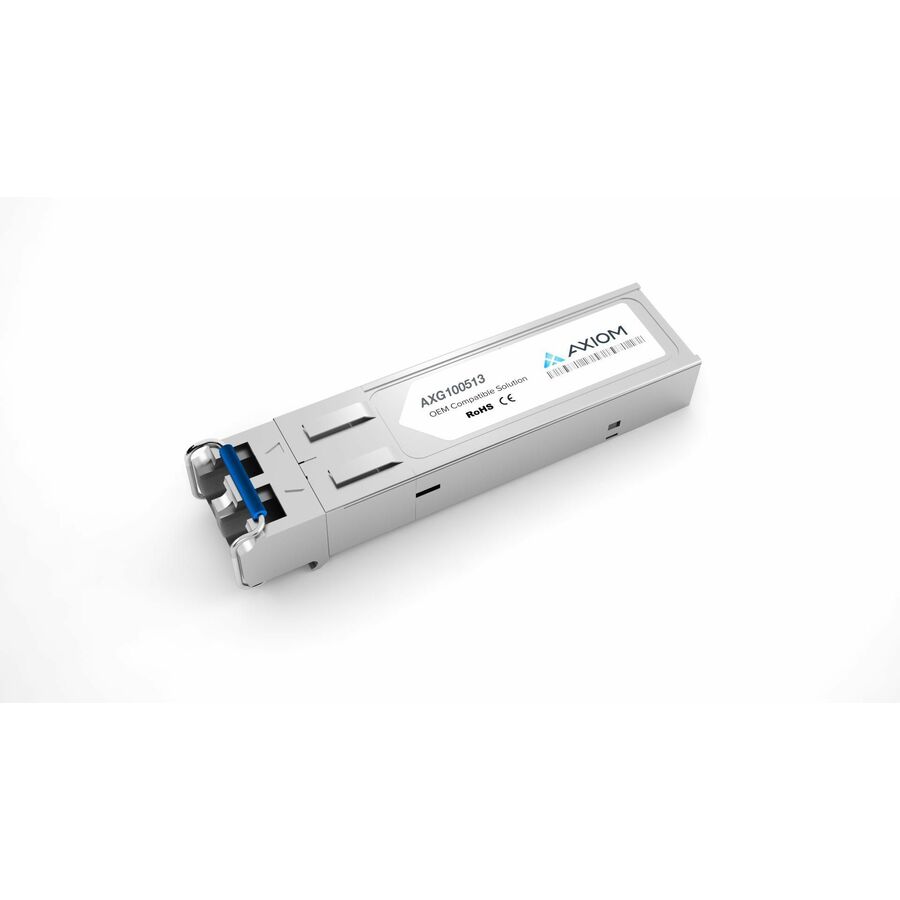
219 in stock - Axiom Memory SolutionsAxiom 1000Base-SX SFP Transceiver for Fortinet - FN-TRAN-SX - TAA Compliant - For Data Networking, Optical Network - 1 x LC 1000Base-SX Network - Optical Fiber - Multi-mode - Gigabit Ethernet - 1000Base-SX0.55 km Maximum Distance - TAA CompliantAXG100513
$93.33
$37.32*
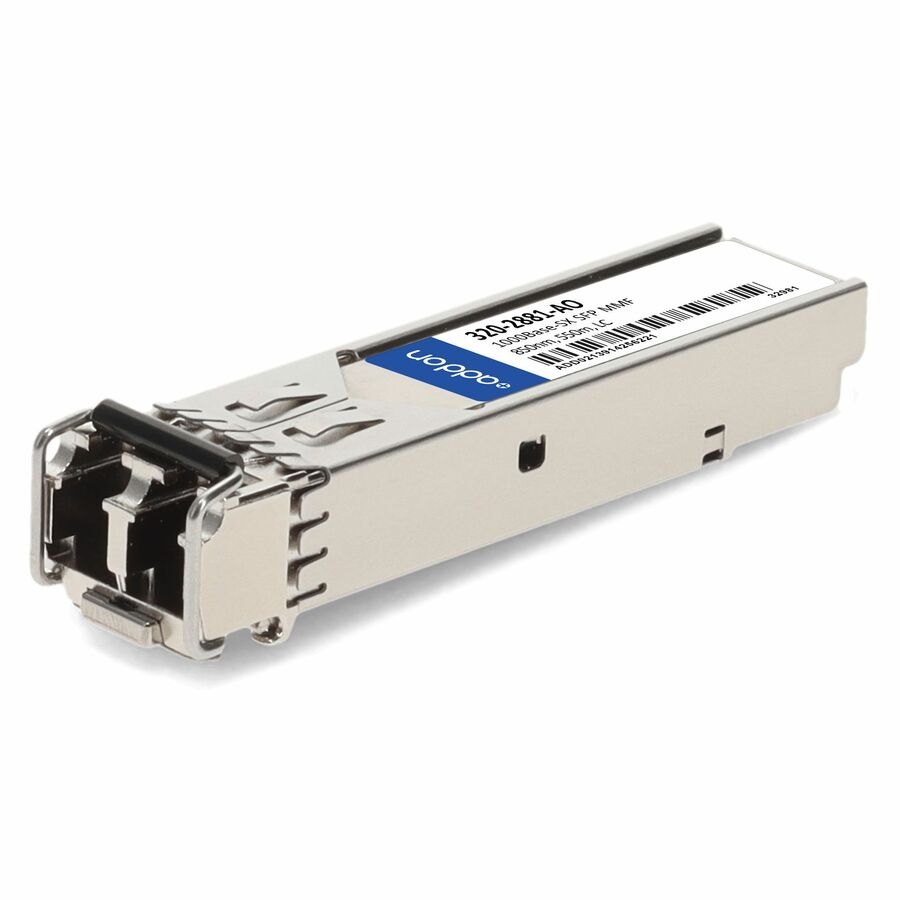
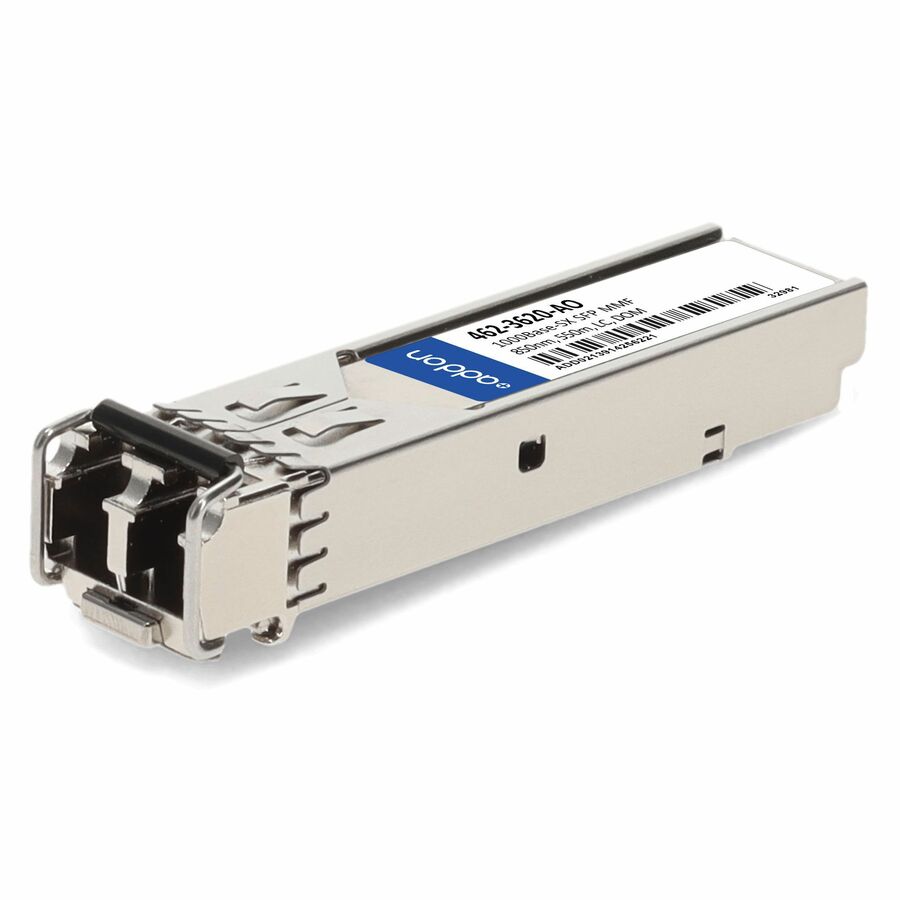
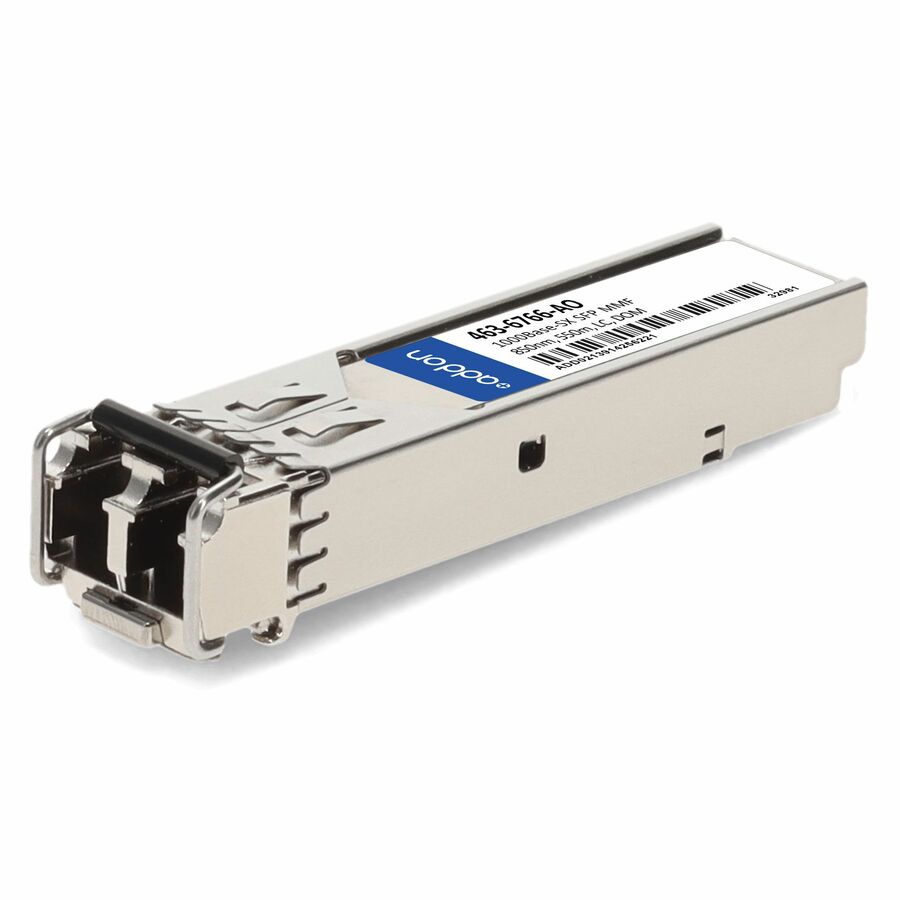
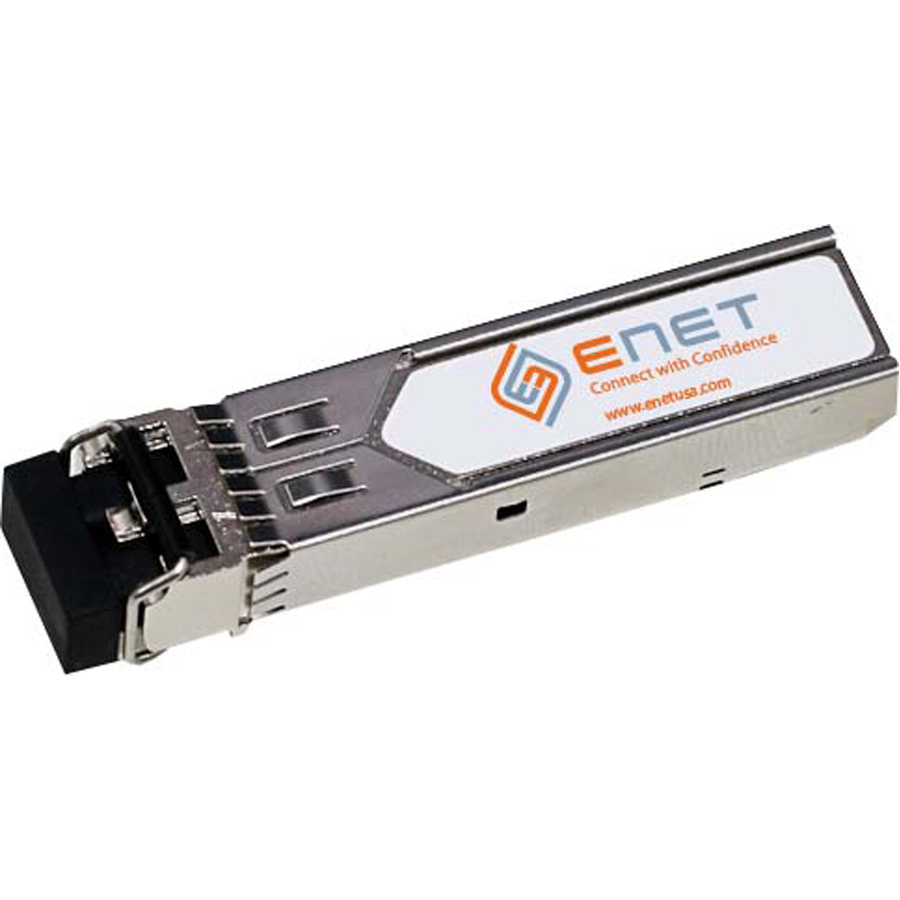
891 in stock - AddOnAddOn Dell 320-2881 Compatible TAA Compliant 1000Base-SX SFP Transceiver (MMF, 850nm, 550m, LC) - 100% compatible and guaranteed to work320-2881-AO
$42.00
$38.64
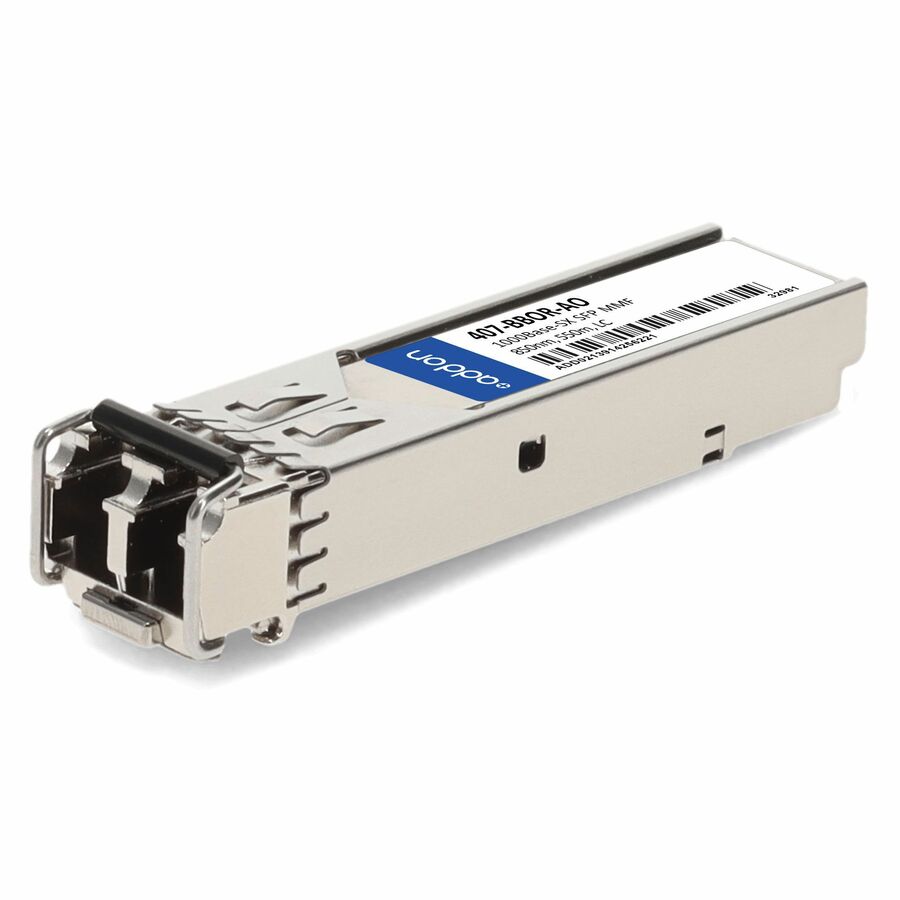
21,138 in stock - AddOnAddOn Dell 407-BBOR Compatible TAA Compliant 1000Base-SX SFP Transceiver (MMF, 850nm, 550m, LC) - 100% compatible and guaranteed to work407-BBOR-AO
$42.00
$38.64
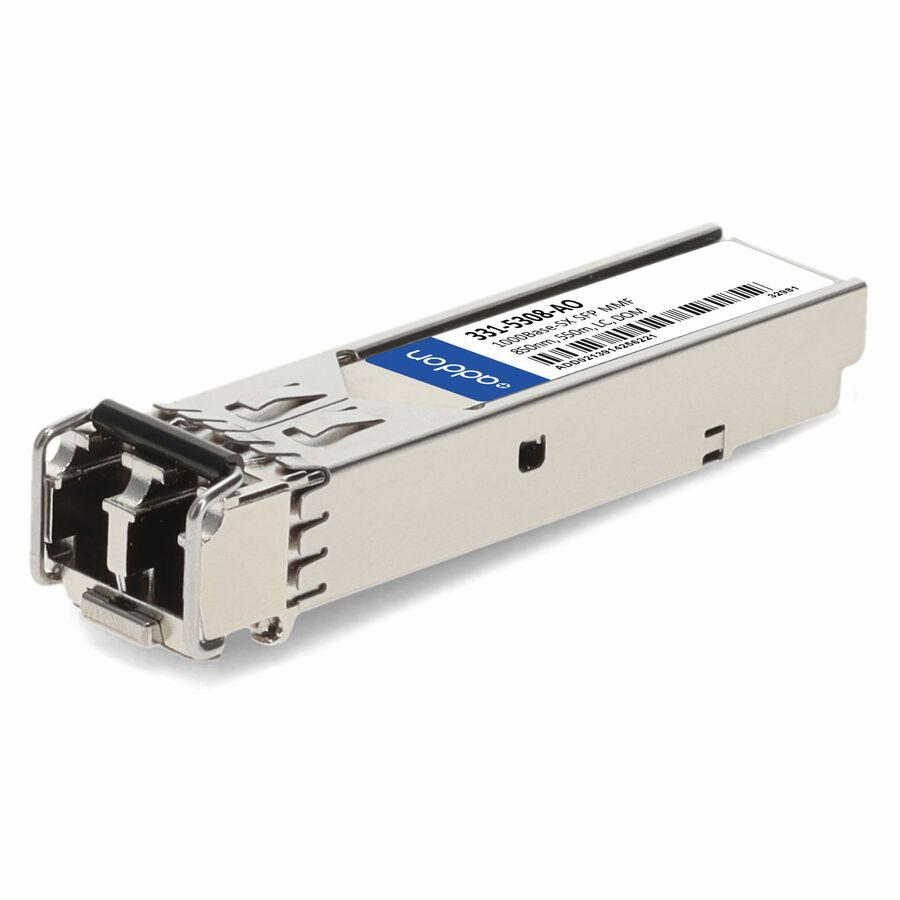
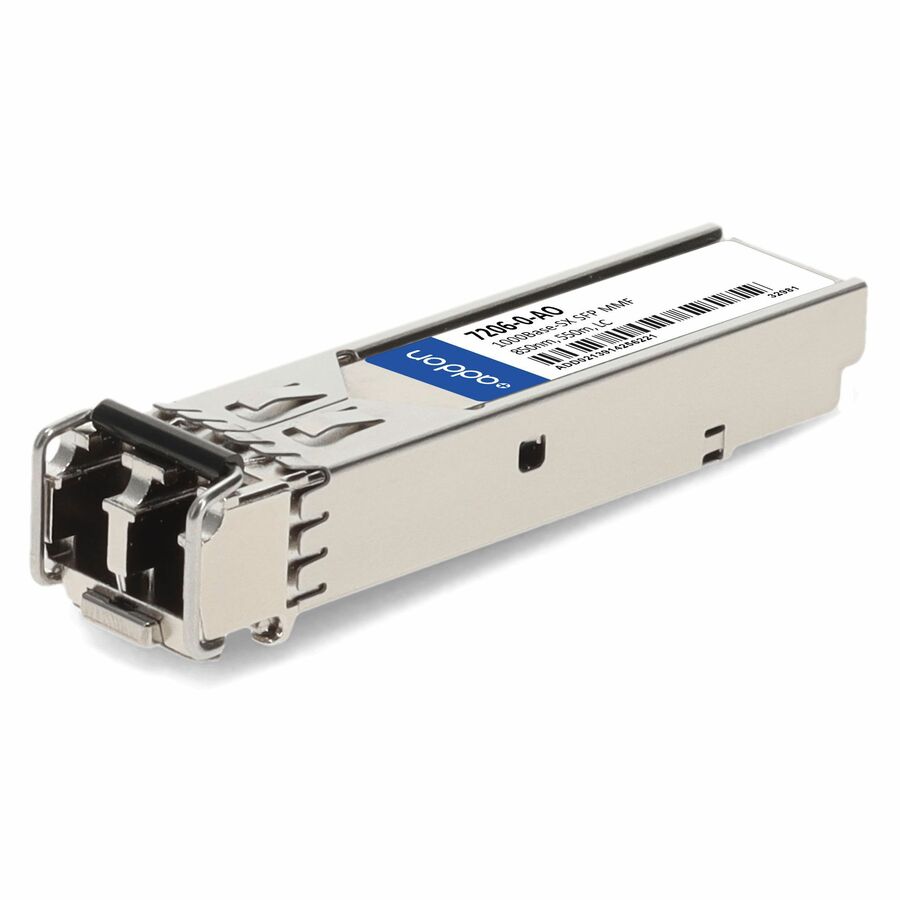
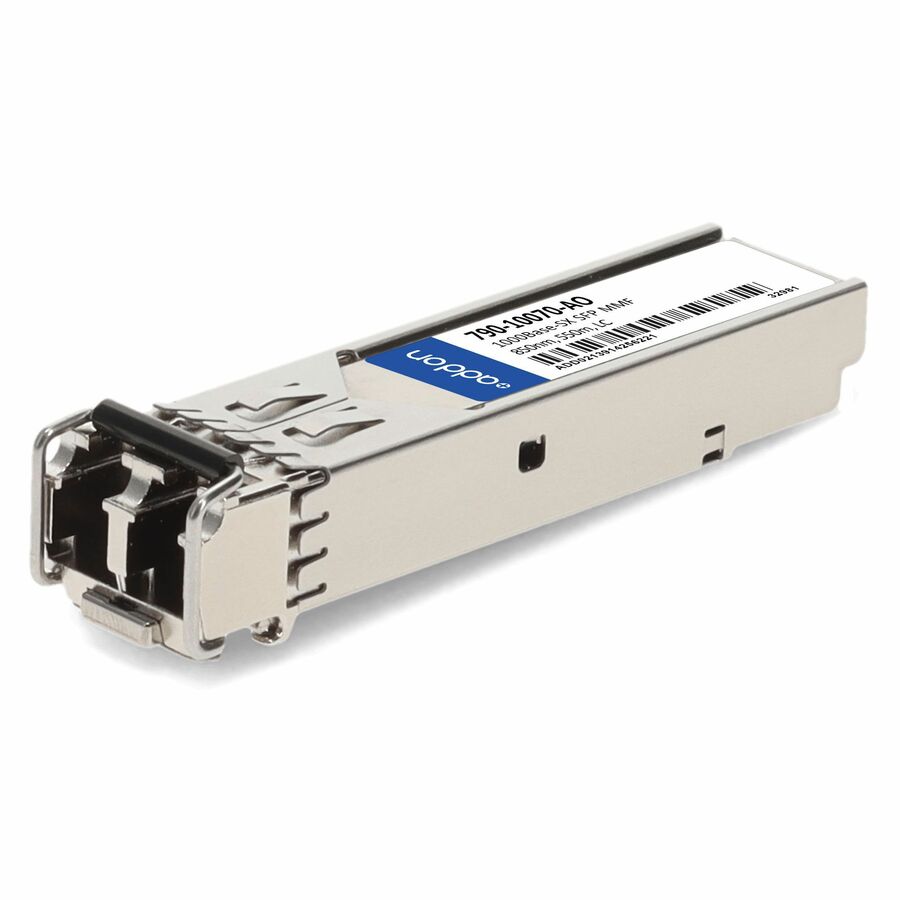
21,155 in stock - AddOnAddOn Omnitron® 7206-0 Compatible TAA 1000Base-SX SFP Transceiver (MMF, 850nm, 550m, LC, DOM) - For Data Networking, Optical Network - 1 x LC 1000Base-SX Network - Optical Fiber - Multi-mode - Gigabit Ethernet - 1000Base-SX - Hot-swappable - 1 - TAA Compliant7206-0-AO
$42.00
$38.64*
21,138 in stock



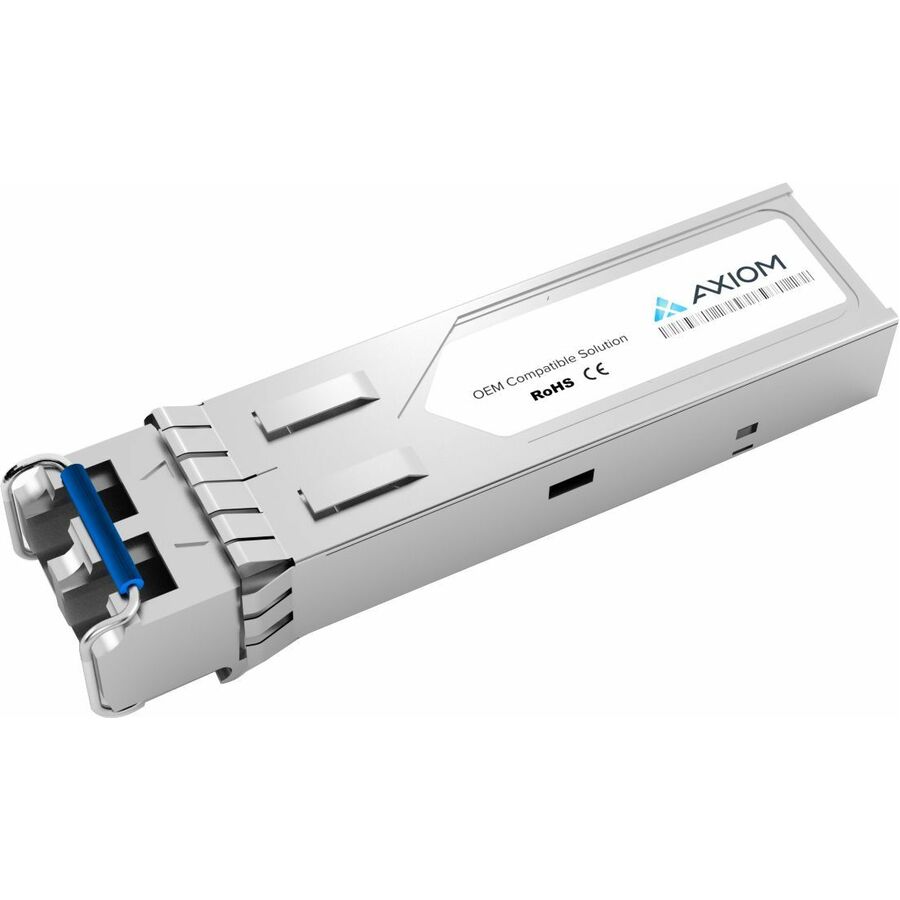
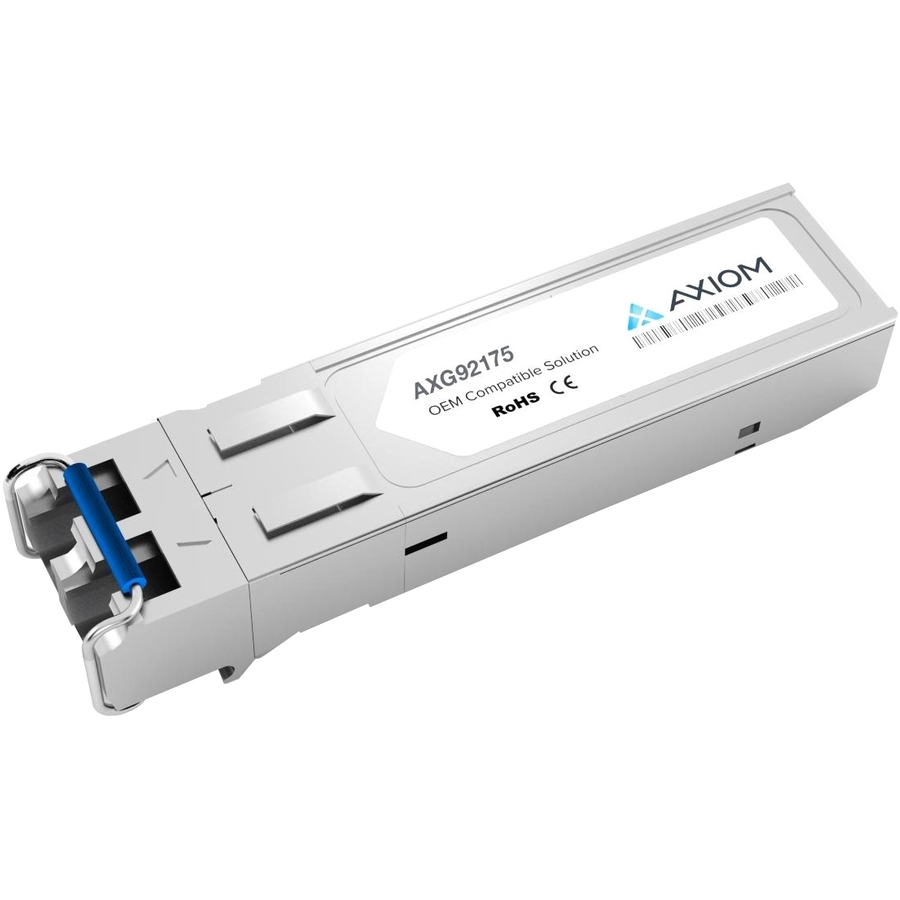
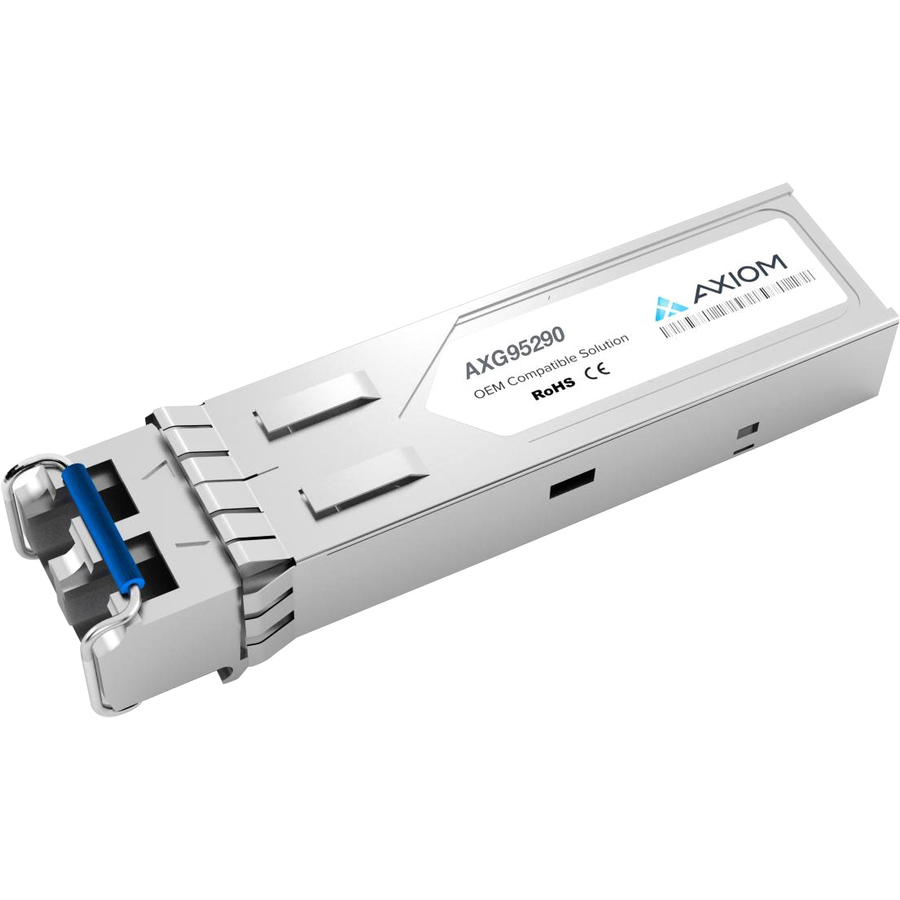

1G multimode SFP
Lantronix
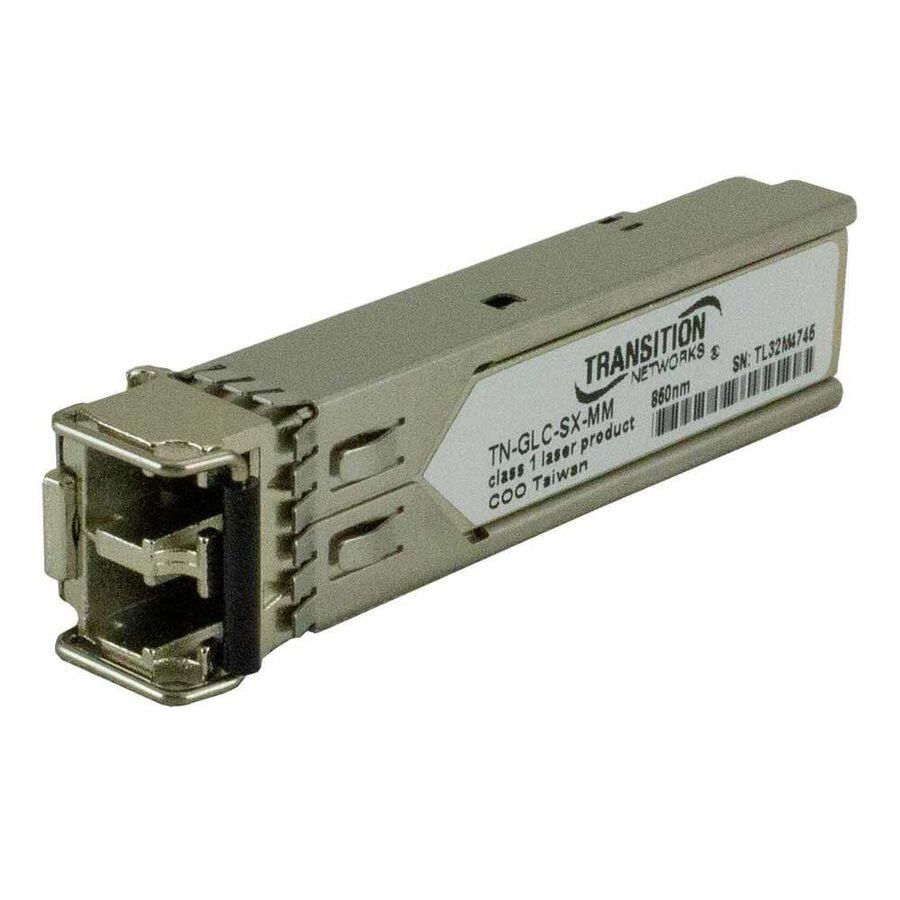
Lantronix TN-GLC-SX-MM Cisco SFP (mini-GBIC) Module
TN-GLC-SX-MM
A 1000BASE-SX SFP for a short multimode run — the inexpensive 1G optic coded to answer as the Cisco GLC-SX-MM, for an access-layer uplink over OM3/OM4 fiber on an LC pair.
Titled TAA Compliant, which is a per-part fact to confirm on the row you order.
$25.85*In stock1G single-mode SFP
Lantronix
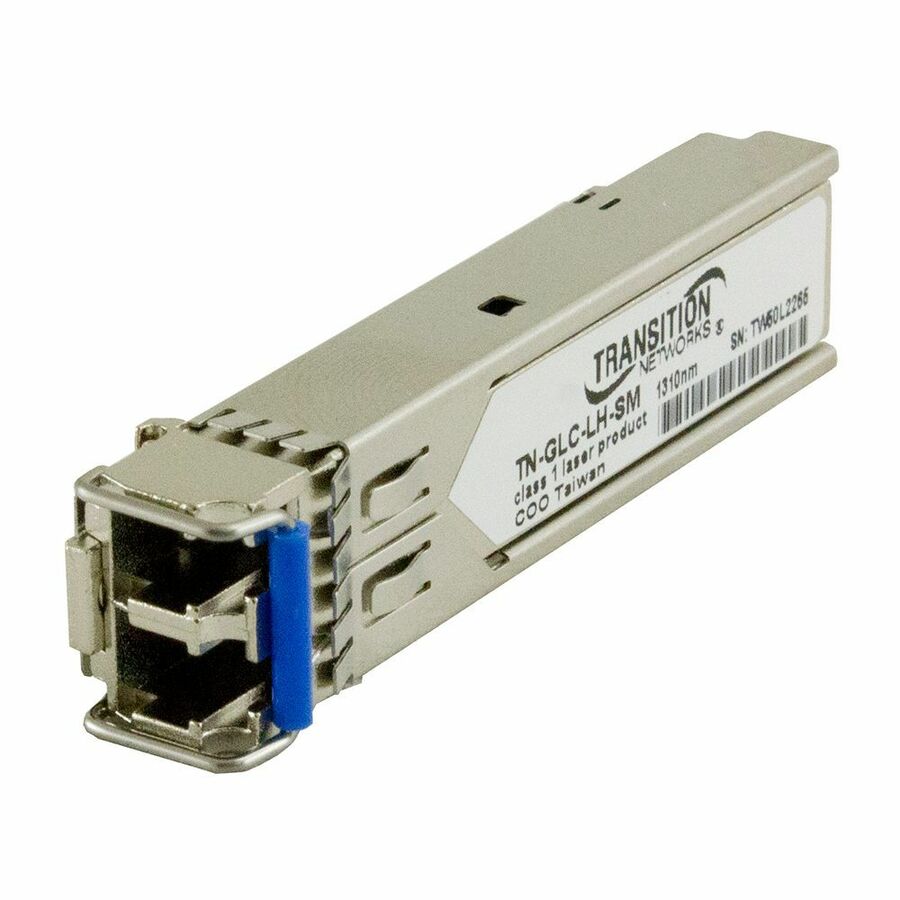
Lantronix TN-GLC-LH-SM Cisco SFP (mini-GBIC) Module
TN-GLC-LH-SM
A 1000BASE-LX single-mode SFP coded as the Cisco GLC-LH-SM — the 1G optic for a longer single-mode run between buildings, paired with a matching single-mode optic at the far end.
Titled TAA Compliant.
$27.28*In stock1G copper SFP
Axiom Memory Solutions
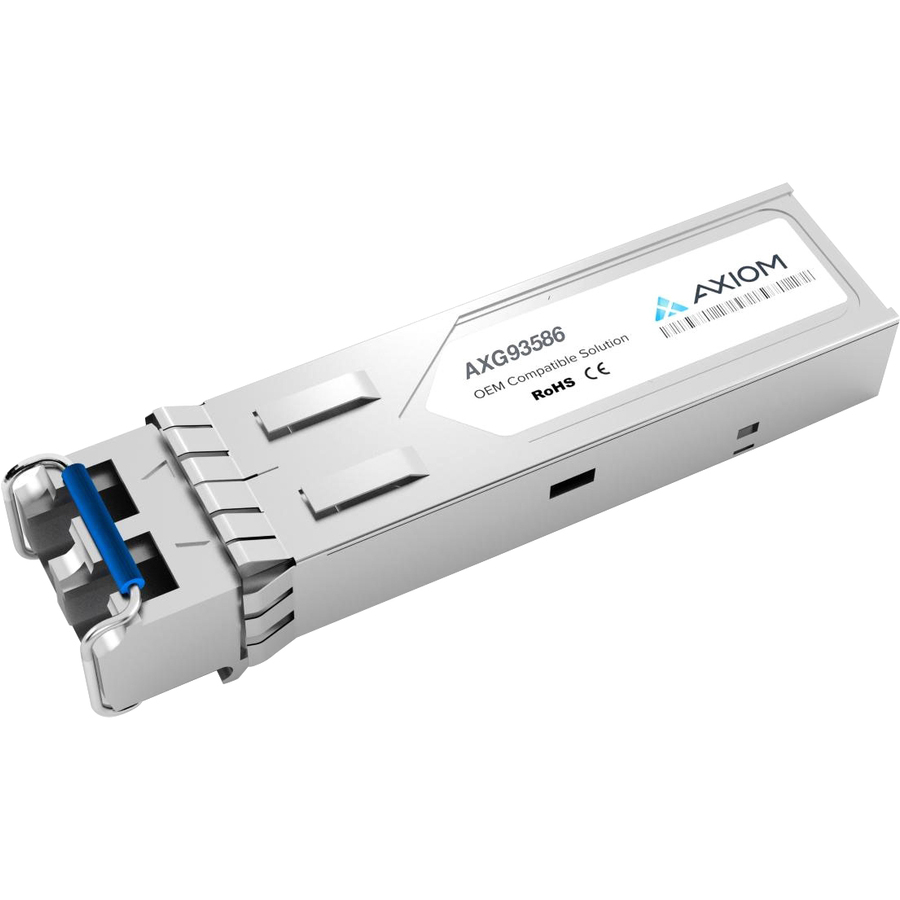
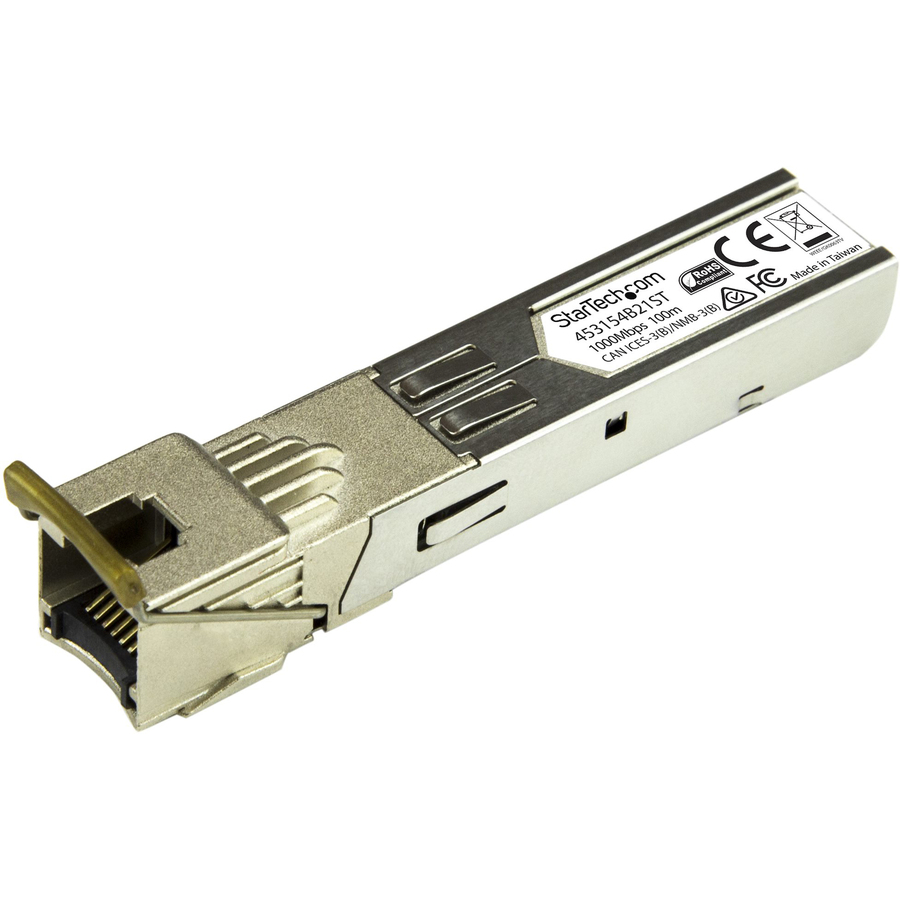
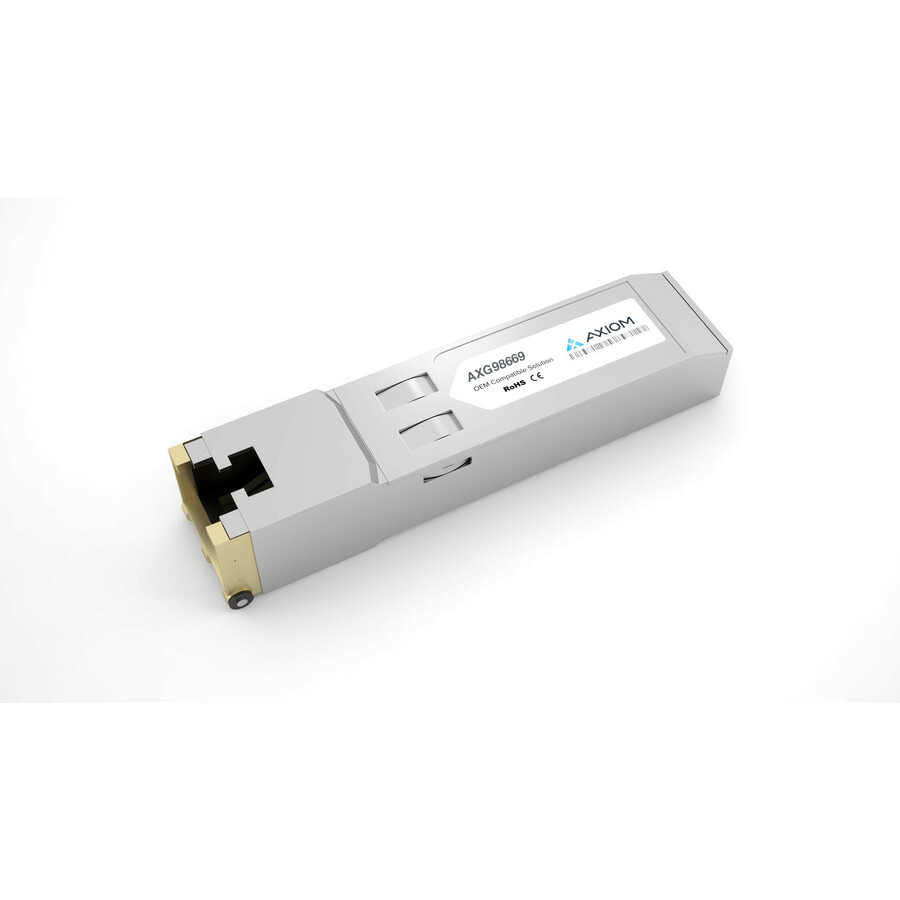
Axiom 1000Base-T SFP Transceiver for U Fiber
AXG98669
A 1000BASE-T copper SFP that lands a gigabit fiber port on an RJ-45 patch cable — for the odd device that needs copper where the switch only offers an SFP cage.
Titled TAA Compliant.
$35.98*In stock1G multimode SFP, value
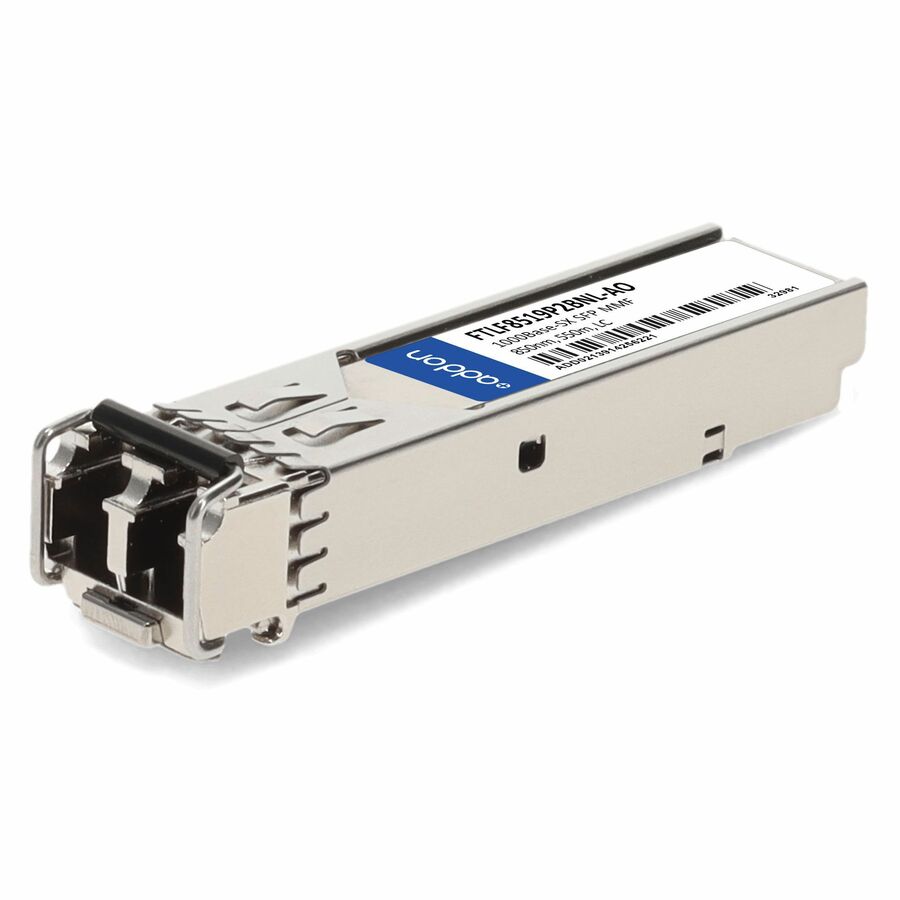
AddOn
AddOn Finisar FTLF8519P2BNL Compatible TAA Compliant 1000Base-SX SFP…
FTLF8519P2BNL-AO
A 1000BASE-SX SFP over multimode fiber, 850nm to 550m on an LC duplex — the plain 1G short-reach module and the part to keep a spare of per switch.
Titled TAA Compliant.
$38.64In stock10G multimode SFP+
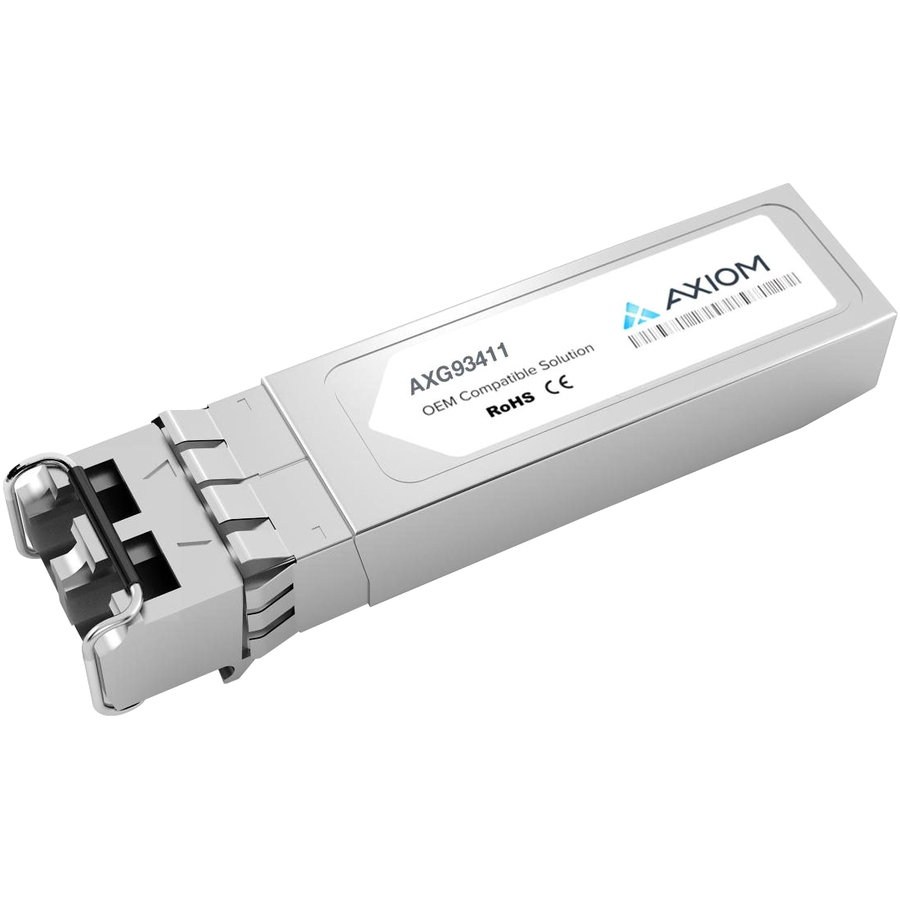
Axiom Memory Solutions
10GBASE-SR SFP+ Transceiver for Intel
AXG93411
A 10GBASE-SR SFP+ for a short 10-gigabit run over OM3/OM4 fiber, coded for an Intel host — the everyday ten-gig access optic on an LC pair.
Titled TAA Compliant.
$67.95*In stock10G single-mode, 10km
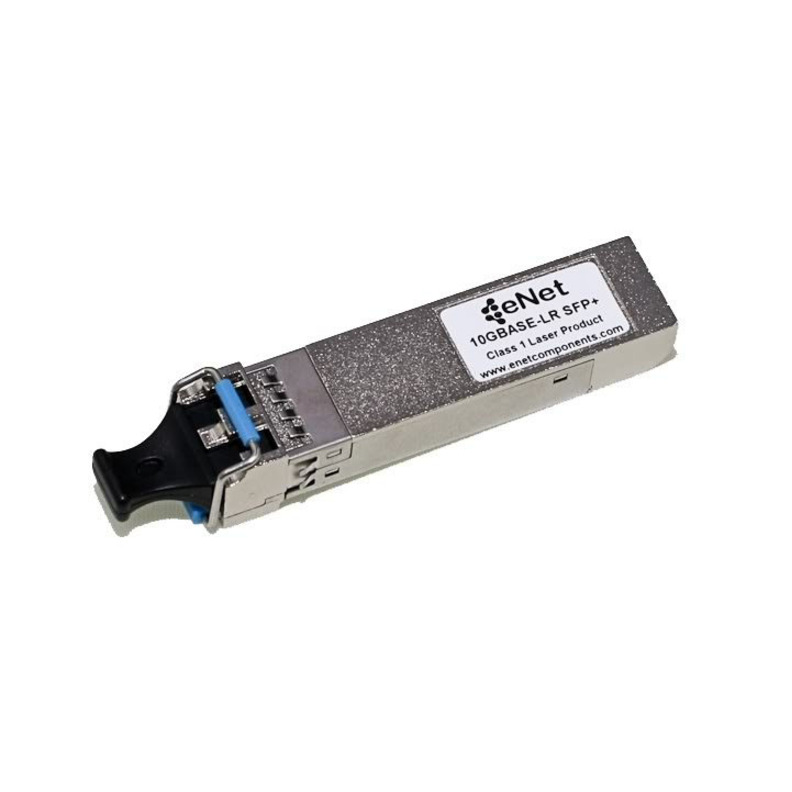
NSI Industries
ENET Dell/Force 10 Compatible GP-10GSFP-1L TAA Compliant Functionally…
GP-10GSFP-1L-ENC
A 10GBASE-LR SFP+ at 1310nm to 10km over single-mode fiber, coded as the Dell/Force10 GP-10GSFP-1L — the 10G optic for a campus or data-center-to-data-center link.
Titled TAA Compliant.
$182.26Back-ordered10G single-mode, 40km
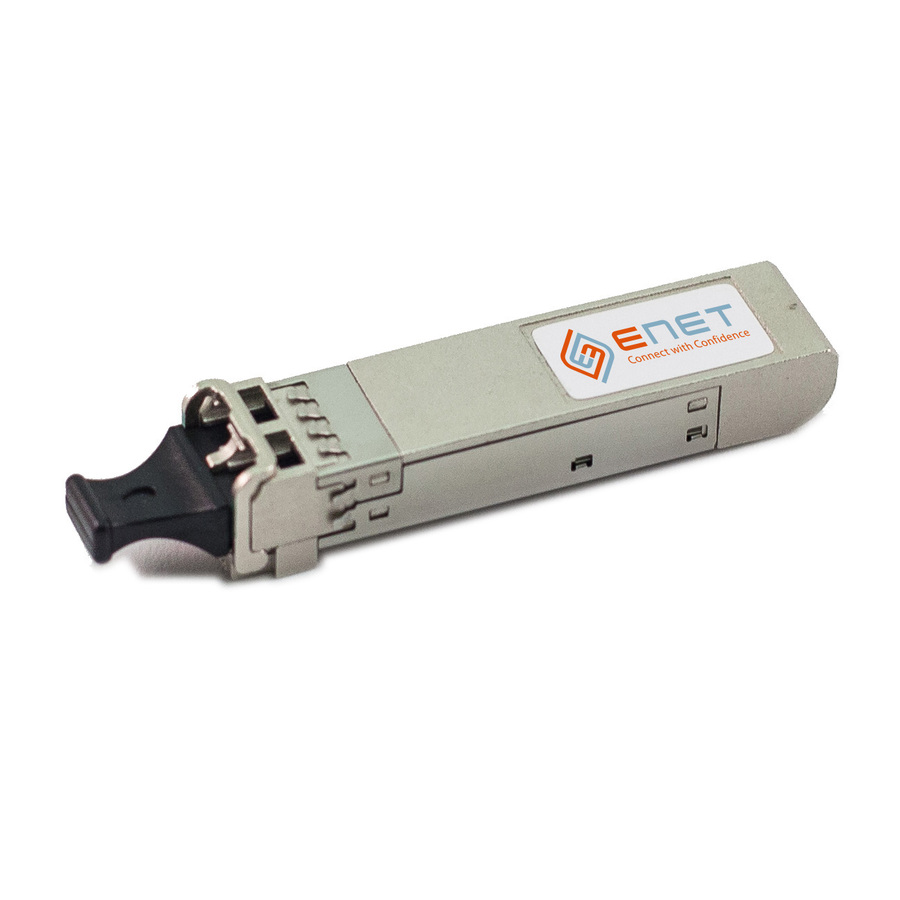
NSI Industries
Cisco Compatible SFP-10G-ER TAA Compliant Functionally Identical…
SFP-10G-ER-ECC
A 10GBASE-ER SFP+ at 1550nm to 40km, coded as the Cisco SFP-10G-ER — the extended-reach 10G optic for the longer single-mode span a standard -LR will not make.
Titled TAA Compliant.
$155.75In stock10G BiDi SFP+, 1 fiber
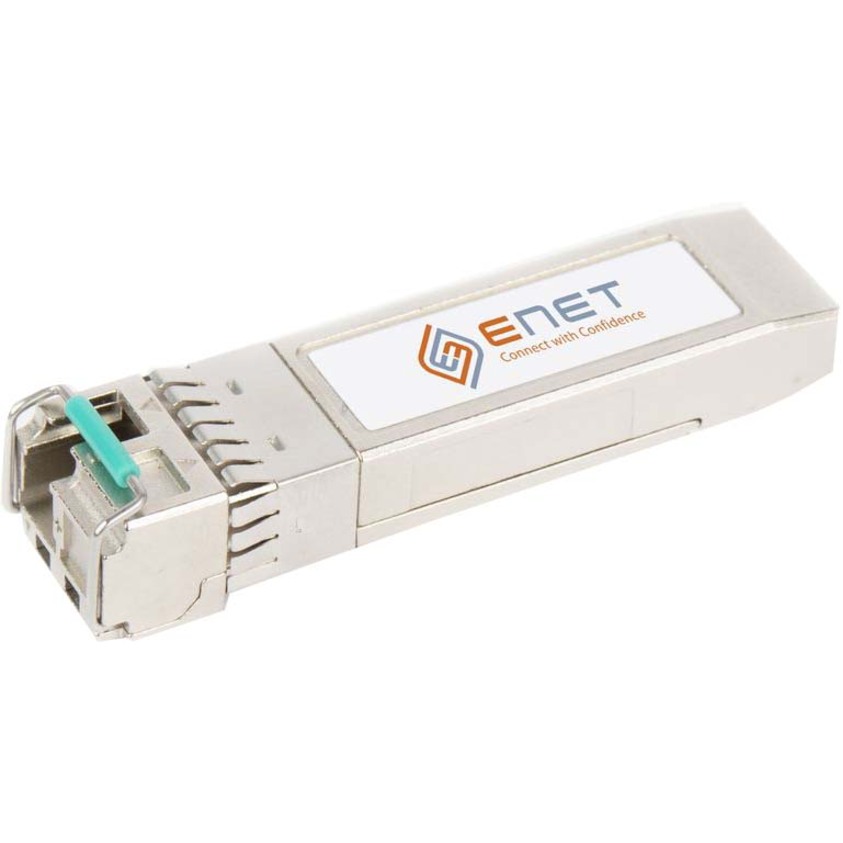
NSI Industries
Juniper Compatible JNP-SFP-10G-BX40D TAA Compliant Functionally…
JNP-SFP-10G-BX40D-ENC
A 10GBASE-ER BiDi SFP+ that runs one single-mode fiber to 40km using two wavelengths, coded as the Juniper JNP-SFP-10G-BX40D — for a link where fiber pairs are scarce and must be paired with its matching upstream wavelength.
Titled TAA Compliant. A BiDi optic is bought as a matched wavelength pair, one end each.
$883.64In stock10G copper SFP+
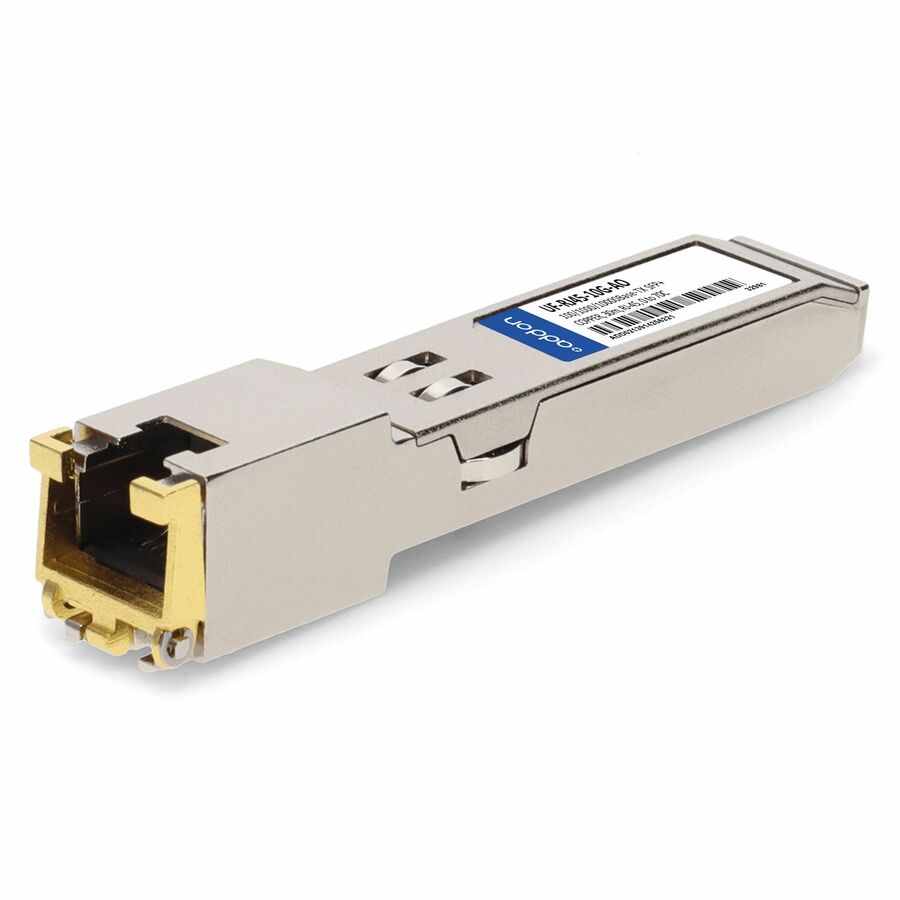
AddOn
AddOn Ubiquiti® UF-RJ45-10G Compatible TAA 100/1000/10000Base-TX SFP+…
UF-RJ45-10G-AO
A 10 Gigabit SFP+ module over twisted-pair copper — the 10G optic for a short RJ-45 run where pulling fiber to the device is not worth it.
Titled TAA Compliant.
$331.20*In stock10G single-mode SFP+
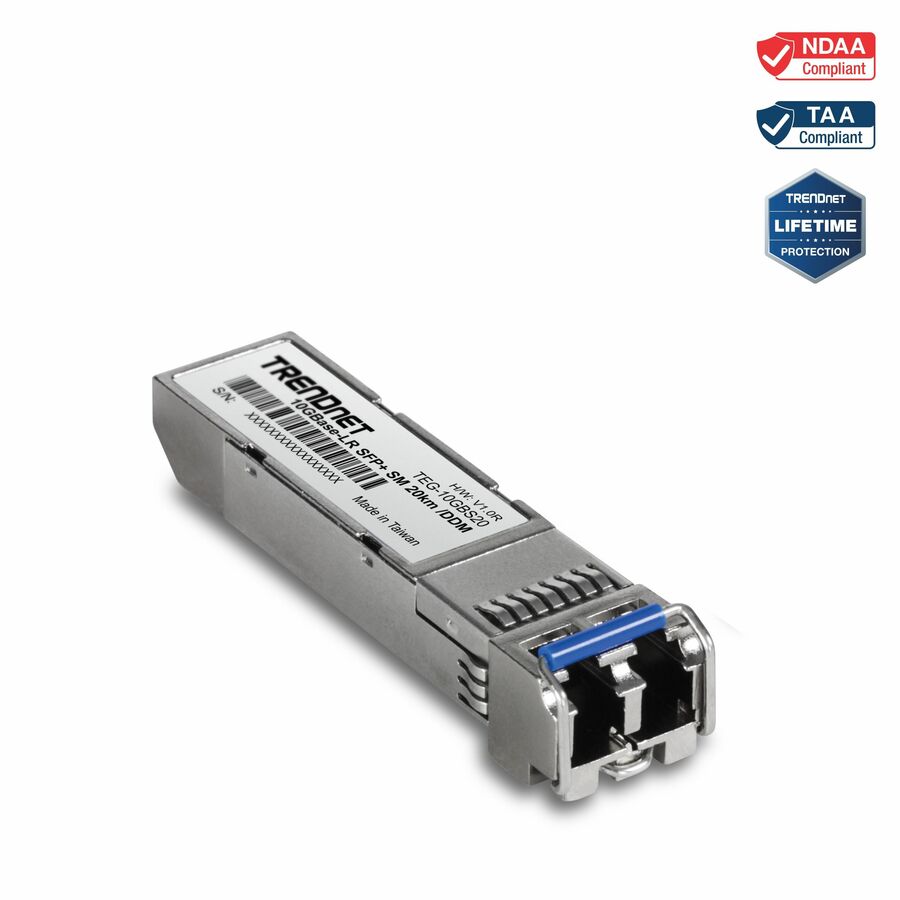
TRENDnet
TRENDnet TEG-10GBS20, SFP+ Single Mode LC Module (20km), Lifetime…
TEG-10GBS20
A 10G single-mode SFP+ on an LC pair to 20km with a lifetime protection policy — the ten-gig single-mode optic for a shorter inter-building link.
Titled TAA Compliant.
$96.76*Back-ordered25G multimode SFP28
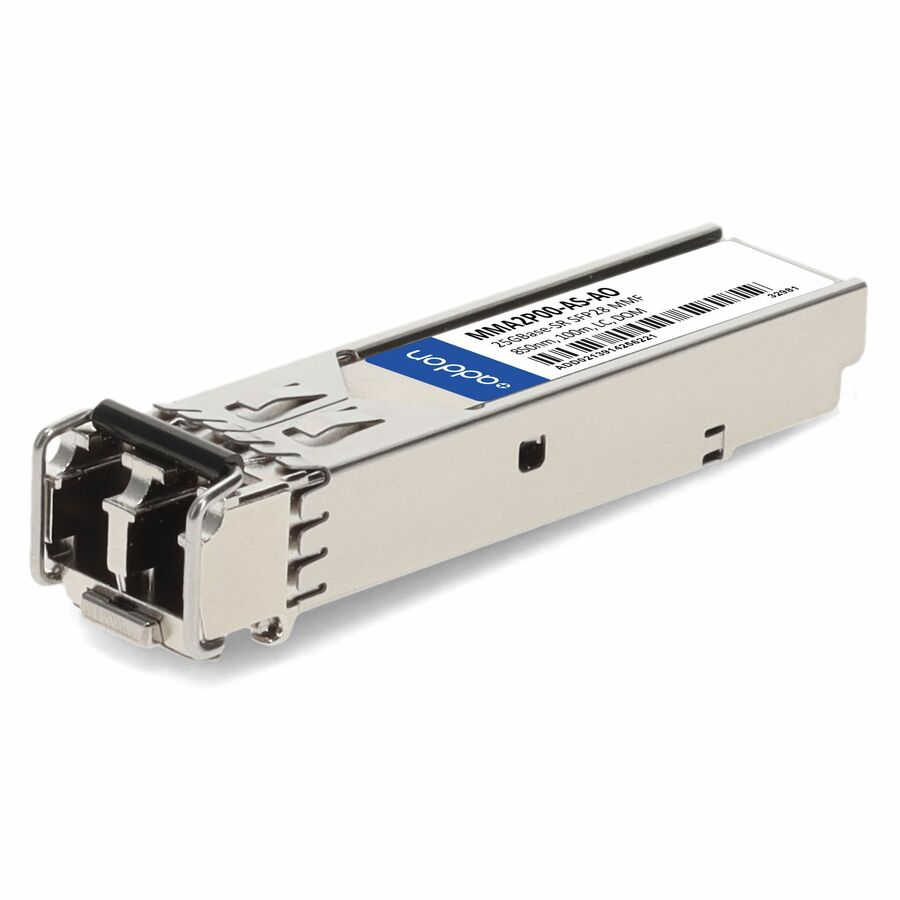
AddOn
AddOn Mellanox MMA2P00-AS Compatible TAA Compliant 25GBase-SR SFP28…
MMA2P00-AS-AO
A 25GBASE-SR SFP28 over multimode fiber, 850nm to 100m on an LC pair, coded as the Mellanox MMA2P00-AS — the server-facing optic for a 25-gigabit top-of-rack link.
Titled TAA Compliant.
$184.00*In stock1G BiDi SFP, 1 fiber
Allied Telesis
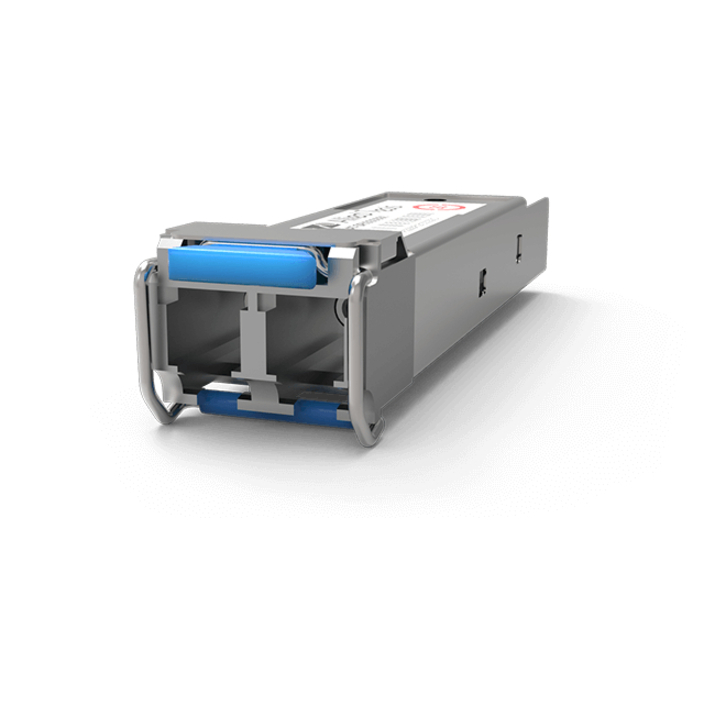
Allied Telesis SPBD20LC/I-13 SFP (mini-GBIC) Module
AT-SPBD20LC/I-13
A 1000BASE single-fiber BiDi SFP on an LC connector to 20km — the gigabit optic that halves the fiber count on a run where strands are limited, paired with its matching wavelength at the far end.
Titled TAA Compliant.
$423.31*Back-ordered40G multimode QSFP+
Axiom Memory Solutions
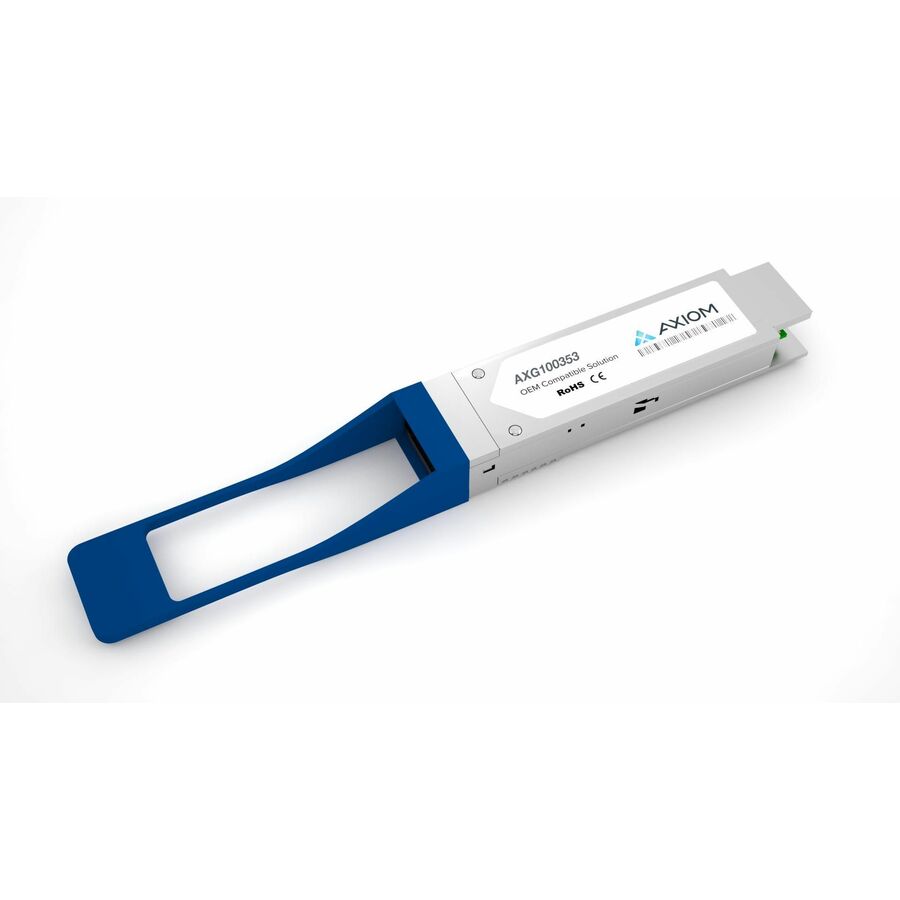
Axiom 100% Mellanox Compatible 40GBASE-SR4 QSFP+
AXG100353
A 40GBASE-SR4 QSFP+ over multimode on an MPO trunk, coded for Mellanox — the four-lane 40-gigabit module for a spine or aggregation link, or broken out to four 10G SFP+s.
Titled TAA Compliant. QSFP optics land on an MPO/MTP trunk rather than an LC pair.
$207.04*In stock100G multimode QSFP28
AddOn
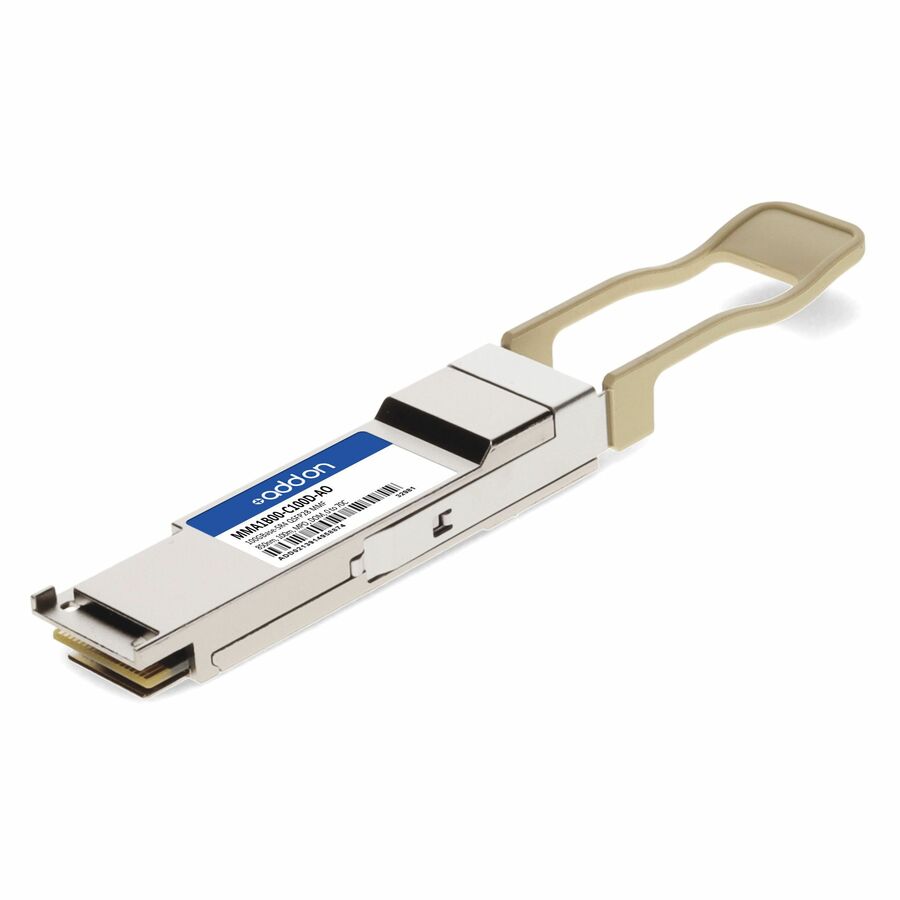
AddOn Mellanox MMA1B00-C100D Compatible TAA Compliant 100GBase-SR4…
MMA1B00-C100D-AO
A 100GBASE-SR4 QSFP28 over multimode on an MPO trunk, coded as the Mellanox MMA1B00-C100D — the 100-gigabit spine optic, and the top-of-range module in this picks list.
Titled TAA Compliant.
$193.20*In stockMore network transceiver modules in the Uniqcli catalog
See all 19,396 network transceiver modulesMore from across this category. In-stock lines lead, and a back-ordered line carries the same estimated availability its product page does — with live pricing throughout, NDAA §889 screening before checkout and TAA verified on request.
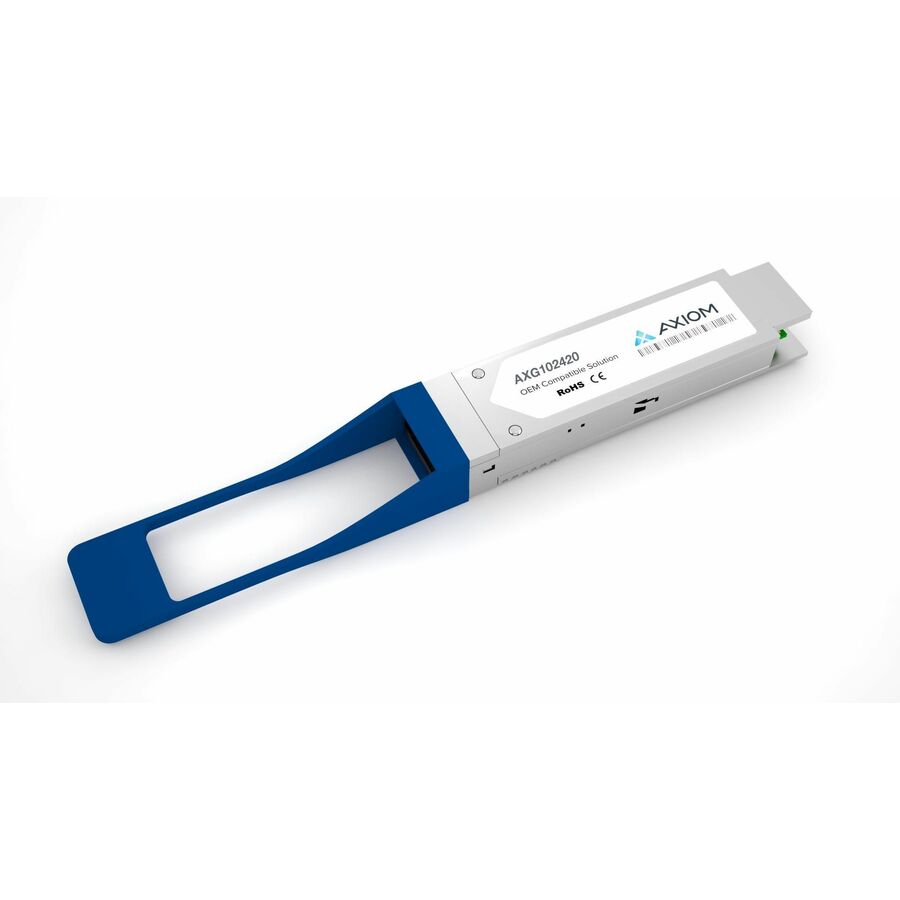
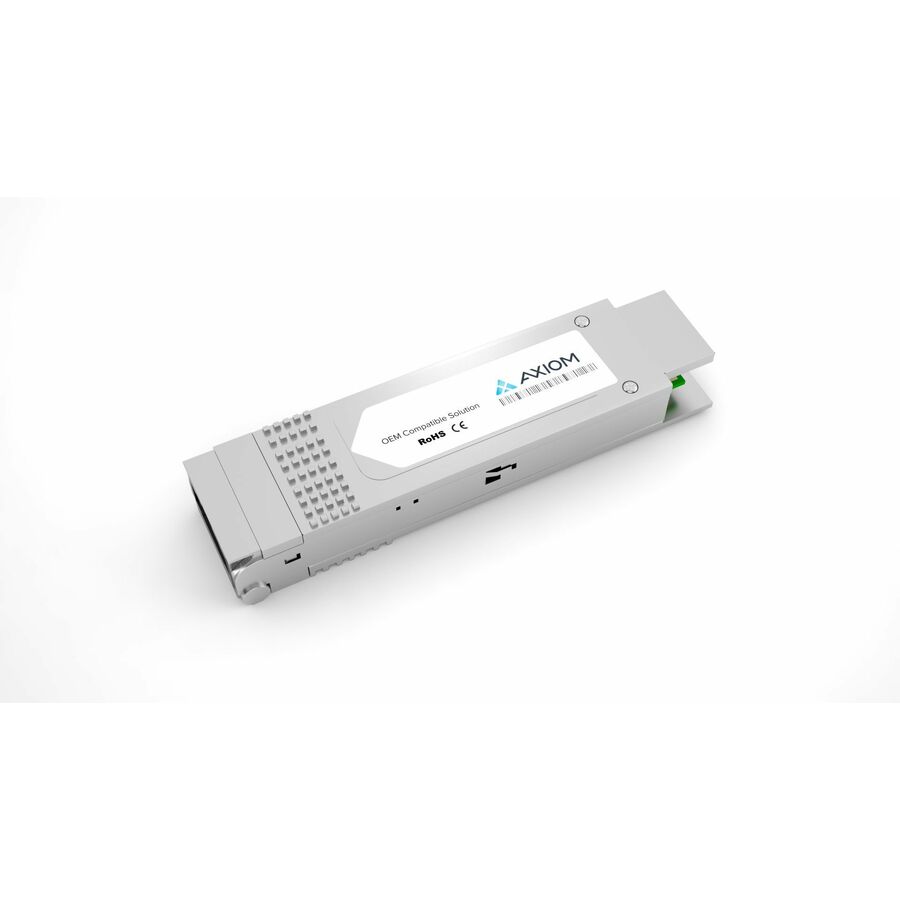
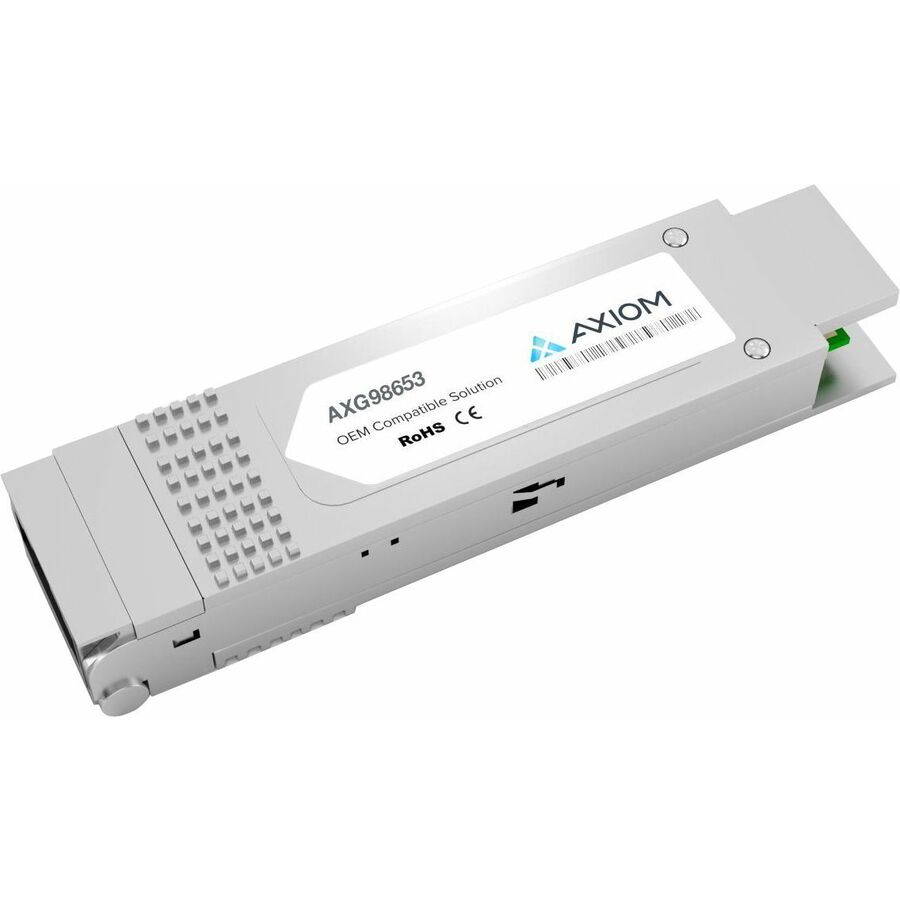
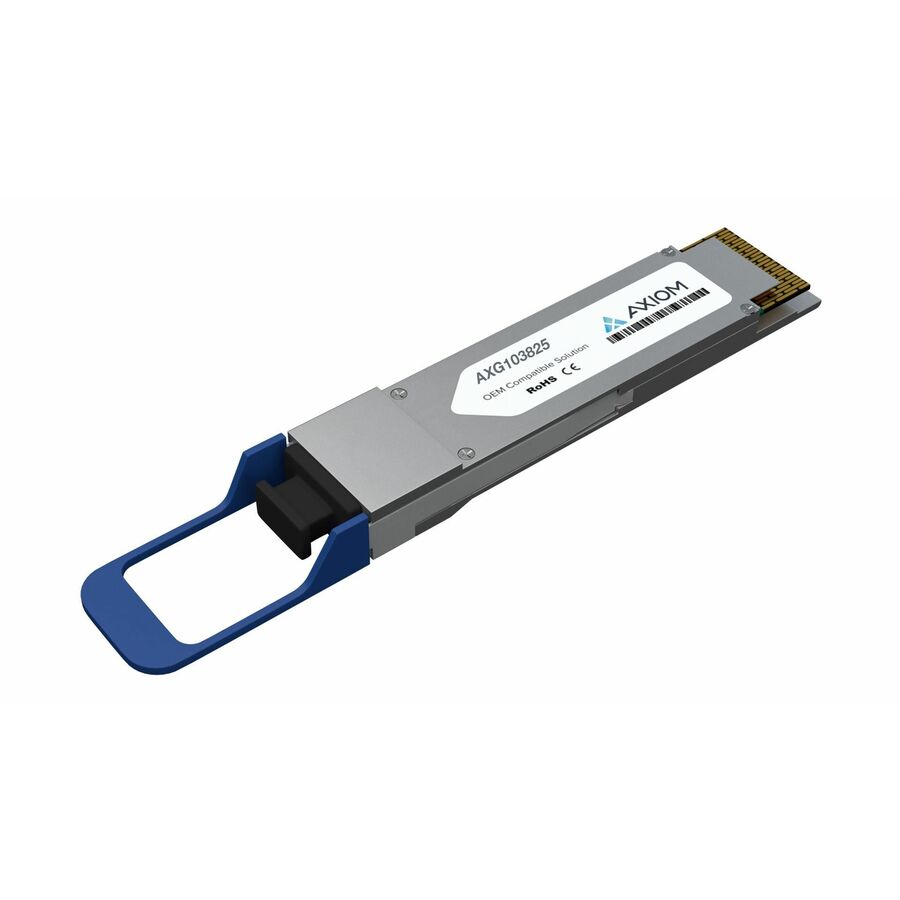
- Axiom Memory SolutionsAxiom 100% Arista Compatible 100GBASE-ZR4 QSFP28 - 100GBASE-ZR4 QSFP28 Transceiver for Arista - QSFP-100G-ZR4 - TAA CompliantAXG102420
$34,893.33
$13,841.40*
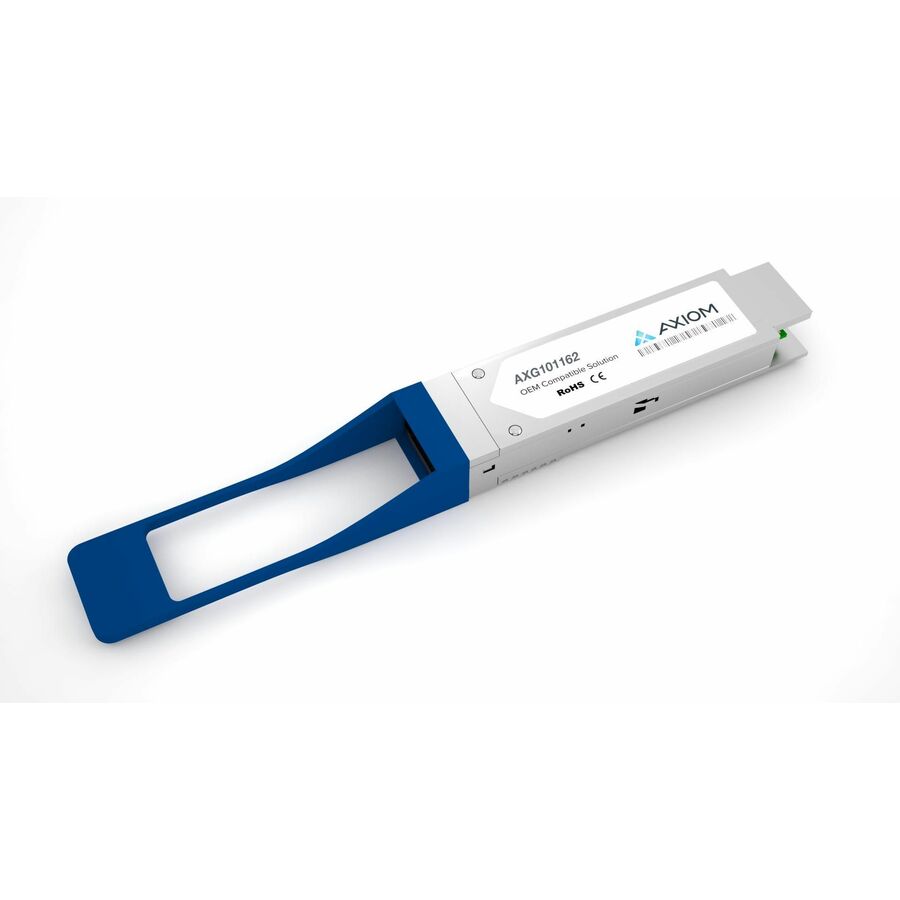
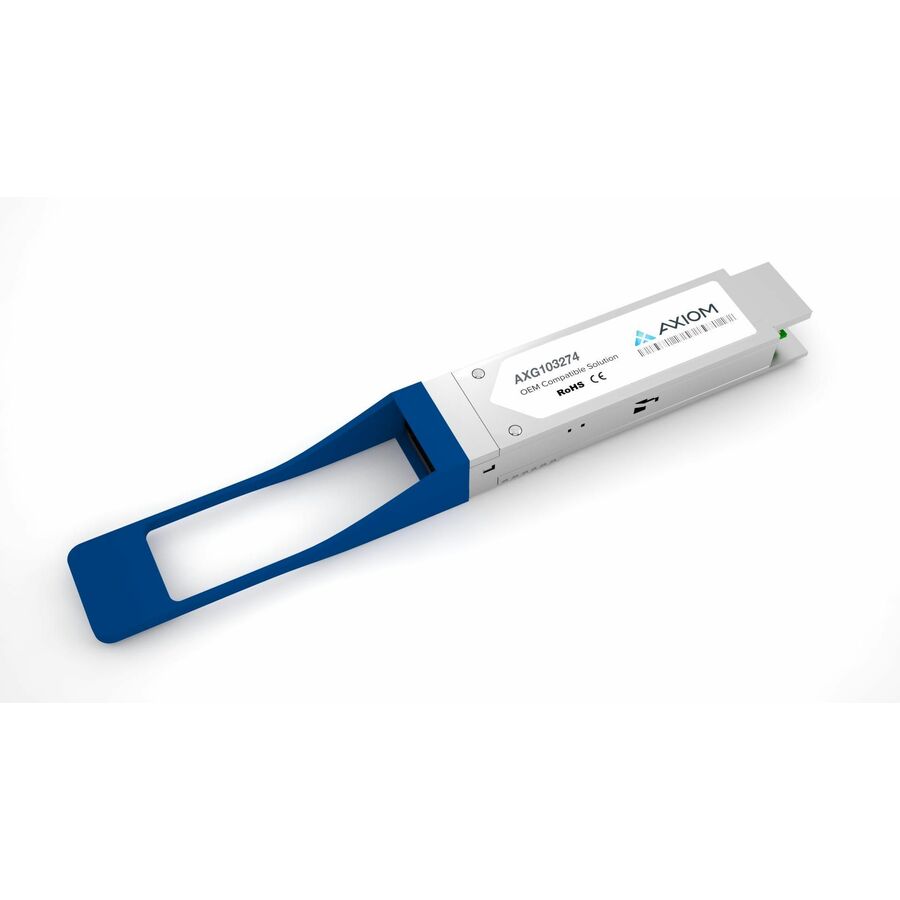
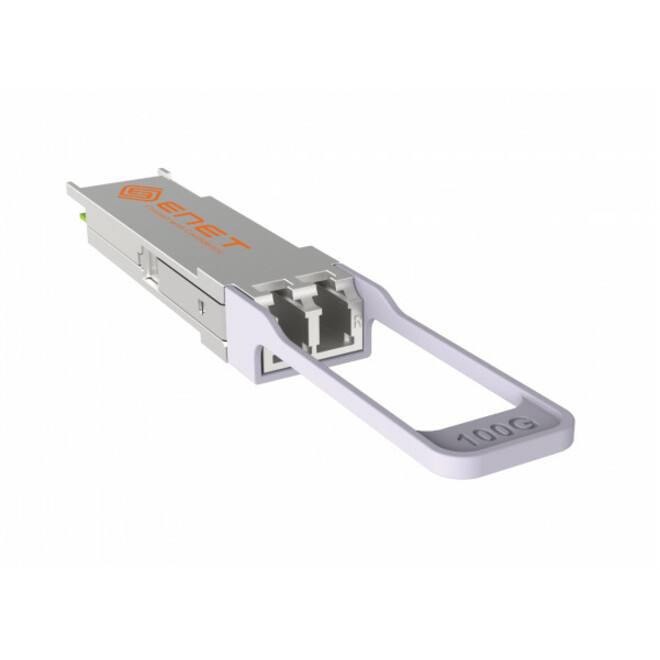
1 in stock - Axiom Memory SolutionsAxiom 100% MSA Compatible 100GBASE-LR4 QSFP28 - 100GBASE-LR4 QSFP28 Transceiver - AXG103274 - TAA CompliantAXG103274
$11,933.33
$4,733.77*
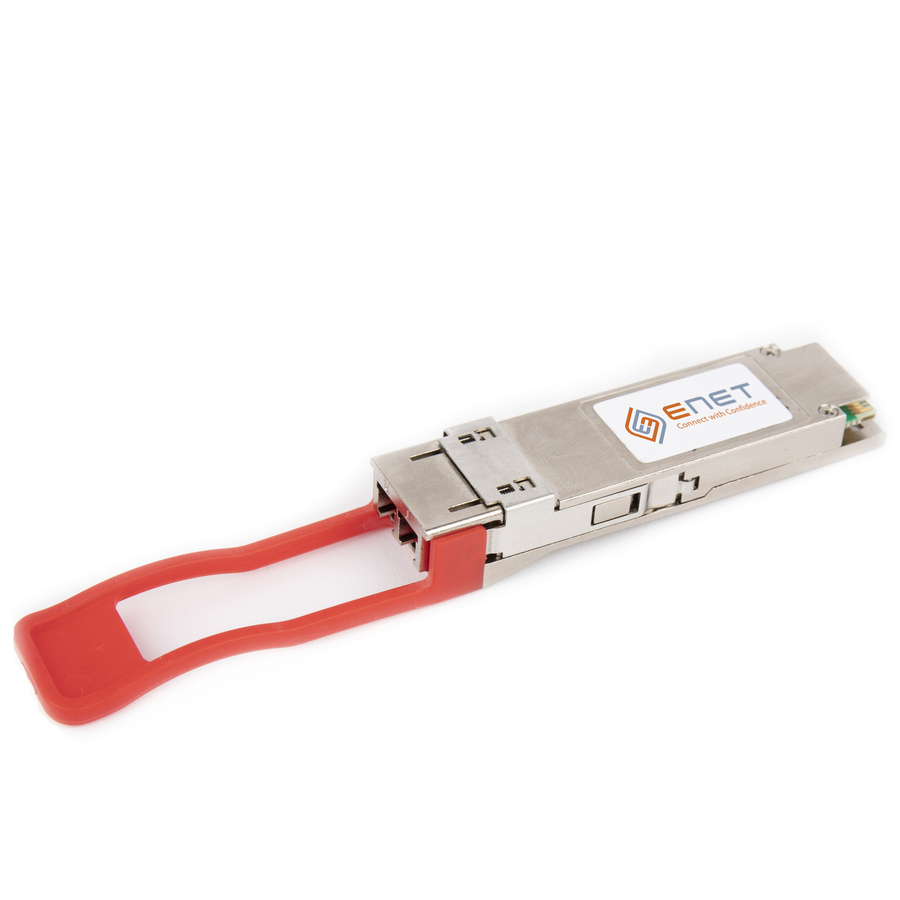
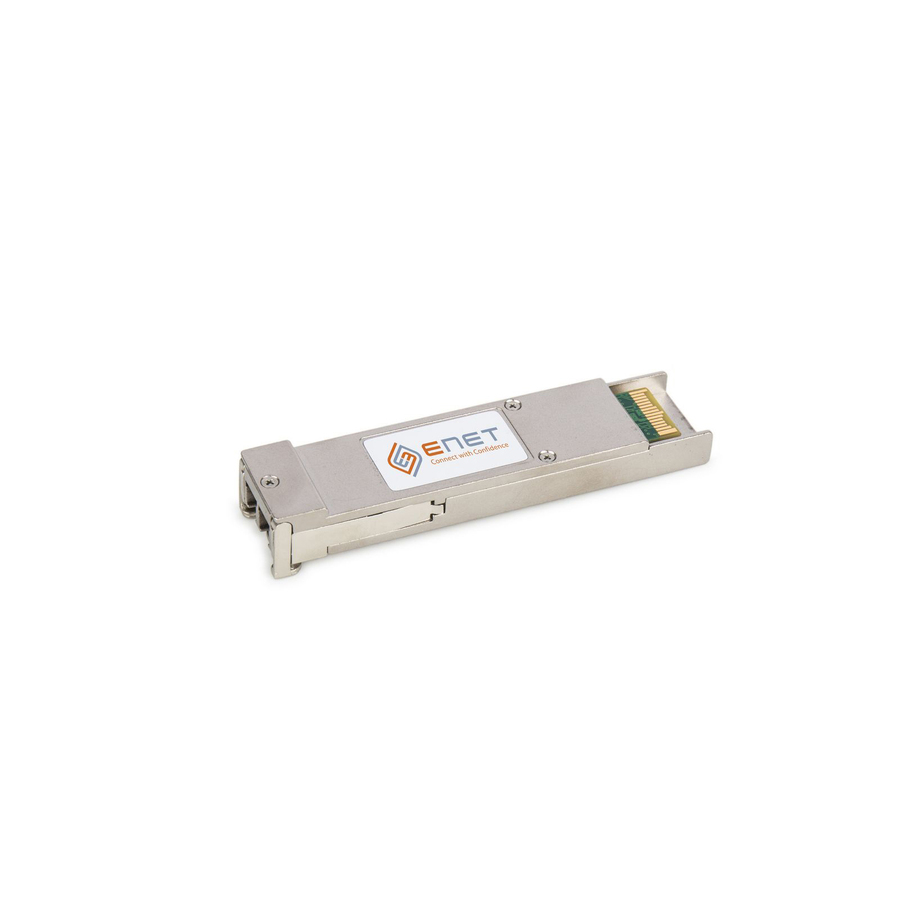
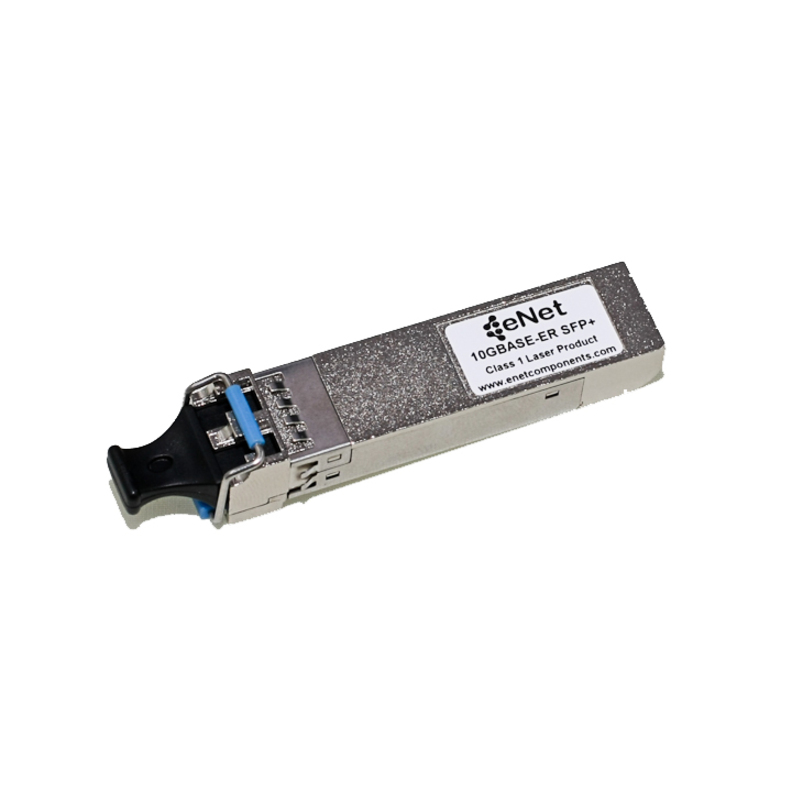
366 in stock - NSI IndustriesENET Juniper Compatible JNP-QSFP-40GE-ER4 TAA Compliant Functionally Identical 40GBASE-ER4 QSFP+ 1270/1290/1310/1330nm 40km DOM SMF Duplex LC - Programmed, Tested, and Supported in the USA, Lifetime Warranty - 1 x LC Duplex 40GBase-ER4 NetworkSingle-mode - 40 Gigabit Ethernet - 40GBase-ER440 km Maximum Distance - TAA CompliantJNP-QSFP-40GE-ER4-ENC
$11,800.00
$5,378.55*
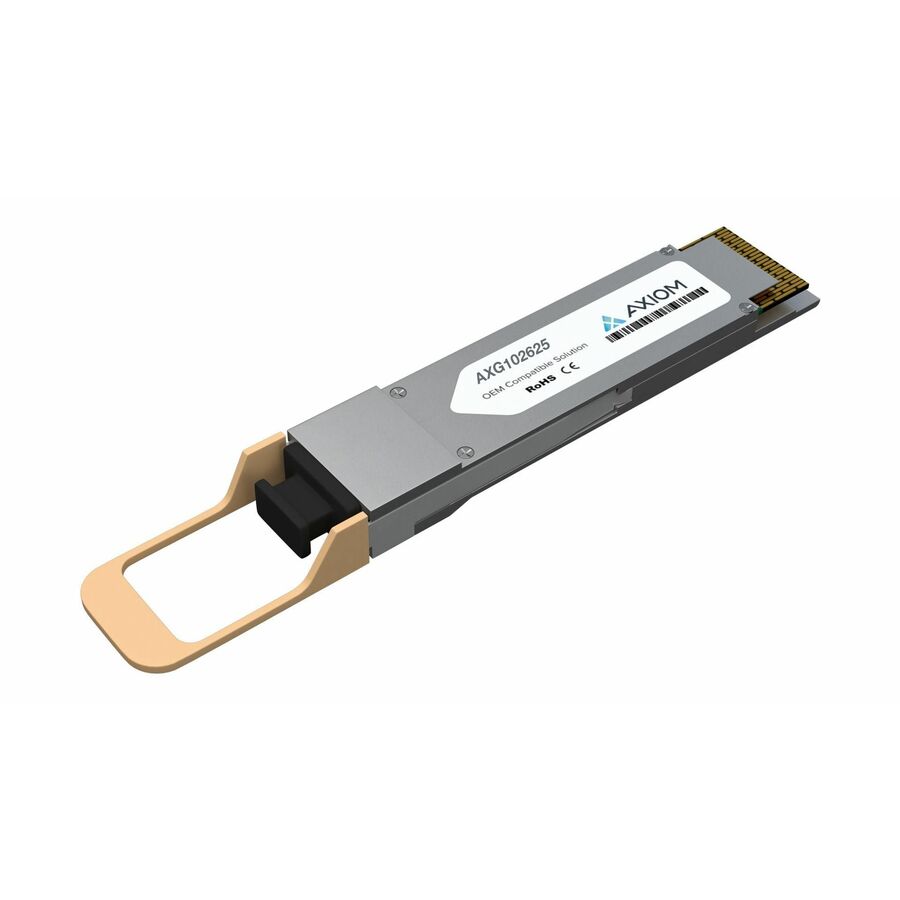
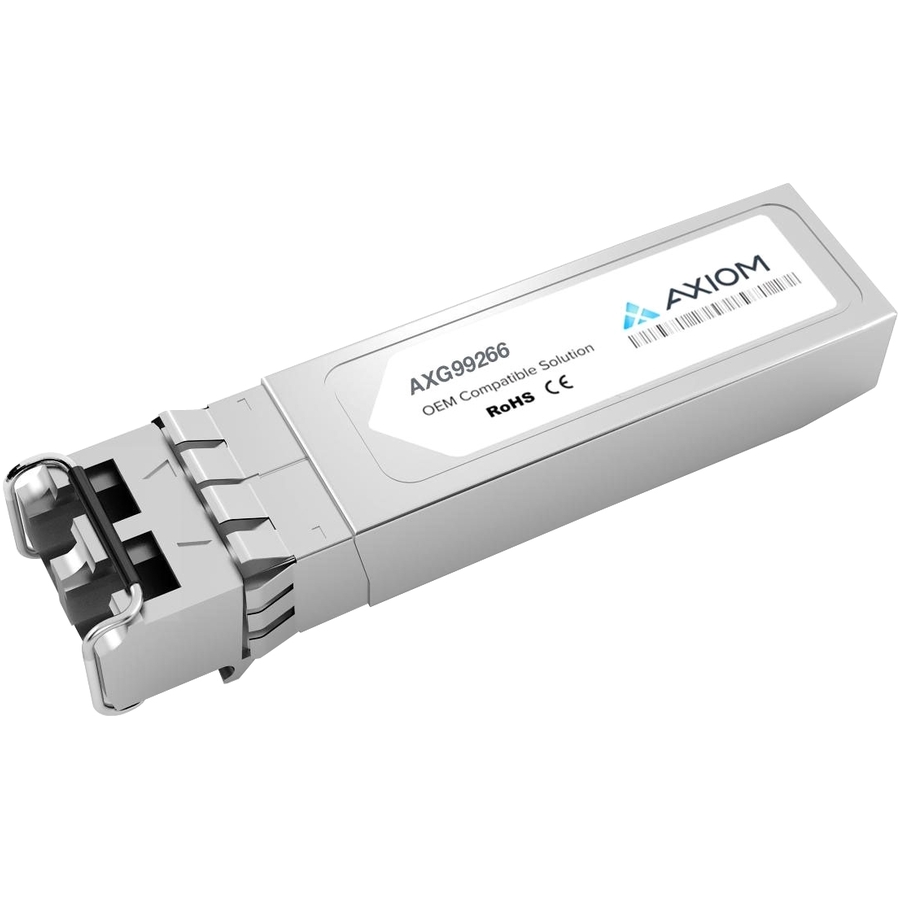
5 in stock - Axiom Memory SolutionsAxiom 400GBASE-SR4.2 QSFP-DD Transceiver for Arista - TAA Compliant - For Data Networking, Optical Network - 1 x MPO-12 400GBase-SR4.2-BX Network - Optical Fiber - Multi-mode - 400 Gigabit Ethernet - 400GBase-SR4.2-BX0.10 km Maximum Distance - TAA CompliantAXG102625
$10,410.00
$4,129.51*
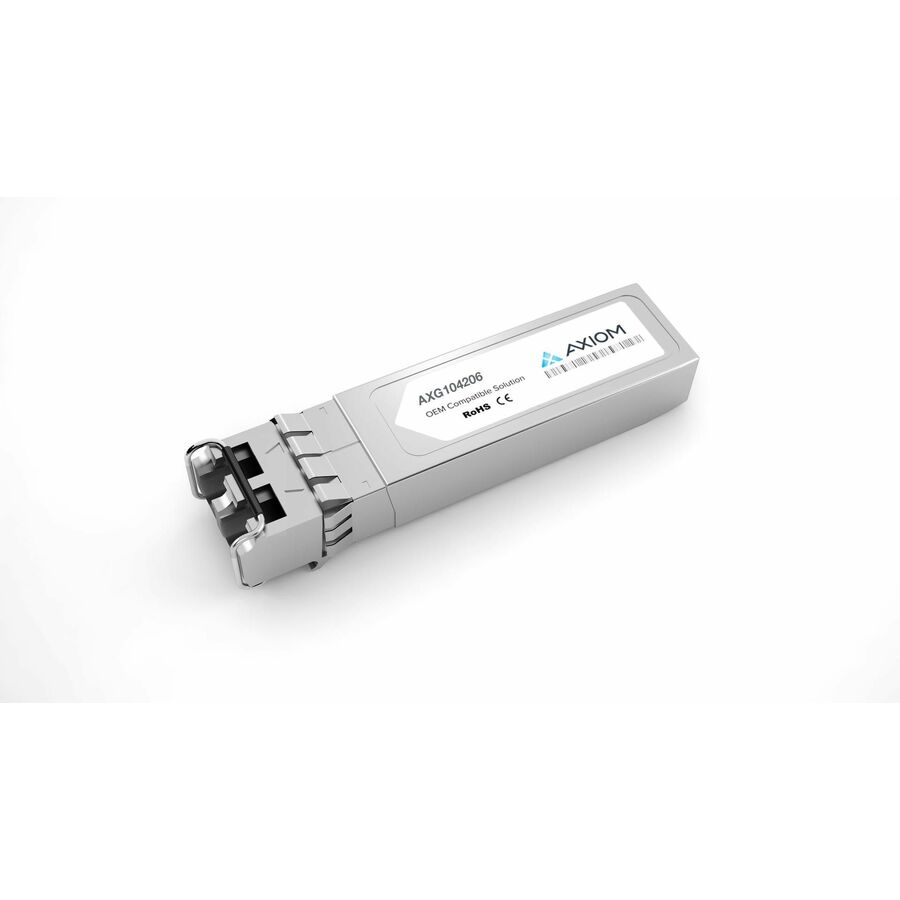
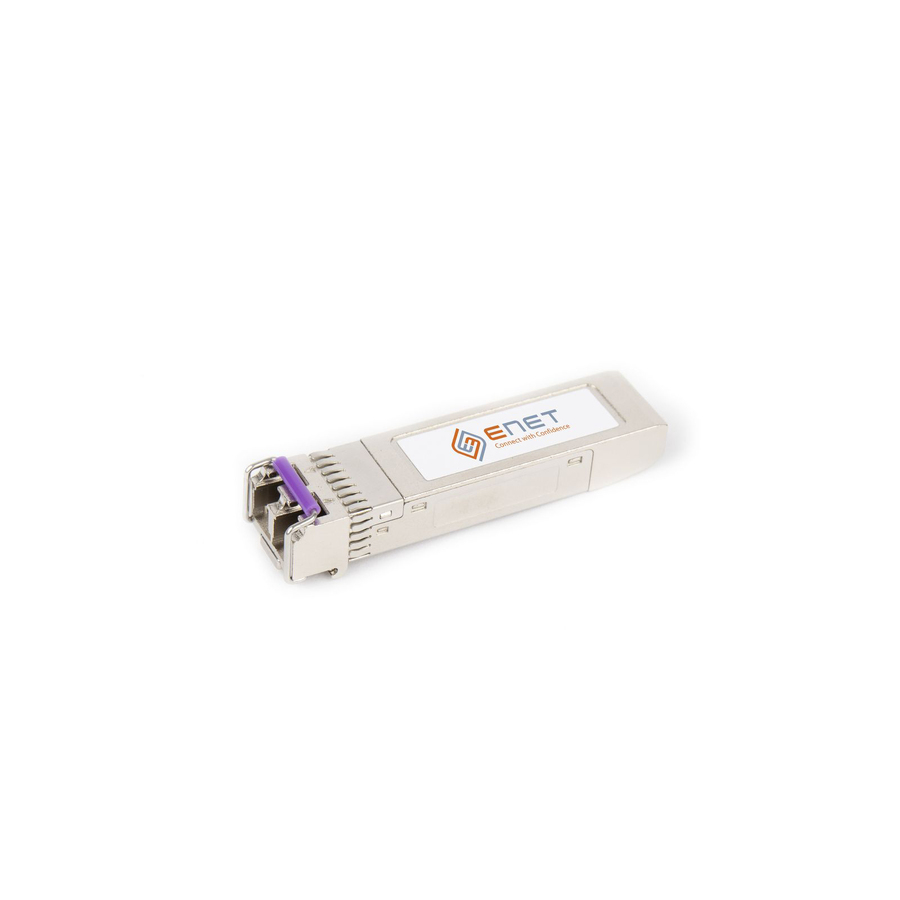
1 in stock - Axiom Memory SolutionsAxiom 10GBASE-ZR SFP+ Transceiver for Cisco - SFP-10G-ZR-120 - TAA Compliant - For Data Networking, Optical Network - 1 x LC 10GBASE-ZR Network - Optical Fiber - 1550 nm Wavelength - Single-mode - 10 Gigabit Ethernet - 10GBase-ZR - 10 Gbit/s - 120 km Maximum Distance - TAA CompliantAXG104206
$9,447.00
$3,747.27*
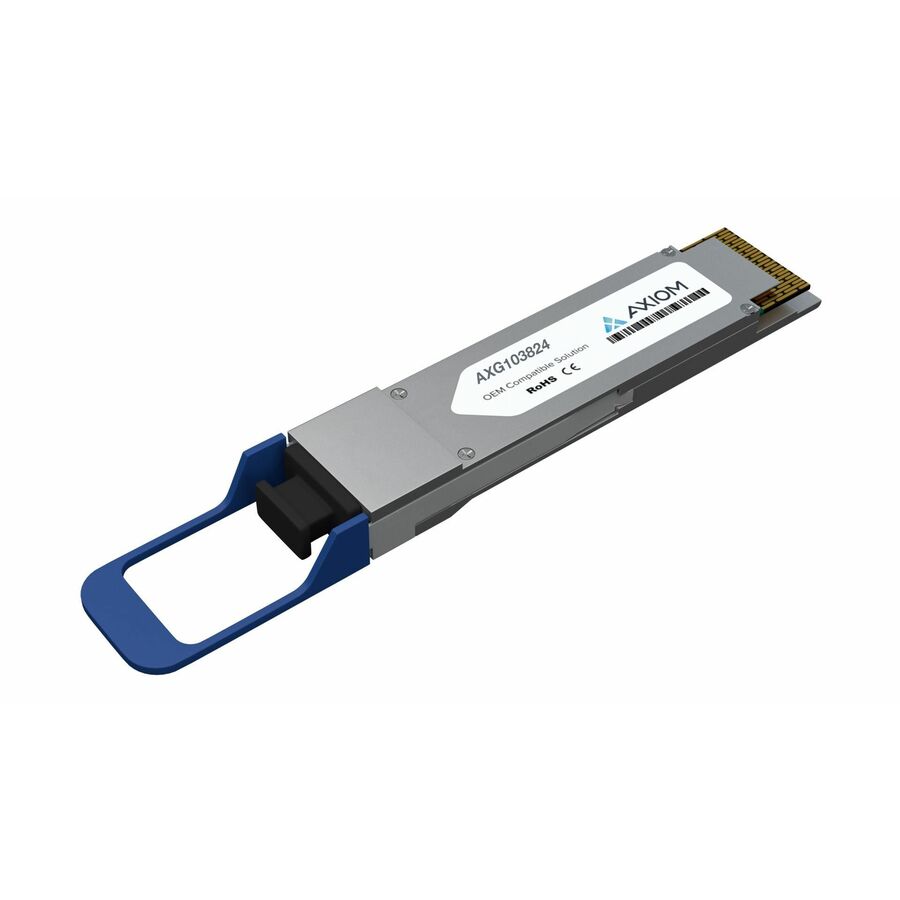
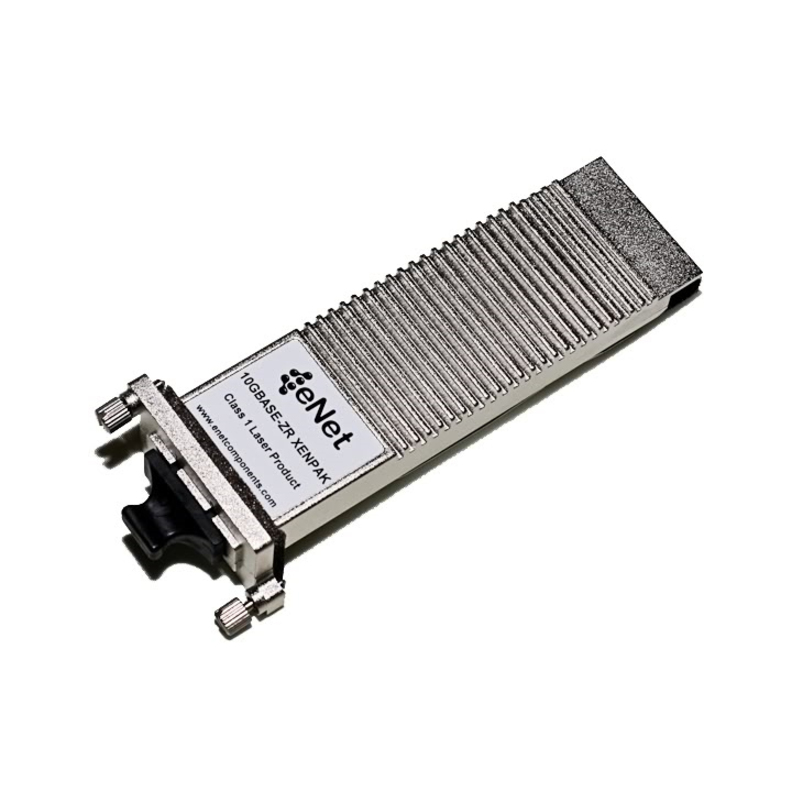
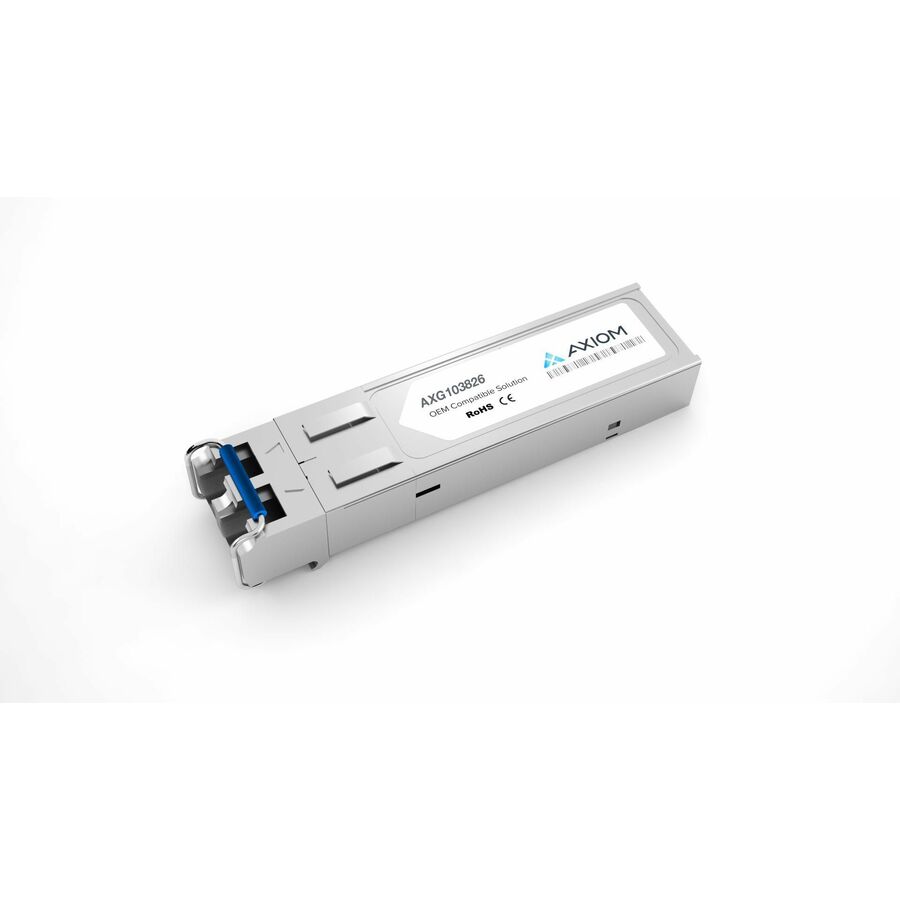
1 in stock - Axiom Memory SolutionsAxiom 100% Qlogic Compatible 32GBASE-LW SFP+ - 32GBASE-LW SFP+ Transceiver for Qlogic - SFP32-LR-SP - TAA CompliantAXG103826
$8,990.00
$3,566.13*
1 in stock

Need pricing on TAA-compliant transceivers?
Tell us where to reach you and a Uniqcli specialist will follow up by email with current pricing, availability and lead time for the quantities you need — including parts that aren’t shown on this page.
Buying for an organization or for yourself — both work. No payment up front.
A transceiver is the smallest line item on a network refresh and the one an origin clause is most likely to stop at the dock. The switch, the fiber and the patch panel are all specified once; the pluggable optic in the port is a separate part number, often bought by the tray, and on a federal or federally-funded order it is the part a contracting officer reads a country-of-origin designation on. Buying it well is mostly about matching four facts to the link — data rate, fiber or copper, reach and connector — and then confirming the origin designation on the exact part number, because the designation is a per-part fact and not a property of the brand.
Four choices sit on the row. Data rate is first and it is fixed by the switch port: a 1G port takes an SFP, a 10G port an SFP+, 25G an SFP28, 40G a QSFP+ and 100G a QSFP28 — the module and the port have to agree on the rate before anything else matters. Media and reach are second and third, and they travel together: a short multimode run inside a rack or a room takes an -SR/-SX optic over OM3/OM4 fiber, while a campus or inter-building run takes an -LR/-LX, -ER or -ZR optic over single-mode, with the reach — 300m, 10km, 40km, 80km — written into the part. Connector is fourth: most duplex optics land on LC, a QSFP lands on an MPO/MTP trunk, a copper 1000BASE-T SFP lands on RJ-45, and a BiDi optic runs a single fiber with two wavelengths. Get the four right and the link comes up; get one wrong and the port stays dark.
Nothing on this page is a test result. The grid is fenced to transceiver-module rows whose own manufacturer title carries the TAA designation, and the editorial picks below span the SFP, SFP+, SFP28, QSFP+ and QSFP28 form factors — each one checked by hand for the designation in the vendor's own catalog title. Cards carry live pricing and current availability from the catalog; the origin designation is confirmed per part number on the quote.
Buyer's checklist
How to choose a TAA-compliant transceiver
- Match the data rate to the switch port first: SFP for 1G, SFP+ for 10G, SFP28 for 25G, QSFP+ for 40G, QSFP28 for 100G. A faster module does not negotiate down into a slower cage, and the port dictates the form factor.
- Pick the media and reach together. A short in-rack or in-room run is multimode -SR/-SX over OM3/OM4; a campus or inter-building run is single-mode -LR/-LX, -ER or -ZR, with the distance — 10km, 40km, 80km — written into the part number.
- Read the connector before the order. Duplex optics land on LC, a QSFP on an MPO/MTP trunk, a copper 1000BASE-T SFP on RJ-45, and a BiDi optic runs one fiber with two wavelengths and must be paired with its matching wavelength at the other end.
- Confirm the switch will accept the module. Many vendors' optics are keyed to their own platforms and third-party compatible optics are coded to answer as the OEM part; buy the module coded for the switch it plugs into, which is what the manufacturer's compatibility line on the row states.
- Where the purchase order names TAA, read the designation on the part number. Several of these modules carry TAA Compliant in the manufacturer's own title and others do not — it is a per-part fact to confirm on the exact row you order, not a property of the brand.
- Order both ends and the fiber as one set. A single-mode -LR optic at one end needs a single-mode -LR optic and single-mode fiber at the other; mixing multimode and single-mode, or two different reaches, is the most common reason a link that should work does not.
- Buy a spare per rate. A dark port at 2am is a five-minute swap only if the tray already holds the right optic; the modules are inexpensive relative to the downtime, and standardising one part number per rate keeps the spare shelf small.
SFP, SFP+, QSFP: the form factor is the port, not the speed you want
The form factor is decided by the switch, not by the buyer. An SFP cage physically accepts SFP and SFP+ modules and runs them at 1G or 10G; a 25G port takes an SFP28; a 40G port takes a QSFP+ and a 100G port a QSFP28, and the higher-rate cages are larger and keyed so a lower-rate module will not seat. The practical rule is to read the switch's own port table first and buy the module the port calls for — a 100G QSFP28 cannot help a 10G port, and a 10G SFP+ cannot fill a 100G one. Where a high-rate port has to feed lower-rate links, that is what a breakout does: a QSFP28 broken out to four SFP28s, or a QSFP+ to four SFP+s, over an MPO-to-LC harness, and it is planned as a cabling decision rather than discovered at install.
Compatibility is the second half and it is where third-party optics earn their place. A compatible transceiver is manufactured to the MSA and coded to answer as the OEM part the switch expects, which is what lets it come up on a platform that checks the module's identity — and it is why the manufacturer's compatibility line ('Cisco Compatible', 'for Dell', 'Juniper Compatible') is the field to read on the row. Buy the module coded for the switch it plugs into; a functionally identical optic coded for a different vendor will seat mechanically and still be refused by the port.
TAA on the part number, confirmed on the quote
The Trade Agreements Act turns on where a good is manufactured or substantially transformed, and for a transceiver that is a fact about the specific part number rather than about the manufacturer. Several of the modules on this page carry TAA Compliant in the vendor's own catalog title and others in the same family do not, so the designation is read per part and confirmed on the exact row you order — a manufacturer's designation is its own statement about that part number, not an independent certification. Where an order carries an origin clause, that per-part reading is the whole job, and it is the reason the picks below were chosen on the designation in the vendor's own title.
Uniqcli sources every line through US distribution and screens TAA country-of-origin and NDAA §889 status before checkout, with the documentation tied to the specific part number rather than a product family. That is what lets a mixed order — SFP+ optics for the access layer, QSFP28 for the spine, single-mode jumpers and the switch itself — be quoted, screened and shipped on one document, so the small pluggable parts and the platform they light stay on the same page.
FAQ
Common questions
- What is the difference between an SFP, SFP+ and QSFP transceiver?
- The form factor, and it is set by the switch port. An SFP is the 1G module; an SFP+ is the same size and runs 10G; an SFP28 runs 25G. A QSFP+ is a larger, four-lane module that runs 40G and a QSFP28 runs 100G. The cages are keyed, so a higher-rate module will not seat in a lower-rate port and a lower-rate module cannot fill a higher-rate one. Buy the module the switch's own port table calls for; where a high-rate port has to feed lower-rate links, a QSFP is broken out to four SFPs over an MPO-to-LC harness, which is planned as a cabling decision.
- How do I know a transceiver will work in my switch?
- Match three things: the data rate to the port, the media and reach to the fiber, and the compatibility coding to the platform. Many switches check a module's identity, so a third-party compatible optic is manufactured to the MSA and coded to answer as the OEM part the switch expects — which is why the manufacturer's compatibility line ('Cisco Compatible', 'for Dell', 'Juniper Compatible') is the field to read on the row. A module coded for a different vendor will seat mechanically and still be refused by the port, so buy the one coded for the switch it plugs into.
- Do I need multimode or single-mode transceivers?
- It depends on the fiber and the distance. Short runs inside a rack, a room or between nearby racks use multimode -SR/-SX optics over OM3 or OM4 fiber, which are the less expensive modules; campus and inter-building runs use single-mode -LR/-LX, -ER or -ZR optics over single-mode fiber, with the reach — 10km, 40km, 80km — written into the part number. The optic and the fiber have to agree at both ends: a single-mode optic on multimode fiber, or two different reaches on the same link, is a common reason a link that should come up does not.
- Are these transceivers TAA compliant?
- Some of them are, and it is stated per part rather than per brand. Several rows here carry TAA Compliant in the manufacturer's own catalog title and others do not, including modules from the same manufacturer sitting beside each other in the same family. Where an order carries an origin clause, read the designation on the exact part number you are ordering and confirm it on the quote — a manufacturer's designation is its own statement about that part number, not an independent certification and not a property of the product family.
- Can business, government and education buyers order these?
- Every line Uniqcli quotes is sourced through US distribution and screened for TAA country-of-origin and NDAA §889 status before checkout — with documentation tied to the specific part number, not a product family.
Need TAA-compliant transceivers pricing?
Send a bill of materials or part numbers — we confirm stock and a below-market total, with TAA verified on request. No payment up front.