TAA-screened · NDAA §889 · chain-of-custody records
Deliverables
Staged, kitted hardware + reconcilable asset record
Environments
US-based distribution warehousing, multi-OEM receiving
Overview
The lane that keeps every other lane on schedule
A perfectly engineered system delivered late, to the wrong building, with no asset record, is still a failed delivery. This lane exists to stop that happening to the other thirteen. Warehousing, staging, kitting and white-glove delivery are coordinated across every capability we provide, working through US-based distribution warehouses, so a multi-site rollout lands on the schedule it was planned against with a manifest your property team can reconcile.
How we work
Warehousing and staging built for phased rollouts
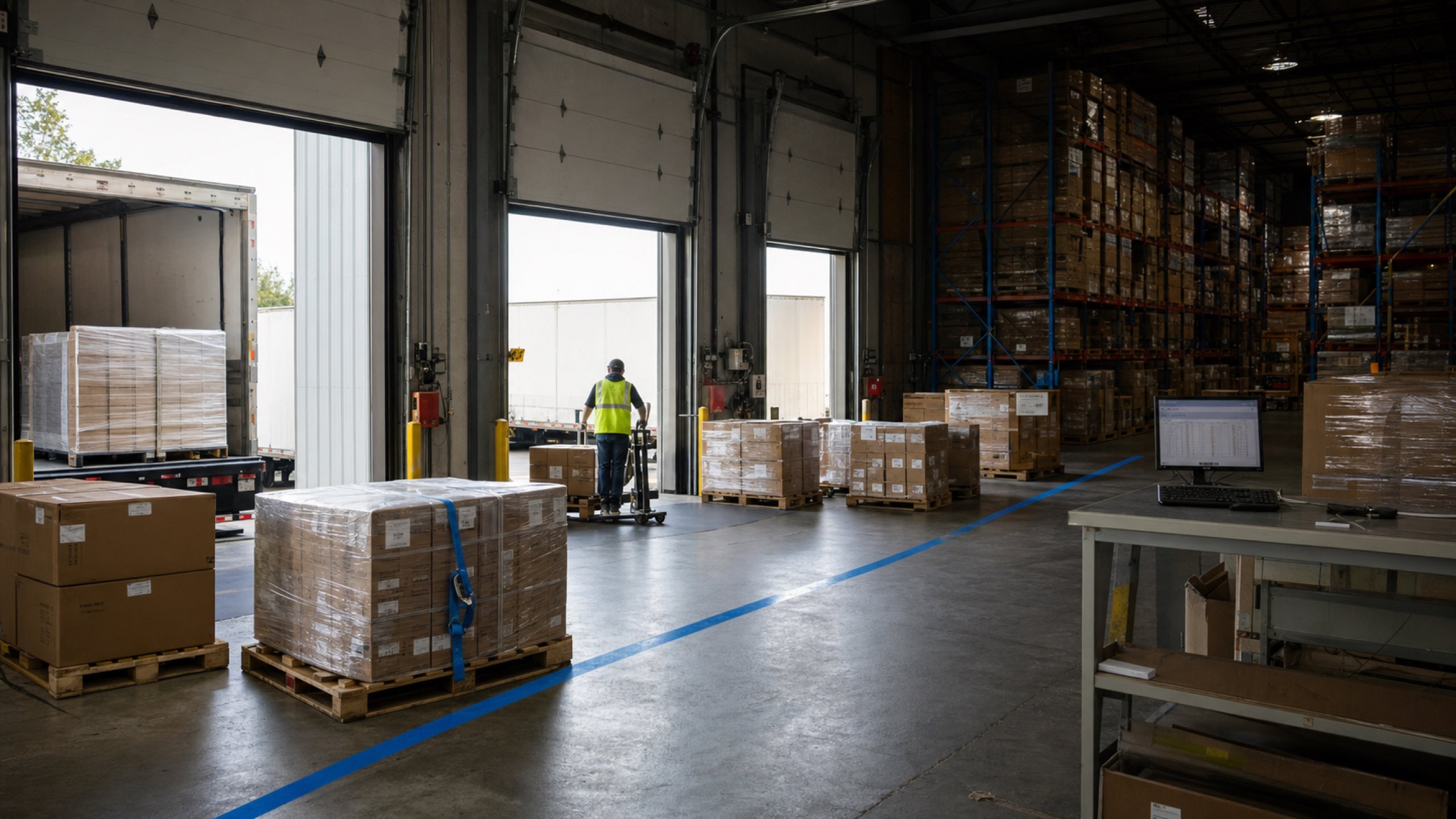
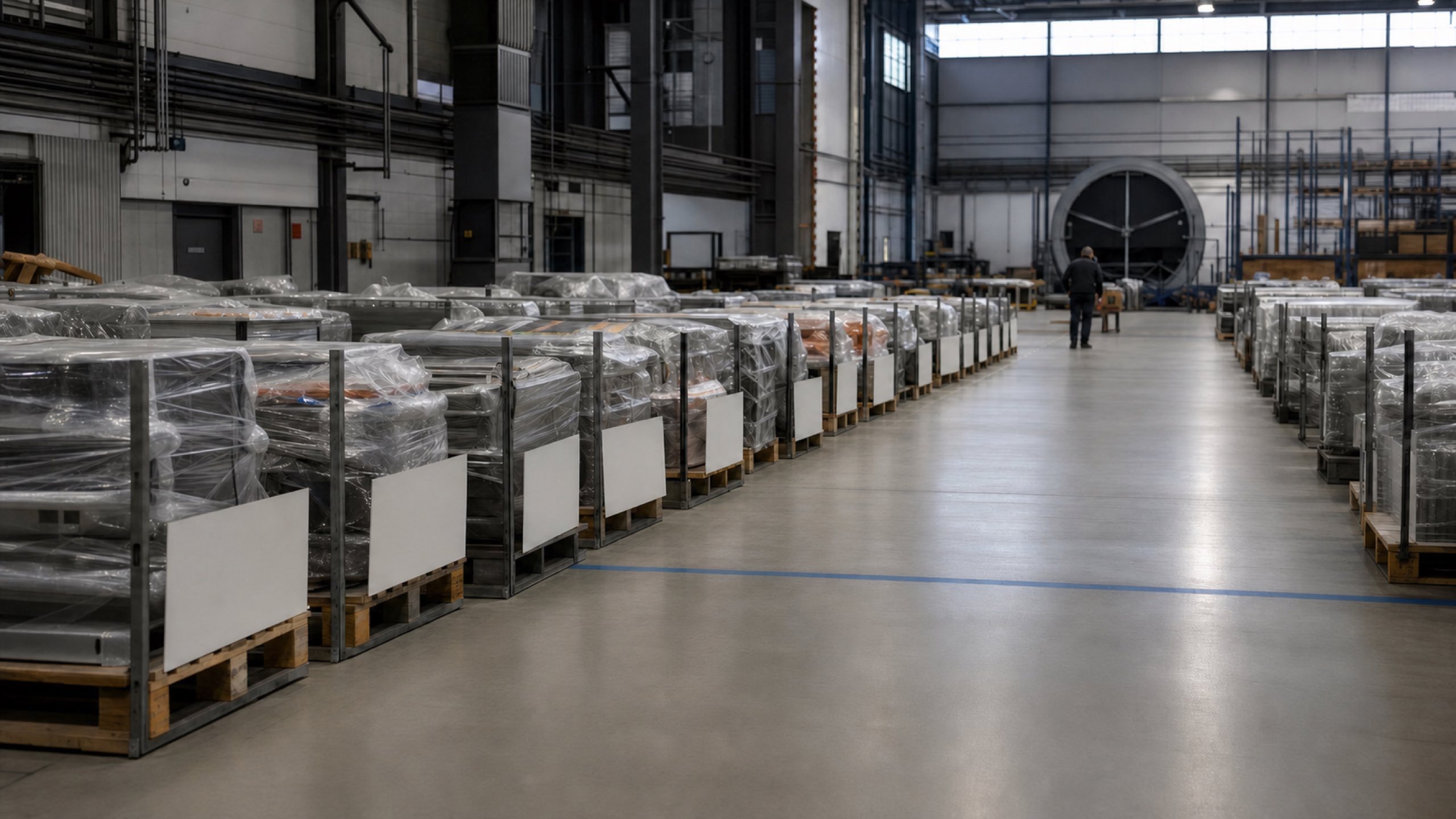
We stage hardware in US-based distribution warehouses against your rollout schedule — receiving from multiple OEMs, staging and kitting by site, and releasing shipments in the sequence your install plan calls for, rather than a single all-at-once delivery your receiving dock can't absorb.
Lifecycle management continues past initial delivery: asset tracking, refresh scheduling, and reverse logistics for decommissioned equipment (including data-bearing device sanitization) are handled under the same program, so the equipment record stays accurate from first receipt through disposal.
US-based distribution warehousing with multi-OEM receiving and consolidation
Site-by-site staging, kitting and phased release scheduling
White-glove delivery with signature-based chain of custody
Lifecycle tracking, refresh planning and reverse logistics
Warehousing for a rollout is an inventory problem before it is a shipping problem: shipments from multiple OEMs land on different schedules, and each receipt is checked in, reconciled against the order and bound to the program's inventory before anything moves toward a site. Kitting then builds site-shaped shipments out of that verified pool.
That single point of receipt is where a multi-source order becomes one program of record: discrepancies are caught at the dock, not discovered by a receiving clerk three states away.
US-based distribution warehousing against the rollout schedule
Multi-OEM receiving and consolidation into one inventory
Receipt reconciled against the order before staging
Discrepancies resolved at the dock, not at the destination
Inventory visibility maintained through the program
Staging, kitting & phased release
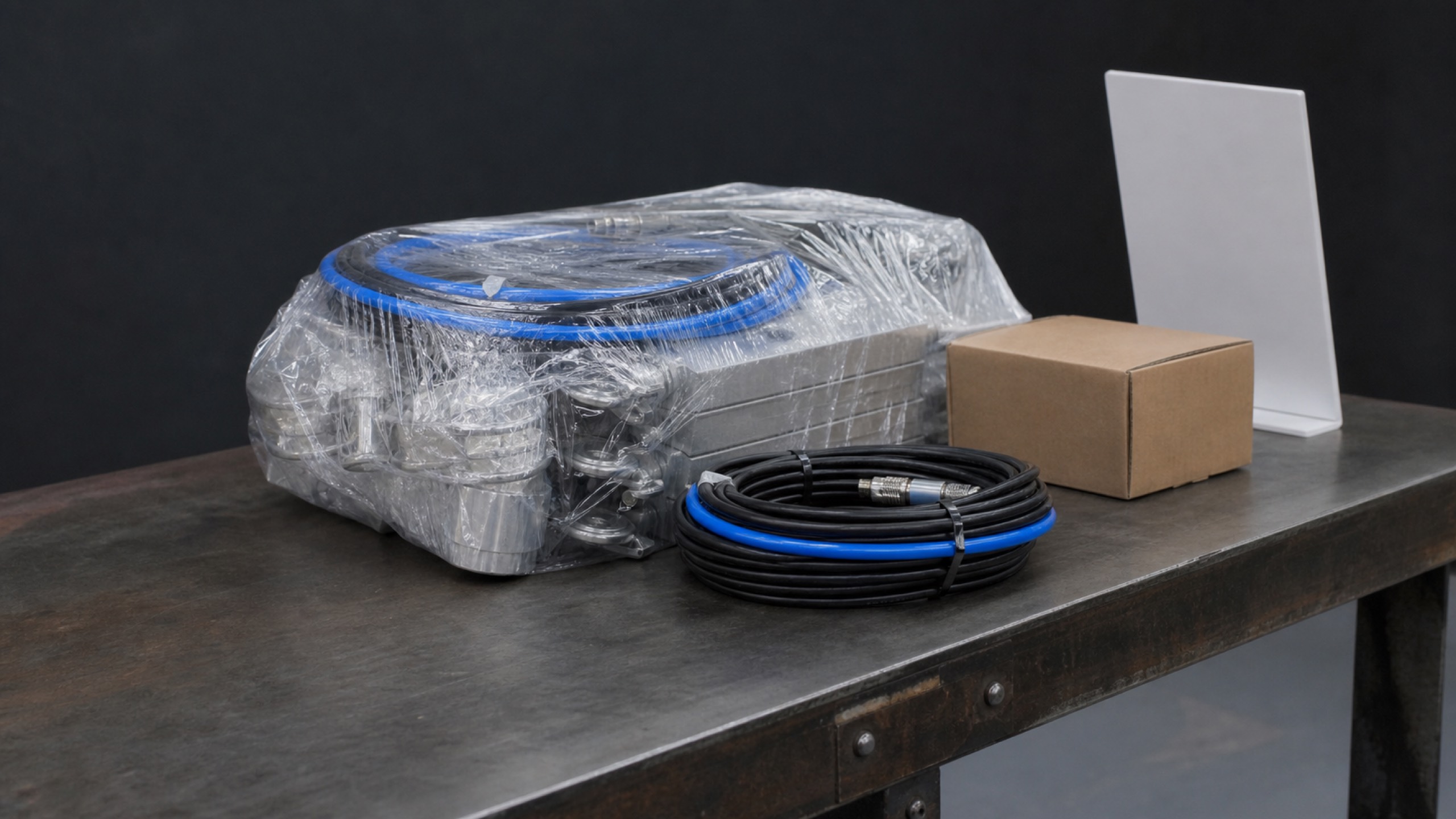
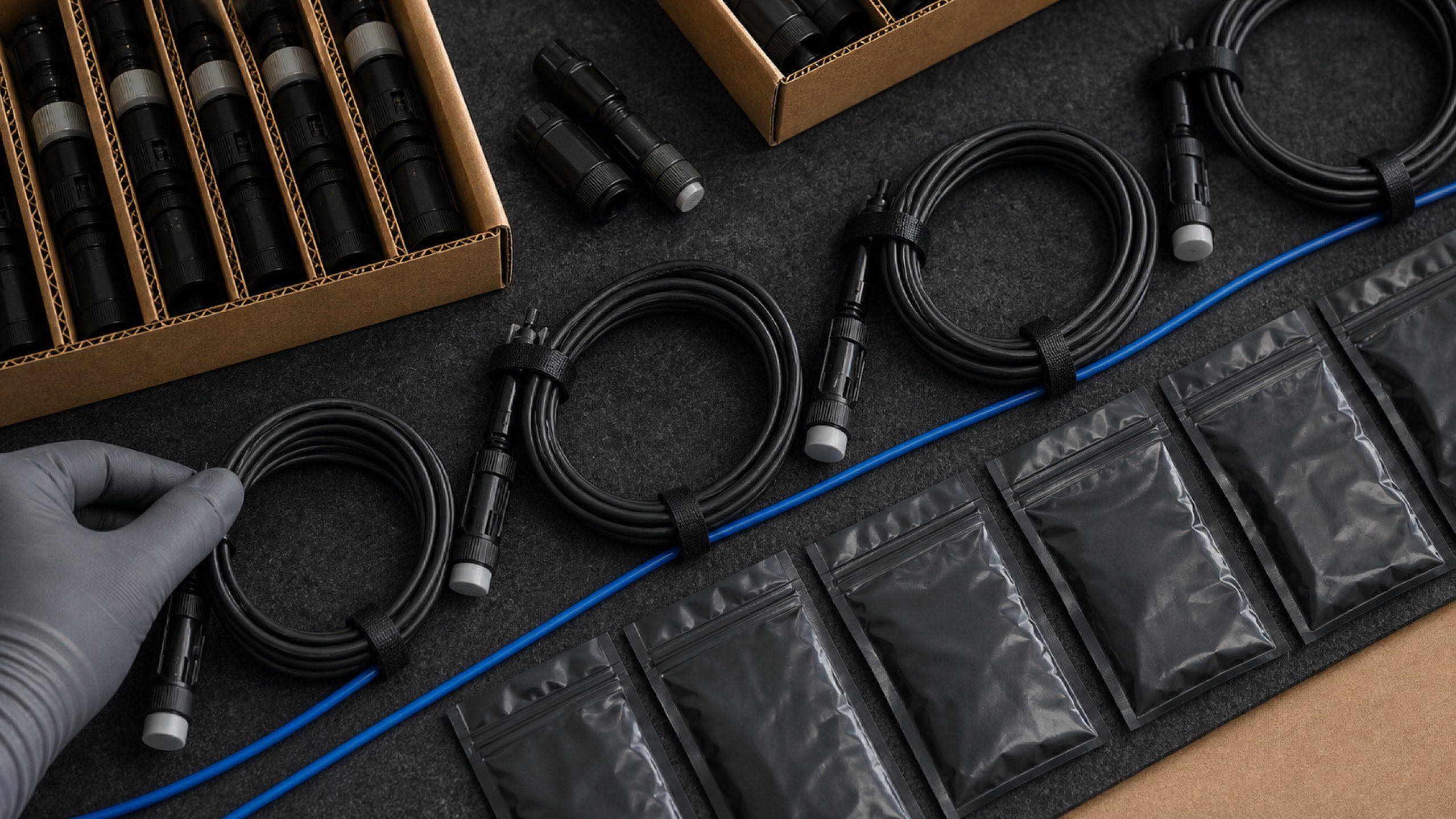
Staging and kitting turn a warehouse of loose boxes into site-labeled, ready-to-install bundles. Hardware is kitted by site — the right units, accessories, cables and paperwork per location — and held until the install plan calls for it.
Shipments are then released in the sequence the rollout requires, rather than a single all-at-once delivery a receiving dock can't absorb. For builds that need more than kitting — imaging, rack integration, asset tags, burn-in — the OEM-integration lane stages the system before it ships.
Kitting by site: units, accessories, cables and paperwork per location
Phased release in the install plan's sequence
Site-labeled, repeatable bundles for regional rollouts
Imaging, rack integration and burn-in via the OEM-integration lane
Held in a controlled environment until each site is ready
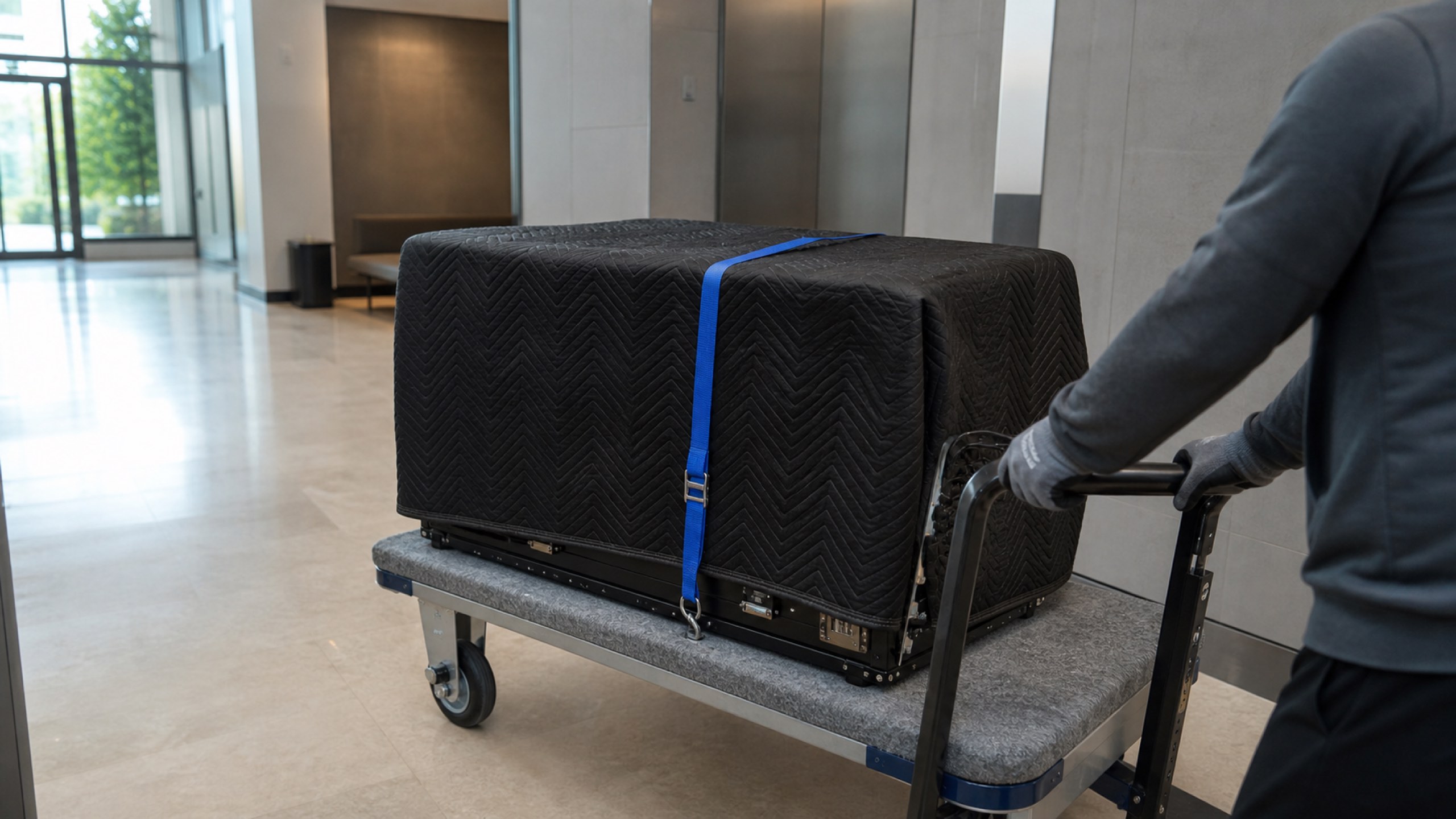
White-glove delivery closes the loop with a signature and a record. Each shipment moves under signature-based chain of custody, so an asset arriving on-site months into a program still traces cleanly back to its receipt and its compliance documentation.
TAA country-of-origin, NDAA §889 screening and chain-of-custody records are carried through warehousing and delivery — audit obligations that live at the logistics layer as much as the procurement layer — so the paperwork is intact whenever it's asked for.
Signature-based chain of custody on every shipment
TAA country-of-origin documentation carried through delivery (FAR 52.225-5)
NDAA §889 screening records retained with the asset
Assets traceable from receipt to the site that signed
Delivery scheduled to the site's receiving windows
Lifecycle & reverse logistics
The equipment record opened at receipt is the same one that closes at disposal: an asset tagged on the dock keeps one identity through staging, delivery, every refresh and eventual retirement, instead of being re-inventoried at each hop. Refresh cycles are scheduled against that record so aging hardware is planned out before it fails, and nothing drops off the books between the day it ships and the day it is retired.
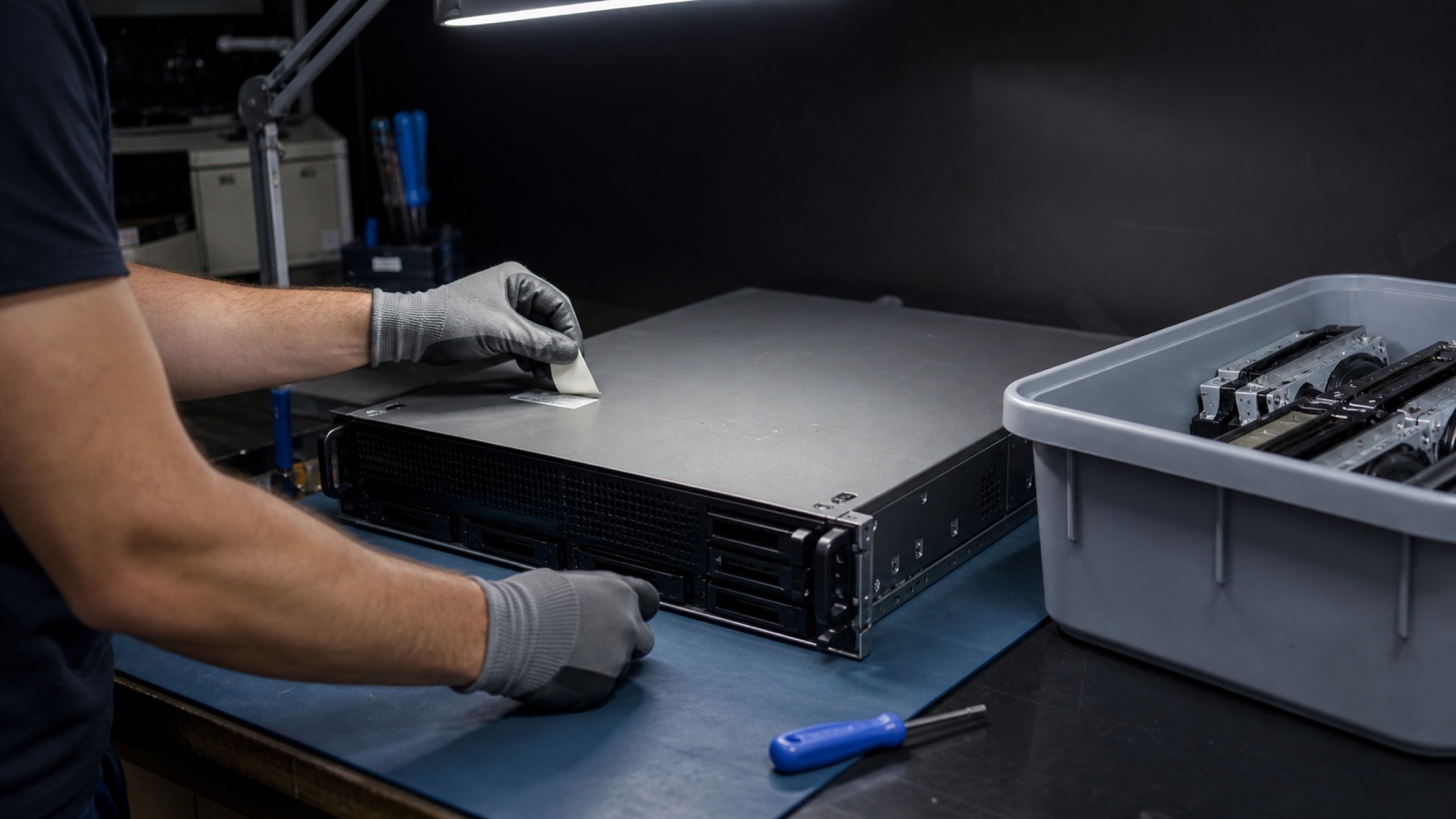
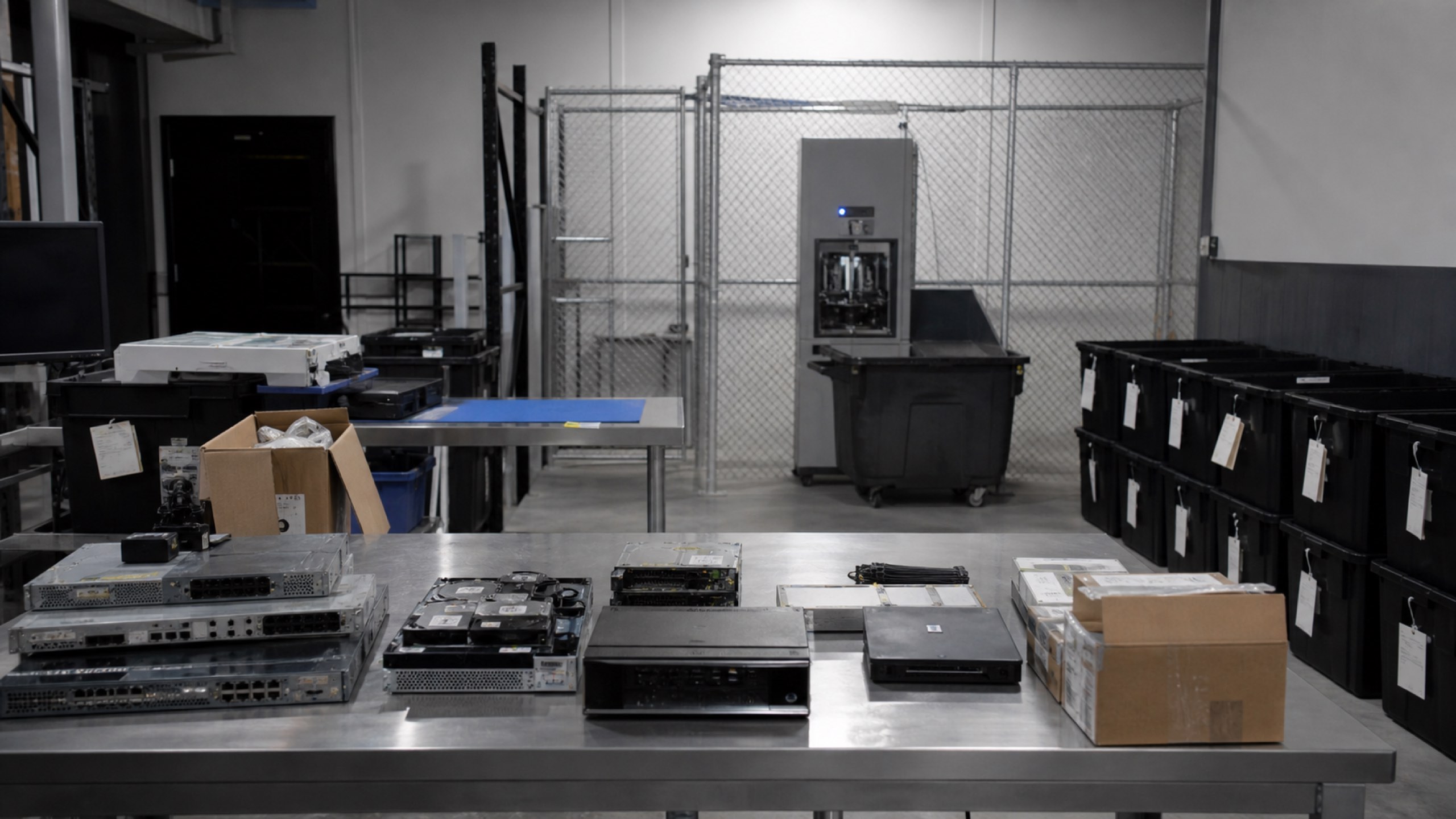
For programs with recurring refresh cycles, the reverse side is managed as deliberately as the forward side — certified data sanitization or destruction for data-bearing drives, with disposition records that satisfy both the security office and the asset-management system.
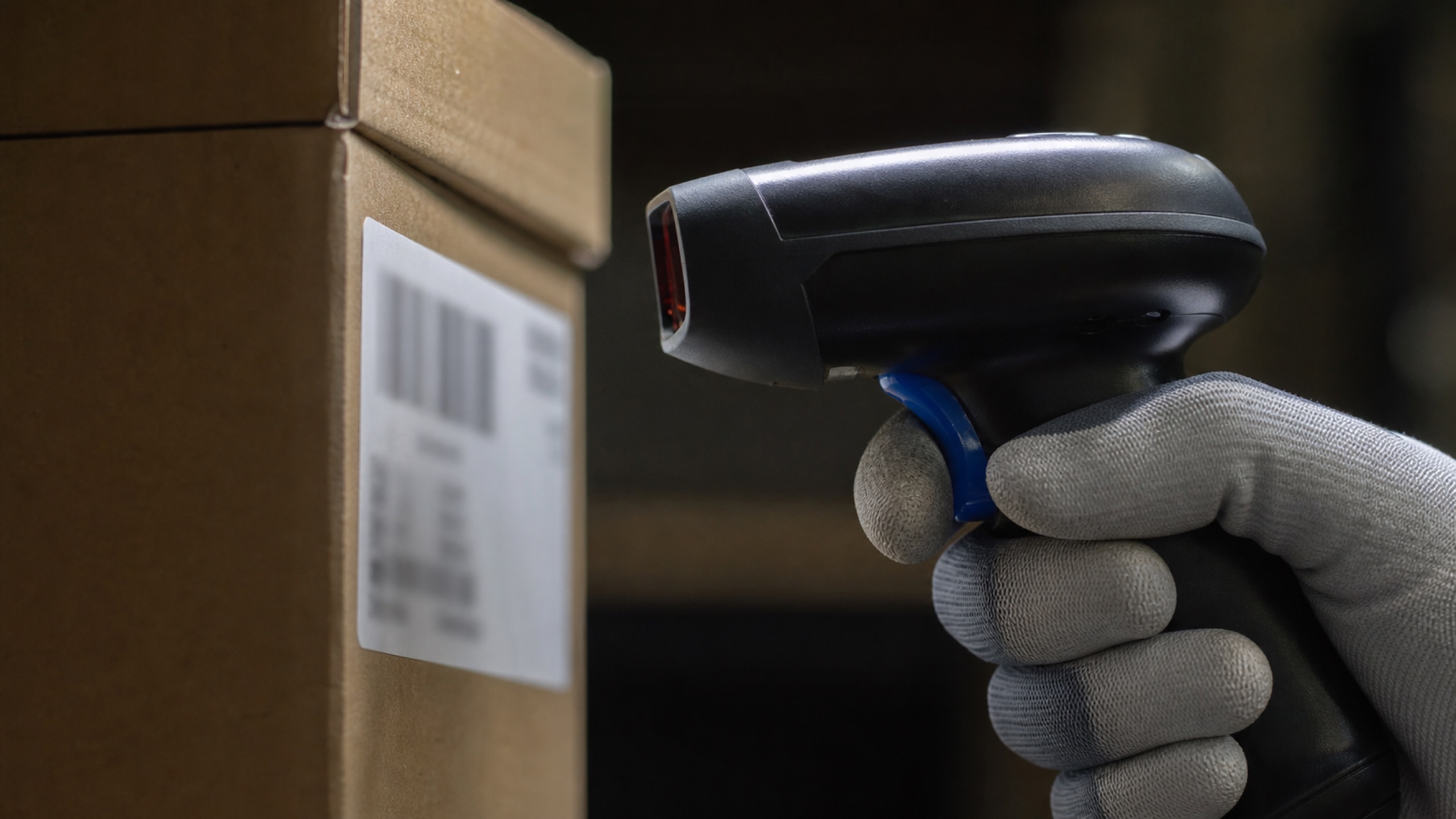
Asset tagging, tracking and refresh planning
Certified data sanitization or destruction for data-bearing devices
Disposition records for security and asset-management teams
Reverse logistics for decommissioned equipment
Equipment record kept accurate from receipt through disposal
What's included
What this lane covers
US-based distribution warehousing with multi-vendor receiving and consolidation
Site-based staging, kitting and phased delivery scheduling
White-glove, signature-based delivery with chain-of-custody records
Asset tagging, tracking and lifecycle refresh planning
Certified data sanitization and reverse logistics for decommissioned assets
TAA country-of-origin and NDAA §889 documentation carried from receipt to delivery
Fielded hardware
Platforms we field in this lane
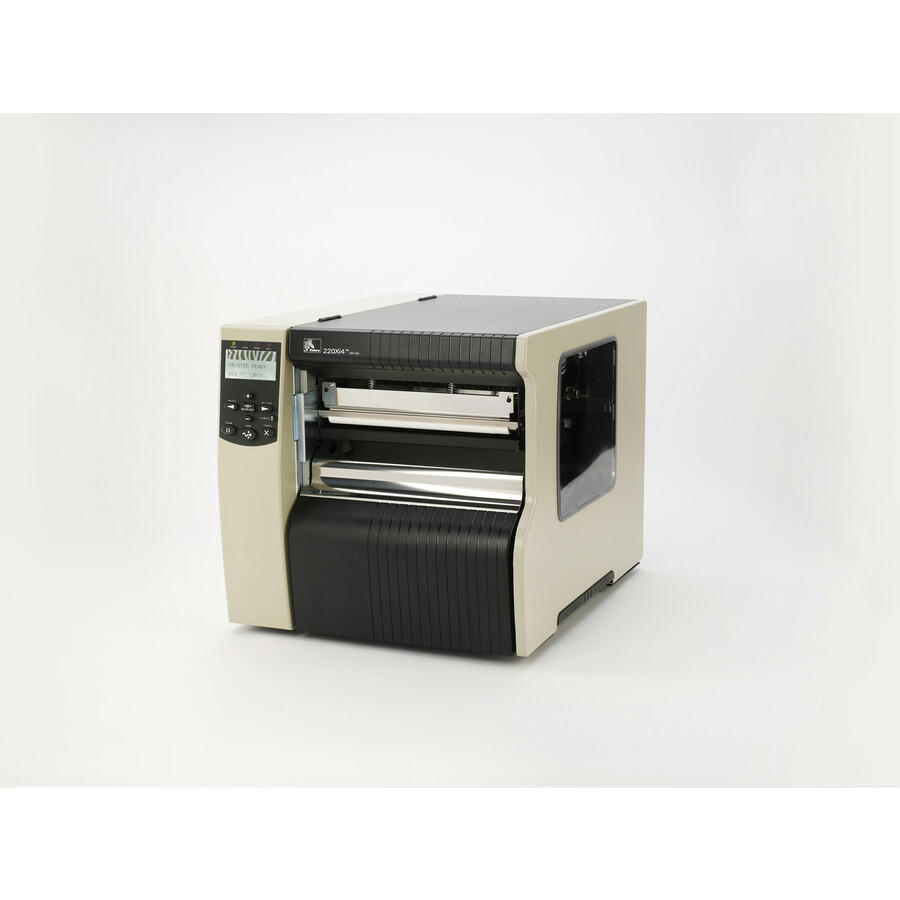
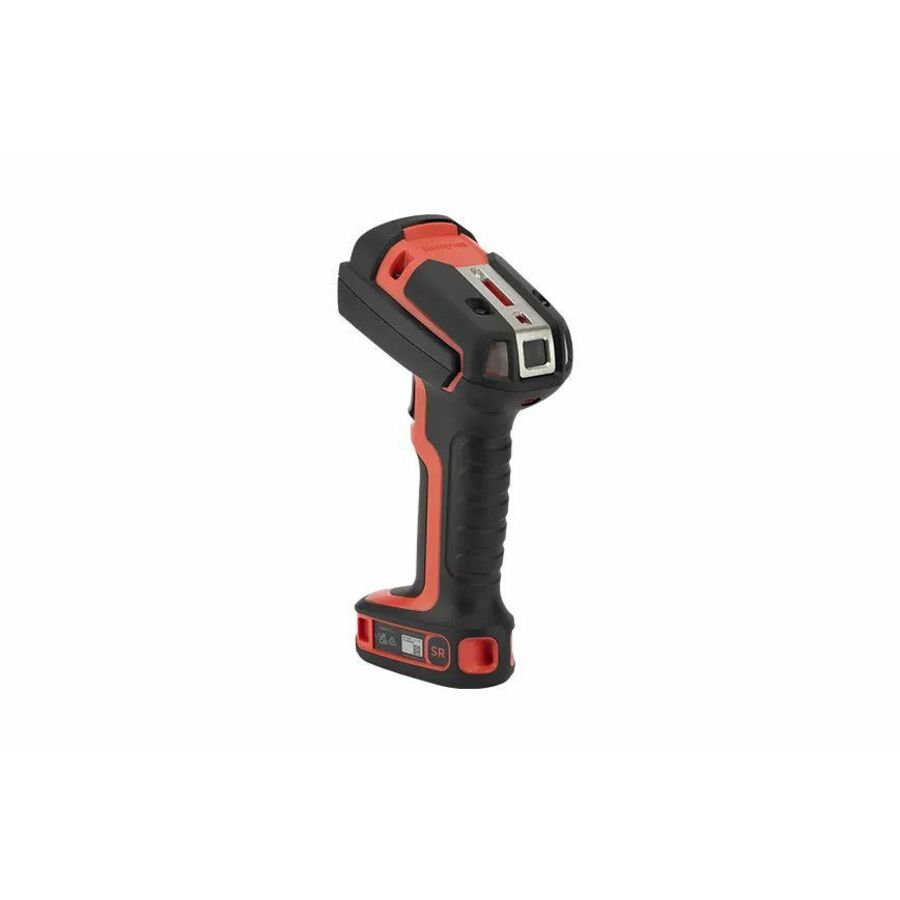
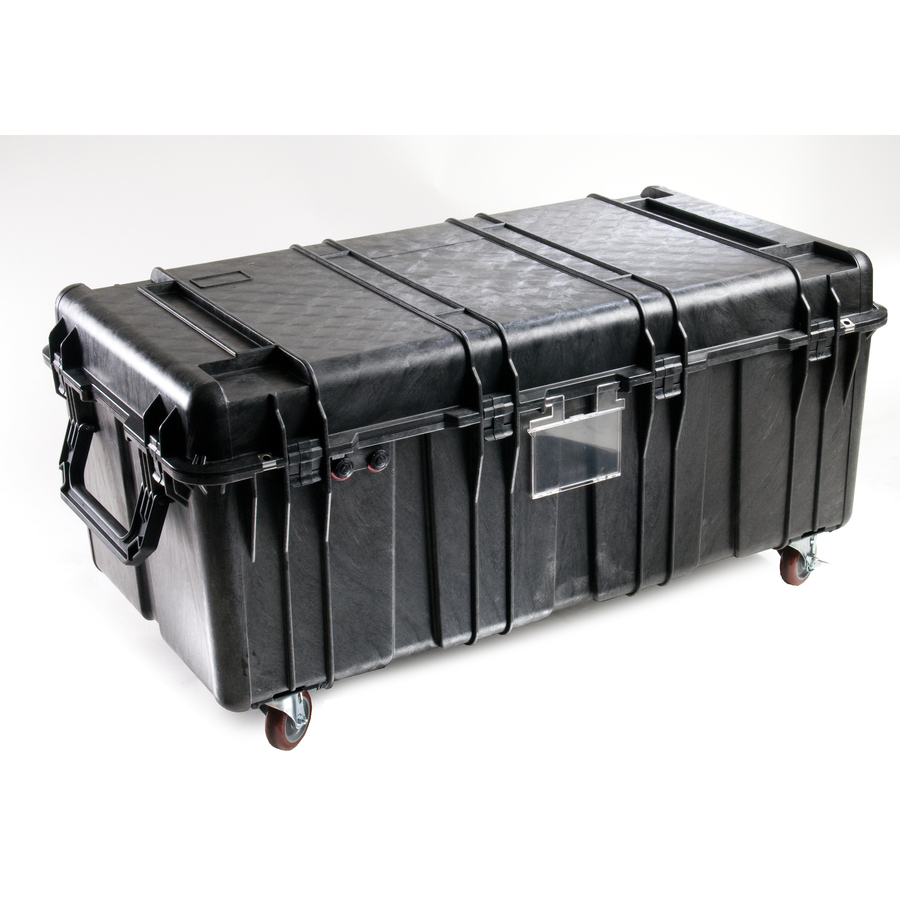
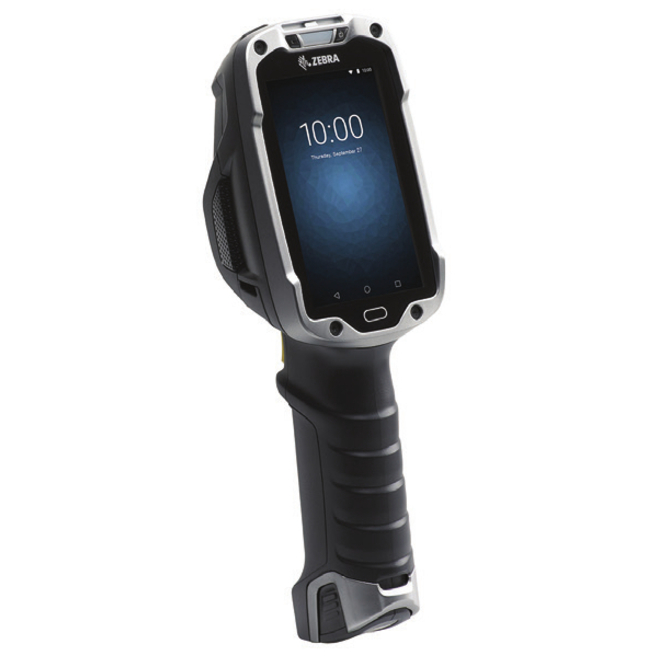
Representative hardware from the live Uniqcli catalog: sourced through US distribution, screened line by line, and configured for the program before it ships.
Can you stage and release equipment across a multi-site rollout schedule?
Yes. We warehouse hardware against your rollout plan and release shipments per site in the sequence your install schedule requires, rather than shipping everything at once.
Do you handle decommissioned equipment and data sanitization?
Yes. Reverse logistics includes certified data sanitization or destruction for data-bearing devices, with disposition records for your asset-management and security teams.
How do you keep compliance documentation attached to an asset months into a program?
Compliance paperwork does not stop at purchase: country-of-origin data, §889 screening results and custody records stay attached to each asset through warehousing, staging and delivery. When an audit asks about a unit that reached its site months into the rollout, the record traces back cleanly.
Can hardware arrive configured, not just shipped?
Yes. Where an order needs more than kitting — imaging, rack integration, asset tagging, burn-in — the OEM-integration lane stages the build before it ships, so what lands is a working system rather than a parts delivery.
Do you provide asset records we can reconcile against our own system?
Yes. Assets are tagged and tracked through staging and delivery, and disposition is recorded on the reverse side, so what we hand over reconciles against your asset-management system from first receipt through disposal.
How an engagement runs
From requirement to delivered, in four steps
1
Brief
Send the requirement as it exists: a statement of work, drawings, a bill of materials or a problem statement. A briefing call scopes it against the lines above.
2
Scope and quote
Feasibility, country-of-origin and §889 screening, and lead times come back with a line-item quote. Nothing is committed until the scope is agreed.
3
Build and integrate
Manufacture, rack, image, configure and test in the facility, so the first time the system is assembled is not on install day.
4
Deliver and sustain
Delivery with serialized chain-of-custody records, then warranty, RMA and lifecycle support on the same relationship.
Compliance and documentation
Screened before it is quoted, documented when it ships
Country of origin and §889 status are checked per line while the quote is being built, not after a program review asks. The same record travels with the order: what was sourced, where it came from, who handled it and when it shipped.
TAA (FAR 52.225-5) country-of-origin screening on every line
NDAA §889 covered-equipment screening on every line
FIPS 140-2/3 validated options where the requirement calls for it
DoDIN APL listing paths verified before a quote is issued
Section 508 / VPAT documentation available on request
Serialized chain-of-custody records delivered with every shipment