TAA (FAR 52.225-5) and NDAA §889 screening performed on every line before a quote is issued. Hardware sourced through US distribution.
Scope
Cabling · routing · switching · optical transport
Deliverables
Cable-plant design · routing topology · capacity plan
Compliance
TAA-screened sourcing · NDAA §889 screened
Environments
Campus · carrier · multi-tenant backbones
Overview
Carrier-grade infrastructure, engineered for the physical layer up
Routing gets the attention. The physical layer is where networks actually fail — a fiber plant sized for the last capacity plan, an optical budget nobody recalculated, a closet that was fine right up until the uplink changed. We engineer the cabling, the optical transport and the routing against one capacity plan, as one design, so the three layers agree with each other rather than each being right on its own.
How we work
The fiber plant sets the ceiling
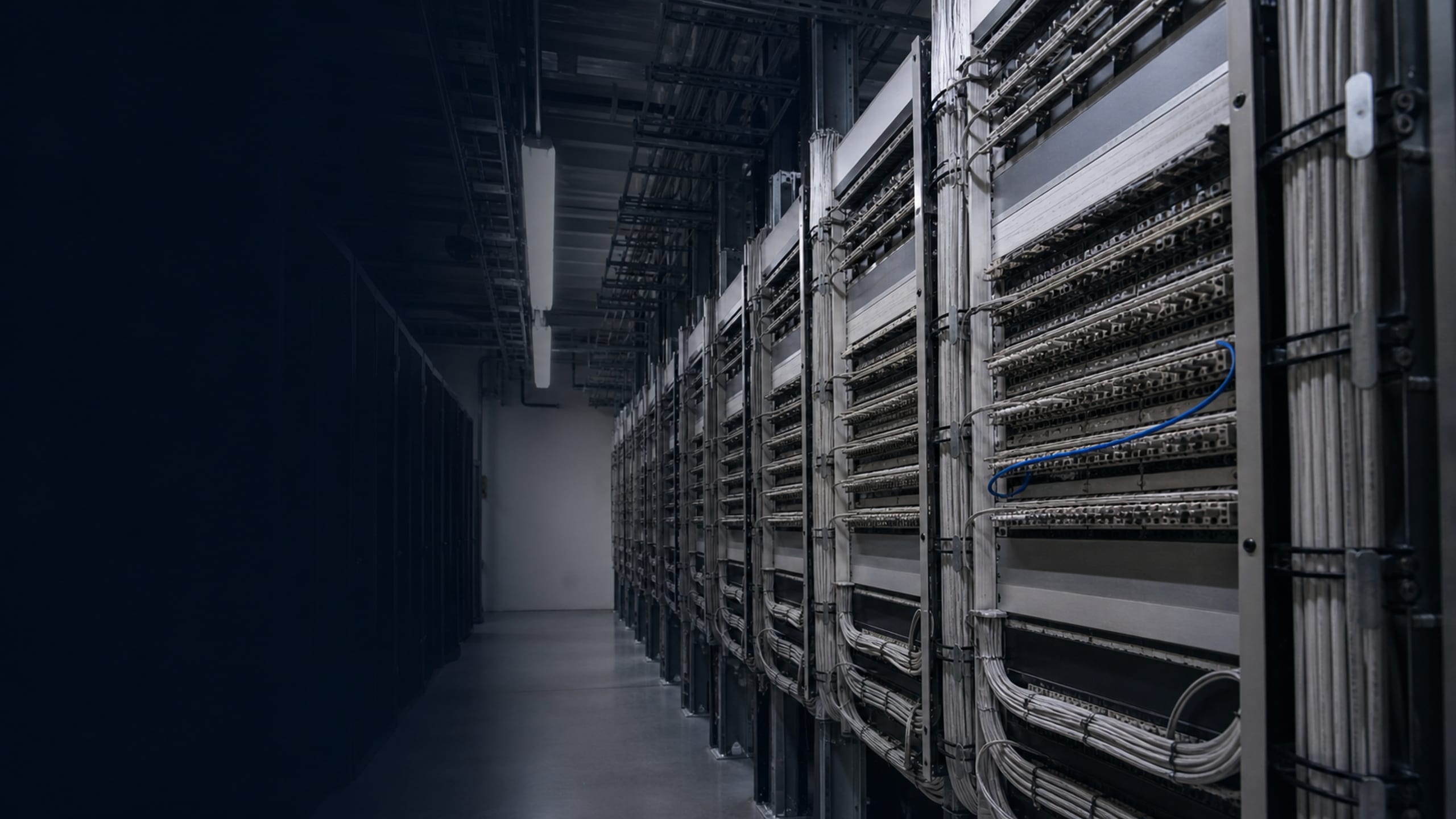
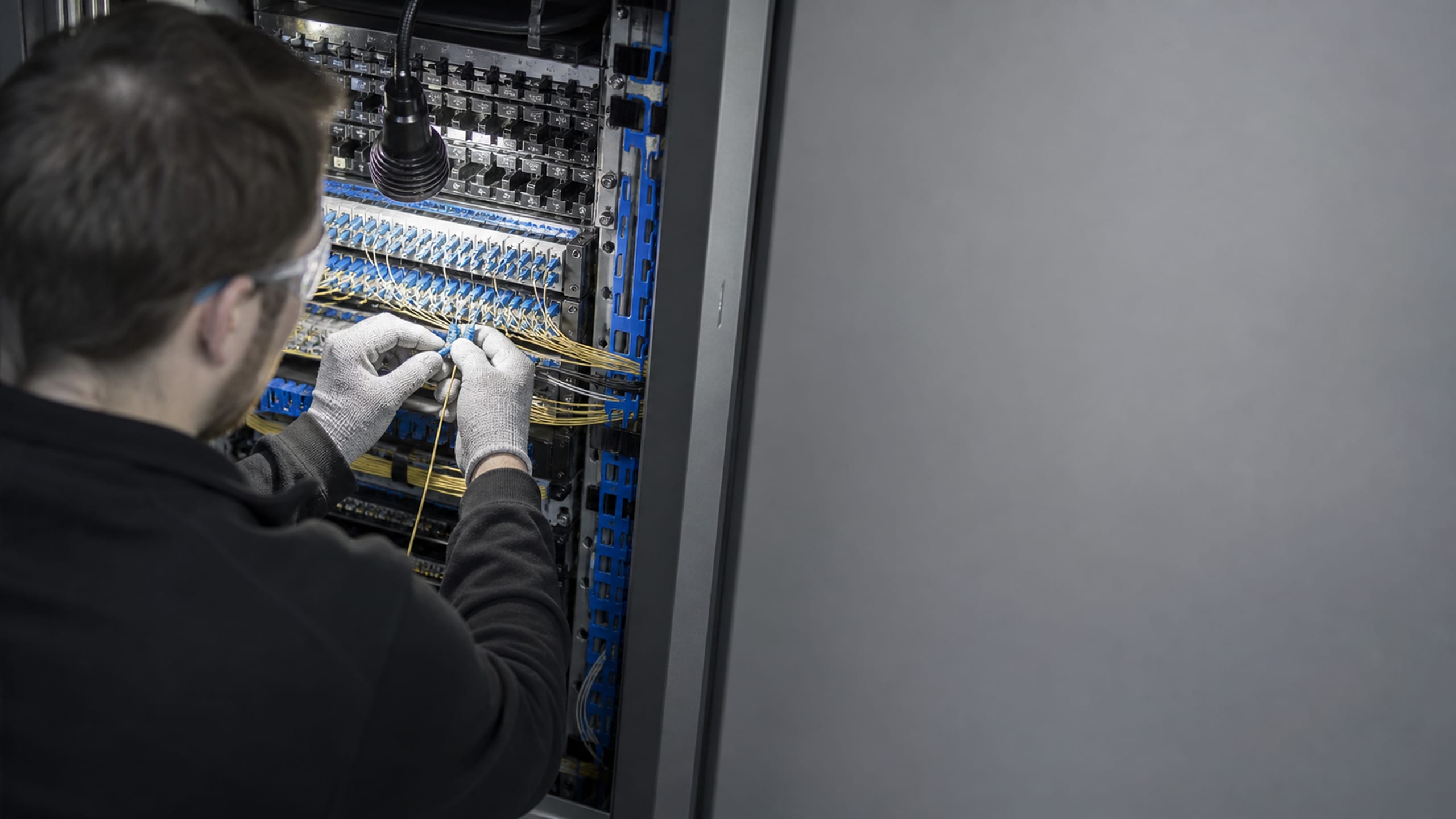
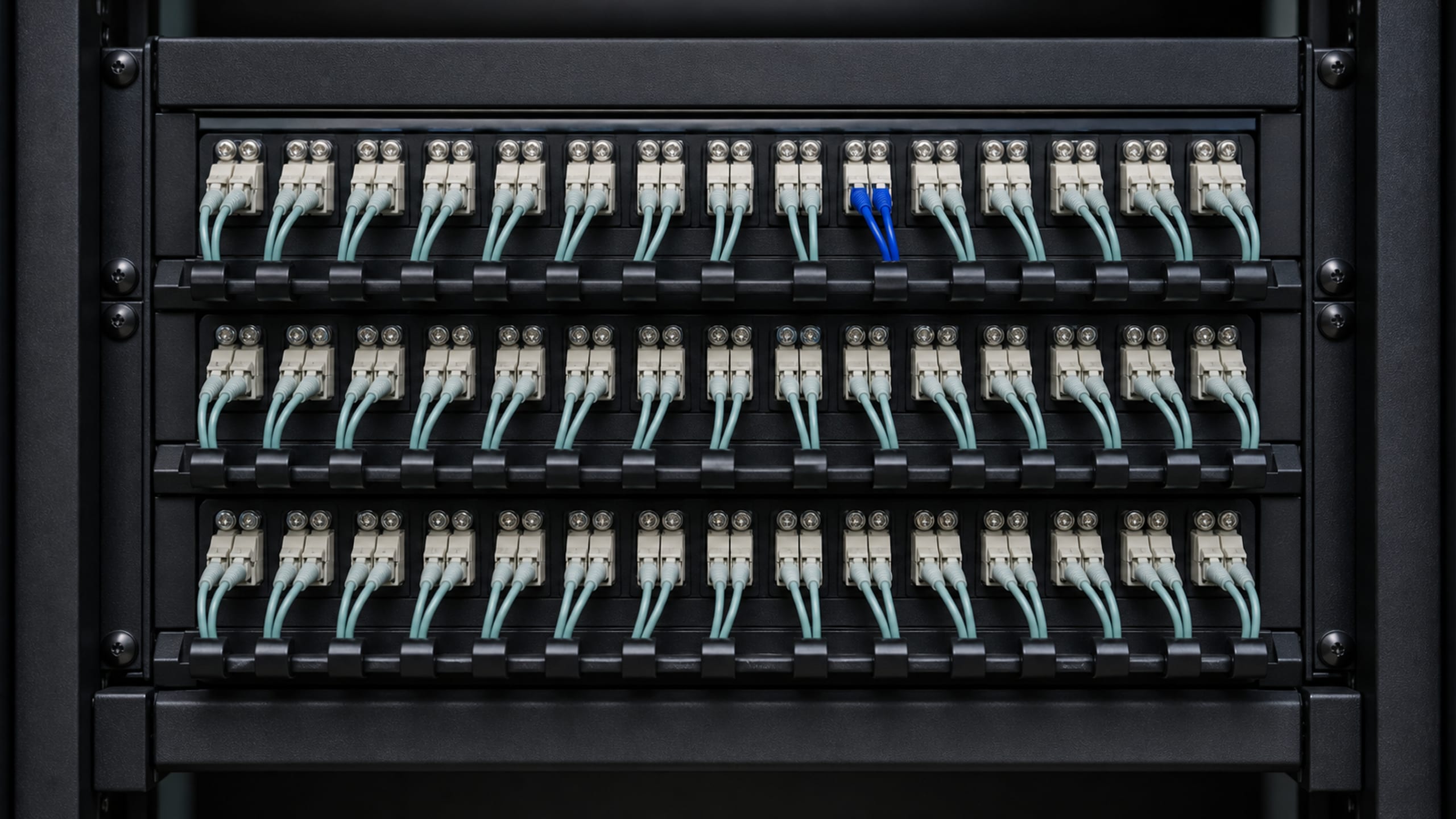
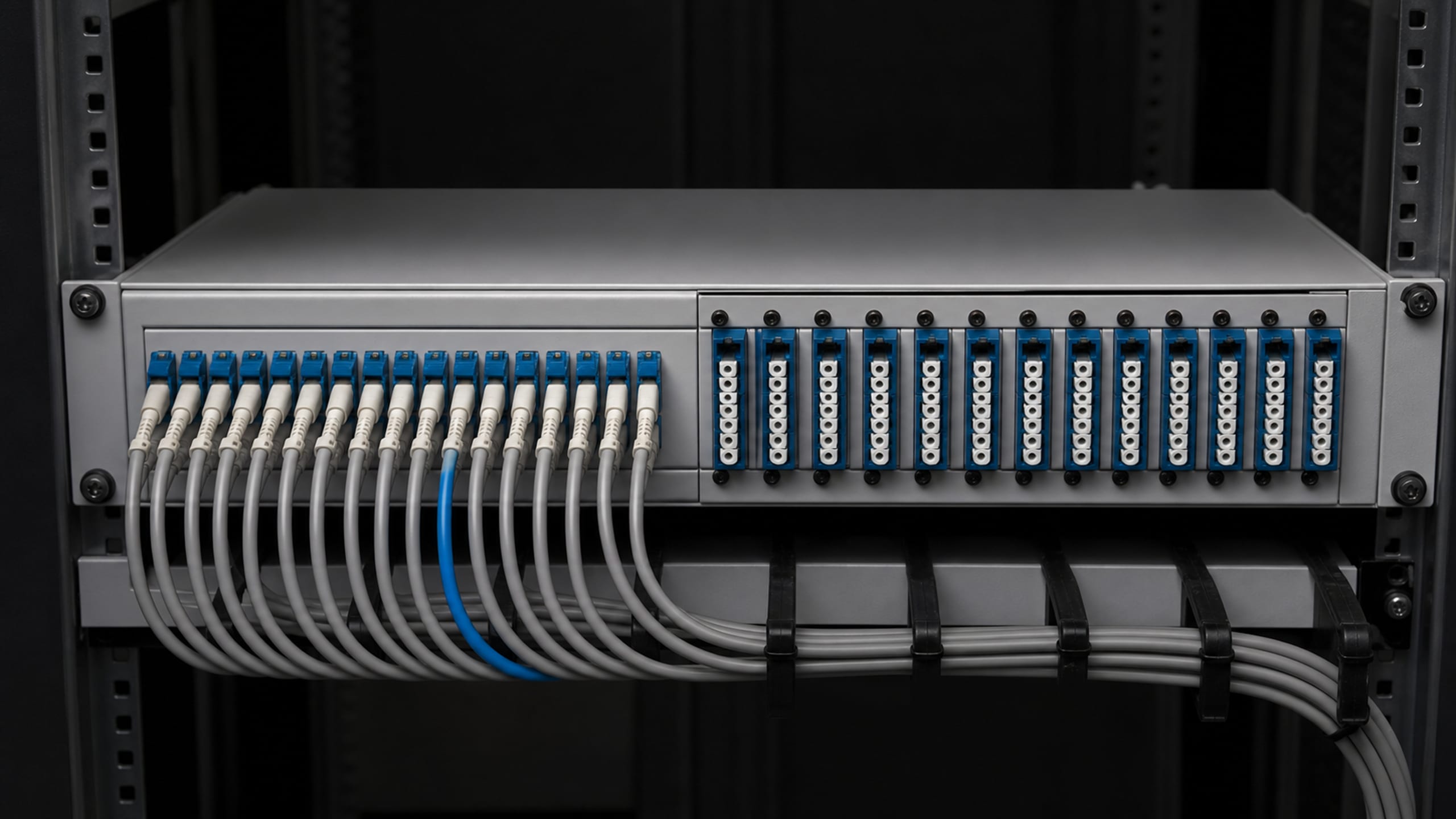
We design structured cabling — fiber and copper backbone, horizontal runs, telecom rooms — against your capacity and redundancy requirements first, since re-pulling cable plant after a network is live is the most expensive mistake a design can make. On backbones that carry critical operations, resilience is engineered in at the physical layer, not patched on after the first outage.
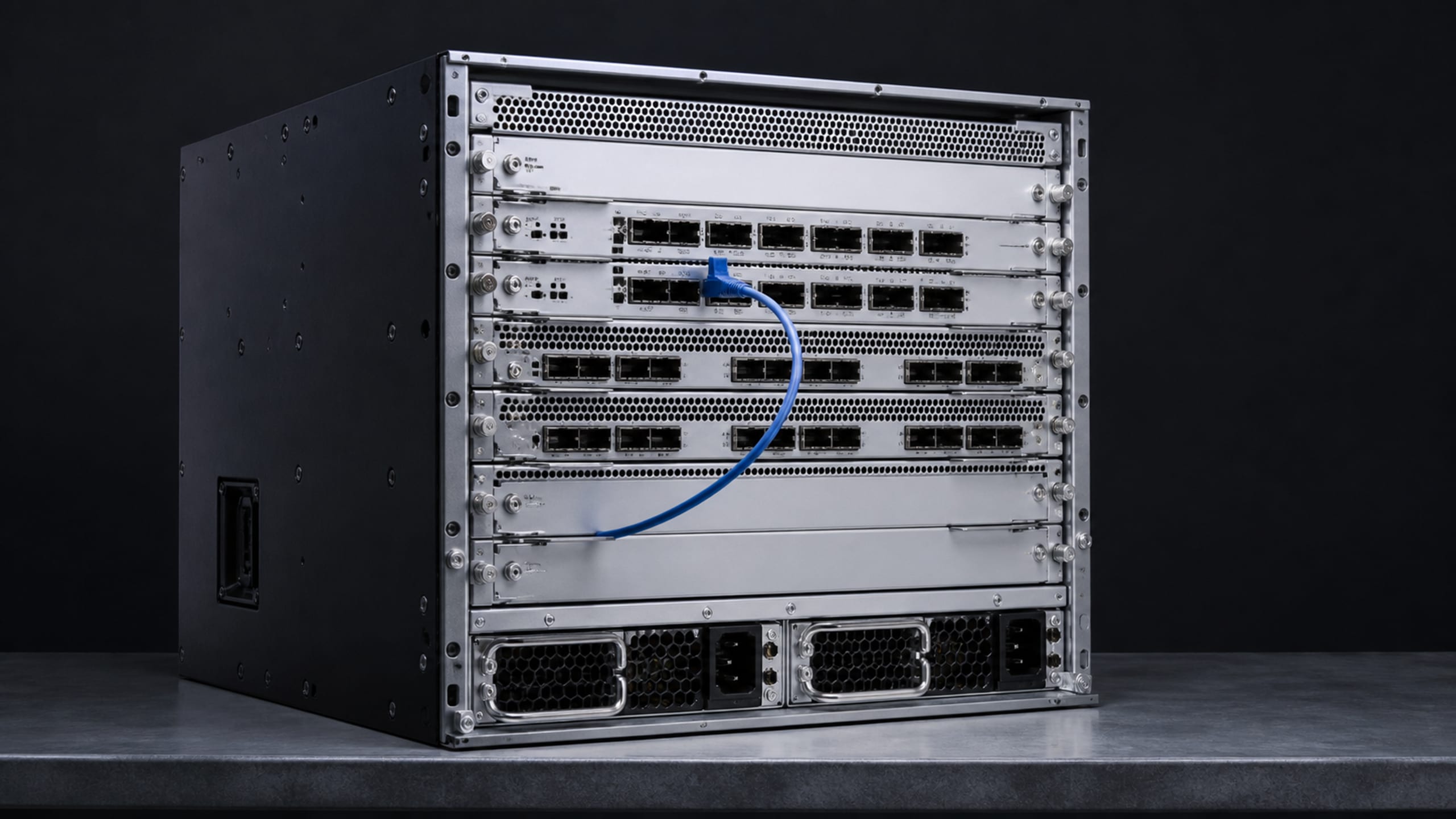
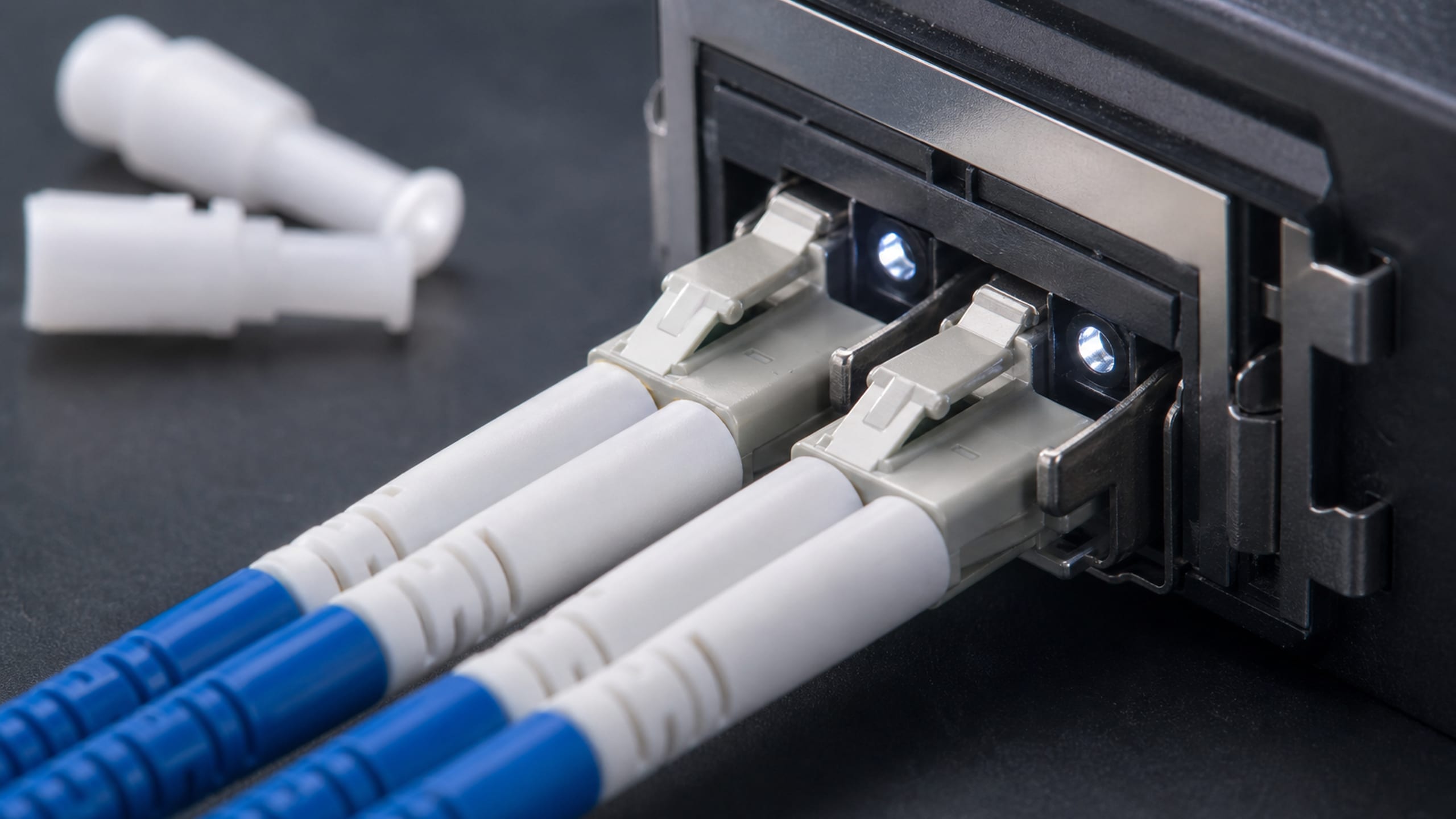
Routing and optical transport are engineered on top of that physical plant: carrier-grade routers and switches sized for throughput and convergence requirements, DWDM or CWDM transport where distance or capacity demands it, and secure communications paths where the program requires encrypted transport.
Structured cabling design — fiber and copper backbone, telecom rooms
Carrier-grade routing and switching sized to capacity and convergence needs
Optical transport (DWDM/CWDM) for distance and bandwidth requirements
Secure communications paths for encrypted or classified transport
Redundant paths and diverse routing where an outage isn't an option
Cable plant, routing, optical transport and capacity are engineered against a single plan — not four disconnected purchases that have to reconcile later.
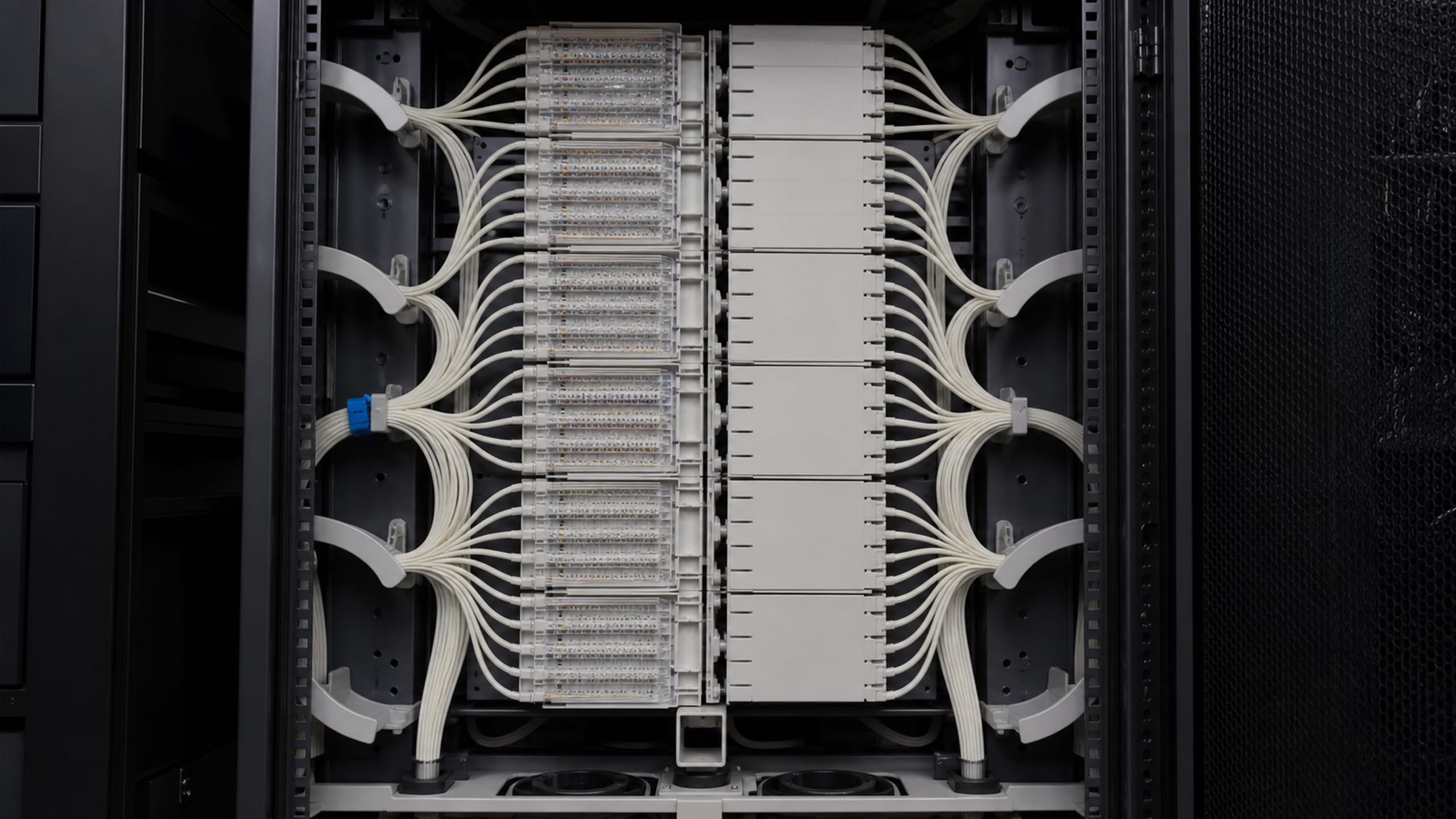
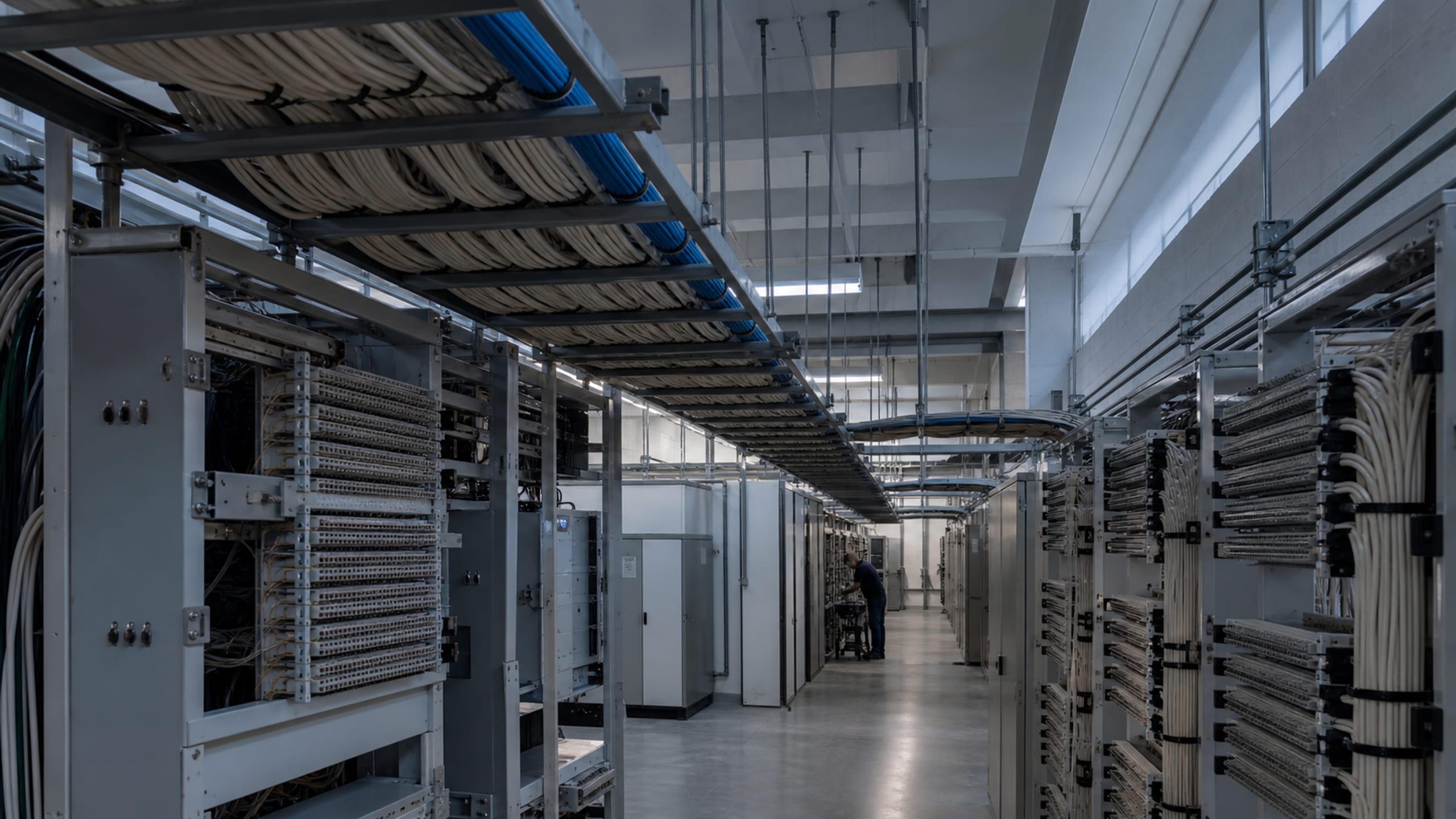
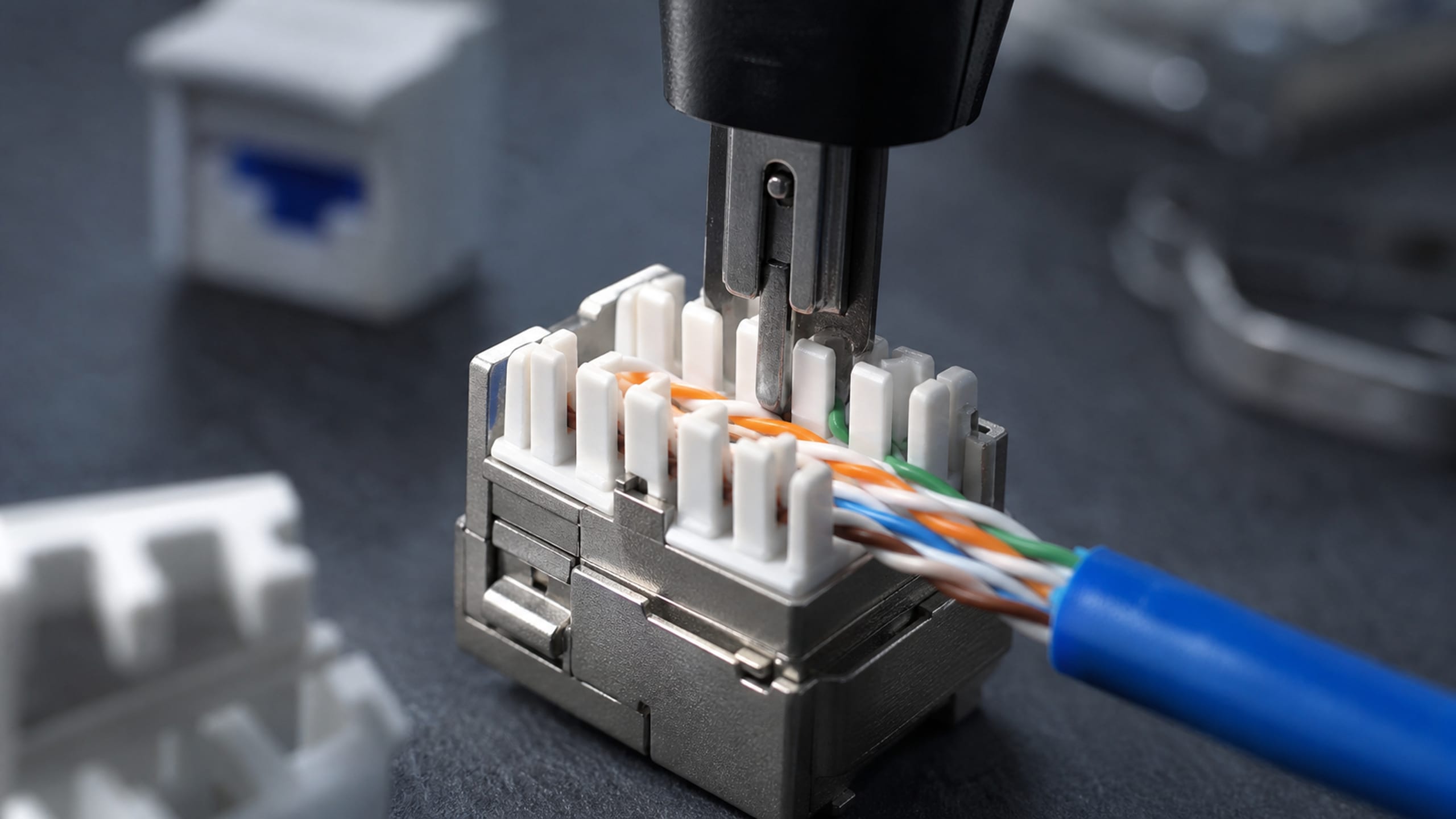
The cable plant is engineered before any electronics ride on it: backbone and horizontal counts set against capacity and redundancy targets, telecom-room and pathway layout drawn to standard, and grounding and bonding designed in rather than added after the network starts throwing errors. Getting the counts and the pathways right on paper is what spares a live network from having the walls opened a second time — the one rework a cabling design can rarely absorb.
The plant is documented as it's built: certified test results per fiber and copper run, labeling and as-built records, so warranty and future moves-adds-changes stand on a known-good baseline rather than guesswork.
Fiber and copper backbone, horizontal and telecom-room design
Pathway, grounding and labeling to standard
Certified link test results as a cabling deliverable
Capacity and redundancy sized before installation, not after
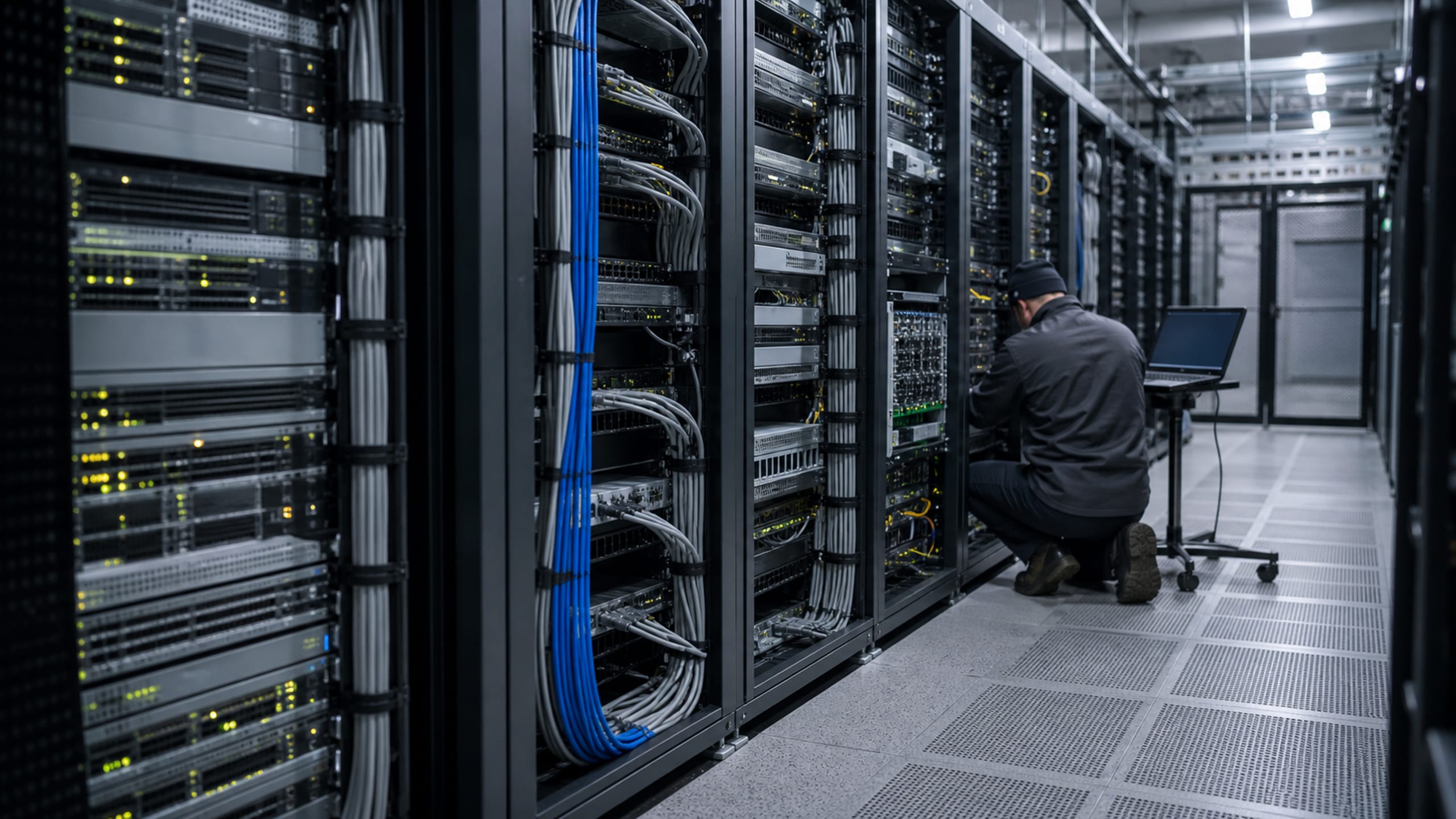
Routers and switches are selected and sized for throughput and convergence requirements, and every port count and uplink is checked against the design before the quote goes firm — so the fabric matches the traffic it's meant to carry.
High availability and redundancy are designed for carrier-grade uptime, and optic and DAC/AOC compatibility is validated per platform so the interconnect works the day it's powered on.
Router and switch selection sized to throughput and convergence targets
High-availability and redundancy design for carrier-grade uptime
Optic and DAC/AOC compatibility validated per platform
TAA country-of-origin confirmed per lot on all network hardware
Optical transport (DWDM/CWDM)
Where distance or capacity demands it, we spec DWDM or CWDM transport — a wavelength plan built around reach, channel count and the amplification or dispersion the span requires.
The transport layer is engineered to integrate cleanly with the routing and switching above it, and encrypted transport paths are designed in where the program requires protected or classified links.
DWDM/CWDM wavelength planning for distance and capacity
Reach, amplification and dispersion accounted for in the design
Integration with the routing and switching layer above
Encrypted transport paths where the program requires them
Capacity planning & infrastructure reliability
A cabling and routing design sized exactly to day-one requirements is obsolete the day a program adds a building or a bandwidth-heavy application. We size fiber counts, patch capacity and routing headroom against a multi-year growth projection, not just the initial port count, so a campus expansion doesn't mean a second construction project.
For carrier and multi-tenant environments, we design routing policy and optical transport to support clean handoffs between operators and tenants — demarcation points, service-level boundaries and test access — so responsibility for a fault is unambiguous when something goes wrong at 2 a.m.
Fiber, patch and routing headroom sized to multi-year growth
Demarcation and service-level boundaries for clean operator handoffs
Test access points for unambiguous fault isolation
Redundant paths and diverse routing for resilient backbones
What's included
What one telecom design covers
Structured cabling design and installation — fiber and copper
Carrier-grade router and switch specification and deployment
DWDM/CWDM optical transport for distance and capacity requirements
Secure and encrypted communications path design
Capacity planning sized to multi-year growth, not day-one counts
TAA-screened sourcing across routing, transport and cabling hardware
Brands we carry
Routing, switching, transport, antenna and test lines from the vendors these backbones are built on.
Can you design cabling and routing for a multi-building campus?
Yes. We design the backbone cable plant, telecom room layout and routing topology together, sized for both current buildings and planned expansion.
Do you support optical transport for long-haul or high-bandwidth links?
Yes. We spec DWDM or CWDM transport based on distance, wavelength count and bandwidth requirements, and integrate it with the routing layer above it.
Can you supply carrier-grade hardware through TAA-screened channels?
Yes. We confirm country of origin and TAA designation on routing, switching and transport hardware before quoting, with NDAA §889 screening on every line.
Do you certify and document the installed cable plant?
Yes. Certified link test results are provided per fiber and copper run as part of the cabling deliverable, with labeling and as-built records, so the plant is documented for warranty and future moves-adds-changes rather than left undocumented.
Can you design secure or encrypted transport paths?
Yes. Where a program requires encrypted or protected transport, we design the encryption endpoints and path separation into the routing and optical layers, and coordinate with the cybersecurity lane so the transport meets the same control framework as the rest of the network.
How an engagement runs
From requirement to delivered, in four steps
1
Brief
Send the requirement as it exists: a statement of work, drawings, a bill of materials or a problem statement. A briefing call scopes it against the lines above.
2
Scope and quote
Feasibility, country-of-origin and §889 screening, and lead times come back with a line-item quote. Nothing is committed until the scope is agreed.
3
Build and integrate
Manufacture, rack, image, configure and test in the facility, so the first time the system is assembled is not on install day.
4
Deliver and sustain
Delivery with serialized chain-of-custody records, then warranty, RMA and lifecycle support on the same relationship.
Compliance and documentation
Screened before it is quoted, documented when it ships
Country of origin and §889 status are checked per line while the quote is being built, not after a program review asks. The same record travels with the order: what was sourced, where it came from, who handled it and when it shipped.
TAA (FAR 52.225-5) country-of-origin screening on every line
NDAA §889 covered-equipment screening on every line
FIPS 140-2/3 validated options where the requirement calls for it
DoDIN APL listing paths verified before a quote is issued
Section 508 / VPAT documentation available on request
Serialized chain-of-custody records delivered with every shipment
Send a site plan or the capacity you are sizing for. The cabling, the optical transport and the routing come back as one design rather than three quotes that have to be reconciled later.