Integration-tested systems · pedigree documentation
Compliance
ITAR/EAR classification · TAA on non-controlled lines
Environments
Fixed · mobile · manpack · teleport / ground station
Overview
The link budget is the easy part
Everyone models the link budget. What stalls a SATCOM procurement is usually somewhere else — an export classification nobody checked, component pedigree that will not survive review, or a terminal that cannot be integrated into the ground network already running. We quote terminals and ground-segment hardware with those questions asked at the start, rather than discovered at delivery.
How we work
Terminal to ground segment, one integrated path
We scope SATCOM terminal requirements against frequency band, mobility class and the constellation or teleport your program is tied to, then source antennas, modems and RF chain components through channels that confirm export classification (ITAR/EAR) before the hardware moves.
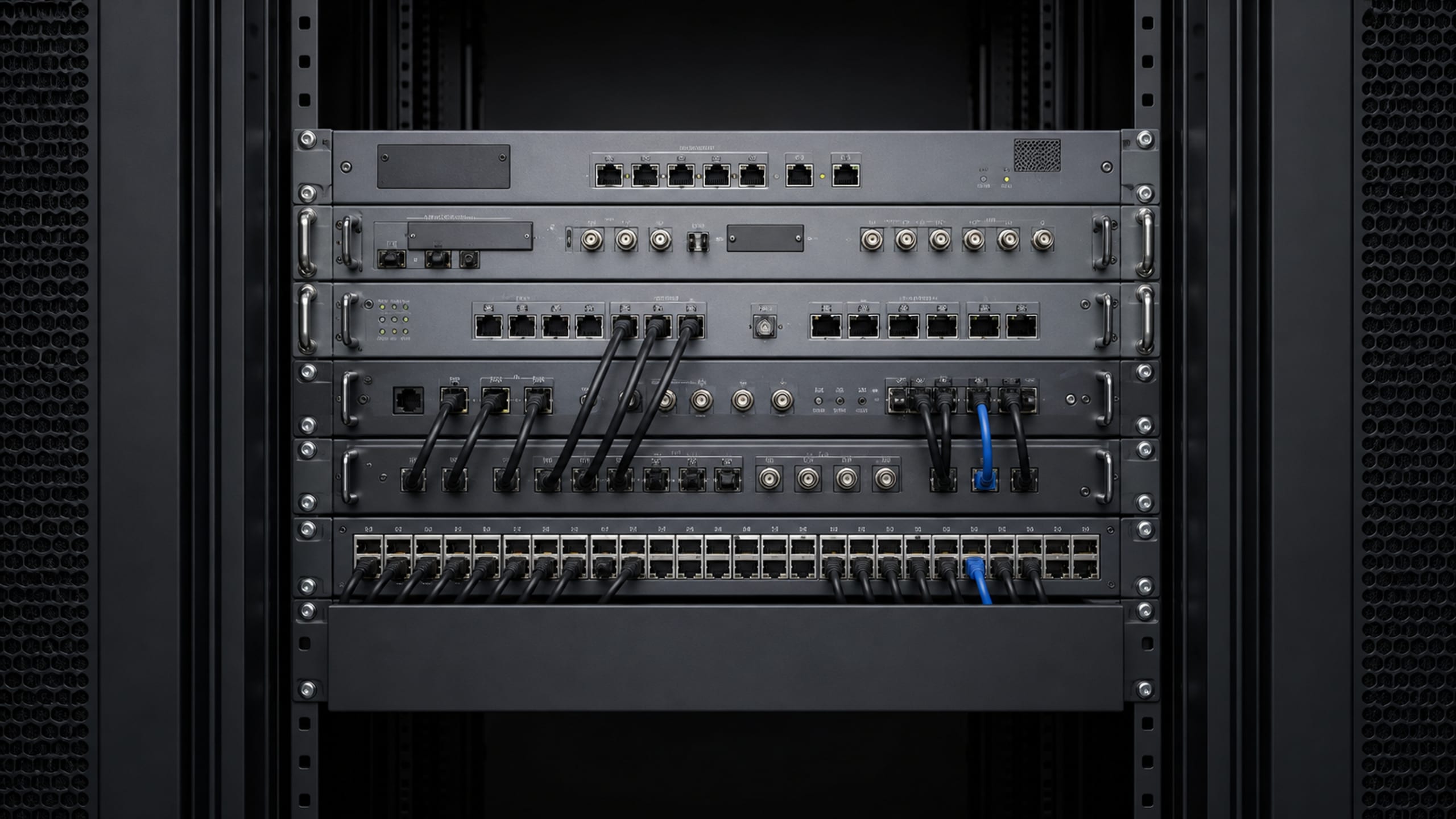
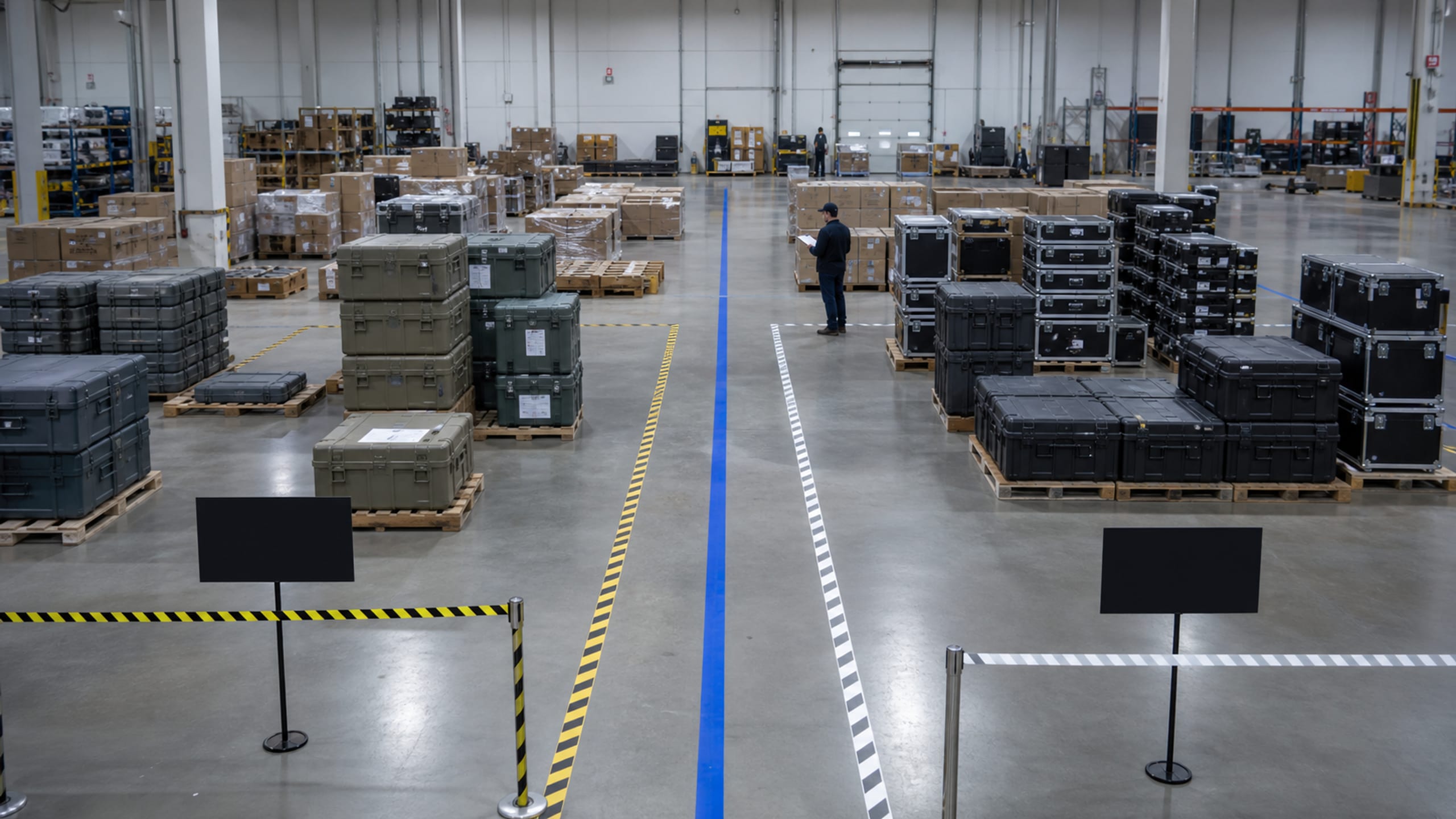
Ground-segment integration — modem racks, network management systems, RF distribution — is staged and tested in our facility the same way we handle any multi-vendor OEM build, so the terminal or teleport equipment arrives on site as a working system, not a pile of parts to commission cold.
SATCOM terminal sourcing by frequency band and mobility class
Export-control classification (ITAR/EAR) confirmed before shipment
Terminals, integration, export control and space-qualified sourcing are handled together — the constraints that trip up space procurement are designed in from the first quote.
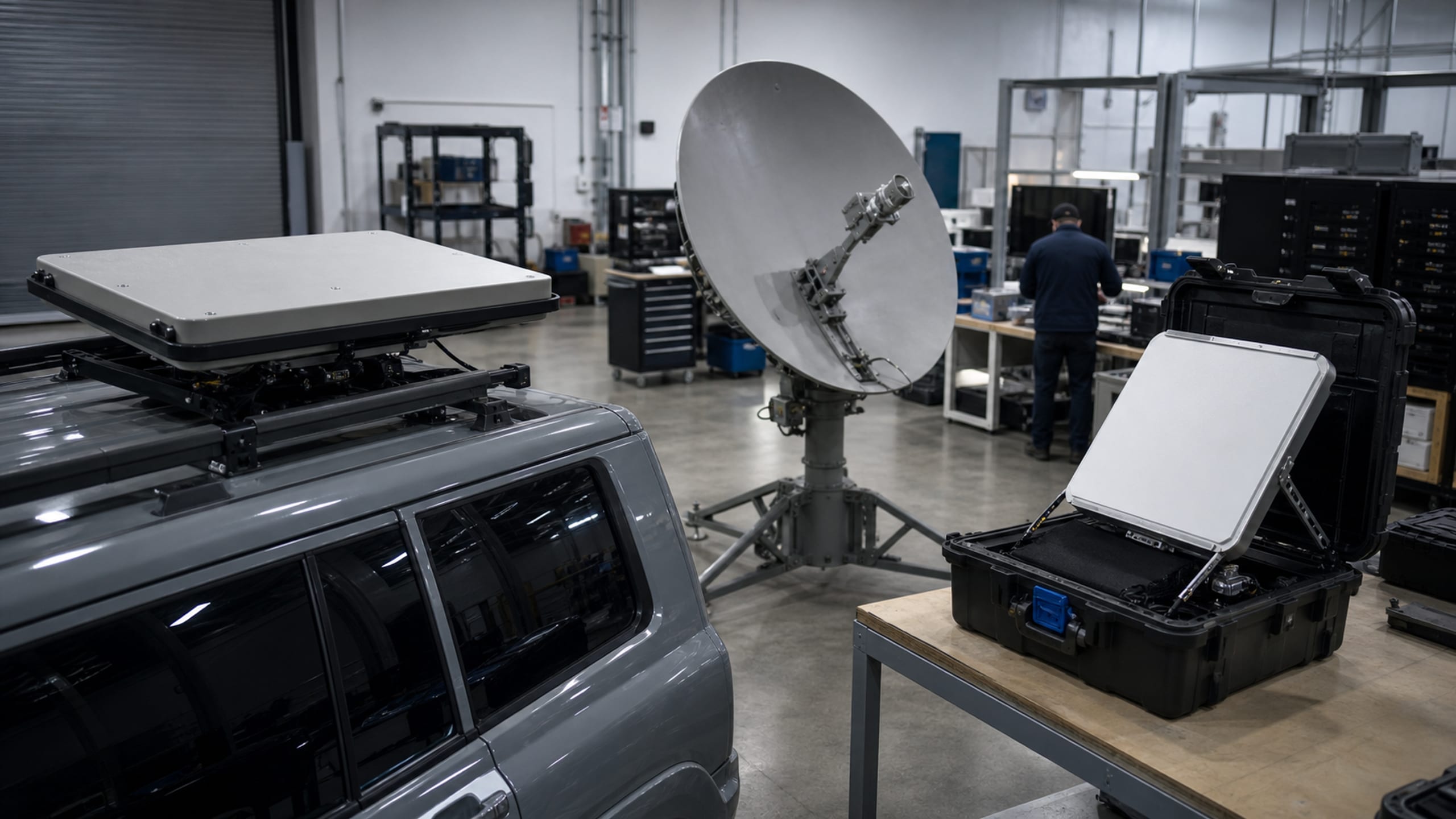
Terminal selection starts from the link, not the brochure: the constellation or teleport the program rides, the operating band and the mobility class — fixed, on-the-pause or on-the-move — set the antenna aperture, RF chain and modem family before any hardware is shortlisted. Modem and waveform compatibility is then confirmed against the network being joined, so what is quoted is what locks to the satellite.
Fixed, mobile (comms-on-the-move and comms-on-the-pause) and manpack classes are all in scope, with the band — L, S, C, X, Ku or Ka — matched to the service the mission actually rides.
Terminal scoping by frequency band and mobility class
Fixed, mobile and manpack terminal procurement
Antenna, modem and RF-chain component sourcing
Constellation and teleport compatibility confirmed before quote
The ground segment is assembled and proven before it leaves for the site: modem racks cabled and configured, RF distribution and the network-management system brought up together, and the signal chain exercised end to end against the terminal it will serve. Because it has already carried traffic on the bench, field crews spend the install pointing the antenna and turning it up rather than diagnosing why a modem and an NMS meeting for the first time on site won't talk.
For programs integrating commercial SATCOM into a broader communications architecture, we design the handoff to your terrestrial network — teleport-to-network integration, encryption endpoints and failover to terrestrial links — as part of the same engagement, rather than treating the satellite link as an isolated procurement.
Modem racks, RF distribution and NMS integration
Integrated and staged in US facilities before delivery
Teleport-to-network handoff and encryption endpoints
Failover to terrestrial links designed in, not bolted on
Export control (ITAR/EAR)
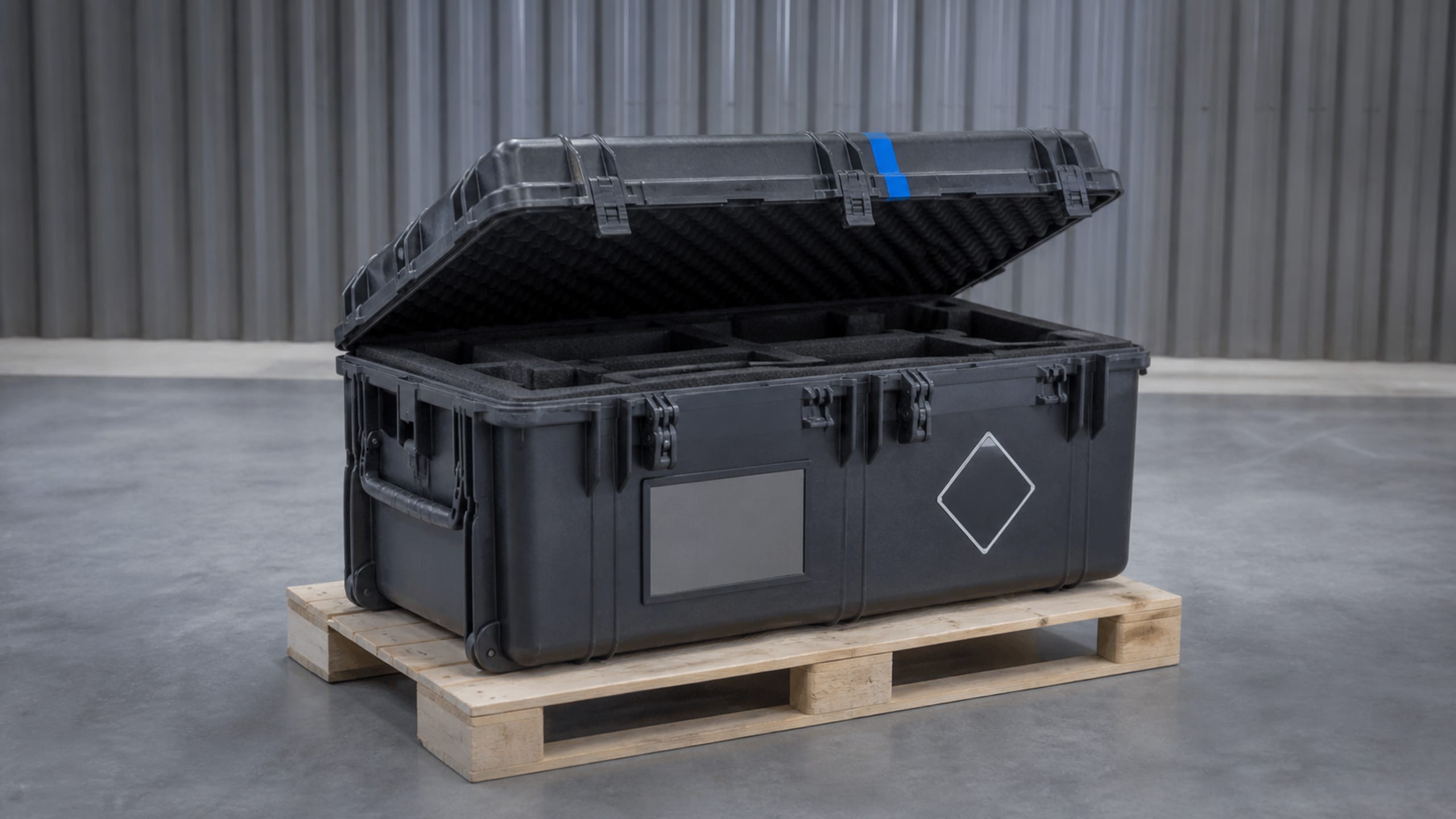
Export classification is confirmed on satellite and ground-segment hardware before it ships and documented with the order, so a controlled item never moves without its classification established first.
Controlled and non-controlled lines are handled separately through the build, and TAA country-of-origin is confirmed on the non-controlled hardware. Final export licensing responsibility remains with the program per your compliance office.
ITAR/EAR classification confirmed before shipment
Classification documented with the order
Controlled and non-controlled lines handled separately
TAA country-of-origin confirmed on non-controlled hardware
Space-qualified sourcing & pedigree
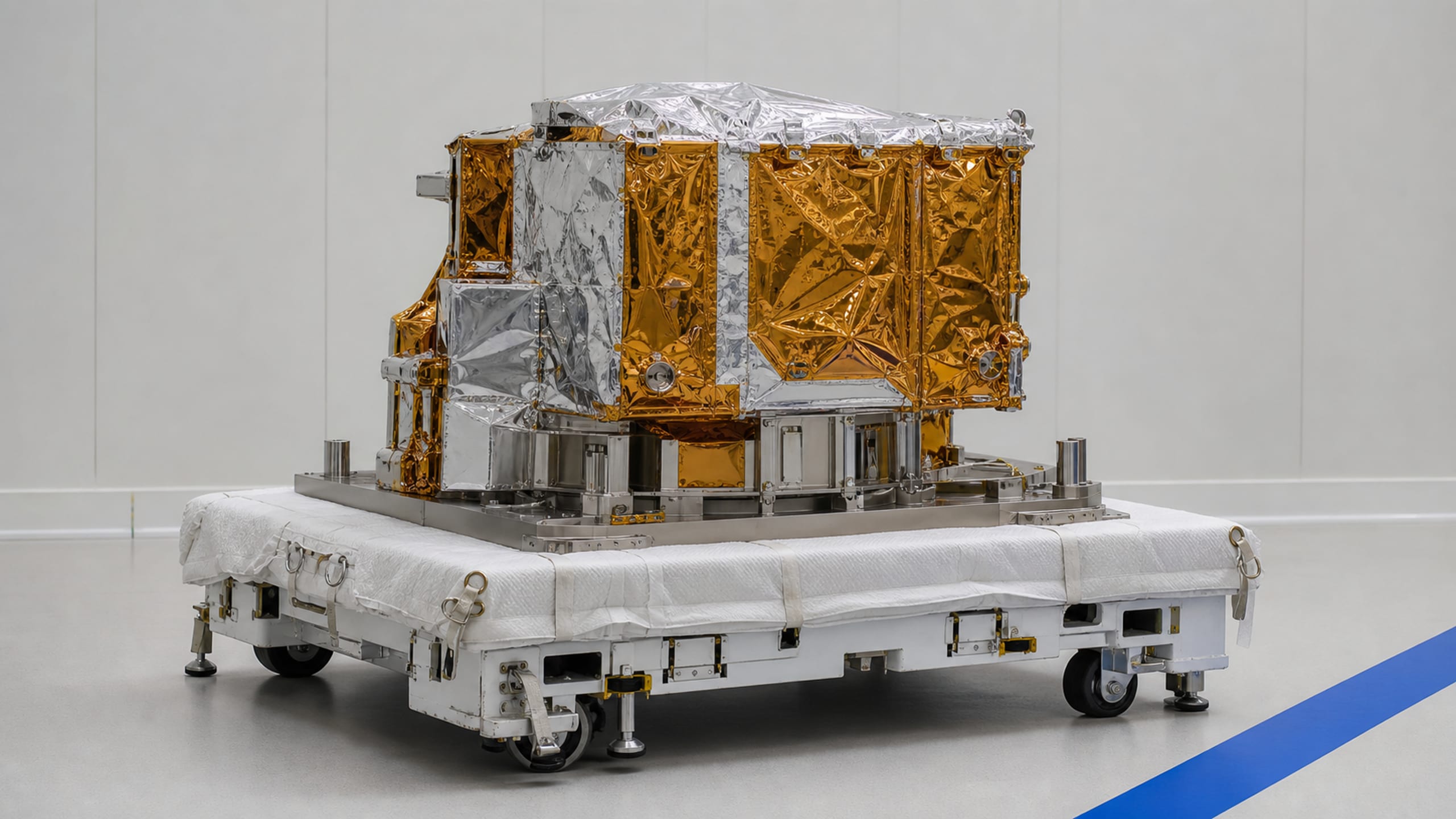
Space-qualified components — radiation-tolerant parts, flight-heritage hardware — carry pedigree requirements that a standard component quote doesn't touch: lot acceptance testing, radiation test reports, and traceability back to a qualified manufacturing line.
We source these through channels that provide that documentation as part of the delivery, not as a follow-up request after a program review asks for it, so the paper trail is in hand when the milestone review needs it.
Space-qualified and radiation-tolerant component sourcing
Lot acceptance test data and radiation reports where applicable
Manufacturer traceability to a qualified line
Pedigree documentation delivered with the component
What's included
Terminal to teleport, export-aware throughout
SATCOM terminal procurement across fixed, mobile and manpack classes
Do you handle export-control classification for SATCOM hardware?
We confirm ITAR/EAR classification on satellite and ground-segment hardware before it ships and document it with the order; final export licensing responsibility remains with the program per your compliance office.
Can you integrate a terminal into an existing teleport or network?
Yes. We stage and test modem racks, RF distribution and network-management integration in our facility against your existing architecture before delivery.
What documentation comes with space-qualified components?
Lot acceptance test data, radiation test reports where applicable, and manufacturer traceability — delivered with the component, not as a separate request.
Can you match a terminal to a specific constellation or teleport?
Yes. Terminal scoping starts from the constellation or teleport, the operating band and the mobility class the mission requires, with modem and waveform compatibility confirmed before the hardware is quoted rather than after it arrives.
Do you handle failover to terrestrial links?
Yes. Where commercial SATCOM feeds a wider network, the teleport-to-terrestrial handoff — encryption endpoints, routing and failover to landline paths — is designed in the same engagement, so the satellite link arrives already wired into the architecture it serves.
How an engagement runs
From requirement to delivered, in four steps
1
Brief
Send the requirement as it exists: a statement of work, drawings, a bill of materials or a problem statement. A briefing call scopes it against the lines above.
2
Scope and quote
Feasibility, country-of-origin and §889 screening, and lead times come back with a line-item quote. Nothing is committed until the scope is agreed.
3
Build and integrate
Manufacture, rack, image, configure and test in the facility, so the first time the system is assembled is not on install day.
4
Deliver and sustain
Delivery with serialized chain-of-custody records, then warranty, RMA and lifecycle support on the same relationship.
Compliance and documentation
Screened before it is quoted, documented when it ships
Country of origin and §889 status are checked per line while the quote is being built, not after a program review asks. The same record travels with the order: what was sourced, where it came from, who handled it and when it shipped.
TAA (FAR 52.225-5) country-of-origin screening on every line
NDAA §889 covered-equipment screening on every line
FIPS 140-2/3 validated options where the requirement calls for it
DoDIN APL listing paths verified before a quote is issued
Section 508 / VPAT documentation available on request
Serialized chain-of-custody records delivered with every shipment
A link budget or a system diagram will do. The export classification question gets asked at that point rather than at delivery, which is the whole reason to ask early.