Prototypes that survive contact with a program office
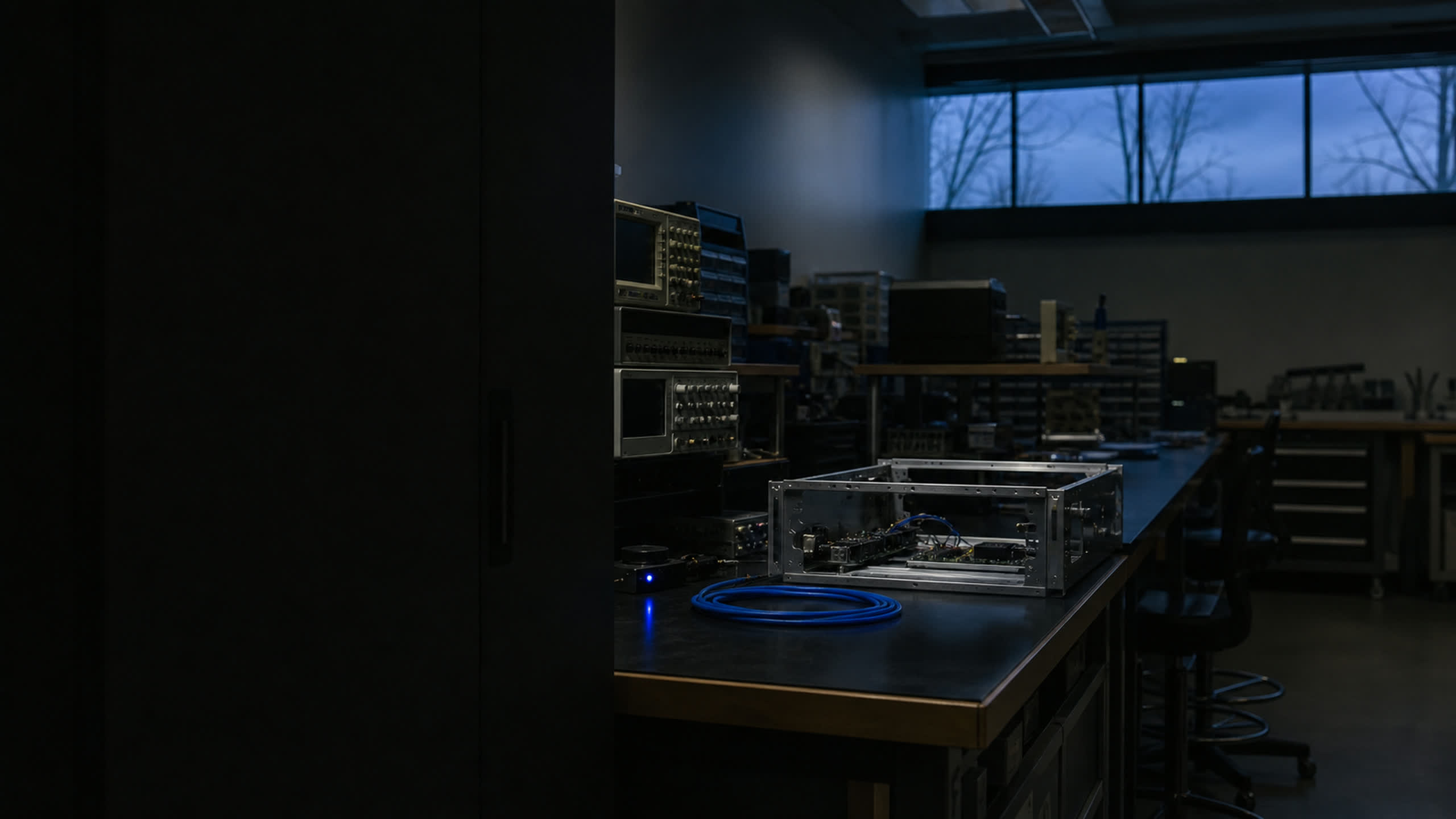
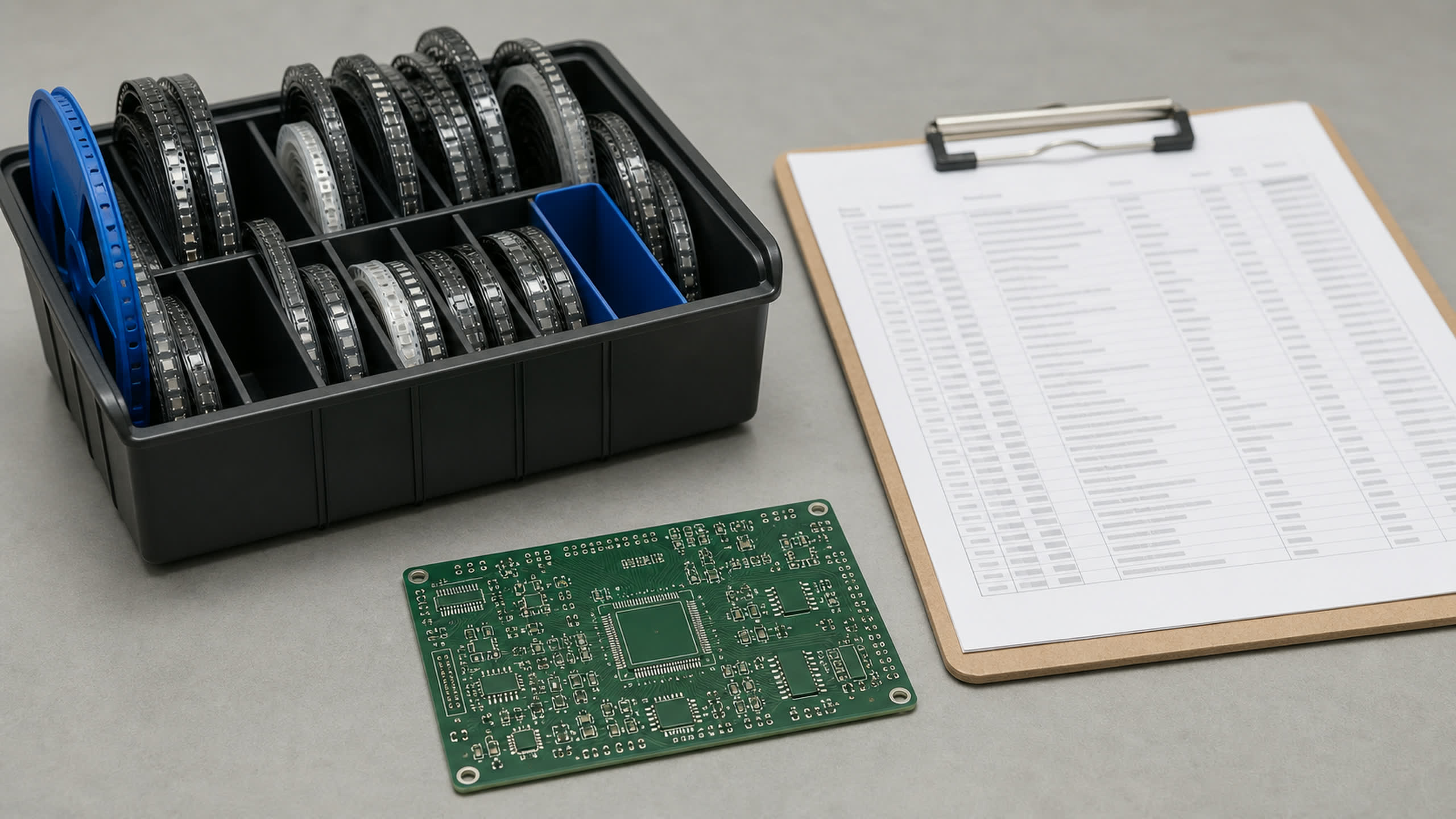
A prototype that works on a bench and a design a program office can actually procure are two different deliverables, and the gap between them is nearly always sourcing. We work the requirement up through TRL maturation with the bill of materials open the whole way, so the parts in the demo unit are parts still buyable when the design goes to build. Country-of-origin data and the §889 screening travel with it.
How we work
Feasibility study to fieldable design
Every engagement starts with a feasibility study: can this be built, at what TRL, on what timeline, and with which components are available through TAA-screened channels. We rule out dead ends before your program office commits budget to them.
From there we run rapid prototyping and design iteration in-house, then mature the design toward production — swapping any part that can't clear NDAA §889 screening or TAA sourcing before it becomes a program risk instead of a footnote.
Feasibility studies scoped against SOW and TRL targets
Rapid prototyping with iterative design reviews
Component sourcing pre-screened for TAA and NDAA §889
Technology maturation plans tied to a fielded bill of materials
Each stage produces an artifact a program office can act on — a decision, a testable unit, a bill of materials, or a documentation package.
Feasibility & trade studies
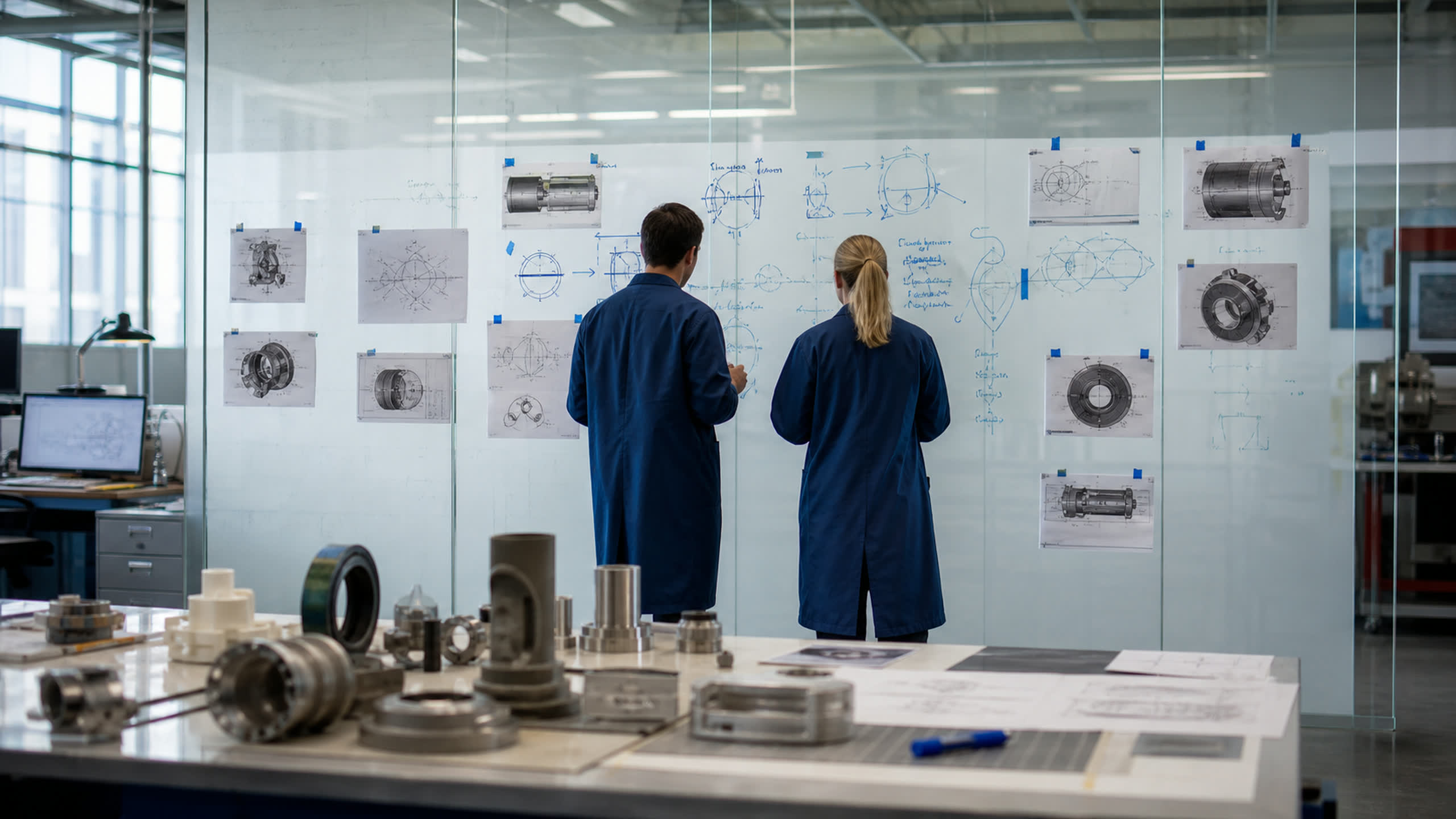
A feasibility study answers the questions a program office has to defend: can this be built, at what technology-readiness level does it start, on what schedule, and are the components available through TAA-screened channels. We frame the trade space against your statement of work and TRL targets, then rule out the approaches that dead-end on cost, schedule or supply before anyone commits budget to them.
The deliverable is a decision, not a research paper — a trade-study report that names the recommended path, the parts it depends on, and the risks that still need to be bought down as the design matures.
Feasibility and trade-study reports mapped to TRL 1–6
Approaches scored against SOW, schedule and cost constraints
Component availability checked through TAA-screened channels
Risk register carried forward into the maturation plan
Rapid prototyping & design iteration
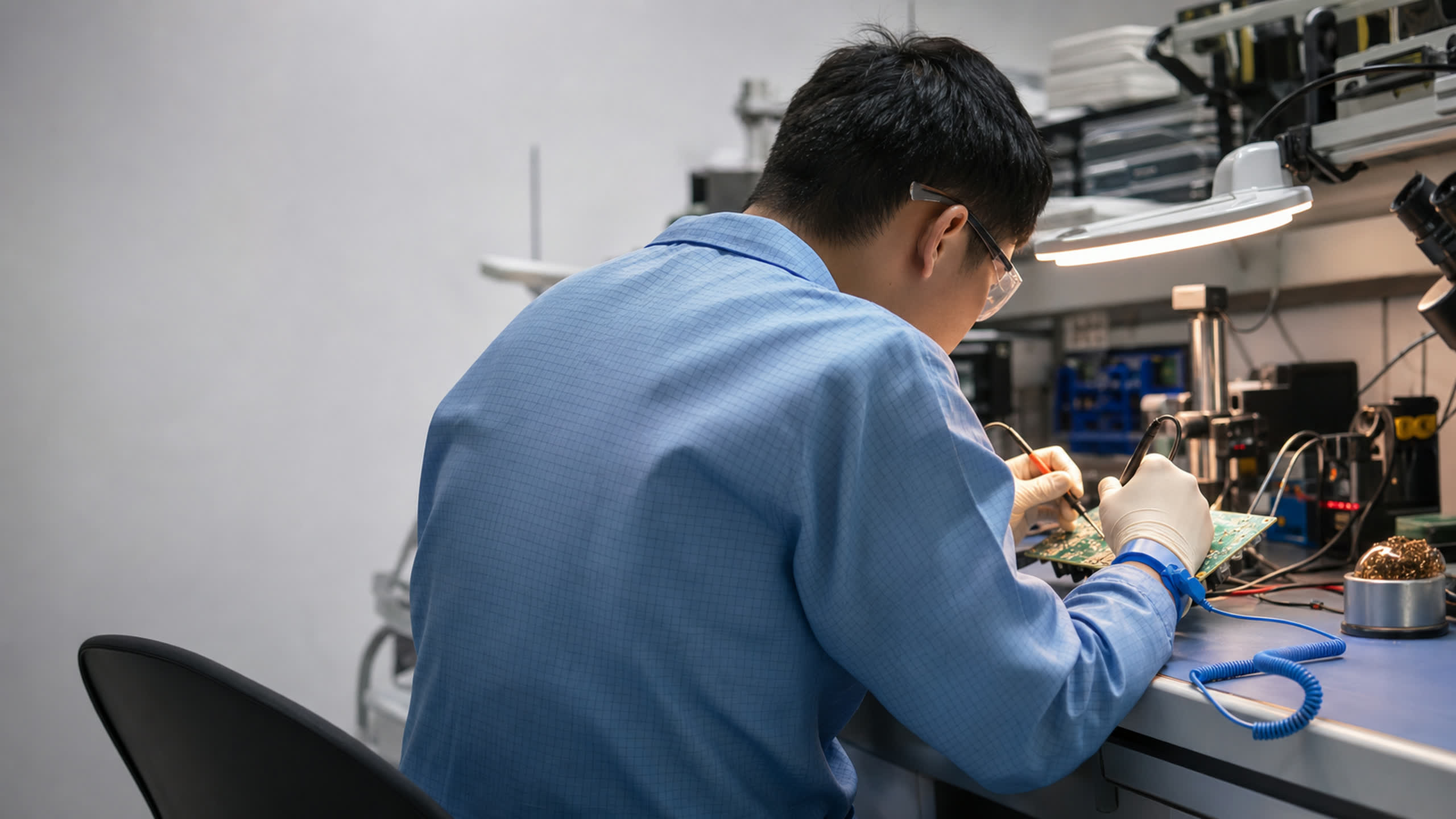
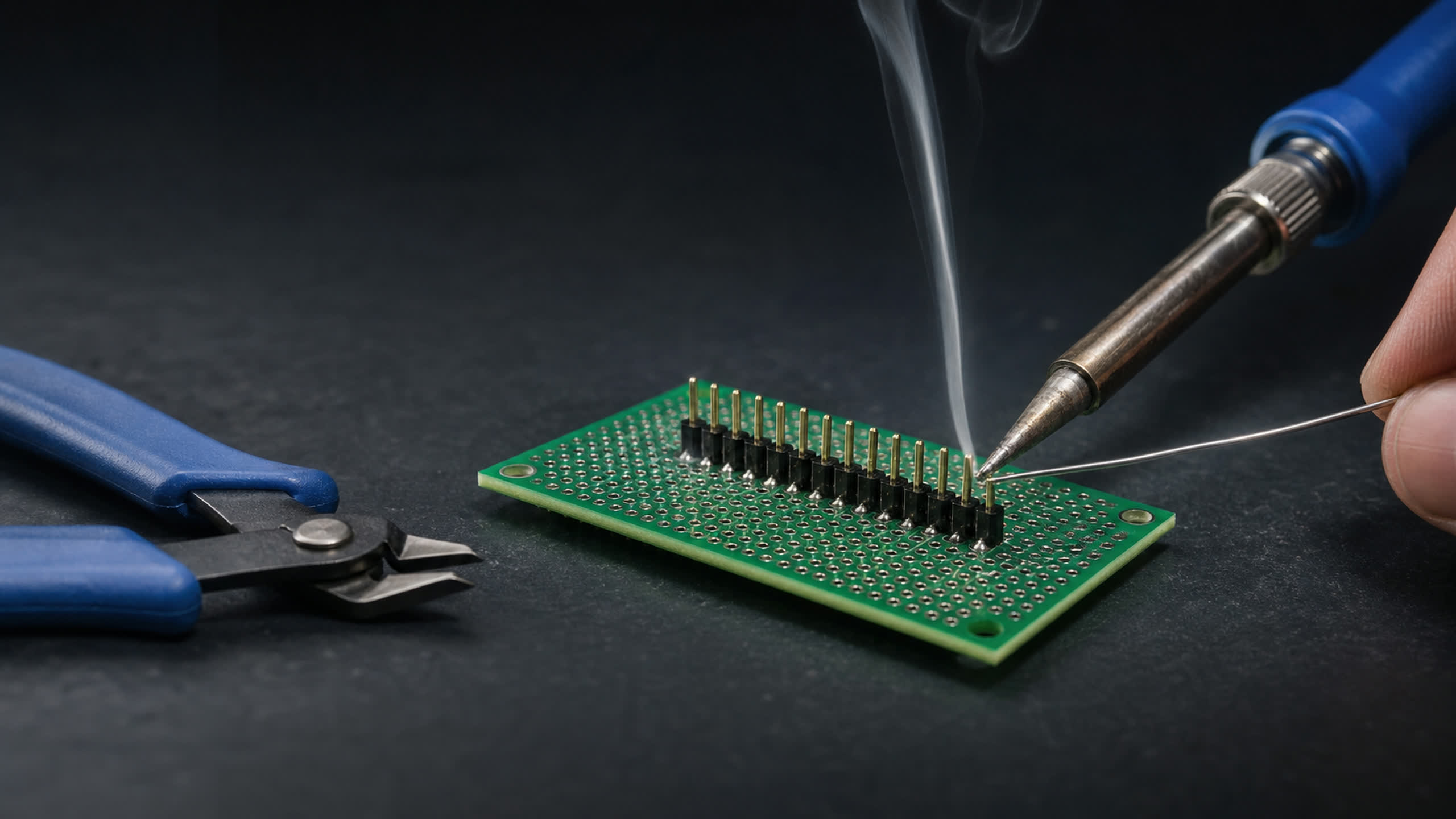
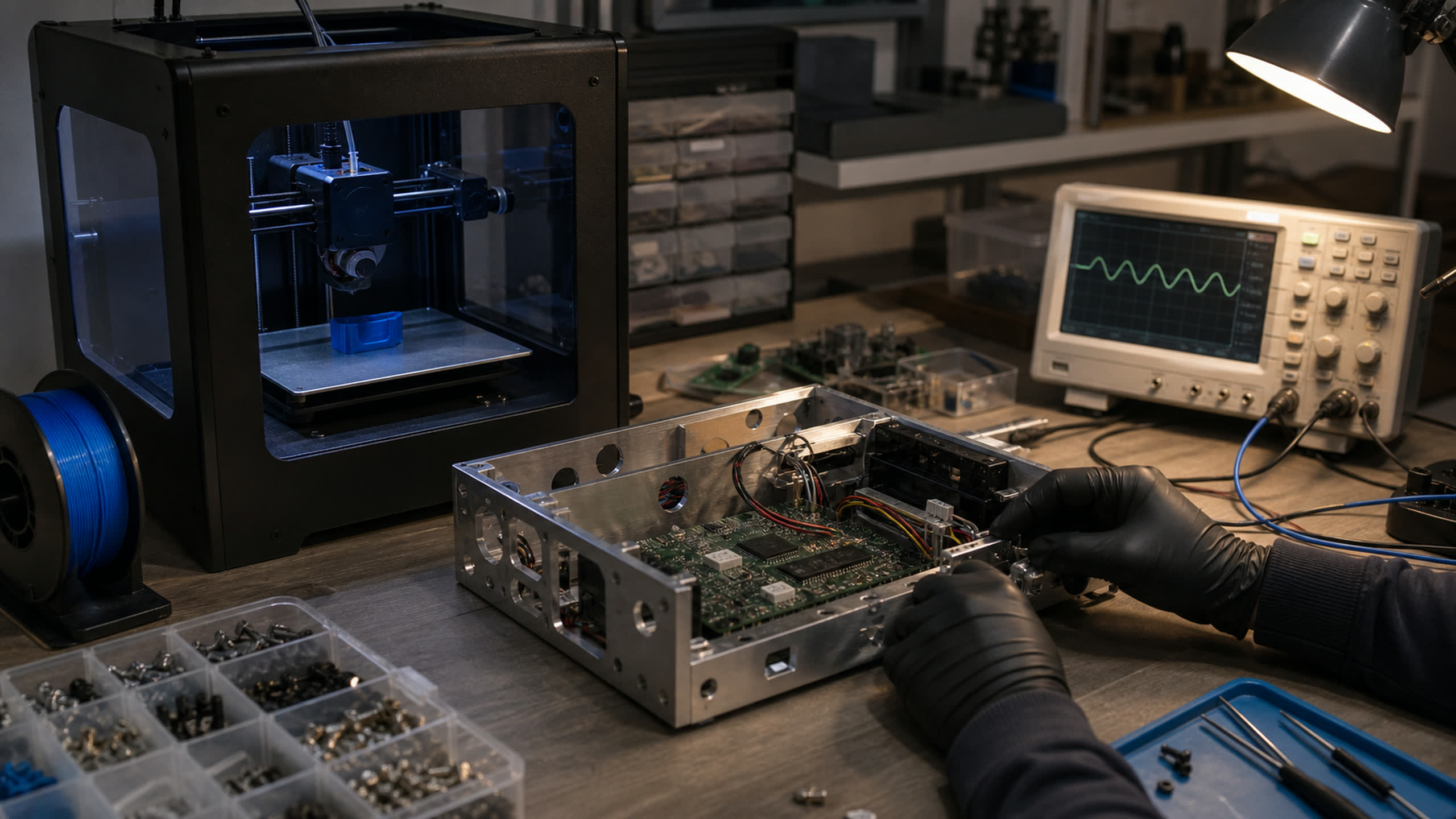
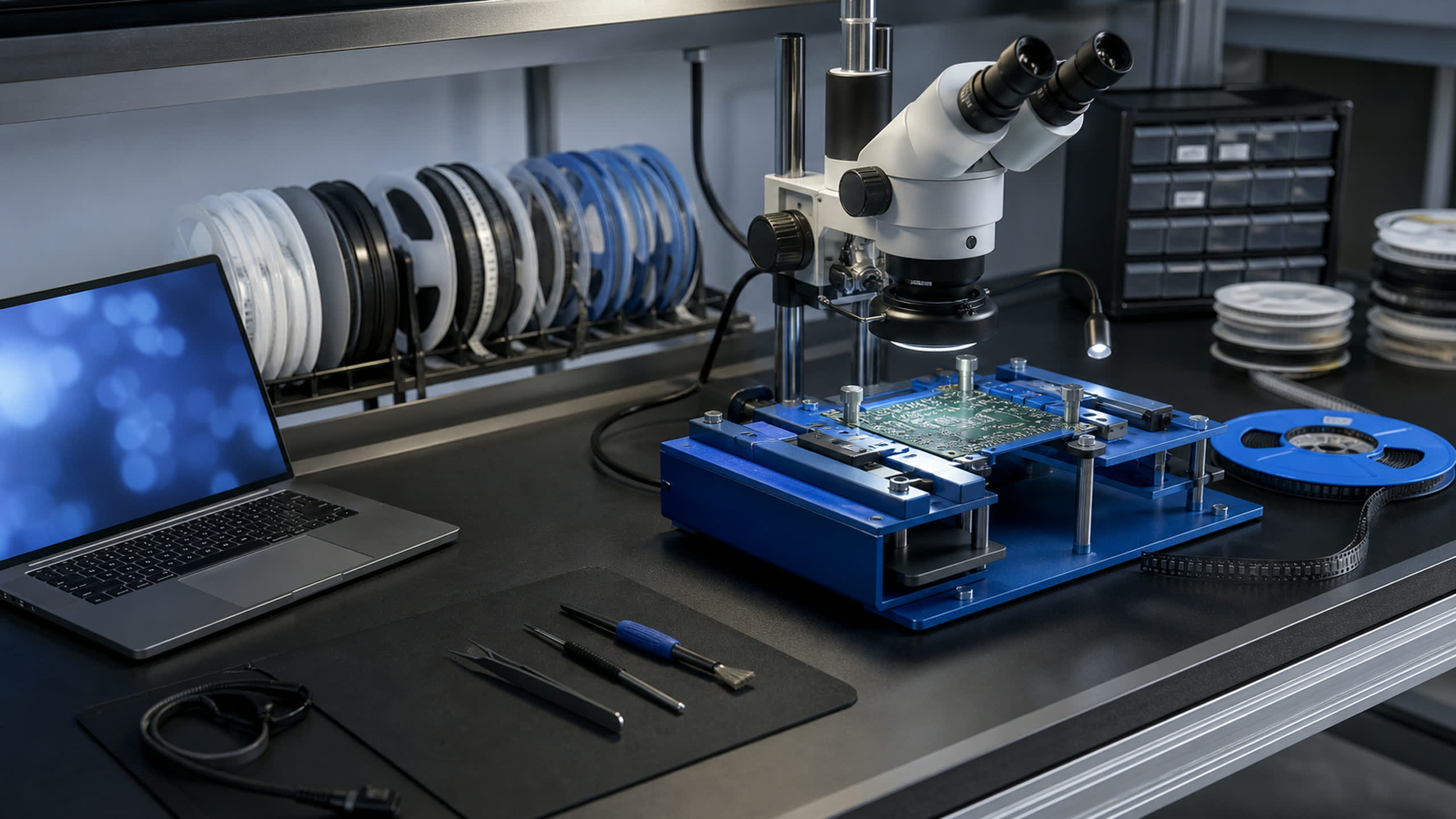
Prototyping earns its name only if it produces something you can test. We run rapid prototyping and design iteration — breadboard to fabricated unit — with design reviews at each turn so the concept converges on a fieldable design rather than drifting.
Because sourcing runs alongside the build, a part that can't clear NDAA §889 screening or TAA country-of-origin gets swapped while it is still a design choice, not after it has become a program risk buried in the bill of materials.
Bench fabrication and iterative build-test-review cycles
Design reviews tied to measurable exit criteria
Non-compliant parts substituted during design, not after
Test results captured for the design history file
Design for manufacture & sourcing
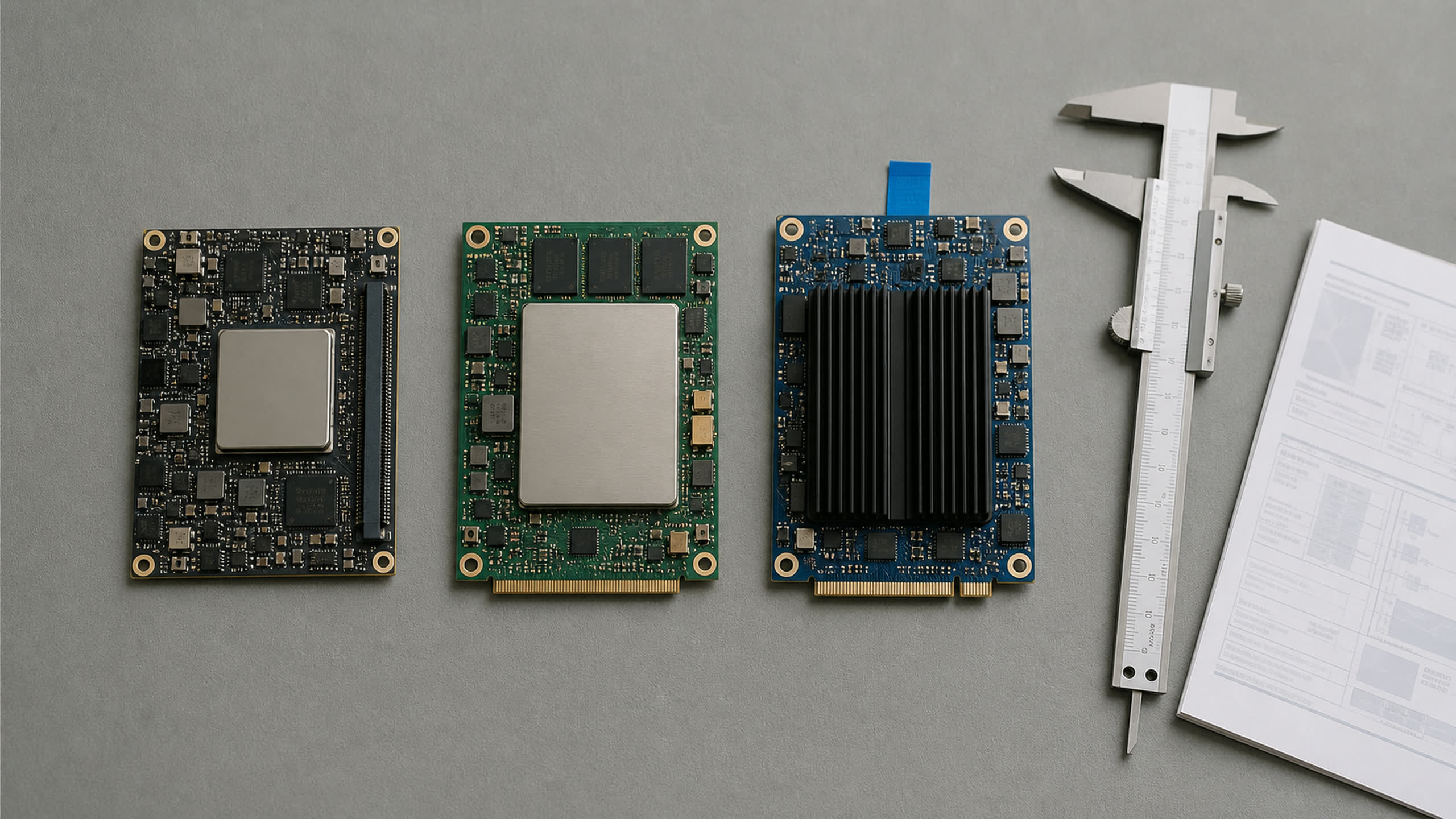
A prototype that can't be re-sourced in production quantities is a dead end. We track every component's supply chain from the first breadboard, so the design that passes your critical design review uses parts you can actually buy at scale — not a one-off unit built from whatever was on the bench.
A design-for-manufacture review before handoff catches the assembly steps, tolerances and long-lead parts that turn a clean prototype into an expensive production run, so the build lane inherits a design that is ready to make.
Full supply-chain tracking from the first prototype build
TAA- and NDAA §889-screened component selection
End-of-life and long-lead parts flagged before CDR
Design-for-manufacture review ahead of production handoff
Documentation & handoff package
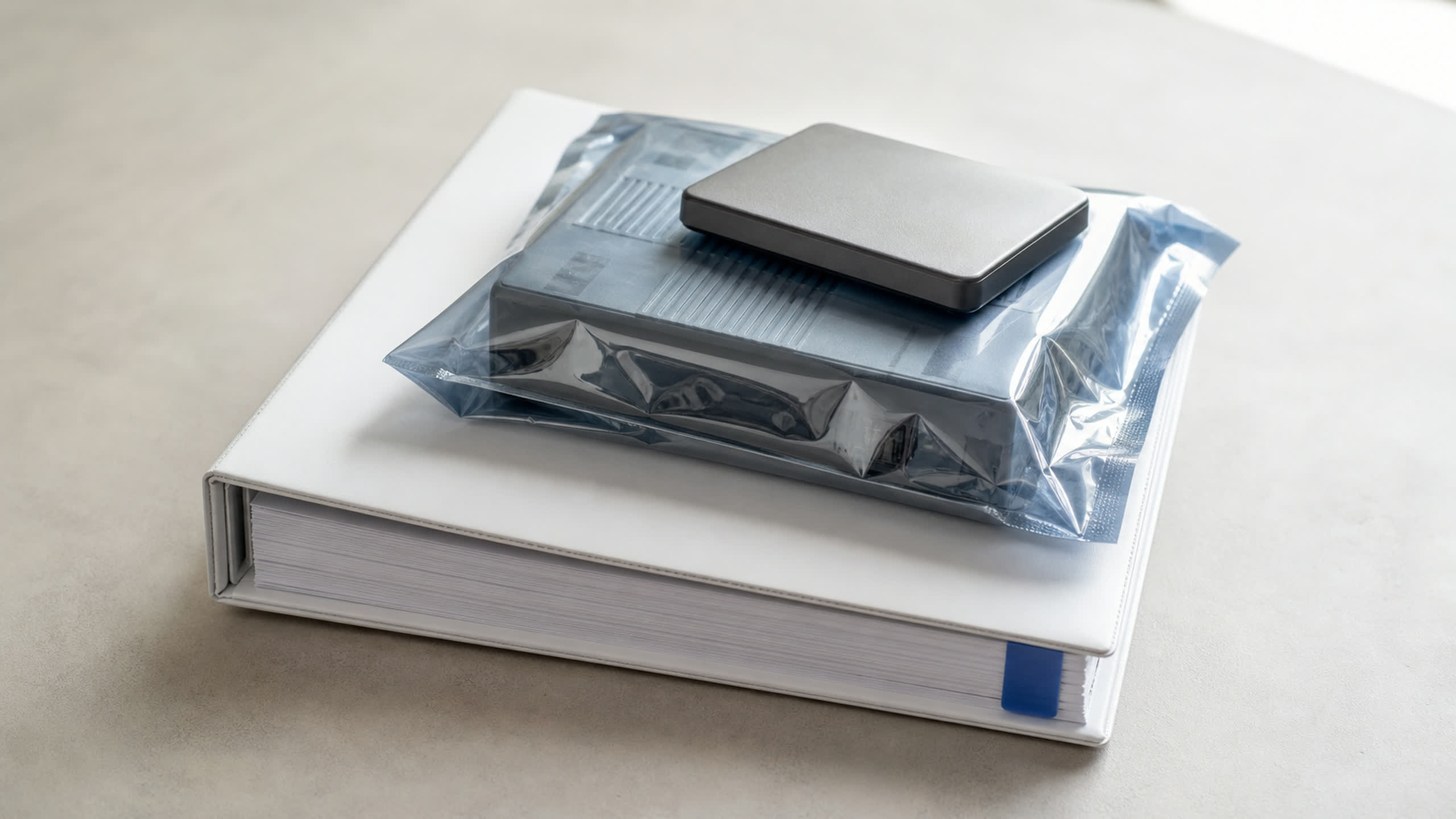
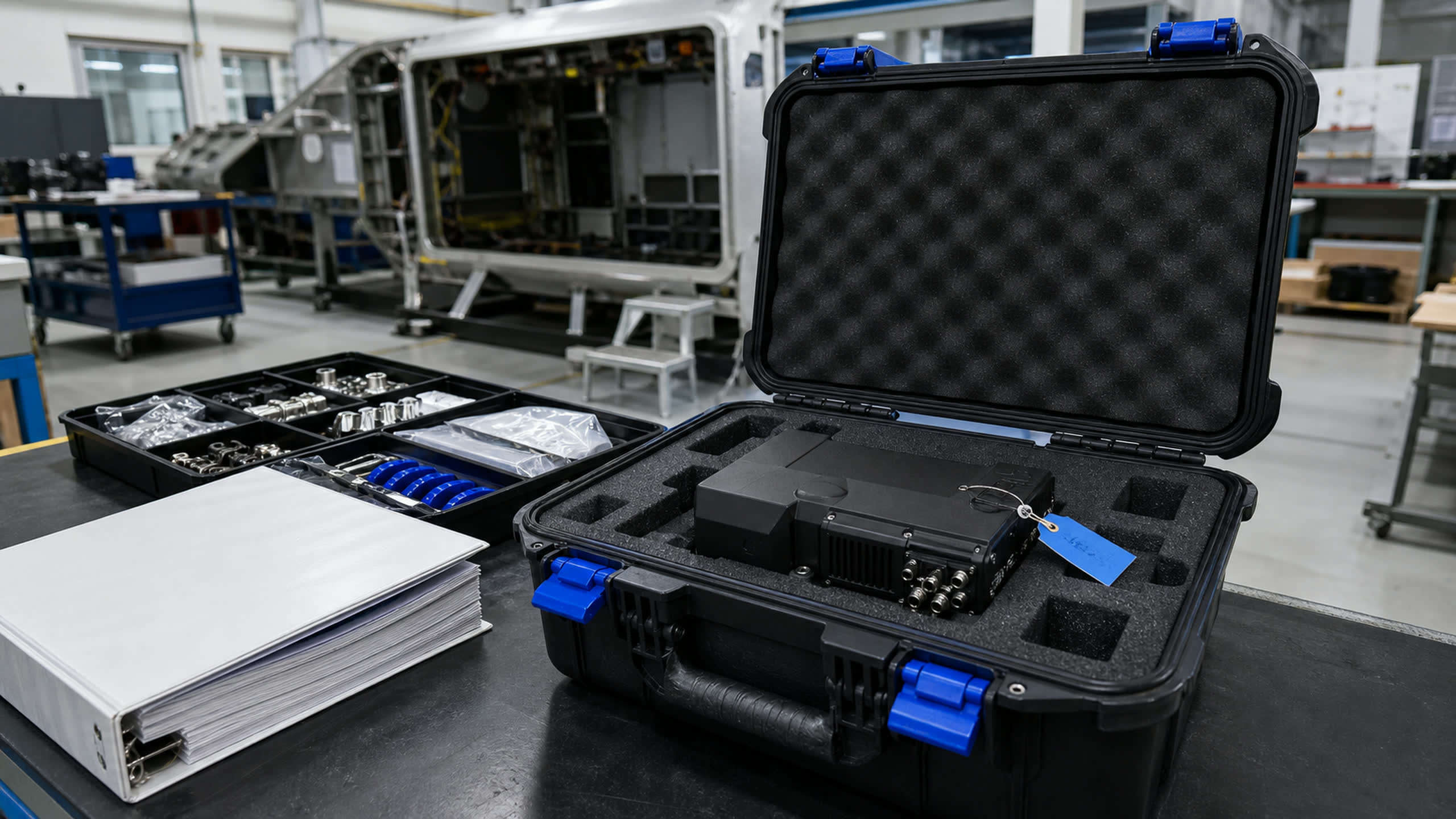
Documentation follows the same discipline as the design. Design history files, test data and a compliance matrix travel with the design, so a downstream integrator or manufacturing partner — including our own manufacturing lane — can pick it up without reverse-engineering your intent.
The handoff package is the point: it lets the build happen with the same people, with no gap between the engineers who matured the design and the floor that produces it.
Design history file assembled through the program, not after
Test-data package and as-built bill of materials on delivery
Compliance matrix covering TAA and NDAA §889 posture
Direct handoff path into Uniqcli manufacturing and OEM integration
What's included
From lab bench to program record
Feasibility and trade-study reports mapped to TRL 1–6
Rapid prototyping with in-house fabrication and bench test
Design-for-manufacture review before handoff to production
TAA- and NDAA §889-screened component selection
Design history file and test-data package on delivery
Direct handoff path into Uniqcli manufacturing and OEM integration
Brands we carry
Test instruments, embedded compute and board-level parts we quote for R&D and prototyping work.
Do you take a concept from sketch to working prototype, or only mature existing designs?
Both. We run feasibility studies from a blank sheet and we pick up designs mid-stream to mature them toward production. Either way, we scope TRL targets and a schedule before work starts.
Will the components in our prototype still be sourceable when we move to production?
That's the point of doing sourcing alongside design rather than after it. We flag any part that isn't TAA-compliant or clears NDAA §889 screening during prototyping, so the production bill of materials doesn't require a redesign.
Can R&D output feed directly into a manufacturing run?
Yes. Design history files and test data hand off directly to our manufacturing lane for build-to-spec production, with no gap in accountability between design and build.
How far up the TRL scale do you take a design?
We scope engagements across TRL 1 through 6 — from feasibility and proof-of-concept to a prototype validated in a relevant environment. Where a program needs further qualification, we mature the design into a production-ready package and hand it into our manufacturing lane rather than stopping at a lab unit.
Who owns the design data and IP that comes out of an engagement?
The design, its documentation and the resulting IP are the program's. We deliver the design history file, test data and as-built bill of materials as your record, under the data-rights terms your contract specifies.
How an engagement runs
From requirement to delivered, in four steps
1
Brief
Send the requirement as it exists: a statement of work, drawings, a bill of materials or a problem statement. A briefing call scopes it against the lines above.
2
Scope and quote
Feasibility, country-of-origin and §889 screening, and lead times come back with a line-item quote. Nothing is committed until the scope is agreed.
3
Build and integrate
Manufacture, rack, image, configure and test in the facility, so the first time the system is assembled is not on install day.
4
Deliver and sustain
Delivery with serialized chain-of-custody records, then warranty, RMA and lifecycle support on the same relationship.
Compliance and documentation
Screened before it is quoted, documented when it ships
Country of origin and §889 status are checked per line while the quote is being built, not after a program review asks. The same record travels with the order: what was sourced, where it came from, who handled it and when it shipped.
TAA (FAR 52.225-5) country-of-origin screening on every line
NDAA §889 covered-equipment screening on every line
FIPS 140-2/3 validated options where the requirement calls for it
DoDIN APL listing paths verified before a quote is issued
Section 508 / VPAT documentation available on request
Serialized chain-of-custody records delivered with every shipment
A technical requirement, a problem statement, or a design somebody else got halfway through — any of the three is enough to start. What comes back is a feasibility assessment and a path to TRL maturity.