Small-lot production without the big-contract minimums
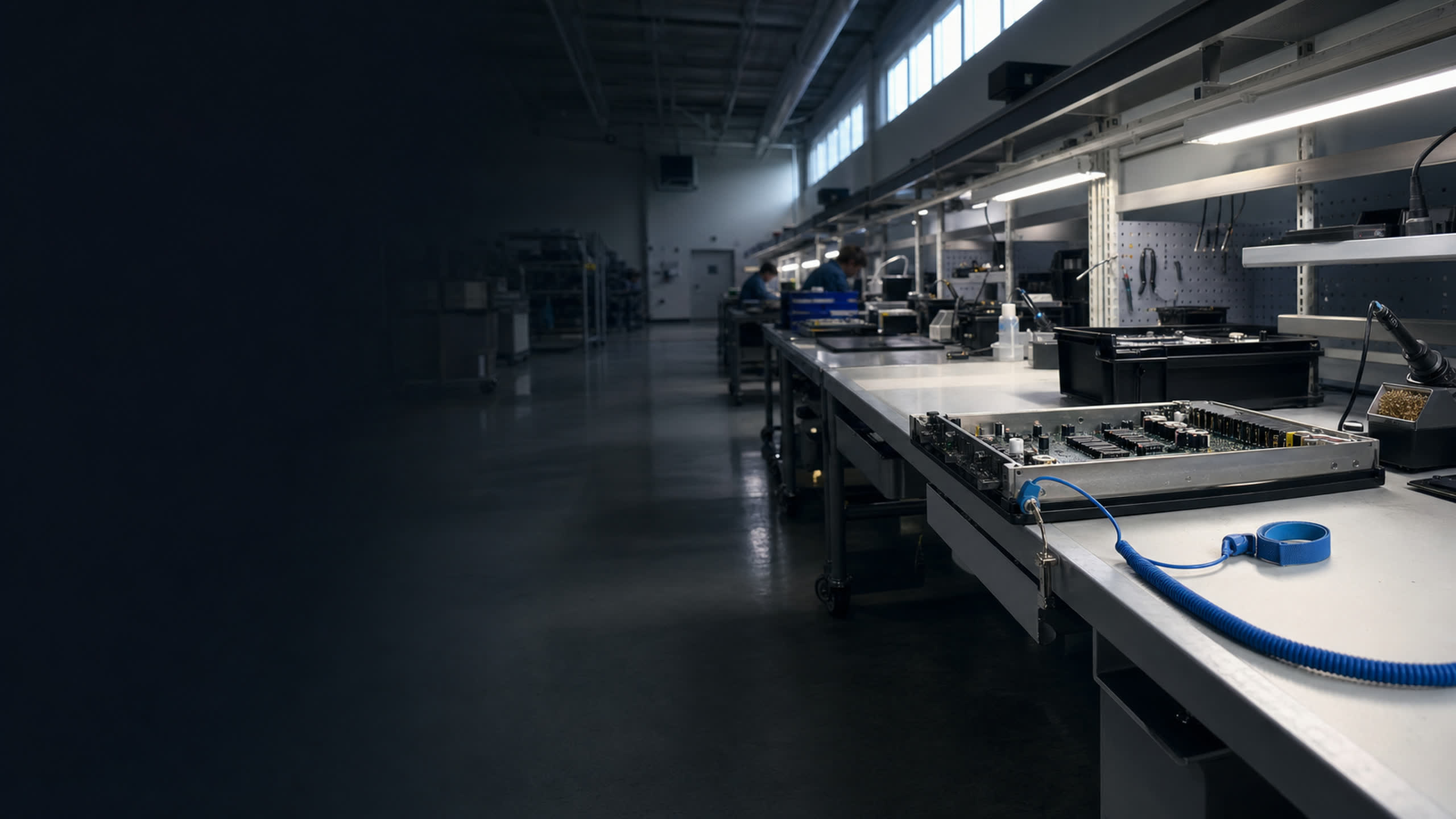
Program quantities are awkward. Fifty panels, two hundred assemblies, a re-run of something built four years ago — none of it fits a tier-one contract manufacturer's minimum order. We take those lots: build-to-spec electronics assembly, panel builds and small-lot production runs, with traveler-controlled work instructions, first-article inspection before the balance of the lot runs, and a serial on every unit that traces back to the traveler it was built from.
How we work
Spec-controlled builds, lot by lot
Every build runs against a controlled work instruction and bill of materials — no verbal changes on the floor. First-article inspection confirms the build matches spec before the rest of the lot runs, and every unit carries a serial number back to its build traveler.
Component sourcing runs alongside assembly, not separately: we confirm country of origin and TAA designation per lot before procurement, so a production run doesn't stall on a compliance question discovered after parts arrive.
Build-to-spec assembly with controlled work instructions
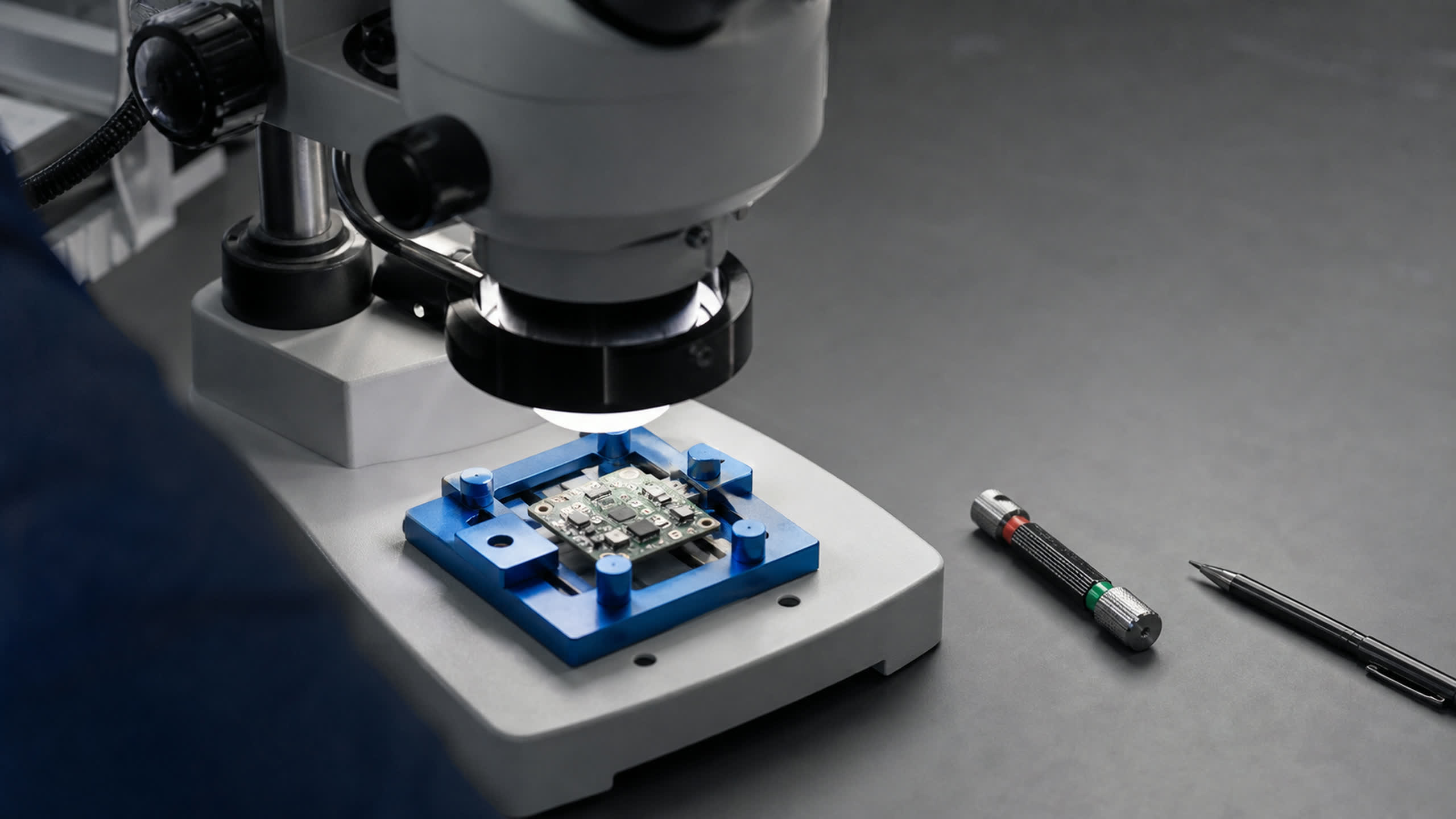
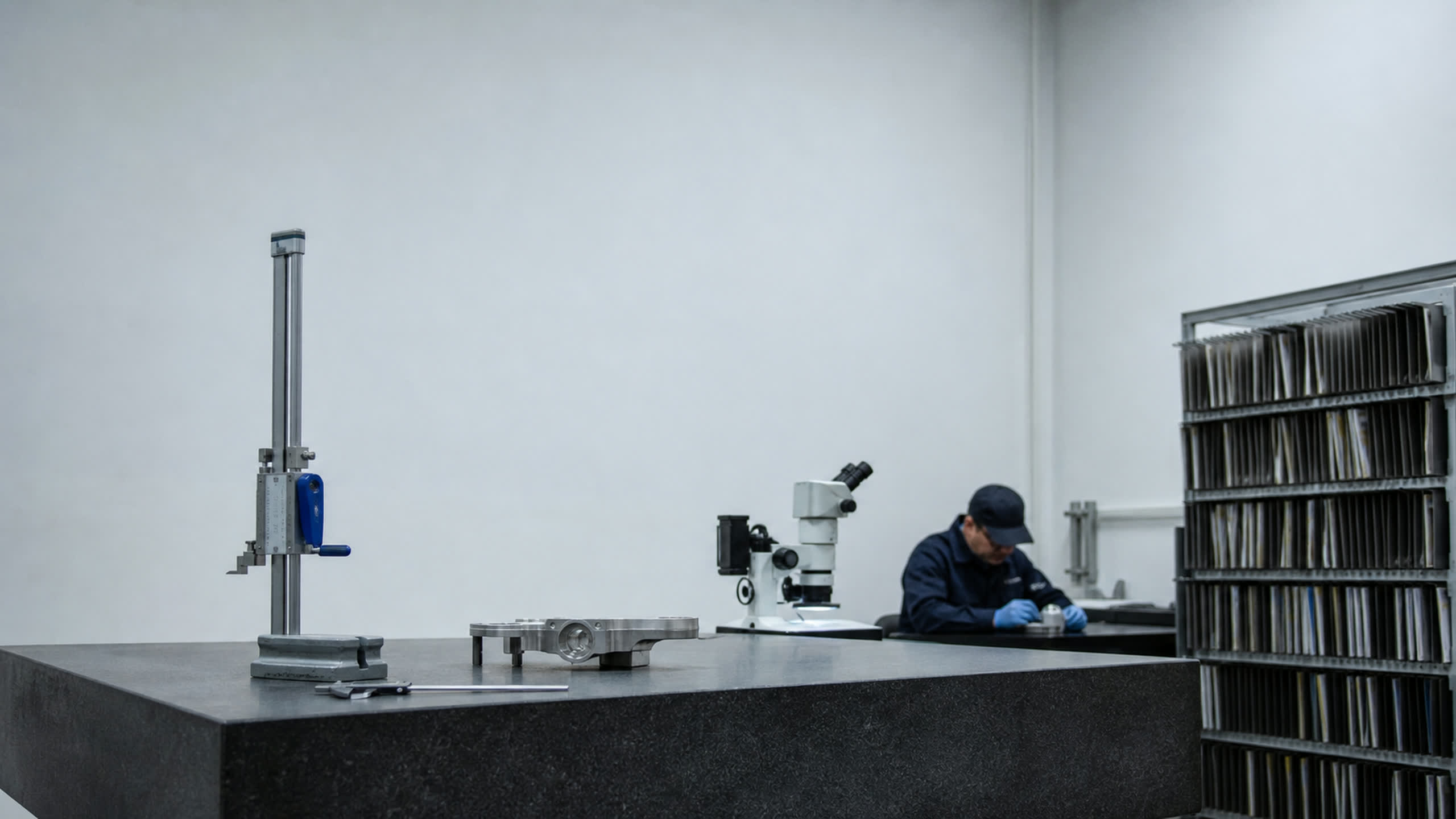
First-article inspection and in-process quality checks
Lot traceability and serialization back to build travelers
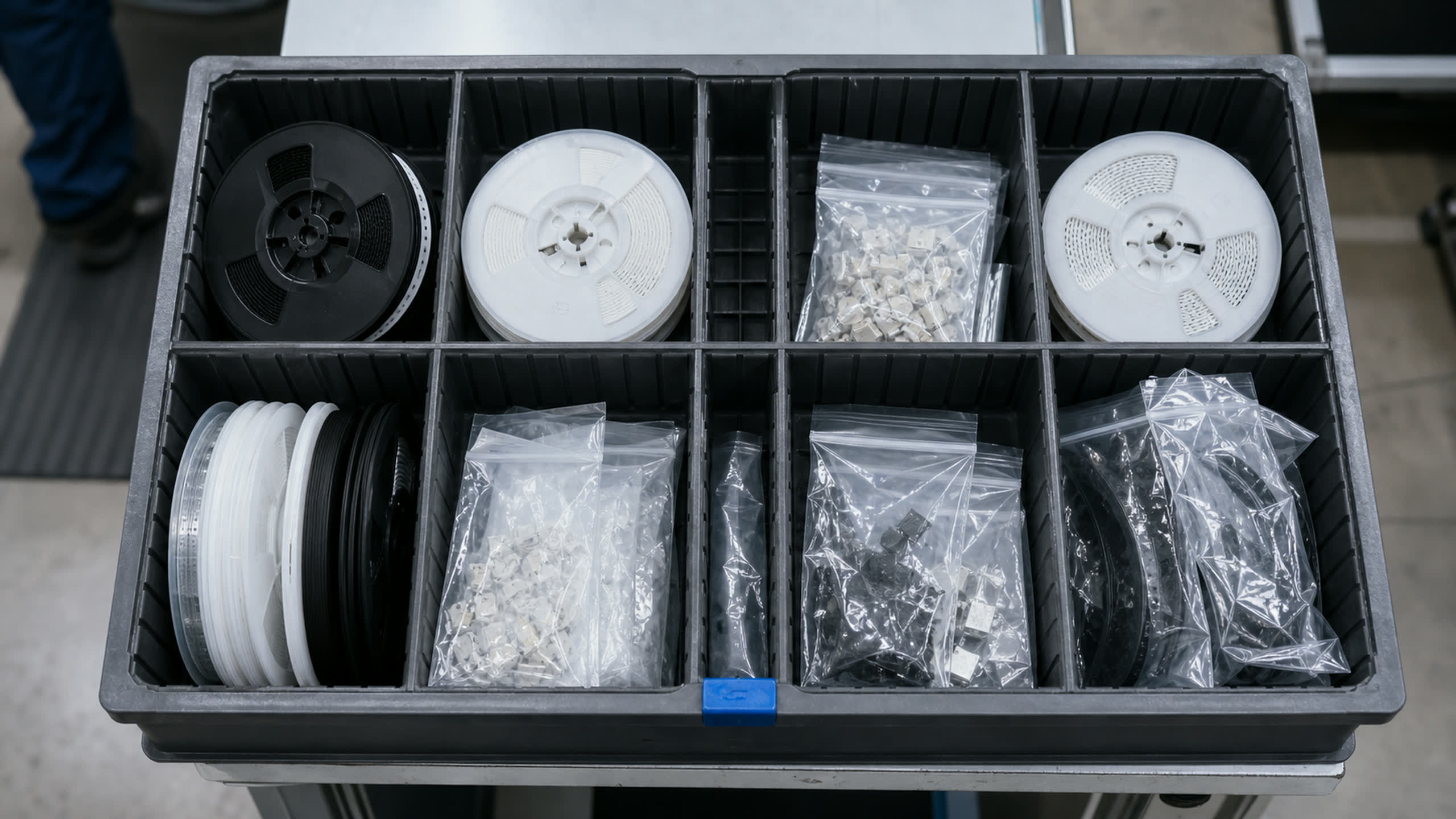
TAA-screened component sourcing confirmed before kitting
Whether the lot is five units or five hundred, the same controls apply — the difference is scale, not rigor.
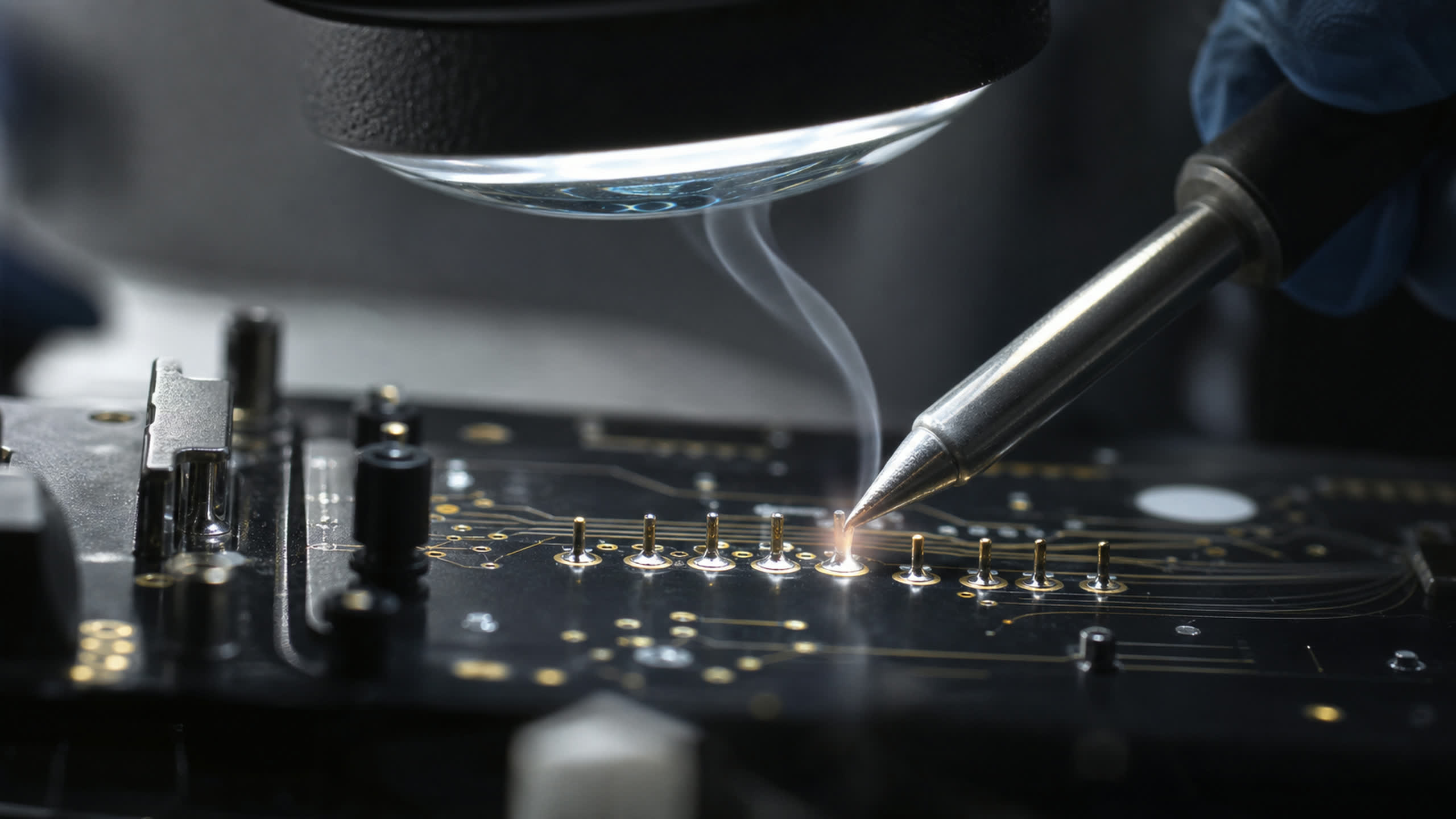
Build-to-spec assembly
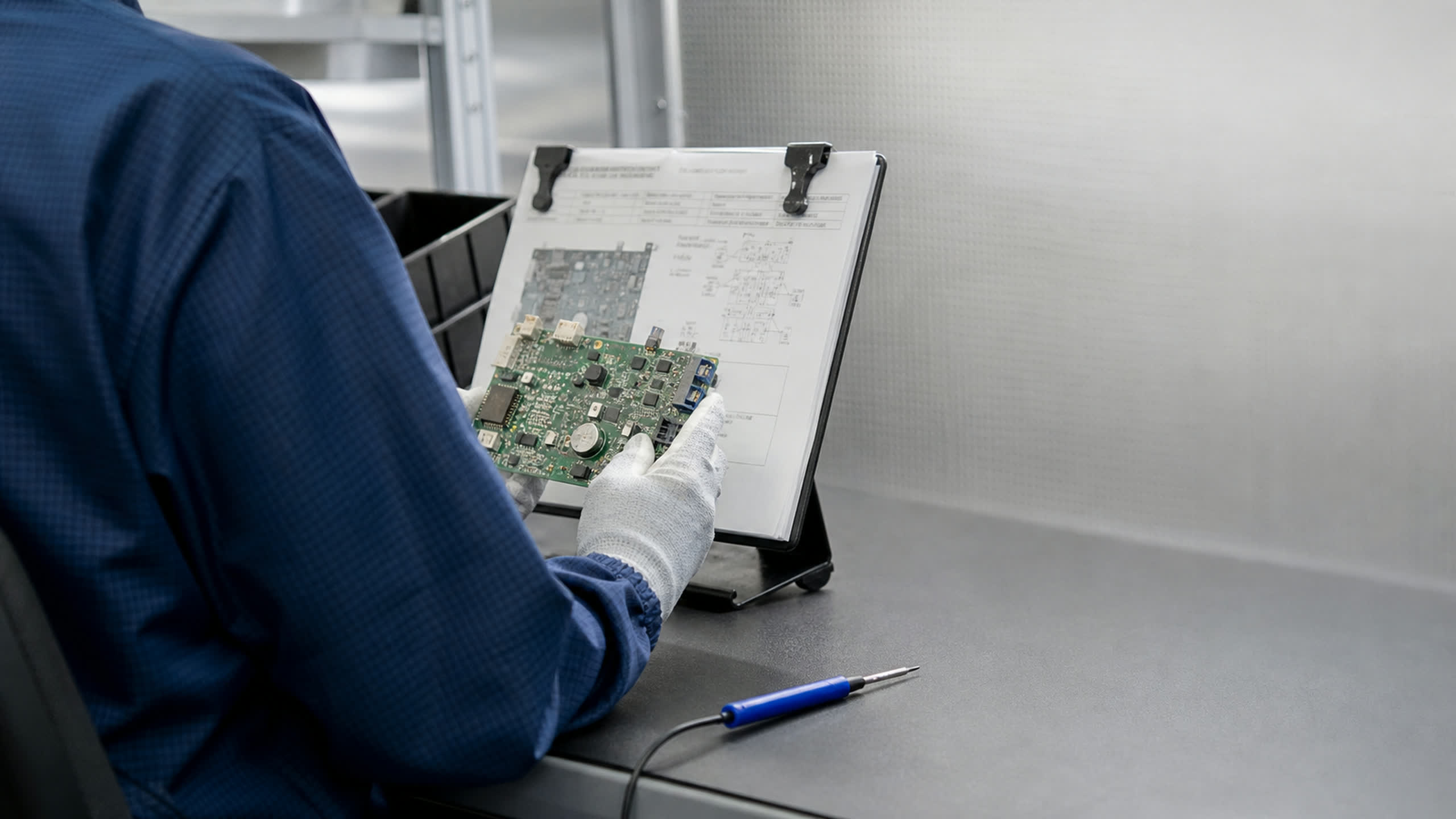
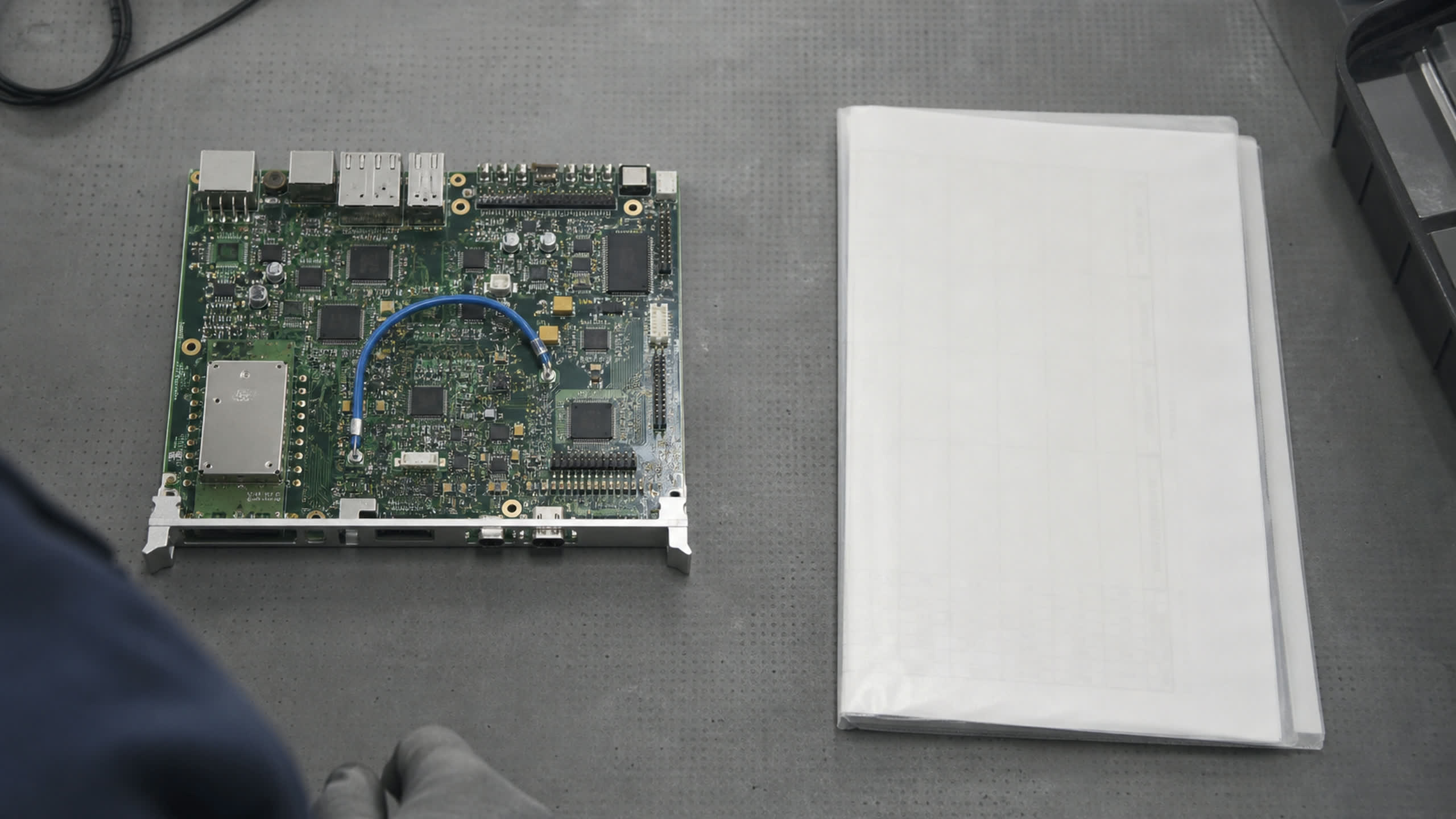
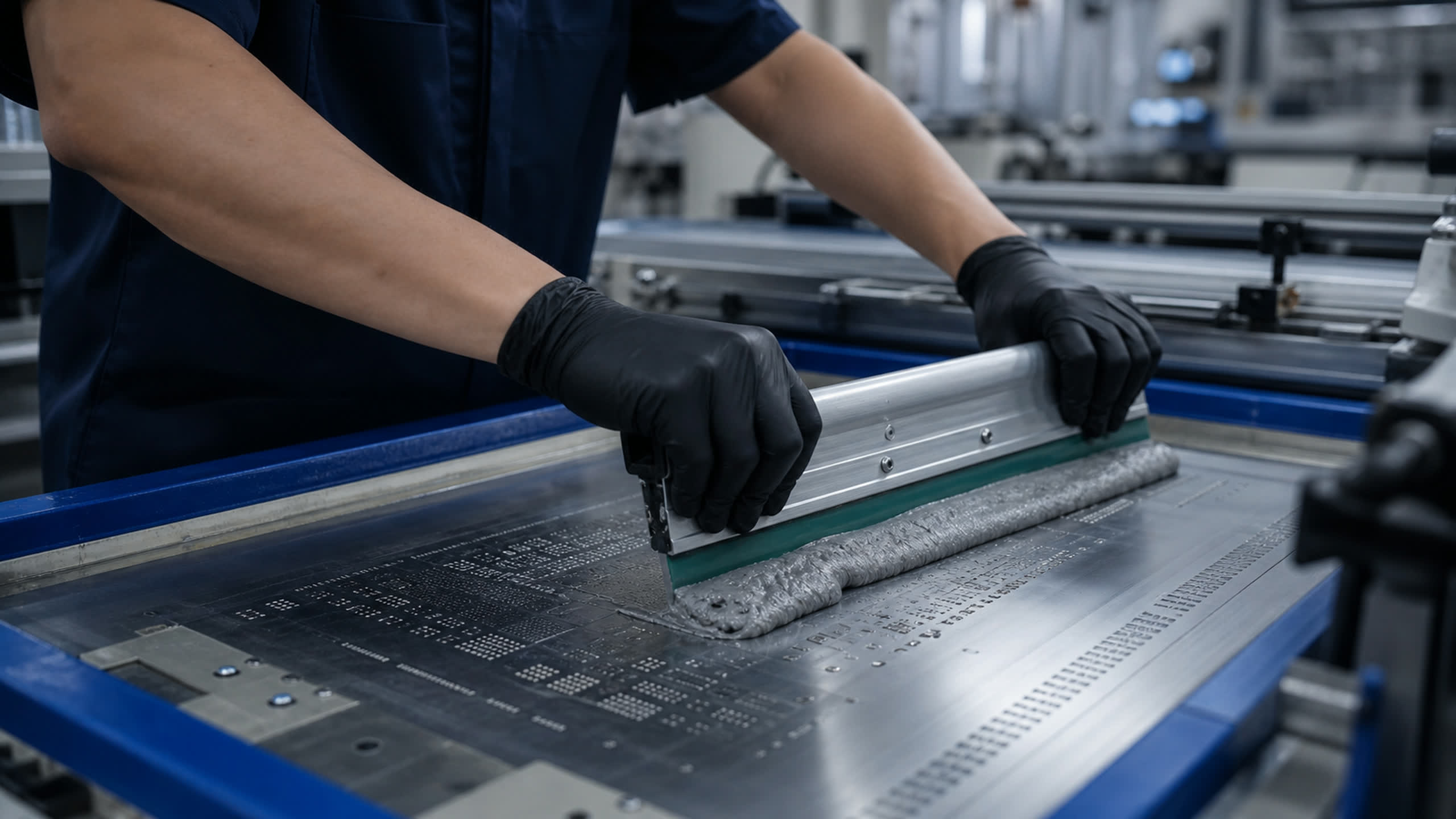
Build-to-spec assembly means the build follows a released work instruction and drawing package, and a change to it goes through document control before the floor sees it — a revision, not a verbal correction at the bench. First-article inspection is the gate: one unit is built and verified to the drawing, and only after it signs off does the balance of the lot run, each unit stamped with a serial that ties back to the traveler it was built from.
For small-lot production runs where a full contract-manufacturing relationship isn't justified, we scale the same process down without cutting the quality steps: work instructions, first-article sign-off and test records still travel with every unit.
Controlled work instructions and released bill of materials per build
First-article inspection before the balance of the lot runs
Serialized units traceable to their build traveler
Same process from single-digit builds to multi-hundred-unit lots
Panel & enclosure builds
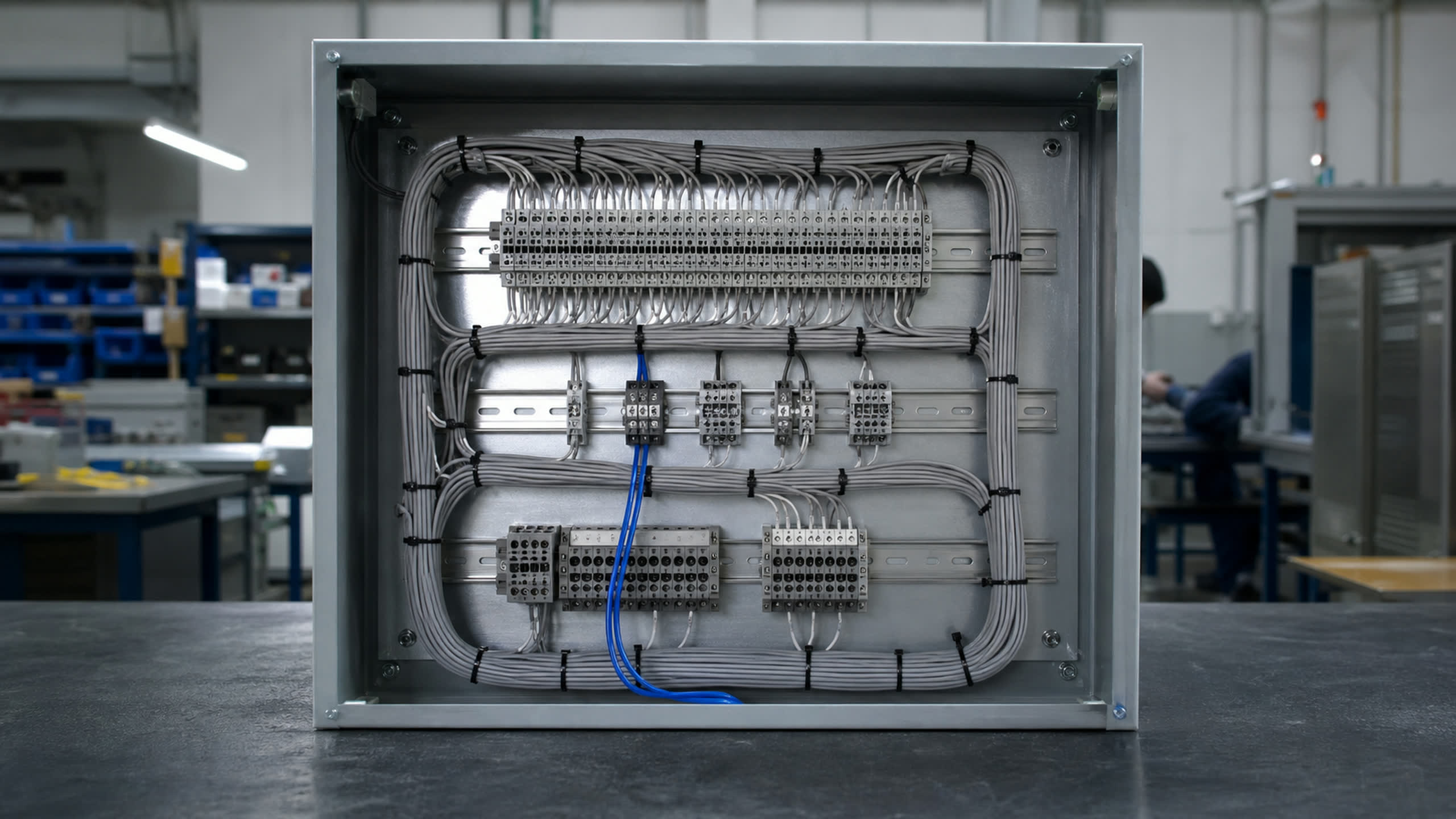
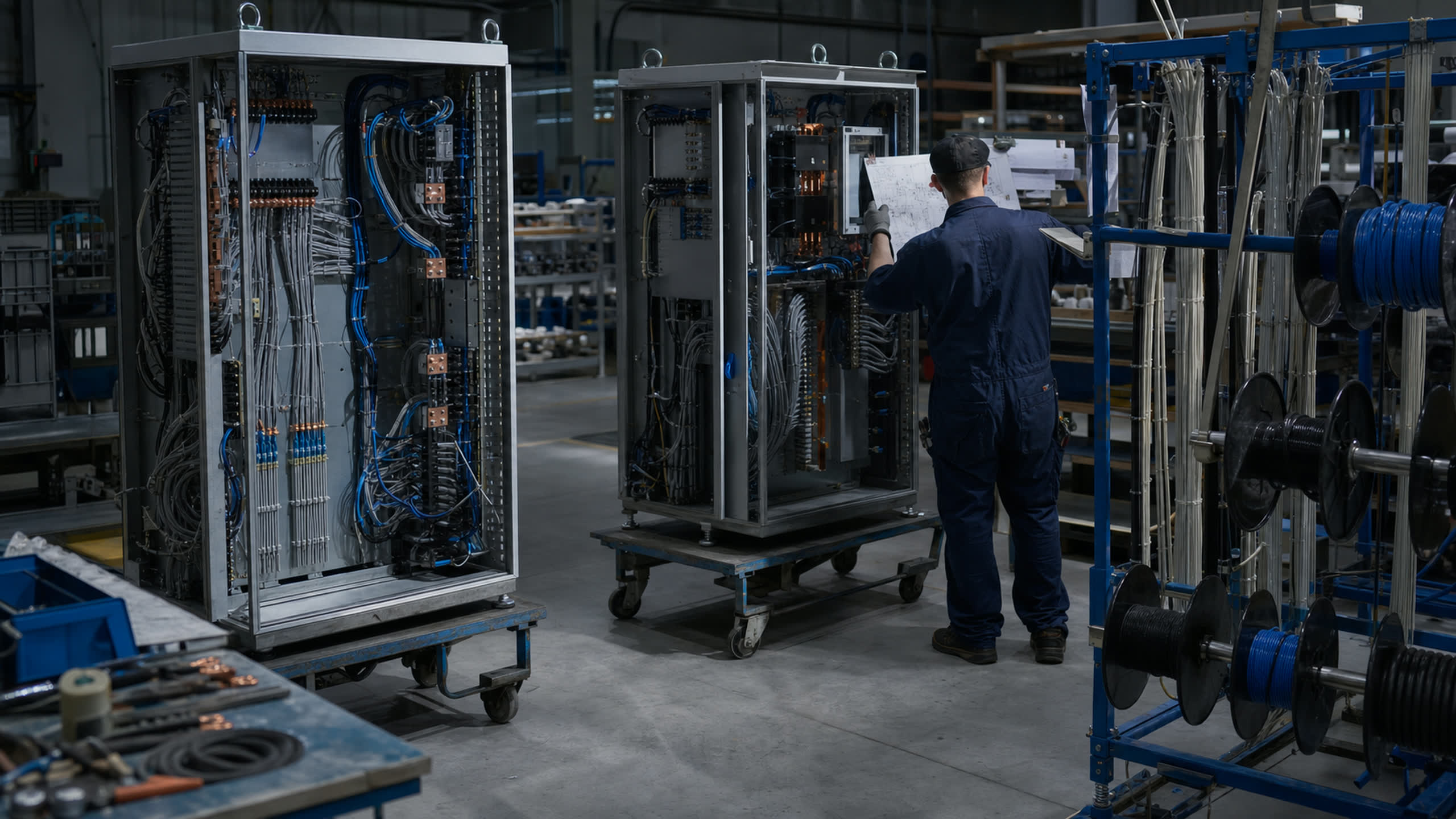
Panel builds — control panels, power-distribution assemblies, custom enclosures — carry their own risk profile: point-to-point wiring, torque specs on lugs, and dielectric or continuity testing that a generic assembly house treats as an afterthought. We treat it as the deliverable.
Wiring is built to print, terminations are torqued to spec, and every panel is tested before it ships — so what arrives on site energizes the way the drawing says it should, without a punch list waiting at the other end.
Point-to-point wiring built and dressed to print
Lug and termination torque recorded to spec
Continuity and dielectric test records per assembly
Custom enclosures fitted, labeled and tested before shipment
Quality control that travels with the unit
Quality is documented, not asserted. First-article inspection gates the lot, in-process checks catch drift before it multiplies, and the workmanship class your drawing calls out — for example IPC-A-610 Class 2 or 3 — is the standard the build is inspected against.
The records leave with the hardware: build travelers, inspection sign-offs and, for panels, torque and continuity/dielectric data, so your receiving and quality teams reconcile against paperwork instead of taking the build on faith.
First-article inspection before lot release
In-process quality checks at defined build steps
Inspection to the workmanship class the drawing specifies
Inspection and test records delivered with every unit
Sourcing, kitting & delivery
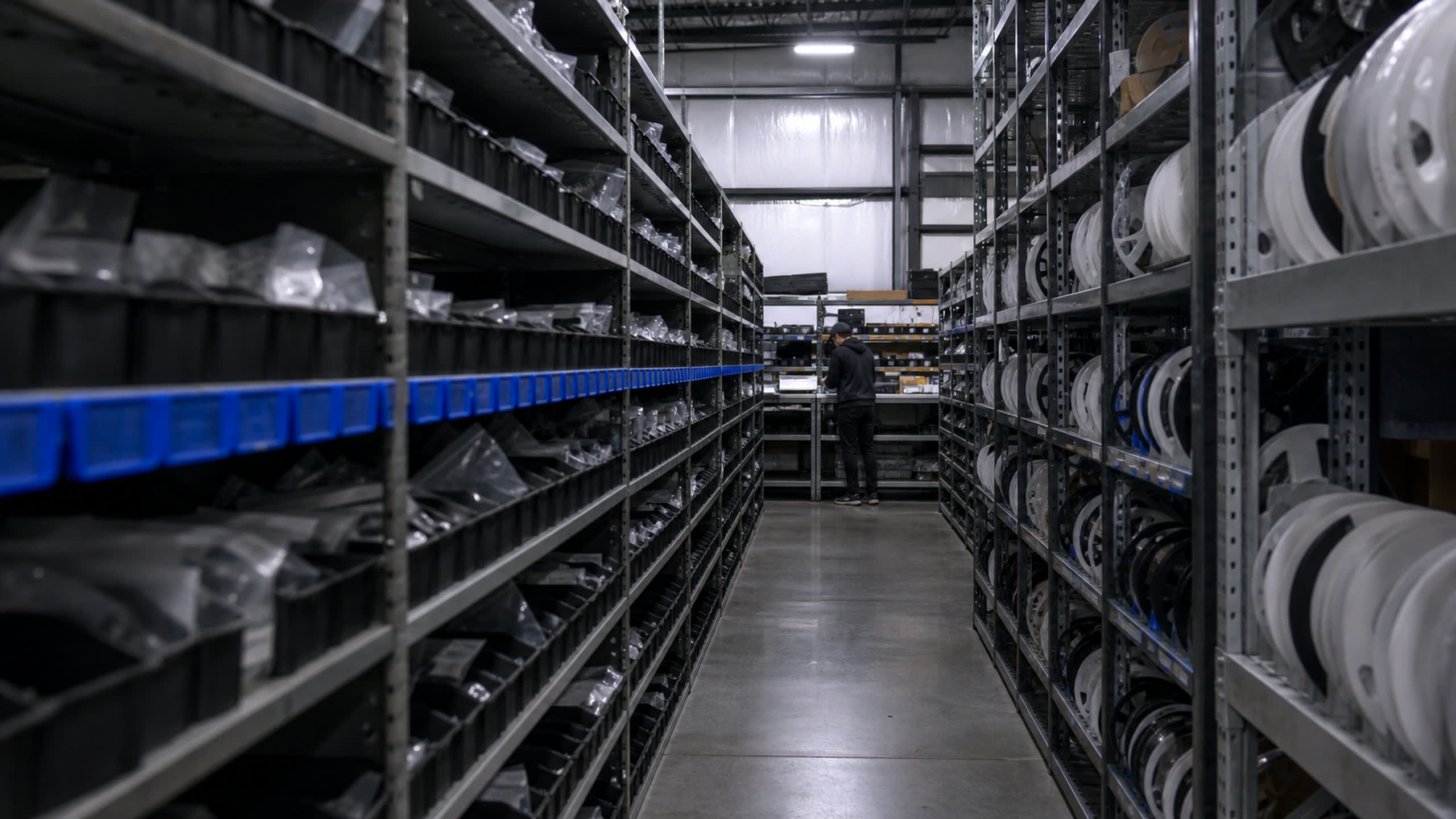
Sourcing closes out before the floor needs parts. The bill of materials is cleared line by line — country of origin and TAA designation settled at procurement, NDAA §889-covered items screened out, and long-lead items ordered early enough that the build starts with a complete kit rather than a partial one. The compliance answer is resolved up front, so a lot doesn't halt at first-article because a part cleared incoming that never should have.
Finished units are packaged and kitted to your program's receiving requirements — labeled, manifested and staged so what lands on your dock matches what the purchase order and the install plan expect.
Country-of-origin and TAA designation confirmed per lot
NDAA §889 covered-equipment screening before kitting
Consigned or turnkey material both supported
Packaging and kitting to program receiving requirements
What's included
What ships with every lot
Controlled bill of materials and work instructions per build
First-article inspection before lot release
Panel builds with torque, continuity and dielectric test records
Serialized units with lot traceability documentation
TAA-screened sourcing and country-of-origin confirmation
Packaging and kitting to your program's receiving requirements
Fielded hardware
Platforms we field in this lane
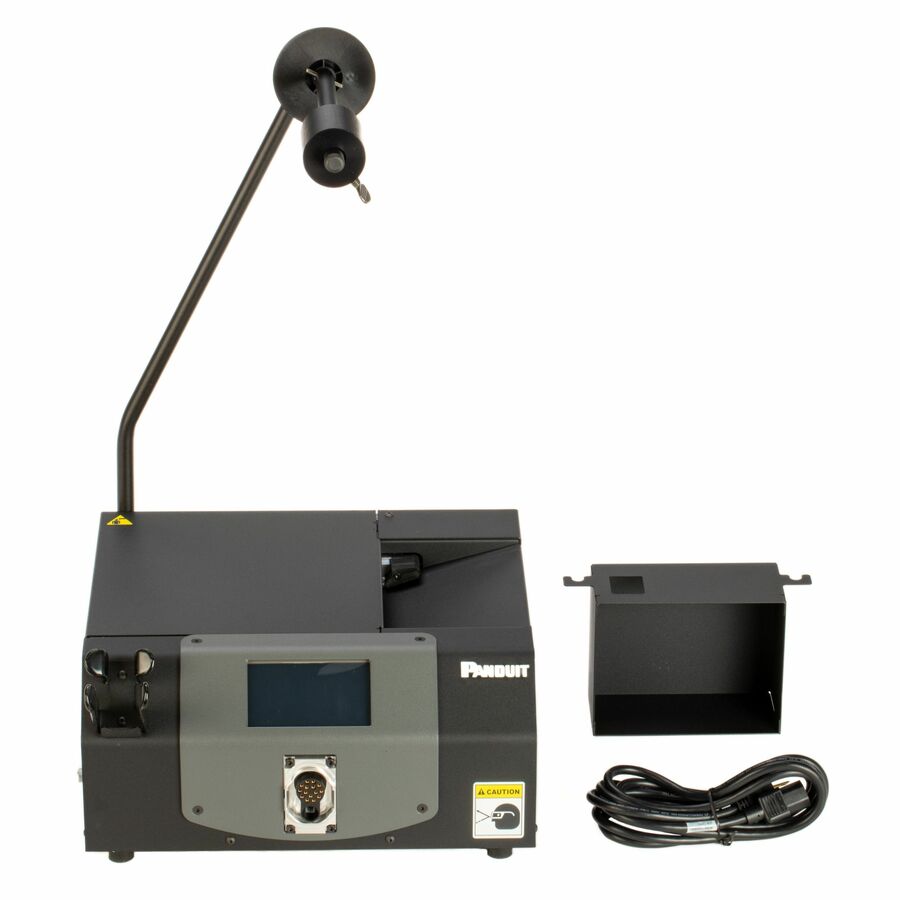
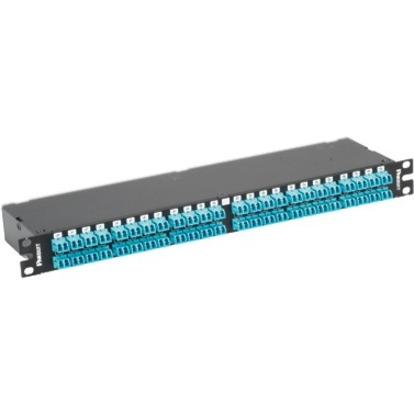
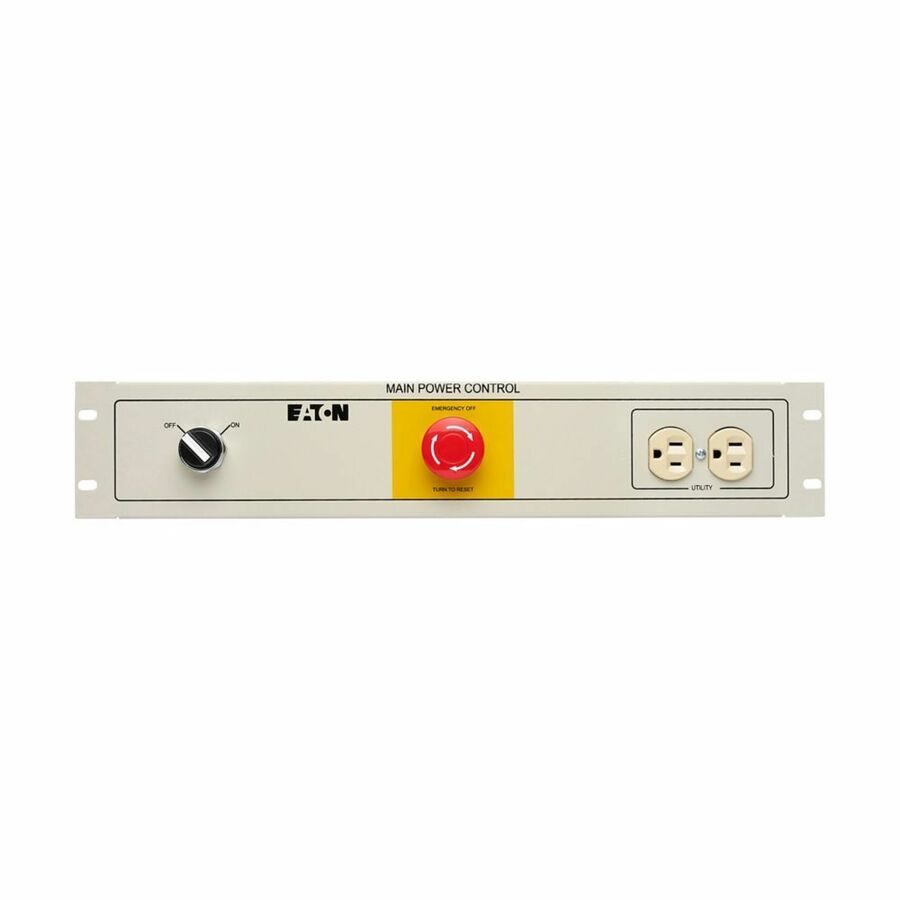
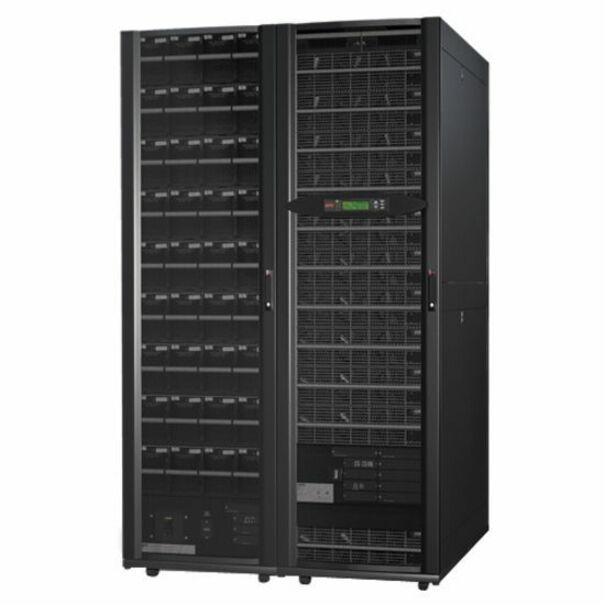
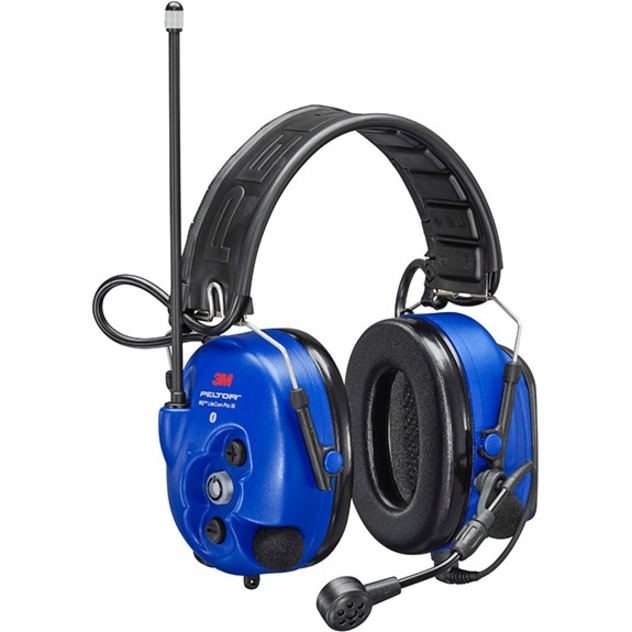
Representative hardware from the live Uniqcli catalog: sourced through US distribution, screened line by line, and configured for the program before it ships.
What's your minimum order quantity for a production run?
We size runs to the requirement, not a contract-manufacturing minimum. Single-digit panel builds and multi-hundred-unit lots run under the same quality process.
Can you build to our drawings, or do we need a finished design first?
We build to your controlled drawings and bill of materials. If the design isn't finished, our R&D lane can take it there first — design and build hand off under one contract.
What quality documentation ships with each unit?
Build travelers, first-article inspection records, and for panel builds, torque and continuity/dielectric test data. Serialized units trace back to lot and component source.
Which workmanship standard do you build and inspect to?
We build and inspect to the workmanship class your drawing calls out — commonly IPC-A-610 Class 2 or 3 for electronics assembly. If the drawing doesn't specify one, we confirm the target class with you before the first article so the acceptance criteria are agreed up front.
Do you work from consigned material or turnkey?
Either. You can consign material against the bill of materials, or we source it turnkey through TAA-screened channels with country of origin confirmed per lot. Mixed builds — some lines consigned, some sourced — are common and tracked line by line.
How an engagement runs
From requirement to delivered, in four steps
1
Brief
Send the requirement as it exists: a statement of work, drawings, a bill of materials or a problem statement. A briefing call scopes it against the lines above.
2
Scope and quote
Feasibility, country-of-origin and §889 screening, and lead times come back with a line-item quote. Nothing is committed until the scope is agreed.
3
Build and integrate
Manufacture, rack, image, configure and test in the facility, so the first time the system is assembled is not on install day.
4
Deliver and sustain
Delivery with serialized chain-of-custody records, then warranty, RMA and lifecycle support on the same relationship.
Compliance and documentation
Screened before it is quoted, documented when it ships
Country of origin and §889 status are checked per line while the quote is being built, not after a program review asks. The same record travels with the order: what was sourced, where it came from, who handled it and when it shipped.
TAA (FAR 52.225-5) country-of-origin screening on every line
NDAA §889 covered-equipment screening on every line
FIPS 140-2/3 validated options where the requirement calls for it
DoDIN APL listing paths verified before a quote is issued
Section 508 / VPAT documentation available on request
Serialized chain-of-custody records delivered with every shipment
Send the drawings and a bill of materials, or just the unit count if the design is still moving. You get back a build plan, the quality process it runs under, and a lead time.