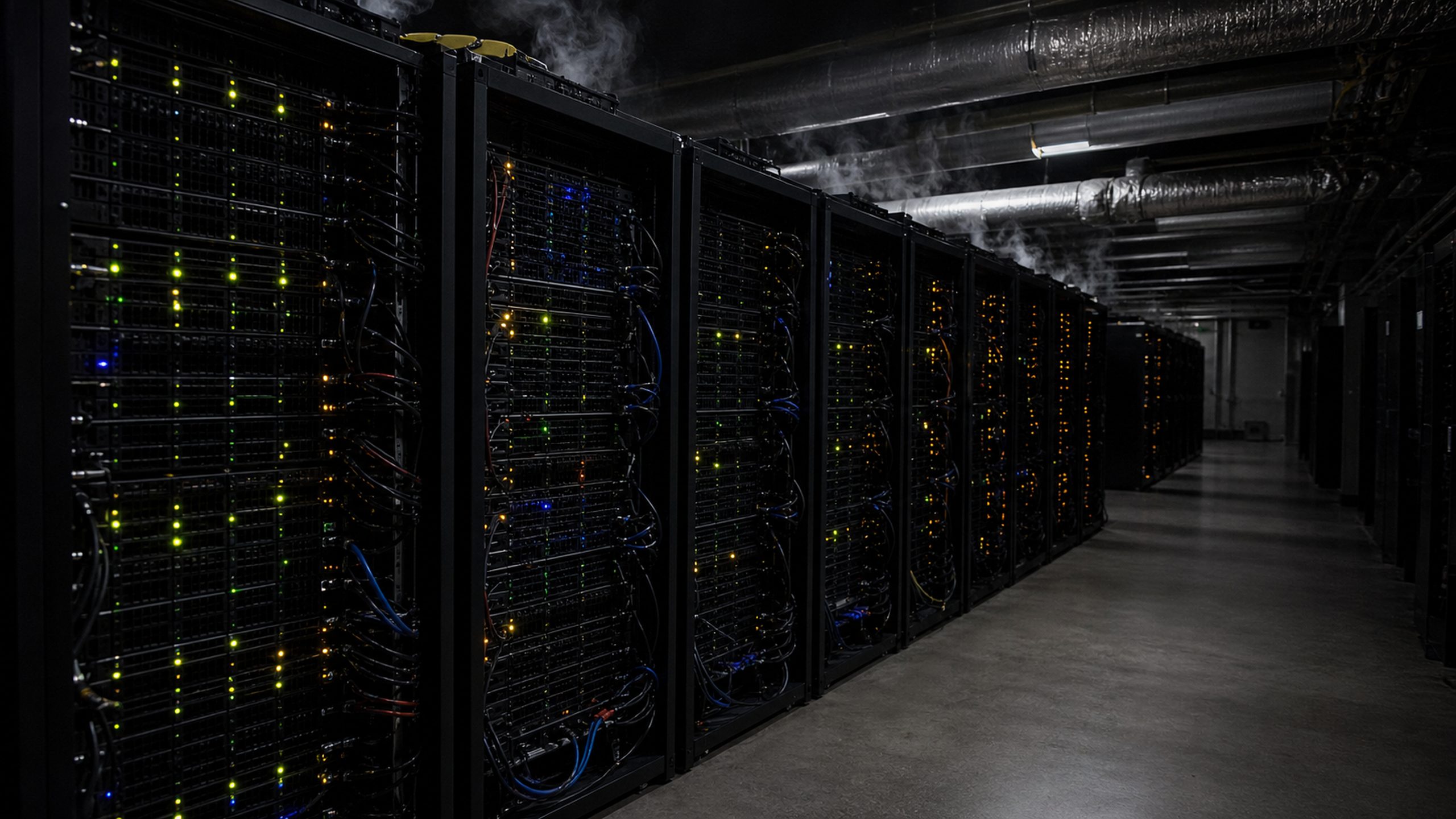
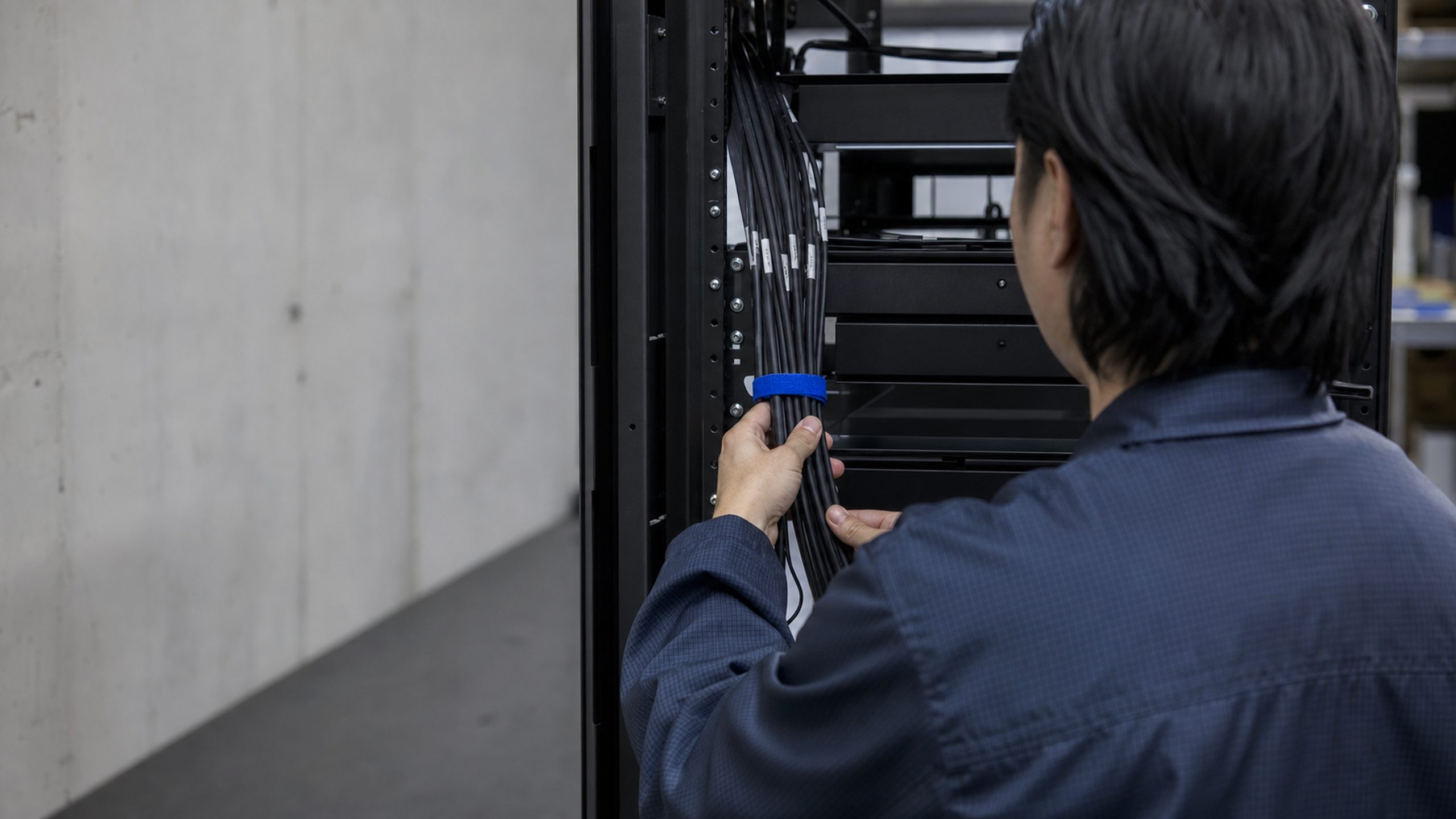
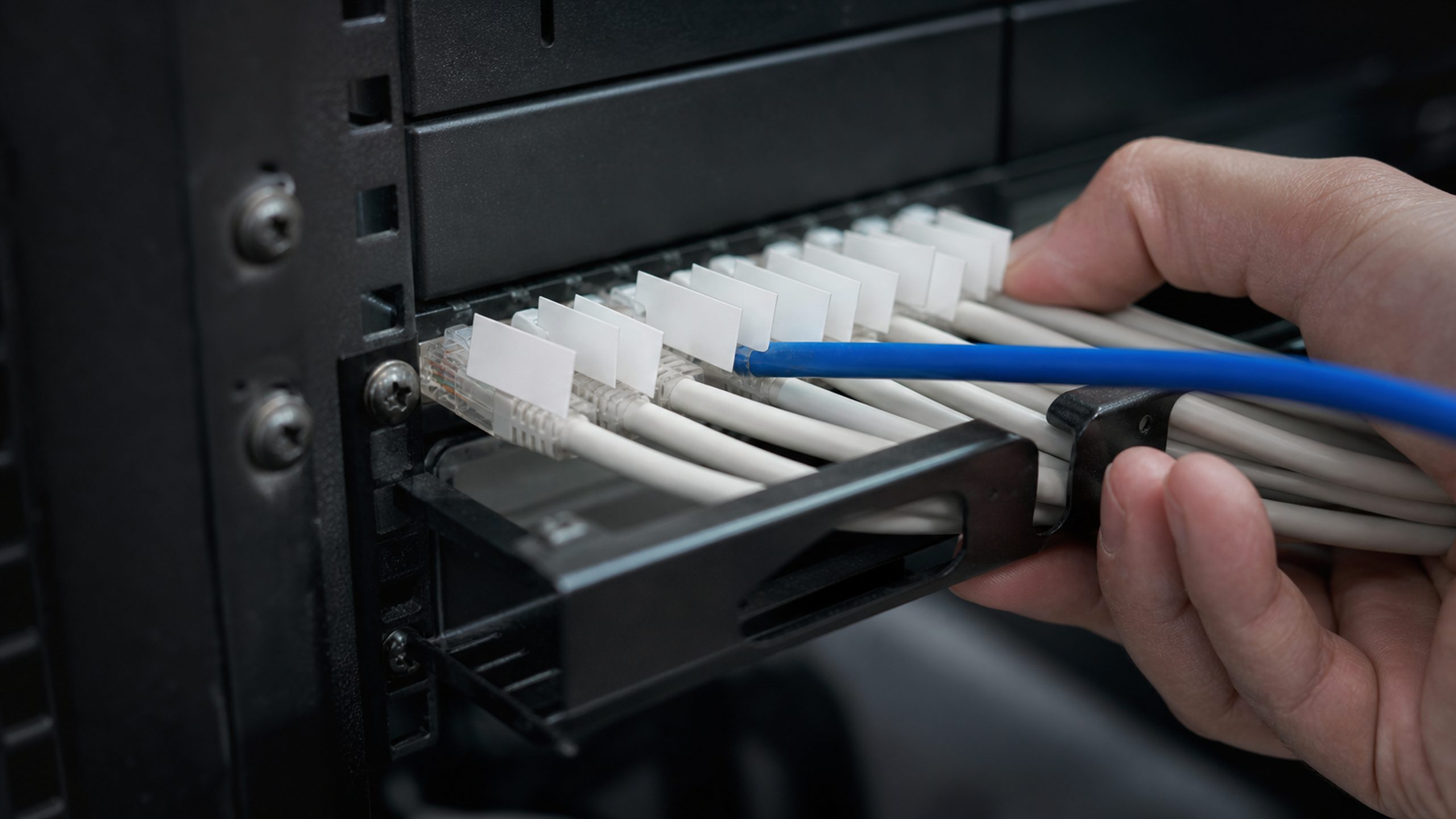
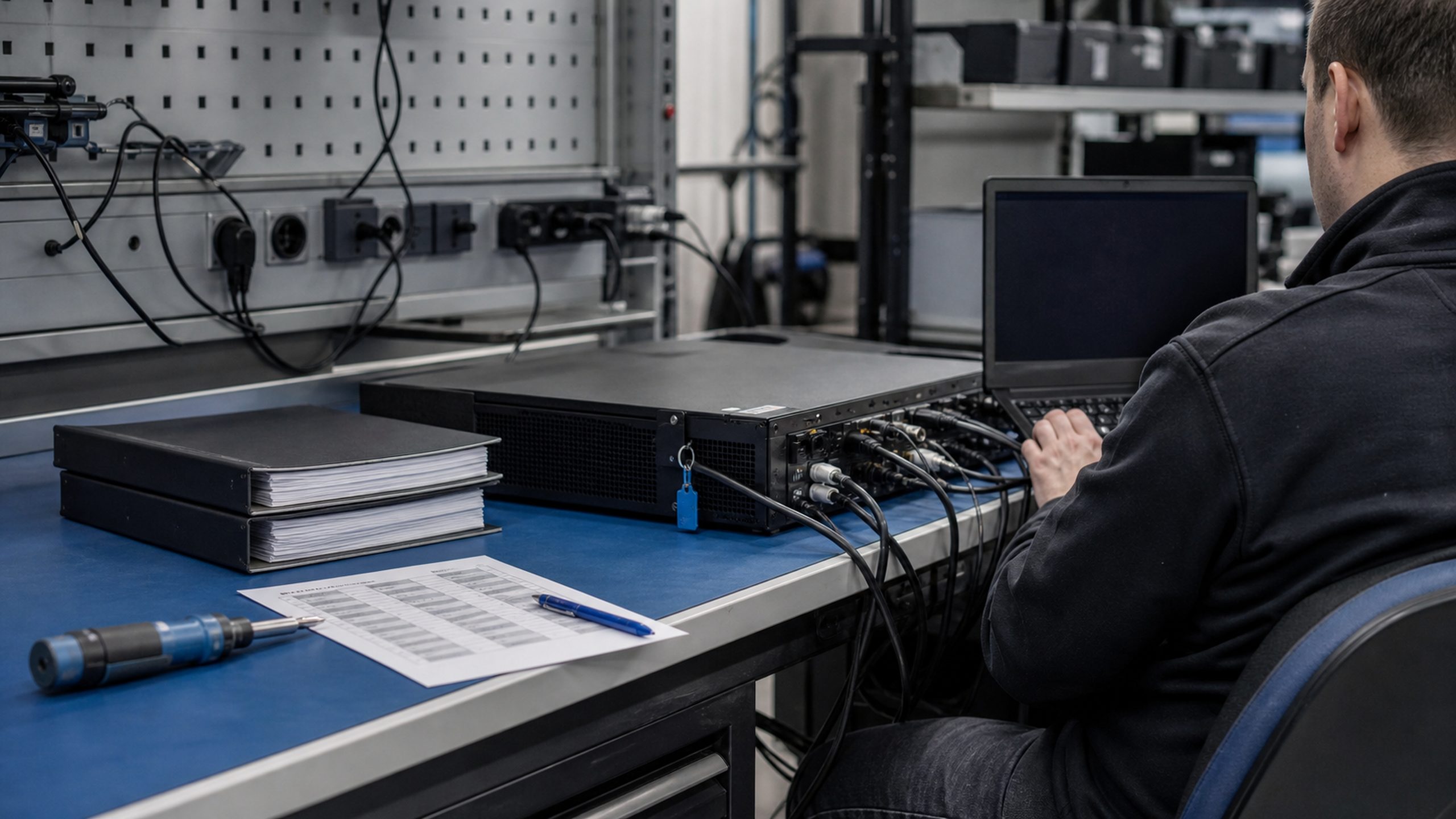
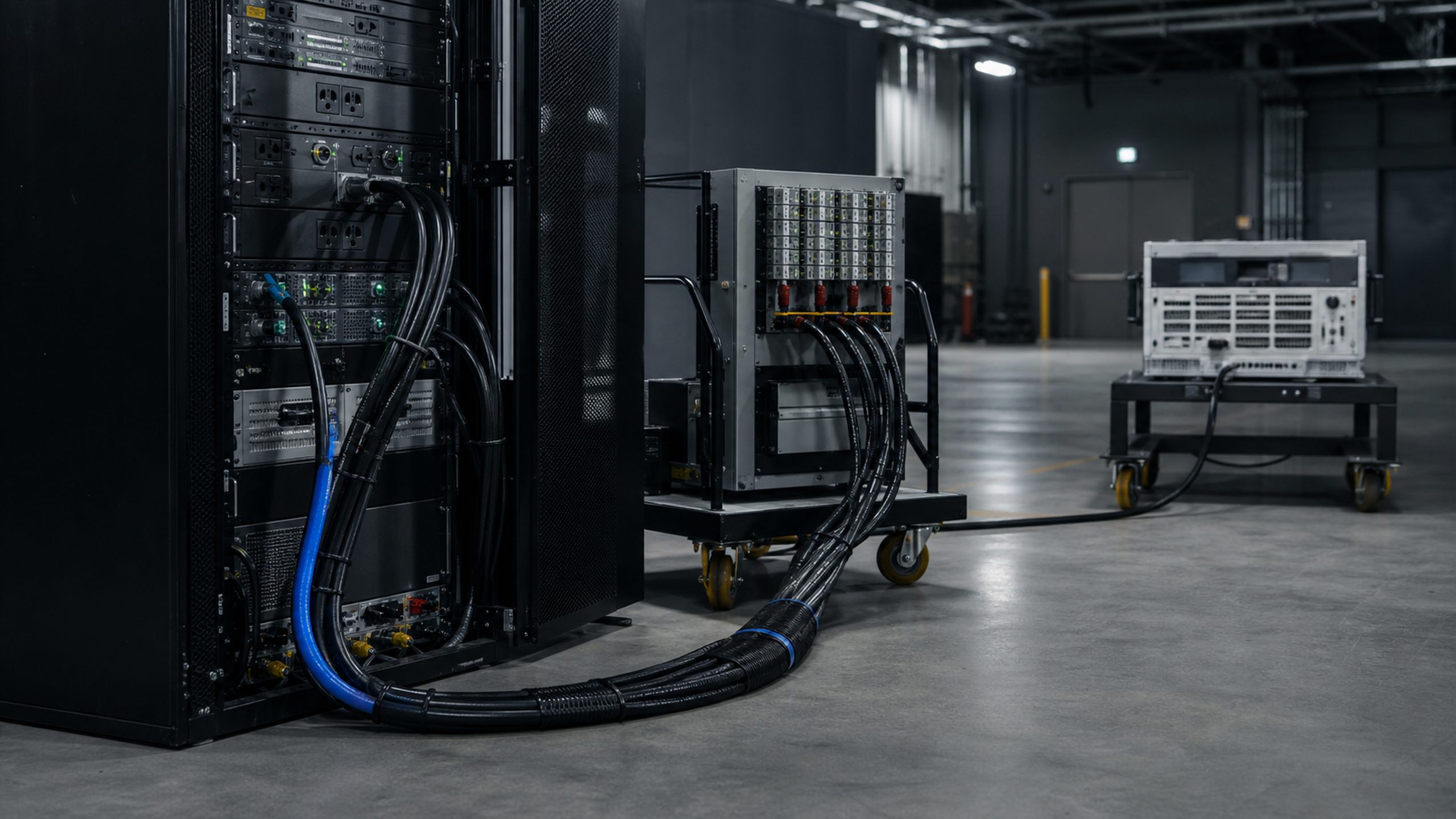
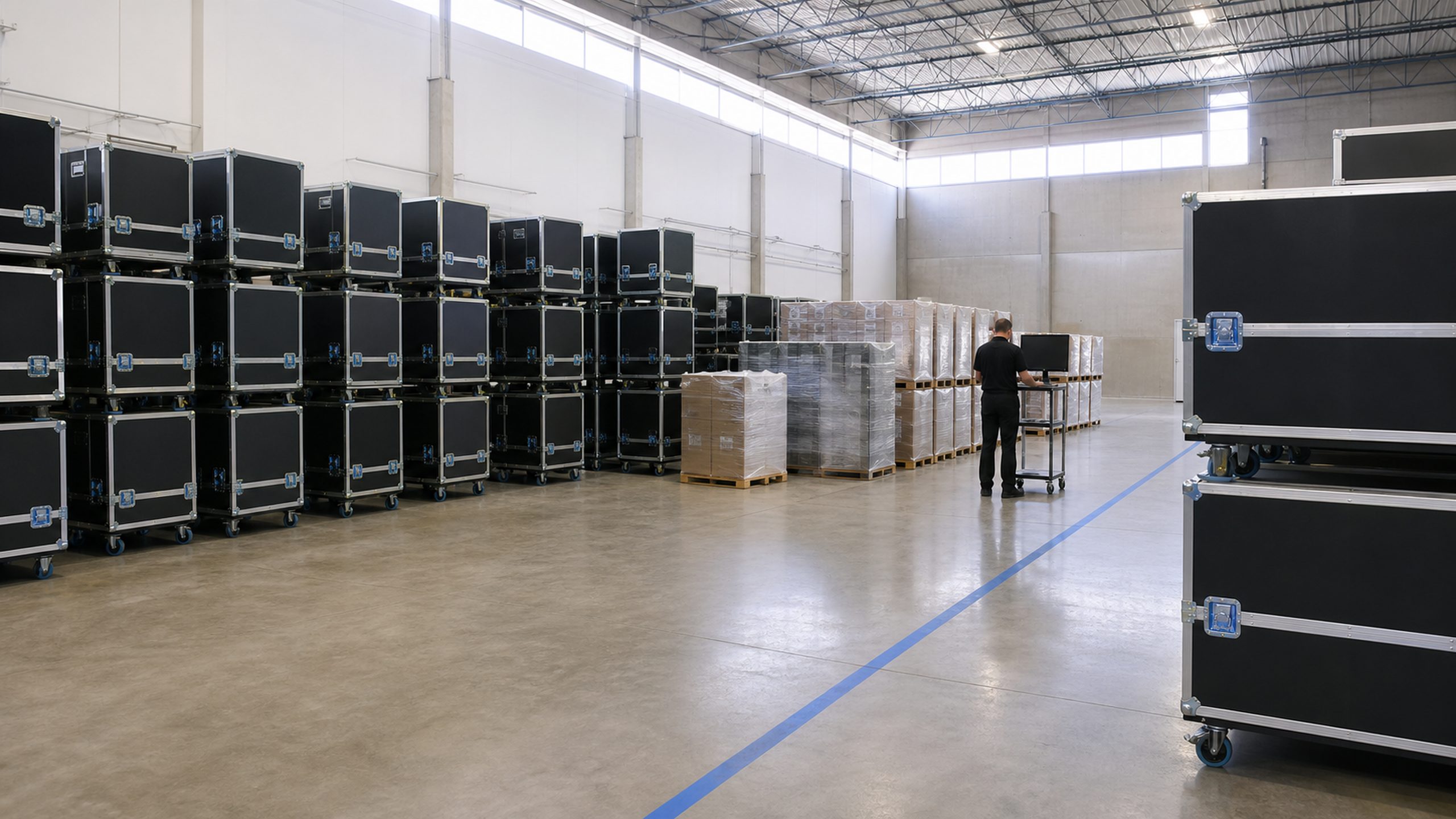
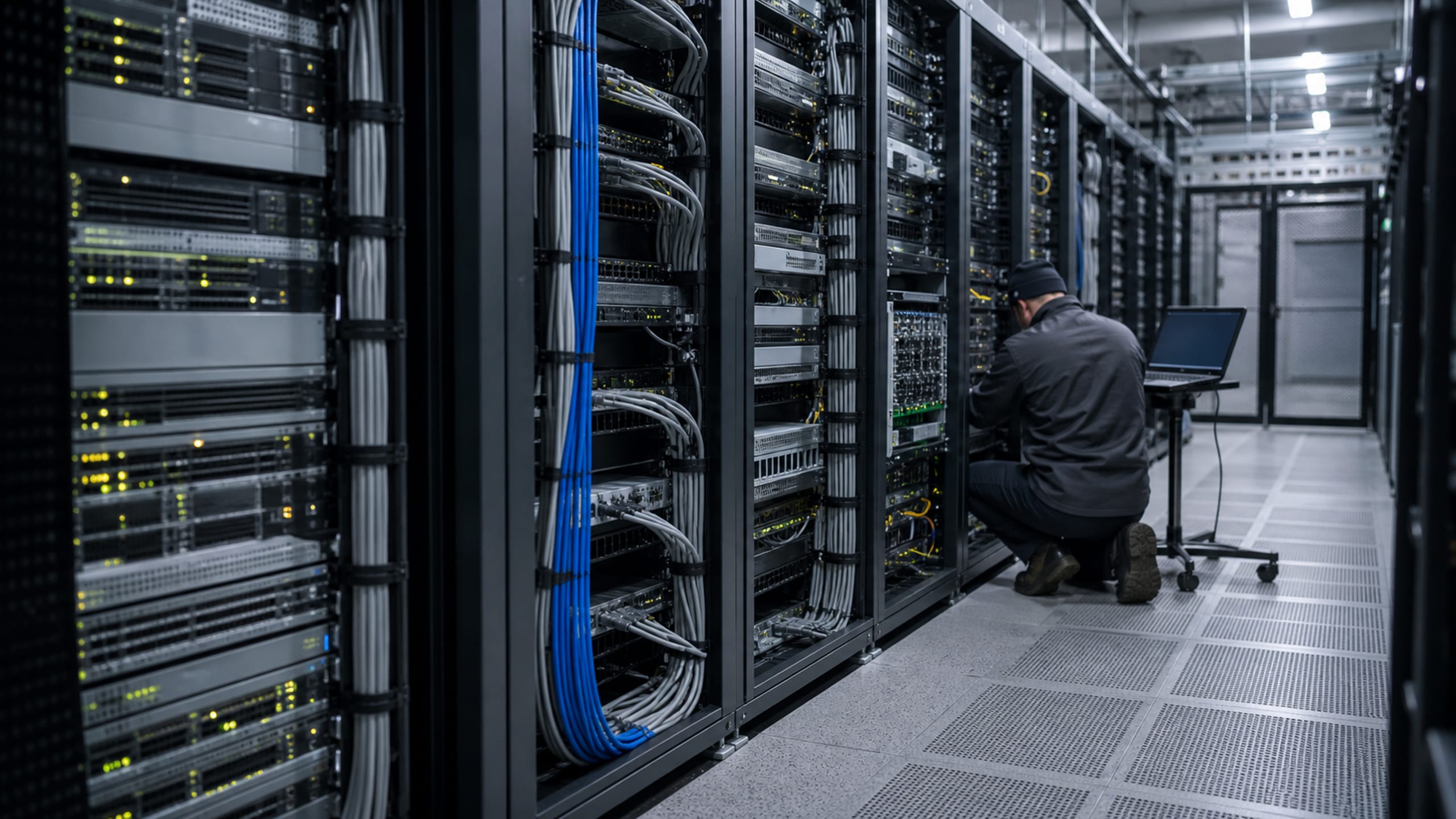
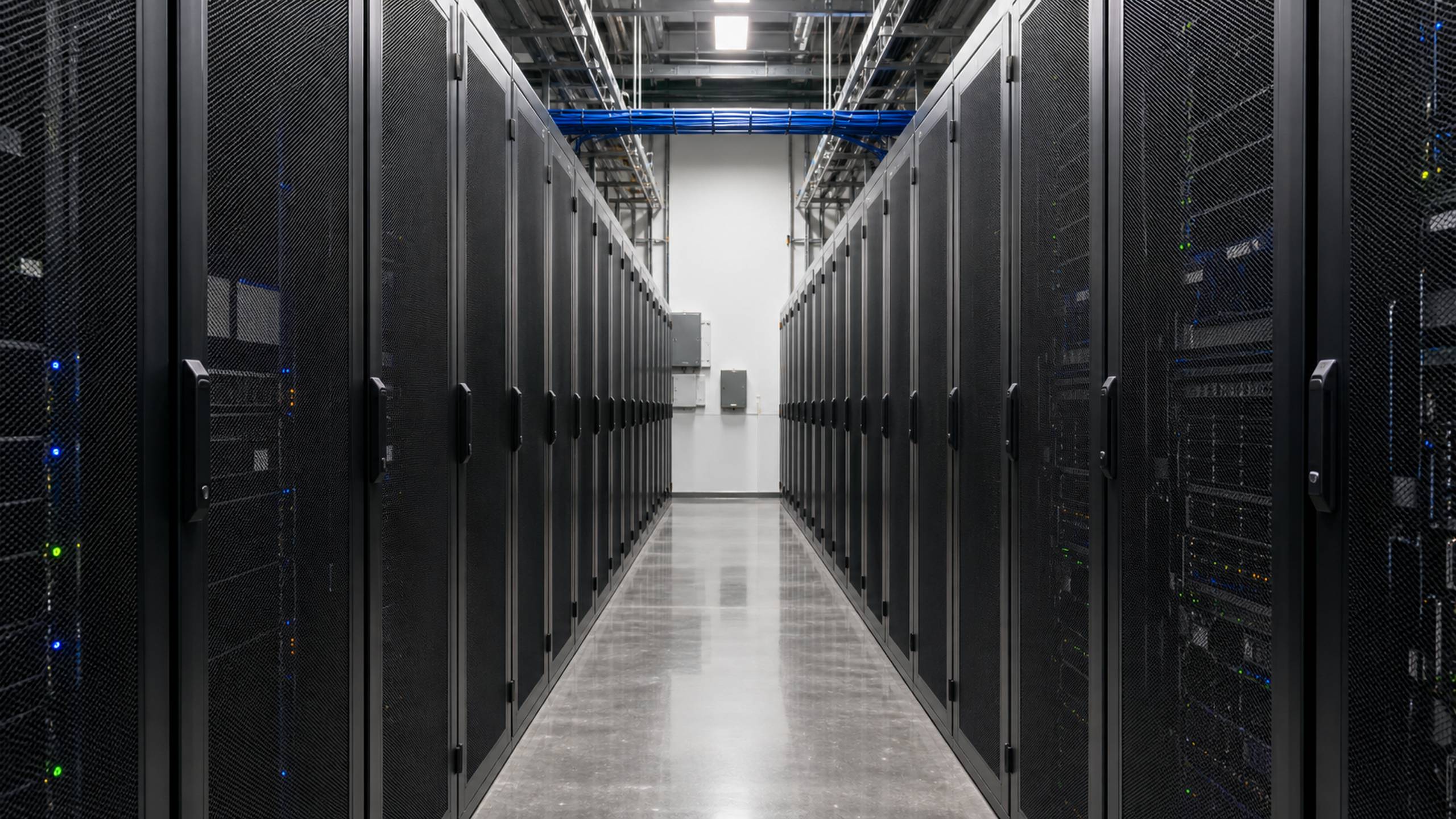
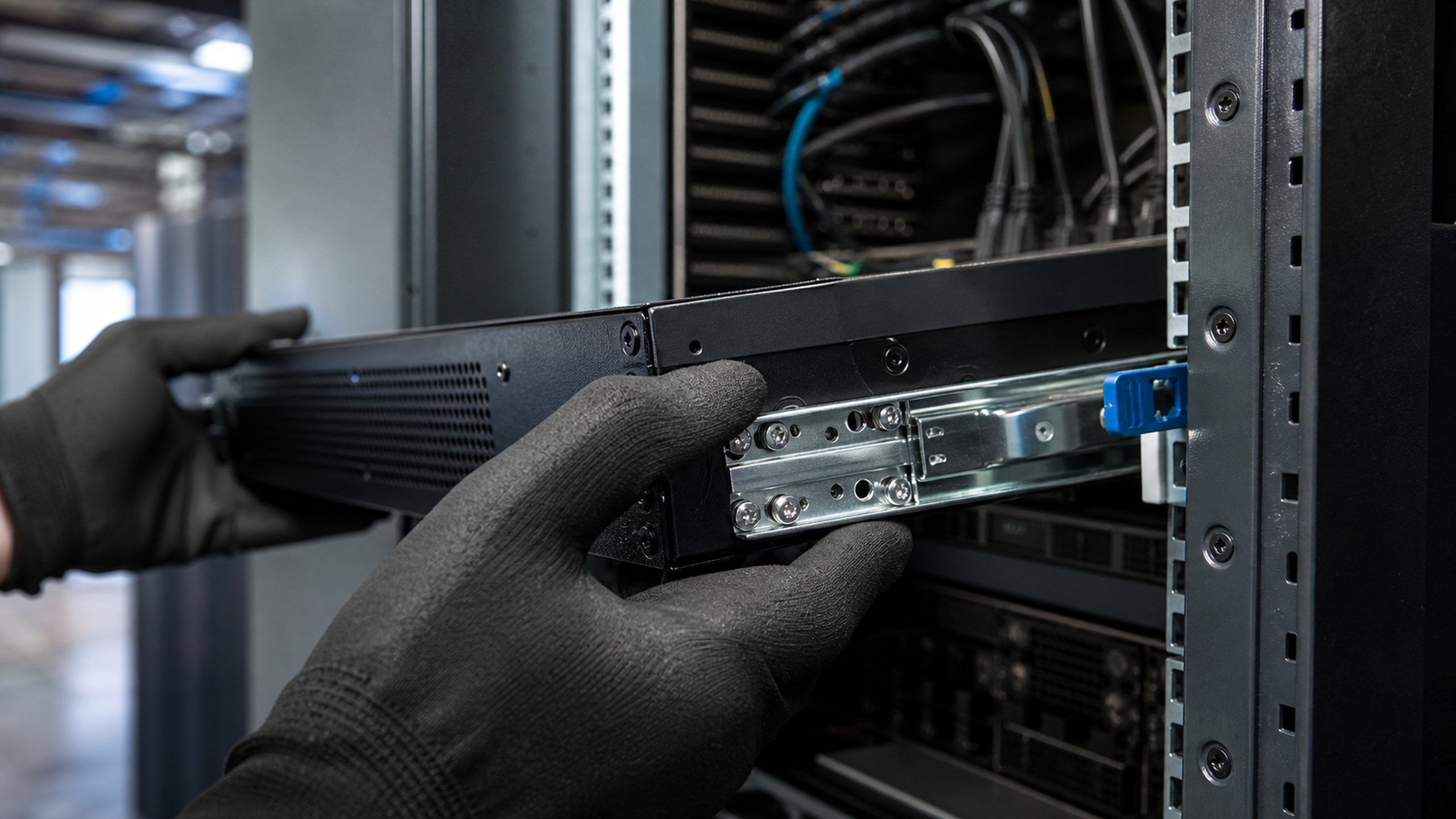
Government- and enterprise-wide IT operations and maintenance — servers, networks, communications and security operations sustained under the frameworks your program follows.
Delivered within your program's frameworks · NDAA §889 screened
Overview
Operations and maintenance that keeps the mission running
Standing a system up is the beginning of its life, not the whole of it. After go-live somebody has to patch it, watch it and keep the evidence current — servers, networks, communications and the security controls, against the framework the system was authorized under. That is not an optional extra. NIST SP 800-53 CA-7 requires the review of controls, vulnerabilities, changes and incidents to continue after authorization, and the RMF Monitor step makes ongoing assessment and reporting a permanent obligation rather than a box checked once.
How we work
Run the systems, keep the evidence current
We operate the systems and keep the evidence current at the same time. Patching, configuration changes and vulnerability remediation run to the program's baseline, and each action is recorded the way an assessor expects to find it — so the delivery record an audit asks for is a byproduct of the work, not a reconstruction after the fact.
The operating rhythm follows the framework the customer's program is held to rather than a generic runbook. Where a system is DoD-connected, STIG-hardened or bound to a cloud authorization, the cadence of scanning, patching and reporting is set to that regime, and the same account team that runs the day-to-day carries the compliance artifacts.
Patch and vulnerability remediation run to the program's baseline and timeline
Configuration and change records kept current for assessor review
Operating cadence set by the customer's framework, not a generic runbook
NDAA §889 screening carried through any hardware the program adds
Every discipline runs to the same two standards: the systems stay inside their approved baseline, and the evidence an assessor will ask for is captured as the work happens.
Infrastructure & server administration
Server and infrastructure administration is the daily-operations floor of the lane: operating-system and firmware maintenance, account and access administration, capacity and performance monitoring, and the configuration control that keeps a fleet from drifting out of its approved baseline. The work runs against the system's documented configuration, so a change is a recorded revision rather than an undocumented fix that surfaces at the next assessment.
Whether the estate is physical, virtual or a hybrid of both, the goal is a fleet that stays where its baseline says it should be — with the drift, the unpatched host and the untracked change caught in routine operations instead of at an audit.
Operating-system and firmware administration across physical and virtual hosts
Account, access and privilege administration against the approved baseline
Capacity, performance and availability monitoring
Configuration control so changes are recorded revisions, not undocumented fixes
Patch & vulnerability management
Patch and vulnerability management is run as the lifecycle NIST SP 800-40r4 describes, not as an ad-hoc scramble: assets are identified and classified by risk, patches are staged in a test environment that mirrors production, traffic is drained before deployment, the patch is rolled out through automation or configuration playbooks, post-patch stability is verified, and the result is recorded for compliance review.
Government patch programs fail in predictable ways, and GAO has flagged the recurring ones — installing patches fast enough, keeping heterogeneous and mobile systems current, avoiding unacceptable downtime on high-availability systems, and dedicating enough resource to the function. Planning the maintenance windows and the test-then-deploy path around those constraints is the point of running it as a managed discipline. For DoD-connected systems, IAVA-driven remediation is worked to the program's timeline — the windows are commonly cited as Critical within 30 days, High within 60 and Moderate within 90 days of the IAVA announcement.
Risk-classified asset inventory as the base of the patch cycle
Test-then-deploy staged in an environment that mirrors production (NIST SP 800-40r4)
Maintenance windows planned around high-availability downtime limits
IAVA remediation worked to the program's timeline (commonly Critical 30 / High 60 / Moderate 90 days)
Service desk & incident handling
The service desk is scoped by the systems it covers and the process it follows, not by a headcount or a response-time promise made on a web page. Intake, triage, escalation paths and the record each ticket leaves are defined against the program's requirements, so an incident moves through a documented workflow and closes with an auditable trail.
Incident handling ties into the same evidence discipline as the rest of the lane: what happened, what was done and when, captured the way an incident-response review — and the program's own reporting obligations — will later ask for it. The specific coverage hours and response targets for a given program are defined in that engagement's scope.
Intake, triage and escalation defined against the program's process
Every ticket leaves an auditable record
Incident handling aligned to the program's reporting obligations
Coverage hours and response targets defined per engagement, not advertised
Backup & disaster-recovery operations
Backup and disaster-recovery operations keep the copies current and the recovery path proven. Backup jobs are run and verified — a backup that has never been restored is a hope, not a control — and recovery procedures are exercised against the program's recovery-time and recovery-point objectives rather than assumed to work.
Continuity design runs from the data all the way down to the power path: the UPS and distribution that ride a system through a disturbance are part of the same resiliency picture as the backup schedule, and both are documented so a continuity plan reflects how the environment actually behaves.
Backup execution and restore verification on a defined schedule
Recovery exercises measured against the program's RTO and RPO
Continuity design from data through the power path
Documented so the continuity plan matches the real environment
DevSecOps support
DevSecOps support is the operations lane's hand in the delivery pipeline: keeping build and deployment automation, configuration-as-code and the security gates in that pipeline maintained, patched and aligned to the same baseline as the production estate they feed. The aim is that a system's security posture is enforced where changes are made, not bolted on after they ship.
This is sustainment of the pipeline and its controls, scoped to the tooling the program already runs — not a claim to rebuild a program's software factory. Where a program's framework requires that security controls be evidenced continuously, the pipeline is where much of that evidence is generated, and keeping it healthy keeps the evidence flowing.
Build, deployment and configuration-as-code automation kept maintained
Security gates in the pipeline aligned to the production baseline
Posture enforced where changes are made, not after they ship
Scoped to the program's existing tooling
Network & communications operations
Network and communications operations sustain the routing, switching and transport a program already runs: monitoring reachability and capacity, applying vendor firmware and security fixes on the same disciplined windows as the servers, and keeping the configuration of the network fabric under the same change control as everything else in the estate.
Communications paths — including the encrypted and segmented links a program's architecture depends on — are kept operating to their design rather than allowed to drift, so a segmentation boundary that mattered at accreditation still holds a year into operations.
Reachability, capacity and availability monitoring across the fabric
Firmware and security fixes on disciplined maintenance windows
Network configuration under the same change control as the servers
Segmentation and encrypted paths kept operating to their design
Security operations
Security operations in this lane means keeping the security controls a program depends on running and current — firewalls, endpoint and identity tooling, logging and the vulnerability-scanning cadence — and feeding what they produce into the program's continuous-monitoring picture. NIST SP 800-53 CA-7 makes that ongoing review of controls, vulnerabilities, changes and incidents a standing requirement, and this is the lane that meets it day to day.
This is operating and maintaining the controls within the program's own governance and tooling — not a claim to run a manned security-operations center or guarantee a response time. Where a program requires around-the-clock watch or a dedicated monitoring provider, the operations lane sustains the tooling that watch depends on and hands off cleanly to it.
Firewall, endpoint and identity controls kept current and healthy
Operated within the program's governance and tooling
Clean handoff to a dedicated monitoring provider where one is required
Compliance
Delivered within the frameworks your program follows
Uniqcli operates and maintains within the compliance frameworks the customer's program is held to — it does not hold those authorizations on the program's behalf. Where a program runs on FedRAMP-authorized platforms, the lane operates inside that authorization's continuous-monitoring rhythm: the monthly vulnerability scans and the updated Plan of Action and Milestones and system inventory a ConMon program depends on, alongside the annual third-party (3PAO) assessment that keeps the authorization live.
For DoD-connected systems, hardening is applied and sustained against DISA STIG baselines — which are product- and version-specific and reissued quarterly, so the baseline is maintained against the current revision rather than a one-time pass — and the RMF Monitor step's continuous assessment (NIST SP 800-53 CA-7) is kept running. Where a system handles Criminal Justice Information, work follows the CJIS Security Policy controls the agency itself is held to: encryption, access control, audit logging, incident response and personnel screening under the CJIS Security Addendum. And the artifacts the lane produces feed the program's FISMA reporting — the annual reviews and CIO metrics agencies file through CyberScope, using the CISA FISMA CIO metrics.
FedRAMP-authorized platforms operated within their ConMon rhythm — monthly scans, POA&M and inventory, annual 3PAO
DISA STIG baselines applied and maintained against the current quarterly revision
RMF continuous monitoring sustained (NIST SP 800-53 CA-7), not ended at authorization
CJIS Security Policy workflows where the program handles Criminal Justice Information
Artifacts that feed the program's FISMA reporting (CISA FISMA CIO metrics)
Does an operations engagement end when the system is authorized to operate?
No — that's when it starts. Continuous monitoring is a standing control: NIST SP 800-53 CA-7 requires the review of controls, vulnerabilities, changes and incidents to keep running after authorization, and the RMF Monitor step makes ongoing assessment and reporting permanent. The lane exists to sustain that rhythm, not to hand a system over and walk away.
Do you run a 24/7 security-operations center with a guaranteed response time?
We operate and maintain the controls and systems within your program's own tooling and governance, and we scope the work by the systems and disciplines covered rather than by advertising a manned operations center or a response-time SLA. Where a program requires round-the-clock watch or guaranteed response times, those are defined in that engagement's scope; where a dedicated monitoring provider is in place, we sustain the tooling it depends on and hand off cleanly.
How do you handle patch timelines on DoD-connected systems?
Patching runs on the test-then-deploy lifecycle in NIST SP 800-40r4 — staged in an environment that mirrors production, deployed through automation, verified and recorded. For DoD-connected systems, IAVA-driven remediation is worked to the program's timeline; the windows are commonly cited as Critical within 30 days, High within 60 and Moderate within 90 days of the IAVA announcement, planned around the downtime limits GAO flags for high-availability systems.
Does Uniqcli hold FedRAMP, CJIS or an ATO?
No. Uniqcli delivers and maintains within the frameworks your program is held to; it does not hold those authorizations on your behalf. Where your systems run on FedRAMP-authorized platforms we operate inside that authorization's continuous-monitoring rhythm; where they handle Criminal Justice Information we follow the CJIS Security Policy controls your agency meets; where they're DoD-connected we sustain the STIG baselines and RMF monitoring. The authorization and the accountable authorizing official stay with your program.
Can the operations lane come in as staff augmentation rather than a full program?
Yes. It comes in either as a defined project-based O&M scope with a single point of contact, or as scoped capacity embedded in your team and directed by your leads — described by the disciplines and skills covered, not a raw headcount. Either way the work runs against your baselines and under your governance.
How an engagement runs
From requirement to delivered, in four steps
1
Brief
Send the requirement as it exists: a statement of work, drawings, a bill of materials or a problem statement. A briefing call scopes it against the lines above.
2
Scope and quote
Feasibility, country-of-origin and §889 screening, and lead times come back with a line-item quote. Nothing is committed until the scope is agreed.
3
Build and integrate
Manufacture, rack, image, configure and test in the facility, so the first time the system is assembled is not on install day.
4
Deliver and sustain
Delivery with serialized chain-of-custody records, then warranty, RMA and lifecycle support on the same relationship.
Compliance and documentation
Screened before it is quoted, documented when it ships
Country of origin and §889 status are checked per line while the quote is being built, not after a program review asks. The same record travels with the order: what was sourced, where it came from, who handled it and when it shipped.
TAA (FAR 52.225-5) country-of-origin screening on every line
NDAA §889 covered-equipment screening on every line
FIPS 140-2/3 validated options where the requirement calls for it
DoDIN APL listing paths verified before a quote is issued
Section 508 / VPAT documentation available on request
Serialized chain-of-custody records delivered with every shipment
Name the systems and the framework they were authorized under. What comes back is an operations scope, the cadence it runs at, and what gets reported to whom.