
Rack-mount UPS systems
Every UPS in the catalog that mounts in a rack, convertible rack/tower units included — filter by VA capacity, output watts, input voltage and outlet count.
Showing 24 of 705 rack-mount UPS systems
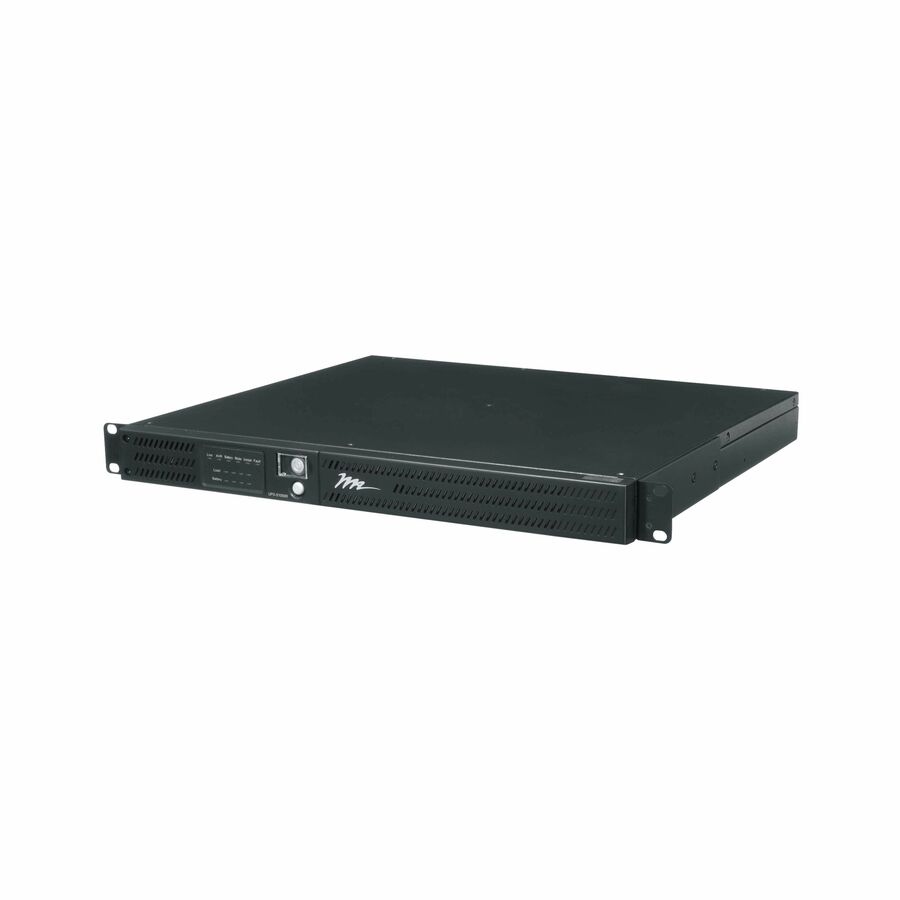
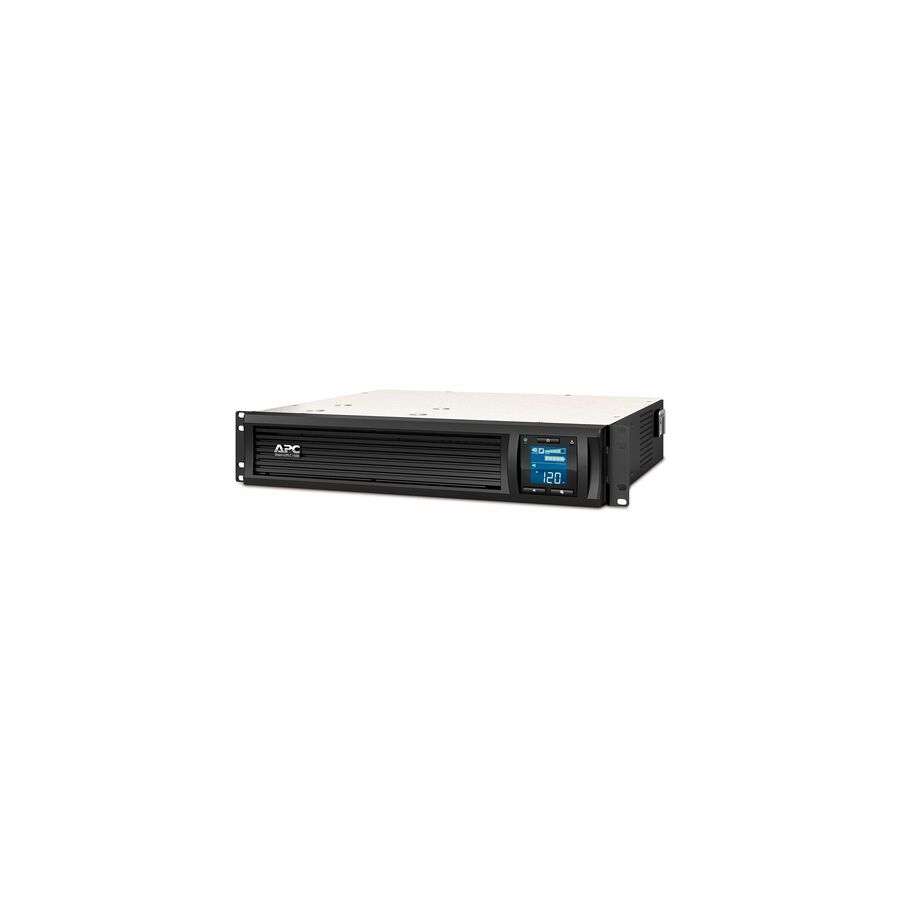
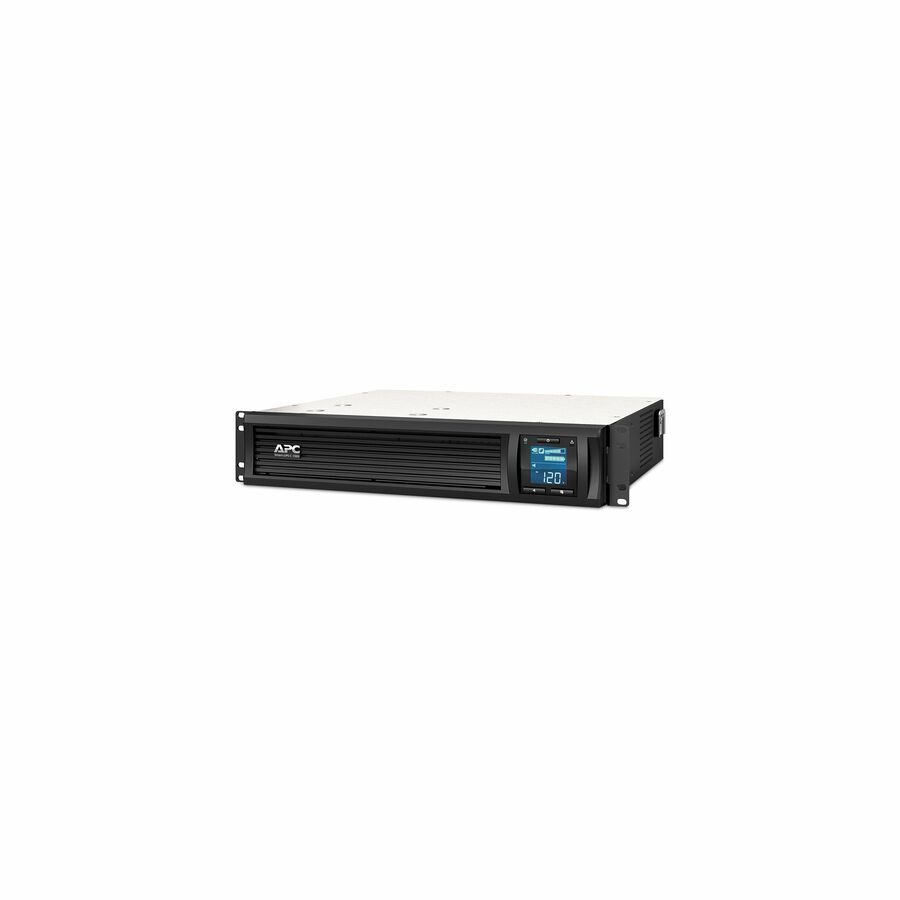
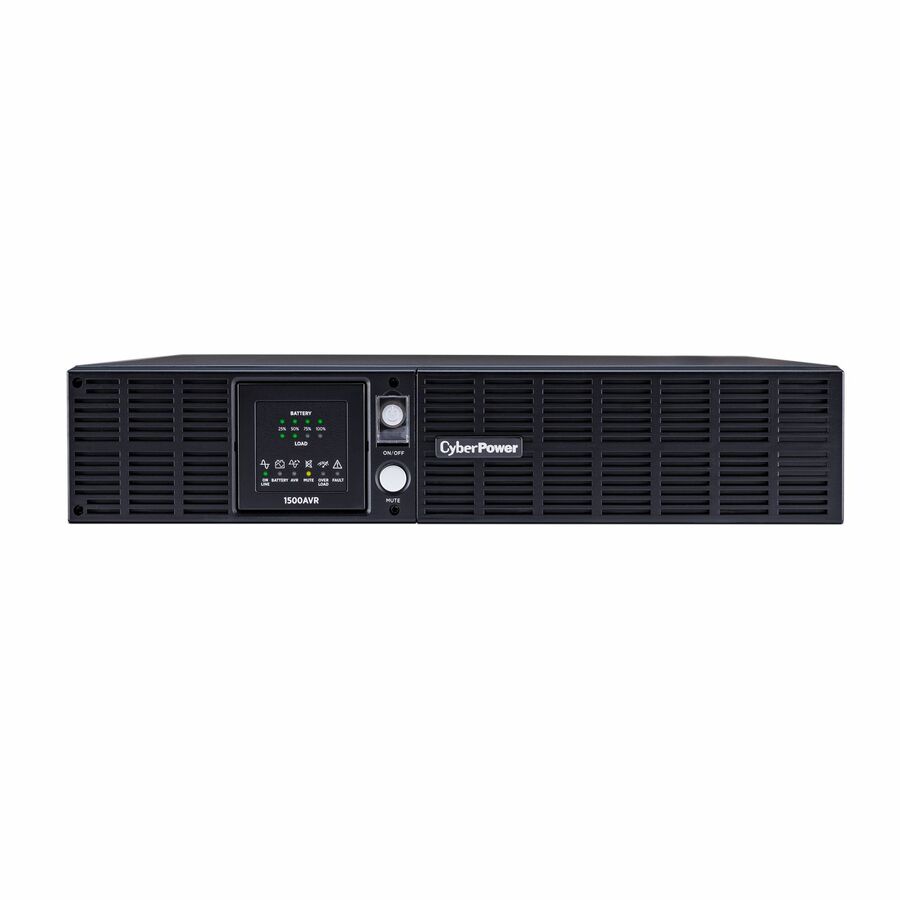
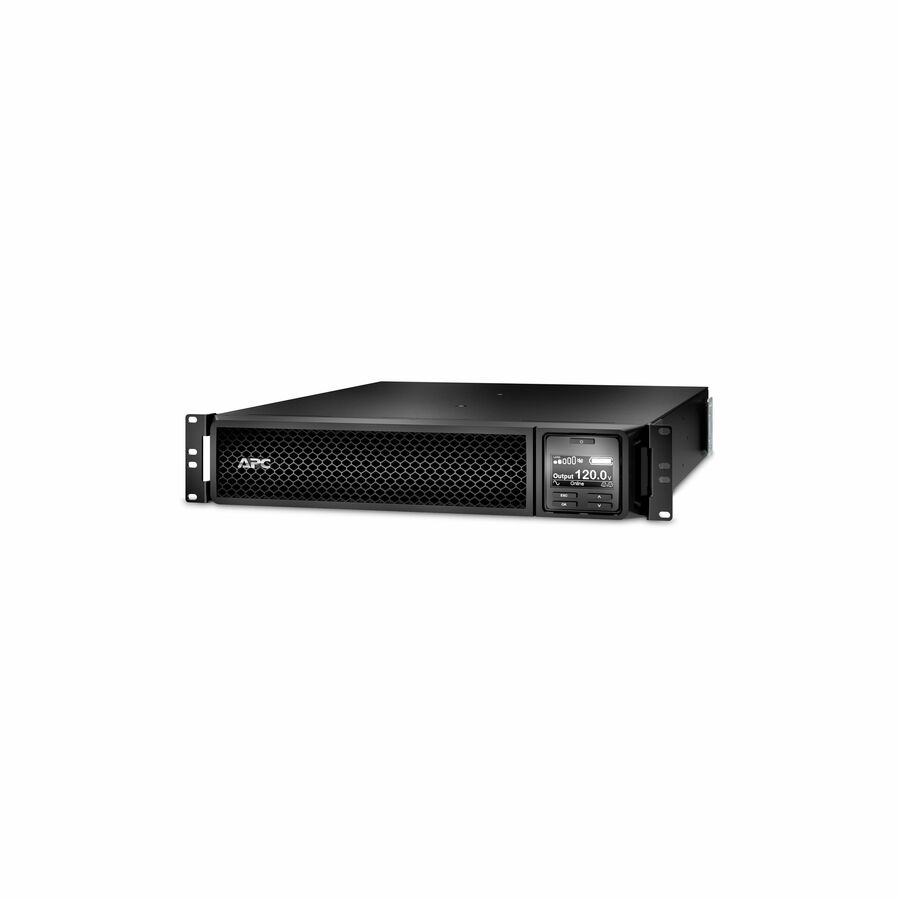
- Schneider ElectricAPC Smart-UPS, Line Interactive, 1500VA, Rackmount 2U, 120V, 6x NEMA 5-15R outlets, SmartConnect Port+SmartSlot, AVR, LCD - 2U Rack-mountable - 3 Hour Recharge - 120 V AC Input - 120 V AC Output - Single Phase - Sine Wave - Serial Port - 6 x NEMA 5-15R Receptacle(s) - 6 x Battery/Surge Outlet - SmartConnectSMT1500RM2UC
$1,505.00
$1,339.45
155 in stock - Schneider ElectricAPC Smart-UPS C, Line Interactive, 1440VA, Rackmount 2U, 120V, 6x NEMA 5-15R outlets, SmartConnect port, USB and Serial communication, AVR,Graphic LCD - 2U Rack-mountable - 3 Hour Recharge - 10.10 Minute Stand-by - 120 V AC Input - 120 V AC Output - Sine Wave - 6 x NEMA 5-15R Receptacle(s) - 6 x Battery/Surge Outlet - SmartConnectSMC1500-2UC
$1,355.00
$1,205.95
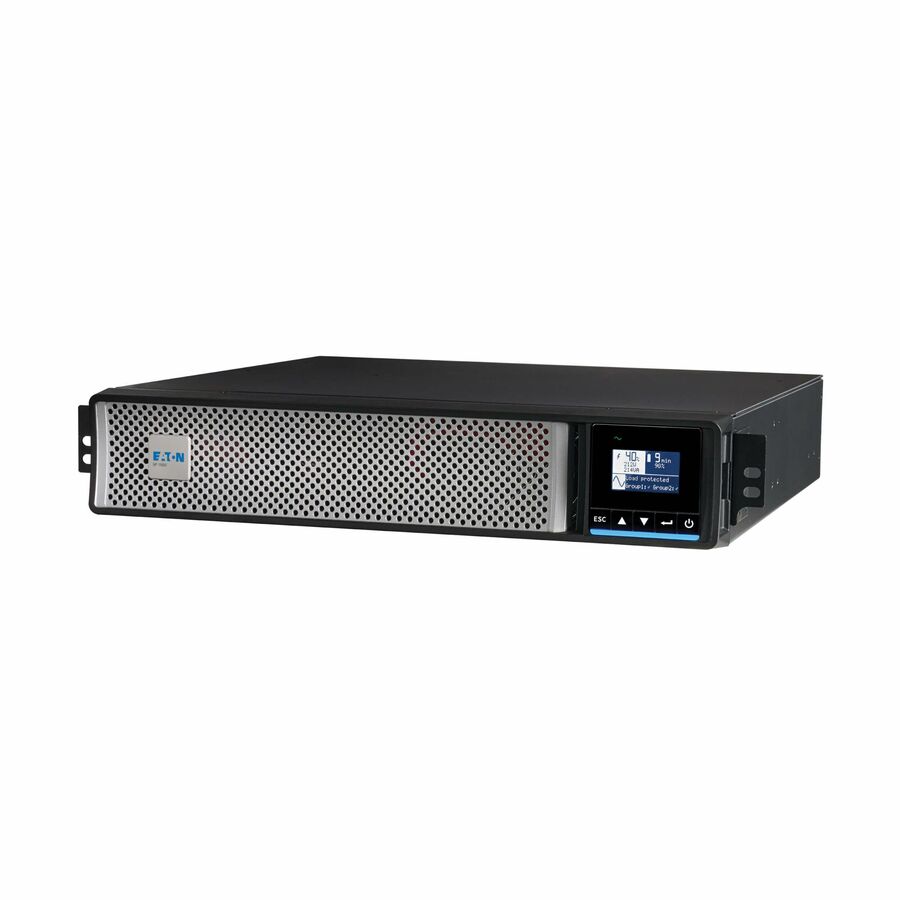
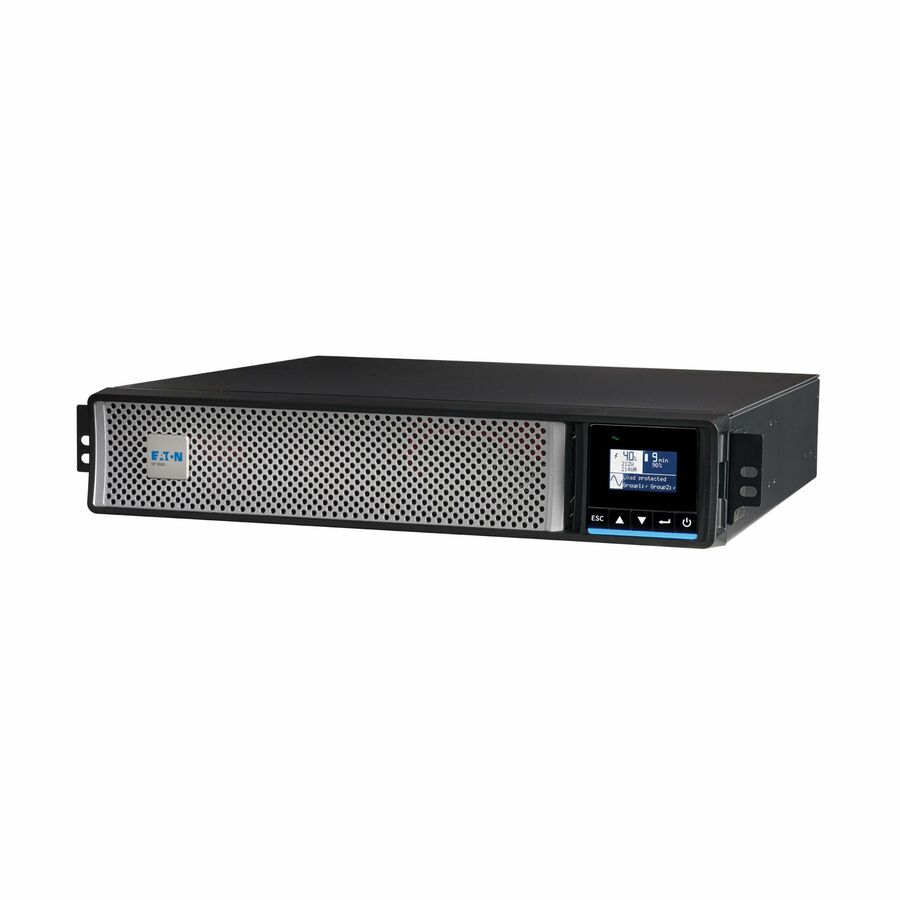
56 in stock - EatonEaton 5P Gen2 5P1500RTG2 1440VA Rack/Tower UPS - 2U Rack/Tower - AVR - 9 Hour Recharge - 5 Minute Stand-by - 120 V AC Input - 100 V AC, 120 V AC, 125 V AC Output - Single Phase - Sine Wave, Pure Sine Wave - Serial Port - LCD Display - 8 x NEMA 5-15R Receptacle(s) - Network-M3 Card, RS-2325P1500RTG2
$1,142.00
$1,050.64
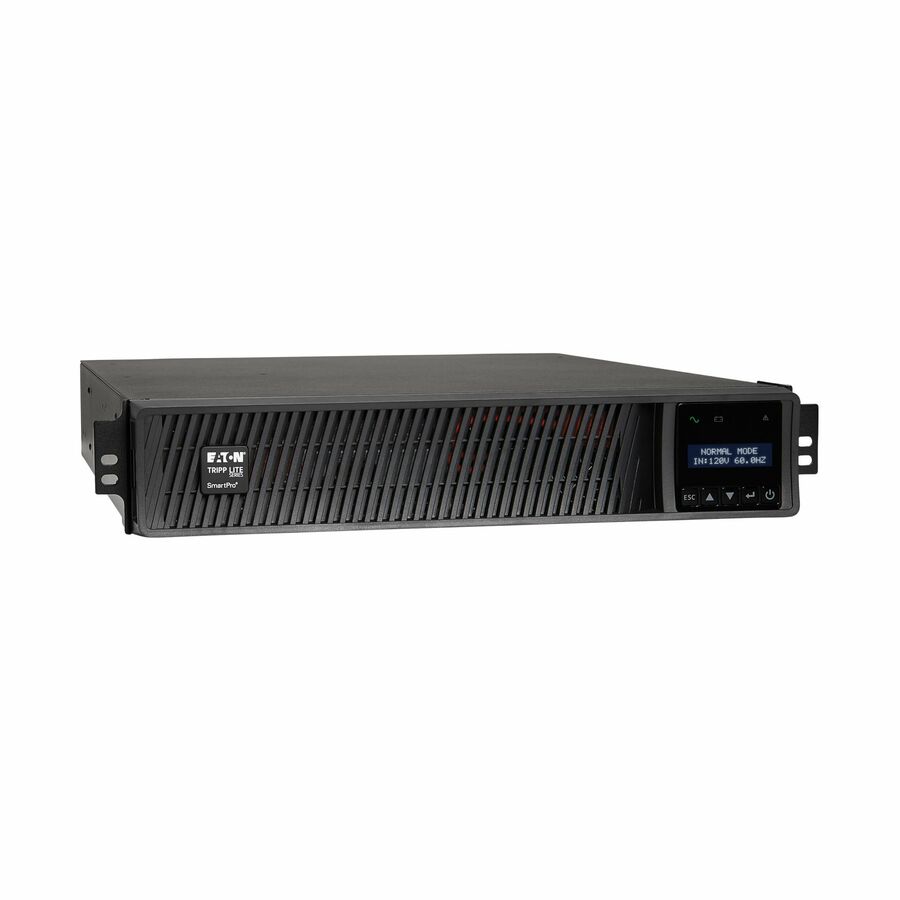
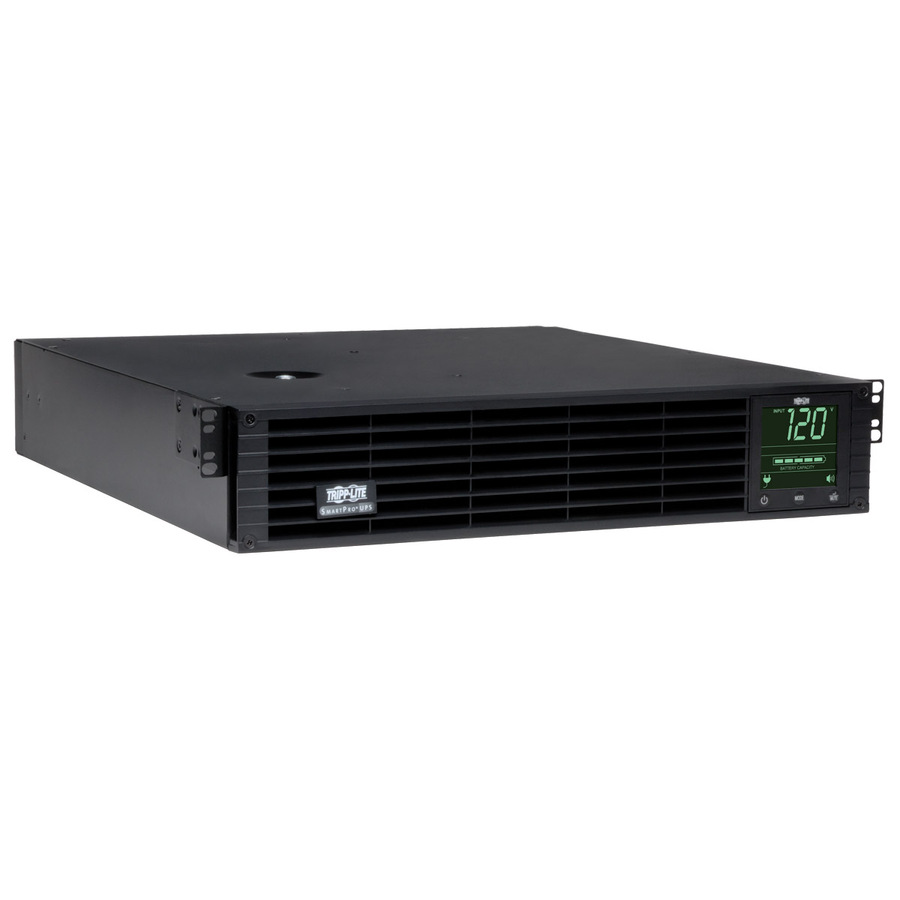
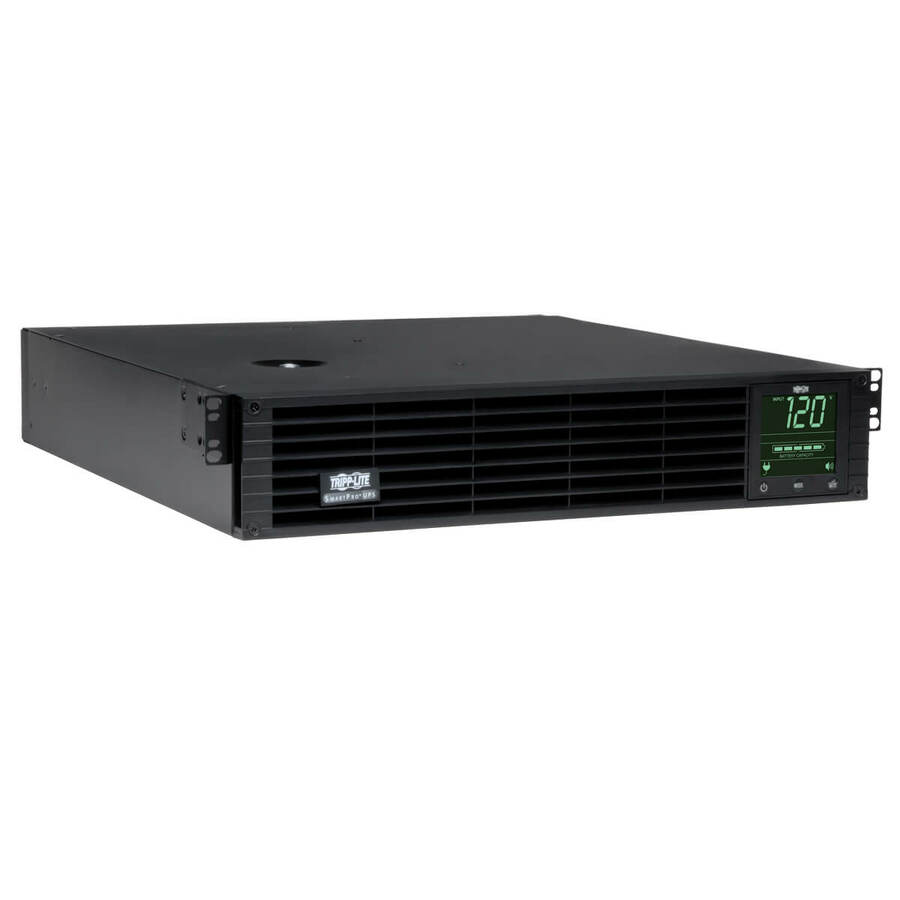
52 in stock - EatonTripp Lite by Eaton UPS TAA SmartPro 120V 3kVA 2.25kW Line-Interactive Sine Wave UPS 2U Extended Run Network Card Options LCD USB DB9 - 2U Rack/Tower - 3.50 Minute Stand-by - 120 V AC Input - 120 V AC Output - Serial Port - USB - 1 x NEMA L5-30R, 8 x NEMA 5-15/20R - TAA CompliantSM3000RM2UTAA
$2,503.72
$2,303.42
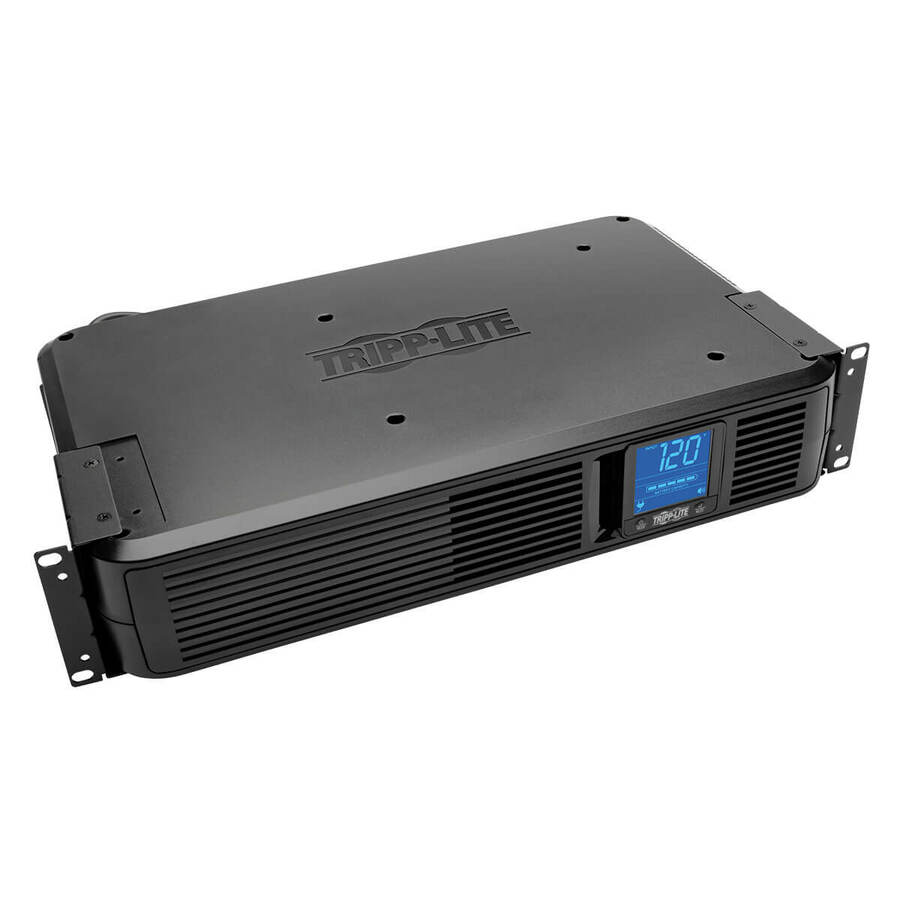
43 in stock - EatonTripp Lite by Eaton UPS SmartPro LCD 120V 1500VA 900W Line-Interactive UPS AVR Extended Runtime 2U Rack/Tower LCD USB DB9 8 Outlets - 2U Rack/Tower - 4.50 Hour Recharge - 4 Minute Stand-by - 110 V AC Input - 120 V AC, 120 V AC Output - Serial Port - USB - 8 x NEMA 5-15RSMART1500LCDXL
$814.08
$748.95
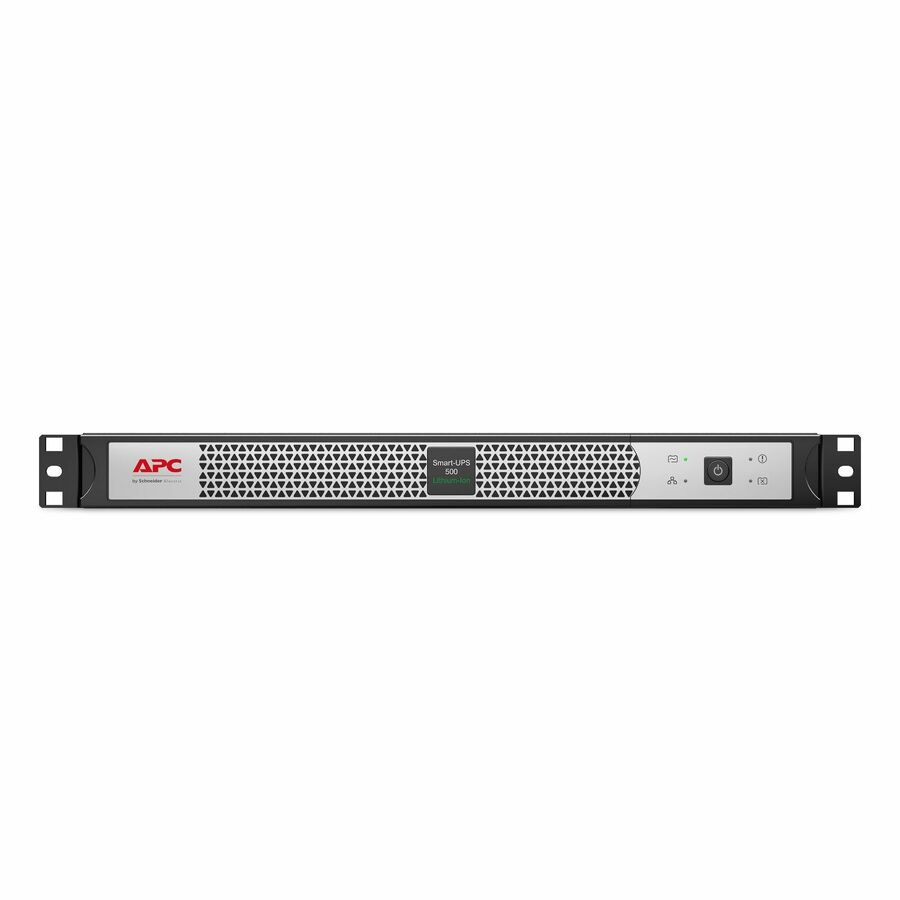
679 in stock - Schneider ElectricAPC Smart-UPS, Line Interactive, 500VA, Lithium-ion, Rackmount 1U, 120V, 4x NEMA 5-15R outlets, Network Card, Short Depth - 1U Rack-mountable - AVR - 3 Hour Recharge - 2.70 Minute Stand-by - 120 V AC Input - 120 V AC Output - Single Phase - Sine Wave - Serial Port - 4 x NEMA 5-15R Receptacle(s) - 4 x Battery/Surge OutletSCL500RM1UNC
$1,680.00
$1,495.20
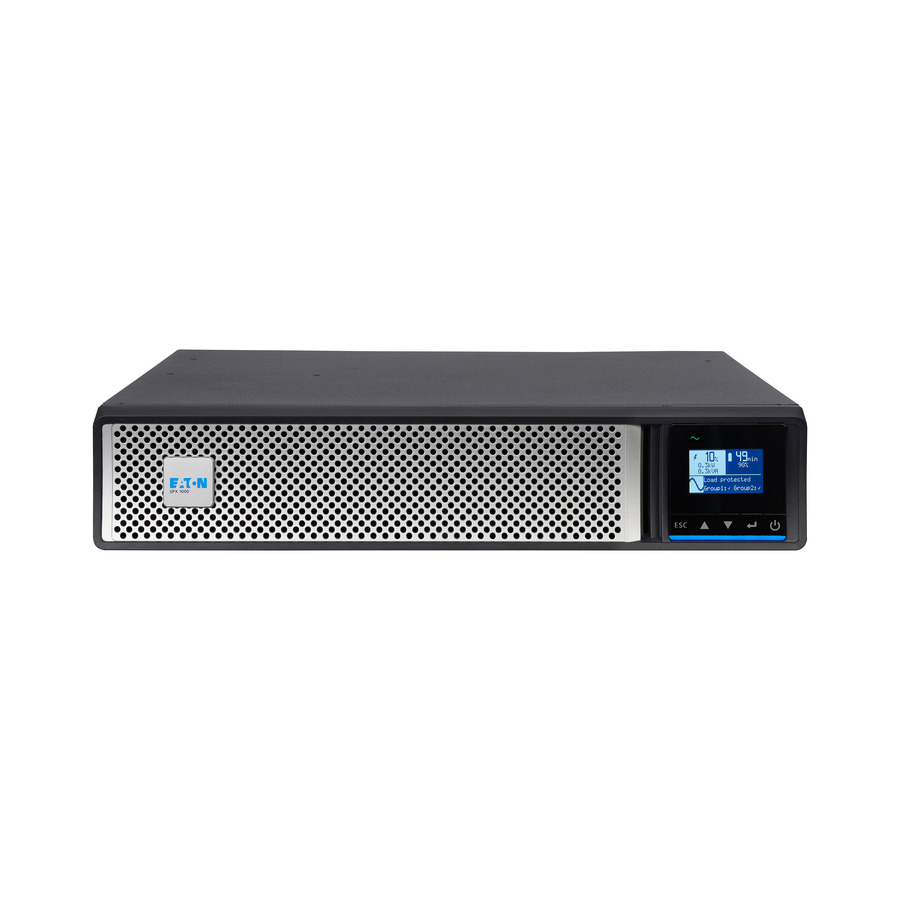
48 in stock - EatonEaton 5P Gen2 5P3000RTNG2 3000VA Rack/Tower UPS - 2U Rack/Tower - AVR - 9 Hour Recharge - 3 Minute Stand-by - 120 V AC Input - 100 V AC, 120 V AC, 125 V AC Output - Single Phase - Sine Wave, Pure Sine Wave - Serial Port - LCD Display - 6 x NEMA 5-15/20R, 1 x NEMA L5-30R Receptacle(s) - Network-M3 Card, RS-2325P3000RTNG2
$2,047.00
$1,883.24
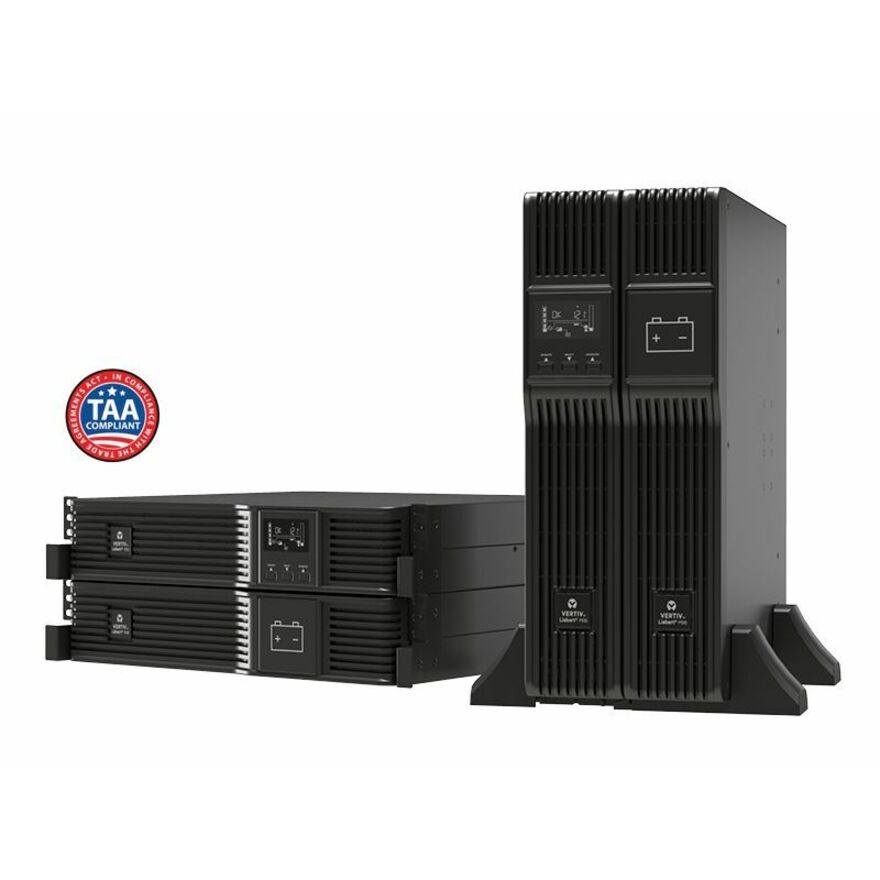
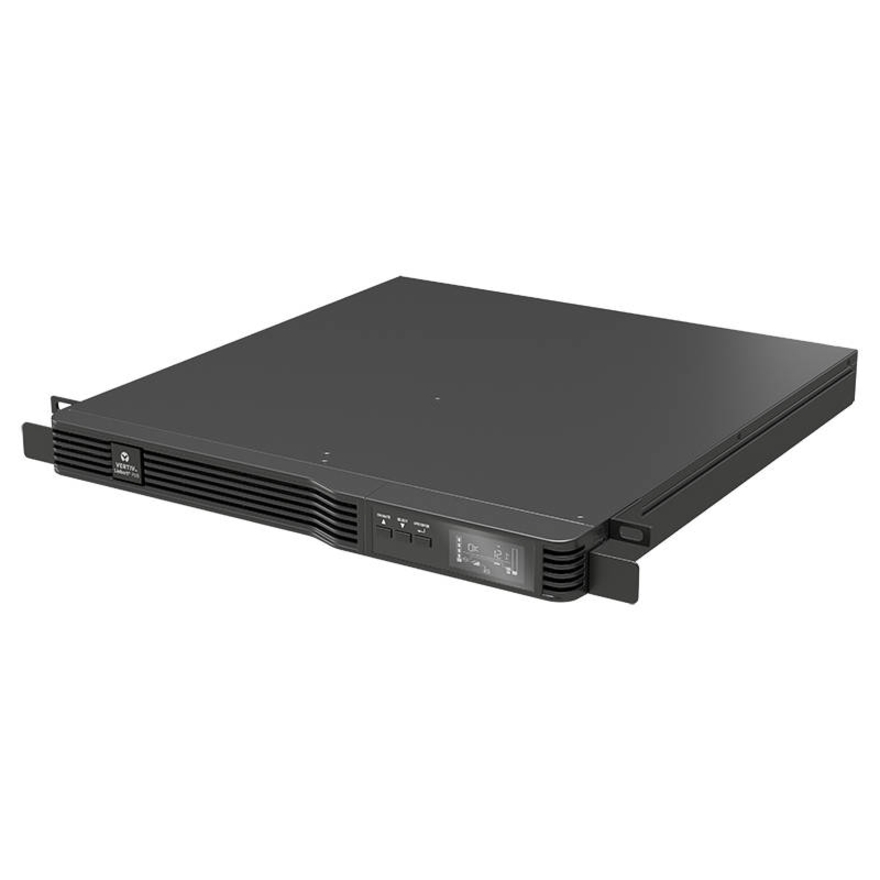
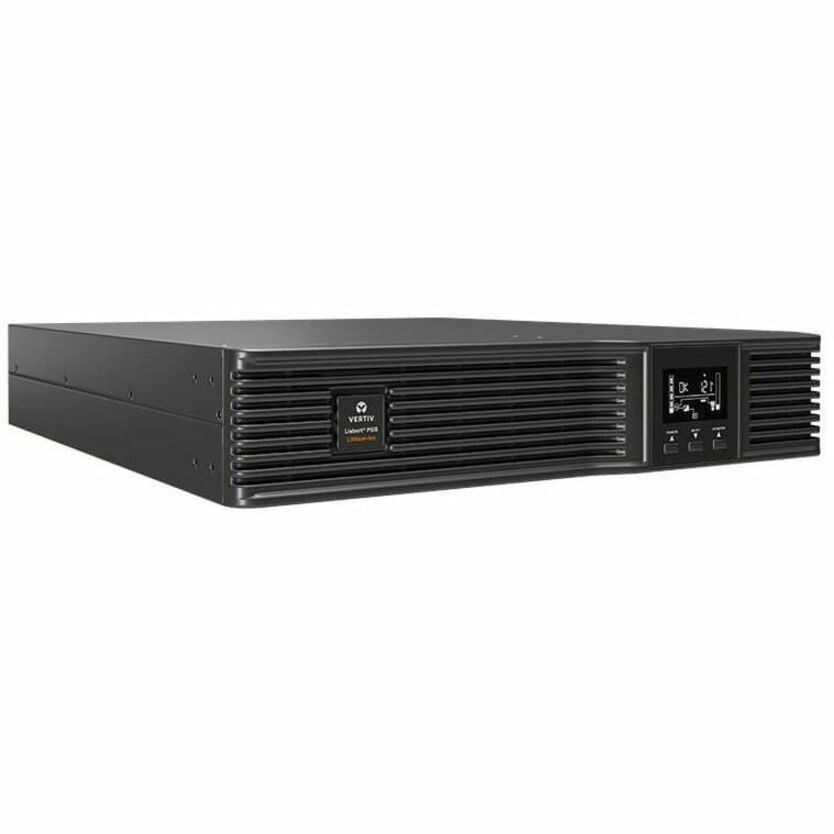
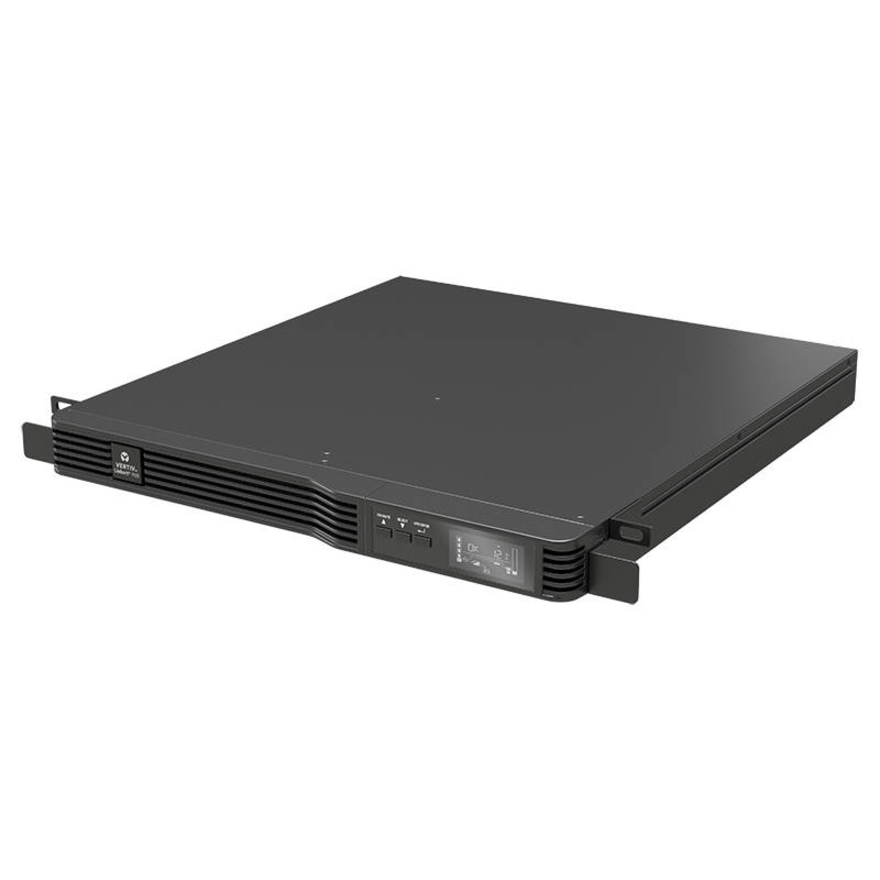
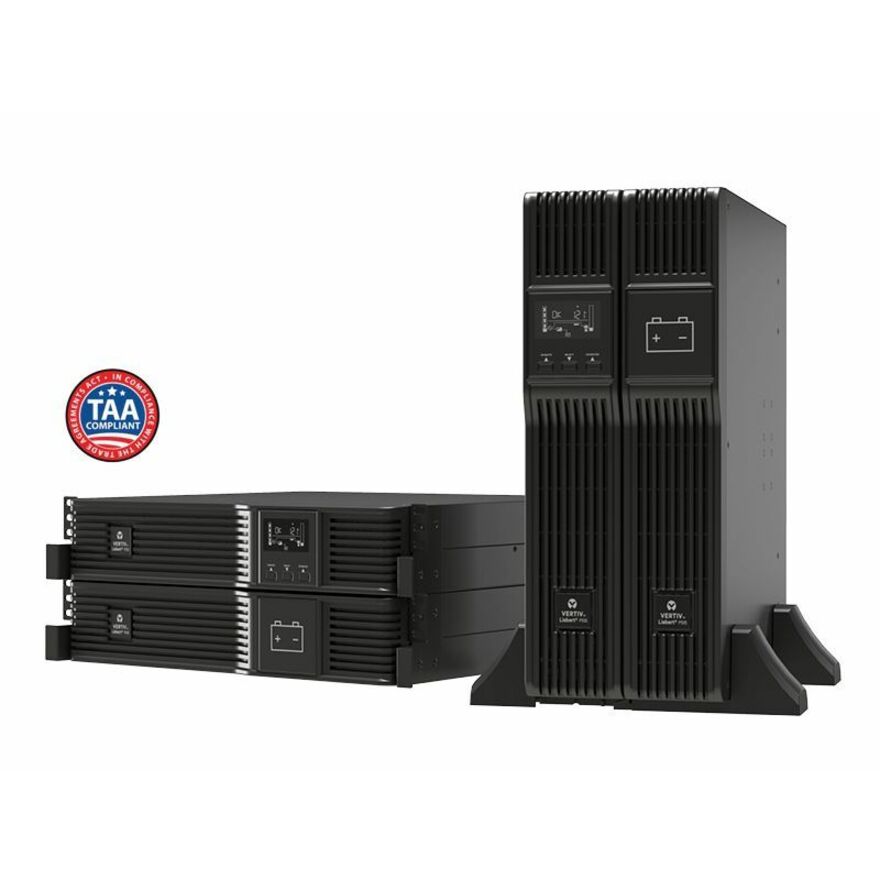
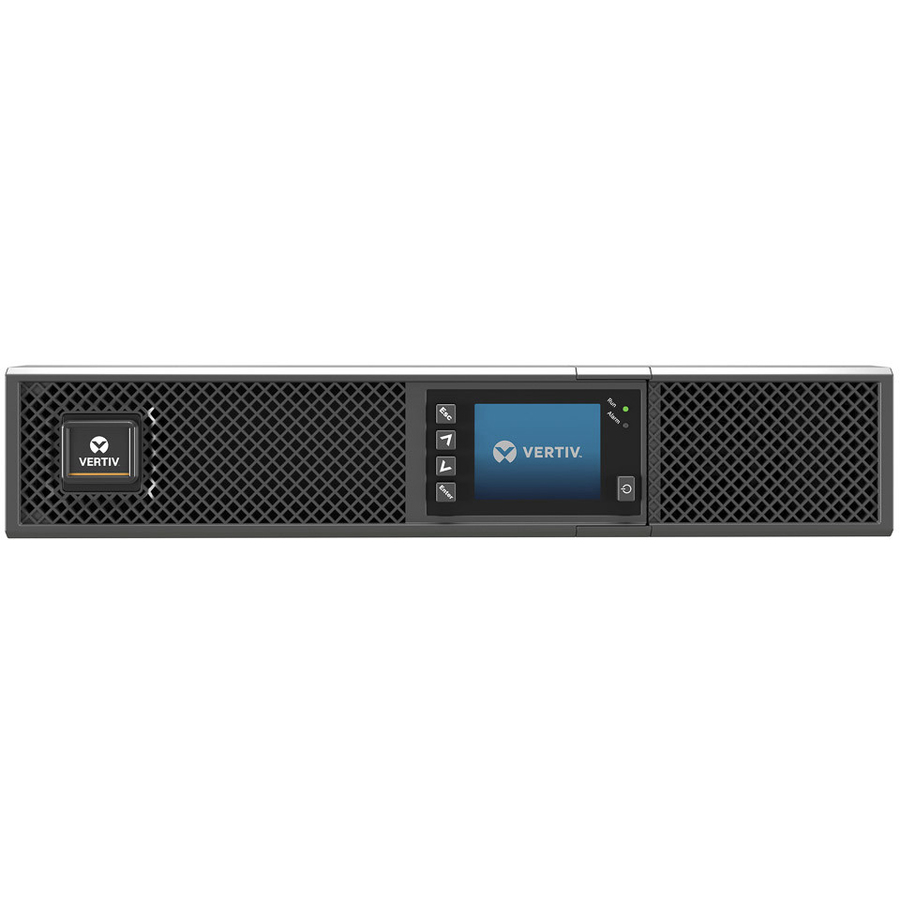
5 in stock - VertivVertiv Liebert PSI5 UPS - 1920VA 1920W 120V TAA Line Interactive AVR Tower/Rack - RDU120 Card Installed | 0.9 Power Factor| Rotatable LCD Monitor | Pure Sine Wave Output on Battery | 1 Group of Programmable Outlet | 4 Hour Recharge - 2 Minute Stand-byPSI5-2200RT120TAA
$2,458.00
$1,873.00
1 in stock - VertivVertiv Liebert GXT5 UPS - 750VA/750W 120V | Online Rack Tower Energy Star - Double Conversion| 2U| Optional RDU120 Card| Color/Graphic LCD| 3-Year WarrantyGXT5-750LVRT2UXL
$1,700.00
$1,295.40
48 in stock - Schneider ElectricAPC Smart-UPS, Line Interactive, 2200VA, Rackmount 2U, 120V, 6x NEMA 5-15R+2x NEMA 5-20R outlets, SmartSlot, AVR, LCD, W/L5-20P - 2U Rack-mountable - 3 Hour Recharge - 5.10 Minute Stand-by - 120 V Input - 120 V AC Output - Sine Wave - Serial Port - USB - 2 x NEMA 5-20R, 6 x NEMA 5-15R Receptacle(s) - 8 x Battery/Surge OutletSMT2200R2X106
$2,560.00
$2,278.40
24 in stock
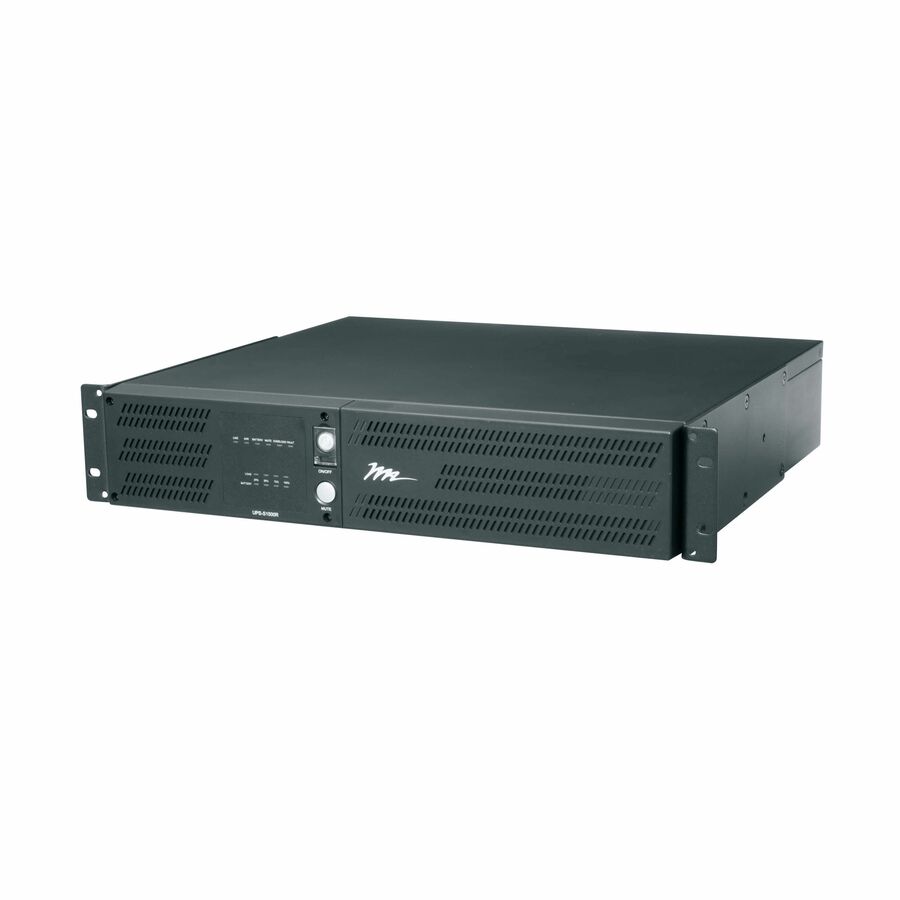
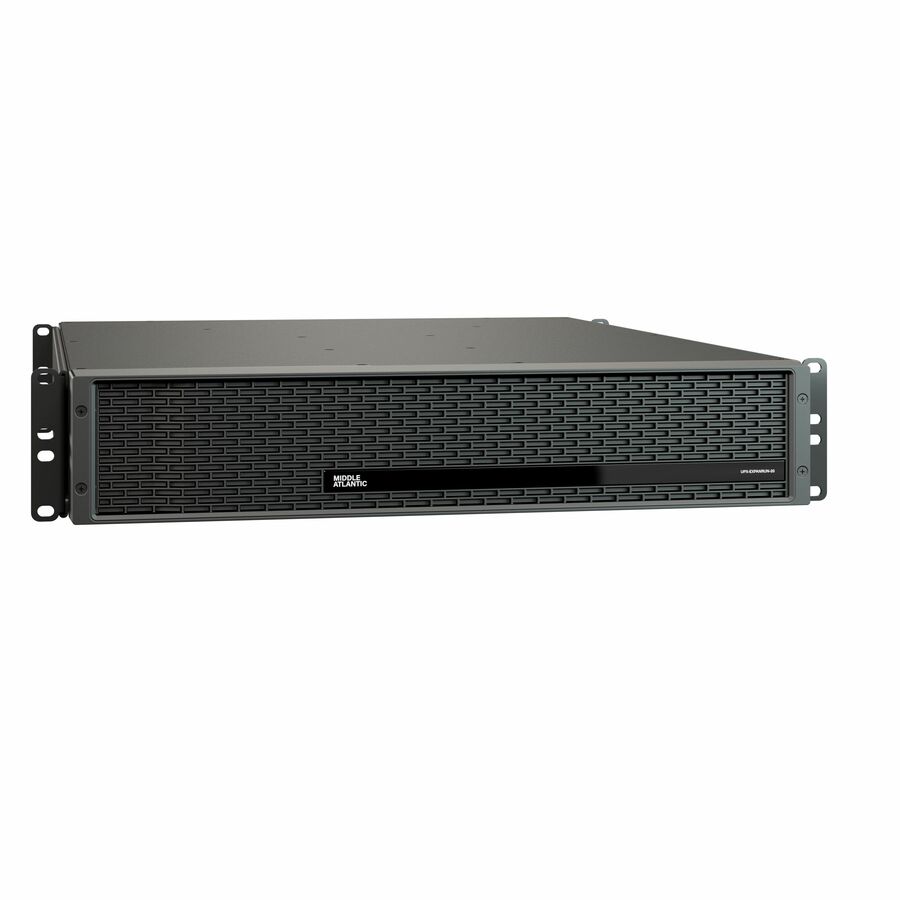
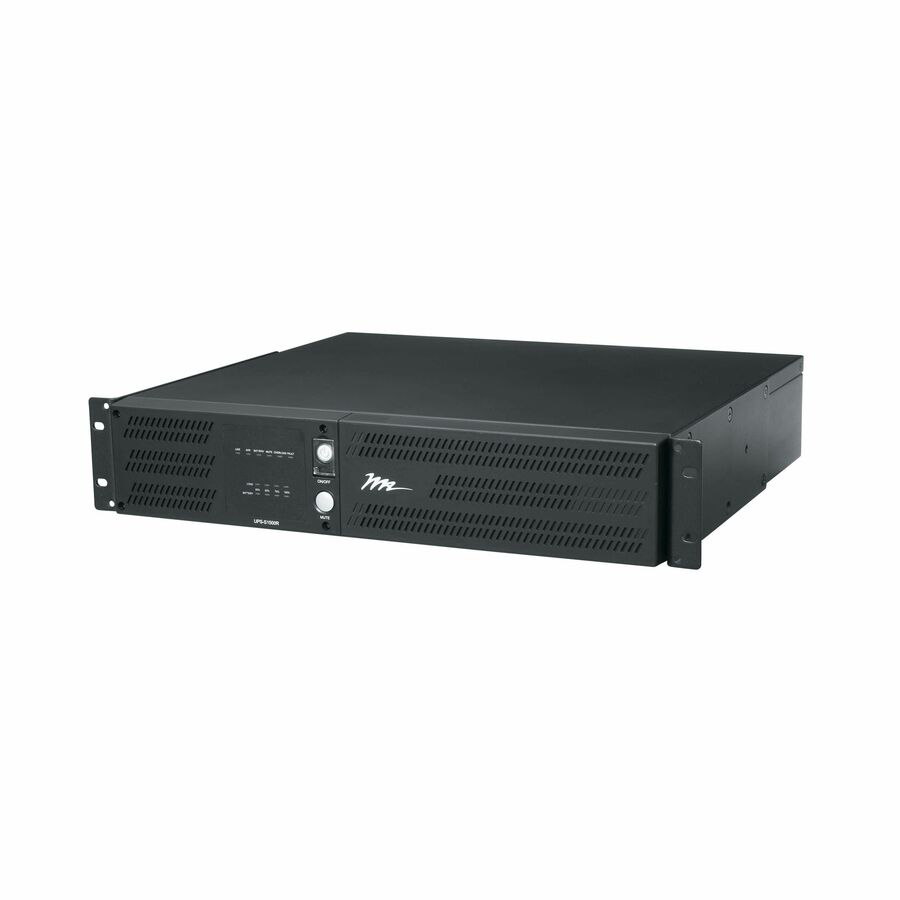
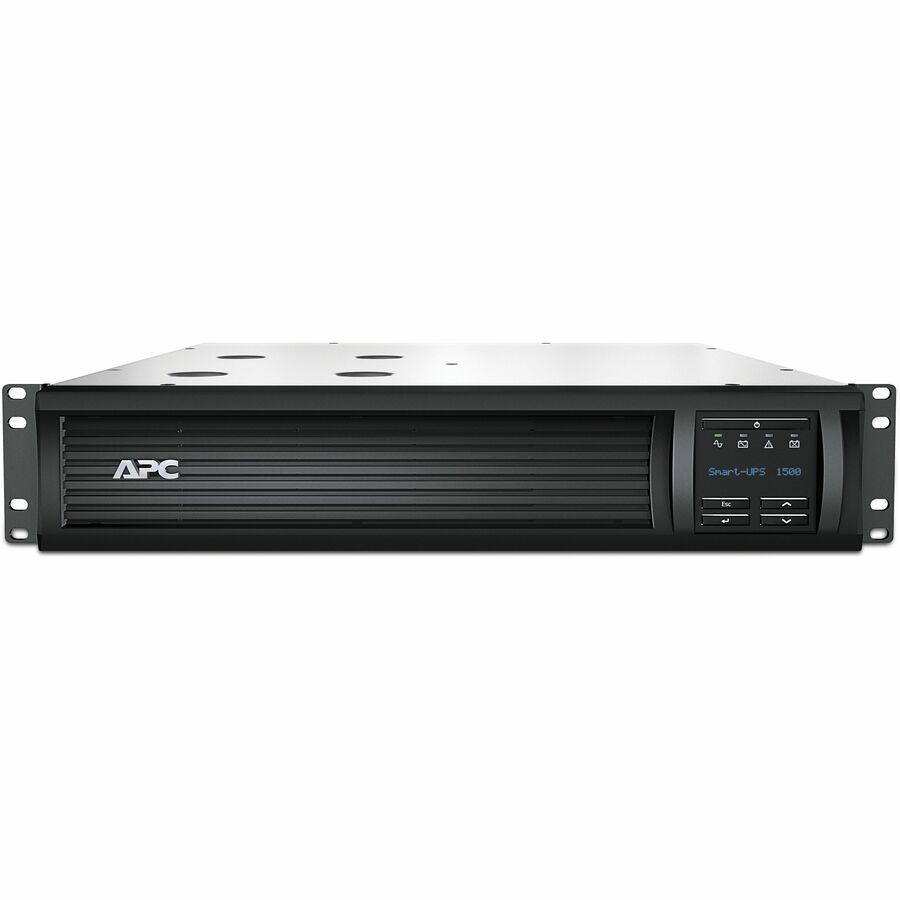
Specifications are read from the manufacturer product title as supplied to us; where a value is not stated it is left blank rather than estimated. Every line is screened for NDAA §889 status before checkout, with TAA verified on request.
Need pricing on rack-mount UPS systems?
Tell us where to reach you and a Uniqcli specialist will follow up by email with current pricing, availability and lead time for the quantities you need — including parts that aren’t shown on this page.
Buying for an organization or for yourself — both work. No payment up front.
About rack-mount UPS systems
A rack UPS is a physical commitment before it is an electrical one. The units are dense, often deep, and weigh what a box full of lead-acid batteries weighs, which is why they belong at the bottom of the cabinet where that mass does no harm — check the stated U height, the chassis depth against your rails and the loaded weight against the rack's rating before anything else. Plan the battery separately: an extended-runtime model plus its external battery module occupies the sum of the two, and on a site with no on-site engineer, front-accessible hot-swappable batteries are worth more than the price difference. Many of the units on this page are convertibles that ship with both rack ears and tower feet, so the same product legitimately appears among the tower units as well.
Electrically, three things have to line up. The input: a 208 V unit cannot run from a 120 V feed, and the plug on its cord has to match the receptacle on the circuit — an L5-30P and an L6-30P are not interchangeable, and a hardwired unit is an electrician's job rather than a delivery. The output: rack units commonly present IEC C13 and C19 sockets where desktop equipment expects NEMA 5-15R, so count the outlets you need by type and add the jumper cords to the order if the equipment does not bring its own. And the capacity: total the watt draw of everything the UPS will carry, divide by the power factor the unit is rated at (0.9 on a modern line-interactive or online model), then add roughly 25% headroom for inrush, growth and the current the UPS draws recharging itself after an event — then check that watt total against the model's own watt rating, not just its VA badge. Runtime is the one number this page will not estimate: it depends on the pack, the load and the age of the batteries, so read the manufacturer's runtime chart for the exact model on its product page.
FAQ
rack-mount UPS systems questions
- How much rack space does a UPS need?
- It varies widely with capacity — small units occupy 1U or 2U, larger double-conversion units are considerably taller, and an external battery module adds its own height again on top. The product page states the U height for the specific model; plan depth and loaded weight at the same time, because a rack UPS is usually deeper and always heavier than the servers around it. Mount it at the bottom of the cabinet, confirm the supplied rails match your posts, and leave the front clear if the batteries are meant to be swapped from there.
- What size rack UPS do I need?
- Total the watt draw of everything the UPS will carry, divide by the power factor of the class of unit you are buying — 0.9 for a modern line-interactive or online model — and add about 25% headroom for inrush, growth and battery recharging. A 1,200 W rack works out to roughly 1,333 VA of apparent power and a 1,670 VA minimum rating, which in practice means shopping the 2,200 VA class. Check the total against the candidate's watt rating as well as its VA figure; for many units the watt number is the binding constraint. The UPS selector runs this calculation for you.
- Should a rack UPS be 120 V or 208 V?
- Whichever the circuit feeding the rack actually provides — this is not a preference. A 208 V unit will not run on a 120 V feed and the reverse is equally true, and the input plug has to match the receptacle on that circuit. Higher-density racks are commonly fed at 208 V because it carries more power per amp and the equipment supplies run slightly more efficiently on it; smaller closets are usually 120 V. Confirm the circuit and the receptacle type first, then use the voltage filter, and involve the facilities electrician before ordering anything that hardwires.
- Can a rack-mount UPS also stand as a tower?
- Many can. Convertible units ship with both rack-mount ears and tower feet and are designed to be installed either way, which is why a unit you find here may also appear on the tower page — one product, two orientations, and the display generally rotates so it stays readable. Units that are rack-only say so on the product page. If the machine may move from a closet shelf into a cabinet later, a convertible is the safer buy.
- Are these units screened for TAA and NDAA §889?
- Every line is screened for NDAA §889 status before checkout, and TAA country of origin is verified on request. Worth noting on power equipment specifically: a UPS, its extended-runtime battery modules and its network management card are separate part numbers and are screened as separate lines, so send the whole configuration with the requirement stated and we confirm each part rather than the headline unit alone.
Sizing a rack, or a row of them?
Send the load in watts, the circuit you have and the hold-up time you need. We size the unit against the manufacturer's runtime charts and quote it with the battery modules, management card and jumper cords the configuration actually needs.