
Cat6a patch cables
The 10 Gb copper category — Cat6a cords filtered by length and jacket colour, or searched inside the page by brand, length or part number.
Showing 24 of 4,325 Cat6a patch cables
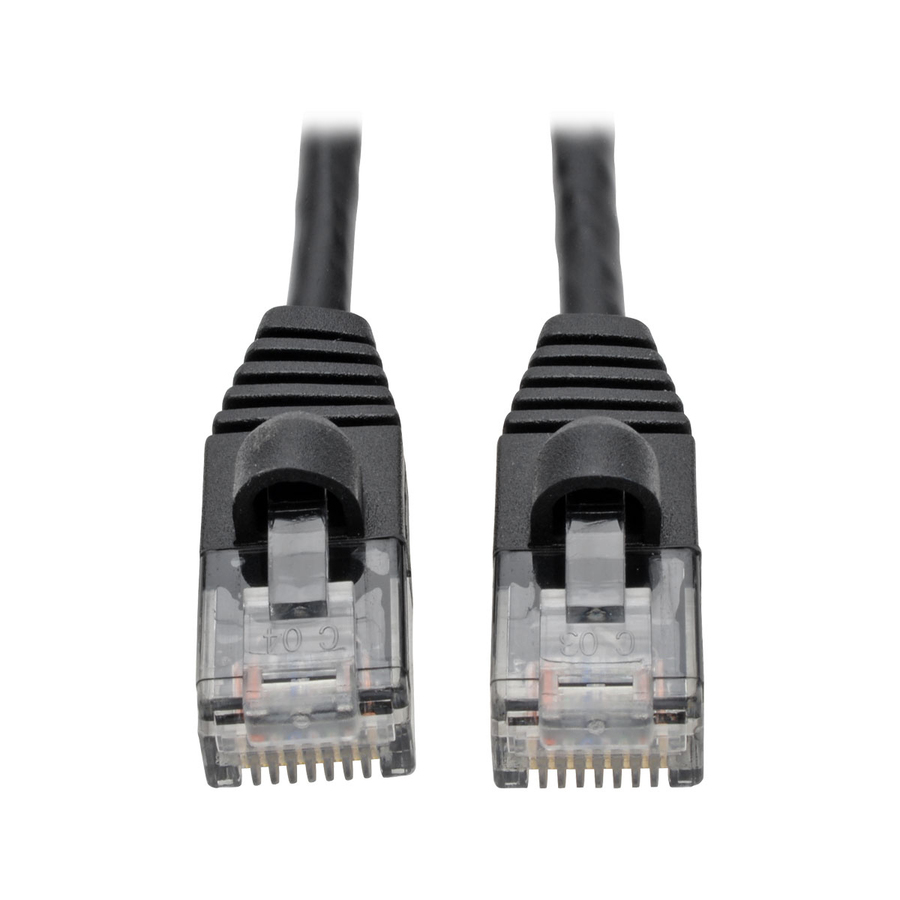
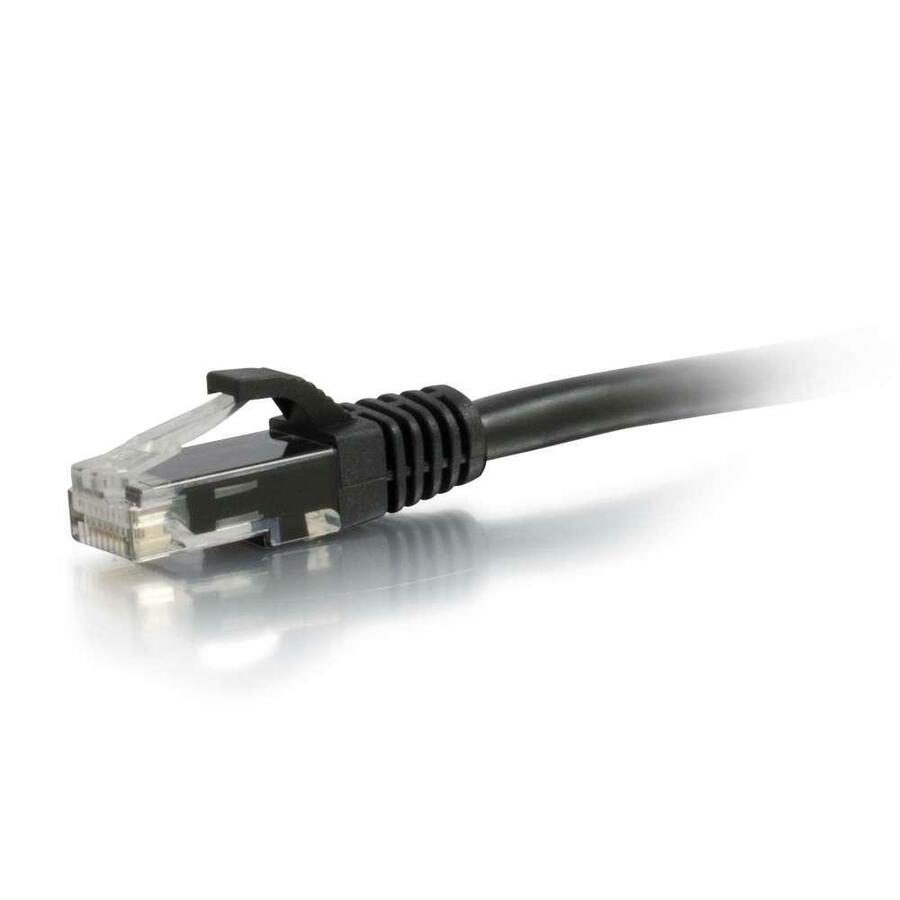
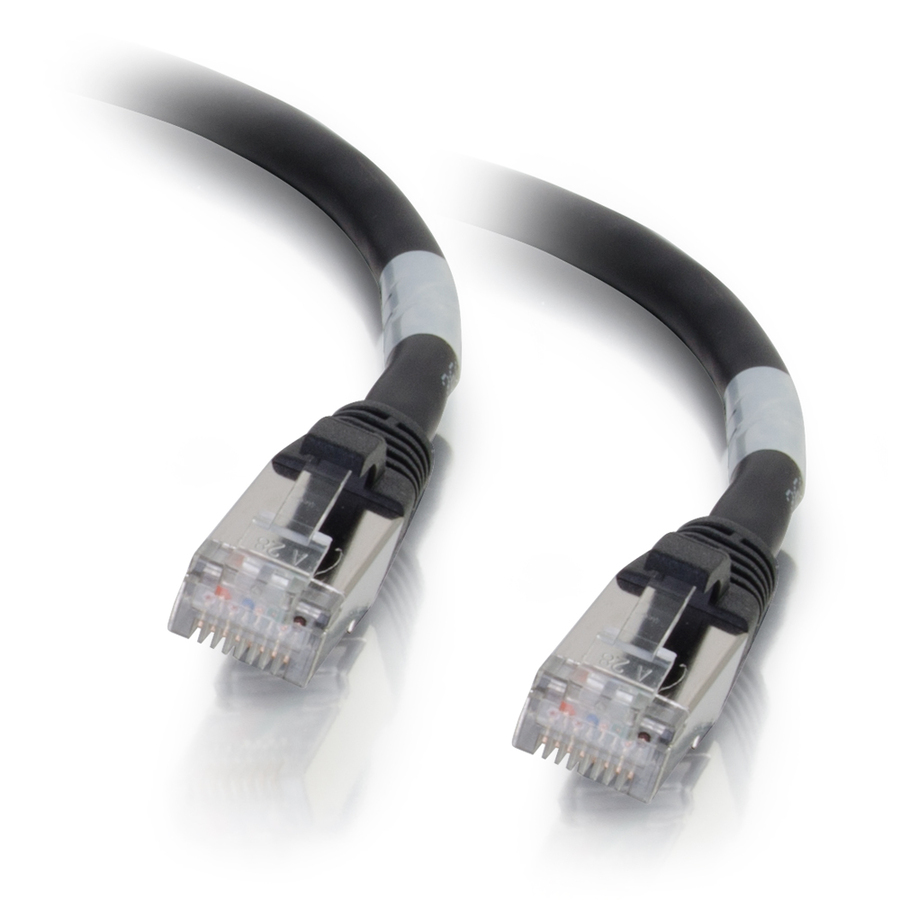
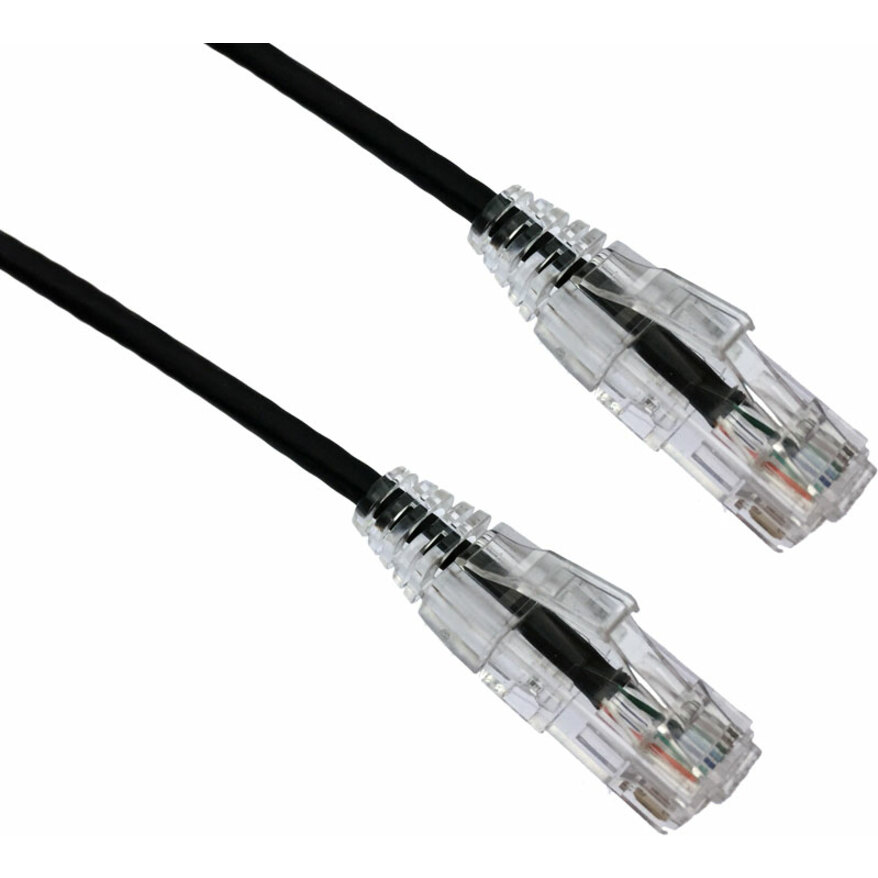
- EatonEaton Tripp Lite Series Cat6a 10G Snagless Molded Slim UTP Ethernet Cable (RJ45 M/M), Black, 3 ft. (0.91 m) - Category 6a for PC, Server, Router, Printer, Patch Panel, Switch, Network Device - 1.25 GB/s - Patch Cable - 3 ft - 1 x RJ-45 Male Network - 1 x RJ-45 Male Network - BlackN261-S03-BK
$15.24
$14.02
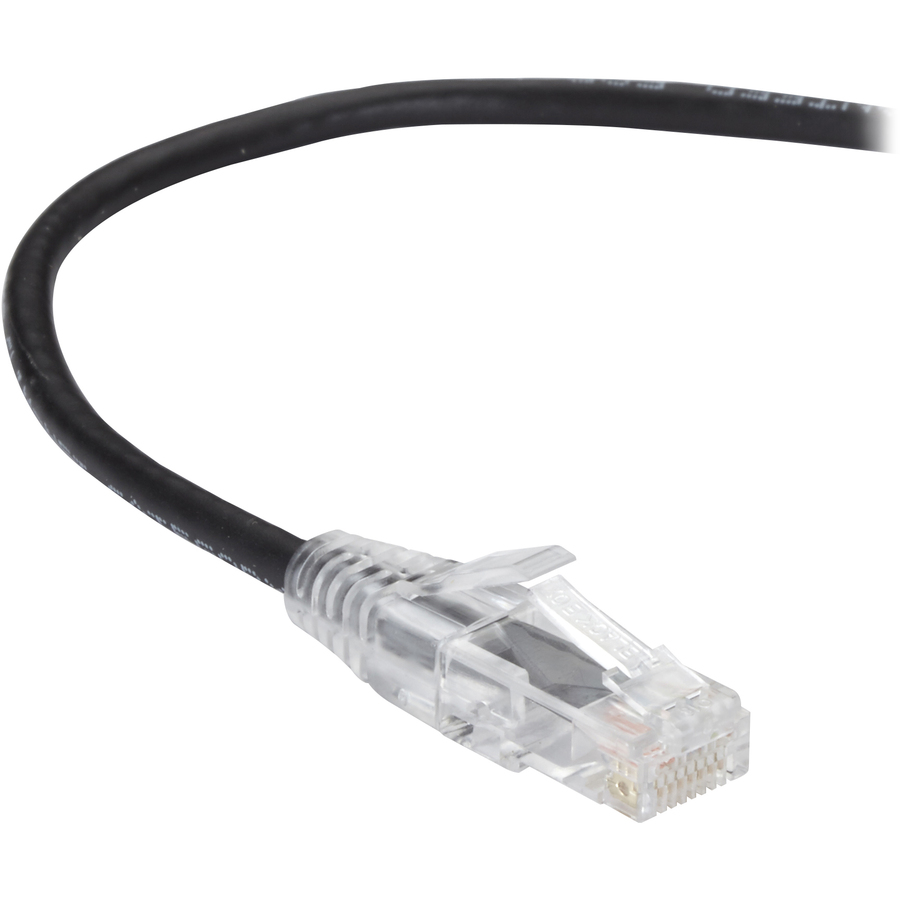
446 in stock - Black BoxBlack Box Slim-Net Cat.6a UTP Patch Network Cable - 10 ft Category 6a Network Cable for Patch Panel, Wallplate, Network Device - First End: 1 x RJ-45 Network - Male - Second End: 1 x RJ-45 Network - Male - 10 Gbit/s - Patch Cable - Gold Plated Contact - CM - 28 AWG - Black - 1C6APC28-BK-10
$16.31
$13.98
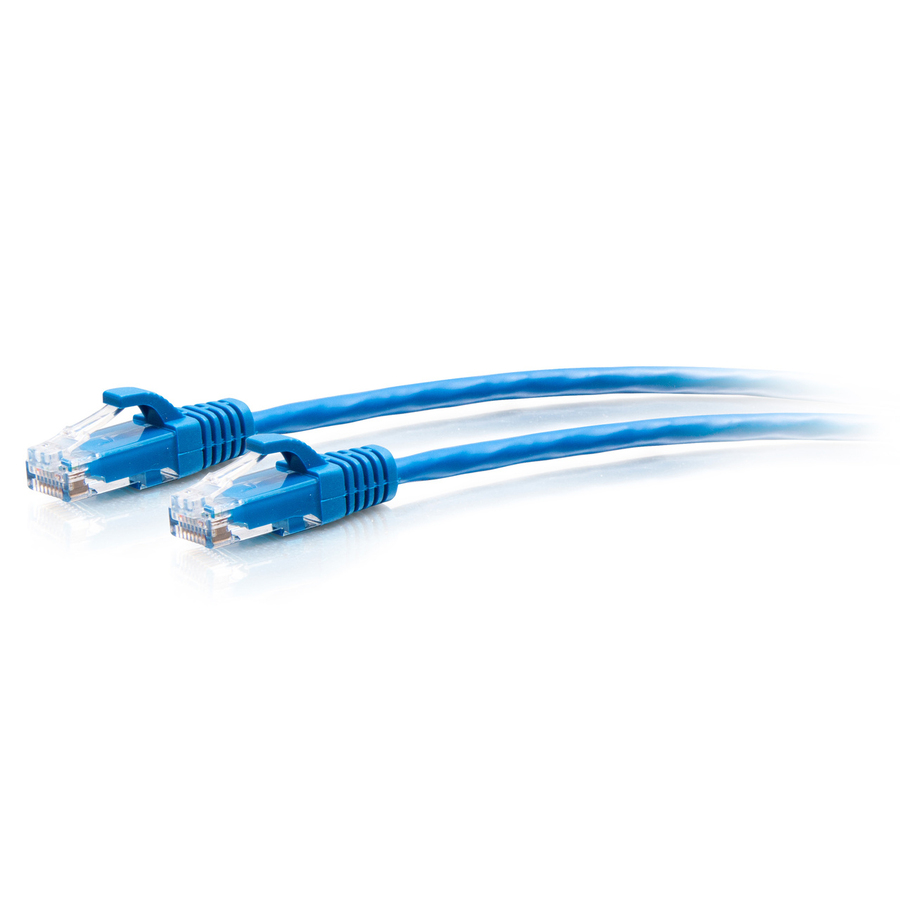
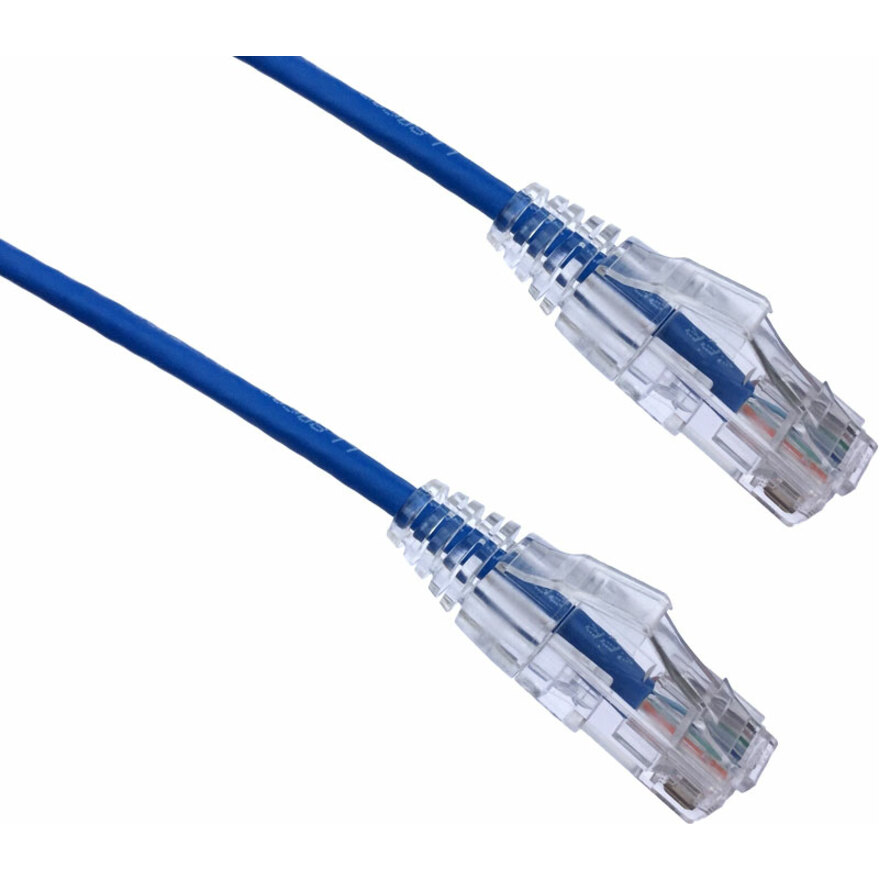
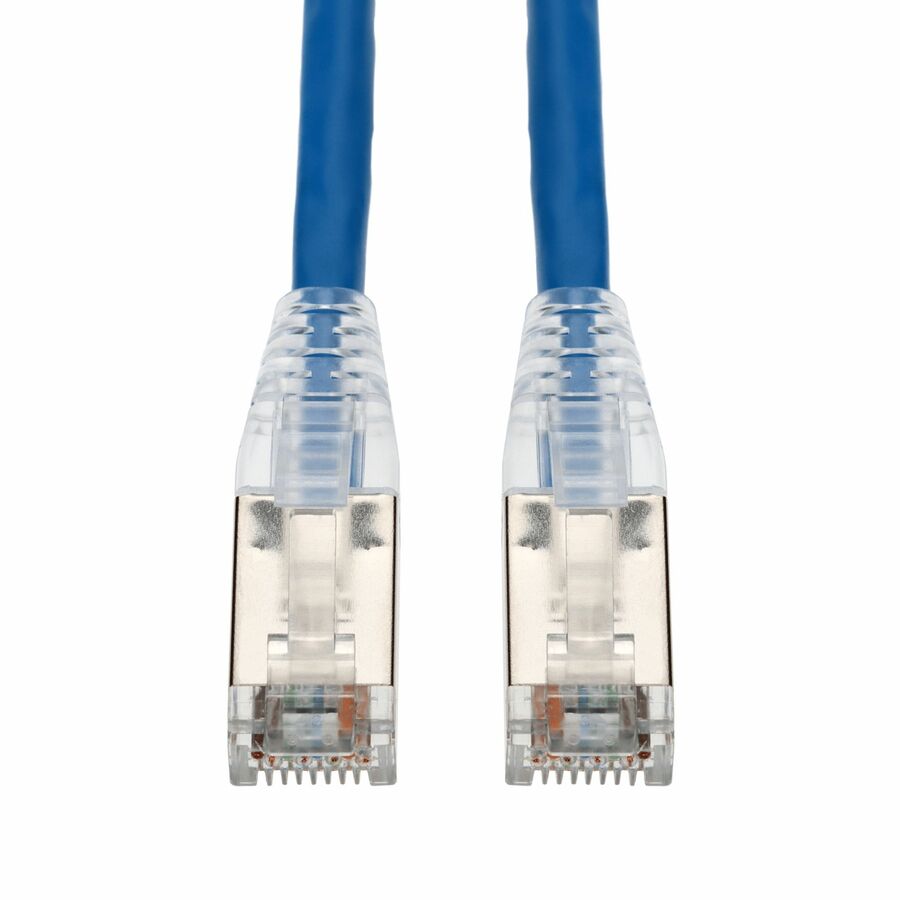
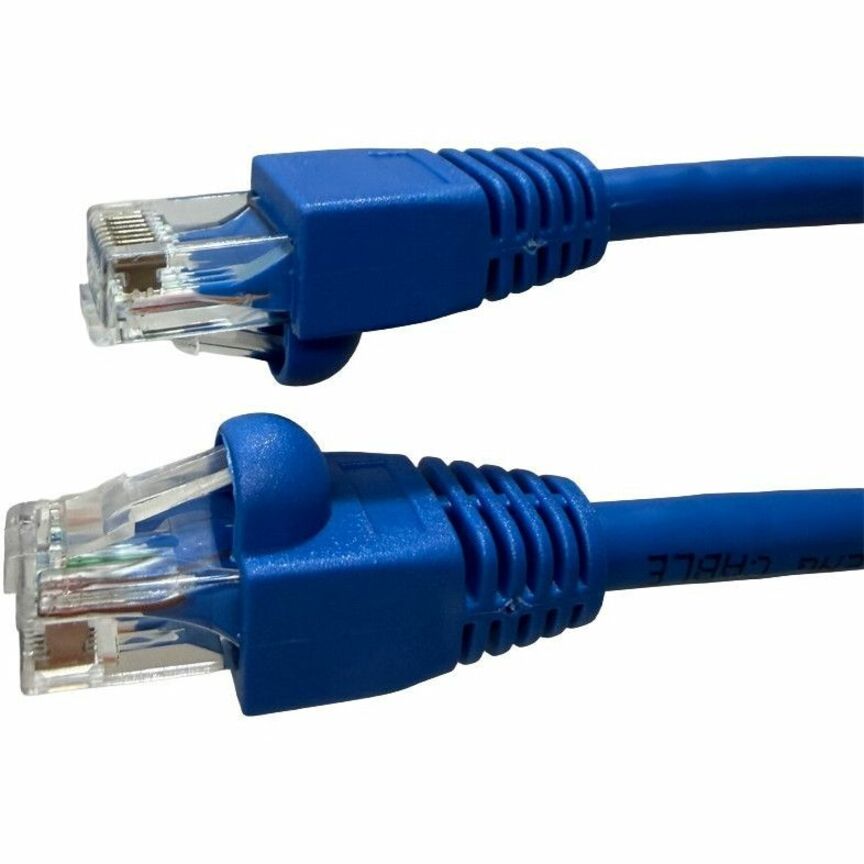
449 in stock - Axiom Memory SolutionsAxiom 7FT CAT6A BENDnFLEX Ultra-Thin Snagless Patch Cable 650mhz (Blue) - 7 ft Category 6a Network Cable for Network Device - First End: 1 x RJ-45 Network - Male - Second End: 1 x RJ-45 Network - Male - 10 Gbit/s - Patch Cable - Shielding - Gold Plated Contact - 28 AWG - Blue - TAA CompliantC6ABFSB-B7-AX
$14.00
$13.32
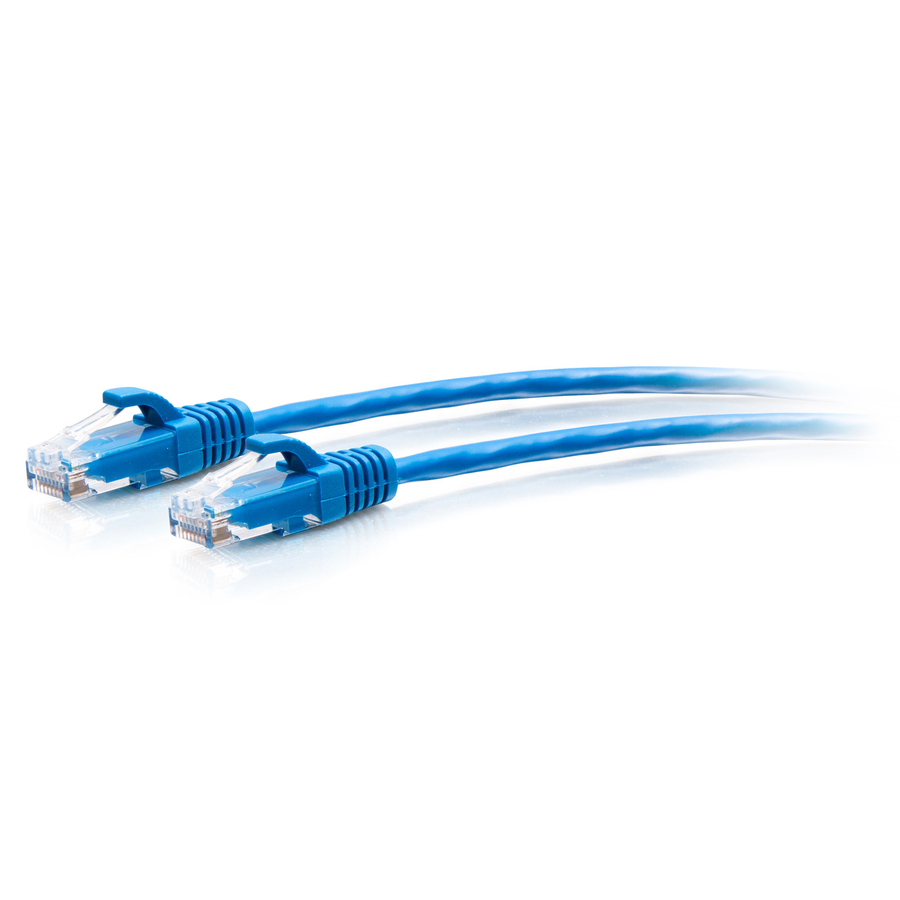
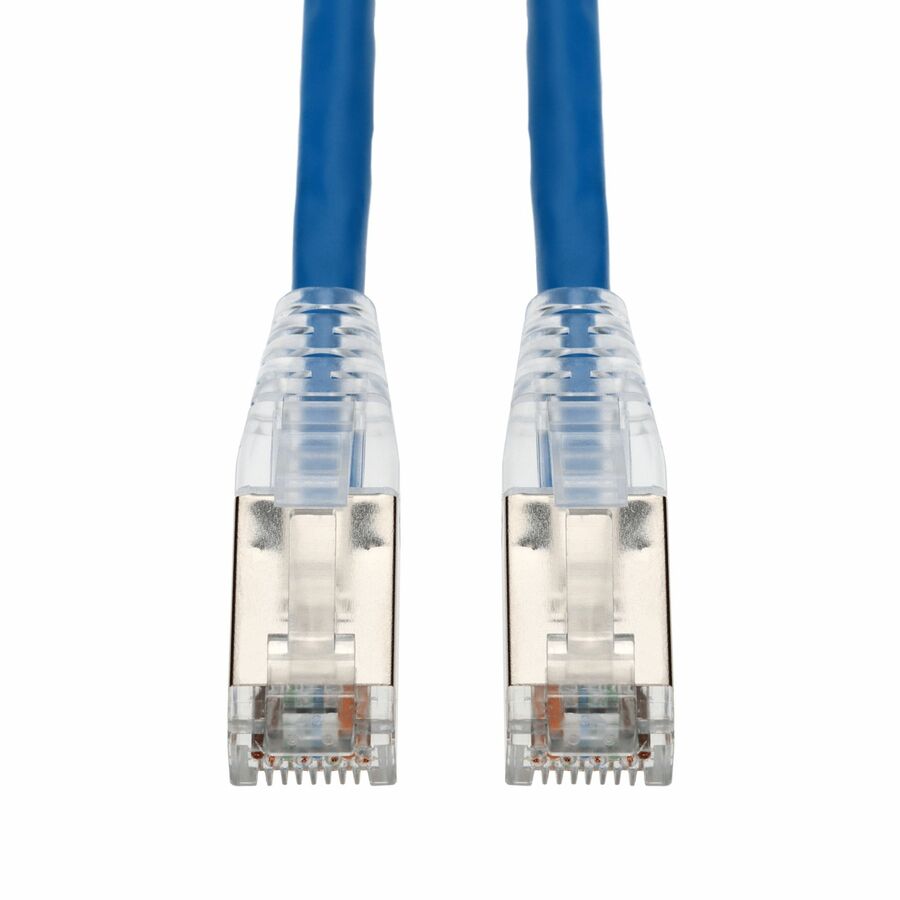
293 in stock - AddOnAddOn 2ft Blue CAT6A Shielded PVC Ethernet Cable Snagless Easy Clear Boot RJ-45 M/M CAT 6A - 2 ft Category 6a Network Cable for Network Device - First End: 1 x RJ-45 Network - Male - Second End: 1 x RJ-45 Network - Male - Patch Cable - Shielding - Shielded Twisted Pair (STP) - CM - 24 AWG - Blue - 1.0ADD-2FCAT6AS-BE
$15.75
$14.49
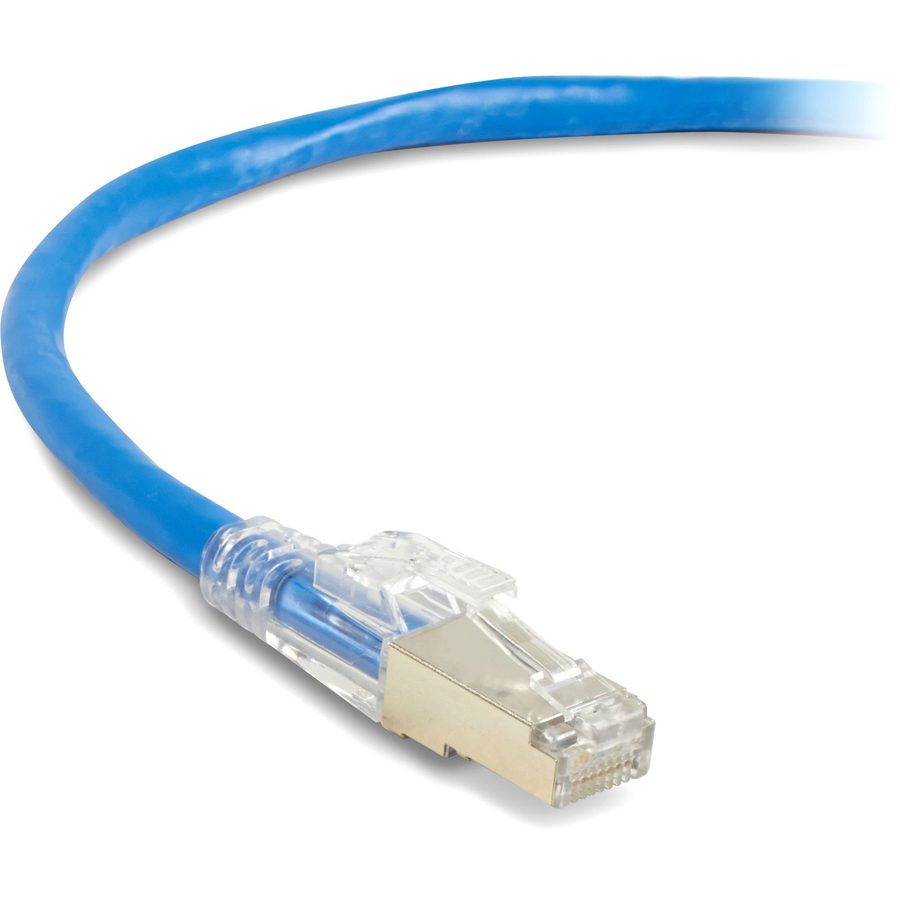
78 in stock - Black BoxBlack Box CAT6A 650-MHz Locking Snagless Patch Cable - 3 ft Category 6a Network Cable for Patch Panel, Network Device - First End: 1 x RJ-45 Network - Male - Second End: 1 x RJ-45 Network - Male - 10 Gbit/s - Patch Cable - Shielding - Gold Plated Contact - CM - 26 AWG - Blue - 1 EachC6APC80S-BL-03
$17.36
$14.84
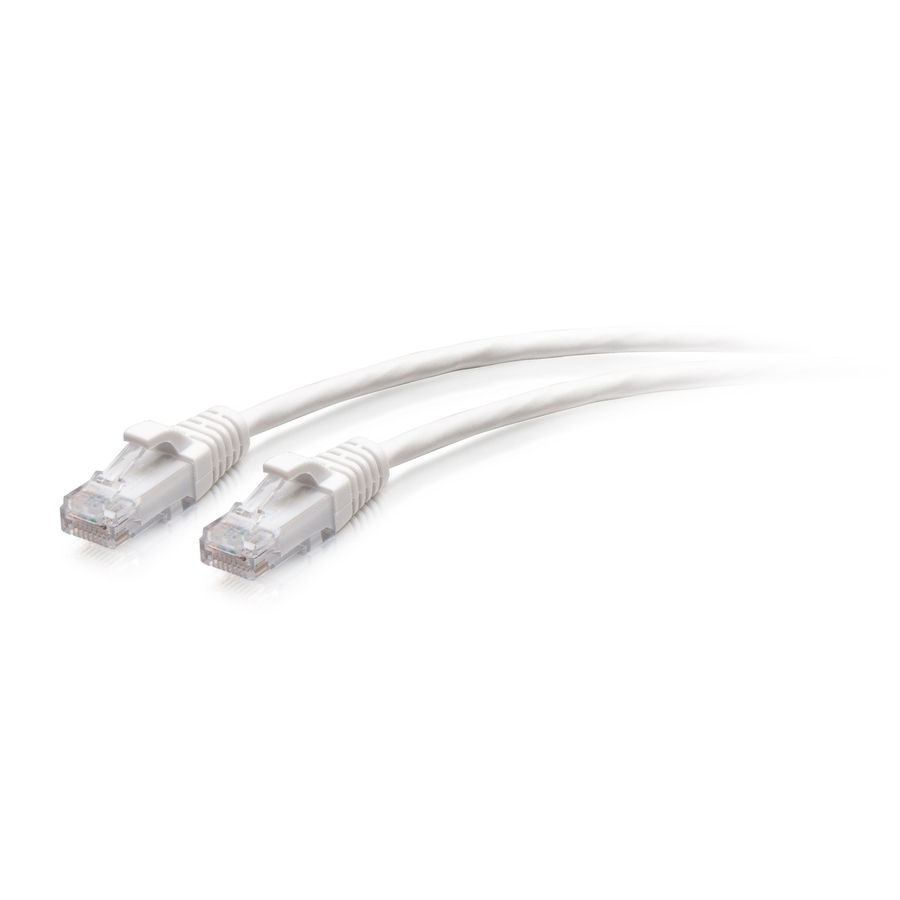
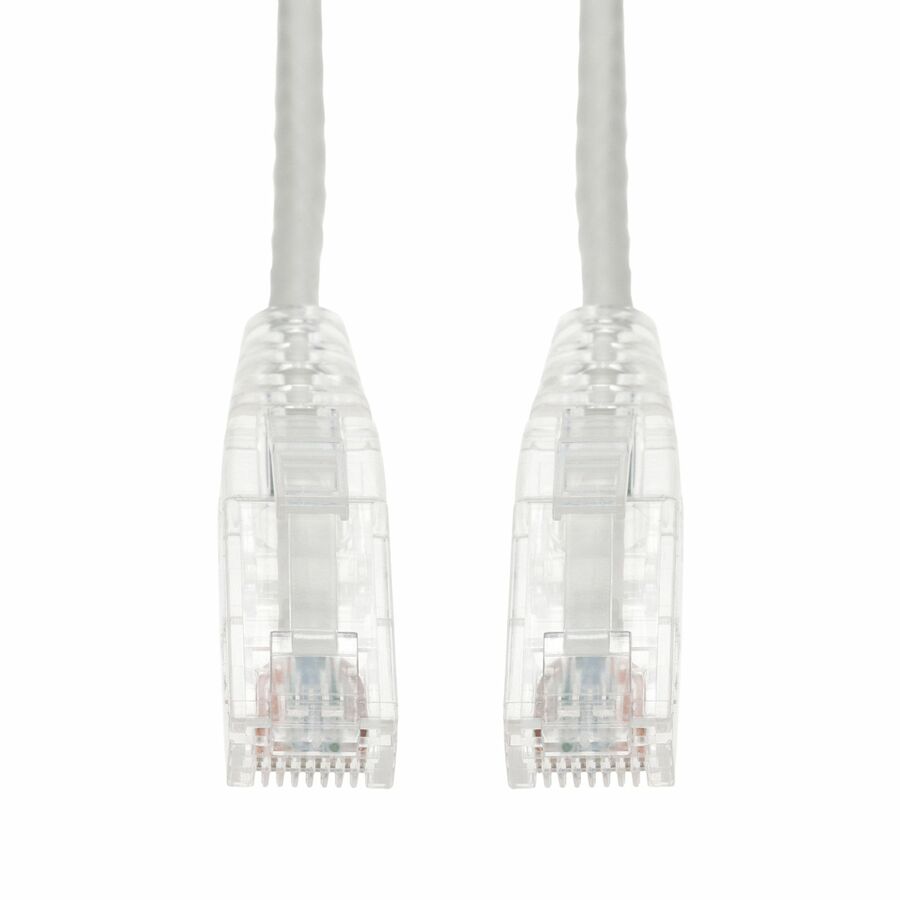
62 in stock - AddOnAddOn 6ft White CAT6A Slim PVC Ethernet Cable Snagless Clear-Claw RJ-45 M/M CAT 6A - 6 ft Category 6a Network Cable for Network Device - First End: 1 x RJ-45 Network - Male - Second End: 1 x RJ-45 Network - Male - Patch Cable - Unshielded Twisted Pair (UTP) - CM - 28 AWG - Snagless, Clear Claw - White - 1.0ADD-6FSLCAT6A-WE
$12.00
$11.04
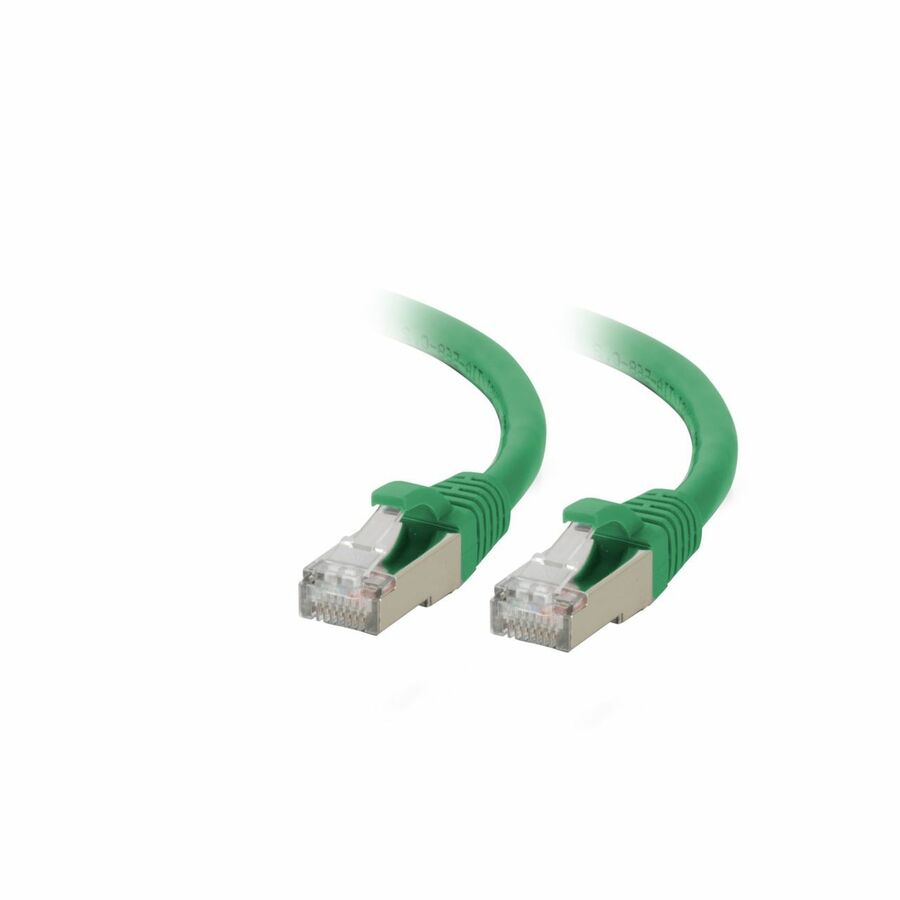
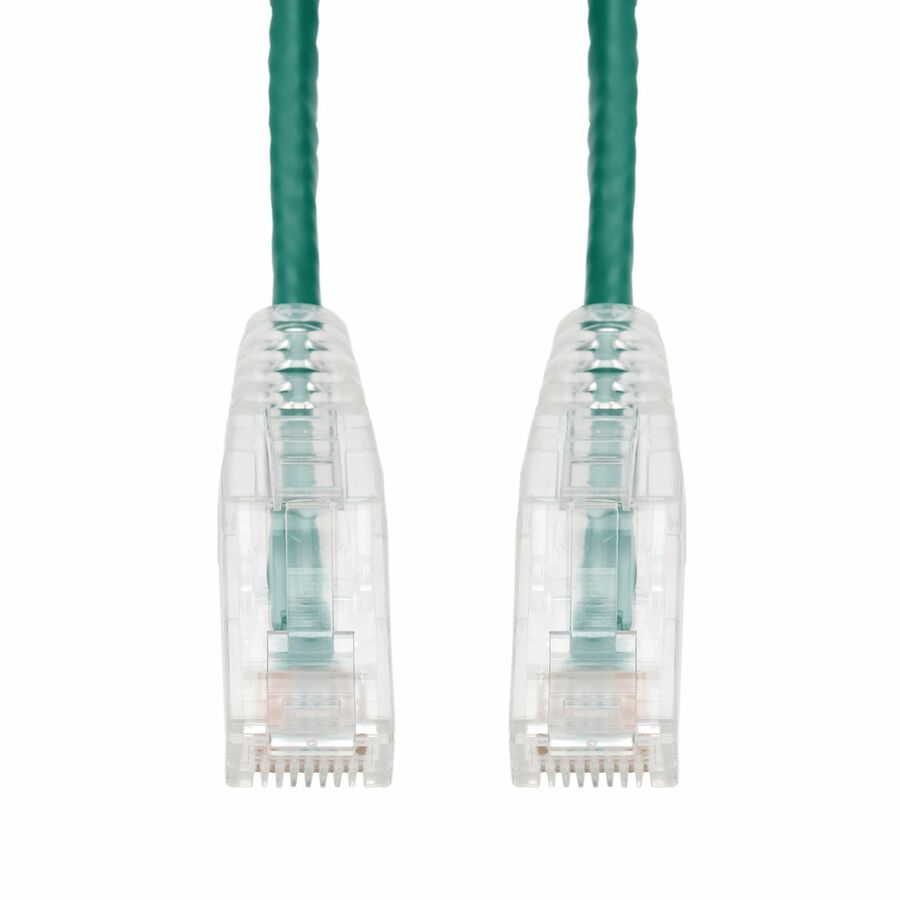
179 in stock - AddOnAddOn 7ft Green CAT6A Slim PVC Ethernet Cable Snagless Clear-Claw RJ-45 M/M CAT 6A - 7 ft Category 6a Network Cable for Network Device - First End: 1 x RJ-45 Network - Male - Second End: 1 x RJ-45 Network - Male - Patch Cable - Unshielded Twisted Pair (UTP) - CM - 28 AWG - Snagless, Clear Claw - Green - 1.0ADD-7FSLCAT6A-GN
$12.00
$11.04
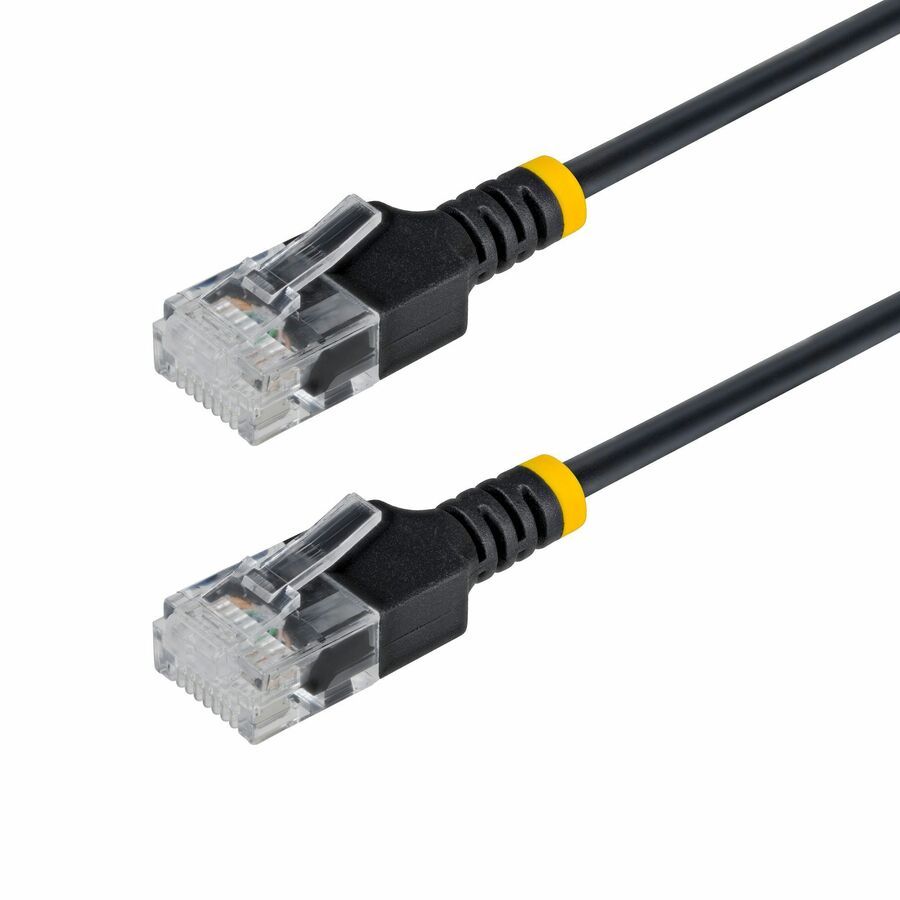
189 in stock - StarTech.comStarTech 14ft Black Ultra Slim CAT6a Ethernet Cable, Snagless, UTP, Bare Copper Wire, 34AWG Slim RJ45 Patch Cord - Ultra Slim UTP Cat6a cable supports up to 10Gbps; Not rated for PoE; 40% slimmer for improved airflow; Low Near-End Crosstalk (NEXT) and Return Loss (RL); Gold-Plated Contacts; 34AWG Bare Copper Wire; TPE jacketN6APATUTP34BKS-14FT
$14.99
$13.79
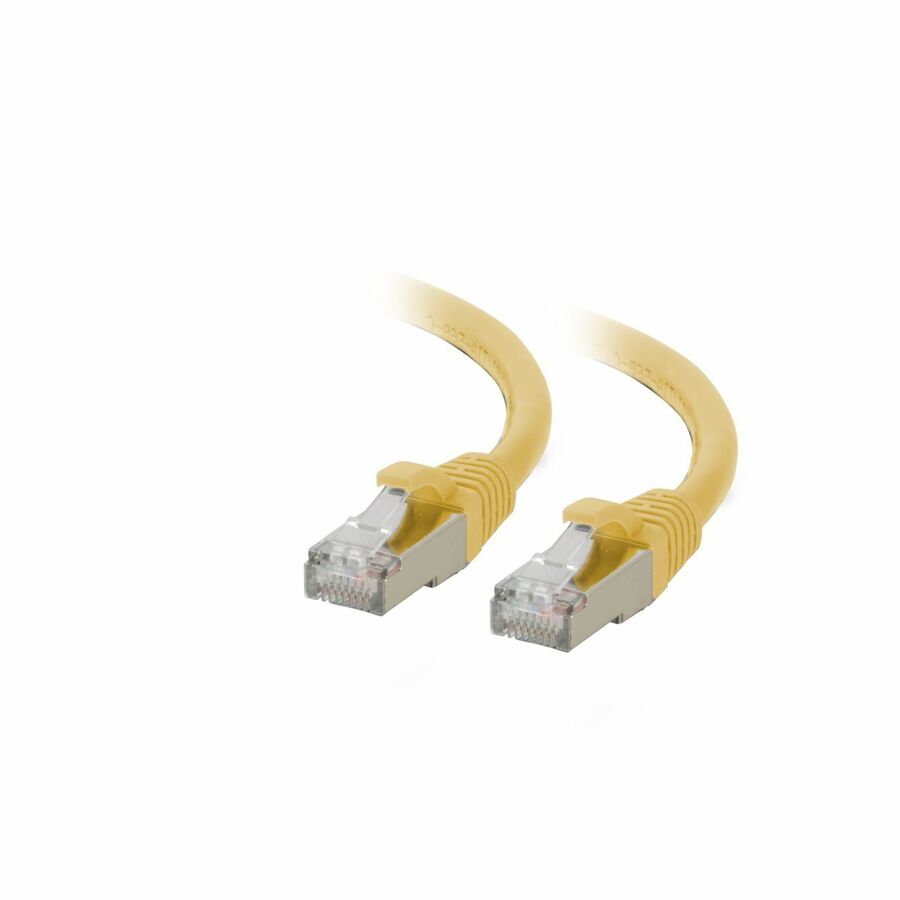
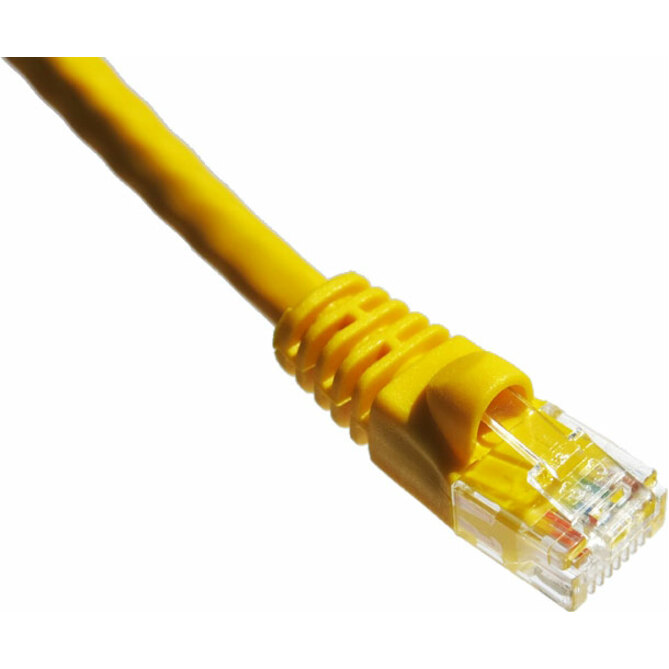
690 in stock - Axiom Memory SolutionsAxiom 15FT CAT6A 650mhz Patch Cable Molded Boot (Yellow) - 15 ft Category 6a Network Cable for Network Device - First End: 1 x RJ-45 Network - Male - Second End: 1 x RJ-45 Network - Male - 10 Gbit/s - Patch Cable - Gold Plated Connector - 24 AWG - YellowC6AMB-Y15-AX
$15.38
$14.40
61 in stock - AddOnAddOn 4ft Blue CAT6A Shielded PVC Ethernet Cable Snagless Easy Clear Boot RJ-45 M/M CAT 6A - 4 ft Category 6a Network Cable for Network Device - First End: 1 x RJ-45 Network - Male - Second End: 1 x RJ-45 Network - Male - Patch Cable - Shielding - Shielded Twisted Pair (STP) - CM - 24 AWG - Snagless - Blue - 1.0ADD-4FCAT6AS-BE
$14.00
$12.88
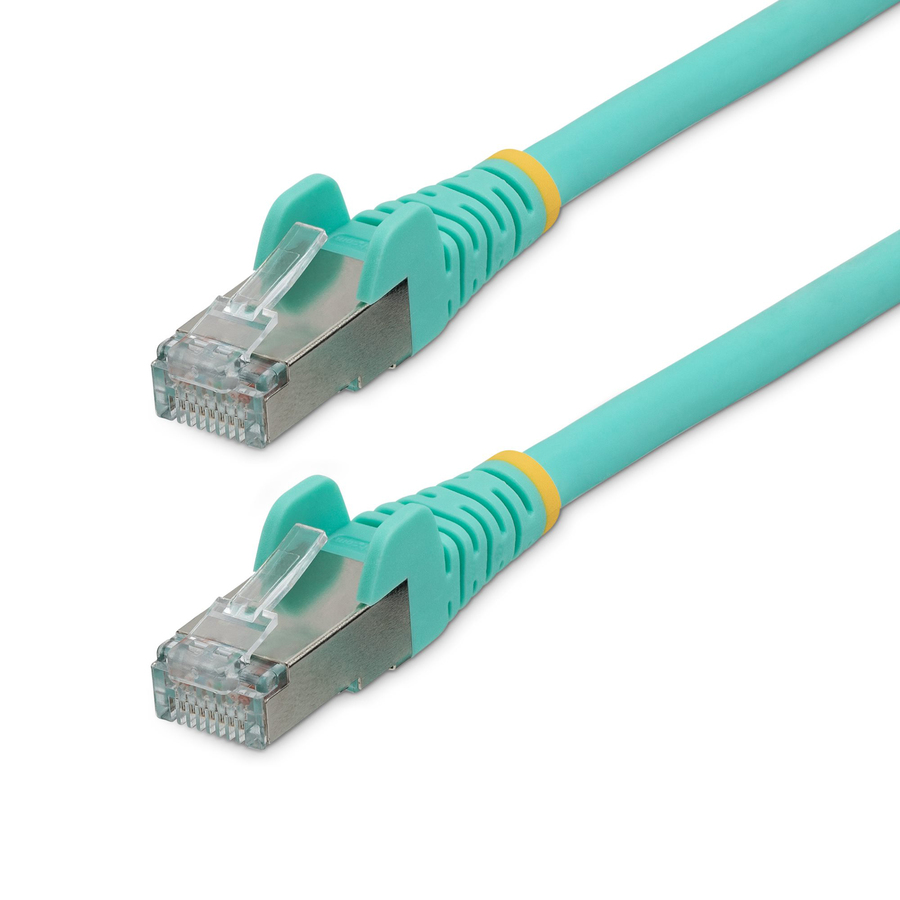
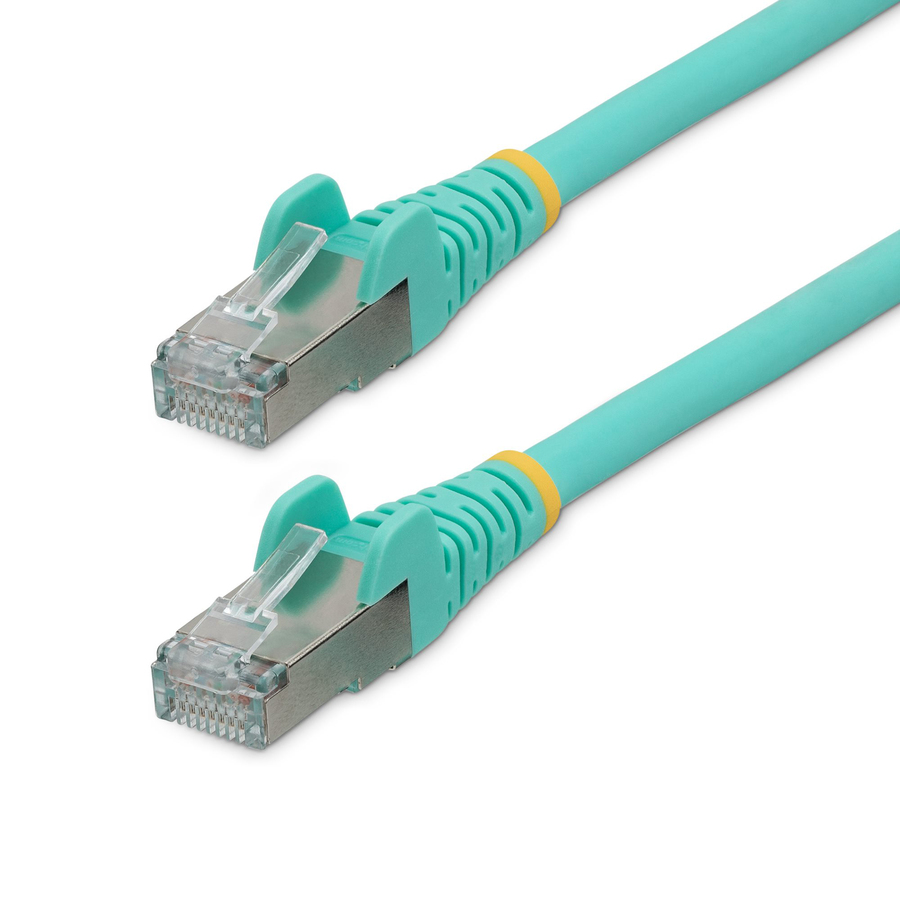
150 in stock - StarTech.comStarTech 14ft CAT6a Ethernet Cable, Aqua Low Smoke Zero Halogen (LSZH) 10 GbE 100W PoE S/FTP Snagless RJ-45 Network Patch Cord - 14ft Aqua Low Smoke Zero Halogen (LSZH) Shielded CAT6A Ethernet Cable - 10GbE Multi Gigabit 1/2.5/5/10Gbps - 100W PoE++ - 27 AWG 100% Copper Stranded Wire - Snagless 4 pair S/FTP RJ45 Network Patch Cord, ETL Verified, ANSI/TIA-568.2-D Category 6ANLAQ-14F-CAT6A-PATCH
$13.99
$12.87
289 in stock - StarTech.comStarTech 15ft CAT6a Ethernet Cable, Aqua Low Smoke Zero Halogen (LSZH) 10 GbE 100W PoE S/FTP Snagless RJ-45 Network Patch Cord - 15ft Aqua Low Smoke Zero Halogen (LSZH) Shielded CAT6A Ethernet Cable - 10GbE Multi Gigabit 1/2.5/5/10Gbps - 100W PoE++ - 27 AWG 100% Copper Stranded Wire - Snagless 4 pair S/FTP RJ45 Network Patch Cord, ETL Verified, ANSI/TIA-568.2-D Category 6ANLAQ-15F-CAT6A-PATCH
$15.99
$14.71
581 in stock - StarTech.comStarTech 12ft CAT6a Ethernet Cable, Aqua Low Smoke Zero Halogen (LSZH) 10 GbE 100W PoE S/FTP Snagless RJ-45 Network Patch Cord - 12ft Aqua Low Smoke Zero Halogen (LSZH) Shielded CAT6A Ethernet Cable - 10GbE Multi Gigabit 1/2.5/5/10Gbps - 100W PoE++ - 27 AWG 100% Copper Stranded Wire - Snagless 4 pair S/FTP RJ45 Network Patch Cord, ETL Verified, ANSI/TIA-568.2-D Category 6ANLAQ-12F-CAT6A-PATCH
$12.99
$11.95
367 in stock - Axiom Memory SolutionsAxiom 5FT CAT6A BENDnFLEX Ultra-Thin Snagless Patch Cable 650mhz (Black) - 5 ft Category 6a Network Cable for Network Device - First End: 1 x RJ-45 Network - Male - Second End: 1 x RJ-45 Network - Male - 10 Gbit/s - Patch Cable - Shielding - Gold Plated Contact - 28 AWG - Black - TAA CompliantC6ABFSB-K5-AX
$13.00
$11.64
74 in stock
Specifications are read from the manufacturer product title as supplied to us; where a value is not stated it is left blank rather than estimated. Every line is screened for NDAA §889 status before checkout, with TAA verified on request.
Need pricing on Cat6a patch cables?
Tell us where to reach you and a Uniqcli specialist will follow up by email with current pricing, availability and lead time for the quantities you need — including parts that aren’t shown on this page.
Buying for an organization or for yourself — both work. No payment up front.
About Cat6a patch cables
Cat6a exists to do one thing Cat6 cannot: carry 10GBASE-T across a full 100 metre channel. It gets there by being tested to 500 MHz instead of 250, and — more importantly — by specifying alien crosstalk, the interference one cable induces in its neighbours inside a bundle. That is the failure mode that limits Cat6 to roughly 55 metres at 10 Gb and can pull it back to about 37 metres in dense pathways, and it is the reason a longer Cat6 cord is not a workaround. If a 10 Gb link has to cross a building, Cat6a is the copper answer; below about 55 metres, Cat6 is genuinely enough and cheaper.
The cost of that performance is physical. Cat6a is a thicker cable with a larger minimum bend radius, so pathway fill, cable managers and the depth behind a patch panel are the usual surprises on a retrofit — measure before committing a whole floor. The other decision is shielding: F/UTP and S/FTP constructions resist alien crosstalk and external interference well, but they only work as designed with shielded jacks and panels and a bonded path to ground, and a shield that is not bonded at both ends can perform worse than none at all. In most enterprise environments unshielded Cat6a is the simpler and better-behaved choice; shielded belongs where the environment or the specification demands it. Higher-power PoE is a point in Cat6a's favour either way, since its larger conductors run cooler in a bundle. Lengths on this page are shown in feet, converted where the title printed metres, and every specification is read from the manufacturer's own title.
FAQ
Cat6a patch cables questions
- When do I actually need Cat6a?
- When a 10GBASE-T link has to run further than about 55 metres, when cables are bundled densely enough that alien crosstalk is a real risk, when you are running high-power PoE over long runs, or when you want the cabling to outlive two generations of switches. For a short 10 Gb hop inside a rack, Cat6 — or a DAC assembly — does the job for less.
- Shielded or unshielded Cat6a?
- Unshielded is the simpler choice and is fine in most enterprise environments, because Cat6a already specifies alien crosstalk performance. Shielded constructions (F/UTP, S/FTP) earn their place in electrically noisy environments or where a specification calls for them — but only when the whole channel is shielded, with shielded jacks and panels and a properly bonded path to ground. A shield left floating can be worse than no shield.
- Will Cat6a fit my existing pathways and panels?
- That is the question to answer before ordering in volume. Cat6a is thicker with a larger bend radius, so conduit and tray fill, cable managers and the space behind a patch panel are all tighter than with Cat6. The jacks and panels have to be Cat6a as well — the channel only performs to its weakest component, so Cat6a cord into a Cat6 jack is a Cat6 link.
- Is Cat6a backward compatible?
- Yes. It uses the same RJ45 connector and works with every slower Ethernet standard, so a Cat6a cord will happily serve a gigabit port today and a 10 Gb one later. Just remember that the whole channel performs to its lowest-rated component, so mixing categories gets you the lower category's limits.
Specifying Cat6a for a build?
Send the lengths, quantities and whether the design is shielded or unshielded. We quote the full list, confirm stock across the quantity and flag anything that ships faster in an equivalent construction.