
DDR5 ECC server memory
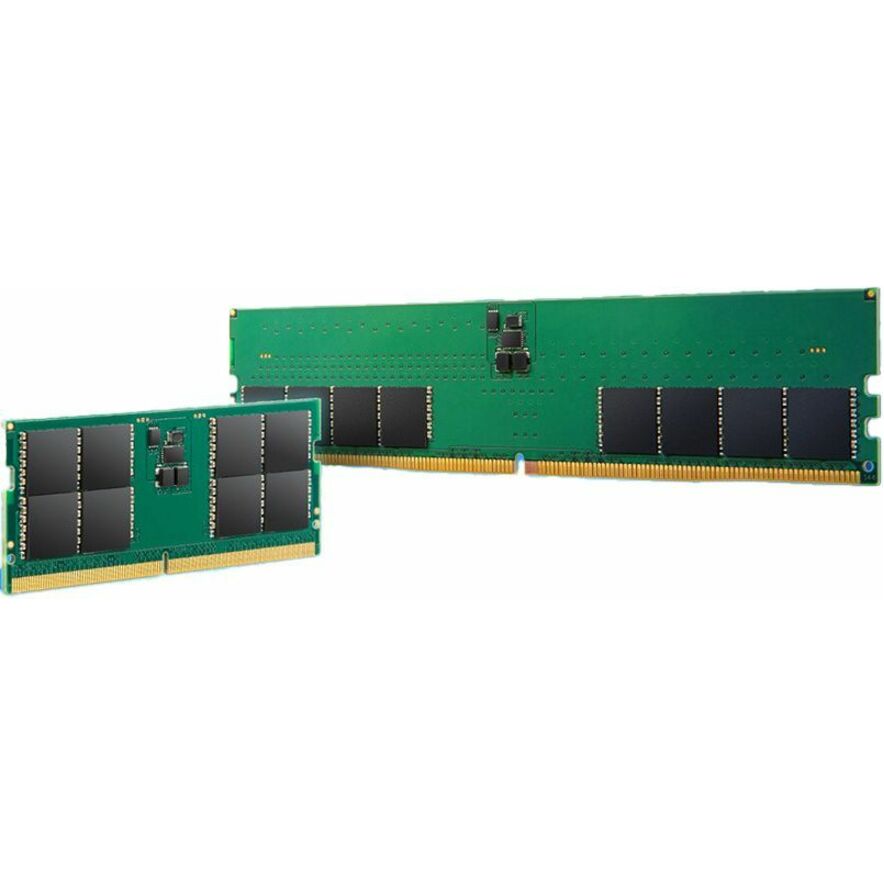
Every DDR5 module whose manufacturer states error correction — registered RDIMMs for servers, unbuffered ECC UDIMMs for workstations and ECC SO-DIMMs for edge systems. Filter by form factor, capacity and speed.
Showing 24 of 611 DDR5 ECC modules
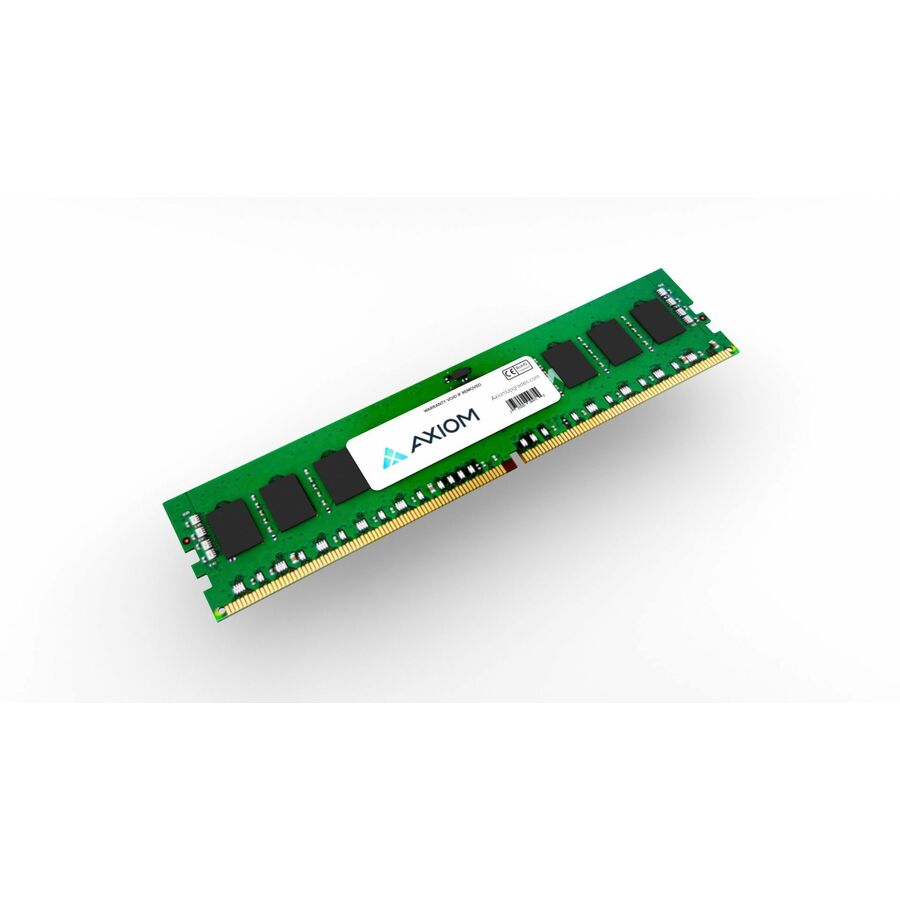
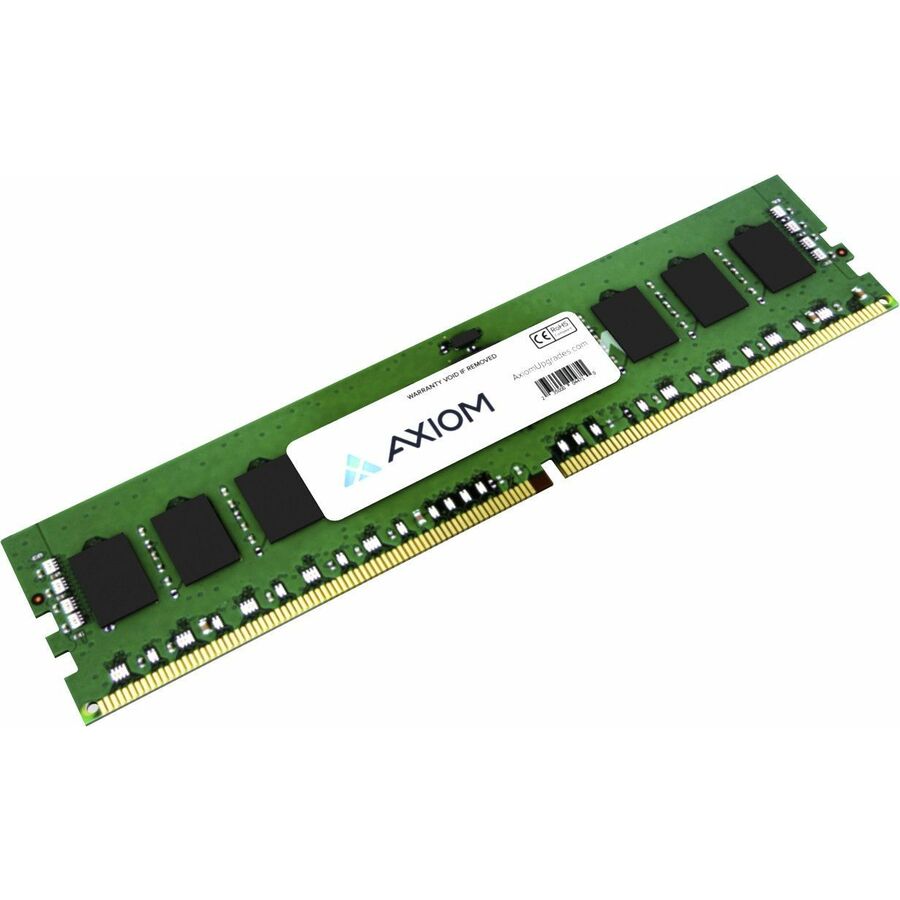
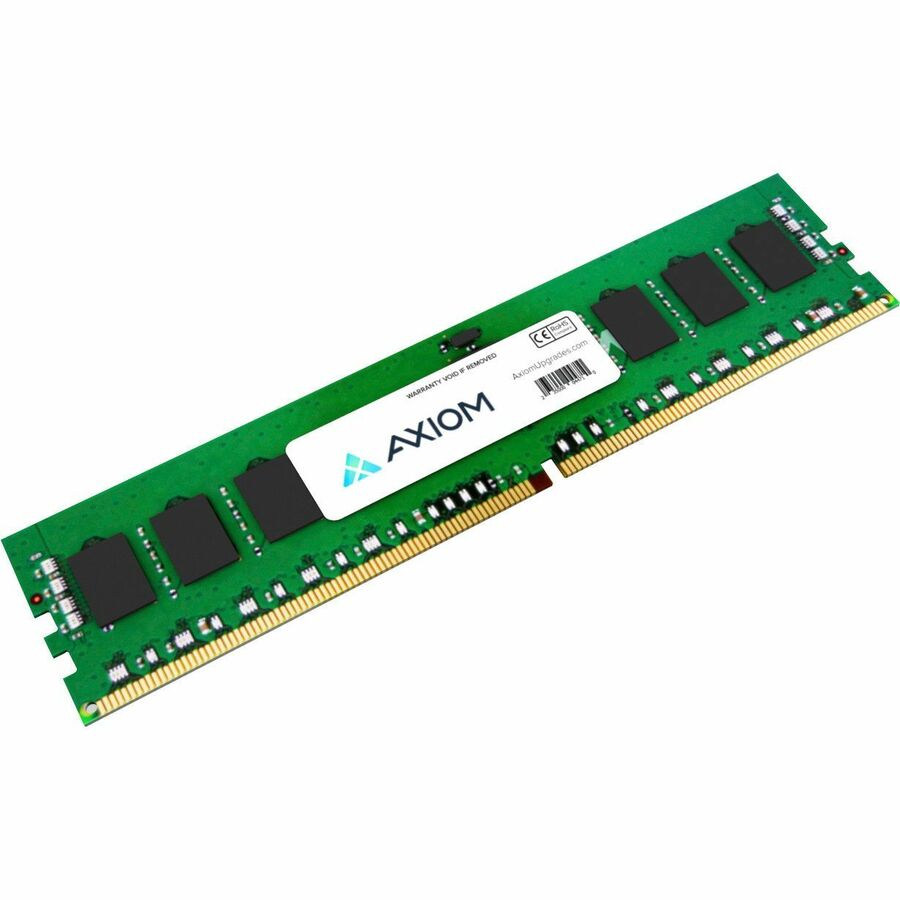
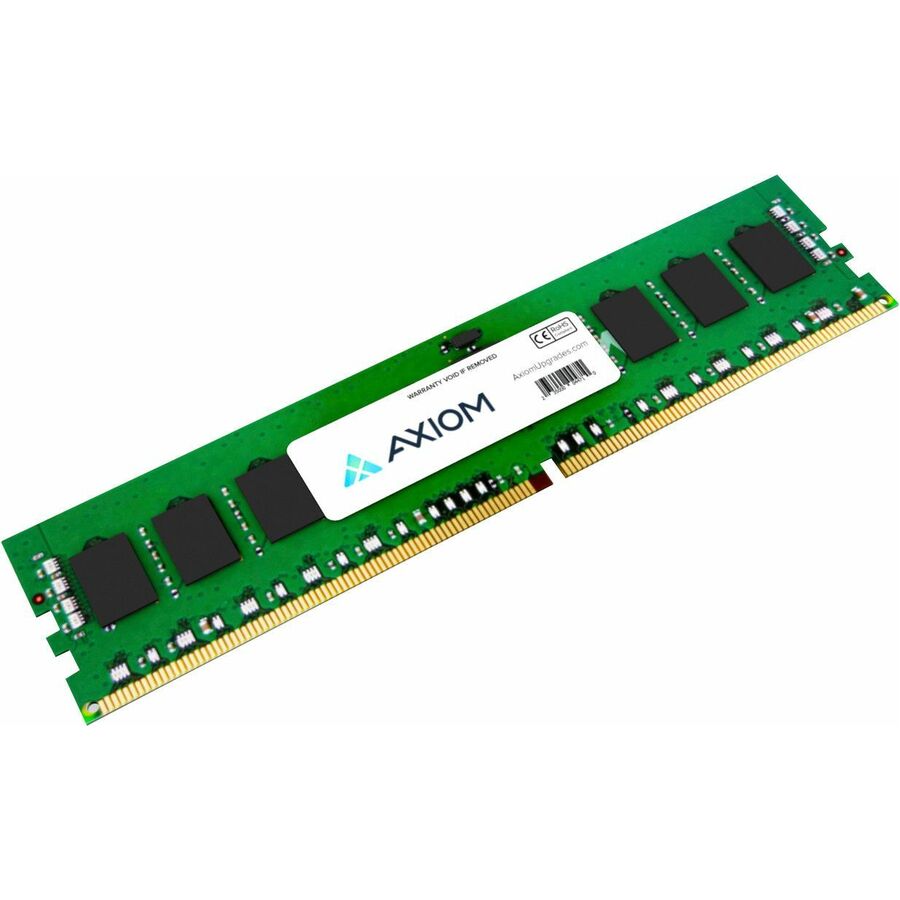
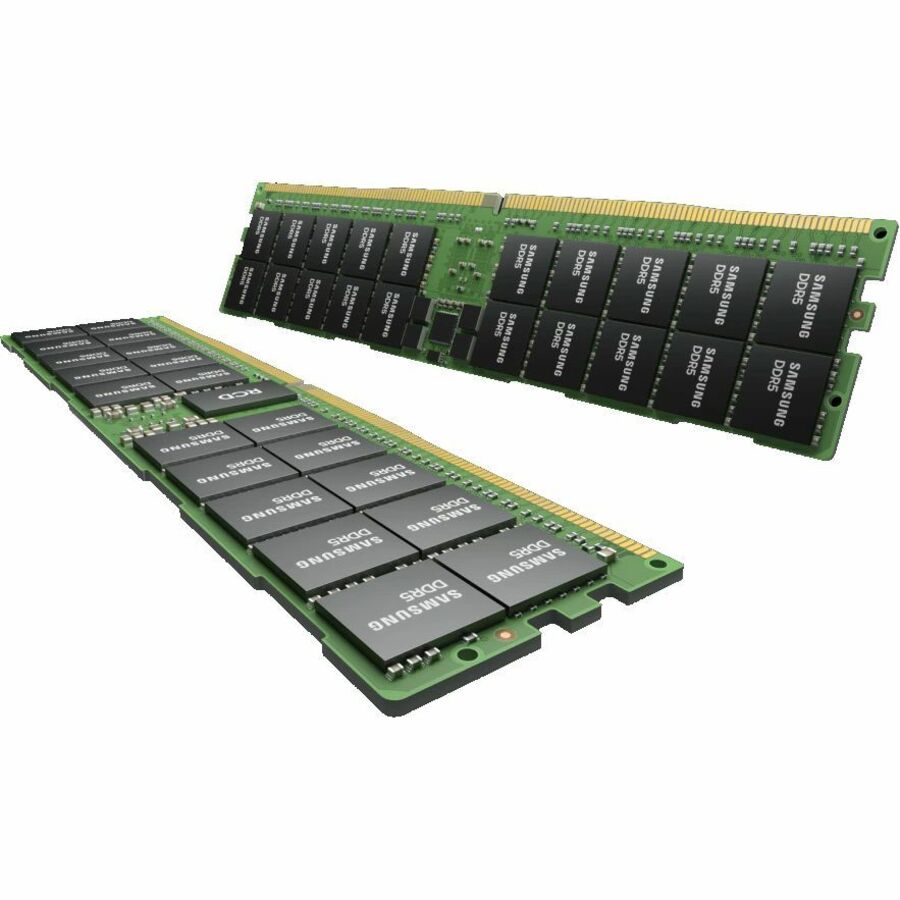
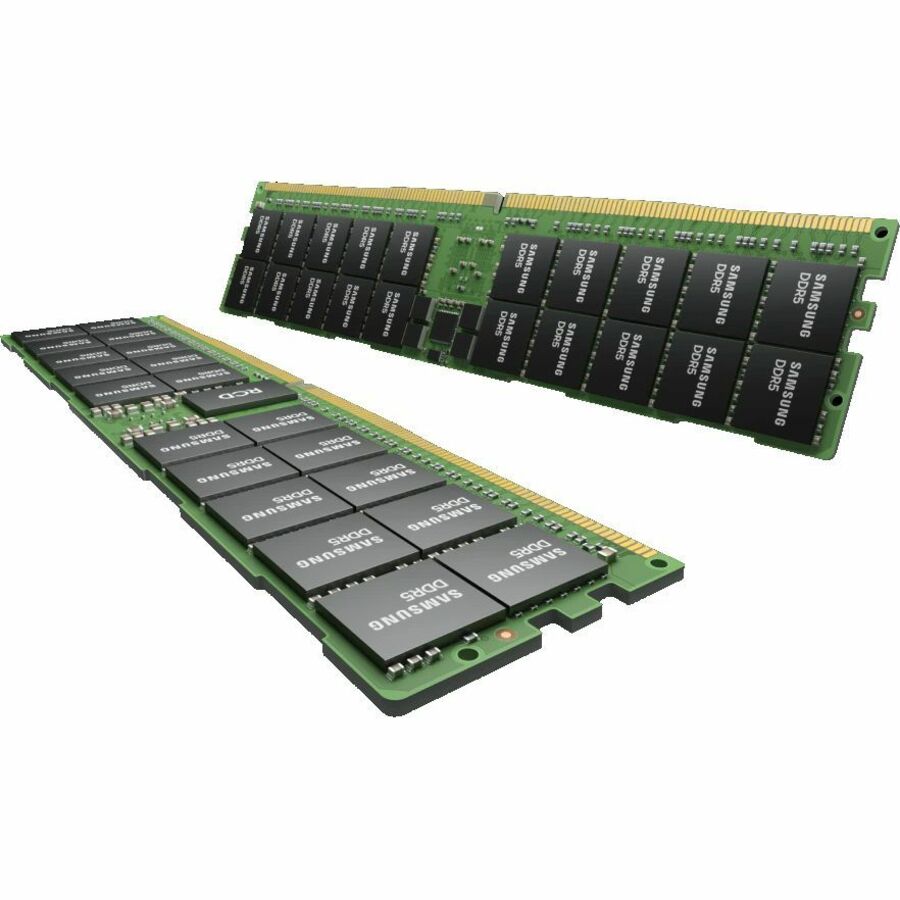
- Axiom Memory SolutionsAxiom Lenovo RAM Module - For Server - 16 GB - DDR5-6400/PC5-51200 DDR5 SDRAM - 6400 MHz - ECC - Registered - 288-pin - DIMM4X77A90963-AX
$1,664.00
$1,429.37
28 in stock - Axiom Memory Solutions64GB DDR5-6400 ECC RDIMM for Dell - P64985-B21 - Axiom 32GB DDR5-6400 ECC RDIMM for Dell - AD089129AD089129-AX
$3,654.00
$3,140.36
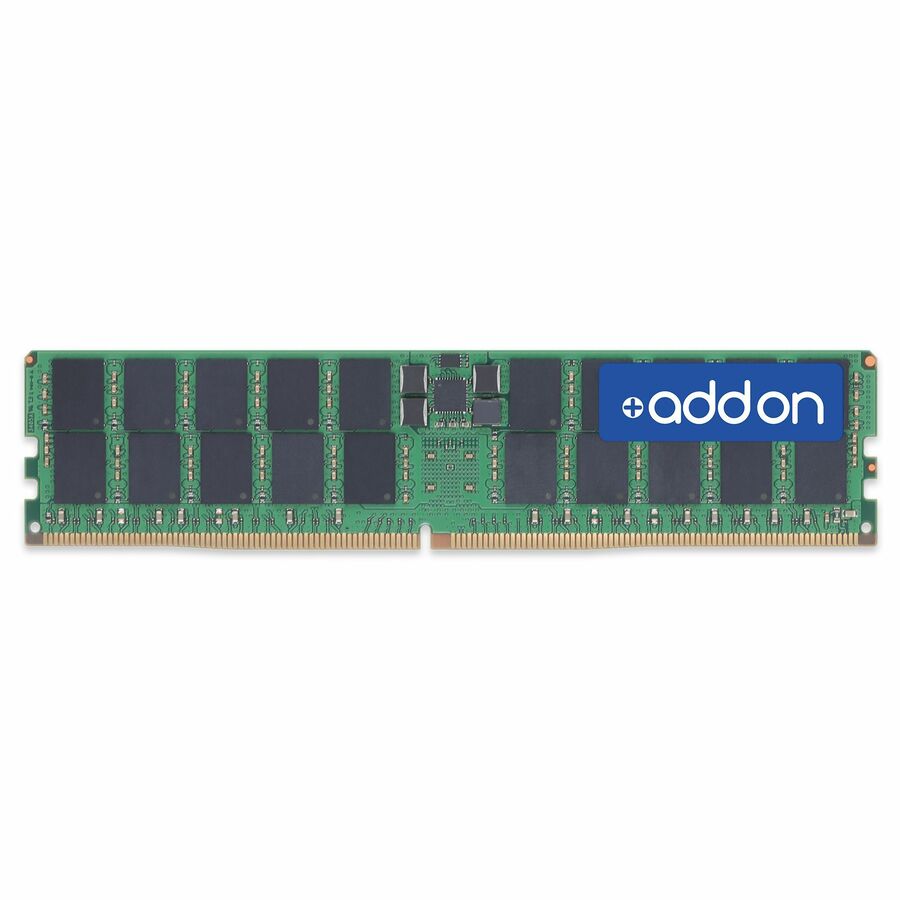
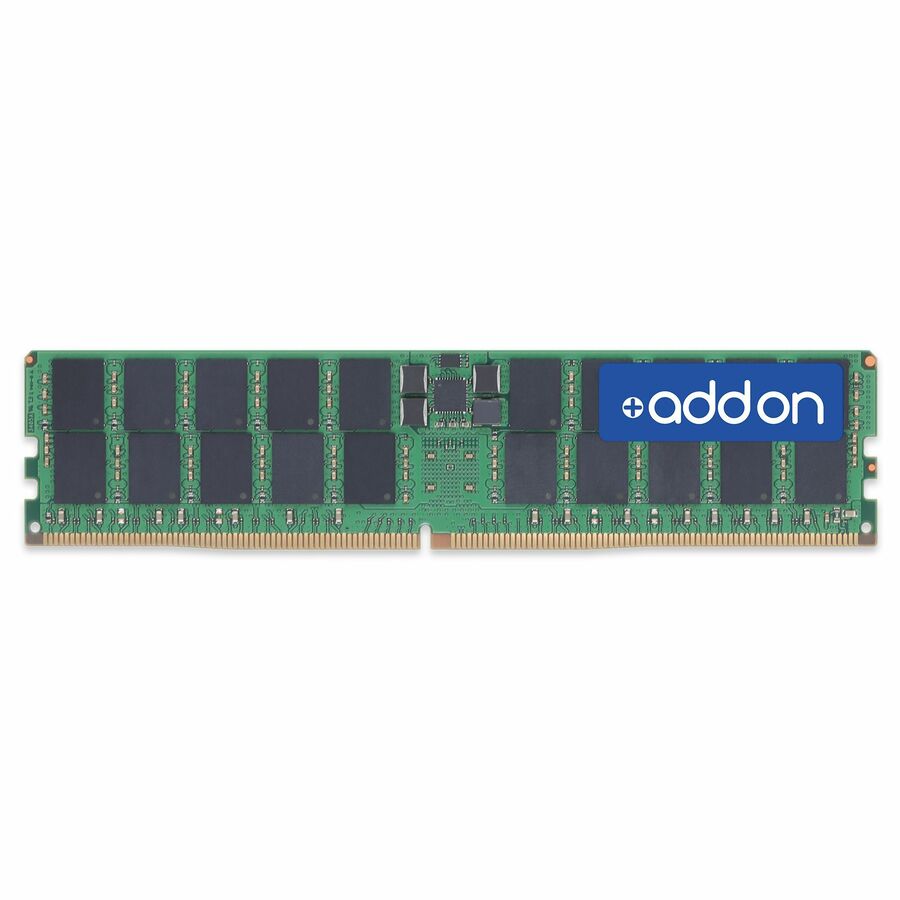
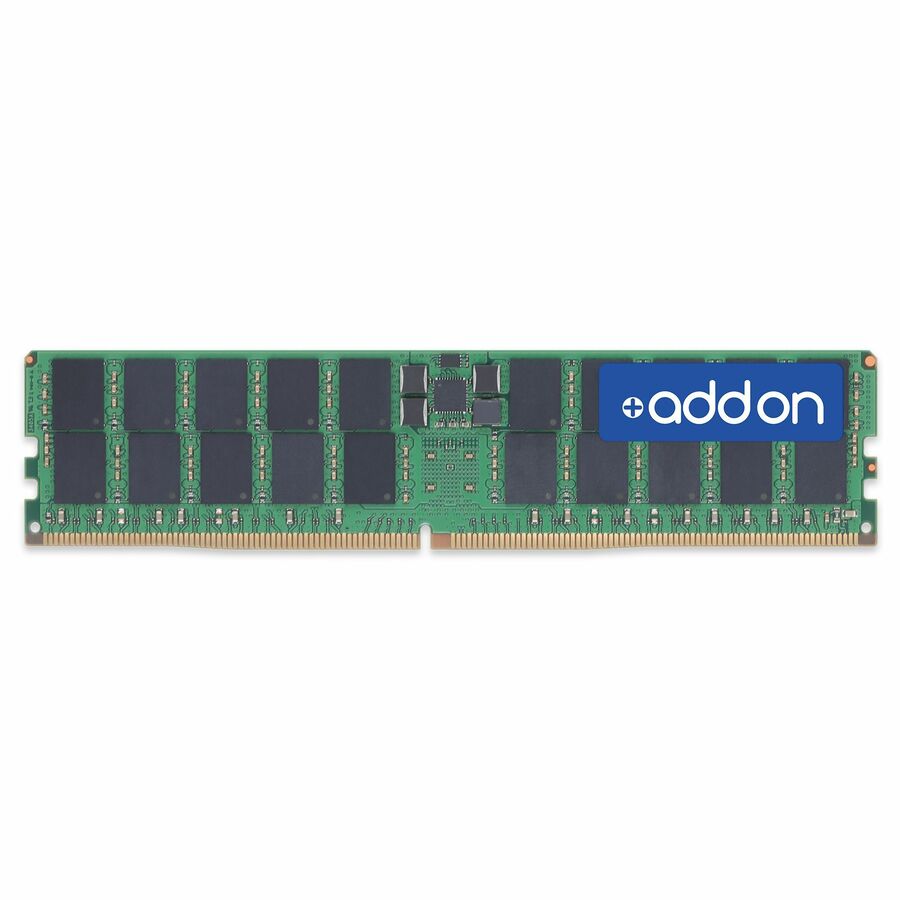
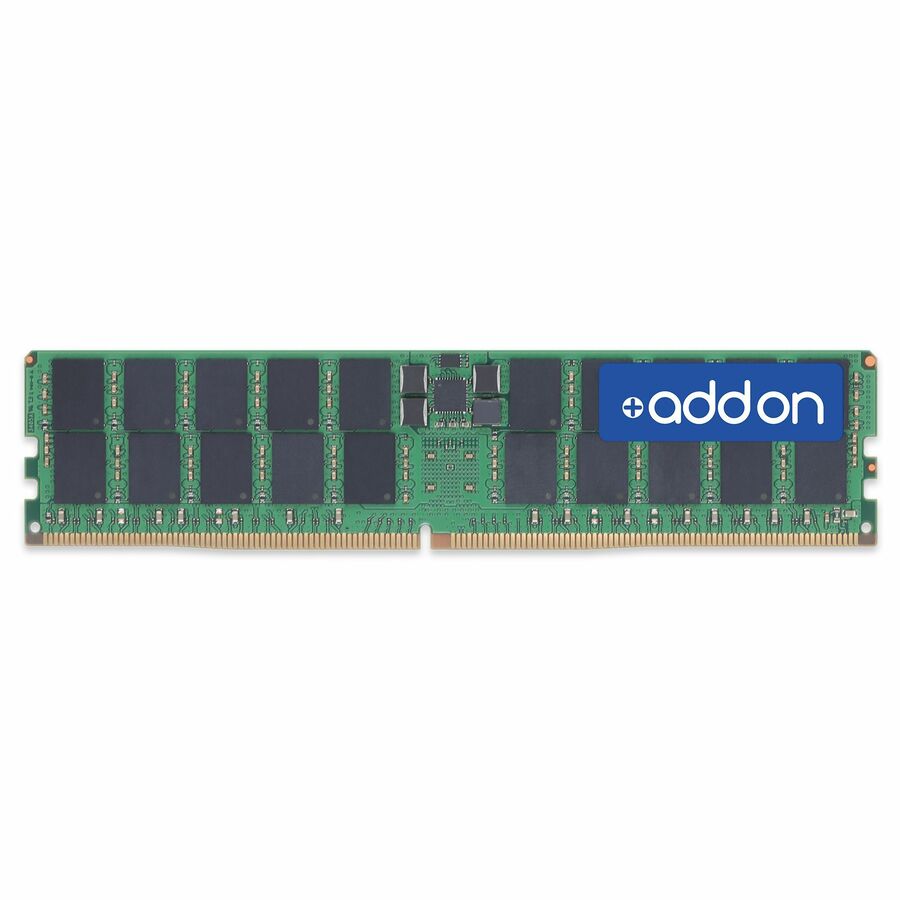
124 in stock - AddOnAddOn HP® 340K1AA Compatible 16GB DDR5-4800MHz Registered Single Rank x8 1.1V 288-pin CL40 RDIMM - For Server - 16 GB (1 x 16GB) - DDR5-4800/PC5-38400 DDR5 SDRAM - 4800 MHz Single-rank Memory - CL40 - 1.10 V - ECC - Registered - 288-pin - RDIMM - Lifetime Warranty340K1AA-AM
$2,560.00
$2,355.20
58 in stock - AddOnAddOn Nutanix® U-MEM-64GB-48A1-CM Compatible 64GB DDR5-4800MHz Registered Dual Rank x4 1.1V 288-pin RDIMM - For Server - 64 GB (1 x 64GB) - DDR5-4800/PC5-38400 DDR5 SDRAM - 4800 MHz Dual-rank Memory - CL40 - 1.10 V - ECC - Registered - 288-pin - DIMMU-MEM-64GB-48A1-CM-AM
$9,600.00
$8,832.00
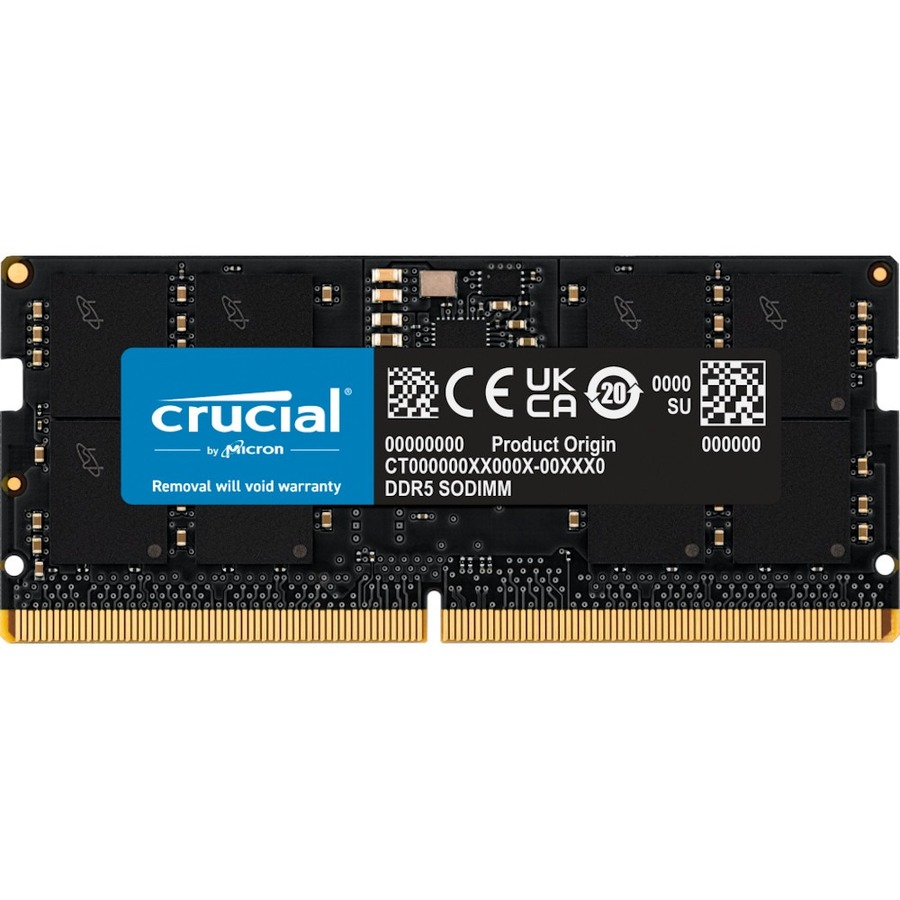
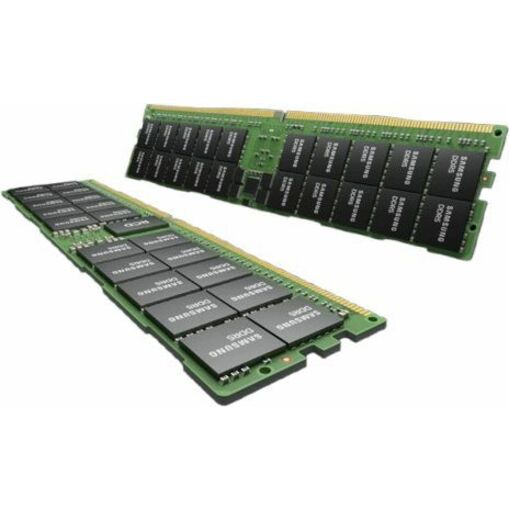
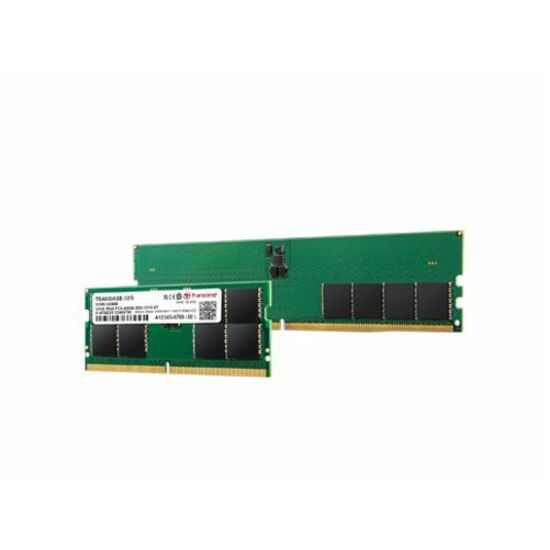
30 in stock - Transcend InformationTranscend JetRAM 16GB DDR5 SDRAM Memory ModuleJM4800ASE-16G
$454.00
$416.21
3 in stock

Specifications are read from the manufacturer product title as supplied to us; where a value is not stated it is left blank rather than estimated. Every line is screened for NDAA §889 status before checkout, with TAA verified on request.
Need pricing on DDR5 ECC server memory?
Tell us where to reach you and a Uniqcli specialist will follow up by email with current pricing, availability and lead time for the quantities you need — including parts that aren’t shown on this page.
Buying for an organization or for yourself — both work. No payment up front.
About DDR5 ECC server memory
DDR5 changed enough about server memory that the DDR4 rules do not transfer cleanly. Voltage regulation moved off the motherboard and onto each module as a power-management IC; the module presents two independent 32-bit subchannels instead of one 64-bit bus, and on an ECC server module each of those subchannels carries its own eight bits of error-correction width; and although a DDR5 DIMM has the same 288-pin edge as DDR4, it is keyed differently and the two are not interchangeable in either direction. Base data rates start where DDR4 stopped, so the speed filter on this page spans a range no DDR4 platform could reach — and, as always, the rate the platform actually runs is the slowest one shared by the installed set and the processor's memory controller.
One distinction is worth settling before you filter. Every DDR5 device performs on-die ECC internally, and some consumer modules state that in their own titles — it is not the side-band ECC a server platform requires, it is invisible to the operating system, and it reports nothing. The modules a server needs are the registered ones (RDIMM), where a register buffers the address and command lines so a channel can carry more capacity; unbuffered ECC UDIMMs serve workstations and entry servers; ECC SO-DIMMs cover edge and mobile platforms. A platform takes exactly one of those types, so read its supported-memory list and use the form-factor filter to match it. Specifications on these cards are read from the manufacturer's own title, which is precisely why the on-die caveat matters here: where a platform genuinely requires registered ECC, confirm the part rather than trusting a badge.
FAQ
DDR5 ECC server memory questions
- Is DDR5 on-die ECC the same as ECC memory?
- No, and the distinction costs people money. On-die ECC corrects errors inside the DRAM chip before data leaves it, and every DDR5 device has it — it exists to make dense DDR5 dies manufacturable and reliable, it is not reported to the system, and it does nothing about errors that occur on the link between module and controller. Side-band ECC, which is what a server platform means by ECC memory, adds extra memory devices and hands the controller the information it needs to detect, correct and log a failing module. Some consumer DDR5 modules state "On-die ECC" in their specifications, so where the platform requires true ECC, check the module type and confirm it with your quote request.
- How is DDR5 server memory different from DDR4?
- Three changes matter in practice. Power regulation moved onto the module itself, so a DDR5 DIMM carries its own PMIC and the board no longer supplies regulated rails. The module is split into two independent 32-bit subchannels, each with its own ECC width on a server module, which improves efficiency on the access patterns servers actually generate. And capacities and speeds both start higher, including non-power-of-two module sizes such as 24, 48 and 96 GB made possible by 24 Gbit dies. None of it is backward compatible: DDR5 will not run in a DDR4 board.
- Can I use a DDR5 RDIMM in a desktop?
- No. A registered module needs a memory controller designed to talk to its register, which consumer desktop platforms do not have — the module will not run, whatever the pin count suggests. Desktops and most workstations take unbuffered modules, and an unbuffered ECC UDIMM runs with error correction active only where the processor and board both support it. Confirm the supported type in the platform documentation before ordering, and filter to that form factor here.
- Why is DDR5 server memory not running at its rated speed?
- Because the platform, not the module, sets the rate. A processor's memory controller has a maximum supported speed for each configuration, and the system clocks every installed module at the slowest rate the set shares — so a single slower module, or a second module per channel, pulls the whole configuration down. Server memory-population guides publish the supported speed per arrangement; read the one for your model before assuming a rated figure will be delivered.
Speccing memory for a new server build?
Send the server model and the capacity you are targeting. We confirm the module type and population the platform supports, check stock across the full set and quote the configuration rather than a single module.