Catalog category
Loading the catalog…
Catalog category
Loading the catalog…
Access, aggregation and core switches — filtered by port count, speed, switching layer and management model.
A switch buy is defined by four numbers before any brand enters the conversation: how many ports, at what speed, at which switching layer, and whether it's managed. Get those right for the closet or rack and the model shortlist writes itself. This hub locks the catalog to switches and bridges and puts port count, port speed, switching layer and management on the filter rail.
Listings are live and priced, each with an in-stock or back-ordered badge. Switching gear stock moves quickly with distribution — send your shortlist as a quote and we confirm current availability, country of origin and a project total before you commit.
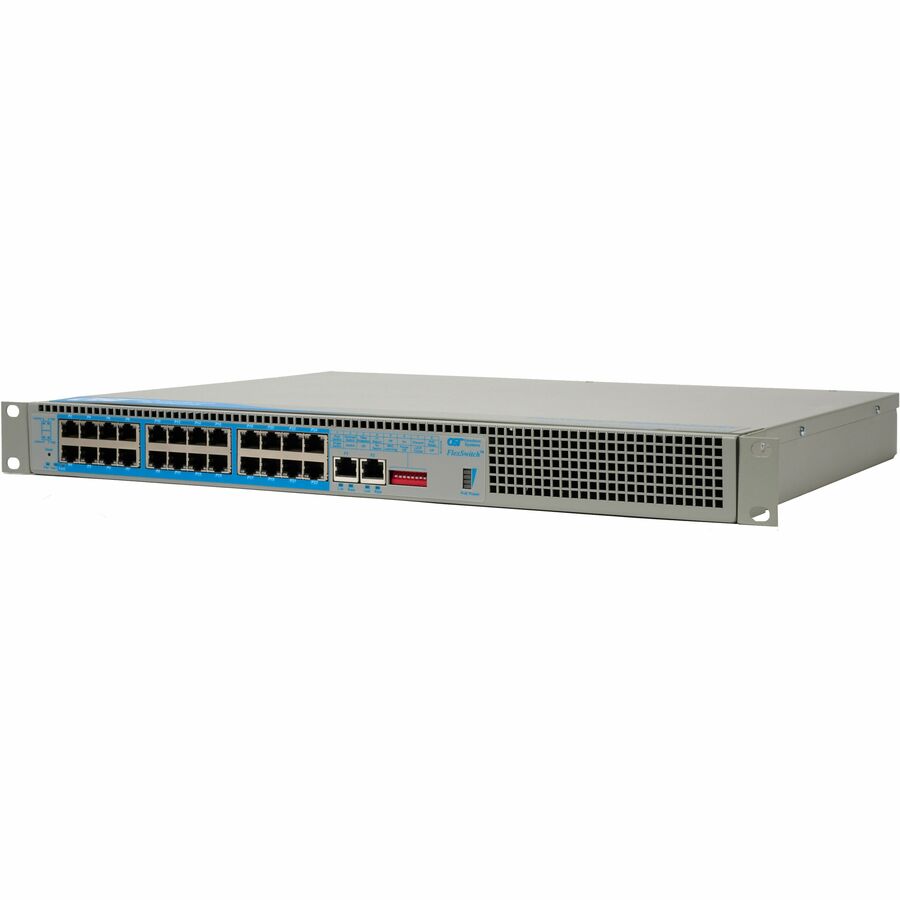
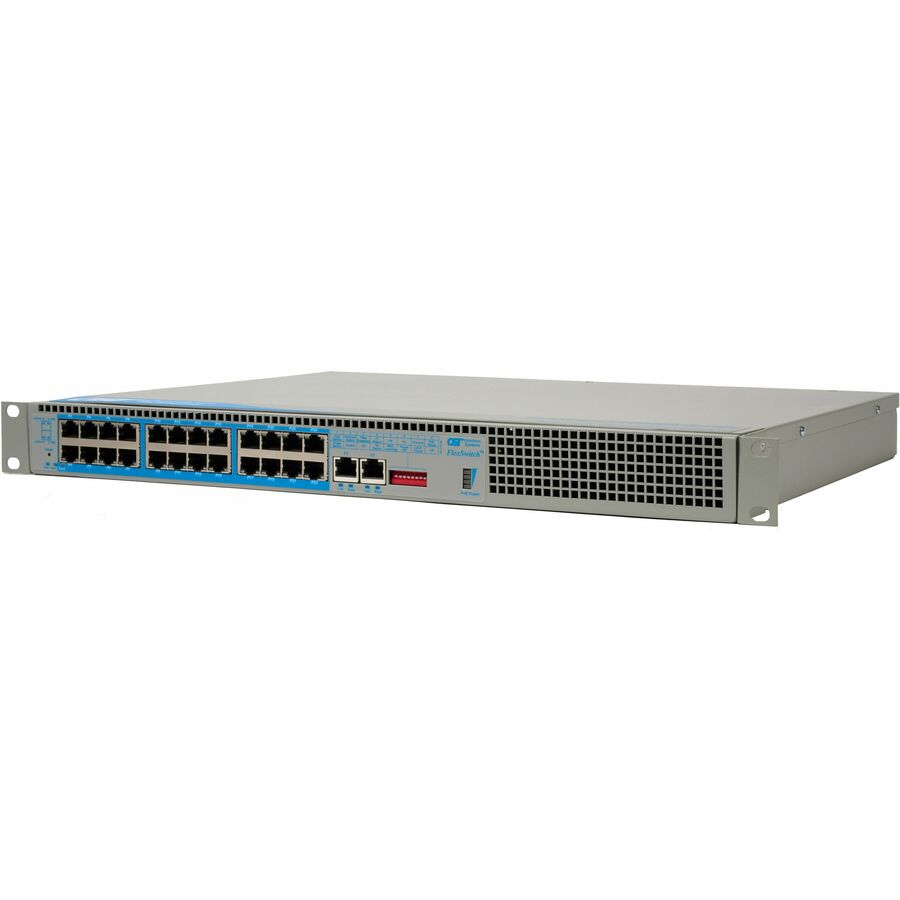
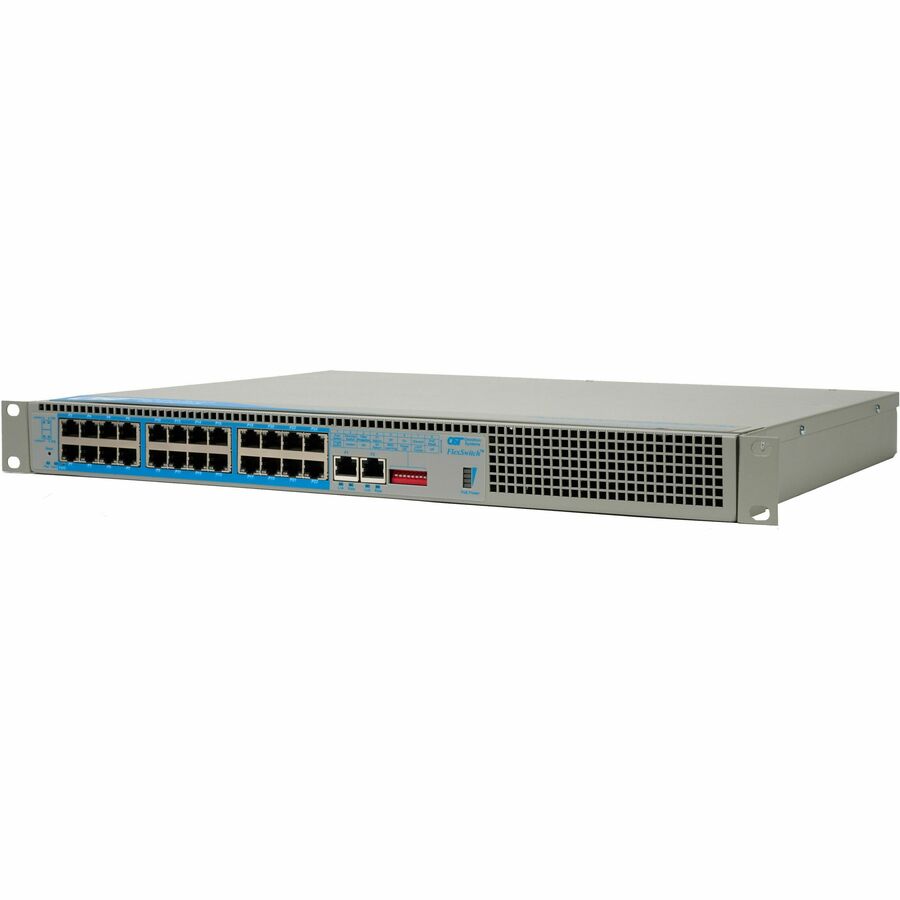
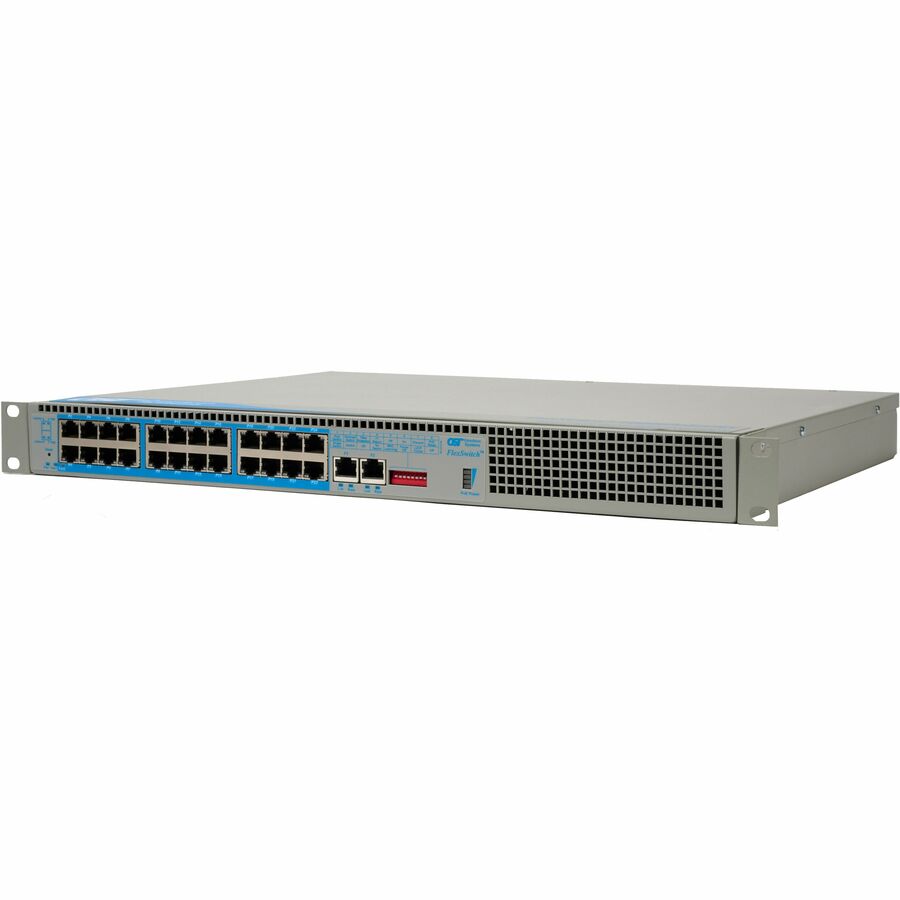
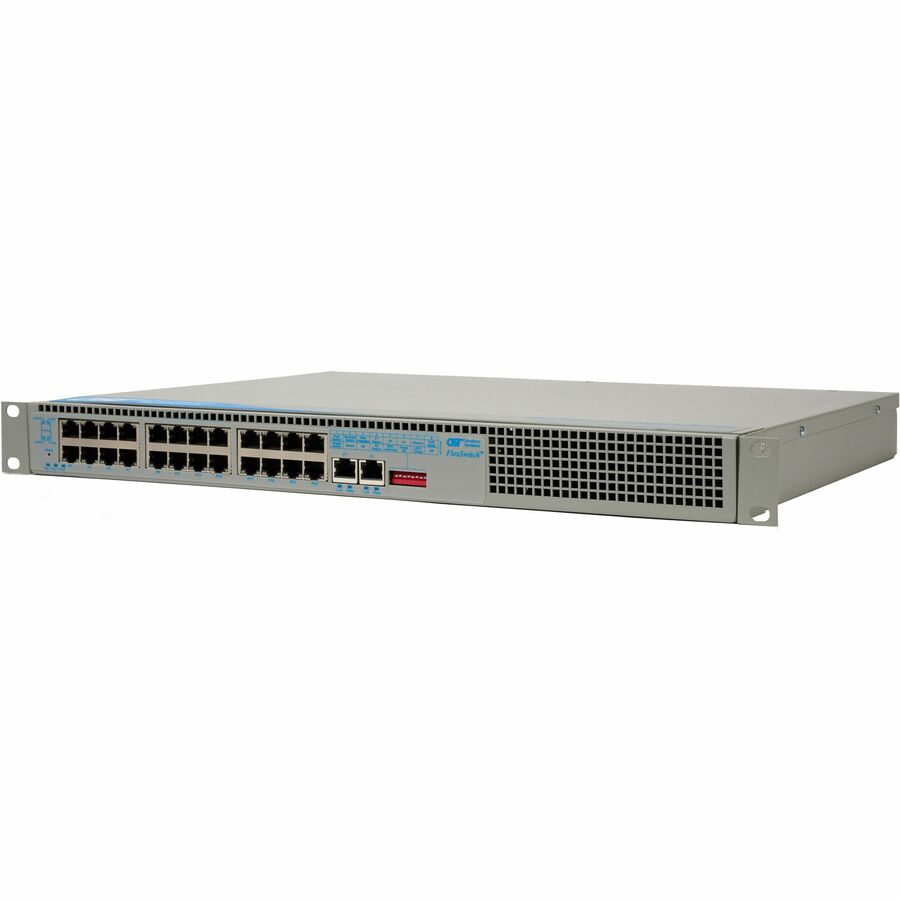
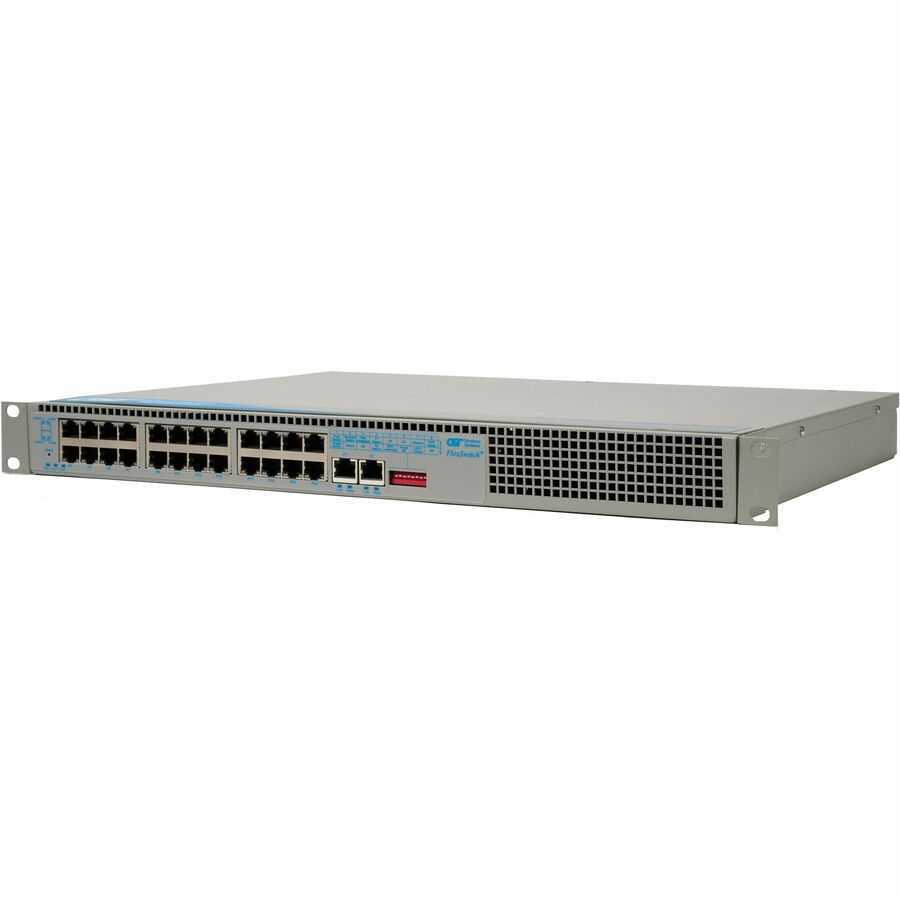
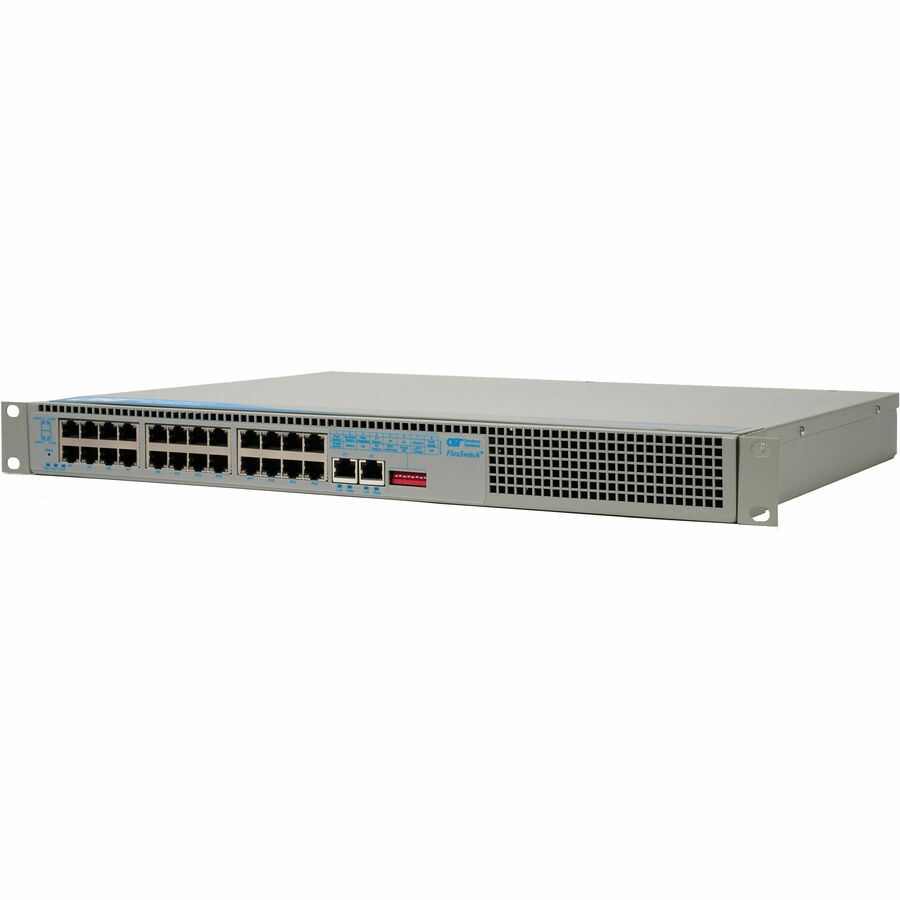
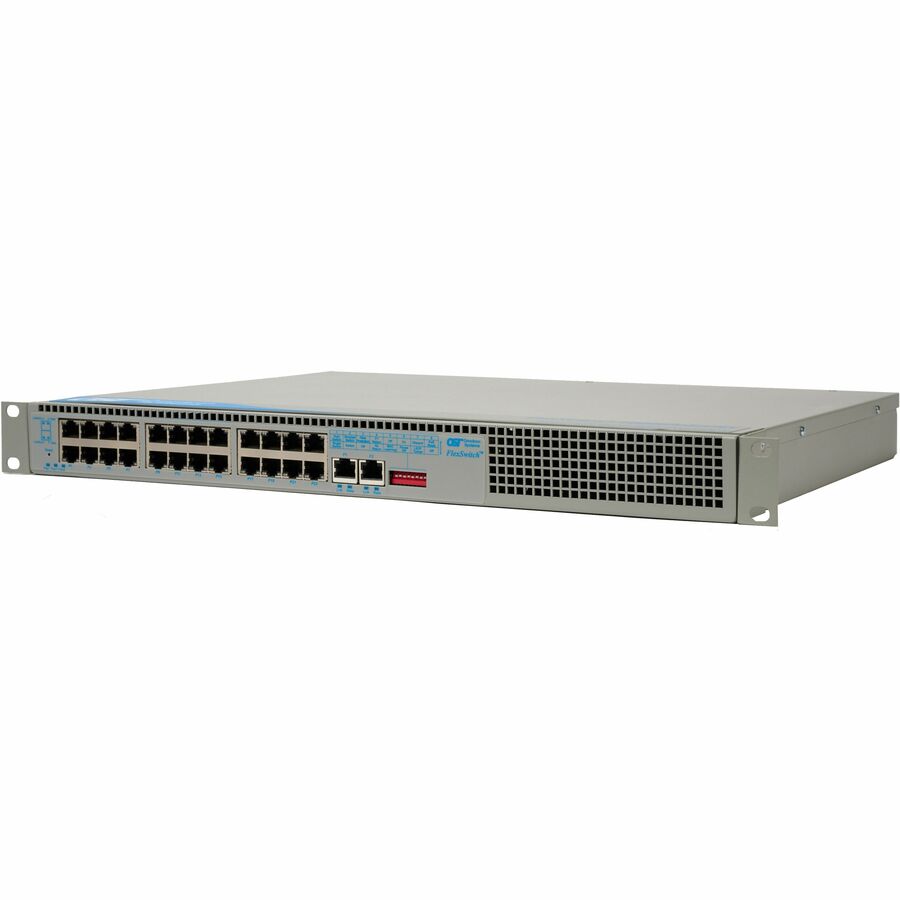
A live, priced selection filtered to network switches. Priced lines carry the live storefront price; every order is screened for NDAA §889 status before any payment, with TAA verified on request.
$2,940.47
Back-ordered
Back-ordered — estimated OEM lead time 3–8 weeks (Oct 31 – Dec 5 if ordered today).
$4,184.87
Back-ordered
Back-ordered — estimated OEM lead time 3–8 weeks (Oct 31 – Dec 5 if ordered today).
$2,305.74
Back-ordered
Back-ordered — estimated OEM lead time 3–8 weeks (Oct 31 – Dec 5 if ordered today).
$3,289.47
Back-ordered
Back-ordered — estimated OEM lead time 3–8 weeks (Oct 31 – Dec 5 if ordered today).
$2,603.88
Back-ordered
Back-ordered — estimated OEM lead time 3–8 weeks (Oct 31 – Dec 5 if ordered today).
$2,279.30
Back-ordered
Back-ordered — estimated OEM lead time 3–8 weeks (Oct 31 – Dec 5 if ordered today).
$3,910.46
Back-ordered
Back-ordered — estimated OEM lead time 3–8 weeks (Oct 31 – Dec 5 if ordered today).
$2,750.44
Back-ordered
Back-ordered — estimated OEM lead time 3–8 weeks (Oct 31 – Dec 5 if ordered today).
$2,120.69
Back-ordered
Back-ordered — estimated OEM lead time 3–8 weeks (Oct 31 – Dec 5 if ordered today).
$3,030.99
Back-ordered
Back-ordered — estimated OEM lead time 3–8 weeks (Oct 31 – Dec 5 if ordered today).
$2,320.81
Back-ordered
Back-ordered — estimated OEM lead time 3–8 weeks (Oct 31 – Dec 5 if ordered today).
$2,006.67
Back-ordered
Back-ordered — estimated OEM lead time 3–8 weeks (Oct 31 – Dec 5 if ordered today).
$2,064.49
Back-ordered
Back-ordered — estimated OEM lead time 3–8 weeks (Oct 31 – Dec 5 if ordered today).
$2,952.22
Back-ordered
Back-ordered — estimated OEM lead time 3–8 weeks (Oct 31 – Dec 5 if ordered today).
$3,003.19
Back-ordered
Back-ordered — estimated OEM lead time 3–8 weeks (Oct 31 – Dec 5 if ordered today).
$2,100.80
Back-ordered
Back-ordered — estimated OEM lead time 3–8 weeks (Oct 31 – Dec 5 if ordered today).
$1,851.23
Back-ordered
Back-ordered — estimated OEM lead time 3–8 weeks (Oct 31 – Dec 5 if ordered today).
$2,660.07
Back-ordered
Back-ordered — estimated OEM lead time 3–8 weeks (Oct 31 – Dec 5 if ordered today).
$2,710.28
Back-ordered
Back-ordered — estimated OEM lead time 3–8 weeks (Oct 31 – Dec 5 if ordered today).
$1,886.91
Back-ordered
Back-ordered — estimated OEM lead time 3–8 weeks (Oct 31 – Dec 5 if ordered today).
via security.getuniqcli.com
$1,259.62
Back-ordered
Back-ordered — estimated OEM lead time 3–8 weeks (Oct 31 – Dec 5 if ordered today).
$3,424.66
Back-ordered
Back-ordered — estimated OEM lead time 3–8 weeks (Oct 31 – Dec 5 if ordered today).
$67.72
In stock
$107.62
In stock
Shop by requirement
Buyer's checklist
Management and switching layer are the two decisions that most shape both capability and price. A managed switch gives you VLAN segmentation, QoS, port security, 802.1X and the telemetry a monitored network needs; an unmanaged switch is a plug-and-forget commodity appropriate only for the simplest, static segments. For any environment with security or compliance requirements, managed is effectively mandatory.
The Layer 2 versus Layer 3 choice follows the switch's role. An access-layer switch that hands traffic up to a router or firewall can be Layer 2. A switch that routes between VLANs, participates in dynamic routing or acts as a collapsed core needs Layer 3. Filter the grid by both facets to see only the switches that fit the tier you're buying for.
FAQ
Send a bill of materials or part numbers — we confirm stock and a below-market total, with TAA verified on request. No payment up front.