
Best Patch Panels for Copper and Fiber Termination
Modular keystone, 110 punch-down and fiber adapter panels for racks, wall boxes and enclosures.
Patch panels in stock at Uniqcli
How to choose →A curated selection with live pricing — in-stock lines first, then back-ordered lines with a typical lead time. Every line is sourced through US distribution and screened for NDAA §889 status before checkout, with TAA verified on request.
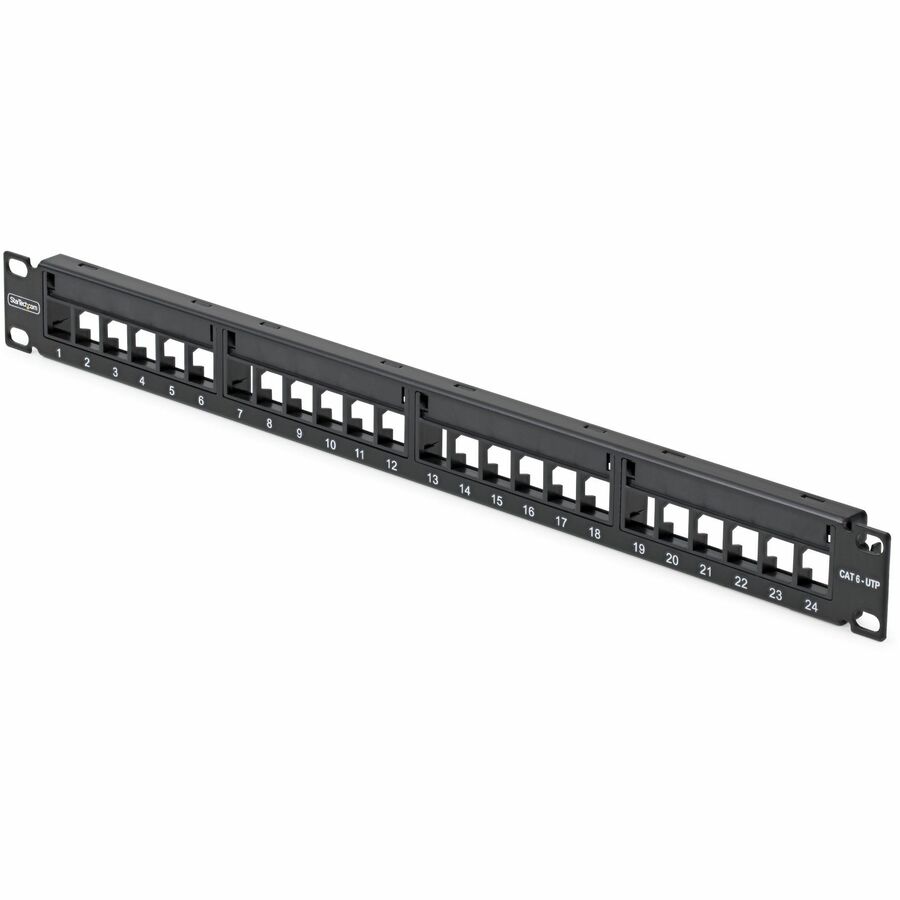
- StarTech.comStarTech 24 Port 1U Blank Keystone Patch Panel, Rackmount Cat6 Patch Panel for RJ45 UTP Ethernet Network Jacks - 24-Port 1U Blank Keystone Patch Panel; Compatible with UTP keystone jacks and Cat6/Cat5e cabling; Fits standard 19in server racks; Ideal for enterprise networks and rackmount serversC6PANELUTP241U
$20.49
$18.85*
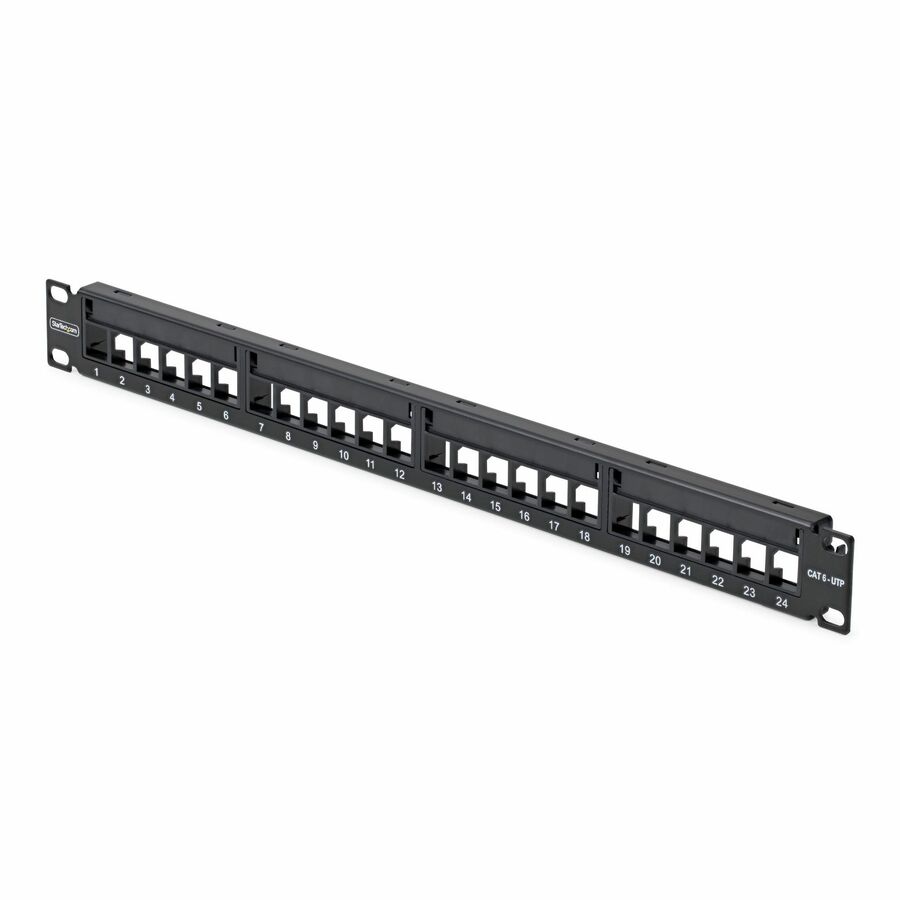
709 in stock - StarTech.comStarTech 24 Port 1U Blank Keystone Patch Panel with Cable Management Bar, Rackmount Patch Panel for RJ45 UTP Network Jacks - 24-Port 1U Blank Keystone Patch Panel with cable management bar; Compatible with UTP keystone jacks for Cat6/Cat5e cabling; Fits standard 19in server racks; Ideal for data centers, enterprise networks and rackmount serversC6PANELUTP241UCM
$27.66
$25.45
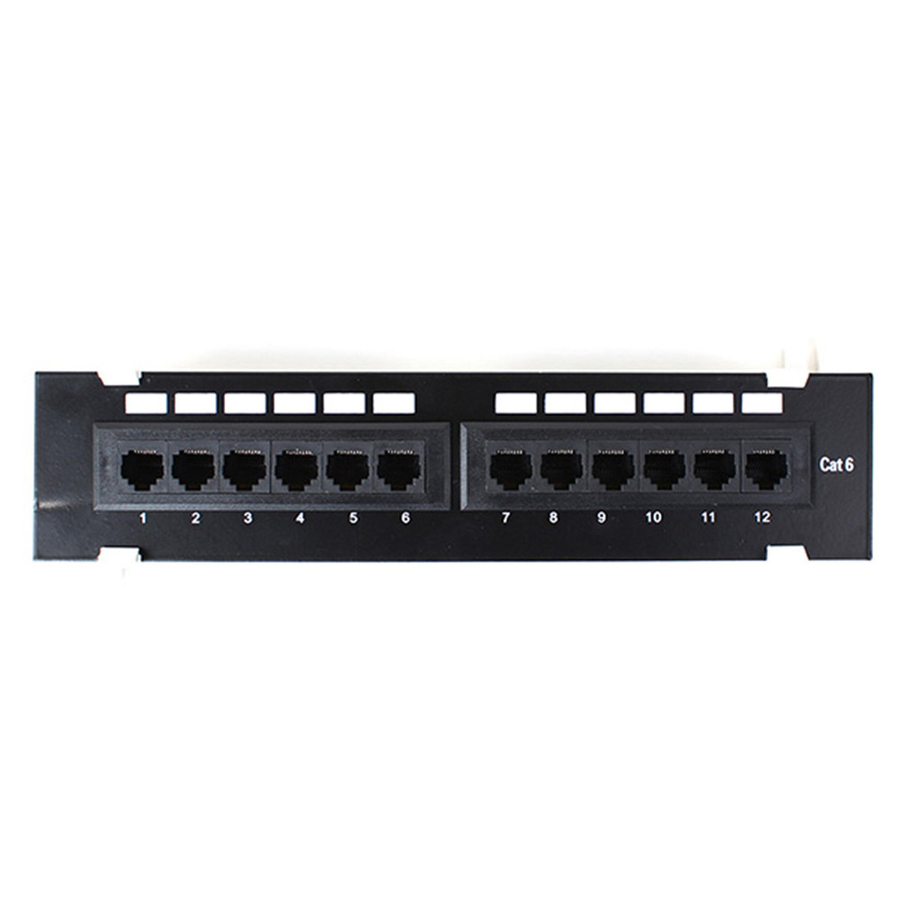
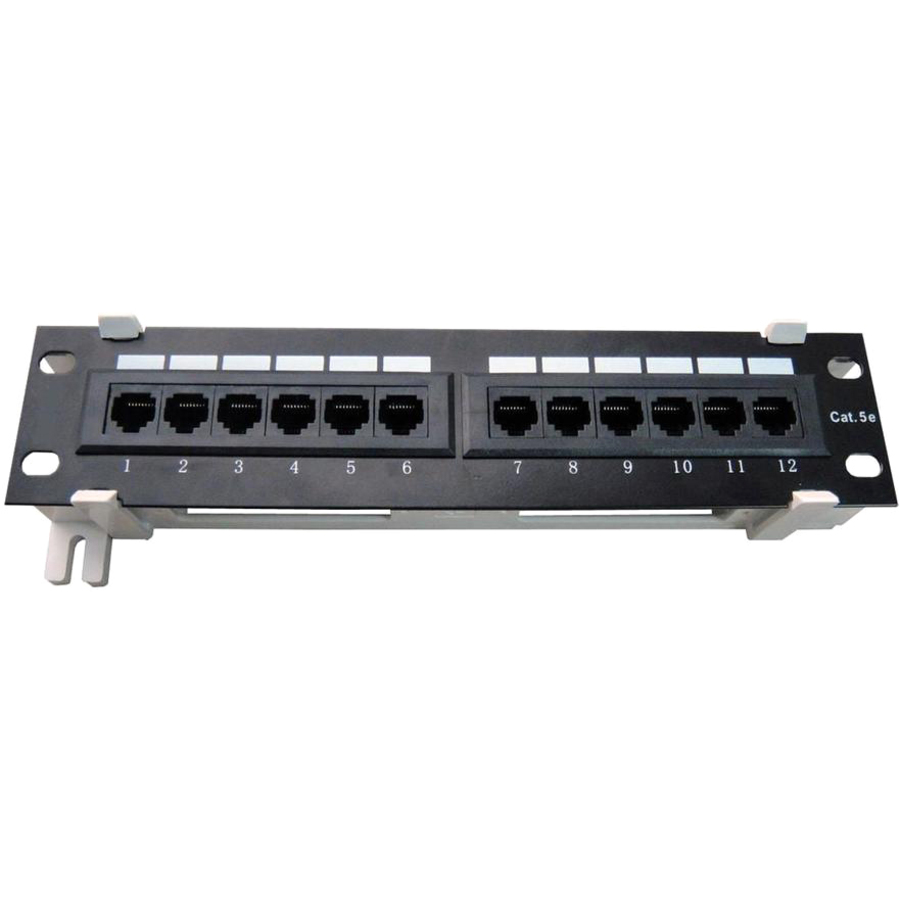
457 in stock - 4XEM4XEM 12 Port CAT6 Wall Mount Patch Panel - 12 Port(s) - 12 x RJ-45 - Wall Mountable4XWMC6PP12
$39.99
$25.96
12 in stock - 4XEM4XEM 12 Port CAT5E Wall Mount Patch Panel - 12 Port(s) - 12 x RJ-45 - 18U High - 19" Wide - Wall Mountable4XWMC5EPP12
$39.99
$26.54
102 in stock





Modular starting point
StarTech.com
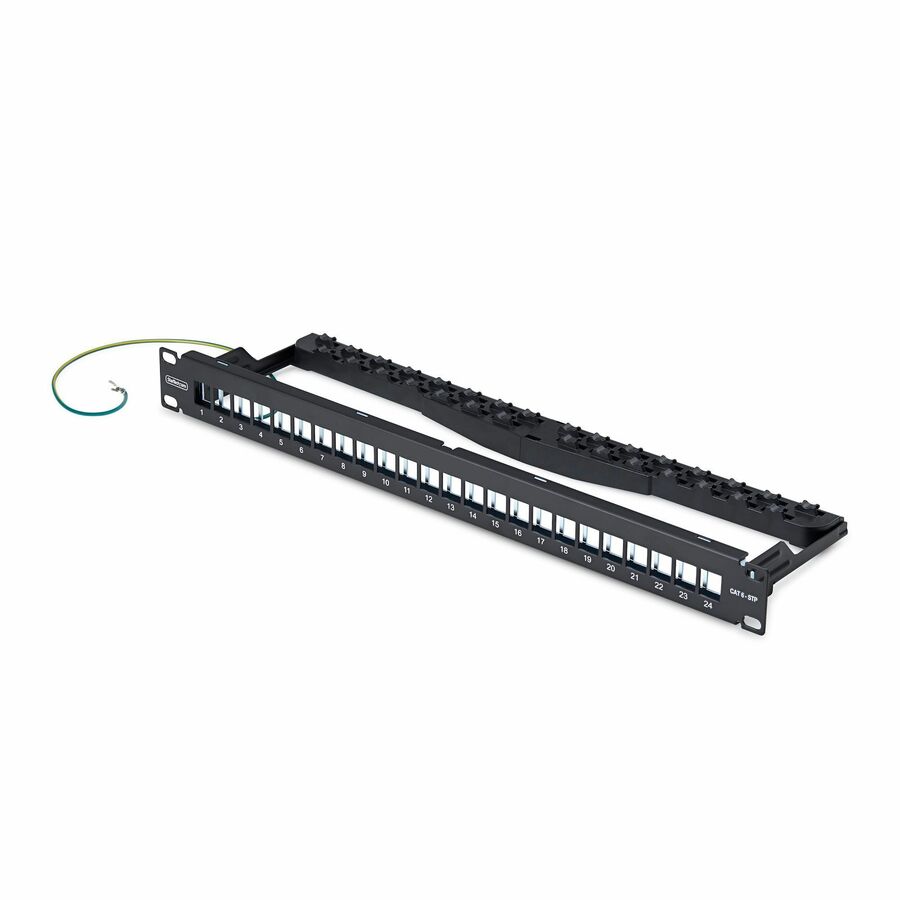
StarTech 24 Port 1U Blank Keystone Patch Panel, Rackmount Cat6 Patch…
C6PANELUTP241U
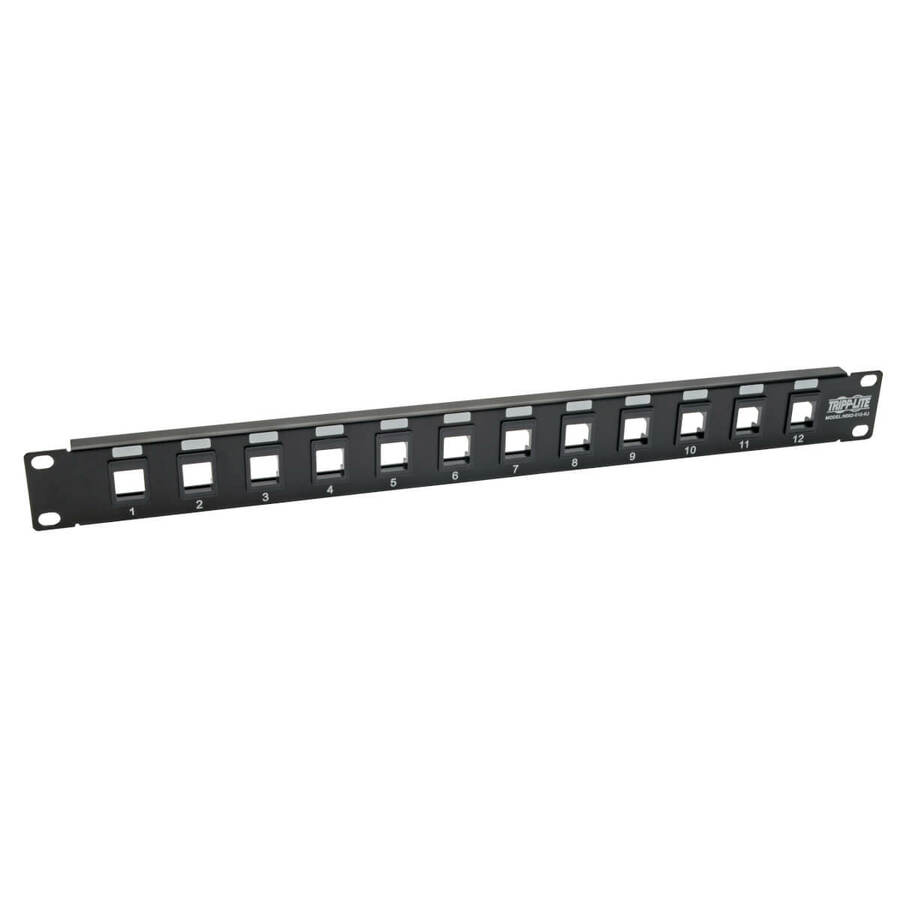
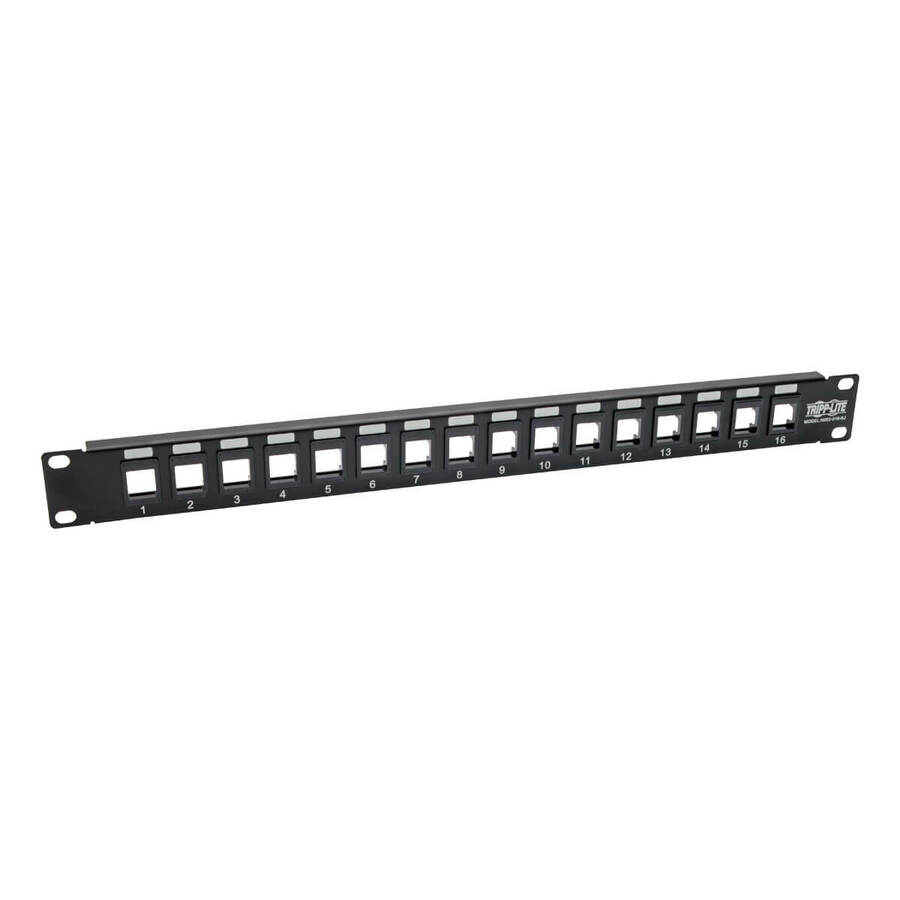
A blank 24-port keystone panel in a 1U rack-mount housing: it takes whatever RJ45 jacks the job needs, and the same frame can be re-populated later when the standard moves.
Keystone jacks are ordered alongside it.
$18.85*In stockPunch-down build
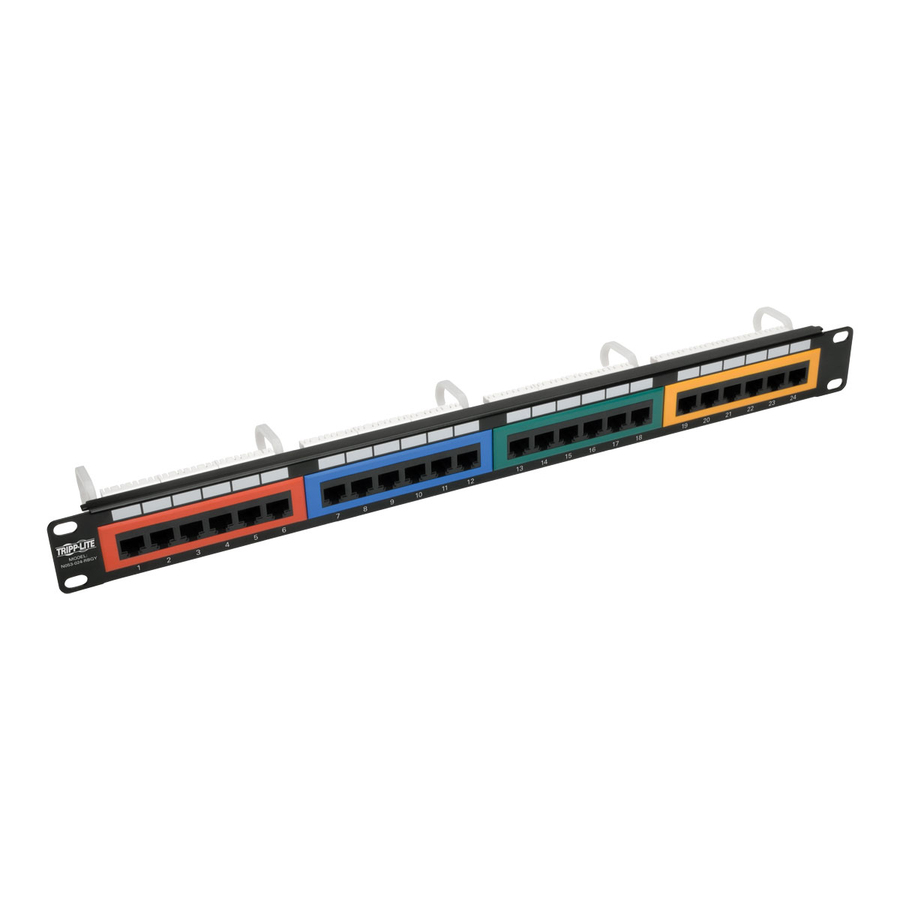
Eaton
Eaton Tripp Lite Series 24-Port 1U Rack-Mount 110-Type Color-Coded…
N053-024-RBGY
The traditional 24-port field in 1U — the cable pairs terminate onto the panel itself to the 568B pattern, with color coding that keeps the punch field readable during a later change.
$41.40Back-orderedWall-mount closet
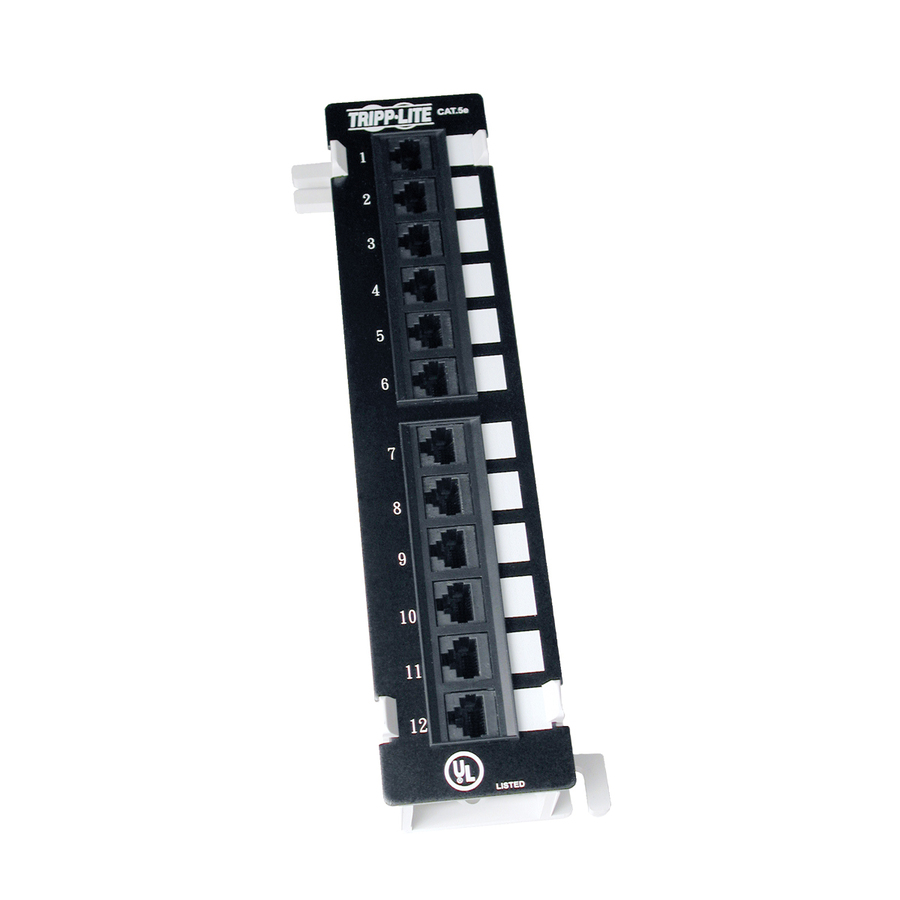
Eaton
Eaton Tripp Lite Series 12-Port Wall-Mount Cat5e Patch Panel, 568B…
N050-012
For an IDF or a small site with no rack: a 12-port wall-mount panel terminating to 568B. This part's own listing names TAA compliance — a per-part fact to confirm on the number you order.
$51.12*In stockAngled front
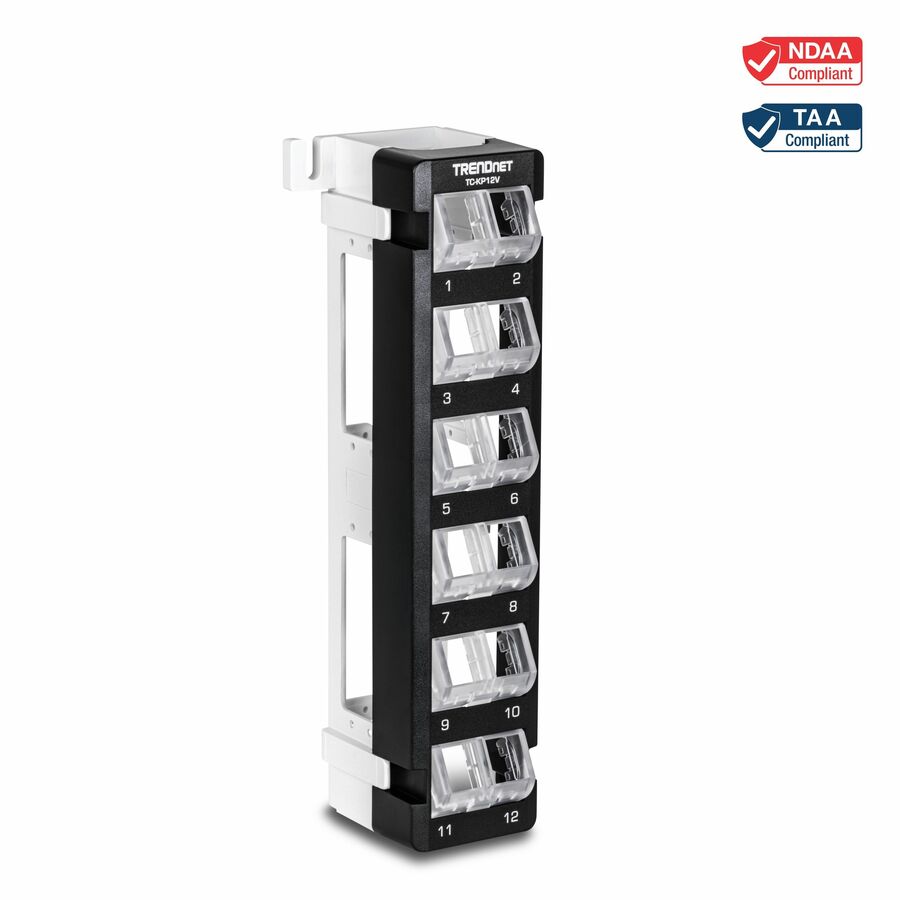
TRENDnet
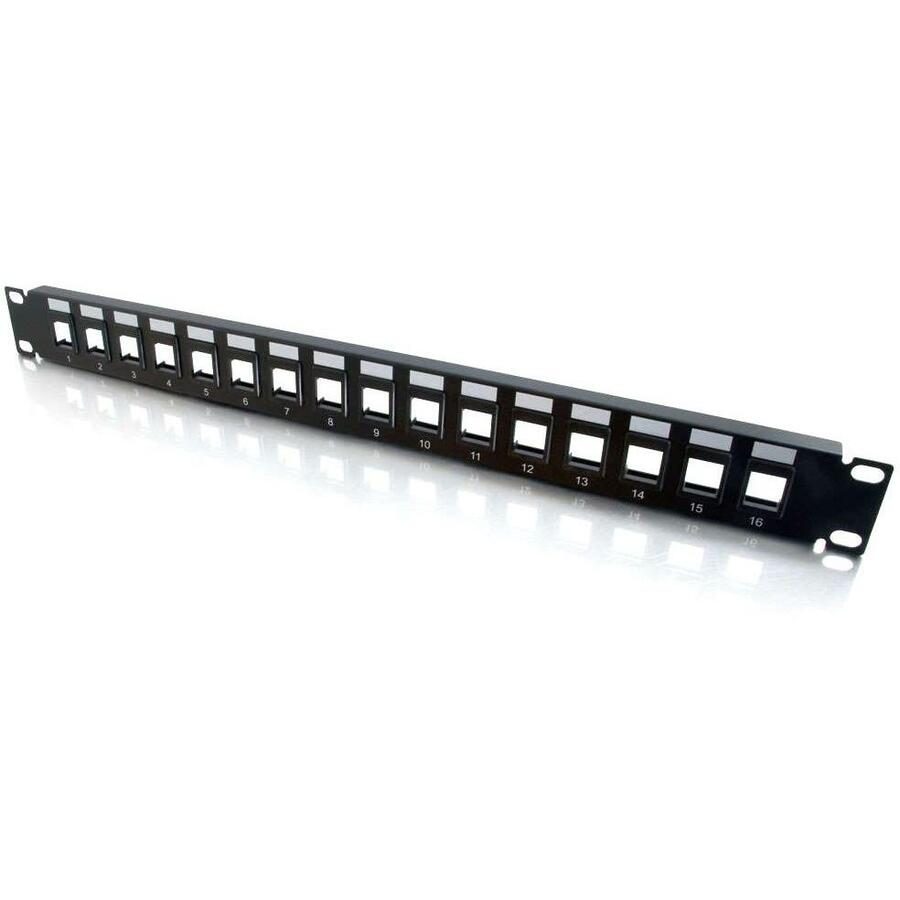
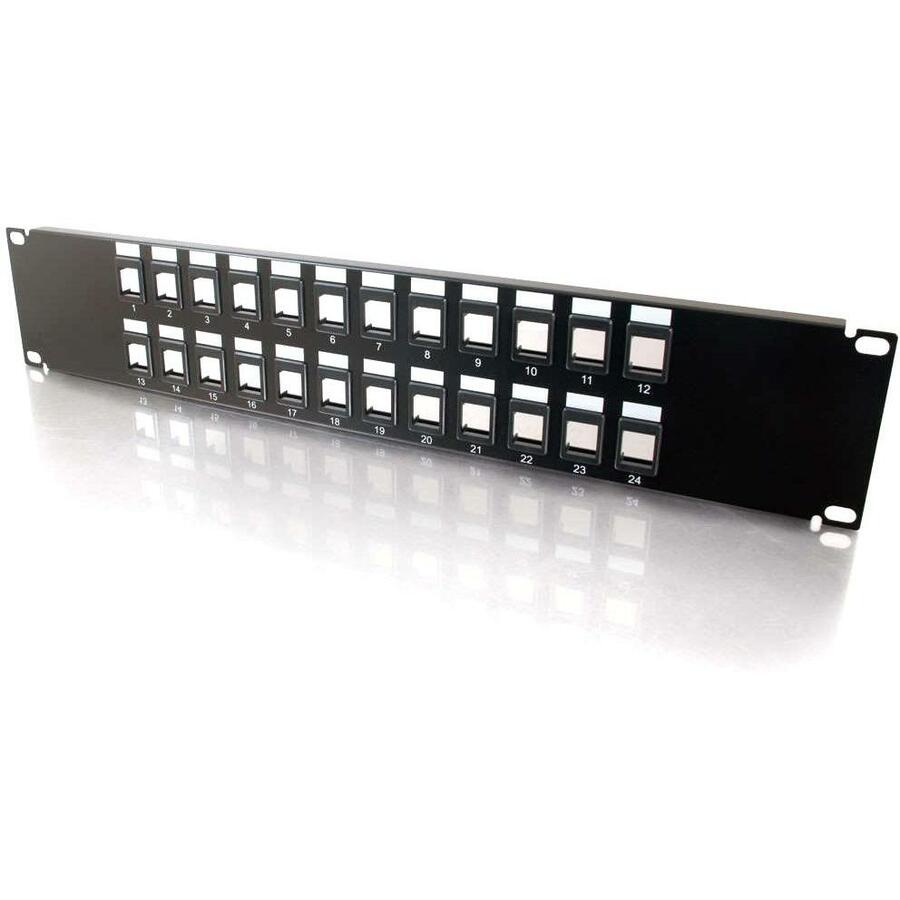
TRENDnet 12-Port Blank Angled Wall Mount Keystone Patch Panel…
TC-KP12V
An angled blank keystone panel turns the patch cords toward the sides instead of straight out, which is what keeps a dense field traceable without a manager between every panel.
Wall-mountable; keystone jacks sold separately.
$26.54Back-orderedMore patch panels in the Uniqcli catalog
See all 1,729 patch panelsMore from across this category. In-stock lines lead, and a back-ordered line carries the same estimated availability its product page does — with live pricing throughout, NDAA §889 screening before checkout and TAA verified on request.
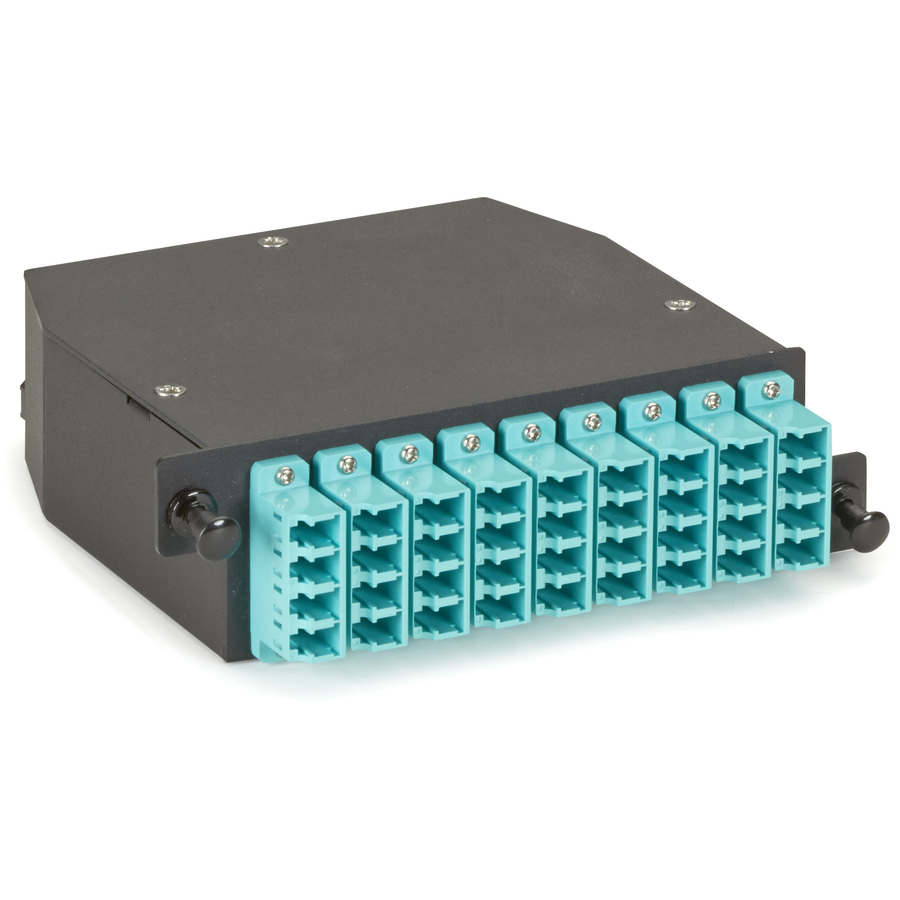
- AddOnAddOn 4-Bay Cassette 6x 24-Fiber MPO In, 12x 12-Fiber MPO Out, Multi-mode Duplex OM4 - MPO type A - Optical FiberADD-4BYC624MPA12MPM4
$2,776.00
$2,553.92
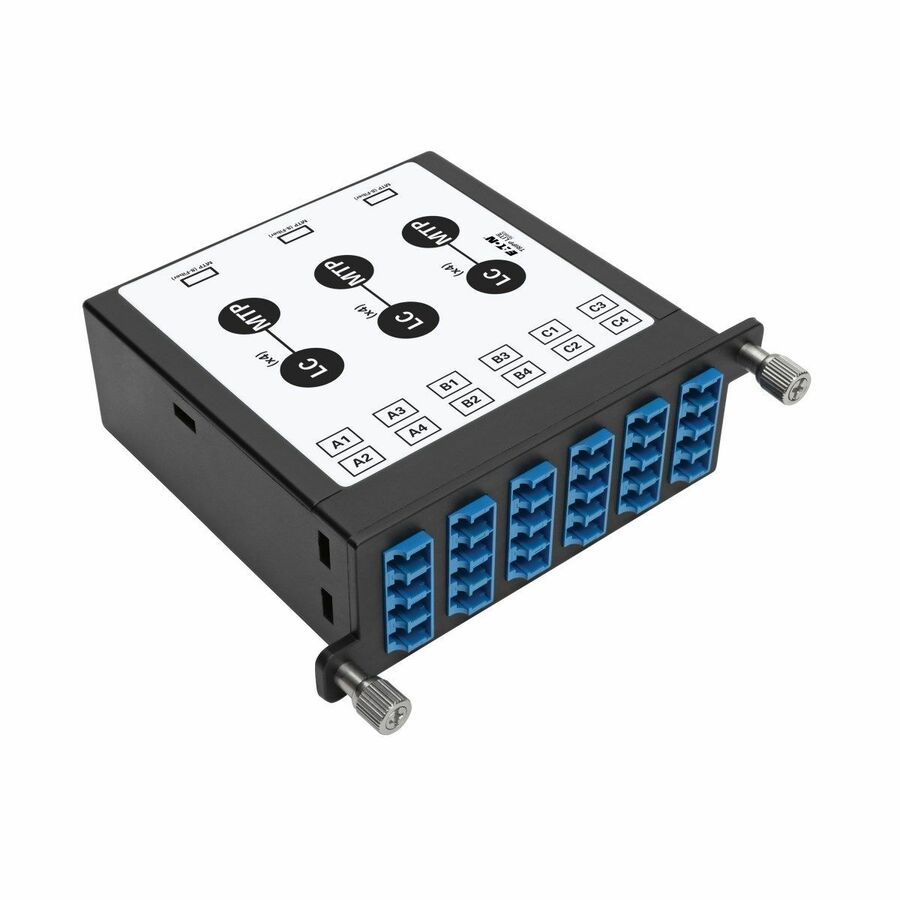
6 in stock - Black BoxBlack Box MTP OM3 Fiber Optic LGX Cassette - (3) MTP 12 to (36) LC Type A - 36 Port(s) - 36 x DuplexFOCA20M3-3MP12-36LC
$1,155.88
$985.17
12 in stock - Black BoxBlack Box MTP OM3 Fiber Optic LGX Cassette - (1) MTP 24 to (24) LC Type A - 24 Port(s) - 24 x - Rack-mountable - TAA CompliantFOCA20M3-1MP24-24LC
$856.37
$729.91*
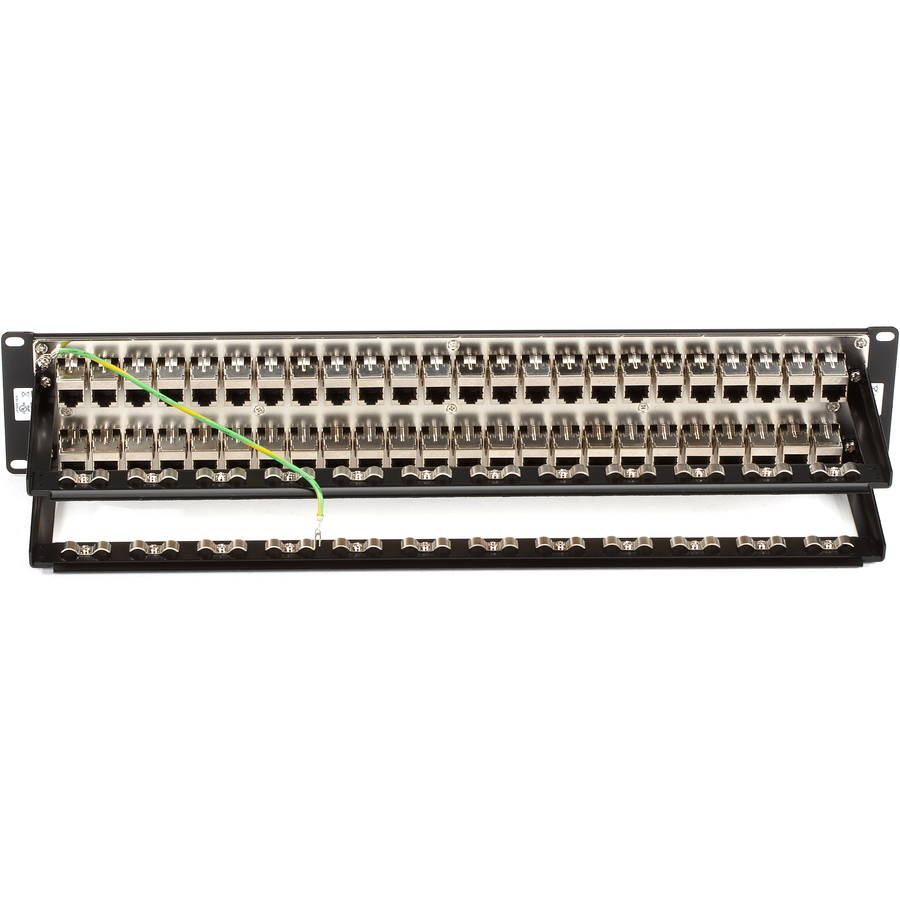
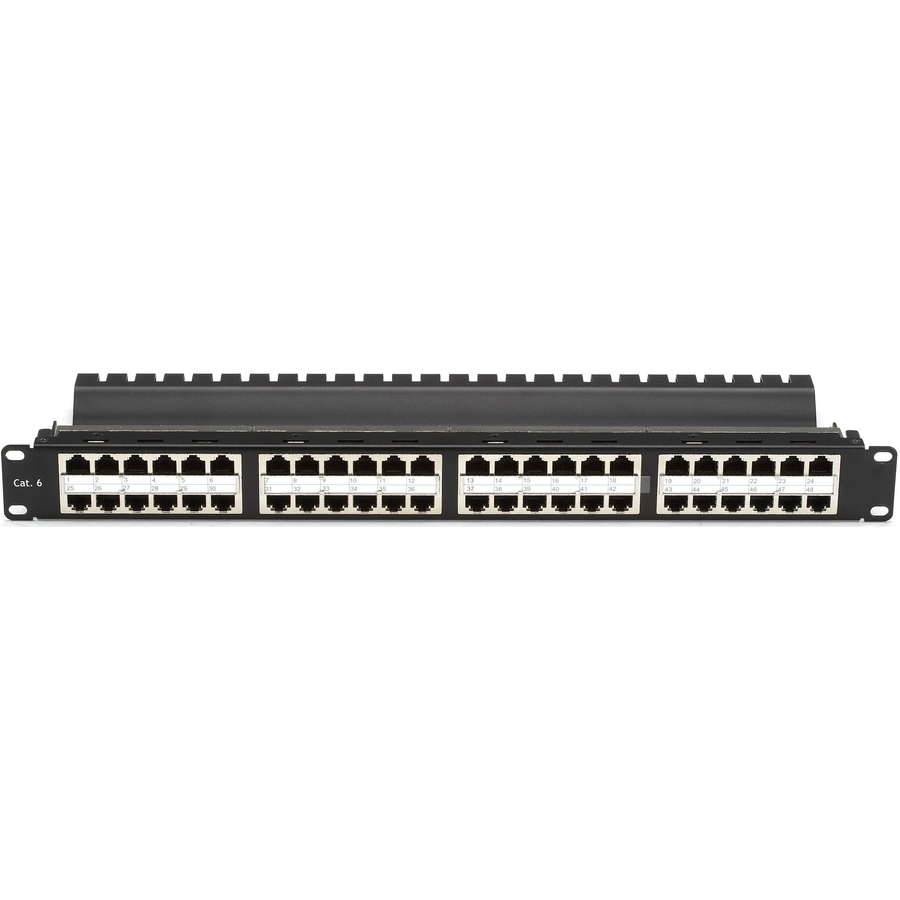
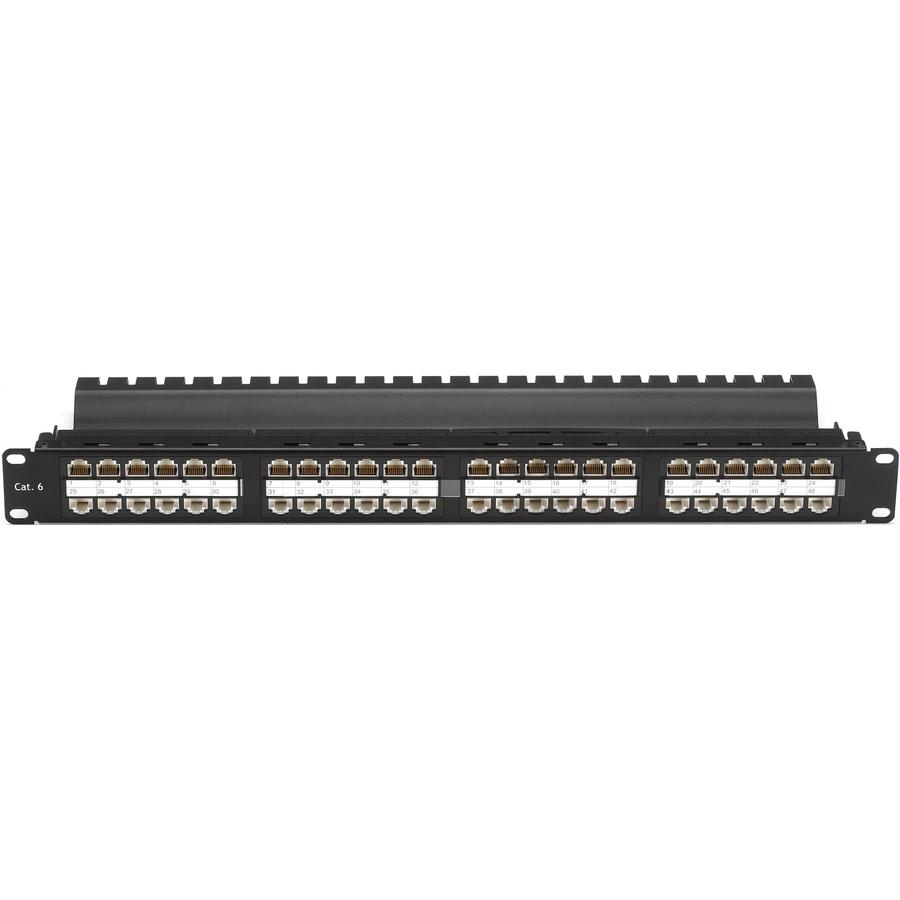
26 in stock - EatonTripp Lite by Eaton 48-Port 1U Rack-Mount STP Shielded Cat6a Feedthrough Patch Panel RJ45 Ethernet TAA - 48 Port(s) - 48 x RJ-45 - 1U High - Rack-mountableN254-048-SH-6A
$1,400.40
$1,288.37*
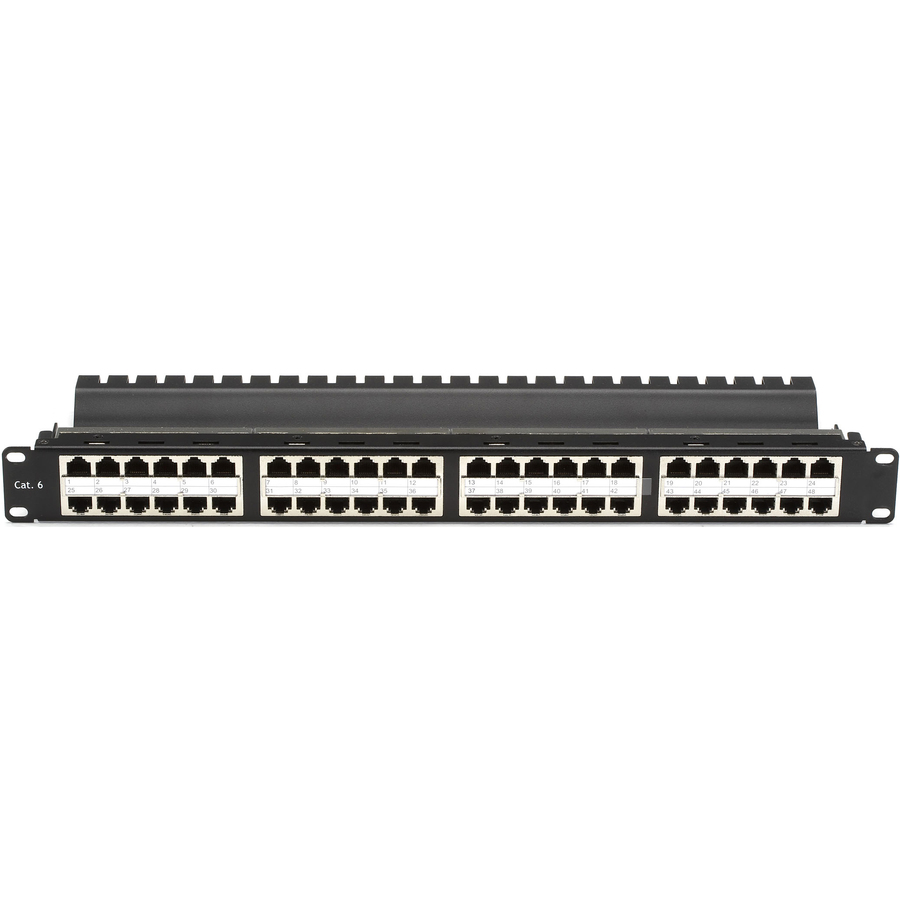
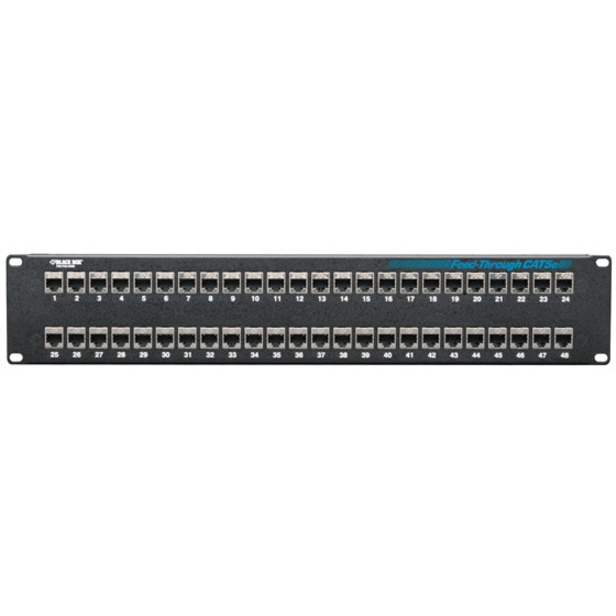
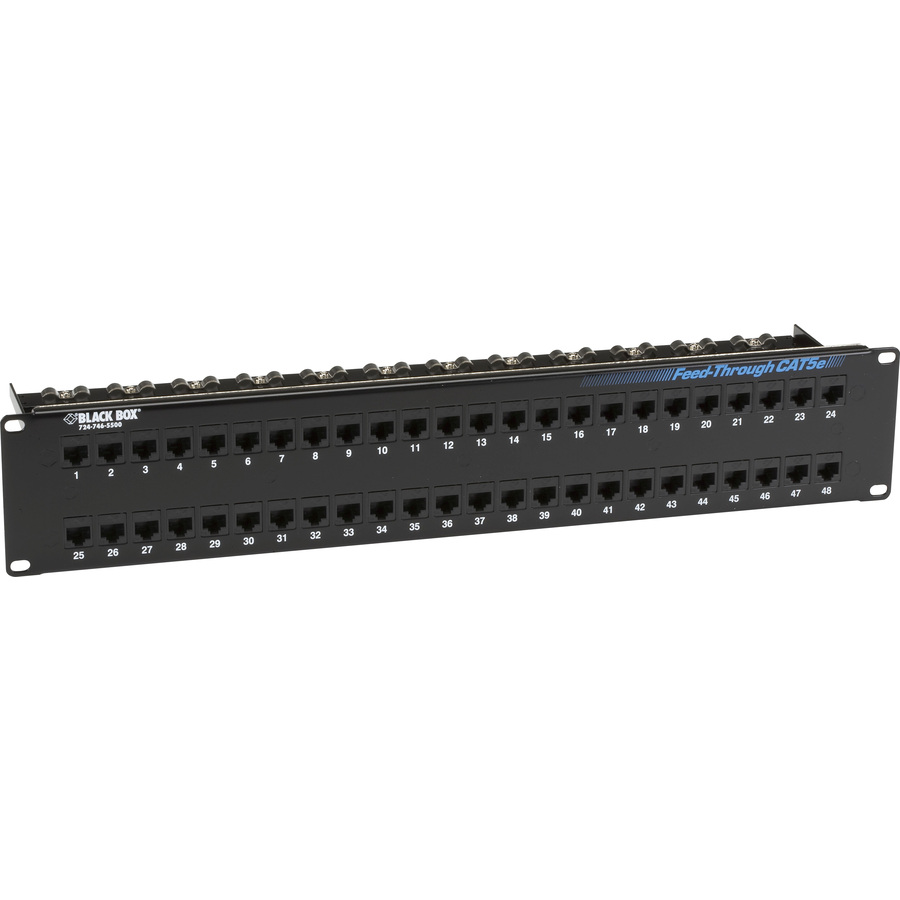
134 in stock - Black BoxBlack Box CAT5e Feed-Through Patch Panel - 2U, Shielded, 48-Port - 48 x RJ-45JPM806A-R2
$679.28
$582.05*
8 in stock - AddOnAddOn 4-Bay Cassette 3x 12-Fiber MPO In, 12 LC Duplex Out, Single-mode Duplex OS2 - 12 x DuplexADD-4BAYC3MP12LCDS2
$1,128.00
$1,037.76
104 in stock - EatonTripp Lite by Eaton 24-Port 1U Rack-Mount STP Shielded Cat6a Feedthrough Patch Panel RJ45 Ethernet TAA - 24 Port(s) - 24 x RJ-45 - 1U High - Rack-mountableN254-024-SH-6A
$1,097.77
$1,009.95*
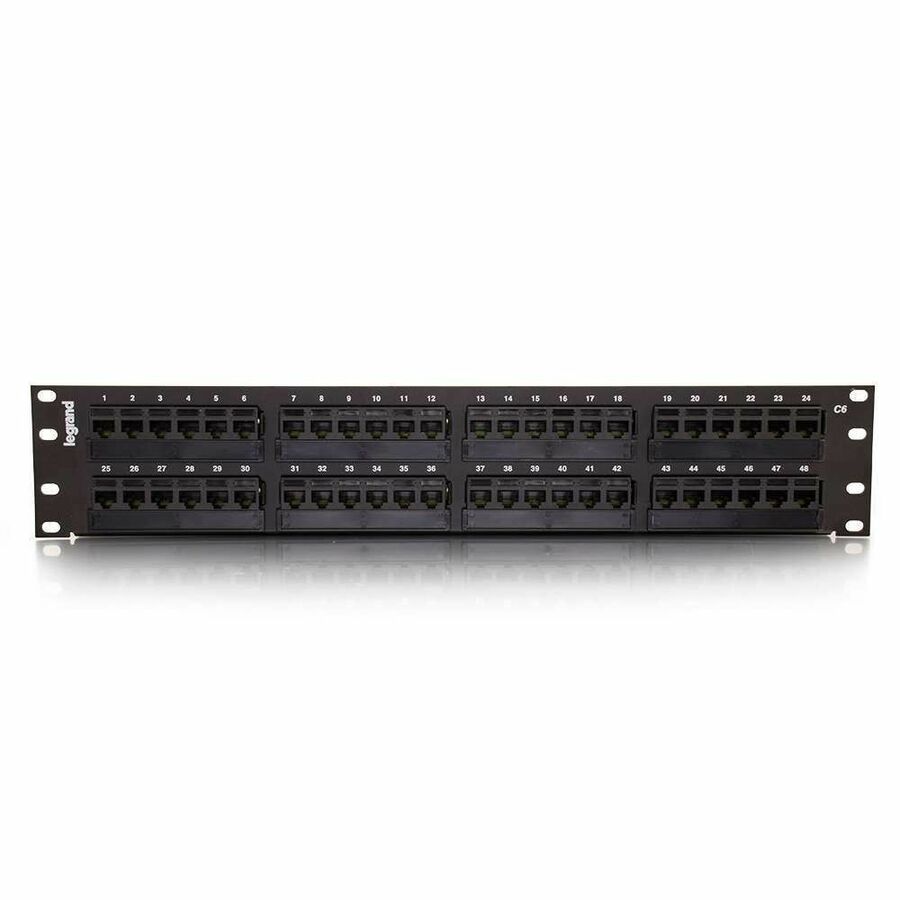
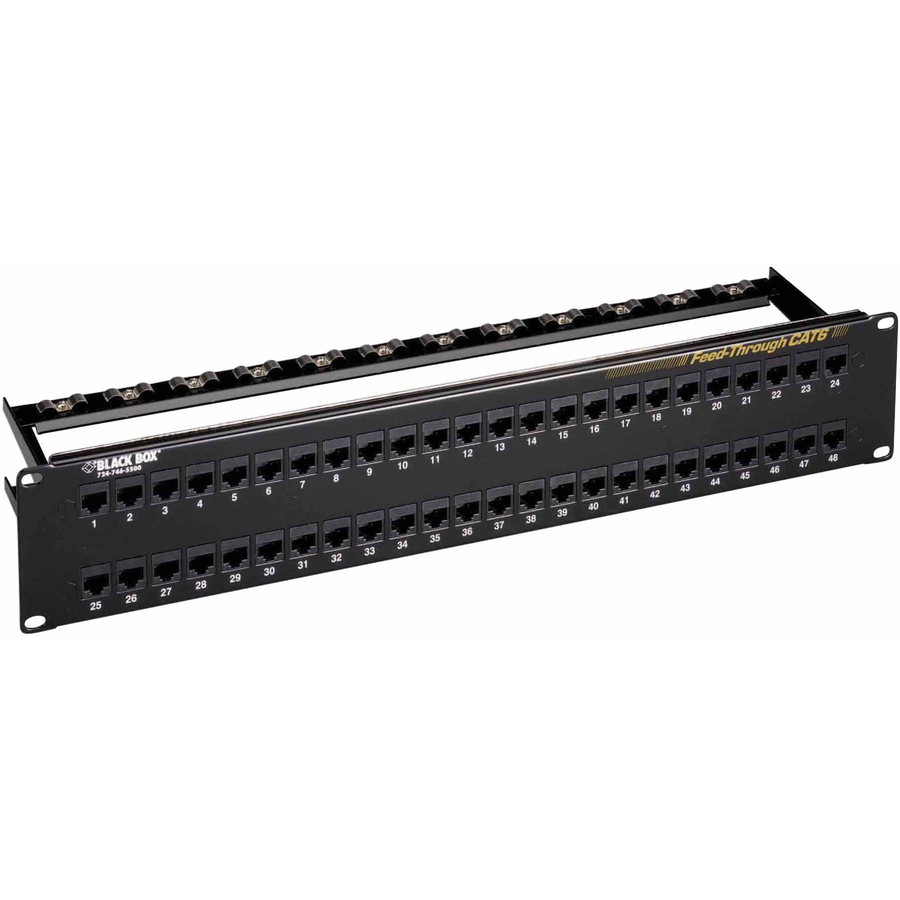
178 in stock - Black BoxBlack Box CAT5e Feed-Through Patch Panel - 2U, Unshielded, 48-Port - 48 x RJ-45JPM810A-R2
$544.68
$466.25*
182 in stock - Black BoxBlack Box FOCA20M3-1MP12-12LC Network Patch Panel - 12 x MTP, 6 x LC Duplex - 18 Port(s) - 18 x RJ-11 - 6 x Duplex - 12 x MT Port(s) - TAA CompliantFOCA20M3-1MP12-12LC
$514.78
$439.00*
9 in stock



Need pricing on patch panels?
Tell us where to reach you and a Uniqcli specialist will follow up by email with current pricing, availability and lead time for the quantities you need — including parts that aren’t shown on this page.
Buying for an organization or for yourself — both work. No payment up front.
A patch panel terminates permanent horizontal cabling once, so moves and changes happen on short patch cords rather than on the cable in the wall. The purchase turns on the termination method: blank keystone panels take the jacks you choose and can be re-populated later, loaded modular panels arrive ready to punch, and 110-type panels terminate the pairs onto the panel itself.
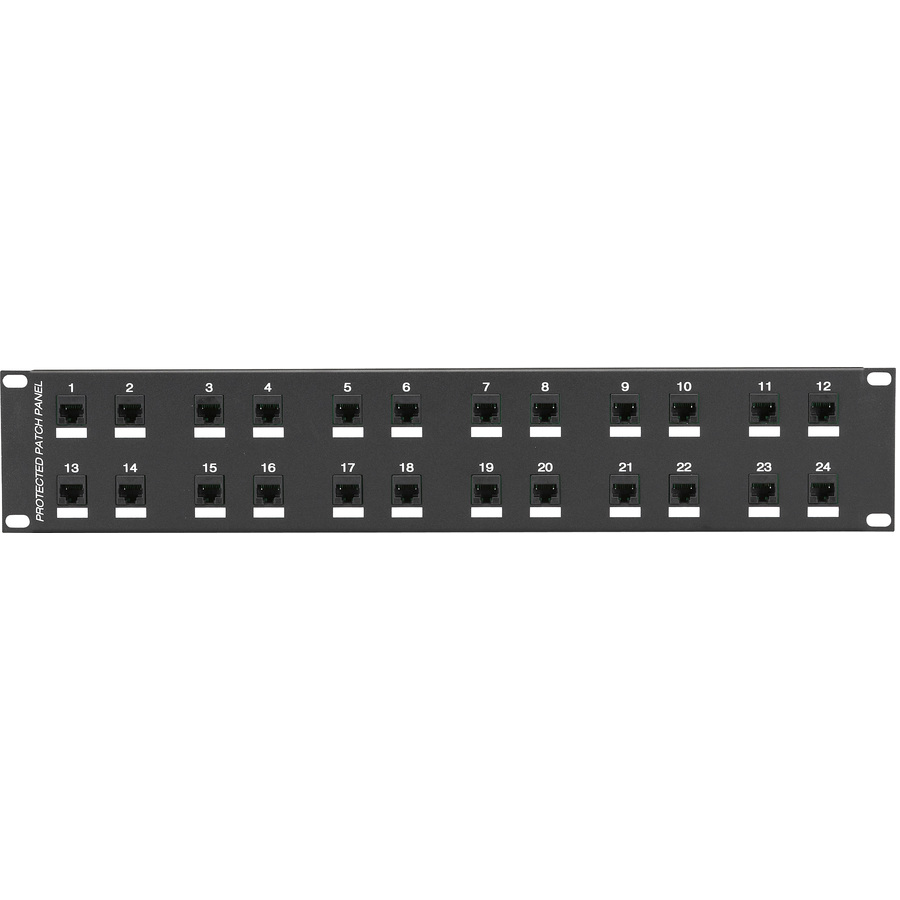
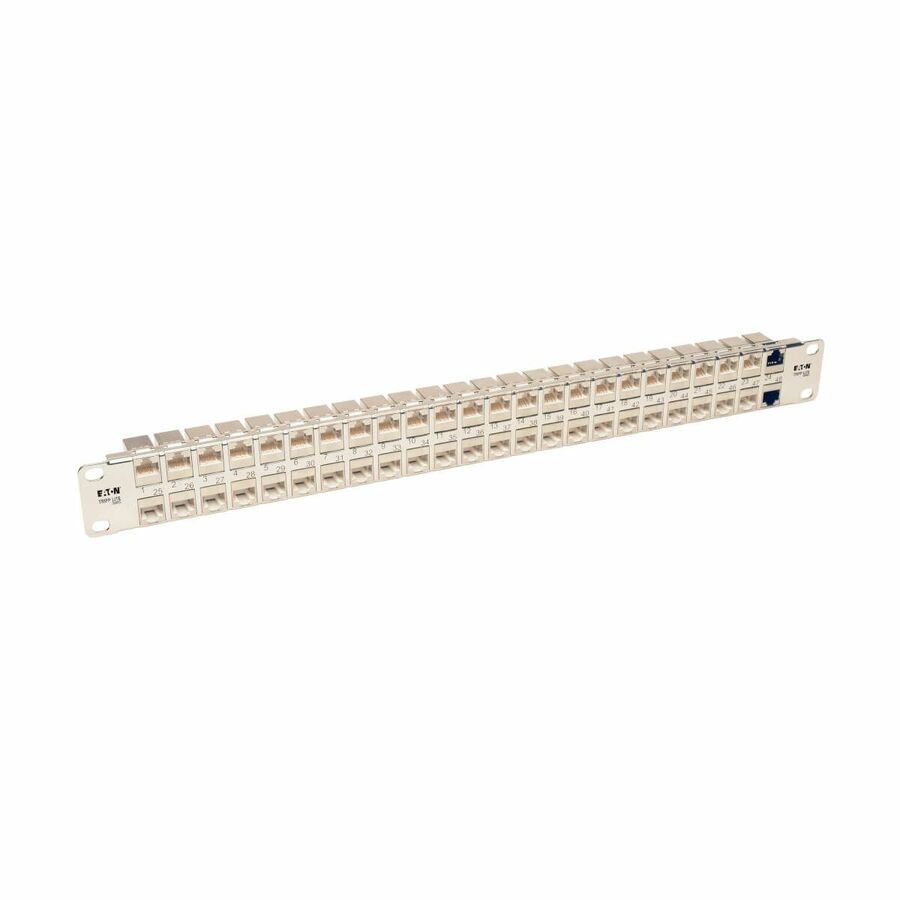
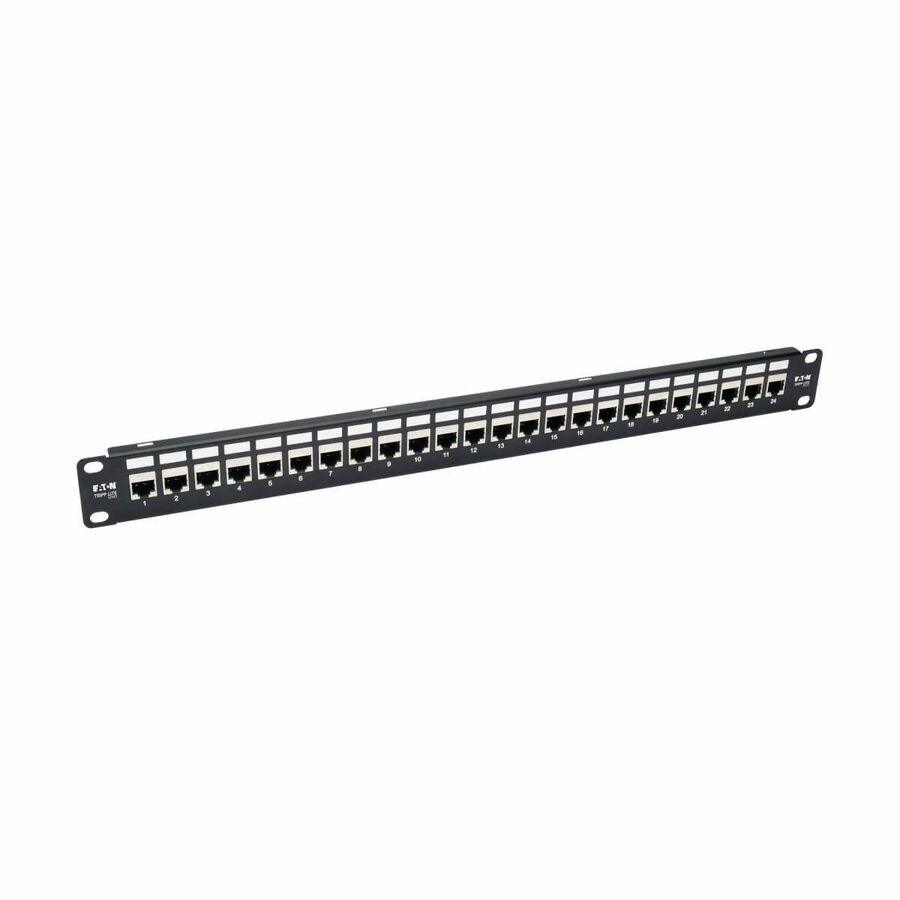
A patch panel is the piece of the cabling system a technician touches for the next fifteen years, and the whole purchase turns on how the cable is terminated. The copper panels in this grid split three ways. Blank or unloaded panels are a housing and nothing else: the ports are empty, keystone jacks are ordered alongside and dropped in, and the same 1U frame can carry unshielded RJ45 today and a different module in the same slot later — several are titled for multimedia use with RJ45, USB and HDMI inserts in one field. Panels supplied ready-populated with their RJ45 ports remove the ordering step and the risk of arriving on site without the jacks. And 110-type punch-down panels terminate the cable pairs straight onto the panel to the 568A or 568B pattern — fewer parts to order, less flexibility afterwards, and the color-coded versions here exist because a 24-port punch field is read under a flashlight. Port counts run in the familiar steps of 8, 12, 16, 24 and 48; the housings are titled at 0.5U, 1U and 2U in 19-inch racks, alongside 10-inch-wide and wall-mount versions for a closet with no rack in it.
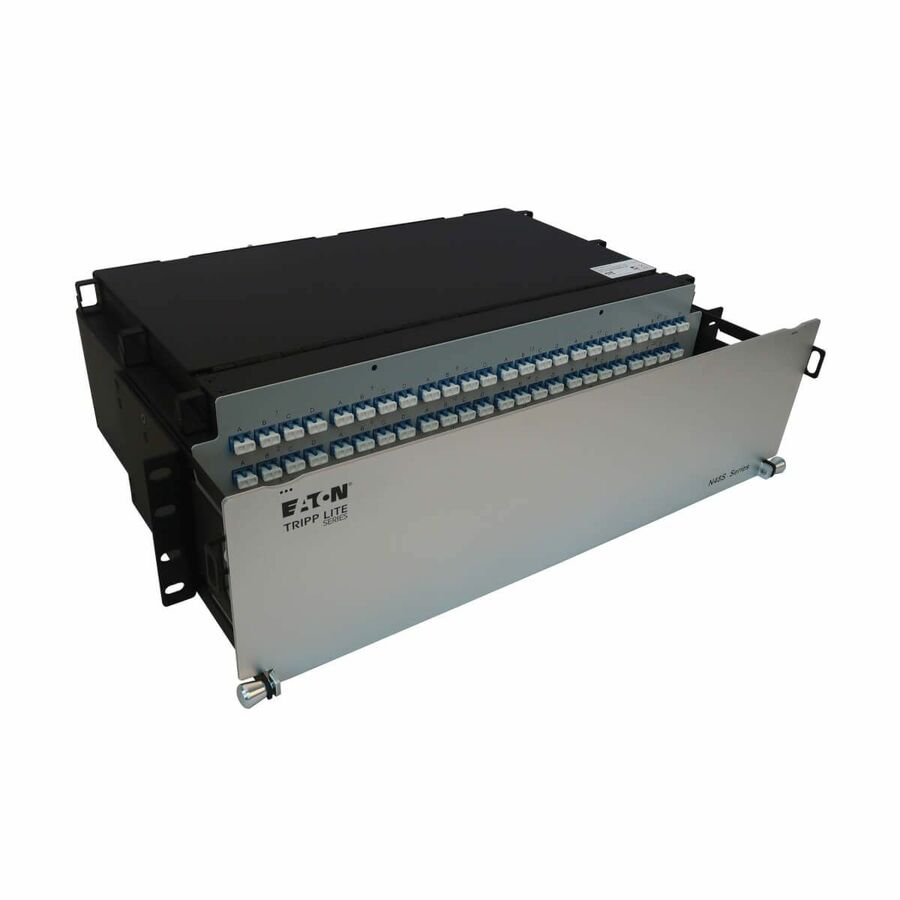
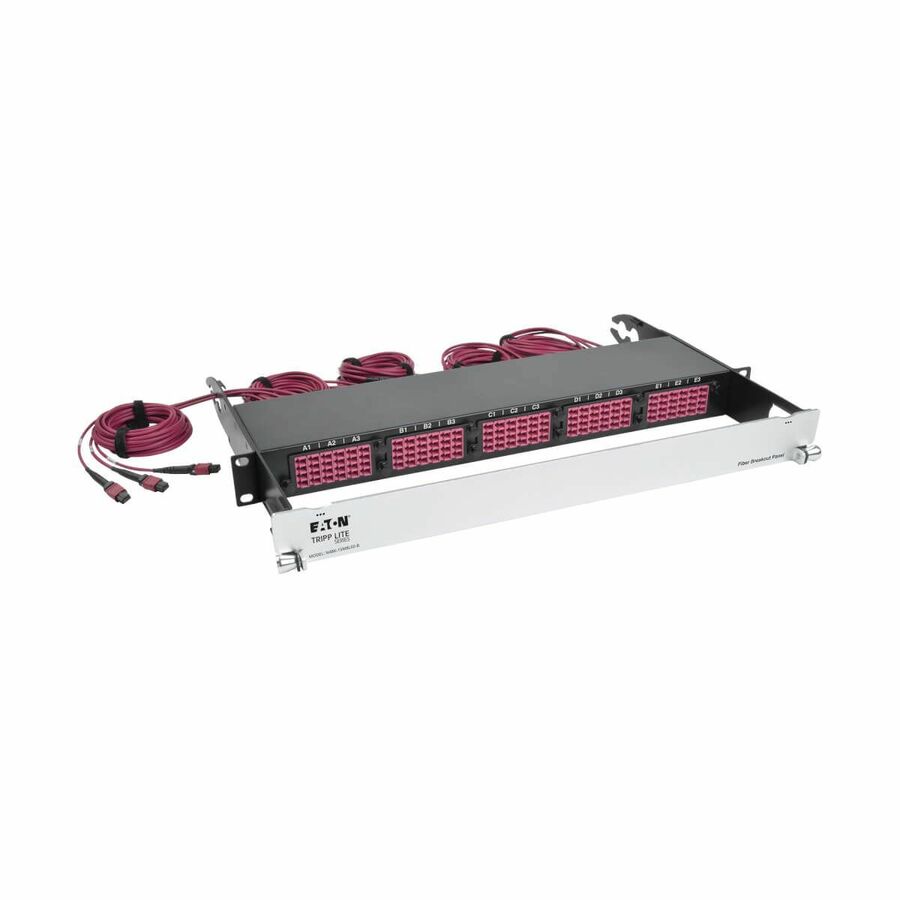
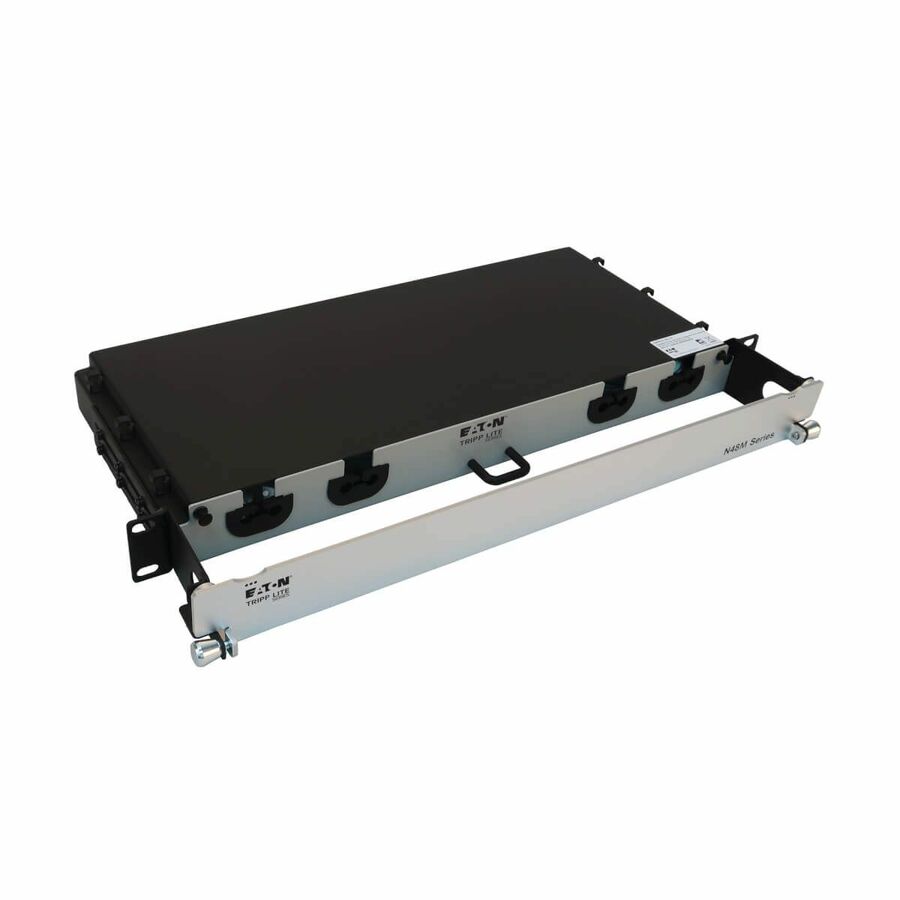
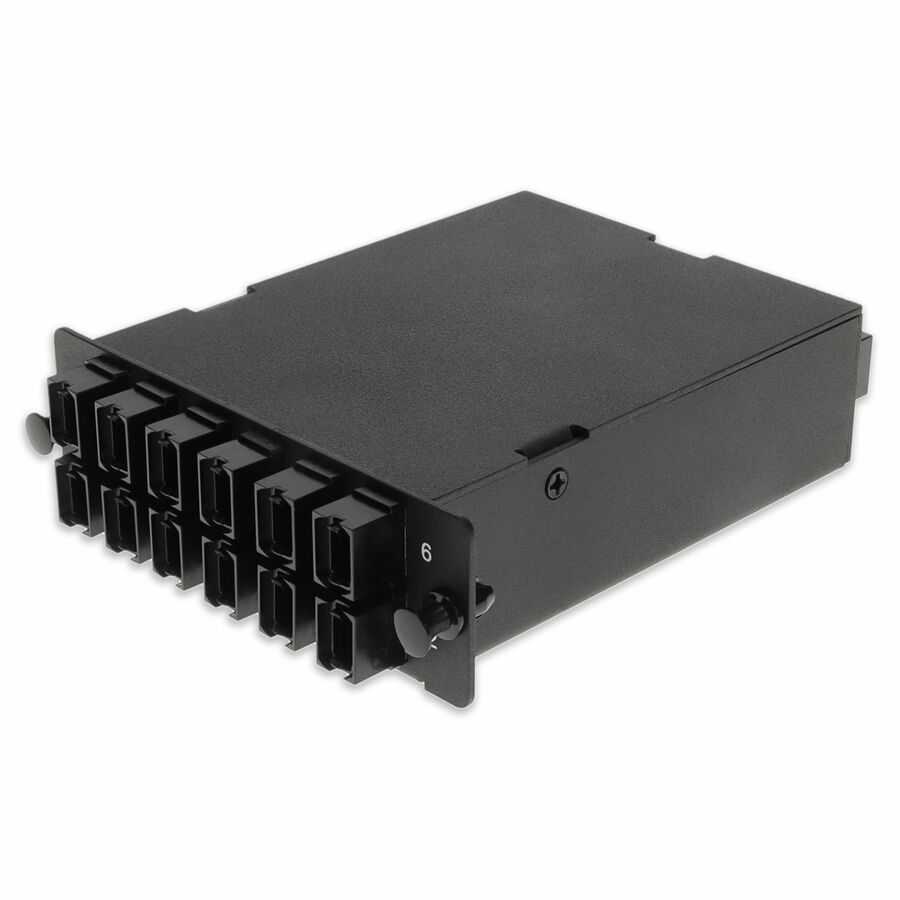
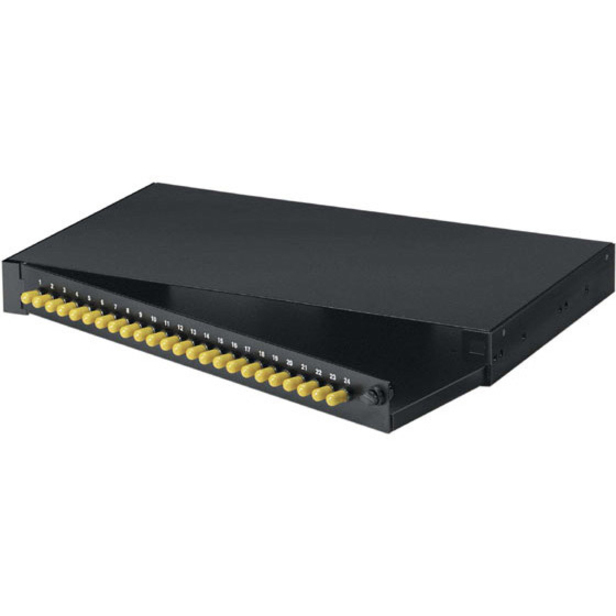
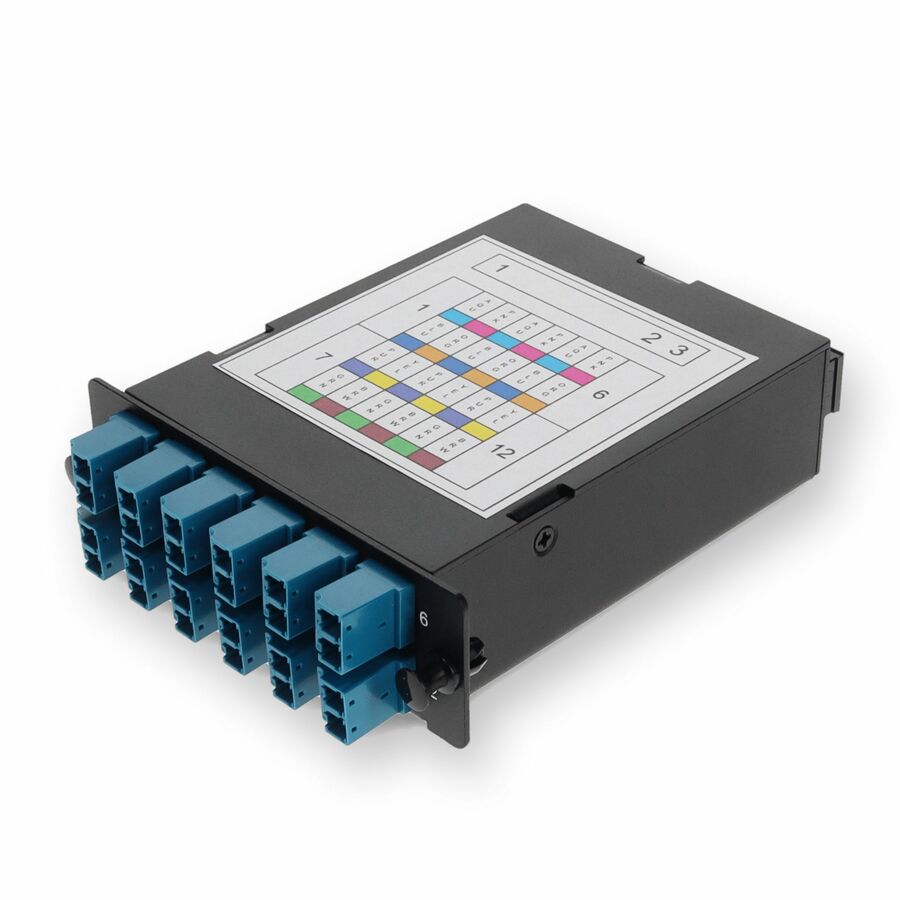
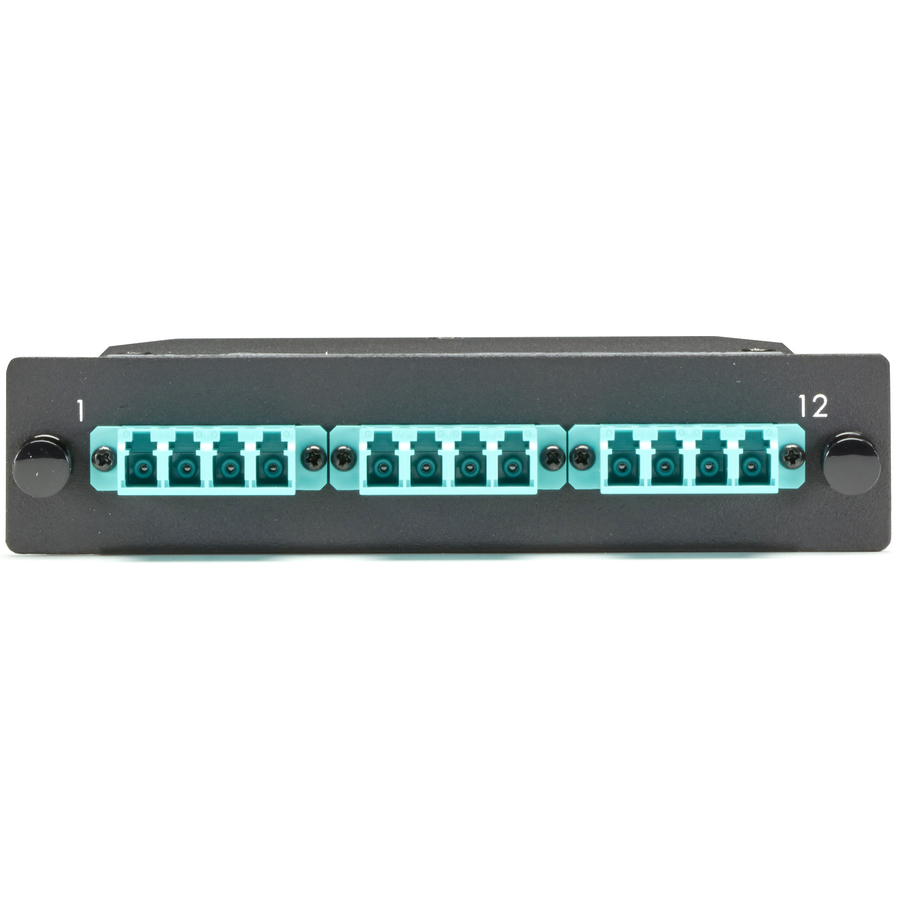
The fiber half of this category is adapter panels and plates rather than jack fields, and the facts that matter ride in the titles: adapter type and count (LC, SC and ST in simplex and duplex, and MPO plates for trunk-based systems), the fiber the panel is specified against — single-mode and multimode grades such as OS2 and OM3 appear per part — and even the sleeve material, with ceramic and bronze versions of otherwise identical plates. Housing colors and adapter colors are called out per part because color is how a plant stays readable years after the installer leaves. Two more title-borne details are worth reading before you order. Where a panel names shielded or unshielded in its title, treat it as a per-part fact and match it to the jacks and cable in the same channel; where the title is silent — most are — ask us to confirm the shielding on the part number before you order. The category rating is named more often: Cat5e, Cat6 and Cat6A parts sit side by side, with some Cat6A entries titled as 10G ready. TAA Compliant appears in the product data of specific part numbers here — a per-part fact to read on the exact panel you order, never assumed from a family. The grid below leads with what is on the shelf and then climbs by price, and it is drawn from the patch panels Uniqcli currently stocks, with live availability on each card.
Buyer's checklist
How to choose a patch panel
- Settle the termination method first: blank keystone panels take the jacks you choose and can be re-populated later, loaded modular panels arrive ready to punch, and 110-type panels terminate the pairs onto the panel itself to the 568A or 568B pattern. That decision drives every other line on the order.
- Match the category rating through the whole channel — the panels here are titled Cat5e, Cat6 or Cat6A, with some Cat6A parts titled as 10G ready, and a channel is only rated to its lowest-rated component. The panel is the easiest place to quietly downgrade a run.
- Keep shielding consistent end to end: where a panel names shielded or unshielded in its title, treat it as a per-part fact and match it to the jacks and cable, and where the title is silent ask us to confirm it on the part number before you order. A shielded panel is only worth its price when the cable, the jacks and the bonding path are shielded too.
- Size the housing for the field, not the count you have today: 24-port fields in 1U and 48-port fields in 1U or 2U are the rack workhorses, half-U and high-density versions save rack units where space is the constraint, and the wall-mount and 10-inch-wide panels exist for closets and small sites with no rack at all.
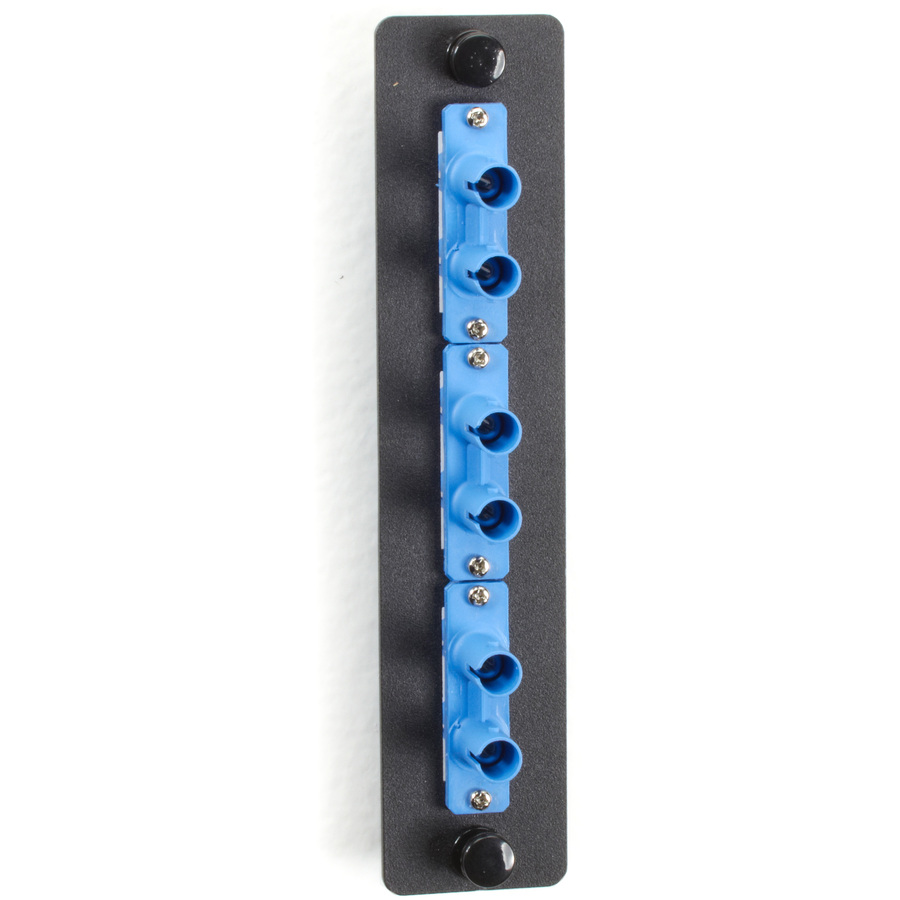
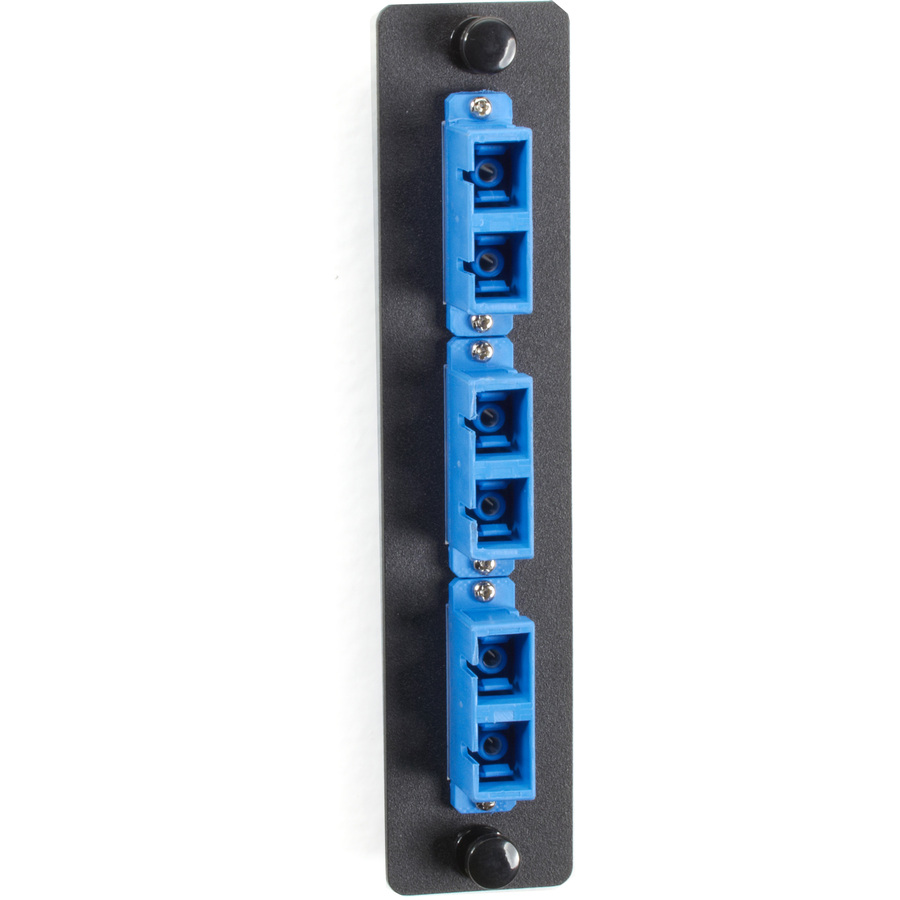
- On the fiber side, match adapter type, fiber grade and polarity to the plant — LC, SC and ST in simplex or duplex for connectorized runs, MPO plates where the backbone is trunk-based, with single-mode and multimode grades named per part. Sleeve material and adapter color are specified per plate for the same reason.
- Plan the front of the rack as one thing: angled panels route cords toward the sides without a horizontal manager between them, some panels are titled with a cable management bar, and blanking panels close the unused slots in a modular housing so airflow and appearance survive the install.
- Where the purchase order names TAA, read it on the part number — it appears in the product data of specific panels here, and it is a per-part fact rather than a family-wide rule.
Blank, loaded or punch-down — the copper decision
The three copper shapes are answers to three different operating styles, and the cheapest one on paper is rarely the cheapest over the life of the room. A blank keystone panel is a housing you populate: it costs a little more once the jacks are added, but it lets one panel design serve unshielded Cat6 in one rack and shielded Cat6A in the next, and it makes a single damaged port a jack swap instead of a re-punch. The multimedia versions extend that idea past the network — the same field can carry RJ45 alongside USB and HDMI inserts where a conference room or a control desk needs it. A loaded modular panel removes the ordering step and the risk of arriving on site with the wrong jacks. A 110-type punch-down panel is the traditional build: the pairs land on the panel itself to 568A or 568B, there is nothing to lose in a van, and the color-coded and PoE+-compliant versions cover what most horizontal runs are actually carrying now. Choose the shape around who will be maintaining the field, not around the panel's own line item.
Fiber adapter panels, and the install that goes with them
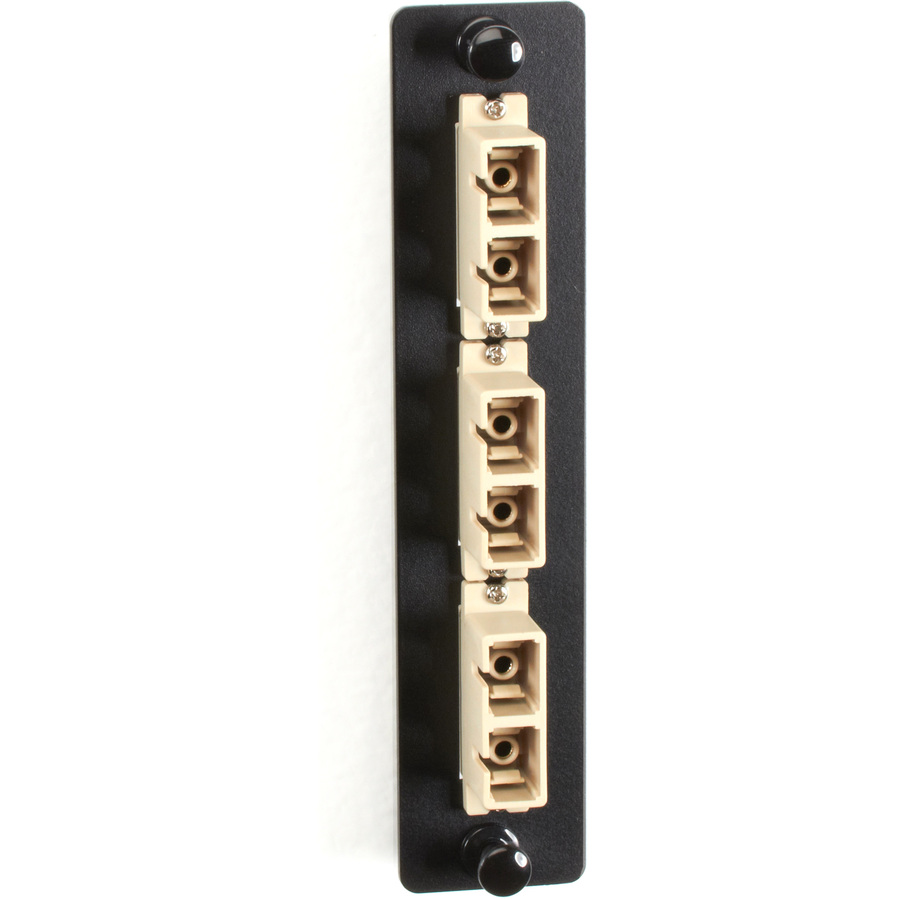
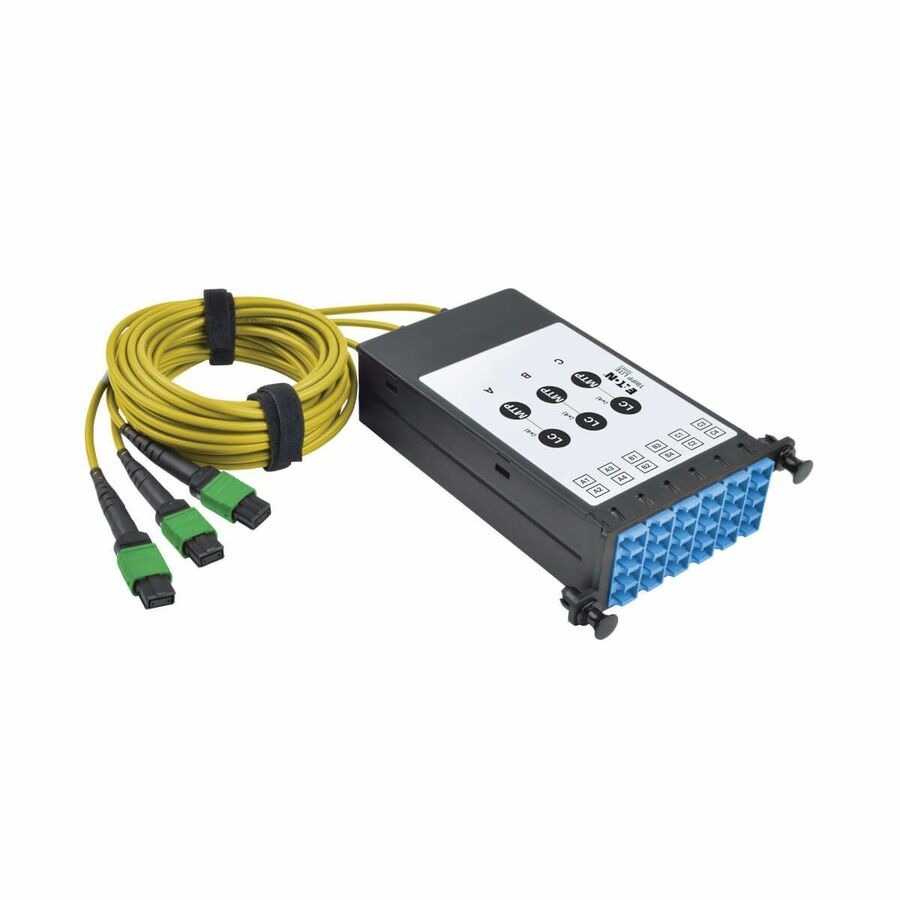
Fiber panels are bought as part of an enclosure system rather than as standalone frames, which is why so much of this category is plates and adapter panels sized to slot into a housing. The specification to get right is the whole path: adapter type and count on the plate, the fiber grade behind it, and the polarity scheme if the backbone is MPO trunks feeding cassettes. Sleeve material is called out per part — ceramic and bronze versions of the same plate exist — and color is not decoration in a fiber plant, it is documentation, which is why adapter and housing colors are named per part number. Blanking panels belong on the same order: an open slot in a high-density housing is a dust path and an airflow leak, and they are the cheapest line on the bill of materials.
Panels are also the point where hardware turns into a project. A patching field is quoted properly alongside the jacks, cords, cable, racks, enclosures and vertical and horizontal managers it lands in, and the work that follows — termination, testing, labeling and the as-built record — is a service line, not an afterthought. Uniqcli quotes the cabling hardware and the deployment services together, with the licensing and support entitlements for whatever the field terminates into on the same document. Send the drop count per closet, the category and shielding you are standardizing on, the fiber grades and adapter types in the backbone, and the rack or wall conditions at each site, and we will come back with the panel list, the parts around it, availability and lead times as one package.
Keep exploring
The cabling system around the panel
FAQ
Common questions
- What is the difference between a blank keystone panel and a punch-down panel?
- A blank or unloaded panel is a housing with empty ports: keystone jacks are ordered separately and snapped in, so one panel design can carry unshielded Cat6 in one rack and shielded Cat6A in another, and a damaged port becomes a jack swap. Some blank panels here are titled for multimedia fields, taking USB and HDMI inserts alongside RJ45. A 110-type punch-down panel has the terminations built into the panel itself — the cable pairs land on the panel to the 568A or 568B pattern. Punch-down is fewer parts and a faster single-purpose install; blank keystone is the flexible choice for a field that will be changed. Both are represented in this grid at the same port counts.
- How do I choose between LC, SC, ST and MPO adapter panels?
- By what is already terminated on the fiber and how the backbone was designed. LC is the small-form-factor duplex adapter most current equipment and patch cords use, SC and ST are the older-style adapters still in service across many plants, and MPO plates are for trunk-based systems where a multi-fiber trunk lands on a plate or cassette rather than individual connectors. The panel has to match the connectors on the cable, the fiber grade behind it — single-mode and multimode grades such as OS2 and OM3 are named per part here — and the polarity scheme of the system as a whole. If the plant is being extended rather than built, the safest input is a photo of the existing plate and the enclosure model it sits in.
- Can business, government and education buyers order these?
- Every line Uniqcli quotes is sourced through US distribution and screened for TAA country-of-origin and NDAA §889 status before checkout — with documentation tied to the specific part number, not a product family.
Need patch panels pricing?
Send a bill of materials or part numbers — we confirm stock and a below-market total, with TAA verified on request. No payment up front.