
Best Fiber Enclosures and Rack-Mount Patch Panels
The rack-mount enclosures, adapter panels and cassettes that terminate and organize fiber in a cabinet — read by rack height, fiber count, connector type and whether the panel is loaded or empty.
Fiber enclosures and patch panels in stock at Uniqcli
How to choose →A curated selection with live pricing — in-stock lines first, then back-ordered lines with a typical lead time. Every line is sourced through US distribution and screened for NDAA §889 status before checkout, with TAA verified on request.
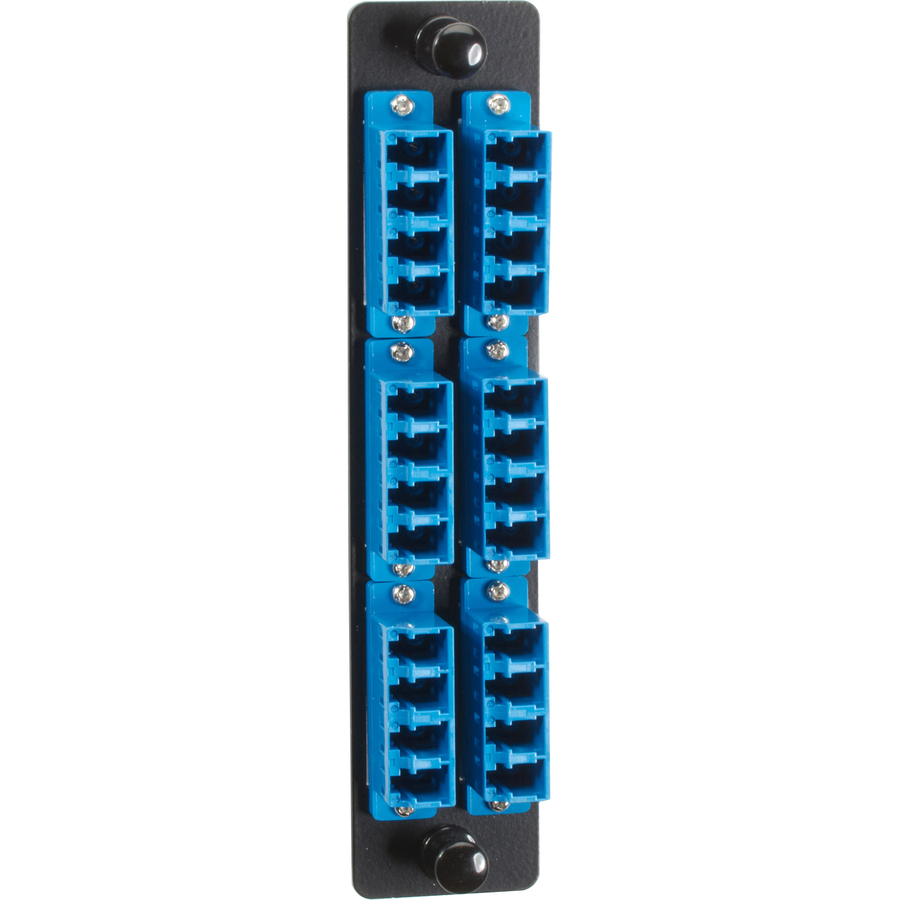
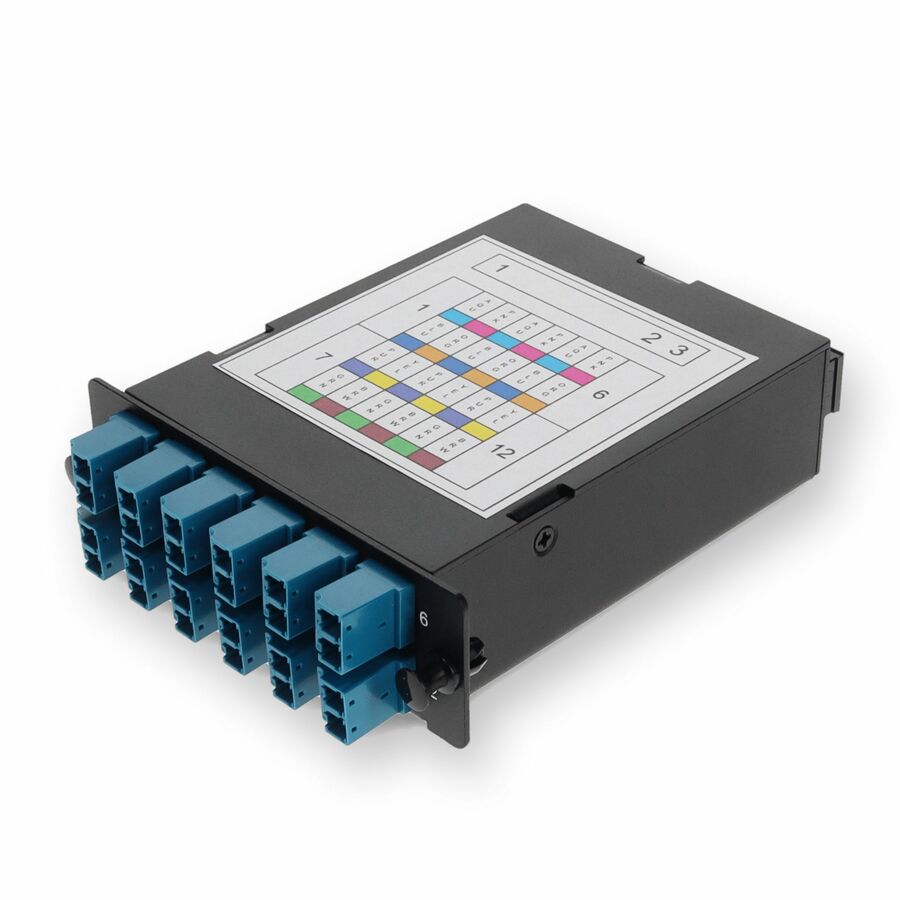
- Black BoxBlack Box Low-Density Singlemode Fiber Adapter Panel - Ceramic Sleeve - 12 Port(s) - 6 x Duplex - BlueJPM455C-R2
$64.97
$55.44
1 in stock - AddOnAddOn 19-inch Slide-Out Patch Panel 1U Chassis with 3 Open Cassette Bays - 1U High - Optical Fiber - 19" Wide - Rack-mountableADD-PPS-3BAY
$250.00
$230.00
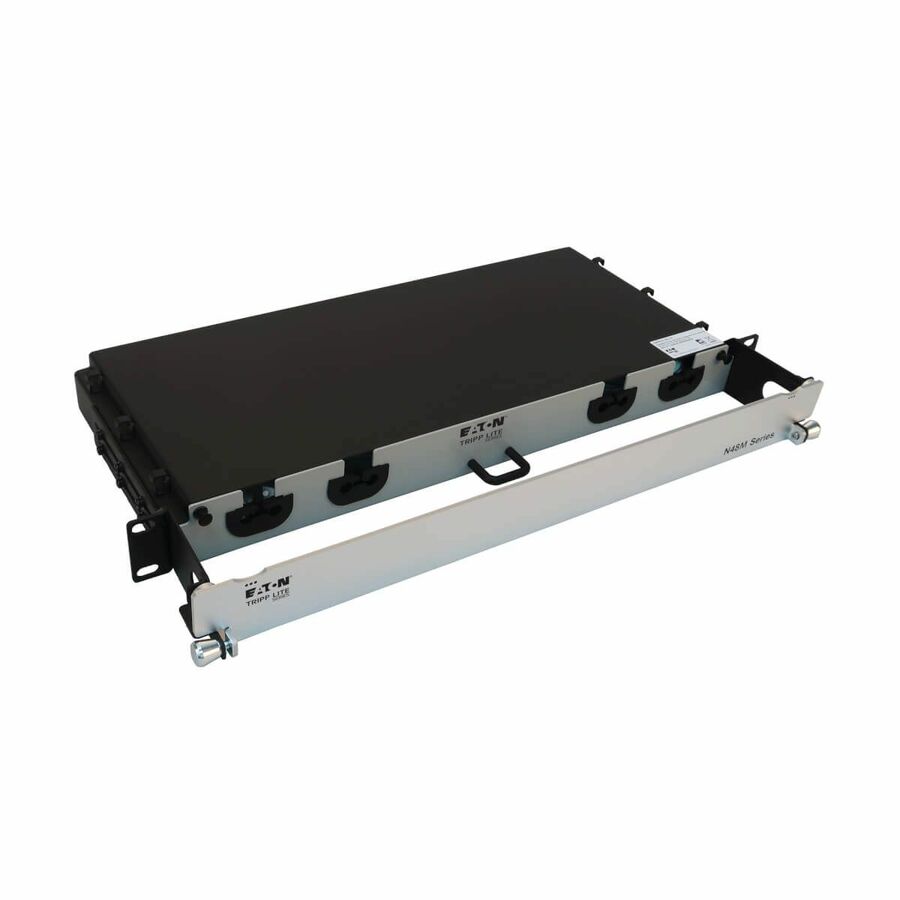
11 in stock - EatonTripp Lite by Eaton 16-Port Fiber Patch Panel 1U (SC/SC) Multimode or Singlemode - 16 x SCN490-016-SCSC
$297.84
$274.01
4 in stock - EatonTripp Lite by Eaton 16-Port Fiber Patch Panel 1U (LC/LC) Multimode or Singlemode - 16 x LCN490-016-LCLC
$310.98
$286.10
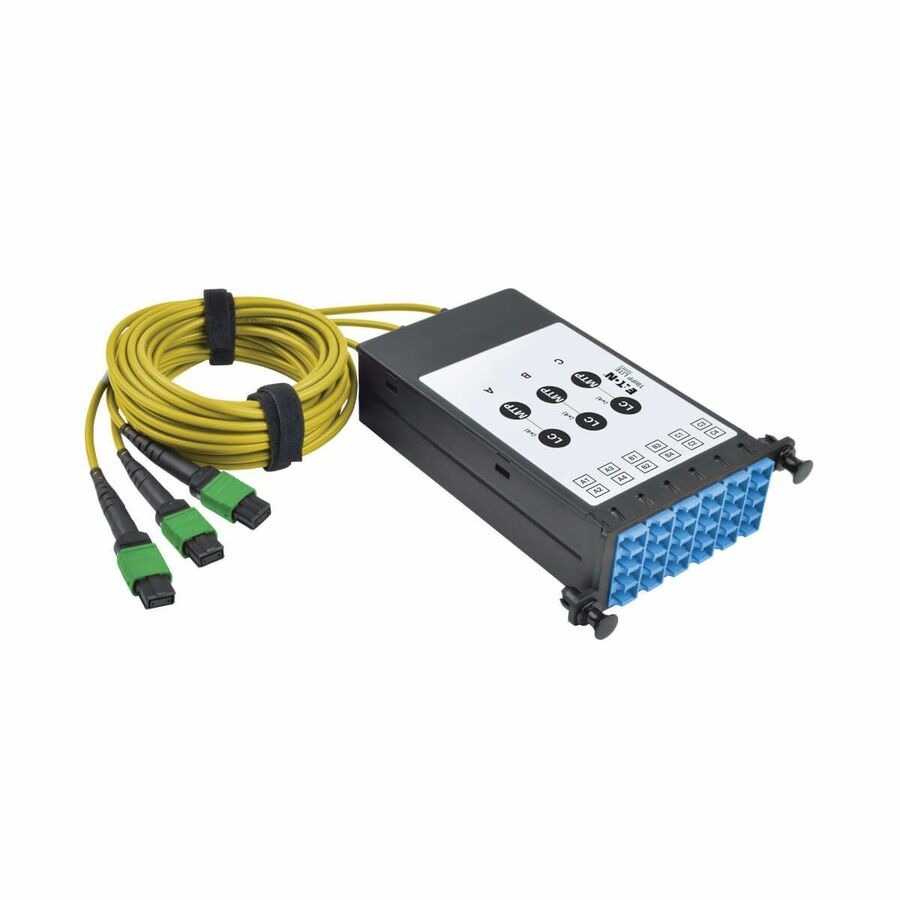
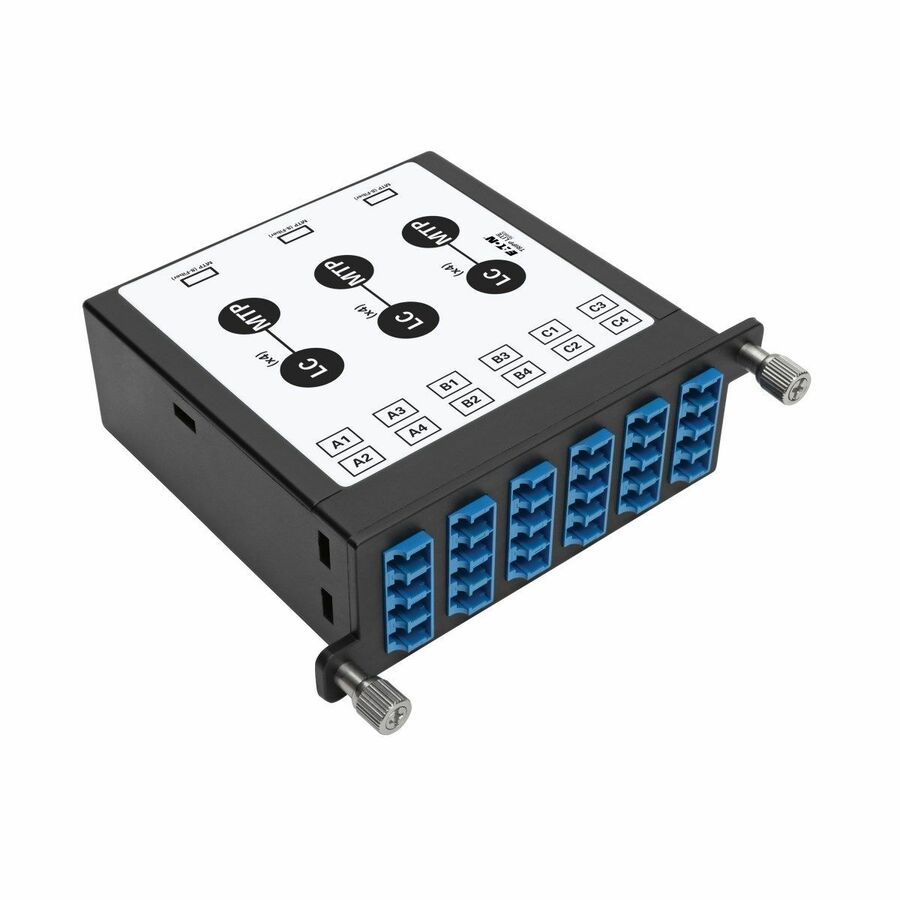
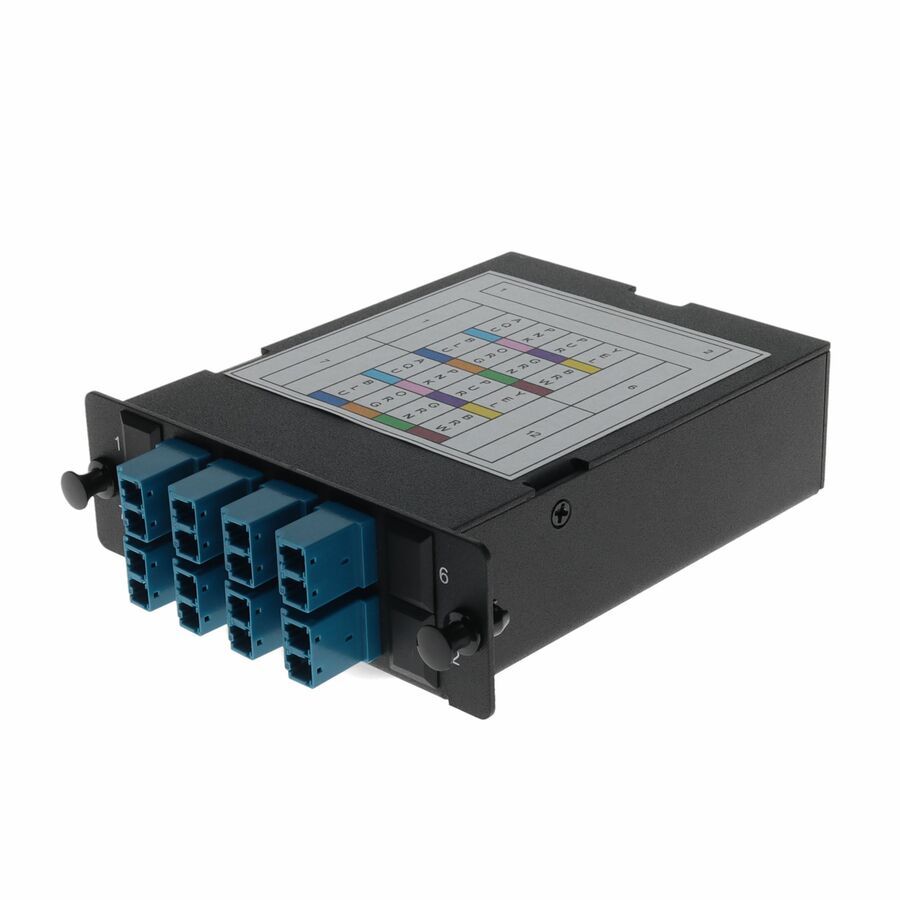
17 in stock - AddOnAddOn 4-Bay Cassette 12-Fiber MPO In, 4 LC Duplex Out, Single-mode Duplex OS2 - 4 x DuplexADD-4BAYC1MP4LCDS2
$412.50
$379.50
6 in stock - Black BoxBlack Box Fiber Optic High Density MTP Enclosure - 3-Slot, 1U - 108 Port(s) - 108 x - 1U High - Rack-mountableFOEN50HD-3H-1U
$468.09
$406.19
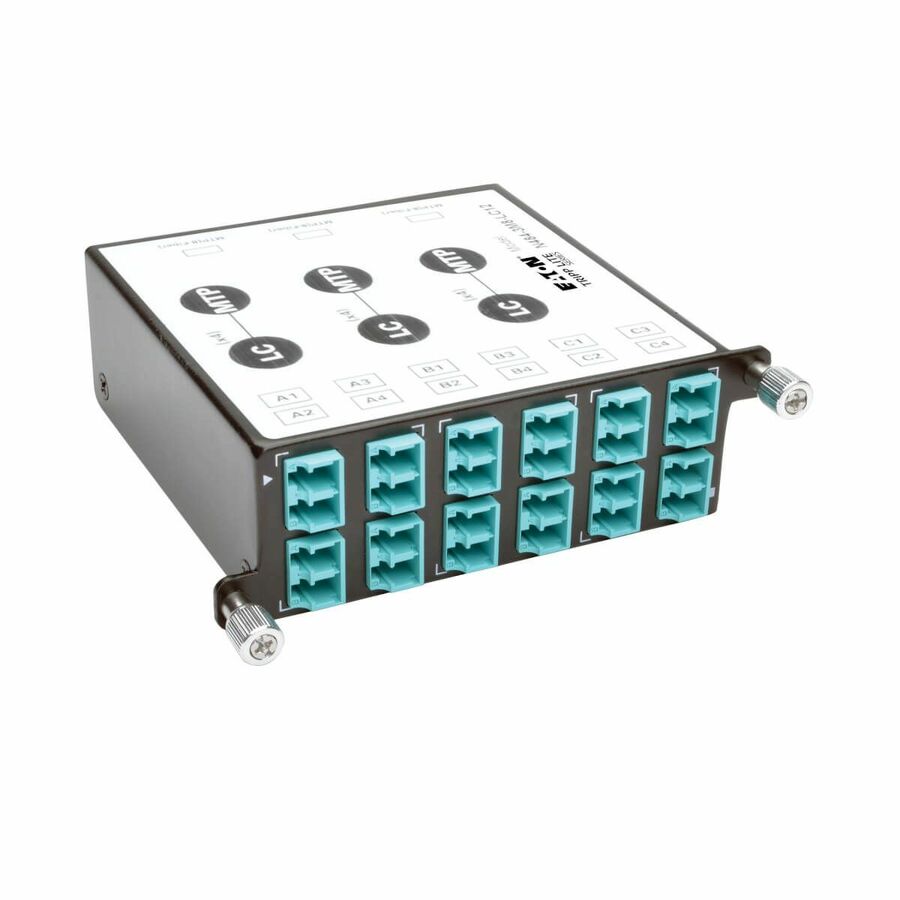
2 in stock - AddOnAddOn 4-Bay Cassette 24-Fiber MPO In, 12 LC Duplex Out, Multi-mode Duplex OM4 - MPO type A - 25 Port(s) - 12 x Duplex - Optical FiberADD-4BC124MPA12LCDM4
$476.00
$437.92
10 in stock - AddOnAddOn 4-Bay Cassette 2x 12-Fiber MPO In, 8 LC Duplex Out, Multi-mode Duplex OM4 - 8 x DuplexADD-4BAYC2MP8LCDM4
$509.50
$468.74
1 in stock
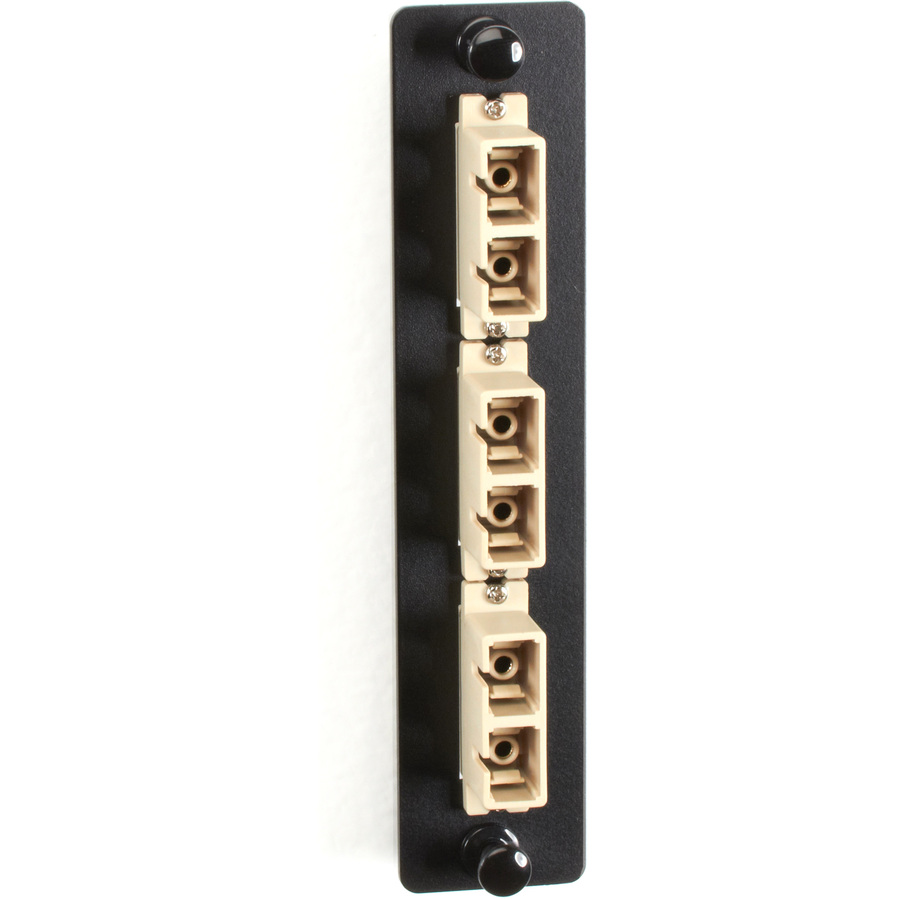

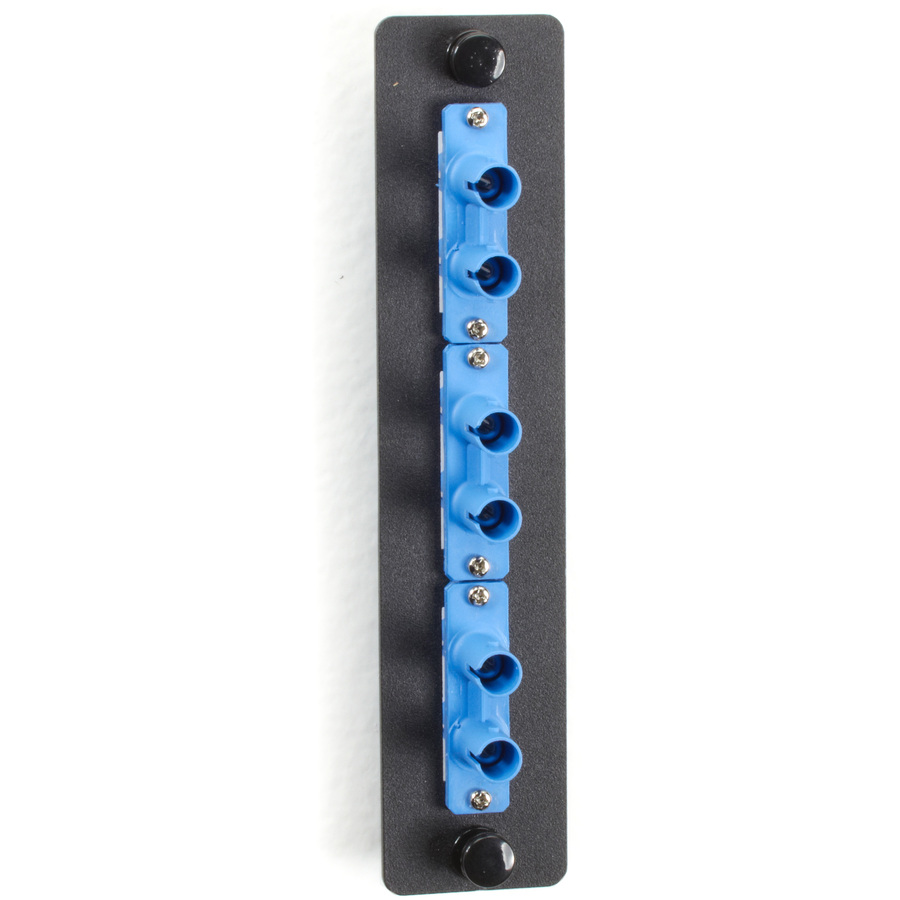
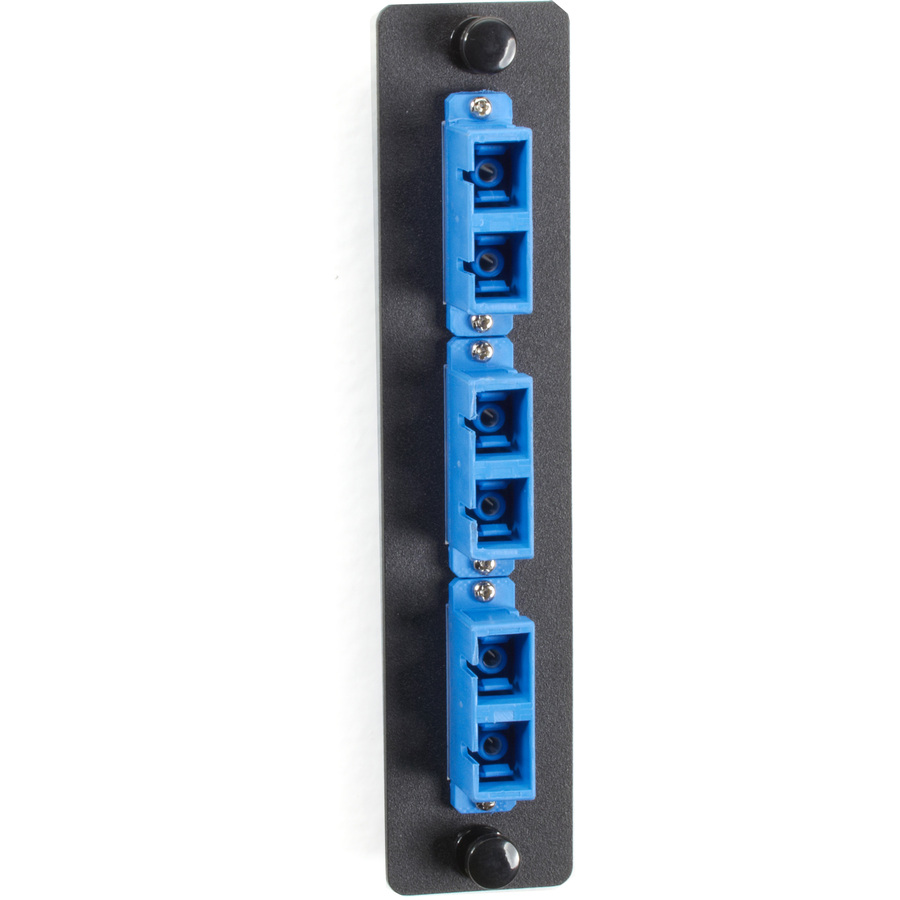
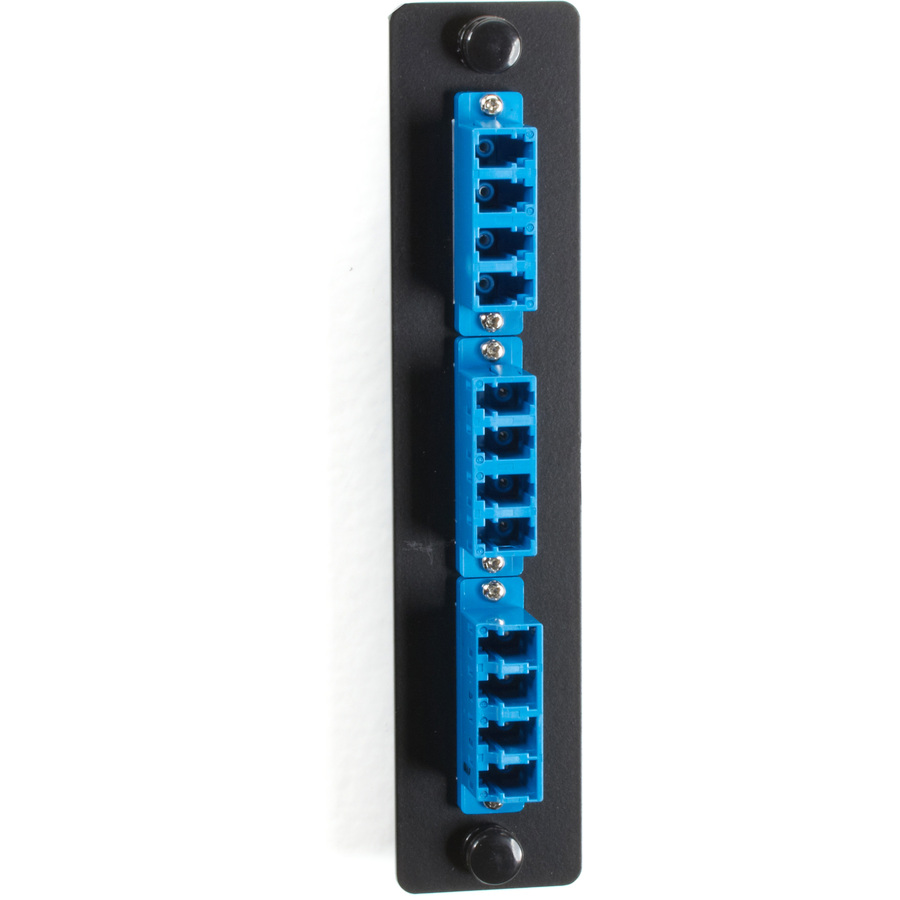

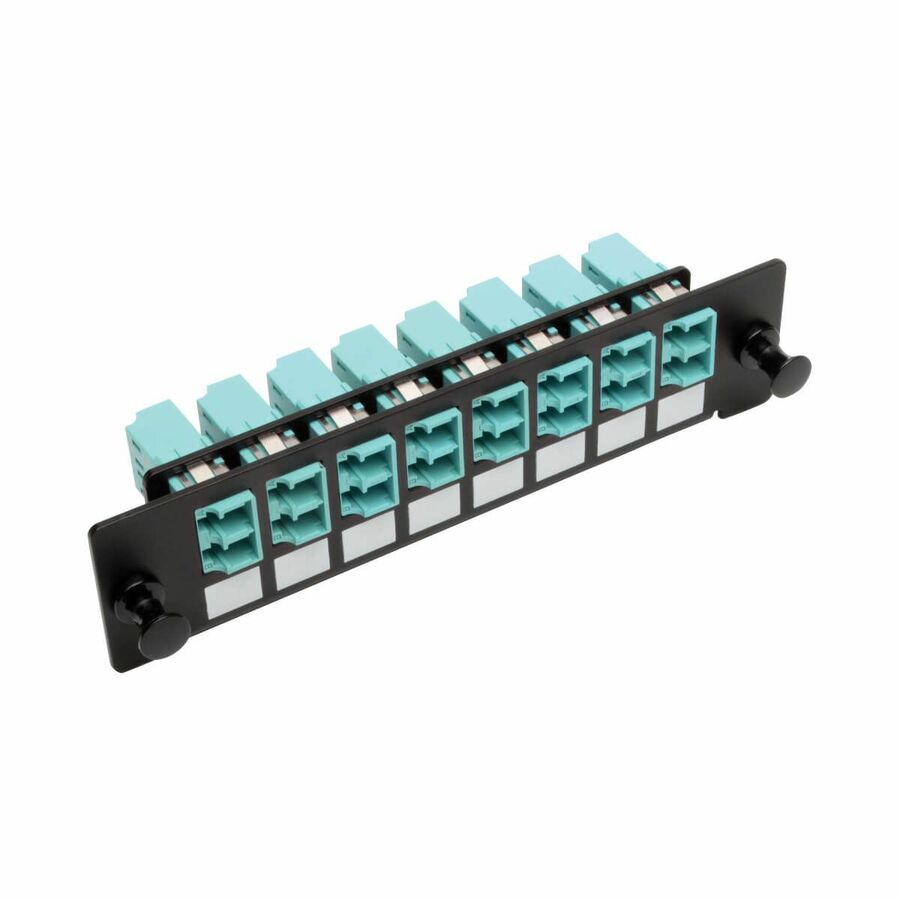
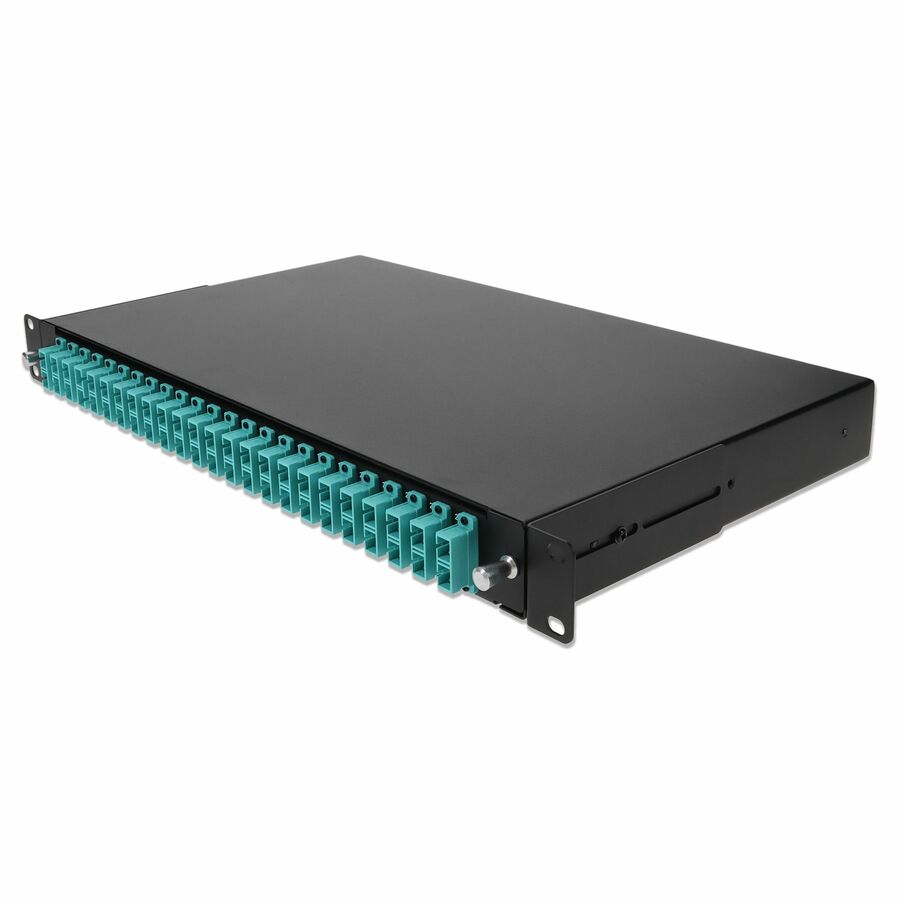

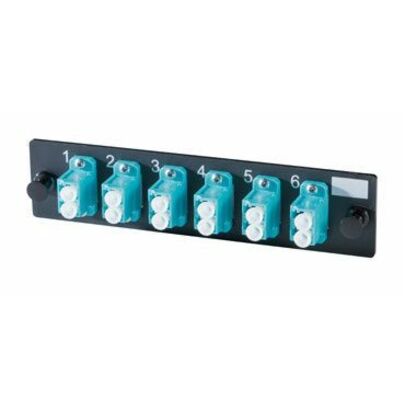

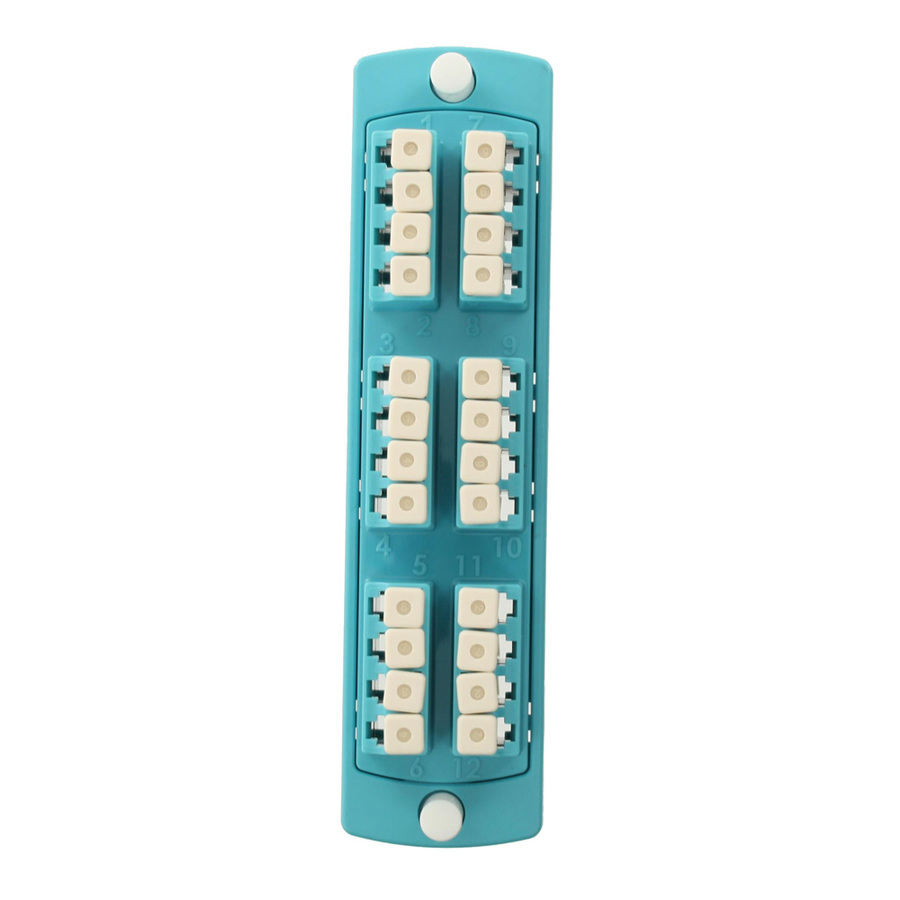

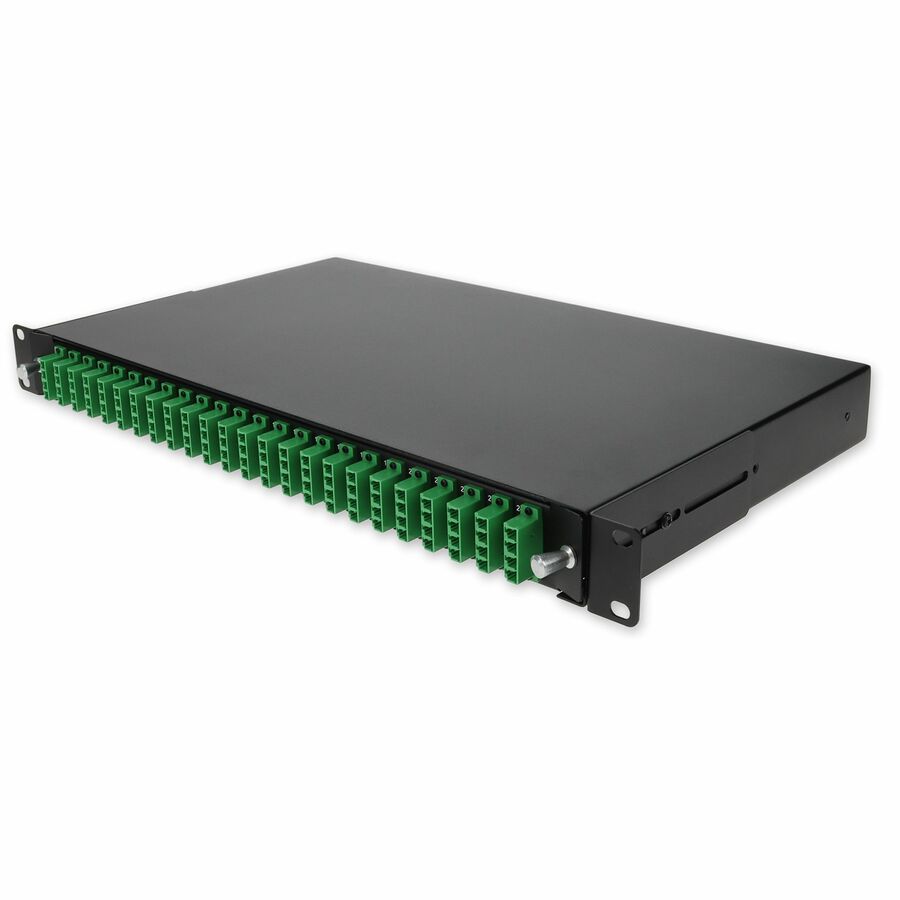
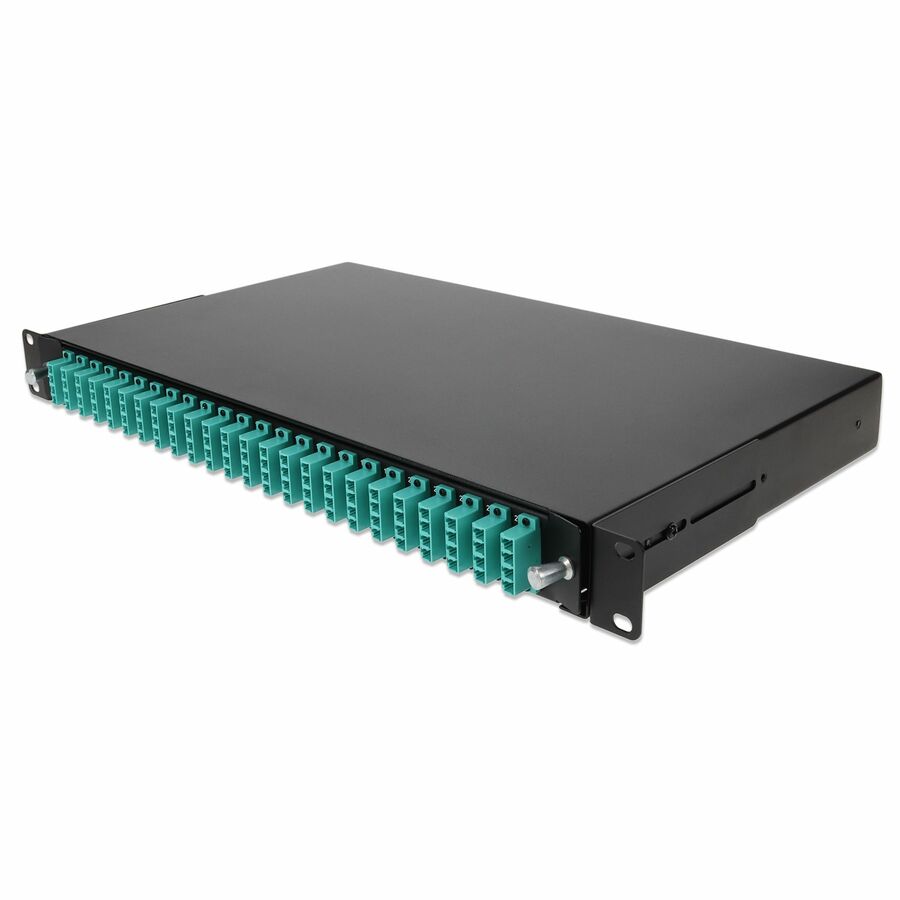
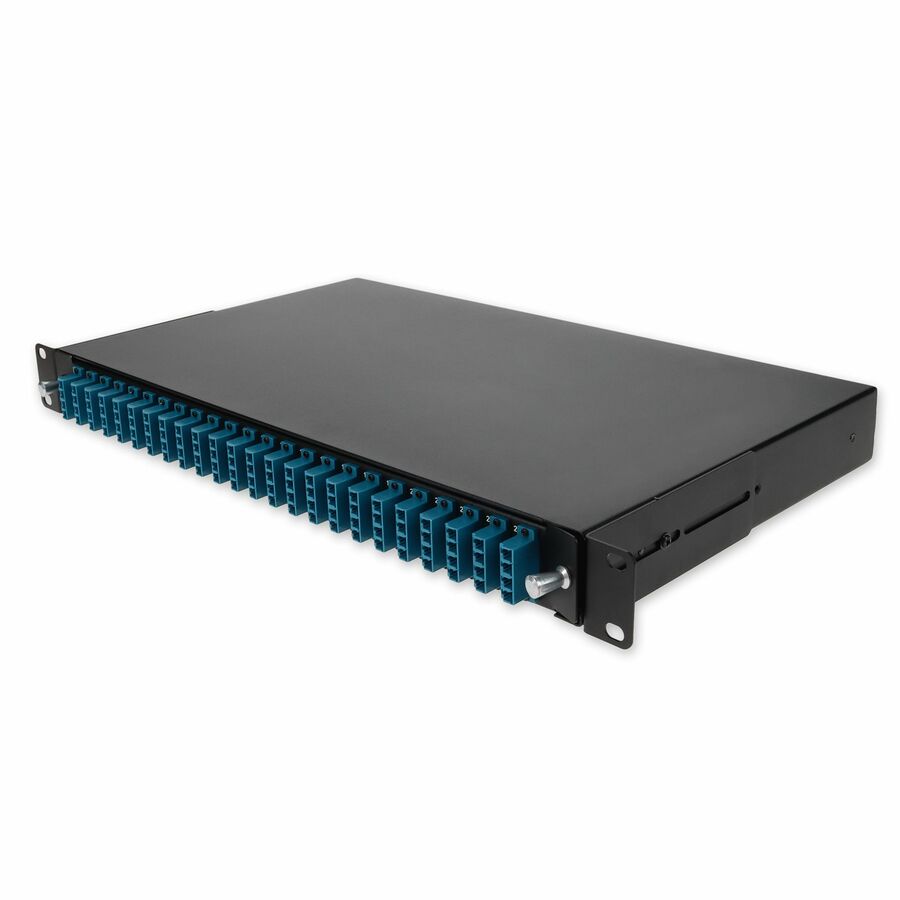
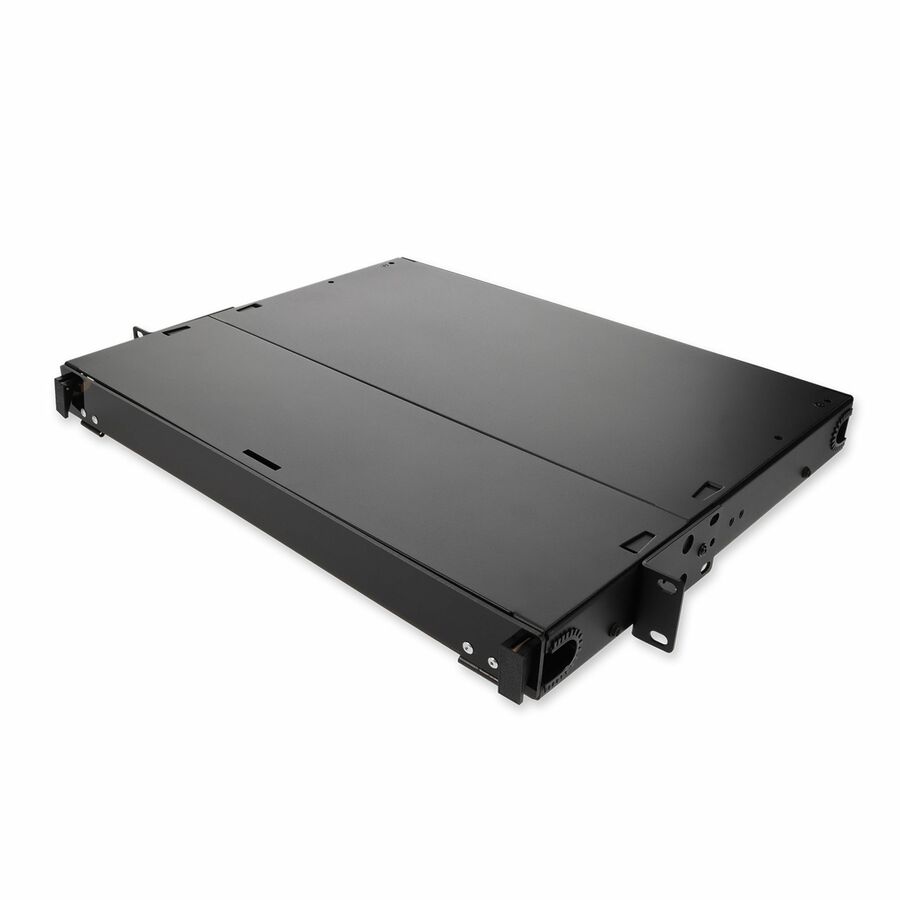
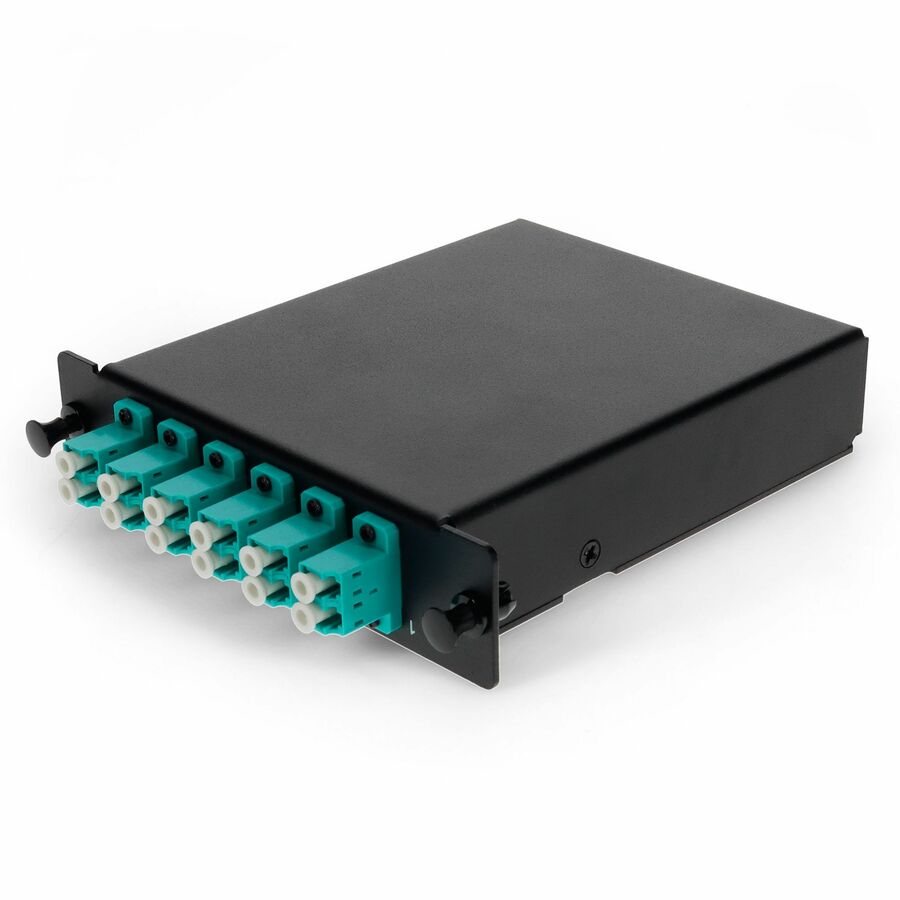
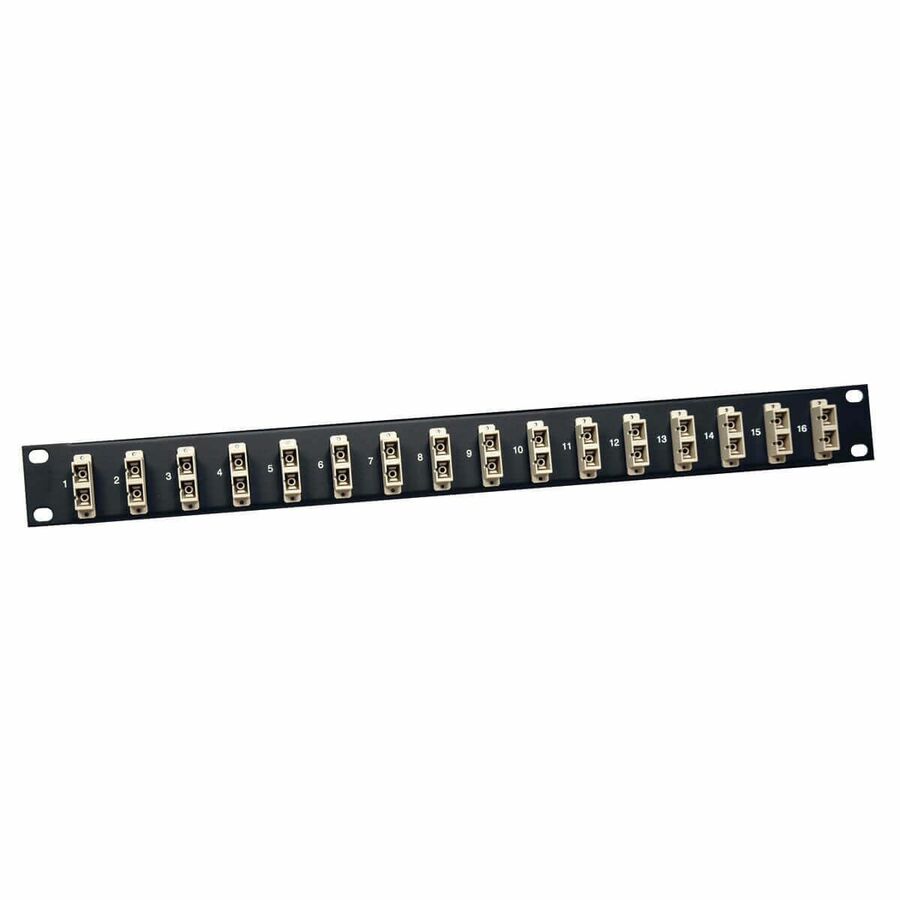

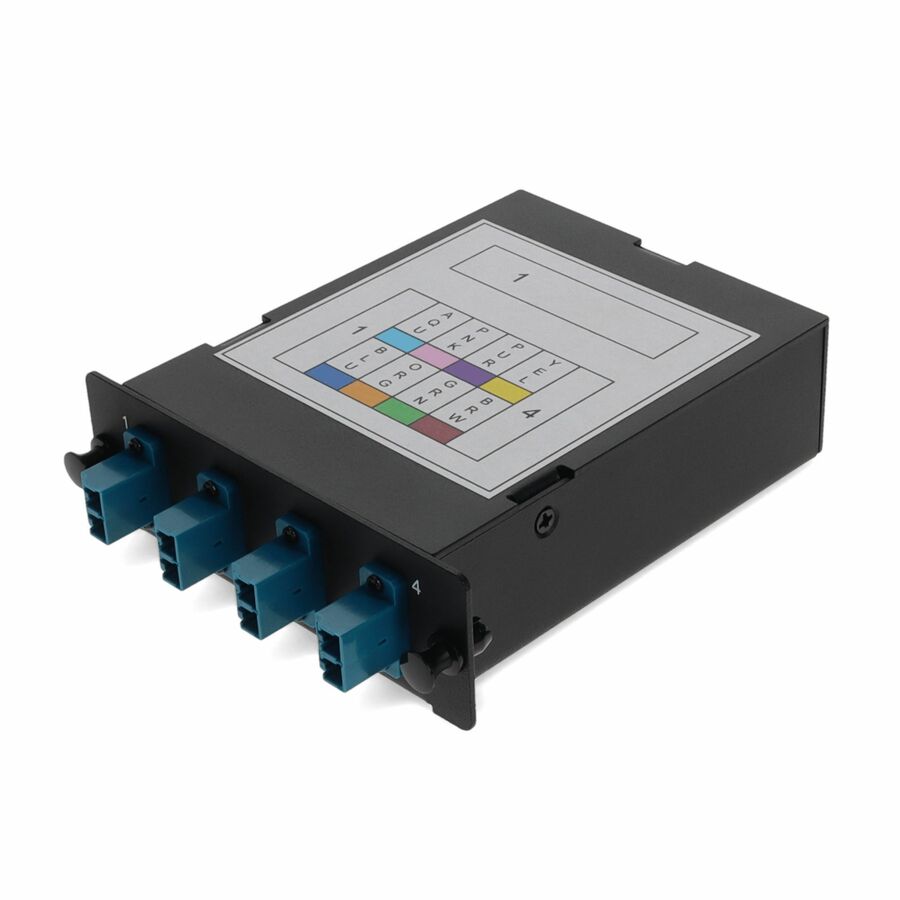

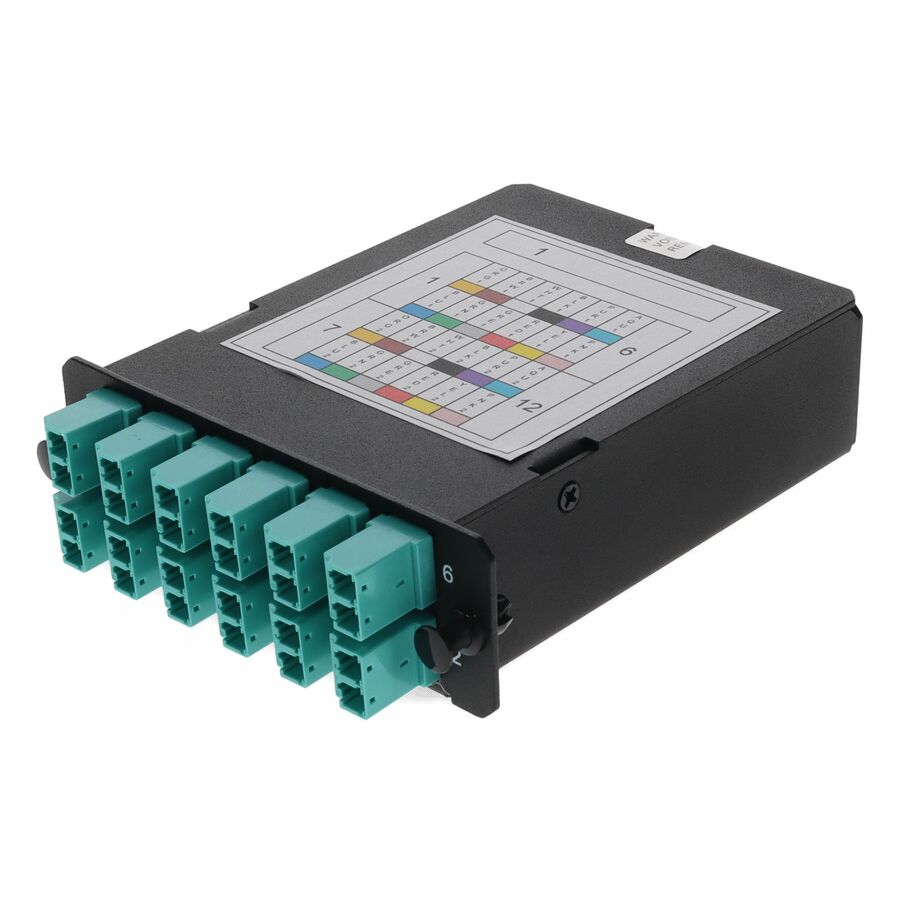
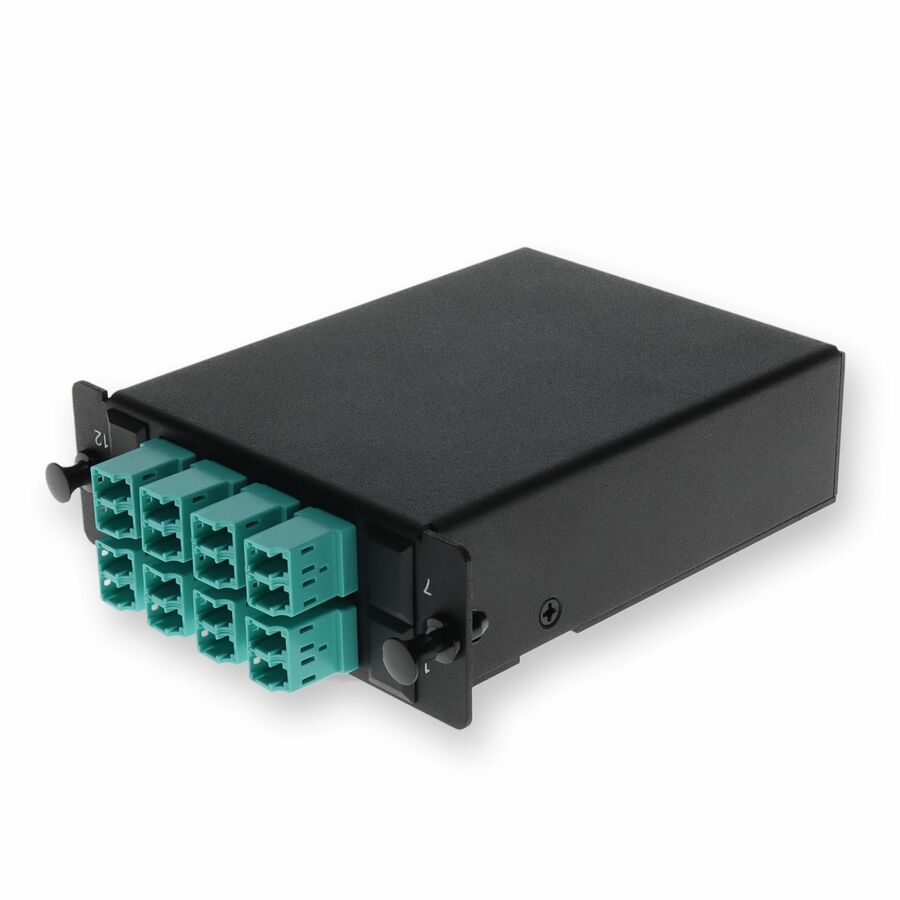
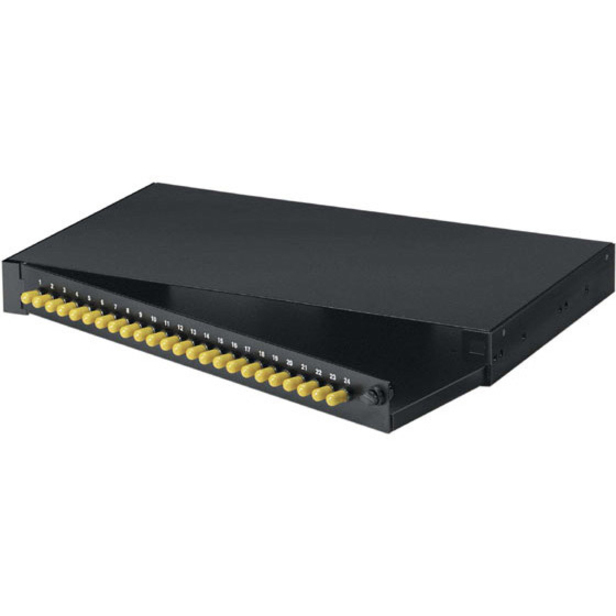
1U enclosure, modular
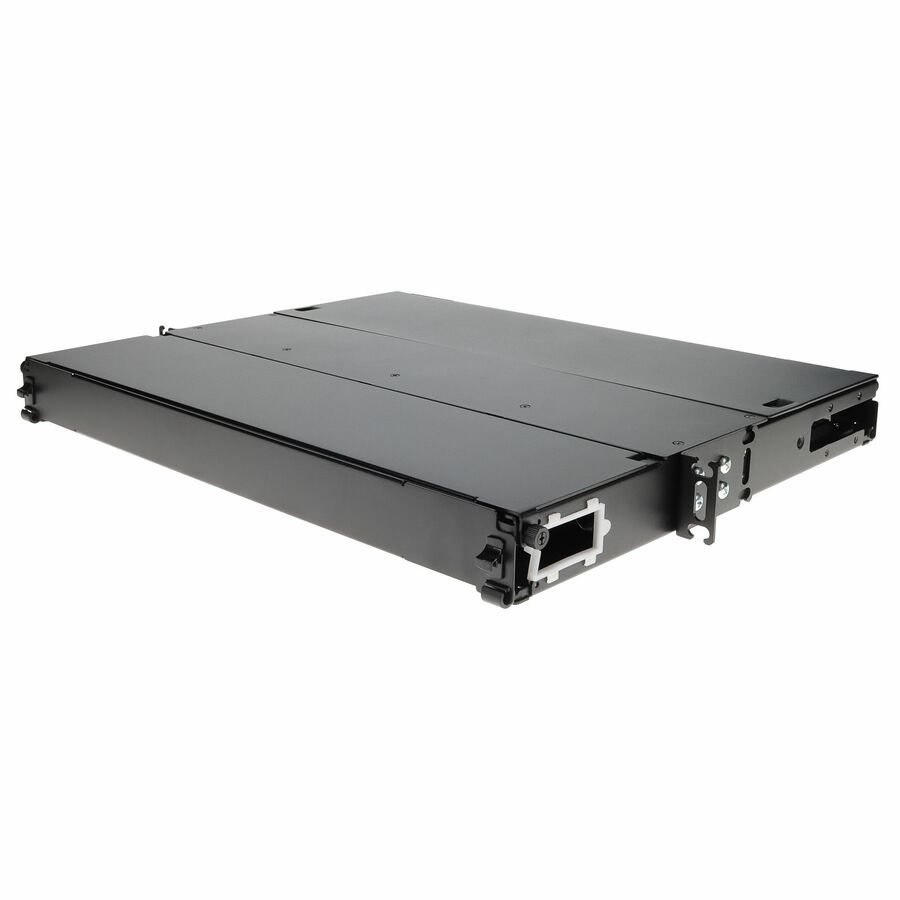
AddOn
AddOn HDM Enclosed Series 1RU Rackmount Panel modular fiber chassis…
ADD-HDM-1RUEN
An AddOn HDM Enclosed Series 1RU rackmount panel — a modular fiber chassis that accepts the HDM cassettes and adapter plates, for a high-density fiber termination in a single rack unit.
$324.30Back-ordered1U loaded, 24 SC OM4
AddOn
AddOn 19-inch Rack Mount 1U Patch Panel with 24 SC Duplex, Multi-Mode…
ADD-1U24SCDM4
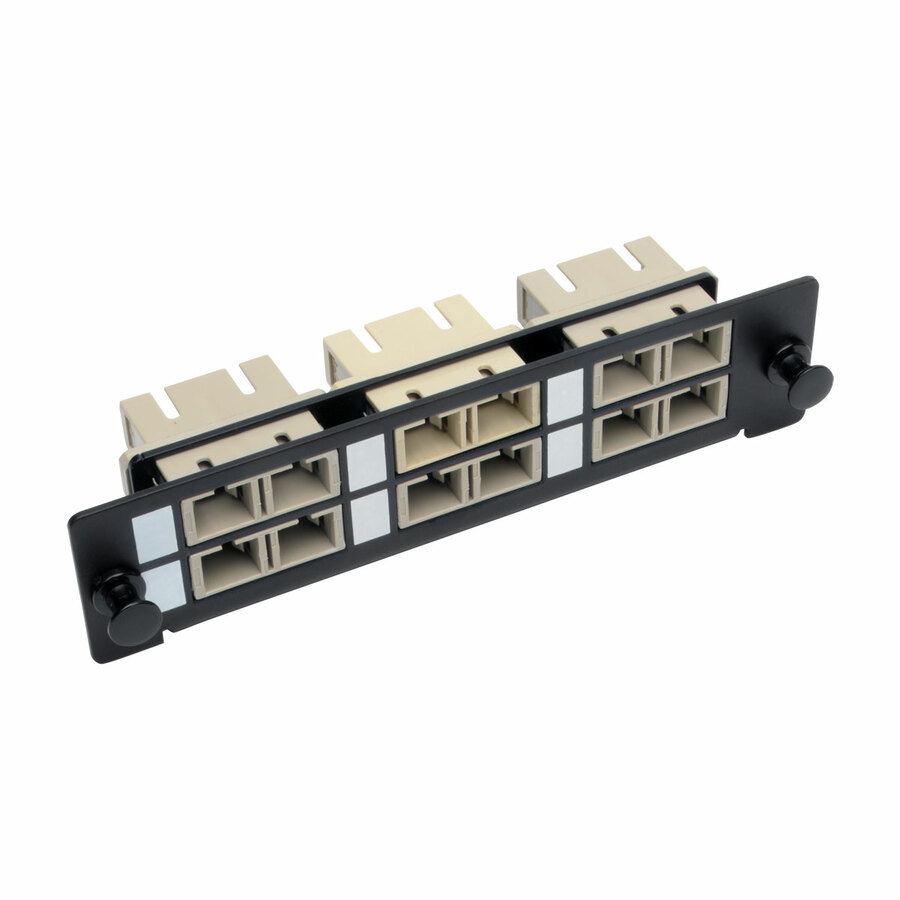
An AddOn 19-inch rack-mount 1U fiber patch panel loaded with 24 SC duplex OM4 adapters — a ready-to-jumper multimode panel where SC is the connector the equipment uses.
$112.24In stock1U loaded, 48 LC OS2
AddOn
AddOn 19-inch Rack Mount 1U Patch Panel with 48 UPC LC Duplex…
ADD-1U48LCDS2
An AddOn 19-inch rack-mount 1U fiber patch panel with 48 UPC LC duplex single-mode OS2 adapters — a high-density LC single-mode panel for a dense uplink field in 1U.
$224.02In stock1U enclosure, 24 ST
Black Box
Black Box Rackmount Preloaded Fiber Enclosure
JPM370A-R2
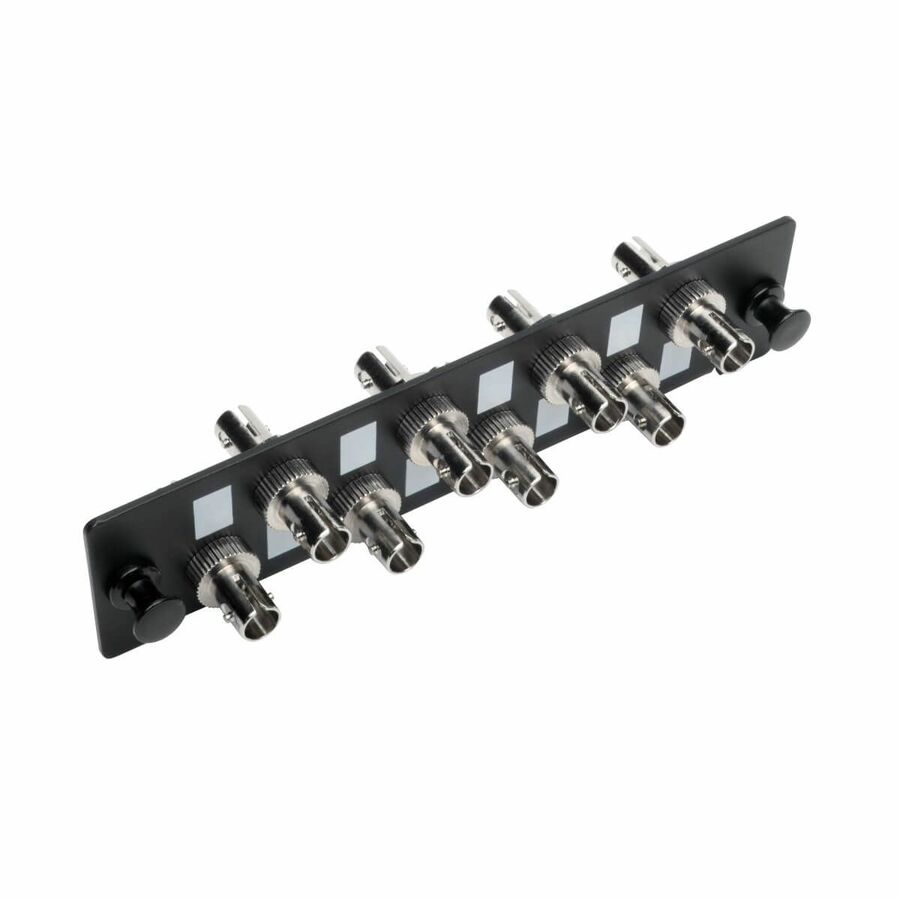
A Black Box rackmount preloaded fiber enclosure, 1U with 24 ST simplex adapters — a loaded enclosure for older ST plant where the front is already populated.
$592.59In stockHigh-density MTP
Black Box
Black Box Fiber Optic High Density MTP Enclosure
FOEN50HD-3H-1U
A Black Box high-density MTP fiber optic enclosure, 3-slot 1U supporting up to 108 ports — the dense MPO/MTP housing for a data-center fiber field in a single rack unit.
$406.19In stock1U simplex panel
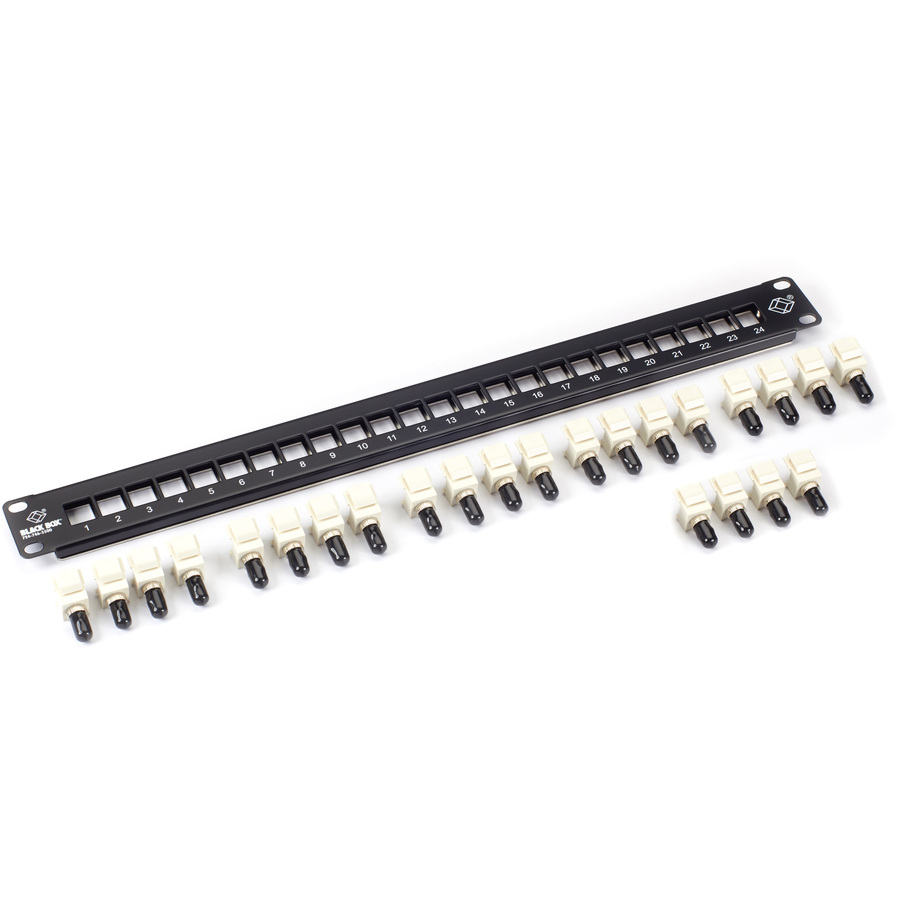
Black Box
Black Box Connect Rackmount Simplex Fiber Panel
JPM425A
A Black Box Connect rackmount simplex fiber panel, 1U preloaded with 24 ports — a straightforward loaded 1U panel for a modest fiber field.
$143.29*Back-ordered1U panel, 16 LC/LC
Eaton
Tripp Lite by Eaton 16-Port Fiber Patch Panel 1U (LC/LC) Multimode…
N490-016-LCLC
A Tripp Lite by Eaton 16-port fiber patch panel, 1U with LC/LC adapters for multimode or single-mode — a compact loaded LC panel for a small fiber field.
$286.10In stock1U preloaded, MTP/LC

Eaton
Eaton Tripp Lite Series Preloaded Fiber Panel, 1U
N48S-2L24L-10
An Eaton Tripp Lite preloaded fiber panel, 1U with LC/LC duplex cabling behind the front — a pre-terminated 1U panel that arrives ready to jumper without field splicing.
$2,062.15Back-ordered1U panel, 16 SC/SC
Eaton
Tripp Lite by Eaton 16-Port Fiber Patch Panel 1U (SC/SC) Multimode…
N490-016-SCSC
A Tripp Lite by Eaton 16-port fiber patch panel, 1U with SC/SC adapters for multimode or single-mode — the SC counterpart for a link the equipment terminates on SC.
$274.01In stockAngled 1U patch panel

PANDUIT
Panduit CFAPPBL1A Angled Fiber Patch Panel
CFAPPBL1A
A Panduit angled fiber patch panel, 1U 19-inch rack-mountable — an angled-front panel whose geometry routes jumpers straight into vertical managers without a slack loop.
$73.57Back-orderedLC adapter panel

PANDUIT
Panduit Keyed LC Fiber Adapter Panel
FAP6WABLDLCZ
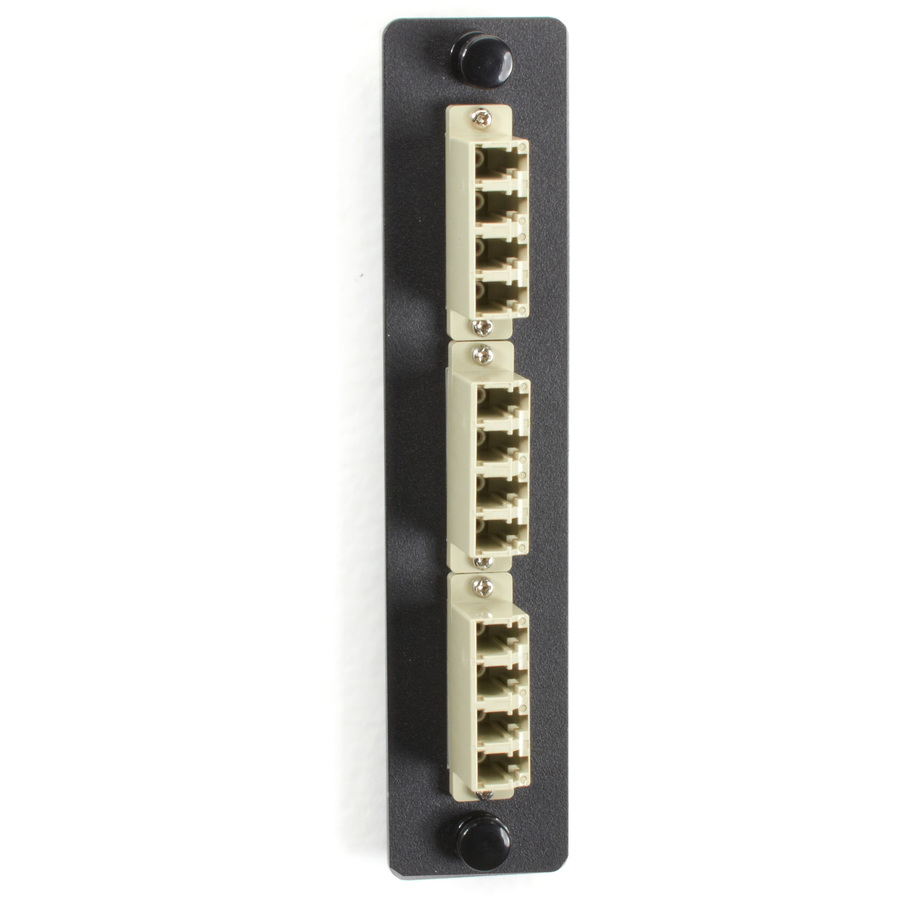
A Panduit keyed LC fiber adapter panel, 6 duplex ports — an LGX-format adapter panel that gives an enclosure its LC front, ordered to the connector and fiber count the link uses.
$166.52Back-ordered24-port adapter panel
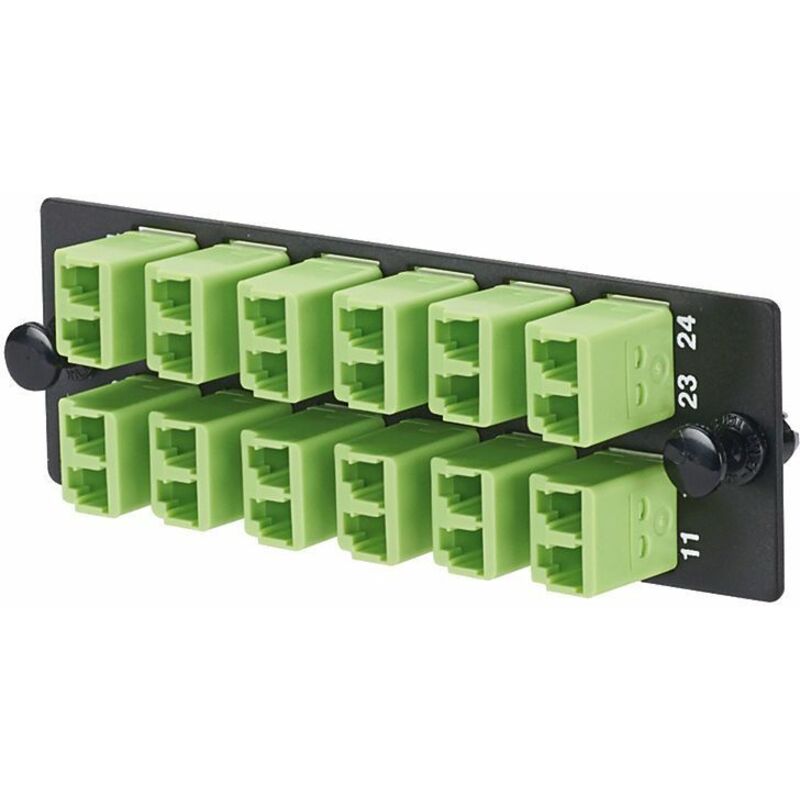
PANDUIT
Panduit Opticom Fiber Adapter Panel
FAP12WLMDLCZ
A Panduit Opticom fiber adapter panel with 12 LC duplex ports (24 fibers) — a higher-density LC adapter panel to populate a Panduit enclosure front.
$249.23Back-orderedHD adapter panel

Legrand
Ortronics Infinium M4 HDFP Adapter Panel, OM3/4, 4 LC Duplex, 8F, Aqua
HDFP-LCD08LC
An Ortronics Infinium M4 high-density LC duplex adapter panel, OM3/OM4, 8 fibers — a Legrand adapter panel for an Infinium fiber housing on a multimode link.
$106.67Back-orderedAdapter plate, Ortronics
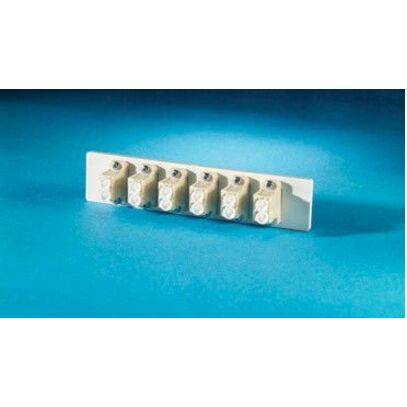
Legrand
Ortronics Patch Panel Adapter Plate
62100050
An Ortronics fiber patch panel adapter plate with 6 LC duplex ports (12 fibers) — a modular adapter plate that fills a slot in an Ortronics fiber enclosure.
$105.15Back-orderedMore patch panels in the Uniqcli catalog
See all 1,729 patch panelsMore from across this category. In-stock lines lead, and a back-ordered line carries the same estimated availability its product page does — with live pricing throughout, NDAA §889 screening before checkout and TAA verified on request.
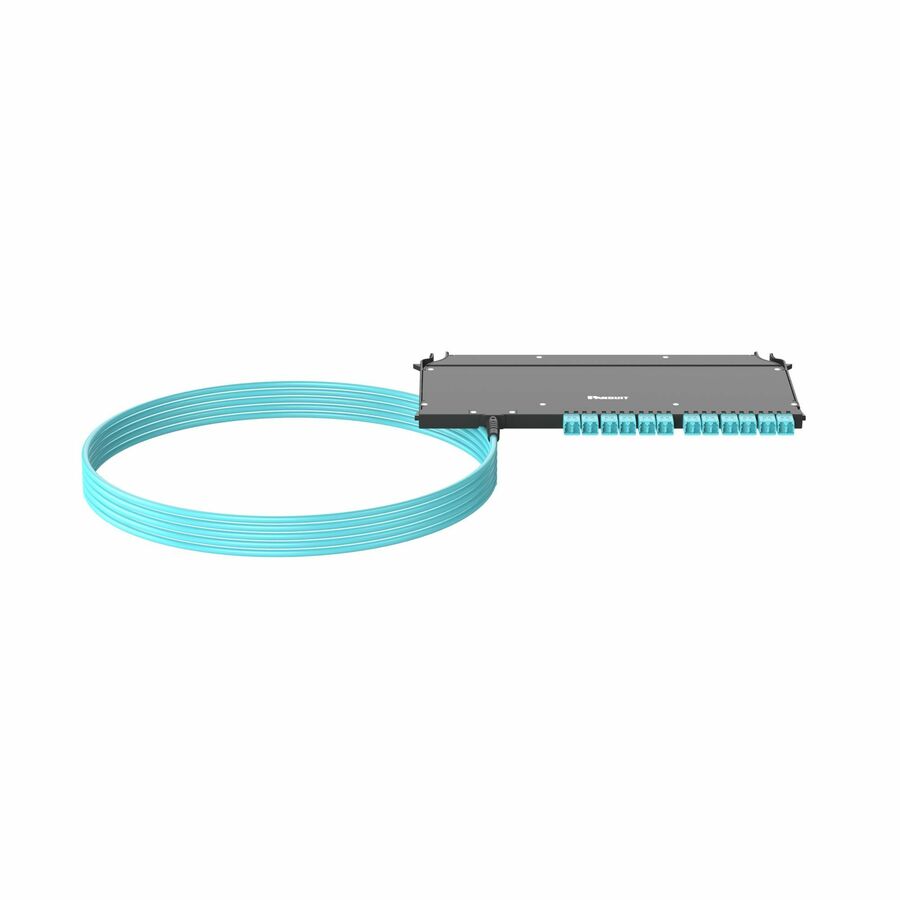
- AddOnAddOn 4-Bay Cassette 6x 24-Fiber MPO In, 12x 12-Fiber MPO Out, Multi-mode Duplex OM4 - MPO type A - Optical FiberADD-4BYC624MPA12MPM4
$2,776.00
$2,553.92
6 in stock - Black BoxBlack Box MTP OM3 Fiber Optic LGX Cassette - (3) MTP 12 to (36) LC Type A - 36 Port(s) - 36 x DuplexFOCA20M3-3MP12-36LC
$1,155.88
$985.17
12 in stock - Black BoxBlack Box MTP OM3 Fiber Optic LGX Cassette - (1) MTP 24 to (24) LC Type A - 24 Port(s) - 24 x - Rack-mountable - TAA CompliantFOCA20M3-1MP24-24LC
$856.37
$729.91*
26 in stock - AddOnAddOn 4-Bay Cassette 3x 12-Fiber MPO In, 12 LC Duplex Out, Single-mode Duplex OS2 - 12 x DuplexADD-4BAYC3MP12LCDS2
$1,128.00
$1,037.76
104 in stock - AddOnAddOn 4-Bay Cassette 2x 12-Fiber MPO In, 8 LC Duplex Out, Single-mode Duplex OS2 - 8 x DuplexADD-4BAYC2MP8LCDS2
$770.50
$708.86
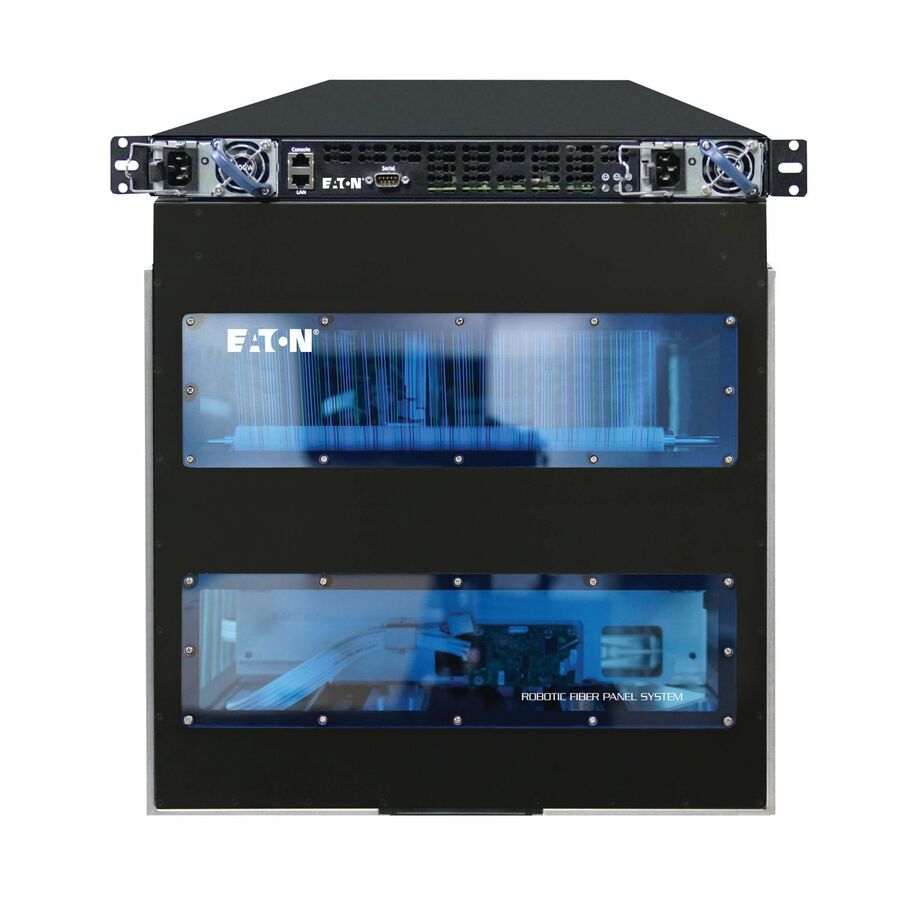
4 in stock - EatonEaton Robotic Fiber Panel System - 512 Multimode LC Fiber Ports - 512 Port(s) - 512 x Duplex - 10U High - Optical Fiber - Black - 19" Wide - Rack-mountableNRFP-500MM-CP
$275,020.00
$253,018.40
Back-orderedBack-ordered — estimated OEM lead time 3–8 weeks (Nov 13 – Dec 18 if ordered today).
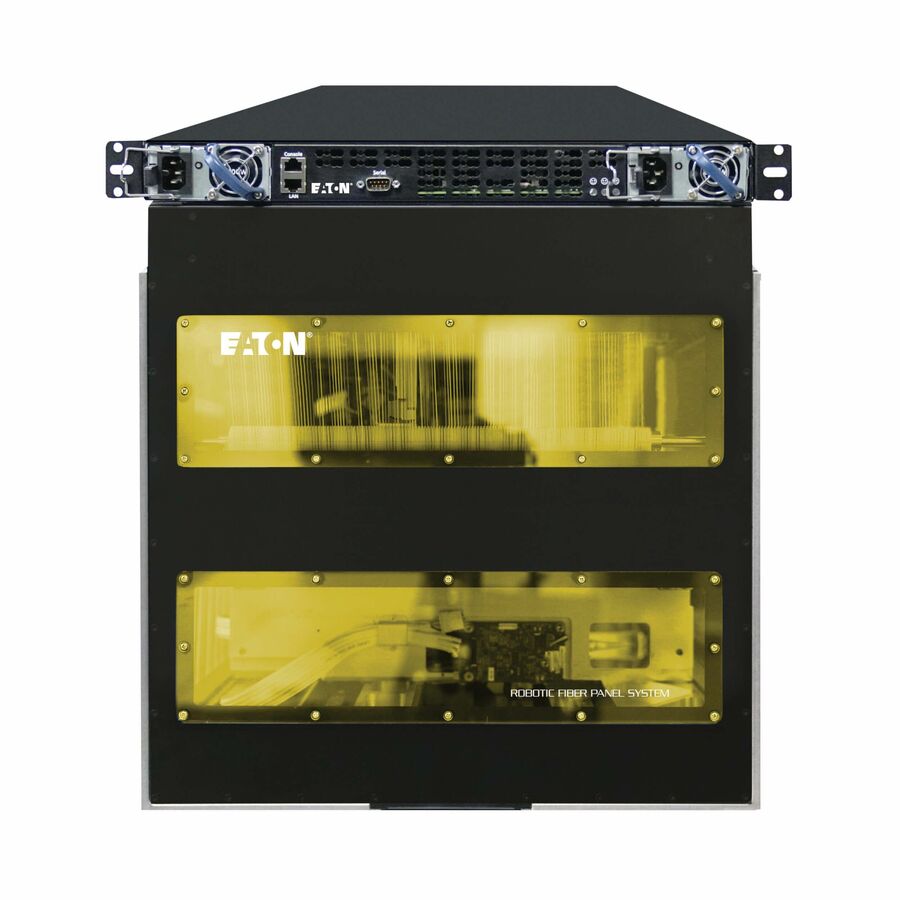
- EatonEaton Robotic Fiber Panel System - 512 Singlemode LC Fiber Ports - 512 Port(s) - 512 x Duplex - 10U High - Optical Fiber - Black - 19" Wide - Rack-mountableNRFP-500SM-CP
$208,000.00
$191,360.00
Back-orderedBack-ordered — estimated OEM lead time 3–8 weeks (Nov 13 – Dec 18 if ordered today).
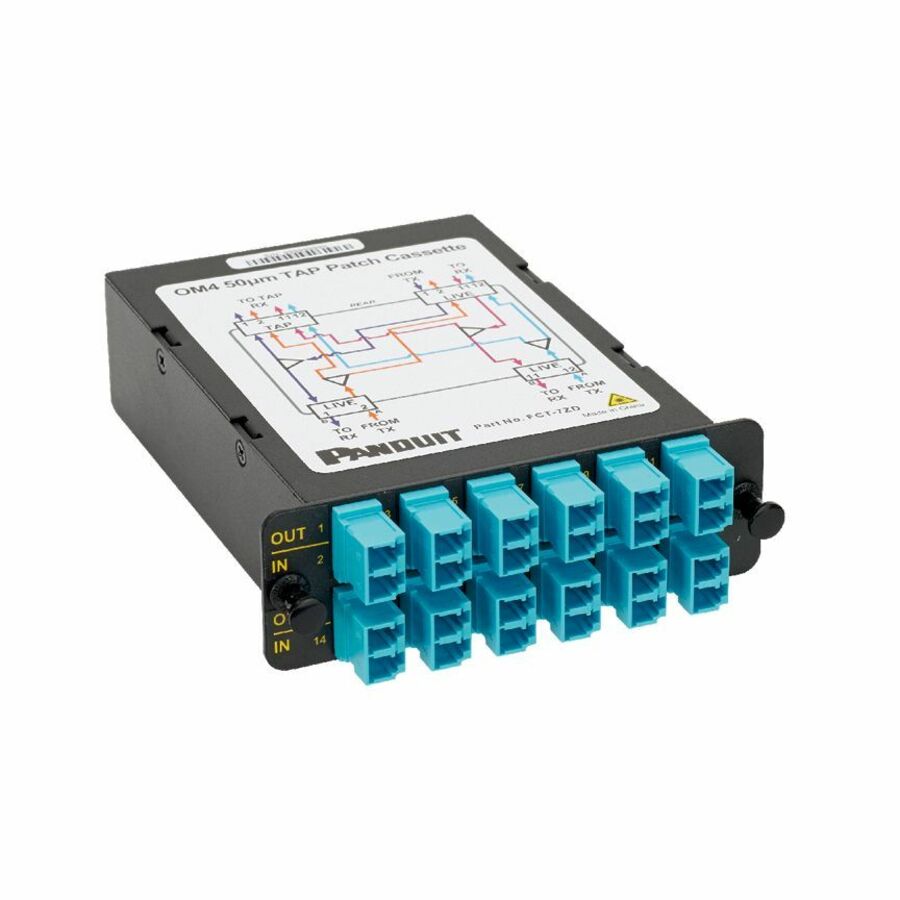
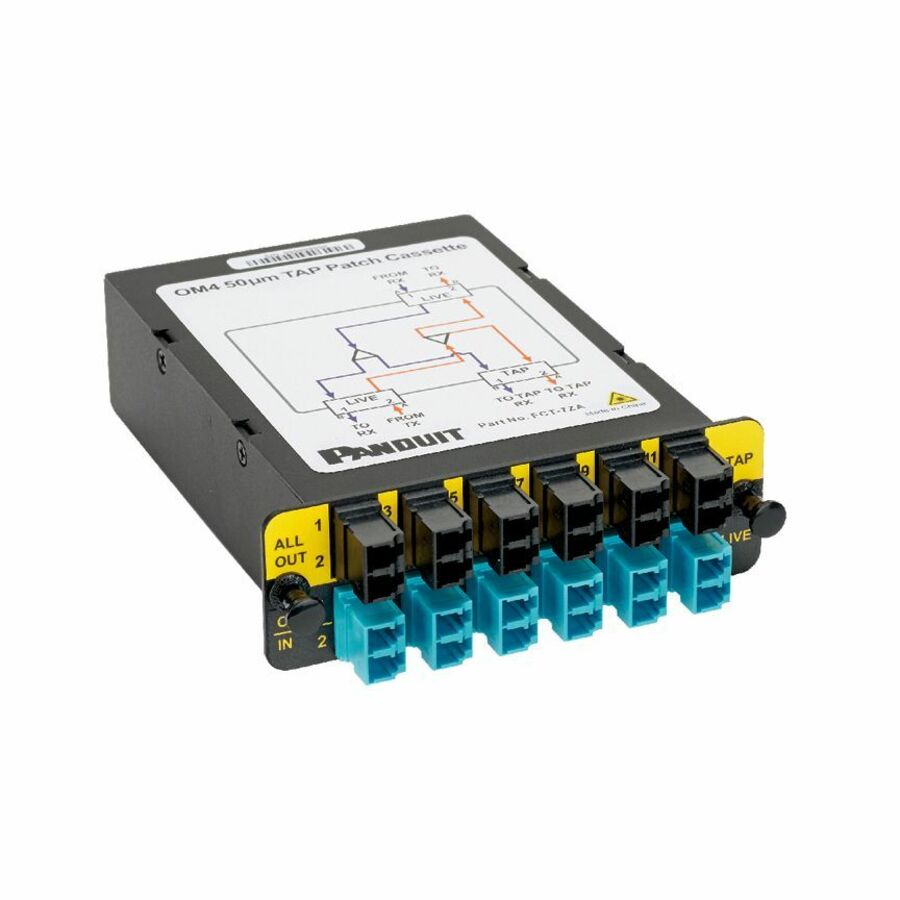
- PANDUITPanduit OptiCom TAP Cassette OM4, 12 Port, LC Live, 2xMPO Live, 2xMPO Tap, 70/30 Split - 16 Port(s) - Optical Fiber - Aqua, BlackFCT-7ZD
$16,066.06
$11,369.88
Back-orderedBack-ordered — estimated OEM lead time 3–8 weeks (Nov 13 – Dec 18 if ordered today).
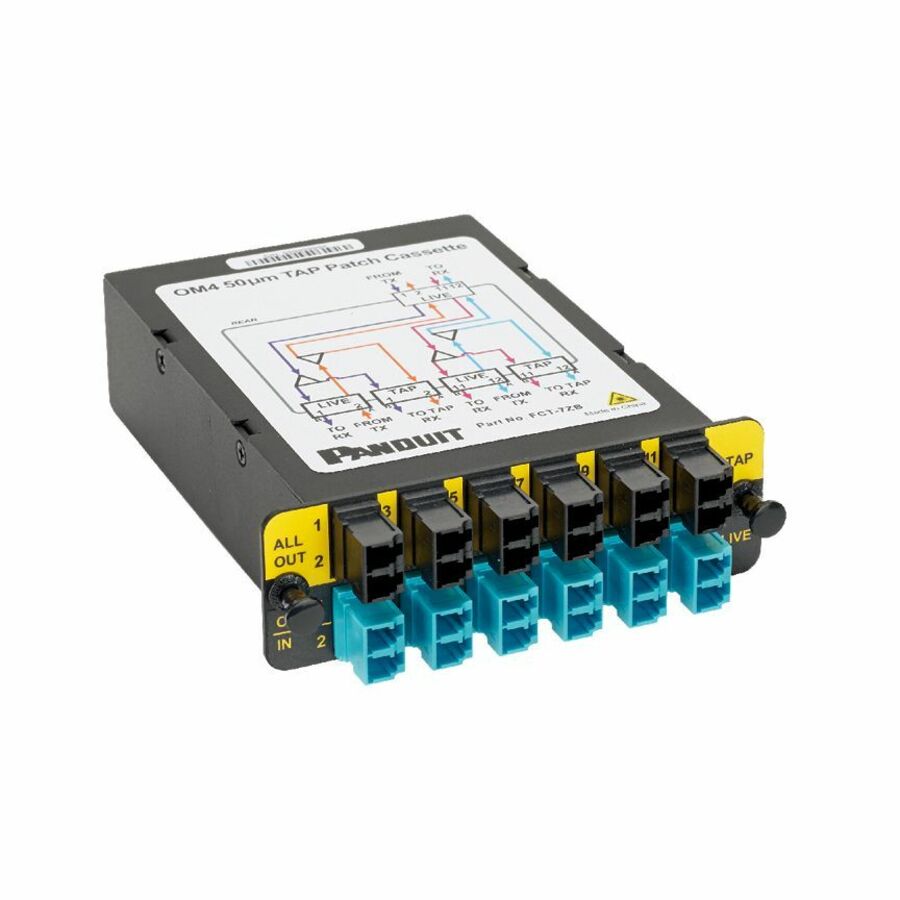
- PANDUITPanduit OptiCom TAP Cassette OM4, MPO live in, LC TAP out, LC Live out, 70/30 Split - 13 Port(s) Duplex - Optical Fiber - Aqua, BlackFCT-7ZB
$8,196.98
$5,800.97
Back-orderedBack-ordered — estimated OEM lead time 3–8 weeks (Nov 13 – Dec 18 if ordered today).
- PANDUITPanduit OptiCom TAP Cassette OM4, LC in, LC TAP out, LC Live out, 70/30 Split - 18 Port(s) Duplex - Optical Fiber - Aqua, BlackFCT-7ZA
$8,196.98
$5,800.97
Back-orderedBack-ordered — estimated OEM lead time 3–8 weeks (Nov 13 – Dec 18 if ordered today).
- PANDUITPanduit FlexCore Fiber Cassette - 24 Port(s) - 12 x Duplex - Optical FiberFSUYPXLNNNNF300
$5,786.86
$4,116.47
Back-orderedBack-ordered — estimated OEM lead time 3–8 weeks (Nov 13 – Dec 18 if ordered today).
- PANDUITPanduit FlexCore Fiber Cassette - 24 Port(s) - 12 x Duplex - Optical FiberFSUYPXRNNNNF300
$5,786.86
$4,116.51
Back-orderedBack-ordered — estimated OEM lead time 3–8 weeks (Nov 13 – Dec 18 if ordered today).
- PANDUITPanduit FlexCore Fiber Cassette - 24 Port(s) - 12 x Duplex - Optical FiberFSUYPXLNNNNF250
$5,094.78
$3,624.17
Back-orderedBack-ordered — estimated OEM lead time 3–8 weeks (Nov 13 – Dec 18 if ordered today).
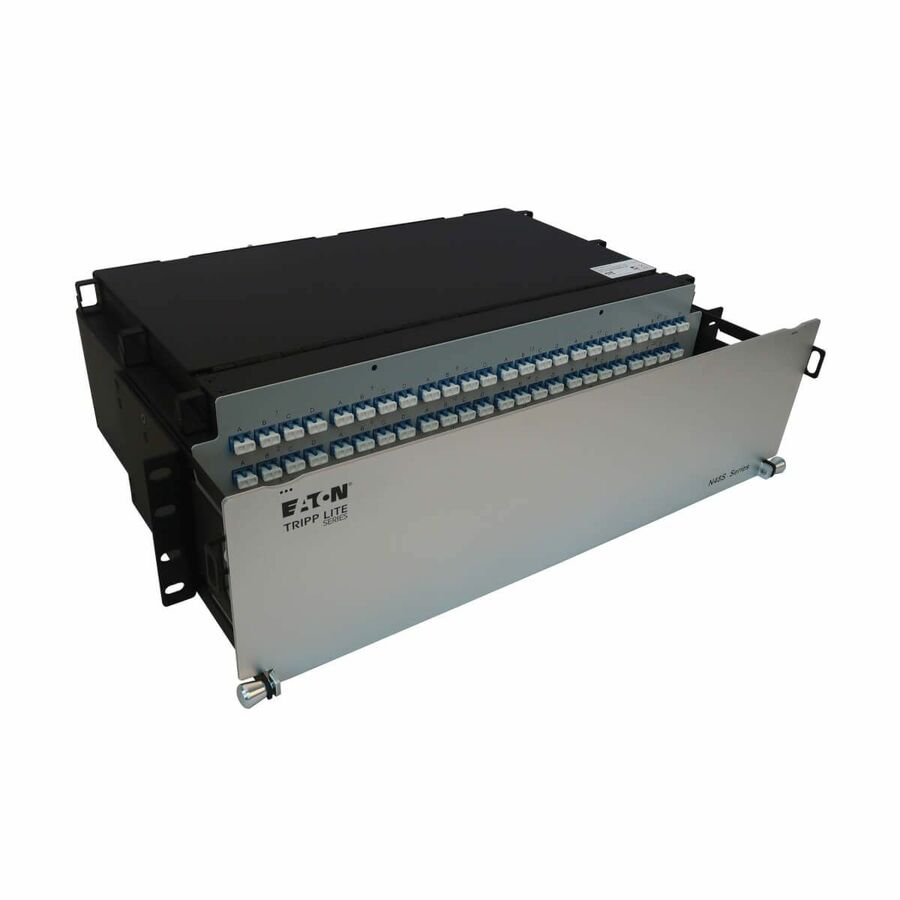
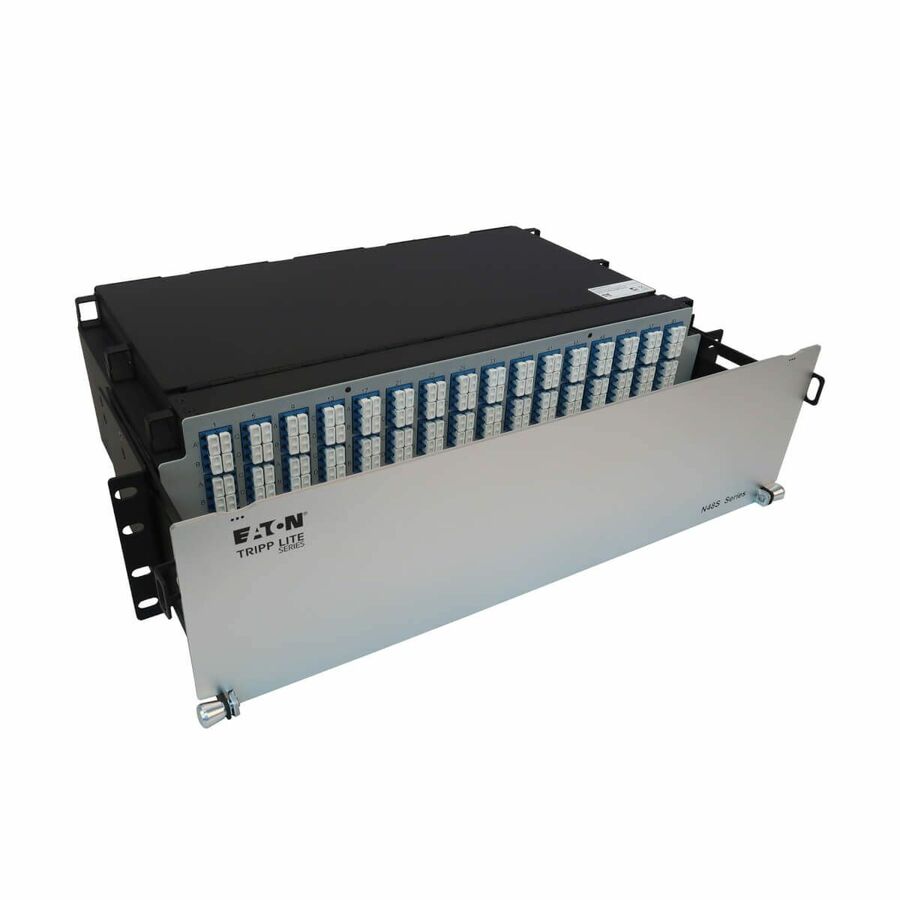
- EatonEaton Tripp Lite Series Preloaded Fiber Patch Panel, 3U - 64x (12F MTP/MPO-PC to 4x LC Duplex F/F) 8F Trunk Cables, OM4 Multimode, 3 m (9.8 ft.) - 256 x Duplex - 3U High - Aqua - 19" Wide - Rack-mountableN48M-64M8L4-03
$17,025.06
$15,663.06
Back-orderedBack-ordered — estimated OEM lead time 3–8 weeks (Nov 13 – Dec 18 if ordered today).
- EatonEaton Tripp Lite Series Preloaded Fiber Patch Panel, 3U - 48x (12F MTP/MPO-PC to 4x LC Duplex F/F) 8F Trunk Cables, OM4 Multimode, 5 m (16.4 ft.) - 192 x Duplex - 3U High - Aqua - 19" Wide - Rack-mountableN48M-48M8L4-05
$14,948.94
$13,753.02
Back-orderedBack-ordered — estimated OEM lead time 3–8 weeks (Nov 13 – Dec 18 if ordered today).
- EatonEaton Tripp Lite Series Preloaded Fiber Patch Panel, 3U - 64x (12F MTP/MPO-APC to 4x LC Duplex F/F) 8F Trunk Cables, OS2 Singlemode, 3 m (9.8 ft.) - 256 x Duplex - 3U High - Yellow - 19" Wide - Rack-mountableN48S-64M8L4-03
$14,948.94
$13,753.02
Back-orderedBack-ordered — estimated OEM lead time 3–8 weeks (Nov 13 – Dec 18 if ordered today).
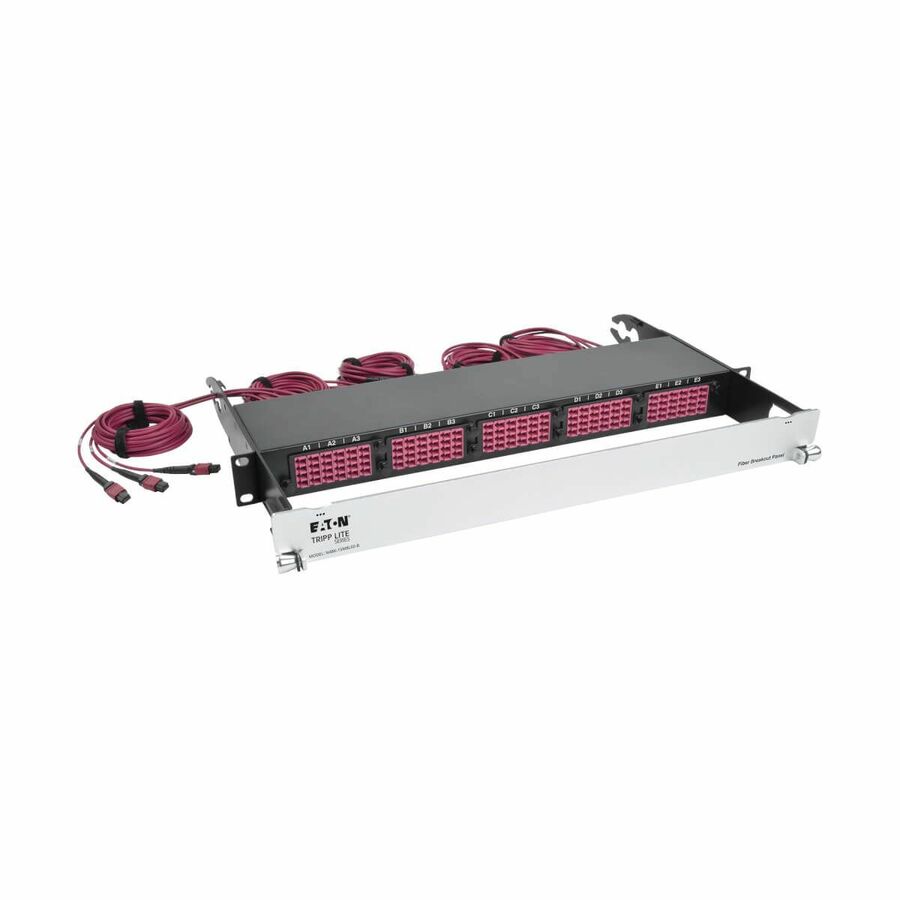
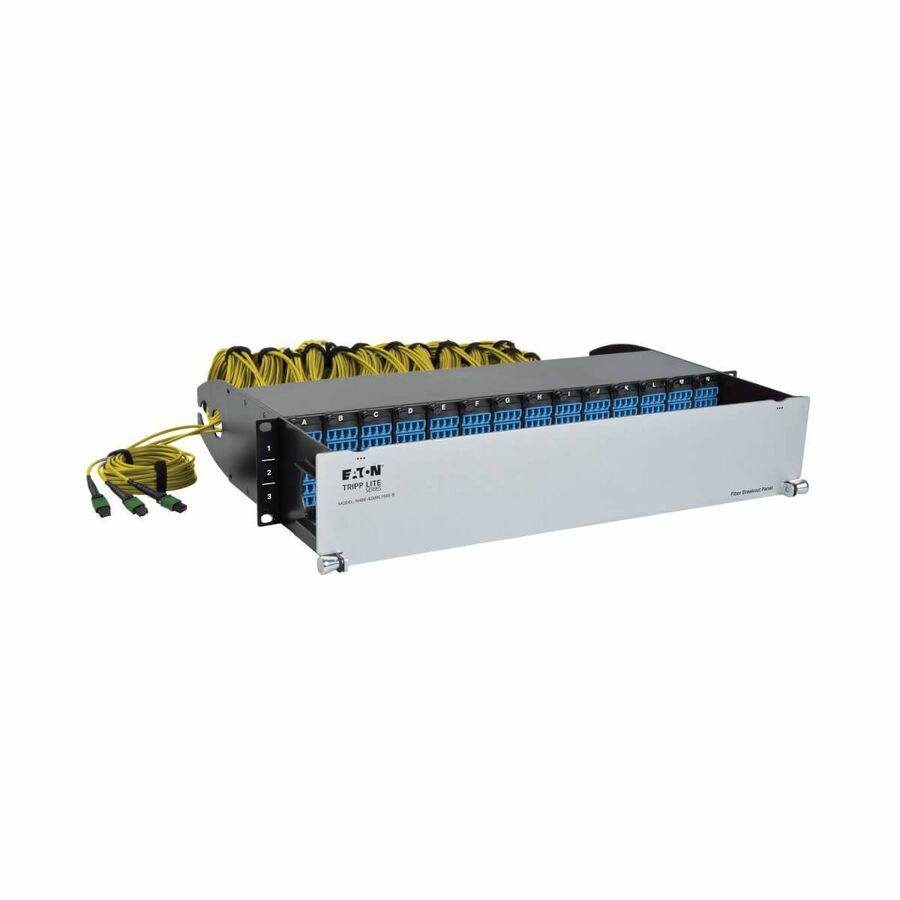
- EatonEaton Tripp Lite Series 40/100Gb Fiber Breakout Patch Panel, 40Gb to 4 x 10Gb, 100Gb to 4 x 25Gb, 42 MTP QSFP to 168 LC Duplex 9/125 Singlemode Ports, 2U - 168 x Duplex - 2U High - Black - 19" Wide - Rack-mountableN48K-42M8L168SB
$14,179.16
$13,044.83
Back-orderedBack-ordered — estimated OEM lead time 3–8 weeks (Nov 13 – Dec 18 if ordered today).





Need pricing on fiber enclosures and patch panels?
Tell us where to reach you and a Uniqcli specialist will follow up by email with current pricing, availability and lead time for the quantities you need — including parts that aren’t shown on this page.
Buying for an organization or for yourself — both work. No payment up front.
A fiber termination in a rack is three separate parts, and telling them apart is most of the buy. The enclosure or rack-mount fiber patch panel is the 1U or 2U housing; the adapter panel, often LGX format, is the front module carrying the LC, SC or ST adapters; the cassette is a pre-terminated module that turns an MPO trunk into jumper ports. An empty housing with no panels terminates nothing.
A fiber enclosure is where a fiber run stops being a cable and becomes a managed connection: the pulled fiber is spliced or pre-terminated onto adapters inside a rack-mount housing, and the jumpers to the switches plug into the front. Getting the fiber termination organized in an enclosure rather than left as loose cords is what separates a cabinet that can be worked on from one that cannot, and it is the difference between a fiber move that takes ten minutes and one that takes an afternoon of tracing. The parts on this page are the pieces of that system — the rack-mount enclosures and patch panels, the adapter panels that give them their front, and the pre-terminated cassettes that populate them.
The system has three kinds of part, and knowing which is which is most of the buying decision. A fiber enclosure or rack-mount fiber patch panel is the housing — a 1U, 2U or larger chassis, sometimes with sliding or hinged access, that mounts in the rack and holds the fiber. An adapter panel (often LGX-format) is the front module that carries the actual LC, SC or ST adapters the jumpers plug into, and a housing takes several of them, chosen by the connector type and fiber count the link uses. A cassette is a pre-terminated module — an MPO trunk on the back, LC or SC duplex ports on the front — that turns a high-fiber backbone into individual jumper ports without field splicing, which is how modern data-center fiber is deployed quickly and cleanly.
Nothing on this page is a test result. The grid is fenced to Patch Panels whose own manufacturer title names a fiber product, which is what makes the heading true for every card; the picks below lead with the rack-mount enclosures and loaded fiber patch panels and then the adapter panels and cassettes that populate them, across the brands the catalog carries. Cards show live pricing and current availability, and Uniqcli can quote the enclosure, the panels or cassettes, the jumpers and the structured cabling together on one document so a fiber build arrives as a system.
Buyer's checklist
How to choose a fiber enclosure or patch panel
- Start with the rack height and the fiber count. A 1U enclosure holds a modest number of fibers; a 2U or larger holds more panels or cassettes — size the housing to the fiber the cabinet terminates now plus growth, because swapping the housing later means touching every connection.
- Decide loaded or empty. A pre-loaded panel arrives with adapters or a cassette fitted; an empty enclosure is a frame that takes adapter panels or cassettes as separate line items — an empty housing with no panels is a common sequencing mistake that stalls the rack build.
- Match the adapter type to the link: LC for high-density and most current optics, SC for legacy or specific equipment, ST for older plant. The adapter panel's connector and fiber count have to match the jumpers and the fiber grade.
- Choose splice, pre-terminated cassette, or field-terminated. A cassette with an MPO trunk turns a backbone into jumper ports with no field splicing; a splice enclosure needs a splice tray and the labour; a field-terminated panel needs connectors and a technician — pick the method the deployment can support.
- Check the access and management. A sliding or hinged enclosure lets the fiber be worked on without pulling the housing; strain relief, a slack manager and a bend-radius guide inside keep the fiber within its minimum bend radius, which is what keeps the link certified.
- Confirm the mounting and depth. The enclosure has to fit the cabinet's rails and depth, and the front has to leave room for the jumpers and their bend radius — a housing that fits the rack but not the jumper loop is a housing that fights the install.
Enclosure, adapter panel, cassette: three parts, one system
The most useful thing to understand before buying fiber patch panels is that the housing and its front are separate parts, and the rack build stalls when they are ordered as one. A fiber enclosure or rack-mount patch panel is the chassis — a 1U, 2U or larger housing that mounts in the cabinet, often with sliding or hinged access so the fiber can be dressed without pulling the unit — and it usually arrives empty, as a frame. What gives it a front is an adapter panel or a cassette, and those are separate line items chosen by connector type and fiber count. A housing with no panels is the single most common fiber sequencing mistake: the rack is built, the enclosure is mounted, and the job waits on the small modules that make it a working panel.
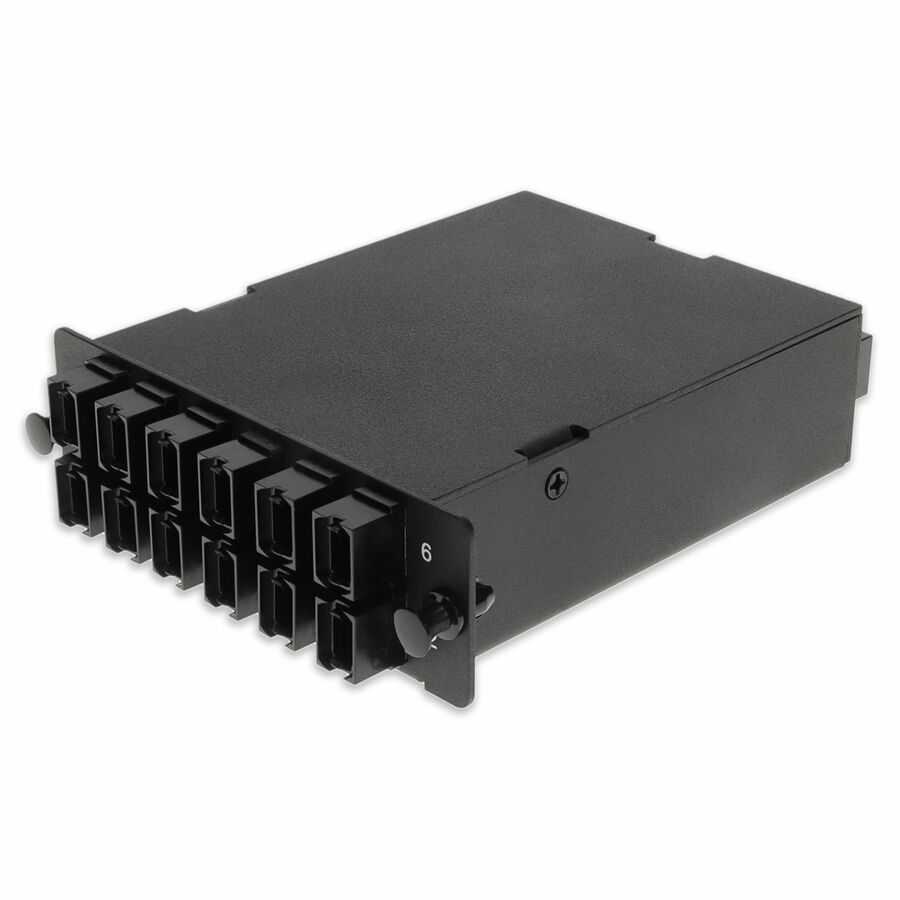
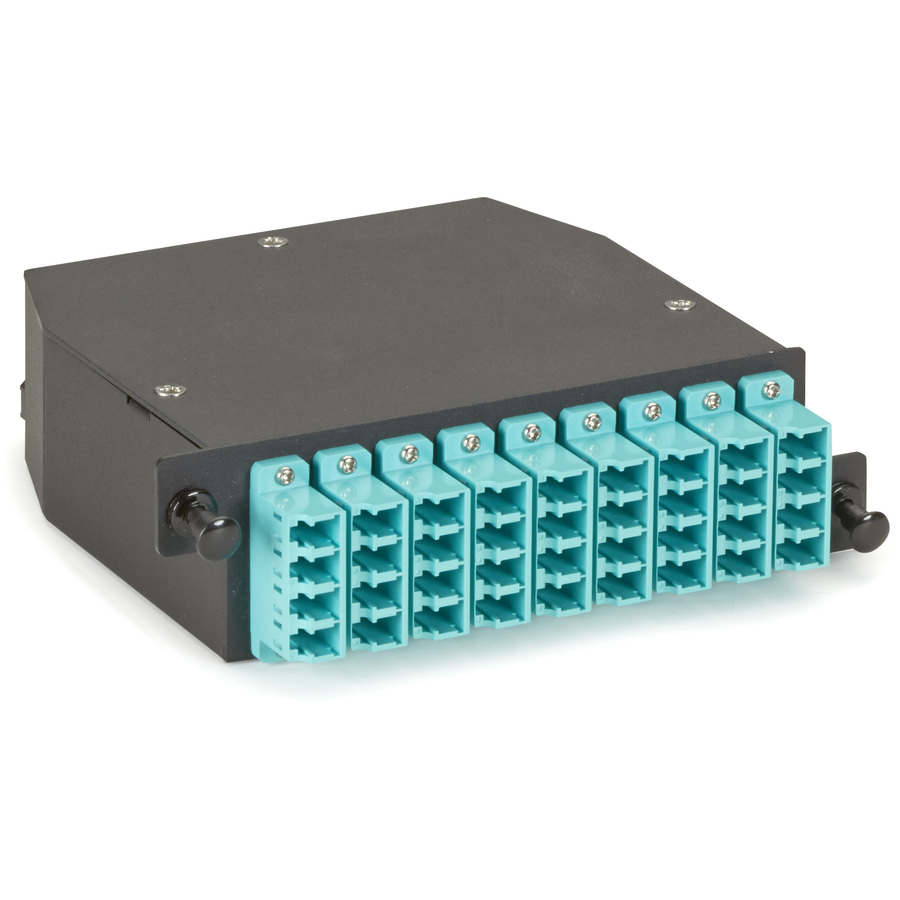
Adapter panels and cassettes are two ways to fill the front, and they answer different jobs. An adapter panel (usually LGX-format) is a plate of LC, SC or ST adapters that the jumpers plug into on the front and the field-terminated or spliced fiber lands on behind — the traditional, flexible approach. A cassette is a pre-terminated module: an MPO trunk connects on the back and breaks out to LC or SC duplex ports on the front, so a high-fiber backbone becomes individual jumper ports with no field splicing at all. Cassettes are how modern data-center fiber is deployed fast and clean; adapter panels are how a mixed or field-terminated plant is handled. Many enclosures take either, so the choice is about the deployment method, not the housing.
Connector type, density and keeping the fiber within its bend radius
The connector on the front has to match the link, and it is worth getting right because a wrong-connector panel is a panel that does not connect. LC is the small-form-factor duplex adapter used on most current optics and high-density panels; SC is a larger, older latch still found on some equipment and legacy plant; ST is the bayonet connector of older installations. The adapter panel or cassette carries a specific connector and fiber count, so read it against the jumpers and the transceivers — and against the density the cabinet needs, because a 1U can carry anywhere from a handful to over a hundred fibers depending on whether it holds adapter panels or high-density cassettes.
Inside the enclosure, the thing that keeps the link certified is bend radius. Fiber has a minimum bend radius, and a panel crammed without slack management, strain relief and a bend-radius guide is a panel whose fibers are pinched into loss or intermittent failure — which is why a good enclosure is as much about how it manages the fiber as how many adapters it holds. Sliding and hinged housings let the fiber be worked on without stressing it, and the slack manager and radius guides inside are not accessories, they are what keeps the certification. Uniqcli can quote the enclosure, the adapter panels or cassettes, the splice trays if the plant is spliced, the jumpers and the structured cabling on one document so the fiber is specified as a system rather than a chassis that arrives without a front.
FAQ
Common questions
- What is the difference between a fiber enclosure and an adapter panel?
- The enclosure is the housing; the adapter panel is its front. A fiber enclosure or rack-mount fiber patch panel is the 1U, 2U or larger chassis that mounts in the cabinet and holds the fiber, often with sliding or hinged access so it can be worked on. It usually arrives empty, as a frame. An adapter panel is the module that gives it a front — a plate of LC, SC or ST adapters that the jumpers plug into and the terminated fiber lands on behind — and a housing takes several of them, ordered separately by connector type and fiber count. Ordering the enclosure without the panels is the classic mistake that leaves a mounted-but-useless chassis.
- What is a pre-terminated fiber cassette and when should I use one?
- A cassette is a factory-terminated module that turns a high-fiber backbone into individual jumper ports without any field splicing. An MPO trunk connects on the back and breaks out to LC or SC duplex ports on the front, so you plug the backbone into the cassette and the jumpers into the front, and the fiber is deployed in minutes rather than spliced by hand. Use a cassette where the plant is an MPO-based structured system and speed and cleanliness matter — most modern data-center fiber. Use adapter panels with splice or field termination where the plant is mixed, older, or terminated on site. Many enclosures accept either, so choose by deployment method.
- How do I know how many fibers an enclosure holds?
- By its rack height and how it is populated. A 1U enclosure holds a modest number of adapter panels or cassettes; a 2U or larger holds more, and the fiber count depends on whether it carries standard adapter panels or high-density cassettes — a 1U can range from a handful of ports to over a hundred fibers with dense cassettes. Size the housing to the fiber the cabinet terminates now plus realistic growth, because swapping the enclosure later means touching every connection in it. Read the housing's panel or cassette capacity and the fiber count per panel on the exact parts, and leave room rather than filling it to the last port.
- Do I need LC, SC or ST adapters on the panel?
- Match the adapter to the equipment the jumpers plug into. LC is the small-form-factor duplex connector on most current optics and high-density panels, and it is the default for a new build. SC is a larger, older latch still found on some equipment and legacy plant. ST is the bayonet connector of older installations. The adapter panel or cassette carries a specific connector and fiber count, so read it against the transceivers and the jumpers on both ends — a panel with the wrong connector is a panel that does not connect. Where a cabinet mixes generations, you can run different adapter panels in the same enclosure to match each link.
- Can business, government and education buyers order these?
- Every line Uniqcli quotes is sourced through US distribution and screened for TAA country-of-origin and NDAA §889 status before checkout — with documentation tied to the specific part number, not a product family.
Need fiber enclosures and patch panels pricing?
Send a bill of materials or part numbers — we confirm stock and a below-market total, with TAA verified on request. No payment up front.