
Best Legrand Patch Panels for Structured Cabling Teams
Ortronics and C2G copper Cat6/Cat6a panels, blank keystone and multimedia frames, and LC/MPO fiber cassettes.
Legrand patch panels in stock at Uniqcli
How to choose →A curated selection with live pricing — in-stock lines first, then back-ordered lines with a typical lead time. Every line is sourced through US distribution and screened for NDAA §889 status before checkout, with TAA verified on request.
Back-ordered — estimated OEM lead time 3–8 weeks (Nov 13 – Dec 18 if ordered today).
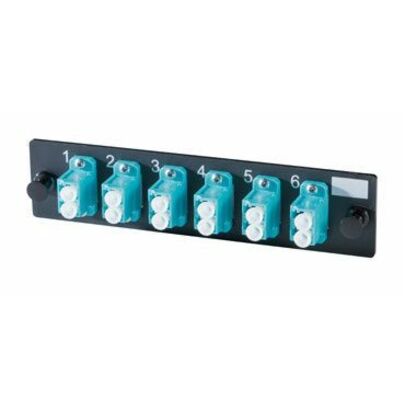
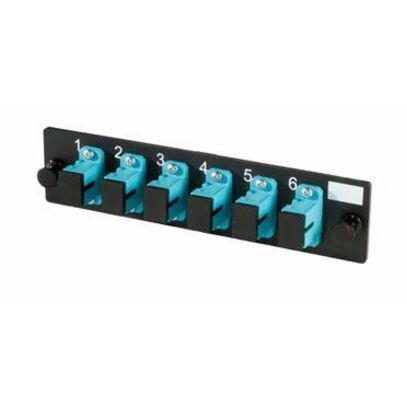
- LegrandOrtronics Q -Series OFP Adapter Panel6-SC Simplex aqua adapters - 6 Port(s) - 6 x Simplex - Optical Fiber - Aqua - Rack-mountableOFP-SCS06LC
$59.36
Back-orderedBack-ordered — estimated OEM lead time 3–8 weeks (Nov 13 – Dec 18 if ordered today).
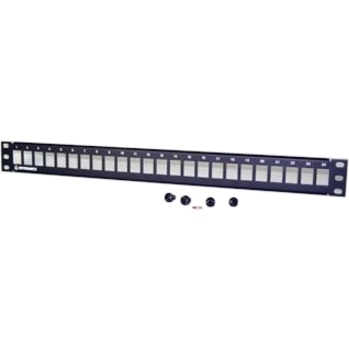
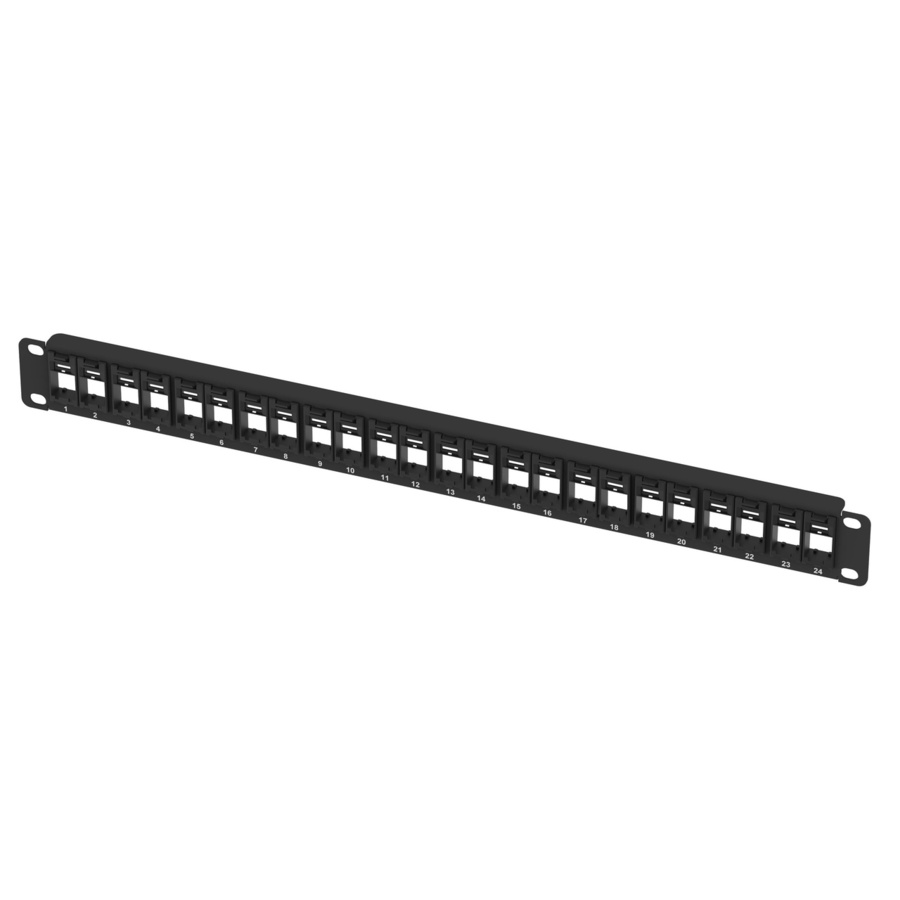
- LegrandOrtronics TechChoice Blank Patch Pannel - 24 Port(s) - 1U High - Black - Rack-mountableSPKFBU24
$59.47
Back-orderedBack-ordered — estimated OEM lead time 3–8 weeks (Nov 13 – Dec 18 if ordered today).
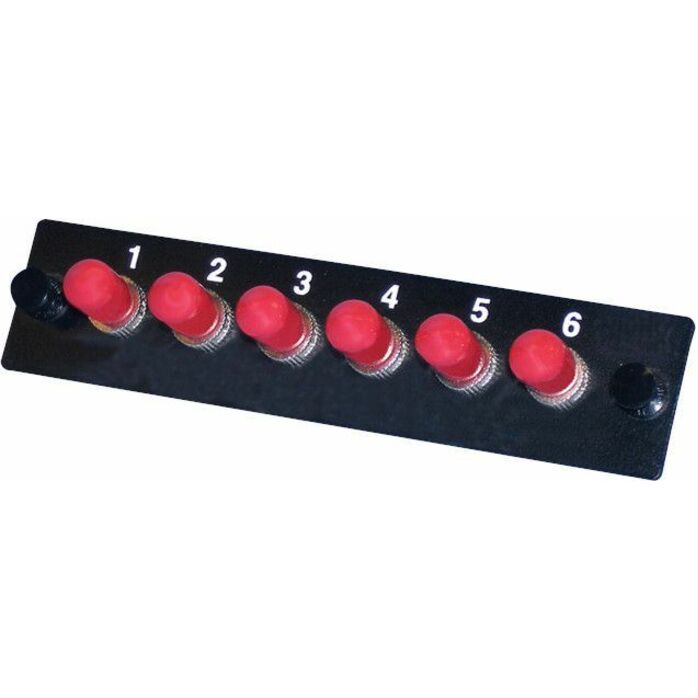
- LegrandOrtronics Q-Series OFP Adapter Panel 6-ST Single Mode - 6 Port(s) - 6 x - Optical FiberOFP-STS06NC
$63.06
Back-orderedBack-ordered — estimated OEM lead time 3–8 weeks (Nov 13 – Dec 18 if ordered today).
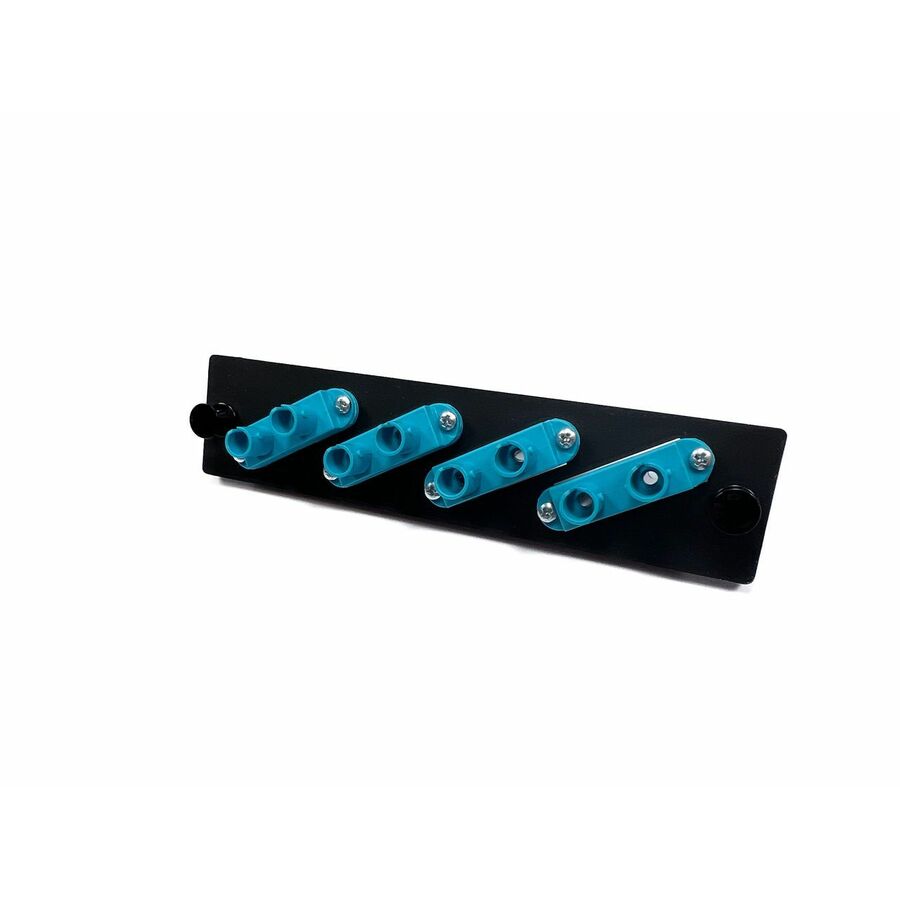
- LegrandOrtronics Q-Series OFP Adapter Panel, 4, ST, Duplex, OM3, Aqua - 8 Port(s) - 4 x Duplex - Optical Fiber - Aqua - Rack-mountable, Wall MountableOFP-STD08LC
$70.83
$67.92
Back-orderedBack-ordered — estimated OEM lead time 3–8 weeks (Nov 13 – Dec 18 if ordered today).
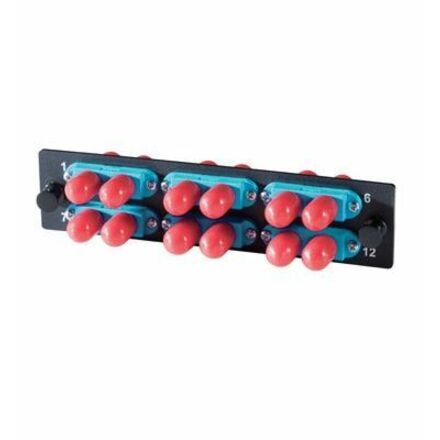
- LegrandOrtronics Q Series OFP Adapter Panel 6 ST-Duplex (12 fibers) multimode aqua - 12 Port(s) - 6 x Duplex - Optical Fiber - Aqua - Rack-mountableOFP-STD12LC
$81.09
$76.02
Back-orderedBack-ordered — estimated OEM lead time 3–8 weeks (Nov 13 – Dec 18 if ordered today).
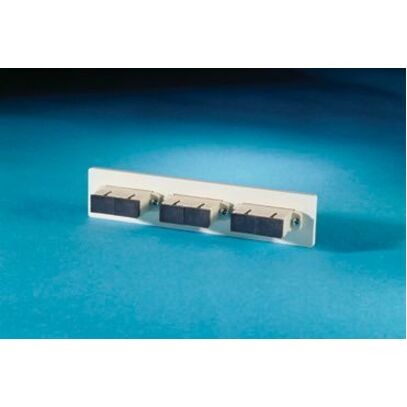
- LegrandOrtronics Fib-Cop II Bottom Adapter Plate, 3-SC Duplex (6 Fibers) Multimode, Beige adapter - 6 Port(s) - 3 x Duplex - Optical Fiber - Beige62100048
$85.95
Back-orderedBack-ordered — estimated OEM lead time 3–8 weeks (Nov 13 – Dec 18 if ordered today).
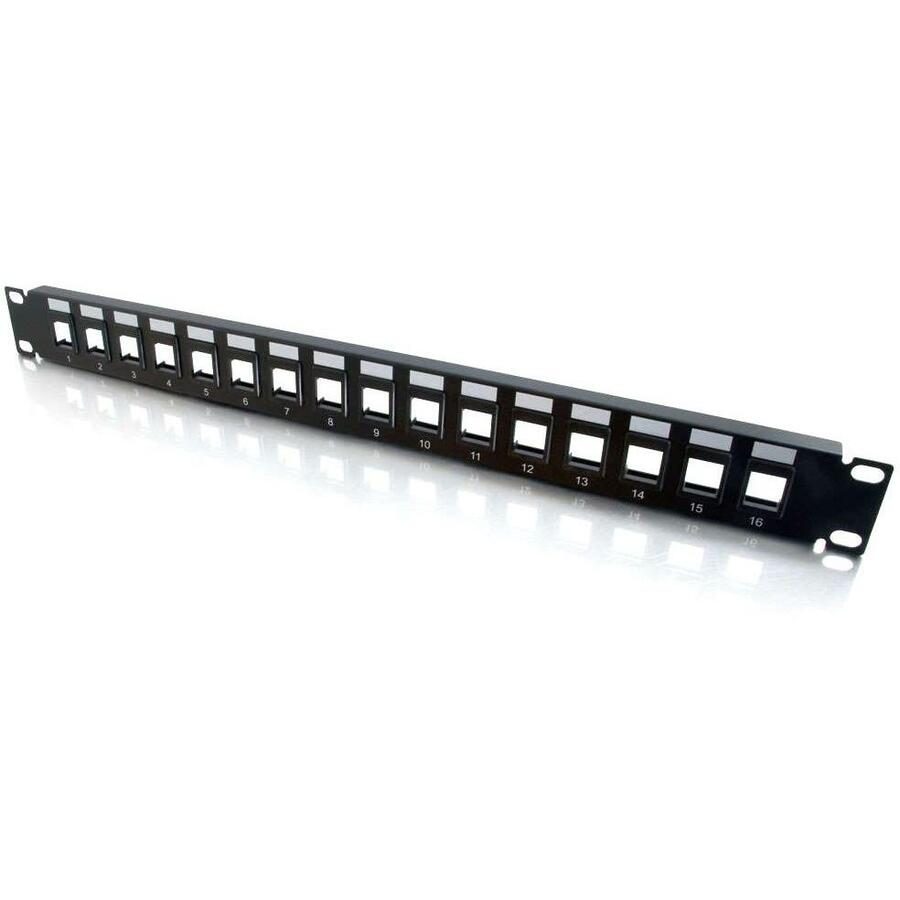

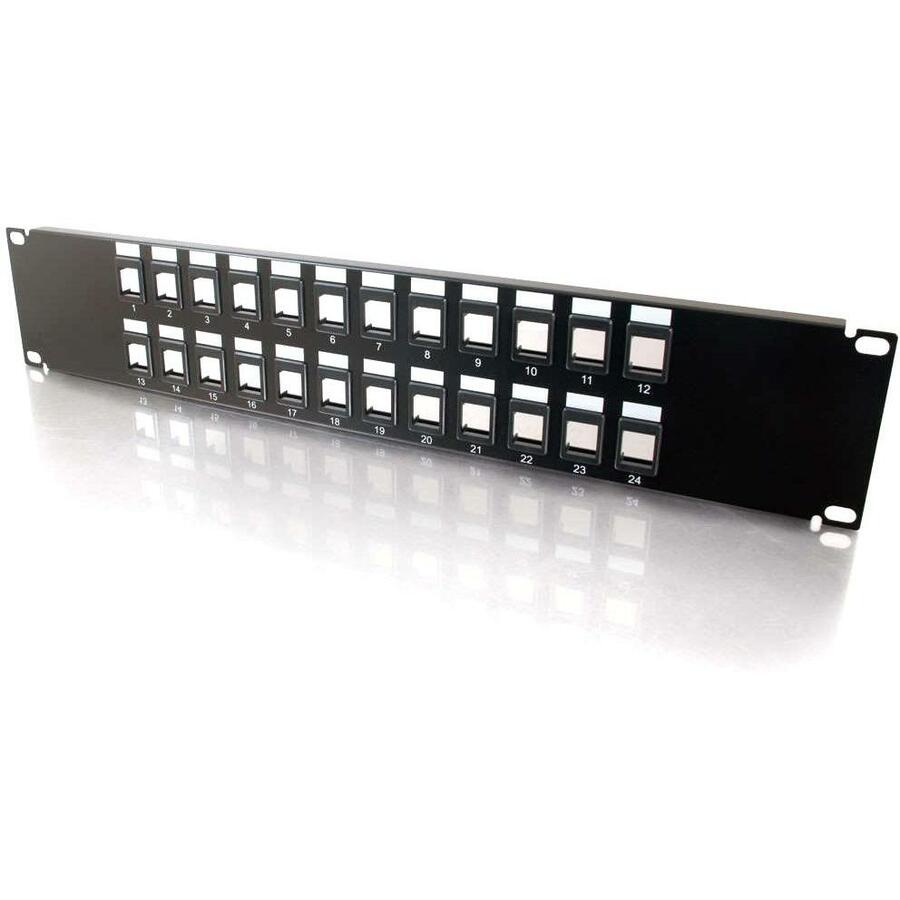
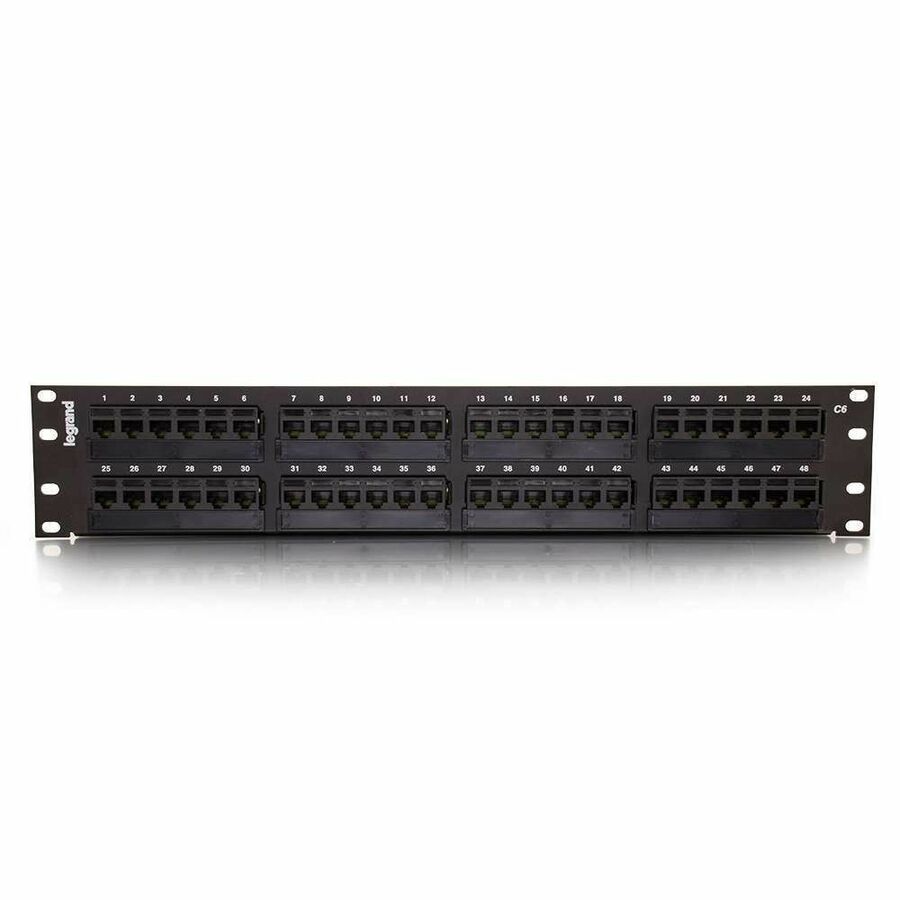
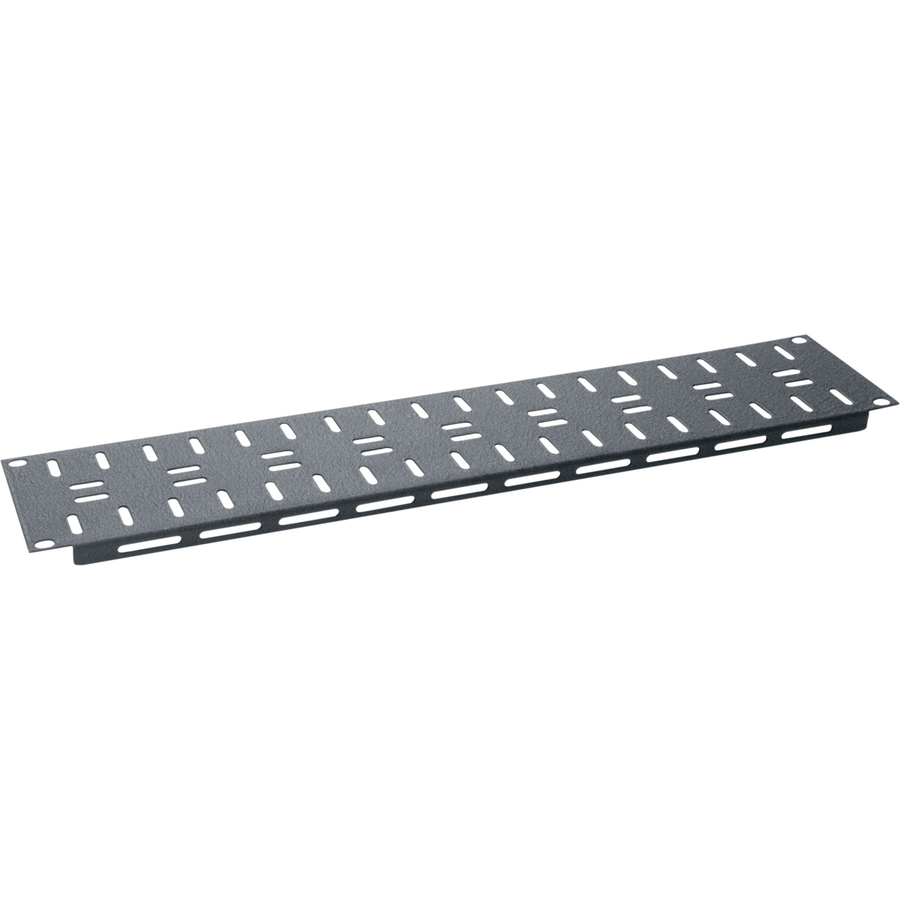
More patch panels in the Uniqcli catalog
See all 1,729 patch panelsMore Legrand first — closest to what you were just looking at; “See all patch panels” above opens every other brand in the category. In-stock lines lead, and a back-ordered line carries the same estimated availability its product page does — with live pricing throughout, NDAA §889 screening before checkout and TAA verified on request.
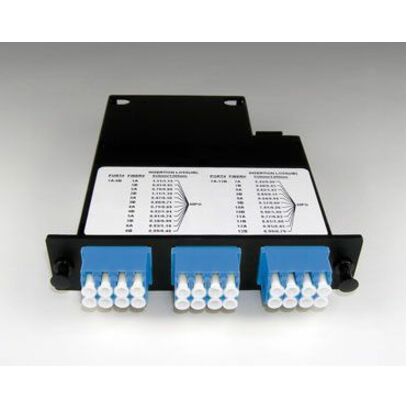
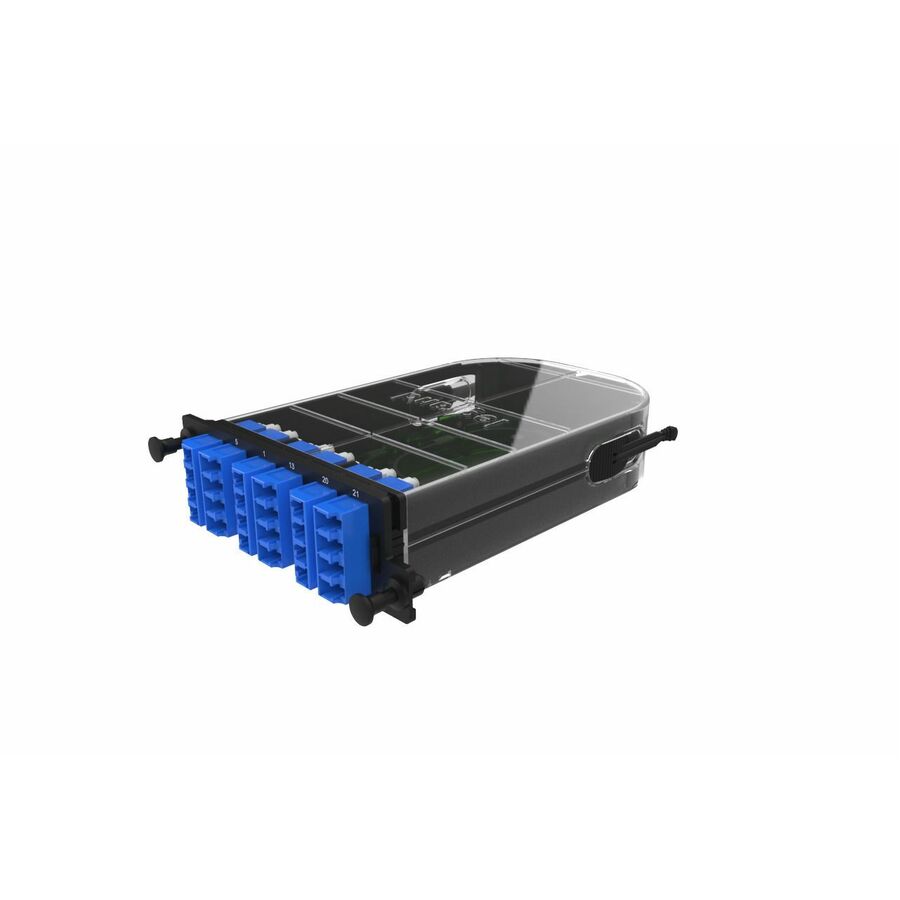
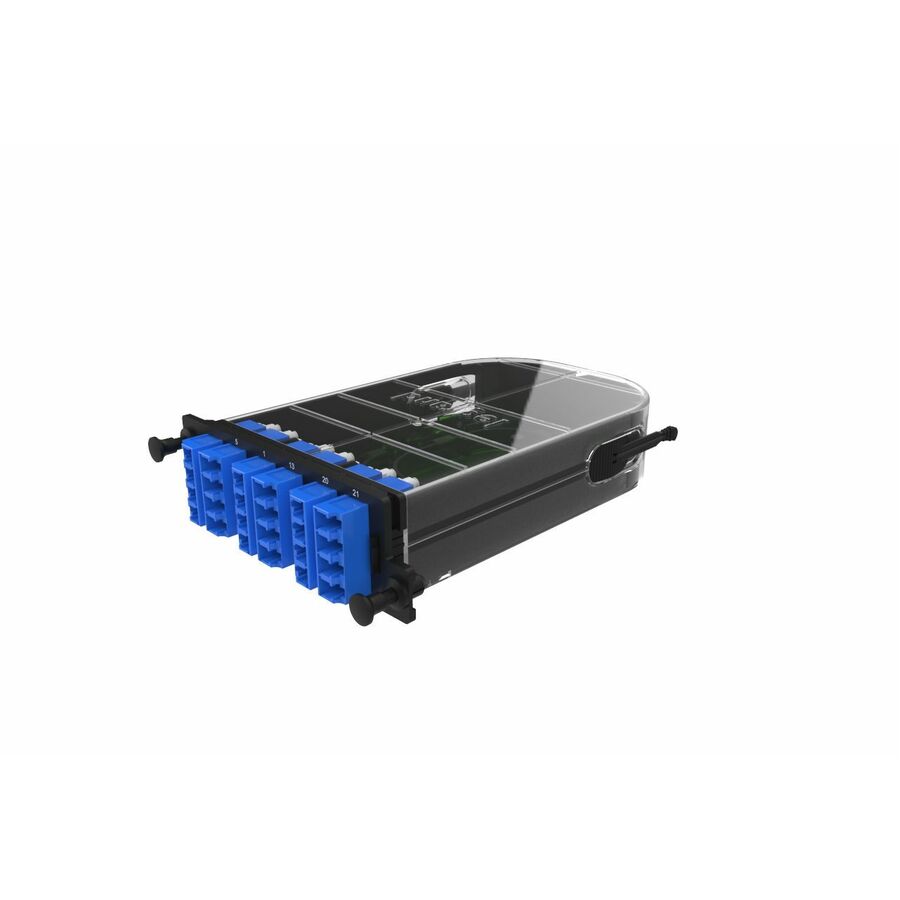
- LegrandOrtronics Infinium Fiber Cassette - 24 Port(s) - 6 x - Optical Fiber - BlueLM4-LC24J-2A3UN
$2,203.30
$1,830.99
Back-orderedBack-ordered — estimated OEM lead time 3–8 weeks (Nov 13 – Dec 18 if ordered today).
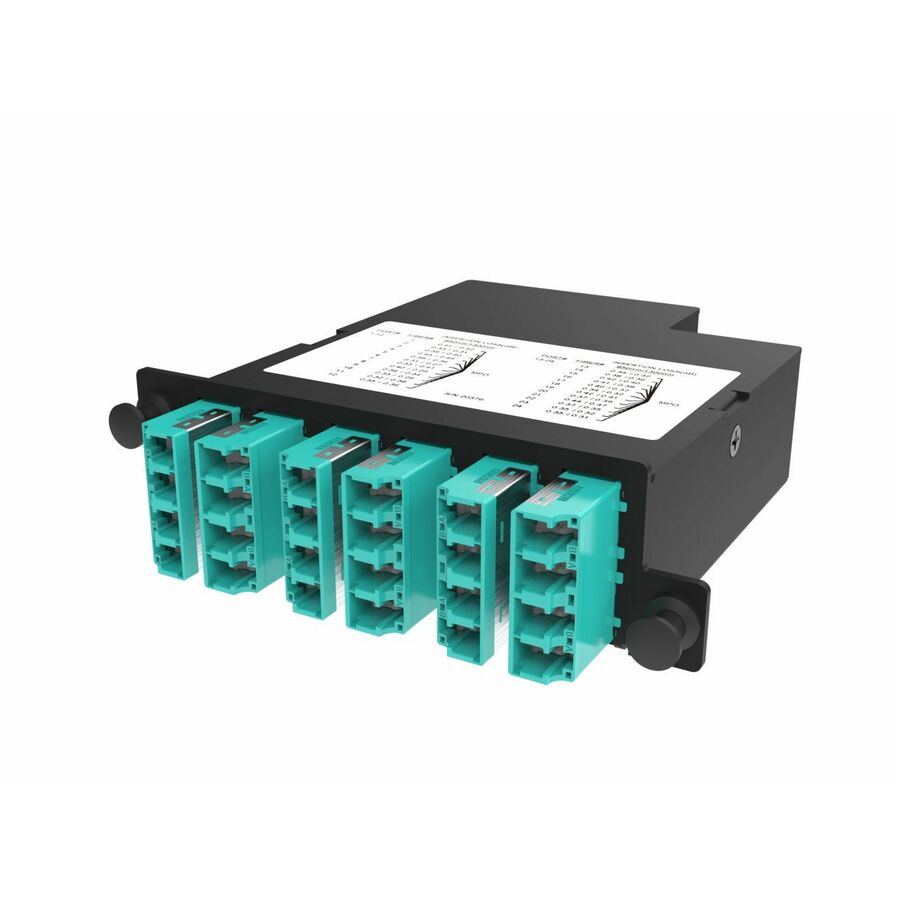
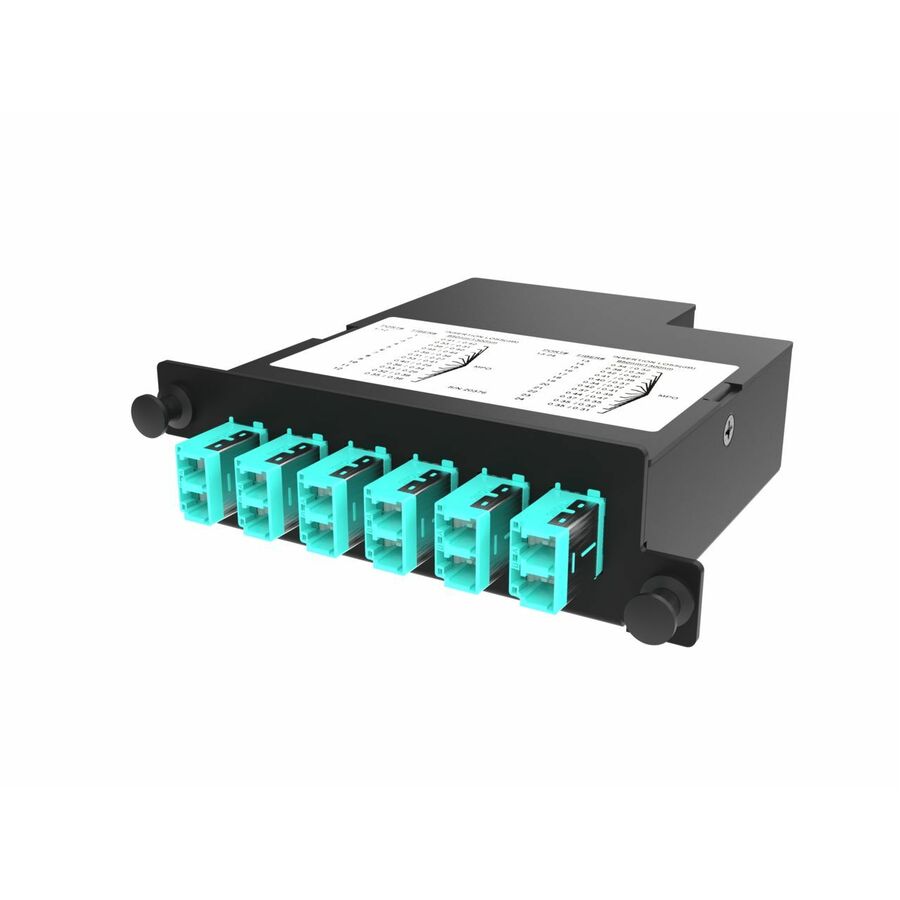
- LegrandOrtronics Infinium M4 Cassette 6 LC Quad Adapters to MPO FTYPE A - Tier 3 - 26 Port(s) - 6 x - 1U High - Optical Fiber - Aqua, Green - Rack-mountableM4LCQ24-50EA3A1
$2,086.58
$1,734.00
Back-orderedBack-ordered — estimated OEM lead time 3–8 weeks (Nov 13 – Dec 18 if ordered today).
- LegrandOrtronics Infinium Fiber Cassette - 26 Port(s) - 6 x - Optical Fiber - AquaLM4-LC24H-2A4UN
$1,645.13
$1,367.15
Back-orderedBack-ordered — estimated OEM lead time 3–8 weeks (Nov 13 – Dec 18 if ordered today).
- LegrandOrtronics Infinium Fiber Cassette - 24 Port(s) - 12 x Duplex - Optical Fiber - Rack-mountableLM4-LC24J-3C2UN
$1,645.13
$1,367.15
Back-orderedBack-ordered — estimated OEM lead time 3–8 weeks (Nov 13 – Dec 18 if ordered today).
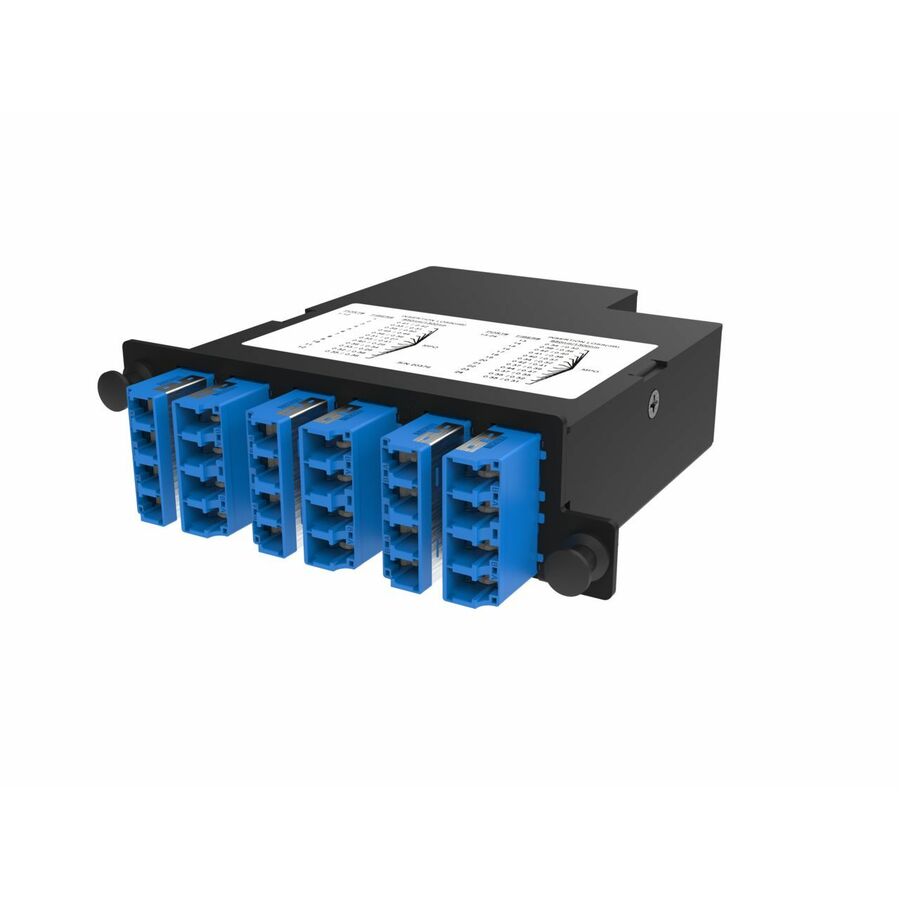
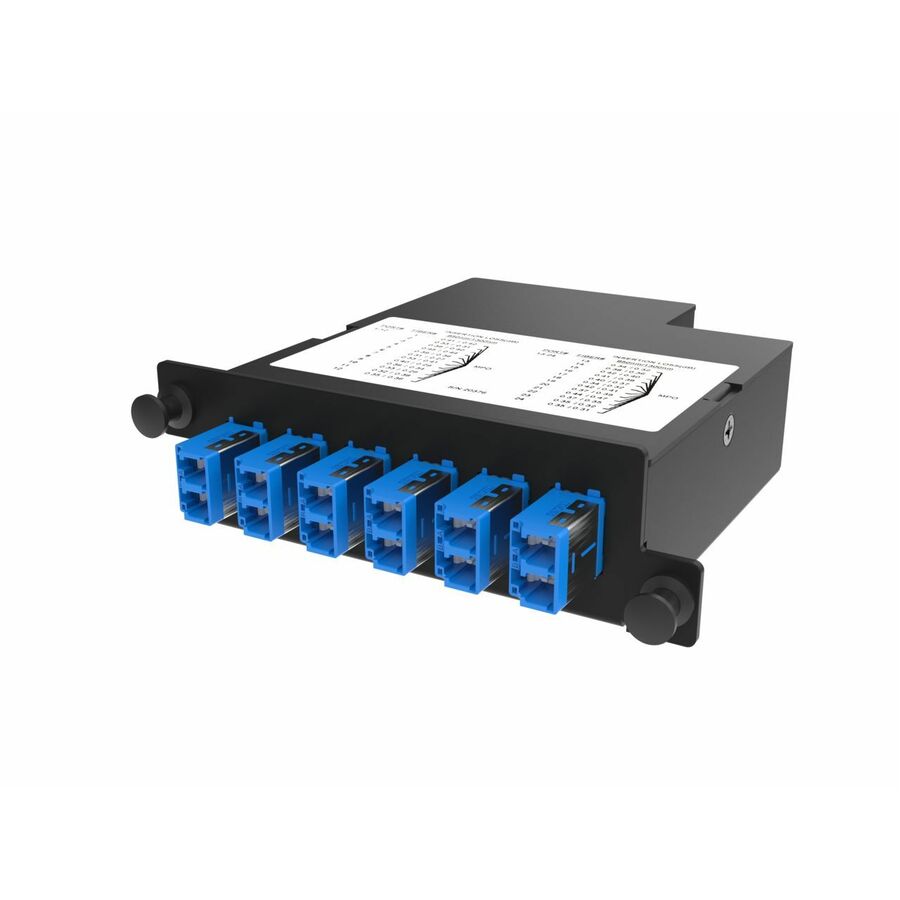
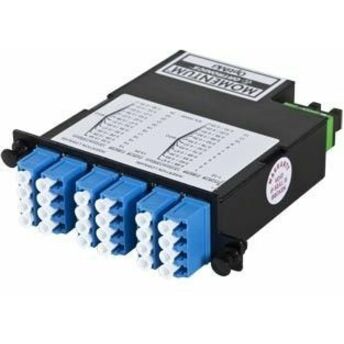
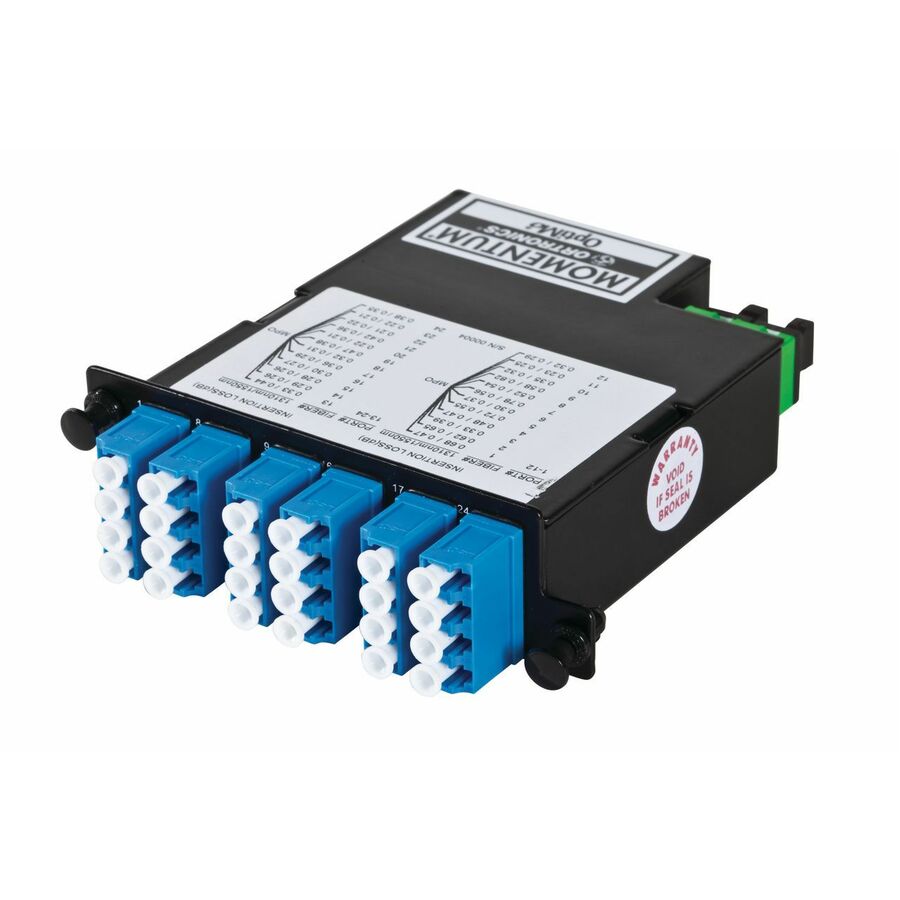
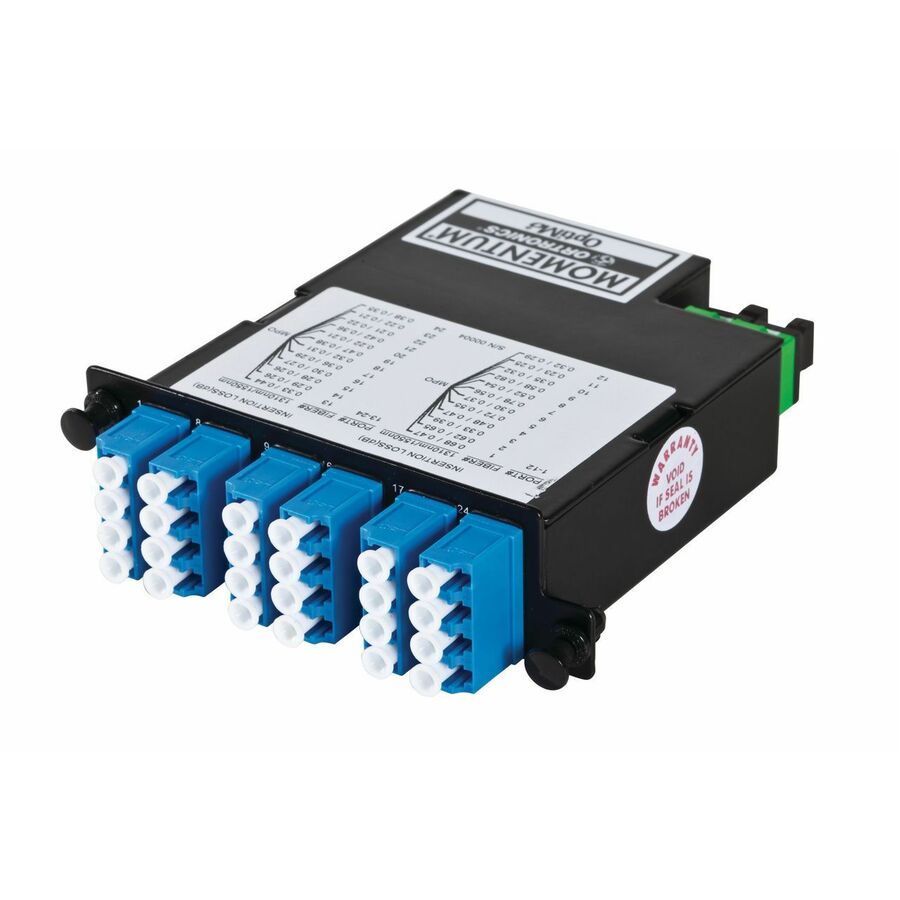
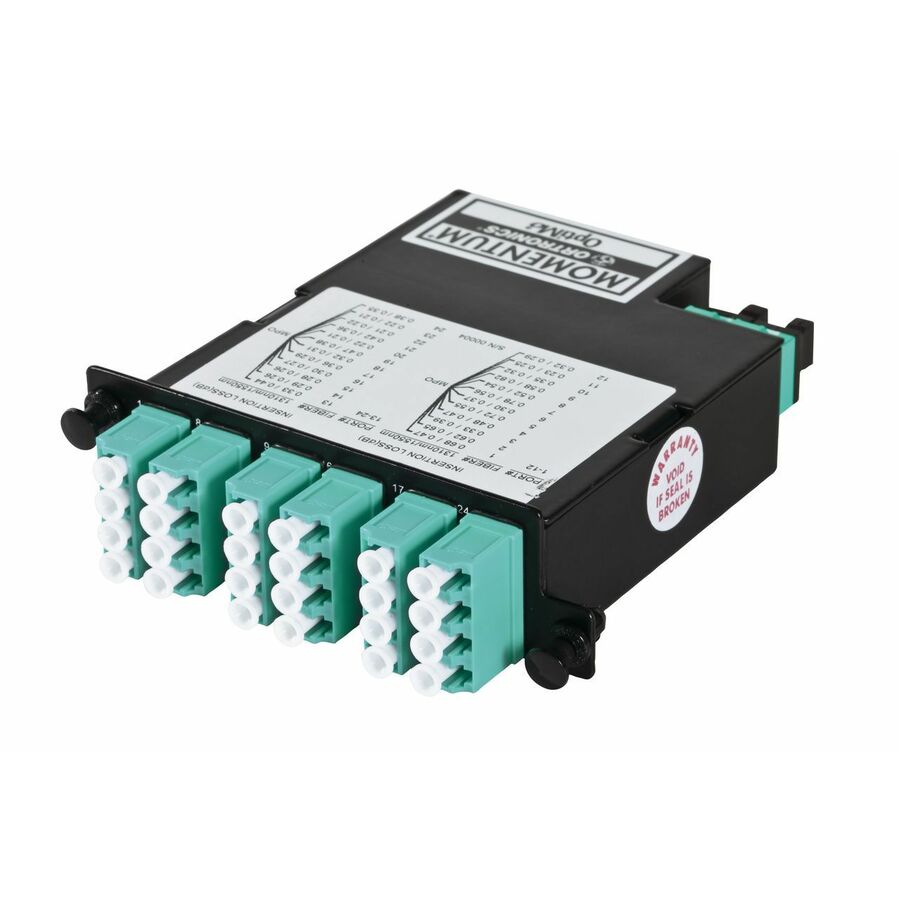
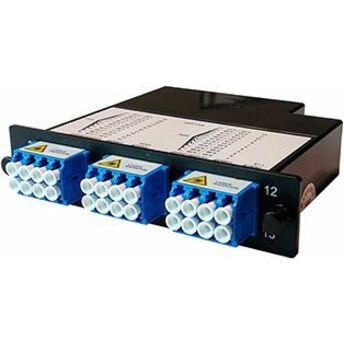
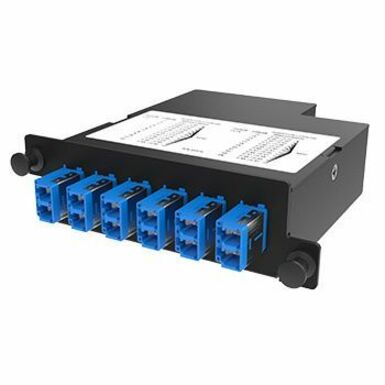
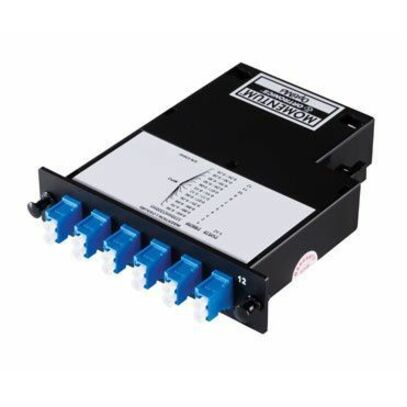
- LegrandOrtronics Momentum 2 Cassette- Single-Mode Fiber- 1U- 24 Fibers- LC Quad Connectors - 24 Port(s) - 6 x - 1U High - Optical Fiber - Blue - Rack-mountable, Cabinet MountableM2LCQ24-09
$1,633.13
$1,357.17
Back-orderedBack-ordered — estimated OEM lead time 3–8 weeks (Nov 13 – Dec 18 if ordered today).
- LegrandOrtronics Infinium Fiber Cassette - 12 Port(s) - 6 x Duplex - Optical Fiber - BlueLM4-LC12J-1A3UN
$1,571.70
$1,306.13
Back-orderedBack-ordered — estimated OEM lead time 3–8 weeks (Nov 13 – Dec 18 if ordered today).
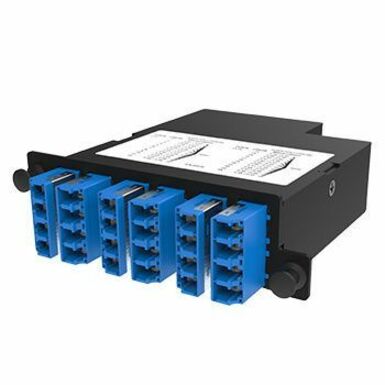
- LegrandOrtronics Infinium Ultra M4 Cassette-24 Fiber-LC Quad to MPOM-OS2-Universal Polarity - 24 Port(s) - 24 x Duplex - Optical Fiber - Blue - Rack-mountableLM4-LC24J-2A2UN
$1,557.01
$1,293.92
Back-orderedBack-ordered — estimated OEM lead time 3–8 weeks (Nov 13 – Dec 18 if ordered today).
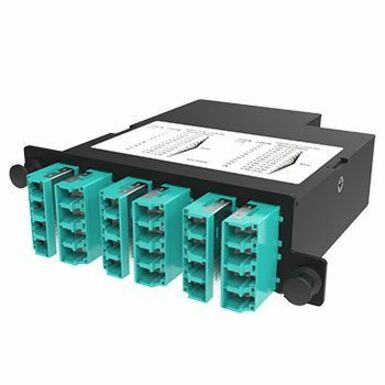
- LegrandOrtronics Infinium Fiber Cassette - 24 Port(s) - 6 x - Optical Fiber - Aqua - Rack-mountableLM4-LC24H
$1,380.73
$1,147.43
Back-orderedBack-ordered — estimated OEM lead time 3–8 weeks (Nov 13 – Dec 18 if ordered today).
- LegrandOrtronics 24-Fiber OS2 M4 Cassette With 24 LC Quad Adapters to 2 MPO M- Tier 1 - 24 Port(s) - 24 x - Optical Fiber - BlueM4LCQ24-09A1A2
$1,335.72
$1,110.01
Back-orderedBack-ordered — estimated OEM lead time 3–8 weeks (Nov 13 – Dec 18 if ordered today).
- LegrandOrtronics Infinium Fiber Cassette - 26 Port(s) - 24 x - Optical Fiber - Blue - Enclosure MountableM4LCQ24-09C1B1
$1,335.72
$1,110.01
Back-orderedBack-ordered — estimated OEM lead time 3–8 weeks (Nov 13 – Dec 18 if ordered today).
- LegrandOrtronics Infinium Q-Series Fiber Cassette - 24 Port(s) - 24 x - Optical Fiber - BlueM4LCQ24-09C1A1
$1,335.72
$1,110.01
Back-orderedBack-ordered — estimated OEM lead time 3–8 weeks (Nov 13 – Dec 18 if ordered today).
- LegrandOrtronics Infinium Core M4 Splice Cassette, 24 Ribbon Fiber, LC APC Quad, SM, OS2 - 24 Port(s) - 6 x - 1U High - Optical Fiber - Blue - Rack-mountable, Panel-mountableM4LAQ24-09R1A1
$1,301.16
$1,081.29
Back-orderedBack-ordered — estimated OEM lead time 3–8 weeks (Nov 13 – Dec 18 if ordered today).
- LegrandOrtronics Infinium Fiber Cassette - 26 Port(s) - 6 x - Optical Fiber - AquaM4LCQ24-50EC3A1
$1,271.37
$1,056.54
Back-orderedBack-ordered — estimated OEM lead time 3–8 weeks (Nov 13 – Dec 18 if ordered today).
- LegrandOrtronics Infinium Core M4 Splice Cassette, 24 Ribbon Fiber, LC Quad, SM, OS2 - 24 Port(s) - 6 x - Optical Fiber - Blue - Enclosure Mountable, Panel-mountableM4LCQ24-09R1A1
$1,239.18
$1,029.80
Back-orderedBack-ordered — estimated OEM lead time 3–8 weeks (Nov 13 – Dec 18 if ordered today).
- LegrandOrtronics Infinium Core Q Fiber Cassette - 24 Port(s) - 6 x Duplex - Optical Fiber - Blue - Wall Mountable, Rack-mountable, Enclosure MountableLM2-LC24J
$1,208.65
$1,004.42
Back-orderedBack-ordered — estimated OEM lead time 3–8 weeks (Nov 13 – Dec 18 if ordered today).
- LegrandOrtronics Infinium Fiber Cassette - 13 Port(s) - 6 x Duplex - Optical Fiber - AquaLM4-LC12H-1A4UN
$1,175.11
$976.55
Back-orderedBack-ordered — estimated OEM lead time 3–8 weeks (Nov 13 – Dec 18 if ordered today).
- LegrandOrtronics Infinium Ultra M4 Splice Cassette, 24 Ribbon Fiber, LC Quad OM4 - 24 Port(s) - 6 x - Optical Fiber - Aqua - Enclosure Mountable, Panel-mountableM4LCQ24-50ER3A1
$1,170.74
$972.92
Back-orderedBack-ordered — estimated OEM lead time 3–8 weeks (Nov 13 – Dec 18 if ordered today).
- LegrandOrtronics Infinium Fiber Cassette - 12 Port(s) - 6 x Duplex - Optical Fiber - Blue - Rack-mountableLM4-LC12J-1A2UN
$1,116.36
$927.72
Back-orderedBack-ordered — estimated OEM lead time 3–8 weeks (Nov 13 – Dec 18 if ordered today).
- LegrandOrtronics Infinium Fiber Cassette - 12 Port(s) - 6 x Duplex - 1U High - Optical Fiber - Aqua - Rack-mountableM4LCD12-50EA3A2
$1,109.49
$922.00
Back-orderedBack-ordered — estimated OEM lead time 3–8 weeks (Nov 13 – Dec 18 if ordered today).
- LegrandOrtronics Infinium M4 Cassette 12 Fiber, LC, OM4, Type B, Near End - 12 Port(s) - 6 x Duplex - Optical Fiber - AquaM4LCD12-50EC3A1
$1,109.49
$922.00
Back-orderedBack-ordered — estimated OEM lead time 3–8 weeks (Nov 13 – Dec 18 if ordered today).
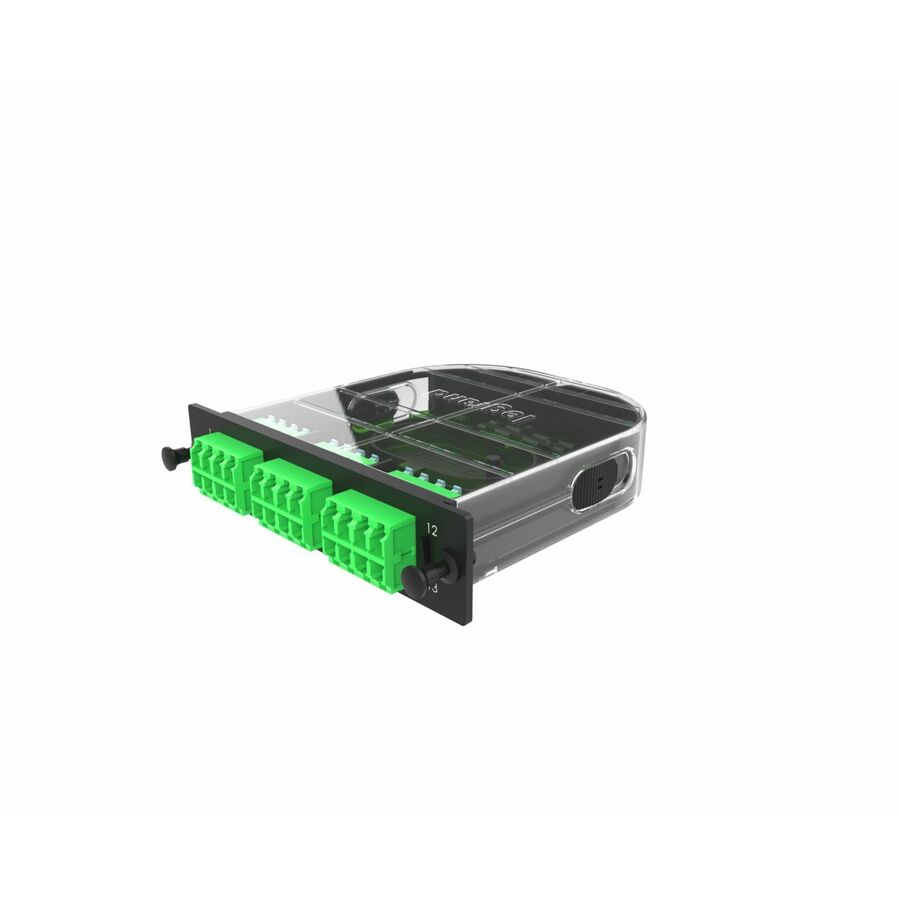
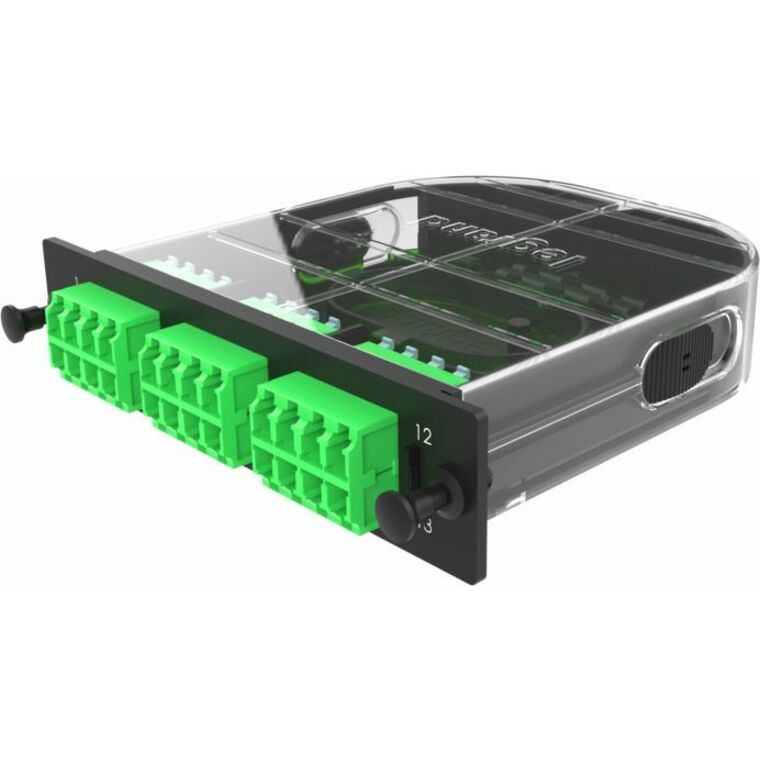
- LegrandOrtronics Q-Series Splice Cassette 24 Ribbon Fiber, LC APC Quad, OM4, Core Performance - 24 Port(s) - 6 x - Optical Fiber - Green - Enclosure Mountable, Panel-mountableM2LCQ24-09A1A1R
$1,096.76
$911.43
Back-orderedBack-ordered — estimated OEM lead time 3–8 weeks (Nov 13 – Dec 18 if ordered today).
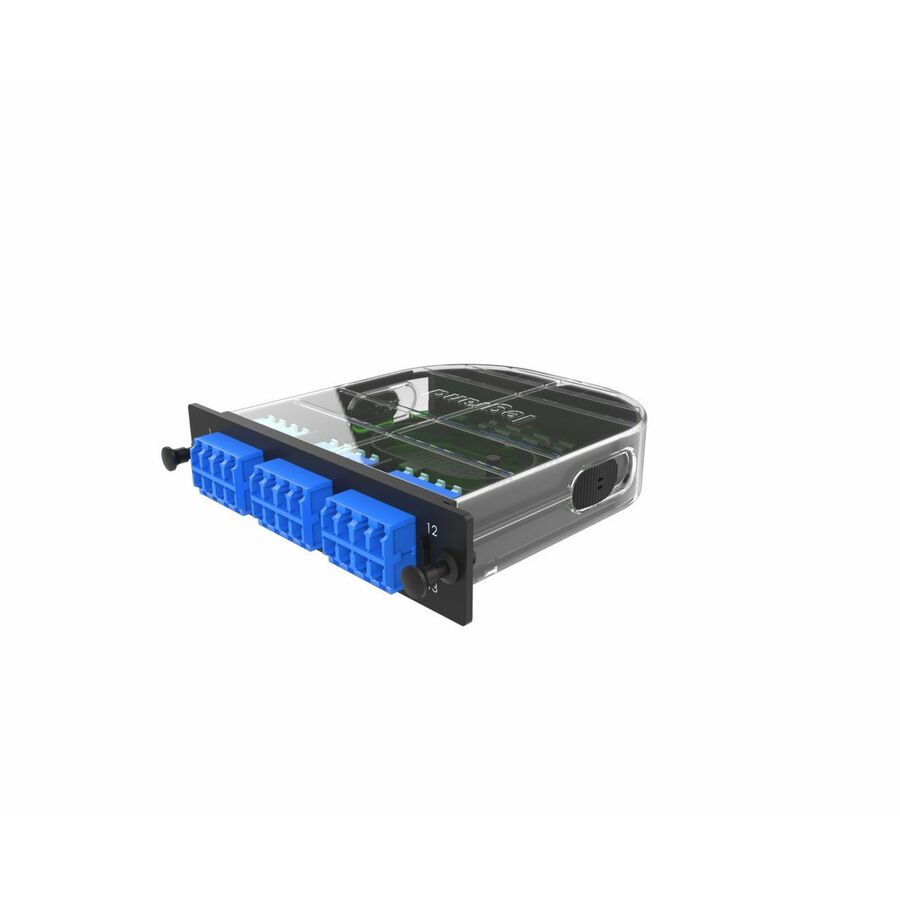
- LegrandOrtronics Q-Series Splice Cassette 24 Ribbon Fiber, LC Quad, Single-Mode, Core Performance - 24 Port(s) - 6 x - Optical Fiber - Blue - Enclosure Mountable, Panel-mountableM2LCQ24-091A1R
$1,096.76
$911.43
Back-orderedBack-ordered — estimated OEM lead time 3–8 weeks (Nov 13 – Dec 18 if ordered today).
- LegrandOrtronics Q-Series Fiber Cassette - 24 Port(s) - 6 x - Optical FiberM2LCQ24-09A1A1S
$1,096.76
$911.43
Back-orderedBack-ordered — estimated OEM lead time 3–8 weeks (Nov 13 – Dec 18 if ordered today).
- LegrandOrtronics Q-Series Cassette 12 Fiber, Single-Mode Fiber, Type A - 12 Port(s) - 6 x Duplex - Optical Fiber - BlueM2LCD12-09
$1,089.95
$905.78
Back-orderedBack-ordered — estimated OEM lead time 3–8 weeks (Nov 13 – Dec 18 if ordered today).
Need pricing on Legrand patch panels?
Tell us where to reach you and a Uniqcli specialist will follow up by email with current pricing, availability and lead time for the quantities you need — including parts that aren’t shown on this page.
Buying for an organization or for yourself — both work. No payment up front.
A Legrand patch panel follows the channel you are certifying: Cat6 carries most 1G access-layer runs, and Ortronics Clarity Cat6a is what supports 10GBASE-T where the horizontal cabling is rated for it. Density follows, 24-port 1U for closets and 48-port 2U for distribution, then the termination style, punch-down for permanent trunks or keystone for field-swappable jacks.
Legrand's structured-cabling portfolio reaches procurement teams under two connectivity brands: Ortronics for enterprise copper and fiber, and C2G for value copper and keystone framing. The patch panels on this page are the Legrand lines Uniqcli actually stocks, with live in-stock status shown against each part so you can tell a same-week ship from a backordered fiber cassette before you commit.
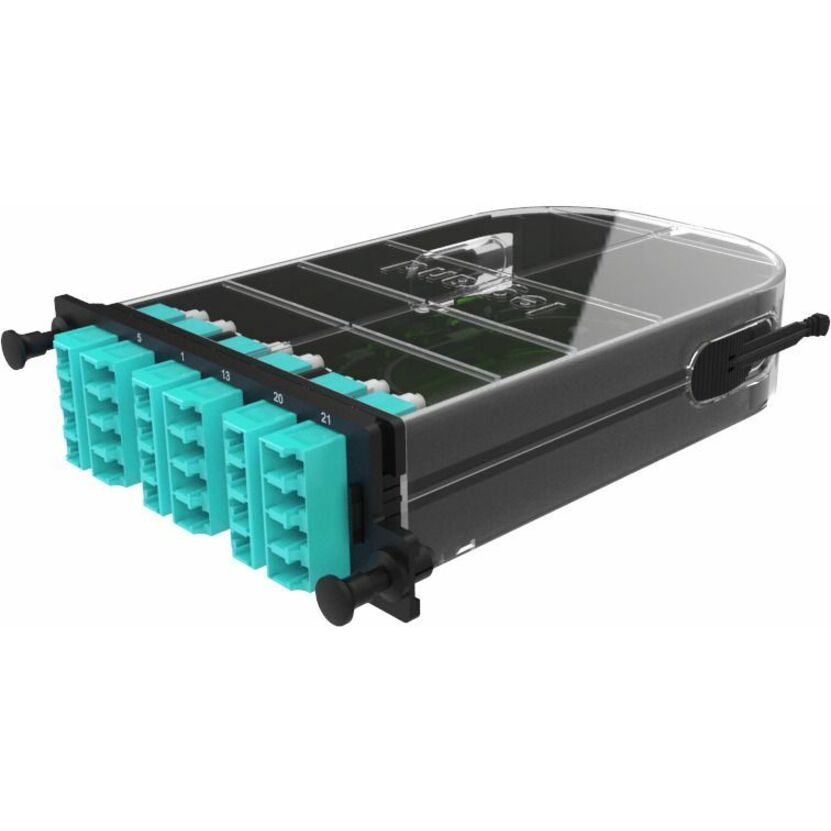
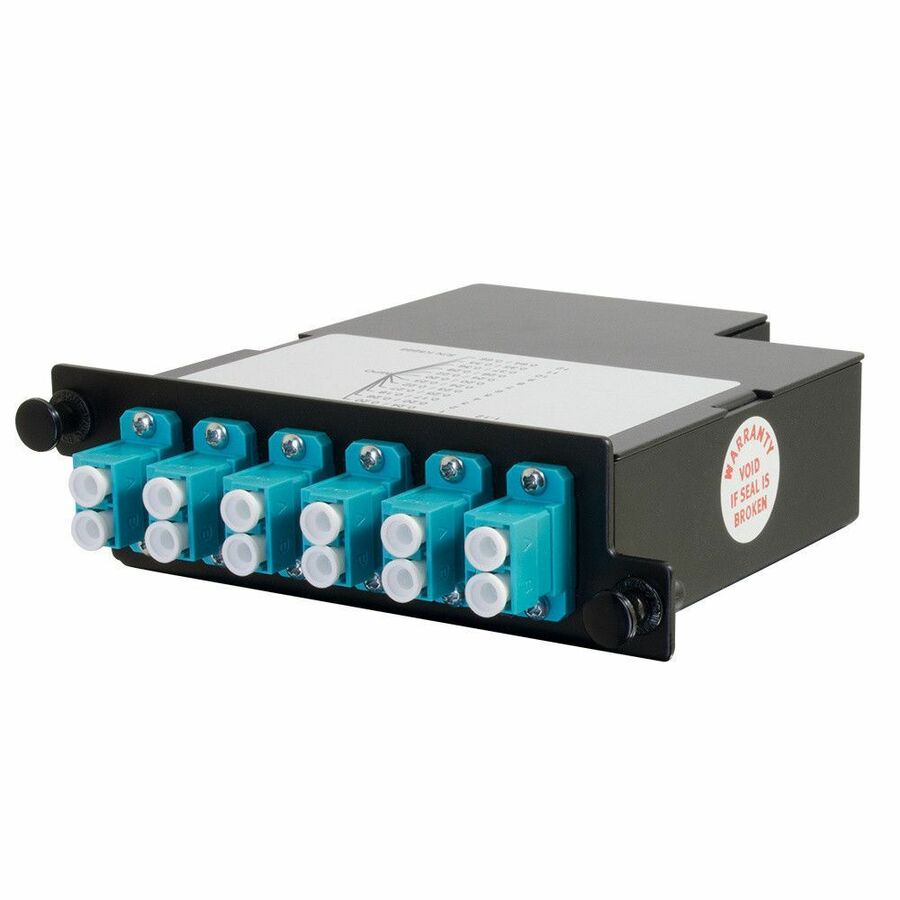
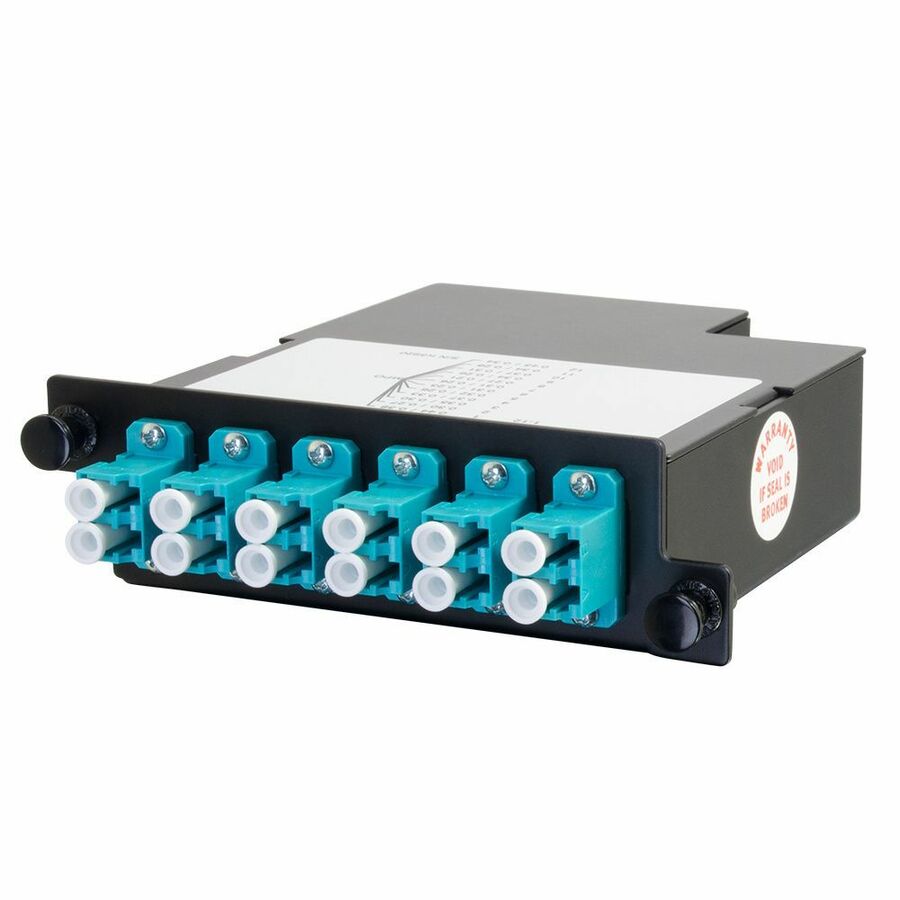
Start from the channel you are certifying. Cat6 panels carry most 1G access-layer runs, while Ortronics Clarity Cat6a flat panels support 10GBASE-T where the horizontal cabling is rated for it. Match density to your rack budget next — 24-port 1U frames for wiring closets, 48-port 2U for distribution — and pick a termination style: 110-type punch-down for permanent trunks, or blank keystone and multimedia frames when a single rack unit mixes copper, coax, and fiber drops. On the fiber side, Ortronics Infinium and Momentum cassettes handle LC and MPO transitions across single-mode and multimode backbones.
Every part is sourced through US distribution and screened for TAA country-of-origin and NDAA 889 status before checkout, with documentation tied to the specific part number. Where the manufacturer markets a panel as TAA compliant, that designation is carried through on the listing; otherwise the screening result travels with the order rather than an independent claim from us.
Buyer's checklist
How to choose a Legrand patch panel
- Match the category rating to the channel: Cat6 for 1G access runs, Ortronics Clarity Cat6a where you are certifying 10GBASE-T.
- Size port count and rack units together — 24-port 1U for closets, 48-port 2U for distribution frames — and leave growth headroom.
- Choose a termination style: 110-type punch-down for permanent trunks, or keystone/modular framing for field-swappable jacks.
- Use blank keystone or multimedia panels when one rack unit has to mix copper, coax, and fiber drops.
- For fiber, confirm connector type and polarity — LC versus MPO, single-mode versus multimode — against the Infinium or Momentum cassette you spec.
- Decide flat versus angled: angled panels route patch cords toward the rack sides and can reduce the need for horizontal cable managers.
Where these panels fit in the plant
Patch panels anchor different layers of a structured-cabling plant. In telecom rooms and floor IDFs, copper panels terminate the horizontal runs feeding workstations, cameras, and access points, so termination quality and density carry the decision. In the MDF or data center, fiber cassettes handle the LC and MPO transitions between backbone trunks and switching, where connector type and polarity drive the spec far more than raw port count does.
Mixed-use spaces — campus AV, healthcare floors, multi-tenant buildings — often need a single rack unit to land copper, coax, and fiber together, which is where blank keystone and multimedia frames earn their place. Angled panels suit switch-dense rows by routing cords toward the rack sides. Matching the panel style to the room, rather than buying one frame for everything, is what keeps a closet serviceable long after the initial build is signed off.
Planning and documenting the install
A patch panel is only as useful as its labeling. Agree a port-numbering and naming scheme before termination, apply it identically at both ends of every run, and record it so a technician can trace a drop months later without reaching for a toner. Leaving a few spare ports on each panel and a spare rack unit in each closet gives you somewhere to land moves and adds without re-terminating a full panel every time growth arrives.
Treat the panel as one link in a certified channel: the jack, cordage, horizontal cable, and panel all have to share a category rating for the run to certify at speed, so a Cat6a panel on Cat6 cable buys nothing. Stage panels, jacks, and cassettes together, so a crew is not idled by a backordered fiber module mid-pull — the live in-stock status on each listing is there to catch exactly that before a cutover date is set.
Why the passive layer outlasts the active gear
Structured cabling is the longest-lived layer in the room. Switches and servers turn over every few years, but the panels, jacks, and horizontal cable commonly stay in the walls and racks for a decade or more — so the panel certified today has to carry the speeds the site expects to run across that whole span, which is why a pathway that allows Cat6a leaves room for 10GBASE-T without a second cable pull.
That longevity is why termination quality and documentation matter more than the marginal difference between panel choices. A cleanly terminated, well-labeled panel keeps mean-time-to-repair low across its entire life, while a rushed one becomes a recurring tax on every future change. Each part is sourced through US distribution and screened for TAA country-of-origin and NDAA status against its specific part number, so the compliance record is fixed to what actually ships.
FAQ
Common questions
- What's the difference between Ortronics and C2G panels within Legrand?
- Both are Legrand connectivity brands. Ortronics lines — Clarity, TechChoice, Infinium, and Momentum — target enterprise copper and fiber structured cabling, while C2G covers value copper and blank keystone/multimedia framing. They follow the same 19-inch rack-mount conventions, so you can mix them in one rack.
- Should I buy a Cat6 or Cat6a patch panel?
- Match the panel to the channel you intend to certify. Cat6 panels handle 1G and shorter 10G runs; step up to an Ortronics Clarity Cat6a panel when the horizontal cabling and switching support sustained 10GBASE-T. The panel is one component of a certified channel, so keep jacks, cordage, and cable in the same category.
- Are these patch panels TAA-compliant?
- Where the manufacturer markets a specific panel as TAA compliant, that designation is noted on the listing. Separately, for any part, Uniqcli sources through US distribution and screens country-of-origin against TAA and NDAA 889 before checkout, tying the documentation to the specific part number — so status is confirmed per part rather than assumed across a whole line.
- Can these be purchased for a government or education organization?
- Yes. These Legrand panels are stocked for business and government buyers and are sourced through US distribution, with each part screened for TAA country-of-origin and NDAA 889 status and documentation tied to the specific part number before checkout. Share your organization's requirements and we will confirm sourcing and screening against the exact parts on your bill of materials.
Need Legrand patch panels pricing?
Send a bill of materials or part numbers — we confirm stock and a below-market total, with TAA verified on request. No payment up front.