
Rack PDU selector
Filter live rack power distribution units by outlet count and type, amperage, voltage, rack form and metering — basic, metered or switched.
What to check first
1 · Load
Size the amps first
Total the nameplate draw of everything on the strip and keep it at or below 80% of the PDU's rating. A 30 A PDU is a 24 A working budget — about 5 kW at 208 V, 2.9 kW at 120 V.
2 · Receptacles
C13, C19 or NEMA 5-15R
C13 (10 A) fits most 1U servers and switches; C19 (16 A) fits blade chassis and large UPS units; NEMA 5-15R is the US 120 V three-prong. Count the outlets you can actually use.
3 · Form
0U vertical or 1U/2U
0U mounts in the cabinet's rear channel and costs no rack units — that is where the 24-to-54-outlet strips live. 1U and 2U horizontal fit shallow racks, wall boxes and shared cages.
Cord length, input plug and phase are on each product page, not in the filters — titles state them inconsistently, and a value that is not stated is left blank rather than estimated.
Showing 24 of 4,099 rack PDUs
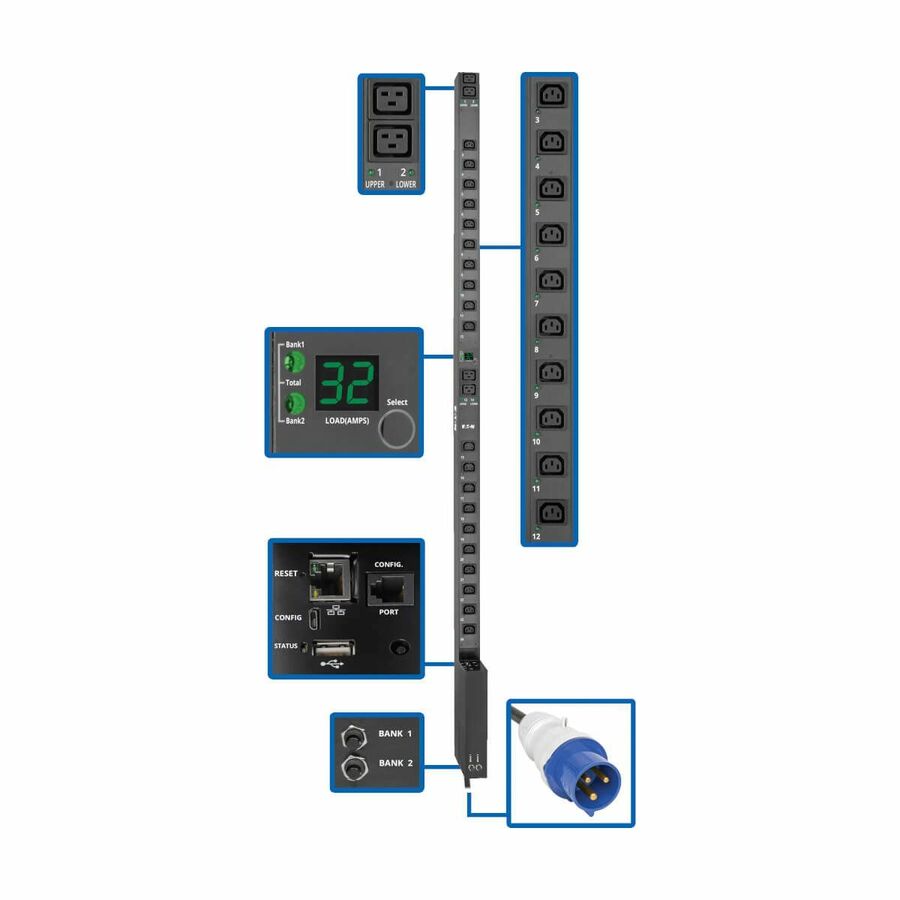
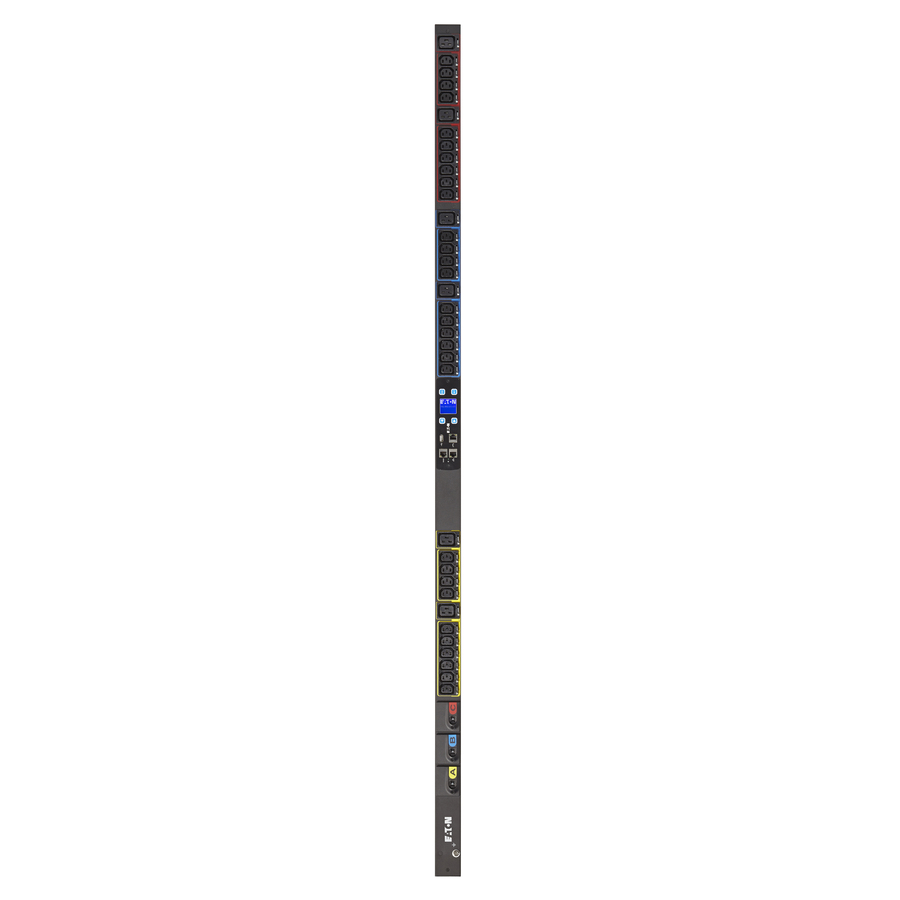
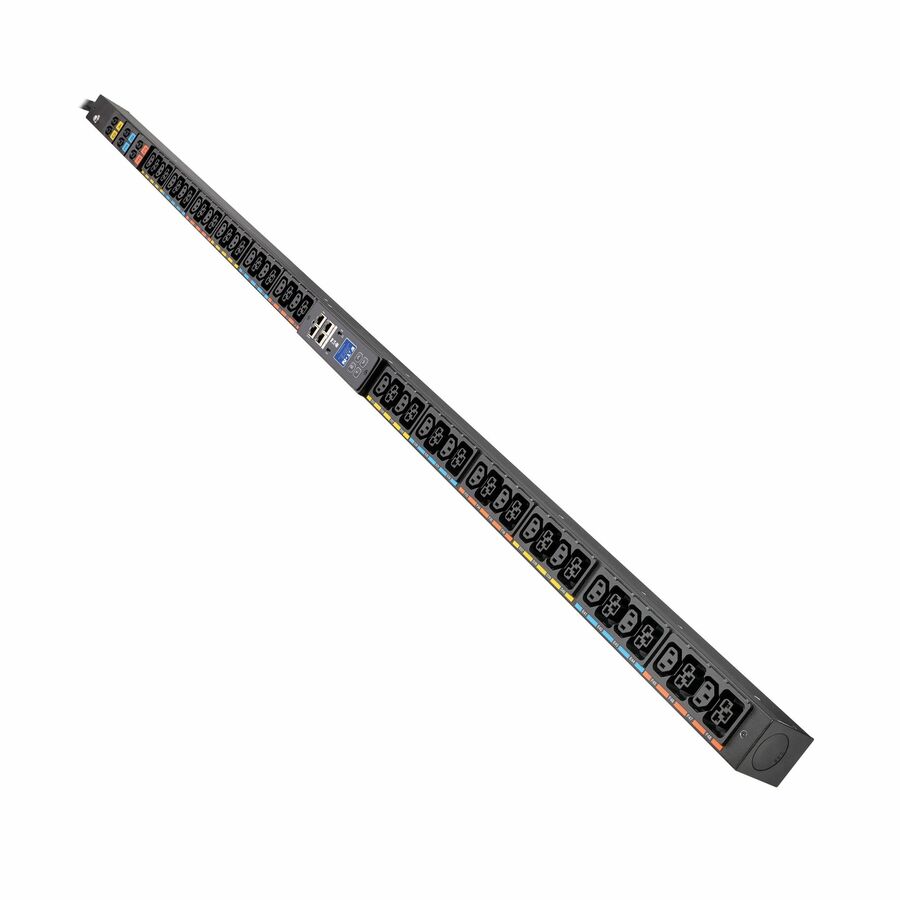
- EatonEaton 7.7kW Single-Phase Switched PDU with LX Platform Interface, 230V Output, IEC 309 32A Blue, 10 ft. (3.05 m) Cord, 0U, TAA - Switched - 4 x IEC 60320 C19, 20 x IEC 60320 C13 - 230 V AC - Network (RJ-45) - 0U - Vertical - Rack Mount - Rack-mountable - TAA CompliantPDUMV32HVNETLX
$1,602.00
$1,473.84
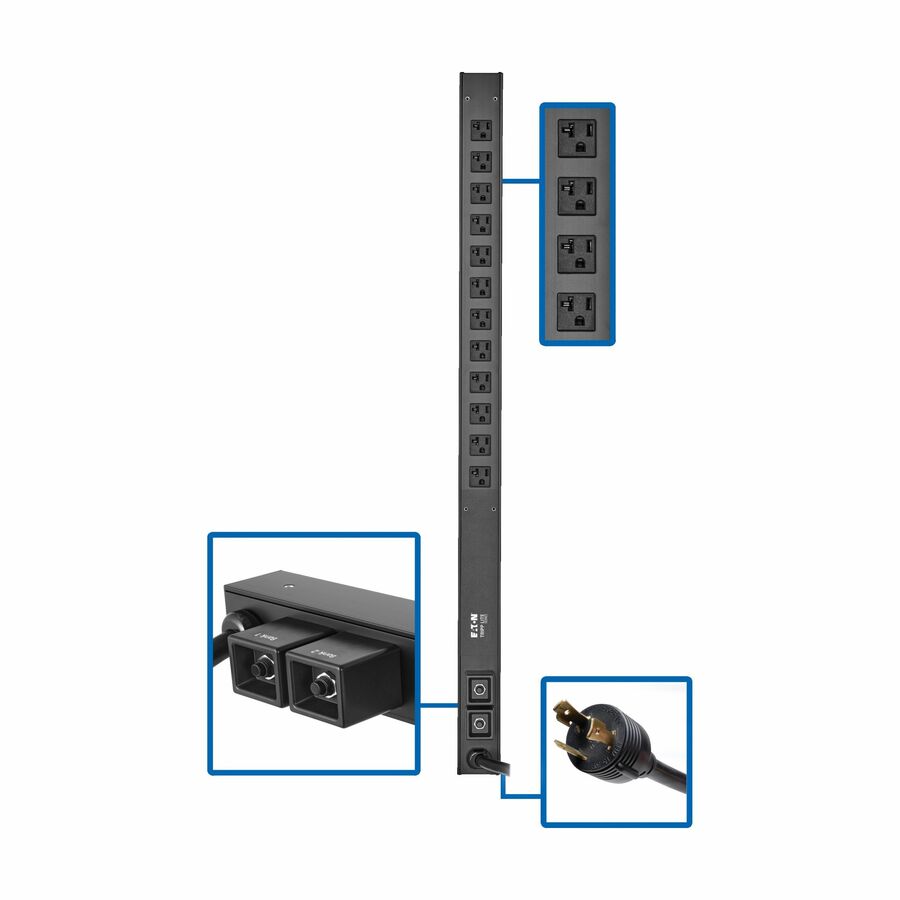
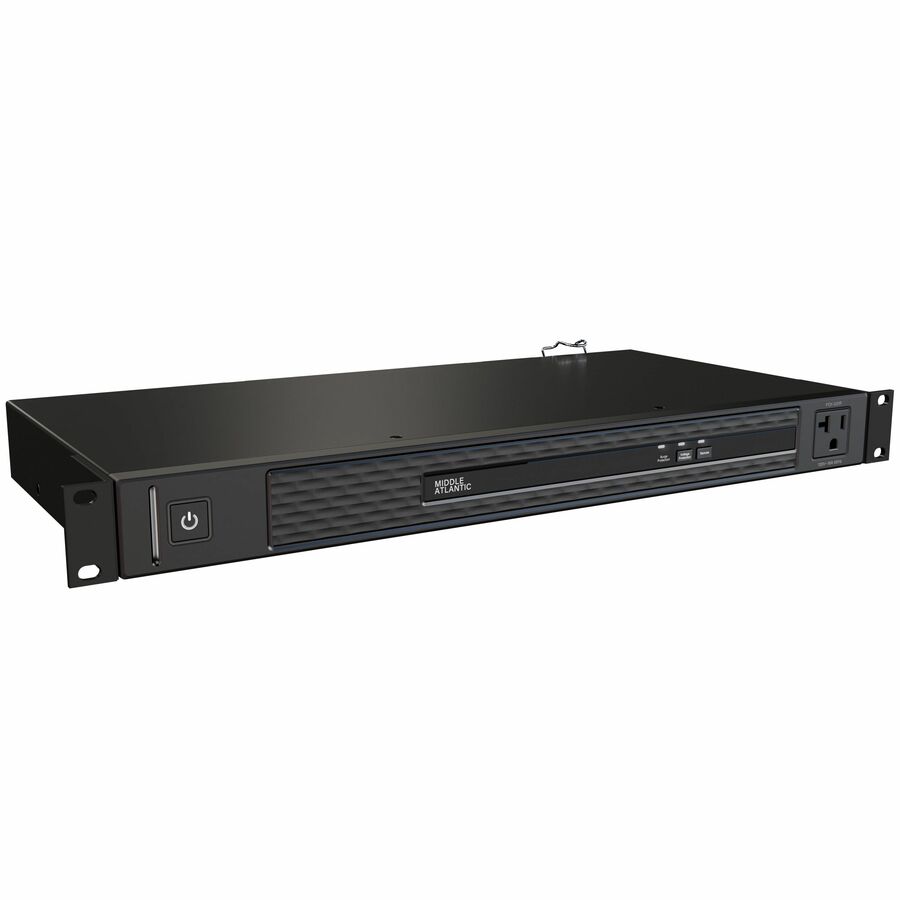
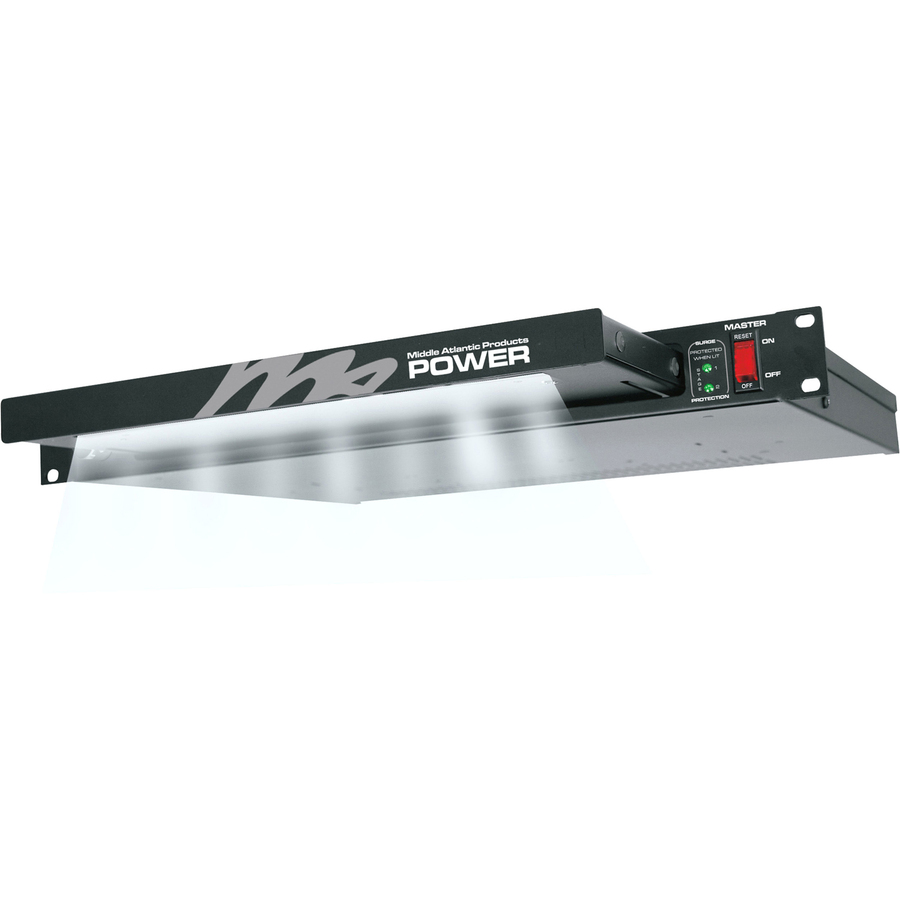
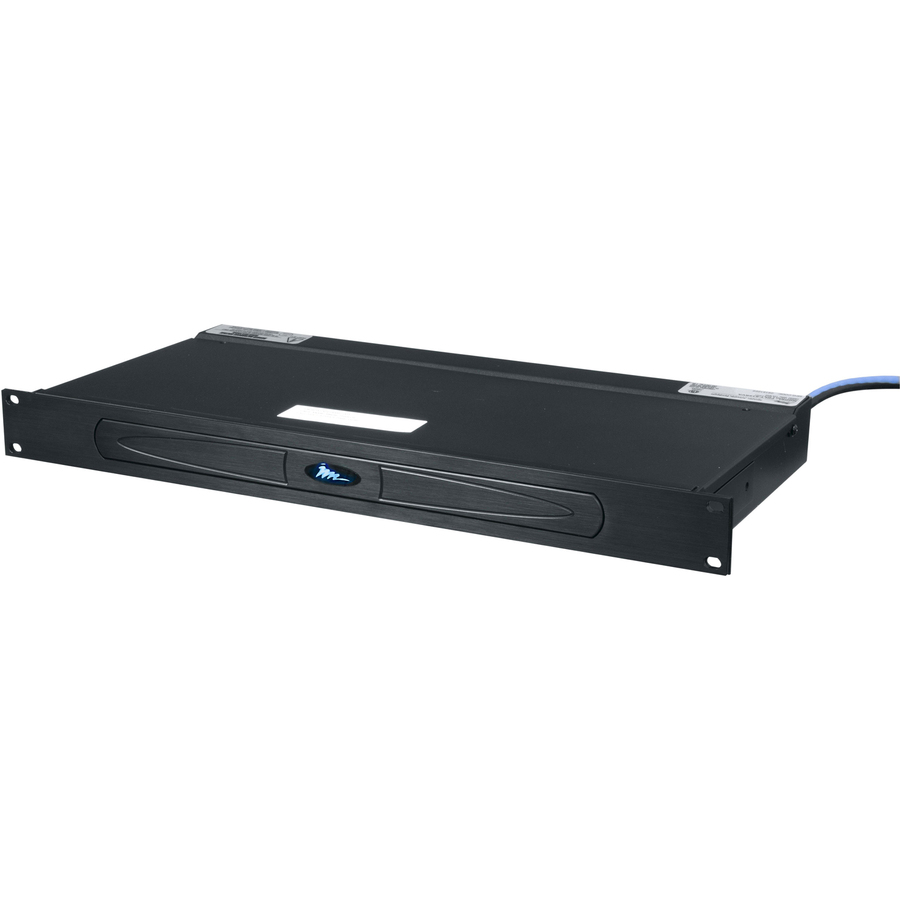
108 in stock - LegrandMiddle Atlantic NEXSYS Rack Mount Power Distribution Unit - 20 Amp, 9 Outlet Rack Mount PDU - Rack-mountable - RackPDX-920R
$482.00
$382.55
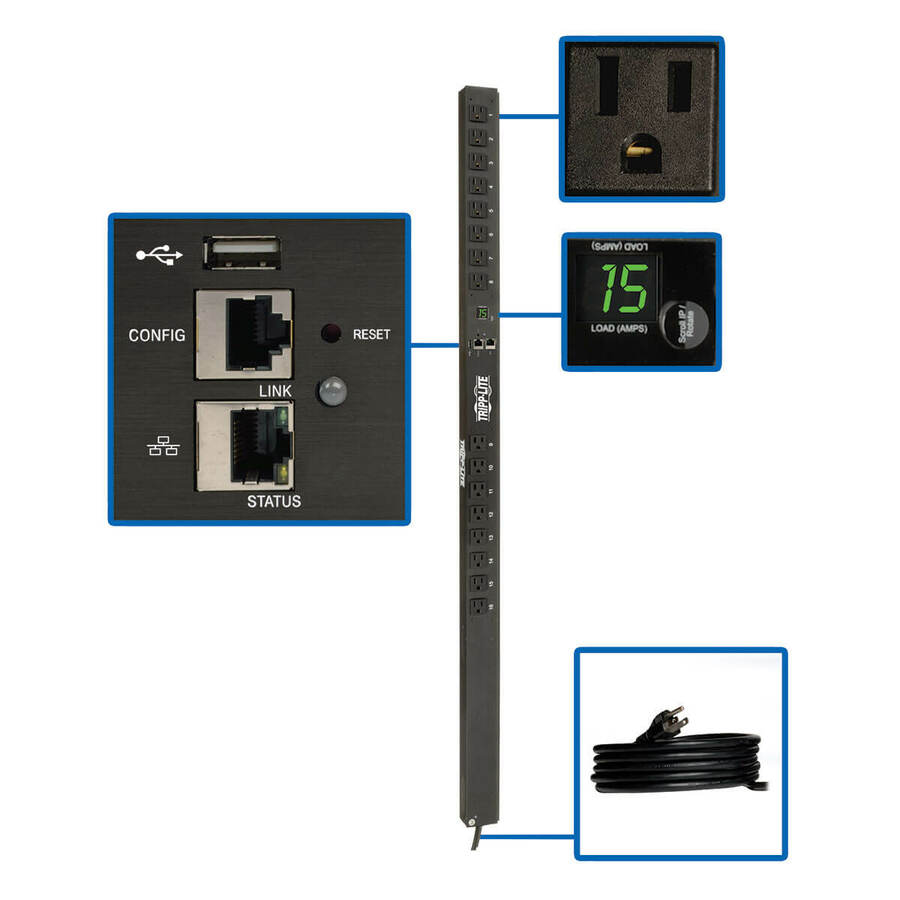
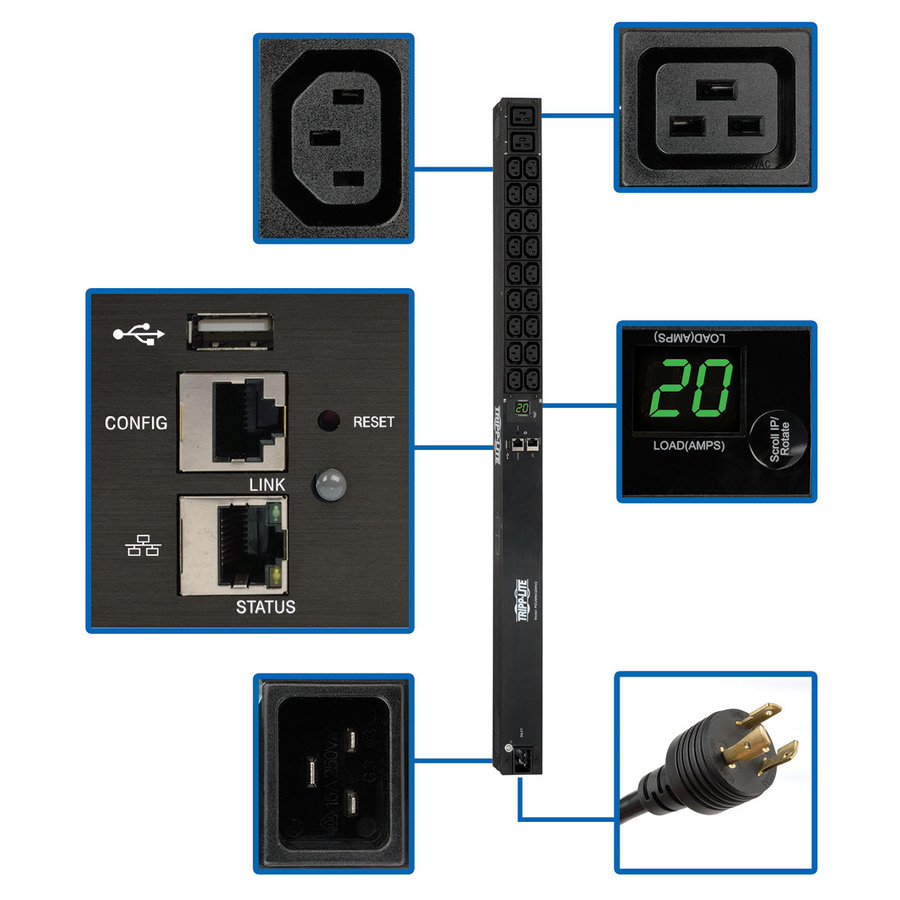
353 in stock - EatonTripp Lite by Eaton PDU 3.7kW Single-Phase 208/230V Monitored PDU - LX Platform 18 C13 2 C19 Outlets C20 / L6-20P Inputs 0U 900mm Height TAA - Monitored - NEMA L6-20P, IEC 60320 C20 - 2 x IEC 60320 C19, 18 x IEC 60320 C13 - 230 V AC - 0U - Vertical - Rack Mount - Rack-mountable - TAA CompliantPDUMNV20HV2LX
$767.00
$705.64
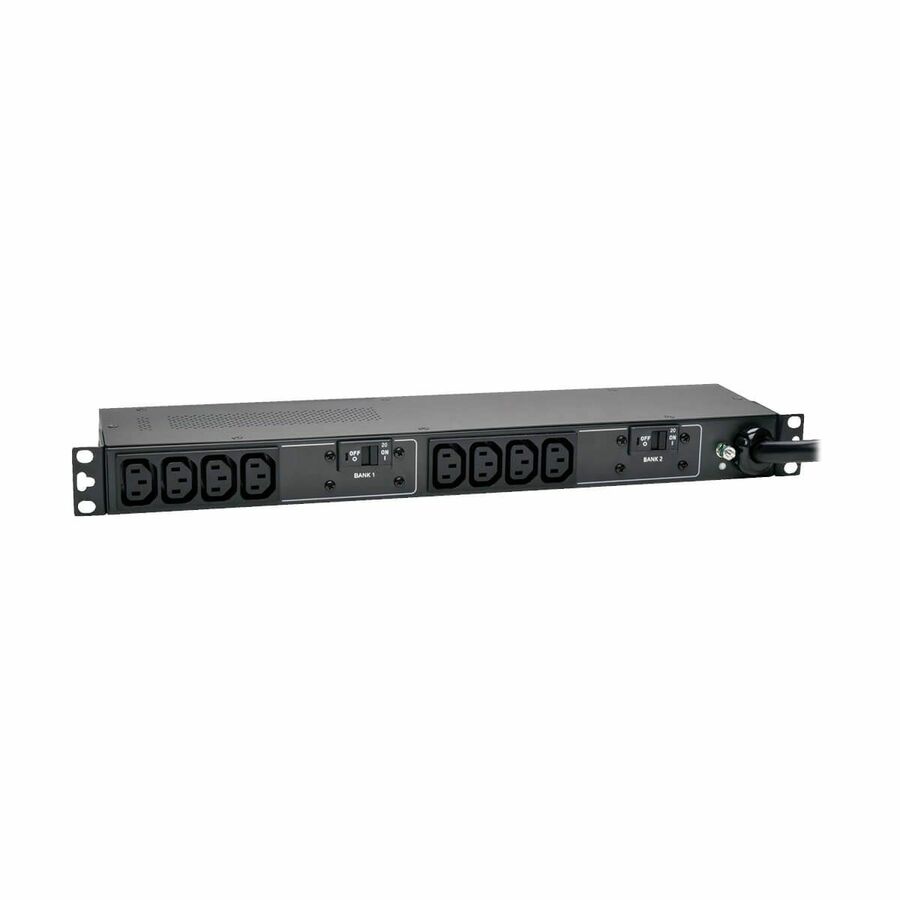
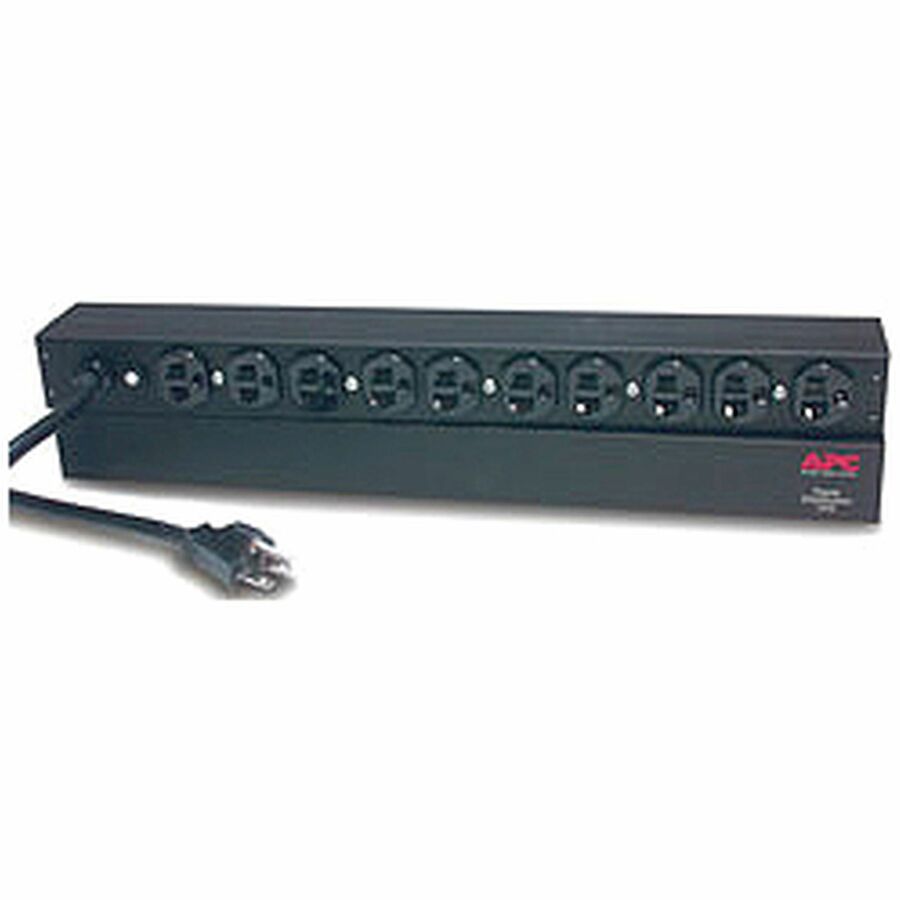
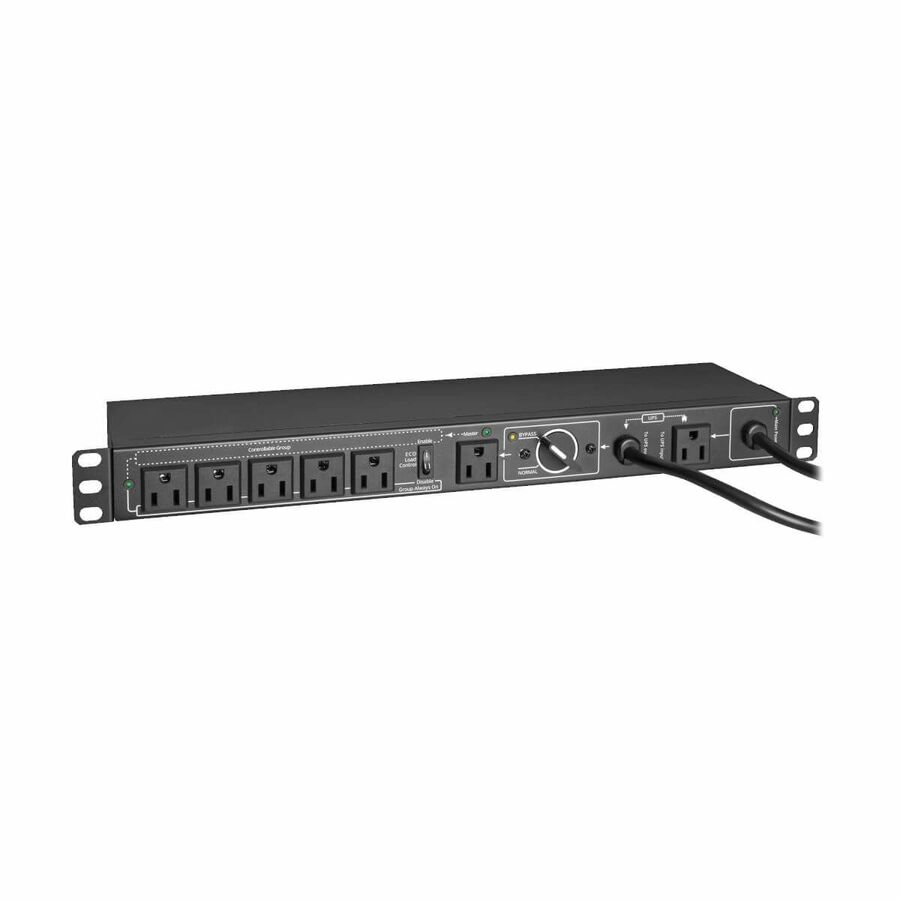
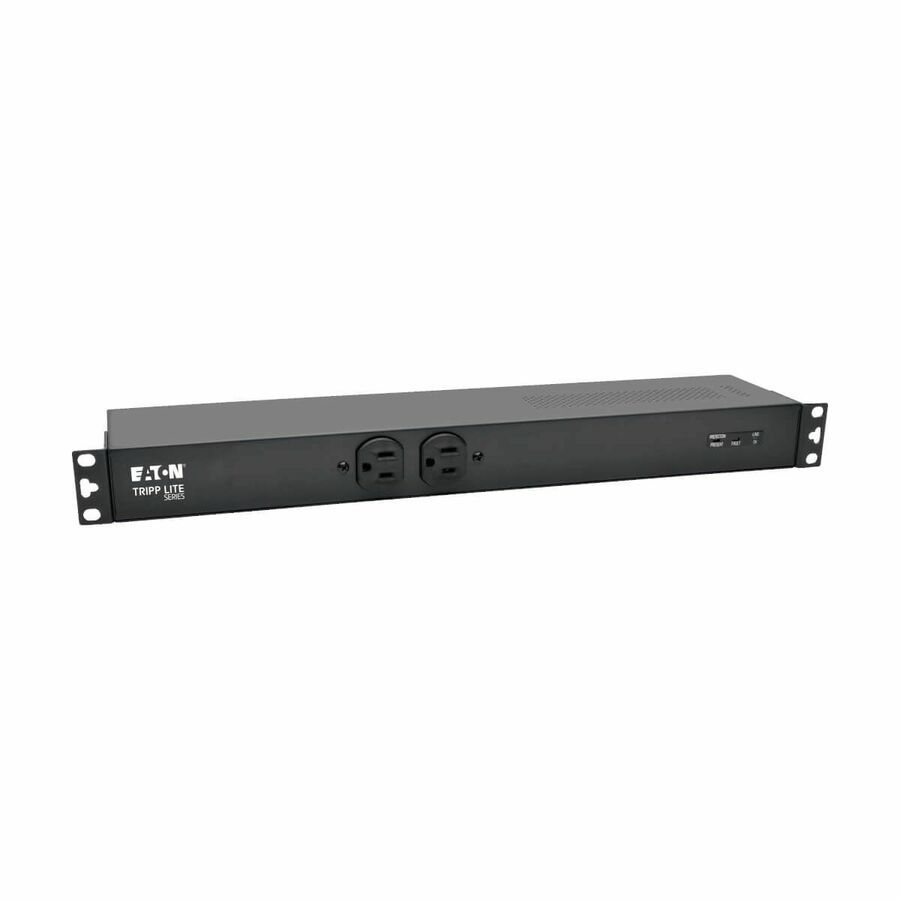
60 in stock - EatonTripp Lite by Eaton PDU 2kW 100-127V Single-Phase Basic PDU with ISOBAR Surge Protection - 3840 Joules 14 Outlets L5-20P Input (5-20P Adapter) 6 ft. Cord 1U - Basic - NEMA L5-20P, NEMA 5-20P - 2 x NEMA 5-15R, 12 x NEMA 5-15/20R - 120 V AC - 1U - Horizontal/Vertical - Rack-mountable, Wall-mountablePDUH20-ISO6
$343.00
$315.56
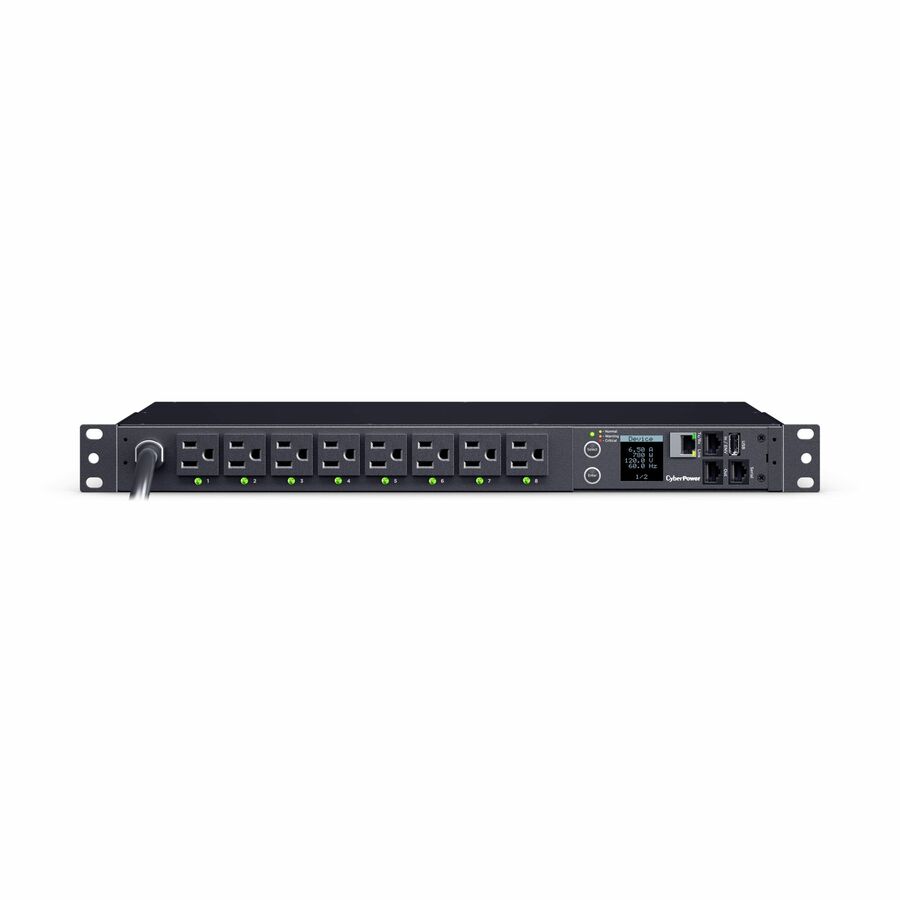
191 in stock - EatonEaton Metered Input rack PDU, 0U, CS8365 input, 12.48 kW max, 200-240V, 35A, 6 ft cord, Three-phase, Outlets: (30) C13 Outlet grip, (6) C19 Outlet grip - CS8365 - 30 x IEC 60320 C13, 6 x IEC 60320 C19 - 230 V AC - 12.48 kW - Network (RJ-45) - 38U - Rack-mountableEMI305-06
$1,794.00
$1,650.48
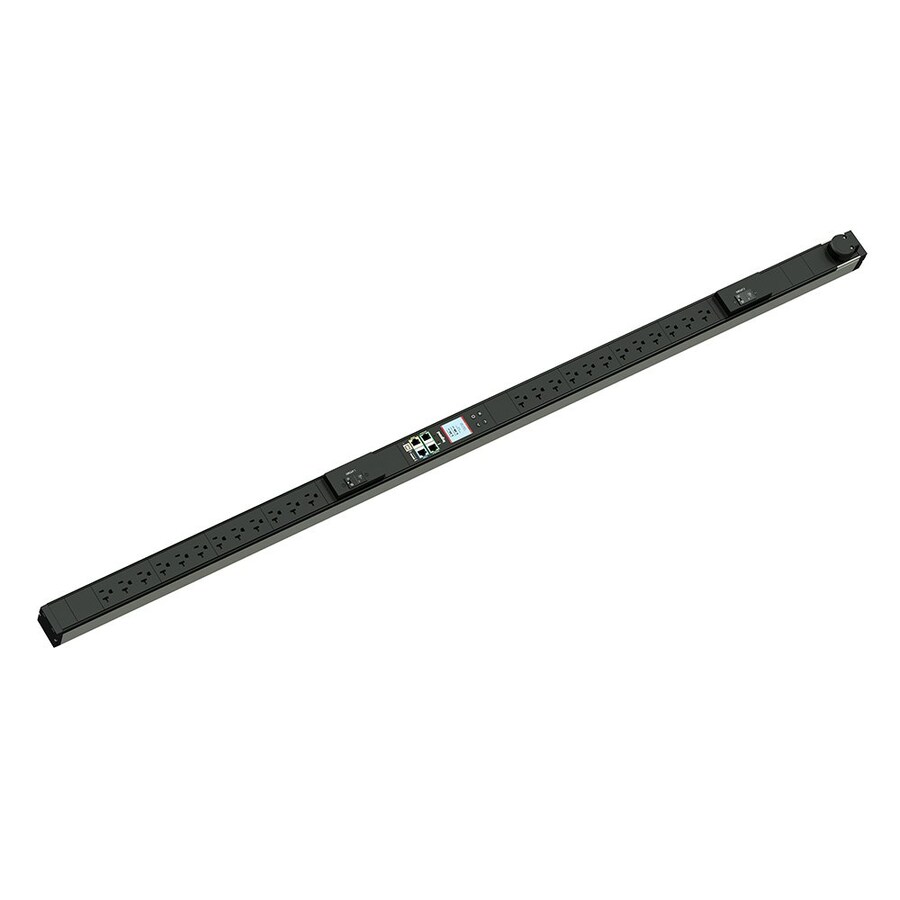
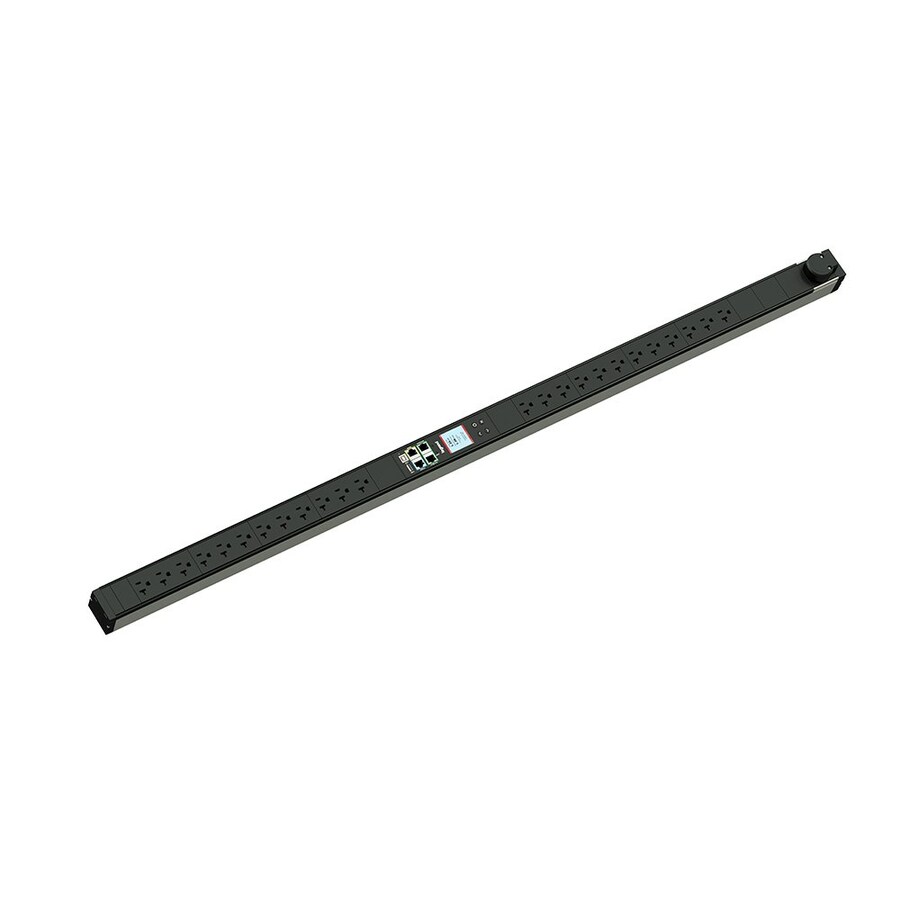
53 in stock - EatonEaton 3-Phase Managed Rack PDU G4, 240/415V, 48 Outlets, 24A/32A, 17.3kW, 532P6W Input, 10 ft. Cord, 0U Vertical, TAA - Managed - 532P6W - 24 x IEC 60320 C13, 24 x IEC 60320 C39 - 230 V AC, 415 V AC - Single Pole, Overload Protection - Network (RJ-45) - 10 ft Cord Length - 0U - Vertical - Rack-mountable, Button Mount - Vertical - TAA CompliantEVMAG332C
$3,181.00
$2,926.52
711 in stock
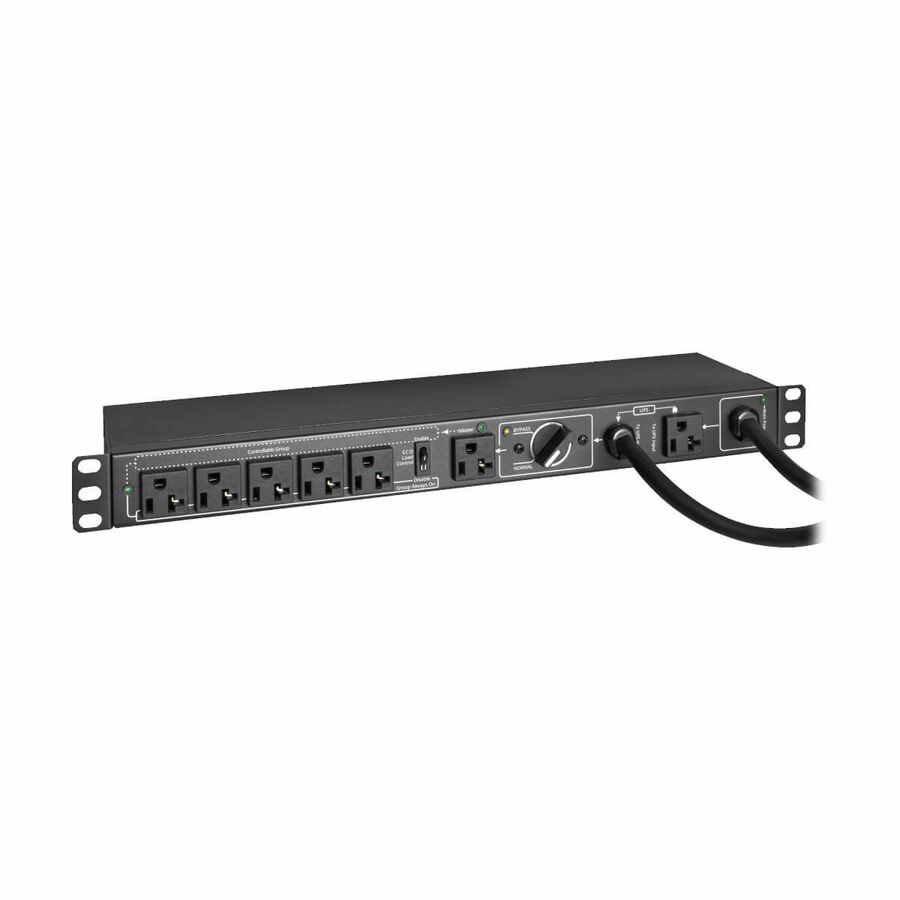

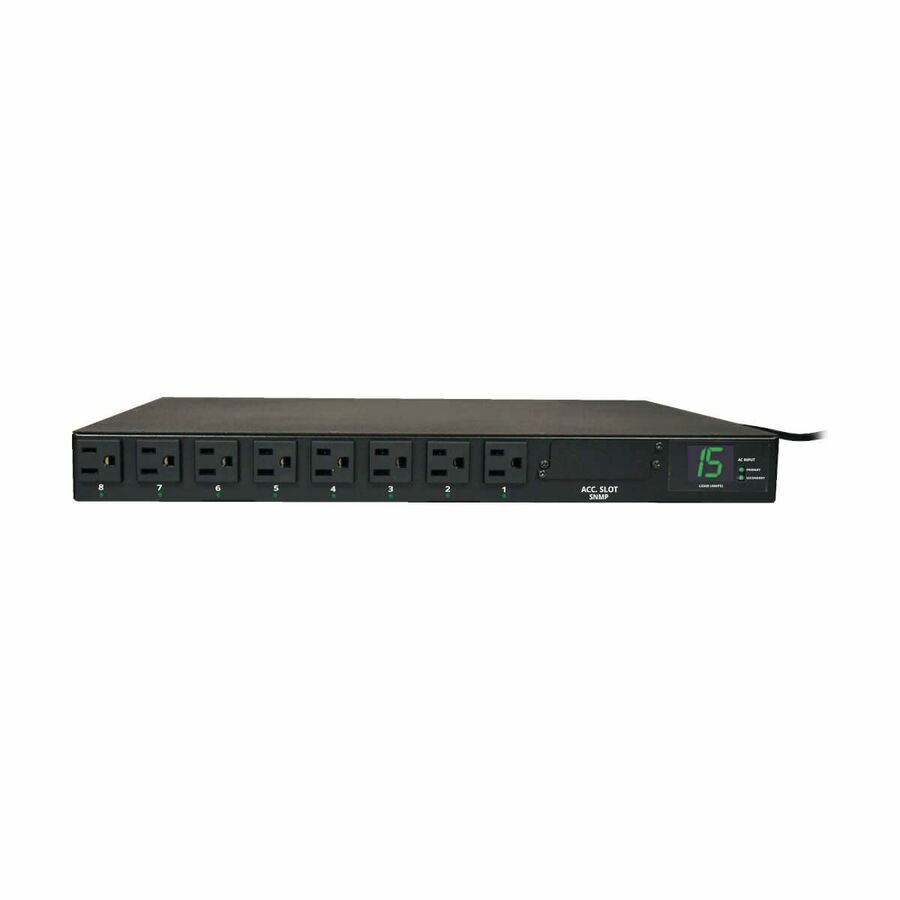
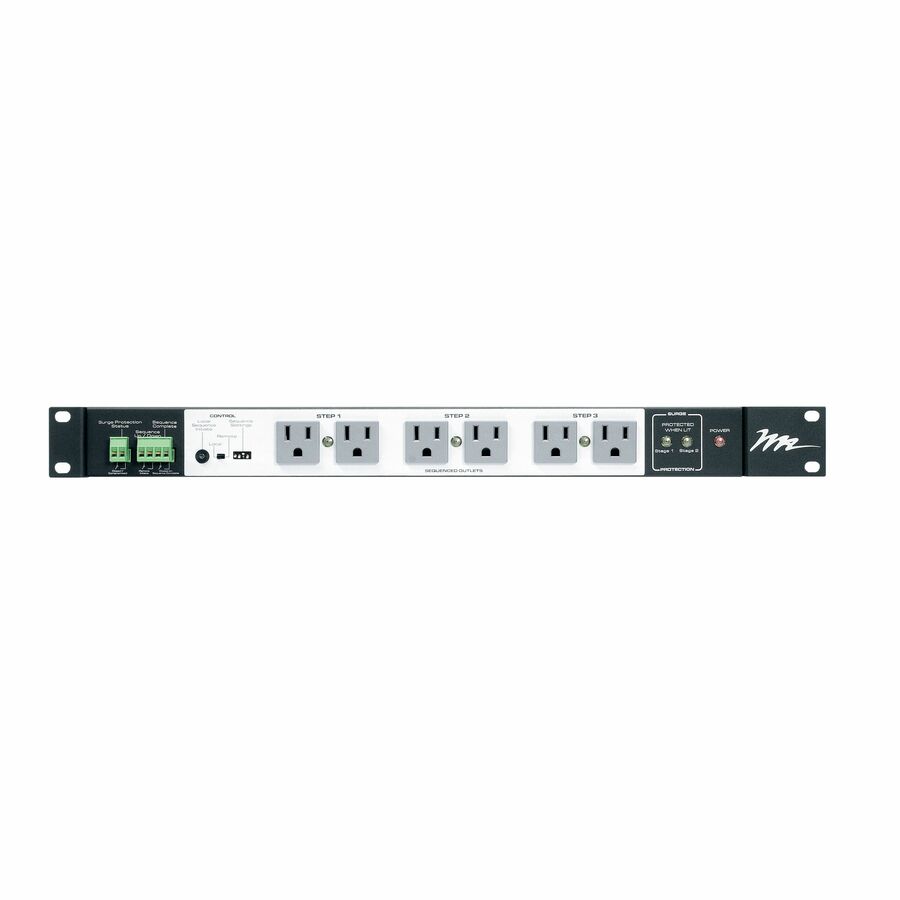
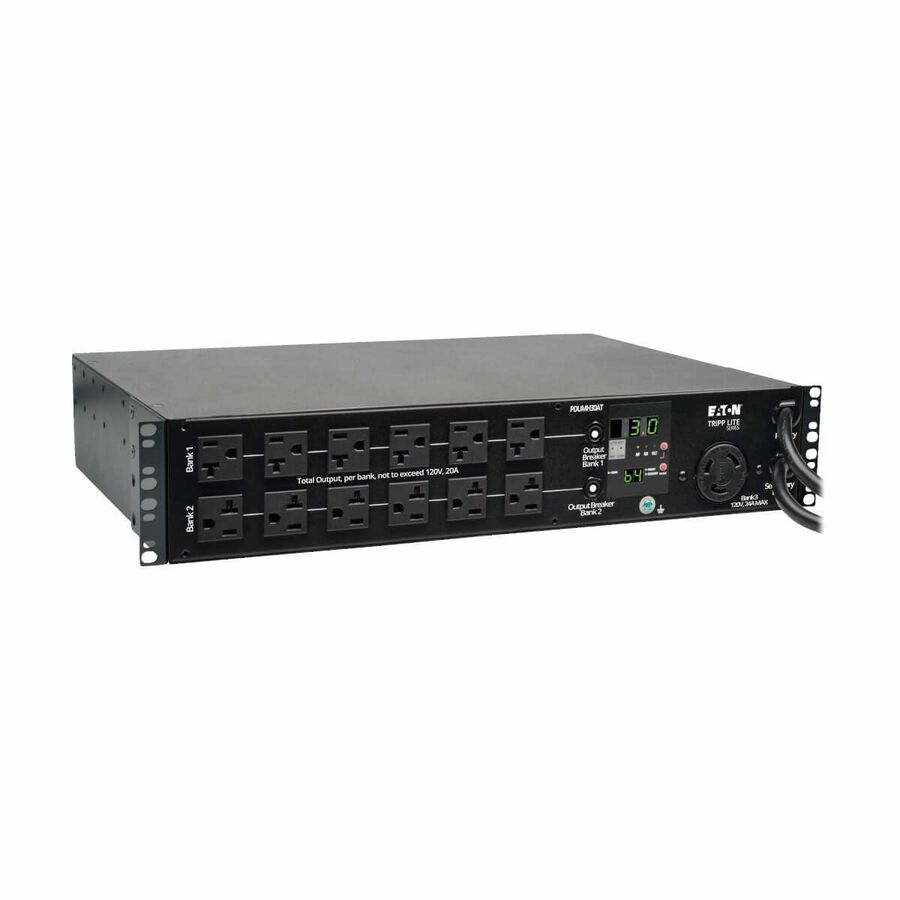

Specifications are read from the manufacturer product title as supplied to us; where a value is not stated it is left blank rather than estimated. Every line is screened for NDAA §889 status before checkout, with TAA verified on request.
Basic, metered and switched rack PDUs
Every rack PDU does the same physical job — take one input feed and split it across a row of receptacles. What separates the three tiers is how much the unit tells you, and how much of it you can change without walking to the rack.
Basic PDU
Power in, power out, usually with a circuit breaker per bank. Nothing to configure and nothing to fail in software, which is exactly why they still fill network closets, remote sites and racks where the load is well understood and rarely changes. Buy basic when the rack is static and someone is on site.
Metered PDU
Adds current measurement — a local digital display, a network or serial interface, or both. The value is not the graph; it is knowing the real draw on a bank before you add the next server, instead of adding up nameplate ratings that almost every device overstates. Metered units are the honest default for a rack that is still filling up, and they are what makes per-rack capacity planning possible at all.
Switched PDU
Adds a relay behind each outlet. You can power-cycle a device that has stopped answering, bring equipment up in a controlled sequence after an outage instead of hitting the circuit with every inrush at once, and disable outlets nobody is supposed to use. For a lights-out site, a colocation cage or anywhere a truck roll costs more than the PDU, switched pays for itself the first time something hangs. Filter for it under Metering & control above.
120V, 208V and three-phase
Watts are volts times amps, so voltage decides how much equipment a single drop can carry. A 30 A circuit delivers about 3.6 kVA at 120 V and about 6.2 kVA at 208 V — the same copper, nearly twice the capacity — and most server power supplies are marginally more efficient on the higher input. That is why dense racks run 208 V for compute and keep a 120 V strip alongside for KVMs, media converters, console servers and anything that ships with a moulded US plug.
Three-phase enters the conversation when one rack needs more than a single-phase circuit can comfortably supply. At 208 V and 30 A, single-phase gives you roughly 5 kW of usable continuous load after derating; three-phase at the same 30 A gives roughly 8.6 kW and balances it across three legs, which is also what keeps a busy rack from tripping one phase while the others idle. It requires a three-phase branch circuit and a matching plug — an IEC 60309 or a NEMA L21 type is typical — so treat it as a facility decision, not a shopping one. The filters above read voltage; phase and input plug are on the individual product pages.
0U vertical against 1U and 2U horizontal
A 0U vertical PDU mounts in the rear channel of the cabinet, alongside the equipment rather than between it. It uses no rack units, it puts an outlet next to almost every device so patch cords stay short, and it is where the high outlet counts live — 24, 36, 42 and 54-outlet strips are almost always vertical. The trade is fit: the strip has to match the cabinet's usable height and mounting system, and a deep-but-crowded rear channel can make a full-height strip awkward to service.
A 1U or 2U horizontal PDU bolts into the 19-inch rails like any other box. It costs rack space, but it fits a two-post rack, a shallow wall cabinet or a shared cage where you have no claim on the rear channel, and the outlets face where you can see them. In small racks and network closets the horizontal unit is usually the only one that physically works. Use the Rack form and Mounting filters above to see only what fits.
How to choose a PDU, in order
- Start with the circuit. Whatever feeds the rack sets the ceiling — a PDU cannot be rated above it, and its cord plug has to match the receptacle or whip you are plugging into.
- Total the load and derate. Sum the nameplate draw of everything going on the strip and keep it at 80% of the PDU's rating or less. Leave room for the next two devices; racks never shrink.
- Count receptacles by type. Twenty-four outlets are of no use if twenty of them are C13 and your chassis needs four C19s. Filter on the C13 and C19 counts, not just the total.
- Pick the form the cabinet allows. 0U vertical if you have the rear channel and the height; 1U or 2U horizontal if you do not.
- Decide how much control you need. Basic for a static rack with staff on site, metered when you are planning capacity, switched when someone would otherwise have to drive out to press a button.
Related reading
FAQ
Rack PDU questions
- What is the difference between a basic, metered and switched PDU?
- A basic PDU distributes power and nothing else. A metered PDU adds load measurement — a local display, a network interface, or both — so you can see the actual amperage on each bank before you add another server. A switched PDU adds a relay behind every outlet, so you can power-cycle a hung device remotely and lock out outlets nobody should be using. Switched units cost the most and are the only ones that let you reboot a box you cannot walk up to.
- How many amps should a rack PDU be rated for?
- Add the nameplate draw of every device that will plug into it and keep the total at or below 80% of the rating — the standard derating for a load that runs continuously. A 30 A PDU therefore gives you roughly a 24 A working budget. Size the branch circuit and the PDU together: the PDU can never be rated above the circuit feeding it, and the plug on its cord tells you which circuit it expects.
- What is a 0U PDU?
- 0U means the unit mounts vertically in the rear channel of the cabinet instead of in the 19-inch rails, so it consumes no rack units. Vertical 0U strips carry the highest outlet counts — 24 to 54 is common — and keep cords out of the airflow path. Check the cabinet's usable vertical space and its mounting hardware before ordering: a full-height strip does not fit a half-height cabinet.
- Should I run a 120V or a 208V PDU?
- 208 V carries more watts per amp, so the same 30 A drop delivers about 6.2 kVA at 208 V against 3.6 kVA at 120 V, and most server power supplies run slightly more efficiently at the higher voltage. 120 V is what you need for KVMs, media converters, appliances and anything with a moulded US plug. Plenty of racks run both — a 208 V strip for the servers and a 120 V strip for the accessories.
- What is the difference between C13 and C19 outlets?
- They are IEC 60320 sockets of different ratings. C13 is the 10 A outlet that mates with the C14 inlet found on most servers, switches and 1U appliances. C19 is the 16 A outlet that mates with the C20 inlet on blade chassis, large UPS units and dense storage shelves. Most rack PDUs mix the two, and that mix — not the headline outlet count — is what decides whether the unit actually fits your rack.
- Do I need a three-phase PDU?
- Three-phase becomes worth it once a single rack draws more than one single-phase circuit can comfortably supply — roughly 5 kW of usable load at 208 V and 30 A. A three-phase drop at the same 30 A gives about 8.6 kW usable and spreads it across three phases. It needs a three-phase branch circuit and a matching plug, such as an IEC 60309 or a NEMA L21 type, so it is a facility decision as much as a hardware one. This tool does not filter on phase; the input plug is printed on each product page.
- Are these rack PDUs TAA compliant?
- Every line is screened for NDAA §889 status before checkout, and TAA country of origin is verified on request. Country of origin varies by part number and by production run, so state the requirement with your quote request and we confirm it against the exact SKUs you are ordering.
Related reading
Sizing the room’s power and cooling too? Start with the server room power and BTU guide.
Need help sizing it?
Send the rack layout, the circuit you are feeding it from, or a bill of materials — we confirm the plug, the outlet mix and current stock, and return a complete quote. No payment up front.