
Best Rack PDUs: Basic, Metered, Monitored and Switched
0U vertical and 1U horizontal power distribution units for racks — read by outlet type and count, input plug and voltage, and whether you need local metering, network monitoring or per-outlet switching.
Rack PDUs in stock at Uniqcli
How to choose →A curated selection with live pricing — in-stock lines first, then back-ordered lines with a typical lead time. Every line is sourced through US distribution and screened for NDAA §889 status before checkout, with TAA verified on request.
- StarTech.comStarTech 12-Outlet Rackmount PDU, 1U Server Power Strip, Wide-Spaced Right-Angle Ports, Mounted Power Distribution Unit for 19in Racks - 1U rackmount PDU unit for 19in racks w/ 12x NEMA 5-15R right-angle electrical outlets - 125V 15A supply; 8ft power cord - 2in outlet spacing fits bulky plugs in server/AV setups - Power distribution unit w/ safety cover switch - TAA power strip1215B8H-RACK-PDU-RA
$98.39
$90.52*
809 in stock - StarTech.comStarTech 13-Outlet Rackmount PDU, 1U Server Power Strip, 1x Front and 12x Rear Ports, Mounted Power Distribution Unit for 19in Racks - 1U rackmount PDU unit for 19in racks w/ 13x NEMA 5-15 electrical outlets - 1x Front and 12x rear - 125V 15A max; 8ft power cord - 4-way mounting brackets for various server/AV setups - Power distribution/supply unit is TAA-compliant1315B8H-RACK-PDU
$117.99
$108.55*
835 in stock - StarTech.comStarTech 14-Outlet Rackmount PDU, 1U Server Power Strip, 6x Front and 8x Rear Ports, Mounted Power Distribution Unit for 19in Racks - 1U rackmount PDU unit for 19in racks w/ 12x NEMA 5-15R right-angle electrical outlets - 125V 15A supply; 8ft power cord - 2in outlet spacing fits bulky plugs in server/AV setups - Power distribution unit w/ safety cover switch - TAA power strip1415B8H-RACK-PDU-SP
$121.96
$112.20*
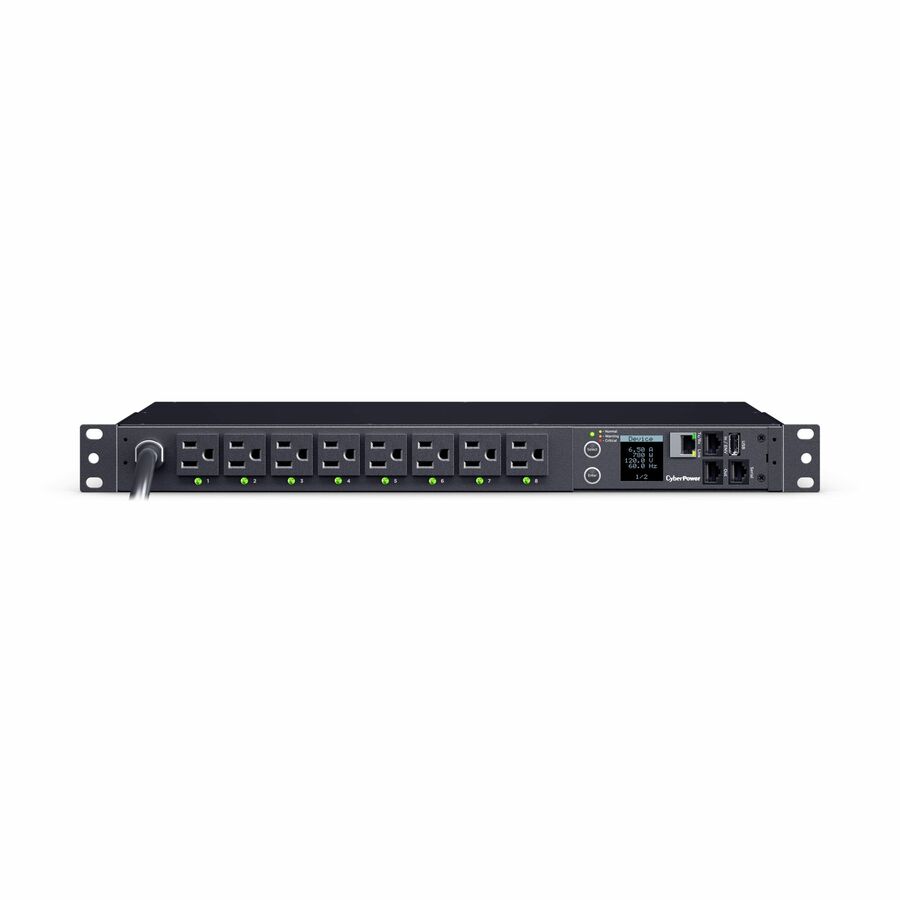
592 in stock - StarTech.comStarTech 8-Outlet Horizontal Rack Mount PDU, 1U Server Power Distribution Strip w/Surge Protector, 125V/15A, 8ft/2.4m Power Cord, TAA - 1U rack mount metered PDU w/8x NEMA 5-15R outlets; 125V max; 8ft power cord - Backlit LCD for real-time electrical monitoring (V/A/W/PF) - Self-tripped MOV surge protector; Resettable 15A breaker - Rackmount power distribution strip for server; TAA8NM8-RACK-MOUNT-PDU
$130.16
$119.75*
1,014 in stock - StarTech.comStarTech 12-Outlet Horizontal Rack Mount Metered PDU, 1U Server Power Strip w/Surge Protector, 125V/15A, 8ft (2.4m) Power Cord, TAA - 1U rack mount metered PDU w/12x NEMA 5-15R outlets; 125V max; 8ft power cord - Backlit LCD for real-time electrical monitoring (V/A/W/PF) - Self-tripped MOV surge protector; Resettable 15A breaker - Rackmount power distribution strip for server; TAA12NM8-RACK-MOUNT-PDU
$148.61
$136.72*
337 in stock - StarTech.comStarTech 16-Outlet Horizontal Rack Mount Metered PDU, 1U Server Power Strip w/Surge Protector, 125V/15A, 8ft (2.4m) Power Cord, TAA - 1U rack mount metered PDU w/16x NEMA 5-15R outlets; 125V max; 8ft power cord - Backlit LCD for real-time electrical monitoring (V/A/W/PF) - Self-tripped MOV surge protector; Resettable 15A breaker - Rackmount power distribution strip for server; TAA16NM8-RACK-MOUNT-PDU
$166.04
$152.76*
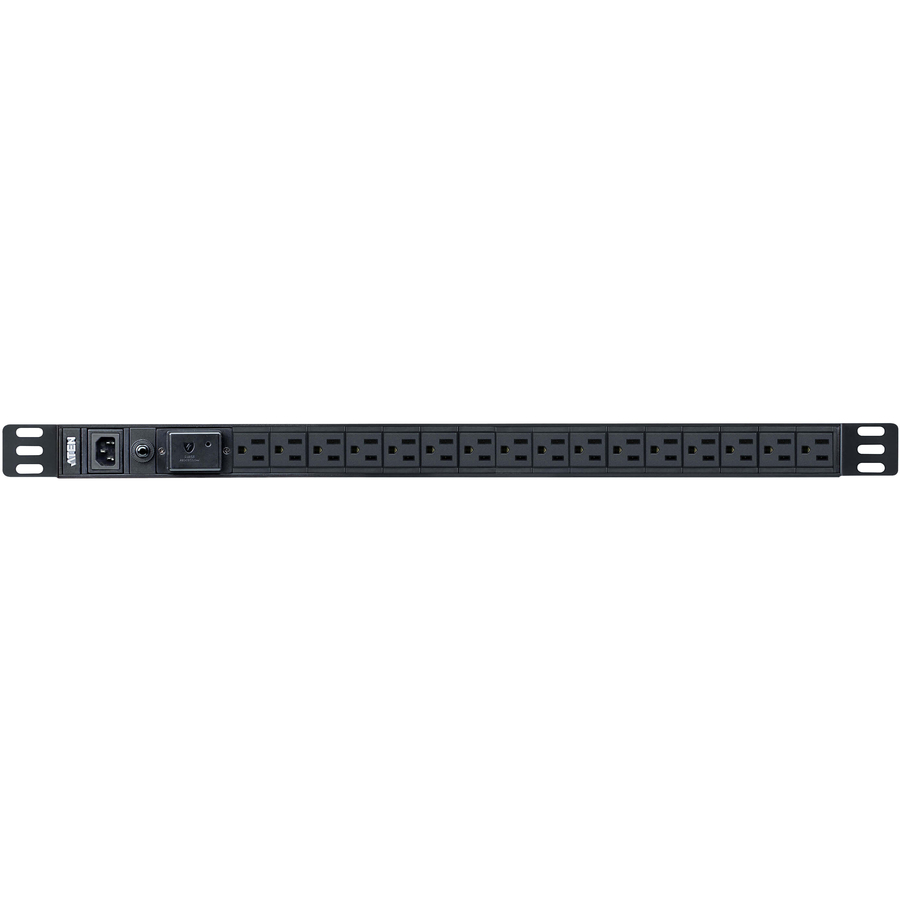
425 in stock - ATEN TechnologyATEN NRGence 16-Outlets PDU - Basic - NEMA 5-15P - 16 x NEMA 5-15R - 120 V AC - 0U - Rack-mountablePE0116SA
$197.00
$164.57
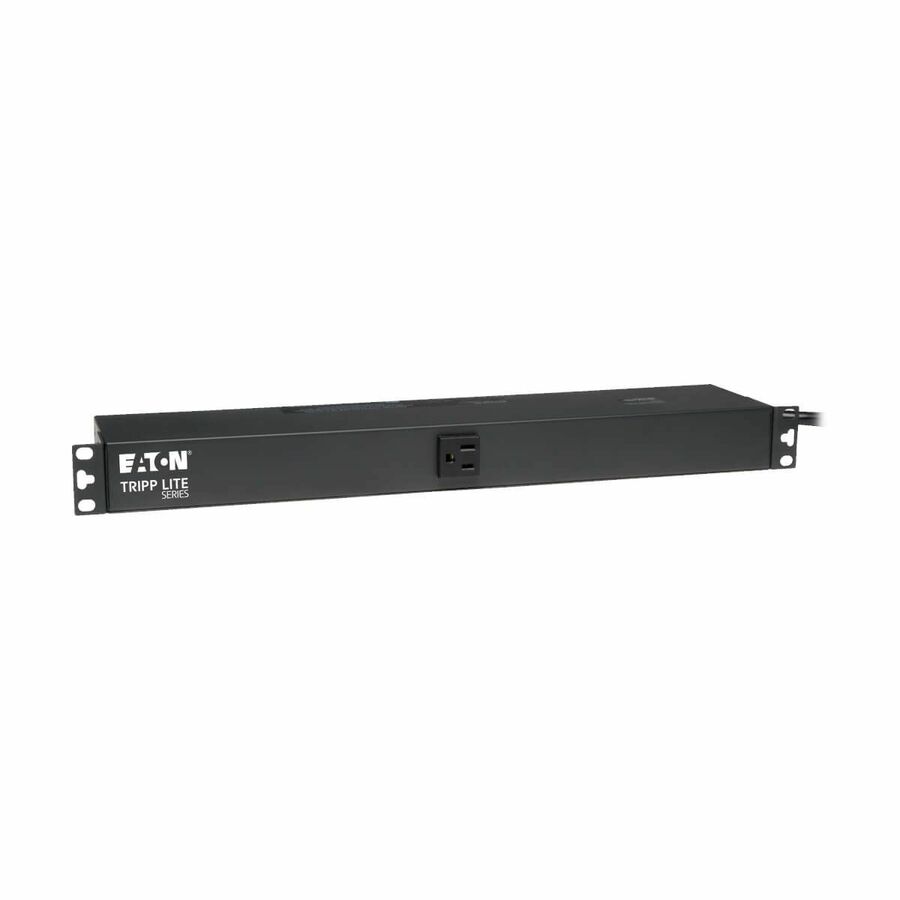
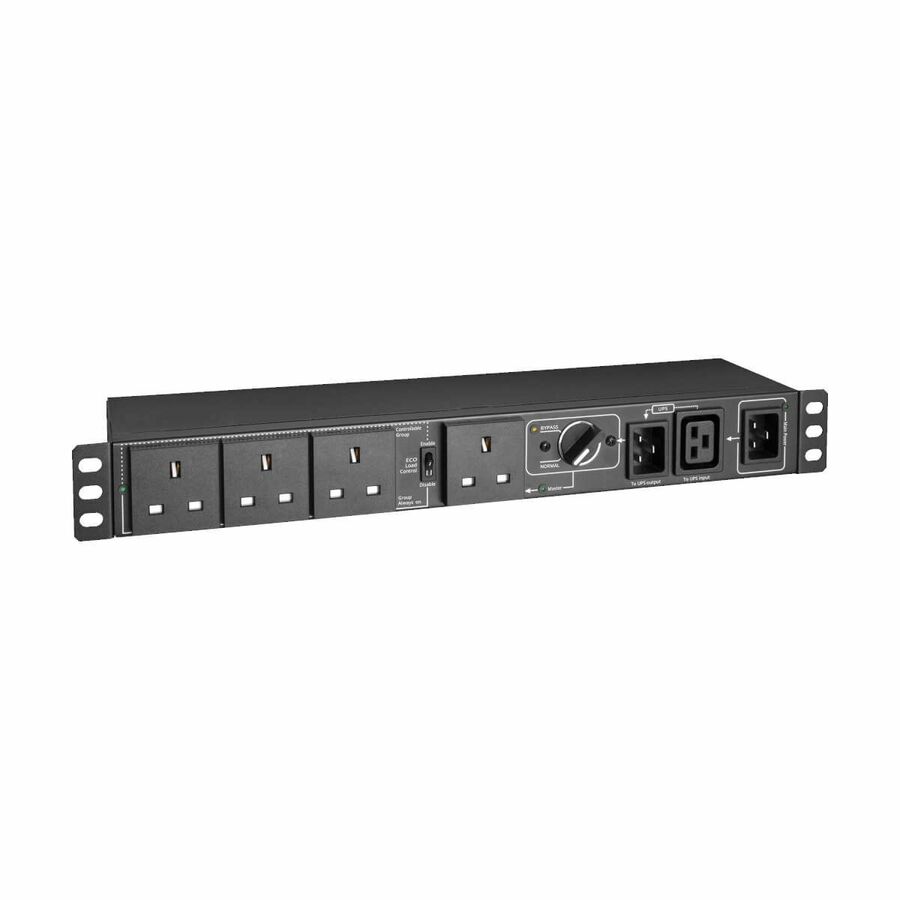
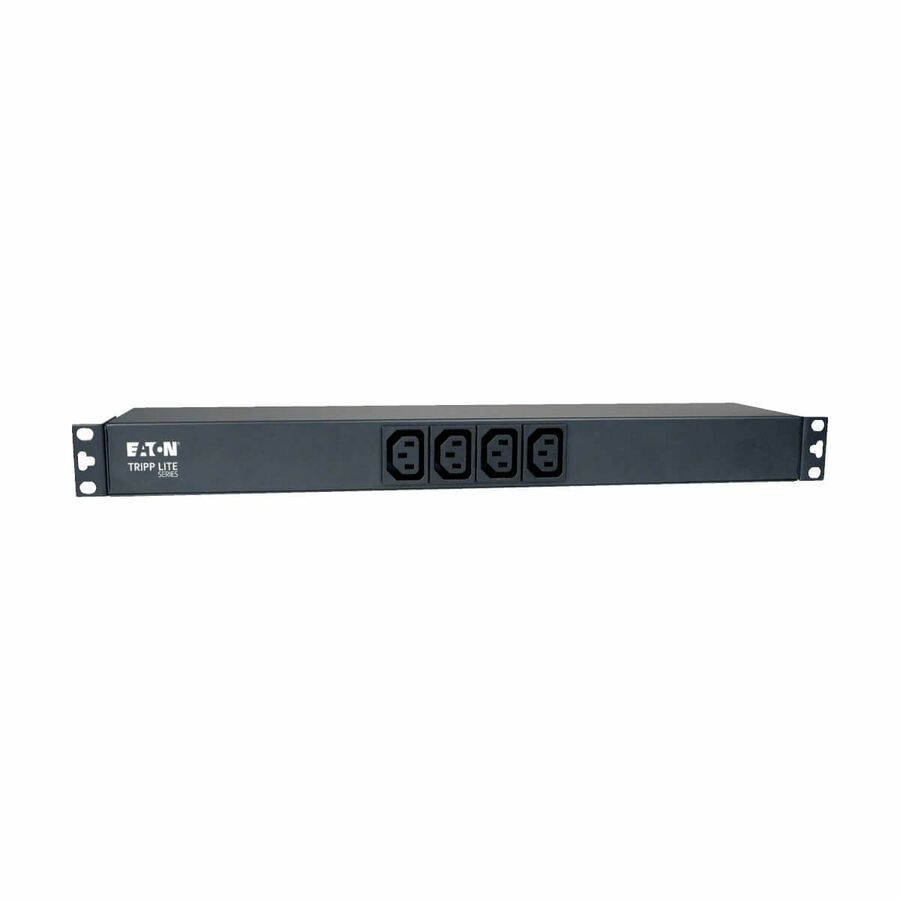
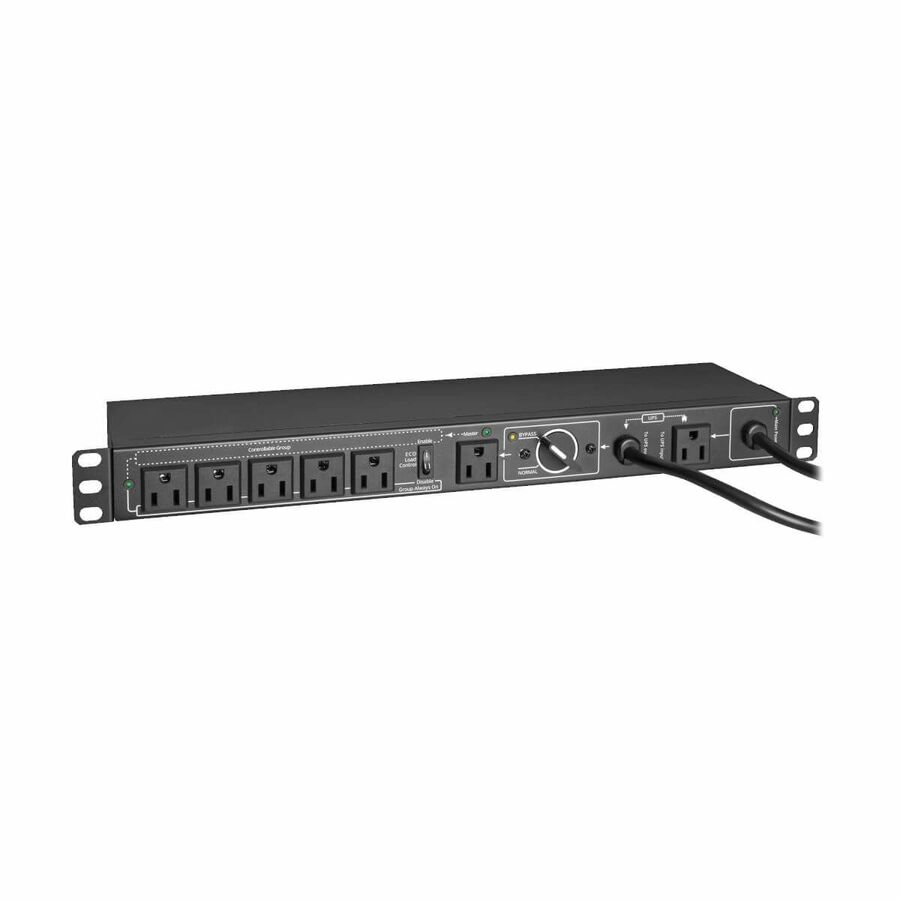
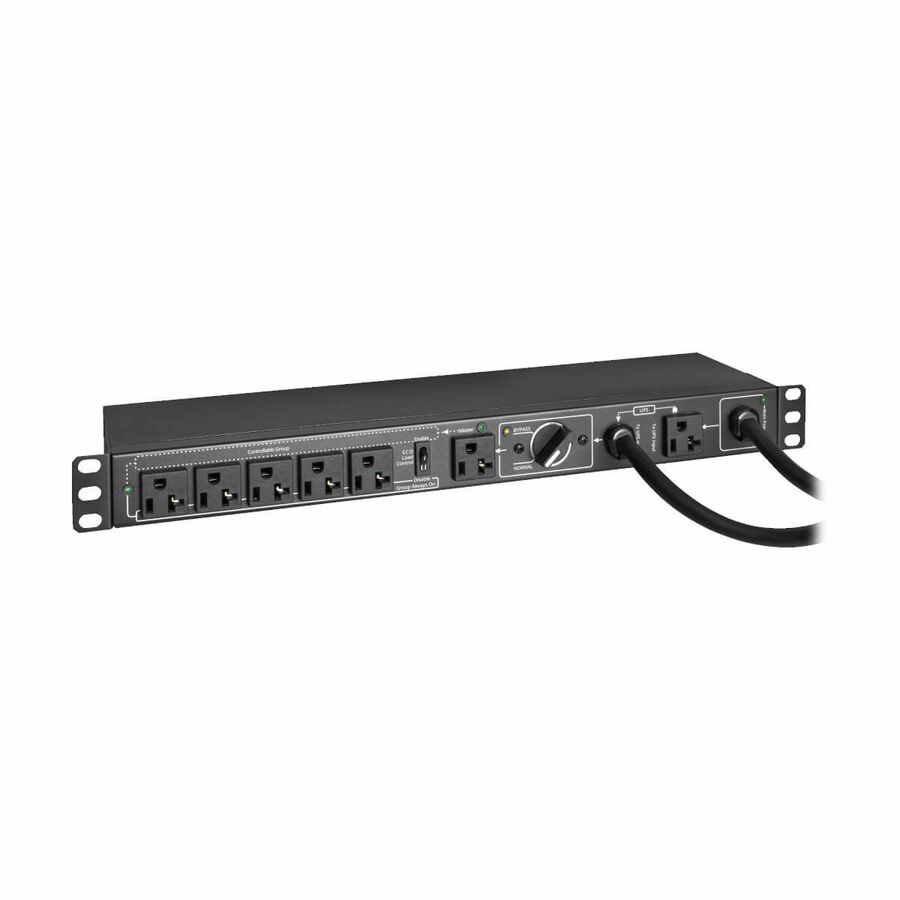
15 in stock - EatonEaton Tripp Lite Series 220-240V 13A Single-Phase Hot-Swap PDU with Manual Bypass - 4 BS1363 Outlets, C20 & BS1363 Inputs, Rack/Wall - Manual Bypass - BS 1363, IEC 60320 C20 - 4 x BS 1363 - 230 V AC - 2U - Horizontal - Wall-mountable, Rack-mountable - Hot-swappablePDUBHV20B
$211.00
$194.12
1 in stock - StarTech.comStarTech 20-Outlet Rackmount PDU, 1U Server Power Strip, 8x Front and 12x Rear Ports, Mounted Power Distribution Unit for 19in Racks - 1U rackmount PDU unit for 19in racks w/ 20x electrical outlets - 16x IEC C13 / 4x IEC C19 outlets - 240V 15A supply; 8ft power cord - 15A breakers safeguard each C19 outlet and every group of C13 ports - SPCC steel power distribution unit/strip; TAA2030B8H-RACK-PDU-IC
$271.61
$249.88*
318 in stock
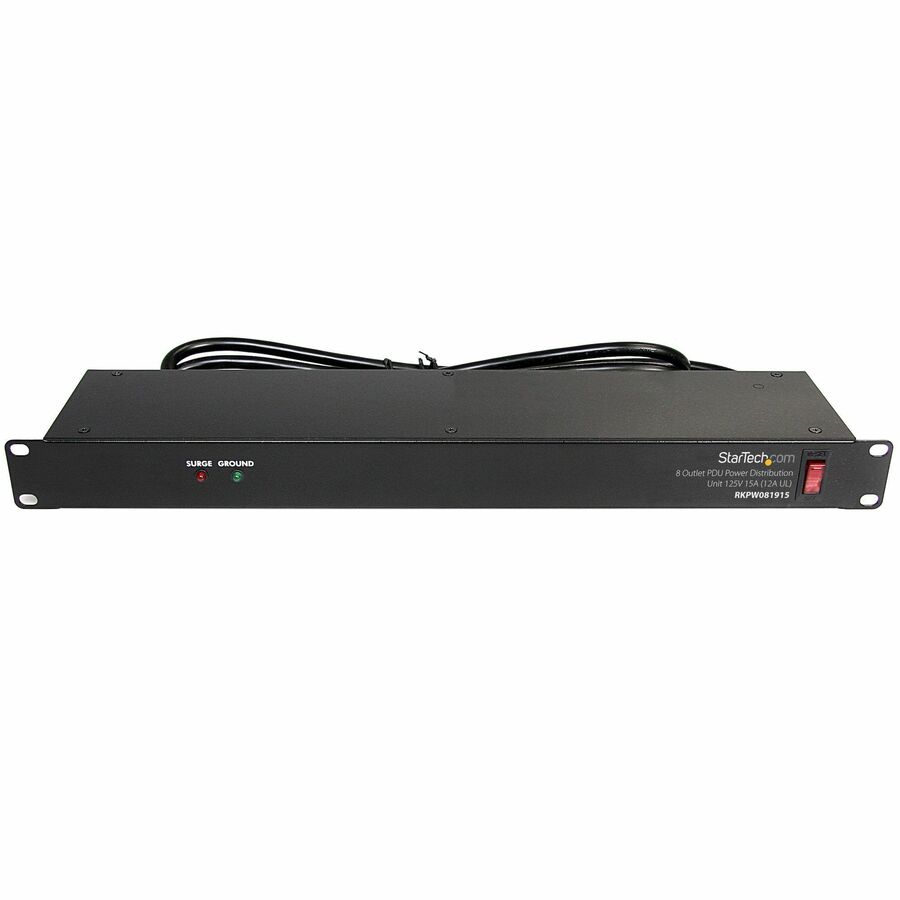

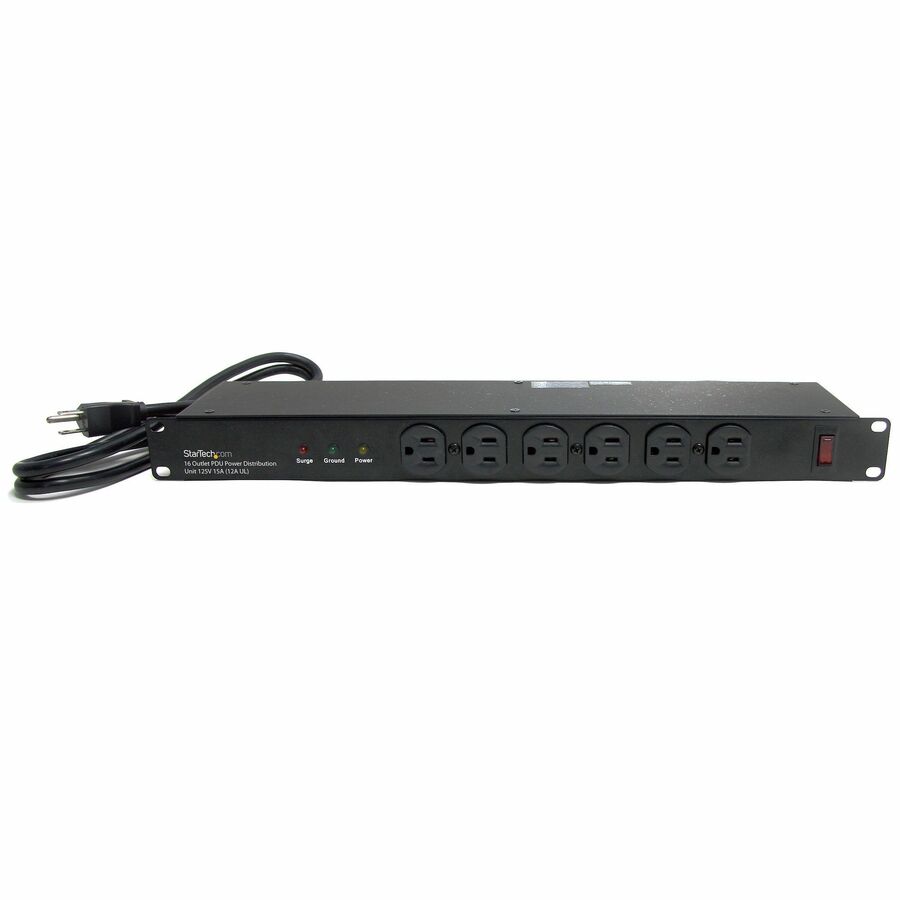
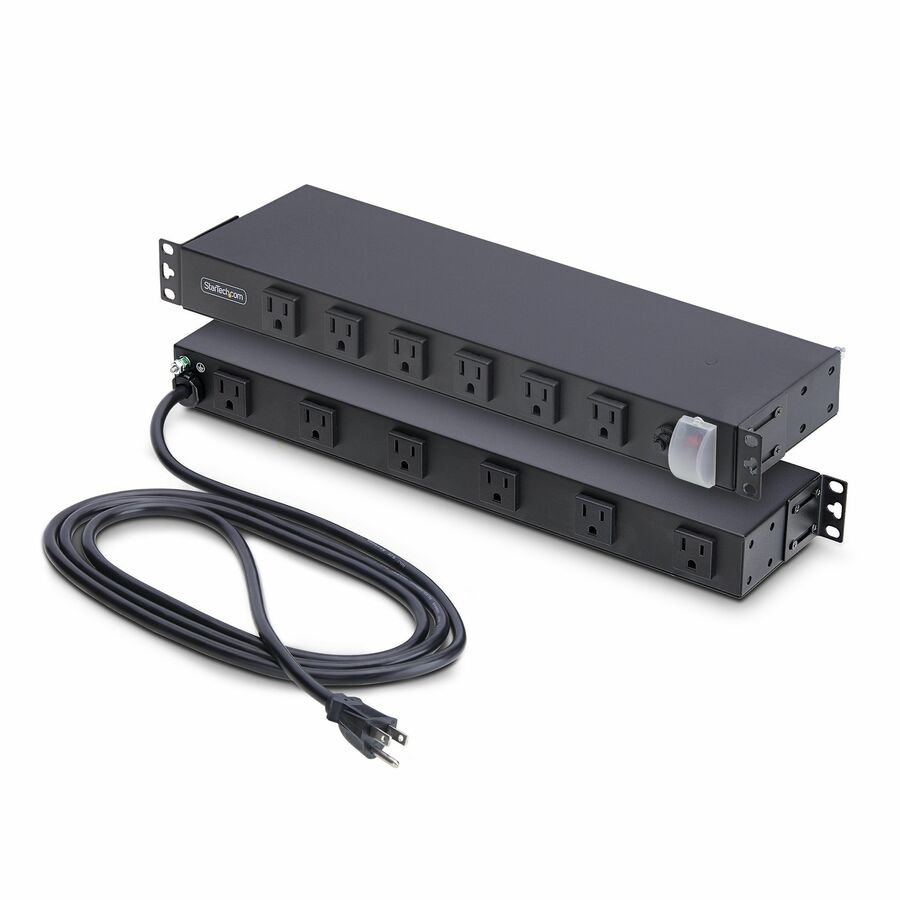
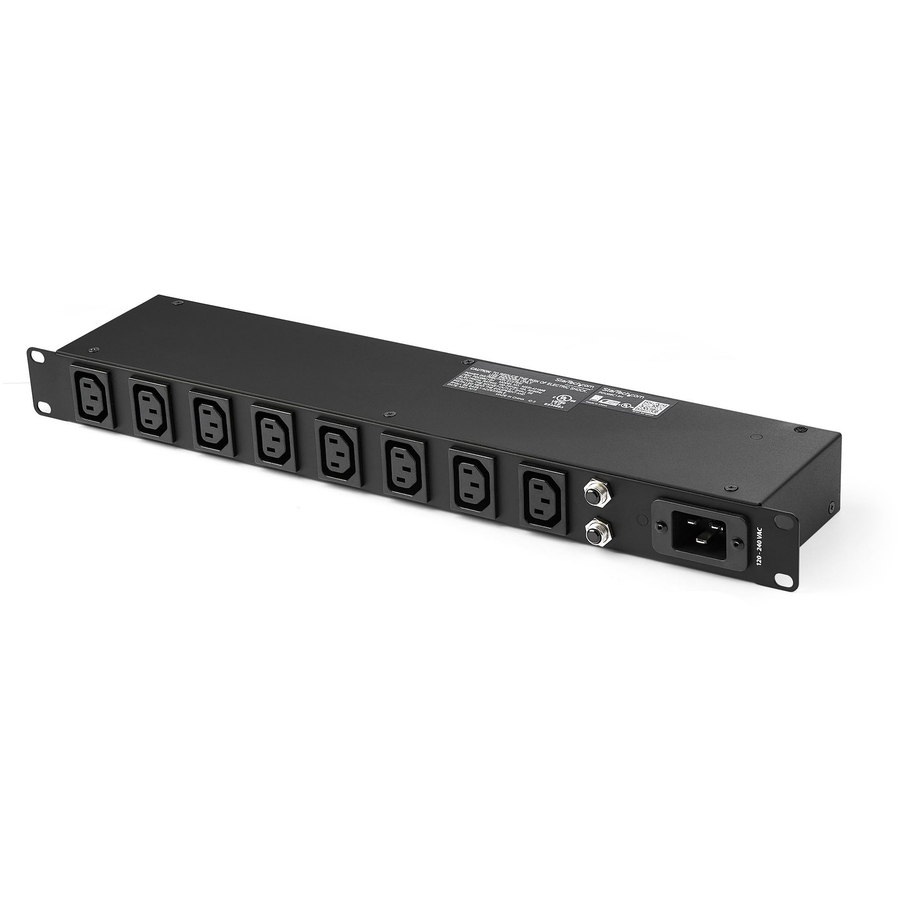
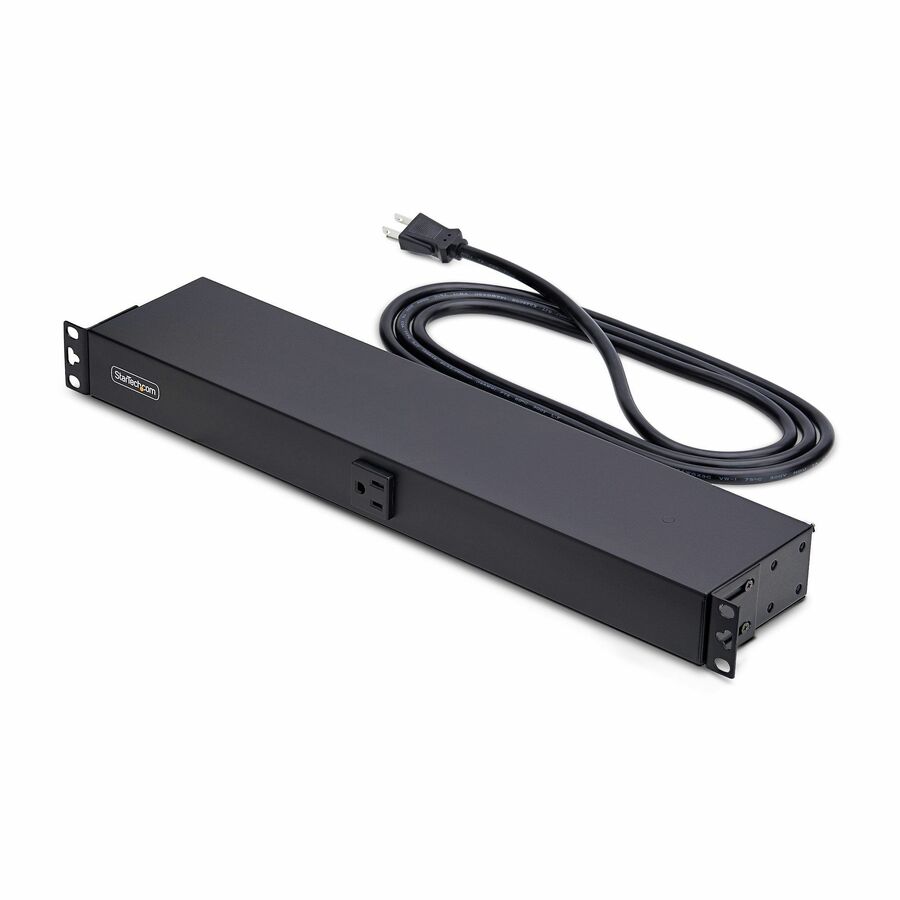
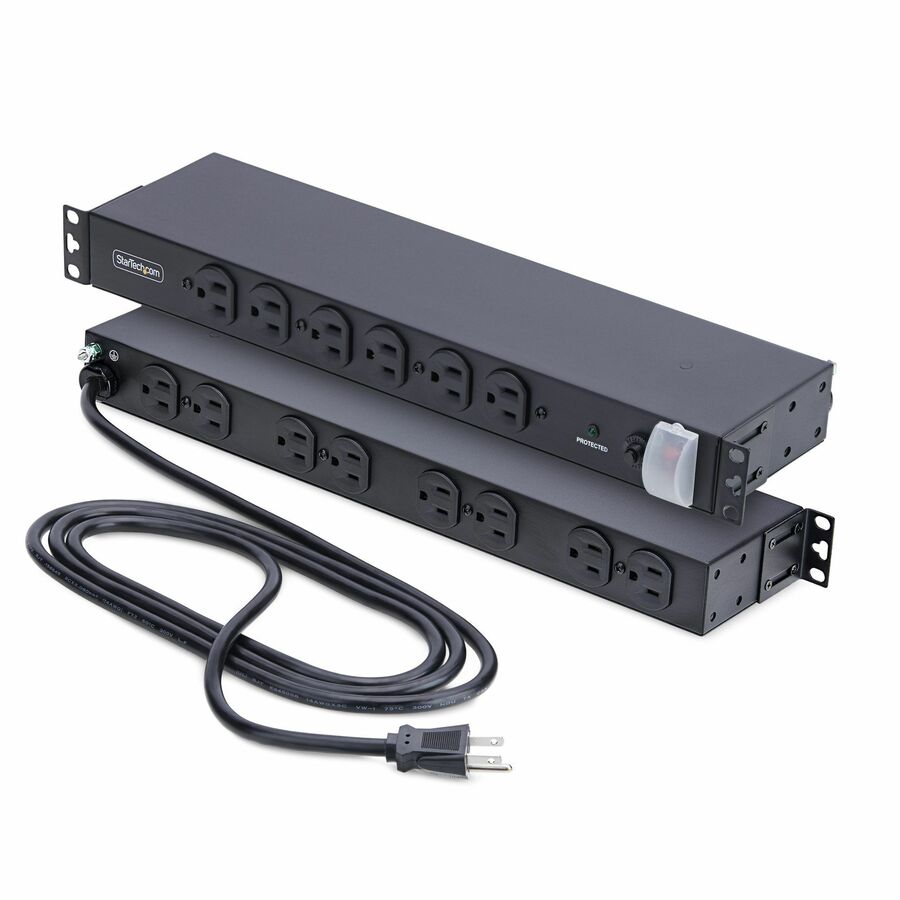
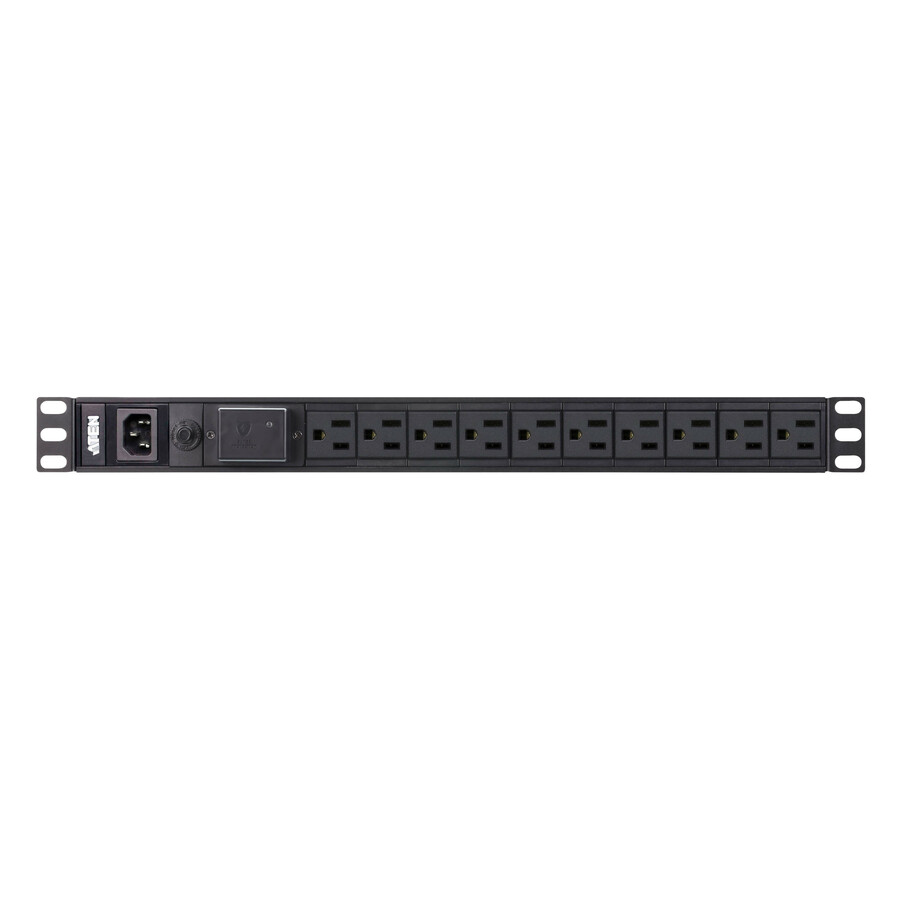

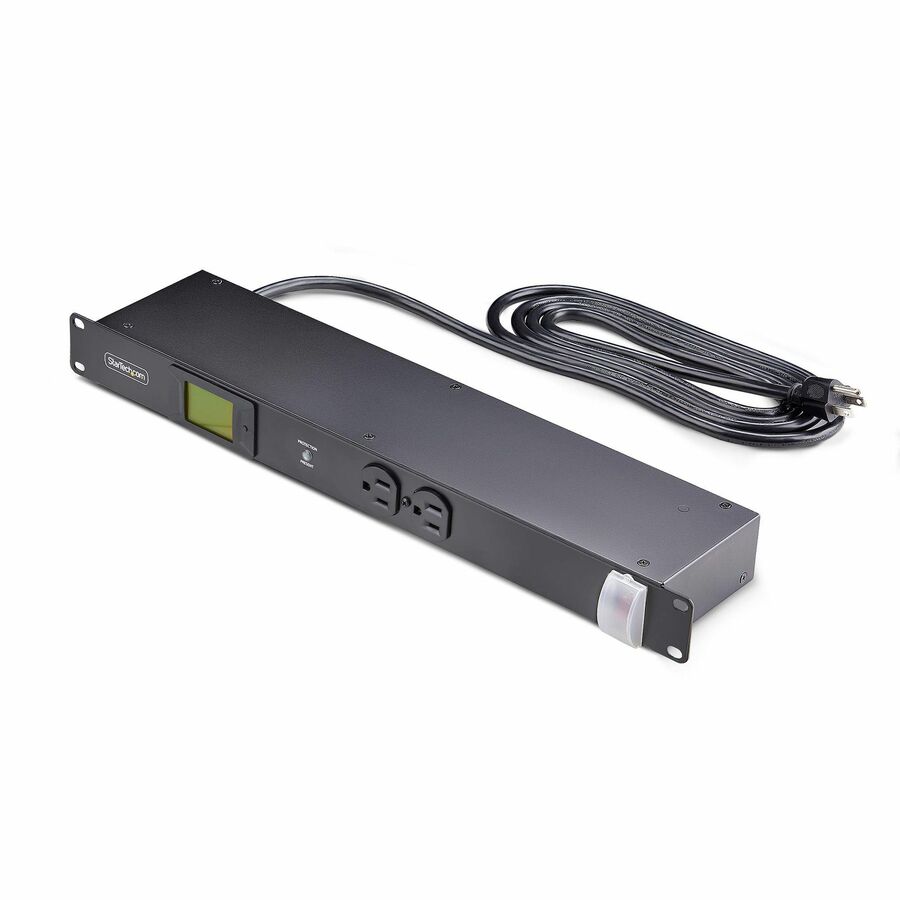
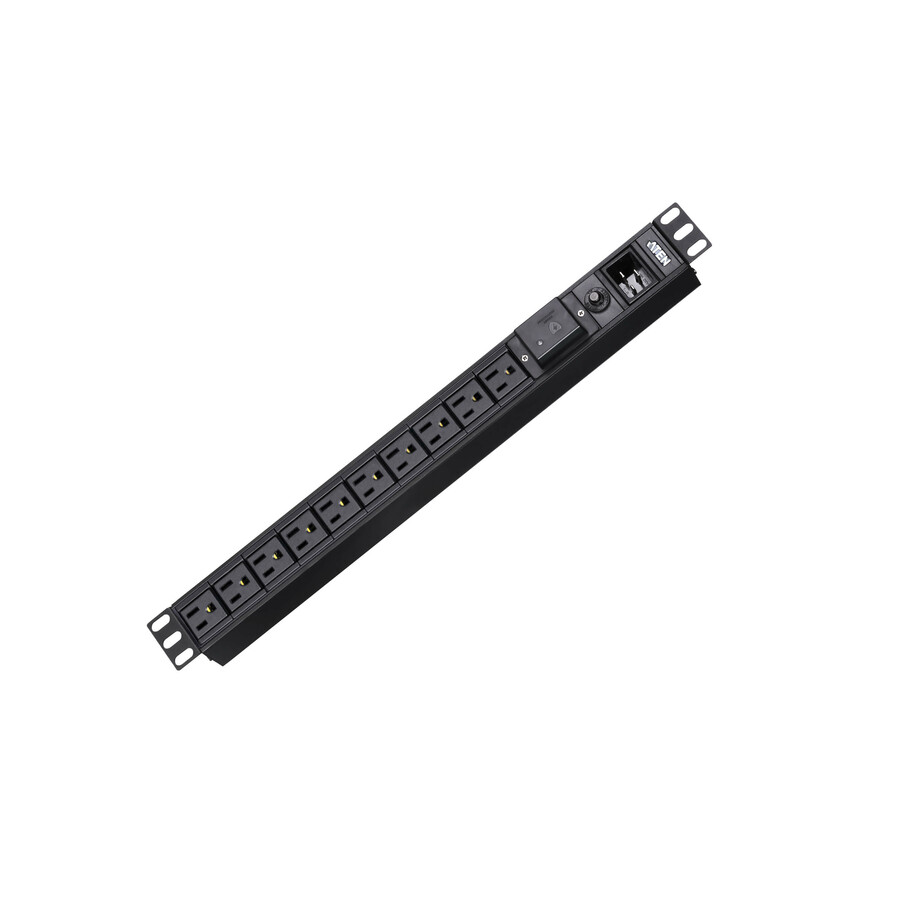
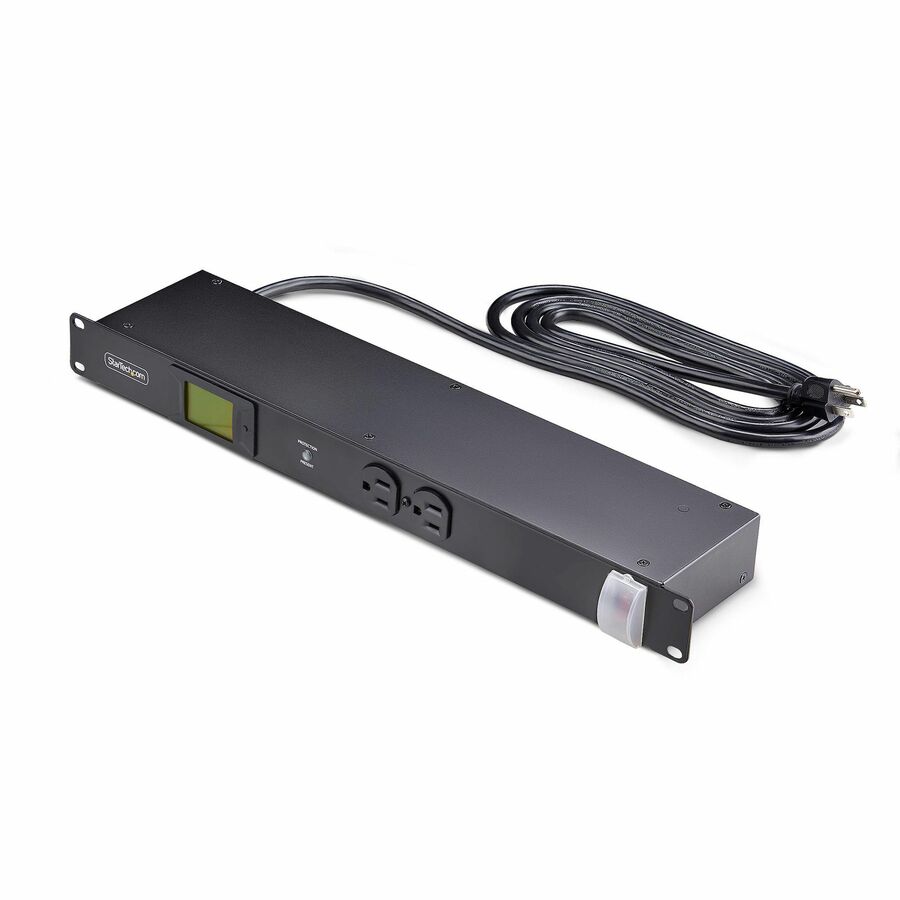
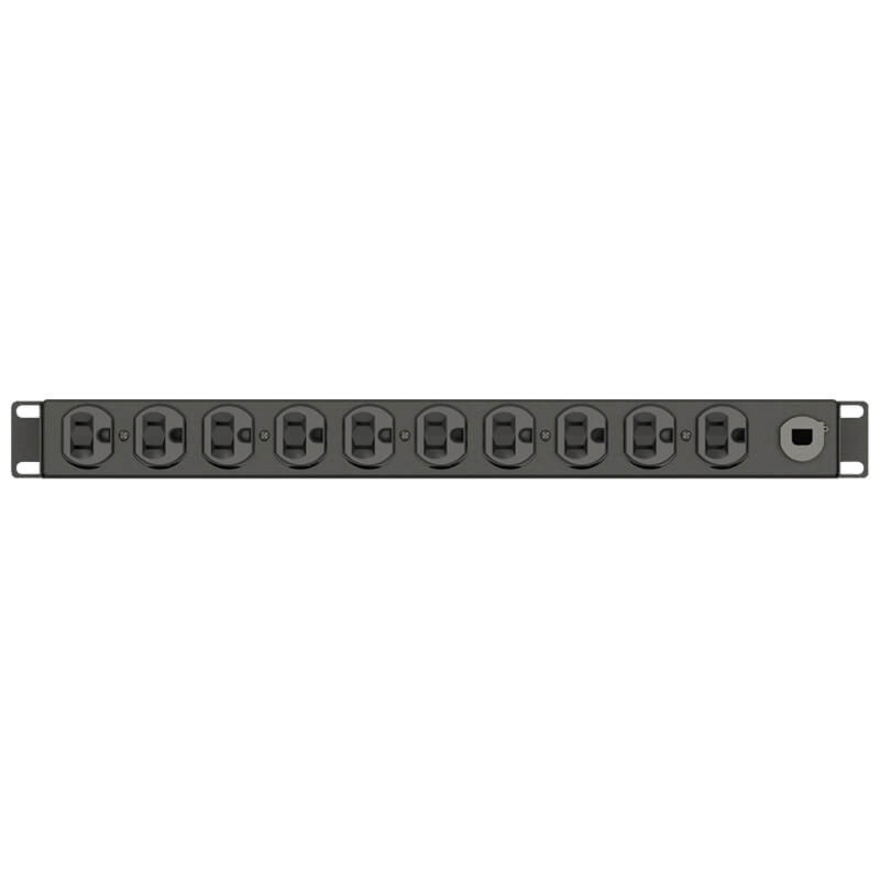

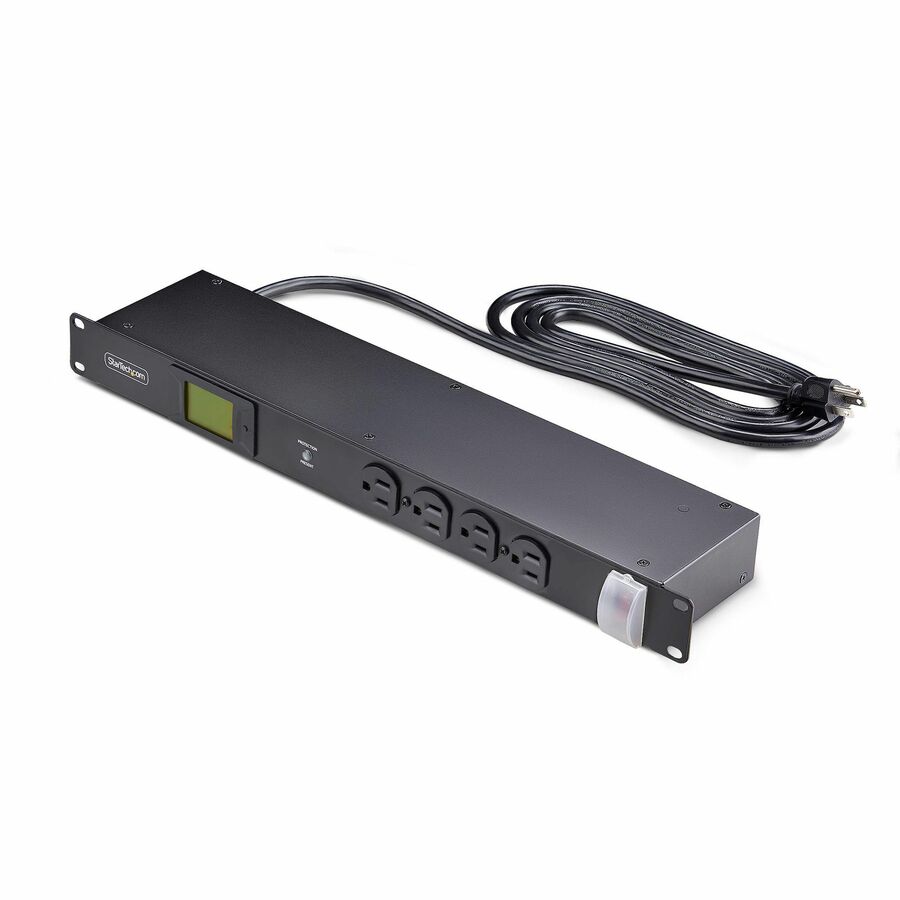



Eight outlets, 1U
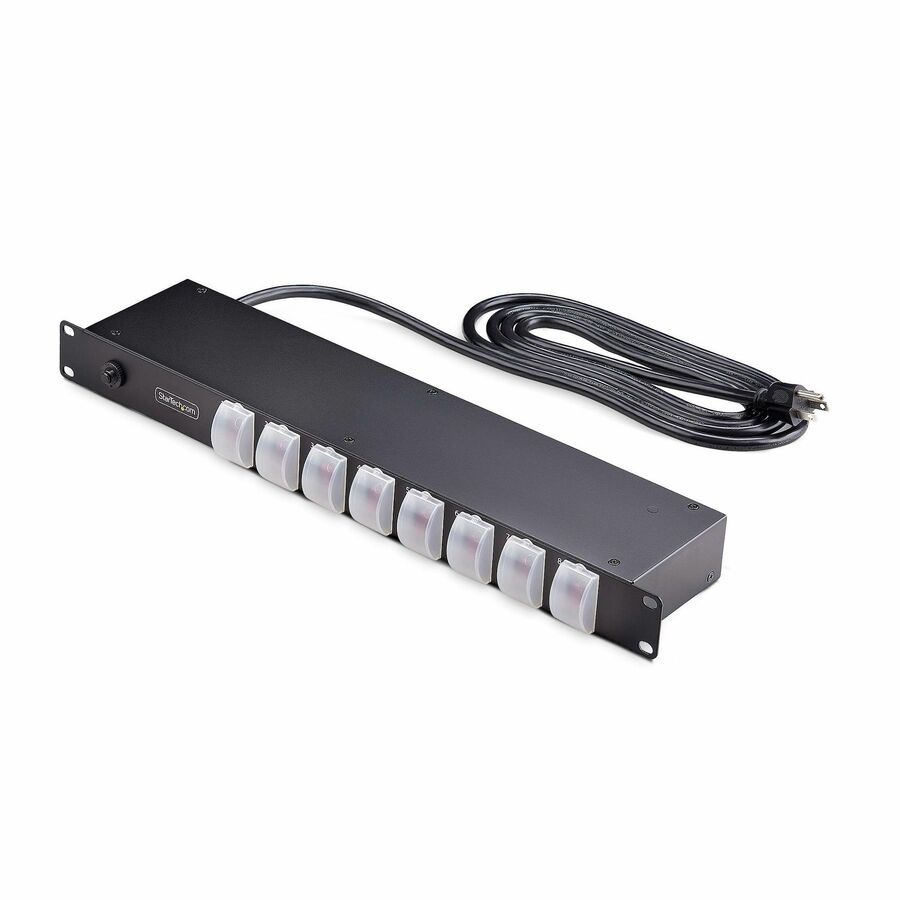
StarTech.com
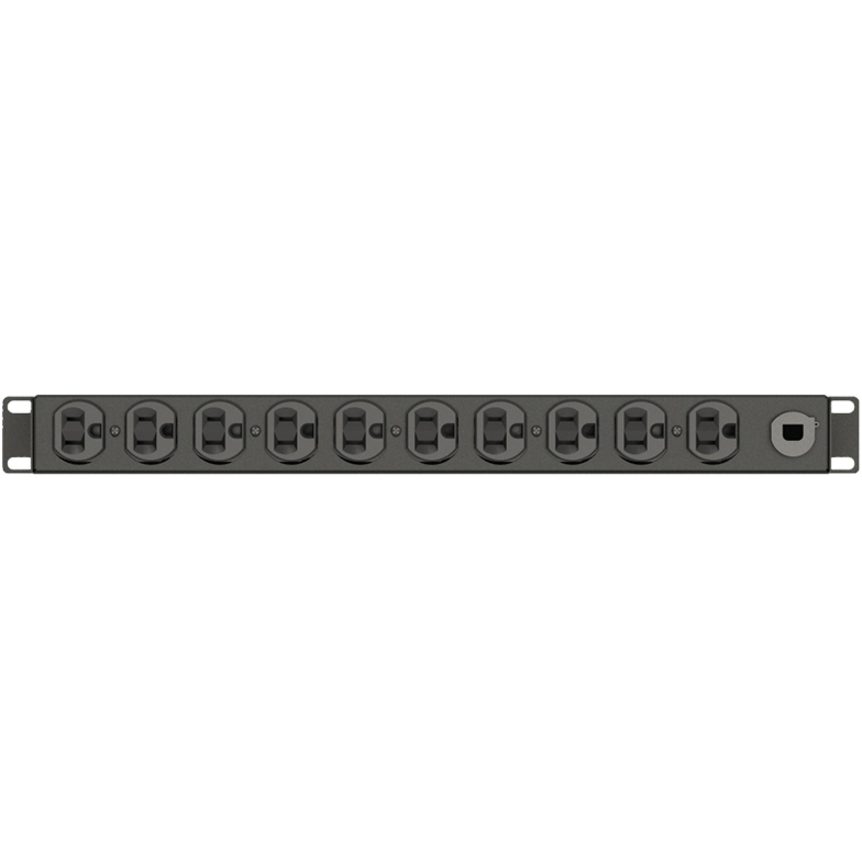
StarTech 8-Outlet Horizontal Rack Mount PDU, 1U Power Strip, On/Off…
8NS8-RACK-MOUNT-PDU
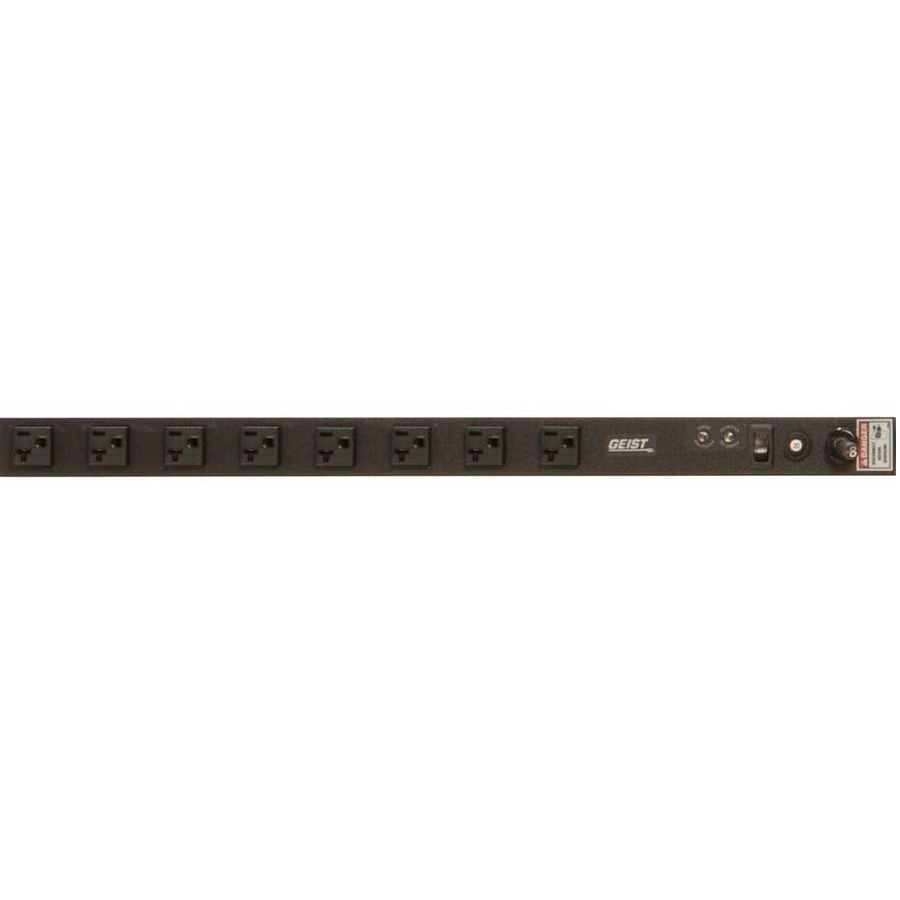
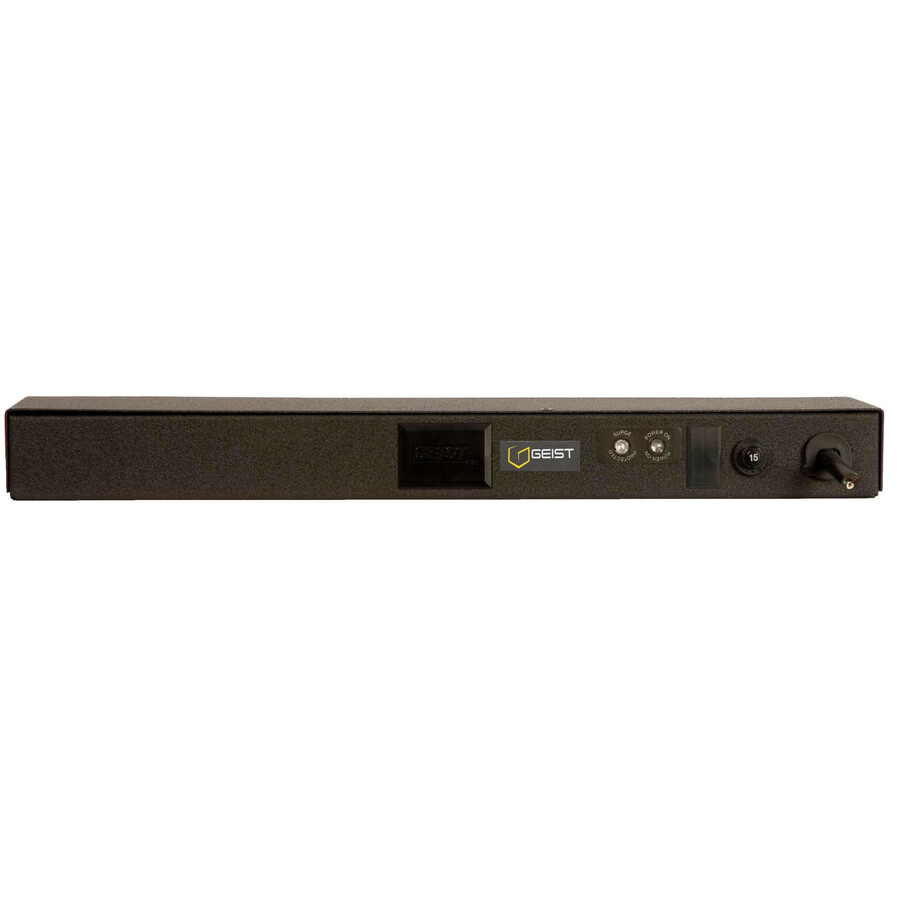
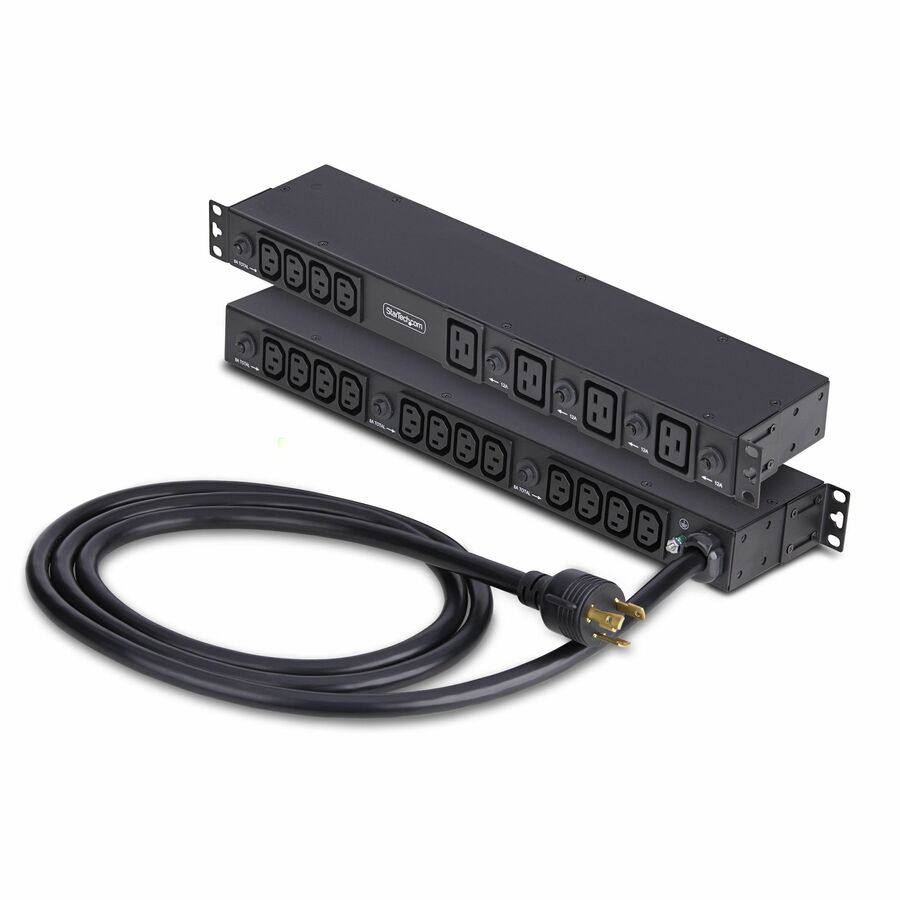
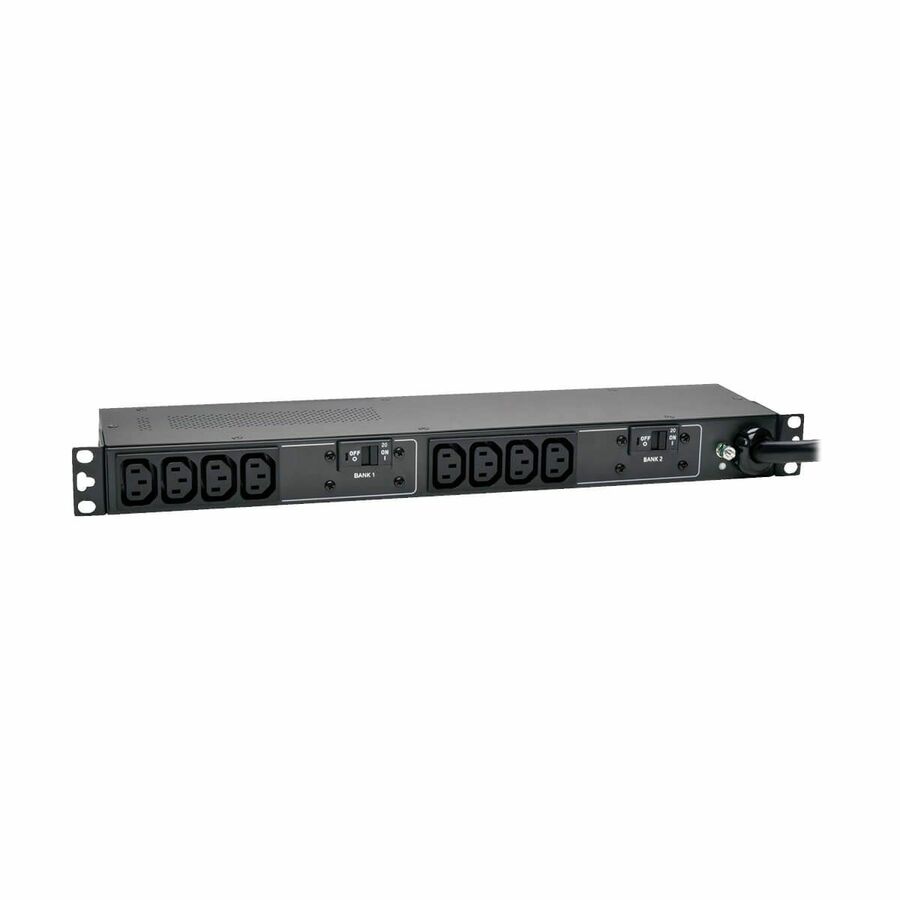
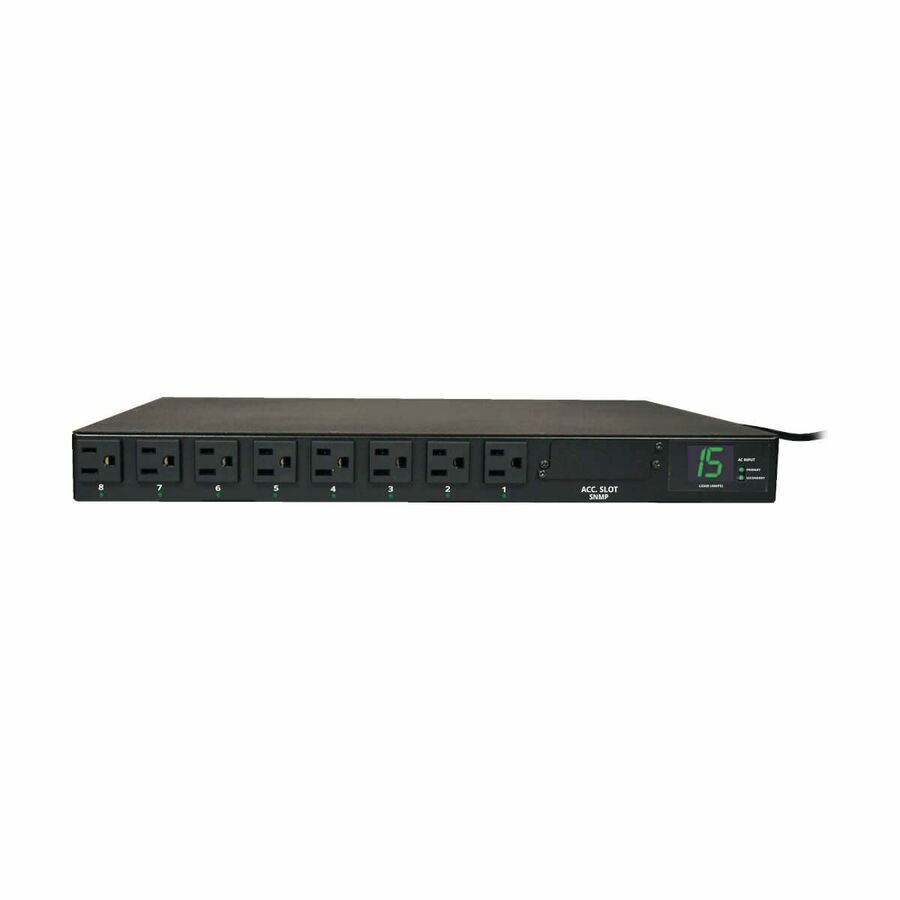
The plain answer for a cabinet somebody visits anyway: eight NEMA 5-15R outlets in a 1U horizontal body with per-outlet on/off switches, a 15 A circuit breaker and an eight-foot cord.
Its title names no tier — outlets, breaker and cord only. It is titled TAA Compliant, a per-part fact to confirm on the row you order.
$88.63*Back-orderedMetered 1U
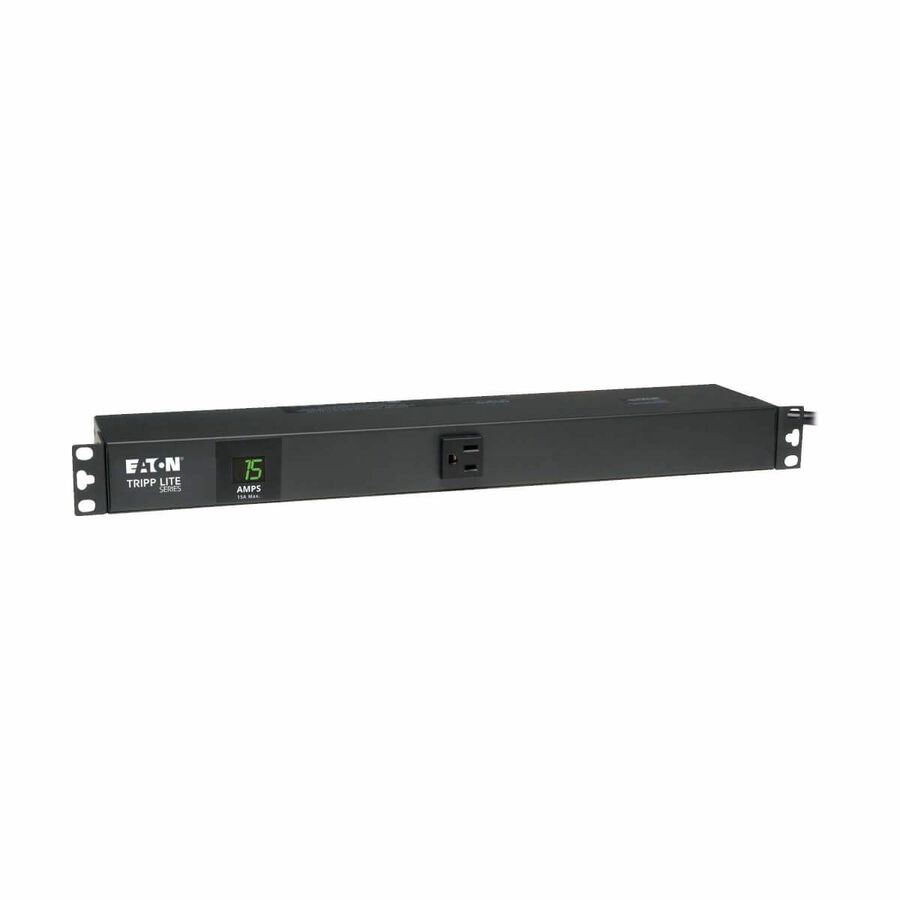
Eaton
Tripp Lite by Eaton PDU 1.4kW Single-Phase Local Metered PDU 120V…
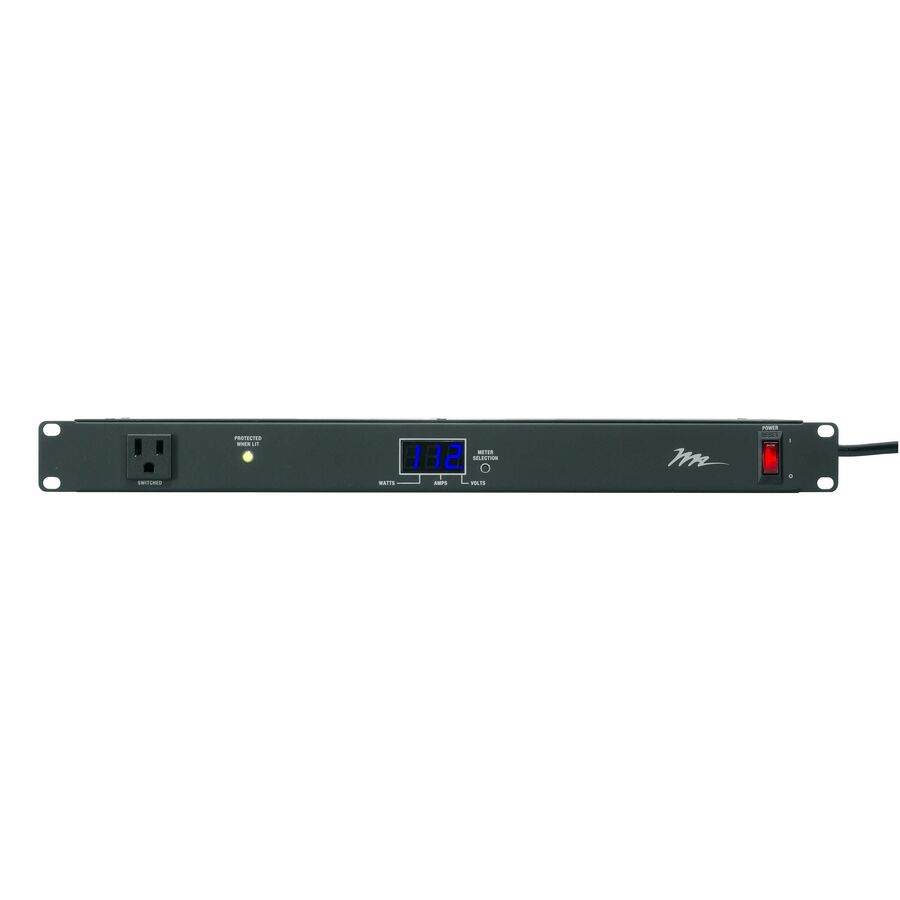
PDUMH15
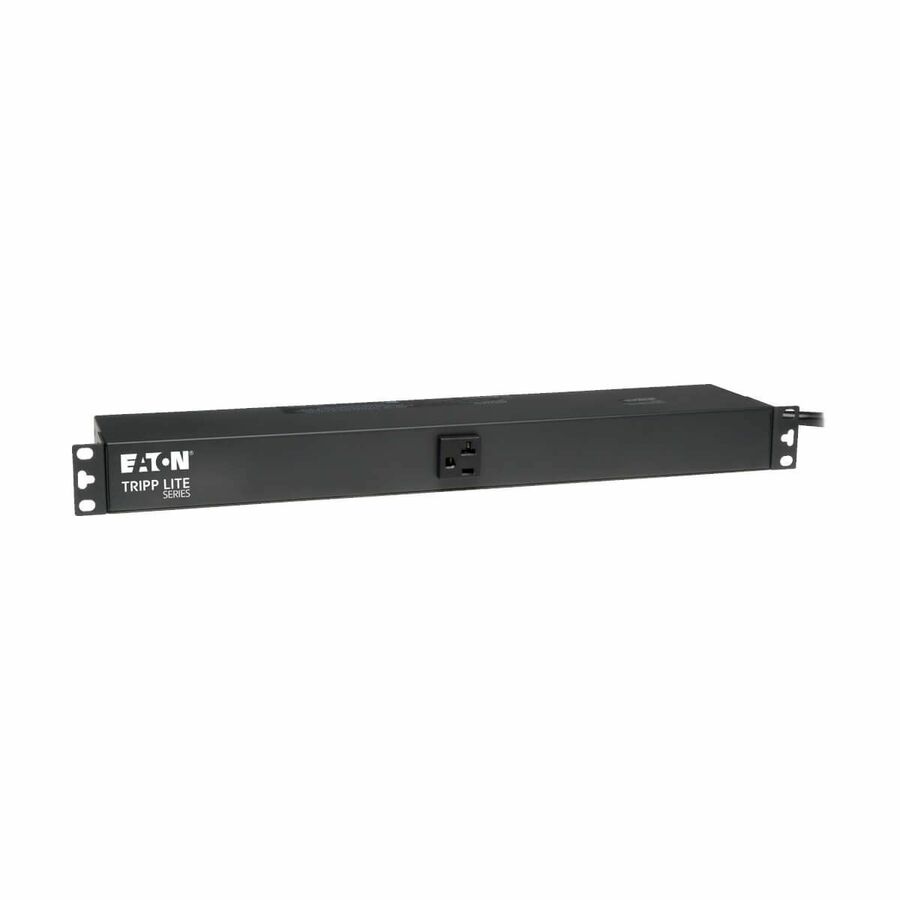
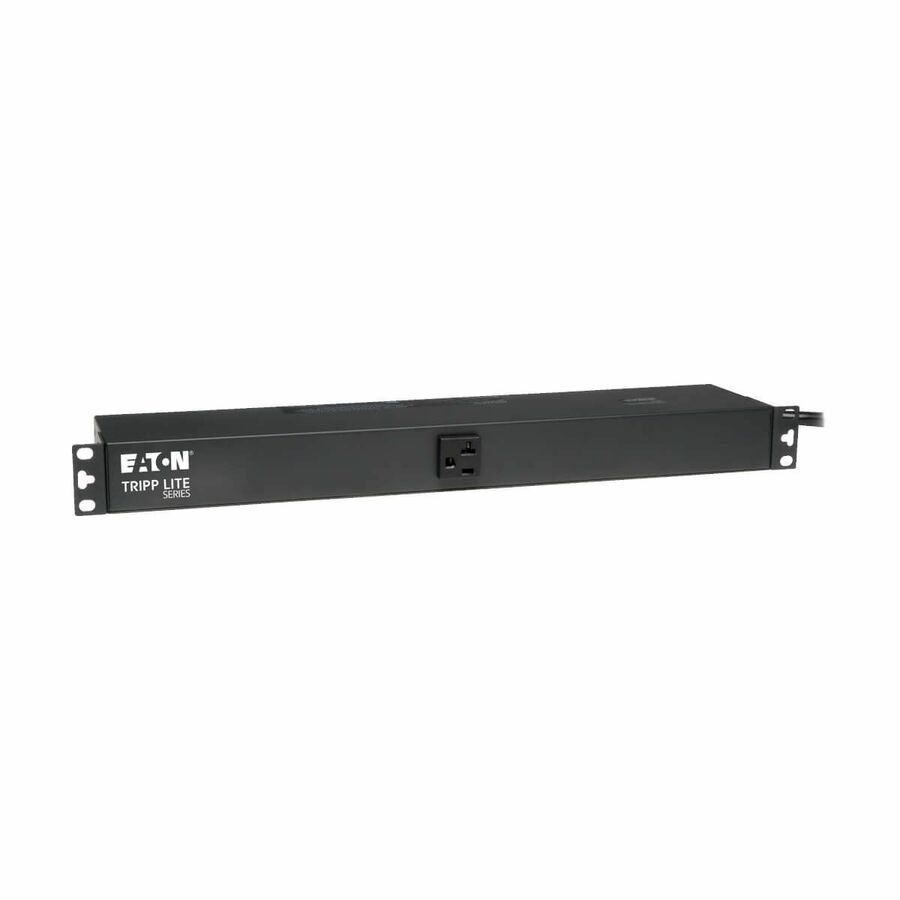
A 1.4 kW single-phase local metered unit with thirteen NEMA 5-15R outlets and a fifteen-foot cord, so the rack's load is a number on a display instead of a guess.
$203.32Back-ordered0U vertical monitored
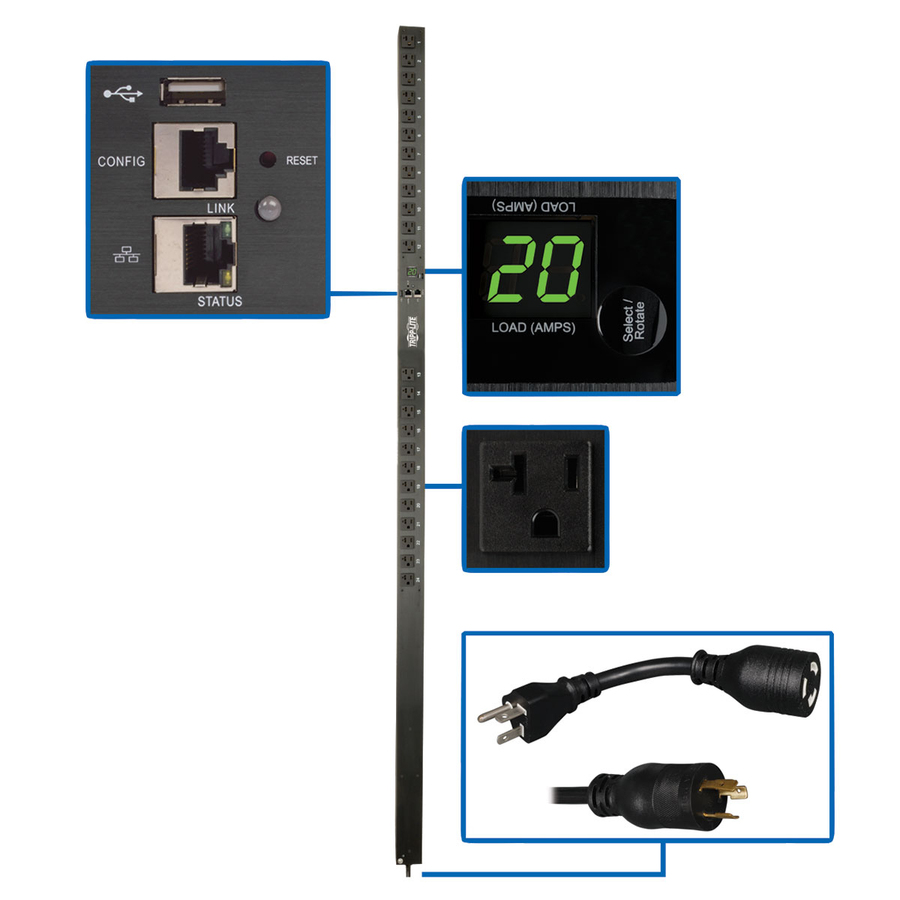
Eaton
Tripp Lite by Eaton PDU 1.9kW Single-Phase Monitored PDU with LX…
PDUMNV20LX
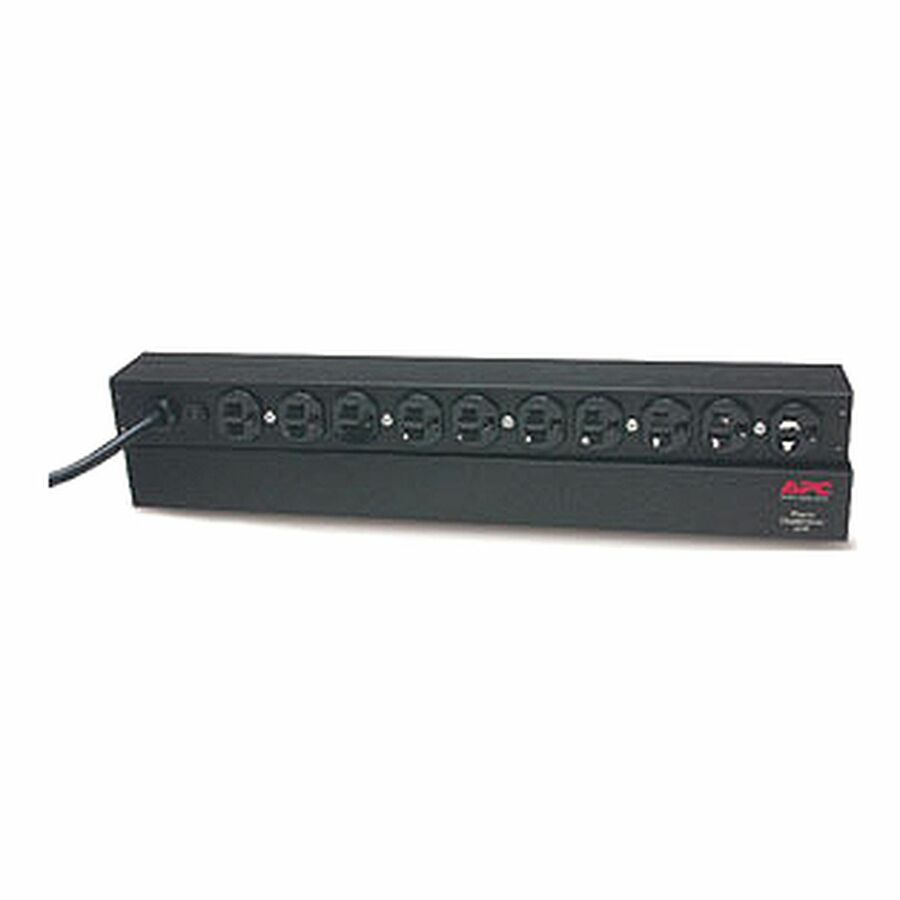
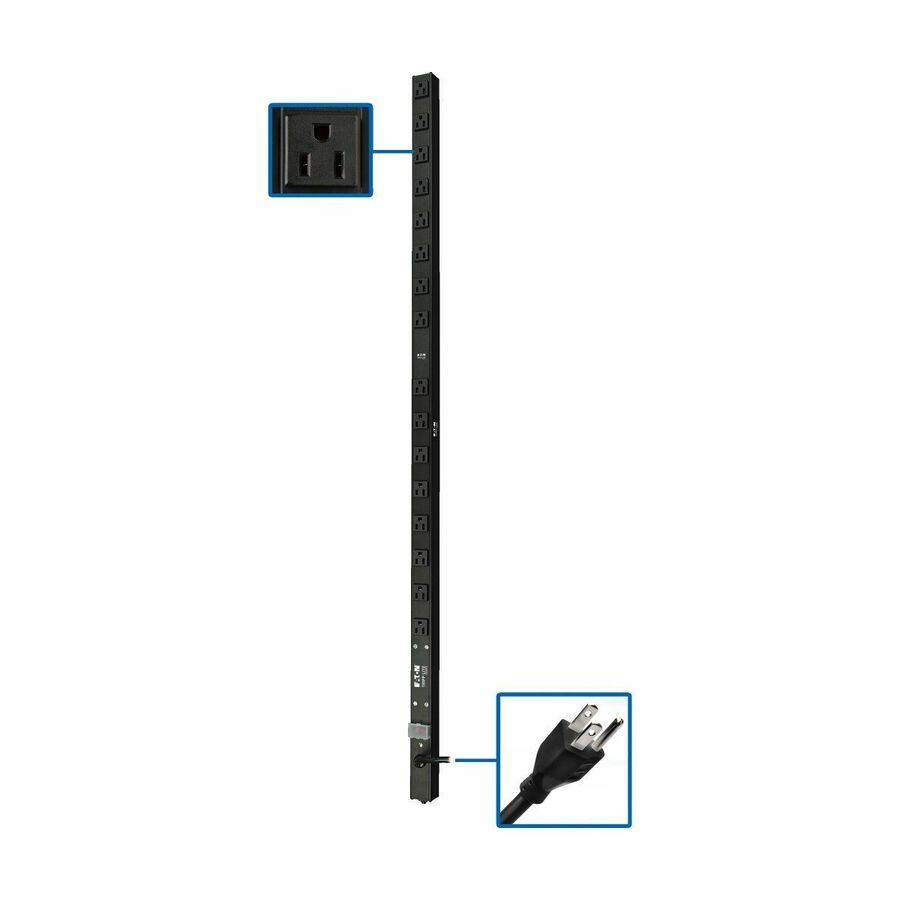
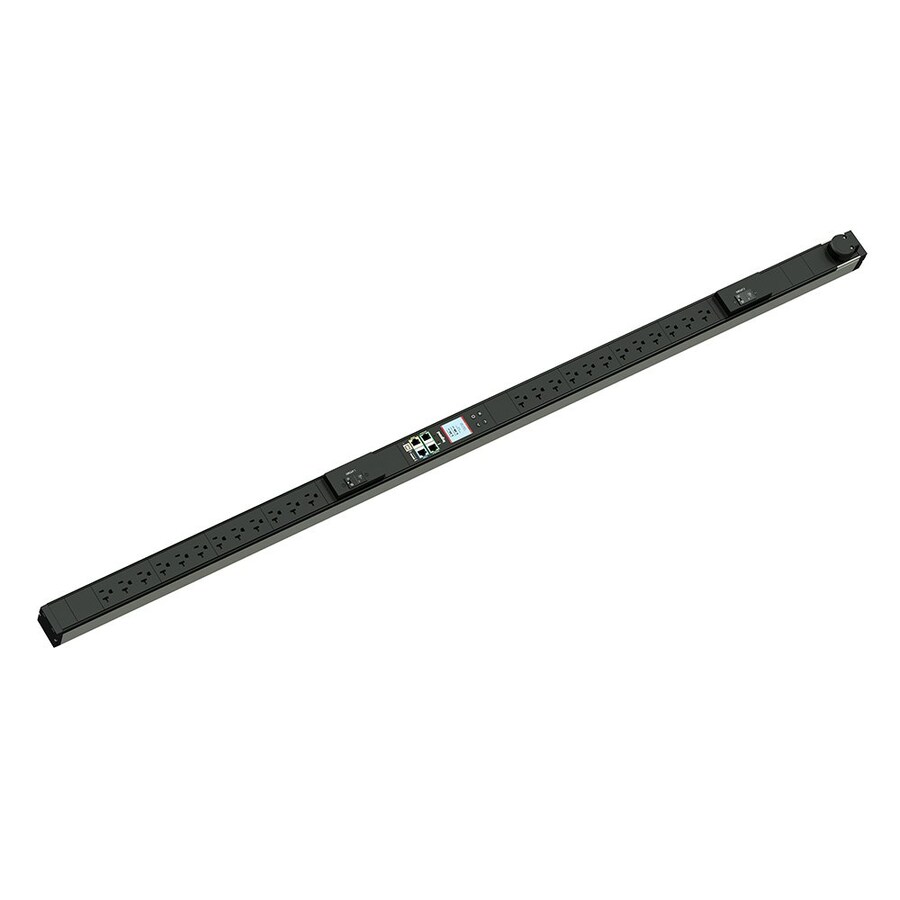
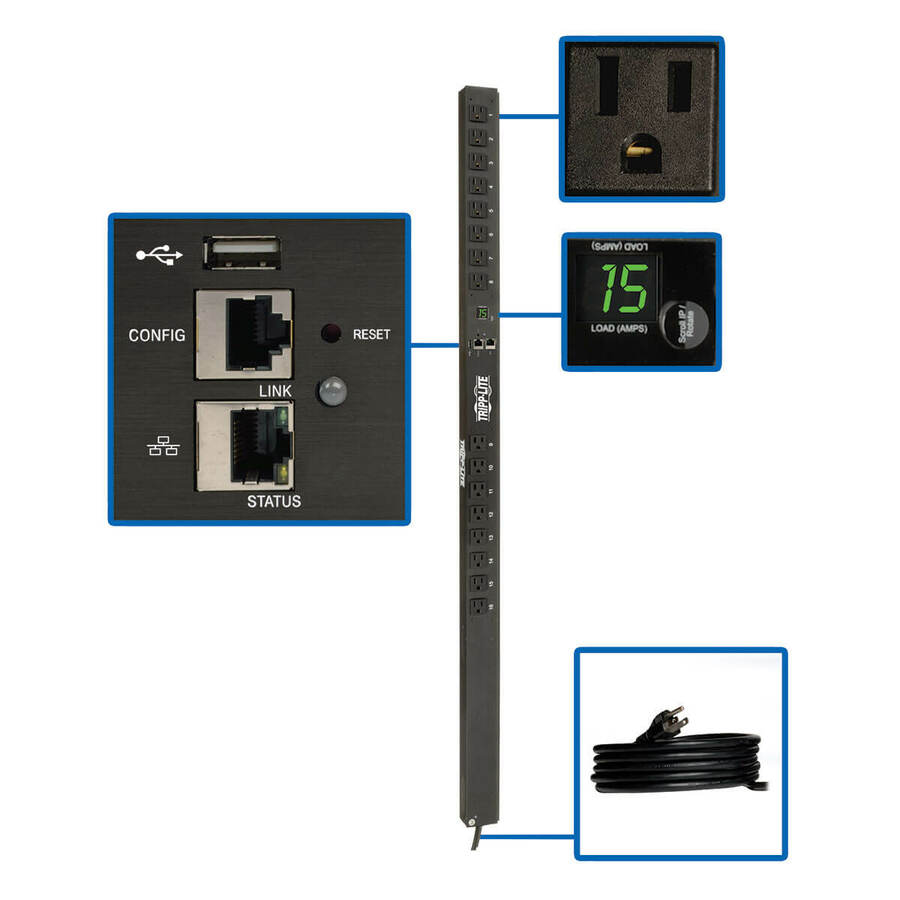
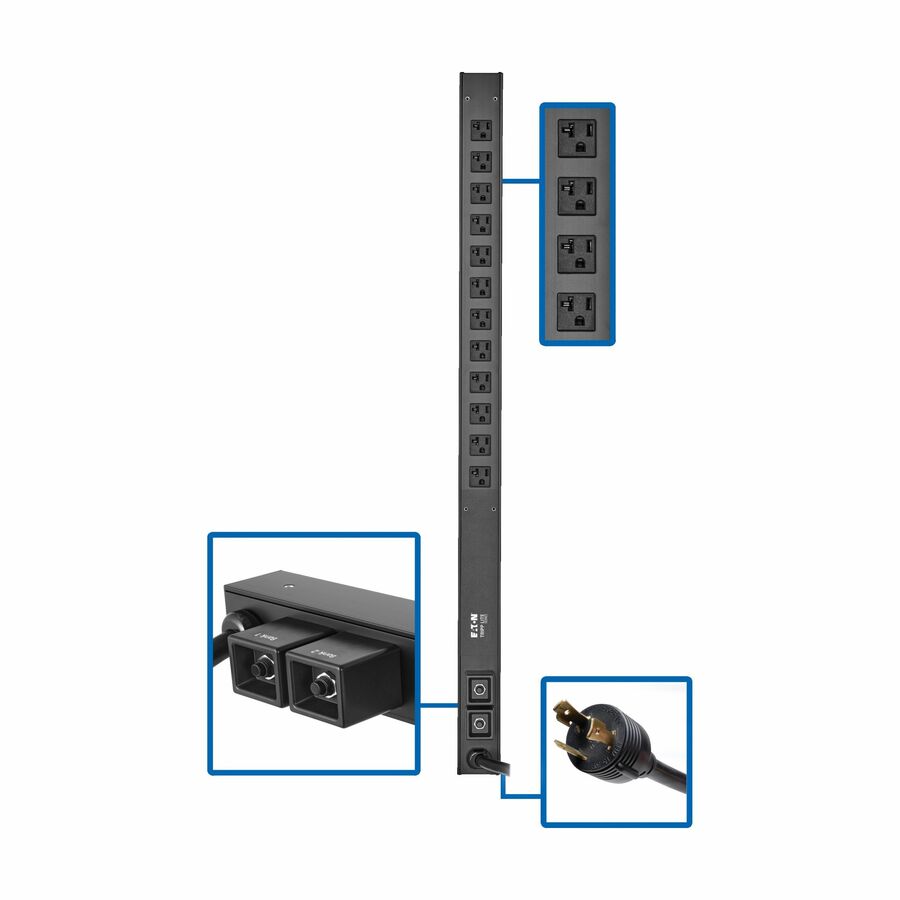
The vertical case with the reading on the network: a 1.9 kW single-phase 0U body that mounts down the side of the cabinet and costs no rack units, with twenty-four NEMA 5-15/20R outlets on a 120 V L5-20P input.
Titled Monitored, with an LX Platform interface and TAA Compliant — per-part facts to confirm on the row you order.
$756.24*In stockSwitched, networked
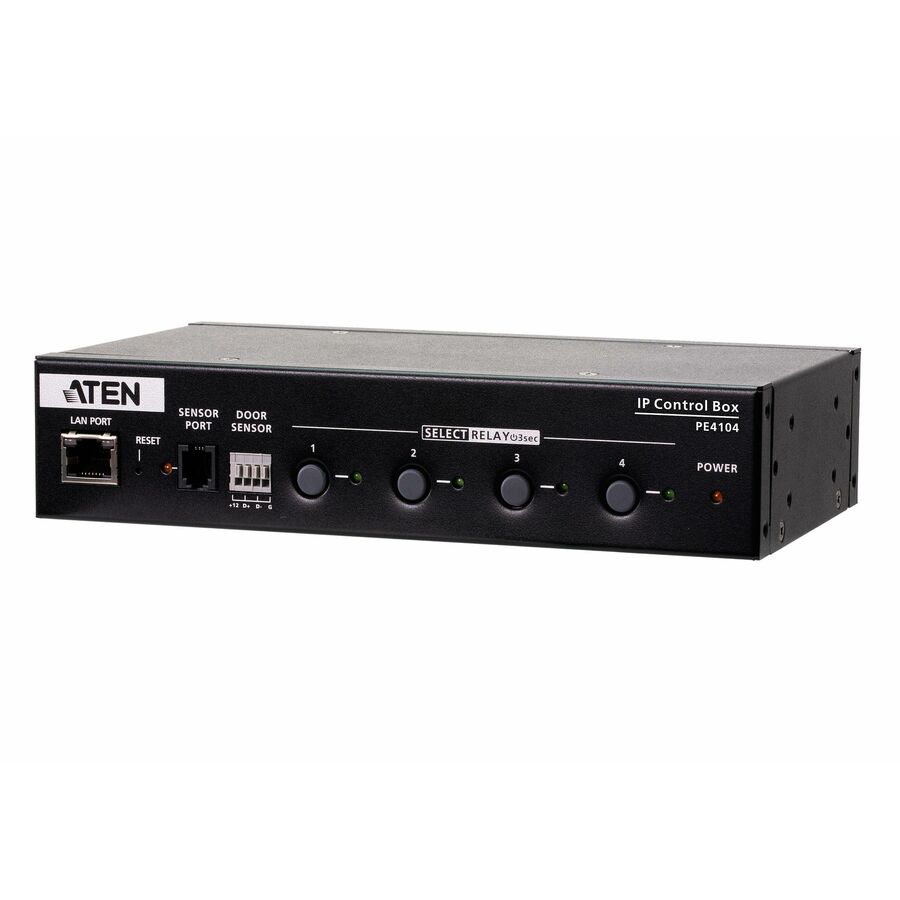
ATEN Technology
ATEN PE4104 4-Outlet Eco PDU Power Controller
PE4104A
Per-outlet switching with a network interface, for the site nobody is standing in — power-cycle a hung device remotely rather than driving to the rack.
Four outlets: sized for edge cabinets and single-purpose racks.
$264.72Back-orderedBrowse all 3,984 PDUs
Not the right one above? Filter the whole range by the specs that matter — live pricing and honest availability on every row, the same NDAA §889 screening before checkout, and TAA verified on request.
Showing 24 of 3,984 PDUs
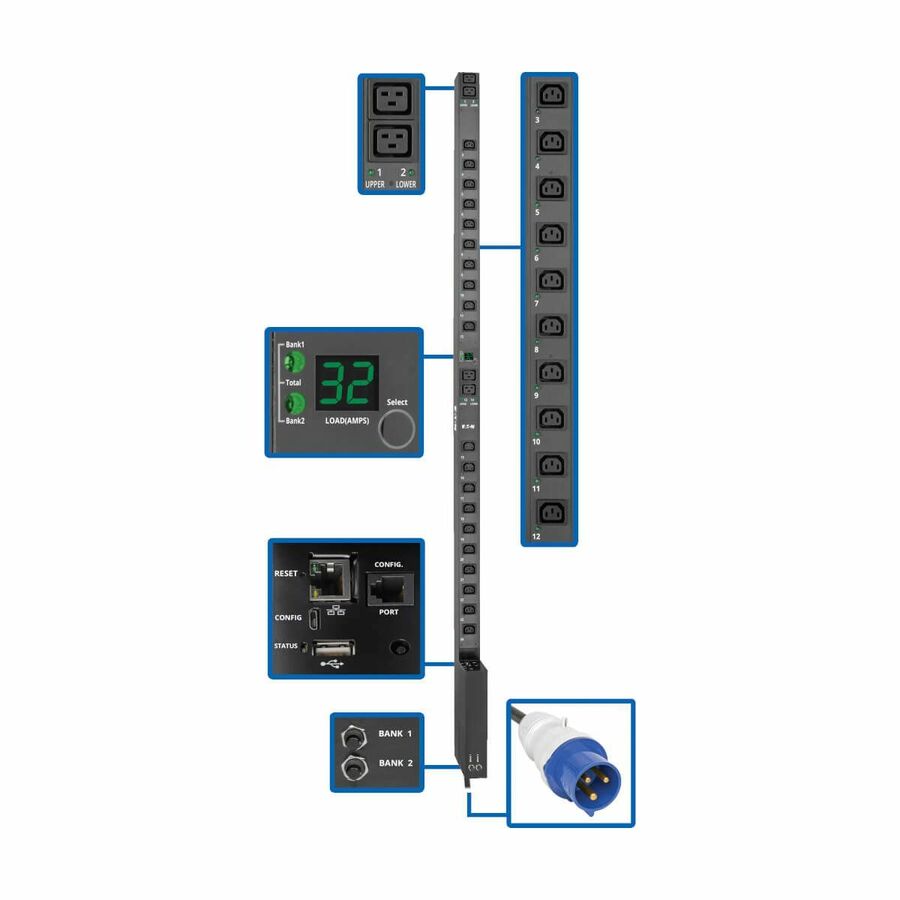
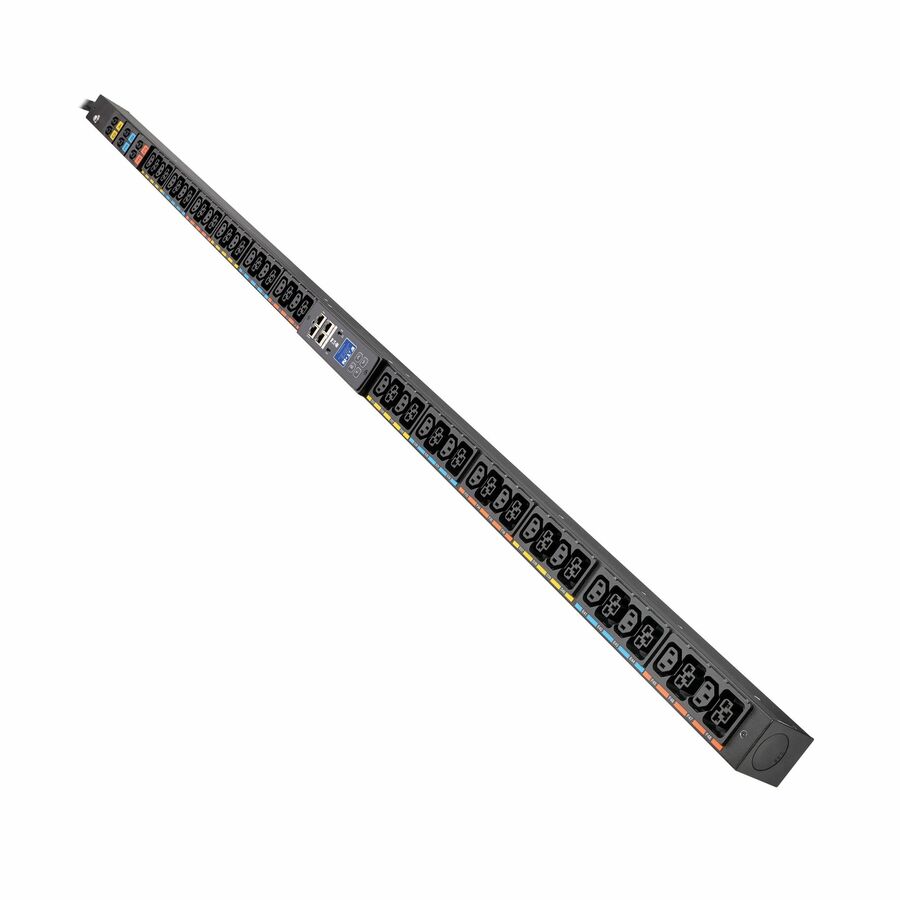
- EatonEaton 7.7kW Single-Phase Switched PDU with LX Platform Interface, 230V Output, IEC 309 32A Blue, 10 ft. (3.05 m) Cord, 0U, TAA - Switched - 4 x IEC 60320 C19, 20 x IEC 60320 C13 - 230 V AC - Network (RJ-45) - 0U - Vertical - Rack Mount - Rack-mountable - TAA CompliantPDUMV32HVNETLX
$1,602.00
$1,473.84
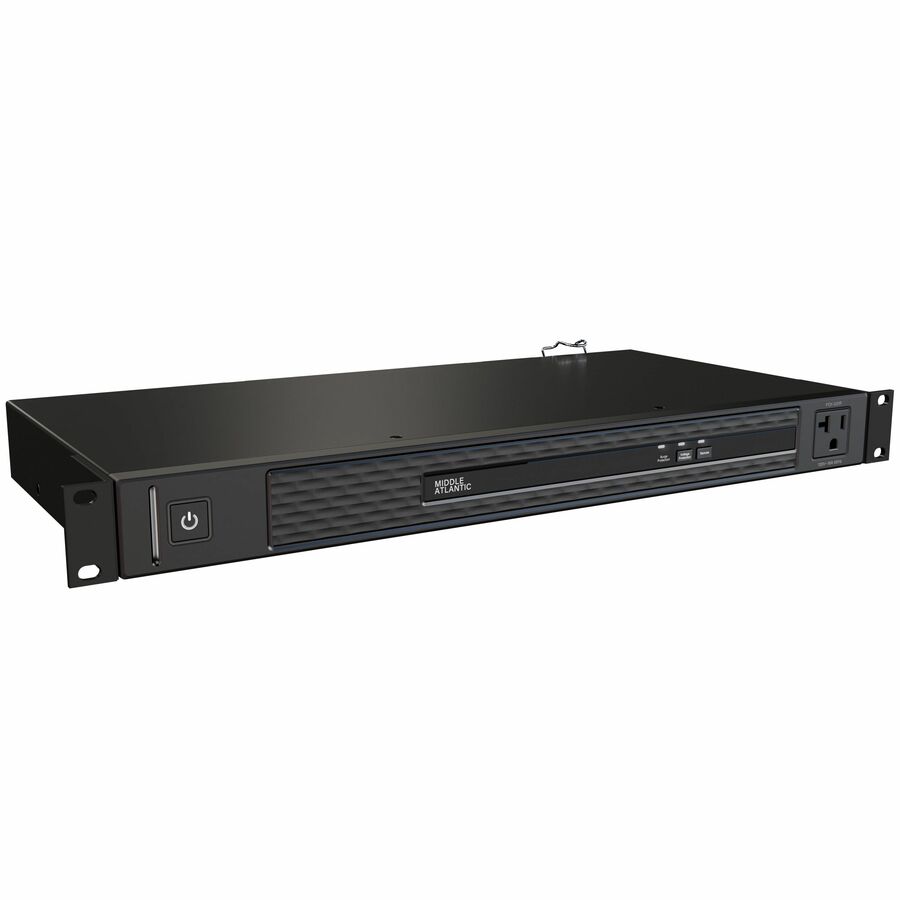
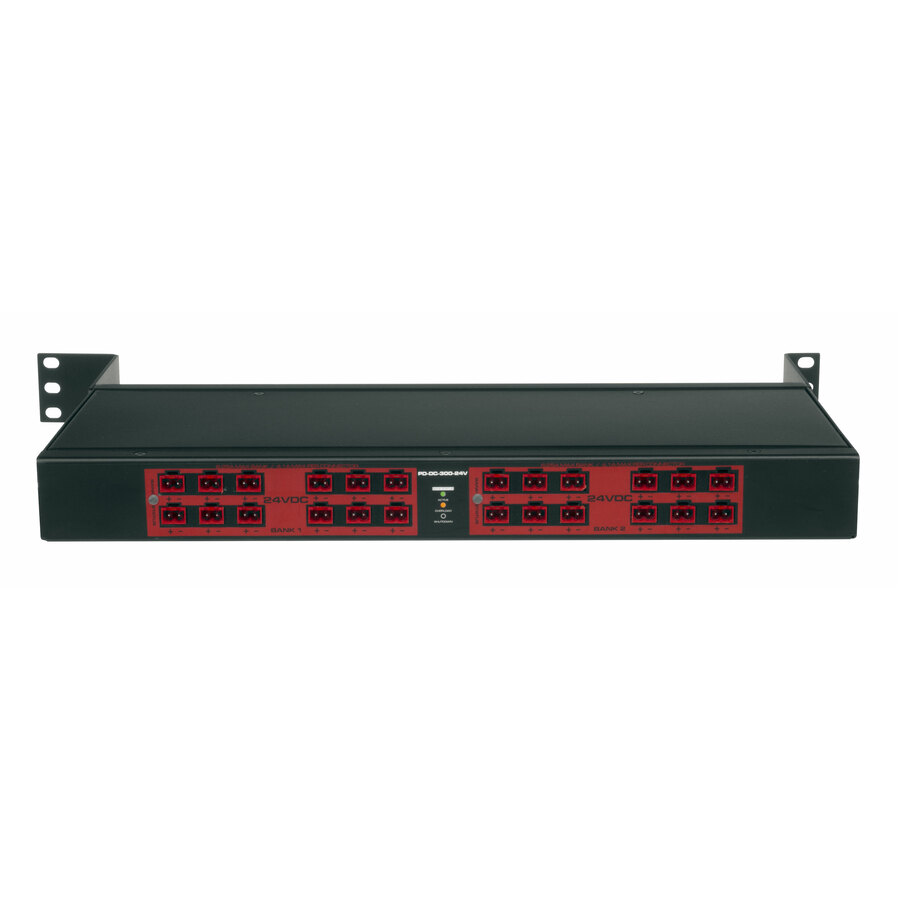
102 in stock - LegrandMiddle Atlantic NEXSYS Rack Mount Power Distribution Unit - 20 Amp, 9 Outlet Rack Mount PDU - Rack-mountable - RackPDX-920R
$482.00
$382.55
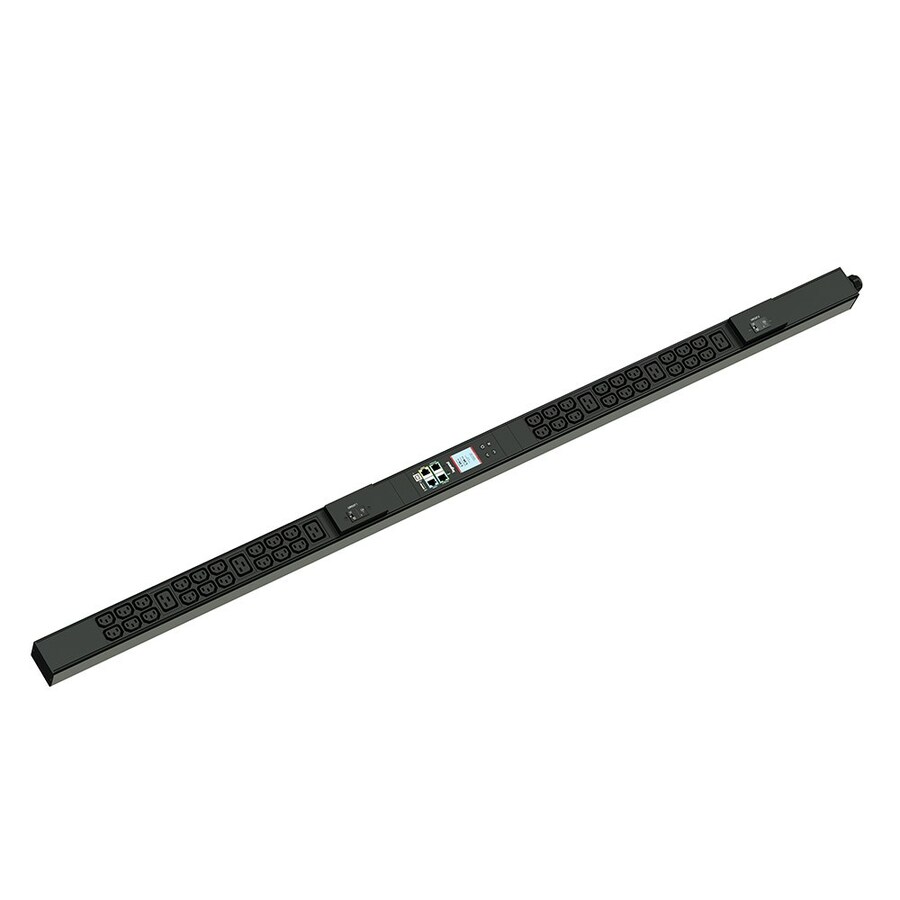
353 in stock - EatonEaton Metered Input rack PDU, 0U, CS8365 input, 12.48 kW max, 200-240V, 35A, 6 ft cord, Three-phase, Outlets: (30) C13 Outlet grip, (6) C19 Outlet grip - CS8365 - 30 x IEC 60320 C13, 6 x IEC 60320 C19 - 230 V AC - 12.48 kW - Network (RJ-45) - 38U - Rack-mountableEMI305-06
$1,794.00
$1,650.48
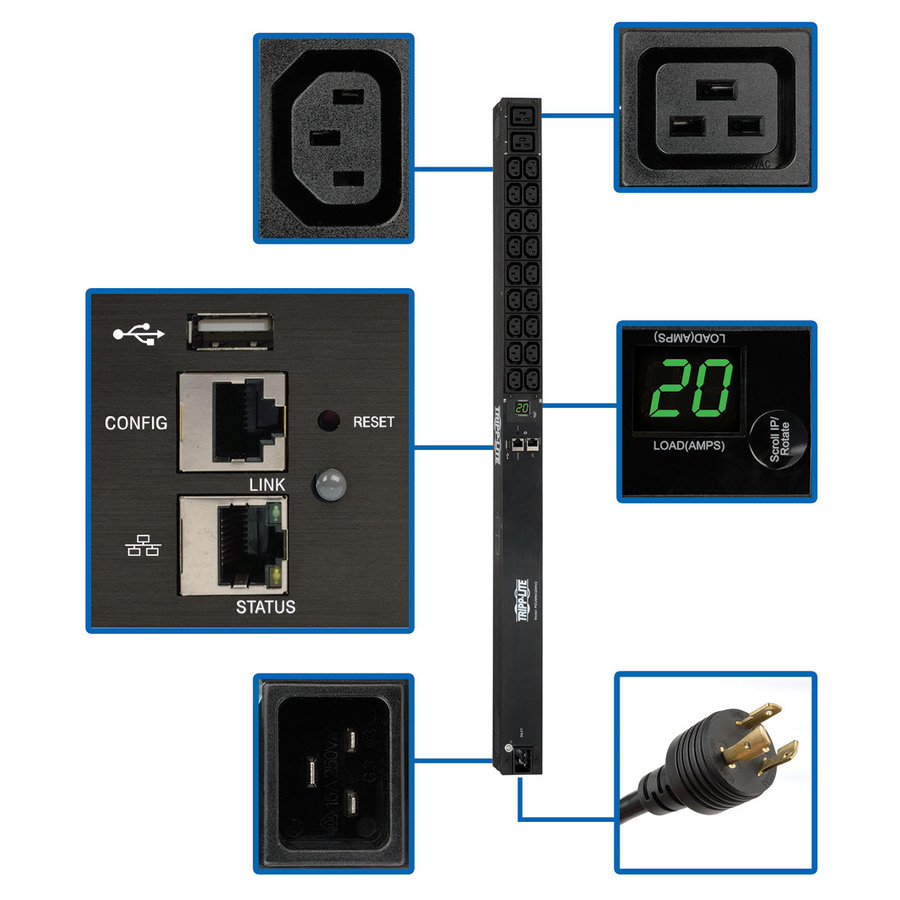
53 in stock - EatonTripp Lite by Eaton PDU 3.7kW Single-Phase 208/230V Monitored PDU - LX Platform 18 C13 2 C19 Outlets C20 / L6-20P Inputs 0U 900mm Height TAA - Monitored - NEMA L6-20P, IEC 60320 C20 - 2 x IEC 60320 C19, 18 x IEC 60320 C13 - 230 V AC - 0U - Vertical - Rack Mount - Rack-mountable - TAA CompliantPDUMNV20HV2LX
$767.00
$705.64
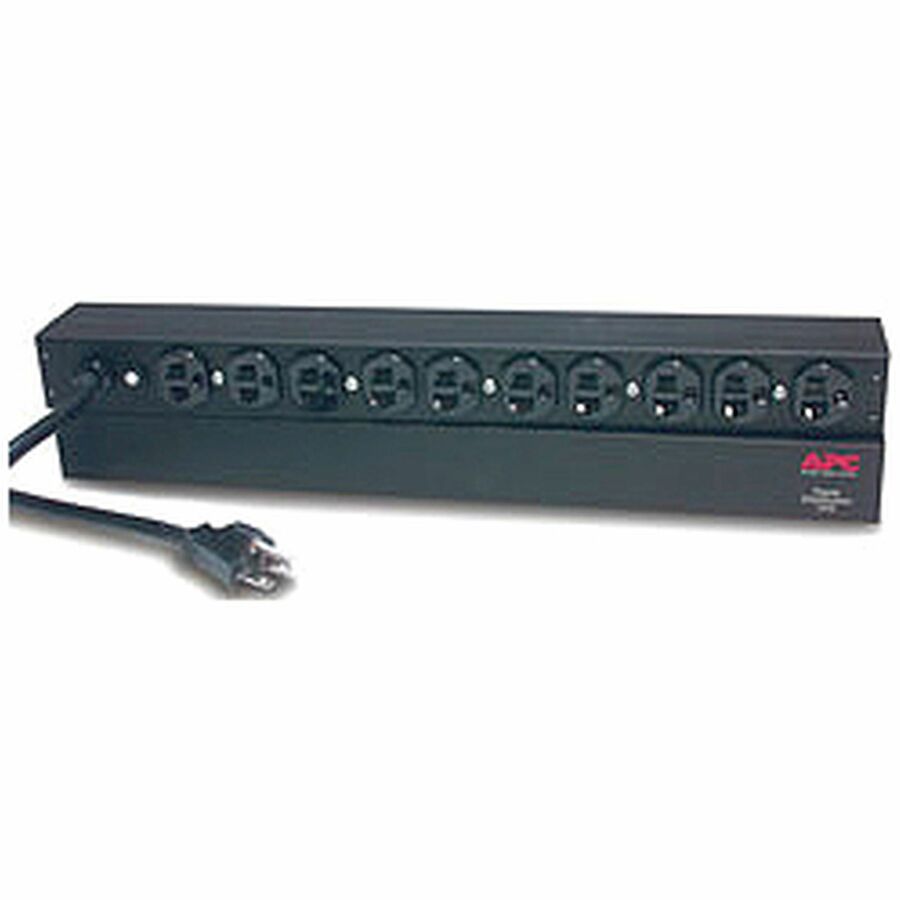
60 in stock - EatonTripp Lite by Eaton PDU 2kW 100-127V Single-Phase Basic PDU with ISOBAR Surge Protection - 3840 Joules 14 Outlets L5-20P Input (5-20P Adapter) 6 ft. Cord 1U - Basic - NEMA L5-20P, NEMA 5-20P - 2 x NEMA 5-15R, 12 x NEMA 5-15/20R - 120 V AC - 1U - Horizontal/Vertical - Rack-mountable, Wall-mountablePDUH20-ISO6
$343.00
$315.56
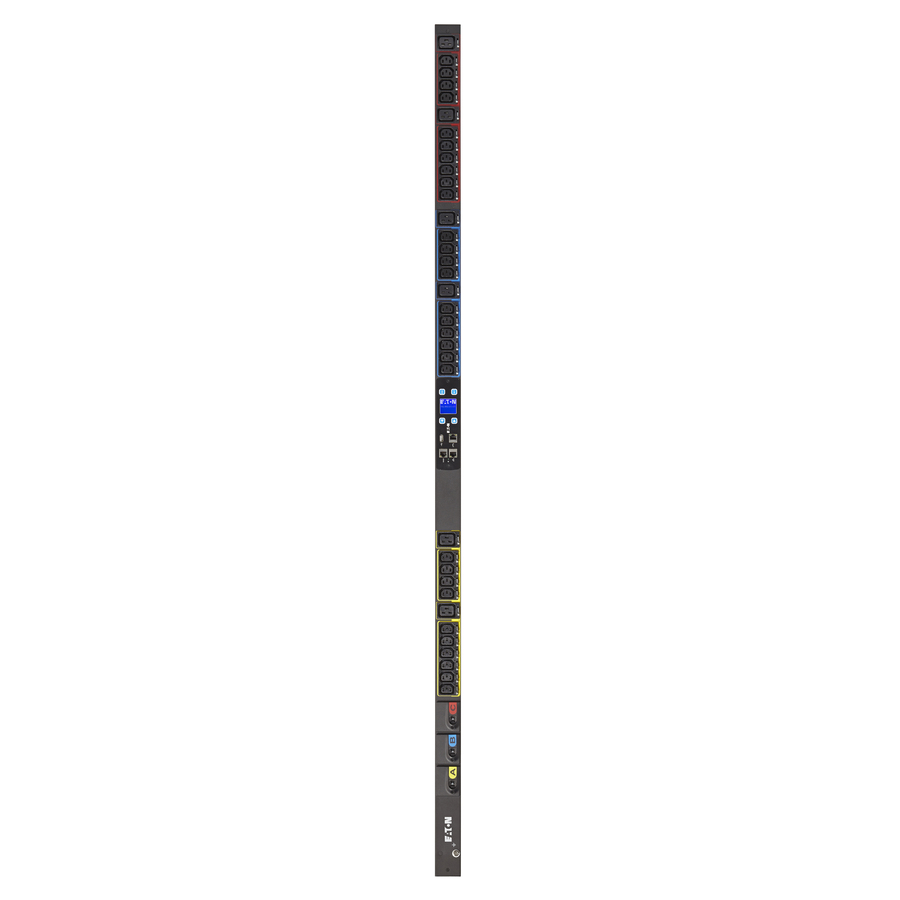
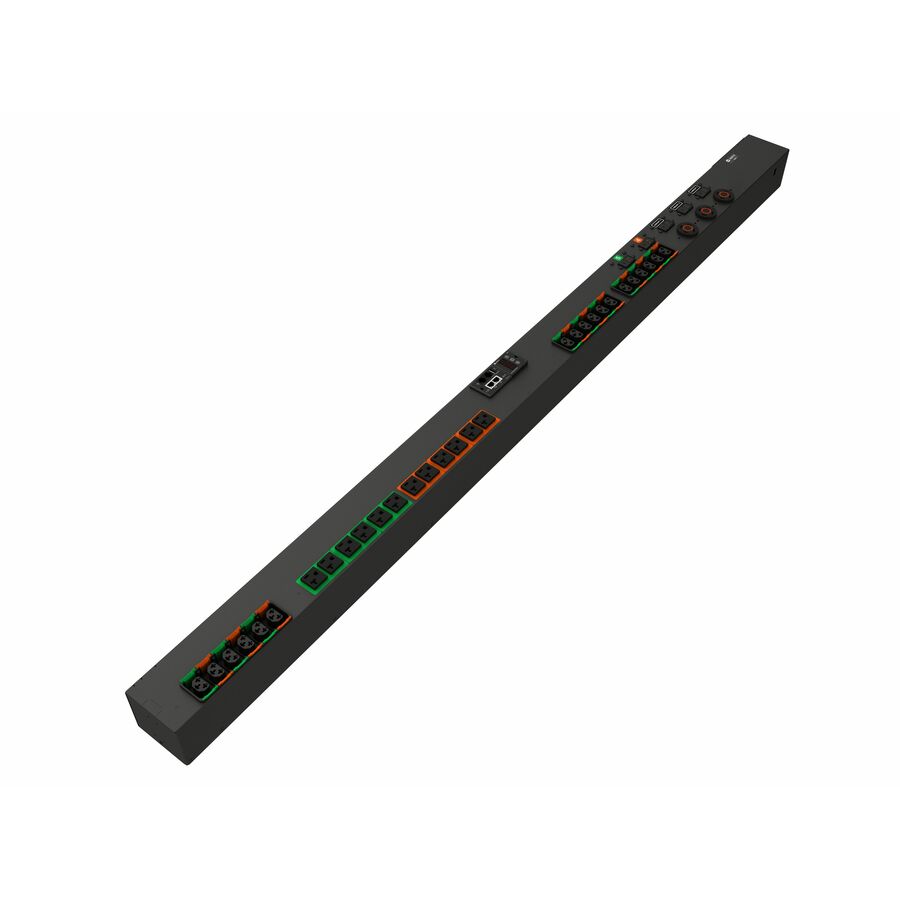
185 in stock - EatonEaton 3-Phase Managed Rack PDU G4, 240/415V, 48 Outlets, 24A/32A, 17.3kW, 532P6W Input, 10 ft. Cord, 0U Vertical, TAA - Managed - 532P6W - 24 x IEC 60320 C13, 24 x IEC 60320 C39 - 230 V AC, 415 V AC - Single Pole, Overload Protection - Network (RJ-45) - 10 ft Cord Length - 0U - Vertical - Rack-mountable, Button Mount - Vertical - TAA CompliantEVMAG332C
$3,181.00
$2,926.52
711 in stock

Specifications are read from the manufacturer product title as supplied to us; where a value is not stated it is left blank rather than estimated. Every line is screened for NDAA §889 status before checkout, with TAA verified on request.
Need pricing on rack PDUs?
Tell us where to reach you and a Uniqcli specialist will follow up by email with current pricing, availability and lead time for the quantities you need — including parts that aren’t shown on this page.
Buying for an organization or for yourself — both work. No payment up front.
A rack PDU is bought on one question: what must you be able to do without walking to the rack? Basic distributes outlets behind a breaker; metered puts the load on a local display; monitored puts that reading on the network; switched adds per-outlet power cycling. Then choose the body — a 0U vertical unit costs no rack units, a 1U horizontal one eats one.
A rack PDU is bought on one question: what do you need to be able to do without walking to the rack? There are four answers. Most rows name their tier in the title; where a row does not — a plain outlet-and-breaker strip often just names its outlets, its breaker and its cord — the tier is confirmed on the quote. A basic unit distributes outlets behind a breaker and nothing more, which is the whole requirement in a cabinet somebody visits anyway. A metered unit puts the load on a local display, so a circuit's headroom is a number you read rather than a limit you discover by tripping it. A monitored unit puts that reading on the network, where a threshold can raise an alert before anyone notices. A switched unit adds per-outlet control, so a hung device is power-cycled from wherever you are instead of from a car at two in the morning. Buying a tier above the requirement is the common overspend; buying one below it is a truck roll you pay for again and again.
After the tier comes the body and the electrical fit, and both are arithmetic rather than preference. A 0U vertical unit mounts down the side of the cabinet and costs no rack units; a 1U horizontal unit mounts across the rails and eats one — and rack units are usually the scarcer resource. Outlets decide compatibility: IEC C13 and C19 receptacles serve rack equipment with detachable cords, while NEMA 5-15R and 5-20R serve everything that arrives with a plug moulded on. The input side has to match the circuit the facility actually provides, and these titles name it per part — plugs from NEMA 5-15P and L6-20P through L6-30P and IEC 60309 inlets, at 120 V, 208 V and 230 V, with three-phase rows for the high-density racks. Cord length decides whether the unit reaches without an extension. Where the row names a kW rating, size against it and the circuit behind it; where it does not, the input plug and the voltage on the row are the sizing facts, and we confirm the kW with the quote.
Two planning notes save most of the rework. The convention for a continuously loaded branch circuit is to stay at roughly eighty percent of its rating — confirm that against your facility's electrician rather than against any product page, since the circuit, the breaker and the local code are what actually govern. And power is the part of a rack most often planned last and regretted first: Uniqcli quotes the PDUs together with the rack and cable management around them, the UPS or upstream distribution the room needs, the monitoring and management software licensing a networked unit implies, and the installation labour, on one order so the pieces arrive matched. Where a purchase order names TAA, read it on the exact part number — TAA Compliant appears in the titles of some rows here and not others, and it is a per-part fact rather than a family-wide rule.
Buyer's checklist
How to choose a rack PDU
- Pick the tier by what you must do remotely: basic for distribution, metered for a local load reading, monitored to put that reading on the network, switched for per-outlet power cycling. Where a row names its tier — many do — buy the one your operating model needs, not the one with the most features; where a title names only outlets, a breaker and a cord, treat it as distribution and confirm the rest on the quote.
- Match the outlets to the equipment, not to a habit: count C13 and C19 receptacles against the detachable cords in the rack, and NEMA 5-15R or 5-20R against everything with a moulded plug. A pile of adapters on a rack PDU is a spec that was decided too late.
- Match the input plug, voltage and phase to the circuit the facility provides — these titles name inlets from NEMA 5-15P and L6-20P through L6-30P and IEC 60309 at 120 V, 208 V and 230 V, and a three-phase unit on a single-phase feed is a return, not a workaround.
- Choose 0U vertical or 1U horizontal by which resource is scarce: rack units, or the side channel and depth a vertical body needs behind the equipment. Vertical bodies keep the U count free; horizontal ones are easier to reach and label.
- Where the row names a kW rating, size against it and the circuit behind it; where it names none — most do not — the input plug and voltage are the sizing facts on the row and we confirm the kW with the quote. Either way keep the usual eighty-percent continuous-load convention in mind and confirm it with your electrician, because a PDU cannot deliver more than the branch circuit feeding it.
- Where the purchase order names TAA, read it on the part number: TAA Compliant is titled on some rows here and not others, and it is a per-part fact to verify on the exact unit you order.
What each tier actually buys you
The four tiers are a ladder of questions you can answer from your desk. Basic answers none: it distributes, and in a comms cupboard or an AV rack somebody walks into anyway that is genuinely the whole requirement, which is why it is also the cheapest way to add outlets safely. Metered answers "how loaded is this circuit?" on a display at the rack, and it is the tier that stops a cabinet being filled until something trips. Monitored answers the same question from the network — the rows titled with a network interface are the ones that can raise a threshold alert, feed a dashboard and give you a load history instead of a snapshot, which is what capacity planning is made of. Switched adds "can I power-cycle outlet seven?", and its value is measured in trips not taken: a colocation cage, an unstaffed edge site or a room across a campus pays for a switched unit the first weekend it saves. Many titles here stack the words — metered and monitored, or switched with outlet-level monitoring — so read the exact row rather than assuming the tier from the model family.
Speccing a rack's power and keeping it consistent
Power is planned per rack, not per device, and the details are what make a build reproducible. Dual-corded equipment wants two feeds from two circuits, which means PDUs in pairs and a load balanced across both so either side can carry the rack alone if one fails. Standardize the part number per rack archetype — the same PDU in every network cabinet, the same one in every server cabinet — because it turns spares, cord lengths, labels and outlet maps into one decision instead of twenty. Put the networked units on the management network with the rest of the out-of-band gear, and price the monitoring or DCIM licensing at purchase rather than at renewal, since that is where a switched or monitored fleet earns its money. Then plan the physical work: cord routing and cable management decided with the PDU rather than after it, and the install scheduled with the rack build. Send the rack elevations, the circuits available in the room and the equipment list, and we will quote the PDUs, the racks and cable management, the upstream UPS, the licensing and the labour together, with availability and lead times on the same document.
FAQ
Common questions
- What is the difference between a metered and a monitored rack PDU?
- A metered unit shows the load on a display at the rack, so somebody standing in the room can read it. A monitored unit puts that reading on the network through its own interface, so thresholds, alerts, dashboards and load history are available without anyone standing anywhere. In practice the titles here often stack the words, and some rows add outlet-level monitoring, which reports per receptacle rather than per bank. The buying rule is to read the exact row: decide first whether the reading has to leave the room, then whether you need it per outlet, and remember that a monitored unit is a network device to be addressed, patched and placed on the management network like any other.
- Should I buy a 0U vertical or a 1U horizontal PDU?
- Decide it on which resource is scarcer in that cabinet. A 0U vertical unit mounts down the side and consumes no rack units, which is why it wins in a dense rack where every U is spoken for, and its long body typically carries more outlets facing the equipment they serve. A 1U horizontal unit takes a rack unit but is easier to reach, read and label, and it suits shallow cabinets, wall-mount enclosures and AV racks where a vertical body has nowhere to sit. Check depth and the side channel before committing to vertical, and check the outlet count and orientation against the equipment cords either way — the goal is short, tidy cord runs that do not block airflow.
- Can business, government and education buyers order these?
- Every line Uniqcli quotes is sourced through US distribution and screened for TAA country-of-origin and NDAA §889 status before checkout — with documentation tied to the specific part number, not a product family.
Need rack PDUs pricing?
Send a bill of materials or part numbers — we confirm stock and a below-market total, with TAA verified on request. No payment up front.