Platforms and payloads, screened before they're a compliance problem
A capable airframe from a covered manufacturer is a non-starter, whatever it can do in the air. So screening comes first on this lane — NDAA §889 status and Blue UAS listing checked before anything reaches a quote — and only then do we work the platform, the counter-UAS system and the payloads against the mission profile you actually fly.
How we work
Platform, payload and mission, matched
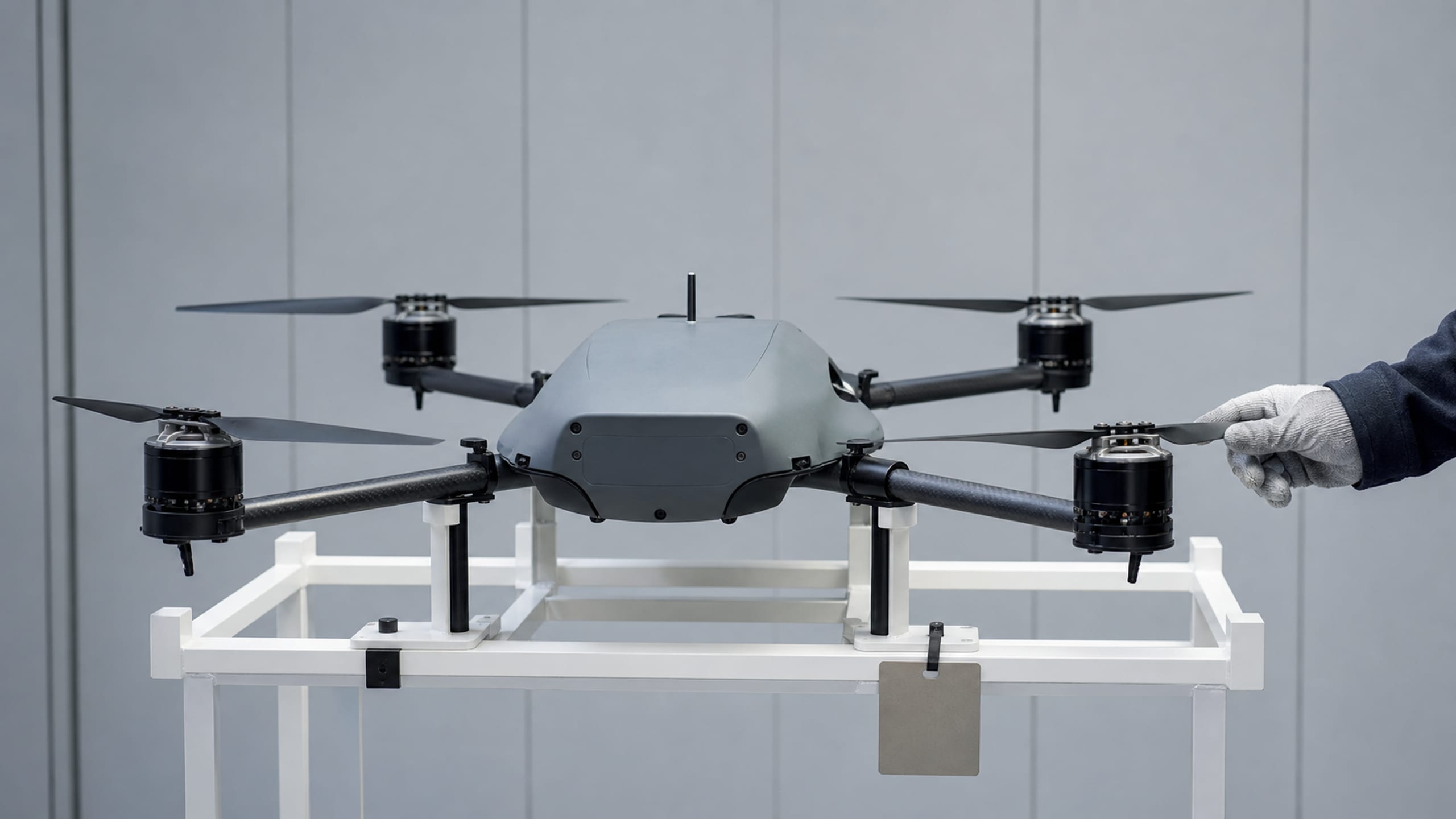
We scope the platform against the mission first — endurance, payload capacity, launch-and-recovery method — and cross-check candidate airframes against the DoD Blue UAS list and NDAA §889 covered-equipment restrictions before a platform is quoted.
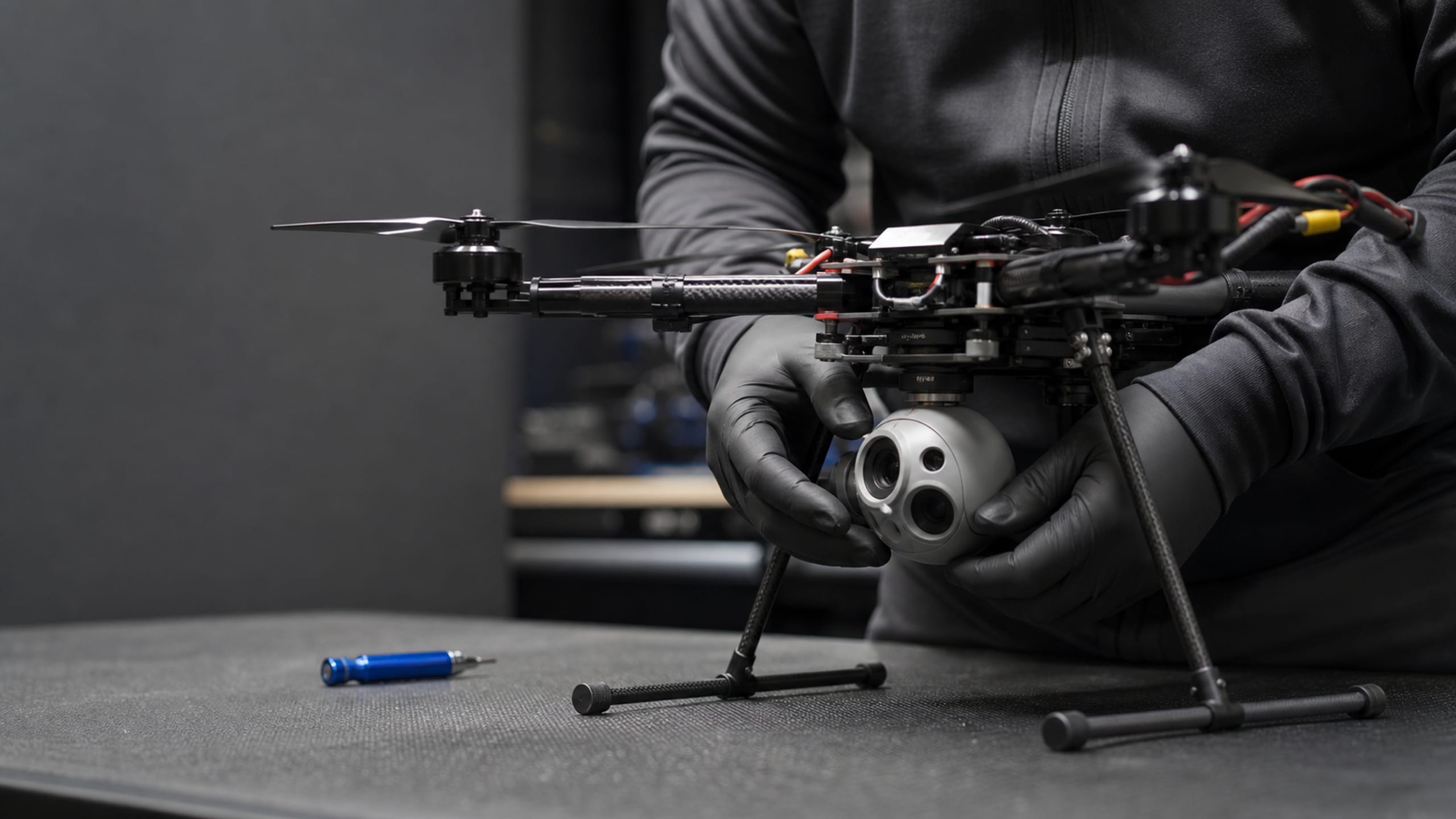
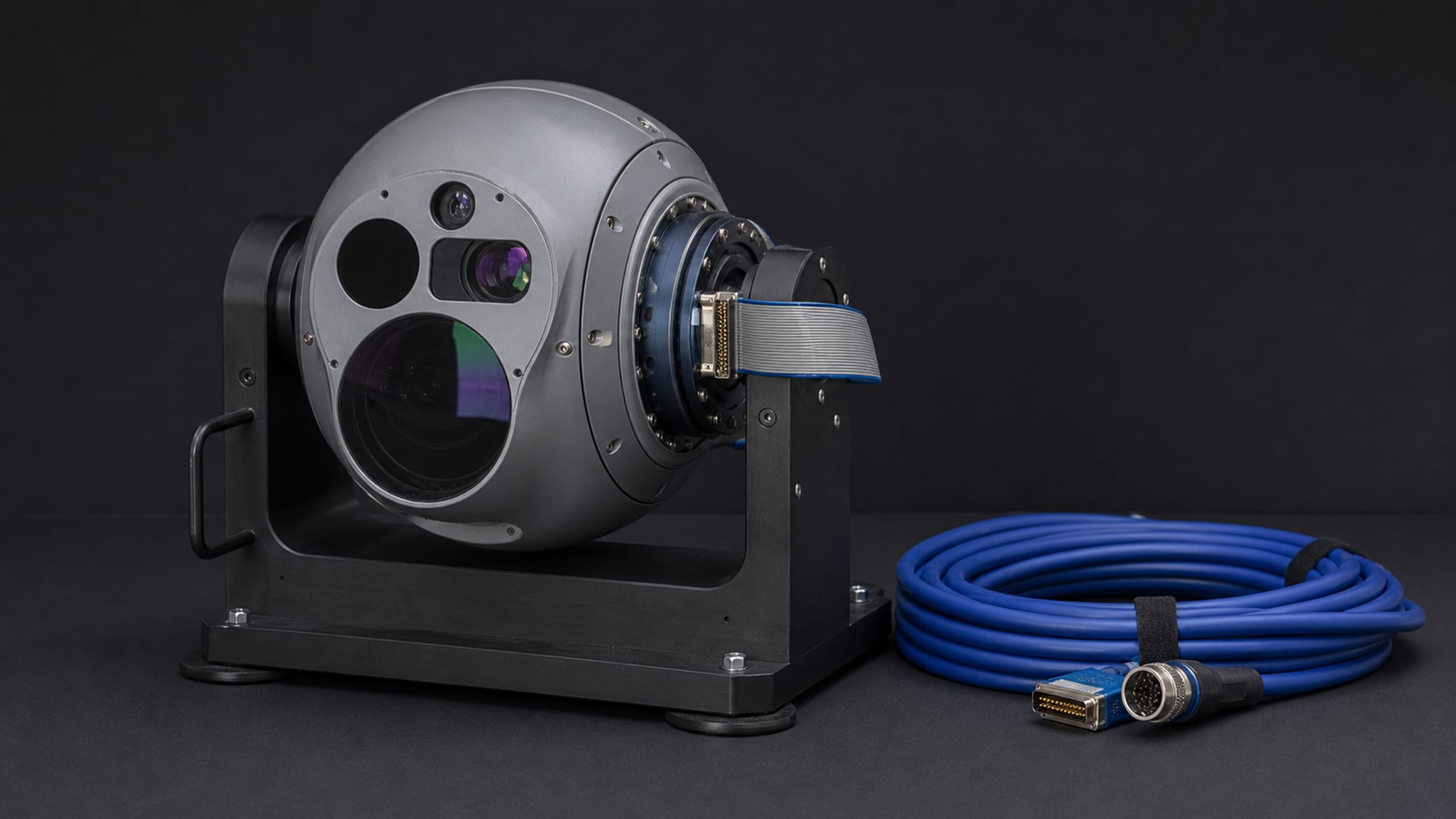
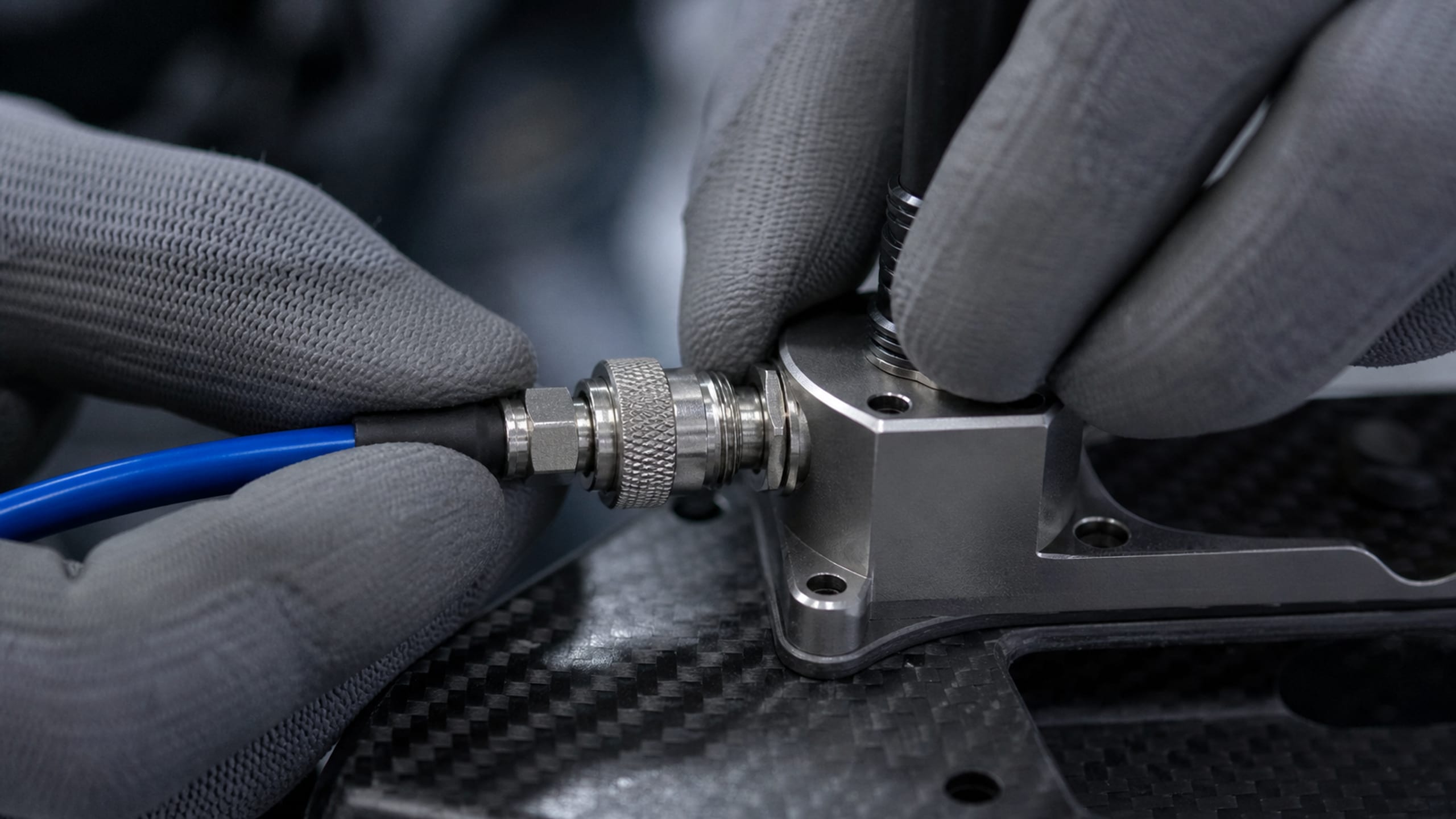
Sensor and payload integration — EO/IR gimbals, SIGINT payloads, communications relays — is bench-tested for power budget, data-link bandwidth and physical mounting before it's paired with the airframe, so the integrated system flies as designed on the first mission, not the third attempt.
Platform sourcing screened against Blue UAS list and NDAA §889
Counter-UAS system sourcing and integration
EO/IR, SIGINT and comms-relay payload integration
Bench-tested power, data-link and mounting compatibility before fielding
The screen that governs the whole procurement happens before performance is even weighed: each candidate airframe is checked against the current DoD Blue UAS list and the manufacturer against the NDAA §889 covered-equipment restrictions, because a covered platform is ineligible no matter how well it flies. Mission fit is scoped in parallel — endurance, payload weight, launch-and-recovery method and transport footprint — so the airframes that reach a quote are the ones that both clear the compliance gate and match the mission.
Where a preferred airframe can't clear those gates, we flag it during scoping and put compliant alternatives on the table, so the eligibility problem surfaces on paper rather than at delivery. TAA country-of-origin is documented per lot on all non-restricted components.
Mission-first platform scoping: endurance, payload, launch/recovery, transport
Candidate airframes screened against the DoD Blue UAS list
NDAA §889 covered-manufacturer screening before quote
Compliant alternatives proposed when a preferred airframe can't clear
TAA country-of-origin documented per lot (FAR 52.225-5)
Sensor & payload integration
Sensor and payload integration is where a spec sheet meets physics. EO/IR gimbals, SIGINT payloads and communications relays are bench-tested for power budget, data-link bandwidth and physical mounting before they are paired with an airframe, so the integrated system performs as designed on the first mission rather than the third attempt.
For ISR work, payload selection is driven by the mission's data products, not the sensor's headline resolution: frame rate and resolution matter less than whether the data link can move that payload's output to the ground station in the time the mission allows. We size the link budget and the payload together.
EO/IR, SIGINT and comms-relay payload integration
Power-budget, data-link-bandwidth and mounting validation on the bench
Link budget sized against the mission's data-product deadline
Third-party payloads integrated onto airframes you already field
Integrated system validated before it leaves for the field
Counter-UAS systems
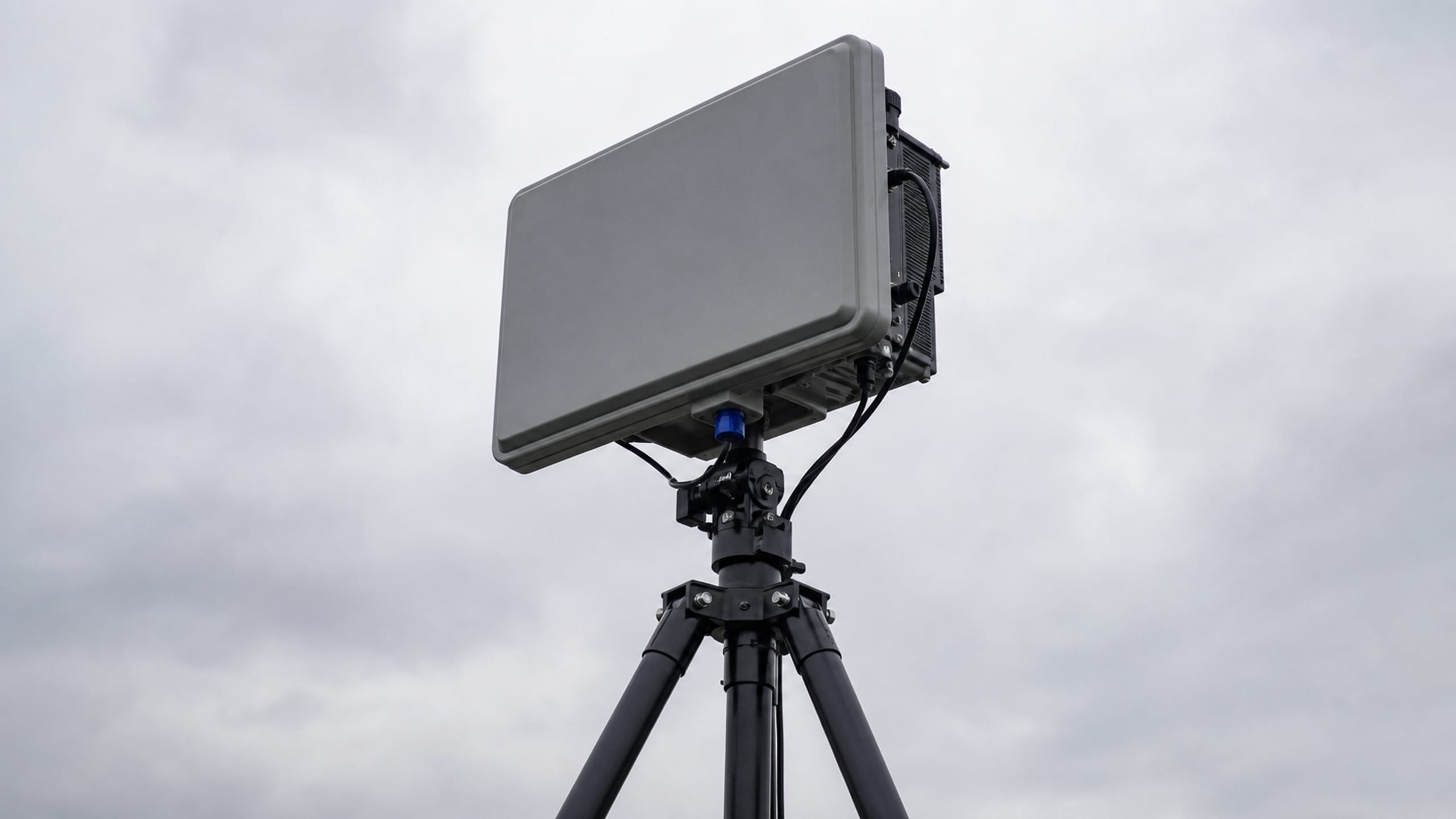
Counter-UAS is a detect-track-defeat problem, not a single product purchase. RF detection, radar and EO/IR tracking each carry coverage and false-alarm tradeoffs that depend on your site's RF environment and airspace class, so we scope the detection layer against an actual site survey before recommending a defeat method.
The result is a system sized to the threat you are likely to see, not a vendor's default configuration — and one whose sensors, effectors and command console are integrated and tested together rather than bought as disconnected boxes.
Site survey of RF environment and airspace class first
Detection layer scoped across RF, radar and EO/IR tradeoffs
Defeat method matched to the surveyed threat profile
Sensors, effectors and command console integrated and tested together
Fixed-site and on-the-move configurations
Ground control & field kitting
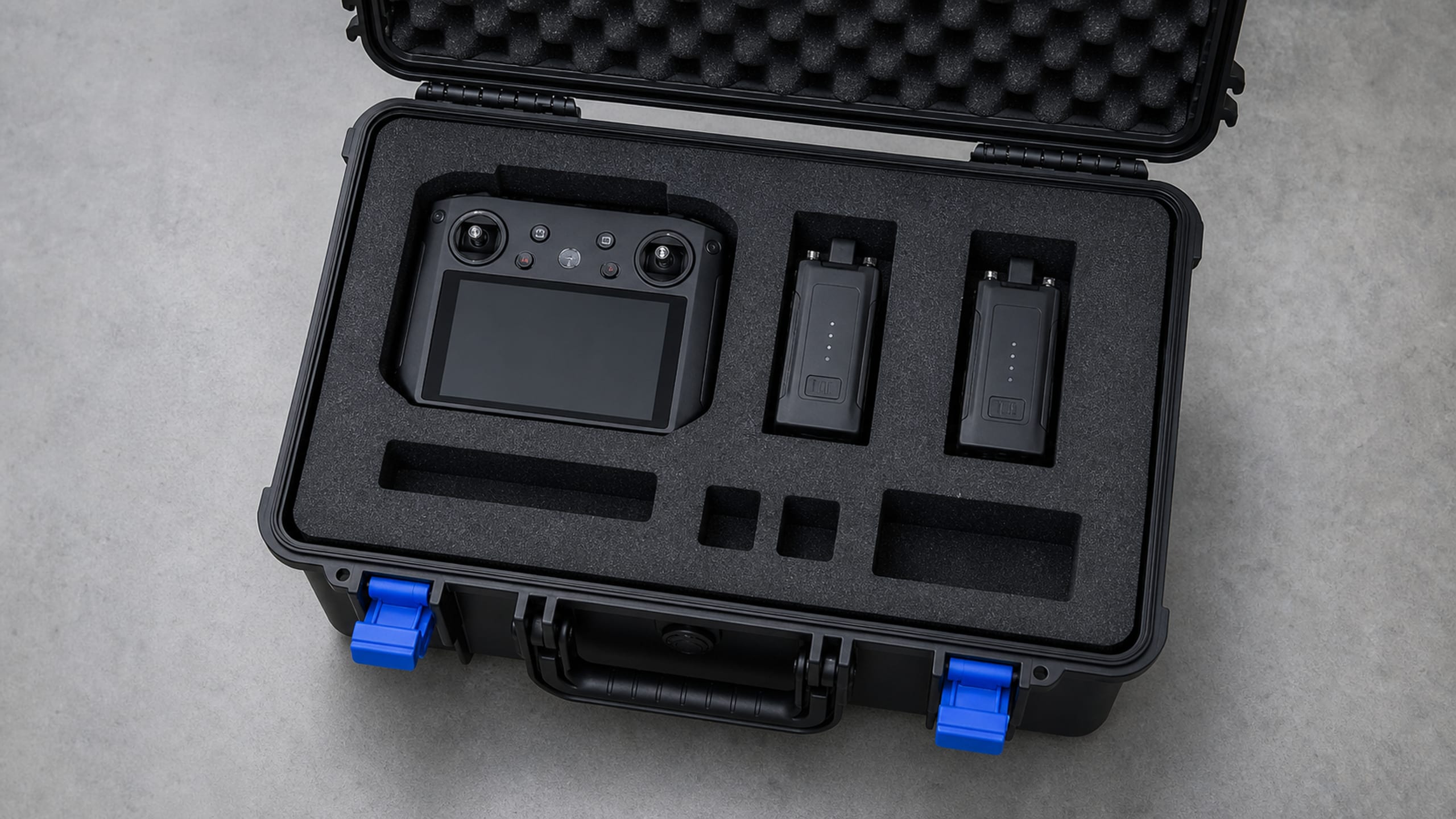
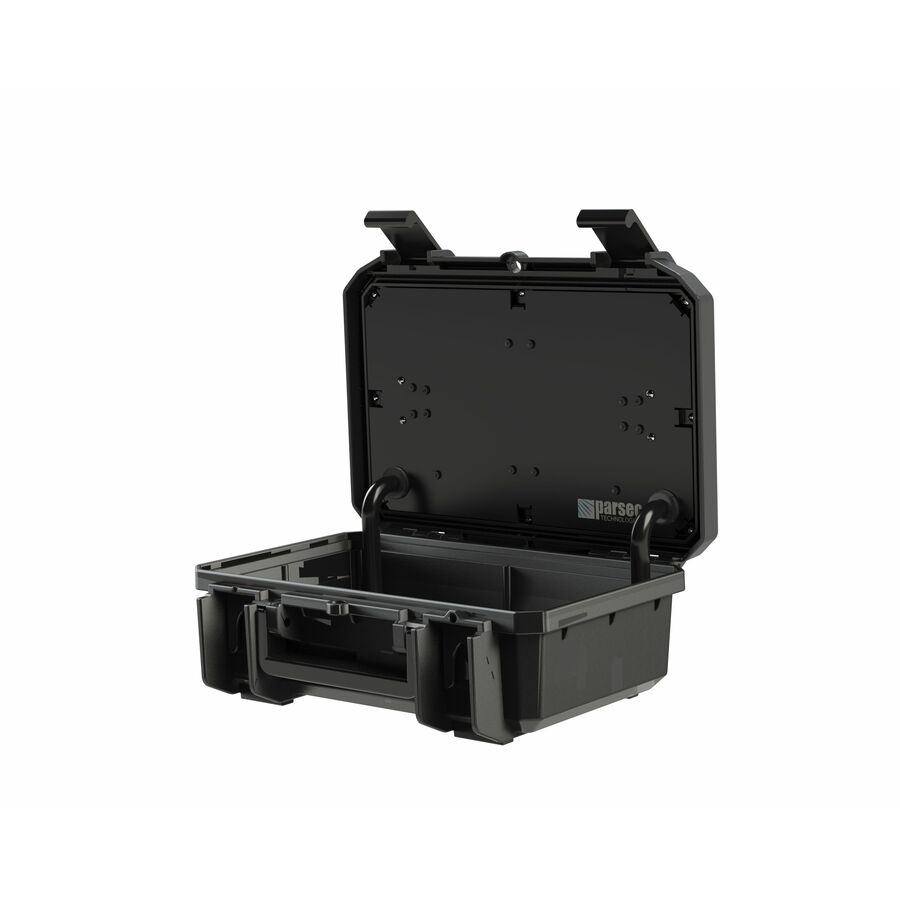
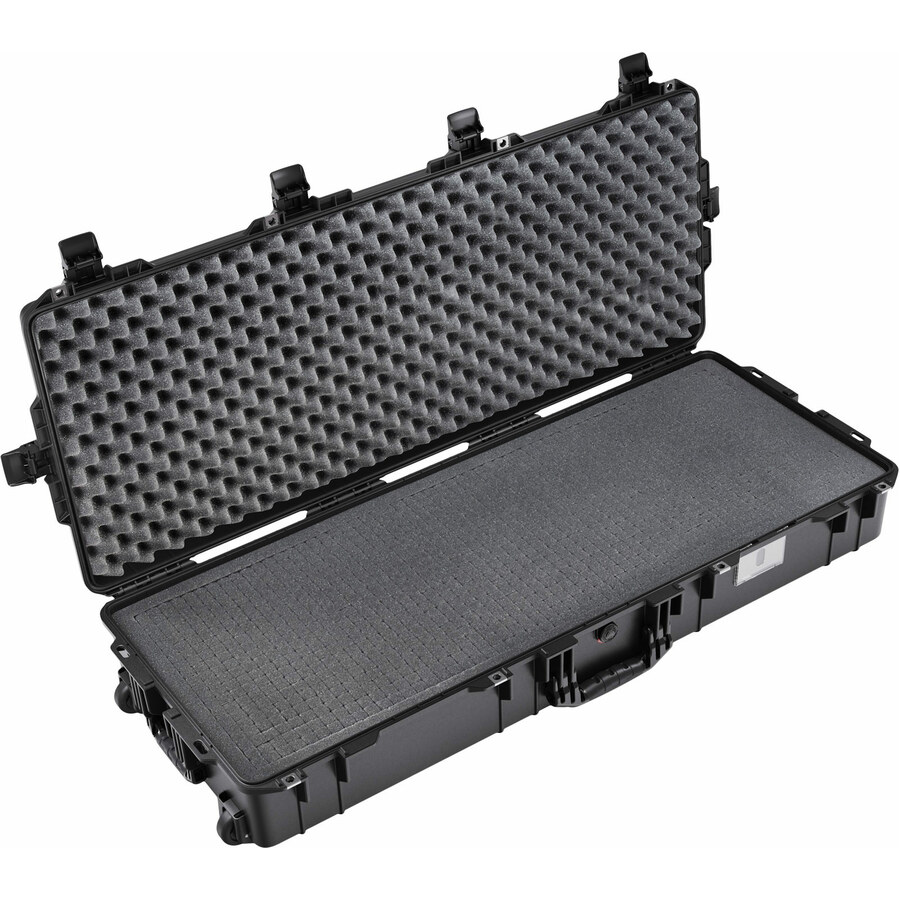
A fielded system is only as ready as the kit around it. We integrate ground-control stations with the platform and payload, provision spares and consumables, and build transit-ready operator kits so a crew can launch on arrival rather than assemble on site.
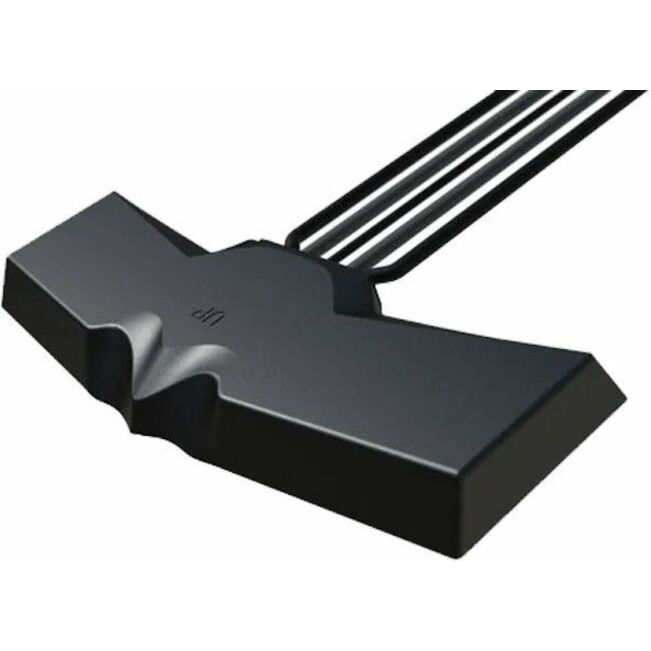
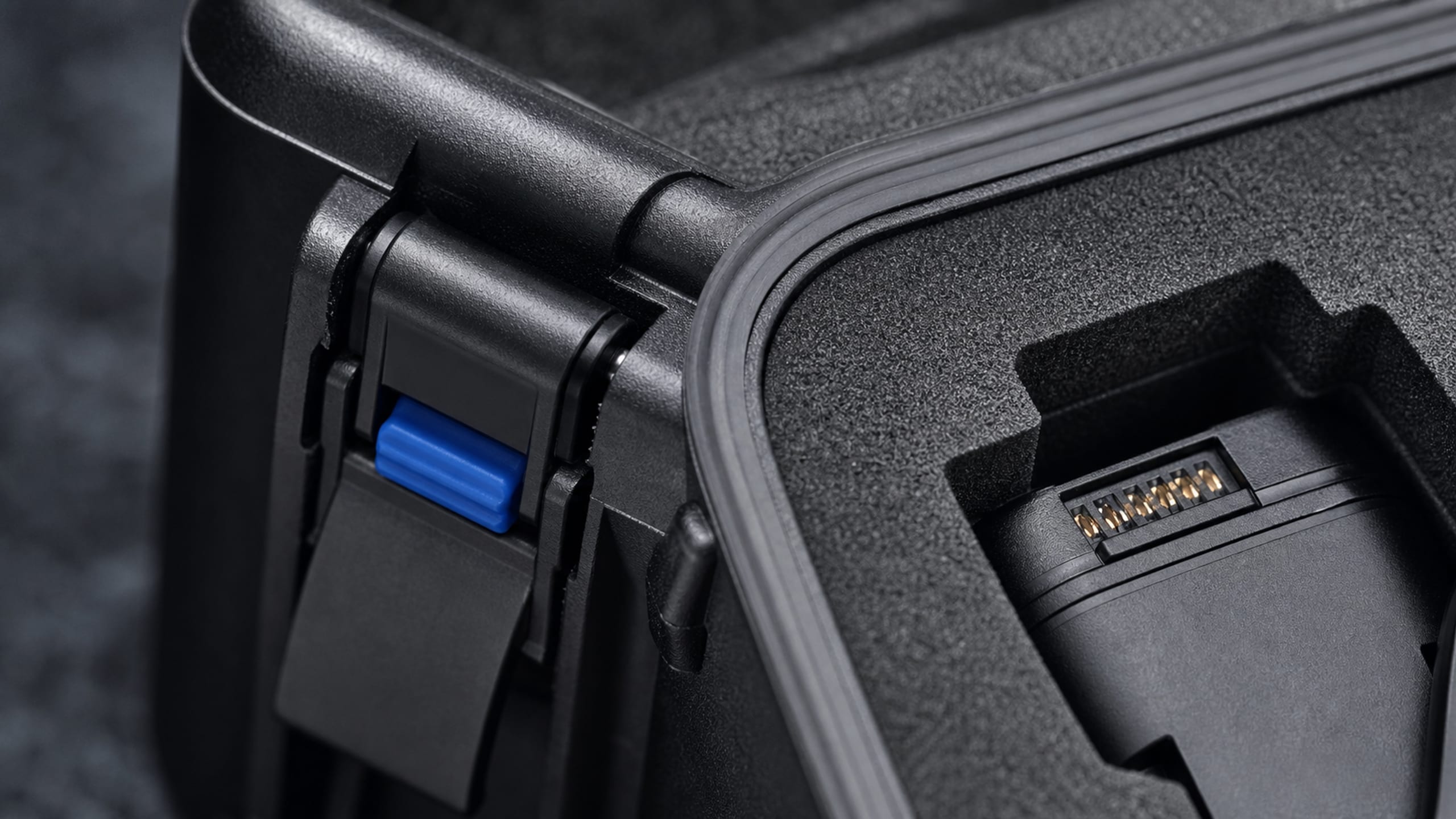
Cases, antennas, batteries and field-power are specified for the environment the crew actually works in — dust, moisture, drop risk and long days off-grid — and standardized across kits so multiple teams field the same configuration.
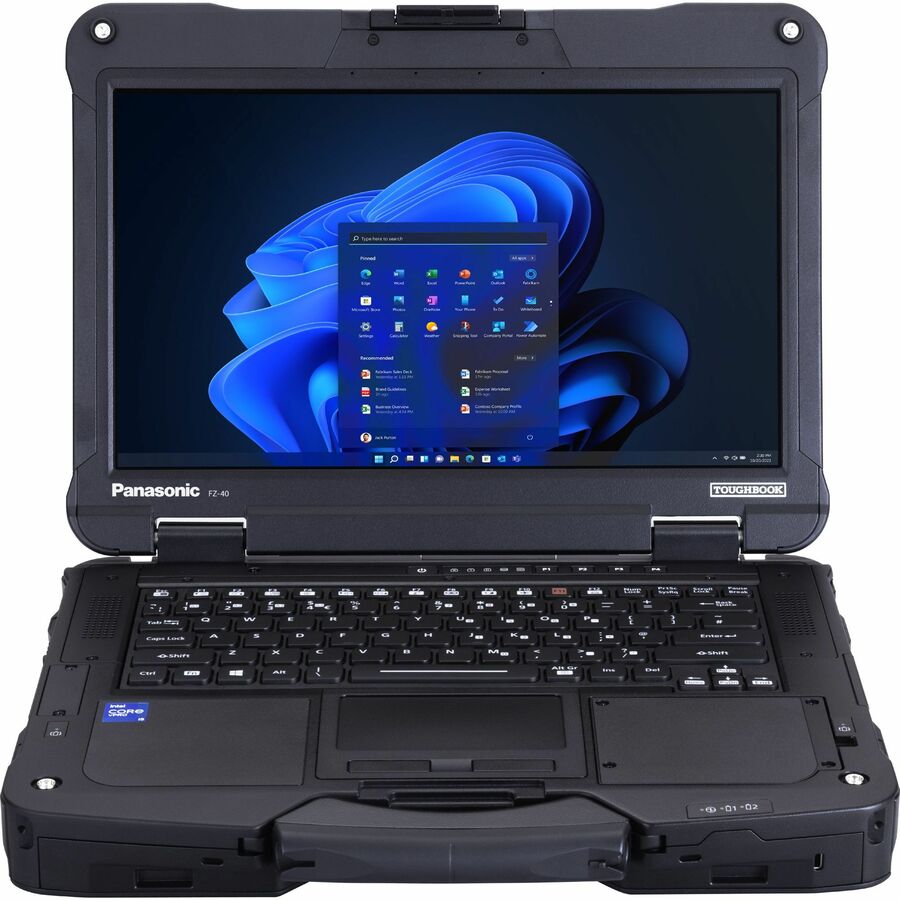
Ground-control-station integration with platform and payload
Transit-ready operator kits, spares and consumables
Ruggedized cases, antennas and field-power sized to the environment
Standardized configurations across multiple crews
Bench-verified before hand-off
What's included
Mission-matched, compliance-screened
Platform sourcing cross-checked against Blue UAS list and NDAA §889
Counter-UAS detect-track-defeat system scoping and integration
EO/IR, SIGINT and communications-relay payload integration
Data-link and power-budget compatibility testing pre-fielding
Ground-control-station integration and operator kitting
TAA-screened sourcing on all non-restricted components
Fielded hardware
Platforms we field in this lane
Representative hardware from the live Uniqcli catalog: sourced through US distribution, screened line by line, and configured for the program before it ships.
Can you confirm a platform is Blue UAS-listed before we commit budget?
Yes. We check candidate airframes against the current DoD Blue UAS list and NDAA §889 covered-equipment restrictions during scoping, before a platform is quoted.
Do you integrate third-party sensors onto a platform we already own?
Yes. We can bench-test and integrate EO/IR, SIGINT or comms-relay payloads onto an existing airframe, validating power and data-link compatibility before fielding.
How do you scope a counter-UAS system for our site?
We start with a site survey of your RF environment and airspace class, then size the detection layer (RF, radar, EO/IR) and defeat method to the threat profile that survey identifies.
Do you operate the aircraft or fly the missions for us?
No. We supply and integrate UAS hardware, sensors and counter-UAS equipment; we do not operate aircraft, hold FAA certificates or fly missions on a customer's behalf. Flight operations stay with your qualified crews or a separate services provider.
What happens if the airframe we want turns out to be §889-covered?
We flag it during scoping, before anything is quoted, and put compliant alternatives on the table with the tradeoffs called out. The eligibility problem surfaces on paper — not at delivery, where it becomes a program risk.
How an engagement runs
From requirement to delivered, in four steps
1
Brief
Send the requirement as it exists: a statement of work, drawings, a bill of materials or a problem statement. A briefing call scopes it against the lines above.
2
Scope and quote
Feasibility, country-of-origin and §889 screening, and lead times come back with a line-item quote. Nothing is committed until the scope is agreed.
3
Build and integrate
Manufacture, rack, image, configure and test in the facility, so the first time the system is assembled is not on install day.
4
Deliver and sustain
Delivery with serialized chain-of-custody records, then warranty, RMA and lifecycle support on the same relationship.
Compliance and documentation
Screened before it is quoted, documented when it ships
Country of origin and §889 status are checked per line while the quote is being built, not after a program review asks. The same record travels with the order: what was sourced, where it came from, who handled it and when it shipped.
TAA (FAR 52.225-5) country-of-origin screening on every line
NDAA §889 covered-equipment screening on every line
FIPS 140-2/3 validated options where the requirement calls for it
DoDIN APL listing paths verified before a quote is issued
Section 508 / VPAT documentation available on request
Serialized chain-of-custody records delivered with every shipment
Send the mission profile or a site survey. Screening runs before anything is proposed, so what comes back is a platform, a payload and the compliance position on both.