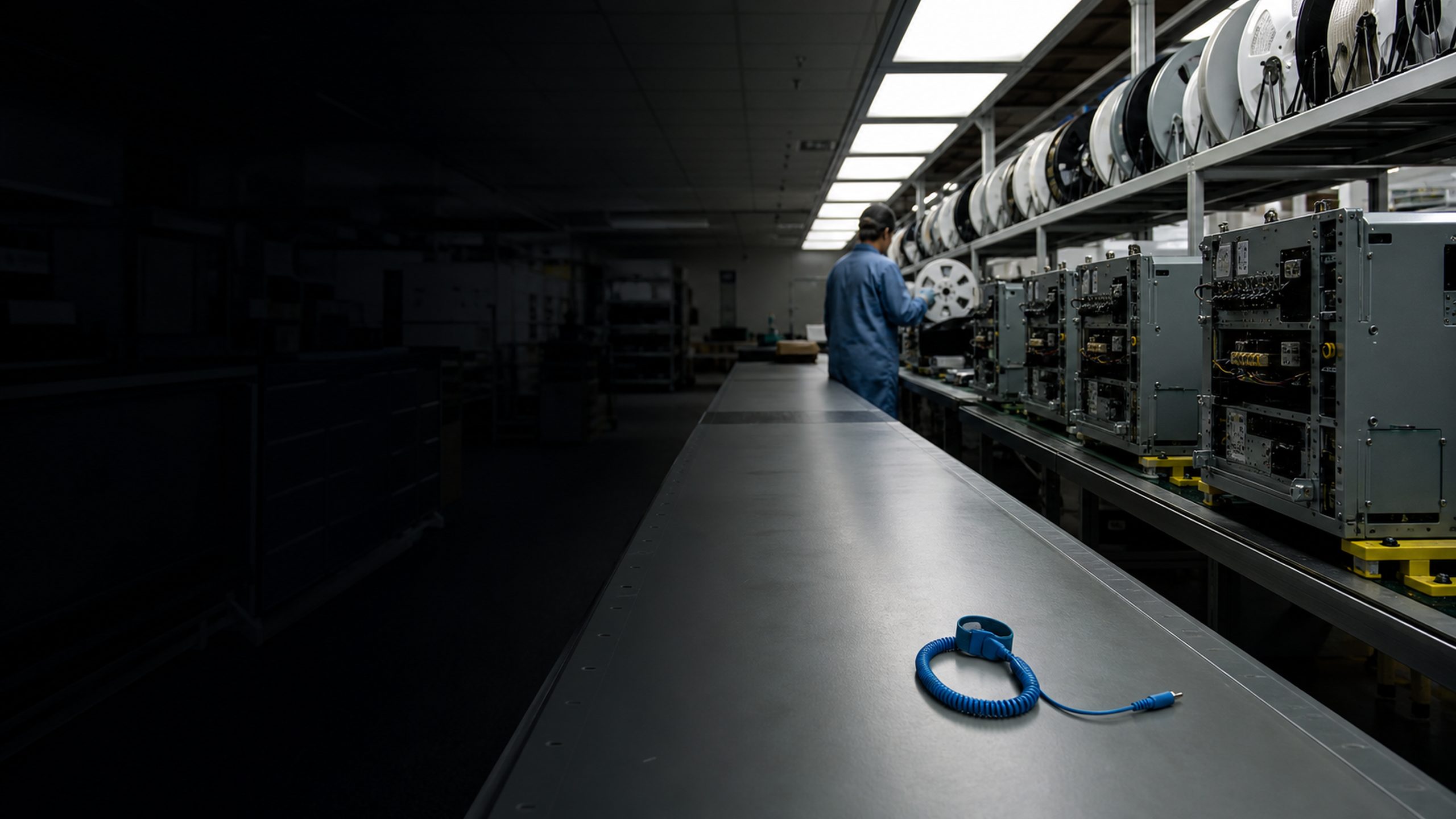
TAA (FAR 52.225-5) and NDAA §889 screening performed on every line before a quote is issued. Hardware sourced through US distribution.
Scope
Component sourcing · power systems · rugged compute
Deliverables
Traceable parts · EOL tracking · substitution options
Environments
MIL-STD-810 · IP-rated · vehicle & field
Compliance
Traceable channel · TAA per lot · §889 screened
Overview
Component sourcing that survives allocation and end-of-life
A board-level program stalls in three familiar ways: the part goes on allocation, the part gets end-of-lifed, or the part arrives from a gray-market source and turns out not to be what the label says. We source components, board-level assemblies, power systems and ruggedized computing through traceable, TAA-screened channels, and we track lifecycle status on the parts a program depends on — so an EOL notice reaches you before it reaches your build line.
How we work
Traceable sourcing, ruggedized for the environment
Every component quote starts with a traceability check: distribution channel of record, country of origin, and date code, so what ships matches the datasheet and isn't a remarked or gray-market part. For allocated parts, we work distributor relationships and lead-time alternatives rather than passing along a 52-week quote unchallenged.
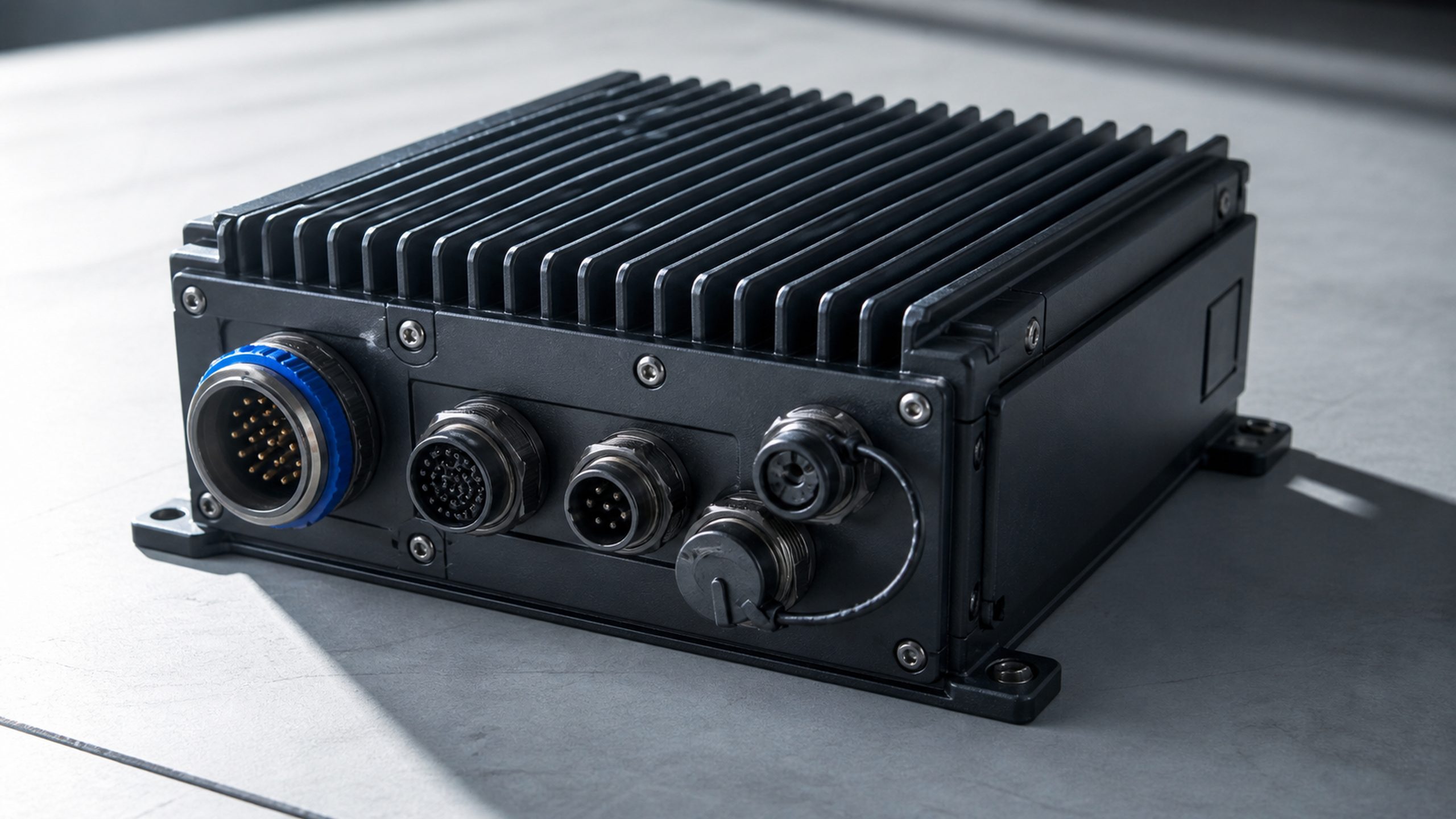
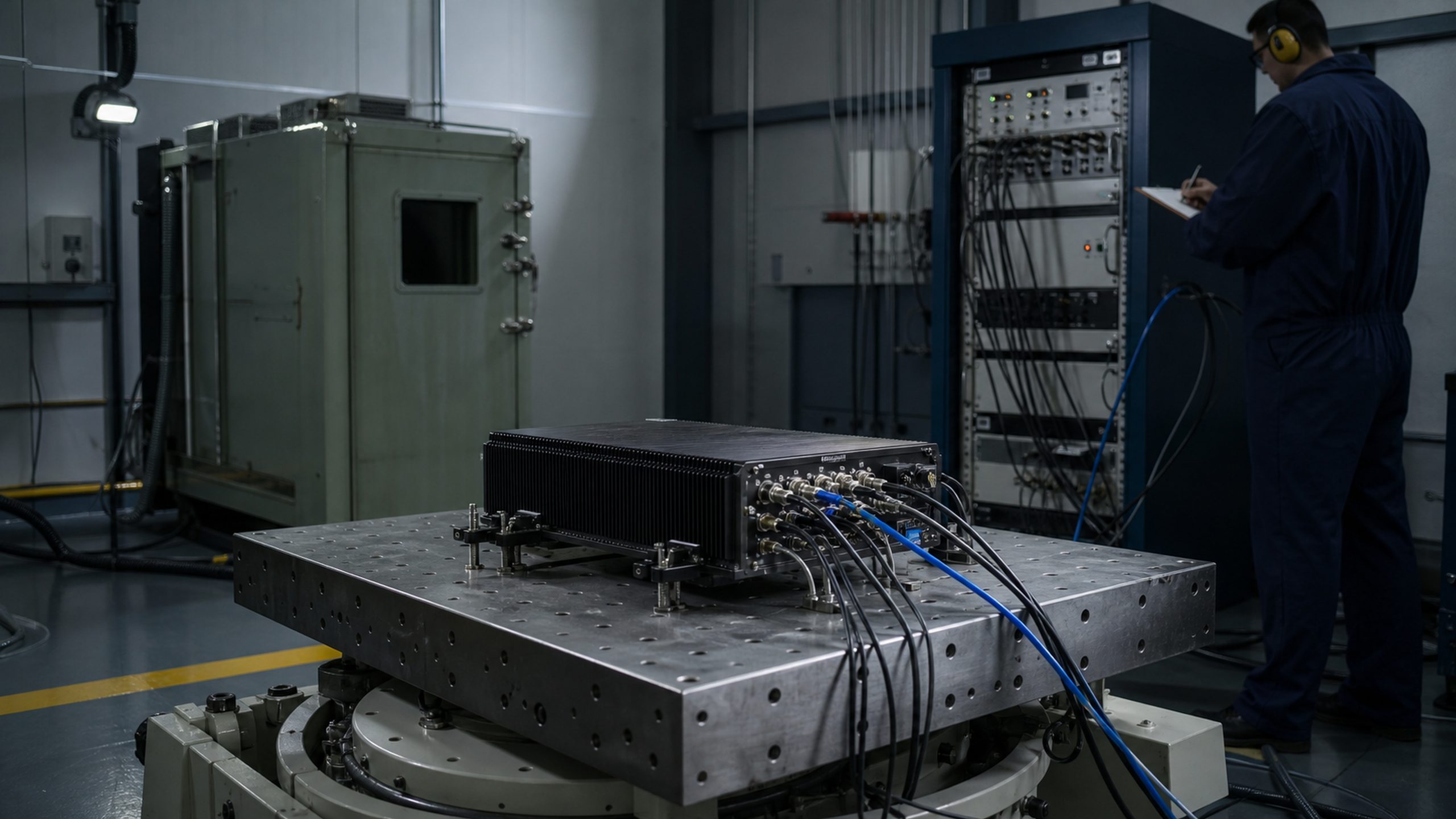
For platforms that have to survive outside a data center — vehicle-mounted computing, field power systems, environmentally sealed enclosures — we source to MIL-STD-810 shock/vibration and IP-rated ingress requirements, not commercial-grade equivalents relabeled as rugged.
Component sourcing through the channel of record, with full traceability
Lifecycle and end-of-life tracking with proactive substitution
Ruggedized computing to MIL-STD-810 and IP-rated enclosures
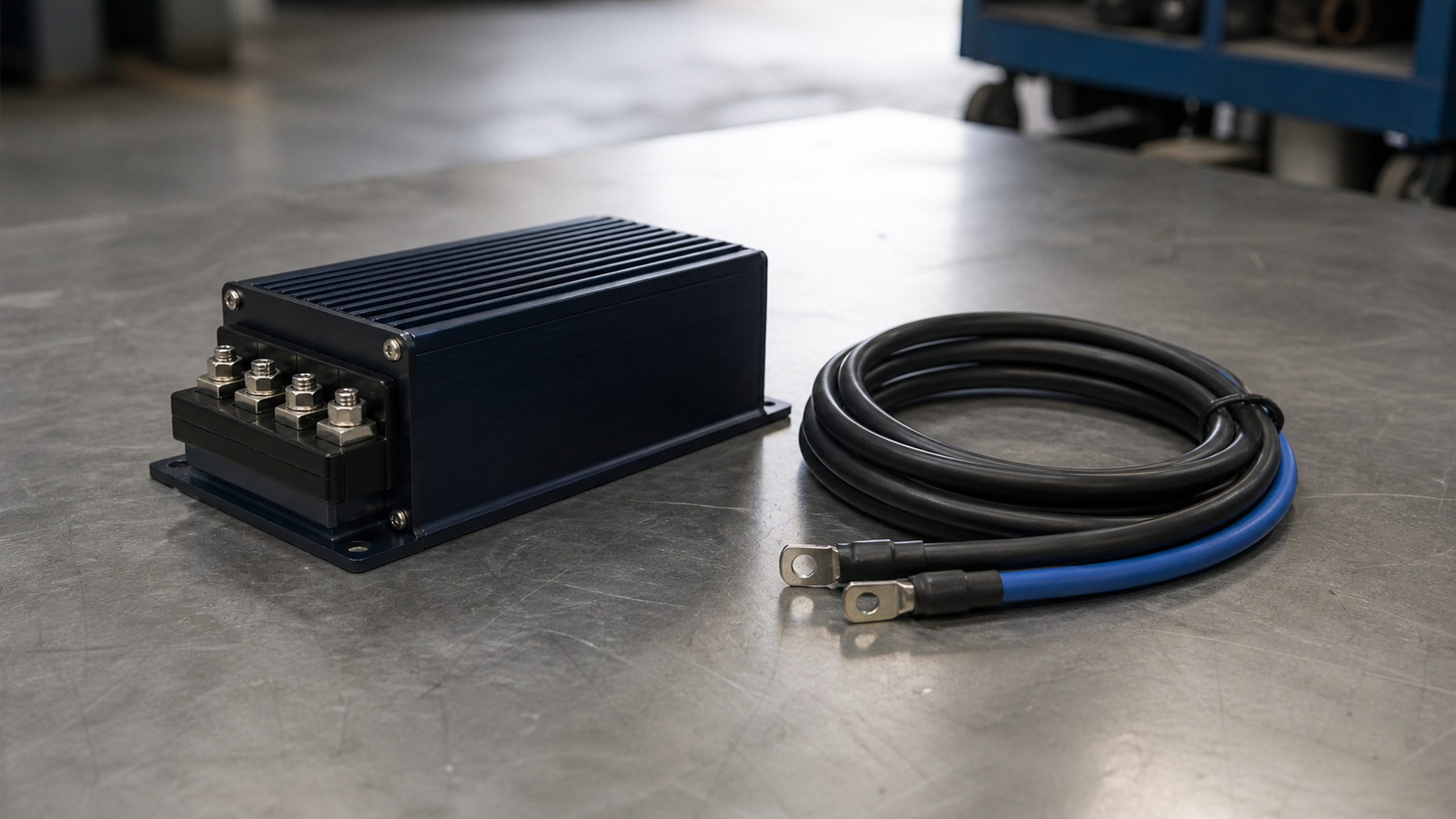
Power systems sized and specified for field and vehicle deployment
Every line is verified twice — once against the datasheet and the channel of record, and once against the environment it has to survive.
Traceable component sourcing
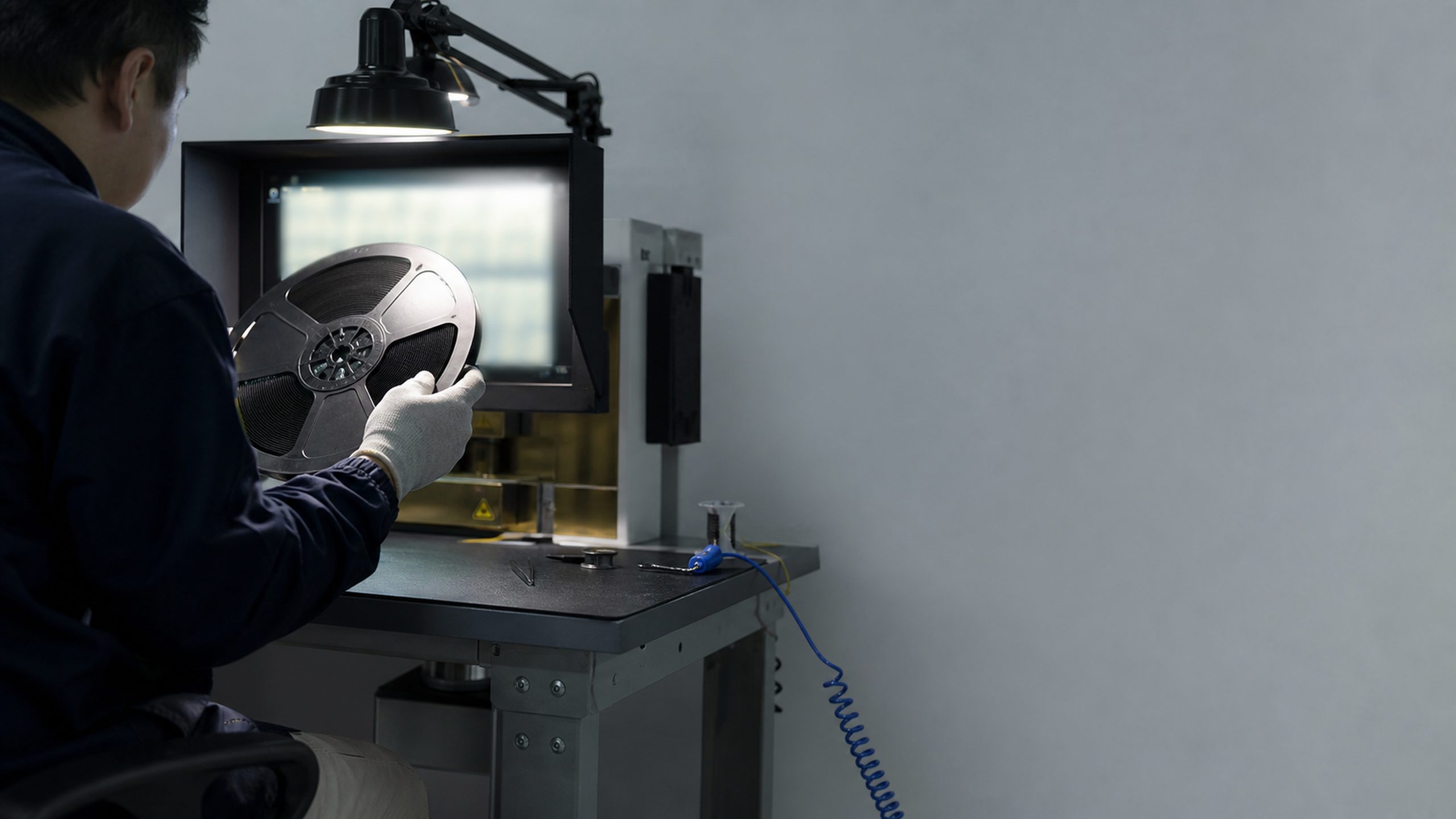
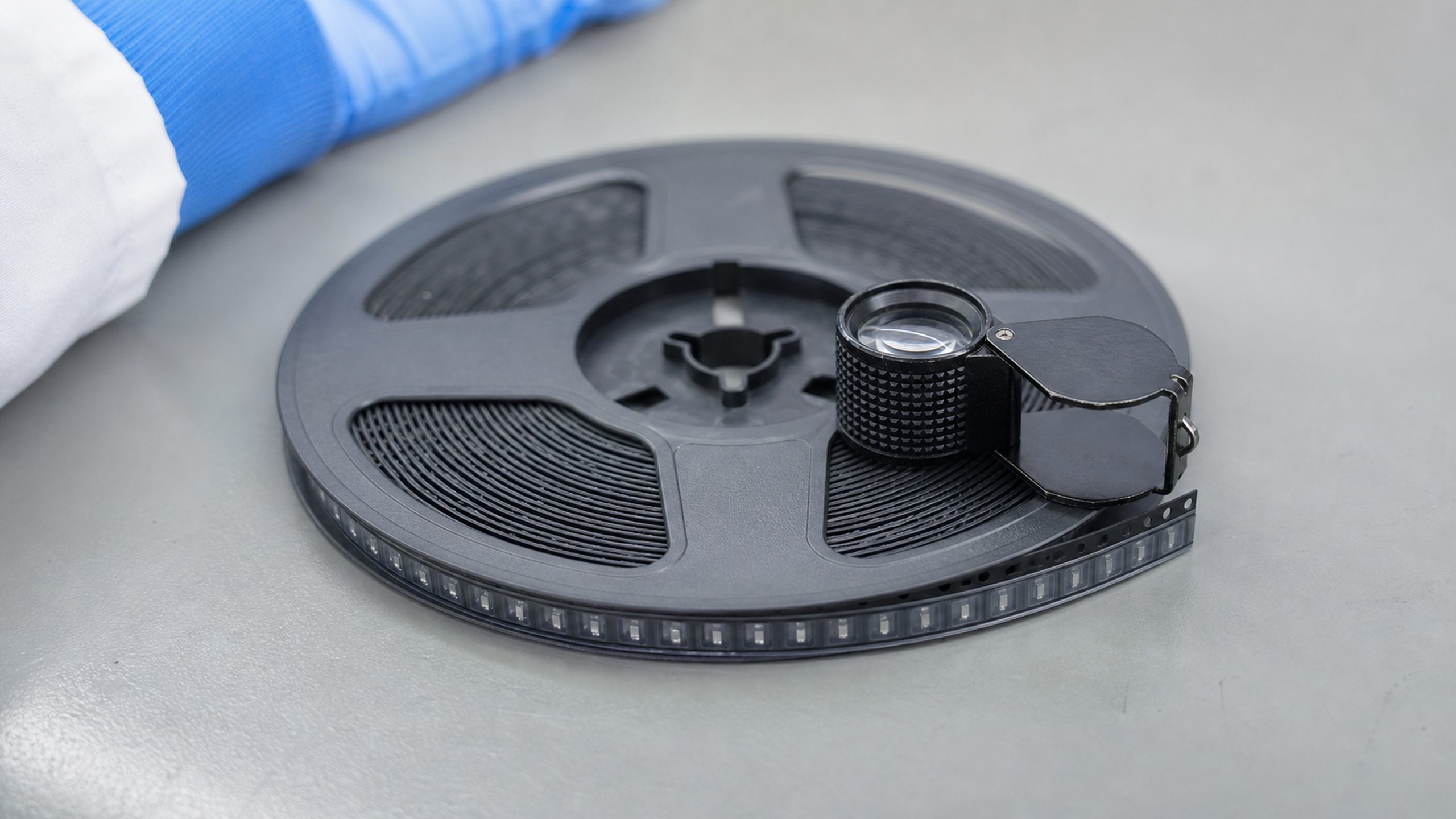
The traceability check happens before a part number is recommended, not at incoming inspection: the distribution channel is confirmed authorized and the country of origin and date code are matched to the manufacturer's records, so a remarked reel is caught at quote time rather than on your dock. On allocated lines the deliverable is a lead-time comparison — the primary source's horizon beside qualified alternatives — so a program weighs waiting against substituting on real numbers, not a single 52-week figure.
Where board-level supply is the requirement rather than a finished system — power modules, single-board computers, backplanes — we track form-fit-function equivalents in parallel with the primary source, so a program isn't stalled the day a distributor says a part is no longer available.
Channel-of-record sourcing with counterfeit-avoidance screening
Country-of-origin and date-code verification per lot
Allocated-part lead-time alternatives worked, not just quoted
Lifecycle & end-of-life management
A part going end-of-life mid-program is a schedule risk, not just a purchasing one. We track EOL and last-time-buy notices from our distribution partners and flag qualified form-fit-function substitutes proactively, so a redesign decision happens on your timeline rather than as an emergency when the build line runs dry.
For parts that can't be substituted cleanly, we surface last-time-buy windows early enough to make a bridge-buy a deliberate choice instead of a scramble.
End-of-life and last-time-buy monitoring on tracked lines
Qualified form-fit-function substitutes identified early
Bridge-buy windows surfaced before the line runs dry
NDAA §889 covered-equipment screening on every line
Ruggedized computing
Rugged sourcing starts with the requirement document, not the datasheet headline: the platform's shock, vibration, ingress and operating-temperature numbers are matched against the manufacturer's actual MIL-STD-810 test methods and IP test reports, and a "rugged" label that is marketing rather than measurement gets flagged before it reaches a quote.
A ruggedized computer that overheats in a vehicle enclosure is a systems miss, not a component one. We check the platform against your actual duty cycle, temperature range and enclosure before recommending it, so the unit that ships is qualified for the envelope it will live in.
Ruggedized computing to MIL-STD-810 shock and vibration
IP-rated ingress protection for sealed and outdoor enclosures
Thermal and duty-cycle fit checked against your platform
Vehicle-mount and field form factors, not relabeled commercial units
Power systems
A power supply undersized for a field deployment isn't a component problem — it's a systems-engineering miss. We size power systems and thermal design against your actual duty cycle and enclosure, not a datasheet's typical operating condition, before recommending a part number.
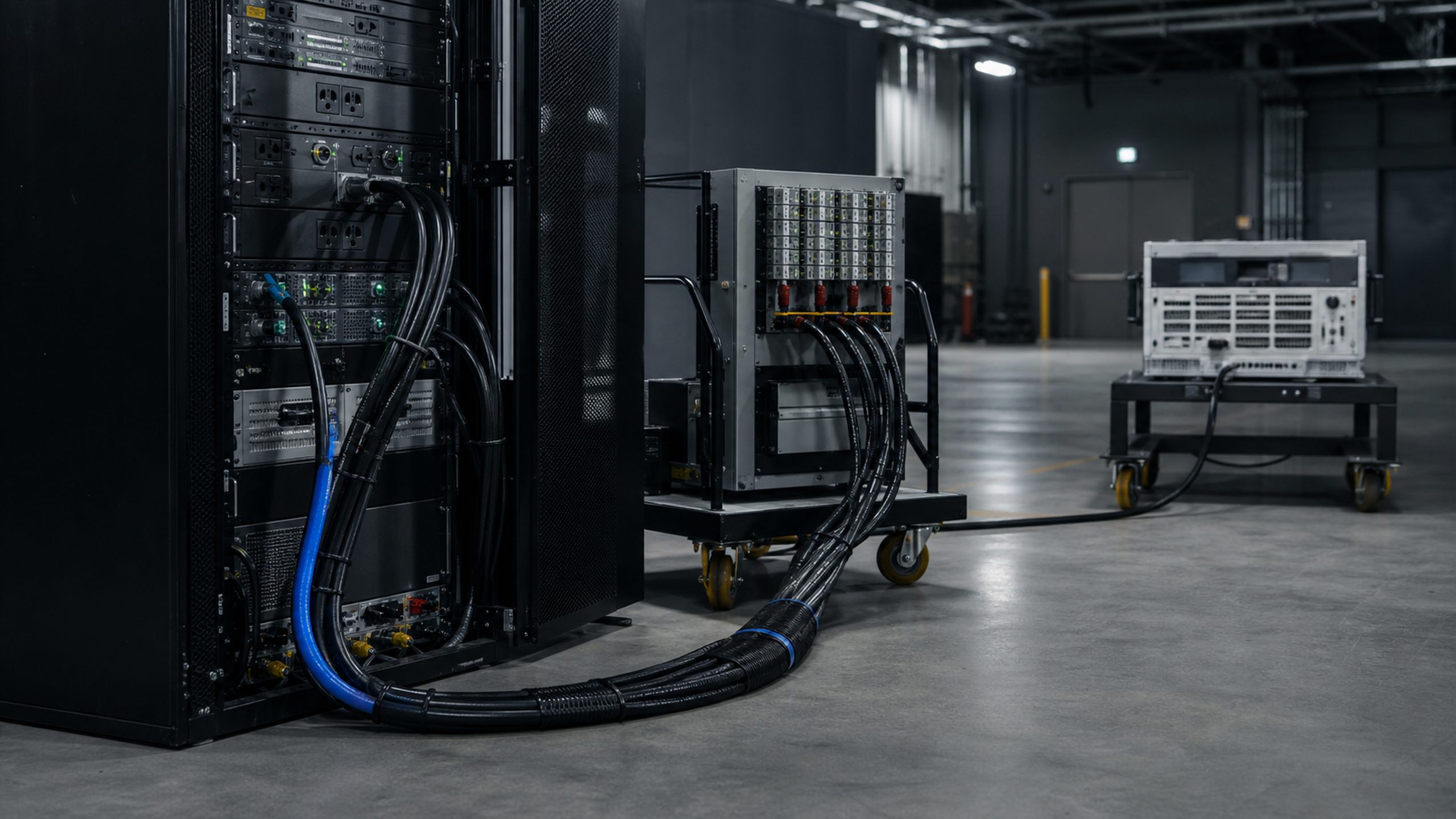
From DC-DC modules to field power distribution, the goal is a power path that holds up under the real load and the real environment, sized with margin where the mission needs it.
Power-system sizing to duty cycle, thermal and enclosure limits
DC-DC modules, supplies and field power distribution
Margin sized to the real load, not the datasheet typical
Power specified alongside the compute it has to feed
What's included
Sourced, verified, lifecycle-tracked
Channel-of-record sourcing with counterfeit-avoidance screening
Country-of-origin and TAA-designation confirmation per lot
End-of-life monitoring with qualified substitute parts
Ruggedized computing to MIL-STD-810 shock, vibration and ingress specs
Power-system sizing to duty cycle, thermal and enclosure constraints
NDAA §889 covered-equipment screening on every line
Fielded hardware
Platforms we field in this lane
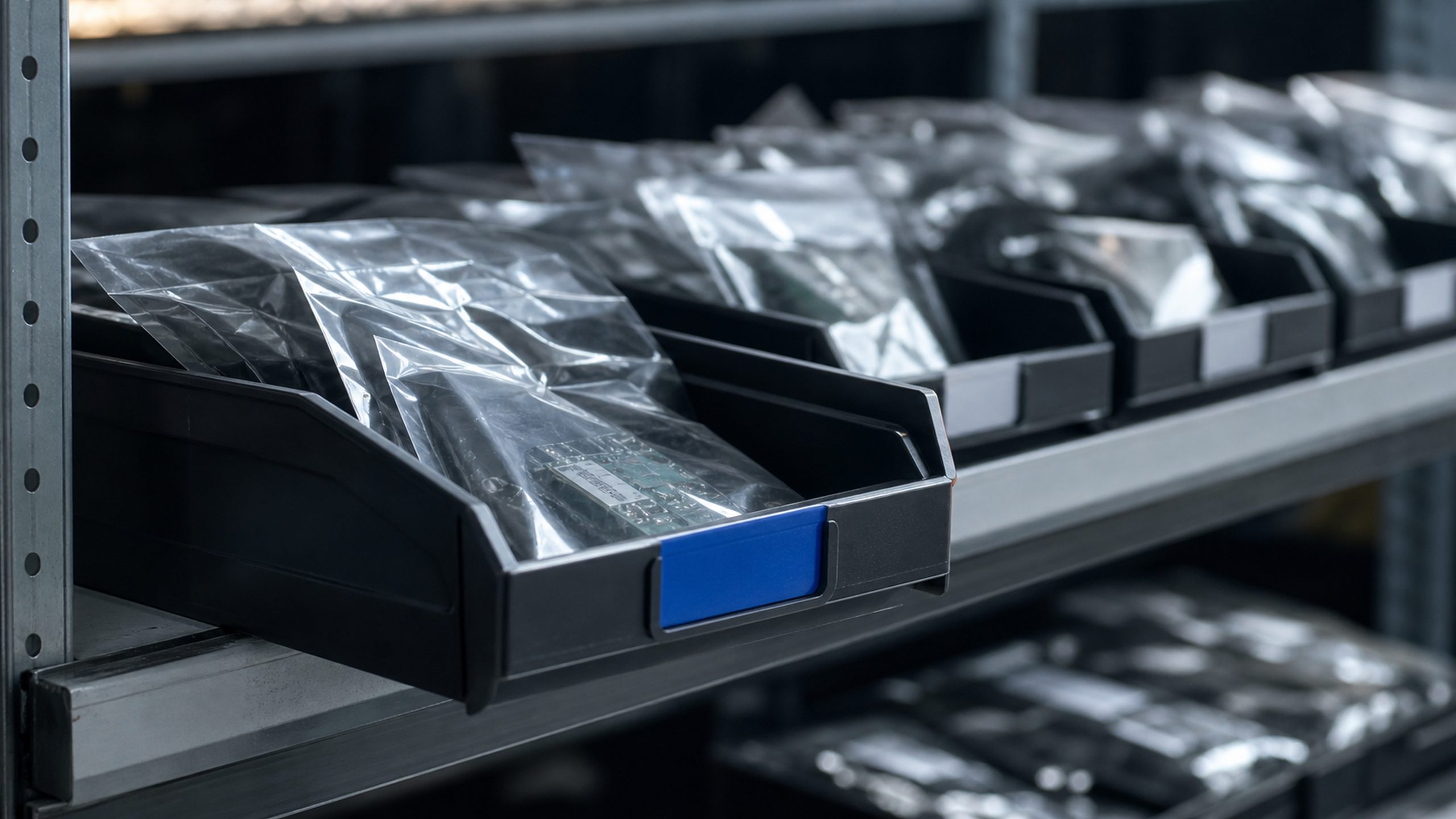
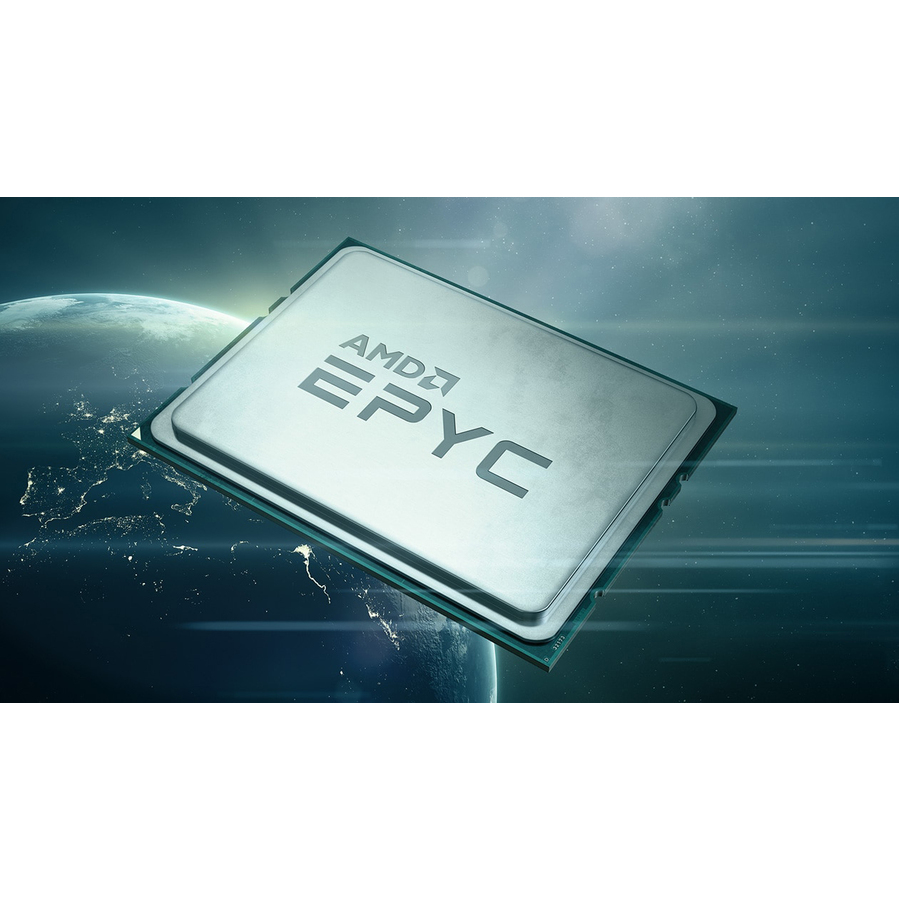
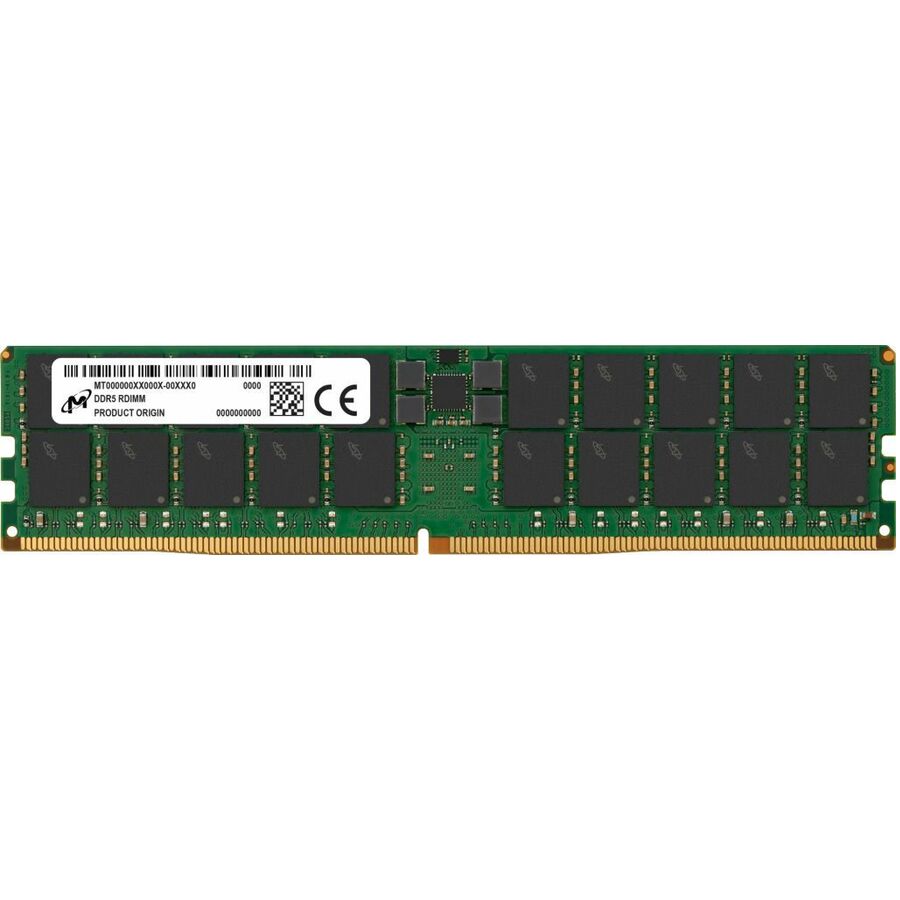
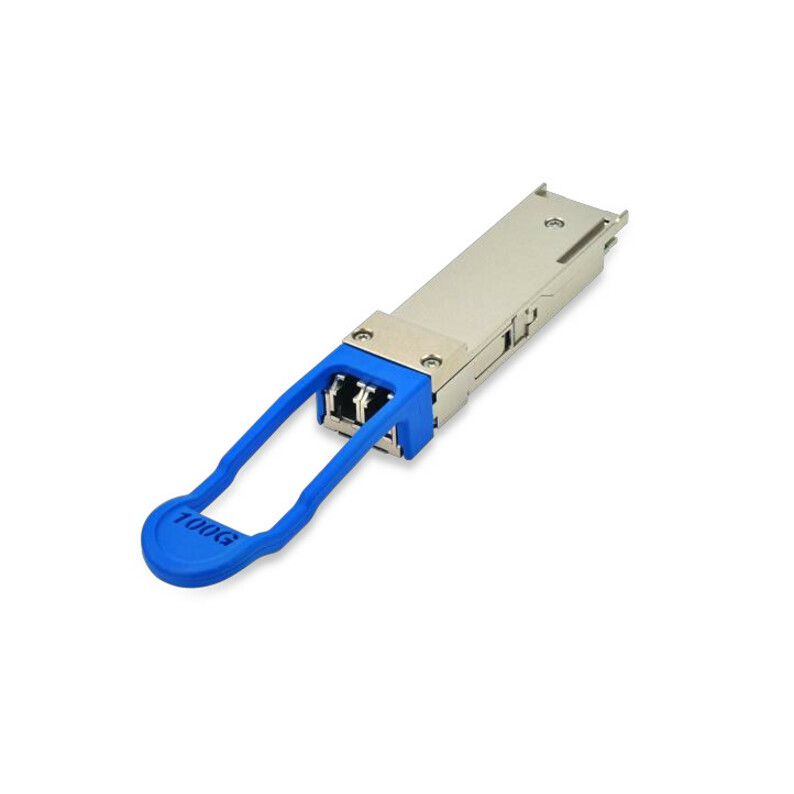
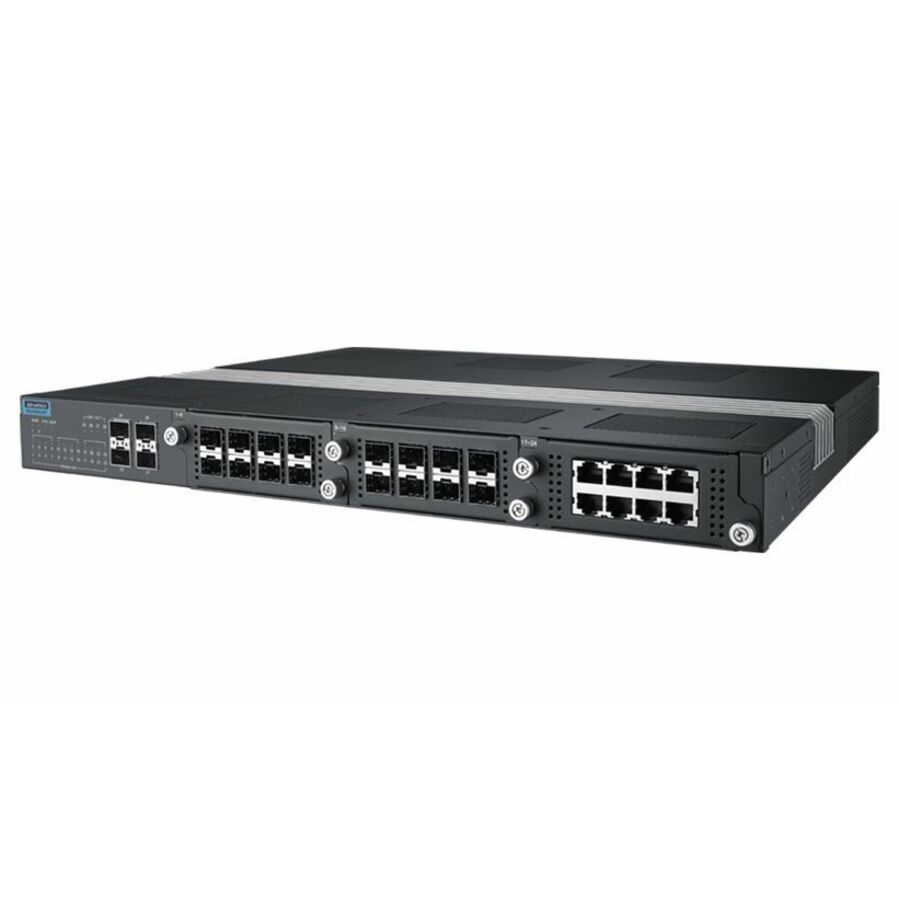
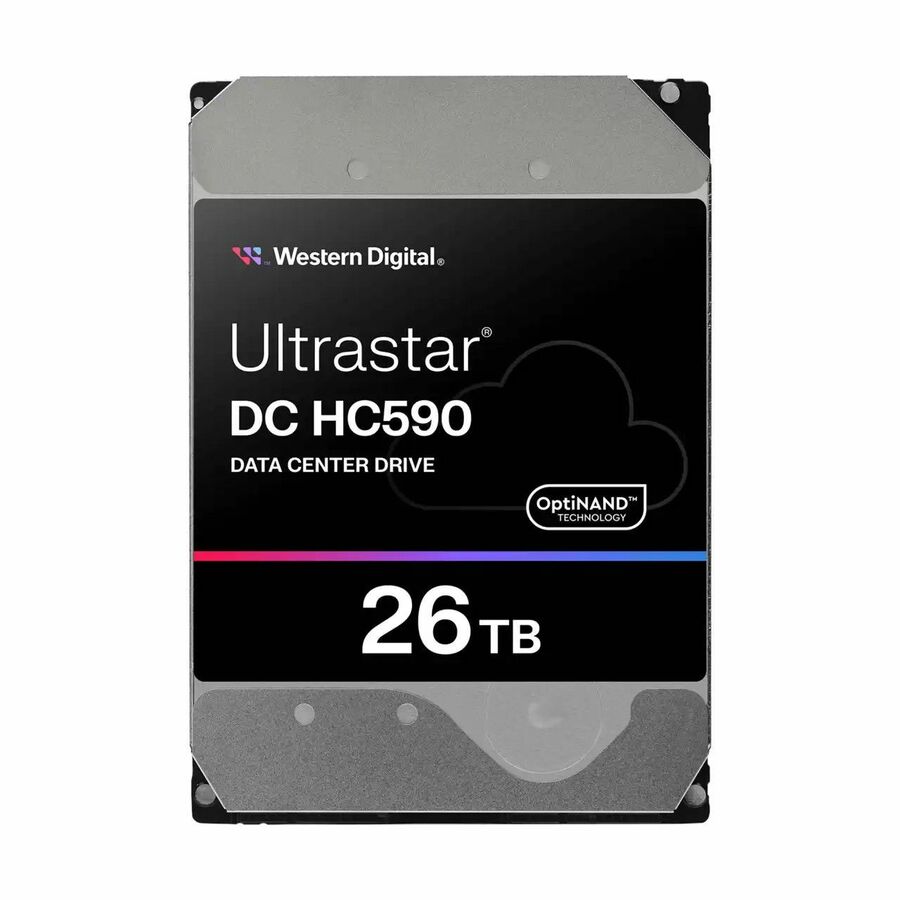
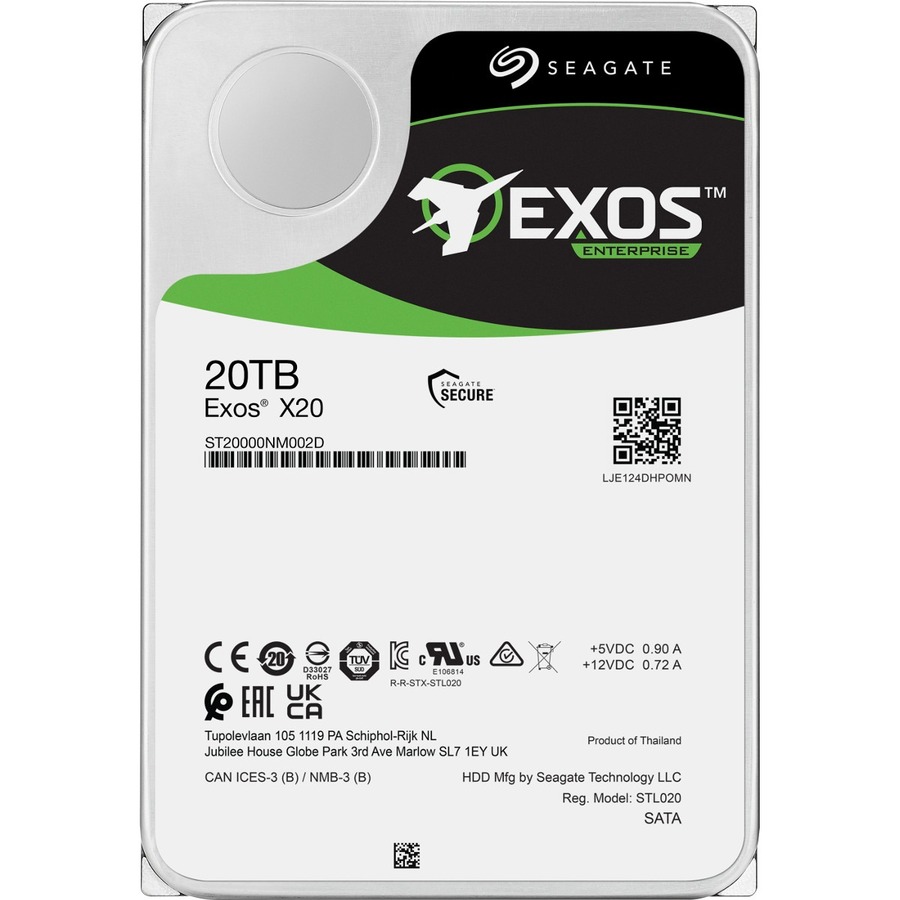
Representative hardware from the live Uniqcli catalog: sourced through US distribution, screened line by line, and configured for the program before it ships.
How do you screen for counterfeit or gray-market components?
We source through US distribution with the channel of record on the quote, and we verify date codes and country of origin against the manufacturer's records before a component ships.
What happens if a component we depend on goes end-of-life mid-program?
We track EOL notices from our distribution partners and proactively flag qualified form-fit-function substitutes, so a redesign decision happens on your timeline, not as an emergency.
Can you spec ruggedized computing for a specific vehicle or field enclosure?
Yes. Send the environmental profile — shock, vibration, temperature range, ingress rating — and we'll recommend a platform tested to that envelope, not a commercial unit with a rugged label.
Can you supply board-level parts rather than a finished system?
Yes. Power modules, single-board computers, backplanes and discrete components are sourced at the board level, with form-fit-function equivalents tracked alongside the primary source so a single distributor's stock position doesn't stall the build.
How do you handle parts that are on allocation with long lead times?
Rather than pass a 52-week quote through unchallenged, we work distributor relationships and qualified alternatives to find a shorter path, and surface last-time-buy windows early so a bridge-buy is a deliberate choice. Where a substitute is needed, we confirm form-fit-function and TAA status before recommending it.
How an engagement runs
From requirement to delivered, in four steps
1
Brief
Send the requirement as it exists: a statement of work, drawings, a bill of materials or a problem statement. A briefing call scopes it against the lines above.
2
Scope and quote
Feasibility, country-of-origin and §889 screening, and lead times come back with a line-item quote. Nothing is committed until the scope is agreed.
3
Build and integrate
Manufacture, rack, image, configure and test in the facility, so the first time the system is assembled is not on install day.
4
Deliver and sustain
Delivery with serialized chain-of-custody records, then warranty, RMA and lifecycle support on the same relationship.
Compliance and documentation
Screened before it is quoted, documented when it ships
Country of origin and §889 status are checked per line while the quote is being built, not after a program review asks. The same record travels with the order: what was sourced, where it came from, who handled it and when it shipped.
TAA (FAR 52.225-5) country-of-origin screening on every line
NDAA §889 covered-equipment screening on every line
FIPS 140-2/3 validated options where the requirement calls for it
DoDIN APL listing paths verified before a quote is issued
Section 508 / VPAT documentation available on request
Serialized chain-of-custody records delivered with every shipment