Where procurement becomes production: build-to-spec assembly, multi-vendor rack integration, imaging, kitting and the program logistics that deliver working systems — not boxes.
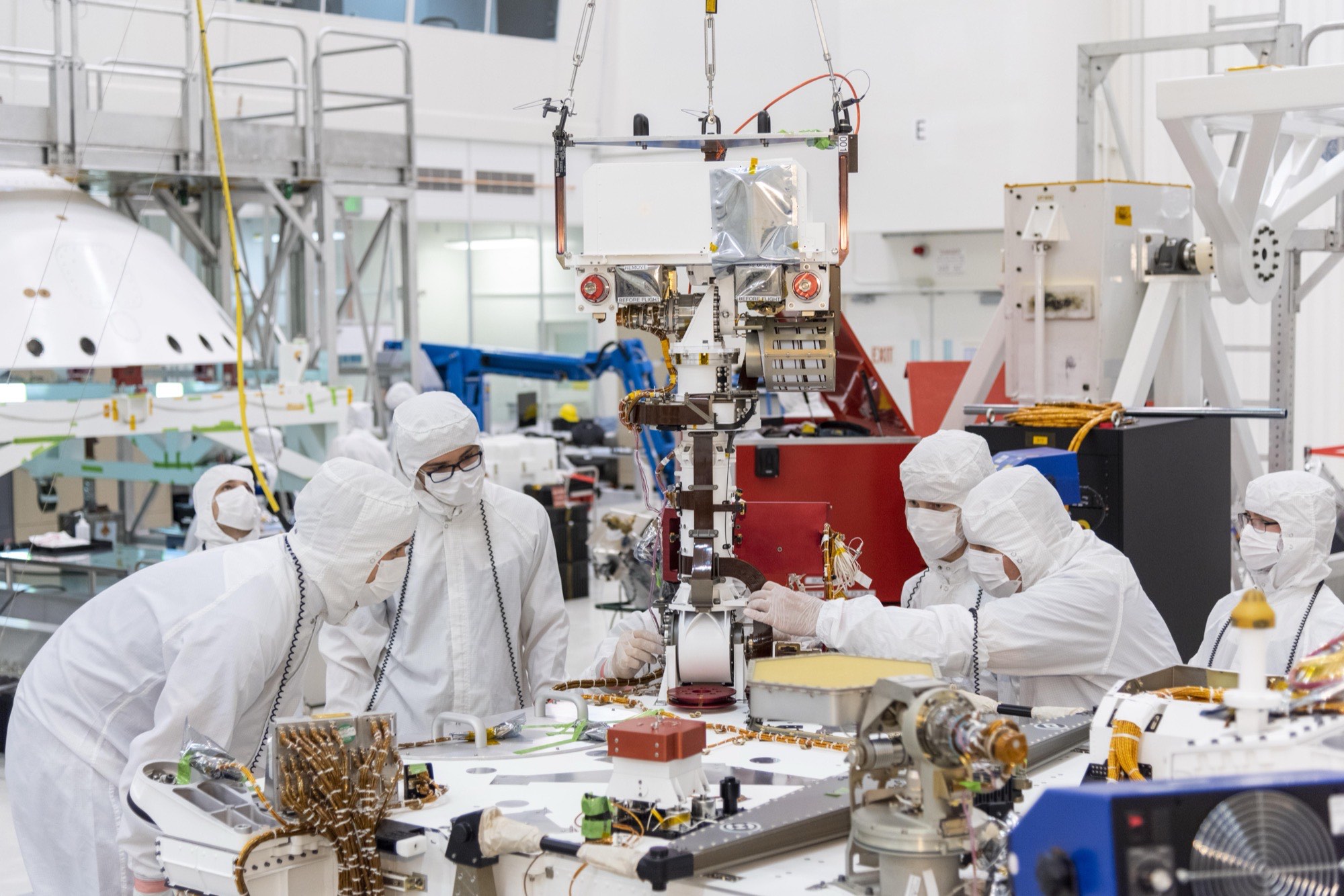
A pallet of boxes is not a capability. Our manufacturing and OEM-integration lanes turn bills of materials into working systems: assembled to spec, imaged to your baseline, kitted per site, burned in before they ship — and documented at every step for programs that answer to auditors.
Procurement and production under one accountable roof.
When sourcing and integration live with different vendors, every discrepancy becomes a three-way phone call. Here the same organization that quotes the BOM assembles it, images it and ships it — so a substitution, a firmware baseline or a labeling requirement is one conversation, documented once.
It's the manufacturing and OEM-integration pairing from our capability lanes, applied to programs: multi-vendor builds staged and tested before a field technician ever touches them.
▪One vendor from BOM to burned-in system
▪Imaging, asset tagging and configuration baselines applied before shipment
▪Quality-controlled small-lot production for program hardware
▪TAA confirmation and §889 screening on every component line
Build-to-spec electronics assembly, panel builds and small-lot production runs under quality discipline — for requirements where off-the-shelf stops short. Work is scoped per program through our manufacturing lane, with documentation to match the environment the hardware serves.
Where a design needs parts that can't clear NDAA §889 or TAA sourcing, we swap them before they become a program risk instead of a footnote.
▪Electronics assembly and panel builds to your drawings
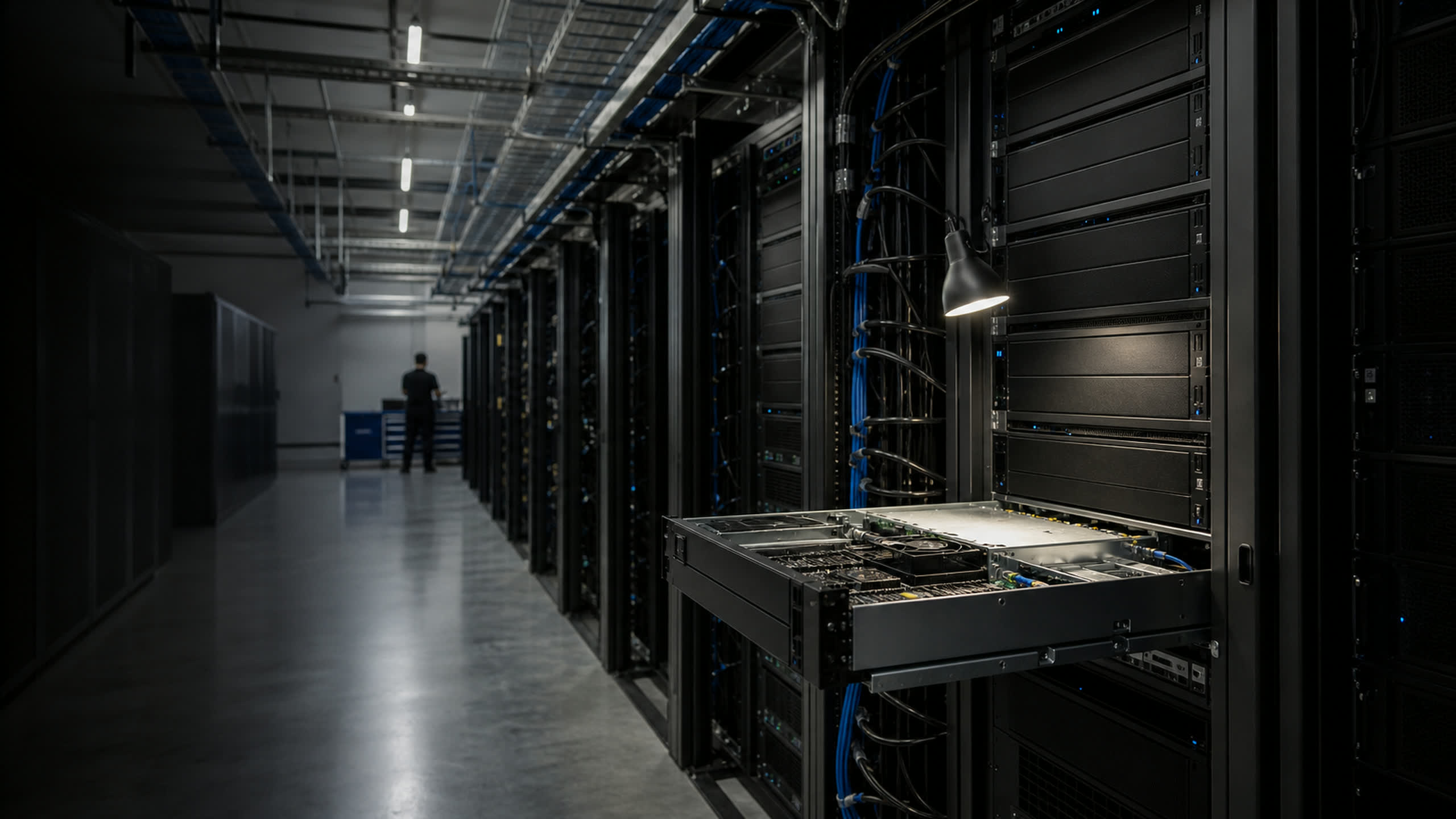
Rack, stack, image and kit: multi-vendor systems — compute, network, power, security appliances — integrated, configured to your baseline and burned in before shipment. What reaches the site is a tested system with a rack elevation that matches the drawing.
▪Multi-vendor rack builds cabled and labeled to spec
▪OS and firmware imaging to your baseline
▪Burn-in and configuration validation before shipping
▪Asset tags and inventory records applied at build
Multi-site rollouts live or die on repeatability. We build per-site kits from a master BOM — every box labeled per location, every kit identical, every substitution recorded — so site 47 installs exactly like site 3 did.
Before a program commits to volume, someone has to prove the build. Our R&D lane supports rapid prototyping and design iteration — feasibility studies, technology maturation and the sourcing agility to get unusual parts into an engineer's hands fast.
▪Feasibility and prototype builds for program-specific requirements
▪Design iteration with compliance screening from the first rev
▪Bench test and validation support
▪Path from prototype to small-lot production in the same relationship
Component-level sourcing across 320 brands: boards, memory, optics, power supplies, connectors and the long tail of parts that keep production lines and installed fleets alive. Send the BOM; we return availability, compliant alternatives for anything §889/TAA-problematic, and firm pricing.
▪Board-level and component supply (Micron, Axiom and OEM ecosystems)
▪Hard-to-find and EOL part sourcing with documented substitutes
Integrated systems need scheduled arrivals, not surprise freight. Warehousing, staging, white-glove delivery and documented chain of custody through the managed-logistics lane — so hardware lands when the site is ready and the paper trail survives an audit.
▪Warehousing and staged release against your calendar
▪White-glove and inside delivery options
▪Chain-of-custody documentation end to end
▪RMA and reverse logistics under the same relationship
The fastest integration programs share a trait: the intake package was complete before anyone quoted it. A revision-controlled BOM with manufacturer part numbers. The imaging baseline as an artifact, not a description. A rack elevation or kit manifest that says where every component lands. Acceptance criteria — what "working" means, measured how. When those four exist, quoting is arithmetic; when they don't, the first weeks of the program are spent reconstructing them.
You don't need all of it on day one — that's what the briefing is for. Send what exists and we'll flag the gaps: unpinned part revisions, components with §889 or TAA exposure, single-source lines worth a documented alternate, quantities that ignore spares. The build plan that comes back names its assumptions, so scope changes get priced as changes instead of surfacing as slips.
▪Revision-controlled BOM review with gap flags, line by line
▪§889 / TAA screening exposure identified at intake
▪Spares, RMA-pool and growth quantities modeled into the count
▪Assumptions documented in the build plan before pricing firms up
Prototype through small-lot production, and rack-integration programs from a single build to multi-site rollouts. Volume production questions are scoped per program — request a briefing with the quantities and we'll map the path honestly.
▪Can you image systems to our security baseline?
Yes — OS and firmware imaging to your provided baseline, applied and validated during integration, with the configuration recorded per asset.
▪How do substitutions get handled mid-program?
No silent swaps: a substitution is proposed with the compliance and compatibility evidence, approved by you, and documented in the program record before it ships.
▪Do integrated builds still carry TAA/§889 screening?
Every component line clears the same screens as a catalog order — country of origin confirmed per lot, §889-covered equipment structurally excluded, chain of custody documented.
▪What is the difference between kitting and rack integration?
Kitting packages loose components into complete, labeled bundles — one kit per site or per user, built from a master bill of materials so every kit matches. Rack integration goes further: the components are physically assembled into a rack, cabled, imaged to a baseline and burned in, so what ships is a tested system rather than the parts for one. Multi-site programs often use both — integrated racks for the core, kits for the edge.
▪What information does an integrator need to quote a build?
Four things do most of the work: a bill of materials with manufacturer part numbers and revisions, the imaging or configuration baseline as an actual artifact, a rack elevation or kit manifest showing where components land, and acceptance criteria defining what a passing system looks like. Add the deployment calendar and site count and the quote can carry firm pricing — missing pieces just become documented assumptions to resolve before build.
The solutions atlas
Every solution, by technology area and by customer.