A hardened network built from unvetted hardware is a contradiction. Every security line we quote is sourced through US distribution, screened against NDAA §889, confirmed for country of origin, and delivered with chain-of-custody documentation — so the procurement itself passes the audit your security program will face.
Security procurement fails quietly: a gray-market optic here, an unvetted camera there. Our catalog structurally excludes §889-covered equipment, confirms TAA per lot, and documents chain of custody — so the paper trail is as strong as the perimeter.
Physical security runs deep here: our dedicated security storefront covers surveillance, access control and facility systems, and carts from it check out through this same portal.
▪§889-covered brands structurally excluded from the catalog
▪TAA country-of-origin confirmation on every lot
▪Cybersecurity and physical-security capability lanes under one relationship
▪Firm quotes; no payment up front on quoted orders
Zero trust is enforced by hardware: next-generation firewalls at the segmentation boundaries, NAC-capable switching at the edge, and the compute that runs the policy engines. We quote the full enforcement stack against your architecture — with port counts, throughput tiers and licensing terms checked before the order goes firm.
Our cybersecurity lane supports zero-trust rollouts across the NGFW/XDR ecosystems represented in our catalog and storefronts, scoped per program.
▪NGFW, segmentation gateways and policy-engine compute
▪NAC-capable campus switching with the right port licensing
▪Throughput and session-capacity tiers validated per design
▪Subscription and support terms quoted with renewal visibility
Identity programs need hardware someone has to buy: authentication tokens, smart-card readers, biometric devices and PKI-ready endpoints. We source the physical layer of IAM and coordinate it with the credentialing systems in our access-control lane, so logical and physical identity don't ship as separate projects.
▪Hardware authenticators and smart-card readers
▪Biometric and credential-issuance devices
▪PKI-ready endpoints and secure-element hardware
▪Coordination with physical access control under one order
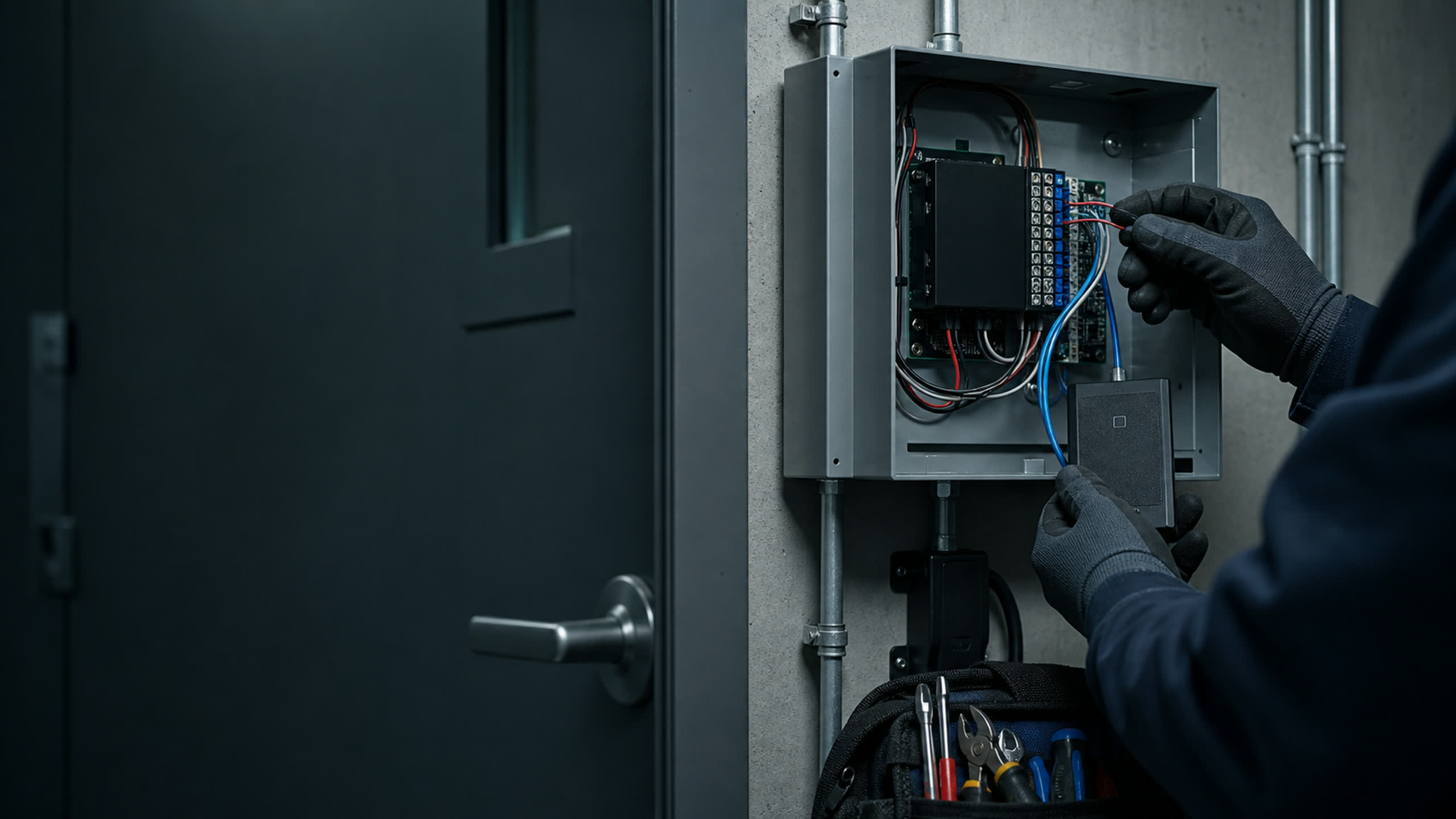
Cameras, credentials, door hardware, intercoms and the network that carries them — physical security is a systems problem, and it's one of our deepest lanes. The dedicated security storefront carries the catalog; the access-control capability lane handles the integration questions.
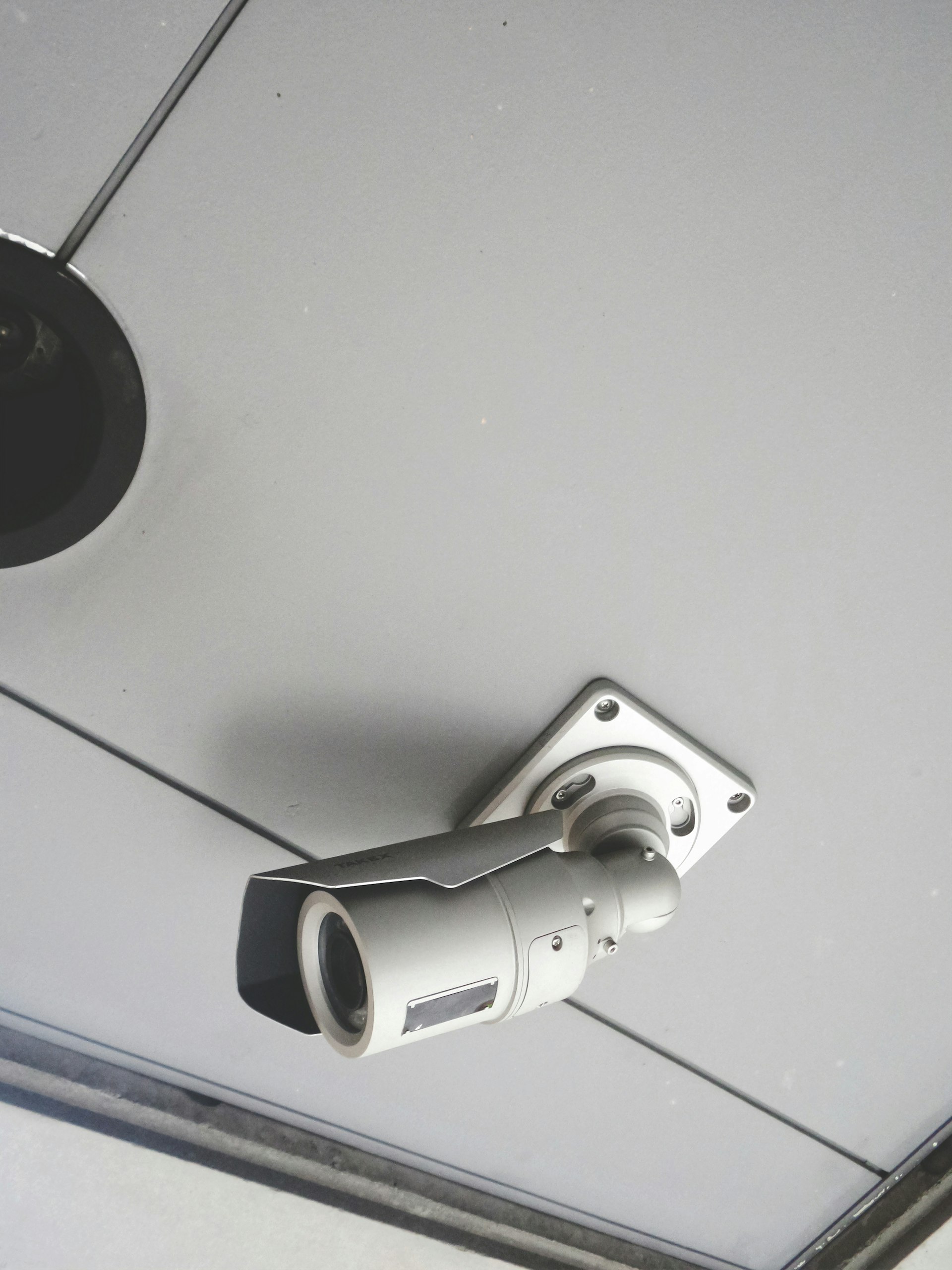
Every physical-security line clears the same §889 screen as the rest of the catalog — which matters more in surveillance than anywhere else.
▪Video surveillance, VMS-ready servers and storage
▪Access control panels, readers and door hardware
▪Intercom, duress and facility-integration components
▪§889-screened by structure — covered surveillance brands are excluded entirely
Recovery is a hardware requirement wearing a software badge. Immutable backup targets, air-gap-capable storage, recovery compute and the licensing that drives it — quoted as one stack against your recovery-time objectives.
▪Backup and recovery licensing (Veeam ecosystem) with term visibility
▪Immutable and air-gap-capable storage targets
▪Recovery compute sized for restore-day loads
▪Off-site and staged logistics options through the logistics lane
For federal and defense buyers, the supply chain is attack surface. Our controls are structural, not promotional: §889-covered equipment cannot enter the catalog, country of origin is confirmed per lot against TAA, substitutions are documented, and chain-of-custody paperwork accompanies delivery.
When a requirement calls for a unit that can't clear compliance, we say so — and source a compliant form-fit-function equivalent instead of shipping a problem.
▪NDAA §889 structural screening — excluded brands are purged, not filtered
▪TAA (FAR 52.225-5) country-of-origin confirmation per lot
▪Documented substitutions when a SKU can't clear compliance
Operational environments — utilities, manufacturing floors, transportation — need hardened switching, deterministic networks and monitoring that respects safety boundaries. We source industrially rated hardware and coordinate the network design questions through our telecom and electronics lanes.
▪Industrially rated and hardened networking hardware
Security appliances age on two clocks — hardware and subscription.
A firewall's price tag is the smaller half of its cost. The subscription stack — threat intelligence, support entitlements, management licensing — renews every one to three years, and an appliance past its end-of-support date stops receiving the signatures that made it a control in the first place. We quote security hardware with both clocks visible: the renewal schedule, the published end-of-sale and end-of-support dates, and what the successor platform costs today.
Where a fleet has grown appliance by appliance, renewals scatter across the calendar and every one becomes its own small procurement. Co-terming them onto a single renewal date turns a dozen recurring emergencies into one reviewable event — and gives your program one date to budget against. We map the installed base, align the terms, and quote the consolidated renewal alongside any replacement hardware the end-of-support review surfaces.
▪End-of-sale and end-of-support dates flagged on every security appliance quote
▪Subscription terms and renewal costs shown as their own lines, never buried
▪Co-termination quoted across mixed fleets so renewals land on one date
▪Replacement paths priced before end-of-support forces an emergency buy
Structurally. Covered brands are excluded from the catalog and storefronts entirely — they can't be quoted by mistake. Screening applies to every line on every order, including physical-security equipment.
▪Can you consolidate cyber and physical security into one order?
Yes — that's the point of the lanes. NGFW hardware, cameras, door controllers and backup targets can ride one quote, one PO and one delivery schedule.
▪Do you provide security architecture or assessment services?
We scope hardware and licensing against your architecture and coordinate design questions through our capability lanes. For formal assessments, we work alongside your assessor or program of record — request a capability briefing to see where we fit.
▪What proof of supply-chain integrity comes with an order?
Country-of-origin confirmation per lot, documented substitutions where they occur, and chain-of-custody paperwork on delivery.
▪What happens when a firewall reaches end of support?
Vendor updates stop: no new threat signatures, no firmware patches, and usually no valid support renewal. The appliance keeps passing traffic, but its detection quality decays and new vulnerabilities go permanently unpatched — a state most security frameworks and auditors treat as a finding. Plan the replacement six to twelve months before the published end-of-support date, so the successor can be quoted, delivered and cut over on schedule rather than under incident pressure.
▪Are security cameras covered by NDAA Section 889?
Yes — §889 explicitly covers video surveillance equipment from named Chinese manufacturers and their subsidiaries, and it reaches OEM-rebranded units that carry covered components under another label. Federal agencies cannot buy covered equipment, and contractors face restrictions on using it. The practical control is screening at the catalog level: exclude covered brands and their known white-label lines entirely so a covered camera cannot be quoted by mistake, then keep the screening documented for your file.
The solutions atlas
Every solution, by technology area and by customer.