
208V rack PDUs
High-band rack PDUs — the 208 V and 230 V units — filtered by outlet count, C13 and C19 receptacles, rated amperage and rack form.
Showing 24 of 2,100 208 V PDUs
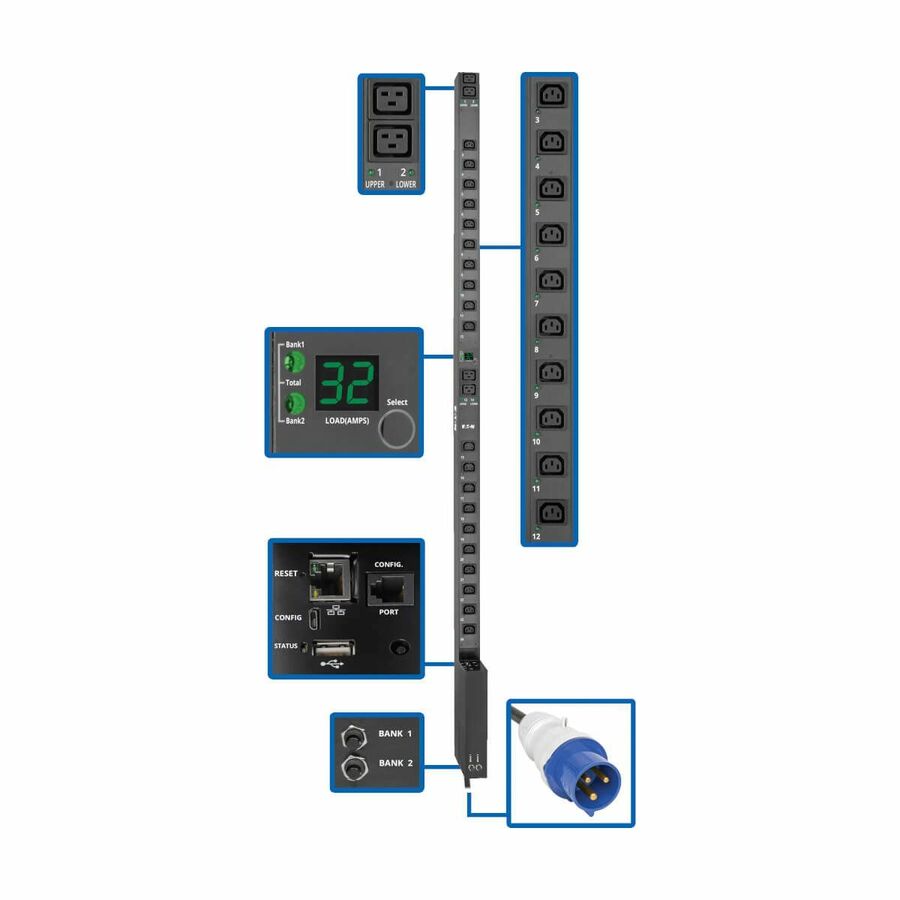
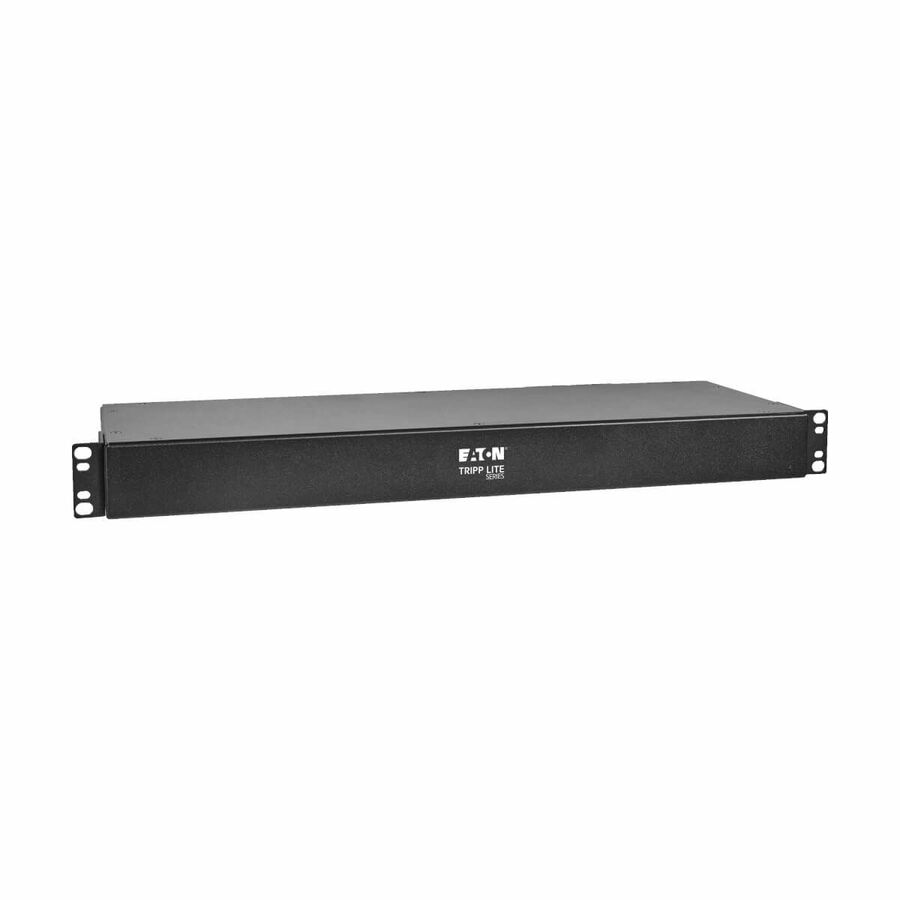
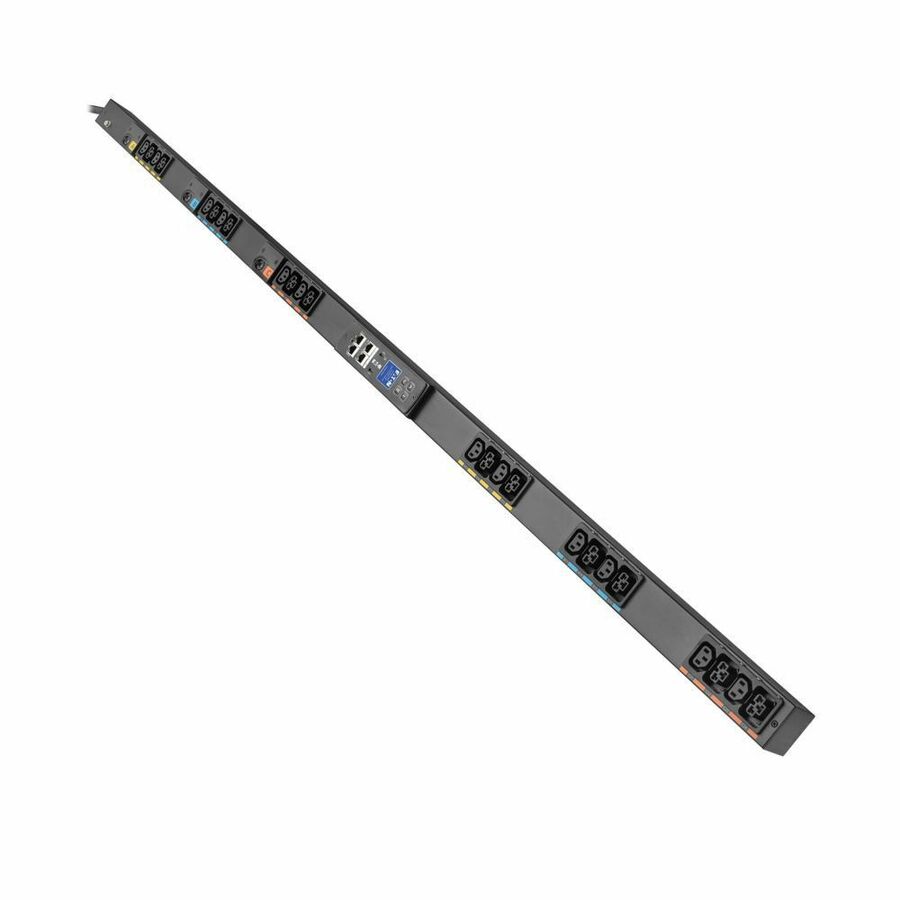
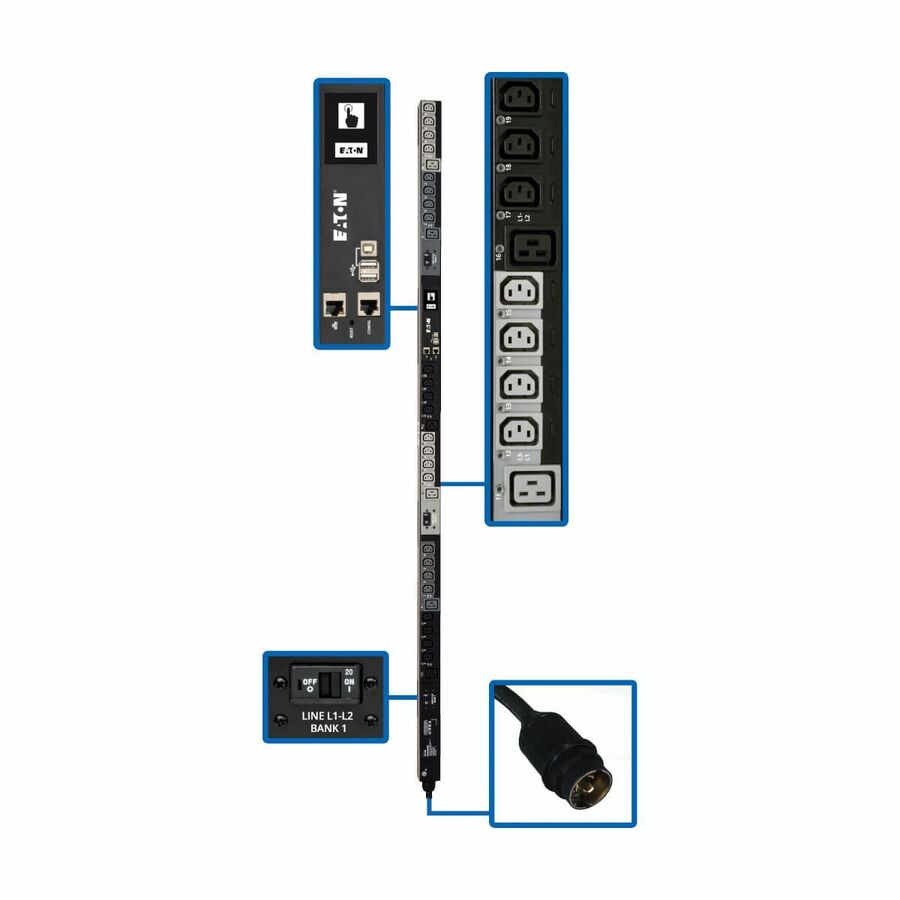
- EatonEaton 7.7kW Single-Phase Switched PDU with LX Platform Interface, 230V Output, IEC 309 32A Blue, 10 ft. (3.05 m) Cord, 0U, TAA - Switched - 4 x IEC 60320 C19, 20 x IEC 60320 C13 - 230 V AC - Network (RJ-45) - 0U - Vertical - Rack Mount - Rack-mountable - TAA CompliantPDUMV32HVNETLX
$1,602.00
$1,473.84
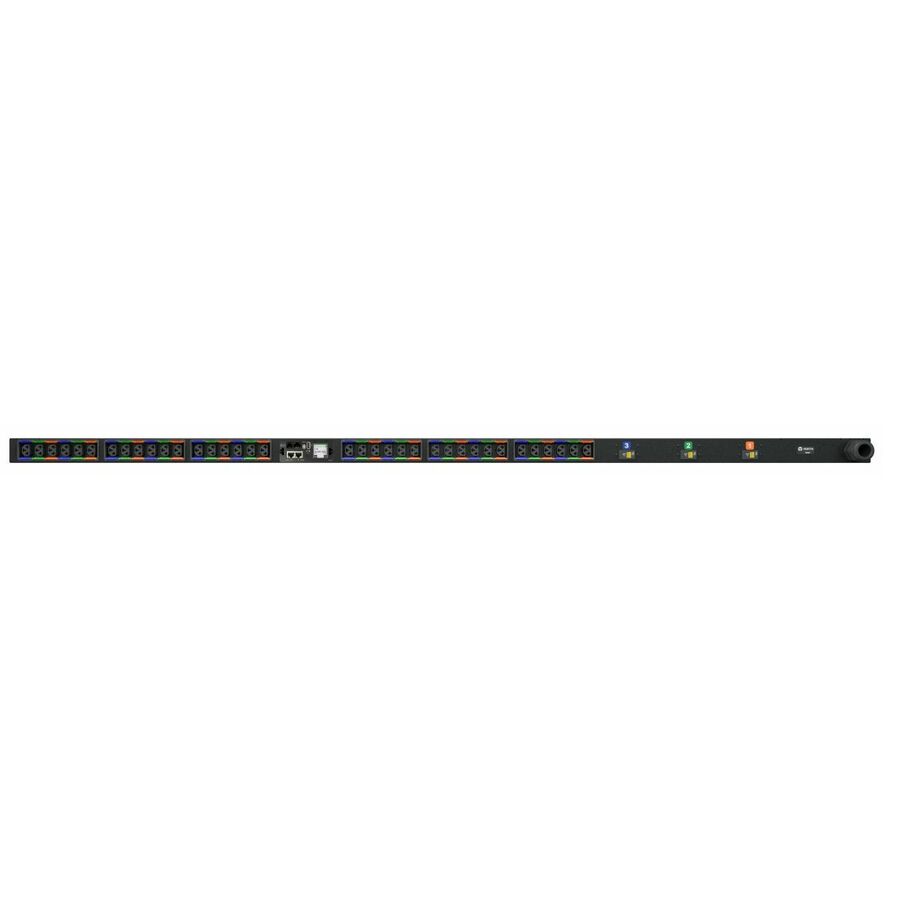
108 in stock - EatonEaton Metered Input rack PDU, 0U, CS8365 input, 12.48 kW max, 200-240V, 35A, 6 ft cord, Three-phase, Outlets: (30) C13 Outlet grip, (6) C19 Outlet grip - CS8365 - 30 x IEC 60320 C13, 6 x IEC 60320 C19 - 230 V AC - 12.48 kW - Network (RJ-45) - 38U - Rack-mountableEMI305-06
$1,794.00
$1,650.48
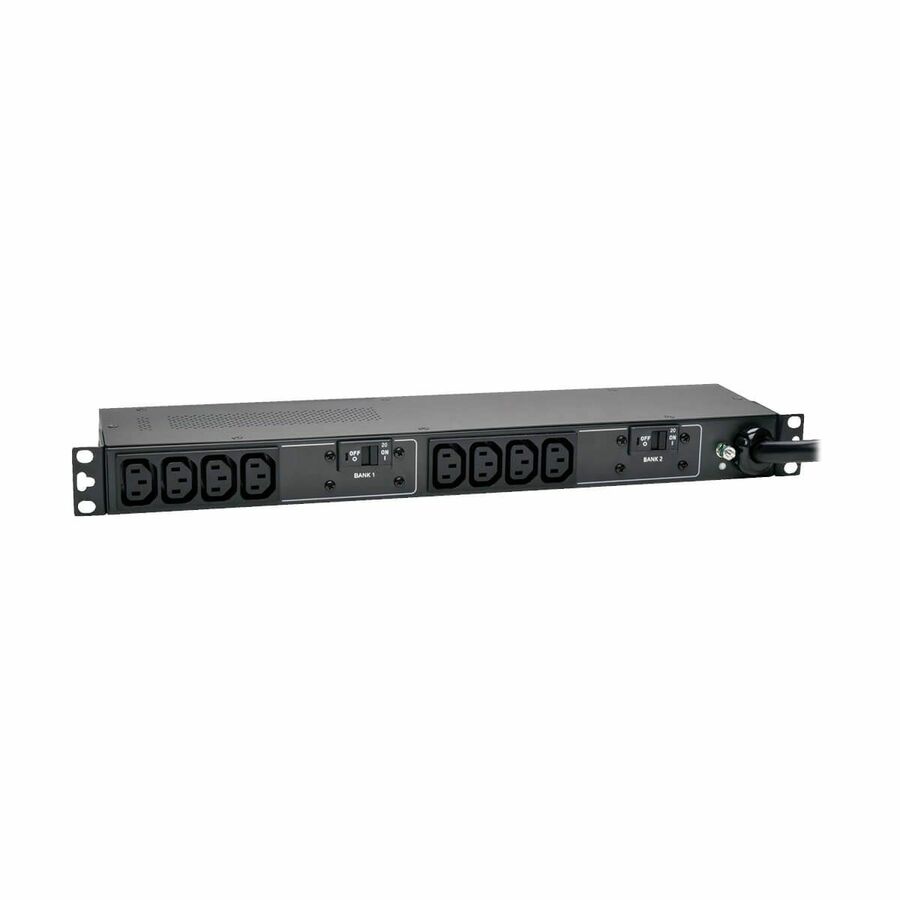
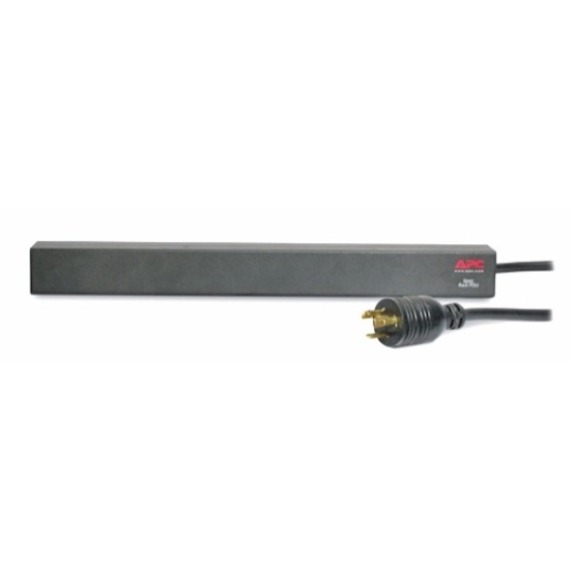
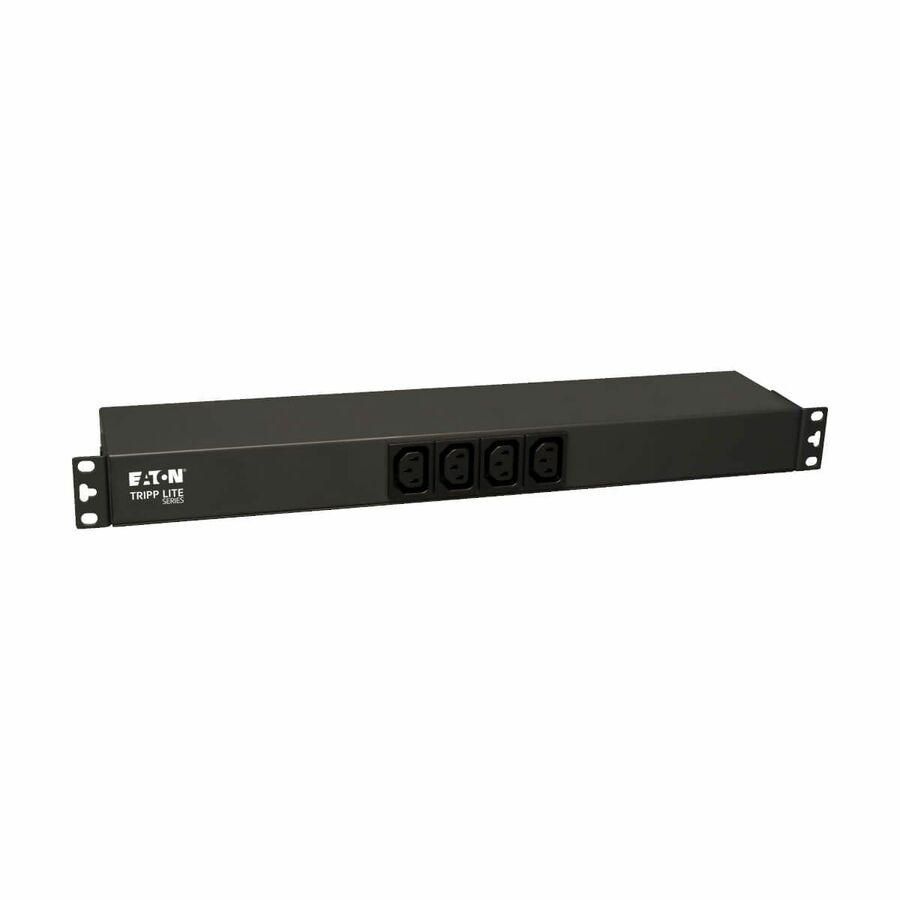
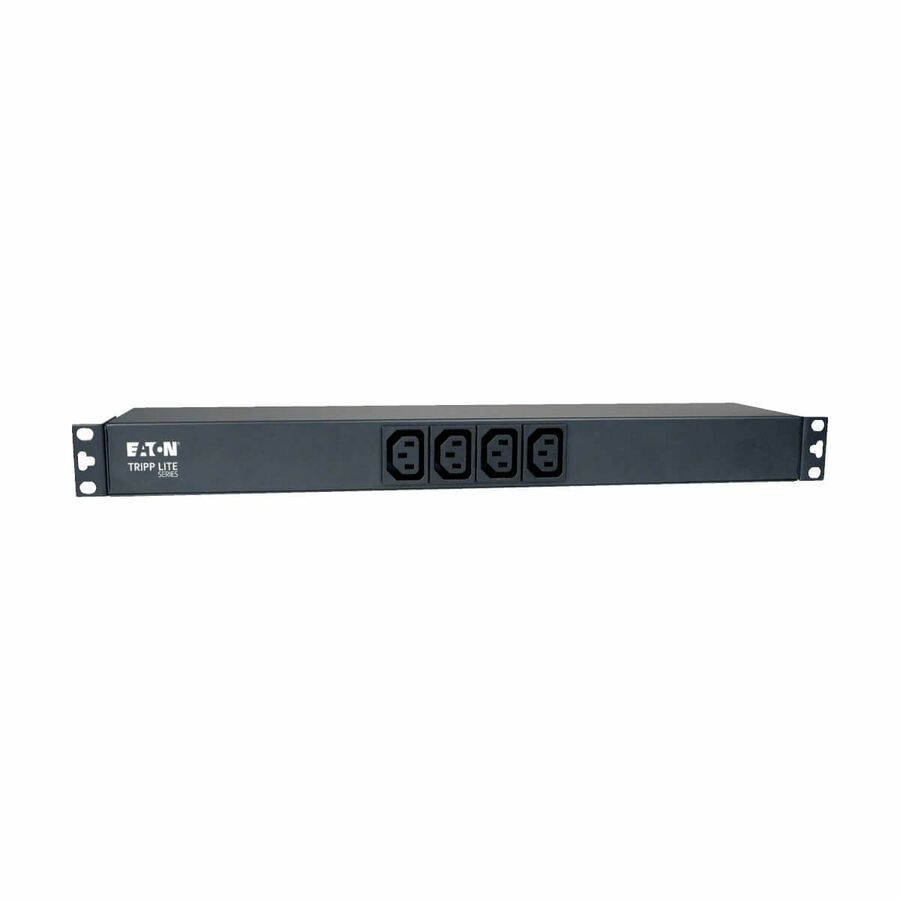
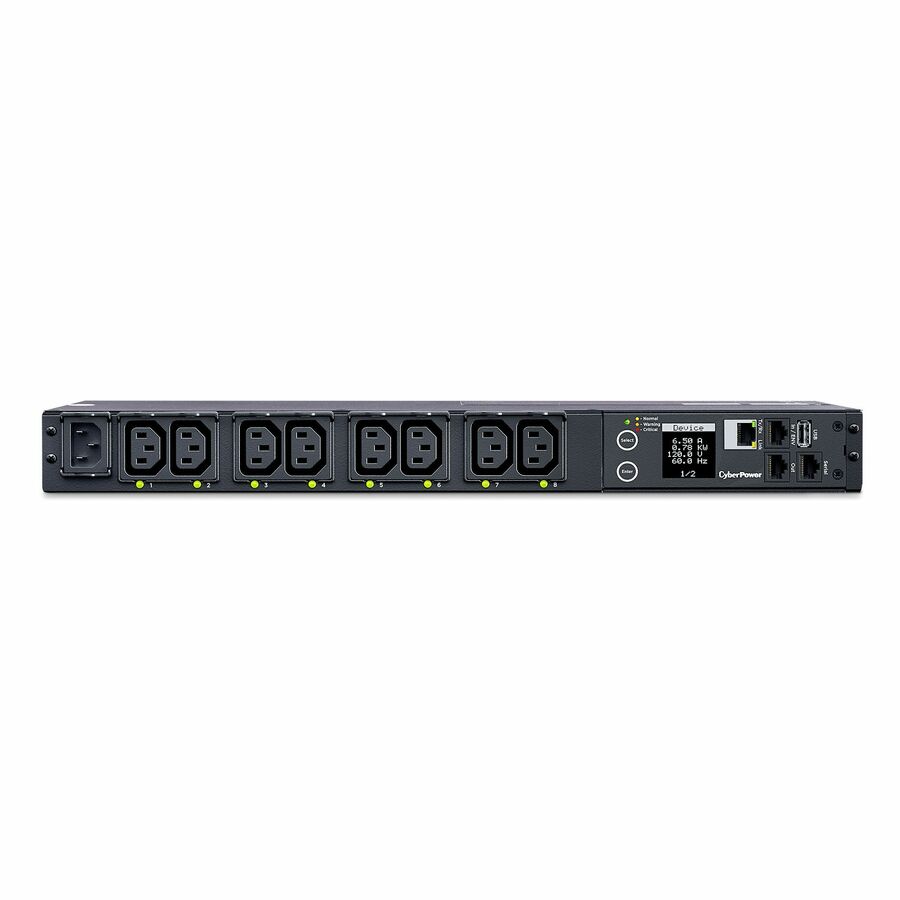
53 in stock - EatonTripp Lite by Eaton PDU 3.7kW 208/230V Single-Phase Local Metered PDU - 8 C13 & 2 C19 Outlets L6-20P Input 6 ft. Cord 1U TAA - Metered - NEMA L6-20P - 8 x IEC 60320 C13, 2 x IEC 60320 C19 - 230 V AC - 1U - Horizontal/Vertical - Wall-mountable, Rack-mountable - TAA CompliantPDUMH20HVL66
$334.00
$307.28
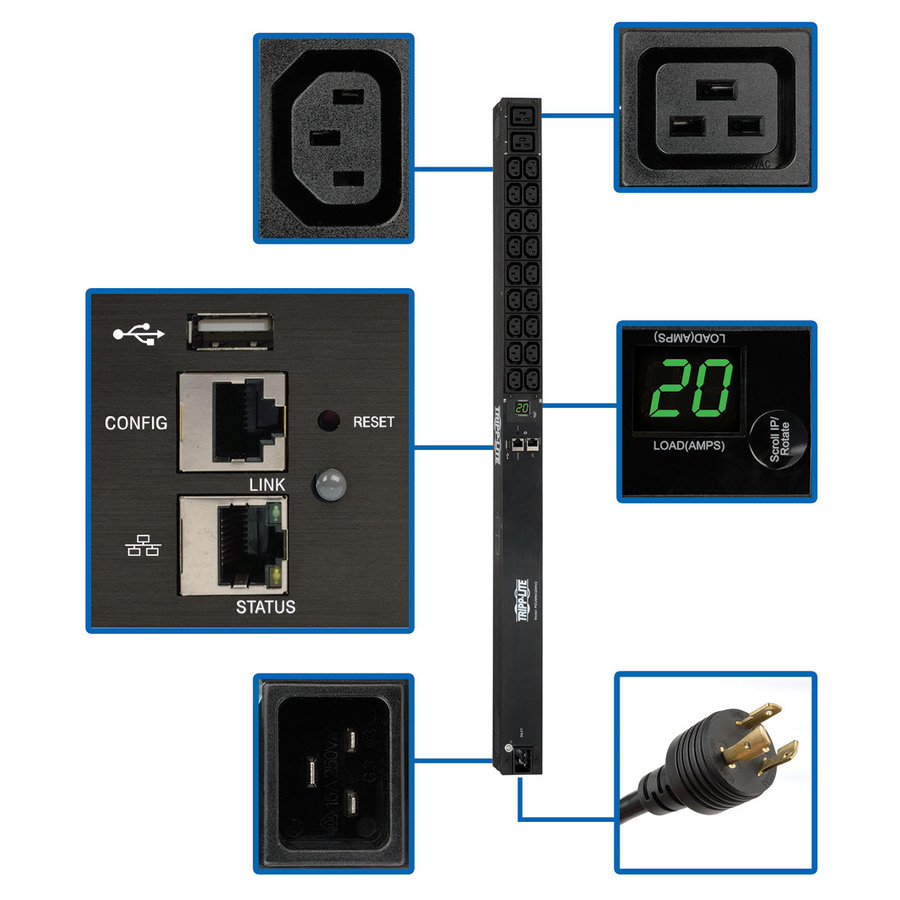
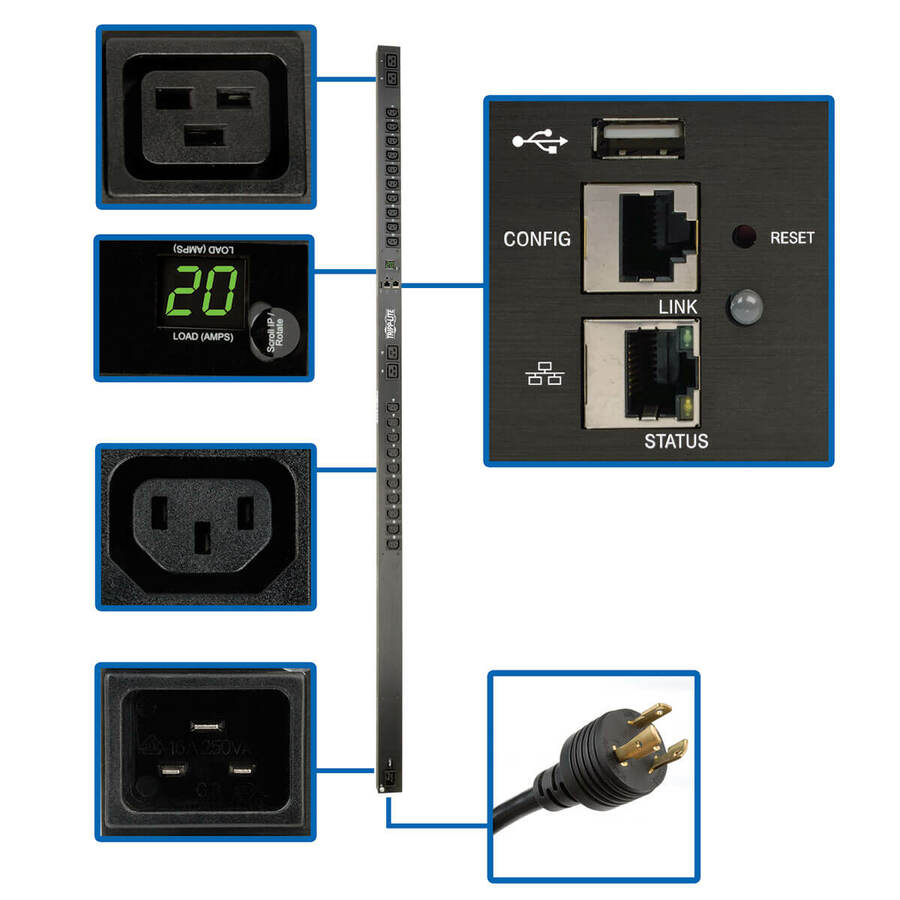
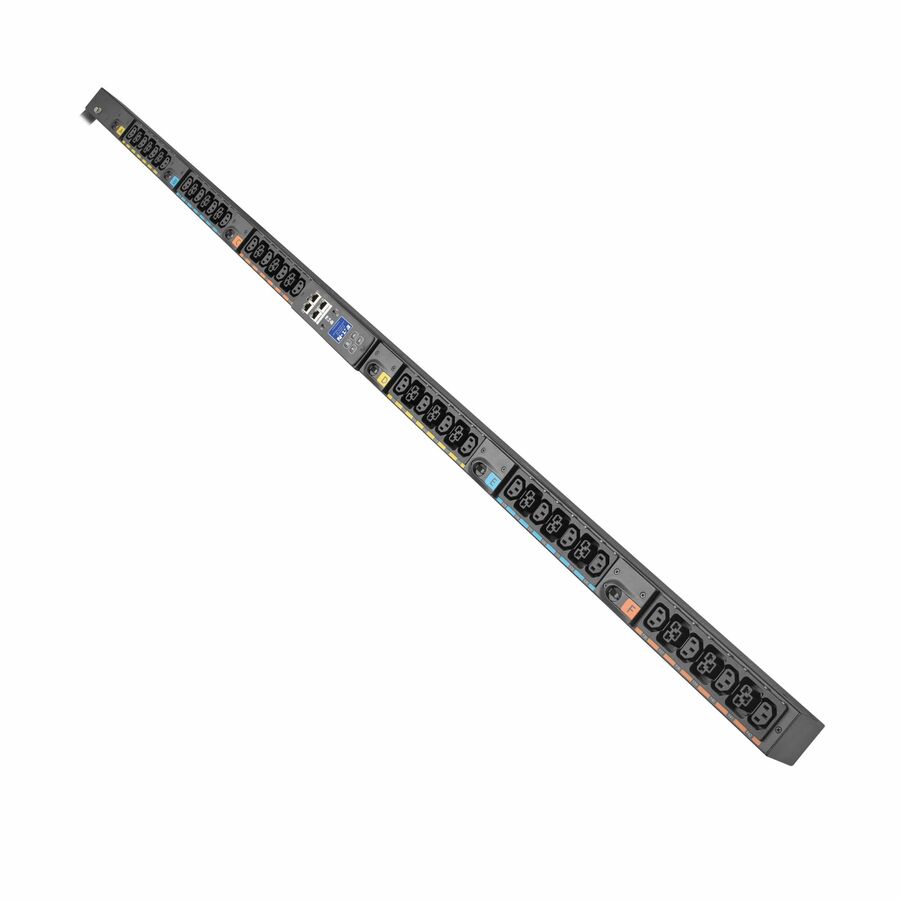
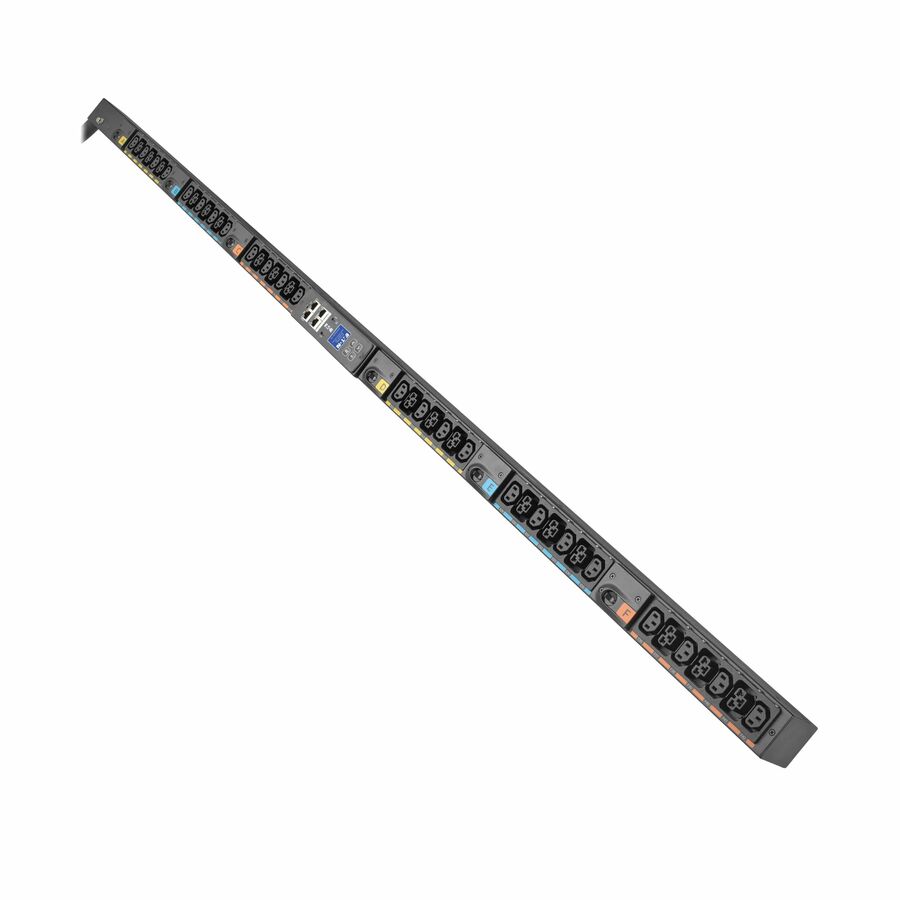
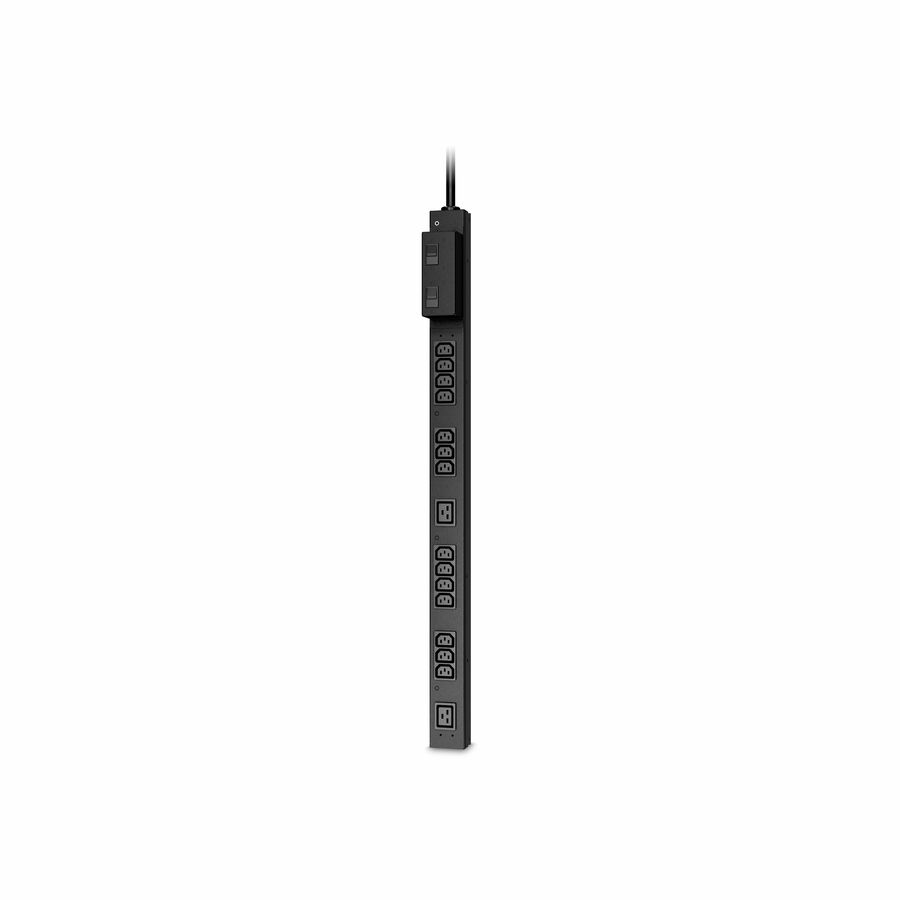
62 in stock - EatonTripp Lite by Eaton PDU 3.7kW Single-Phase 208/230V Monitored PDU - LX Platform 18 C13 2 C19 Outlets C20 / L6-20P Inputs 0U 900mm Height TAA - Monitored - NEMA L6-20P, IEC 60320 C20 - 2 x IEC 60320 C19, 18 x IEC 60320 C13 - 230 V AC - 0U - Vertical - Rack Mount - Rack-mountable - TAA CompliantPDUMNV20HV2LX
$767.00
$705.64
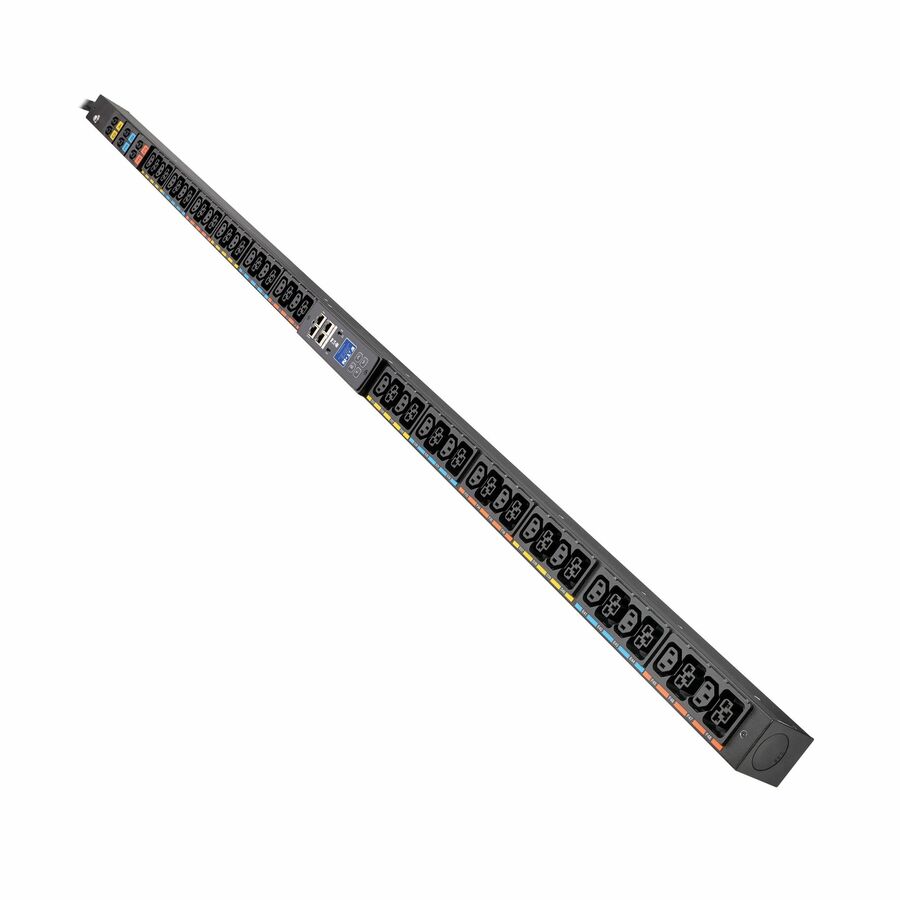
60 in stock - EatonTripp Lite by Eaton PDU 3.7kW Single-Phase 208/230V Monitored PDU - LX Platform 20 C13 4 C19 Outlets C20 Input with L6-20P Adapter 0U 1778mm Height TAA - Monitored - 20 x IEC 60320 C13, 4 x IEC 60320 C19 - 230 V AC - Network (RJ-45) - 0U - Vertical - MountRack-mountable - TAA CompliantPDUMNV20HVLX
$871.00
$801.32
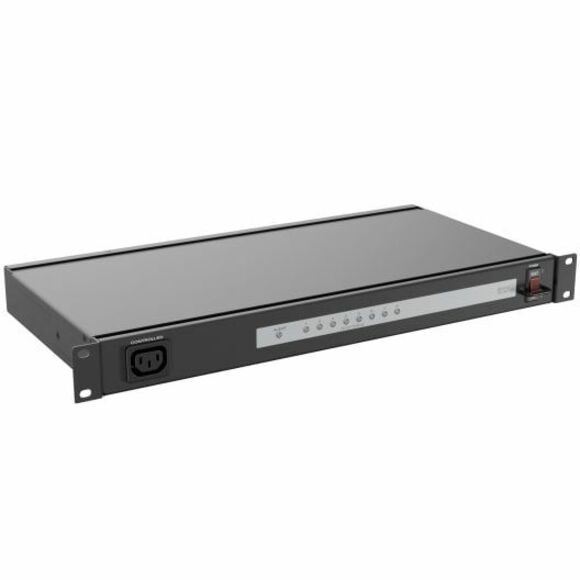
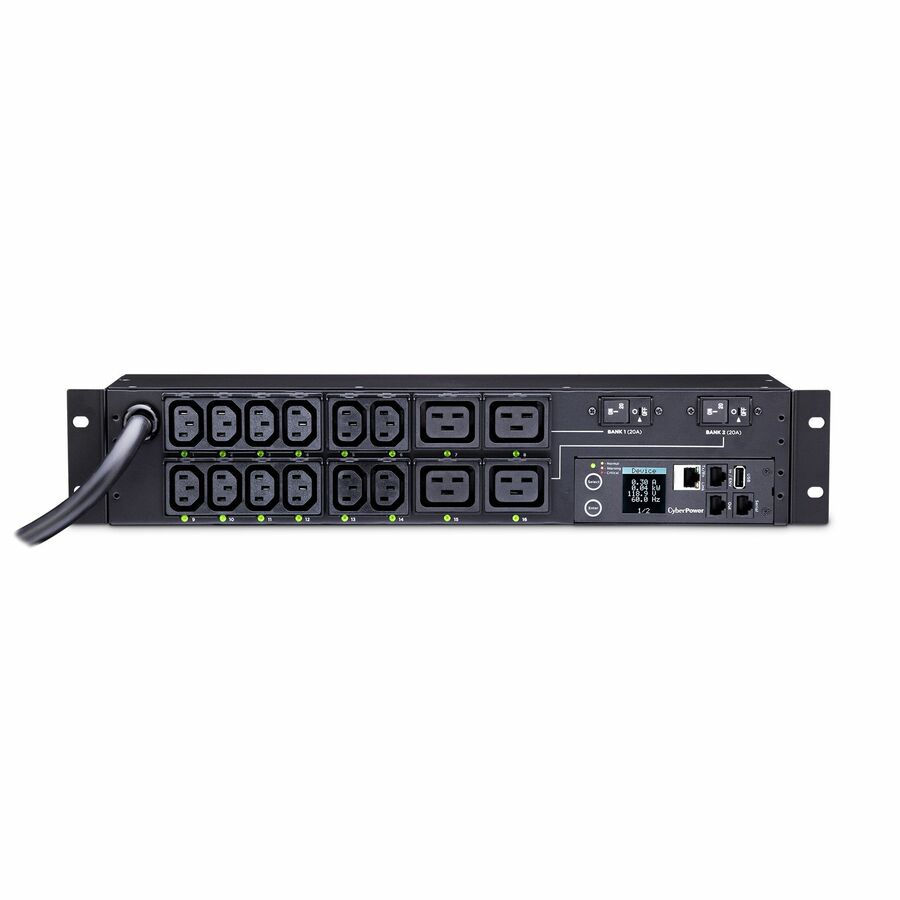
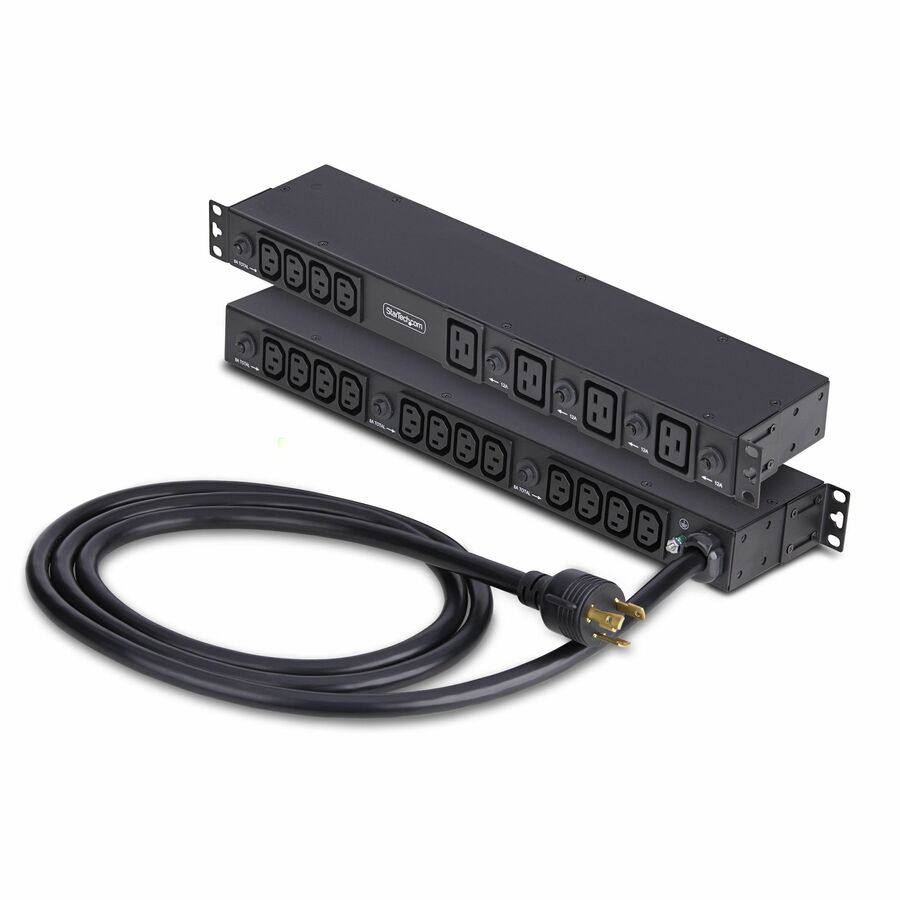
56 in stock - StarTech.comStarTech 20-Outlet Rackmount PDU, 1U Server Power Strip, 8x Front and 12x Rear Ports, Mounted Power Distribution Unit for 19in Racks - 1U rackmount PDU unit for 19in racks w/ 20x electrical outlets - 16x IEC C13 / 4x IEC C19 outlets - 240V 15A supply; 8ft power cord - 15A breakers safeguard each C19 outlet and every group of C13 ports - SPCC steel power distribution unit/strip; TAA2030B8H-RACK-PDU-IC
$271.61
$249.88
345 in stock - EatonEaton 3-Phase Managed Rack PDU G4, 240/415V, 48 Outlets, 24A/32A, 17.3kW, 532P6W Input, 10 ft. Cord, 0U Vertical, TAA - Managed - 532P6W - 24 x IEC 60320 C13, 24 x IEC 60320 C39 - 230 V AC, 415 V AC - Single Pole, Overload Protection - Network (RJ-45) - 10 ft Cord Length - 0U - Vertical - Rack-mountable, Button Mount - Vertical - TAA CompliantEVMAG332C
$3,181.00
$2,926.52
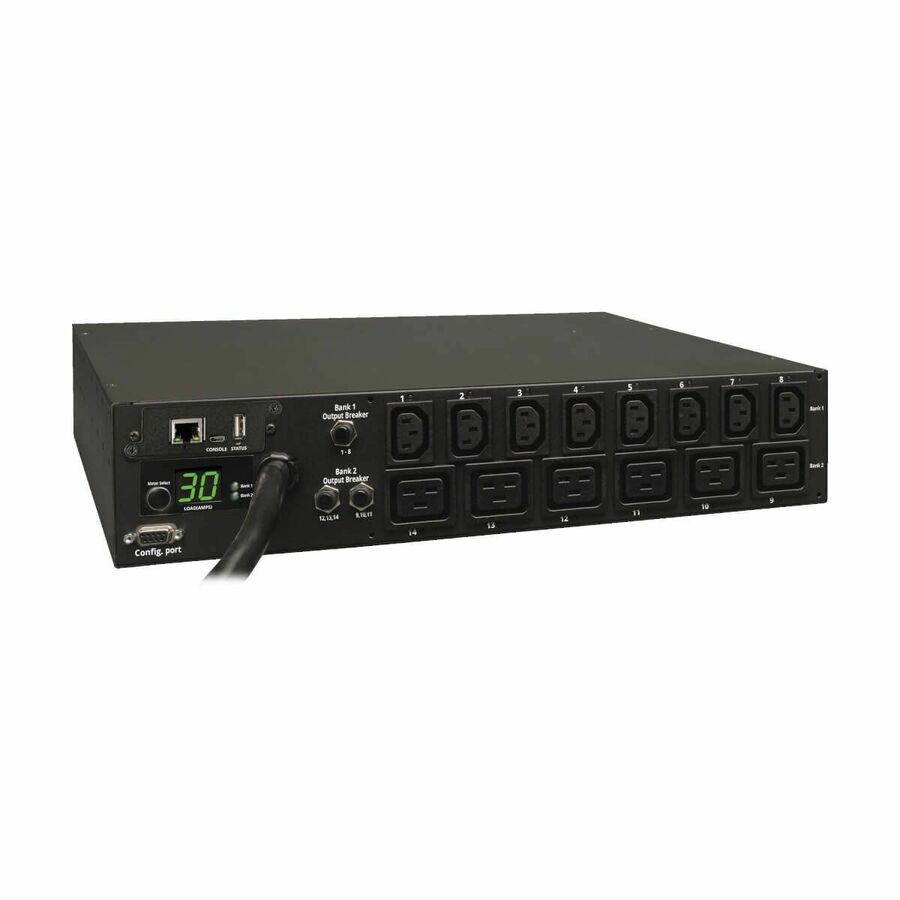
711 in stock - EatonTripp Lite by Eaton PDU 10kW 200-240V 3PH Switched PDU LX Interface Gigabit 30 Outlets L21-30P Input LCD 1.8 m Cord 0U 1.8 m Height TAA - Switched - NEMA L21-30P - 6 x IEC 60320 C19, 24 x IEC 60320 C13 - 230 V AC - 0U - Vertical - Rack Mount - Rack-mountable - TAA CompliantPDU3EVS6L2130
$2,407.00
$2,214.44
25 in stock
Specifications are read from the manufacturer product title as supplied to us; where a value is not stated it is left blank rather than estimated. Every line is screened for NDAA §889 status before checkout, with TAA verified on request.
Need pricing on 208V PDUs?
Tell us where to reach you and a Uniqcli specialist will follow up by email with current pricing, availability and lead time for the quantities you need — including parts that aren’t shown on this page.
Buying for an organization or for yourself — both work. No payment up front.
About 208V PDUs
208 V is the line-to-line voltage of the 120/208 V three-phase service most commercial buildings run, and it is the data-center default for one arithmetic reason: watts are volts times amps, so the same 30 A circuit that delivers about 3.6 kVA at 120 V delivers roughly 6.2 kVA at 208 V. That is nearly twice the equipment per circuit, per breaker and per length of copper, and it is why dense racks are fed at the high band almost without exception. Modern server power supplies are also marginally more efficient at the higher input voltage — the manufacturer's own efficiency table states by how much for a given model. The page is labelled 208 / 230 V rather than 208 V alone because manufacturers state 208 V, 230 V or both for what is often the same unit, and the catalog groups the high band together instead of pretending the labels are three different products.
The trap at this voltage is that the receptacles do not look any different. An IEC C13 outlet is rated to 250 V and is physically identical on a 120 V strip and a 208 V strip, and the cord plugs into both — so nothing about the connector stops someone putting a 120 V-only device on a 208 V outlet and destroying it. Almost all enterprise equipment ships with an auto-ranging power supply that accepts anything from 100 to 240 V, which is why this rarely bites in a server rack; it is appliances, older KVM gear, lab equipment and consumer-grade hardware that get damaged. Check the input range printed on each device before you plug it in. Beyond that, the usual conversation applies: match the input plug to the whip that was installed, size the nameplate amperage so your continuous load stays under 80% of it, and count the C13 and C19 receptacles against the cords you actually own.
FAQ
208V PDUs questions
- Is 208 V the same as 240 V?
- No. 208 V is the line-to-line voltage of a 120/208 V three-phase wye service — the standard commercial building supply — while 240 V comes from a split-phase feed. Most enterprise power supplies are auto-ranging across 100–240 V and are content with either, but the PDU's input plug and the facility's circuit must match exactly, and equipment with a fixed input range must be checked individually.
- Why does the page say 208 / 230 V?
- Because manufacturers label the same high-band unit as 208 V, 230 V, or both, depending on the market it was written for. Rather than split one electrical band across three pages, the catalog groups it — so a search for 208 V PDUs lands on every high-band unit. If you need a specific stated voltage for a submittal, it is on the product page.
- Can I plug 120 V equipment into a 208 V PDU?
- Only if the equipment is rated for it. This is the trap: a C13 outlet is identical at both voltages and the cord fits perfectly, so the connector will not stop you. Read the input range on the device — auto-ranging supplies marked 100–240 V are fine; anything marked 120 V only will be damaged. When in doubt, put the low-voltage equipment on a 120 V strip.
- What receptacles do 208 V PDUs use?
- Mostly IEC: C13 for 1U servers, switches and most rack equipment, and C19 for blade chassis, large UPS units and high-draw hosts. Some units carry NEMA L6-20R or L6-30R receptacles for equipment with a locking cord. Use the C13 and C19 filters on this page to match the count you need — both are read from the manufacturer's own title.
Moving a rack to 208 V?
Send the equipment list and the circuits you have available. We check the input ranges, match the receptacle mix and input plug to what is installed, confirm stock and return a complete quote.