
ECC server memory
Every module whose manufacturer states error correction — registered RDIMMs, load-reduced LRDIMMs, unbuffered ECC UDIMMs and ECC SO-DIMMs, across every DDR generation the catalog carries. Filter by form factor, generation, capacity and speed.
Showing 24 of 4,015 ECC modules
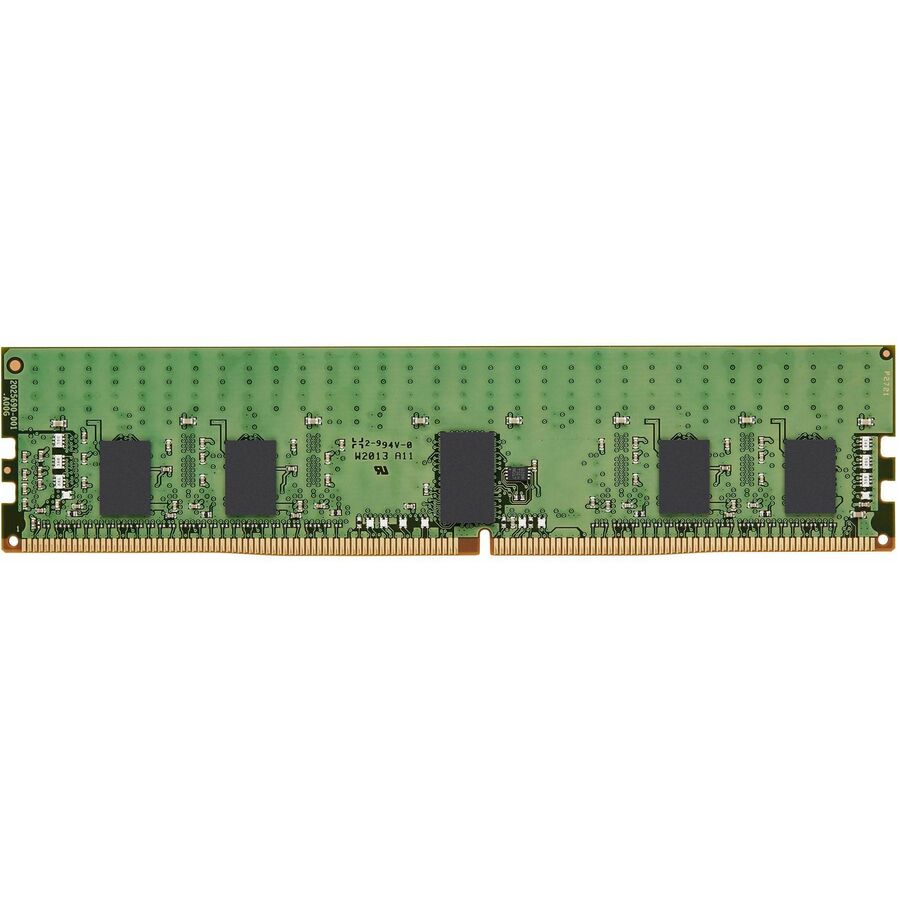
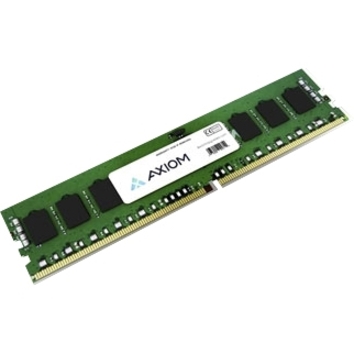
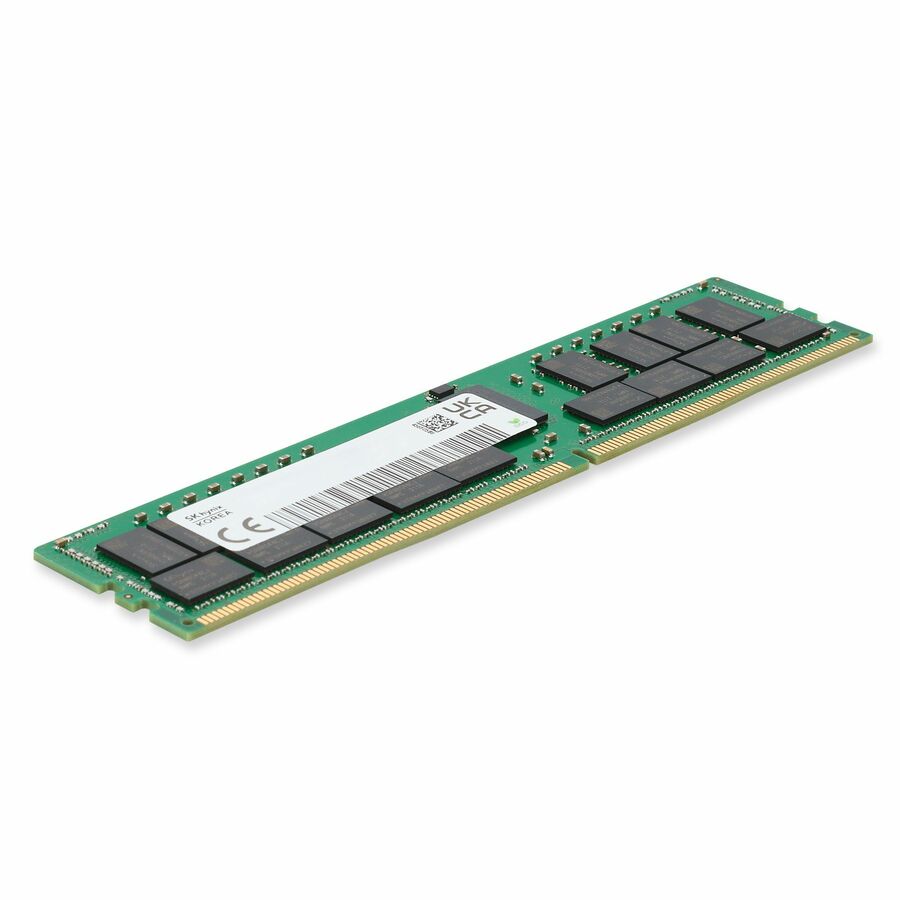
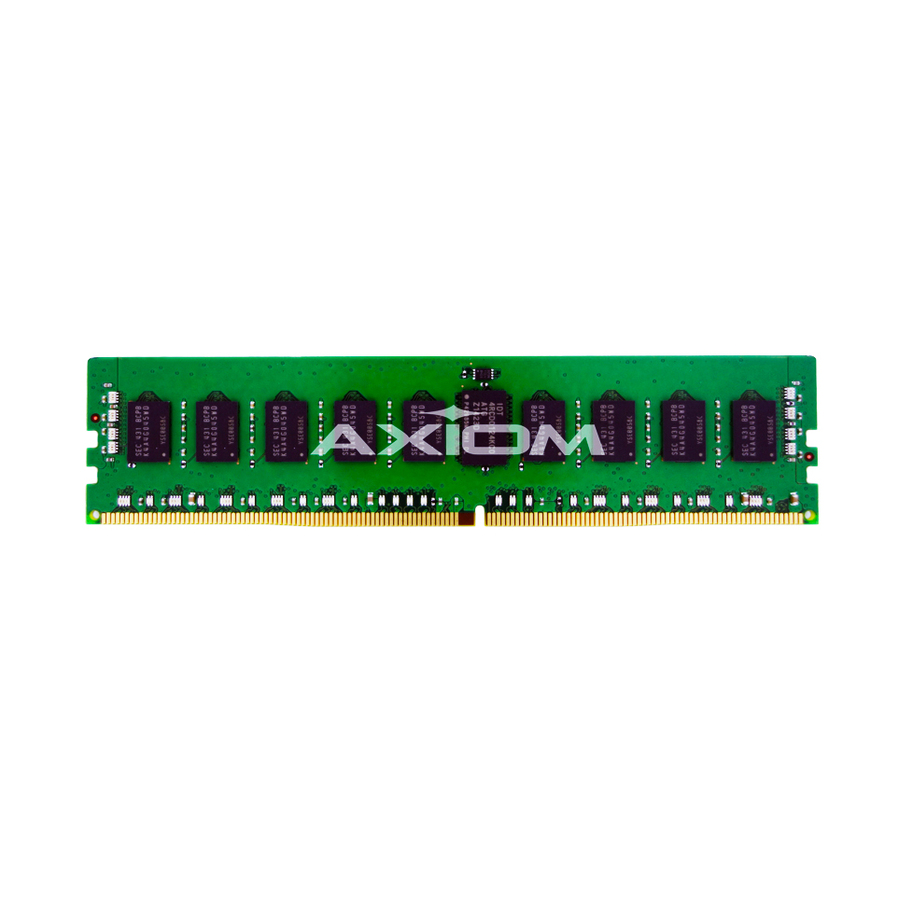
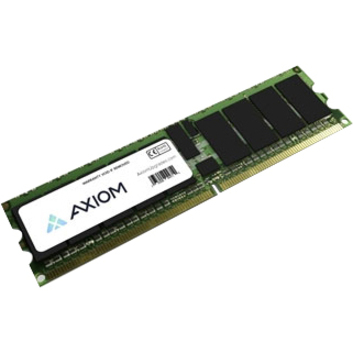
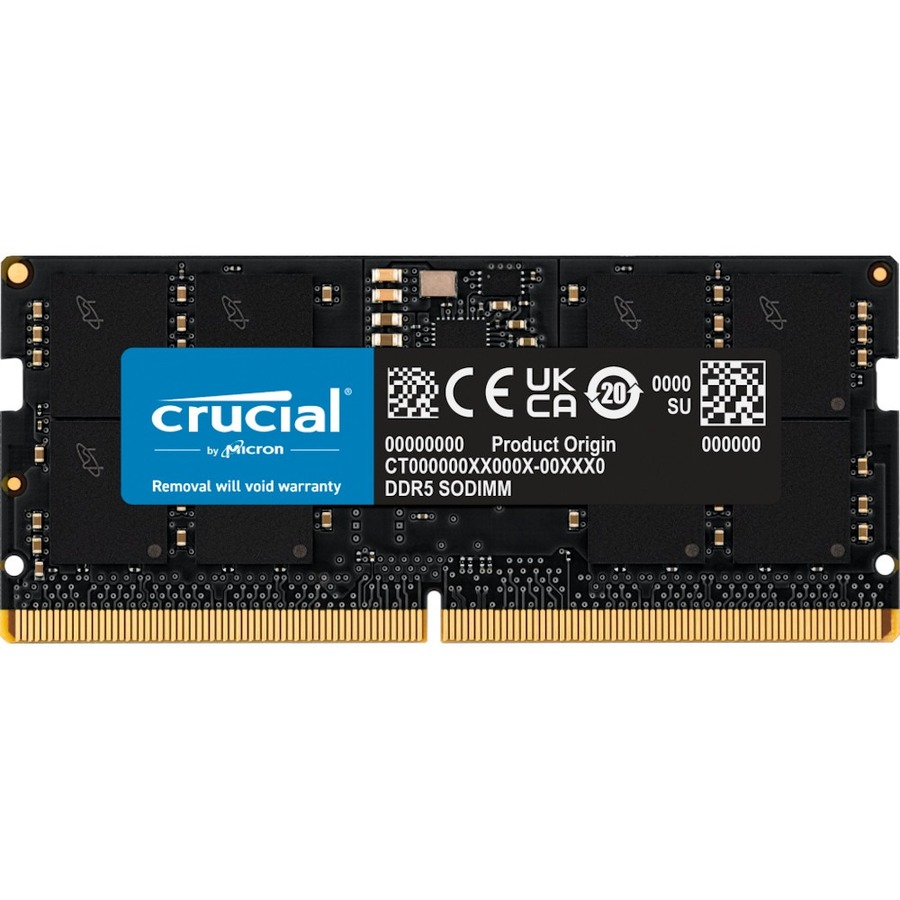
- Axiom Memory SolutionsAxiom 32GB DDR4-2933 ECC RDIMM for Lenovo - 4X70V98062 - 32 GB - DDR4-2933/PC4-23466 DDR4 SDRAM - 2933 MHz - ECC - Registered - RDIMM4X70V98062-AX
$1,202.00
$1,032.70
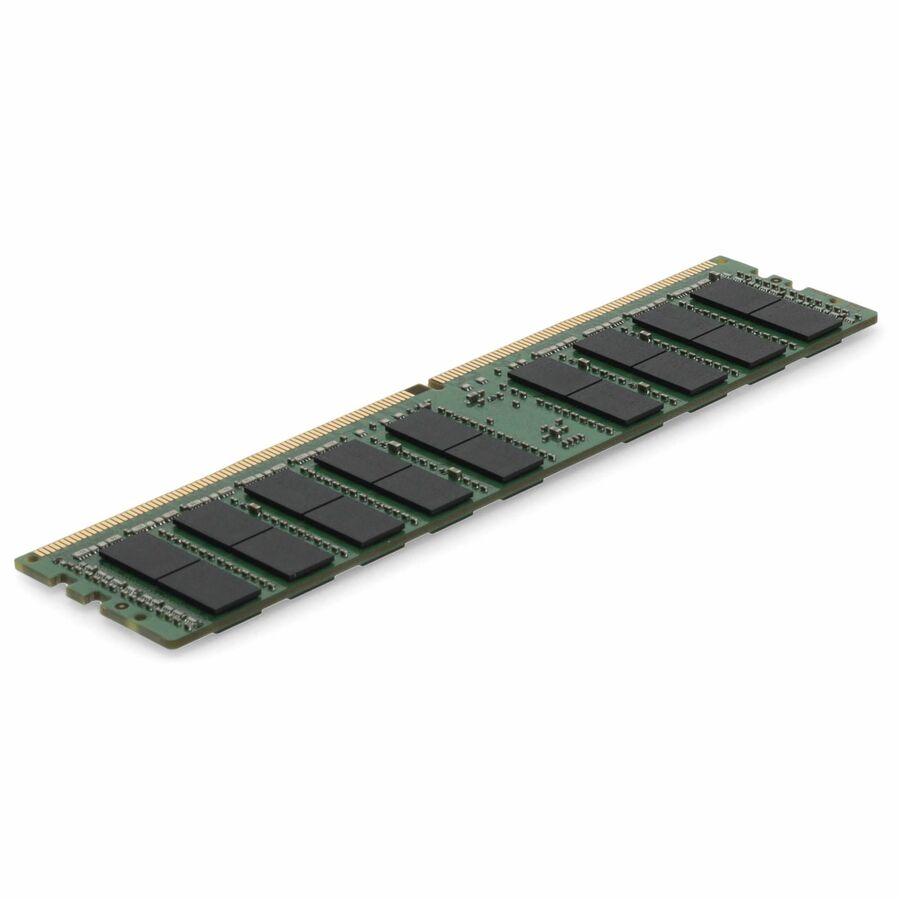
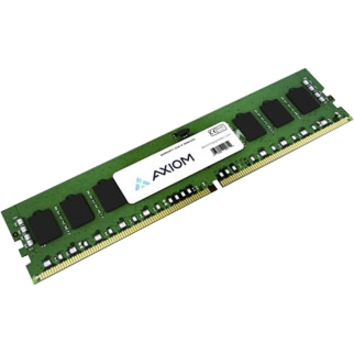
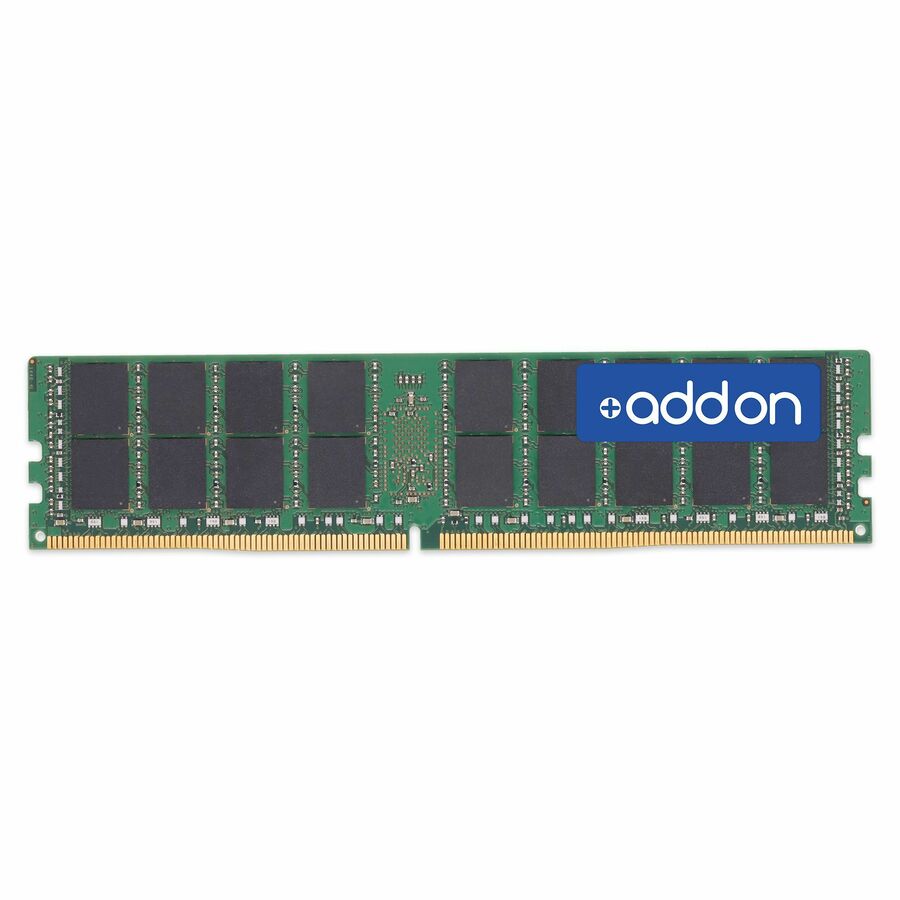
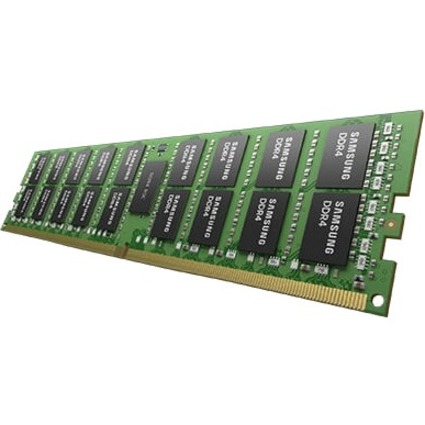
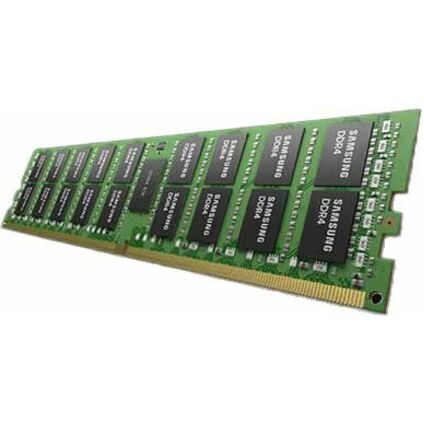
44 in stock - AddOnAddOn Lenovo® 4ZC7A08707 Compatible Factory Original 16GB DDR4-2933MHz Registered ECC Single Rank x4 1.2V 288-pin CL17 RDIMM - For Computer - 16 GB (1 x 16GB) - DDR4-2933/PC4-23400 DDR4 SDRAM - 2933 MHz Single-rank Memory - CL17 - 1.20 V - ECC - Registered - 288-pin - RDIMM - Lifetime Warranty4ZC7A08707-AM
$616.00
$566.72
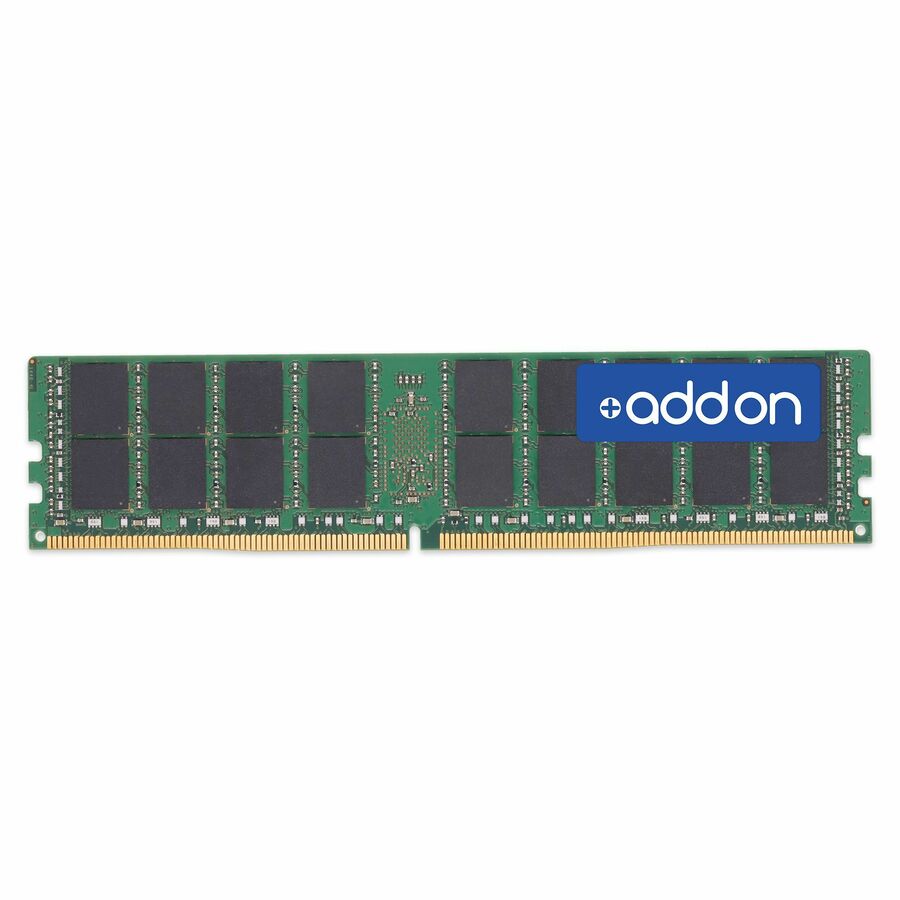
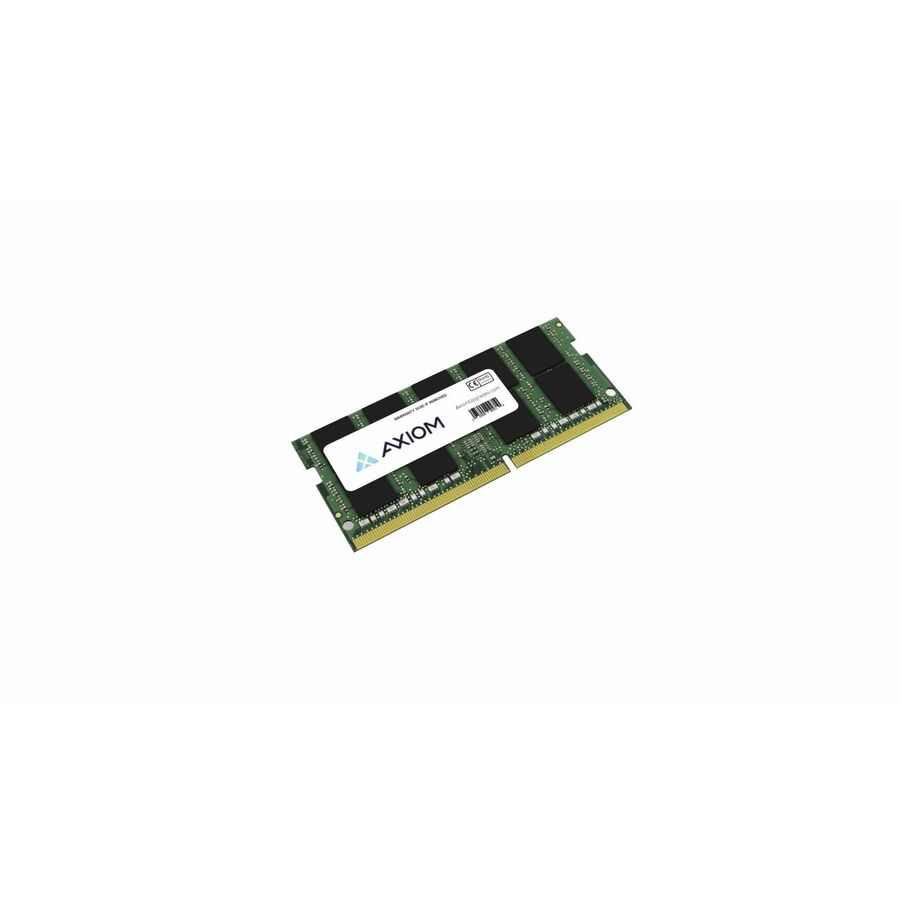
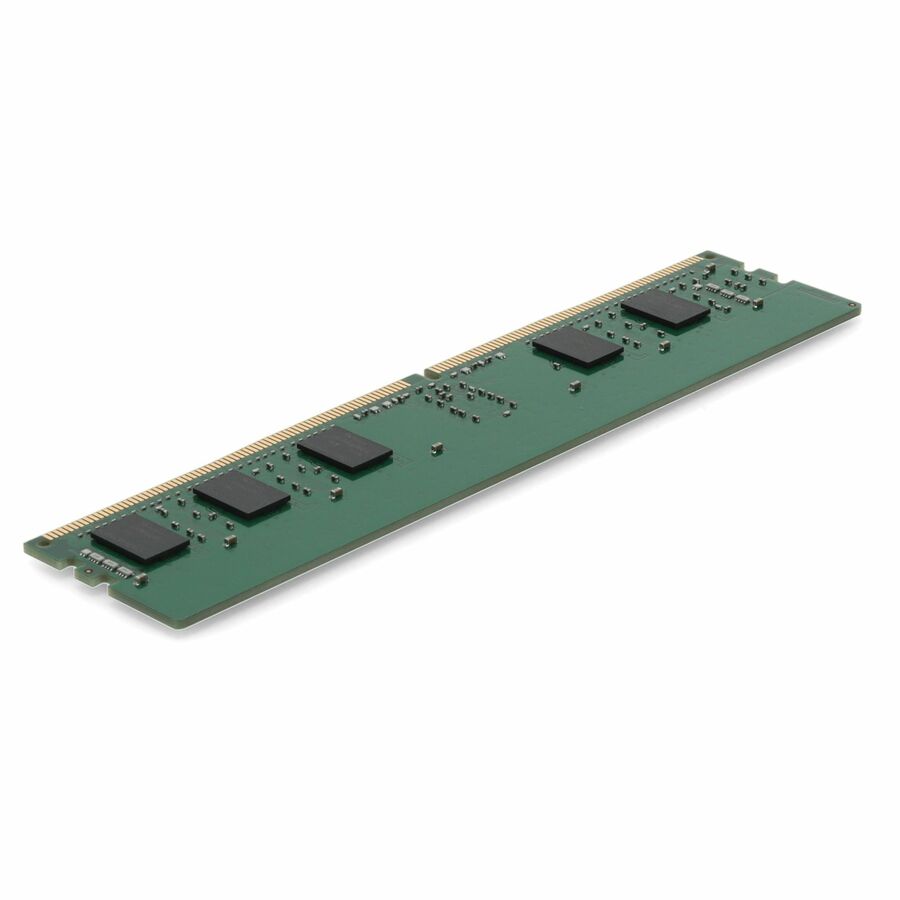
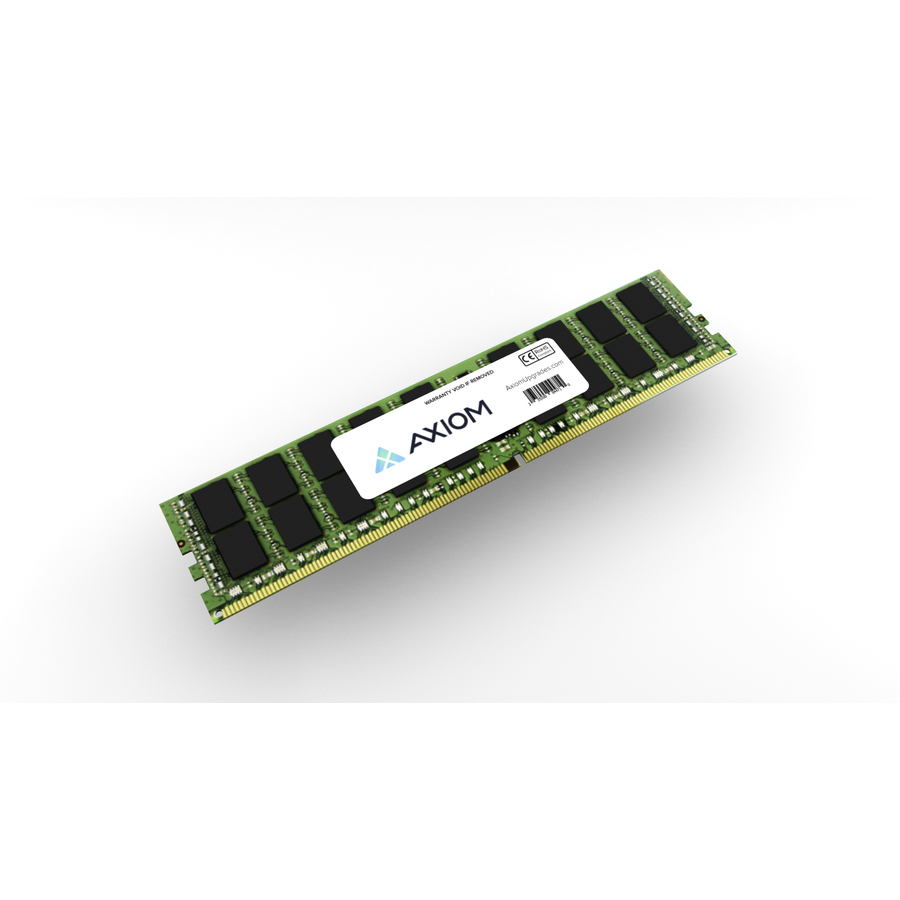
127 in stock - AddOnAddOn 32GB DDR4-2933MHz Registered ECC Dual Rank x4 1.2V 288-pin CL17 RDIMM JEDEC Standard Factory Original - For Server - 32 GB (1 x 32GB) - DDR4-2933/PC4-23466 DDR4 SDRAM - 2933 MHz Dual-rank Memory - CL17 - 1.20 V - ECC - Registered - 288-pin - DIMM - Lifetime WarrantyAM2933D4DR4RN/32G
$960.00
$883.20
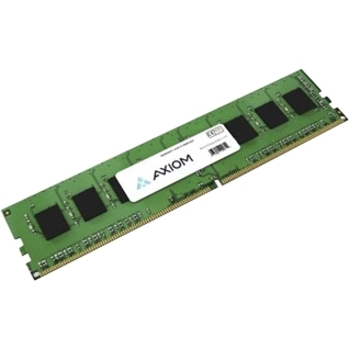
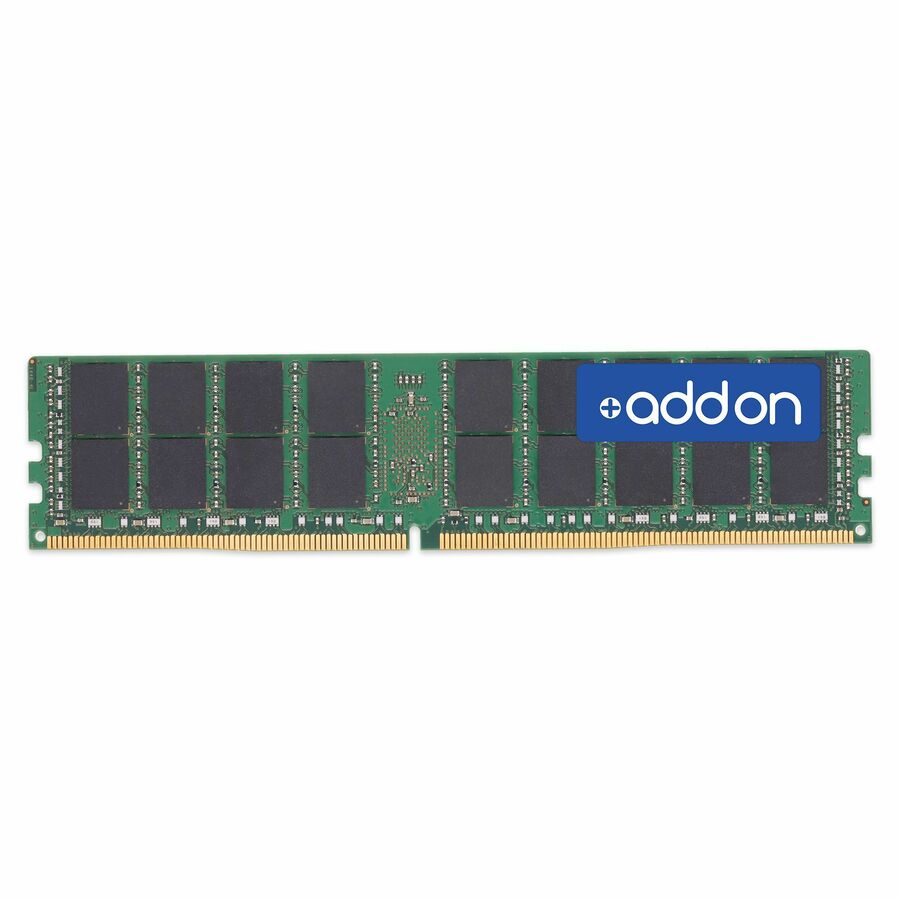
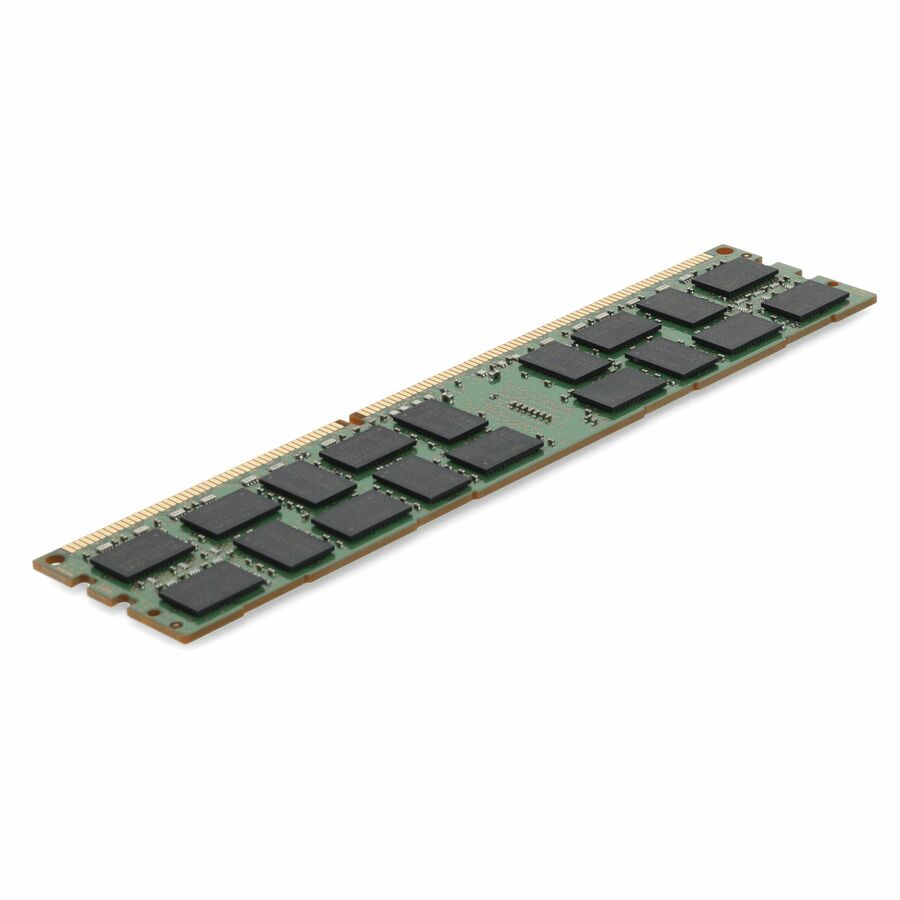
7 in stock - AddOnAddOn IBM® 46W0825 Compatible Factory Original 8GB DDR4-2400MHz Registered ECC Dual Rank x8 1.2V 288-pin CL17 RDIMM - 8 GB (1 x 8GB) - DDR4-2400/PC4-19200 DDR4 SDRAM - 2400 MHz Dual-rank Memory - CL17 - 1.20 V - ECC - Registered - 288-pin - DIMM - Lifetime Warranty46W0825-AM
$232.00
$213.44
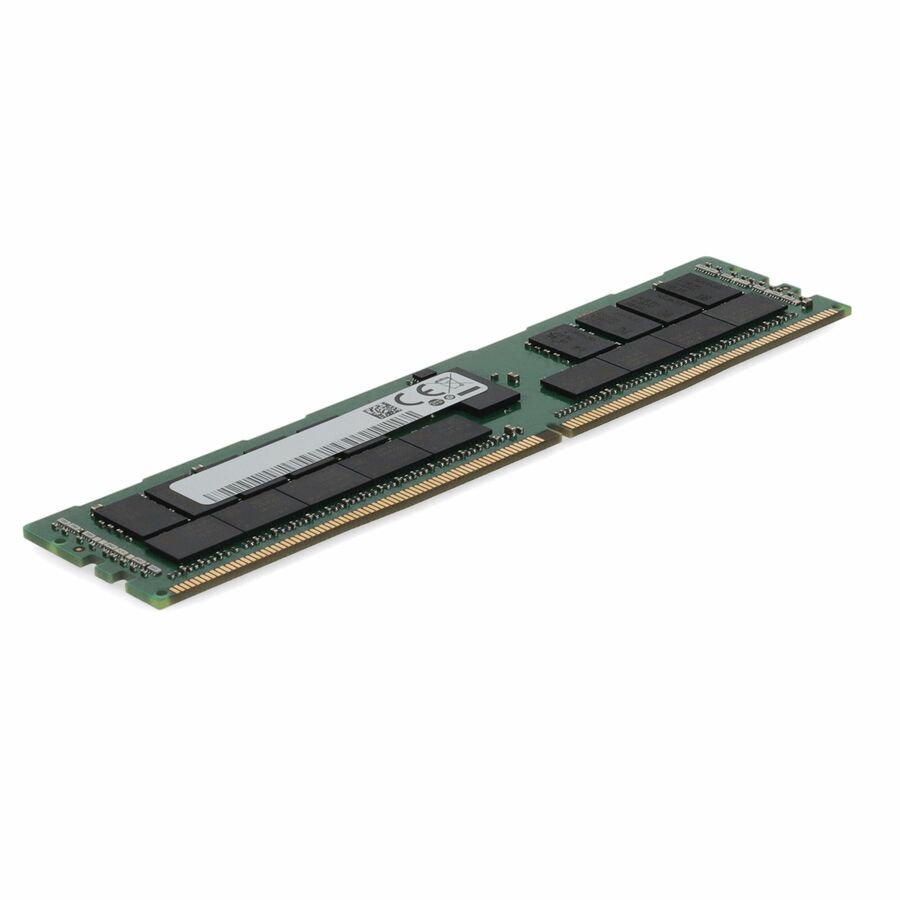
8 in stock - AddOnAddOn Lenovo® 01AG618 Compatible Factory Original 16GB DDR4-2666MHz Registered ECC Dual Rank x8 1.2V 288-pin CL17 RDIMM - 16 GB (1 x 16GB) - DDR4-2666/PC4-21333 DDR4 SDRAM - 2666 MHz Dual-rank Memory - CL17 - 1.20 V - ECC - Registered - 288-pin - DIMM - Lifetime Warranty01AG618-AM
$450.00
$414.00
4 in stock - AddOnAddOn IBM® 46W0787 Compatible Factory Original 8GB DDR4-2133MHz Registered ECC Single Rank x4 1.2V 288-pin RDIMM - 8 GB (1 x 8GB) - DDR4-2133/PC4-17000 DDR4 SDRAM - 2133 MHz Single-rank Memory - CL15 - 1.20 V - ECC - Registered - 288-pin - RDIMM - Lifetime Warranty46W0787-AM
$192.00
$176.64
8 in stock
Specifications are read from the manufacturer product title as supplied to us; where a value is not stated it is left blank rather than estimated. Every line is screened for NDAA §889 status before checkout, with TAA verified on request.
Need pricing on ECC server memory?
Tell us where to reach you and a Uniqcli specialist will follow up by email with current pricing, availability and lead time for the quantities you need — including parts that aren’t shown on this page.
Buying for an organization or for yourself — both work. No payment up front.
About ECC server memory
Error-correcting memory carries extra DRAM devices beyond the 64 bits of data a rank presents — 72 bits in place of 64 — and uses them to detect and correct the single-bit errors that occur in any large memory array. The correction is transparent, the event is reported to the platform rather than silently swallowed, and the practical result is a machine that logs a failing module instead of corrupting a database or panicking at three in the morning. It is not a performance feature, and on most server platforms it is not optional equipment: they will not post without it. Both the processor and the board have to support it, which is why it is standard on server and workstation platforms and absent from most consumer ones.
The form-factor control is the one that decides whether a module works at all, because the server module types are not interchangeable. An unbuffered ECC module (UDIMM) wires the address and command lines straight to the DRAM chips — simple, low latency, and limited in how many modules a channel can carry, which makes it the entry-server and workstation option. A registered module (RDIMM) puts a register between the memory controller and those chips, cutting the electrical load so a channel can carry more modules and larger capacities; it is the mainstream server module. A load-reduced module (LRDIMM) buffers the data lines as well, which is what makes the very largest per-channel capacities possible. ECC SO-DIMMs cover mobile workstations and edge systems. A platform accepts exactly one of these types, mixing registered and unbuffered is not a configuration a server will run, and the speed you actually get depends on how many modules per channel you populate. Read the server's own supported-memory list, then set the generation and form-factor controls to match — every specification on these cards is read from the manufacturer's title, and anything a title did not state is left blank rather than inferred.
FAQ
ECC server memory questions
- What is the difference between RDIMM, UDIMM and LRDIMM?
- It is where the buffering happens. A UDIMM (unbuffered) connects the address and command lines directly to the DRAM chips — the simplest arrangement, with the lowest latency and the tightest limit on how many modules a channel supports. An RDIMM (registered) inserts a register on those lines, reducing the load the memory controller drives so a channel can carry more modules and larger capacities; it is the mainstream server module. An LRDIMM (load-reduced) buffers the data lines too, which is how the highest per-channel capacities are reached, at some latency cost. A platform is designed for one of the three, stated in its documentation, and they cannot be mixed in a system.
- Is DDR5 on-die ECC the same as ECC memory?
- No, and the distinction is worth settling before you filter. Every DDR5 device corrects errors inside the DRAM chip before data leaves it — that is on-die ECC, it exists to keep dense DDR5 dies reliable, it is invisible to the operating system, and it does nothing about errors that occur between the module and the controller. Side-band ECC, which is what a server platform means, adds extra memory devices and hands the controller what it needs to detect, correct and log a failing module. Some consumer DDR5 modules state "On-die ECC" among their own specifications, and because this page reads what each manufacturer wrote, those modules are inside this scope. Where the platform genuinely requires ECC, filter to the form factor it takes and confirm the exact part with your quote request.
- Which DDR generation do I need?
- The processor and the board decide it, and there is no compatibility in either direction — DDR4 and DDR5 use physically different, differently keyed slots. This page deliberately leaves the generation unlocked because a server fleet is rarely one generation: DDR3 and DDR4 hosts stay in service for years while new builds arrive on DDR5, and the sustainment purchase and the new-build purchase are the same shopping trip. Set the generation control to the platform you are buying for, then narrow by form factor and capacity.
- Can I mix ECC and non-ECC memory in a server?
- No. A platform that requires ECC generally refuses to post with a non-ECC module present, and a platform that merely tolerates ECC will fall back to running everything without error correction — quietly removing the feature you paid for. Registered and unbuffered modules cannot be mixed either, regardless of ECC. Keep one system on one module type, and when you expand, match the existing modules' type, rank structure and rated speed rather than only their capacity.
- Will ECC memory work in a desktop or workstation?
- Sometimes, and only for unbuffered ECC. An ECC UDIMM runs with error correction active only when the processor and the board both support it, which is common on workstation-class platforms and rare on consumer ones; in a board without support it will typically run as ordinary memory or not post at all. Registered and load-reduced modules will not work in a consumer board in any configuration — the register requires platform support that is simply not present. Check both the CPU and the motherboard specifications before ordering.
- Why is my memory running slower than its rated speed?
- Usually population rules rather than a fault. A platform clocks memory at the slowest rate shared by every installed module and by the processor's memory controller, so one slower module pulls a whole set down and a processor with a lower supported rate caps everything regardless of what the modules are rated at. Beyond that, filling two slots per channel commonly forces a lower speed than one, and higher-rank modules can do the same. The server's memory-population guide states the supported speed for each arrangement.
- Can you confirm TAA compliance on memory modules?
- Every line is screened for NDAA §889 status before checkout, and TAA country of origin is verified on request. Memory is a case where this needs saying explicitly with the request: country of origin can differ between production runs of the same part number, so state the requirement when you ask for the quote and we confirm it against the exact modules being allocated to your order rather than against a catalog record.
Populating servers, or a fleet of them?
Send the server model or the memory part number with quantities. We confirm the module type and population the platform supports, check stock across the quantity and quote the whole configuration rather than a single module.