
Solutions
Federal Storage Modernization
Flash, object, archive and data-transfer infrastructure for research programs keeping their data on storage they own and control — TAA- and §889-screened on every line.
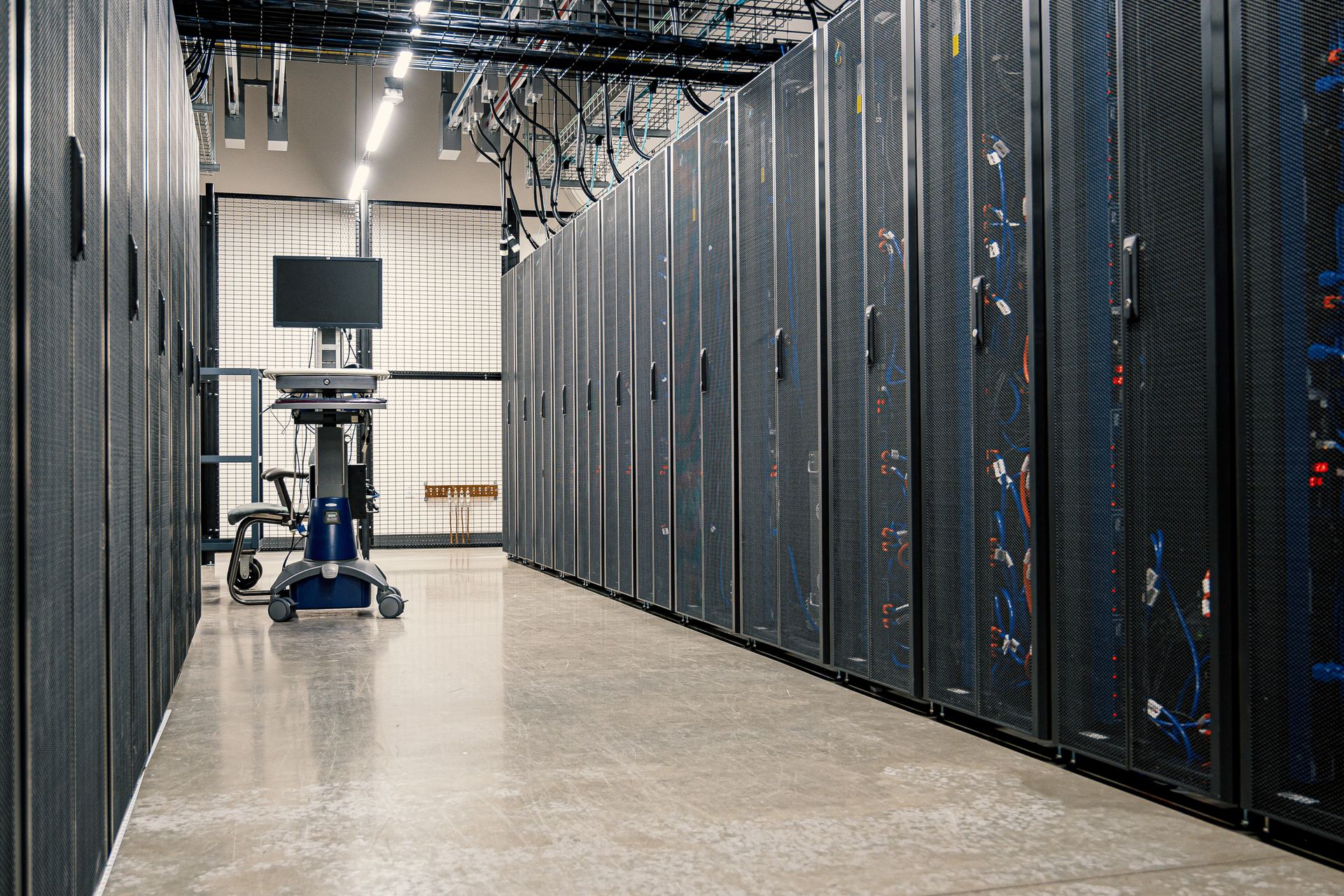
- What we supply
- Flash, object, archive, DTNs & networking
- What stays yours
- The data, the platform, the boundary
- Screened per line
- TAA (FAR 52.225-5) + NDAA §889
- Data residency
- Storage your agency owns and controls
The data is your program's to keep — the storage is ours to source
Research programs are generating data faster than any refresh cycle was sized for — genome sequencing, high-resolution imaging, climate and sensor archives, and now AI workloads reading all of it at once. A growing share of that data is staying on infrastructure the agency owns and operates rather than living in a cloud that meters every read and every transfer out. Uniqcli doesn't run your data platform or touch your data. We source and integration-test the flash, object, archive, data-transfer and networking hardware your team stands up behind it — TAA- and §889-screened on every line — so the storage tier clears procurement cleanly and the data never leaves a boundary you control.
Self-hosted research data: the platform connects to your storage, not the other way around
Globus describes itself as the leading research data and compute management platform — transfer, sharing, search and access across systems, plus function-as-a-service compute. The part that reshapes a storage plan is what it does not require: institutions keep their data on their own storage — in their data center, on their own cloud account, wherever they already hold it — and connect it to the platform rather than migrating it to Globus-hosted servers. The platform runs on tens of thousands of institution-run endpoints, and data moves directly between those endpoints, not through a central service.
A self-hosted Globus Connect Server deployment is the software your team runs on that storage: an endpoint carrying the server and network configuration, storage gateways whose connectors hold your storage system's own access policies, and mapped collections through which users reach the data — with a single endpoint able to front multiple data-transfer nodes. Authorization runs on OAuth2 and OpenID Connect, and sharing privileges can be monitored, audited and revoked. The through-line for a buyer: the storage, the transfer nodes and the network fabric underneath are yours to own and operate. That is the layer we supply.
- Data stays on agency-owned storage — the platform connects to it, it isn't migrated out
- Globus Connect Server: endpoint + storage gateways + mapped collections, one endpoint fronting many DTNs
- OAuth2 / OpenID Connect authorization, with monitor, audit and revoke on every share
- The storage, transfer-node and networking hardware underneath is yours to own — and ours to source
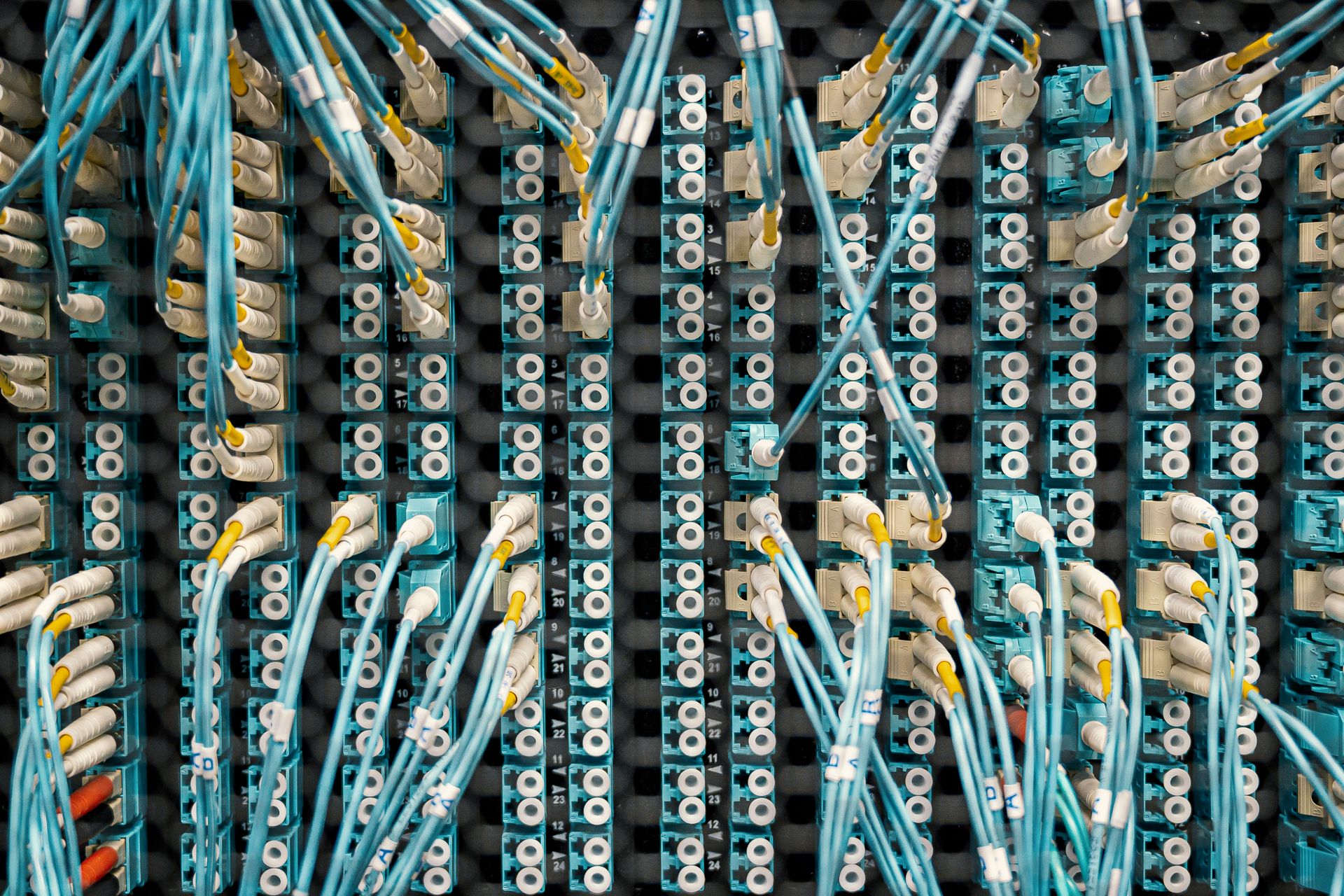
Federal research computing already runs this way
These are public examples of self-hosted research-data infrastructure, cited from the operators' and the platform's own published material — not Uniqcli engagements. We supply the class of hardware these systems run on; we don't operate them and claim no affiliation with them.
NIH HPC
The NIH high-performance computing facility has operated a Globus endpoint since 2012, and its published account credits the platform's data-sharing with being enthusiastically embraced by NIH HPC users.
NERSC data-transfer nodes
NERSC runs four interactive data-transfer nodes, jointly managed with ESnet — each with two 100-gigabit links for internet transfers and two more for internal storage — and recommends Globus for most large transfers.
OLCF archive & DTNs
Oak Ridge Leadership Computing Facility operates Kronos, a nearline archival system on the IBM Storage Scale (GPFS) filesystem, with data-transfer nodes that move data via Globus without consuming a compute allocation.
Argonne data facilities
Argonne National Laboratory uses Globus for data sharing and to run the Materials Data Facility and DLHub platforms supporting AI-driven scientific discovery.
ORNL climate archive
Oak Ridge's Atmospheric Radiation Measurement Data Center transfers terabytes of climate data over Globus, operating Science DMZ network infrastructure integrated with it.
NOAA compute pipelines
NOAA uses Globus Auth and Globus Compute to build federated, distributed processing pipelines and address capacity challenges.
University research cores
Harvard moves over 750 TB a year via Globus, and the University of Michigan's Biomedical Research Core uses it for genome-sequencing transfer and tiered storage.
Data repositories & DOIs
Globus data-publication lets institutions build repositories on existing on-premises and cloud storage and mint persistent identifiers like DOIs — the model behind the Materials Data Facility's guided, DOI-minting publishing.
The science is a storage problem before it is anything else
Every one of those programs is, underneath, a storage-capacity and data-movement problem. A genome core now delivers more sequence data in a couple of days than it once did in decades; imaging beamlines, climate models and sensor networks fill petabytes on a schedule; and AI has turned much of that from cold archive back into hot, repeatedly-read working data. Leadership-class systems make the scale plain — Orion, the parallel filesystem behind Frontier at Oak Ridge, manages on the order of 700 petabytes across its tiers.
Meeting that on infrastructure you own means building in tiers: fast flash and NVMe for active working sets and parallel-filesystem scratch, capacity object storage for repositories and datasets, and nearline or tape archive for the multi-year retention research data carries — all fed by data-transfer nodes and a network fast enough that moving the data isn't the bottleneck. We size and source each tier to the workload and the retention schedule, not a generic template.
- Flash / NVMe for active working sets and parallel-filesystem scratch
- Capacity object storage for datasets, repositories and AI training corpora
- Nearline and tape archive sized to multi-year research retention
- Data-transfer nodes and high-throughput fabric so movement isn't the bottleneck
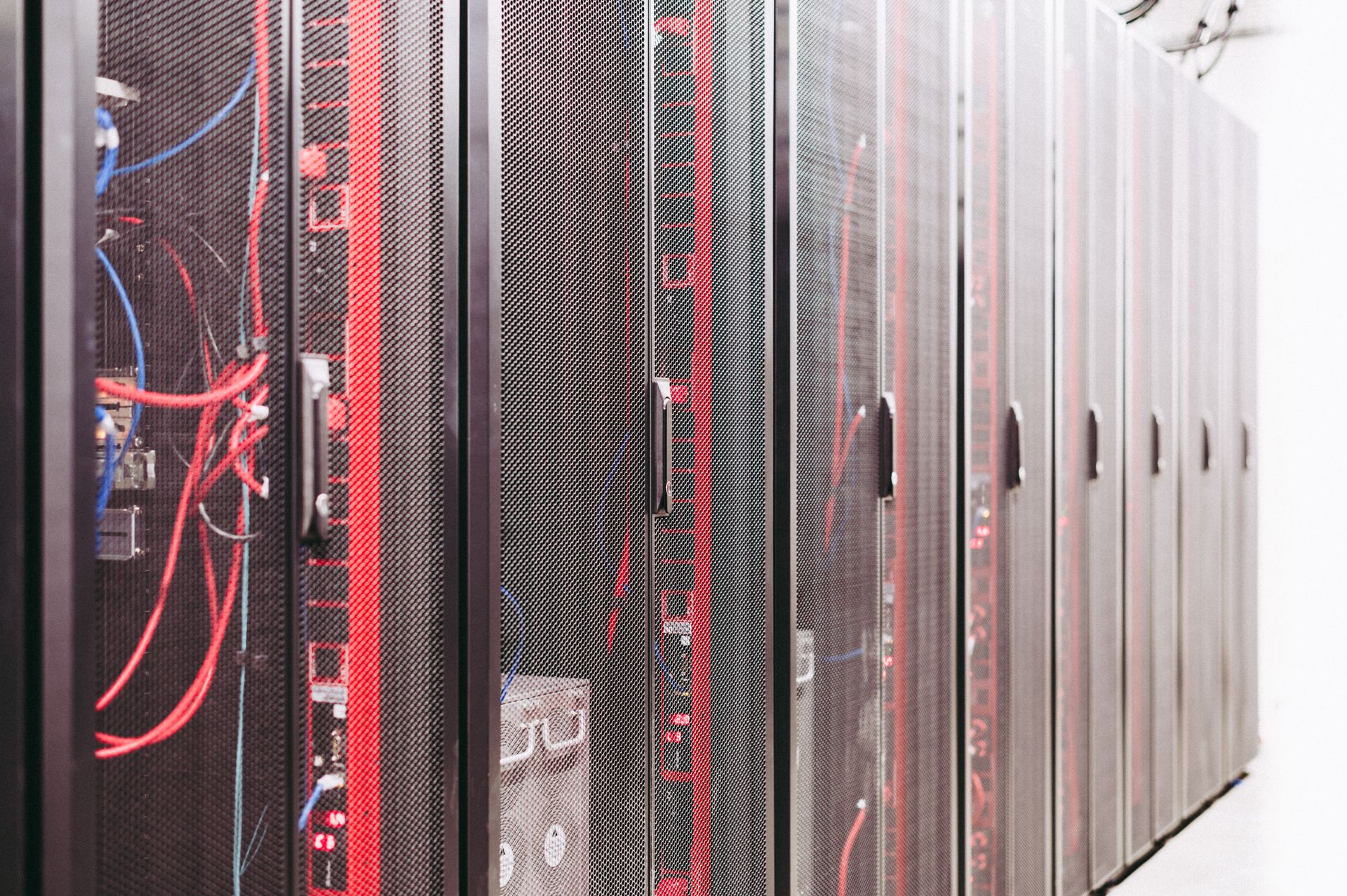
Five storage-tier capability groups, screened on every line
Each is a category of hardware and software we quote, integration-test and stage — mapped to the tier it serves in a self-hosted research-data build. What we supply is the equipment; operating the platform and owning the data stays with your program.
Flash & NVMe arrays
All-flash and NVMe primary storage and parallel-filesystem building blocks for active working sets and scratch — the tier that keeps GPUs and analysis jobs fed instead of waiting on disk.
Object storage
S3-compatible on-premises object storage for datasets and repositories — the class of system, such as IBM Storage Ceph, that brings AWS-style IAM, server-side encryption and object-lock immutability inside your own boundary.
Archive & tape
Nearline, tape and immutable archive tiers sized to the multi-year retention research data carries — the durable, low-cost floor beneath the active tiers, with immutability where records must not change.
Data-transfer nodes
Purpose-built DTN servers — the endpoints a self-hosted transfer platform fronts — with the CPU, memory and NIC balance to saturate long-haul links and stage data on and off the storage tier.
High-throughput networking
100-gigabit (and faster) switching, host adapters and the Science-DMZ-style fabric that lets data-transfer nodes move terabytes without contending with general enterprise traffic.
Integration & staging
Racked, cabled, firmware-leveled and burn-in-tested as a system before it ships, so installation in your data center is a controlled bring-up rather than a build from cartons.
Procurement built for research-program budgets
- Open-market POs or the contract vehicle your program already holds
- TAA (FAR 52.225-5) and NDAA §889 screening documented per line item
- GPC / P-Card accepted up to threshold; no payment up front on quoted orders
- Capacity and tiers sized to your workload and retention schedule, not a template
- One accountable partner across flash, object, archive, transfer nodes and networking
- Racked, imaged and burn-in-tested before delivery; free US ground shipping over $2,500
The storage and networking tiers underneath a research-data build
Federal storage modernization questions
Do you operate Globus or manage our research data?
No. Globus is a research-data platform your institution runs, and your data stays on storage your agency owns and controls. Our role is to source, integration-test and stage the hardware underneath it — the flash, object, archive, data-transfer and networking equipment — TAA- and §889-screened, so the storage tier clears procurement cleanly. The platform, the data and the boundary stay yours.
Why keep research data self-hosted instead of in the cloud?
That's your program's call, and many research operators make it for cost and control: a self-hosted platform like Globus connects to storage you already own rather than requiring you to migrate data out, and keeping large, repeatedly-read datasets on owned infrastructure avoids metering every read and egress. We quote the on-premises tiers either way, and can size a build that complements the cloud you already use.
How do you size the storage tiers?
Around your actual workload and retention schedule — active working-set and scratch needs on flash/NVMe, dataset and repository capacity on object storage, and multi-year retention on nearline or tape — plus the data-transfer nodes and network throughput to move it. We scope capacity to your data-growth curve and instrument or sequencing output, not a generic template.
Can you supply the data-transfer nodes and networking, not just the storage?
Yes. A self-hosted transfer setup is DTN servers, high-throughput NICs and 100-gigabit-class switching as much as it is disk. We source the whole path — storage, transfer nodes and the network fabric that keeps movement from becoming the bottleneck — as one bill of materials with one point of accountability.
Is the hardware TAA-compliant and §889-screened?
Every line is screened for NDAA §889 before it's quoted — we confirm the manufacturer and its affiliates aren't on the covered list, and that diligence ships with the quote, not as a surprise after award. TAA country of origin under FAR 52.225-5 is verified on request.
Procurement
Procure like a prime.
Integration-tested storage, transfer nodes and networking, TAA verified on request, and the same team answering for it from bill of materials to a data tier your program owns.
The solutions atlas
Every solution, by technology area and by customer.
By technology
By customer
- TAA & NDAA-889 Compliance Screening
- CMMC & CUI Solutions
- Federal & DoD
- State, Local & Education
- Healthcare
- Enterprise
- Rapid Procurement & GPC Buys
- Multi-Vendor Integration Projects
- eProcurement & Custom Catalogs
- FISMA Modernization
- CJIS-Compliant Justice Cloud & Local AI
- Federal Storage ModernizationThis page
- Government ERP & Business Systems Infrastructure
- Managed Procurement
- Secure AV & Conferencing
- Fiber Network Infrastructure
- Satellite & Resilient Connectivity
- Wavelength & Optical Transport
- Decentralized Data Centers
- Data Center Design & Build
Talk to us about storage modernization
Send your capacity target, retention schedule and transfer requirements and we'll return a tiered bill of materials — flash, object, archive, DTNs and networking — TAA- and §889-screened, with lead times.