
Best PCIe Network Cards for Servers and Workstations
Single- and dual-port cards from gigabit through 10GbE — RJ45 copper, 2.5G/5G multi-gig and SFP+ fiber — including cards built to Dell, HP, IBM, Intel, QLogic and Supermicro part numbers.
PCIe network cards in stock at Uniqcli
How to choose →A curated selection with live pricing — in-stock lines first, then back-ordered lines with a typical lead time. Every line is sourced through US distribution and screened for NDAA §889 status before checkout, with TAA verified on request.
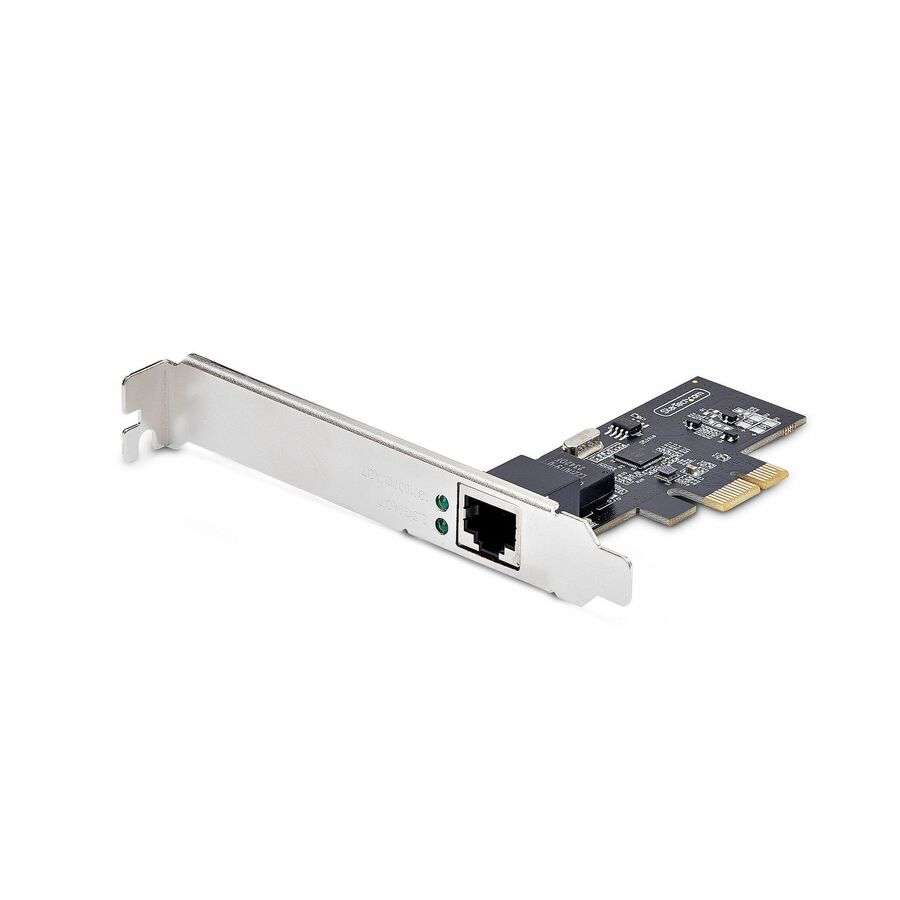
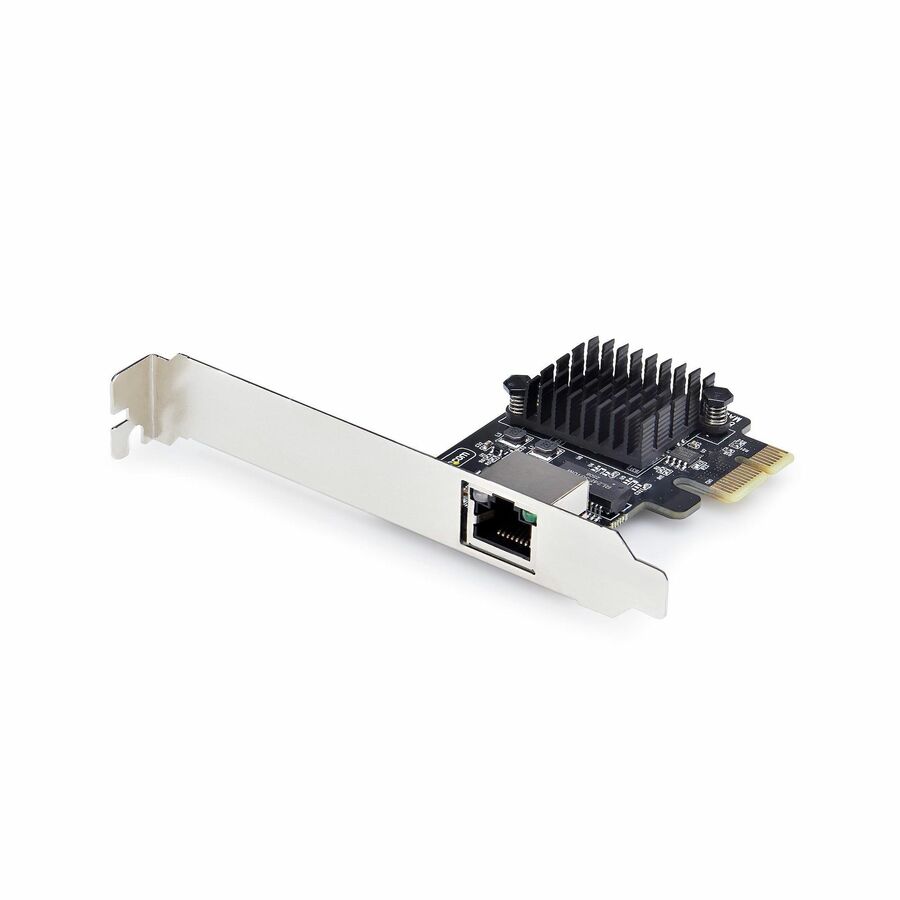
- StarTech.comStarTech 1-Port 5G Gigabit PCIe Network Adapter Card, 5G/2.5G/1G/100M/10M, PCI Express NIC, Realtek RTL8126, Windows & Linux, TAA - TAA-Compliant Gigabit Network Card with Realtek RTL8126 chip adds a 5G ethernet interface to a desktop/server; Features link speed/activity LED indicators; Supports auto-negotiation between 5G/2.5G/1G/100M/10M; WoL/VLAN/9K Jumbo Frame supportPR15GR-NETWORK-CARD
$64.56
$59.40*
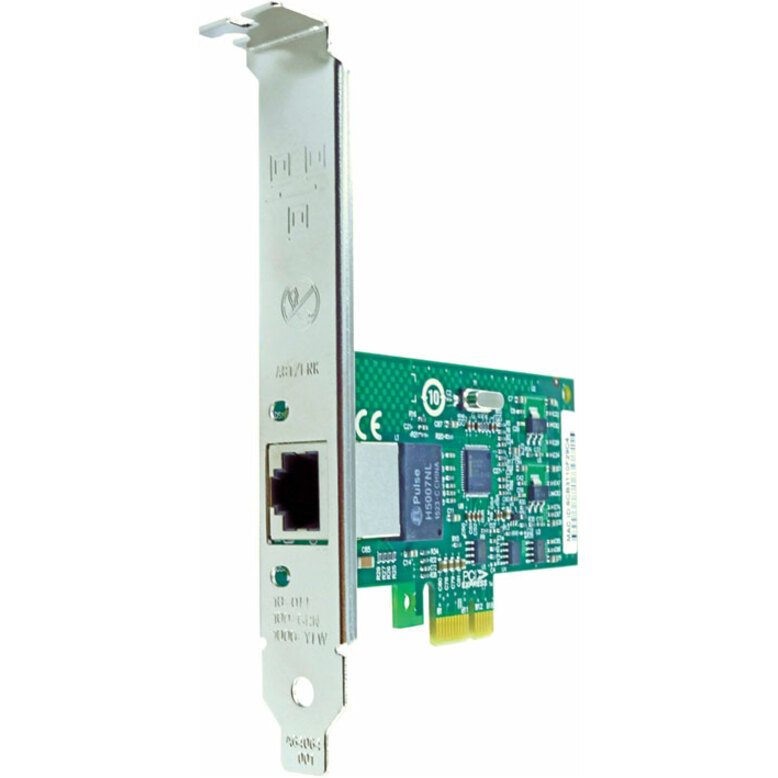
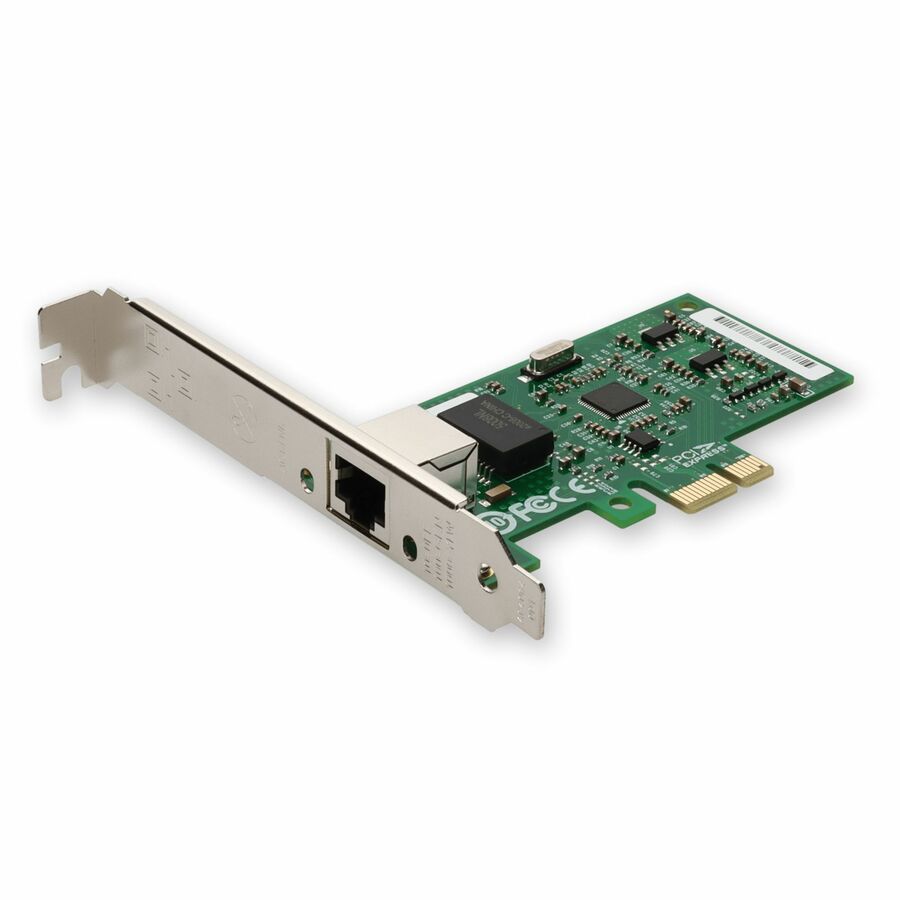
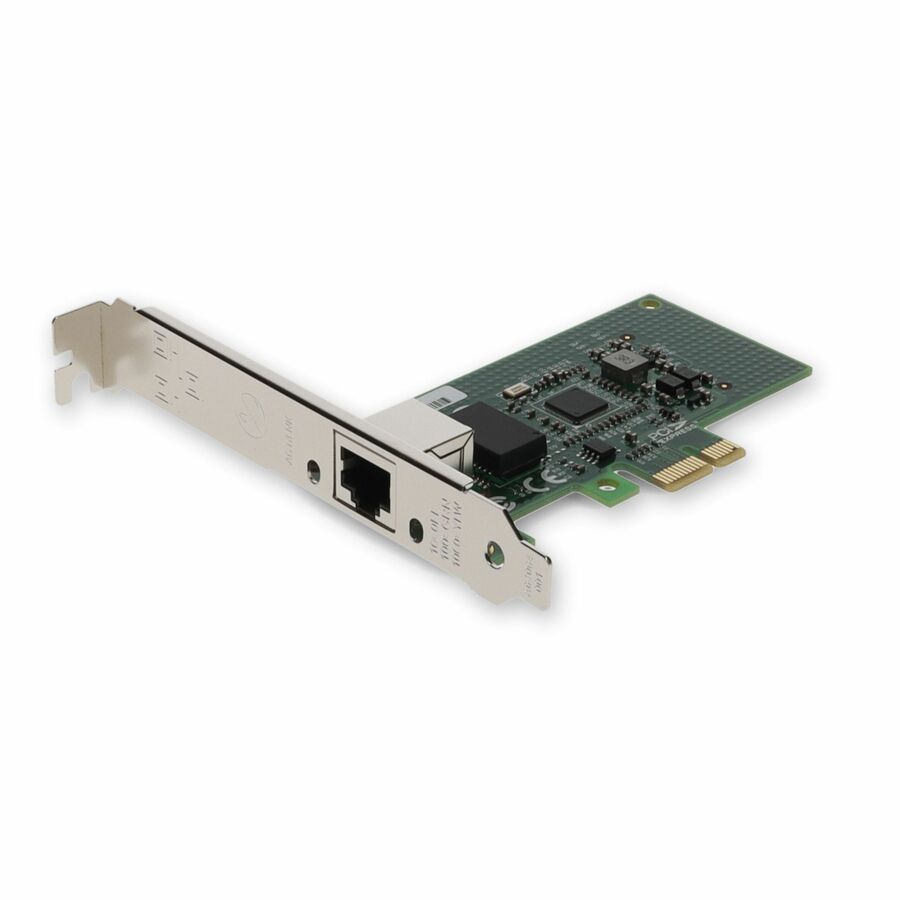
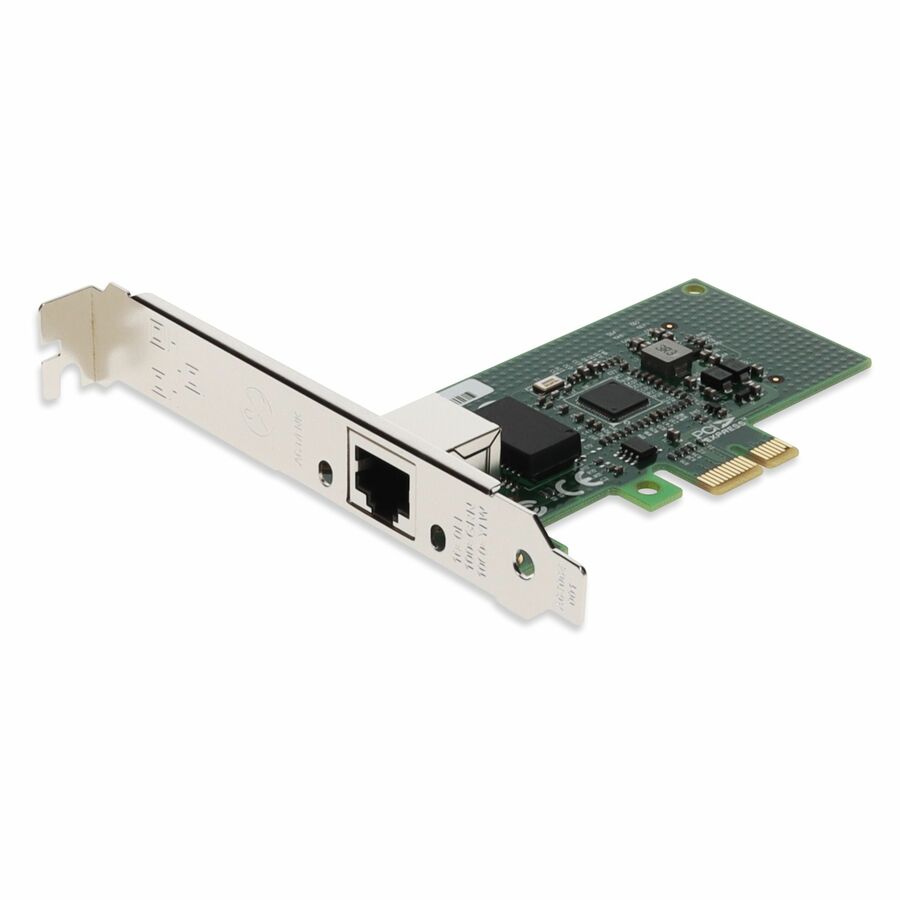
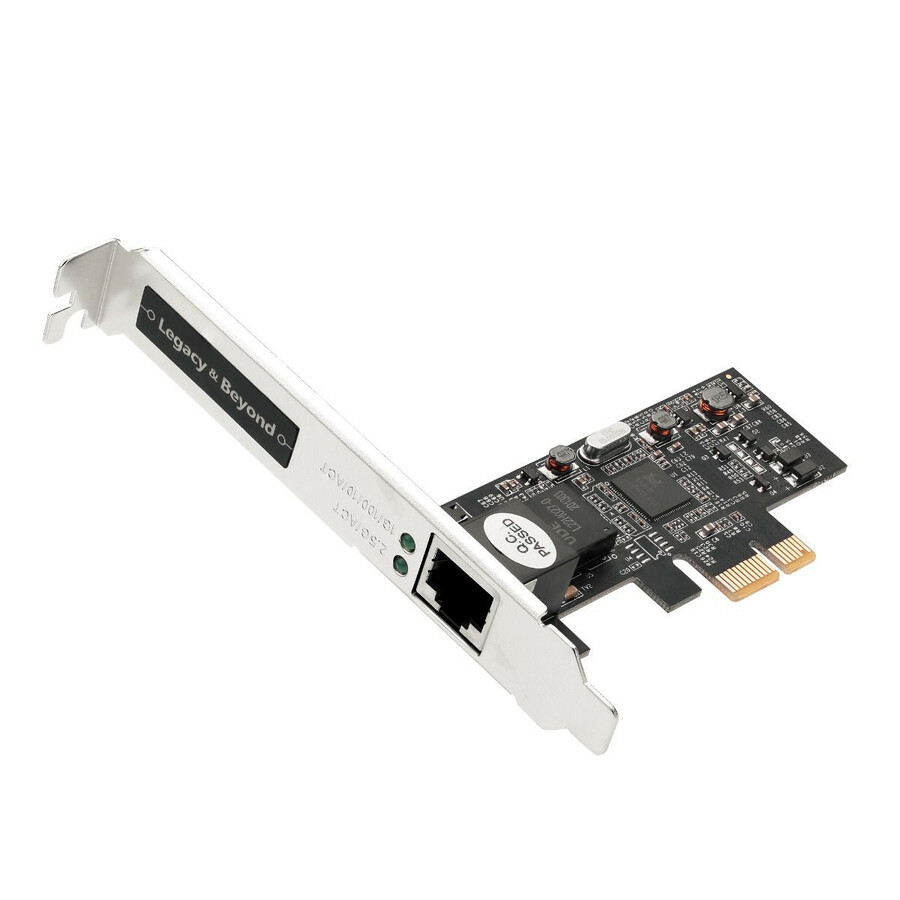
213 in stock - AddOnAddOn 10/100/1000Mbs Single Open RJ-45 Port 100m PCIe x4 Network Interface Card - 100% compatible and guaranteed to workADD-PCIE-1RJ45
$66.00
$60.72
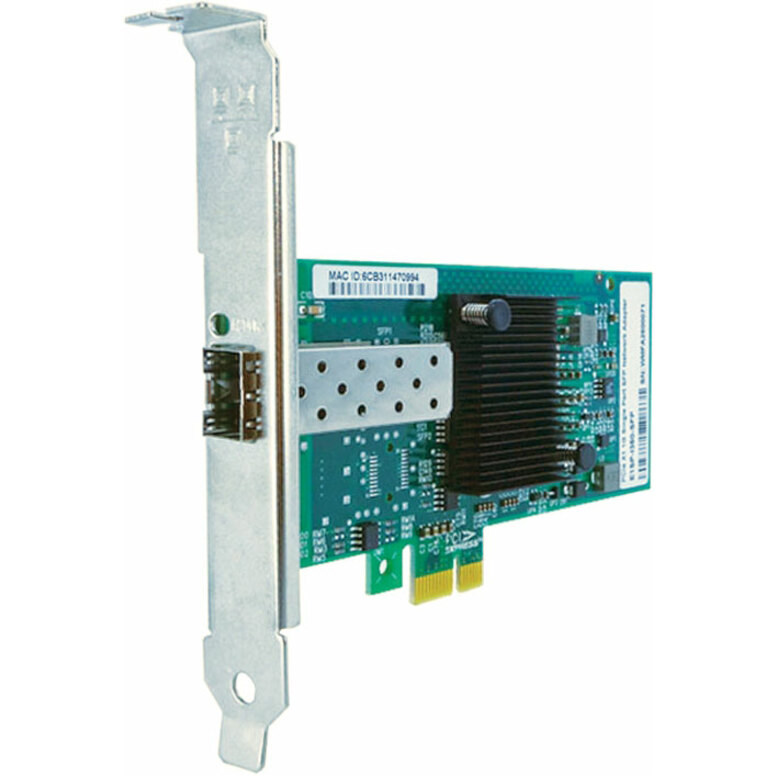
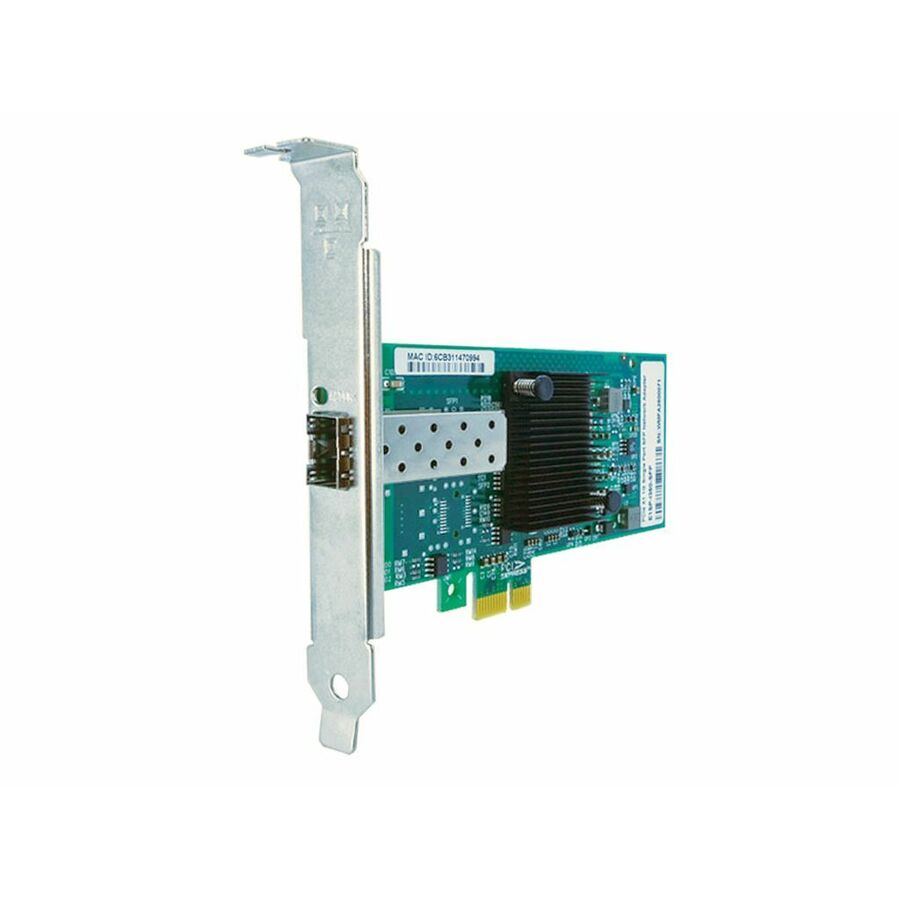
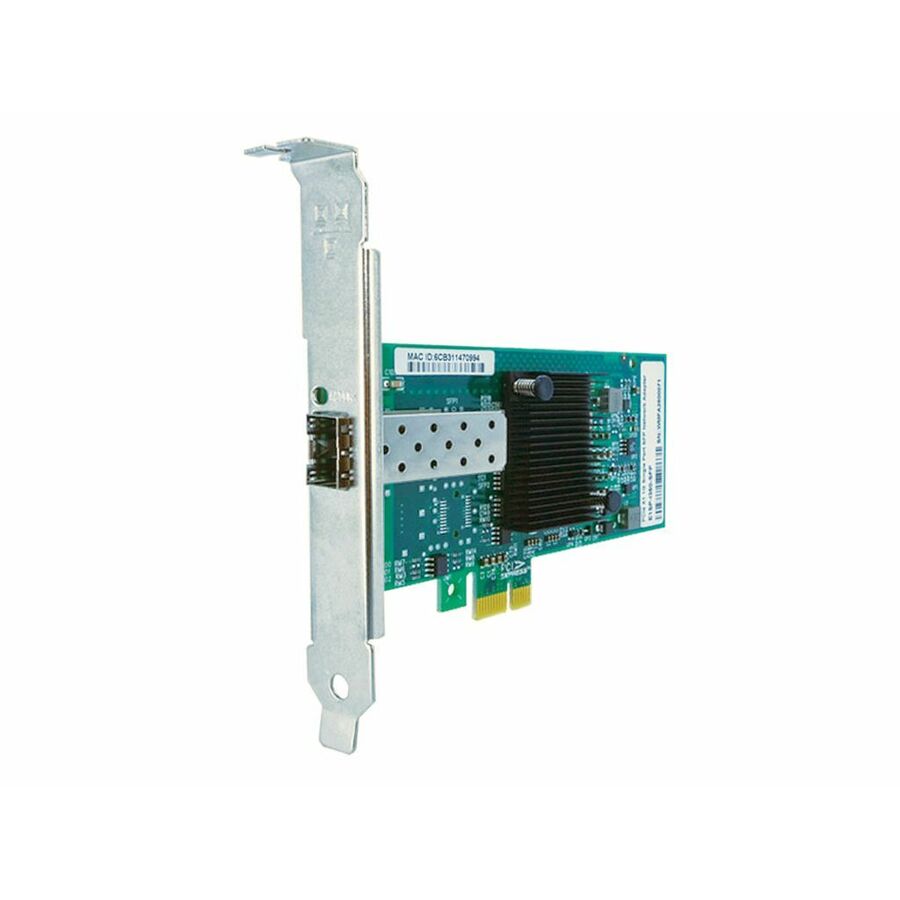
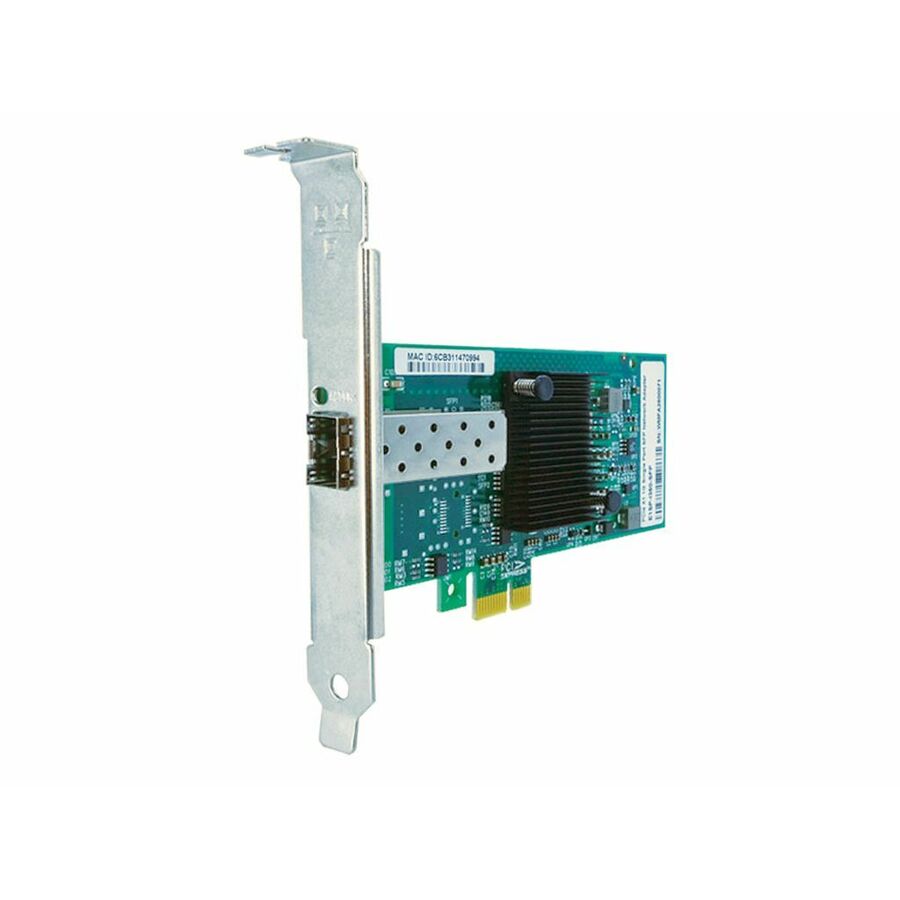
363 in stock - Axiom Memory SolutionsAxiom 100Mbs Single Port SFP PCIe x1 NIC Card - PCIE1SFPFX1-AX - 100Mbs Single Port SFP PCIe x1 NIC CardPCIE1SFPFX1-AX
$88.00
$75.98
1 in stock




Top pick
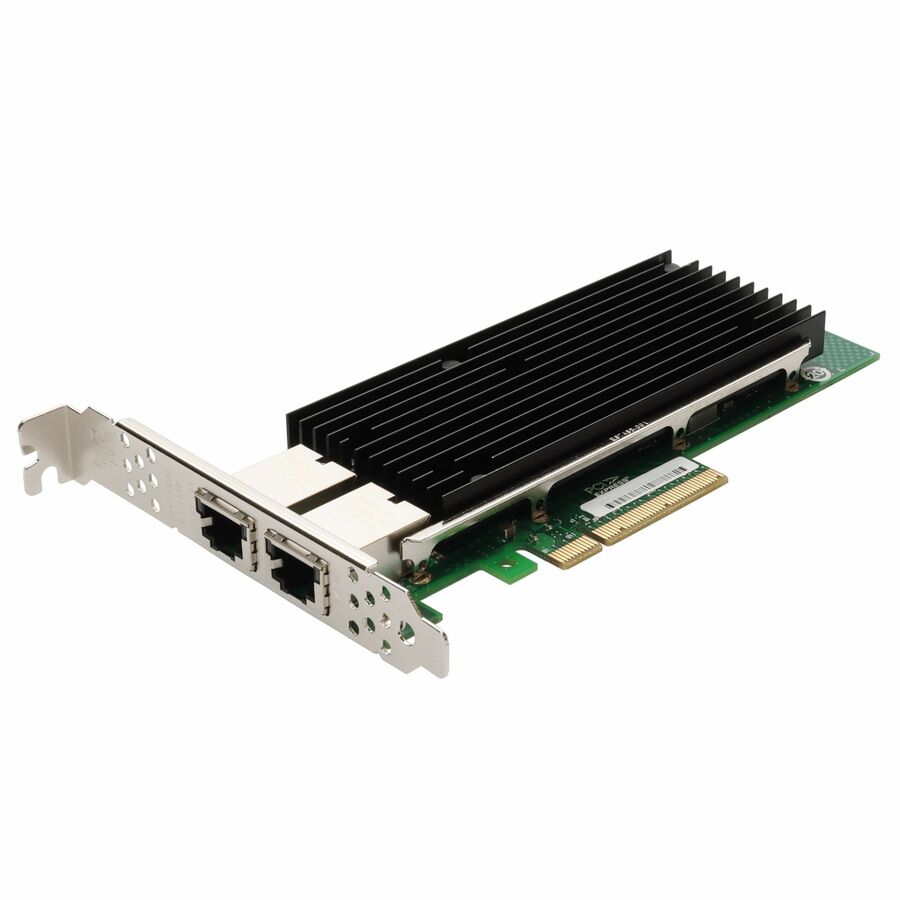
AddOn
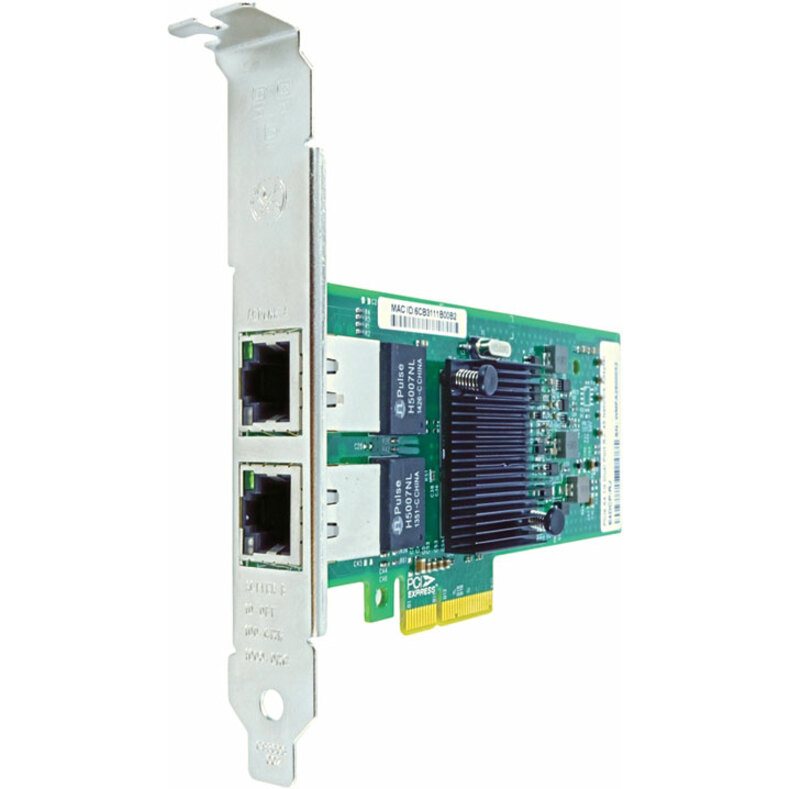
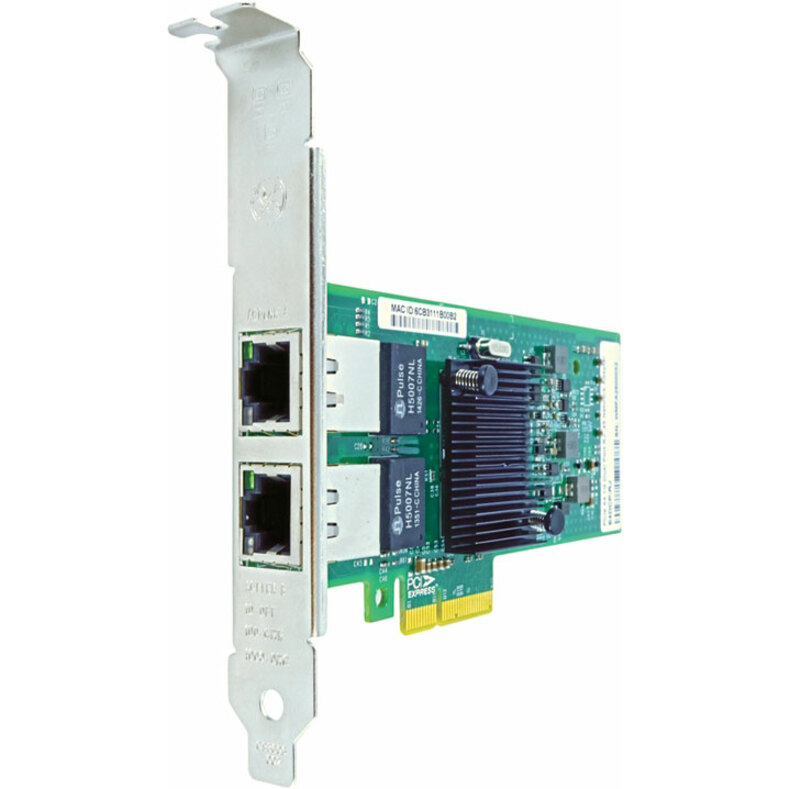
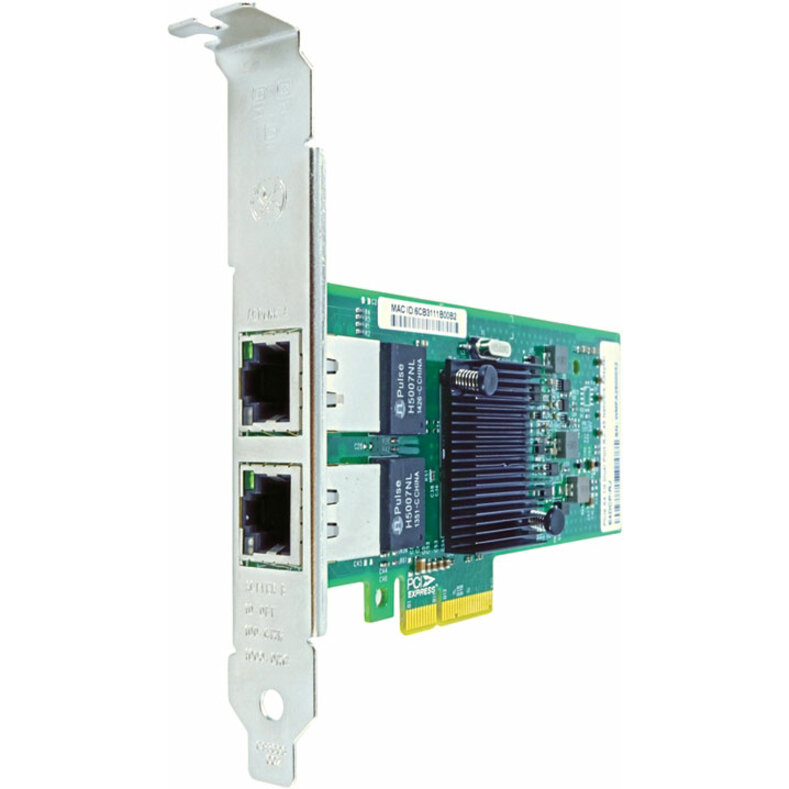
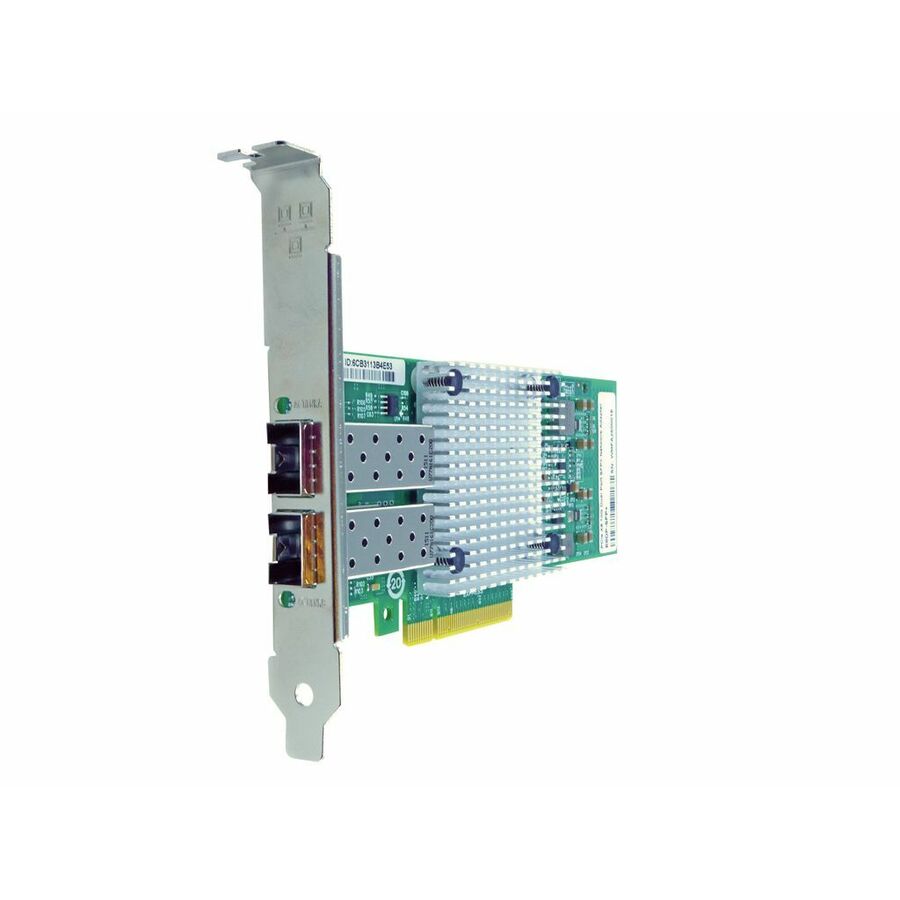
AddOn HP 700699-B21 Comparable 10Gbs Dual Open RJ-45 Port 100m PCIe x8…
700699-B21-AO
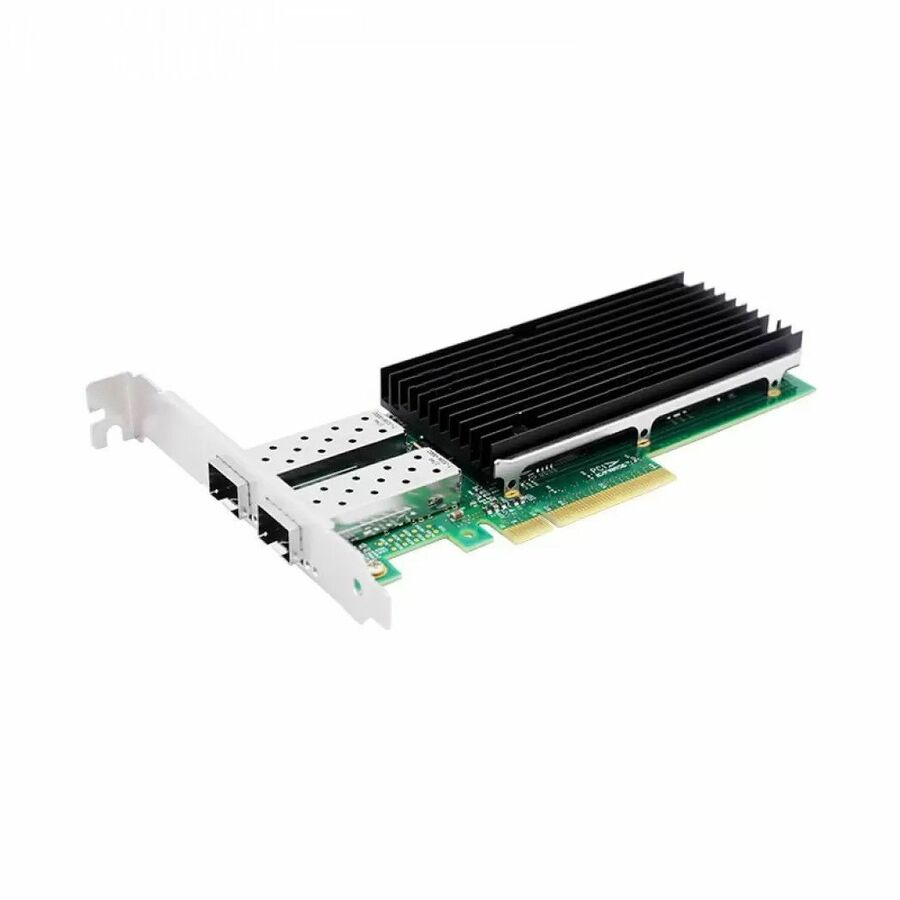
Two 10 Gb RJ45 ports on a PCIe x8 card, coded to an HP option part number and reaching 100 m on copper — the configuration most 10G upgrades actually need, because it lands on the cabling already in the rack and gives you two paths at once. Listed by AddOn as comparable to the HP option part number.
This is a third-party card built to the OEM specification, not HP's own option. Check your platform's adapter policy before standardising a supported production fleet on it.
$115.92In stockBest value
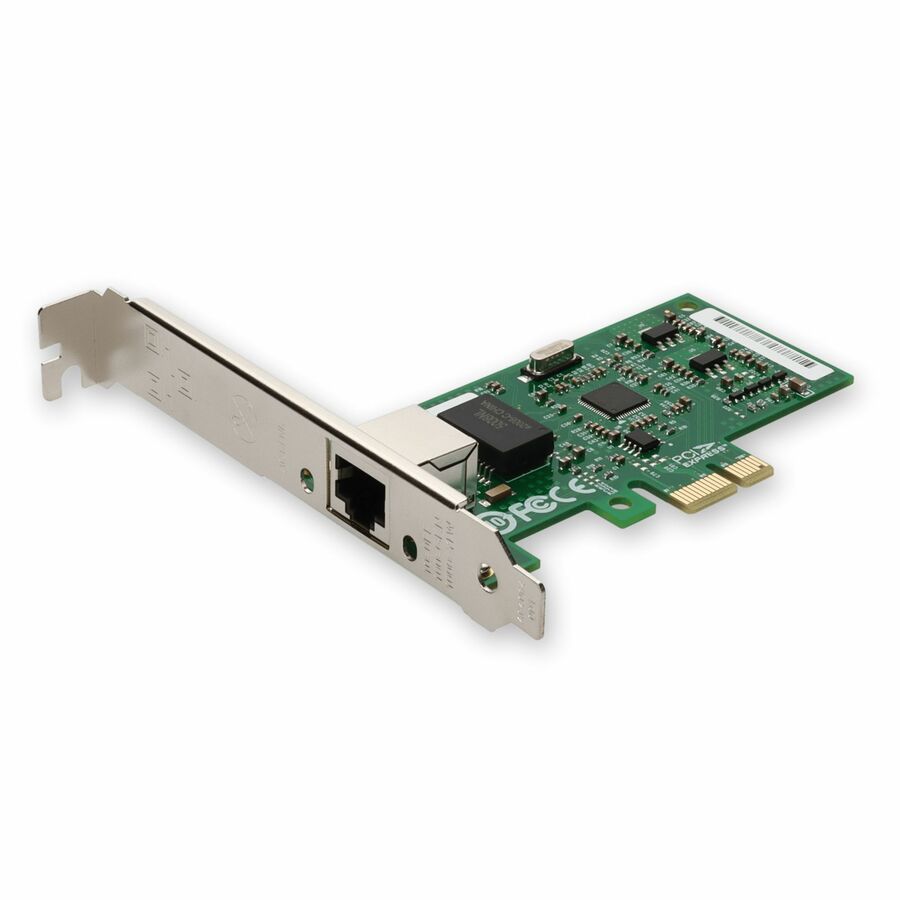
AddOn
AddOn Intel EXPI9301CT Comparable 10/100/1000Mbs Single Open RJ-45 Port…
EXPI9301CT-AO
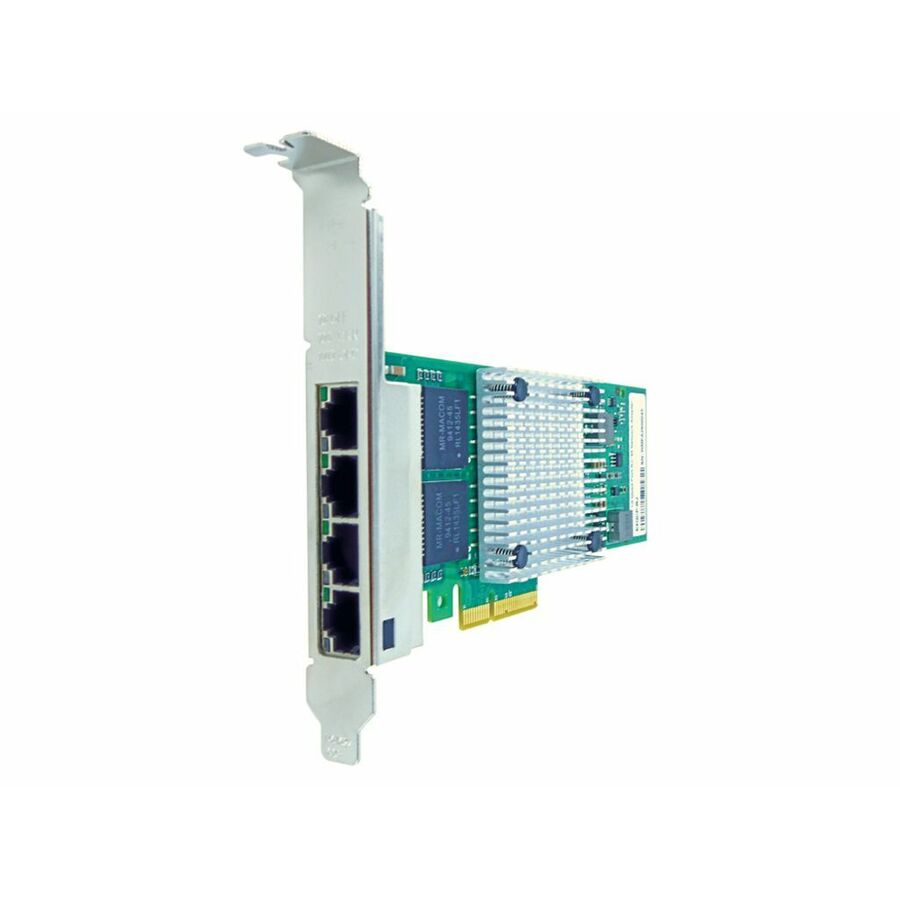
The cheapest honest way to put a gigabit port back into a server or workstation: a single open RJ45 port on PCIe x4, cross-referenced to the Intel EXPI9301CT so a like-for-like replacement is a one-line order. Buy two for the spares drawer — a dead onboard NIC is the failure this card exists for.
$36.80In stockFiber uplink
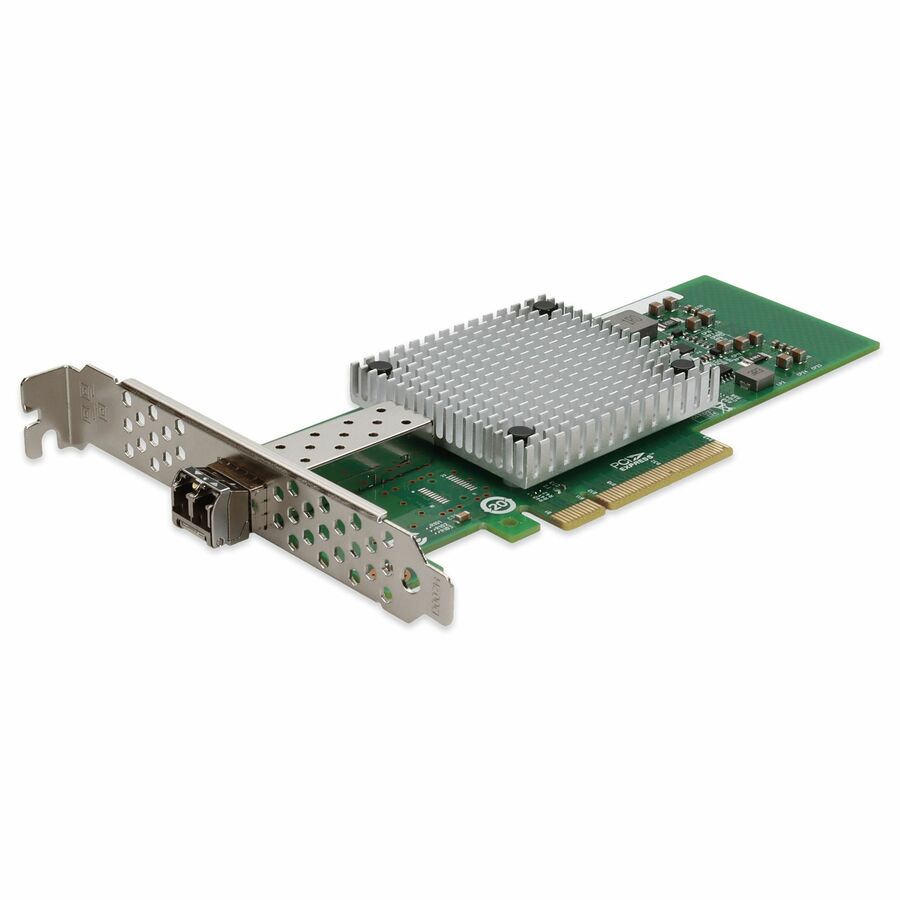
AddOn
AddOn 10Gbs Single Open SFP+ Port PCIe 2.0 x8 Network Interface Card…
ADD-PCIE-LC-SR-X1
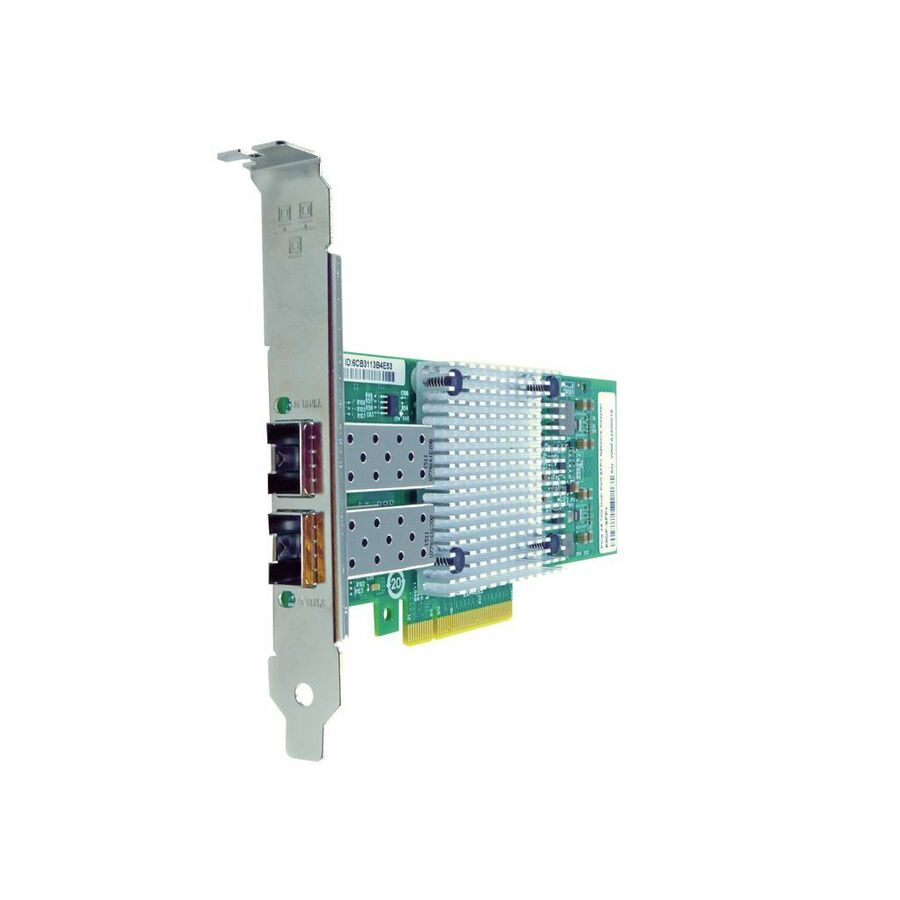
A single SFP+ port on PCIe 2.0 x8 with the 10GBASE-SR module already fitted, on an Intel 82599 controller — roughly 300 m over multimode fiber, and no second order for an optic. The card-arrived-but-the-cage-is-empty problem is the most common way a fiber uplink misses its window, and this listing removes it.
$207.00In stockMulti-gig workstation
StarTech.com
StarTech 1-Port 5G Gigabit PCIe Network Adapter Card…
PR15GR-NETWORK-CARD
A 5G card that auto-negotiates 5G, 2.5G, 1G, 100M and 10M on the Cat 5e or Cat 6 already in the wall, with jumbo-frame, VLAN and Wake-on-LAN support and Windows and Linux drivers on the Realtek RTL8126. The pragmatic way past a gigabit ceiling on a workstation when recabling is not on the table.
Our catalog data records this part number as TAA compliant. We confirm the screening result against this exact part number on the quote rather than restating it as our own certification.
$59.40*In stockMore network interface cards in the Uniqcli catalog
See all 1,371 network interface cardsMore from across this category. In-stock lines lead, and a back-ordered line carries the same estimated availability its product page does — with live pricing throughout, NDAA §889 screening before checkout and TAA verified on request.
- Axiom Memory SolutionsAxiom 25Gbs Dual Port SFP28 PCIe 4.0 x8 NIC Card - 25Gbs Dual Port SFP28 PCIe 4.0 x8 NIC Card - TAA CompliantAXG101255
$2,427.00
$962.74*
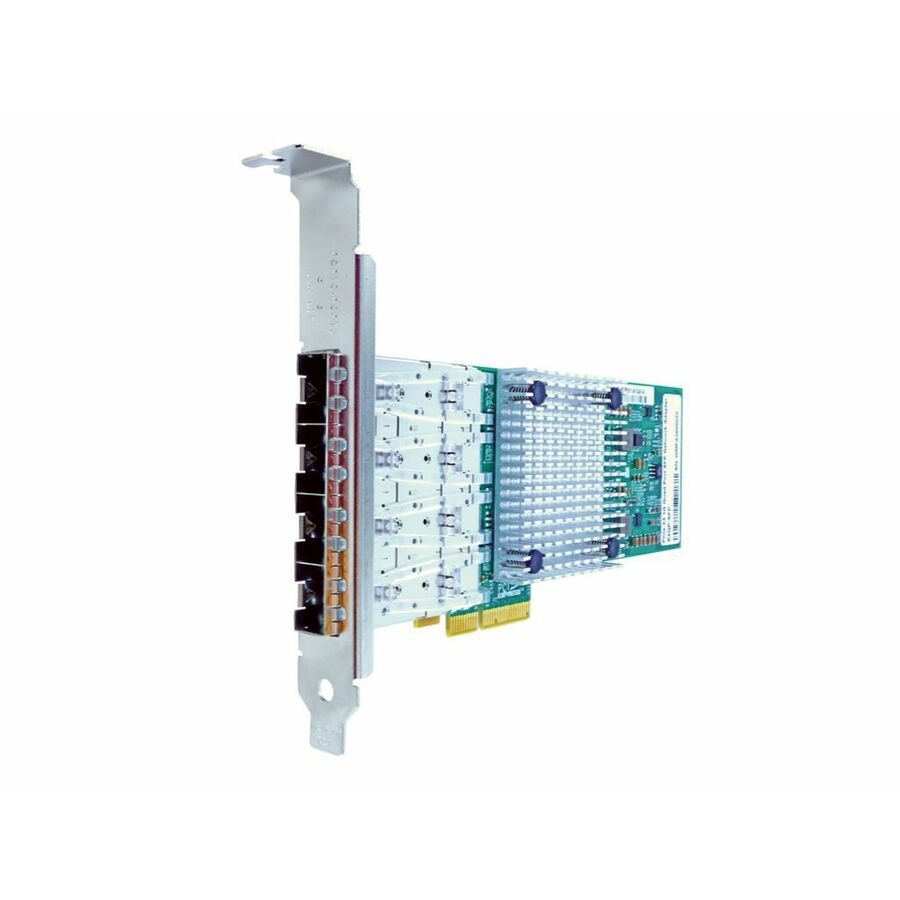
8 in stock - Axiom Memory SolutionsAxiom 10Gbs Quad Port SFP PCIe 3.0 x8 NIC Card - 10Gbs Quad Port SFP+ PCIe 3.0 x8 NIC Card - TAA CompliantAXG98797
$1,536.67
$609.70*
1 in stock - Axiom Memory Solutions1Gbs Quad Port SFP PCIe x4 NIC Card - 1Gbs Quad Port SFP PCIe x4 NIC Card - AXG95726 - TAA CompliantAXG95726
$907.00
$360.92*
10 in stock - Axiom Memory SolutionsAxiom 1Gbs Single Port SFP PCIe x1 NIC Card w/Transceiver - AXG102285 - TAA Compliant - PCI Express 2.1 x1 - 1 Gbit/s Data Transfer Rate - Intel I210 - Optical Fiber - Full Height, Half Height Bracket Height - 1000Base-SX - SFP (mini-GBIC) - Plug-in Card - TAA CompliantAXG102285
$510.00
$203.02*
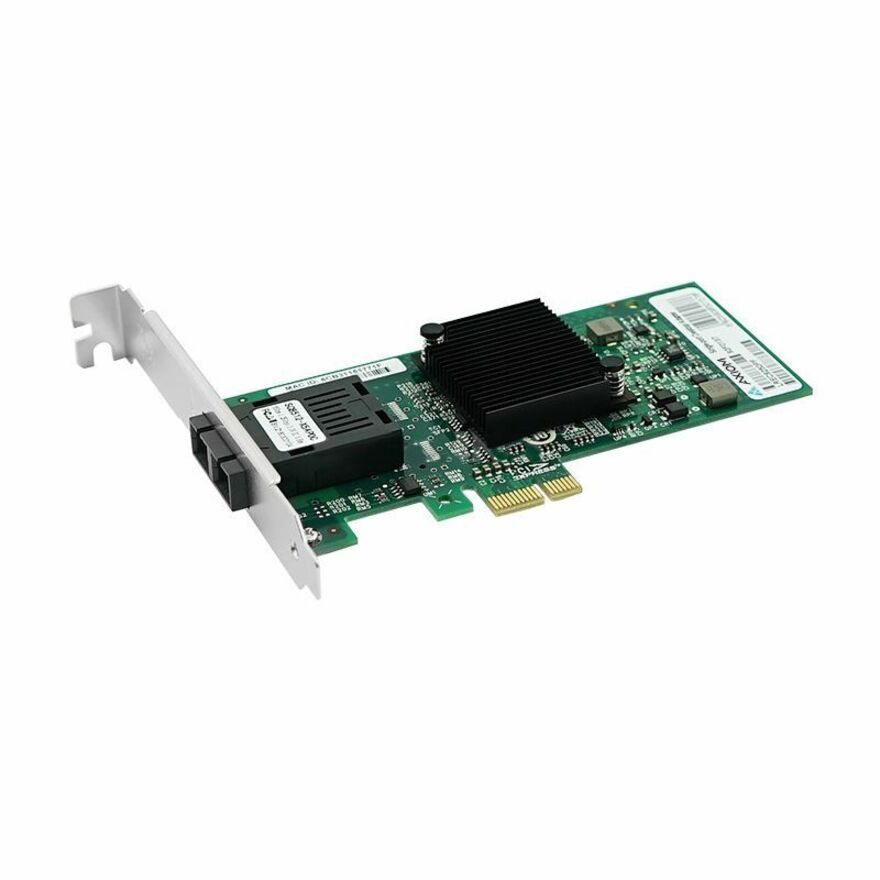
1 in stock - Axiom Memory SolutionsAxiom 1000BASE-SX Single Port SC PCIe x1 NIC Card - AXG99539 - TAA Compliant - PCI Express 2.1 x1 - 1 Gbit/s Data Transfer Rate - Intel NHI350AM2 - 1 Port(s) - Optical Fiber - Full Height, Half Height Bracket Height - 1000Base-SX - Plug-in Card - TAA CompliantAXG99539
$460.00
$183.13*
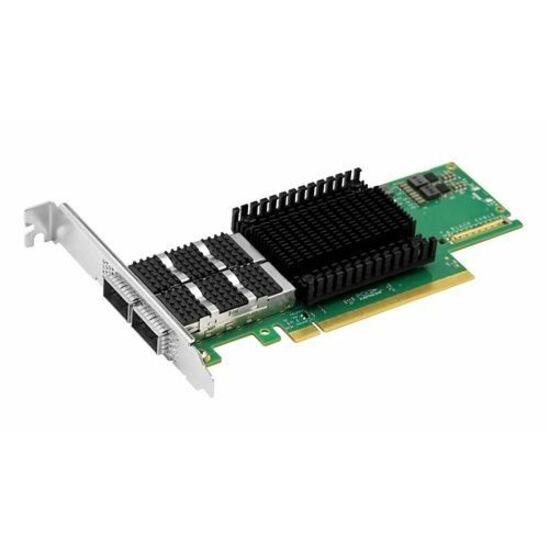
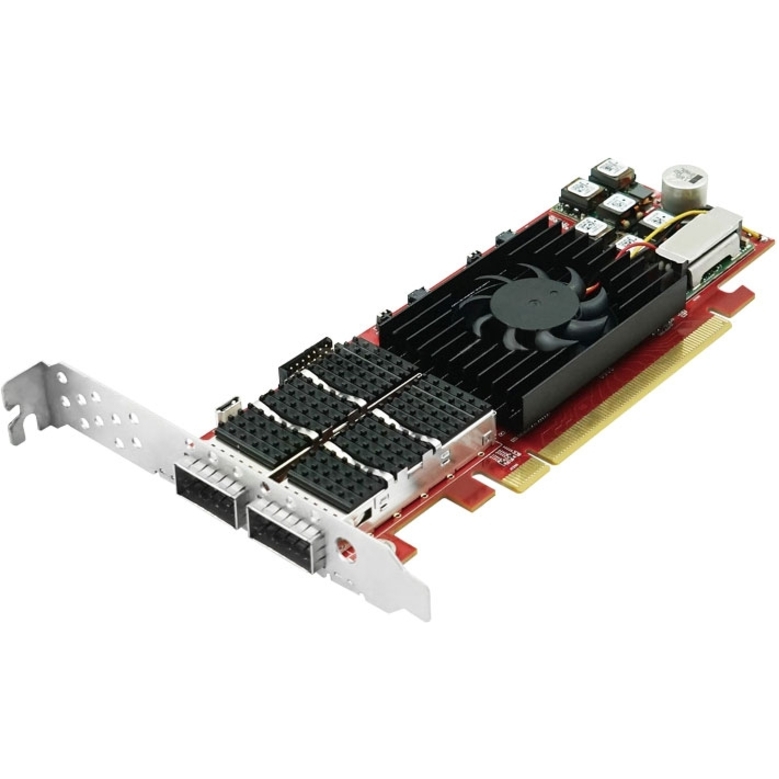
1 in stock - Axiom Memory SolutionsAxiom 100Gbs Dual Port QSFP56 PCIe 4.0 x16 NIC Card - Axiom 100Gbs Dual Port QSFP56 PCIe 4.0 x16 NIC Card - PCIE4-2Q56CX6-AXPCIE4-2Q56CX6-AX
$1,785.00
$1,533.96
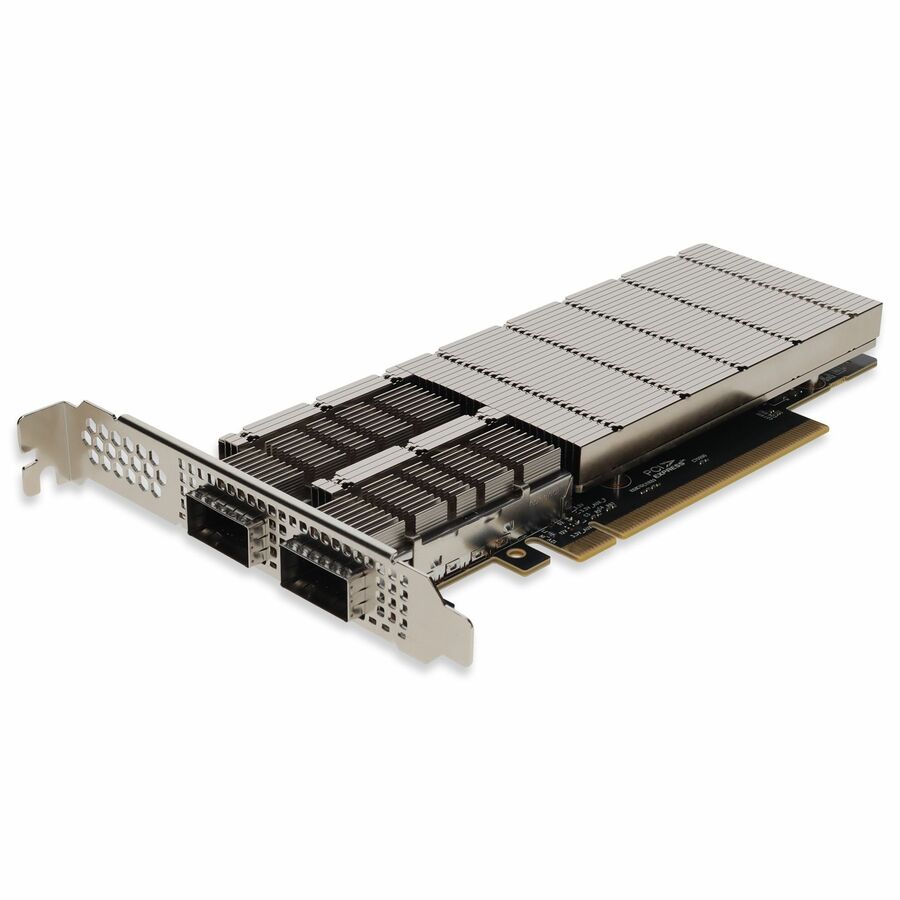
1 in stock - AddOnAddOn Mellanox MCX653106A-HDAT ConnectX®-6 InfiniBand/Ethernet Adapter Card 200GbE/HDR, Dual-Port QSFP56, PCIe 4.0 x 16, Tall and Short Bracket - PCI Express 4.0 x16 - 1.56 Tbit/s Data Transfer Rate - Intel XL710 - 2 Port(s) - Optical Fiber - Multi-mode, Single-mode - SFP28, QSFP56 - Plug-in CardMCX653106A-HDAT-AO
$3,063.50
$2,818.42
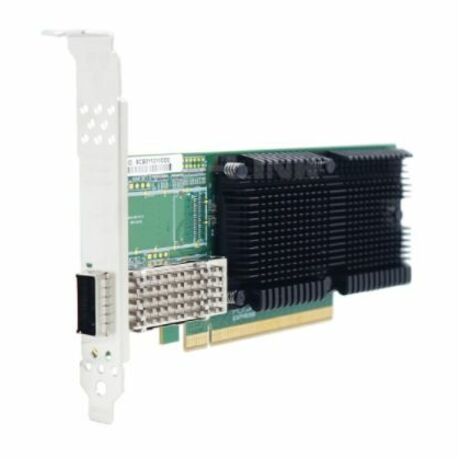
4 in stock - Axiom Memory SolutionsAxiom 100Gbs Single Port QSFP56 PCIe 4.0 x16 NIC Card - Axiom 100Gbs Single Port QSFP56 PCIe 4.0 x16 NIC Card - PCIE4-1Q56MX6-AXPCIE4-1Q56MX6-AX
$1,488.00
$1,278.75
1 in stock - Axiom Memory SolutionsAxiom PCIe 4.0 x16 25Gbs Fiber Network Adapter - PCI Express 4.0 x16 - 25 Gbit/s Data Transfer Rate - Intel - 4 Port(s) - Optical Fiber - Full-height/half-Height Bracket Height - 25GBase-SR, 25GBase-LR, 10GBase-SR, 10GBase-LR, 1000Base-SX, 1000Base-LX, 25GBase-CR - SFP28 - Plug-in CardPCIE4-4SFP28-AX
$1,293.85
$1,112.15
4 in stock
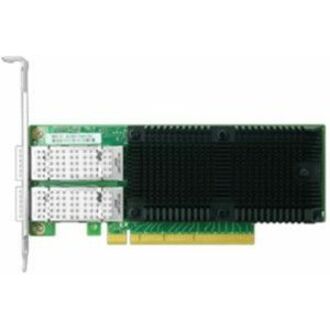
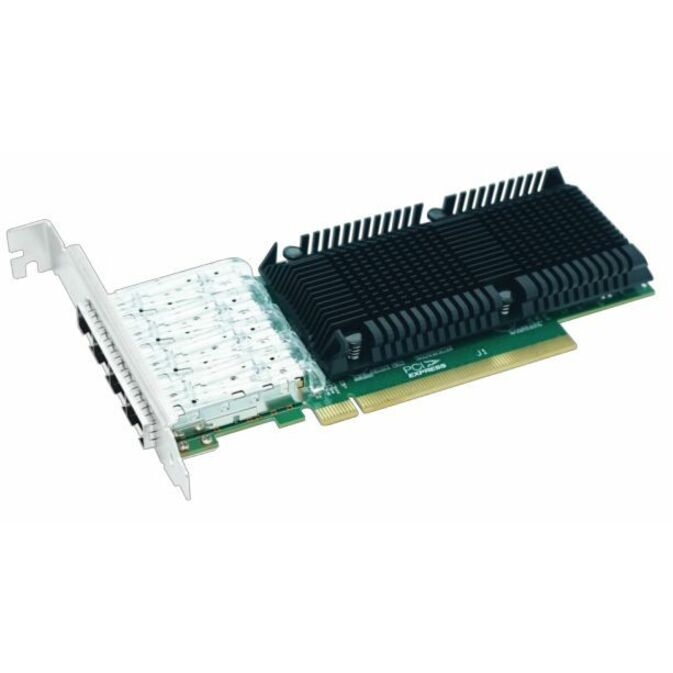
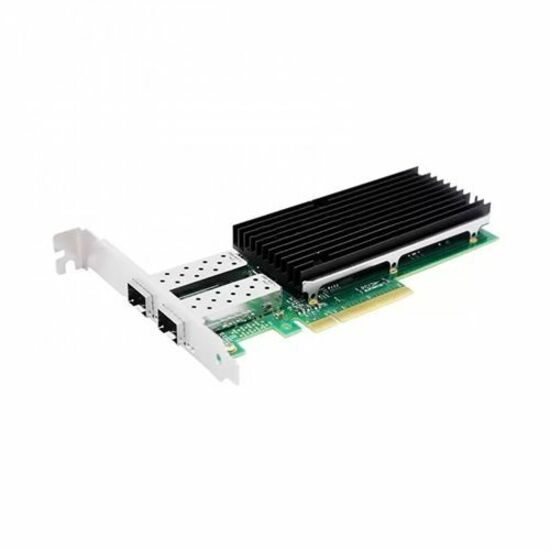
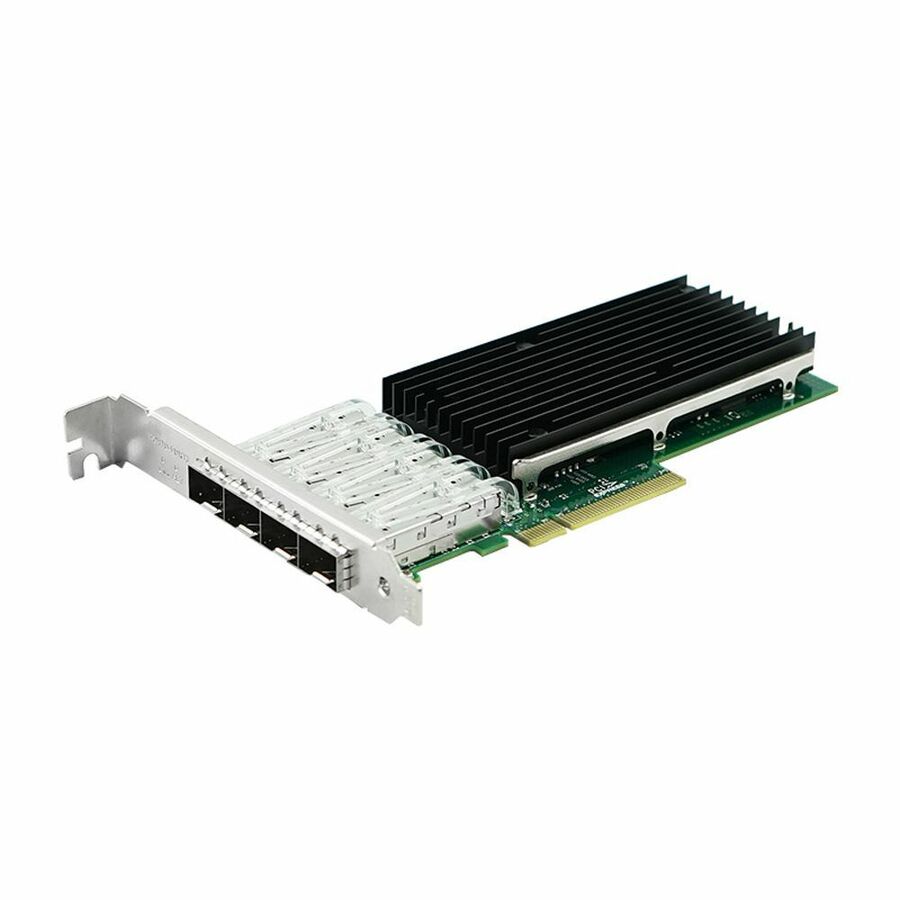
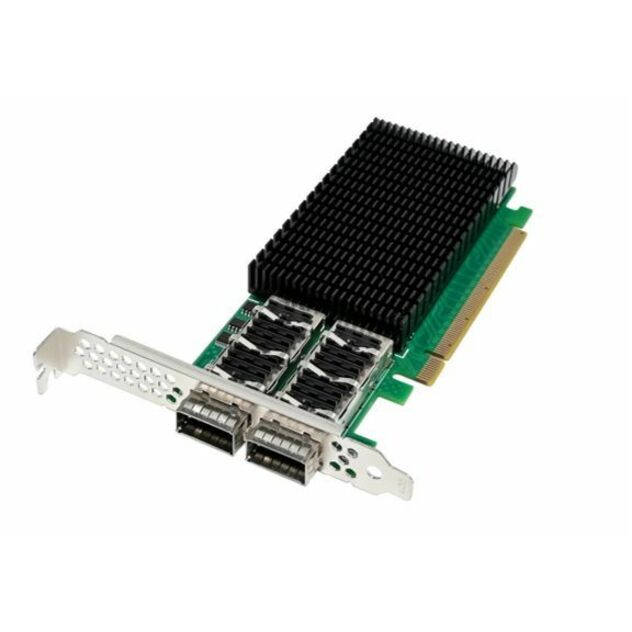
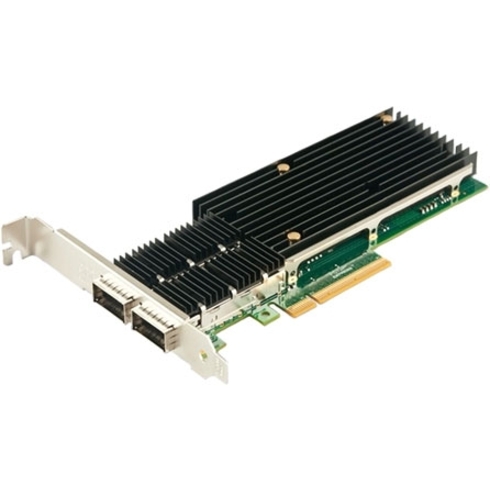
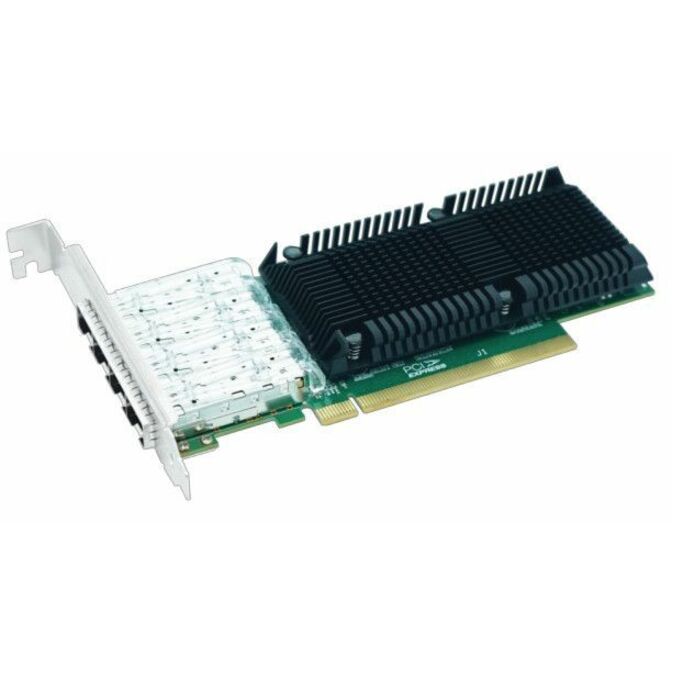
Need pricing on PCIe network cards?
Tell us where to reach you and a Uniqcli specialist will follow up by email with current pricing, availability and lead time for the quantities you need — including parts that aren’t shown on this page.
Buying for an organization or for yourself — both work. No payment up front.
A network card is decided mechanically: how many ports, what media, and which slot it has to live in. RJ45 copper runs to 100 m on structured cabling; SFP+ with a short-reach module carries roughly 300 m on multimode fiber. Check the slot's electrical width first — x1, x4, x8 and x16 all appear here — and read the chipset, because driver support tracks the controller, not the speed.
A network card is one of the few server parts where the decision is almost entirely mechanical: how many ports, what media, and which slot it has to live in. Port count is the first fork, and it is rarely about bandwidth. A single port adds an interface to a workstation or replaces a failed onboard NIC; two ports exist so a host can be dual-homed onto two switches or bonded into one logical link, which turns a switch reboot from an outage into a blip. Media is the second fork. RJ45 copper runs to 100 m over structured cabling and needs nothing but a patch lead. SFP+ takes a pluggable optical module instead, and the short-reach modules stocked here carry roughly 300 m over multimode fiber — the answer whenever the run crosses a floor, a building or anything past copper's limit. Both halves are well represented in this range, and the choice between them is distance, power and density rather than preference.
Speed is where the range has widened most. Gigabit is still the volume tier and still the right answer for a management interface, a print server or an appliance. Multi-gig sits above it: cards here auto-negotiate 5G, 2.5G, 1G, 100M and 10M on the same Cat 5e or Cat 6 already in the wall, which is the cheapest way to get a workstation or a NAS past a gigabit ceiling without recabling. Ten-gigabit arrives in two shapes that are not interchangeable — 10GBASE-T over RJ45, which plugs into the same copper plant, and SFP+, which needs a module and a fiber pair but draws less power and reaches further. Chipsets are named on most listings (Intel 82576 and 82599, Intel I225-V, Realtek RTL8126 among them), and naming the chipset rather than the card is often the fastest way to confirm driver support for a given OS build.
A large part of this catalog is OEM-coded: cards from AddOn and Axiom listed against a Dell, HP, IBM, Intel, QLogic, Solarflare, Supermicro or NetApp part number, described in the product data as comparable to that part and, on many of the AddOn listings, as application tested. They are third-party cards built to the original specification, not the OEM's own hardware, and that distinction is the one to keep in front of a change board — some server vendors gate unrecognised adapters behind a firmware allowlist or scope their support statement to their own options, so it is worth checking the platform's policy before standardising a fleet on a comparable card. Everything below can be quoted as one line item alongside the transceivers, patch or fiber cabling, switch and network-management software licences, and the install and lifecycle labour it takes to put the interface into service — a card on its own is rarely the whole job.
Buyer's checklist
How to choose a PCIe network card
- Decide port count on the failure you are designing against, not on throughput — a second port buys you a second path to a second switch, which is a different purchase from a faster single link.
- Match media to distance: RJ45 copper to 100 m on structured cabling, SFP+ with a short-reach module to roughly 300 m on multimode fiber, and longer-reach modules beyond that.
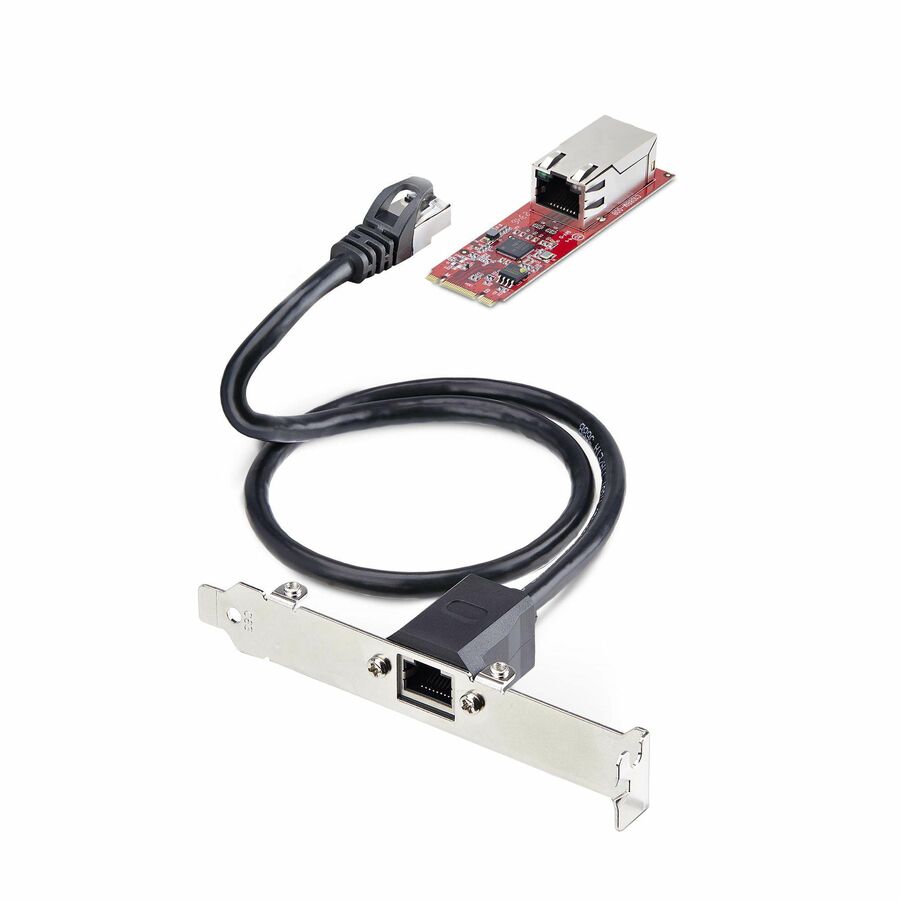
- Read the form factor, not just the word PCIe. One row in this grid — the StarTech 2.5GbE Intel I225-V card — is an M.2 2280 module that seats in an M.2 slot rather than a PCIe slot, so neither the lane-width nor the bracket check below applies to it. Confirm which shape the listing describes before you order it against a slot.
- Check the slot before the card. Listings state the electrical width — x1, x4, x8 and x16 all appear here — and a card will not negotiate more lanes than the slot provides, so a 10G x8 card in a physically short slot is a bottleneck you paid for twice.
- Confirm the bracket height the chassis needs. A 1U or 2U server and a small-form-factor workstation want low-profile; a tower or a full-height slot wants standard, and the wrong one is a returns line rather than an install.
- Read the chipset, not just the speed — driver and OS support tracks the controller, and the listings name it. That is the check that decides whether the card comes up on your kernel or hypervisor build without a vendor package.
- For any SFP+ card, order the optic in the same pass unless the listing states a transceiver is included. An empty cage is the single most common reason a fiber uplink sits dark on install day.
Copper, multi-gig and fiber
Copper wins on cost and on the fact that the cabling is already there. Gigabit RJ45 cards run on anything from Cat 5e up and reach 100 m, which covers the whole of a normal floor; 10GBASE-T runs on the same connector and, on good Cat 6a, the same distance, at the cost of more power and more heat than an equivalent optical port. Multi-gig sits in between and is underrated: a 5G/2.5G card negotiates down cleanly to 1G and 100M, so it can be deployed against a switch that has not been upgraded yet and simply gets faster when the switch is. For a workstation pulling from a fileserver, or an access-layer host on cabling nobody wants to disturb, that is usually the honest upgrade.
Fiber is the answer to distance, to electrical isolation and to density. SFP+ cards take a pluggable module, which is what makes them flexible — the same card can terminate a 300 m multimode run today and a long-reach single-mode run later by swapping the optic. Two practical notes from the listings themselves: some SFP+ cards are sold with the cage open, meaning no module is supplied, and some ship with a 10GBASE-SR module already fitted. Reading which one you are ordering takes five seconds and saves a second shipment. Where an existing switch port dictates the optic type, match the module to the port at both ends rather than to the card.
OEM-coded cards and where they fit
Most of the depth in this category comes from cards coded to OEM part numbers — an AddOn or Axiom adapter listed as comparable to a Dell, HP, IBM, Intel, QLogic, Solarflare, Supermicro or NetApp option. The appeal is straightforward: the cross-reference makes it easy to specify a like-for-like replacement for a card that is end-of-life or on long lead time from the original vendor, and the same code appears on the quote, the packing list and the asset record, so reconciliation is clean.
The honest caveats are worth stating in the same breath. These are third-party cards built to the original specification rather than the OEM's own hardware; the product data describes them as comparable and, on many listings, as application tested. Some server platforms restrict unrecognised adapters through firmware, and some vendor support statements are written around the vendor's own option list, so the platform's policy — not the card's data sheet — is what decides whether a comparable card belongs in a supported production host or in a lab, a workstation, an appliance or a spares kit. Send the platform model with the part number and we will confirm the fit before you commit a fleet to it.
Lifecycle, drivers and compliance screening
A NIC is a long-lived part, and most of its cost after purchase is operational. Driver and firmware currency is the recurring line: controllers stay supported for years but the packaged driver on an older OS image is often not the one the card wants, so a refresh is the moment to standardise on one controller family across a fleet rather than to accumulate three. Power and heat matter more than the price gap suggests once a build scales — 10GBASE-T ports draw noticeably more than optical ones, which shows up in a dense rack as fan speed rather than as a line on an invoice. And a spare on the shelf is cheaper than an expedited card, particularly for an OEM-coded part supporting an appliance nobody wants to open twice.
On compliance, several listings in this range carry a TAA marking in the manufacturer's own product data — our catalog data records the StarTech multi-gig card below as TAA compliant, for example. Uniqcli does not restate a marking like that as a certification of its own. What we do is screen the exact part number on your order for TAA country-of-origin and NDAA Section 889 status through US distribution, and supply documentation tied to that part number rather than to a product family, so your acquisition team verifies a SKU rather than a brand claim. Send the part numbers with the requirement and we will confirm sourcing before you commit.
FAQ
Common questions
- Should I buy a single-port or a dual-port network card?
- Buy dual-port when you need two paths, not when you need more speed. Two ports let a host connect to two switches, or bond into one logical link, so a switch reboot or a failed cable is survivable — that is the reason most servers carry them. If the requirement is simply a faster single connection, a single-port card at the next speed tier is usually the cheaper and simpler answer than two ports of the old speed. A single port is also the right choice for adding an interface to a workstation or replacing a failed onboard NIC.
- Do these SFP+ cards come with a transceiver?
- It depends on the listing, and the product data says which. Some SFP+ cards are described with an open port, meaning the cage ships empty and you supply the module; others are listed with a 10GBASE-SR SFP+ transceiver included, ready for a multimode run of roughly 300 m. Check the title before ordering, because an SFP+ card with no optic is the most common reason a fiber uplink is dark on install day. If you are not sure, send us the switch port type and we will quote the card and the matching module together.
- Are OEM-comparable cards safe to put in a Dell or HP server?
- They are built to the original specification and cross-referenced to the OEM part number, which is what makes them useful for a like-for-like replacement — but they are third-party cards, not the vendor's own option. Some platforms gate unrecognised adapters through firmware, and some vendor support statements only cover their own list, so check the platform's policy before standardising a supported production fleet on one. For workstations, appliances, lab hosts and spares they are generally the pragmatic choice. Send the server model with the part number and we will confirm before you order.
- How are these cards screened for TAA and NDAA compliance?
- Every line is sourced through US distribution and screened for TAA country-of-origin and NDAA Section 889 status before checkout, with documentation tied to the specific part number so it matches what ships. This is a sourcing and screening service, not an independent Uniqcli certification. Where a manufacturer markets a card as TAA compliant and our catalog data records that marking, we confirm the screening result against that exact part number rather than treating it as a claim across the range.
Need PCIe network cards pricing?
Send a bill of materials or part numbers — we confirm stock and a below-market total, with TAA verified on request. No payment up front.