
Federal Health
Workstations on wheels, clinical displays, wireless, segmentation firewalls and the licensing behind them for federal health facilities, every line TAA and §889 screened.
- Environment
- Medical centers, clinics & telehealth sites
- Uptime demand
- 24/7 care delivery
- Oversight
- Federal acquisition review
- Documentation
- TAA & §889 screening on every line
One procurement record for every site in the network
Federal health delivery spans VA medical centers, DHA military treatment facilities, IHS clinics and their contracted networks — each with its own facility timeline but the same acquisition rules. Uniqcli sources and integrates clinical networking, telehealth fleets and endpoint infrastructure against TAA and NDAA §889 screening on every line, so a single bill of materials clears review whether it's shipping to one clinic or forty.
Clinical networks that hold up under federal review
Federal health IT has to satisfy two masters at once: the clinical floor's uptime requirements and the acquisition office's compliance checklist. We scope segmented, zero-trust networks around your existing clinical and biomedical systems, then document country of origin and §889 status on every component before it reaches an approval desk.
Telehealth expansion adds another layer — carts, cameras and peripheral devices deployed across dozens of sites need consistent imaging and asset tracking, not a one-off purchase per facility. We stage and tag fleets centrally so IT leads at each site receive equipment ready to deploy.
- TAA- and §889-screened clinical and biomedical networking
- Telehealth cart, camera and peripheral fleets, imaged and asset-tagged
- Segmented, zero-trust architecture for clinical and administrative traffic
- Quotes and documentation formatted for your facility's procurement review — describe the requirement and we scope it
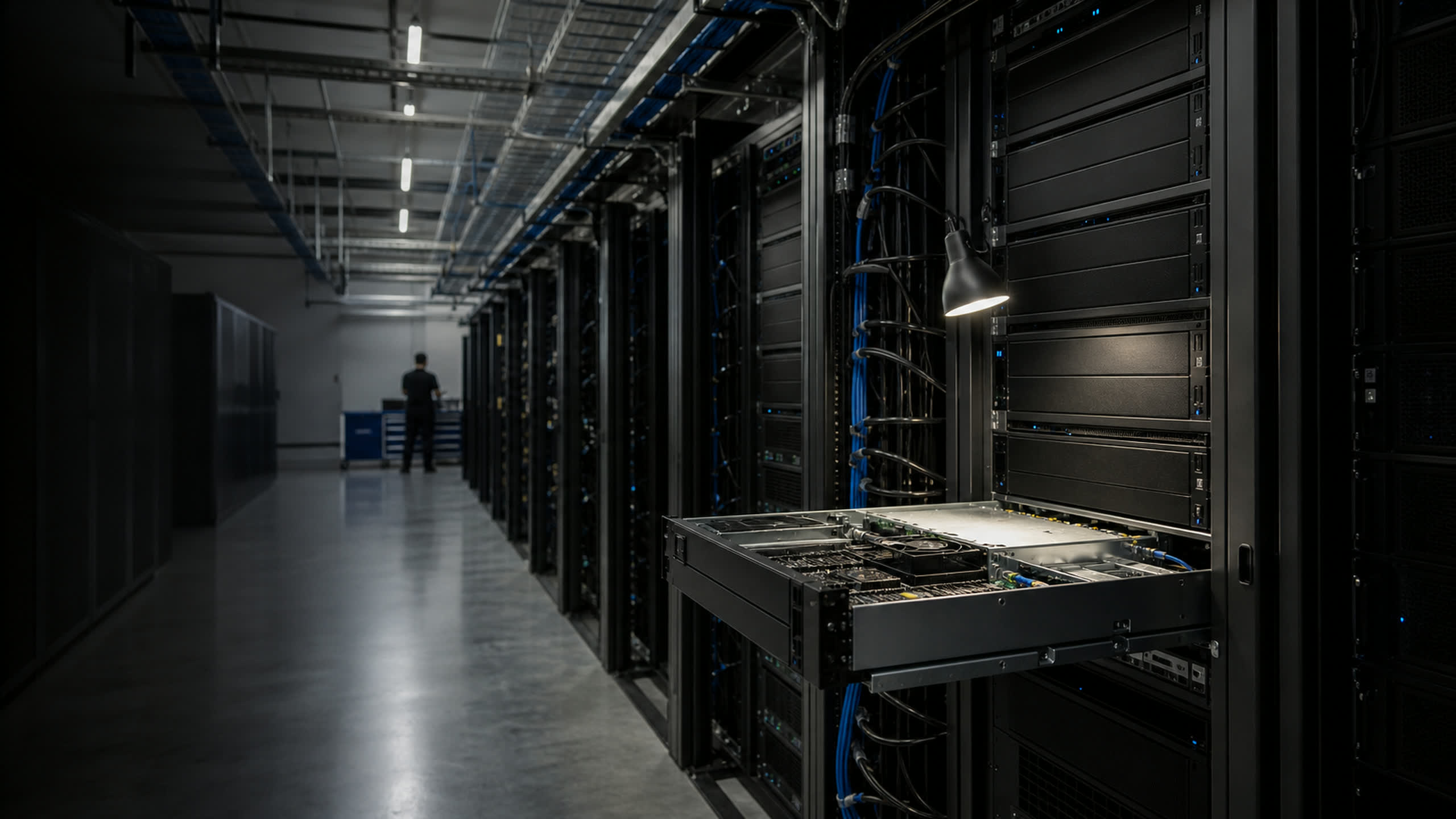
Hardware we field here.
Representative platforms from the live Uniqcli catalog — sourced through US distribution and TAA-screened per line before they ship.
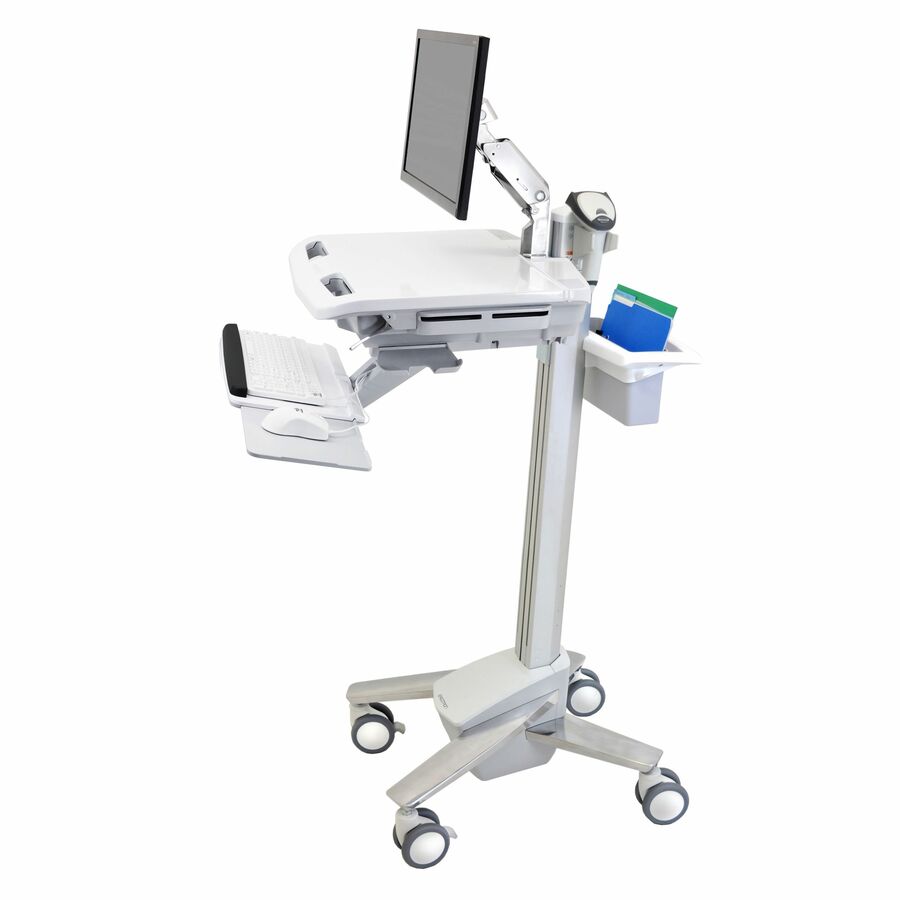 ErgotronErgotron StyleView Cart with LCD Arm
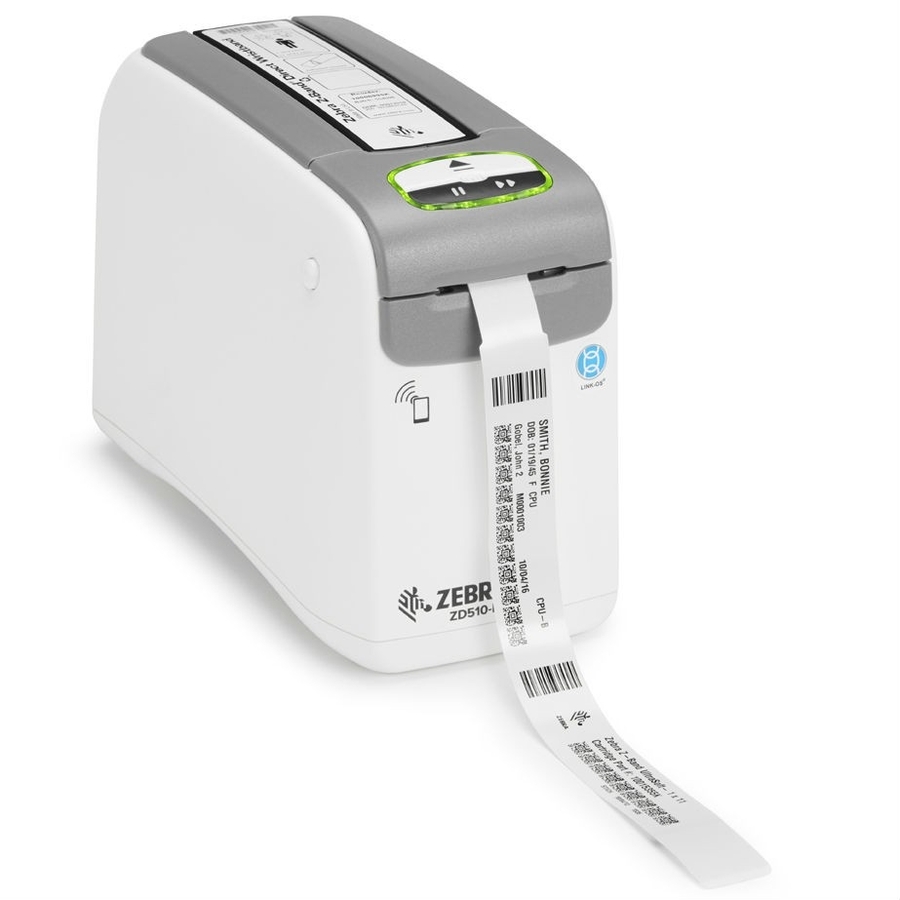 Zebra TechnologiesZebra ZD510-HC Direct Thermal Printer
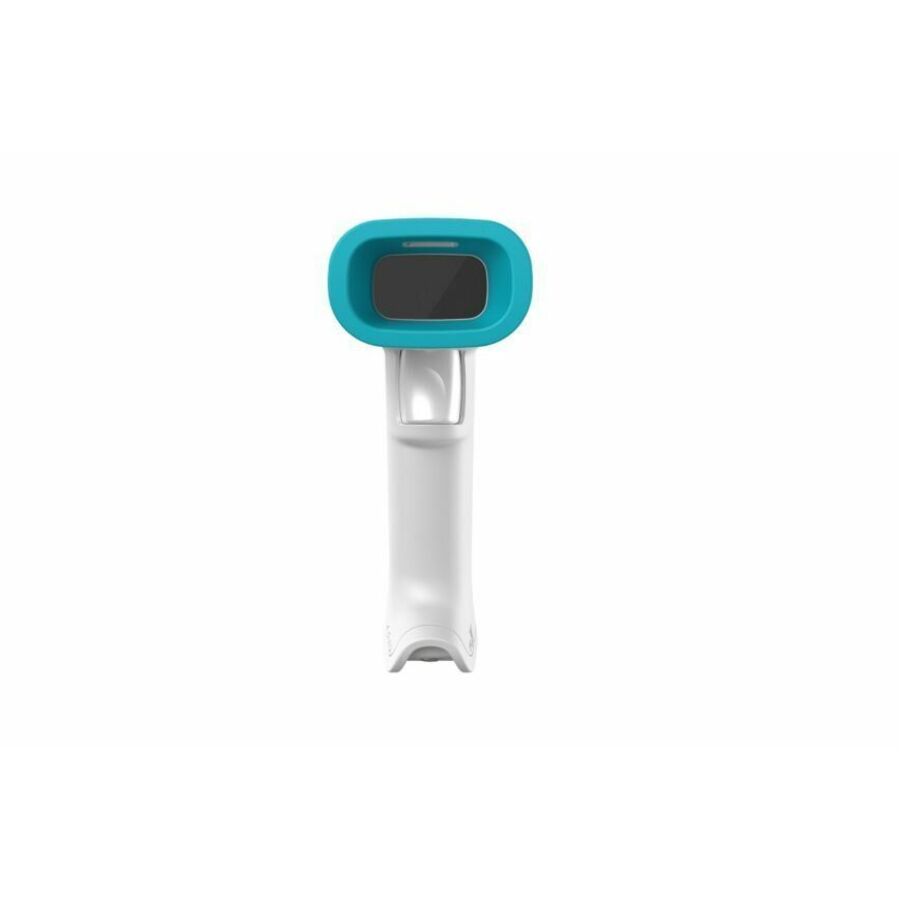 HoneywellHoneywell Xenon Ultra 1962H Cordless Bluetooth Handheld Scanner
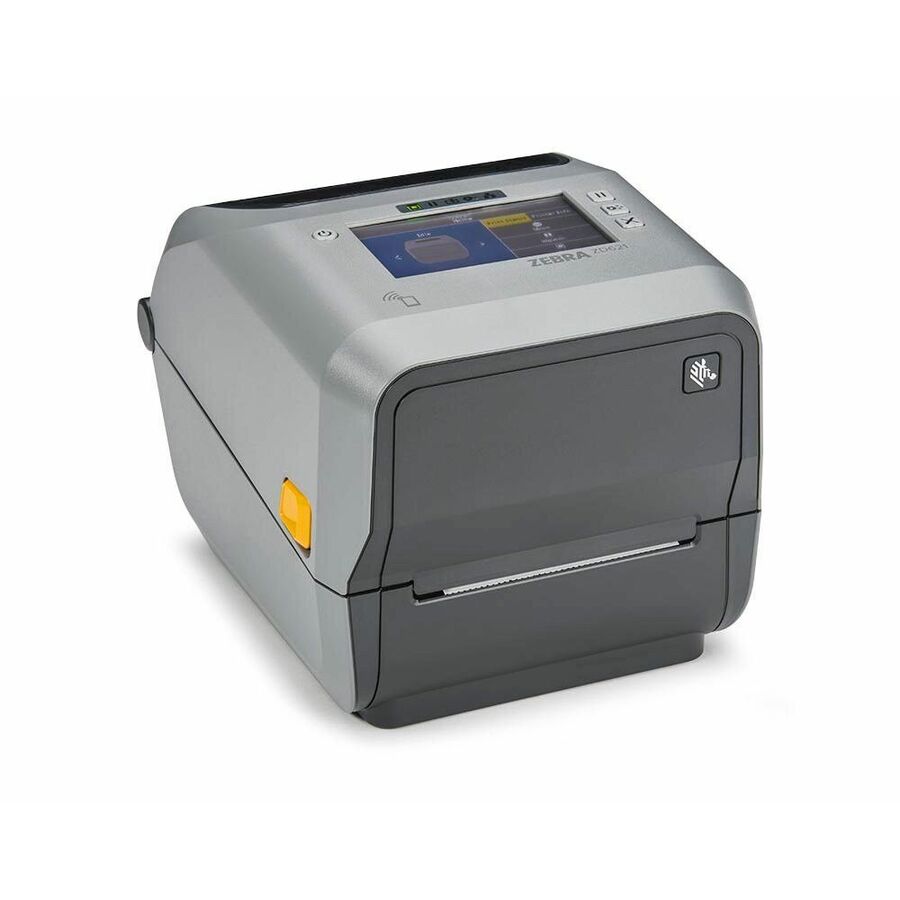 Zebra TechnologiesZebra ZD621 Healthcare Direct Thermal Printer
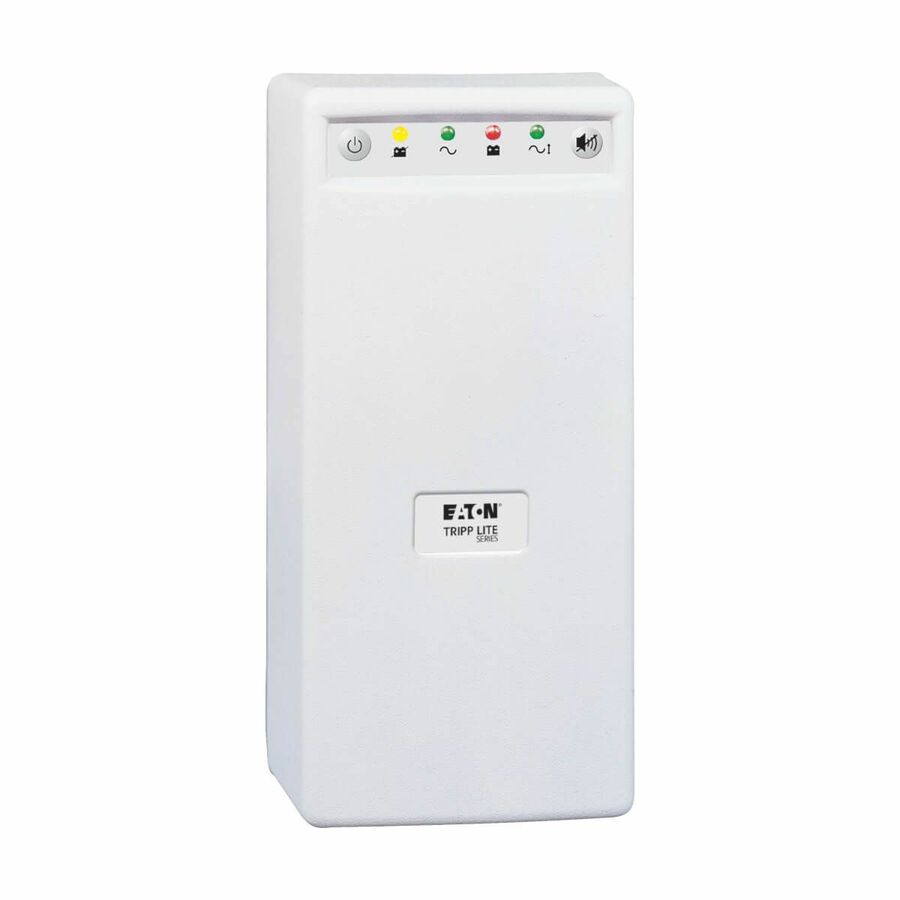 EatonTripp Lite by Eaton OmniSmart UL 60601-1 Medical-Grade UPS
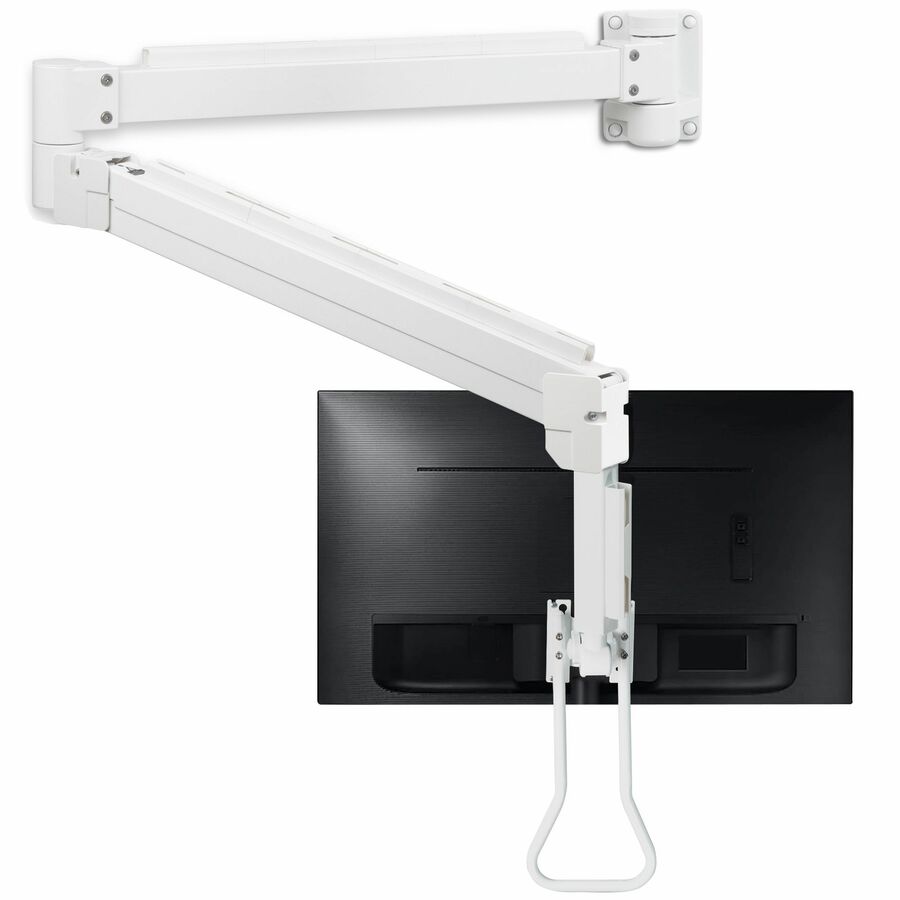 SIIGSIIG Medical Grade Single 32 inch Monitor Long Arm Wall Mount





Trademarks belong to their respective owners. Availability through US distribution.
Purpose-built for federal health delivery
- TAA screening under FAR 52.225-5 for every clinical component
- NDAA §889 covered-equipment screening documented on each line
- Segmented, zero-trust networks for clinical, biomedical and guest traffic
- Telehealth device fleets imaged, tagged and staged before delivery
- Purchases scoped through your procurement process — quotes and documentation formatted for review
- Multi-site rollout logistics for regional and national health networks
- Covered-equipment screening on every line
- 889
- One procurement record across every site in the rollout
- 1 BOM
- Manufacturer-stated country of origin recorded before quoting
- Per line
Capabilities we scope alongside
The mission lanes most often paired with programs in this sector — sourced, integrated and delivered by the same team answering for it.
OEM Integration
Rack, stack, image and kit. Multi-vendor systems integrated, configured and tested before delivery.
Cybersecurity
Zero-trust architectures, NGFW deployment, XDR/ISE, hardening and compliance-driven network defense.
Logistics & Lifecycle
TAA-screened supply chain, warehousing, staging, white-glove delivery and asset lifecycle management.
The hardware behind a federal medical center
- Medical-grade computers and displays rated to IEC 60601-1 for use near patients
- UPS units with hospital-grade plugs for clinical carts and medication rooms
- TAA-compliant Wi-Fi 6/6E access points for medical-center coverage
- 2D barcode scanners for bedside medication verification (BCMA) workflows
- PIV smart-card readers and badge-tap peripherals for shared clinical workstations
- Network access control appliances for medical-device (IoMT) segmentation
- Washable, antimicrobial-housed keyboards and mice for clinical areas
- Clinical-review displays calibrated to the DICOM Part 14 grayscale standard
- RTLS tags and location infrastructure for equipment tracking across facilities
Solutions
Where buyers in this sector go next
Sector posture
What travels with the quote.
The posture is the same in every sector — assembled while the quote is built, not reconstructed once an order is placed. What was sourced, where it came from, who touched it and when it shipped.
- TAA screening under FAR 52.225-5 — verified on request
- NDAA §889 covered-equipment screening on every line item
- Chain-of-custody and asset-tag documentation on delivery
- US-based integration, staging and white-glove logistics through our distribution and partner network
- Documentation formatted for federal acquisition review
Frequently asked
How do you fit our facility's procurement process?
Describe how your facility or contracting office buys and we structure the quote, line-item detail and compliance documentation to match that process — one record that clears review whether the order covers one clinic or forty. Where an order has to route a specific way, we coordinate that path with you.
Do telehealth fleets ship pre-imaged for each site?
Yes. Carts, cameras and peripherals are imaged to your standard build and asset-tagged centrally, so site IT staff deploy rather than configure on arrival.
How do you handle a rollout across multiple facilities with different timelines?
We build one bill of materials and staging plan, then release equipment to each site on its own schedule — one procurement record, multiple delivery dates.
What makes a computer 'medical grade'?
'Medical grade' generally means the device is certified to IEC 60601-1, the electrical-safety standard governing leakage current and protection for equipment used in the patient vicinity — typically paired with sealed, fanless enclosures that tolerate disinfectant wipe-downs. Standard commercial workstations don't carry that rating and belong outside the patient environment. Uniqcli sources both classes and flags on the quote which lines are 60601-1 rated, so placement decisions are made deliberately.
How does HIPAA affect hardware selection?
No hardware is 'HIPAA certified' — the Security Rule binds covered entities and business associates, not products. In practice, buyers satisfy its safeguards through configuration: FIPS-validated encryption for ePHI at rest and in transit, access controls at the device, and documented media sanitization under NIST SP 800-88 at retirement. Uniqcli sources hardware that supports those controls — self-encrypting drives, TPM-equipped endpoints, sanitization equipment — and documents what shipped for your risk-analysis file.
Do you screen clinical video and networking purchases for Section 889?
Yes, and it matters more than teams expect: video surveillance and networking are exactly the categories where covered equipment shows up, and health facilities inherit the prohibition through their federal funding and contracts. Every line Uniqcli quotes — cameras, switches, access points, the components inside bundled kits — is screened against the Section 889 covered-equipment list before it reaches the bill of materials, with the screening result documented for your contracting file.
How should we plan device sanitization at end of life?
Plan it at purchase, not at retirement. NIST SP 800-88 defines three sanitization levels — clear, purge and destroy — and drives holding ePHI typically require purge or destroy. Buying self-encrypting drives up front makes purge a fast cryptographic erase instead of a multi-hour overwrite, and destruction hardware handles media that can't be sanitized in place. Uniqcli sources SEDs and sanitization equipment alongside the fleet so end-of-life is a documented procedure, not an improvisation.
IoMT Device Network Segmentation for Hospitals: A Clinical-Safe Model
Every infusion pump, telemetry monitor, and smart bed on the network is an endpoint biomedical engineering bought, not IT. Segmentation has to protect the network without adding a single click to a nurse's workflow.
7 min readSector GuidesPower and Cooling Requirements for Clinical AI Deployments
GPU inference clusters draw and dissipate more per rack unit than anything a hospital data closet was built for. Here's what has to change before the hardware shows up.
7 min readComplianceHIPAA Security Rule Network Requirements: What Your Infrastructure Must Do
The Security Rule's technical safeguards do not stop at your EHR. Access control, audit controls, and transmission security reach into the switches, firewalls, and wireless that carry protected health information.
7 min readEvery sector
One method, every operating environment.
Government & Public Sector
Infrastructure & Energy
Industrial & Manufacturing
Enterprise & Institutions
Scope a federal health requirement
Describe the mission — we'll come back with an approach, lead time and pricing — TAA verified on request.