
Healthcare Systems
Clinical networks, workstations on wheels, imaging storage and secure Wi-Fi, specified so care delivery keeps running through the refresh.

- Environment
- Clinical floor, pharmacy & biomedical
- Uptime demand
- 24/7 care delivery
- Oversight
- HIPAA Security Rule review
- Documentation
- PHI-aware lifecycle & disposal records
Infrastructure that keeps care delivery running
A clinical network outage isn't an IT ticket, it's a patient-safety event. Uniqcli sources and integrates segmented clinical networks, physical security, endpoint lifecycle management and resilient power for hospitals and regional health systems — built around HIPAA-aware handling of protected health information and the uptime the floor depends on.
Segmented for the floor, resilient for the outage
Clinical, biomedical and guest networks need to stay segmented without slowing down a nurse's workflow at the point of care. We scope network and access-control projects around clinical operations, not a generic office template, and stage rollouts around unit-by-unit downtime windows.
For endpoints — workstations on wheels, biomedical devices, shared clinical tablets — we manage lifecycle from imaging through retirement, with disposal handling that accounts for PHI on retired media.
- Segmented, zero-trust clinical and biomedical networks
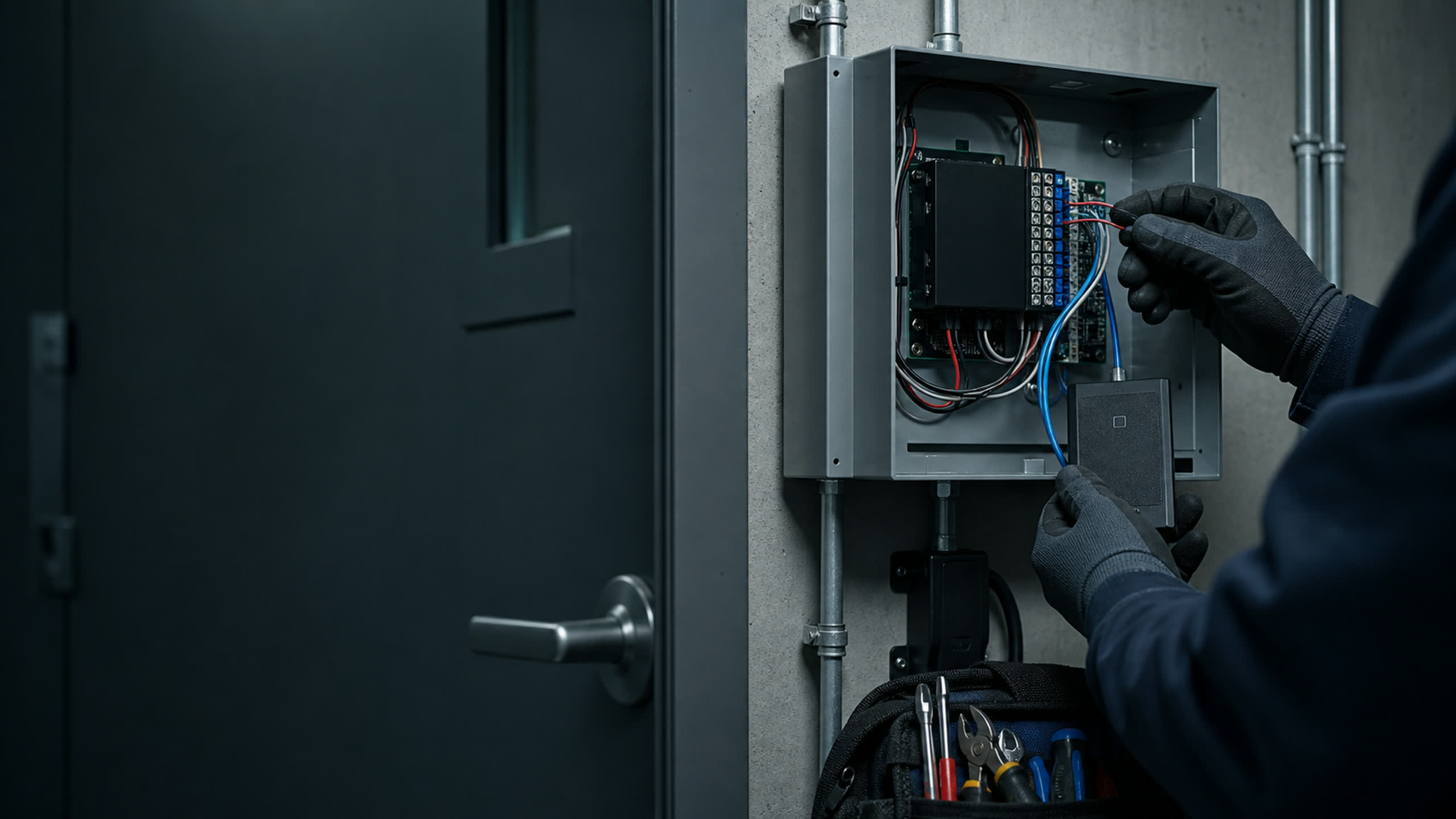
- Physical security and access control for patient-care and pharmacy areas
- Endpoint lifecycle management, including PHI-aware retirement and disposal
- Resilient, redundant power for clinical and edge systems
Hardware we field here.
Representative platforms from the live Uniqcli catalog — sourced through US distribution and TAA-screened per line before they ship.
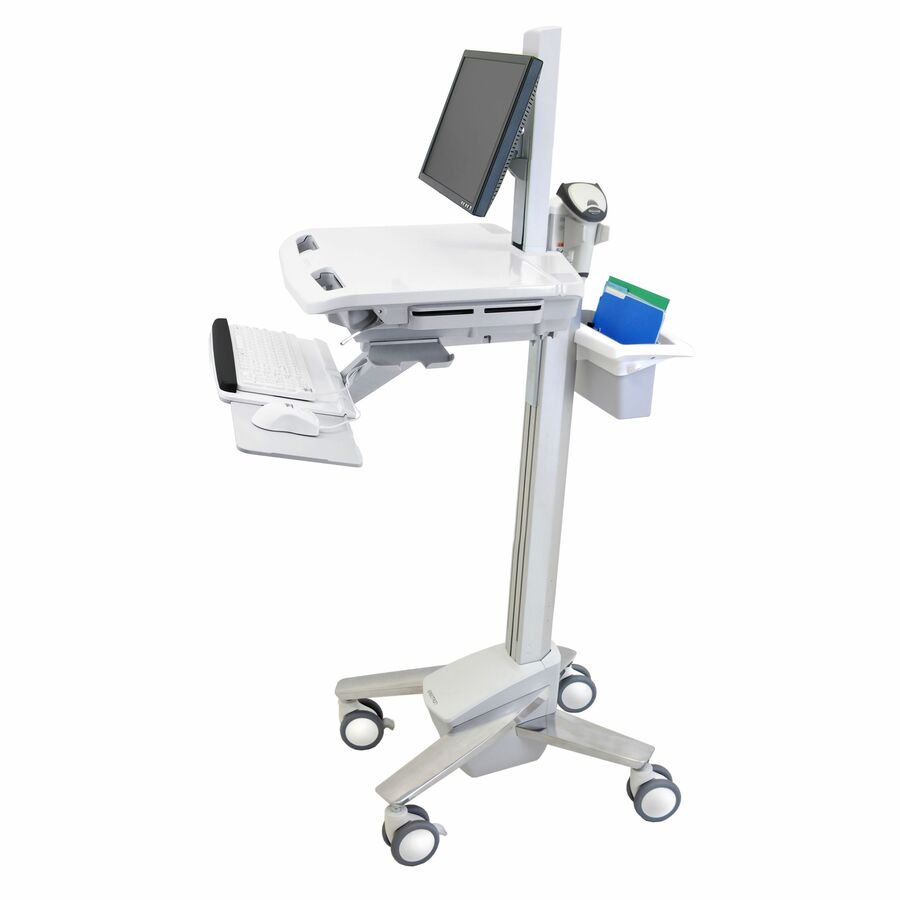 ErgotronErgotron StyleView Cart with LCD Pivot
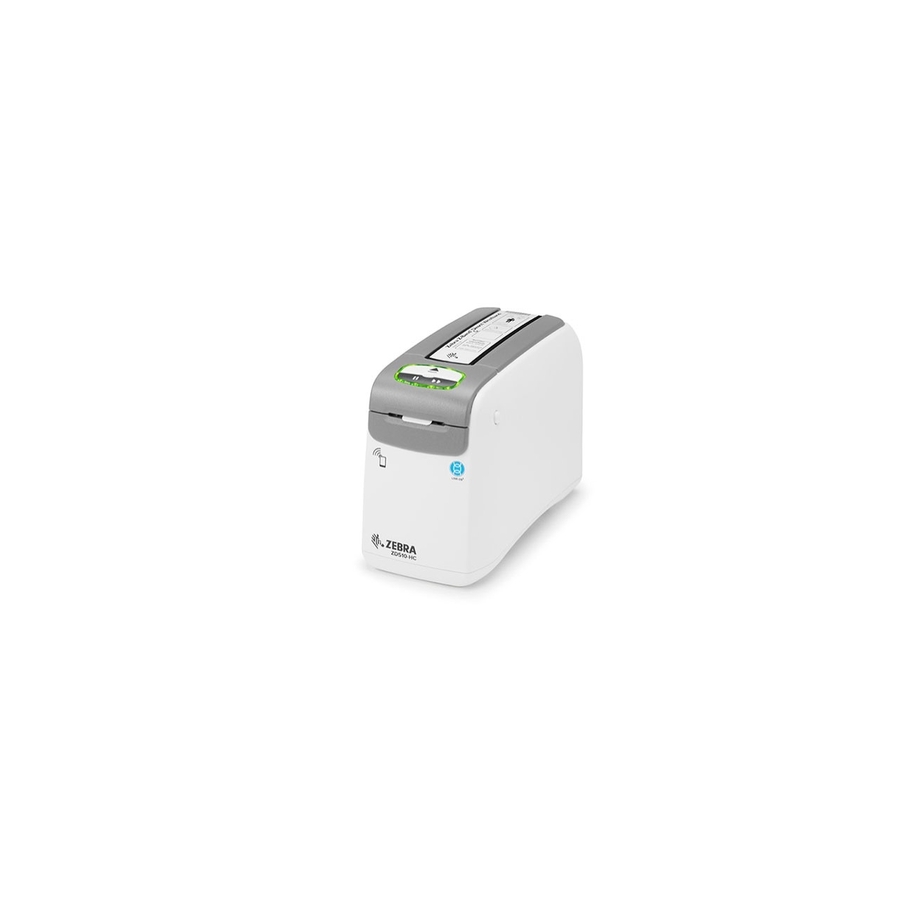 Zebra TechnologiesZebra ZD510-HC Direct Thermal Printer
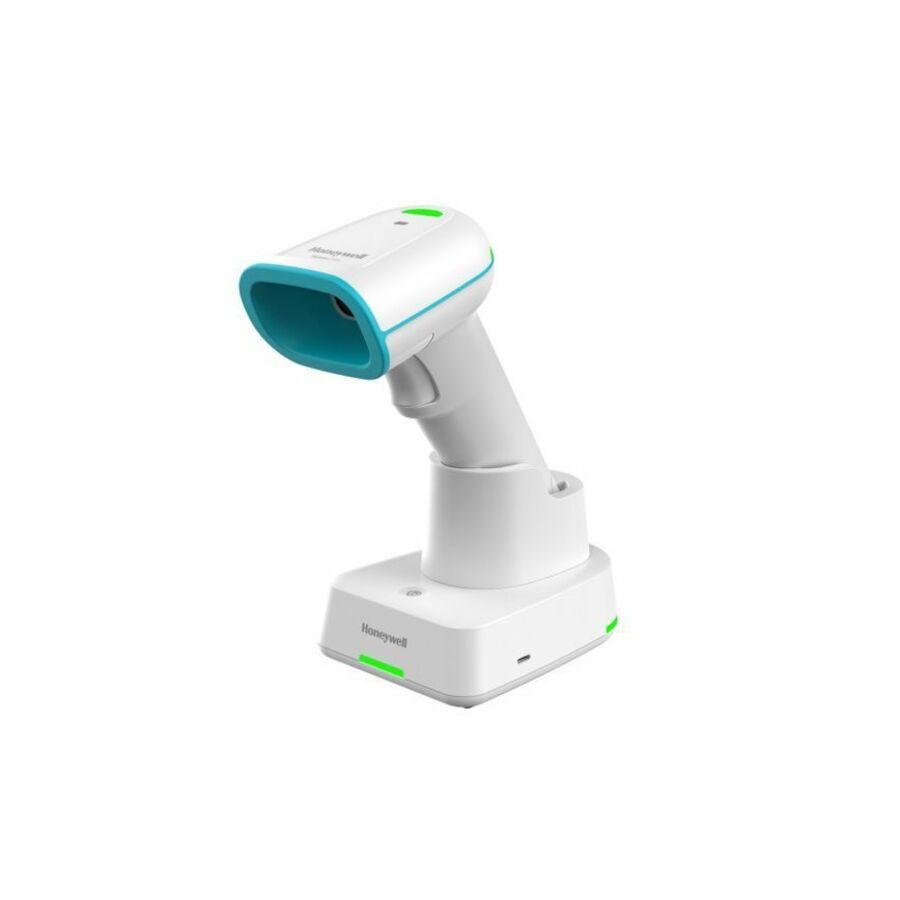 HoneywellHoneywell Xenon Ultra 1962h Barcode Scanner Kit
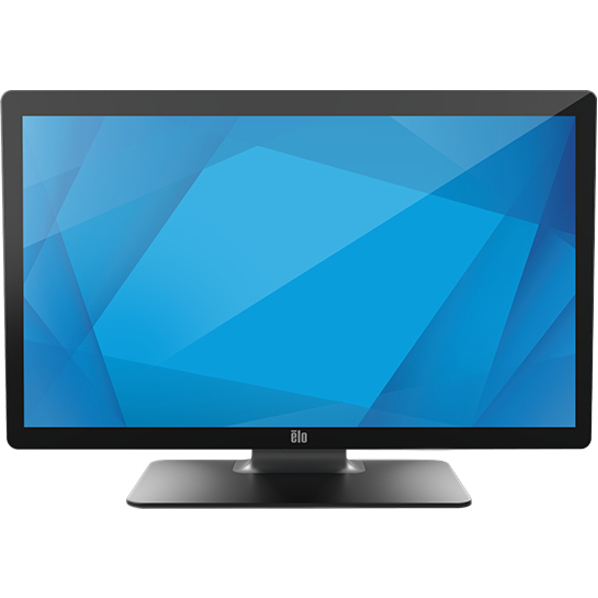 Elo Touch SolutionsElo 2703LM 27" Class LCD Touchscreen Monitor
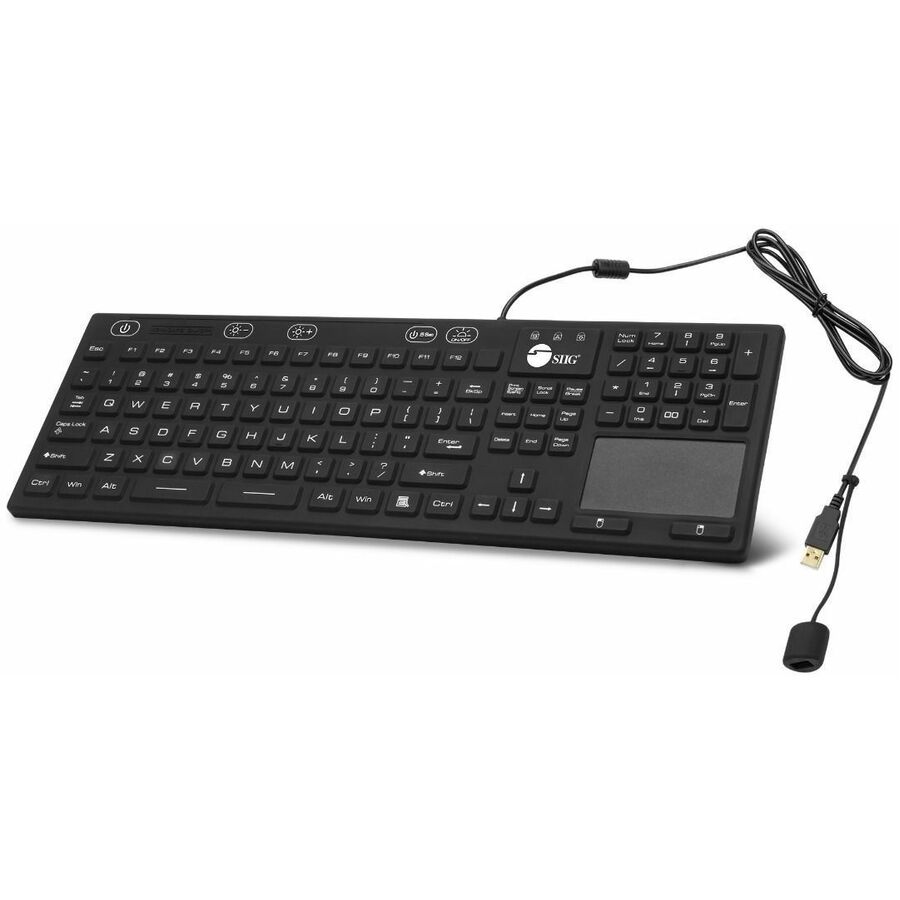 SIIGSIIG Industrial/Medical Washable & Dustproof Keyboard w/ Touchpad
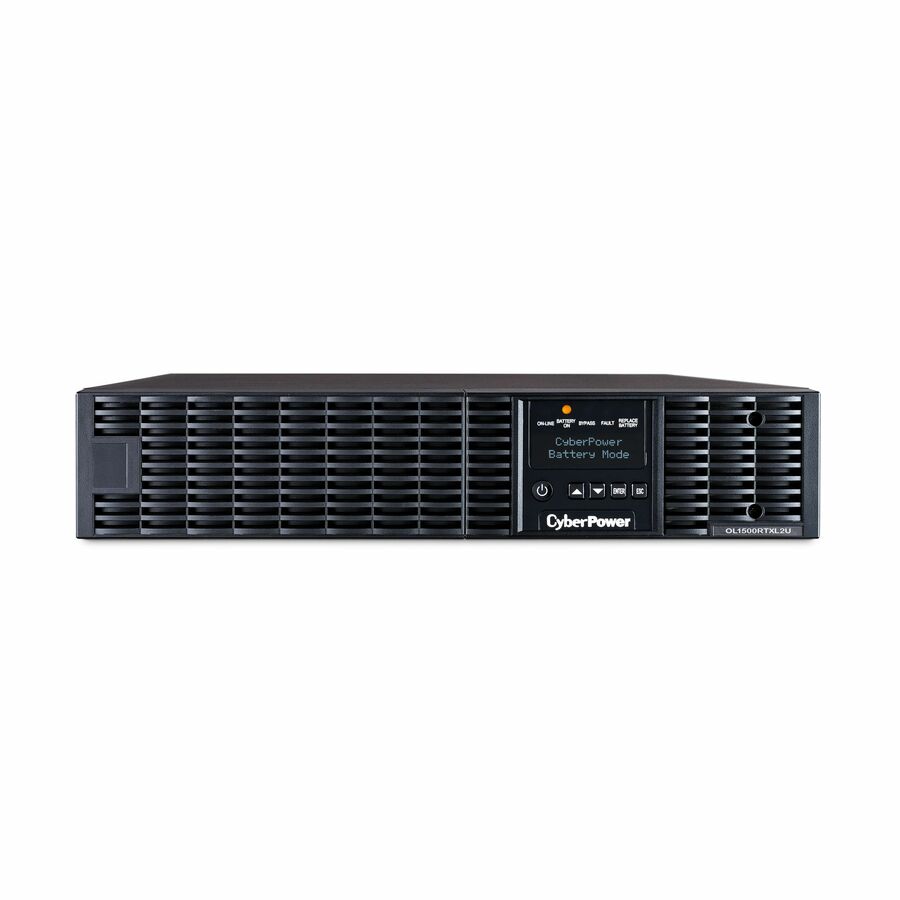 CyberPowerCyberPower OL1500RTXL2UN Smart App Online UPS Systems





Trademarks belong to their respective owners. Availability through US distribution.
Purpose-built for the sector
- Segmented clinical, biomedical and guest networks
- Physical security and access control for patient-care areas
- Endpoint lifecycle management with PHI-aware disposal
- Resilient power and edge infrastructure for clinical systems
- HIPAA-aware handling and documentation throughout delivery
- Staged rollouts scheduled around unit-by-unit downtime windows
- Uptime requirement for clinical network segments
- 24/7
- Unplanned-downtime target for staged, unit-by-unit rollouts
- 0
Capabilities we scope alongside
The mission lanes most often paired with programs in this sector — sourced, integrated and delivered by the same team answering for it.
OEM Integration
Rack, stack, image and kit. Multi-vendor systems integrated, configured and tested before delivery.
Cybersecurity
Zero-trust architectures, NGFW deployment, XDR/ISE, hardening and compliance-driven network defense.
Access Control & Physical Security
Credentialing, door hardware, video surveillance and integrated facility security systems.
The hardware behind a hospital floor
- Hospital-grade UPS and power strips for clinical carts
- Medical-grade tablets rated for disinfectant cleaning
- Wi-Fi 6/6E access points sized for telemetry and RTLS density
- Barcode scanners and wristband printers for BCMA workflows
- Proximity badge readers for tap-in access to shared clinical workstations
- Clinical-review displays for PACS and imaging workstations
- Firewalls and network access control for medical-device (IoMT) segmentation
- Telehealth carts, cameras and speakerphones for virtual care
- RTLS infrastructure for asset and equipment tracking
- Workstations on wheels and wall-arm mounts for the point of care
Solutions
Where buyers in this sector go next
Sector posture
What travels with the quote.
The posture is the same in every sector — assembled while the quote is built, not reconstructed once an order is placed. What was sourced, where it came from, who touched it and when it shipped.
- TAA screening under FAR 52.225-5 — verified on request
- NDAA §889 covered-equipment screening on every line item
- Chain-of-custody and asset-tag documentation on delivery
- US-based integration, staging and white-glove logistics through our distribution and partner network
- Documentation formatted for HIPAA Security Rule review
Frequently asked
Can rollouts be scheduled around unit downtime windows?
Yes. We stage network and security work unit by unit against the downtime windows your clinical operations team sets, rather than requiring a single facility-wide cutover.
How do you handle devices that may hold PHI at end of life?
Retired workstations, tablets and biomedical devices go through PHI-aware data destruction and documented disposal as part of lifecycle management.
Do segmented clinical networks slow down point-of-care workflows?
No — segmentation is scoped around clinical workflows first, so caregivers see the same access speed at the point of care while biomedical and guest traffic stay isolated.
Do we need a business associate agreement to buy hardware?
Usually not for fulfillment alone. HIPAA requires a BAA when a vendor creates, receives, maintains or transmits protected health information on a covered entity's behalf — supplying new, unprovisioned hardware doesn't involve PHI. Where lifecycle services touch devices that stored PHI, such as trade-in or disposal, your privacy office may make a different determination; raise it during scoping and we'll work to whatever your compliance team decides.
Can you source FIPS 140-validated encryption for clinical laptop fleets?
Yes. FIPS 140-2 and its successor 140-3 are NIST validations of specific cryptographic modules — a drive or device either appears on the Cryptographic Module Validation Program list or it doesn't. When your security policy requires validated encryption, we screen line items for validation status during sourcing and note it on the quote, so the requirement is verifiable per SKU instead of assumed from a datasheet.
We buy through a GPO — where does an independent source fit?
Group purchasing agreements cover much of clinical procurement, but IT and security hardware often falls outside them. Health systems typically use an independent source for market checks on large refreshes and for lines their GPO agreement doesn't carry. Uniqcli quotes the same part numbers line for line so your supply-chain team can compare directly, and supports whichever route procurement selects.
What standard governs data destruction on retired clinical devices?
Most health-system policies map to NIST SP 800-88, which defines clear, purge and destroy levels of media sanitization. Retired workstations, tablets and biomedical devices that held PHI receive documented destruction your compliance team can map to those categories, with serial-level records for the asset register. Your policy sets the required sanitization level; the documentation demonstrates it was met, device by device.
HIPAA Security Rule Network Requirements: What Your Infrastructure Must Do
The Security Rule's technical safeguards do not stop at your EHR. Access control, audit controls, and transmission security reach into the switches, firewalls, and wireless that carry protected health information.
7 min readSector GuidesIoMT Device Network Segmentation for Hospitals: A Clinical-Safe Model
Every infusion pump, telemetry monitor, and smart bed on the network is an endpoint biomedical engineering bought, not IT. Segmentation has to protect the network without adding a single click to a nurse's workflow.
7 min readSector GuidesHospital Access Control Network Security: Where Physical Meets Cyber
A compromised badge reader is a network endpoint, not just a door lock — hospitals already know how to segment clinical IoT, and access control deserves the same discipline.
6 min readEvery sector
One method, every operating environment.
Government & Public Sector
Infrastructure & Energy
Industrial & Manufacturing
Enterprise & Institutions
Scope a healthcare systems requirement
Describe the mission — we'll come back with an approach, lead time and pricing — TAA verified on request.