
Automotive & Mobility
GPU compute, high-throughput storage, industrial networking and test-cell endpoints for vehicle manufacturing, validation labs and autonomous-driving development programs.
- Environment
- Plant, proving ground & data center
- Uptime demand
- Continuous test and validation runs
- Oversight
- Program & test-spec review
- Documentation
- Test-data chain of custody
The data pipeline behind every mile of validation
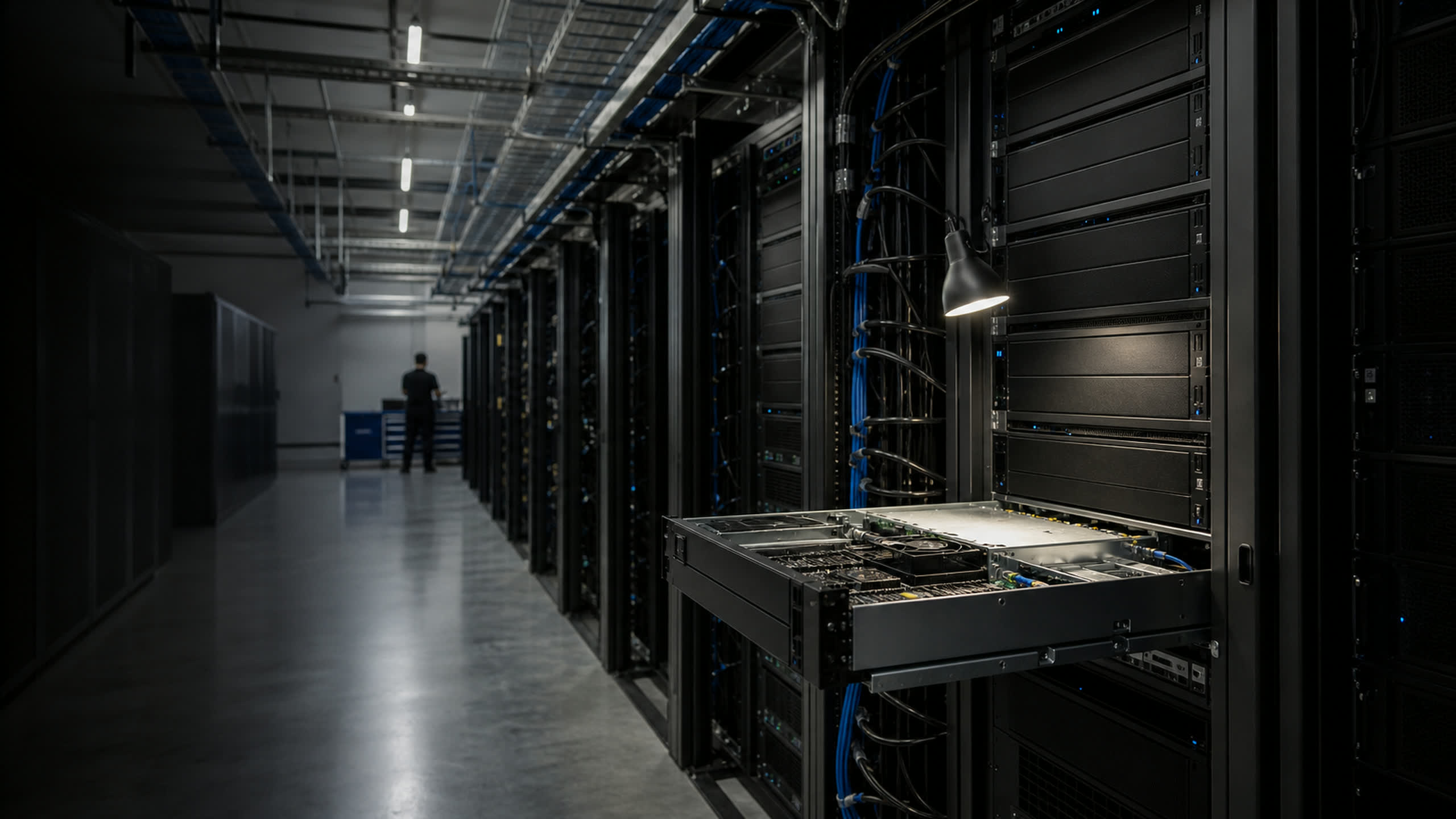
An autonomy program generates terabytes per vehicle per day, and none of it is useful if the storage, networking and compute behind it can't keep pace with the fleet. Uniqcli sources and integrates infrastructure across the automotive lifecycle — plant-floor networking, proving-ground connectivity, high-throughput storage for sensor data and GPU compute for simulation and validation.
From the body shop to the proving ground
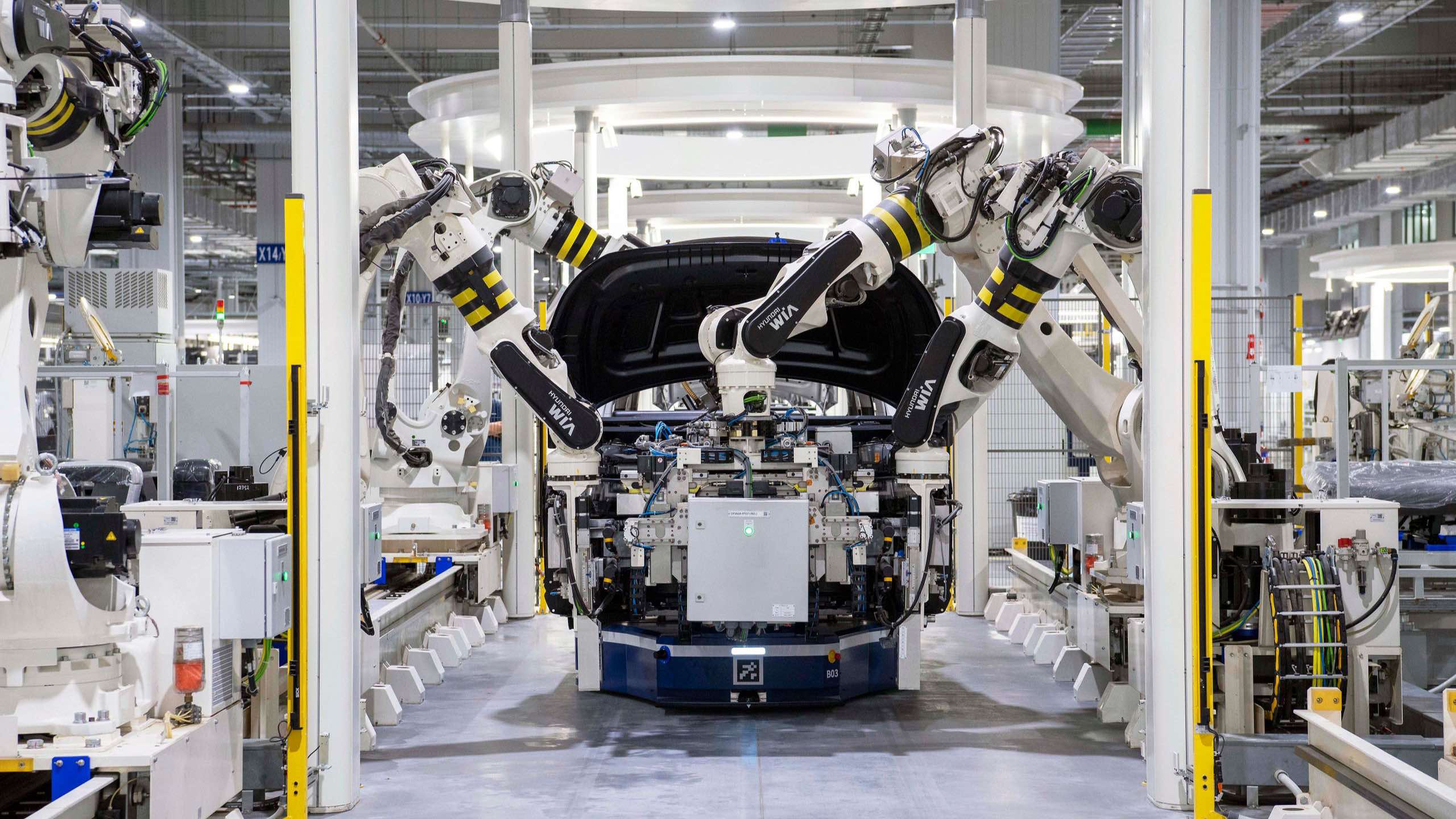
Plant networking has to coexist with robotics, conveyor control and paint-line automation without introducing a fragile dependency on the corporate WAN. We integrate industrial networking that respects that boundary, the same way we do for general manufacturing, tuned to automotive line-rate requirements.
Test tracks and closed courses are a different problem — vehicles generating camera, radar and lidar data at the edge, with a narrow window to get it off the vehicle and into a storage system before the next test run. We build the trackside networking and high-throughput storage that keeps that data moving, and the GPU compute clusters that turn it into simulation miles.
- Plant-floor networking integrated with robotics and line automation
- Trackside connectivity and high-throughput storage for ADAS/AV sensor data
- GPU compute clusters for simulation, validation and model training
- Ruggedized in-vehicle and trackside data-capture systems
Hardware we field here.
Representative platforms from the live Uniqcli catalog — sourced through US distribution and TAA-screened per line before they ship.
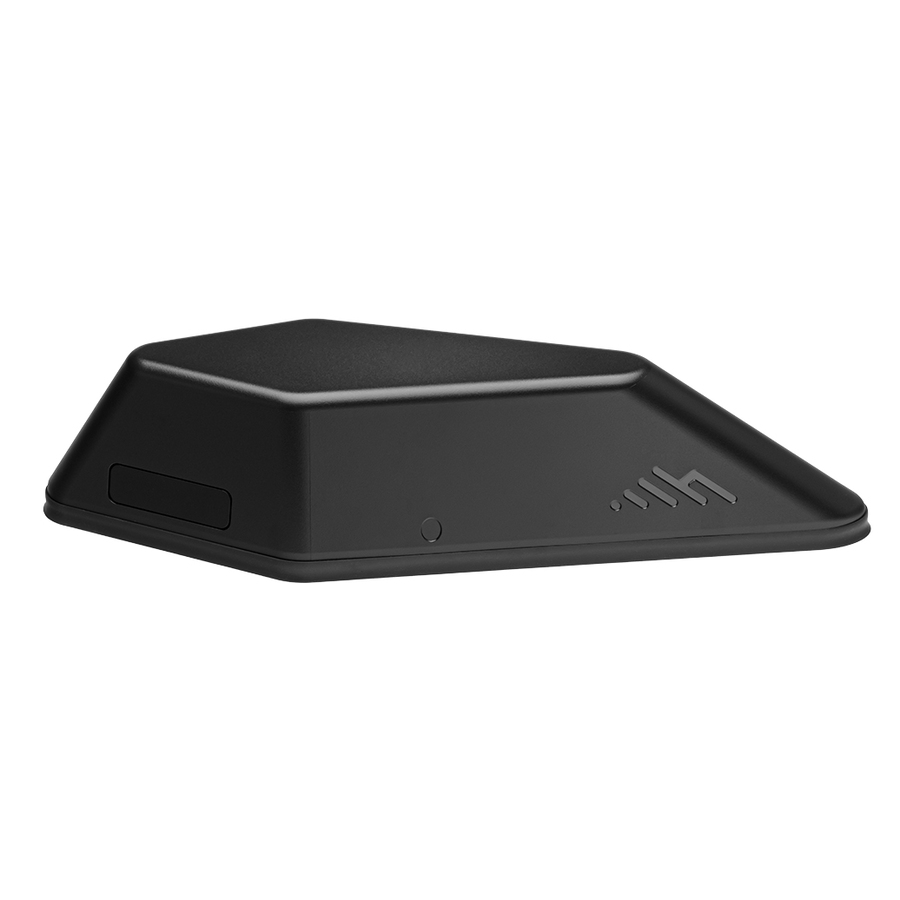 CradlepointCradlePoint R2155 2 SIM Cellular, Ethernet Modem/Wireless Router
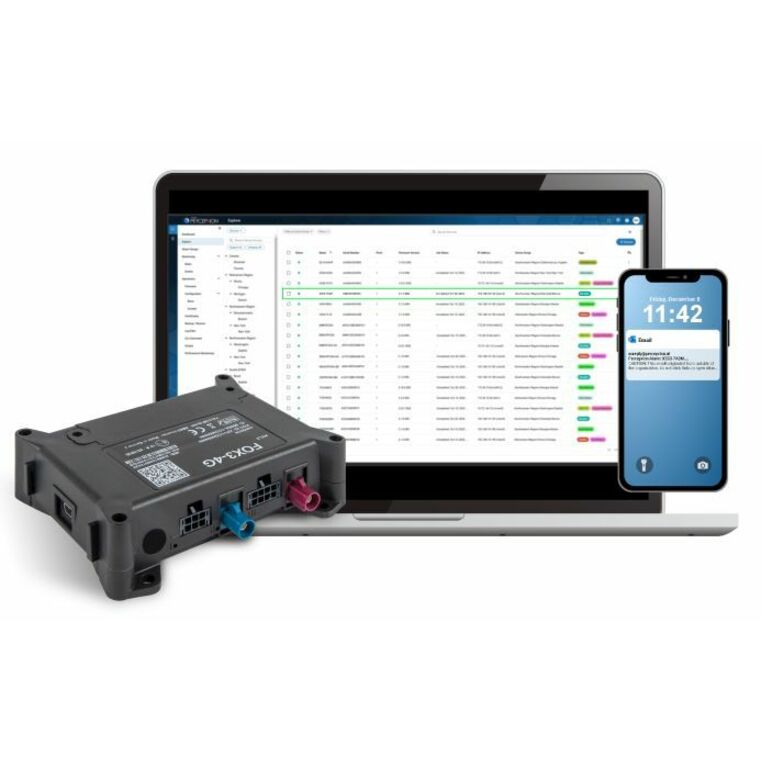 LantronixLantronix FOX3 Cellular Telematics Gateway Kit
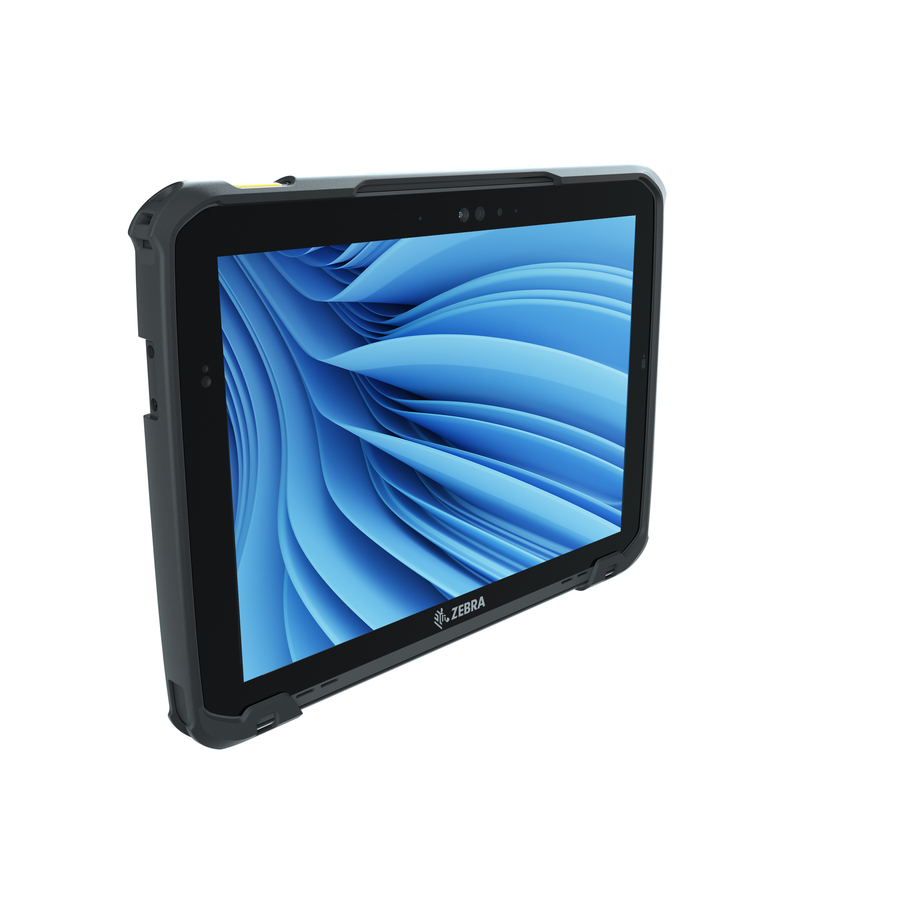 Zebra TechnologiesZebra ET8x ET85 Rugged Tablet
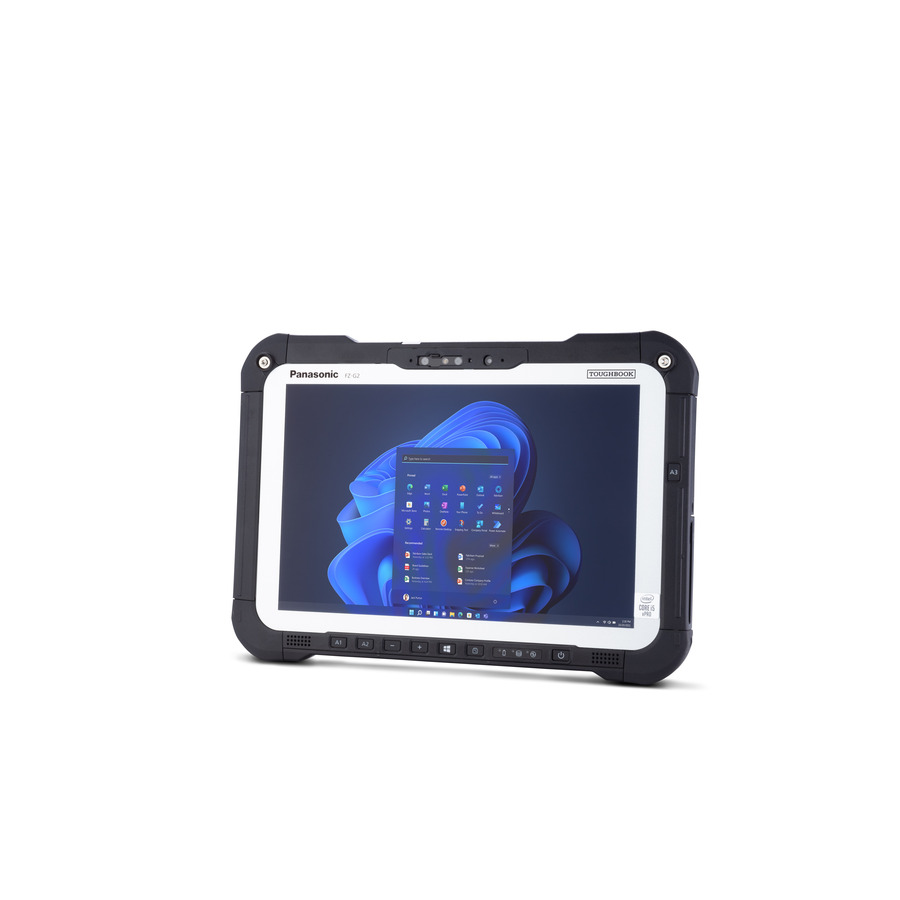 PanasonicPanasonic Connect TOUGHBOOK FZ-G2 Rugged Tablet
 Sierra WirelessSierra Wireless AirLink Antenna: 6-in-1 SharkFin
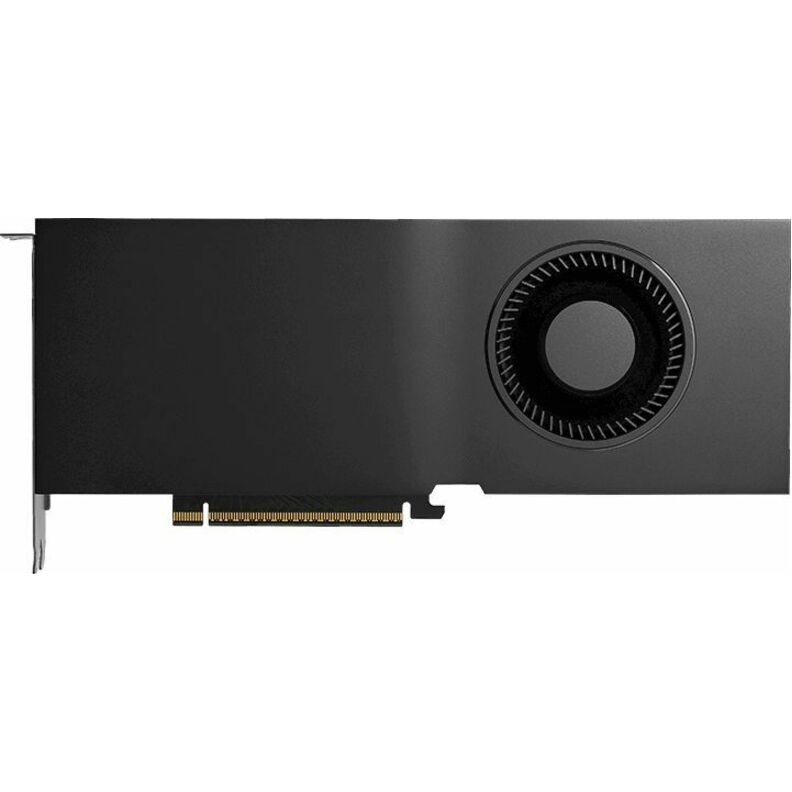 PNY TechnologiesPNY NVIDIA RTX Quadro PRO 5000 Graphic Card




Trademarks belong to their respective owners. Availability through US distribution.
Purpose-built for the sector
- Plant and test-track networking, integrated with existing automation
- High-throughput storage sized for ADAS/AV sensor-data ingest rates
- GPU compute for simulation, validation and model training
- Ruggedized in-vehicle and trackside data-capture hardware
- Chain-of-custody documentation for test and validation data
- TAA-compliant sourcing for programs with federal content requirements
- Test and validation infrastructure, built for continuous runs
- 24/7
- Per-vehicle sensor data the storage pipeline is sized against
- TB/day
Capabilities we scope alongside
The mission lanes most often paired with programs in this sector — sourced, integrated and delivered by the same team answering for it.
Manufacturing
Build-to-spec electronics assembly, panel builds and small-lot production runs under quality control.
OEM Integration
Rack, stack, image and kit. Multi-vendor systems integrated, configured and tested before delivery.
Logistics & Lifecycle
TAA-screened supply chain, warehousing, staging, white-glove delivery and asset lifecycle management.
The hardware behind a validation fleet's data pipeline
- 100GbE switching for ADAS sensor-data ingest
- Removable NVMe data loggers for in-vehicle capture
- Automotive Ethernet test interfaces (100BASE-T1 / 1000BASE-T1)
- IEEE 1588 PTP-capable networking for multi-sensor time synchronization
- Rack-scale GPU servers for hardware-in-the-loop simulation
- Parallel file systems and NAS for petabyte-scale drive-log archives
- LTO-9 tape libraries (18 TB native per cartridge) for cold retention
- Rugged in-vehicle compute with ignition-aware power handling
- CAN and CAN FD interface hardware for bench and fleet instrumentation
- Trackside Wi-Fi 6E and private-cellular offload infrastructure
Solutions
Where buyers in this sector go next
Sector posture
What travels with the quote.
The posture is the same in every sector — assembled while the quote is built, not reconstructed once an order is placed. What was sourced, where it came from, who touched it and when it shipped.
- TAA screening under FAR 52.225-5 — verified on request
- NDAA §889 covered-equipment screening on every line item
- Chain-of-custody and asset-tag documentation on delivery
- US-based integration, staging and white-glove logistics through our distribution and partner network
- Documentation formatted for program & test-spec review
Frequently asked
Can you size storage for our vehicle fleet's data-generation rate?
Yes. Send us the sensor suite and expected hours of collection per vehicle and we'll size ingest, near-line and archive storage to match your data pipeline, not a generic estimate.
Do you supply GPU compute for simulation and model training, not just data capture?
Yes. We source and integrate GPU clusters sized to your simulation workload, from single-rack validation clusters to larger training environments.
Can plant networking integrate with existing robotics and automation controllers?
Yes. We scope segmentation and connectivity around your existing automation architecture so new networking doesn't require a re-commissioning of the line.
Does test-lab and bench hardware need to be ISO 26262 certified?
No — ISO 26262 is a functional-safety standard for the electrical and electronic systems in the vehicle you're developing, and ASPICE assesses your development process. Neither applies to off-the-shelf IT infrastructure in the lab. What safety programs actually need from an infrastructure supplier is reproducibility: consistent hardware revisions, documented part numbers and firmware at delivery, so a test bench can be rebuilt to the same configuration when an auditor or a regression run asks for it.
Our OEM customer requires TISAX-aligned handling of prototype data. What can a hardware supplier contribute?
TISAX is an assessment your organization undergoes — no supplier can hand it to you. What we can source is the hardware those assessments look at: self-encrypting drives and storage arrays with AES-256 encryption at rest for capture data, access-control and surveillance coverage for prototype and camouflage areas, and network segmentation between prototype environments and the corporate estate. We quote against the control list your assessor flagged rather than a generic security bundle.
Can procurement be phased around program gates — prototype, validation, start of production?
Yes, and it usually should be. A capture fleet of three prototype vehicles and a validation fleet of forty need very different ingest and storage capacity, so buying SOP-scale infrastructure at the prototype gate wastes budget and warranty. We quote the program as phases — bench and HIL hardware first, trackside and ingest capacity as the fleet grows, archive expansion when retention obligations start accumulating — with each release priced and shipped against its gate.
How does ADAS data retention shape storage purchasing?
Retention schedules are set by your program, your OEM agreements and counsel — often years past start of production for data tied to safety validation. The purchasing consequence is tiering: NVMe or fast disk for ingest and active reprocessing, capacity disk for near-line access, and LTO tape — LTO-9 holds 18 TB native per cartridge — for the long cold tail. We size each tier from your fleet's generation rate and the retention period your program has committed to.
OT Network Segmentation for Manufacturing: A Minimum-Viable Starting Point
You don't need a green-field rebuild to get the plant floor out of a flat, unmanaged IT/OT network. A staged segmentation plan protects the line while it keeps running.
6 min readComplianceNIST 800-171 Checklist for Hardware Buyers
Most NIST 800-171 gap assessments come back with findings that trace to a switch, a server, or an endpoint — not a policy document. Here is what to check before the assessor does.
6 min readEvery sector
One method, every operating environment.
Government & Public Sector
Infrastructure & Energy
Industrial & Manufacturing
Enterprise & Institutions
Scope a automotive & mobility requirement
Describe the mission — we'll come back with an approach, lead time and pricing — TAA verified on request.