
Rail & Transportation
Wayside cabinets, yard Wi-Fi and onboard systems — hardware built for a right-of-way, with the power and protection an office network never needs.
- Environment
- Wayside, yard & onboard
- Uptime demand
- 24/7 corridor operations
- Oversight
- FTA-funded procurement review
- Documentation
- Country-of-origin & part records
A network with a right-of-way problem, not an office problem
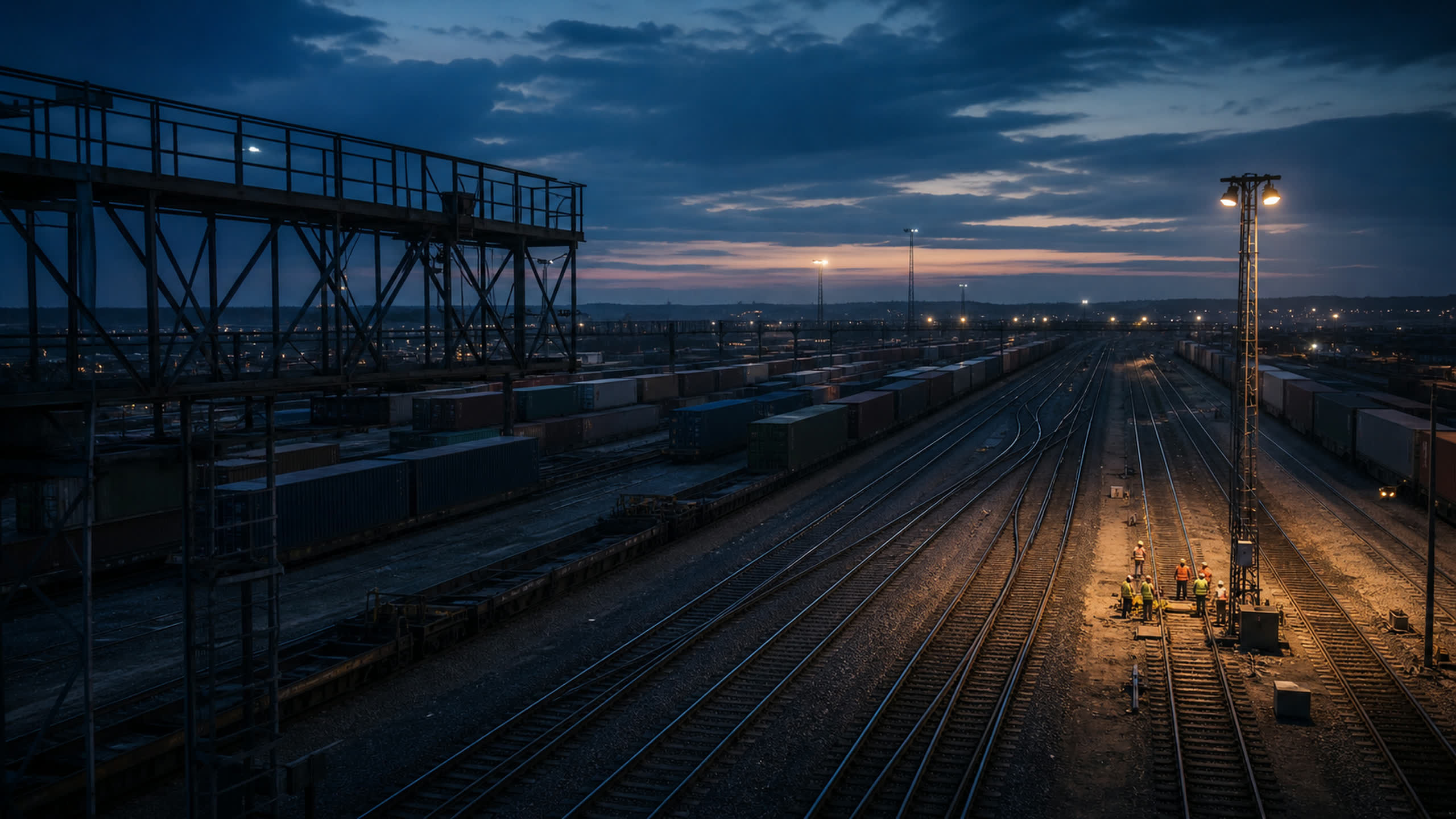
Rail and transit infrastructure runs the length of the right-of-way, not the length of a hallway — wayside cabinets, grade crossings and yard towers all sit outside, unattended, taking vibration and weather a data-center rack never sees. Uniqcli sources and integrates wayside networking, yard automation, onboard systems and operations-center infrastructure built for that duty cycle, so a dispatch board never loses visibility because a lineside enclosure couldn't take the winter.
From the wayside cabinet to the dispatch desk
Wayside and yard networking has to survive track-side vibration, temperature swings and electromagnetic interference from traction power — we spec hardened switches, enclosures and PoE power to the corridor's actual conditions, not a standard telecom-room rating.
Onboard systems and operations centers get the same discipline: ruggedized onboard compute and communications for rolling stock, paired with video walls and consoles at the operations center so dispatchers see the whole corridor on one screen, not a patchwork of vendor dashboards.
- Wayside and yard networking hardened for vibration, weather and traction-power EMI
- Onboard compute and communications for rolling stock
- Operations-center video walls, consoles and dispatch infrastructure
- Hardened enclosures and PoE power for unattended lineside sites

Hardware we field here.
Representative platforms from the live Uniqcli catalog — sourced through US distribution and TAA-screened per line before they ship.
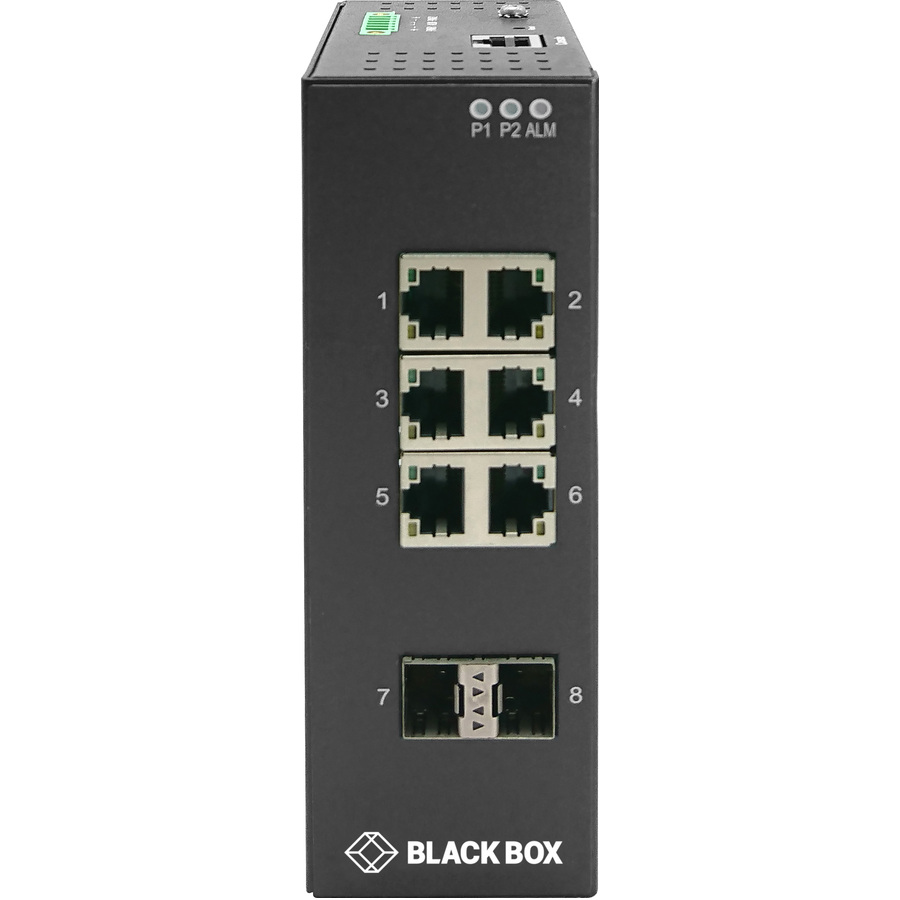 Black BoxBlack Box Industrial Managed Gigabit Ethernet Switch
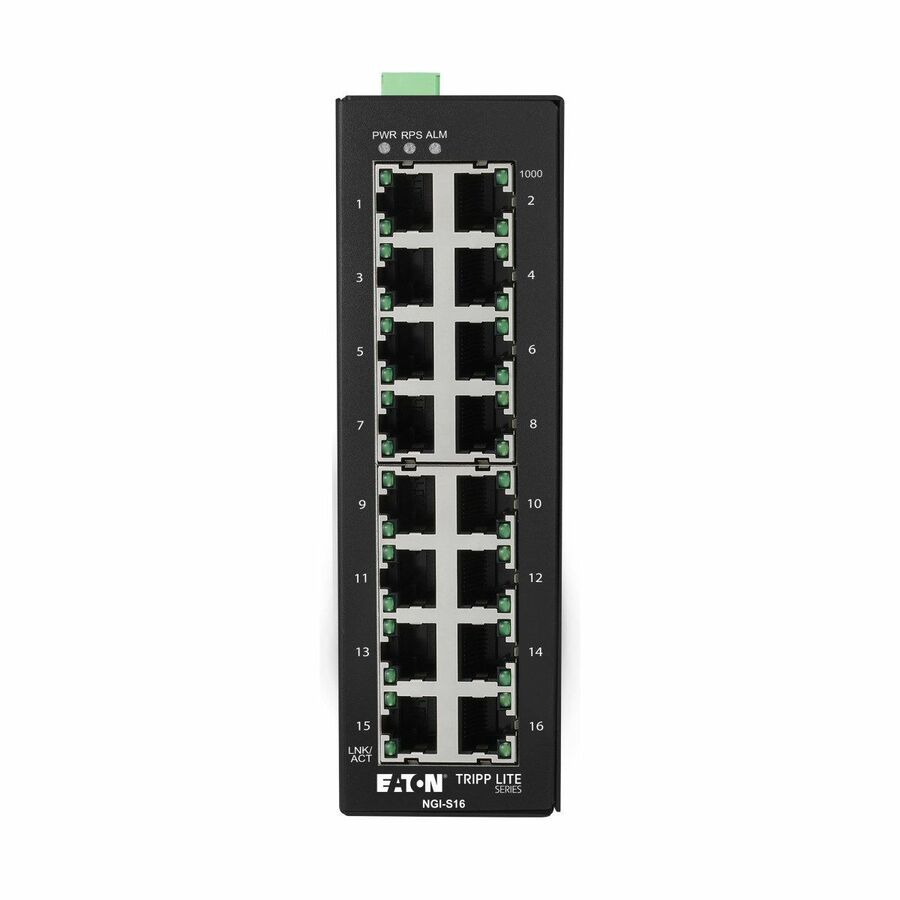 EatonTripp Lite by Eaton 16-Port Lite Managed Industrial Gigabit Ethernet Switch
 Sierra WirelessSierra Wireless Antenna
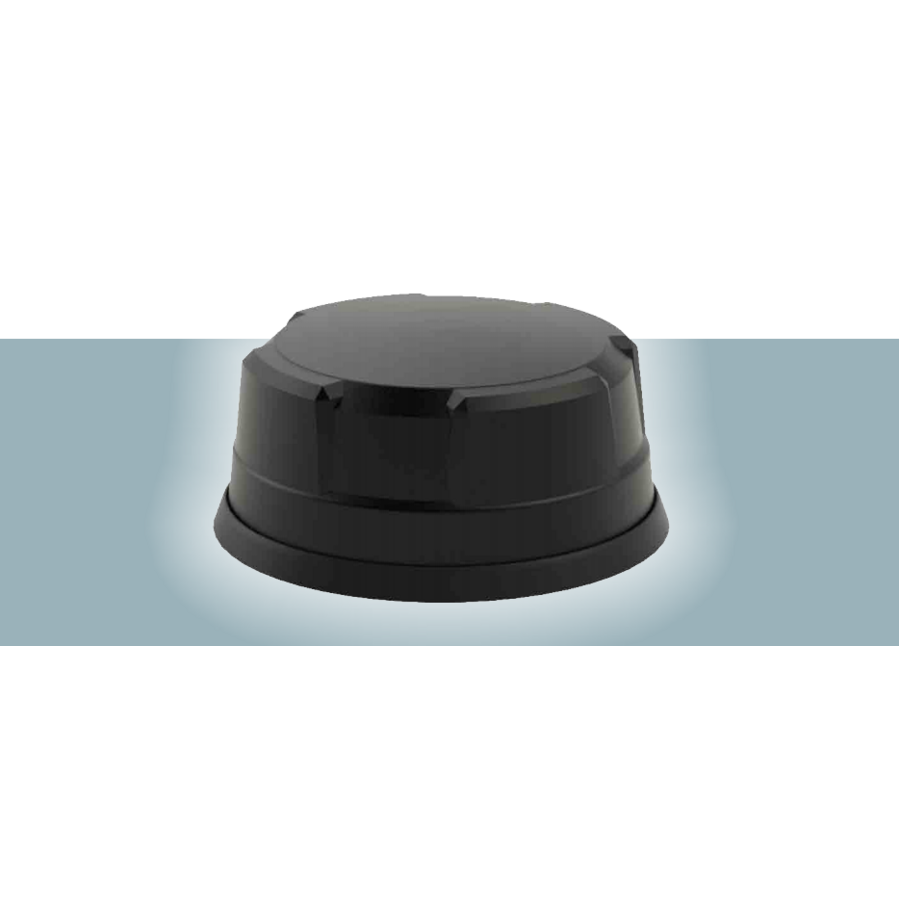 Sierra WirelessSierra Wireless AirLink Antenna: 5-in-1 Dome
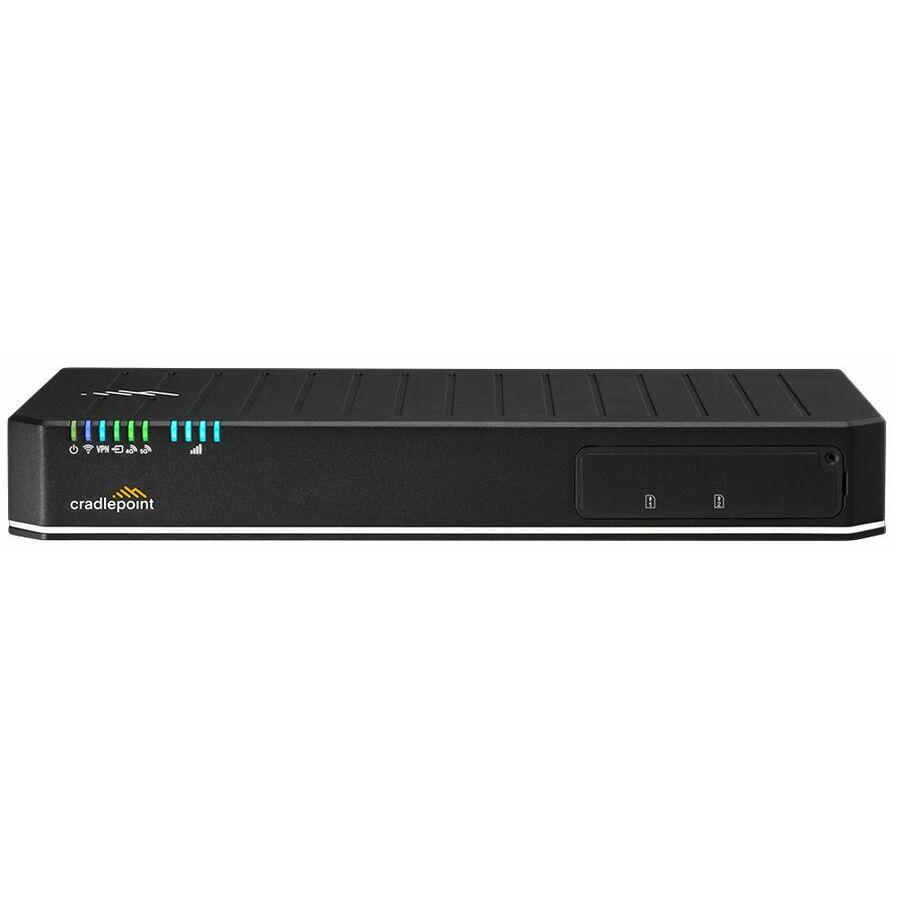 CradlepointCradlePoint E3000-5GB Wi-Fi 6 IEEE 802.11ax 2 SIM Ethernet
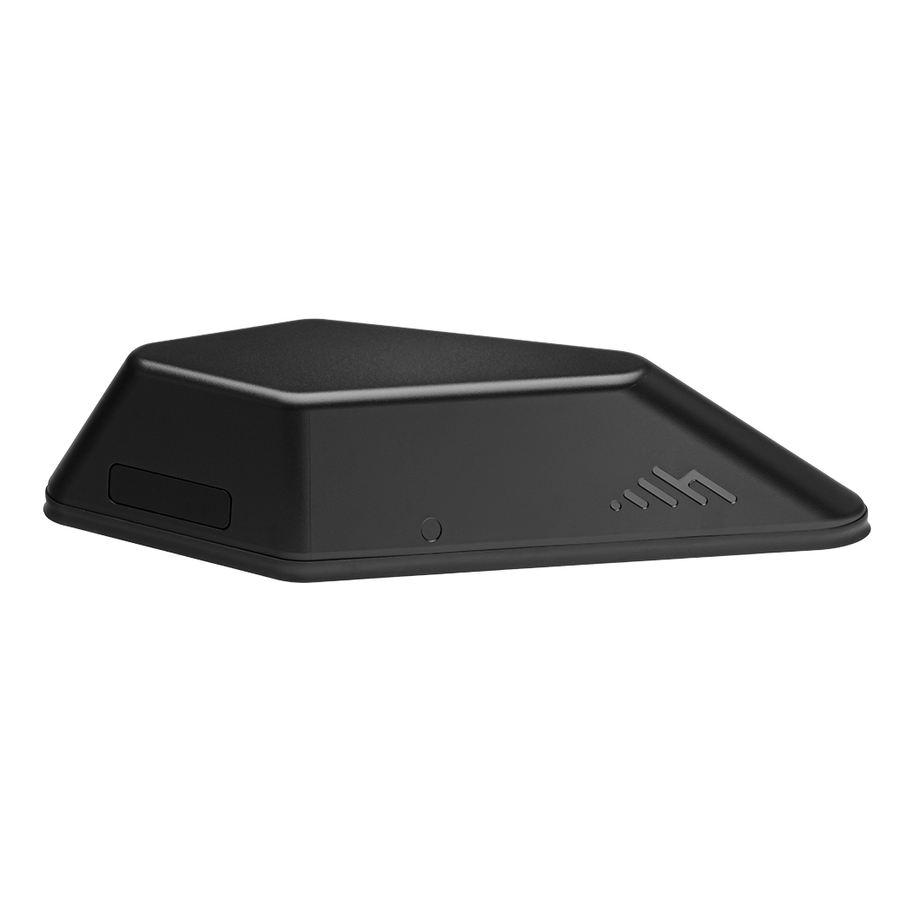 CradlepointCradlePoint R2155 2 SIM Cellular, Ethernet Modem/Wireless Router






Trademarks belong to their respective owners. Availability through US distribution.
Purpose-built for the sector
- Wayside and grade-crossing networking rated for outdoor, unattended service
- Yard automation and switching-yard connectivity
- Onboard compute, communications and passenger-information systems
- Operations-center video walls and dispatcher console infrastructure
- Hardened enclosures and PoE power for lineside and yard equipment
- TAA-compliant sourcing for transit authorities with federal funding requirements
- Wayside and dispatch infrastructure, built for continuous duty
- 24/7
- Compliant sourcing for federally funded transit programs
- TAA
Capabilities we scope alongside
The mission lanes most often paired with programs in this sector — sourced, integrated and delivered by the same team answering for it.
Telecom
Carrier-grade routing, optical transport, switching and secure communications infrastructure.
Access Control & Physical Security
Credentialing, door hardware, video surveillance and integrated facility security systems.
Mapping & Geospatial
GEOINT tooling, LiDAR, GNSS/GPS hardware and geospatial data-capture platforms.
The hardware behind the right-of-way
- EN 50155-rated onboard switches and routers for rolling stock
- EN 50121-4 EMC-compliant networking for signaling environments
- Extended-temperature (-40°C to +75°C) switches for unattended wayside cabinets
- Ring-redundant Ethernet (ITU-T G.8032 ERPS) for lineside resiliency
- Wayside backhaul networking for PTC and signaling systems
- M12-connectored access points for onboard passenger Wi-Fi
- NEMA 4X and IP66 enclosures with PoE power for grade crossings
- Yard camera systems for railcar identification and gate operations
- Dispatcher console KVM and video-wall controllers for operations centers
- Ruggedized onboard CCTV and automatic passenger-counting systems
Solutions
Where buyers in this sector go next
Sector posture
What travels with the quote.
The posture is the same in every sector — assembled while the quote is built, not reconstructed once an order is placed. What was sourced, where it came from, who touched it and when it shipped.
- TAA screening under FAR 52.225-5 — verified on request
- NDAA §889 covered-equipment screening on every line item
- Chain-of-custody and asset-tag documentation on delivery
- US-based integration, staging and white-glove logistics through our distribution and partner network
- Documentation formatted for FTA-funded procurement review
Frequently asked
Can wayside hardware handle traction-power interference and outdoor exposure?
Yes. We spec switches, enclosures and power to the corridor's EMI, temperature and weather profile, not a standard indoor telecom rating.
Do you support transit authorities with federal or FTA funding requirements?
Yes. We source TAA-compliant equipment and document country of origin so procurement clears review under federally funded transit programs.
Can onboard and wayside systems integrate with our existing dispatch platform?
We scope onboard communications and wayside networking around your existing dispatch and signaling systems, rather than requiring a platform replacement.
Our agency must screen cameras and networking against NDAA Section 889 — can you handle that?
Yes, as a screening service performed before we quote. Section 889 restrictions on covered telecommunications and video-surveillance equipment reach transit agencies through federal funding conditions, and yard cameras and wayside networking are exactly the categories where covered equipment shows up. We screen every line against the covered-entity list, document the result per item, and flag substitutions early — your compliance office makes the determination, working from a file instead of a hunch.
What does EN 50155 actually require of onboard electronics?
EN 50155 is the European standard for electronic equipment on rolling stock. It defines operating-temperature classes, tolerance of power-supply interruptions and fluctuations, humidity ranges, and — through EN 61373 — shock and vibration testing. When we source onboard switches, routers or compute, the rating belongs to the product and its manufacturer; the procurement question is matching the temperature class and vibration category to where on the vehicle the equipment is actually mounted.
Can transit procurements ride a state term contract or cooperative agreement?
We support purchases made through vehicles the agency already holds — state term contracts, cooperative purchasing agreements, or an authority's established IT contract — and format quotes, part-number documentation and country-of-origin records the way that vehicle's ordering process expects. Naming the vehicle at the quoting stage means the paperwork clears procurement review the first time instead of bouncing for a missing field.
Can you provide budgetary quotes for an FTA grant application?
Yes. Grant applications need defensible numbers long before a purchase order exists, so we issue budgetary quotes marked as such — full bill of materials, current pricing, specifications and country-of-origin notes suitable for the application file — and then refresh them to firm quotes when funding is awarded, since a grant cycle can outlive any price hold. The two-stage pattern keeps the application honest and the eventual procurement unsurprised.
Rail Transit Wayside Network Modernization: Scoping Signaling, Comms, and Security Together
A multi-year wayside upgrade is really three infrastructure programs sharing one physical plant. Scoping them separately is the most common way agencies pay for the same right-of-way twice.
7 min readBuying GuidesVideo Surveillance Storage Sizing for Government Agencies
Camera counts make for an easy budget line. Retention requirements are what actually determine whether that number holds up under review.
7 min readSector GuidesMunicipal Wi-Fi Upgrade Project Delays: Sequencing Around Budget Cycles, Easements, and Legacy Cable Plant
Access points and controllers are rarely the bottleneck. The calendar, the right-of-way office, and the cable plant underneath the ceiling tiles are.
7 min readEvery sector
One method, every operating environment.
Government & Public Sector
Infrastructure & Energy
Industrial & Manufacturing
Enterprise & Institutions
Scope a rail & transportation requirement
Describe the mission — we'll come back with an approach, lead time and pricing — TAA verified on request.