
Best Rack Mount and Vertical Power Strips
1U horizontal and 0U vertical strips that distribute outlets inside a cabinet — read by outlet count and facing, plug and receptacle type, breaker and cord length, for racks that do not need metering, switching or per-outlet control.
Power strips in stock at Uniqcli
How to choose →A curated selection with live pricing — in-stock lines first, then back-ordered lines with a typical lead time. Every line is sourced through US distribution and screened for NDAA §889 status before checkout, with TAA verified on request.
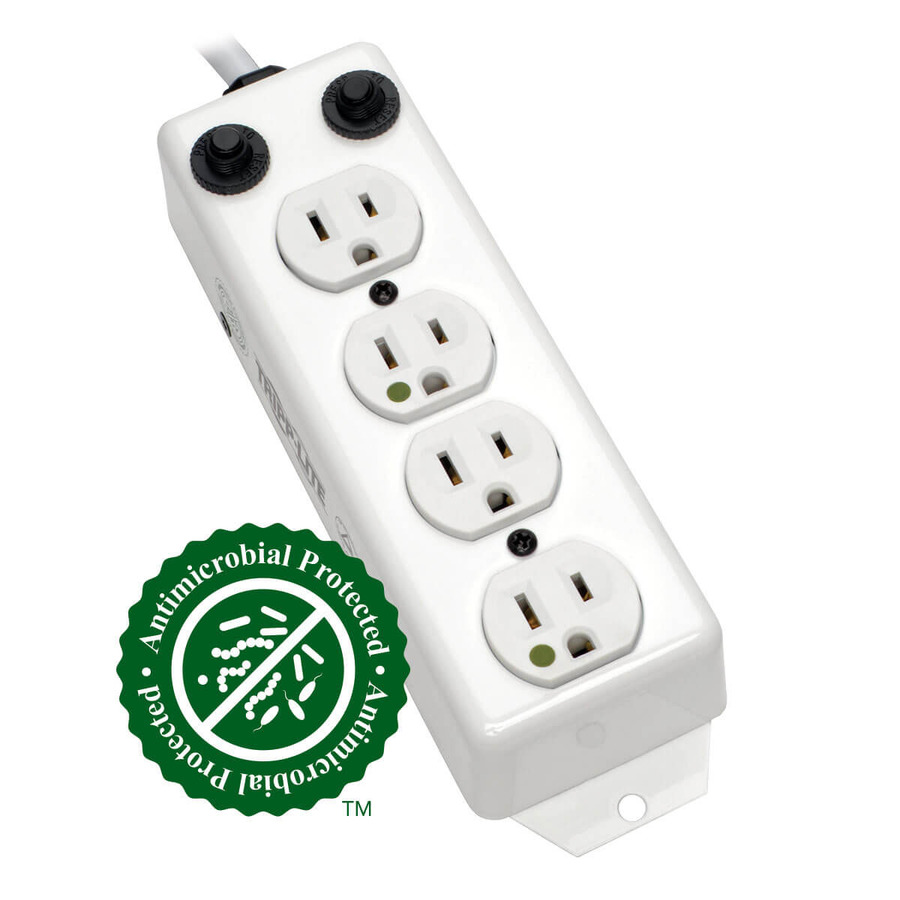
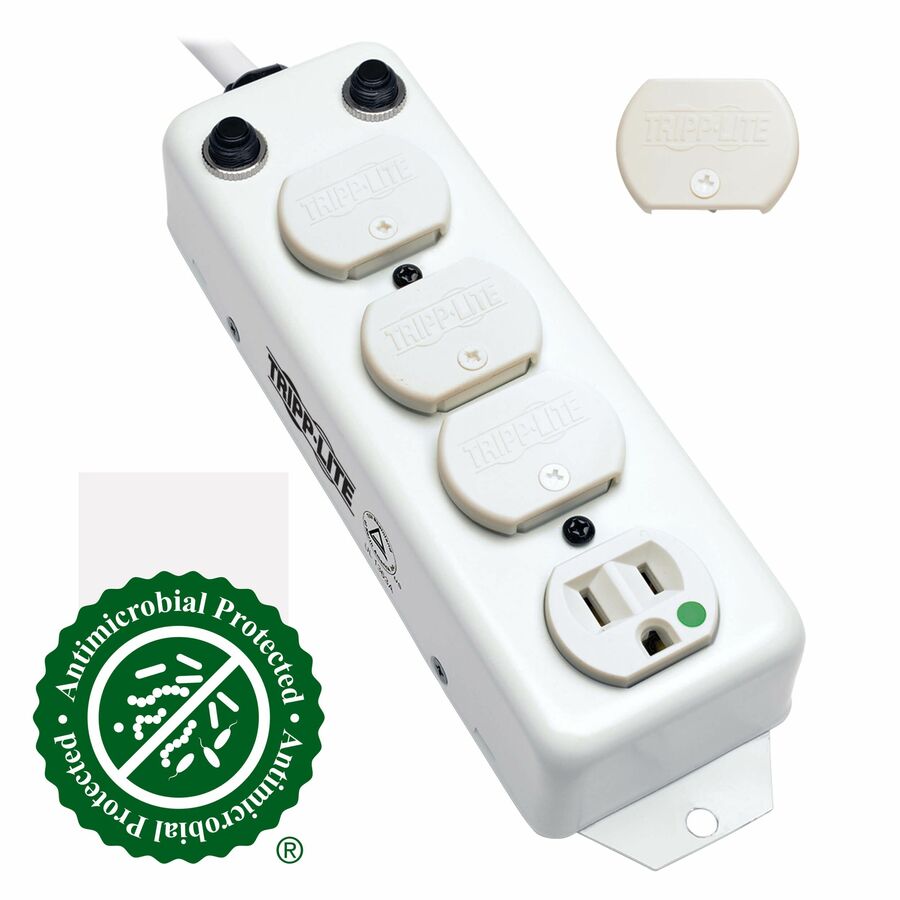
- EatonTripp Lite by Eaton Safe-IT UL 1363A Medical-Grade Power Strip for Patient-Care Vicinity 4x 15A Hospital-Grade Outlets Safety Covers 7 ft. Cord - NEMA 5-15P-HG - 4 x NEMA 5-15R-HG - 7 ft Cord - 15 A Current - 120 V AC Voltage - Rack-mountable, Surface-mountable - WhitePS-407-HG-OEM
$143.00
$131.56
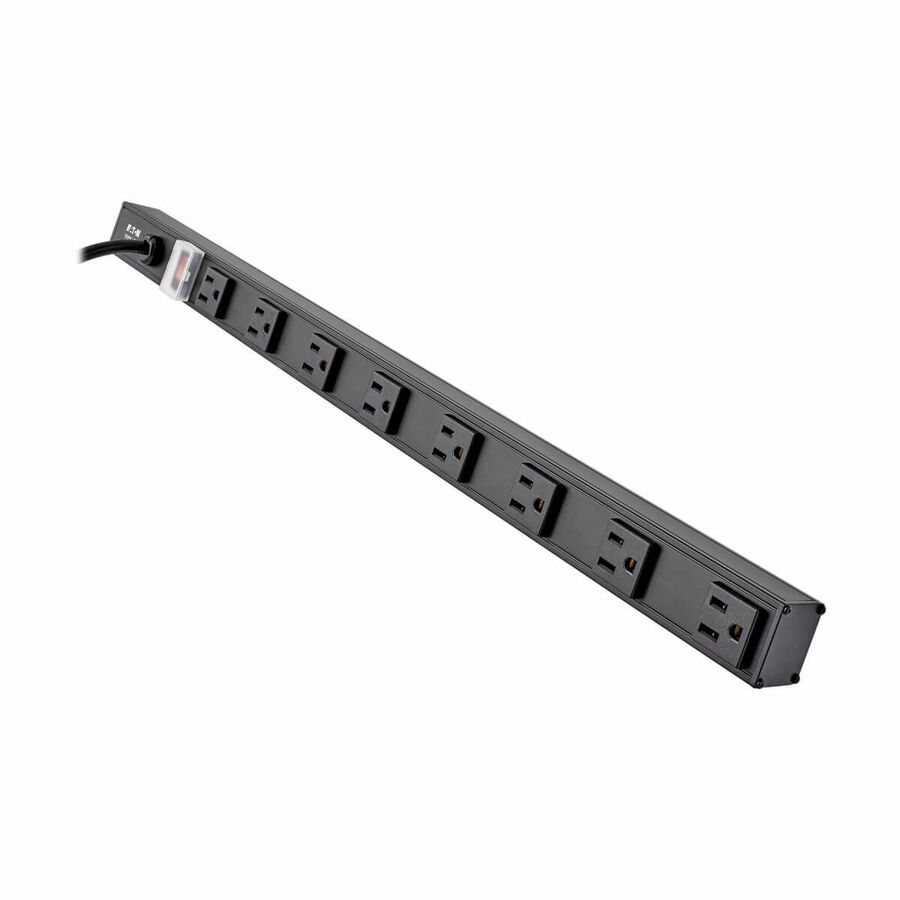
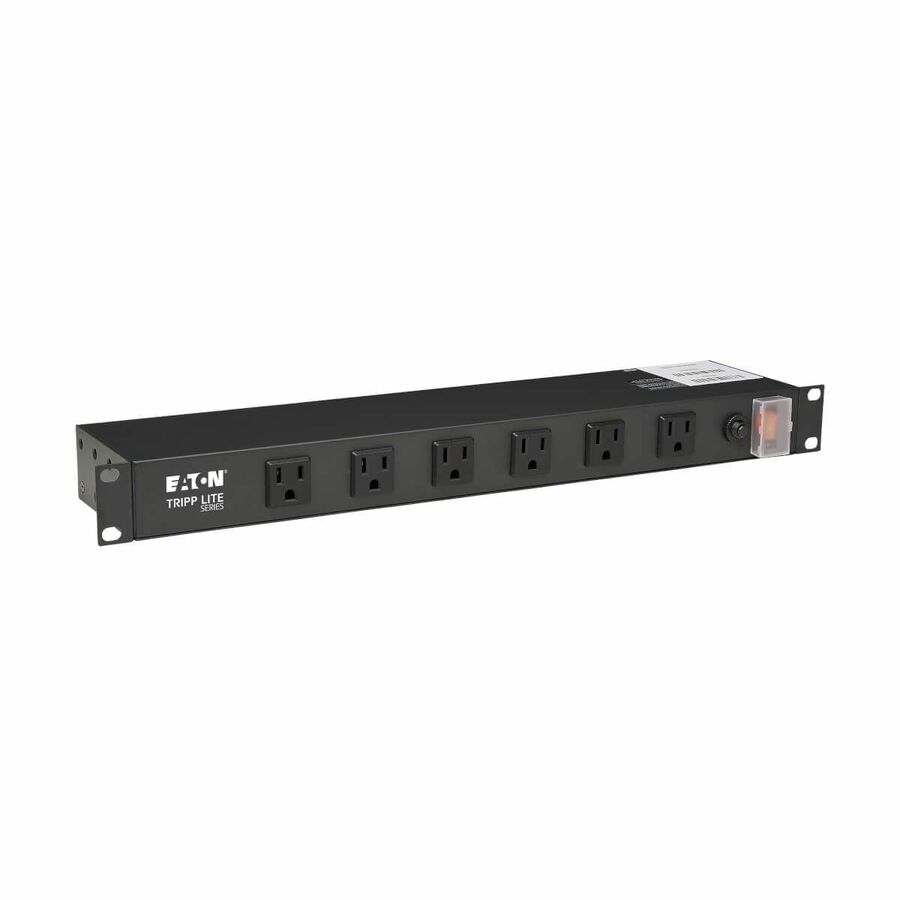
1,433 in stock - EatonTripp Lite by Eaton Power Strip Rackmount Metal 120V 5-15R Right Angle 12 Outlet 1U - NEMA 5-15P - 12 NEMA 5-15RRS-1215-RA
$155.49
$143.05
12 in stock - EatonEaton Tripp Lite Series Safe-IT UL 1363A Medical-Grade Power Strip for Patient-Care Vicinity, 4 Hospital-Grade Outlets, 15 ft. Right-Angle Cord - NEMA 5-15P-HG - 4 x NEMA 5-15R-HG - 15 ft Cord - 120 V AC Voltage - 1800 W - Rack-mountable, Desk Mountable - WhitePS-415-HG-OEMRA
$155.50
$143.06
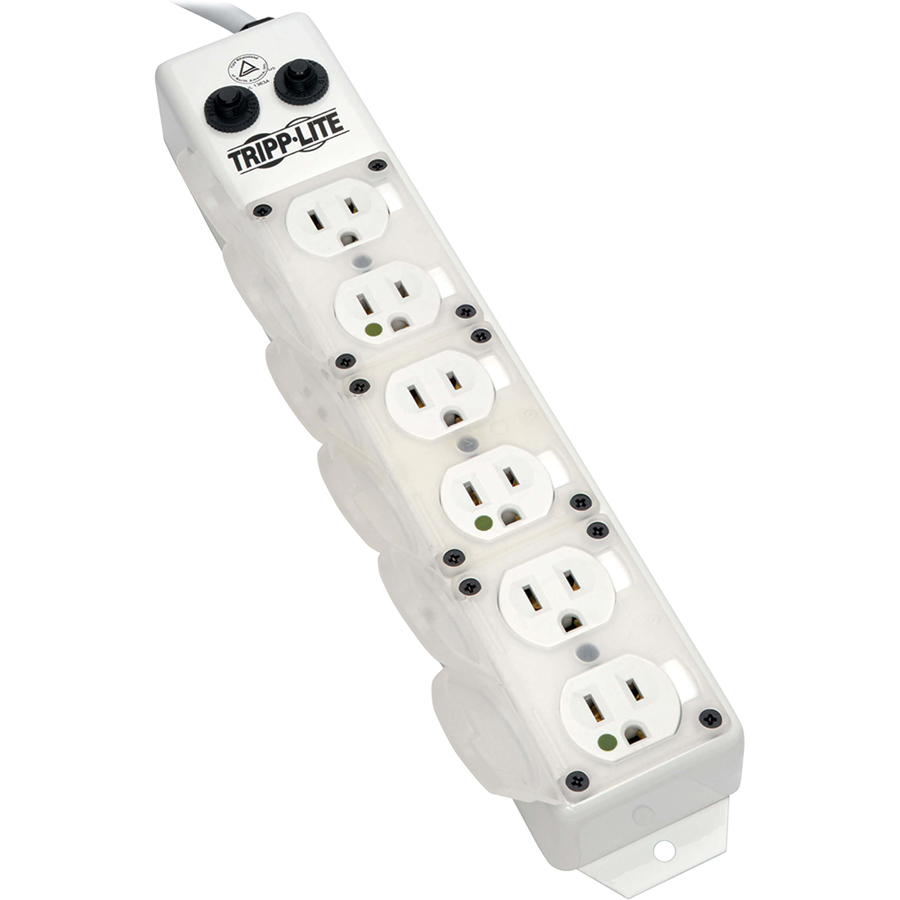
795 in stock - EatonTripp Lite by Eaton Safe-IT UL 1363A Medical-Grade Power Strip for Patient-Care Vicinity 6x Hospital-Grade Outlets 15 ft. Right-Angle Cord - NEMA 5-15P-HG - 6 x NEMA 5-15R-HG - 15 ft Cord - 15 A Current - 120 V AC Voltage - 1800 W - Rack-mountable, Desk Mountable - WhitePS-615-HG-OEMRA
$180.50
$166.06
239 in stock



Top pick
Eaton
Tripp Lite by Eaton 1U Rack-Mount Power Strip 120V 15A 5-15P 12 Outlets…
RS-1215
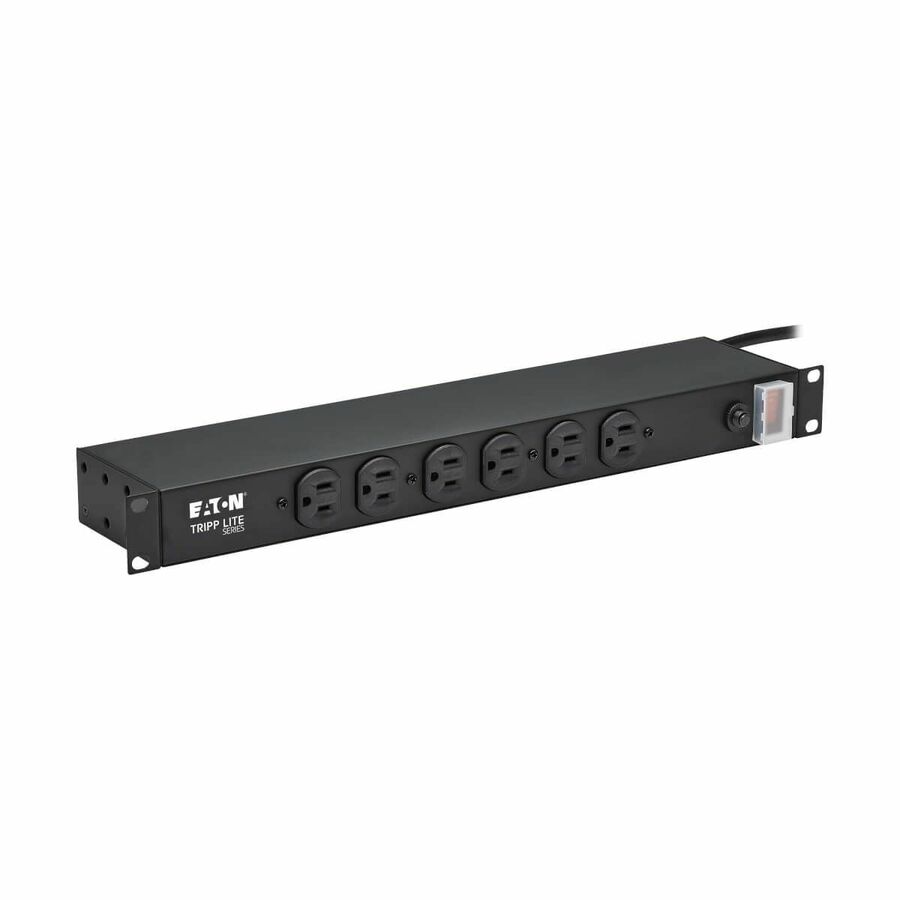
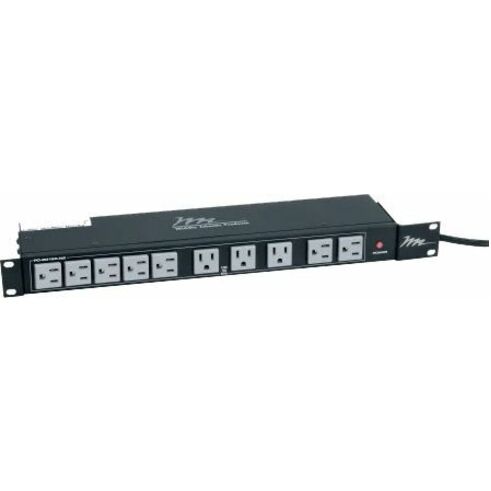
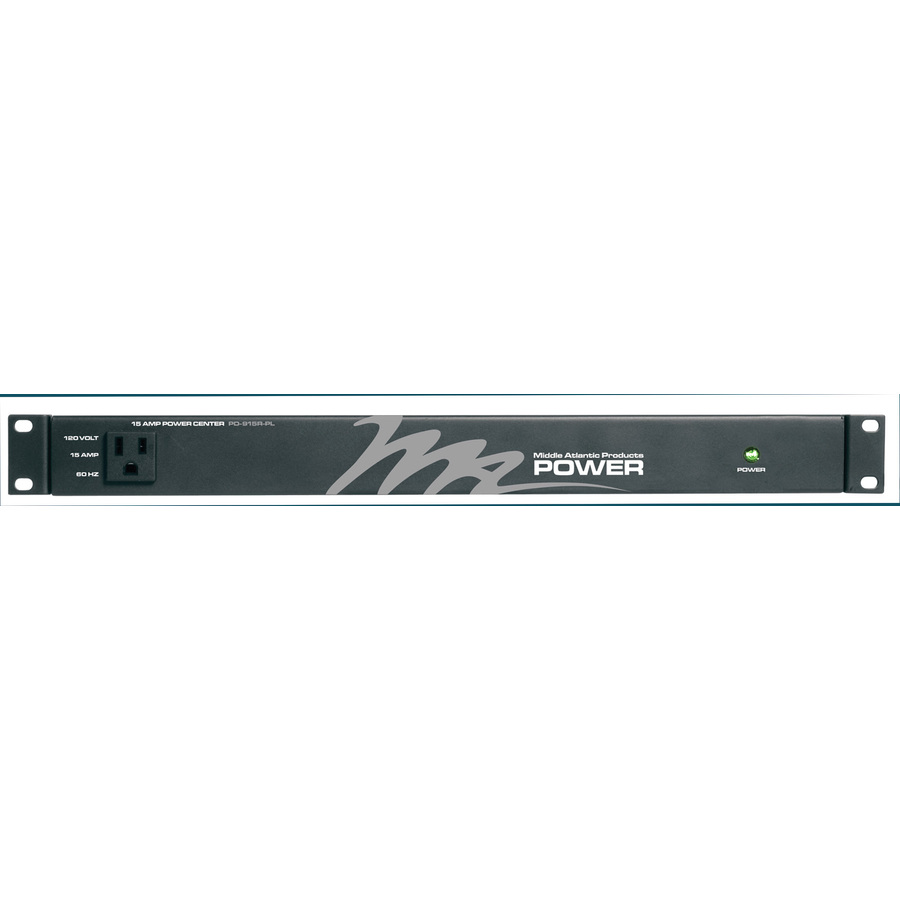
A 1U rack-mount strip with twelve 5-15R outlets split six to the front and six to the rear, on a fifteen-foot cord. The split facing is what makes it worth a rack unit — one device serves both sides of the cabinet, which is usually cleaner than two strips and always cleaner than a cord run around the frame.
$127.88In stockBest value
Eaton
Tripp Lite by Eaton 8-Outlet Vertical Power Strip 120V 15A 10 ft…
PS240810
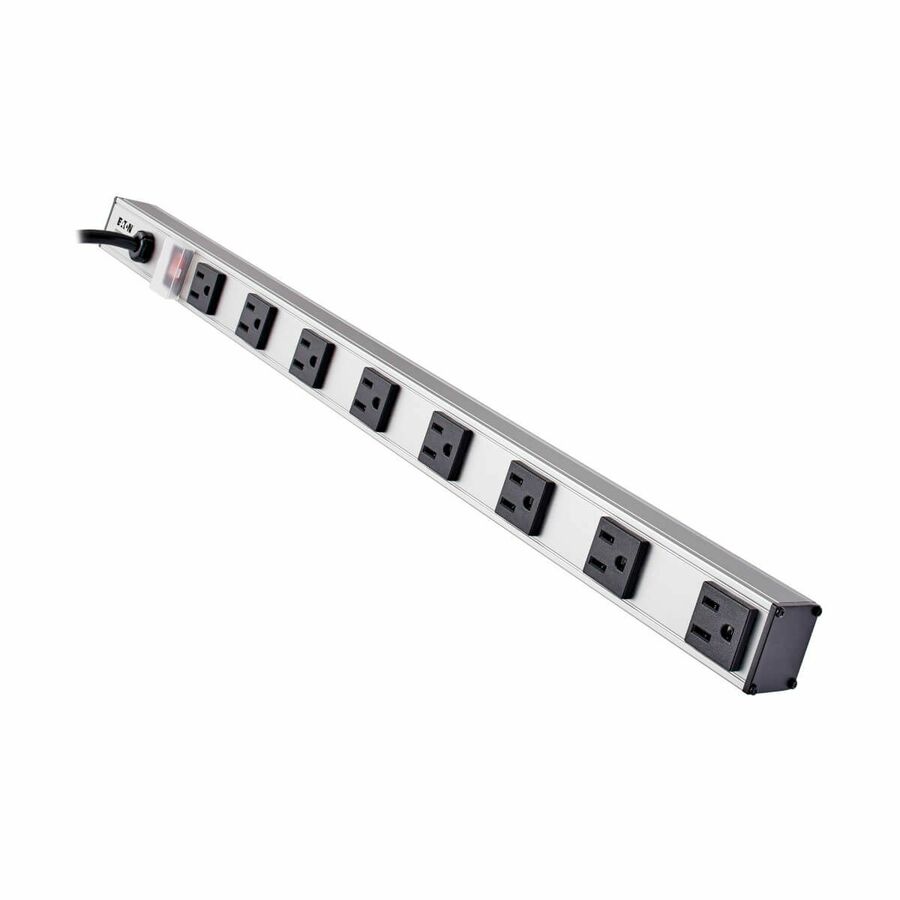
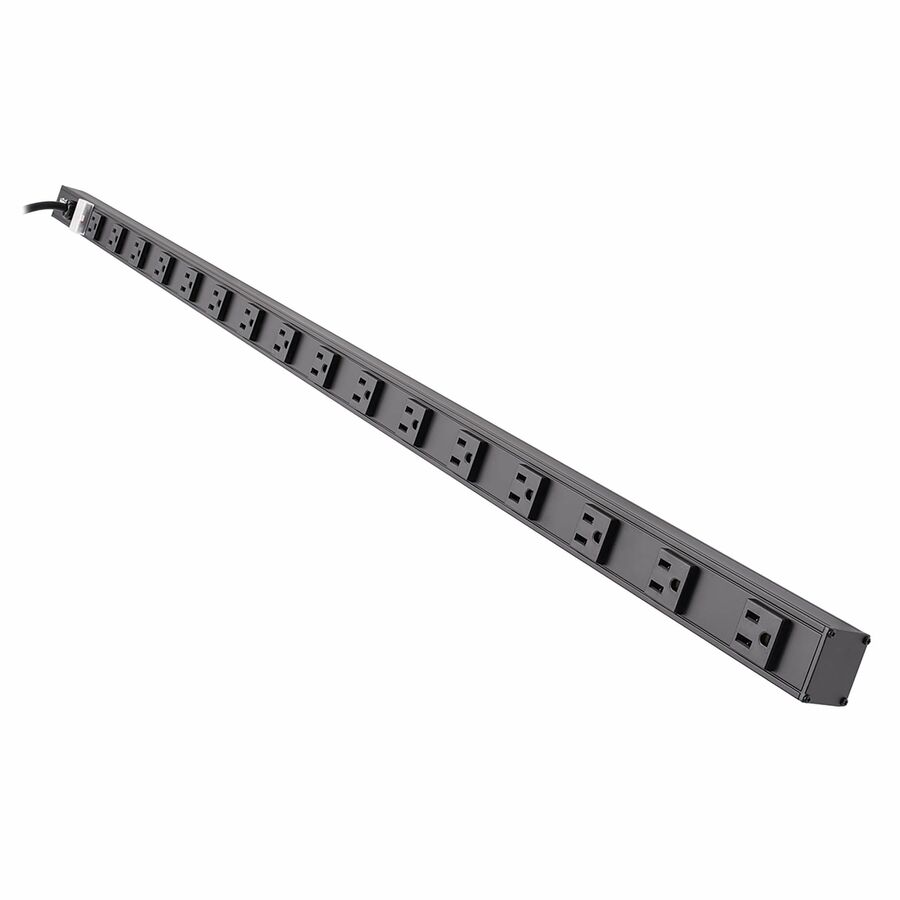
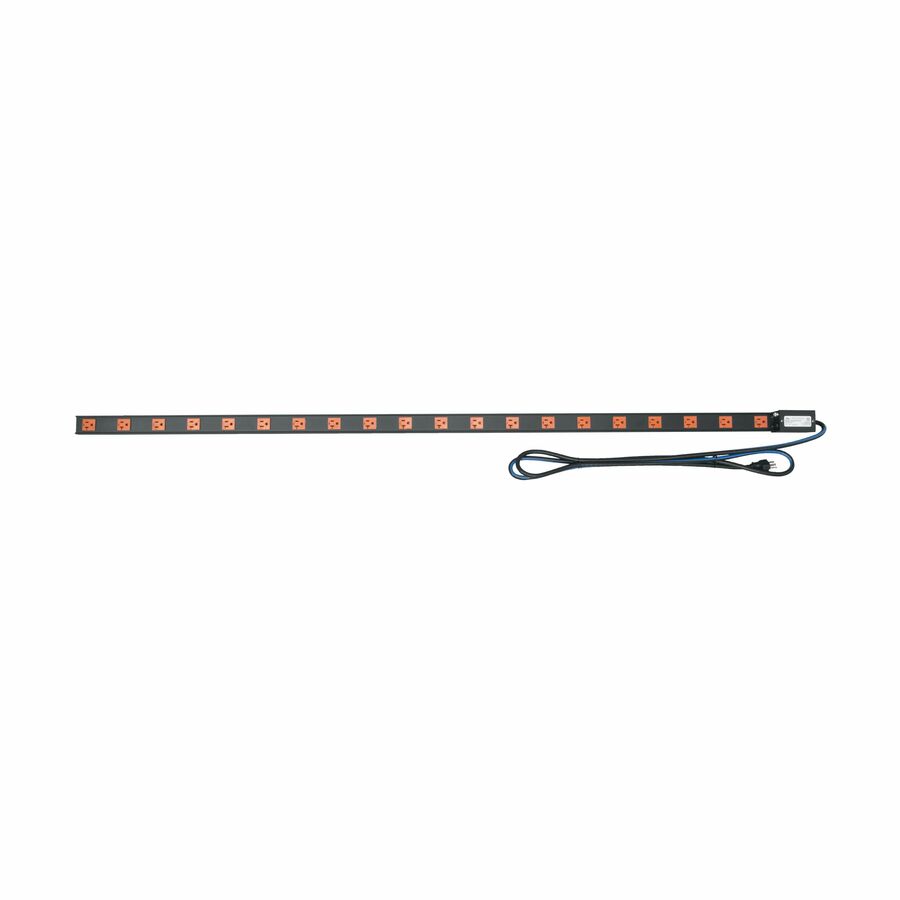
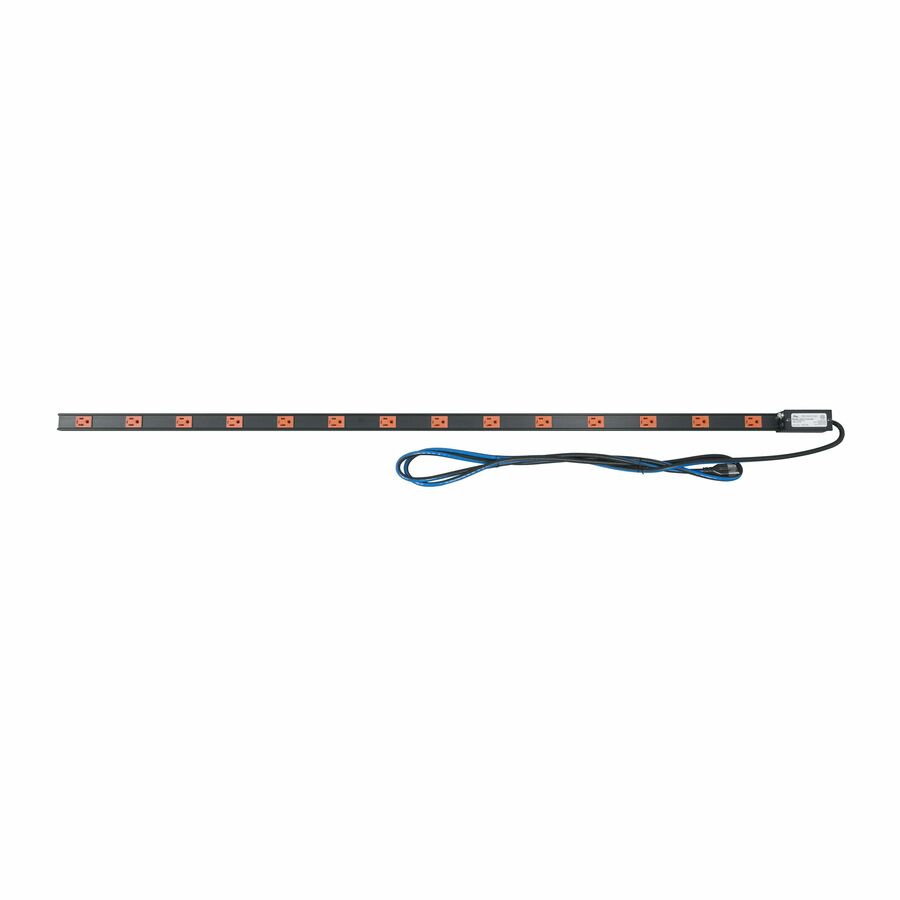
Eight outlets on a twenty-four-inch vertical body rated 15 A and 1800 W, with a ten-foot cord and product data recording both vertical and horizontal rackmount. It costs no rack units mounted down the side channel, which is the point — the cheapest rack unit is the one you never spend.
$99.36In stock20-amp option
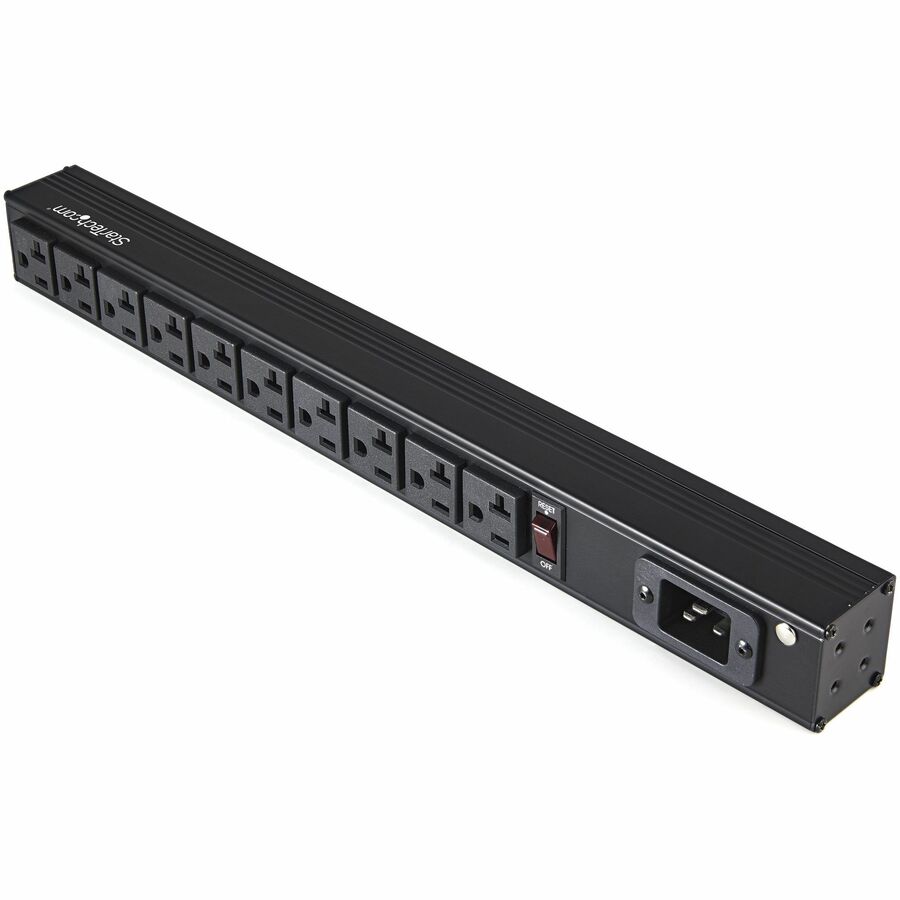
StarTech.com
StarTech 10 Outlet Rack Mount Power Strip 125V/16 Amp, 1U Horizontal…
RKPW101920
A 1U horizontal strip for 19-inch racks with ten 5-15/20R outlets, a 16 A rating, a NEMA 5-20P input and a built-in 20 A circuit breaker, UL Listed. The one to read when the room genuinely provides a 20 A receptacle — and the one to skip when it does not, because the extra rating buys nothing on a 15 A circuit.
$121.63Back-orderedVertical, 24 outlets
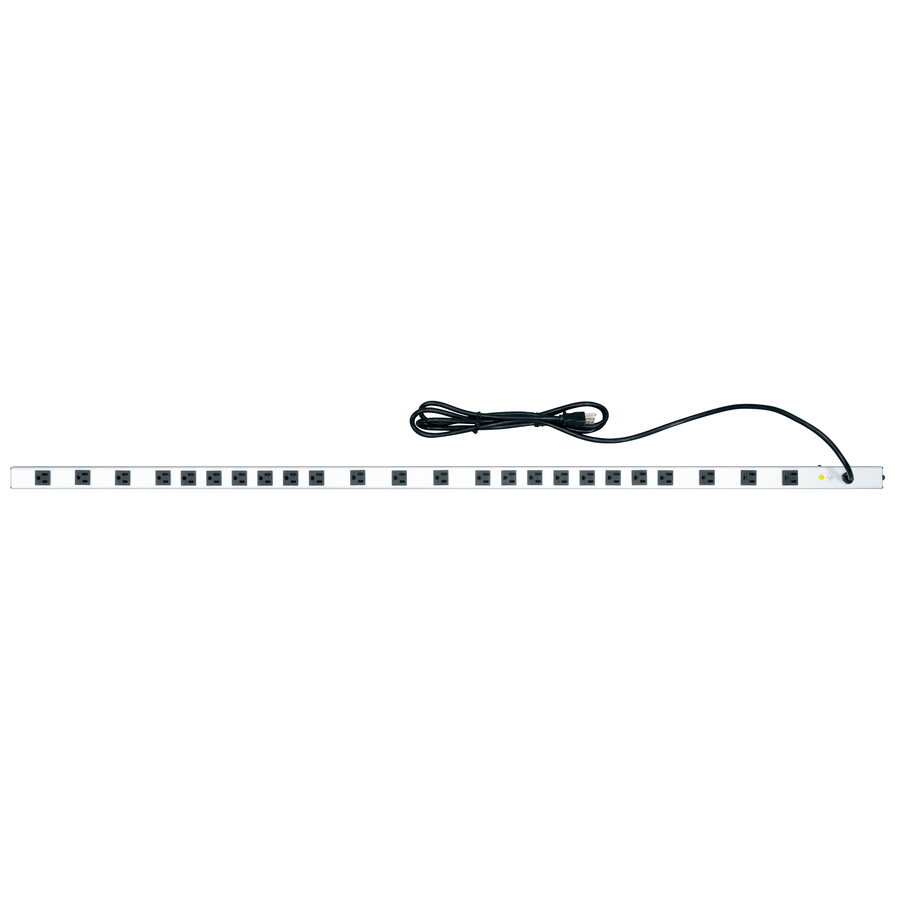
Legrand
Middle Atlantic Vertical Power Distribution 24 Outlet
PWR-24-V
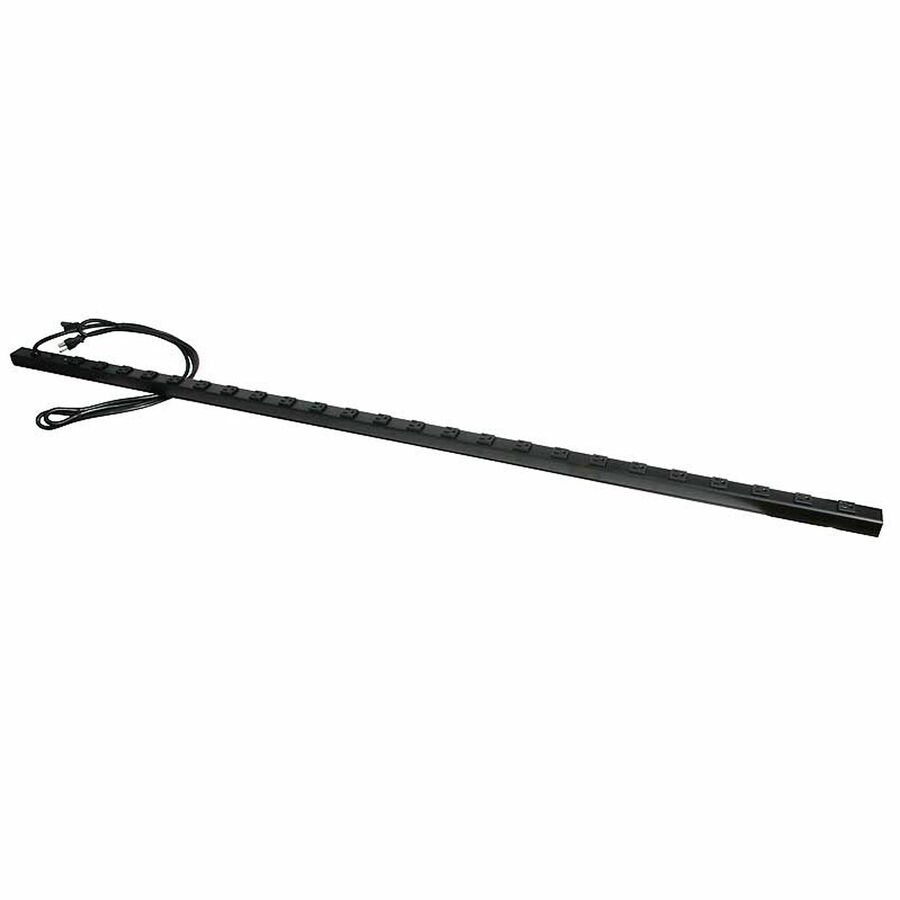
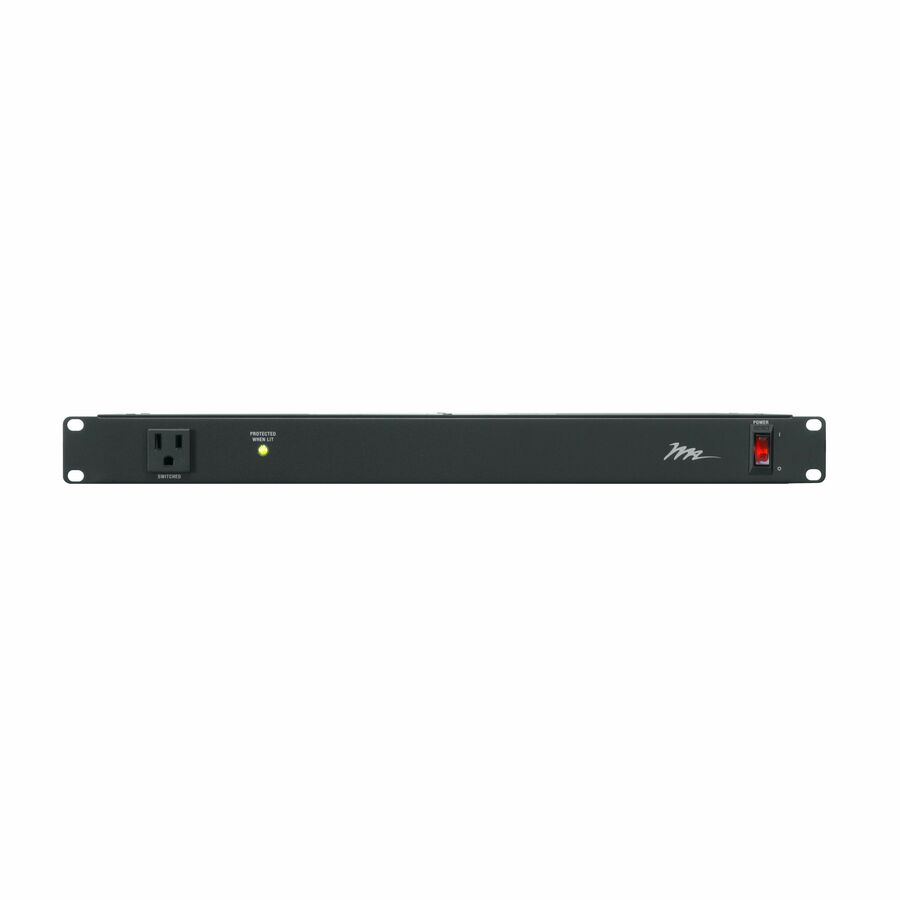
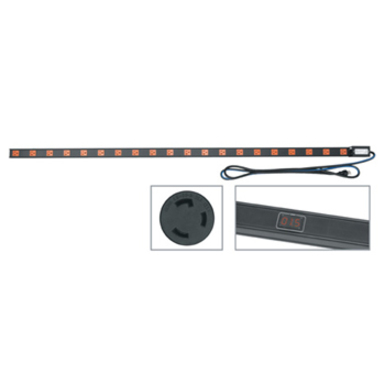
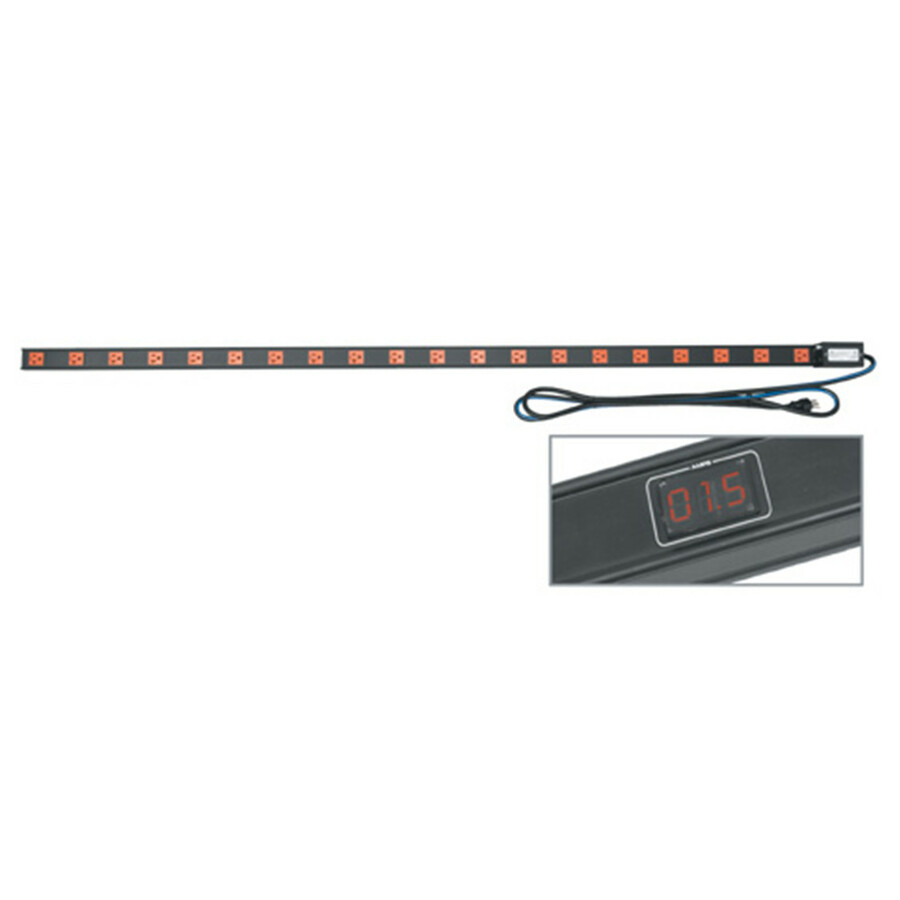
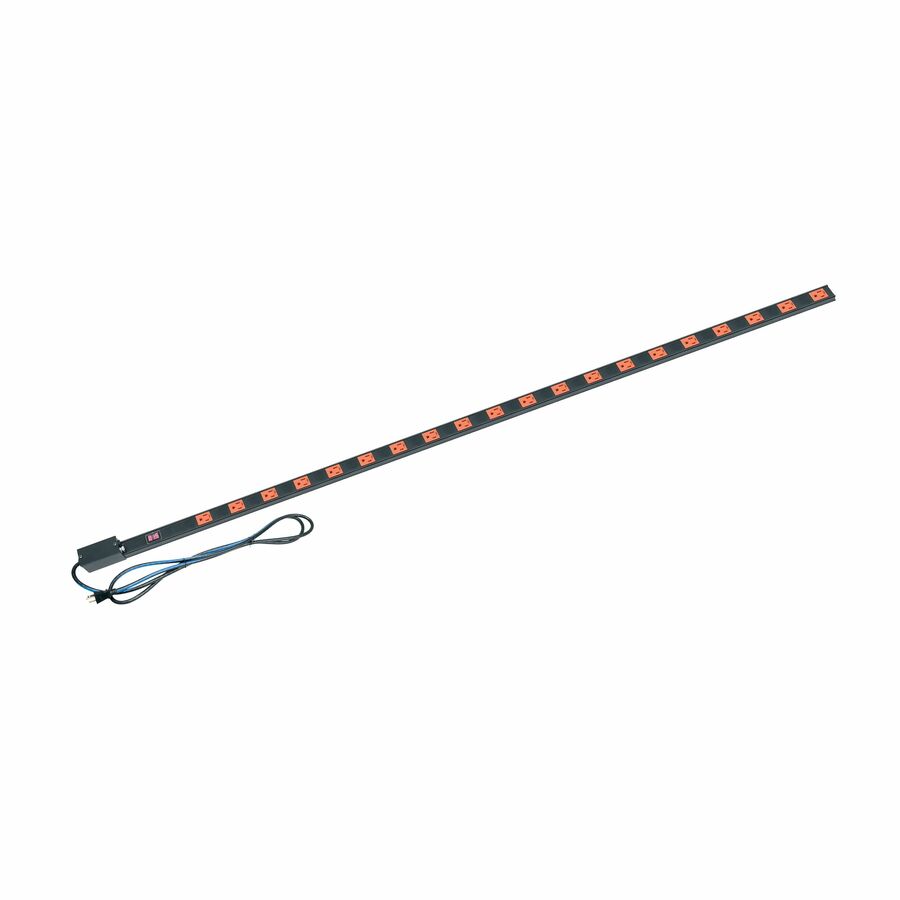
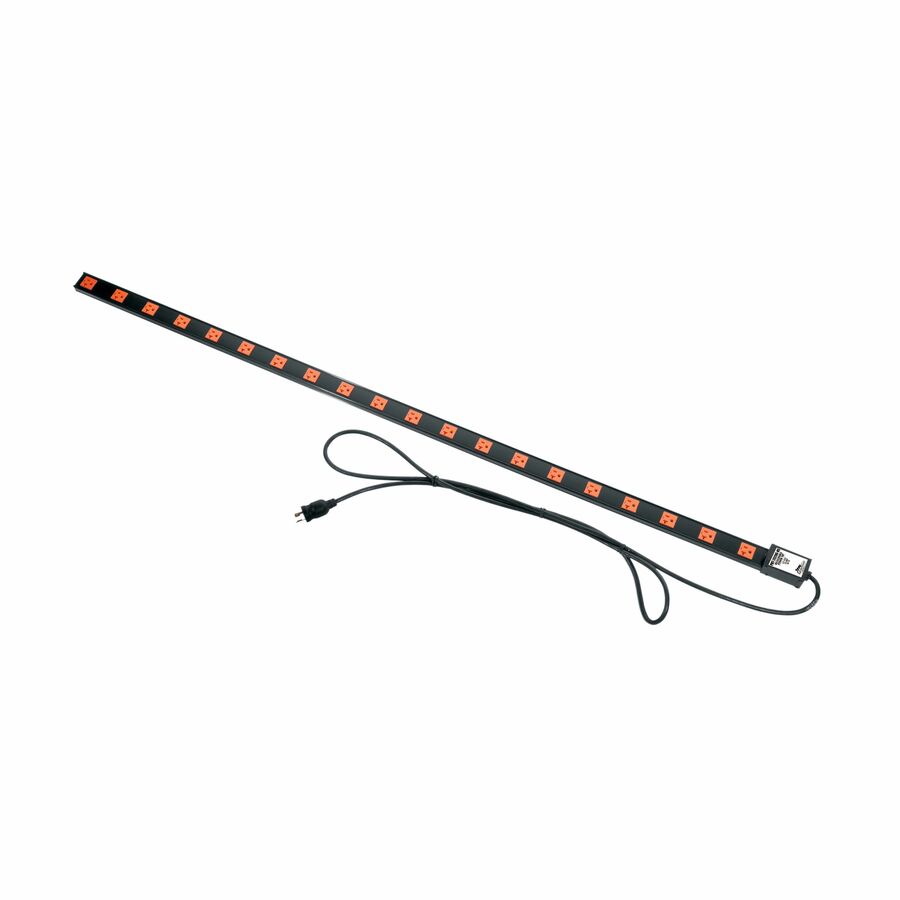
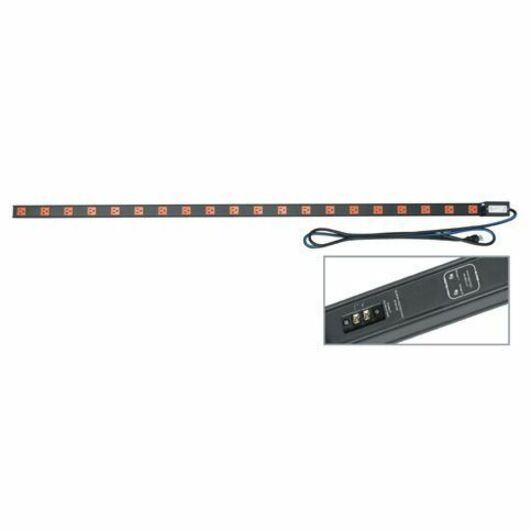
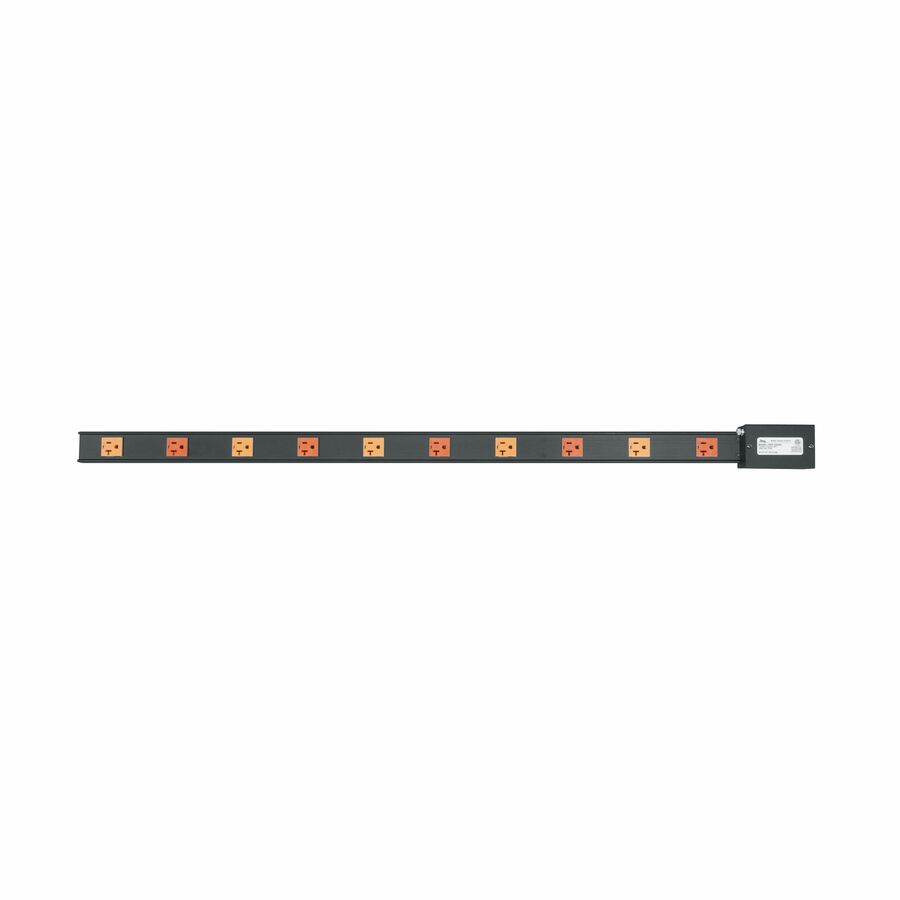
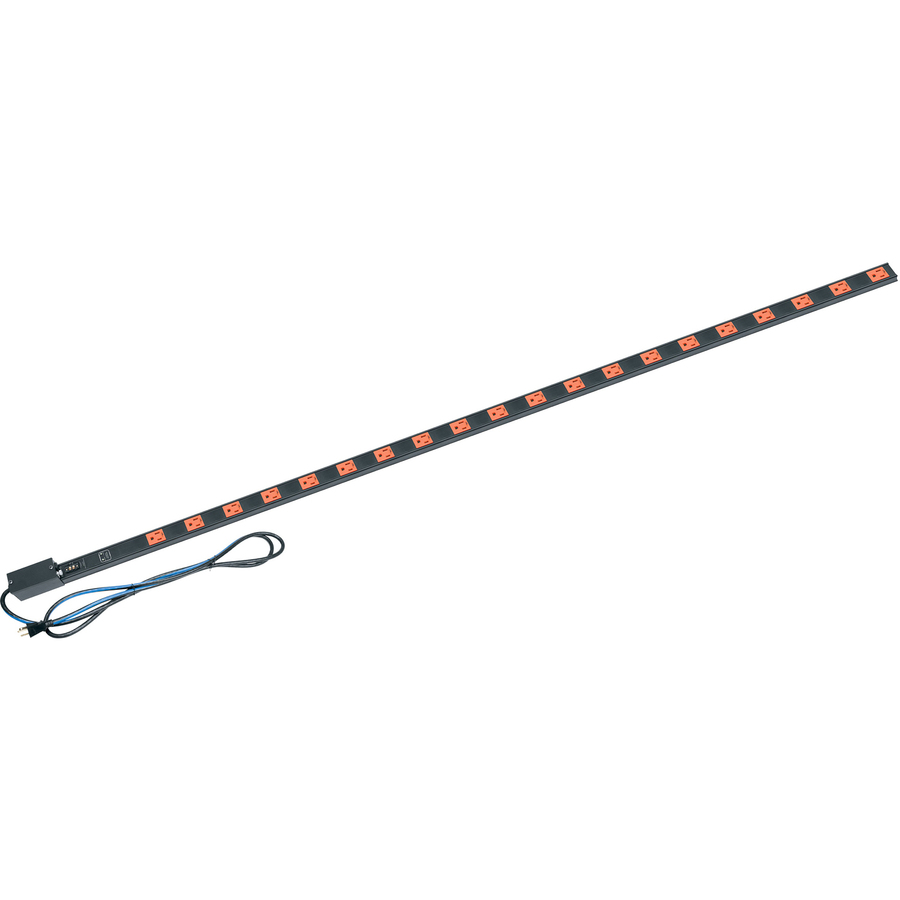
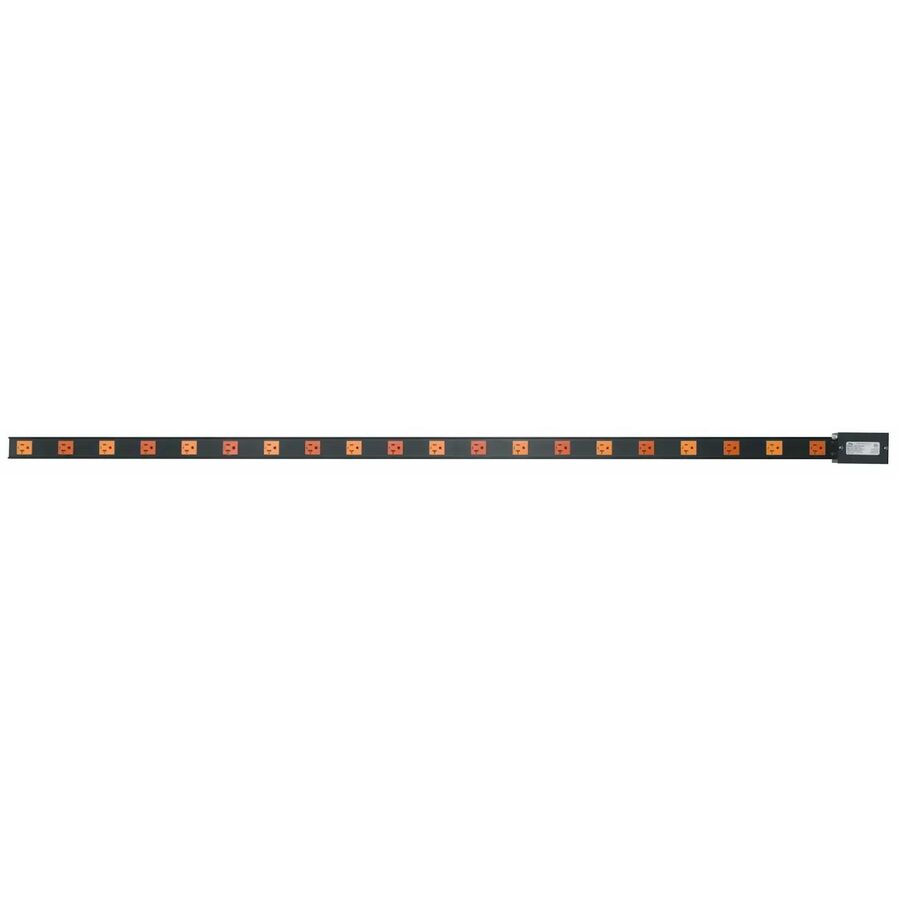
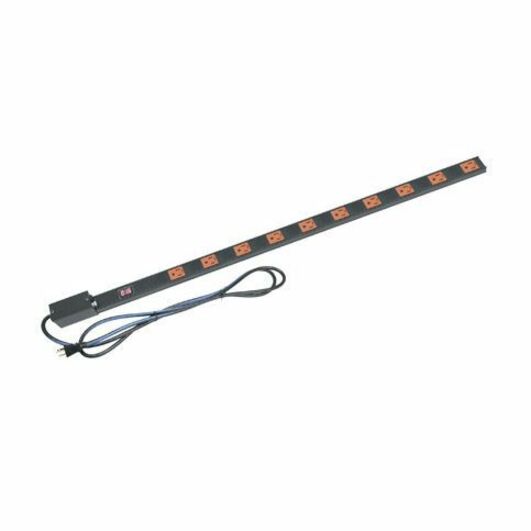
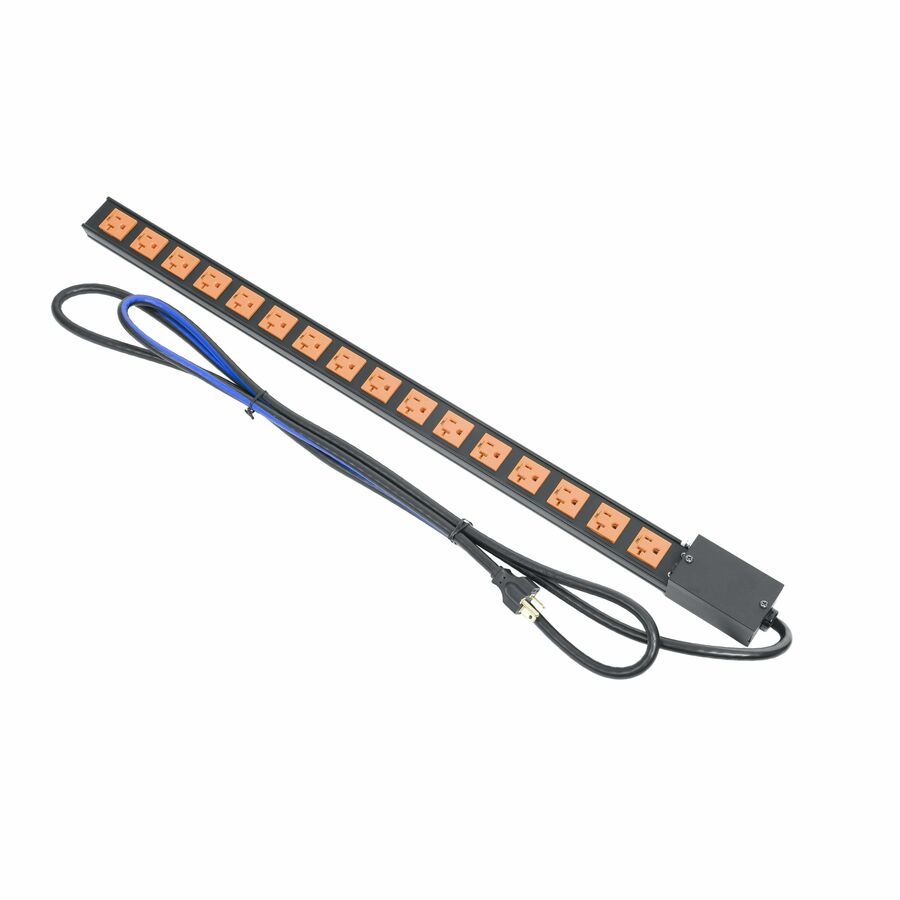
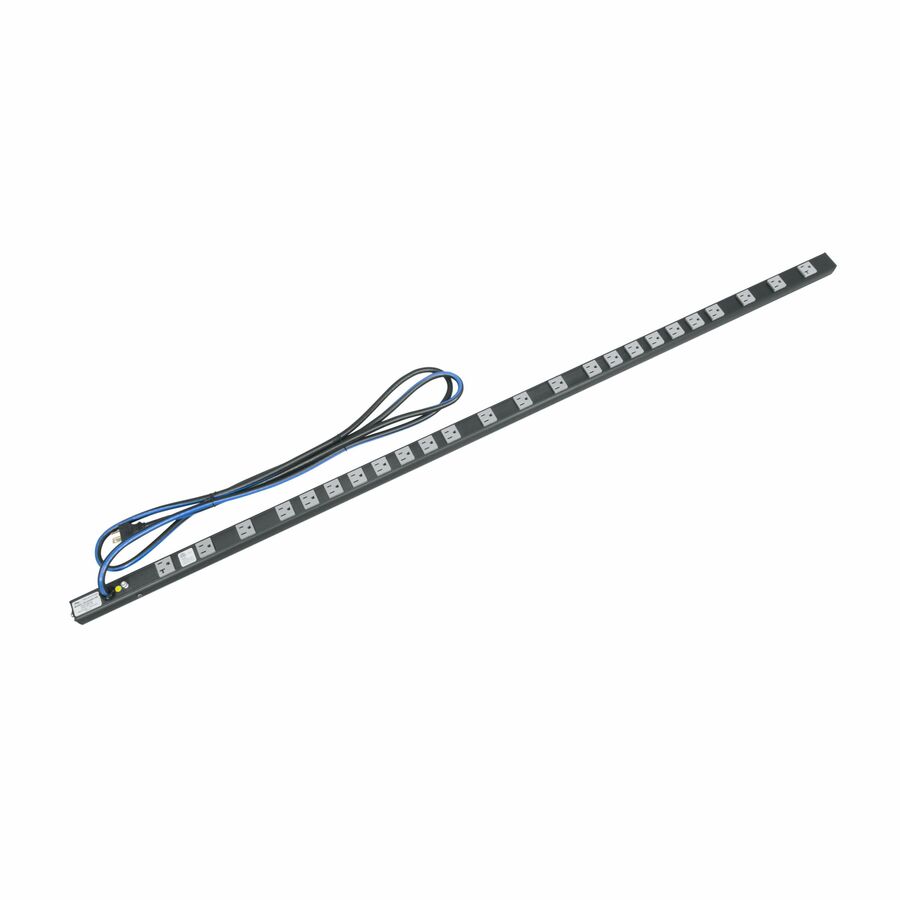
Twenty-four outlets down the side of the cabinet on a 15 A, NEMA 5-15P body with a nine-foot cord — the density answer for a populated rack full of small loads, where the alternative is two horizontal strips and a rack unit each. Check the cord path around the cabinet before ordering; nine feet is measured, not straight-line.
This is basic distribution with no metering and no per-outlet control. If somebody will want current readings or remote reboot later, price a metered PDU now rather than after the rack is populated.
$207.87In stockMore power strips in the Uniqcli catalog
See all 403 power stripsMore from across this category. In-stock lines lead, and a back-ordered line carries the same estimated availability its product page does — with live pricing throughout, NDAA §889 screening before checkout and TAA verified on request.
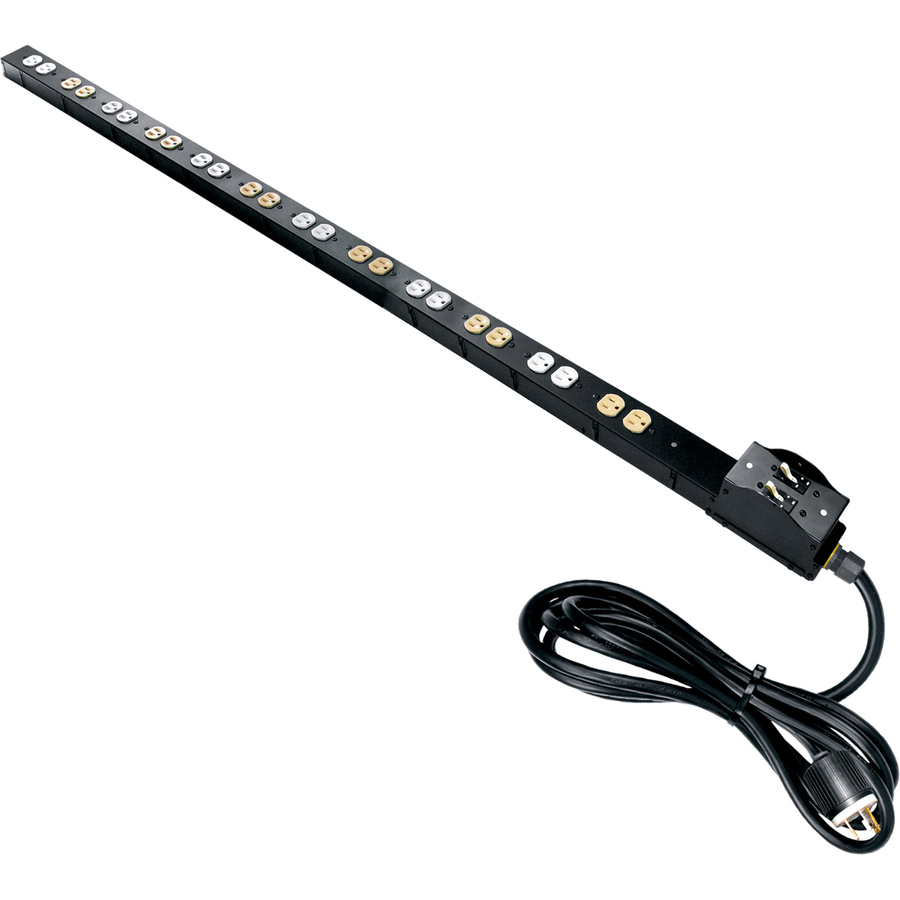
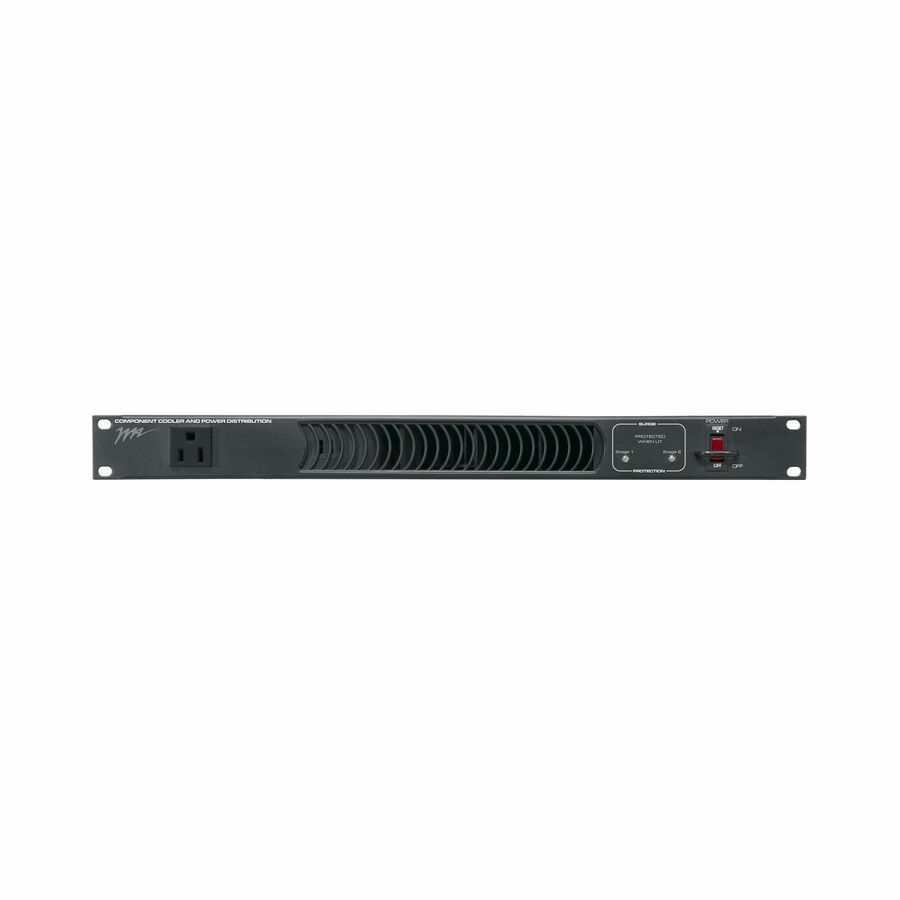
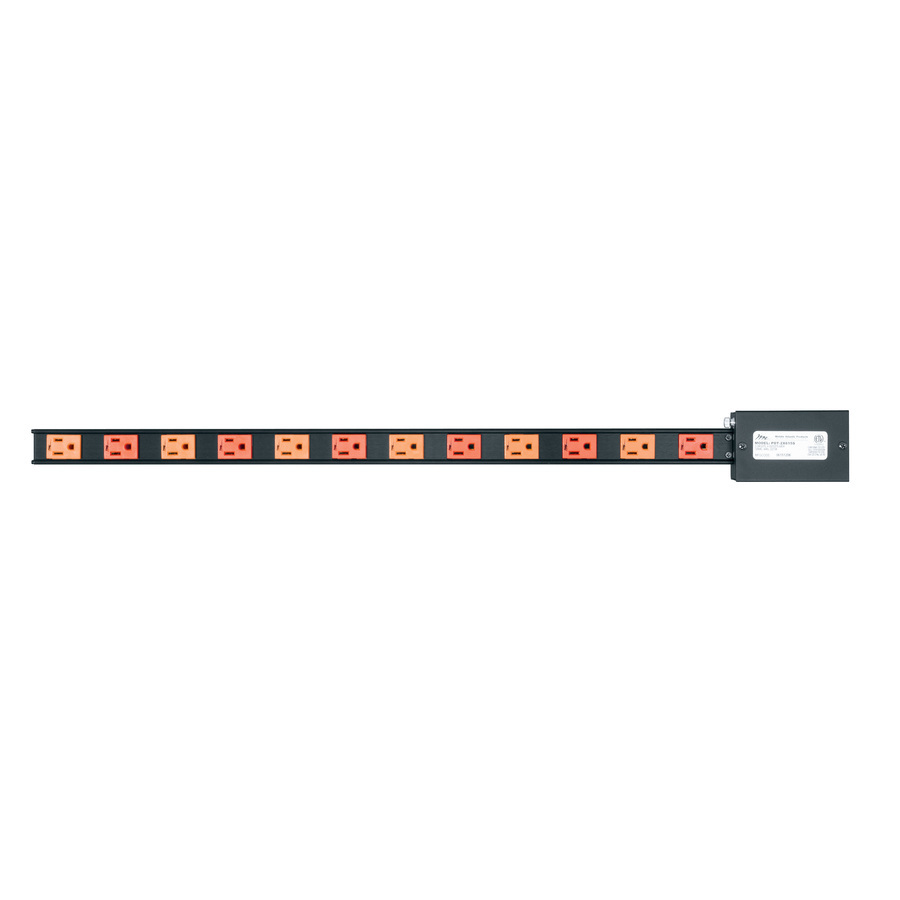
- LegrandMiddle Atlantic PD-2X1215TL-30CB Power Strip - NEMA L5-30 - 24 x NEMA L5-30R - 9.50 ft Cord - 30 A Current - Vertical, Rack-mountablePD-2X1215TL-30CB
$1,588.00
$1,270.61
1 in stock
Need pricing on power strips?
Tell us where to reach you and a Uniqcli specialist will follow up by email with current pricing, availability and lead time for the quantities you need — including parts that aren’t shown on this page.
Buying for an organization or for yourself — both work. No payment up front.
A rack power strip distributes outlets; a metered or switched PDU adds per-outlet measurement, remote control and a network interface. Decide the shape first, 1U horizontal or 0U vertical, then match the plug to the receptacle the facility provides. The usual planning convention keeps a continuously loaded circuit near eighty percent of its rating; confirm it with your facility electrician.
Most racks do not need a PDU. They need outlets, in the right orientation, on a cord long enough to reach the circuit, behind a breaker — and that is what a rack power strip is. The distinction matters because the two categories sit next to each other on every quote and the price gap is large. A metered or switched PDU buys per-outlet measurement, remote control and a network interface worth paying for in a colocation cage or a room nobody visits. A basic strip buys distribution, and in a comms cupboard, an AV rack, a small server closet or a wiring cabinet that somebody walks into anyway, distribution is the whole requirement.
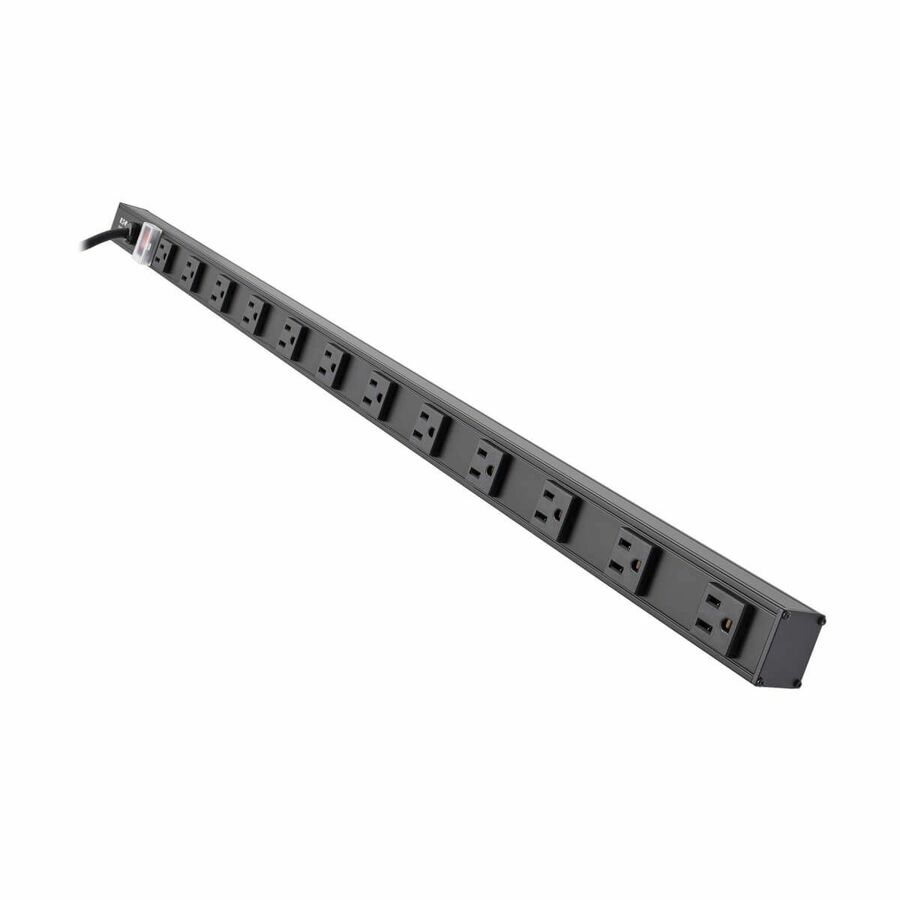
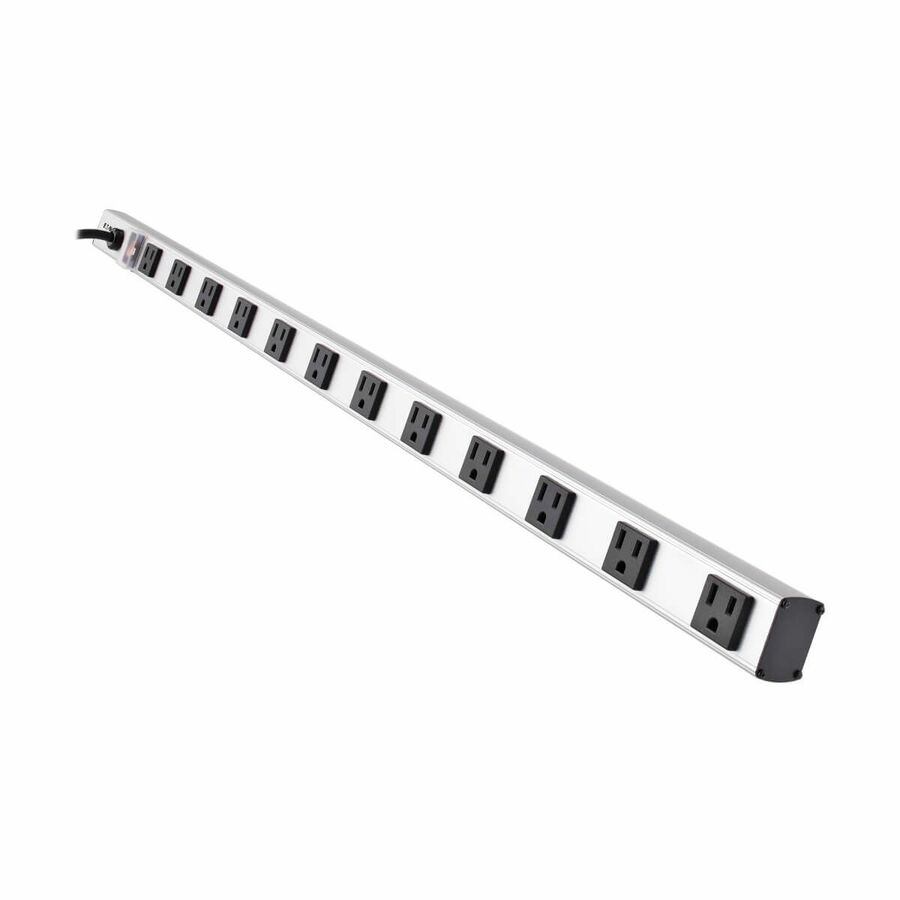
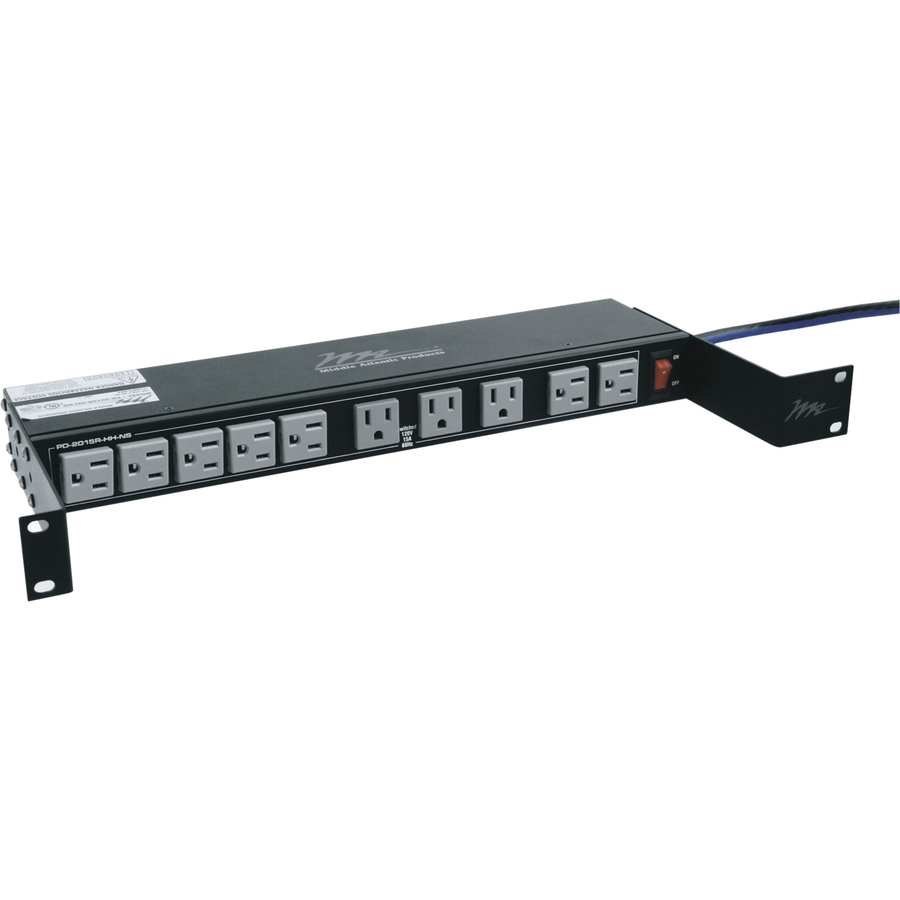
The first specification is the shape. A 1U horizontal strip mounts across the rails and eats a rack unit — the 12-outlet Tripp Lite RS-1215 splits six outlets to the front and six to the rear, which is the pattern that keeps a cabinet tidy without a second strip. A 0U vertical strip mounts down the side of the cabinet and costs no rack units at all, which is why the Tripp Lite PS-series verticals cover eight, twelve and sixteen outlets and the Middle Atlantic vertical range runs as high as twenty-four, in bodies designed to sit behind the equipment rather than between it. Rack units are usually the scarcer resource, so the vertical answer wins more often than people expect.
After shape comes the electrical fit, and it is arithmetic rather than preference. The plug has to match the receptacle the facility actually provides — a NEMA 5-20P strip on a 15 A circuit gains nothing, and a 5-15P strip cannot use a 20 A one. The strip's own rating, the breaker it carries and the branch circuit behind it have to be read together, and the usual planning convention is to keep a continuously loaded circuit at no more than about eighty percent of its rating; confirm that against your facility's electrician rather than against a product page. Cord length decides whether the strip reaches without an extension, and the range here runs from roughly seven to fifteen feet. Uniqcli quotes the strips, the rack and cable-management hardware around them, the UPS or metered PDU upstream when the room does need one, the monitoring and management software licensing that goes with it, and the install labour on the same order.
Buyer's checklist
How to choose a rack power strip
- Decide horizontal or vertical first. A 1U horizontal strip is easy to reach and costs a rack unit; a 0U vertical strip costs none and runs the full height of the cabinet. Count the rack units you actually have spare before counting outlets.
- Count outlets and their facing, not just the number. Front-facing, rear-facing and split front/rear layouts exist in this range, and right-angle outlet models are the answer when the loads are wall-wart transformers that would otherwise block their neighbours.
- Match the plug and the receptacle to the circuit the facility provides. A 5-20P strip needs a 20 A receptacle to be worth anything; a 5-15P strip cannot draw more than its circuit allows. Get the actual receptacle type from whoever owns the room before ordering.
- Read the strip's rating, its breaker and the branch circuit as one system, and size the load with headroom rather than to the limit — the usual planning convention is around eighty percent of a continuously loaded circuit. Confirm the number with your facility electrician.
- Measure the cord run, including the path around the cabinet rather than the straight line. Cords in this range run from roughly seven to fifteen feet, and the difference is whether the strip reaches the wall receptacle or needs an extension nobody wanted to add.
- Decide about surge suppression deliberately. Some models here carry it and others record explicitly that they do not, which is the right choice when protection already sits upstream at the UPS or the panel — stacking suppression is not automatically better.
- Treat the hospital-grade rows as a separate family. Several UL 1363A medical-grade strips for the patient-care vicinity appear alongside the rack strips because they are rack-mountable too; they are specified for a clinical environment, and neither substitution direction is safe to make casually.
- Confirm that a basic strip is genuinely what the room needs. If somebody will want per-outlet current readings, remote reboot or an alert when a circuit approaches its limit, the requirement is a metered or switched PDU and it should be priced as one now rather than replaced later.
Strip or PDU — what a basic strip does not do
The honest boundary is measurement and control. A basic rack strip distributes power and protects the circuit with a breaker. It does not report how many amps are flowing, it cannot switch an outlet off from a browser, it raises no alert when a circuit approaches its limit, and it has no network interface to manage. Everything on this page sits on that side of the line, and product naming barely respects it at all — a substantial minority of the rows in this selection are titled as PDUs or as power distribution units while sitting in the catalog's Power Strips category, including two StarTech units and much of the Middle Atlantic range, and every one of them is a basic distribution strip regardless of the word on the box. Read the feature list, not the noun.
That boundary is a budget decision rather than a quality one. Remote metering earns its price where the room is unstaffed, where capacity planning is contested, or where a reboot means a drive to a site; it earns nothing at all in a cabinet somebody opens weekly. The failure to avoid is buying a basic strip for a role that genuinely needed metering and discovering it after the rack is populated, because retrofitting means an outage. If per-outlet control or current reporting is going to be asked for within the life of the rack, price the metered or switched PDU now — we quote both families side by side, and the rack PDU selector tool is a faster way to narrow the metered side than a catalog filter.
1U horizontal, 0U vertical, and the hospital-grade family
Horizontal strips are the traditional answer and still the right one when a technician needs to see and reach every outlet, or when the rack is shallow enough that a vertical body would foul the equipment. Their cost is a rack unit, and the split front/rear layouts — six outlets each way on the twelve-outlet Tripp Lite unit here — recover some of that by serving both faces of the cabinet from one device. Vertical strips are the density answer: mounted down the rear channel of the cabinet they consume no rack units at all, they put an outlet near every device rather than making every cord run to one place, and the Middle Atlantic slim and low-profile bodies are built to stay clear of the equipment behind them.
One family in this grid deserves reading separately. Several rows are UL 1363A medical-grade strips built for the patient-care vicinity, with hospital-grade outlets and, in some cases, safety covers — and they appear alongside the rack strips because their product data records them as rack-mountable. They are a legitimate answer for equipment racks inside a clinical space, where the outlet type and the standard are part of the requirement rather than a preference. They are the wrong answer for a general comms cabinet, and a standard strip is the wrong answer inside a patient-care vicinity. If the room is clinical, say so with the requirement and we will keep the selection inside the right family.
Circuits, cords and lifecycle
The two failures this category actually produces are electrical and geometric. Electrical: a strip whose plug does not match the receptacle in the room, or a load that runs a circuit closer to its rating than anybody intended once the last two devices are added. Get the receptacle type and the circuit rating from whoever owns the room before ordering, size the load with headroom, and treat the eighty-percent convention as a planning figure your electrician confirms rather than a rule read off a product page. Geometric: a cord that measures far enough on a drawing and not far enough around the cabinet, or a vertical body that fouls a deep chassis. Measure the real path and the real depth.
Everything else is lifecycle, and it belongs on the same quote as the strip. Uniqcli sources every line through US distribution and screens the exact part number for TAA country-of-origin and NDAA Section 889 status before checkout, with documentation tied to that part number rather than to a product family — a screening service, not a Uniqcli certification. Alongside it sit the rack rails and cable management the install needs, the UPS or metered PDU upstream where the room warrants one, the monitoring and management software licensing that runs with it, spares held for the racks that cannot wait for a delivery, and the installation labour. Send the rack list and the circuit details and we will quote the whole build rather than the strips alone.
FAQ
Common questions
- What is the difference between a rack power strip and a rack PDU?
- Measurement and control. A basic rack strip distributes outlets and protects the circuit with a breaker; a metered or switched PDU adds current reporting, remote outlet control, alerting and a network interface to manage it all. Everything on this page is the basic kind, whatever the product name says — many rows here are titled as PDUs or power distribution units and are distribution strips. Buy the strip when a person opens the cabinet anyway, and the metered PDU when the room is unstaffed or capacity has to be proven.
- Should I buy a 1U horizontal or a 0U vertical strip?
- Count your spare rack units first. A horizontal strip is easy to see and reach but consumes a rack unit, and the split front/rear layouts serve both faces of the cabinet from one device. A vertical strip mounts down the side channel, consumes no rack units, runs the full height and puts an outlet near each device instead of making every cord travel to one place — which is usually the better answer in a populated cabinet, provided the body clears the depth of the equipment behind it.
- Do I need a 15-amp or a 20-amp strip?
- Match the strip to the circuit, not to an ambition. A 20 A strip with a NEMA 5-20P plug needs a 20 A receptacle to deliver anything extra, and a 15 A strip on a 20 A circuit simply limits you to 15 A. Get the receptacle type and the branch-circuit rating from whoever owns the room, total the connected load, and leave headroom — the usual planning convention is to keep a continuously loaded circuit at about eighty percent of its rating, which your facility electrician should confirm for the specific installation.
- Why do medical-grade strips appear alongside rack strips?
- Because their product data records them as rack-mountable, so they meet the same filter. They are a distinct family: UL 1363A strips for the patient-care vicinity with hospital-grade outlets, specified for clinical environments where the outlet type and the standard are part of the requirement. They are correct for equipment racks inside a clinical space and wrong for a general comms cabinet, and a standard strip is wrong inside a patient-care vicinity. Tell us if the room is clinical and we will keep the quote inside the right family.
- How are these screened for TAA and NDAA compliance?
- Every line Uniqcli quotes is sourced through US distribution and screened for TAA country-of-origin and NDAA §889 status before checkout — with documentation tied to the specific part number, not a product family.
Need power strips pricing?
Send a bill of materials or part numbers — we confirm stock and a below-market total, with TAA verified on request. No payment up front.