
Best Rack Mount UPS Systems for Server Rooms
1U, 2U and rack/tower-convertible units — line-interactive with AVR and online double-conversion — sized by VA and watts, runtime, outlet type and the rack units you have left.
Rack-mount UPS systems in stock at Uniqcli
How to choose →A curated selection with live pricing — in-stock lines first, then back-ordered lines with a typical lead time. Every line is sourced through US distribution and screened for NDAA §889 status before checkout, with TAA verified on request.
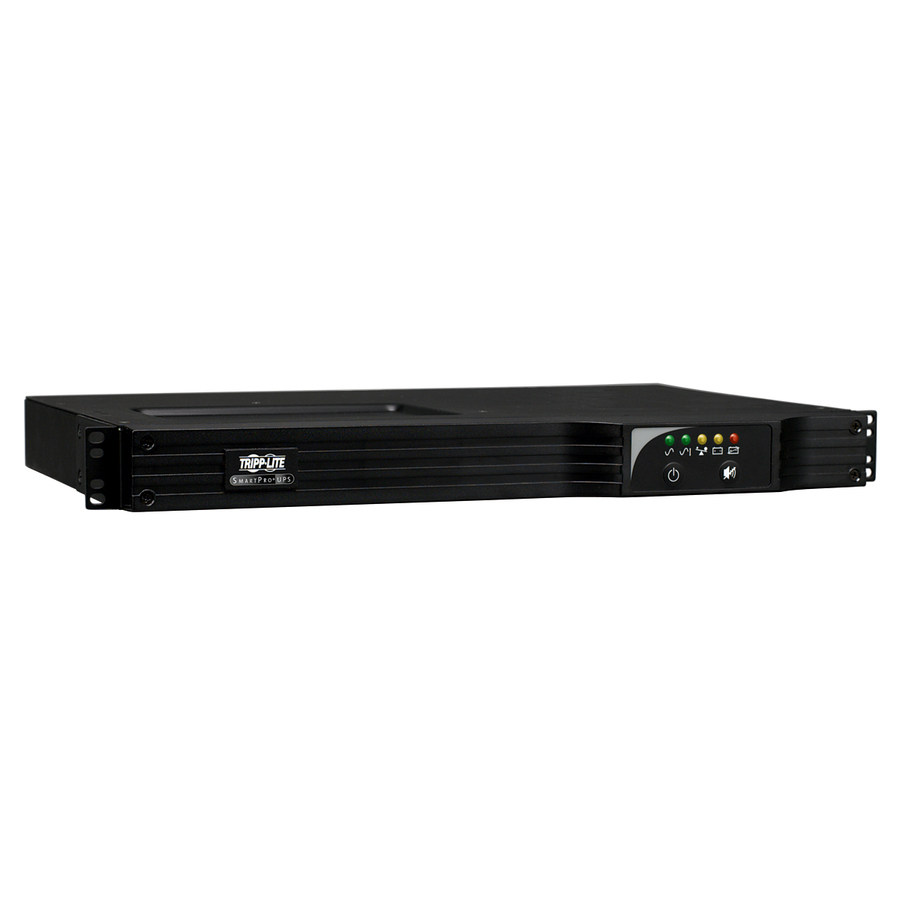
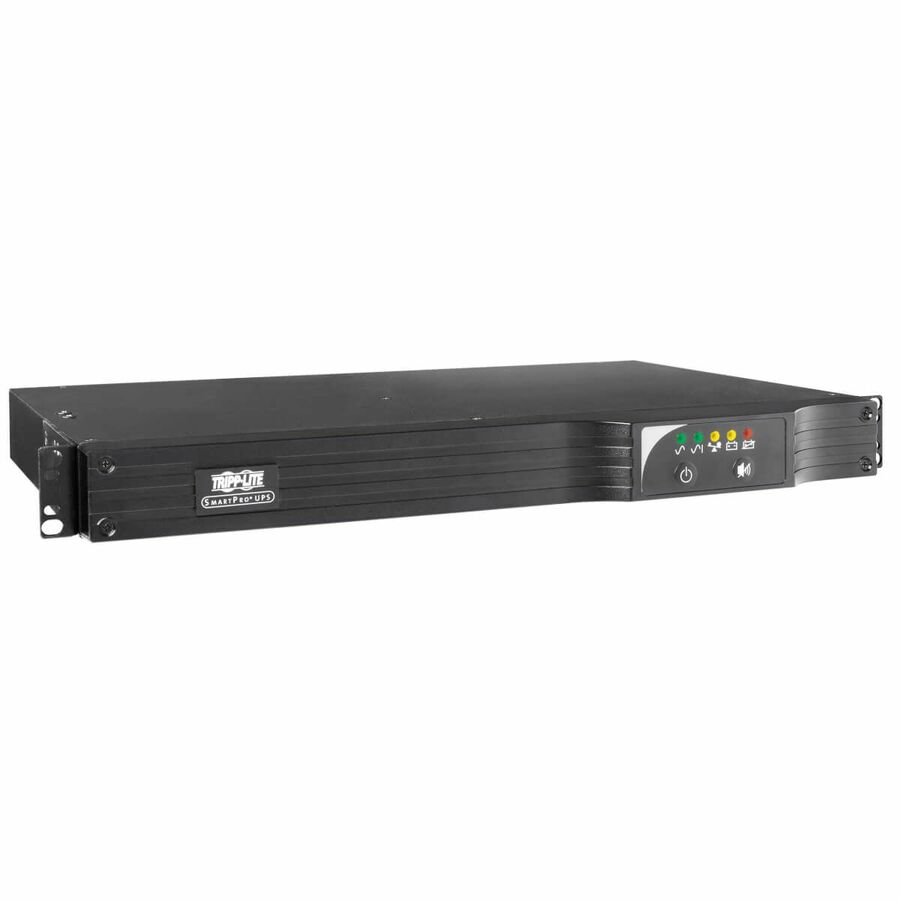
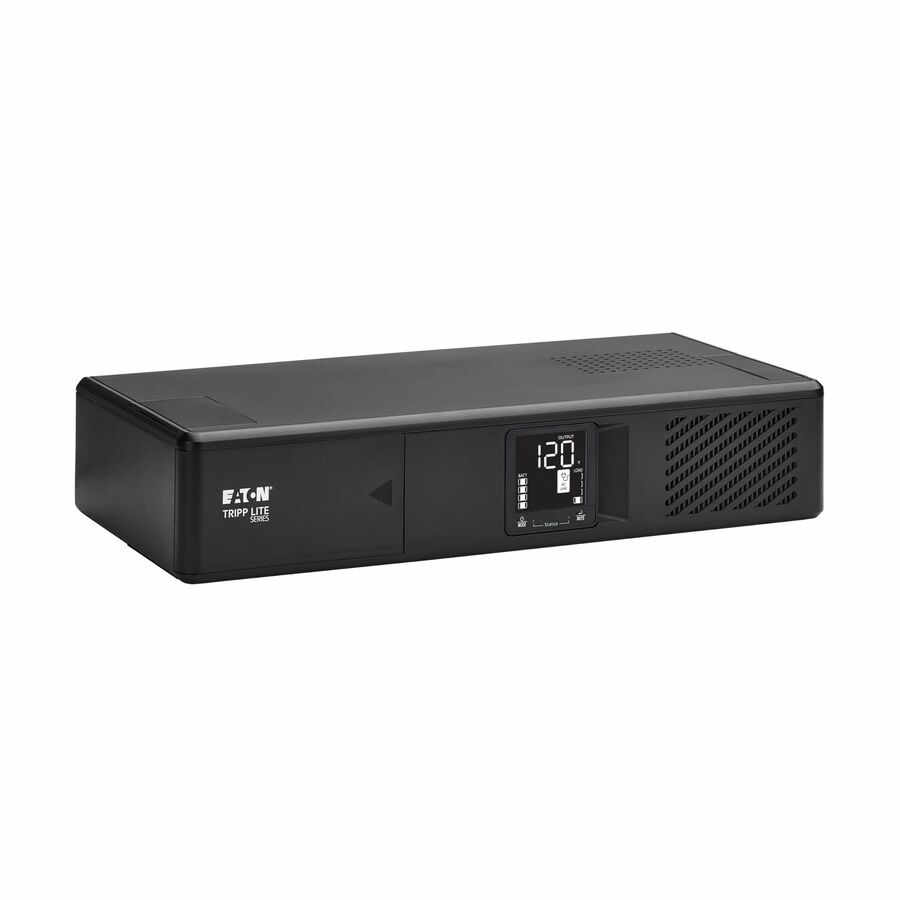
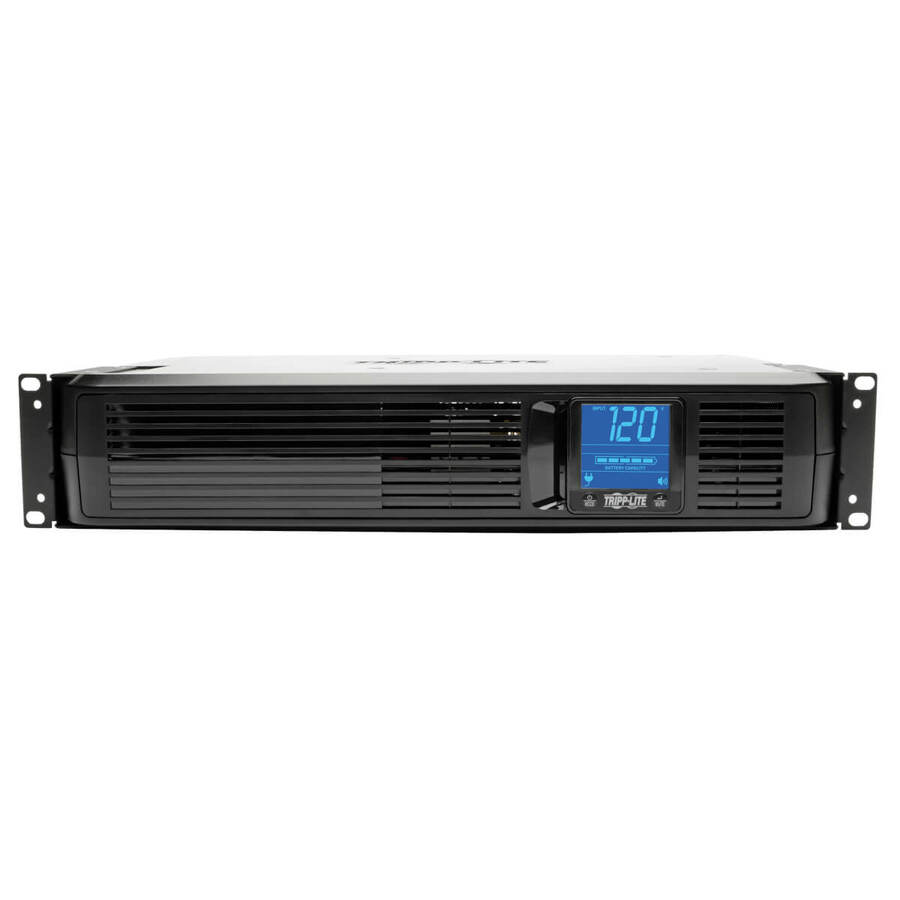
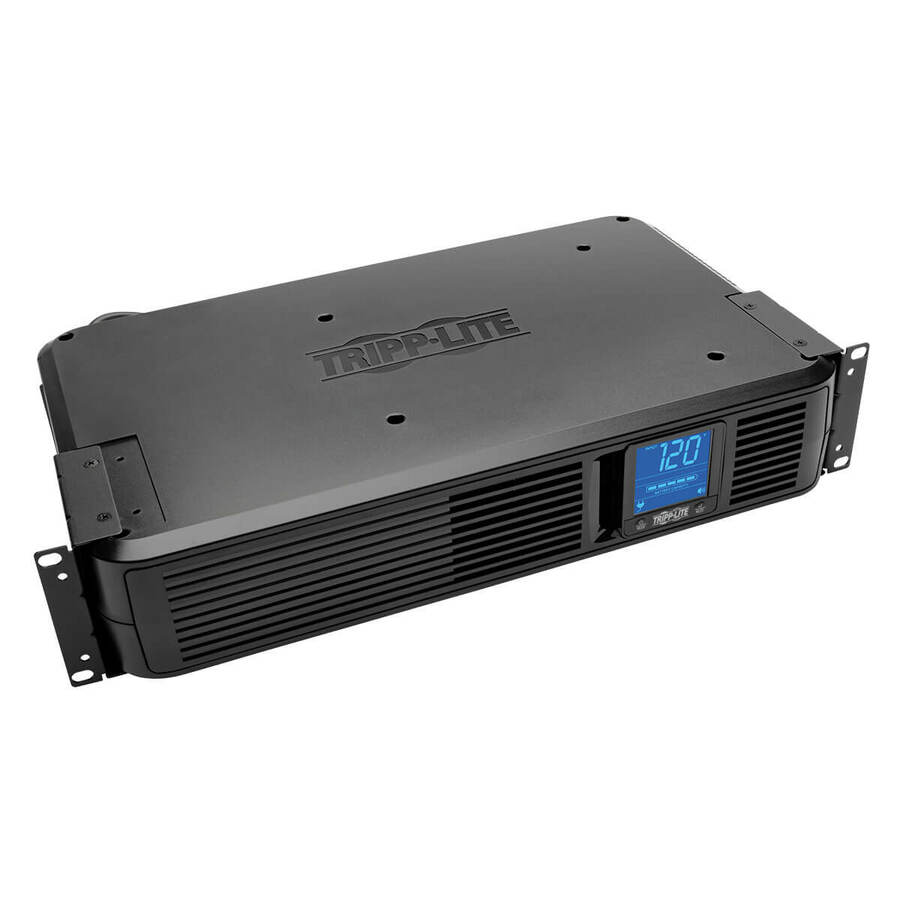
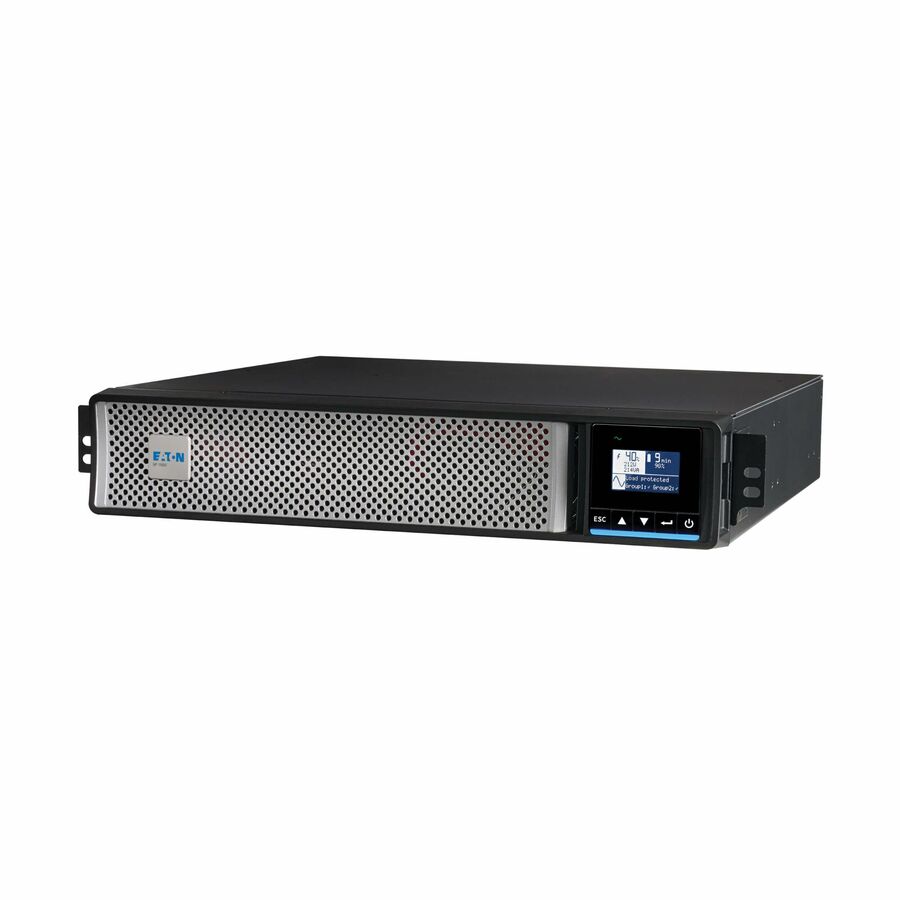
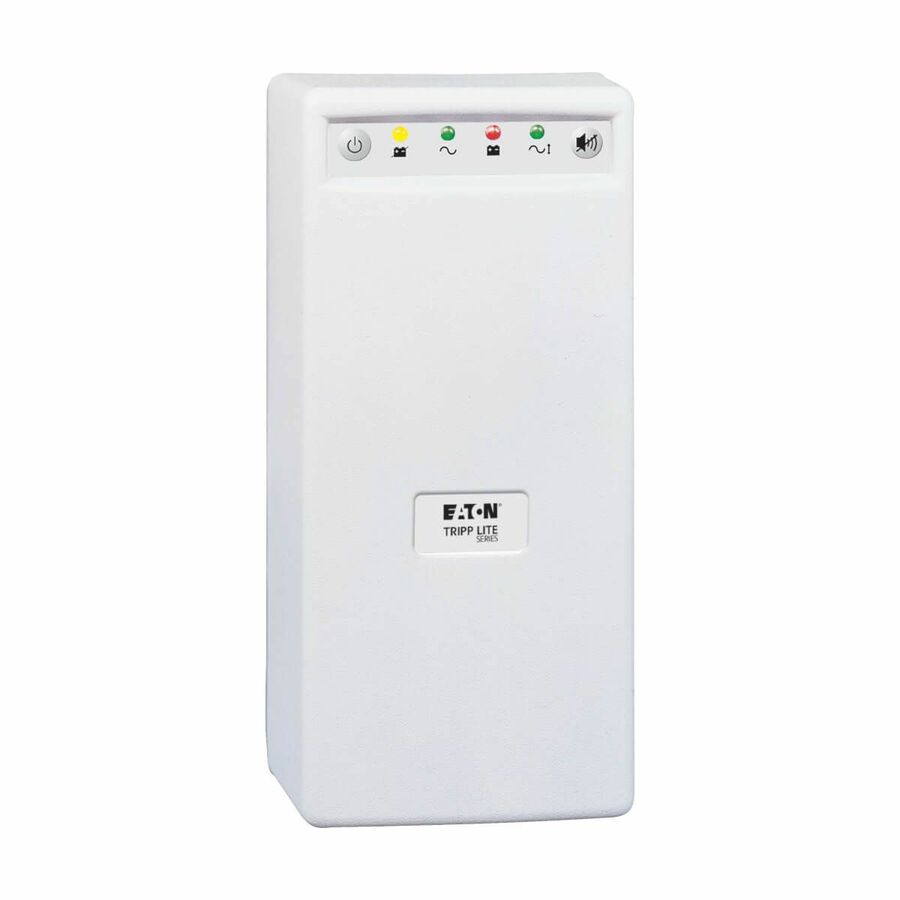
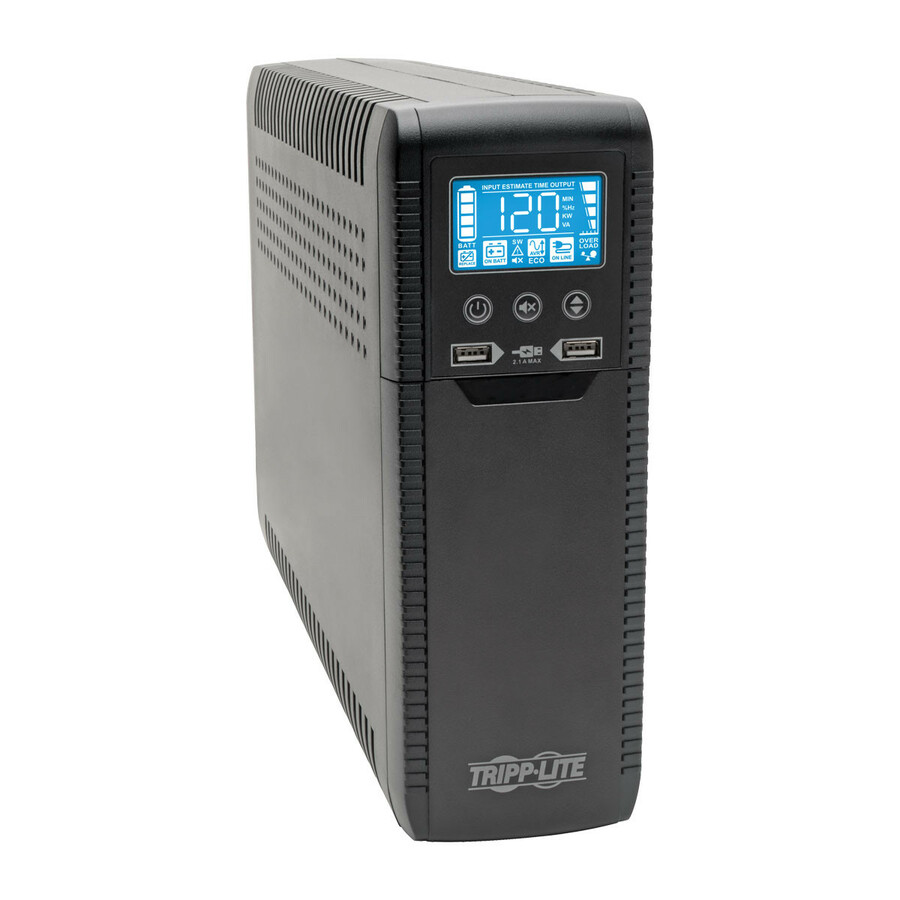
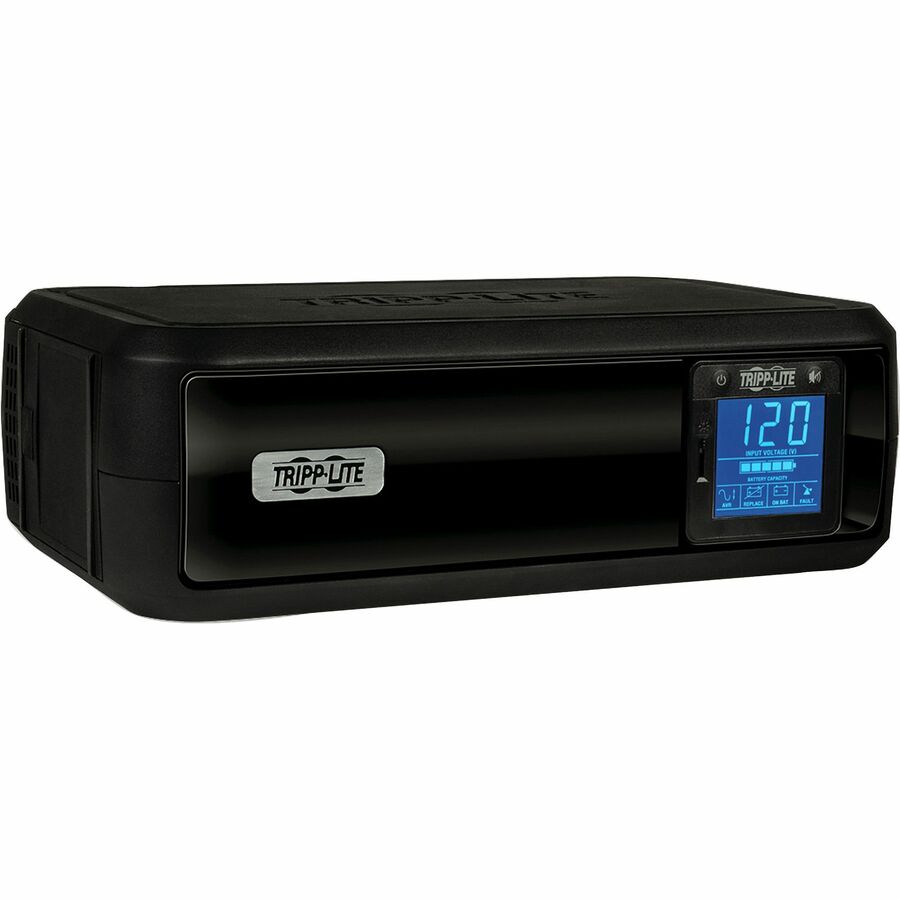
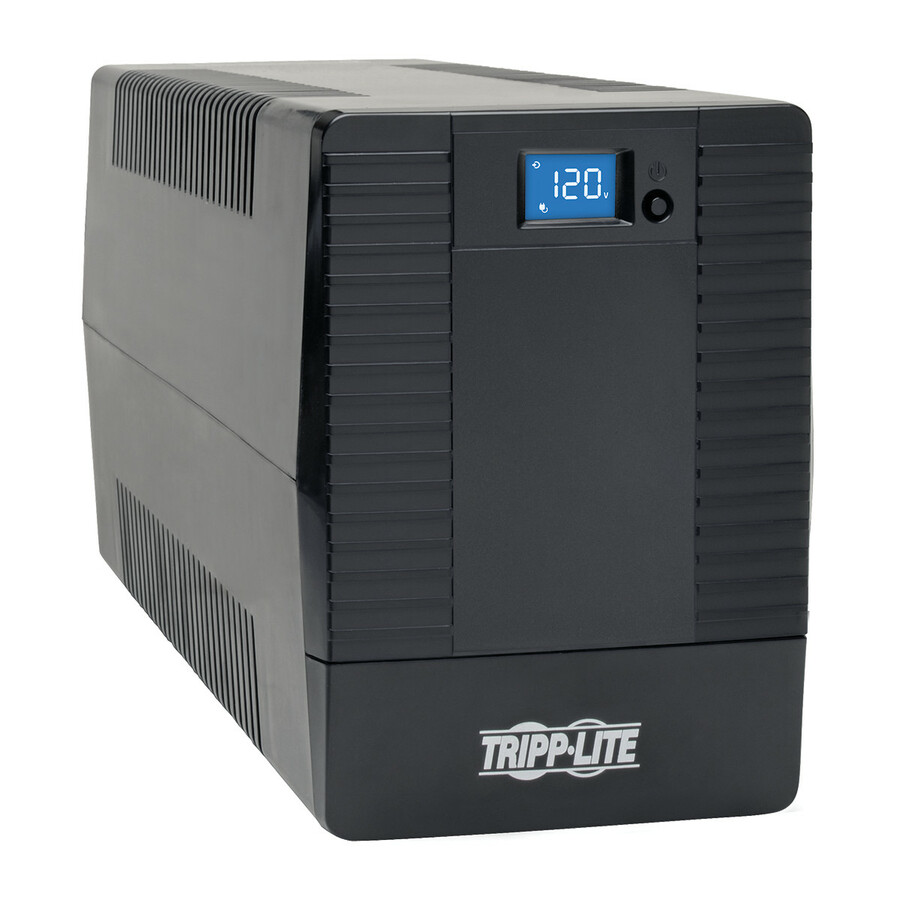
- EatonTripp Lite by Eaton UPS SmartPro LCD 120V 1500VA 900W Line-Interactive UPS AVR Extended Runtime 2U Rack/Tower LCD USB DB9 8 Outlets - 2U Rack/Tower - 4.50 Hour Recharge - 4 Minute Stand-by - 110 V AC Input - 120 V AC, 120 V AC Output - Serial Port - USB - 8 x NEMA 5-15RSMART1500LCDXL
$814.08
$748.95
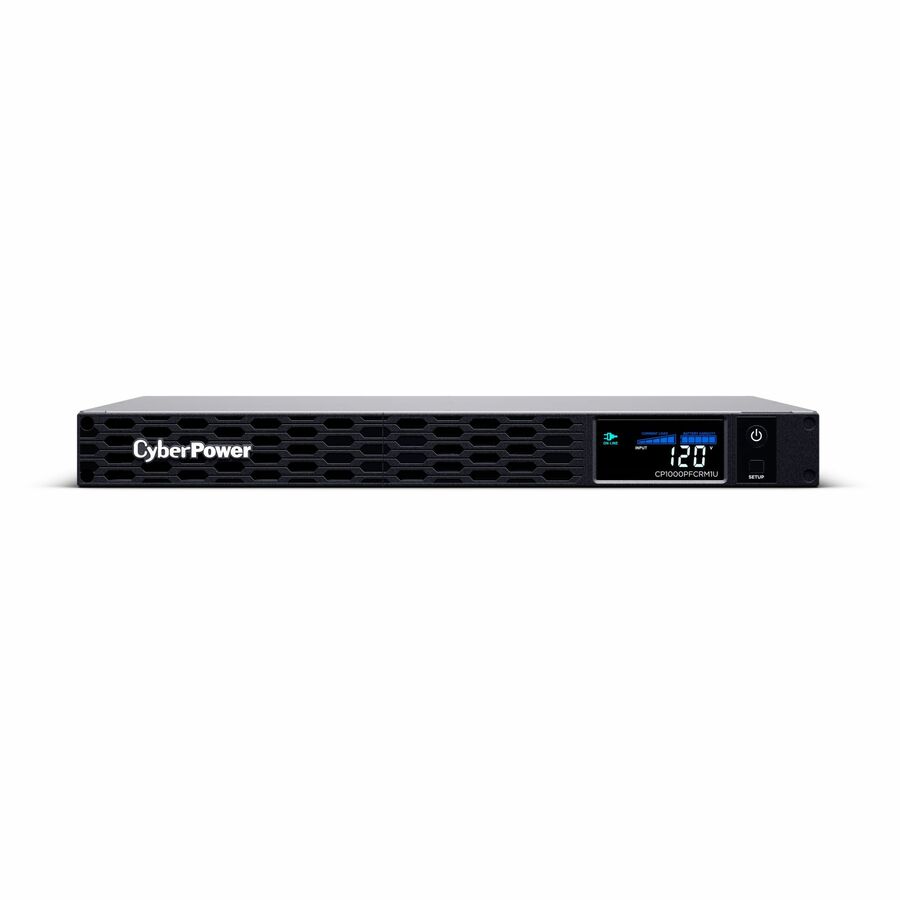
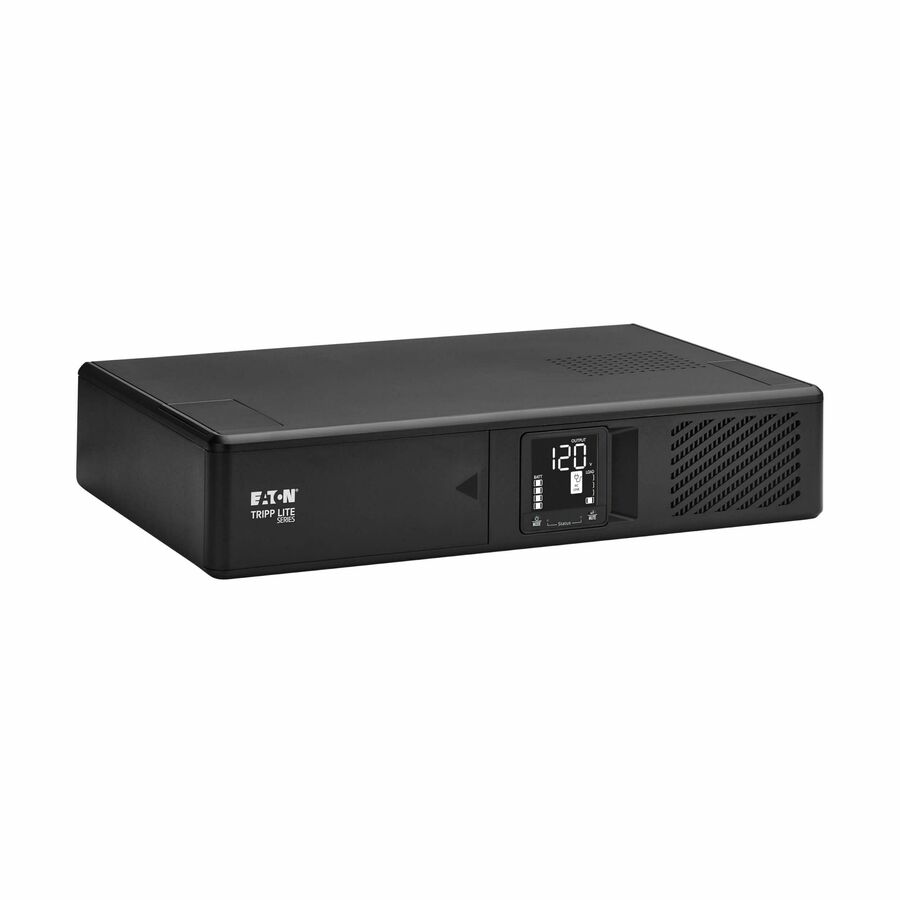
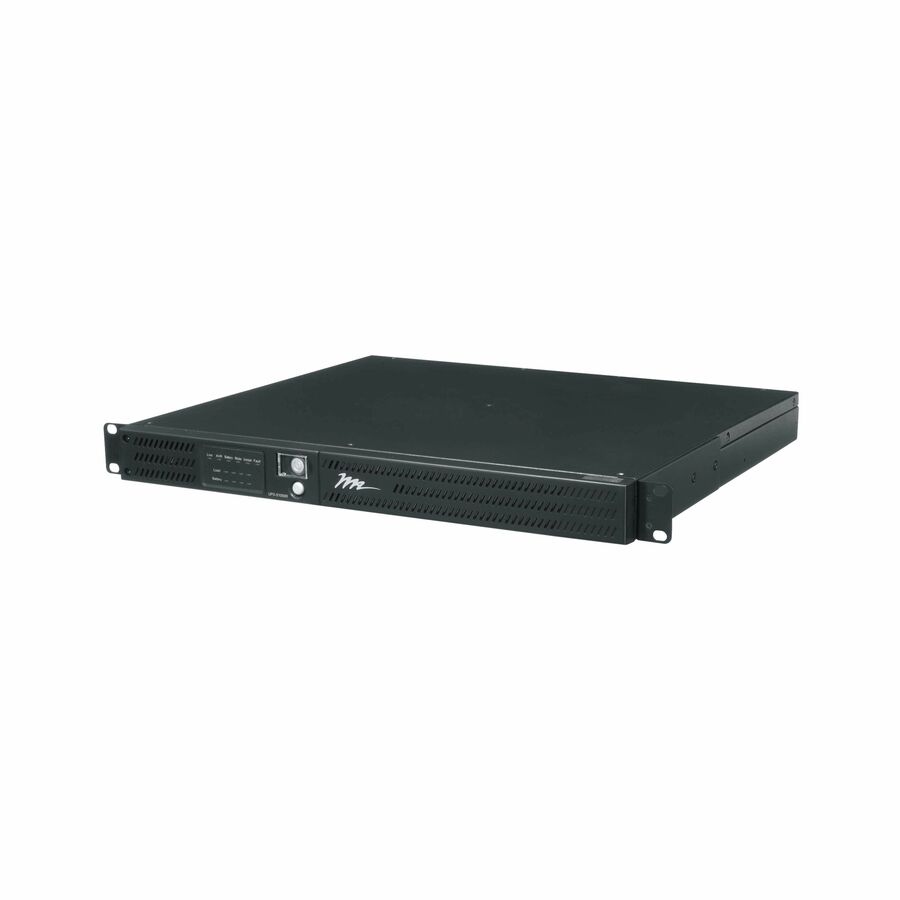
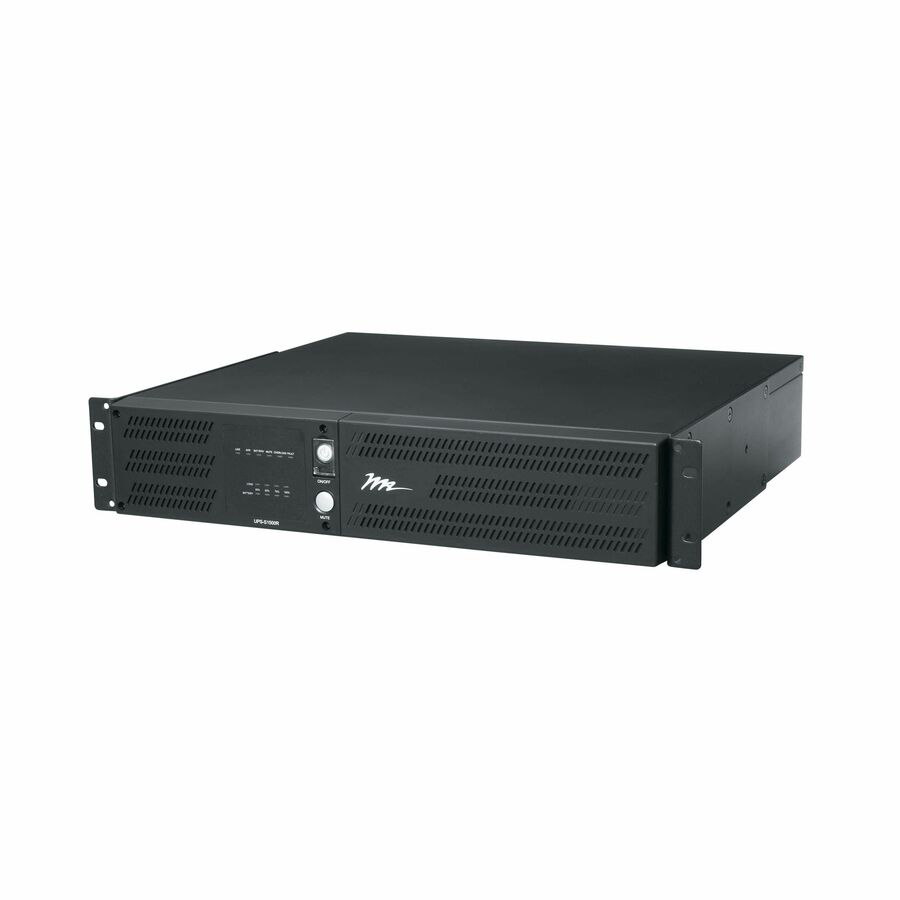
295 in stock - EatonTripp Lite series BC500RT1ULNC 500VA Rack/Tower UPS - 1U Rack/Tower - 8 Hour Recharge - 3 Minute Stand-by - 120 V AC Input - 120 V AC Output - Single Phase - Pulse-width Modulated Sine Wave - USB - LCD Display - 6 x NEMA 5-15R Receptacle(s) - 6 x Battery/Surge Outlet - Network Card, Remote MonitoringBC500RT1ULNC
$839.00
$771.88
98 in stock




Top pick
Eaton
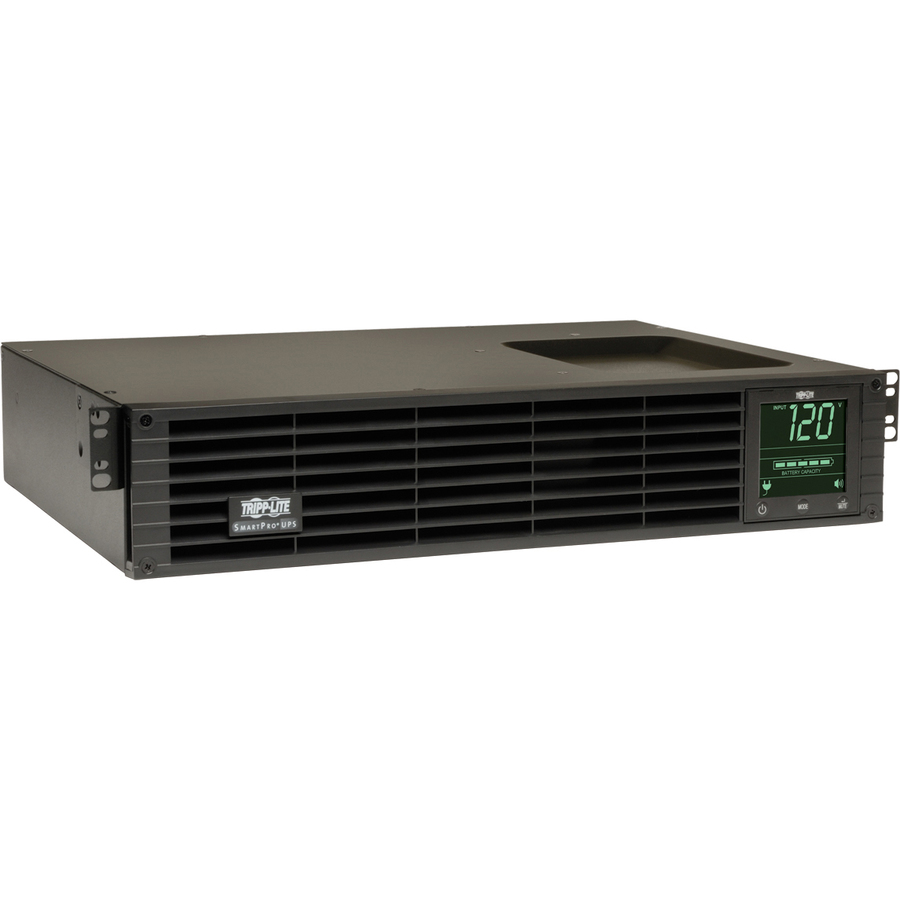
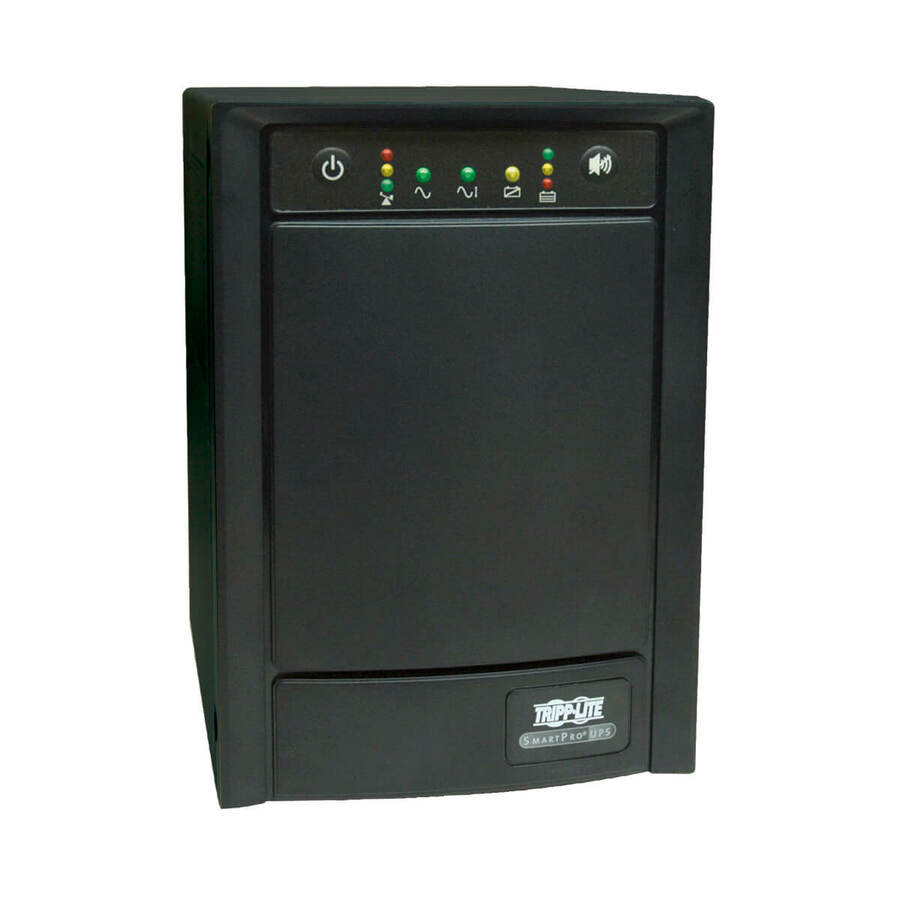
Tripp Lite by Eaton UPS SmartPro 1500VA 1350W 120V Line-Interactive…
SMART1500RM2U
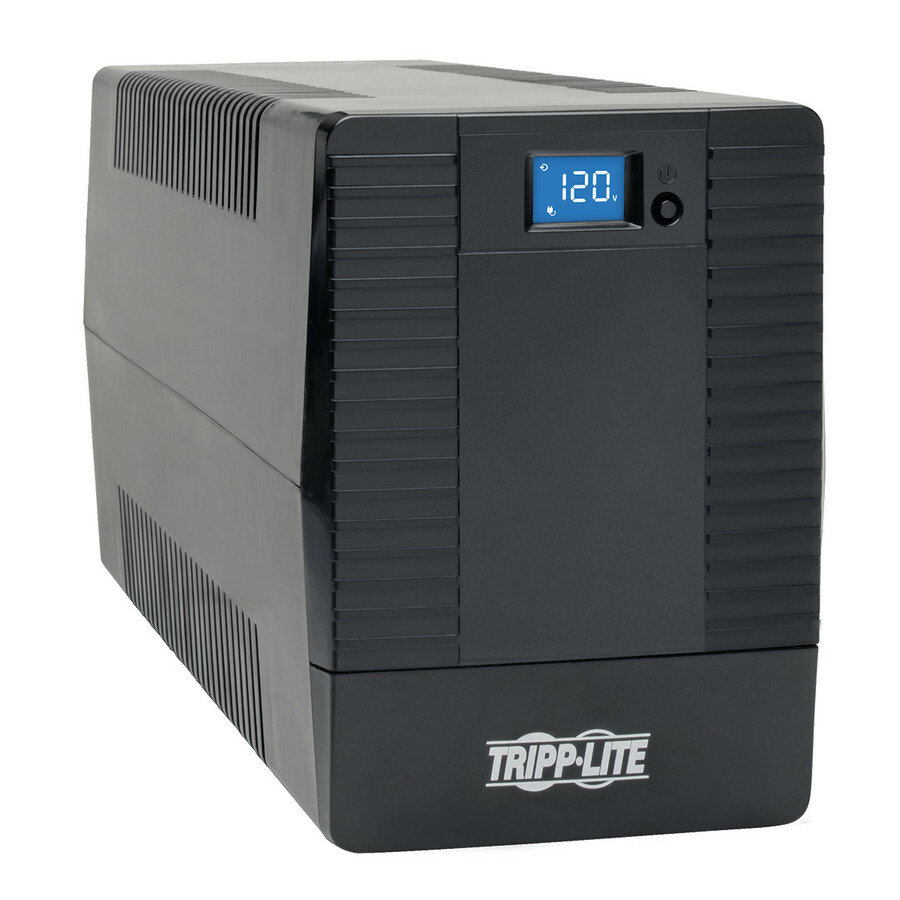
The mainstream rack answer: 1500 VA / 1350 W line-interactive with pure sine wave output, eight NEMA 5-15R outlets, LCD, USB and serial, in a 2U rack/tower body with a network card slot. It covers a closet switch stack plus a couple of hosts, and the sine wave output matters for active-PFC power supplies that reject a stepped waveform.
$1,449.15In stockBest value
Schneider Electric
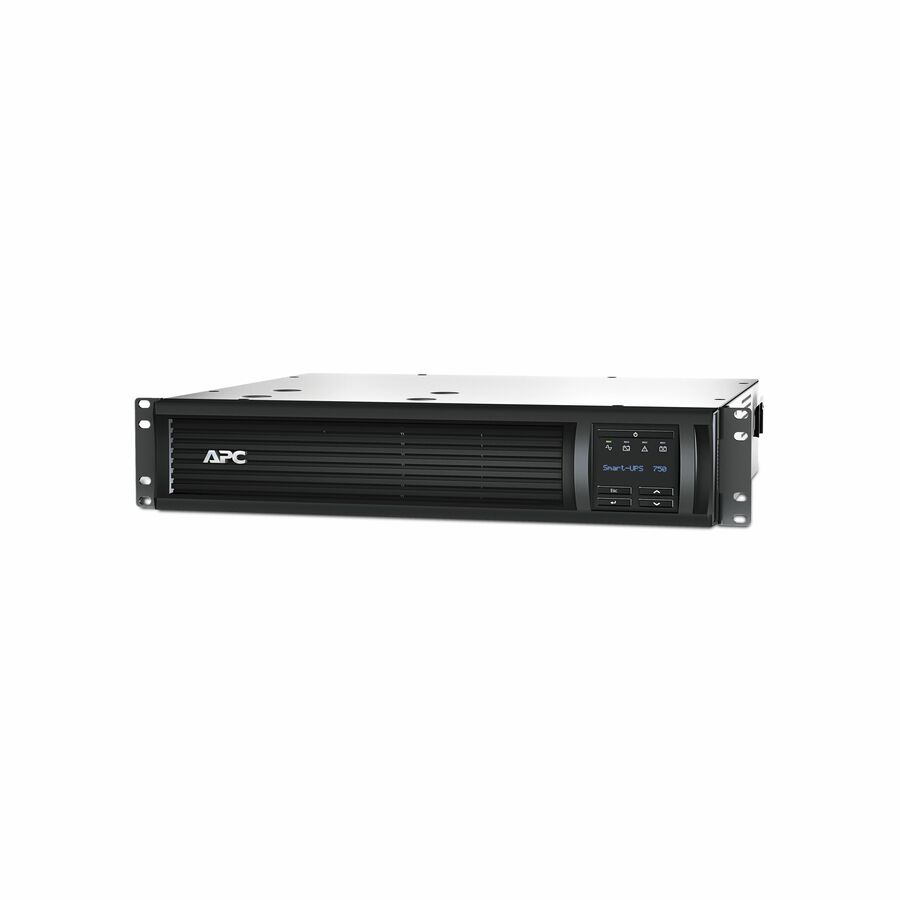
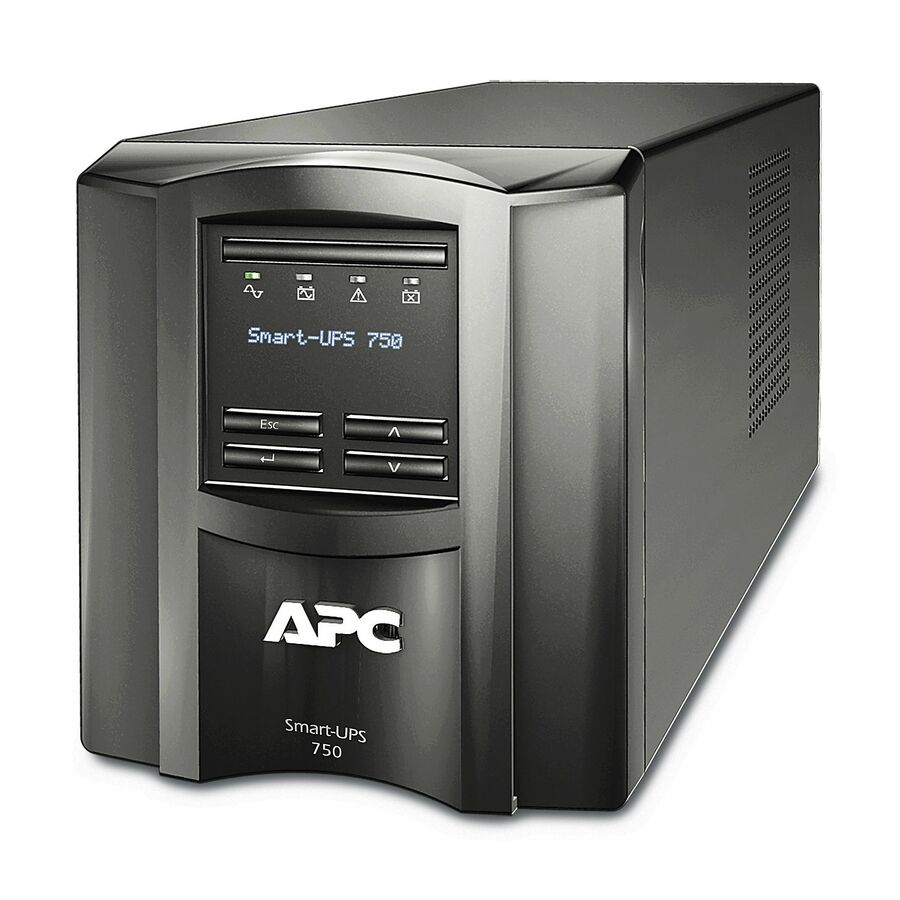
APC Smart-UPS, Line Interactive, 750VA, Rackmount 2U, 120V, 6x NEMA…
SMT750RM2UC
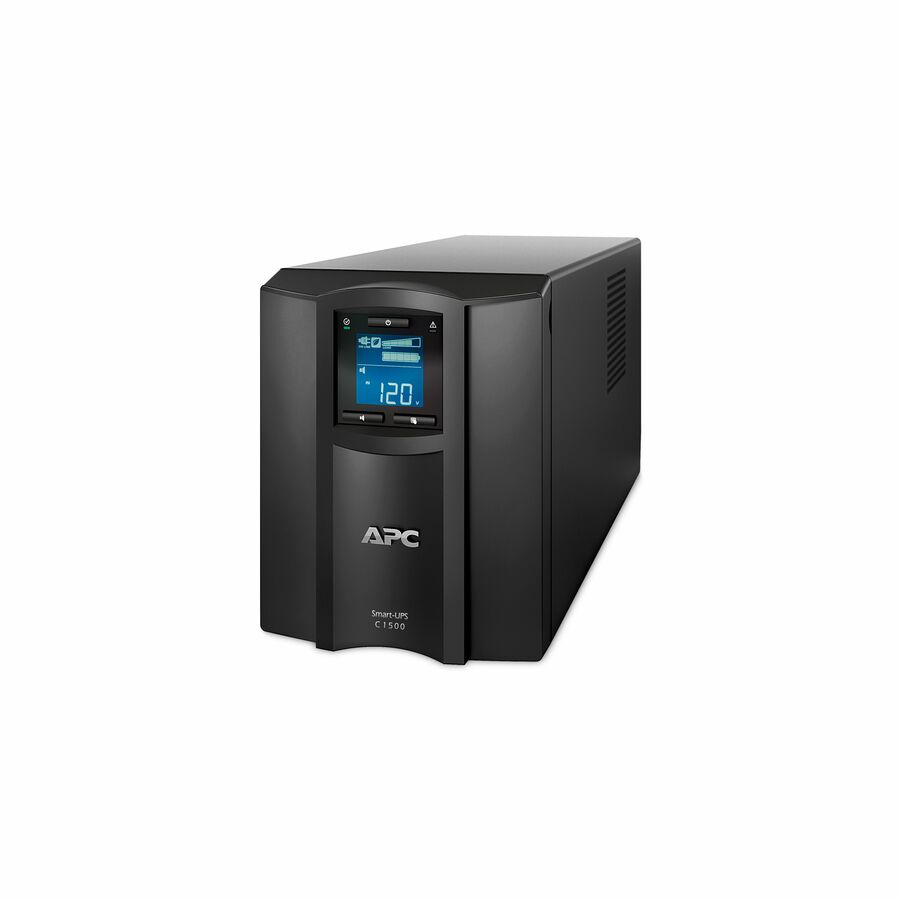
A 750 VA 2U Smart-UPS with AVR, LCD, six NEMA 5-15R outlets and both a SmartConnect port and a SmartSlot — the smaller cabinet's unit, with remote monitoring available out of the box rather than as a card you have to remember to order. The right size for a branch rack running a switch, a firewall and one host.
$874.87In stockFor a single rack unit
Eaton
Tripp Lite by Eaton UPS 500VA 300W 120V Line-Interactive UPS 6 NEMA…
SMART500RT1U
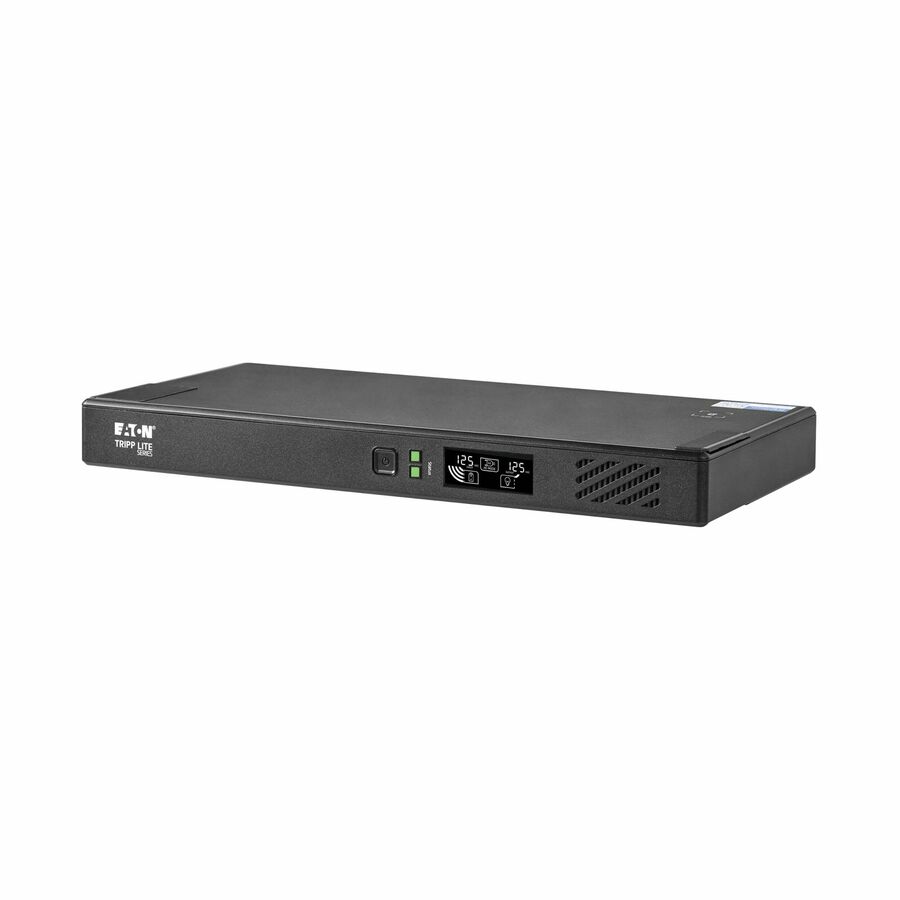
When the cabinet has one rack unit left, this is the shape that fits: a 500 VA / 300 W line-interactive unit in a 1U rack/tower chassis with six NEMA 5-15R outlets, USB, serial and an optional network card. Sized for a switch, a small appliance or an edge node — not for a server, which the watt rating makes plain.
$473.62In stockFor sensitive loads
Vertiv
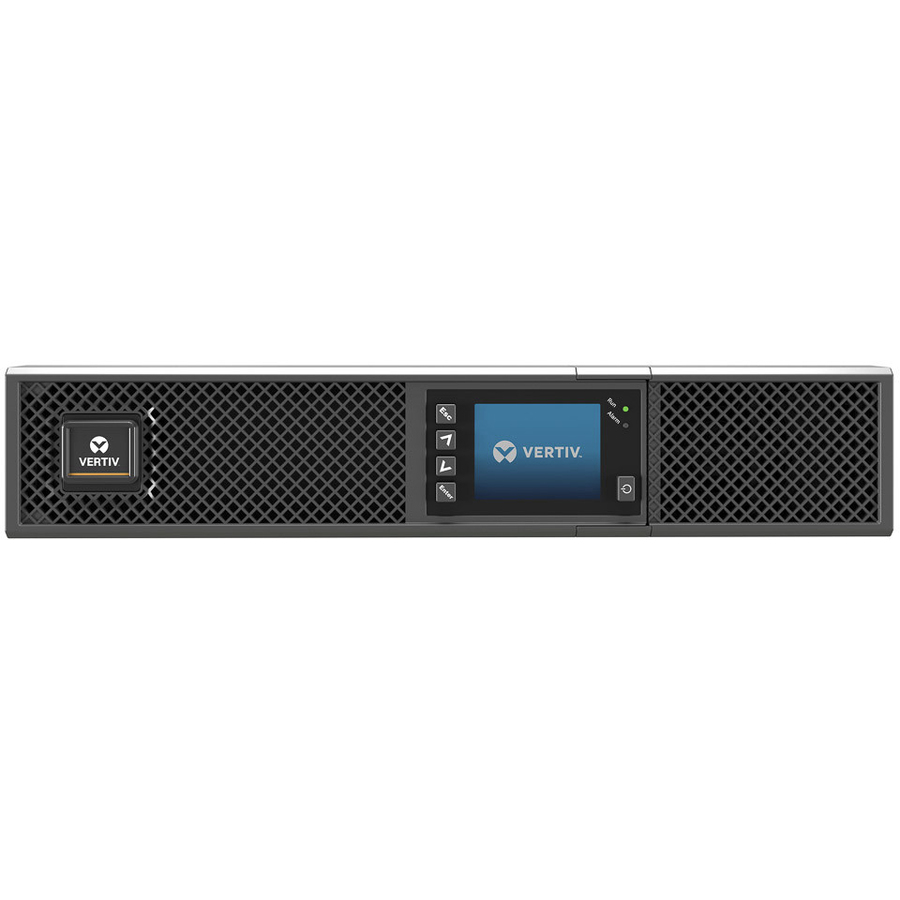
Vertiv Liebert GXT5 UPS
GXT5-1500LVRT2UXL
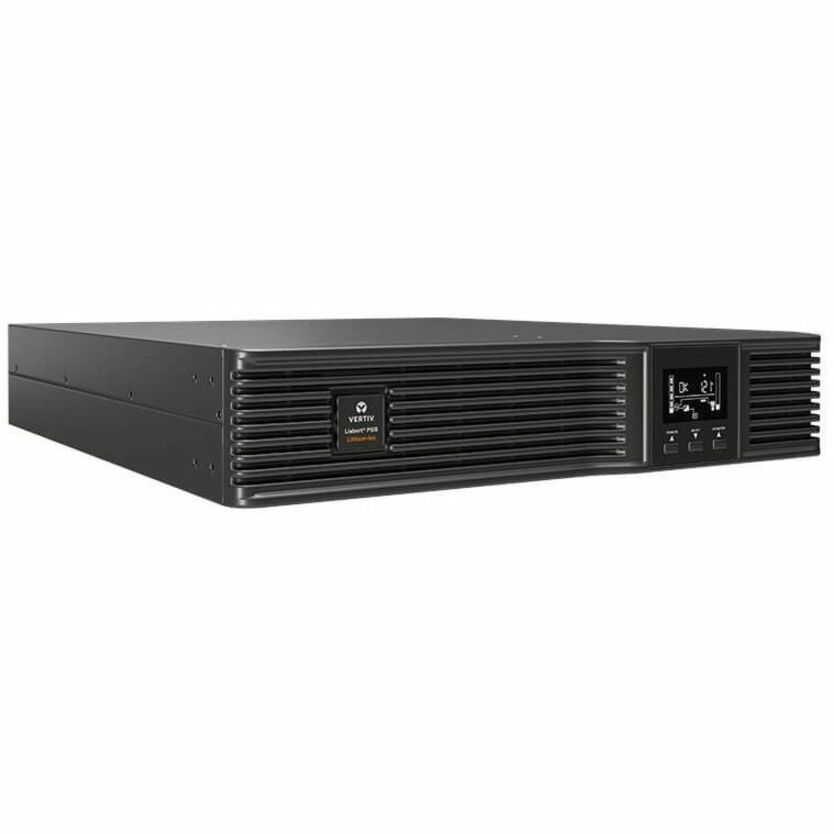
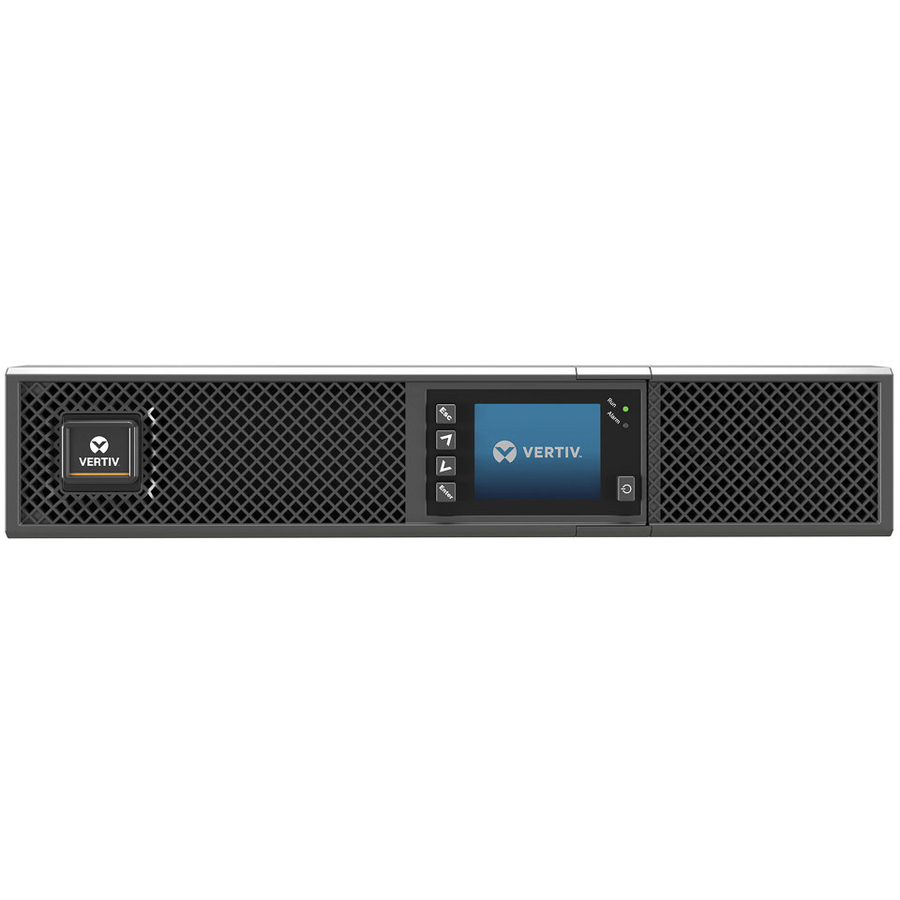
Online double-conversion in a 2U rack/tower body: 1500 VA / 1350 W with the load continuously isolated from the utility, a colour graphic LCD, an Energy Star listing and an optional monitoring card. This is the specification for generator-fed sites, unstable utility power and equipment that will not tolerate a transfer.
$1,935.44Back-orderedTAA-marked option
Vertiv
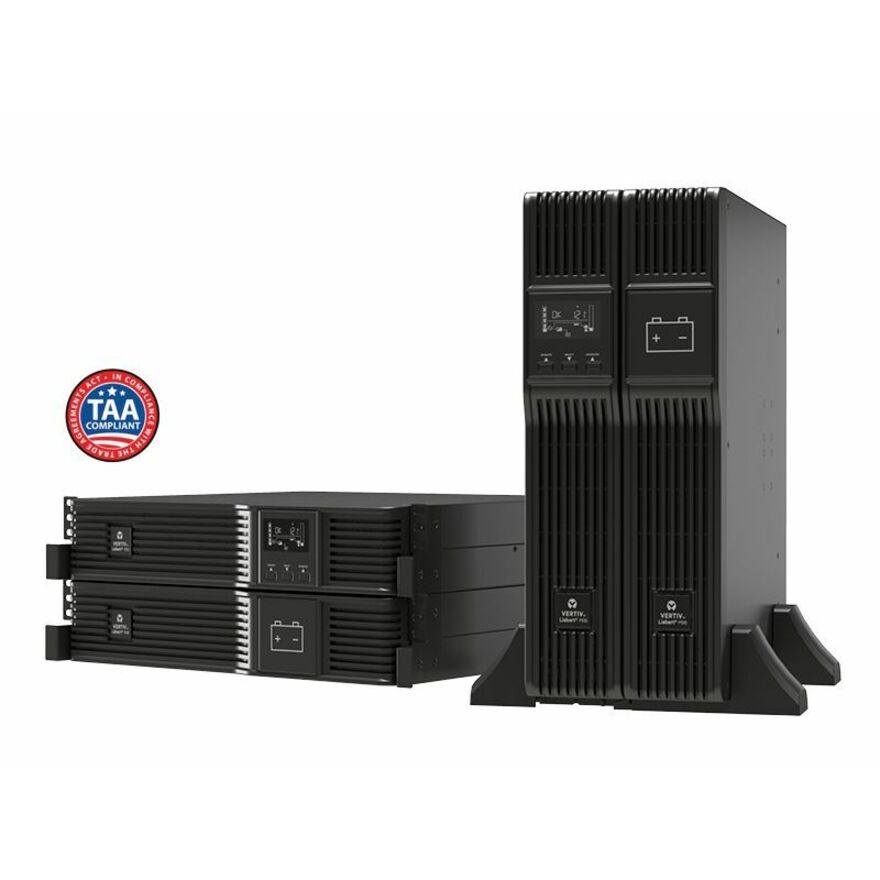
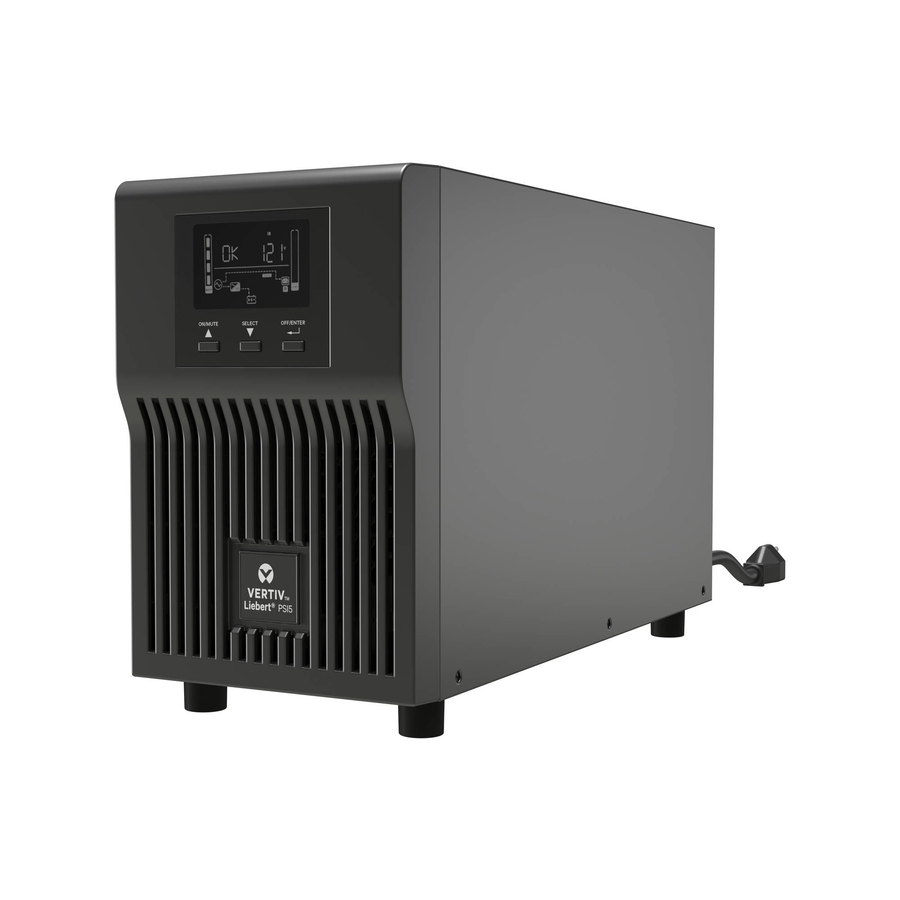
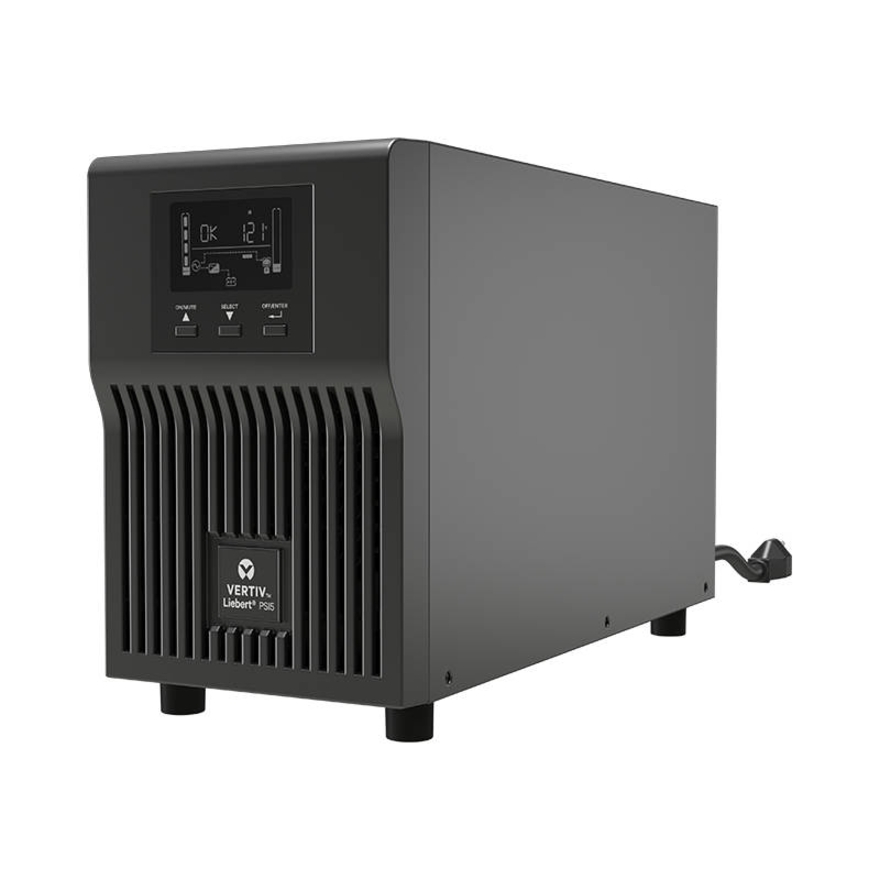
Vertiv Liebert PSI5 UPS
PSI5-1500RT120TAA
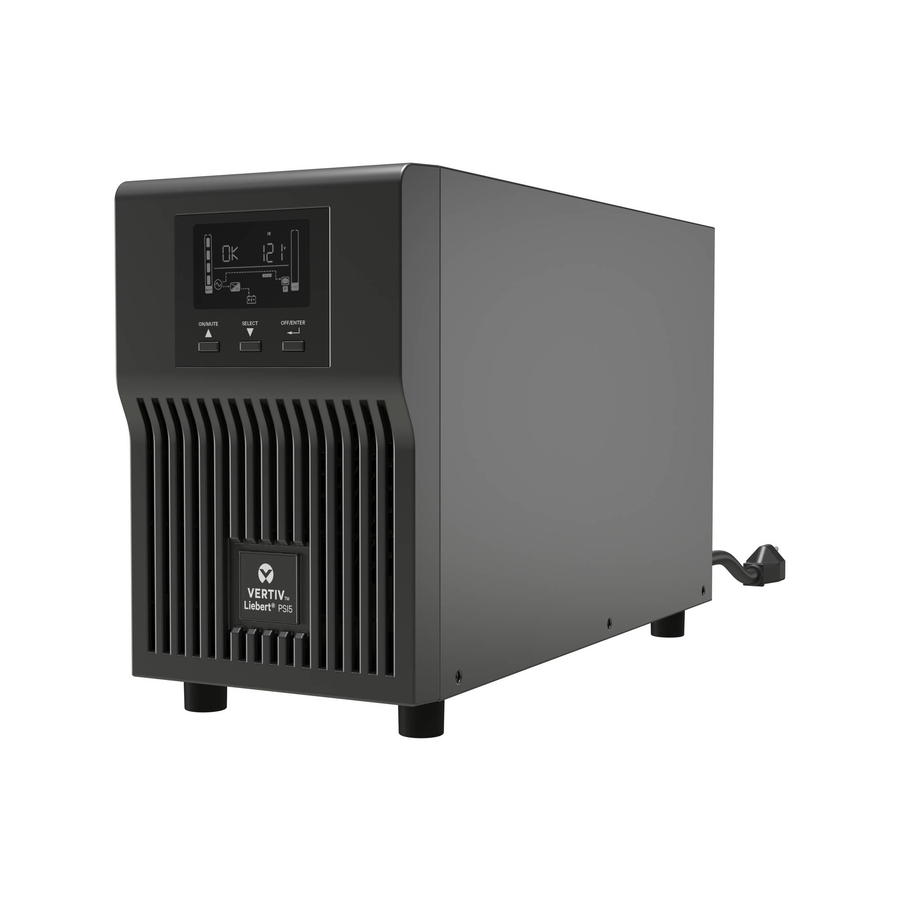
A 1500 VA / 1350 W line-interactive rack/tower unit at 0.9 power factor with pure sine wave output on battery, a rotatable LCD and a programmable outlet group — the same class as the top pick, ordered as the manufacturer's TAA-marked part number rather than the standard one.
Our catalog data records this part number as TAA compliant. The TAA and standard variants of a model are different SKUs, so we screen and document the exact part number on the quote rather than the model family.
$1,173.48*In stockBrowse all 1,114 UPS systems
Not the right one above? Filter the whole range by the specs that matter — live pricing and honest availability on every row, the same NDAA §889 screening before checkout, and TAA verified on request.
Showing 24 of 1,114 UPS systems
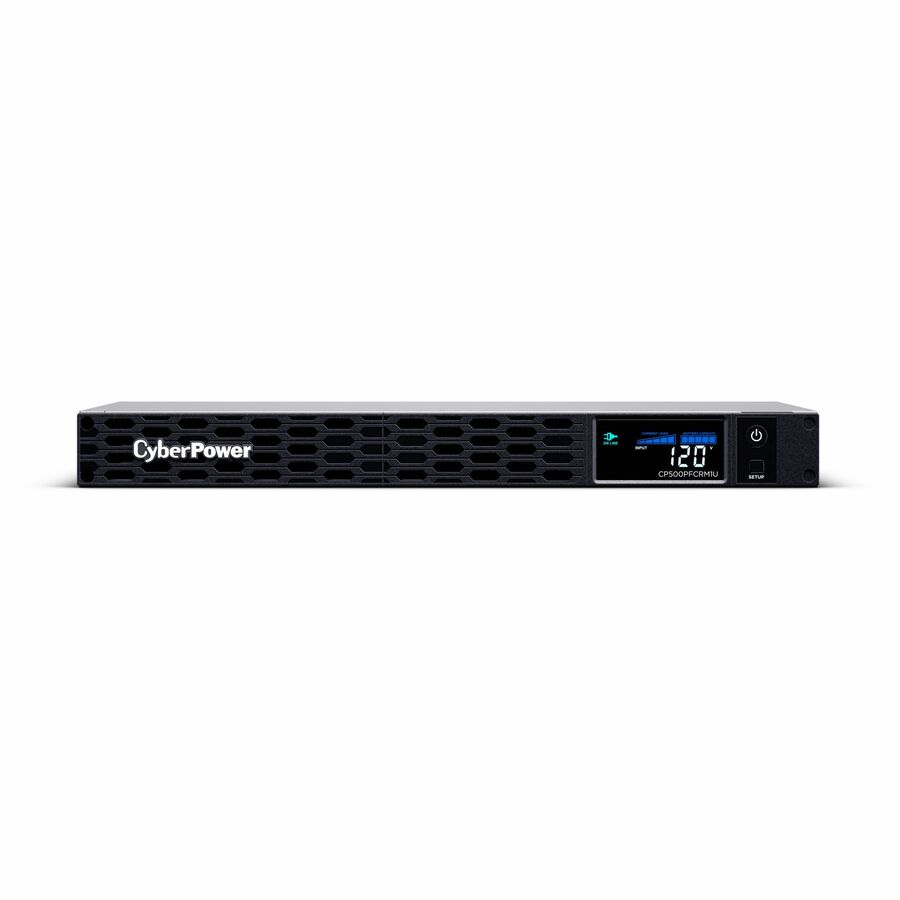
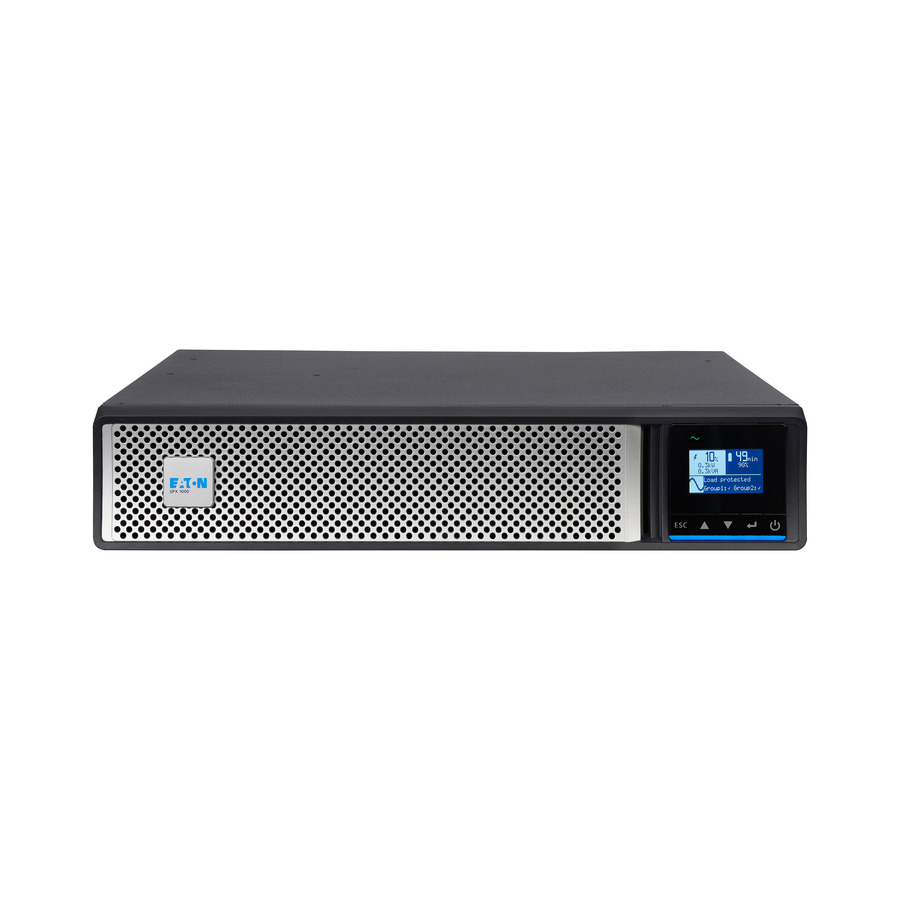
- EatonEaton 5P Gen2 5P1500RTG2 1440VA Rack/Tower UPS - 2U Rack/Tower - AVR - 9 Hour Recharge - 5 Minute Stand-by - 120 V AC Input - 100 V AC, 120 V AC, 125 V AC Output - Single Phase - Sine Wave, Pure Sine Wave - Serial Port - LCD Display - 8 x NEMA 5-15R Receptacle(s) - Network-M3 Card, RS-2325P1500RTG2
$1,142.00
$1,050.64
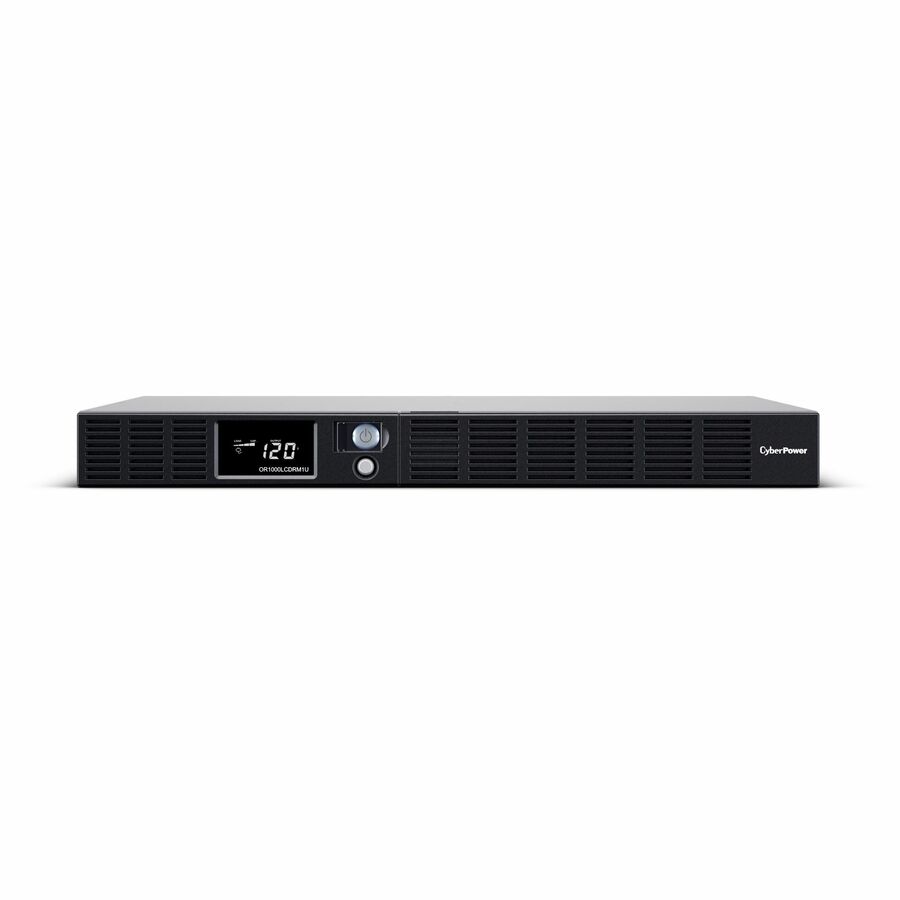
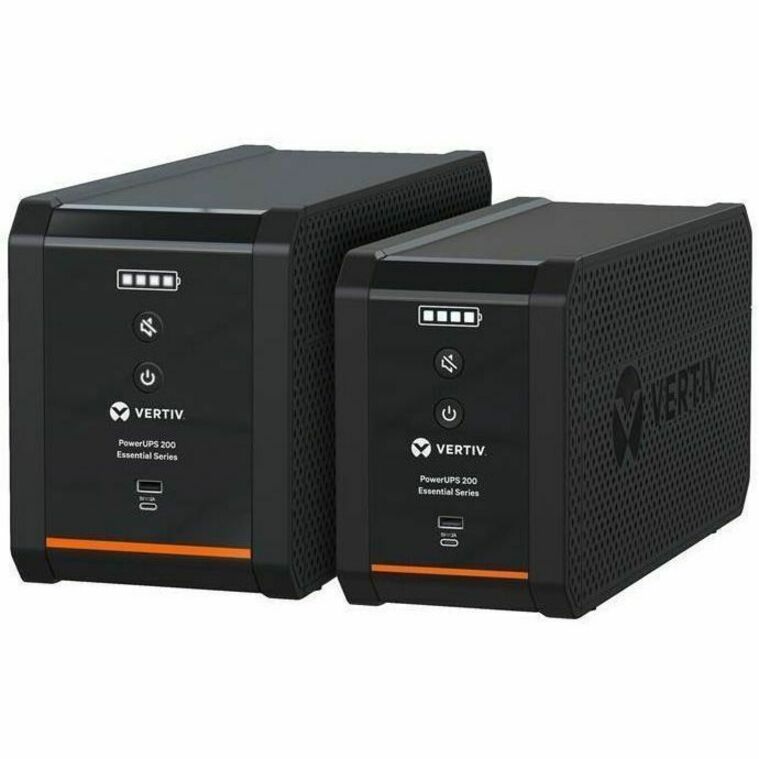
51 in stock - VertivVertiv Liebert GXT5 UPS - 500VA/500W 120V | Online Rack Tower Energy Star - Double Conversion| 2U| Optional RDU120 Card| Color/Graphic LCD| 3-Year WarrantyGXT5-500LVRT2UXL
$1,554.00
$1,184.15
161 in stock
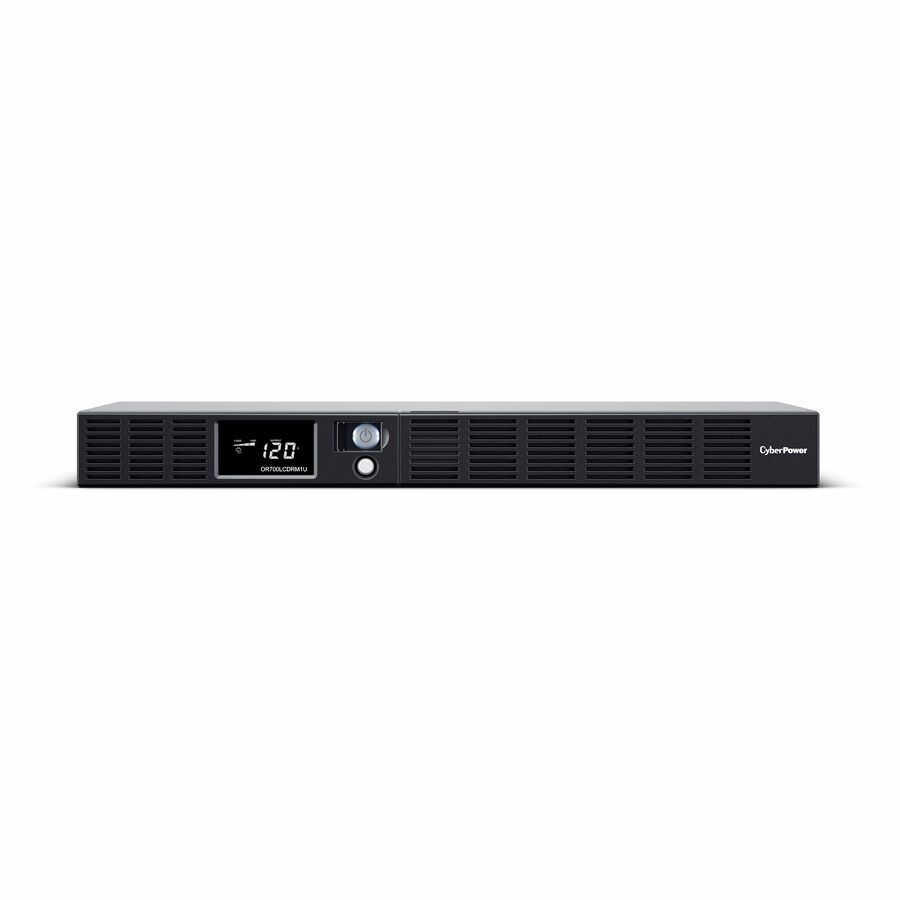
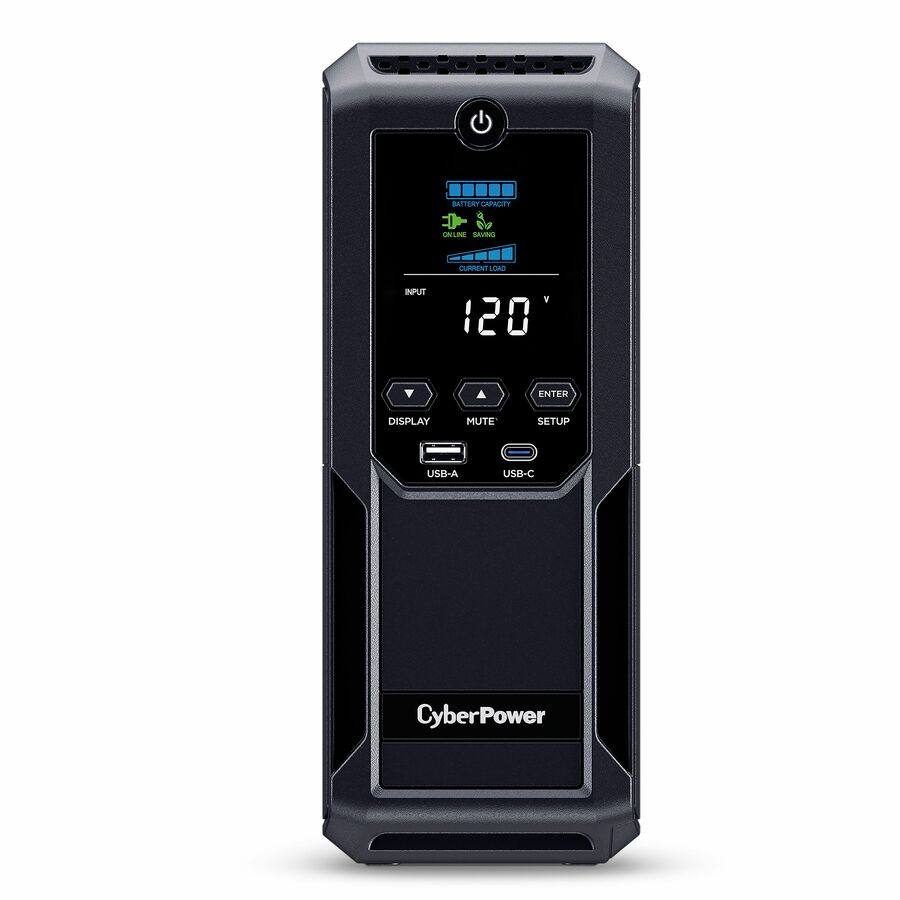
Specifications are read from the manufacturer product title as supplied to us; where a value is not stated it is left blank rather than estimated. Every line is screened for NDAA §889 status before checkout, with TAA verified on request.
Need pricing on rack-mount UPS systems?
Tell us where to reach you and a Uniqcli specialist will follow up by email with current pricing, availability and lead time for the quantities you need — including parts that aren’t shown on this page.
Buying for an organization or for yourself — both work. No payment up front.
Size a rack UPS on the watt rating, not the VA rating: the 1500 VA units on this page carry watt ratings of 900, 1050, 1200, 1350 and 1500 depending on power factor, and a load that fits the VA number but not the watt number will not run. Then pick topology — line-interactive with AVR for switches and closet gear, online double-conversion for voltage-sensitive sites.
The form factor is usually the constraint nobody costed. A UPS that would be an obvious choice on the floor of a comms room becomes the wrong answer the moment the requirement is a sealed cabinet with two rack units free at the bottom, and the units that fit that brief are a genuinely different set of products: 1U chassis in the few-hundred-watt class, 2U chassis covering most of the 750 VA to 3 kVA range, and rack/tower-convertible bodies that mount on rails or stand on end depending on where the site puts them. Everything on this page mounts in a rack; the sizing rules below are what decide which one.
Size on watts, not on VA. The VA figure is the headline and the watt figure is the ceiling — the 1500 VA units on this page carry watt ratings of 900, 1050, 1200, 1350 and 1500 depending on the model's power factor, and a load that fits the VA number but not the watt number will not run. Add up the real draw of what goes behind it, leave room for the growth you can already name, and then ask the separate question of runtime: most of these units hold a full load for a few minutes, which is enough for a clean scripted shutdown or a generator start, not enough to ride out an outage. If you need longer, the answer is an extended-run model with external battery packs rather than a bigger unit.
Topology is the third decision and the one that separates the price tiers. Line-interactive with automatic voltage regulation corrects sags and swells by tap-changing without dropping to battery, which suits switches, access-layer servers, NVRs and closet gear — the majority of what sits in a rack. Online double-conversion rebuilds the waveform continuously so the load never sees the utility at all, which is what voltage-sensitive equipment, generator-fed sites and poor-power locations actually need. After that it is plumbing: outlet type and count, the input plug the circuit gives you, whether the unit takes a network management card for remote monitoring and scheduled shutdown, and whether the batteries are user-replaceable. A rack refresh usually quotes the UPS alongside the PDUs, the cordage, the monitoring and shutdown software licences and the install and commissioning labour on one order.
Buyer's checklist
How to choose a rack mount UPS
- Count the rack units you actually have free, including the depth and the weight the rails are rated for — a UPS is the heaviest thing in most cabinets and it belongs at the bottom.
- Size on the watt rating, not the VA rating, and confirm both against the measured draw of the load rather than the nameplate sum of the equipment.
- Pick topology by load sensitivity: line-interactive with AVR for switches, closet servers and general rack gear; online double-conversion for voltage-sensitive equipment, generator-fed sites and unstable utility power.
- Decide runtime honestly. Most units here hold a full load for minutes — enough for a graceful scripted shutdown. Anything longer means an extended-run model with external battery packs, which is a different part number and a different footprint.
- Match outlets and the input plug to reality: how many NEMA 5-15R or IEC C13/C19 outlets you need, whether any of them must be individually switchable, and what receptacle the circuit actually presents.
- Check for a network management card slot or an equivalent monitoring port if the unit will ever be unattended — remote alerting and scheduled graceful shutdown are what make a UPS a control, and they are frequently an add-on rather than a fitted card.
Fitting the rack, not just the load
Three physical numbers decide whether an install goes cleanly, and only one of them is on the front of the box. Height is the obvious one — 1U for a shallow comms cabinet or a wall box with one slot left, 2U for most of the mainstream range — but depth is what strands a unit in a 600 mm cabinet, and weight is what bends a poorly supported shelf. A UPS at this size is dense, so it mounts low, on rails rated for it, with the cable management planned before it goes in rather than after.
Rack/tower-convertible bodies are worth calling out because they solve a real problem in mixed estates. The same part number mounts horizontally on rails in a data closet and stands vertically beside a desk or under a bench at a small site, often with a rotatable display so the readout stays upright either way. If you are specifying one model across branches, remote sites and a central room, that flexibility is usually worth more than the last few percent of efficiency, because it collapses three spares holdings into one.
Monitoring, shutdown and the battery clock
An unmonitored UPS is a battery that fails quietly. The units here mostly expose USB and serial, and most take an optional network management card that puts the unit on the network for SNMP alerting, environmental sensing and scheduled shutdown of the hosts behind it. That card is the difference between a UPS that protects equipment and one that also tells you it is protecting equipment — and, crucially, that shuts servers down in order rather than letting them drop when the battery ends. Where the estate is virtualised, check that the shutdown agent supports the hypervisor version in use, not just the operating system.
Batteries are the recurring cost and the one with a schedule. Sealed lead-acid packs in this class are typically replaced on a multi-year cycle well before they fail, and a unit with user-replaceable cartridges is far cheaper to keep in service than one that has to be swapped whole; lithium-ion models cost more up front and change that calculation over a longer life. Plan the replacement cartridges as a lifecycle line rather than an emergency, and plan the disposal with it. Where the runtime requirement is longer than a scripted shutdown needs, extended-run models accept external battery packs — that is the supported way to buy time, rather than oversizing the UPS itself.
Total cost, licensing and compliance screening
A UPS is rarely a single line. The realistic quote carries the unit, the network management card if it is not fitted, the rail kit, the cordage between the UPS and the PDUs, replacement battery cartridges on a schedule, and the shutdown and monitoring software licences for the hosts behind it — plus the install and commissioning labour, which for anything above a small closet unit includes verifying the circuit, the load balance and the shutdown sequence end to end. Uniqcli quotes all of that on one order, including the licensing and the services, so a refresh does not arrive as hardware with three gaps in it.
Several models in this range are marketed by their manufacturers in TAA-marked variants under separate part numbers, and our catalog data records those markings where they exist. Uniqcli does not restate a manufacturer marking as a certification of its own. Every line is sourced through US distribution and screened for TAA country-of-origin and NDAA Section 889 status before checkout, with documentation tied to the specific part number — which matters here because the TAA variant and the standard variant of the same model are different SKUs, and the paperwork has to follow the one that ships.
FAQ
Common questions
- How many rack units does a UPS take?
- It tracks capacity, roughly. The smallest units on this page are 1U chassis in the few-hundred-watt class, suited to a shallow comms cabinet or a wall box with one slot free. The mainstream 750 VA to 3 kVA range is mostly 2U, and extended-run and higher-capacity models run to 3U and beyond. Height is only part of the fit, though — check the depth against the cabinet and the weight against the rails, because a UPS is usually the heaviest device in the rack and belongs at the bottom of it.
- What is the difference between VA and watts on a UPS?
- VA is apparent power and watts is real power, and the watt figure is the one your load has to fit inside. The ratio between them is the unit's power factor, which is why the 1500 VA models on this page carry watt ratings ranging from 900 W to 1500 W. Size against the measured draw of the equipment rather than the sum of the nameplates, which almost always overstates it, and leave headroom for growth you can name. If a load fits the VA number but exceeds the watt number, the UPS will not carry it.
- Do I need an online double-conversion UPS or is line-interactive enough?
- Line-interactive with AVR is enough for most rack loads — switches, access-layer servers, NVRs, closet equipment — because it corrects voltage sags and swells by tap-changing without discharging the battery. Online double-conversion continuously rebuilds the output waveform so the load is fully isolated from the utility, and that is what voltage-sensitive equipment, generator-fed sites and locations with unstable or noisy power actually need. If you cannot characterise the power quality at the site, the online unit is the safer specification.
- How long will a rack UPS run my equipment?
- Minutes, by design, unless you have bought for more. A standard unit at or near its rated load typically holds for a handful of minutes — enough to ride out a brief interruption or to complete a scripted, ordered shutdown of the hosts behind it. If you need to keep running through a longer outage, the supported answer is an extended-run model with external battery packs rather than an oversized standard unit, and the shutdown agent and network management card matter as much as the runtime figure.
Need rack-mount UPS systems pricing?
Send a bill of materials or part numbers — we confirm stock and a below-market total, with TAA verified on request. No payment up front.