
Best Rack Servers for Small Business
The 1U and 2U rack servers that suit a small-business server room — read by rack height, socket count, processor tier and drive bays rather than by the biggest box on the shelf.
Rack servers for small business at Uniqcli
How to choose →A curated selection with live pricing and honest availability — everything below is currently back-ordered, and we quote a dated lead time on request. Every line is sourced through US distribution and screened for NDAA §889 status before checkout, with TAA verified on request.
Back-ordered — estimated OEM lead time 3–8 weeks (Nov 9 – Dec 14 if ordered today).
Back-ordered — estimated OEM lead time 3–8 weeks (Nov 9 – Dec 14 if ordered today).
Back-ordered — estimated OEM lead time 3–8 weeks (Nov 9 – Dec 14 if ordered today).
Back-ordered — estimated OEM lead time 3–8 weeks (Nov 9 – Dec 14 if ordered today).
Back-ordered — estimated OEM lead time 3–8 weeks (Nov 9 – Dec 14 if ordered today).
Back-ordered — estimated OEM lead time 3–8 weeks (Nov 9 – Dec 14 if ordered today).
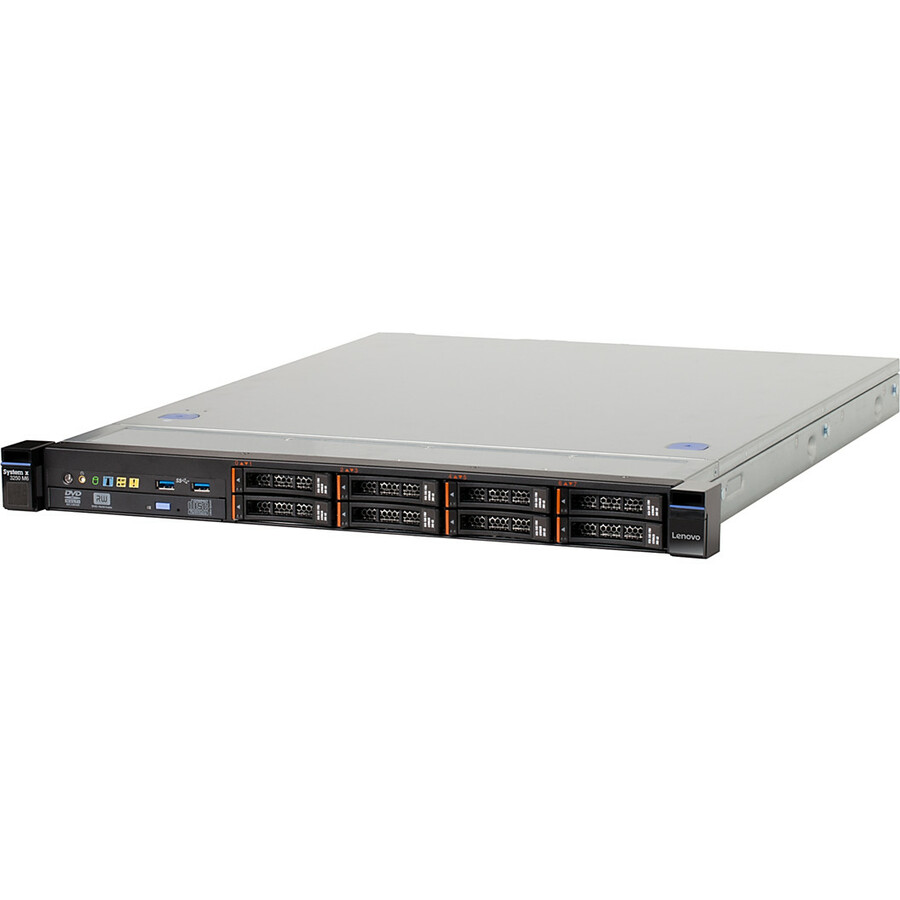
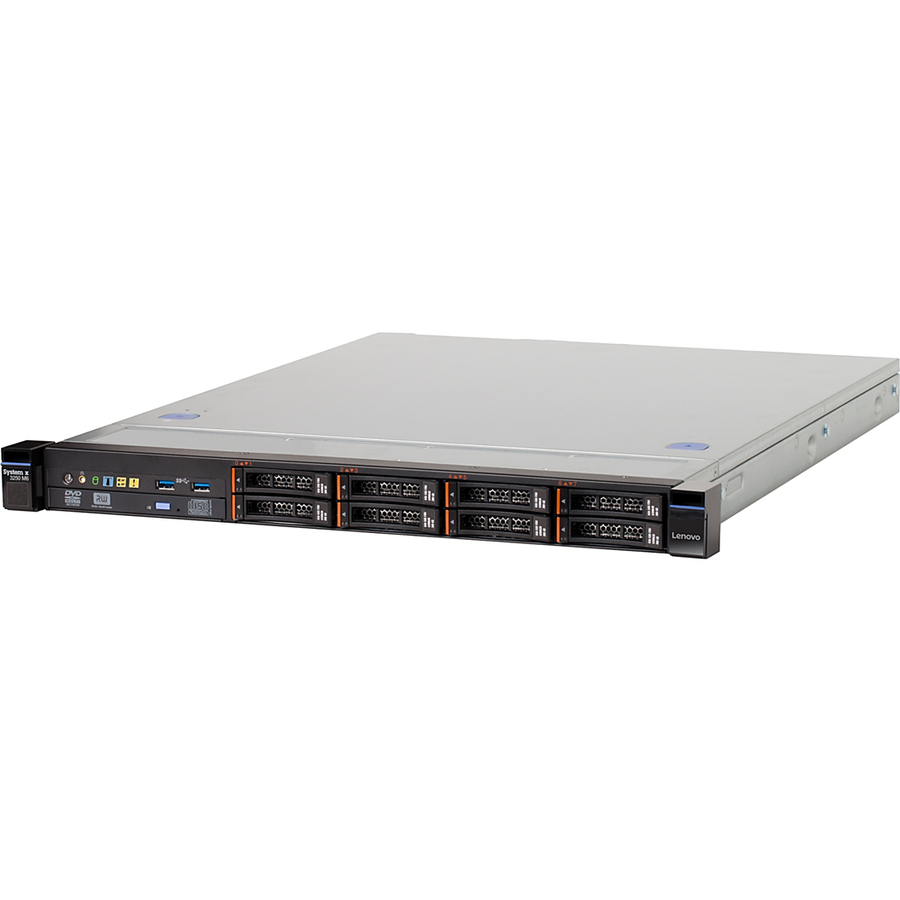
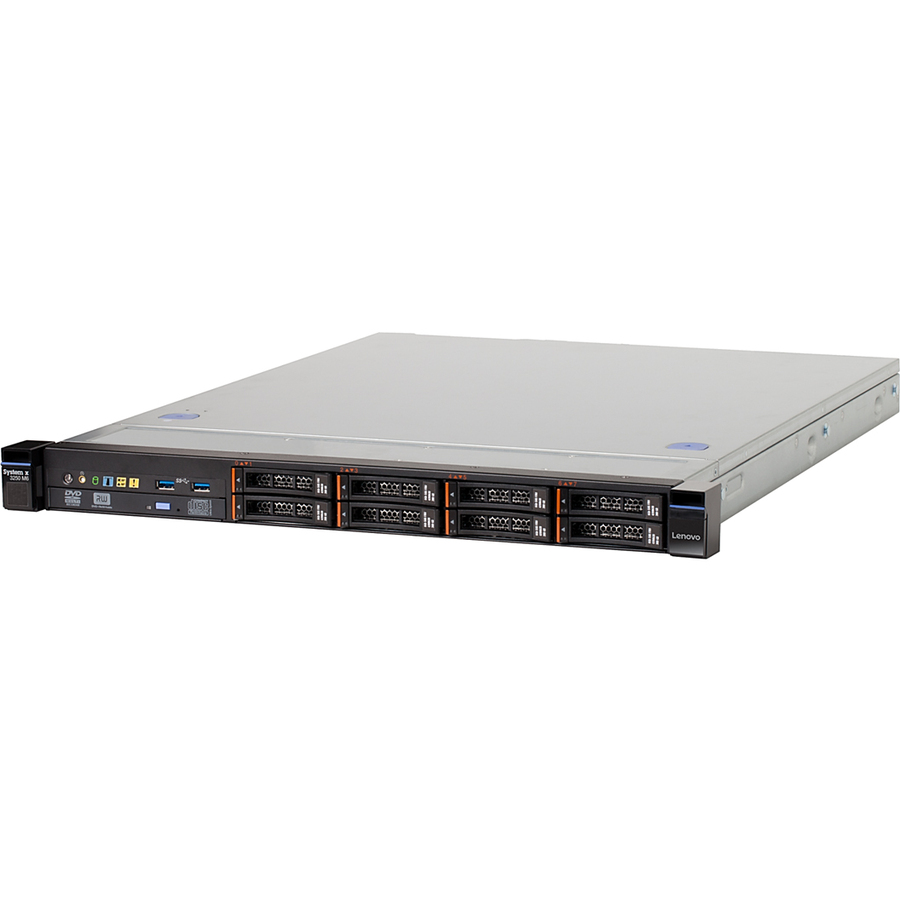
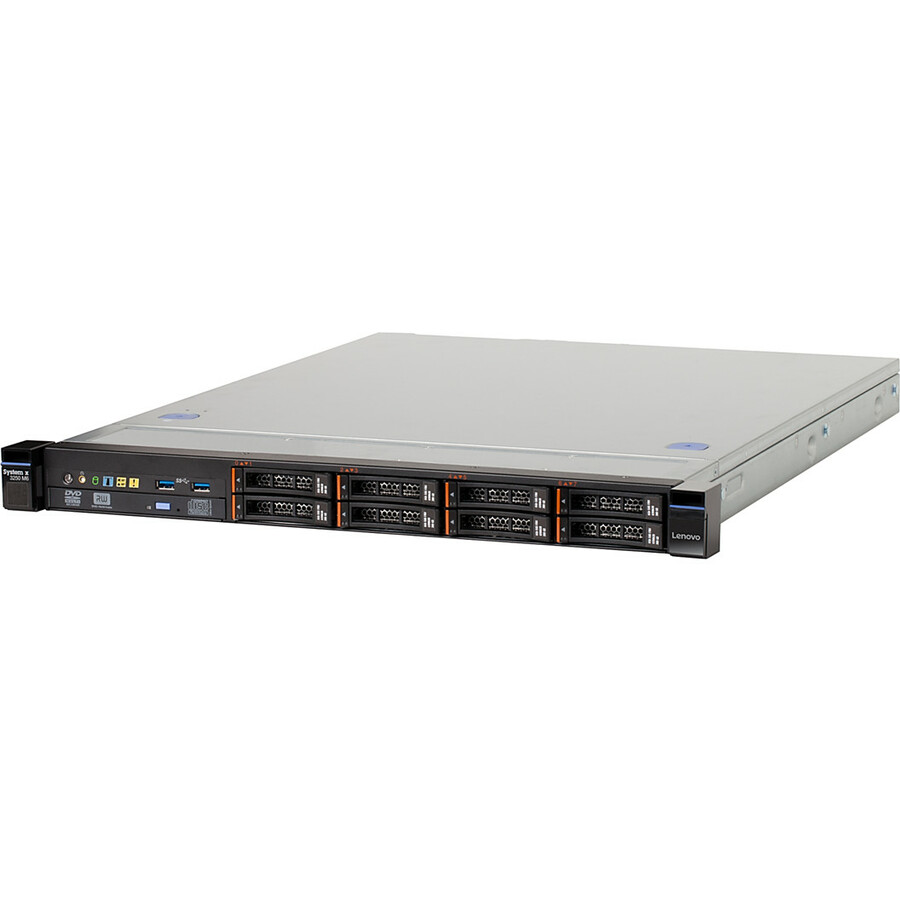
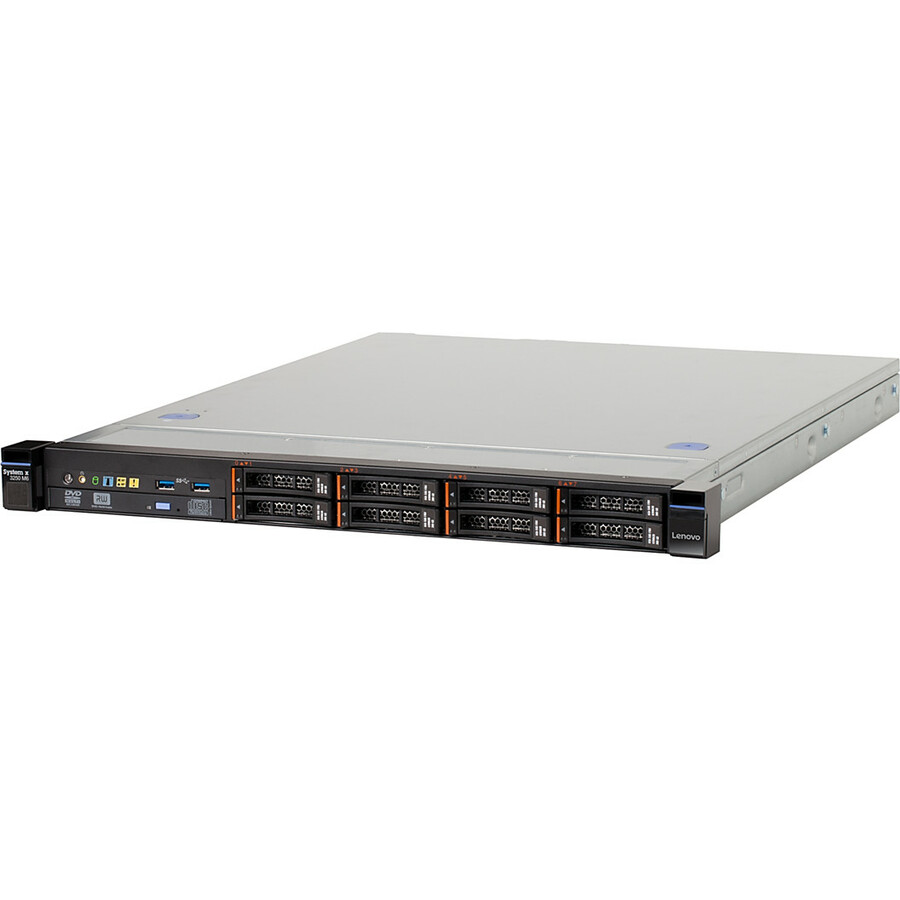
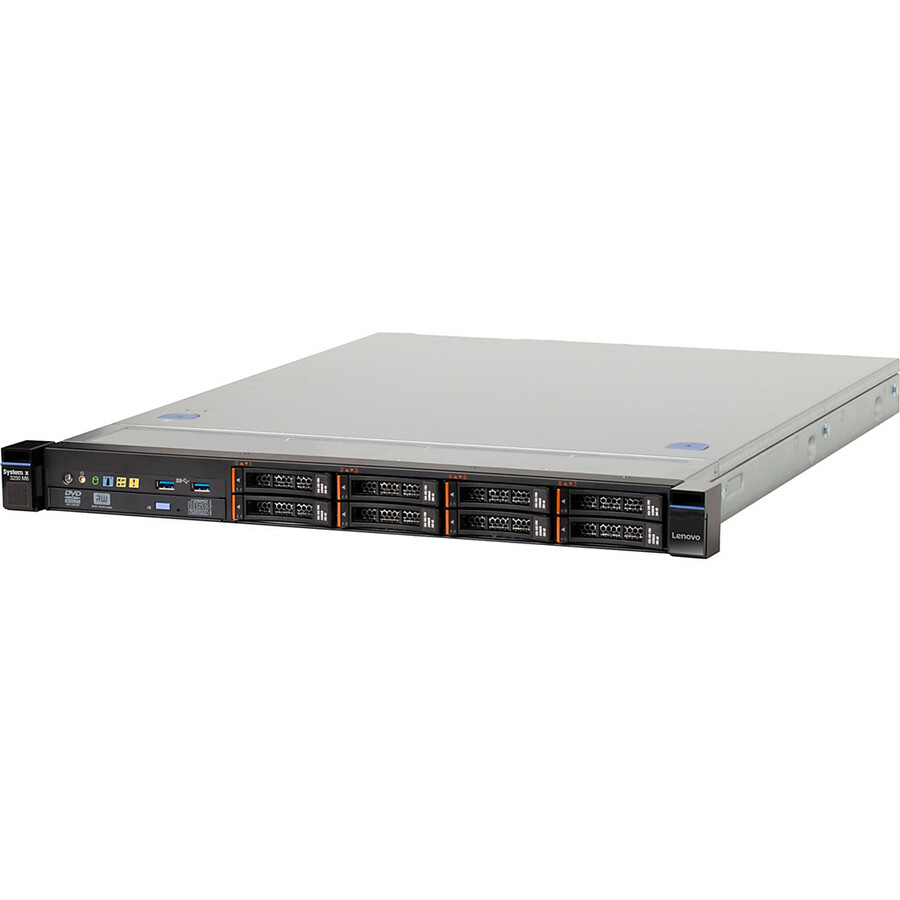
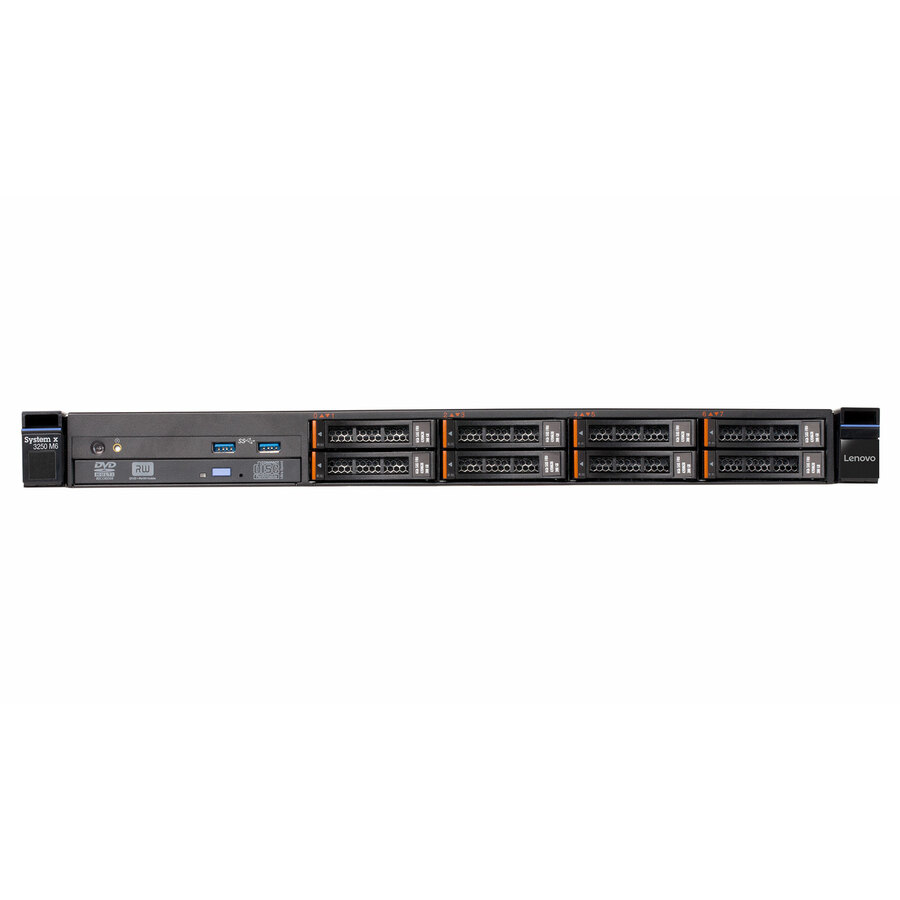
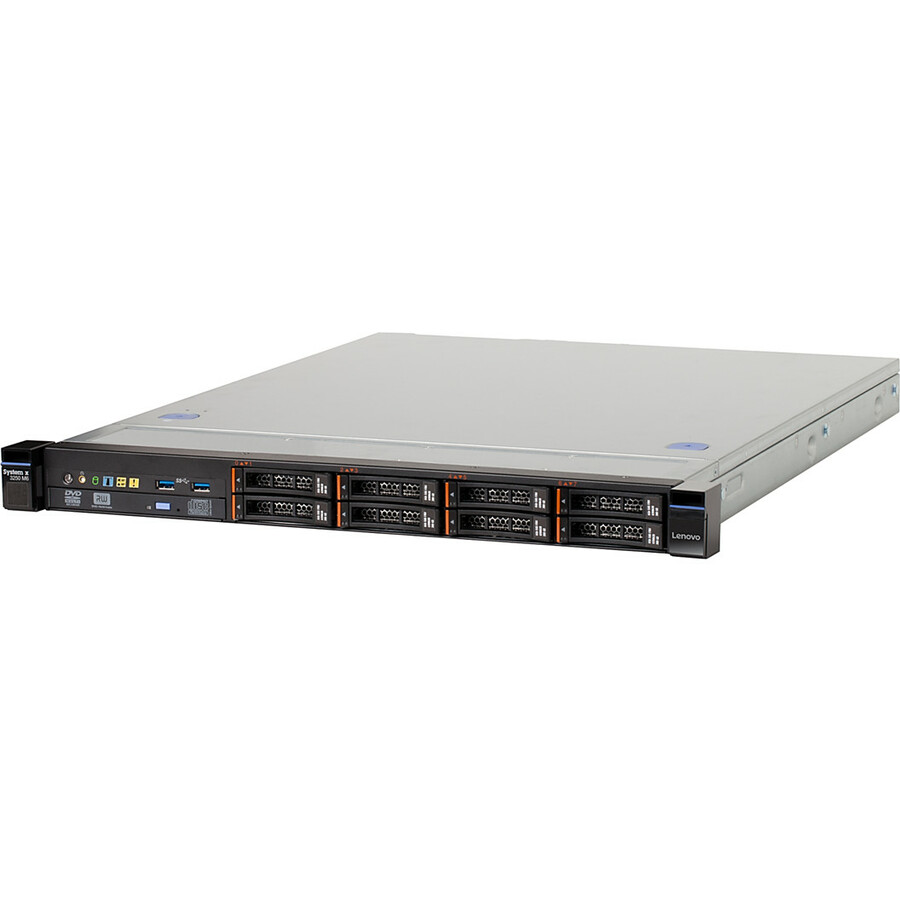
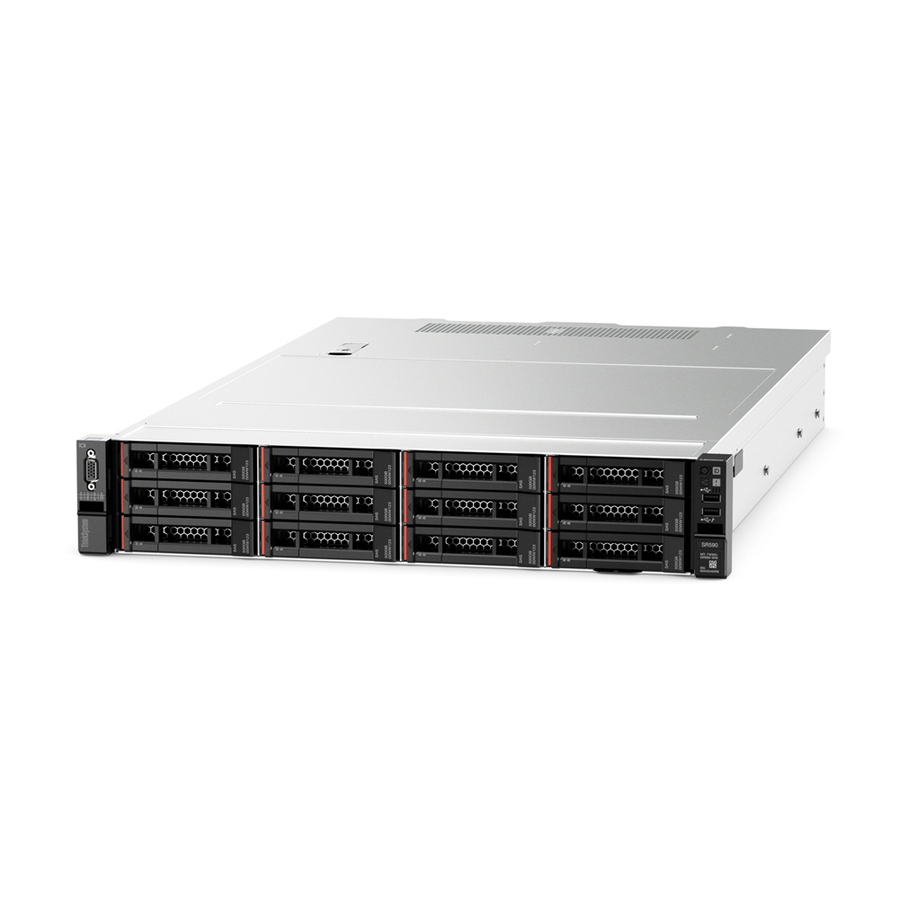
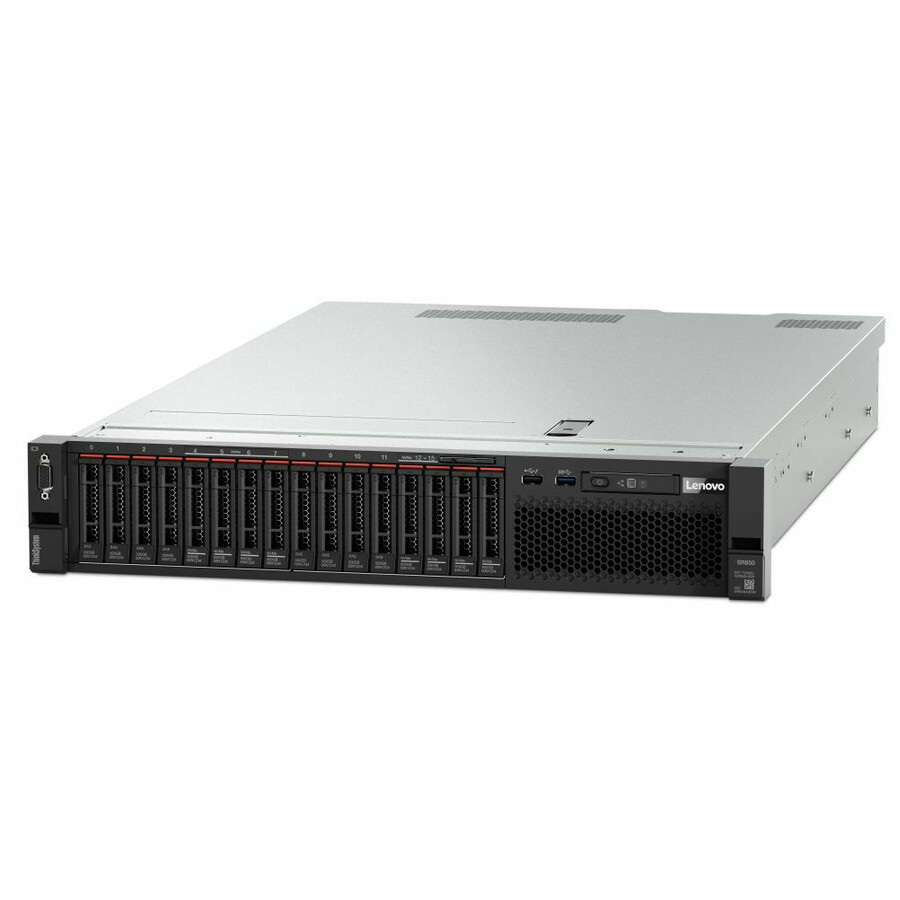
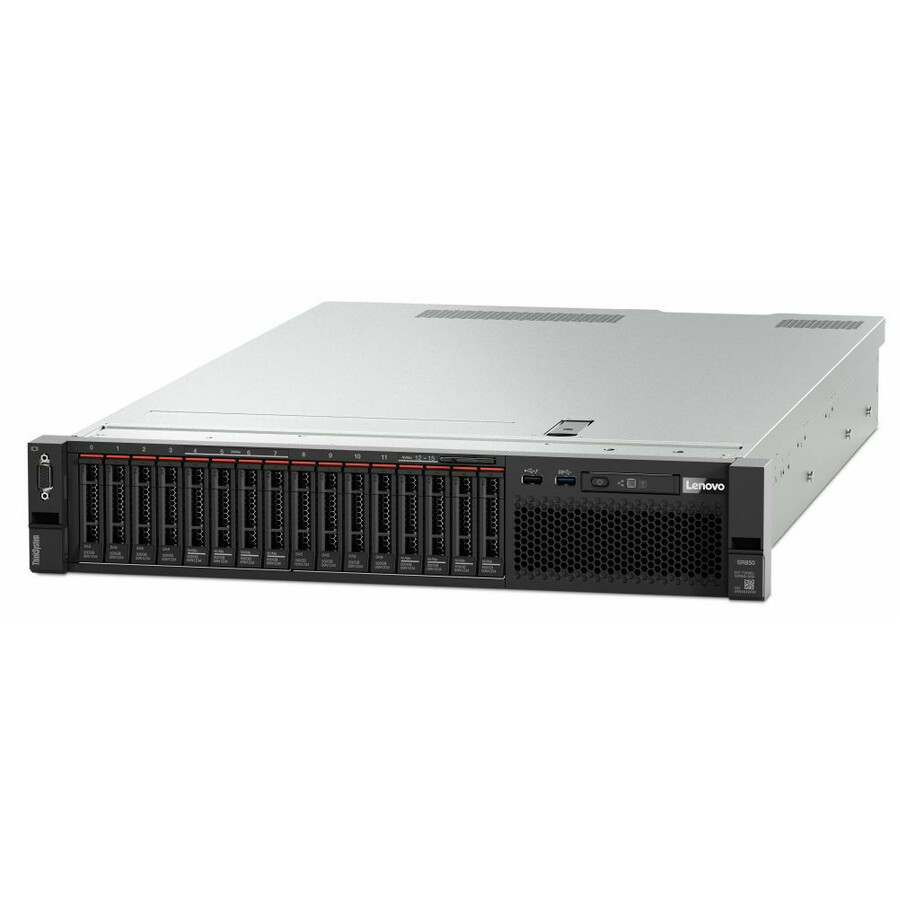
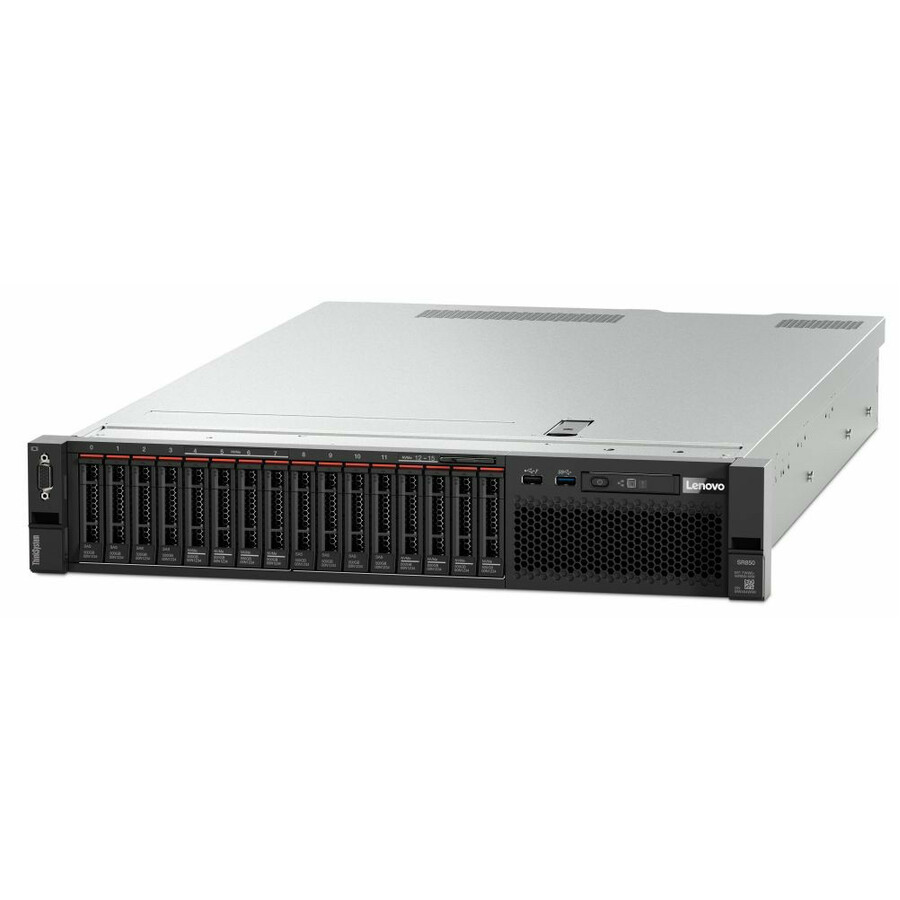
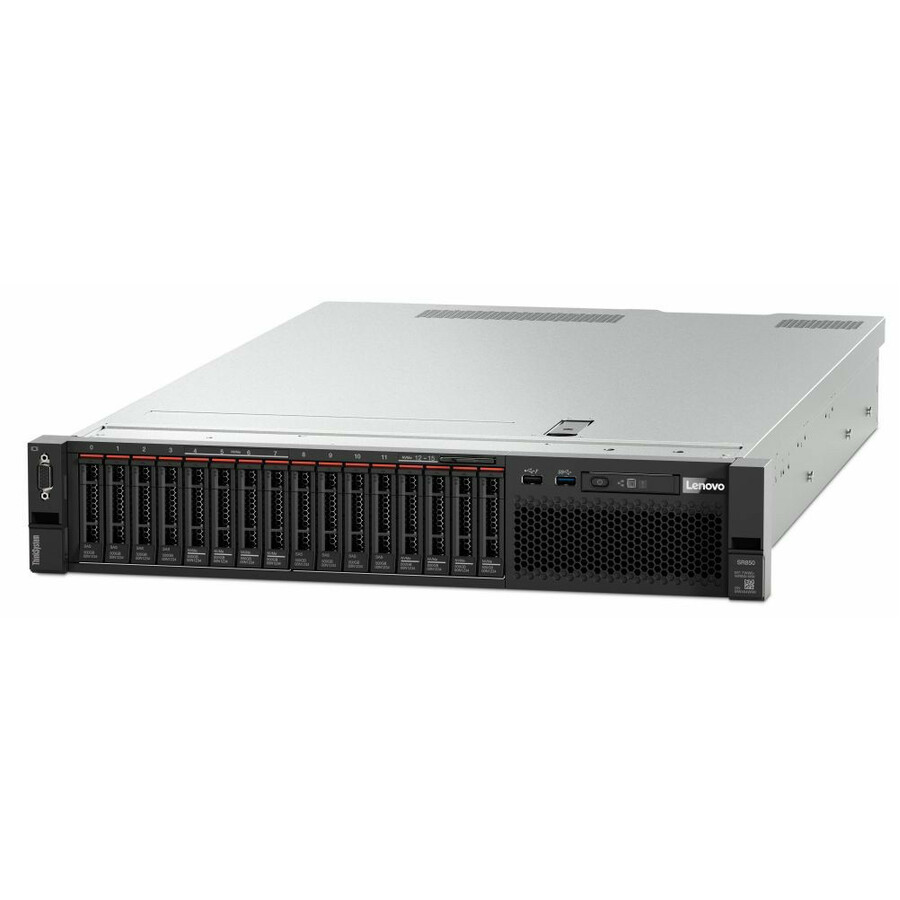
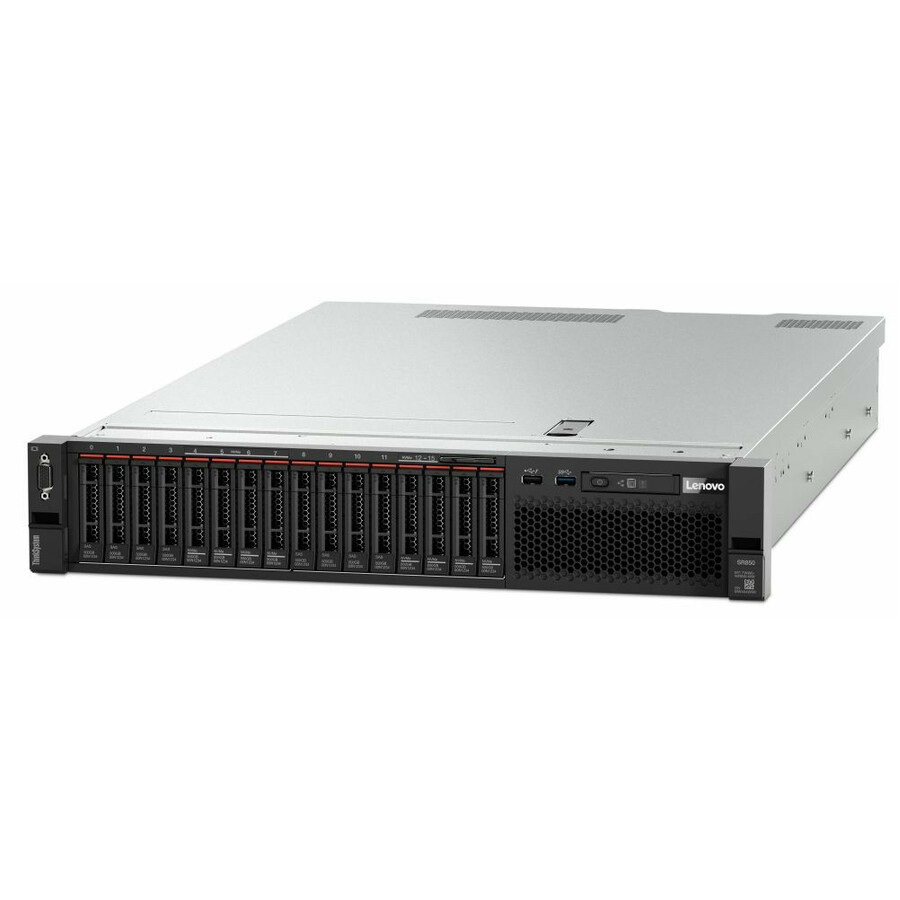
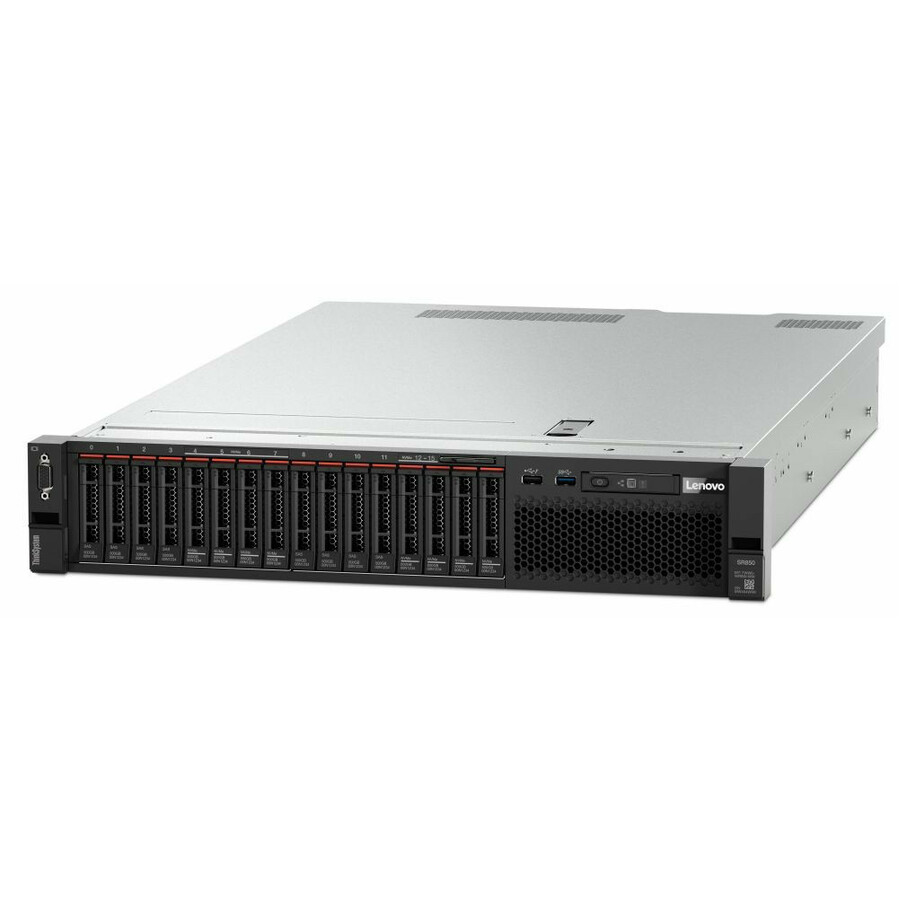
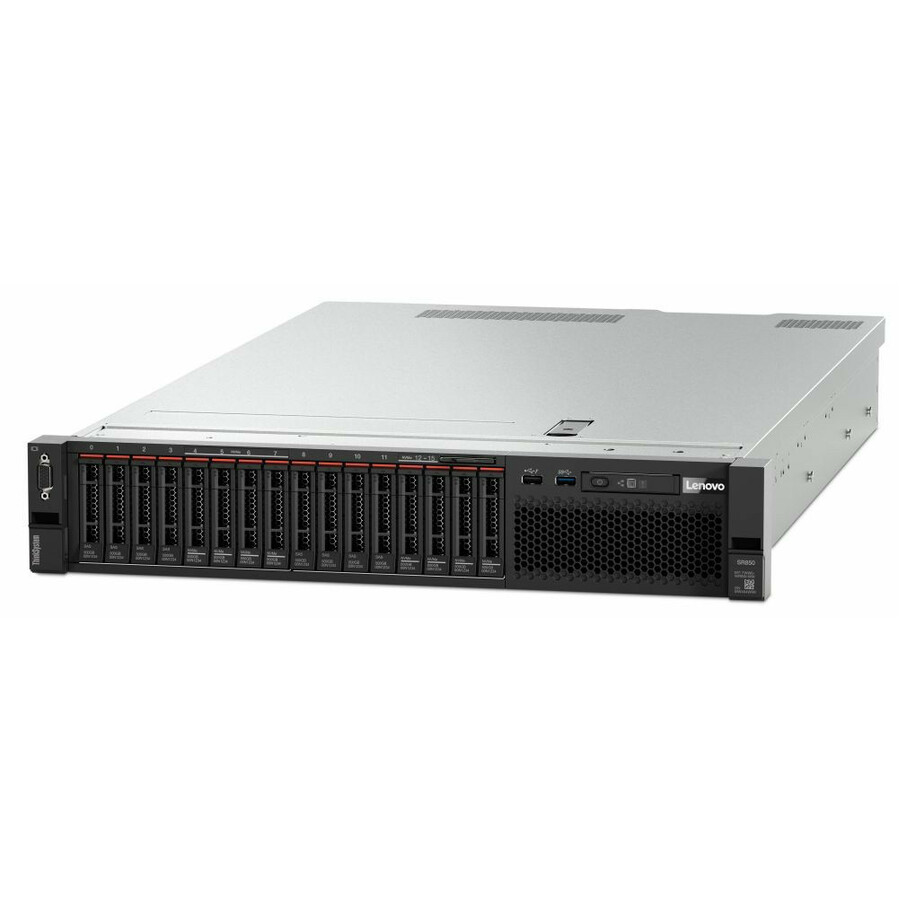
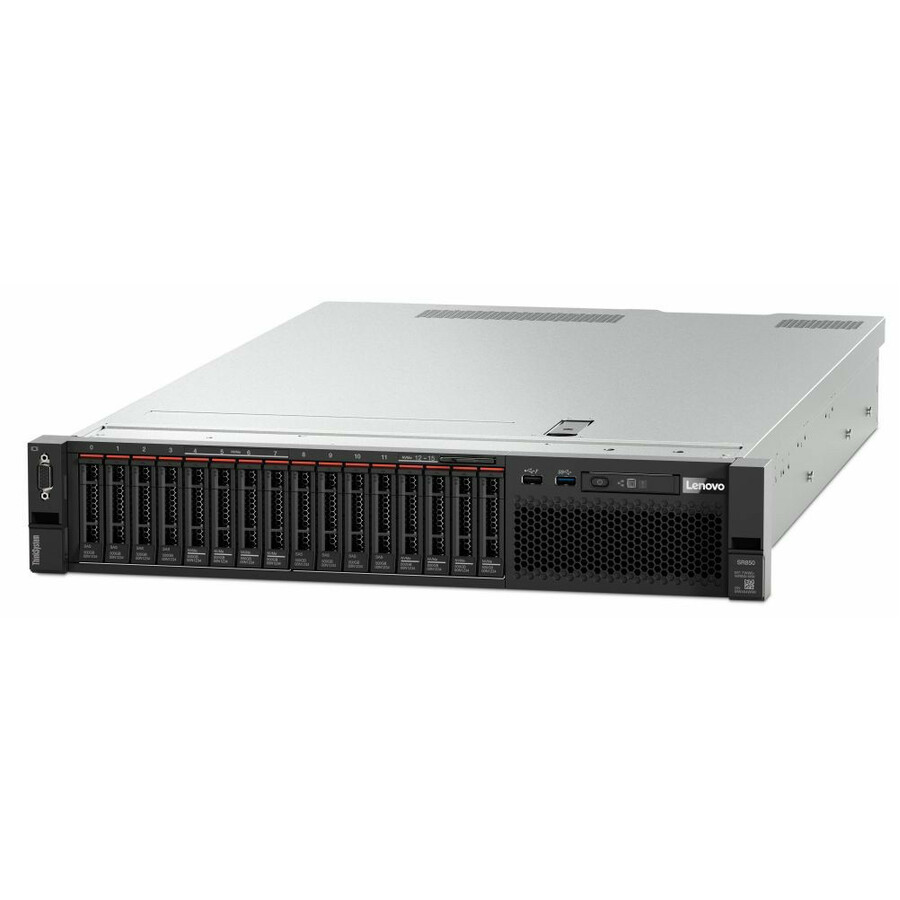
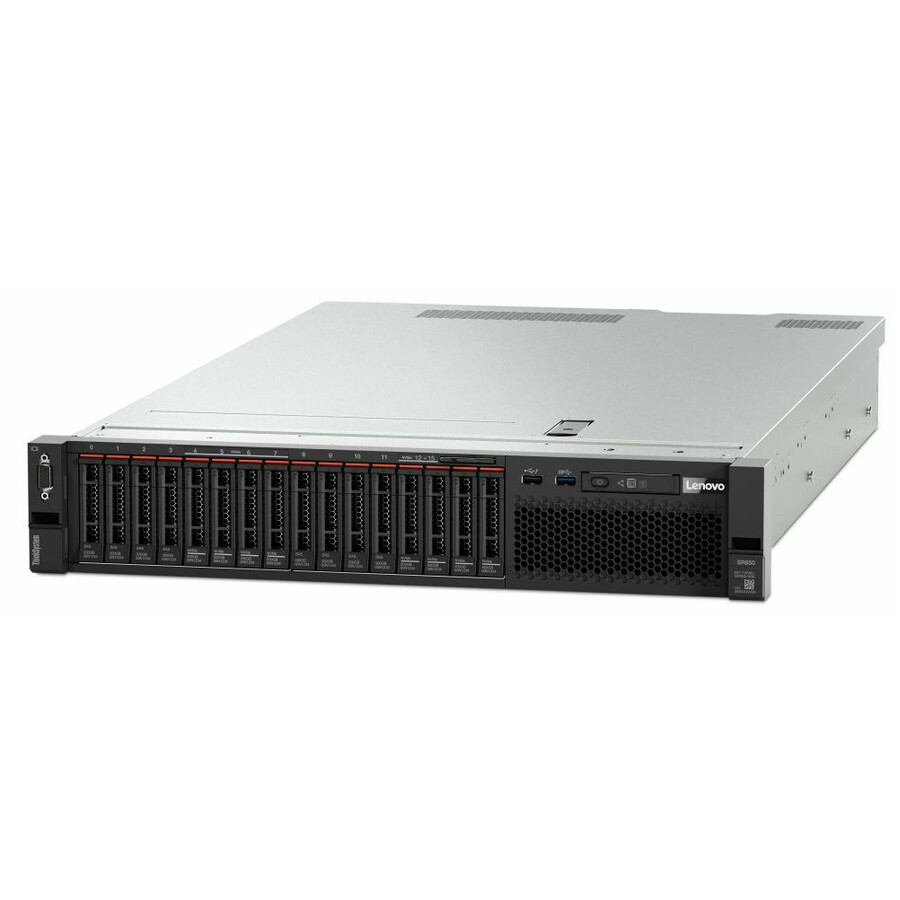
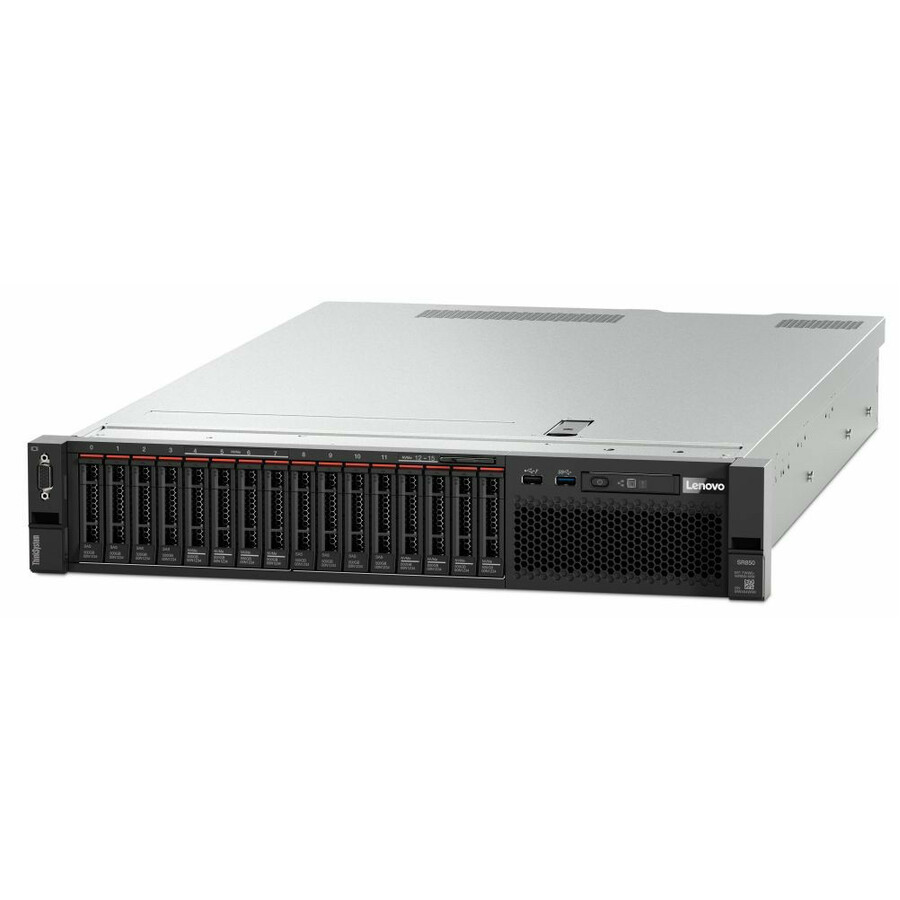
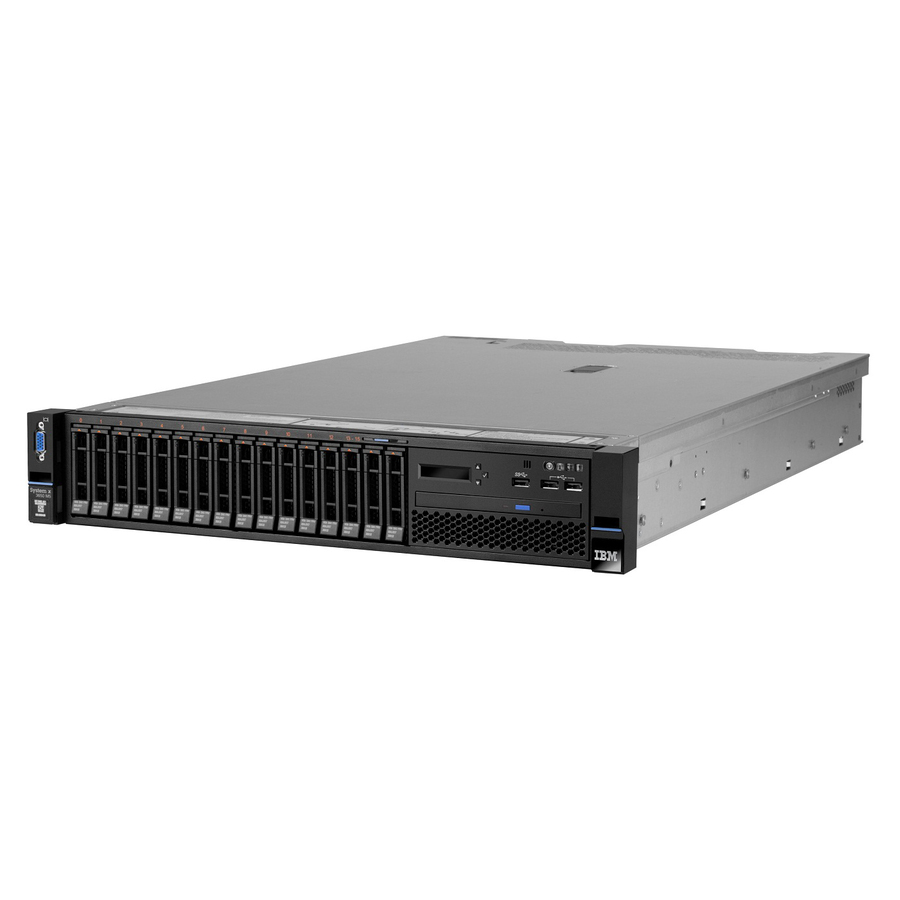
- LenovoLenovo System x x3250 M6 3633KTU 1U Rack-mountable Server - 1 Xeon E3-1270 v6 3.80 GHz - 16 GB RAM - 12Gb/s SAS, Serial ATA/600 Controller - 1 Processor Support - 64 GB RAM Support - TruDDR4 - 0, 1, 10 RAID Levels Up to 16 MB Graphic Card - Gigabit Ethernet - 9 x Total Bay(s) - 8 x SFF Bay(s) - Hot Swappable Bays - 1 x 460 W3633KTU
$1,799.00
$1,718.21
Back-orderedBack-ordered — estimated OEM lead time 3–8 weeks (Nov 9 – Dec 14 if ordered today).
Back-ordered — estimated OEM lead time 3–8 weeks (Nov 9 – Dec 14 if ordered today).
Back-ordered — estimated OEM lead time 3–8 weeks (Nov 9 – Dec 14 if ordered today).
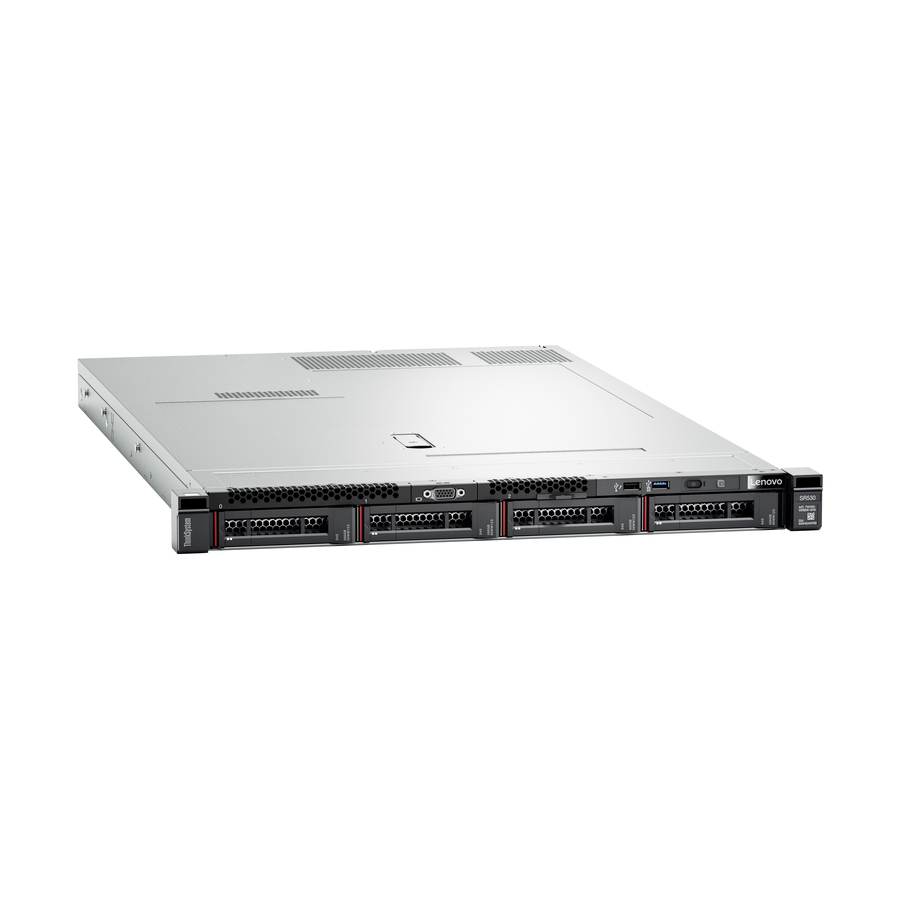
- LenovoLenovo ThinkSystem SR530 7X08A0BGNA 1U Rack Server - Xeon - 16 GB RAM - Serial ATA/600 Controller - Intel C622 Chip - 2 Processor Support - 768 GB RAM Support - TruDDR4 - 0, 1, 5, 10 RAID Levels Up to 16 MB Graphic Card - Gigabit Ethernet7X08A0BGNA
$2,850.36
Back-orderedBack-ordered — estimated OEM lead time 3–8 weeks (Nov 9 – Dec 14 if ordered today).
Back-ordered — estimated OEM lead time 3–8 weeks (Nov 9 – Dec 14 if ordered today).
Back-ordered — estimated OEM lead time 3–8 weeks (Nov 9 – Dec 14 if ordered today).
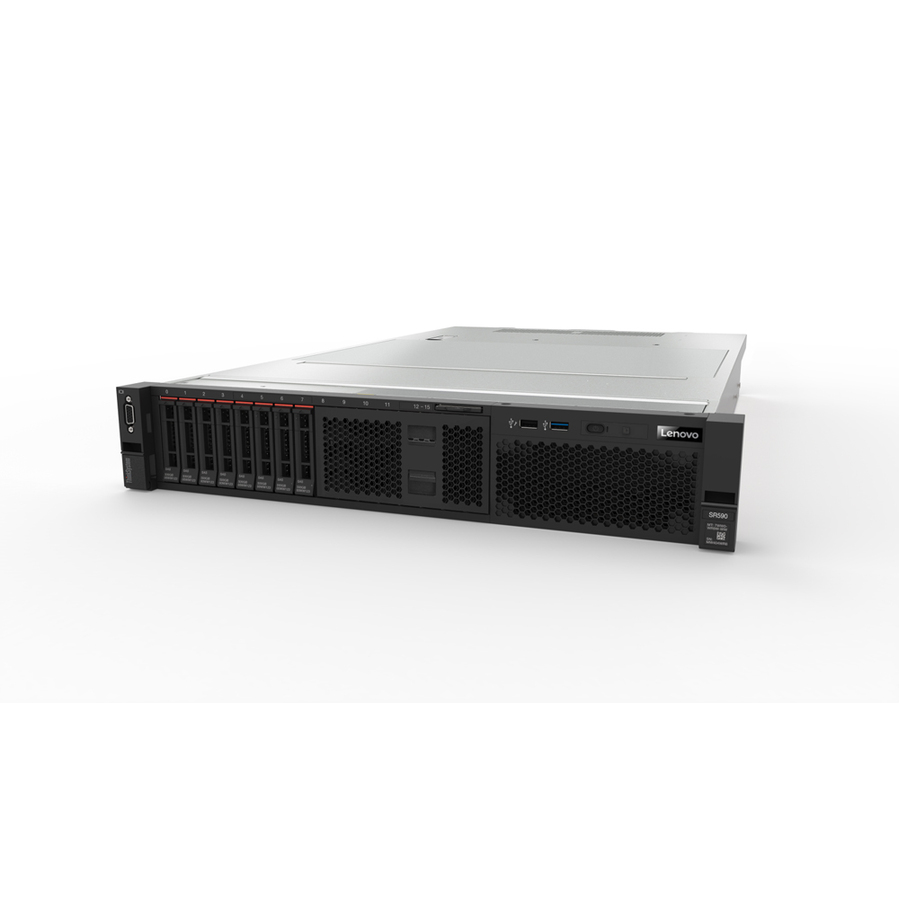
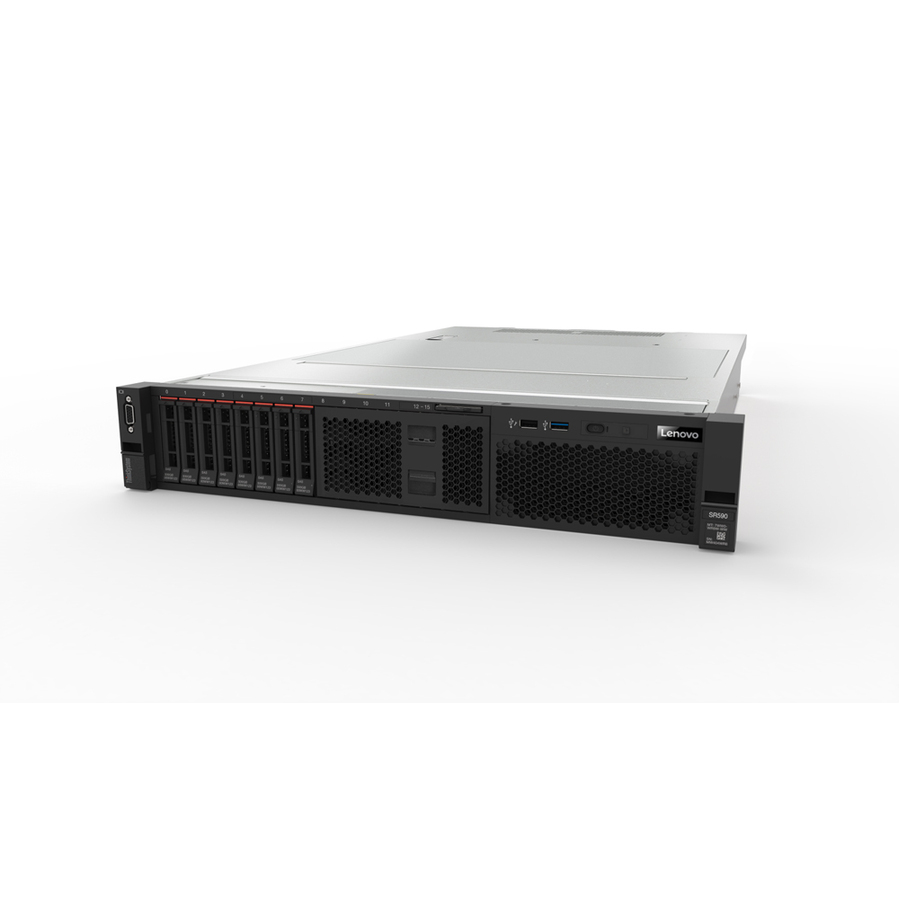
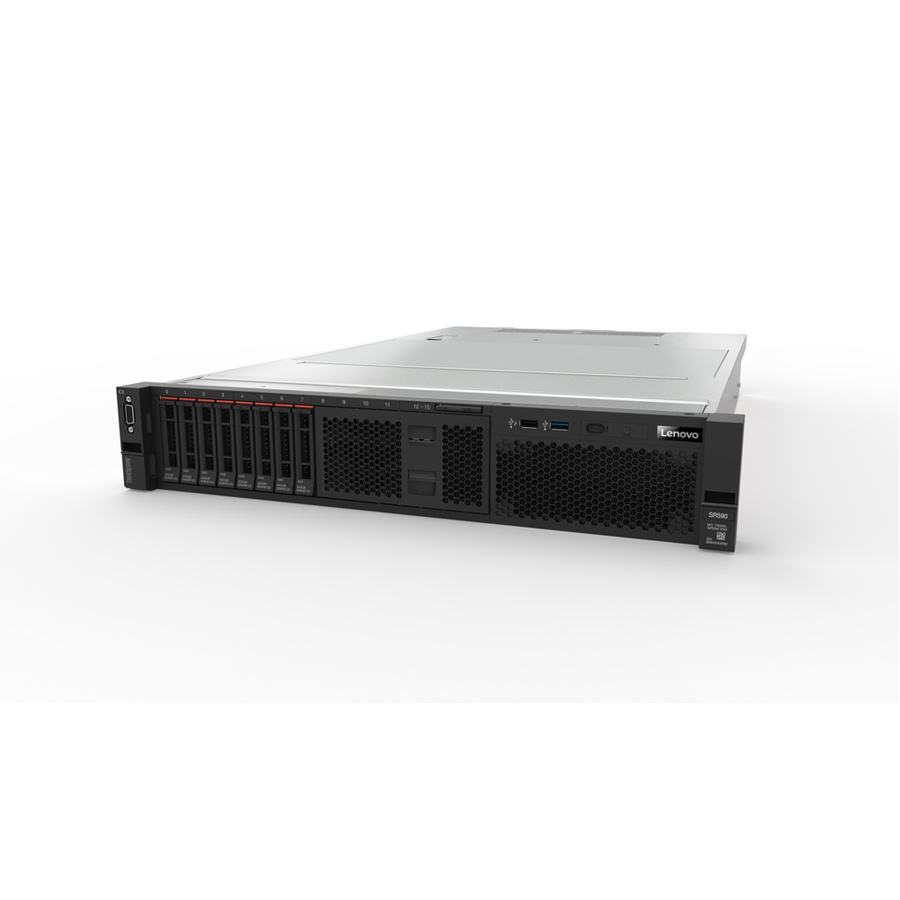
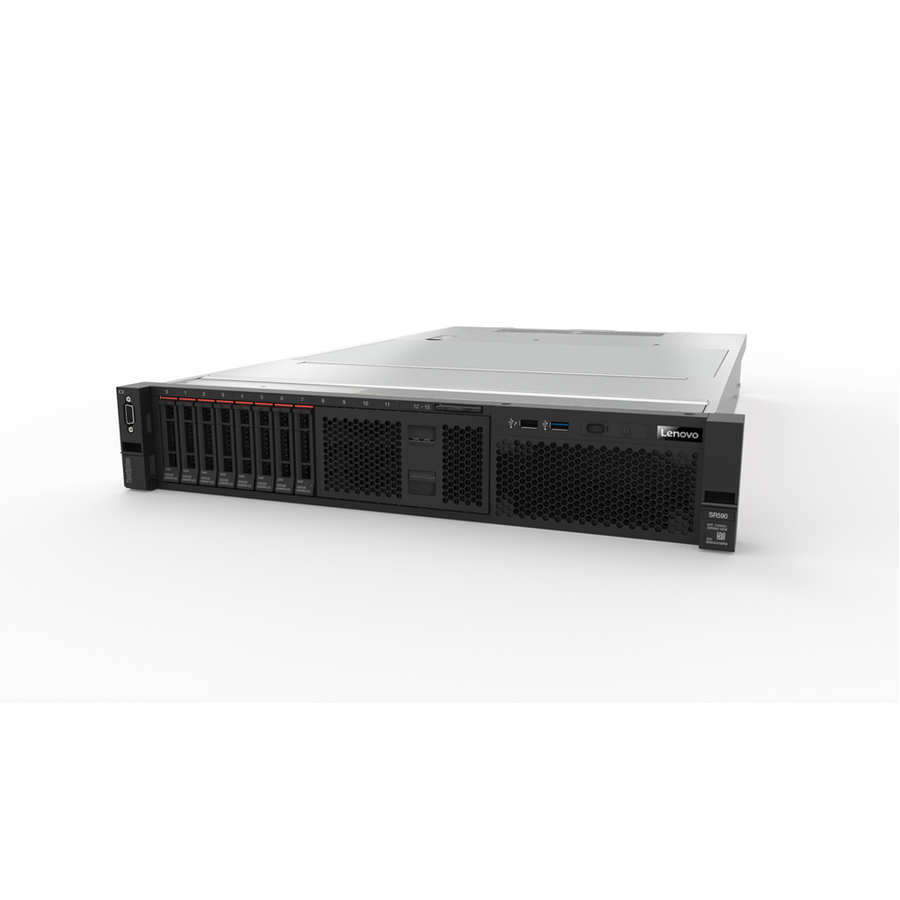
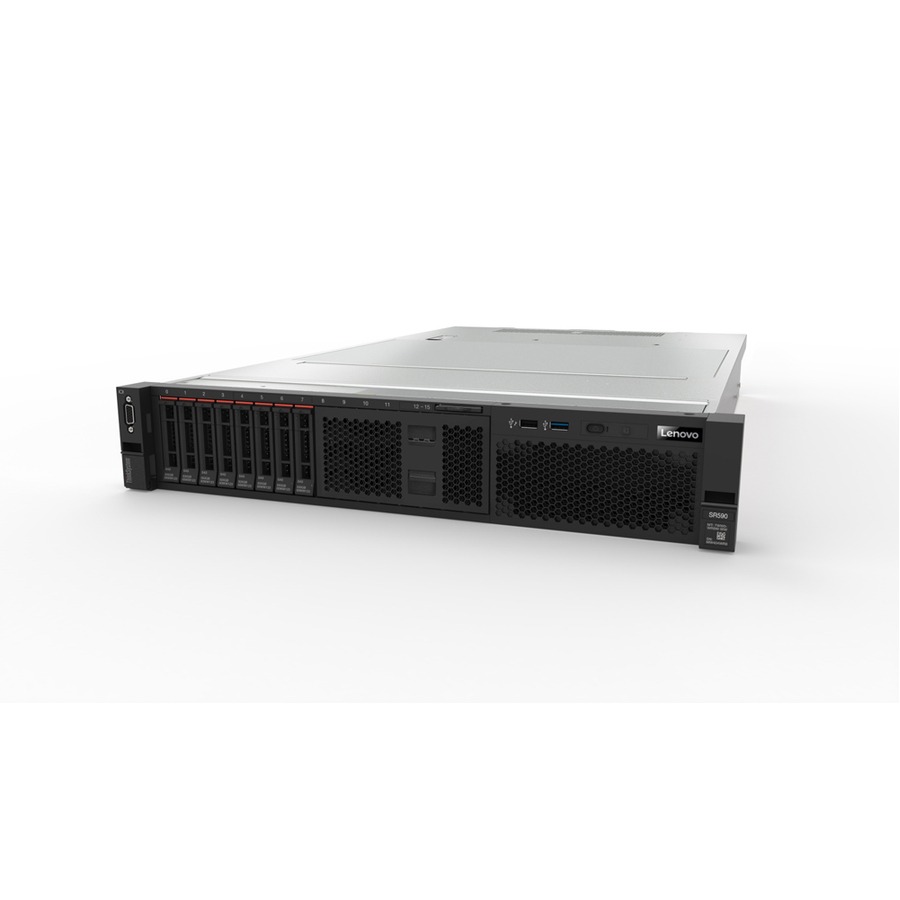
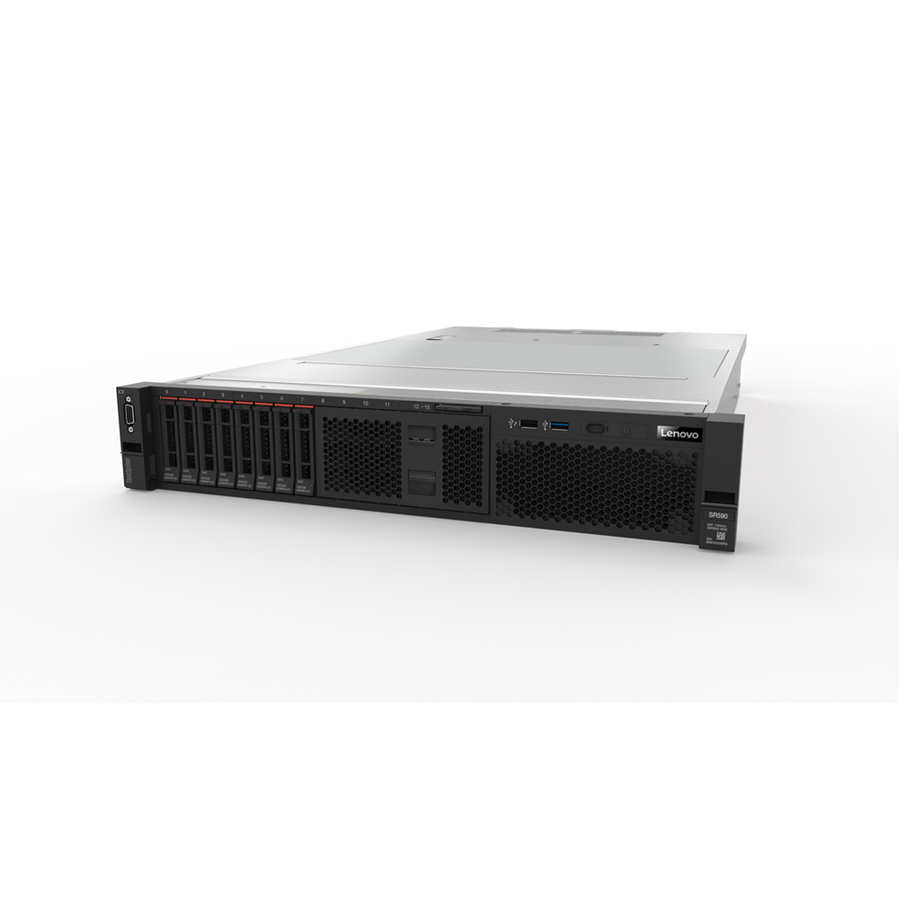
- LenovoLenovo ThinkSystem SR590 7X99A087NA 2U Rack Server - Xeon Bronze 3204 1.90 GHz - 16 GB RAM - 12Gb/s SAS, Serial ATA/600 Controller - Intel C622 Chip - 2 Processor Support - 1 TB RAM Support - TruDDR4 Up to 16 MB Graphic Card - 10 Gigabit Ethernet, Gigabit Ethernet - Intel Optane Memory Ready7X99A087NA
$4,049.00
$3,088.39
Back-orderedBack-ordered — estimated OEM lead time 3–8 weeks (Nov 9 – Dec 14 if ordered today).
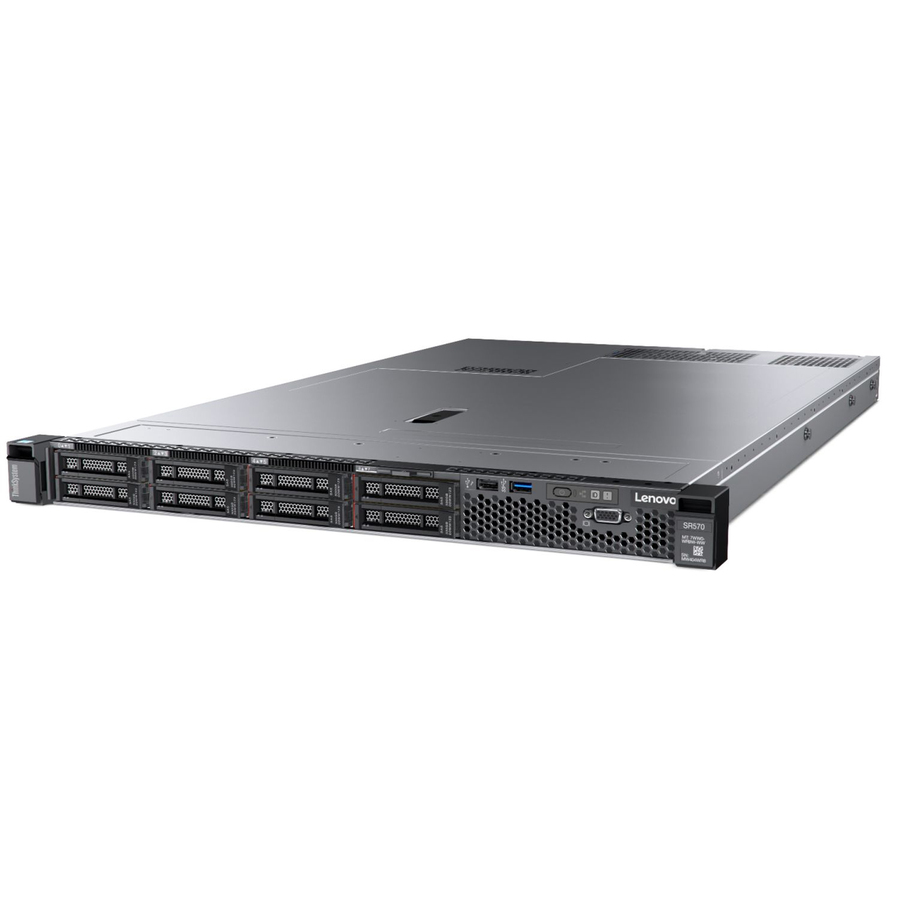
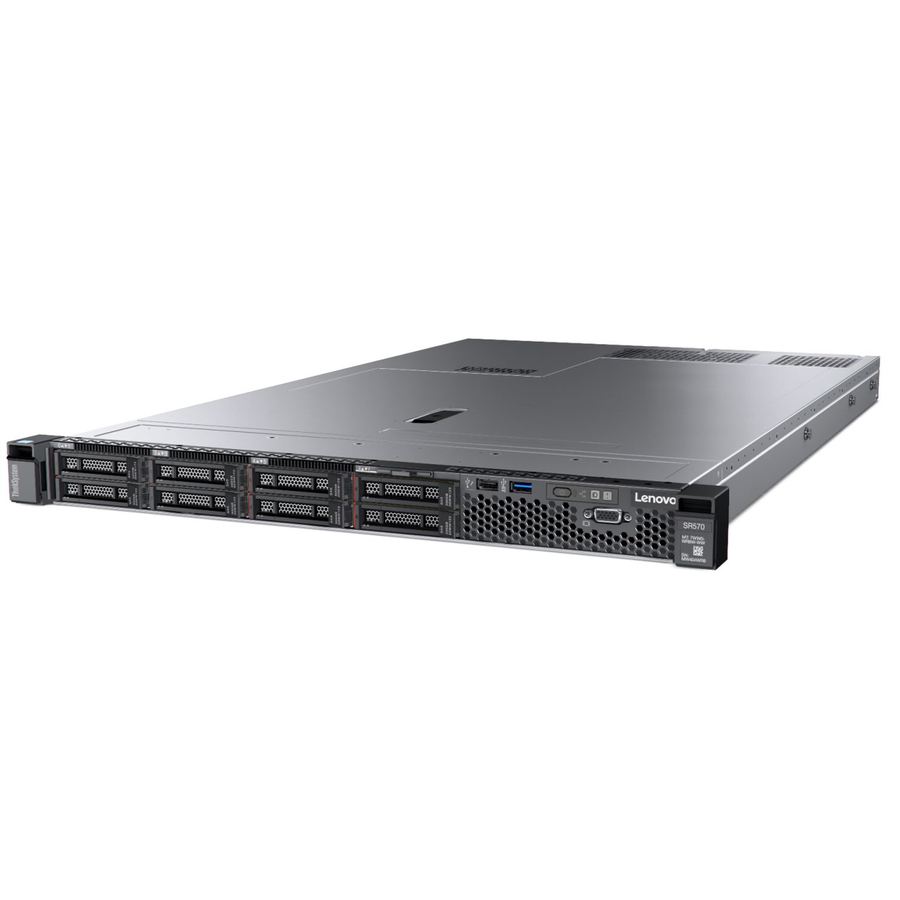
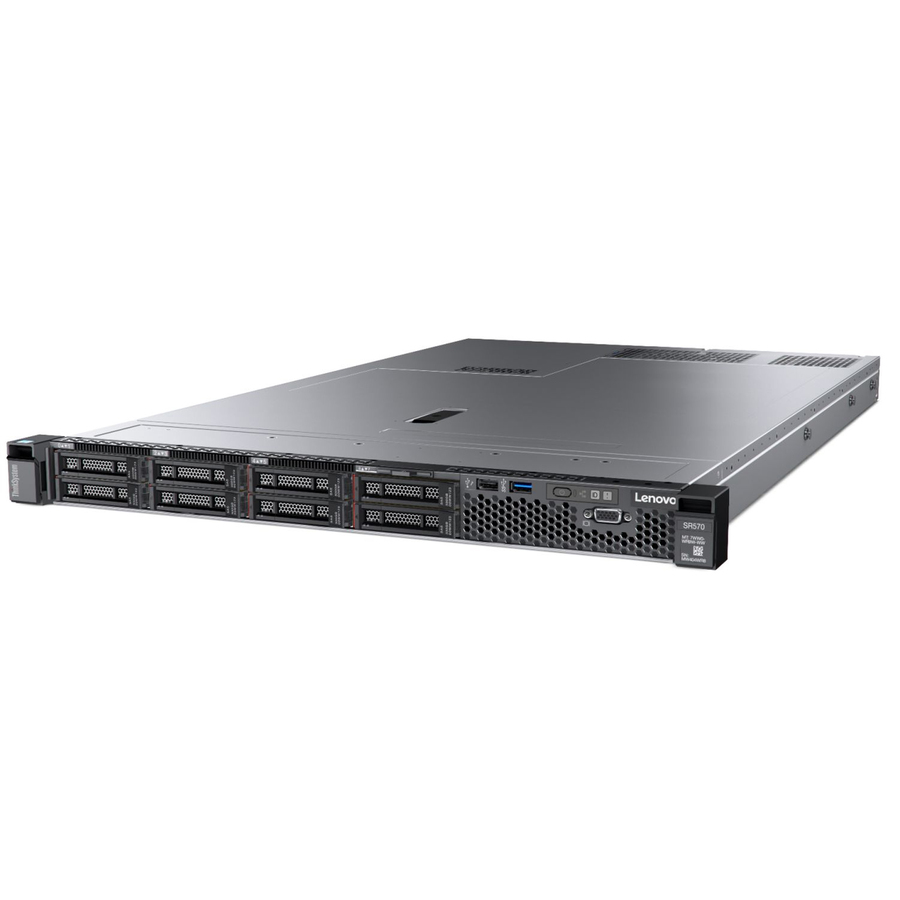
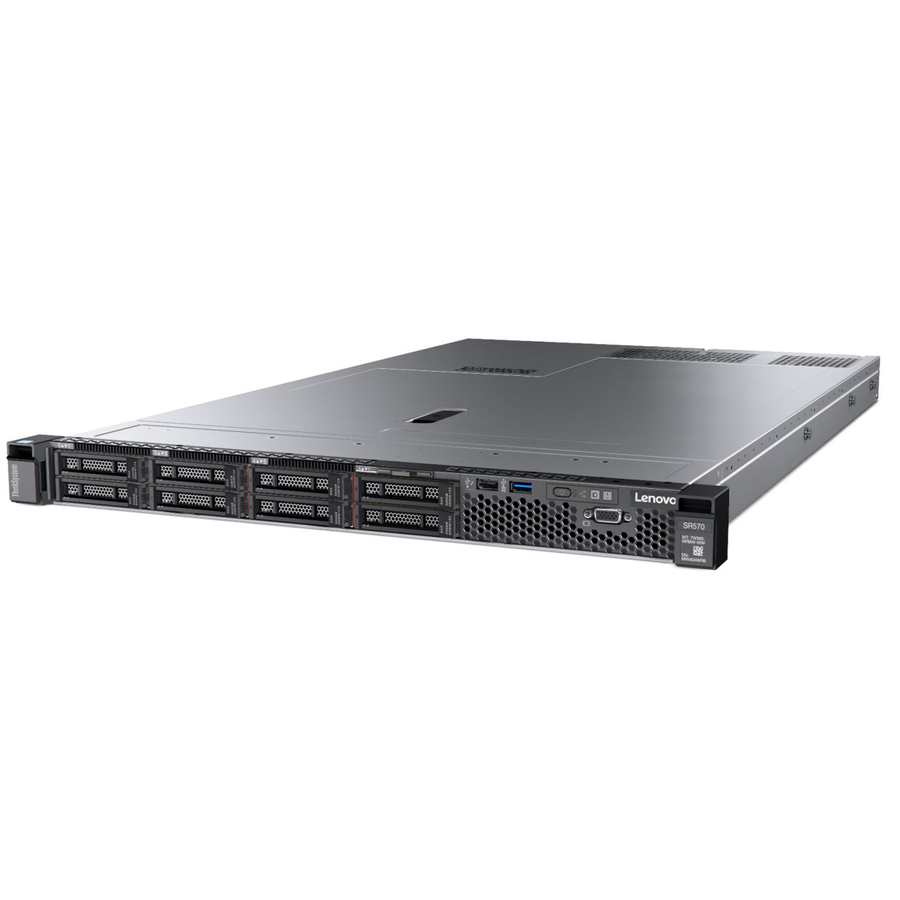
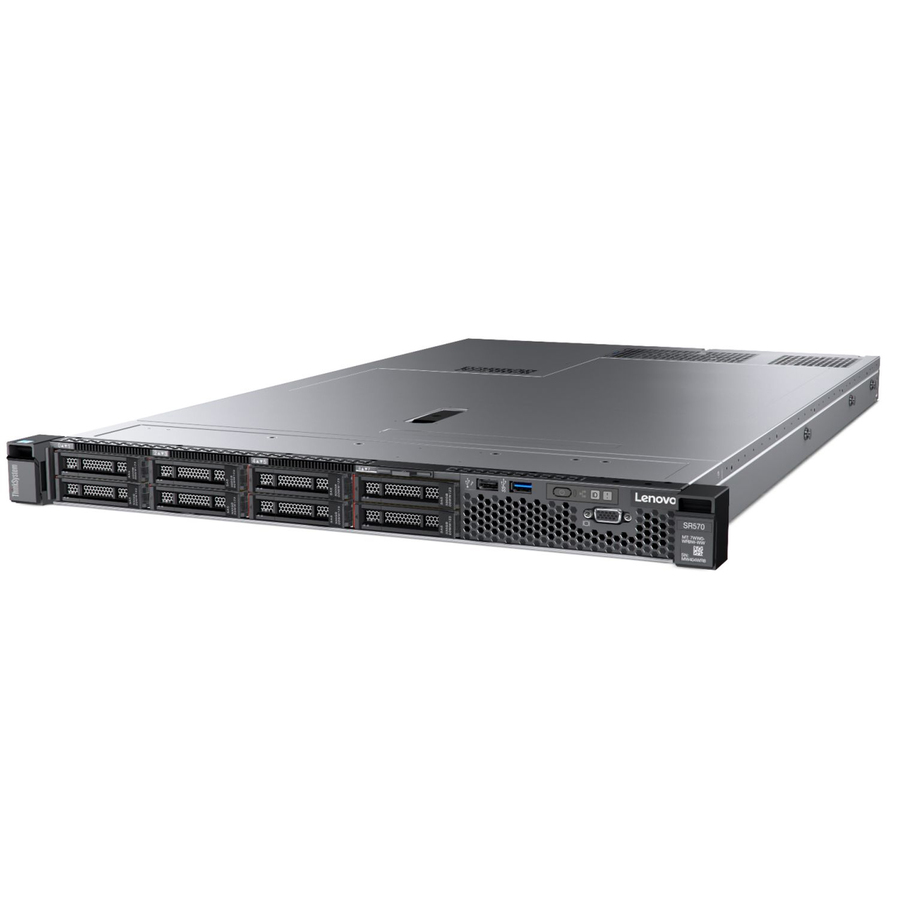
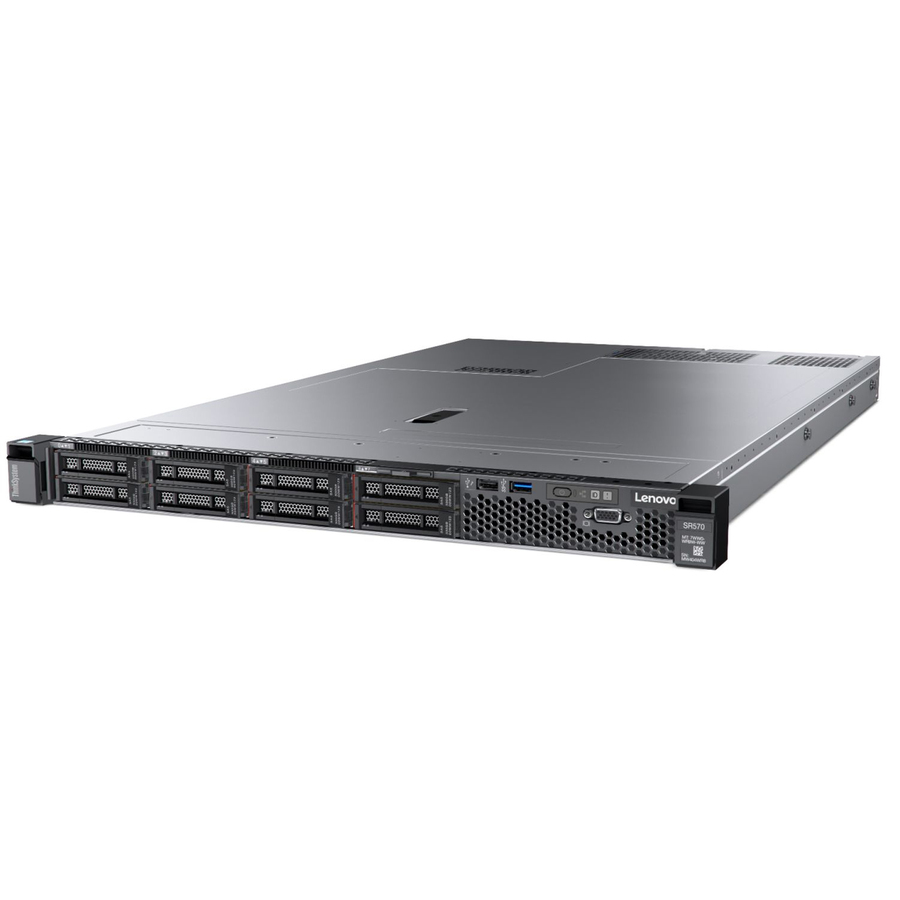
- LenovoLenovo ThinkSystem SR570 7Y03A06FNA 1U Rack Server - Xeon Silver 4208 2.10 GHz - 16 GB RAM - Serial ATA/600 Controller - Intel C622 Chip - 2 Processor Support - TruDDR4 Up to 16 MB Graphic Card - Gigabit Ethernet7Y03A06FNA
$4,499.00
$3,431.63
Back-orderedBack-ordered — estimated OEM lead time 3–8 weeks (Nov 9 – Dec 14 if ordered today).
- LenovoLenovo ThinkSystem SR590 7X99A086NA 2U Rack Server - Xeon Silver 4208 2.10 GHz - 16 GB RAM - 12Gb/s SAS, Serial ATA/600 Controller - Intel C622 Chip - 2 Processor Support - 1 TB RAM Support - TruDDR4 Up to 16 MB Graphic Card - 10 Gigabit Ethernet, Gigabit Ethernet - Intel Optane Memory Ready7X99A086NA
$4,599.00
$3,507.91
Back-orderedBack-ordered — estimated OEM lead time 3–8 weeks (Nov 9 – Dec 14 if ordered today).
- LenovoLenovo ThinkSystem SR570 7Y03A06ENA 1U Rack Server - Xeon Silver 4210 2.20 GHz - 16 GB RAM - Serial ATA/600 Controller - Intel C622 Chip - 2 Processor Support - TruDDR4 Up to 16 MB Graphic Card - Gigabit Ethernet7Y03A06ENA
$4,699.00
$3,584.18
Back-orderedBack-ordered — estimated OEM lead time 3–8 weeks (Nov 9 – Dec 14 if ordered today).
- LenovoLenovo ThinkSystem SR590 7X99A080NA 2U Rack Server - Xeon Silver 4210 2.20 GHz - 16 GB RAM - 12Gb/s SAS, Serial ATA/600 Controller - Intel C622 Chip - 2 Processor Support - 1 TB RAM Support - TruDDR4 Up to 16 MB Graphic Card - 10 Gigabit Ethernet, Gigabit Ethernet - Intel Optane Memory Ready7X99A080NA
$4,799.00
$3,660.46
Back-orderedBack-ordered — estimated OEM lead time 3–8 weeks (Nov 9 – Dec 14 if ordered today).
Back-ordered — estimated OEM lead time 3–8 weeks (Nov 9 – Dec 14 if ordered today).
- LenovoLenovo ThinkSystem SR590 7X99A084NA 2U Rack Server - Xeon Silver 4214 2.20 GHz - 16 GB RAM - 12Gb/s SAS, Serial ATA/600 Controller - Intel C622 Chip - 2 Processor Support - 1 TB RAM Support - TruDDR4 Up to 16 MB Graphic Card - 10 Gigabit Ethernet, Gigabit Ethernet - Intel Optane Memory Ready7X99A084NA
$5,399.00
$4,118.12
Back-orderedBack-ordered — estimated OEM lead time 3–8 weeks (Nov 9 – Dec 14 if ordered today).
Back-ordered — estimated OEM lead time 3–8 weeks (Nov 9 – Dec 14 if ordered today).
- LenovoLenovo ThinkSystem SR570 7Y03A06BNA 1U Rack Server - Xeon Silver 4216 2.20 GHz - 16 GB RAM - Serial ATA/600 Controller - Intel C622 Chip - 2 Processor Support - TruDDR4 Up to 16 MB Graphic Card - Gigabit Ethernet7Y03A06BNA
$6,699.00
$5,109.69
Back-orderedBack-ordered — estimated OEM lead time 3–8 weeks (Nov 9 – Dec 14 if ordered today).
- LenovoLenovo ThinkSystem SR590 7X99A083NA 2U Rack Server - Xeon Silver 4216 2.20 GHz - 16 GB RAM - 12Gb/s SAS, Serial ATA/600 Controller - Intel C622 Chip - 2 Processor Support - 1 TB RAM Support - TruDDR4 Up to 16 MB Graphic Card - 10 Gigabit Ethernet, Gigabit Ethernet - Intel Optane Memory Ready7X99A083NA
$6,799.00
$5,185.97
Back-orderedBack-ordered — estimated OEM lead time 3–8 weeks (Nov 9 – Dec 14 if ordered today).
- LenovoLenovo ThinkSystem SR570 7Y03A06CNA 1U Rack Server - Xeon Gold 5218 2.30 GHz - 16 GB RAM - Serial ATA/600 Controller - Intel C622 Chip - 2 Processor Support - TruDDR4 Up to 16 MB Graphic Card - Gigabit Ethernet7Y03A06CNA
$7,399.00
$5,643.63
Back-orderedBack-ordered — estimated OEM lead time 3–8 weeks (Nov 9 – Dec 14 if ordered today).
- LenovoLenovo ThinkSystem SR590 7X99A082NA 2U Rack Server - Xeon Gold 5218 2.30 GHz - 16 GB RAM - 12Gb/s SAS, Serial ATA/600 Controller - Intel C622 Chip - 2 Processor Support - 1 TB RAM Support - TruDDR4 Up to 16 MB Graphic Card - 10 Gigabit Ethernet, Gigabit Ethernet - Intel Optane Memory Ready7X99A082NA
$8,299.00
$6,330.11
Back-orderedBack-ordered — estimated OEM lead time 3–8 weeks (Nov 9 – Dec 14 if ordered today).
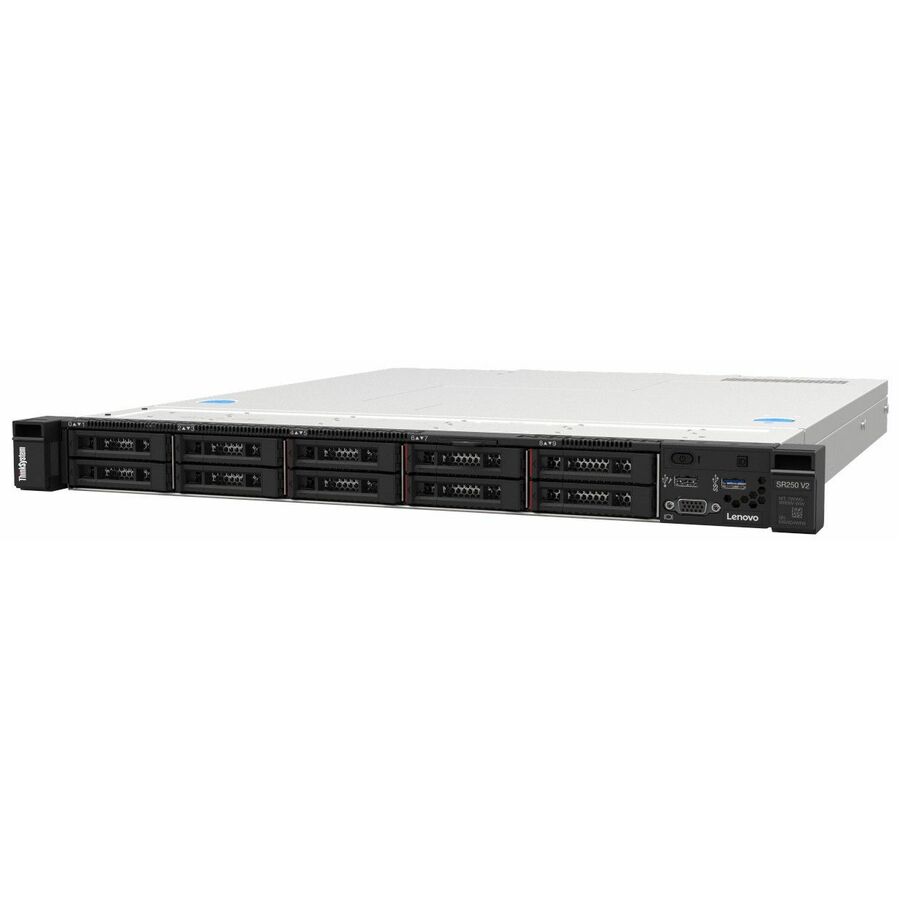
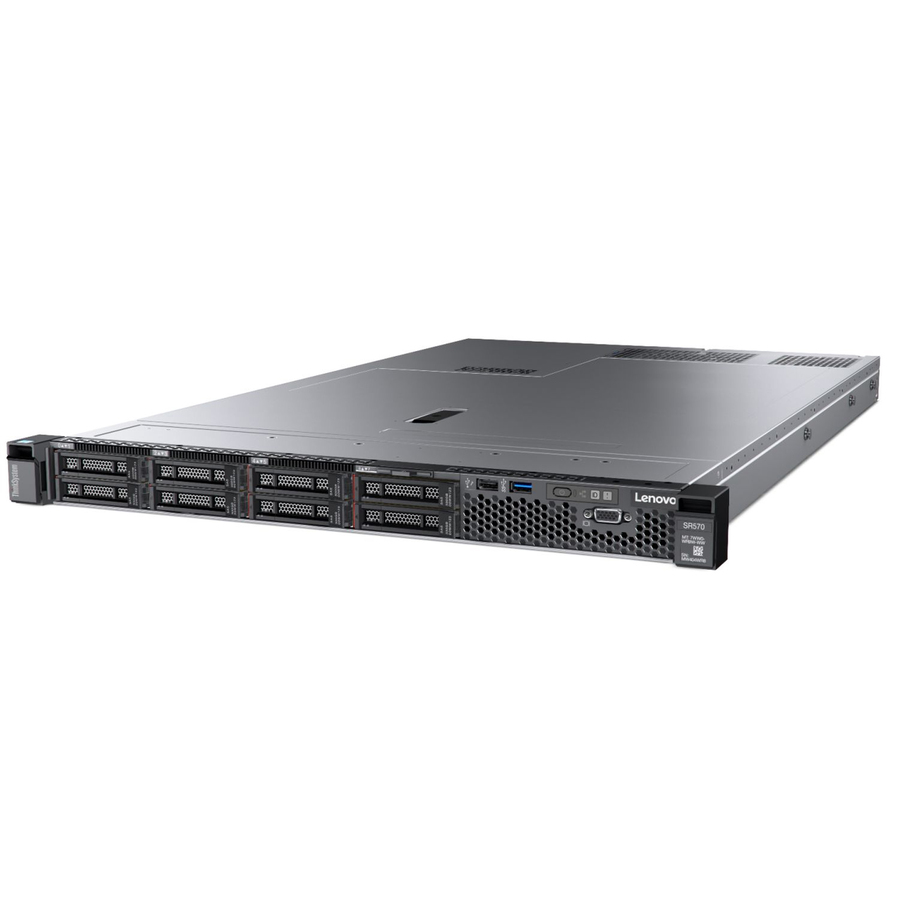
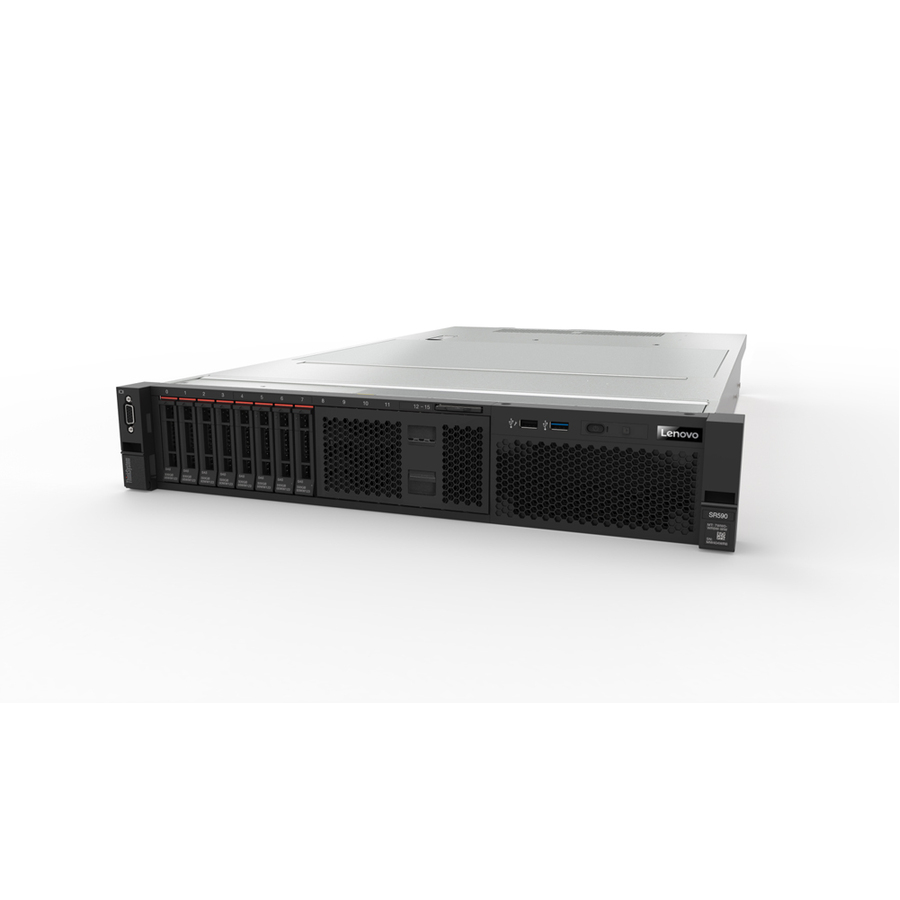
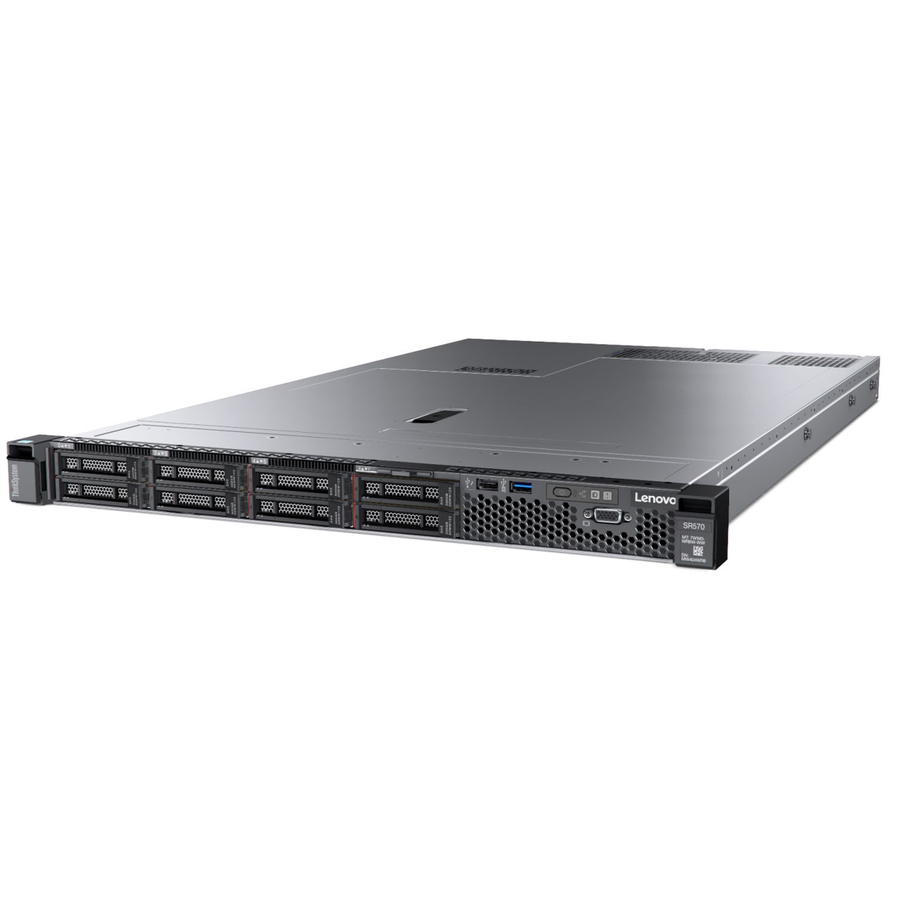
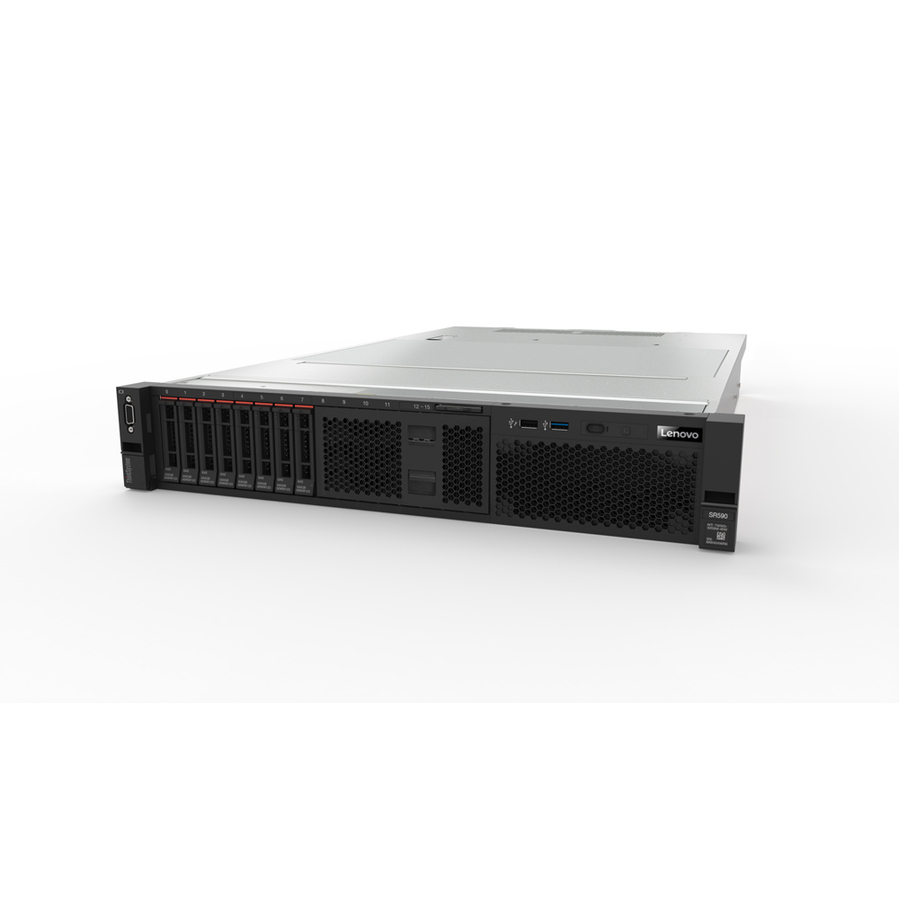
Entry 1U, Xeon E3
Lenovo
Lenovo System x x3250 M6 3633K2U 1U Rack-mountable Server
3633K2U
A Lenovo System x x3250 M6 1U rack-mountable server with a single Xeon E3-1220 v5 — the smallest step into a rack, for a domain controller, a print server or a light file server.
$996.45Back-ordered1U, faster E3
Lenovo
Lenovo System x x3250 M6 3943K3U 1U Rack-mountable Server
3943K3U
A Lenovo System x x3250 M6 1U rack server with a Xeon E3-1230 v5 — the same compact 1U with a faster entry processor for a small application or file server.
$1,143.88Back-ordered1U, E3-1240
Lenovo
Lenovo System x x3250 M6 3633K5U 1U Rack-mountable Server
3633K5U
A Lenovo System x x3250 M6 1U rack server with a Xeon E3-1240 v5 — a step up in clock for a small-business host that needs a little more headroom in the same rack unit.
$1,391.66Back-ordered1U, top E3
Lenovo
Lenovo System x x3250 M6 3633KTU 1U Rack-mountable Server
3633KTU
A Lenovo System x x3250 M6 1U rack server with a Xeon E3-1270 v6 — the top of the entry 1U line, for a small server that runs a busier single workload.
$1,718.21Back-ordered2U ThinkServer
Lenovo
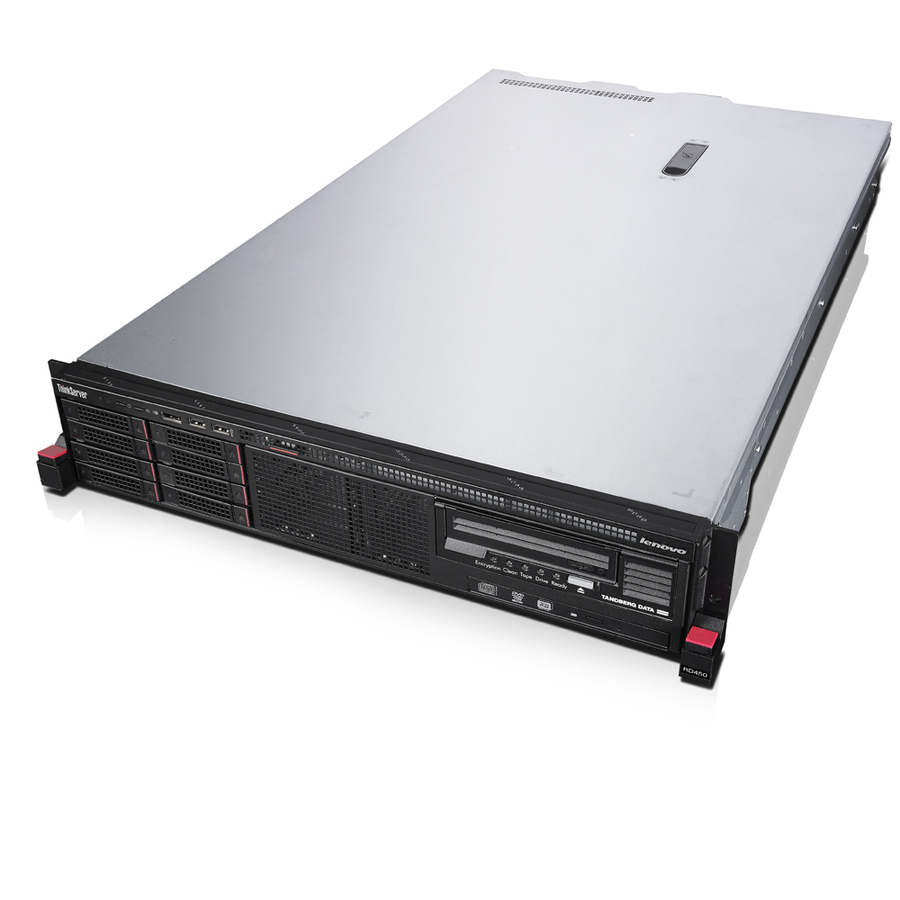
Lenovo ThinkServer RD450 70DC001FUX 2U Rack Server
70DC001FUX
A Lenovo ThinkServer RD450 2U rack server with a Xeon E5-2630 v3 — a 2U with room for more drives and expansion, for a business that wants storage and compute in one box.
$2,223.77Back-ordered1U ThinkSystem SR530
Lenovo
Lenovo ThinkSystem SR530 7X08A0BGNA 1U Rack Server
7X08A0BGNA
A Lenovo ThinkSystem SR530 1U rack server with a Xeon and 16 GB of memory — a modern single-socket 1U for a small virtualization host or application server with room to grow.
$2,850.36Back-ordered1U SR570 entry
Lenovo
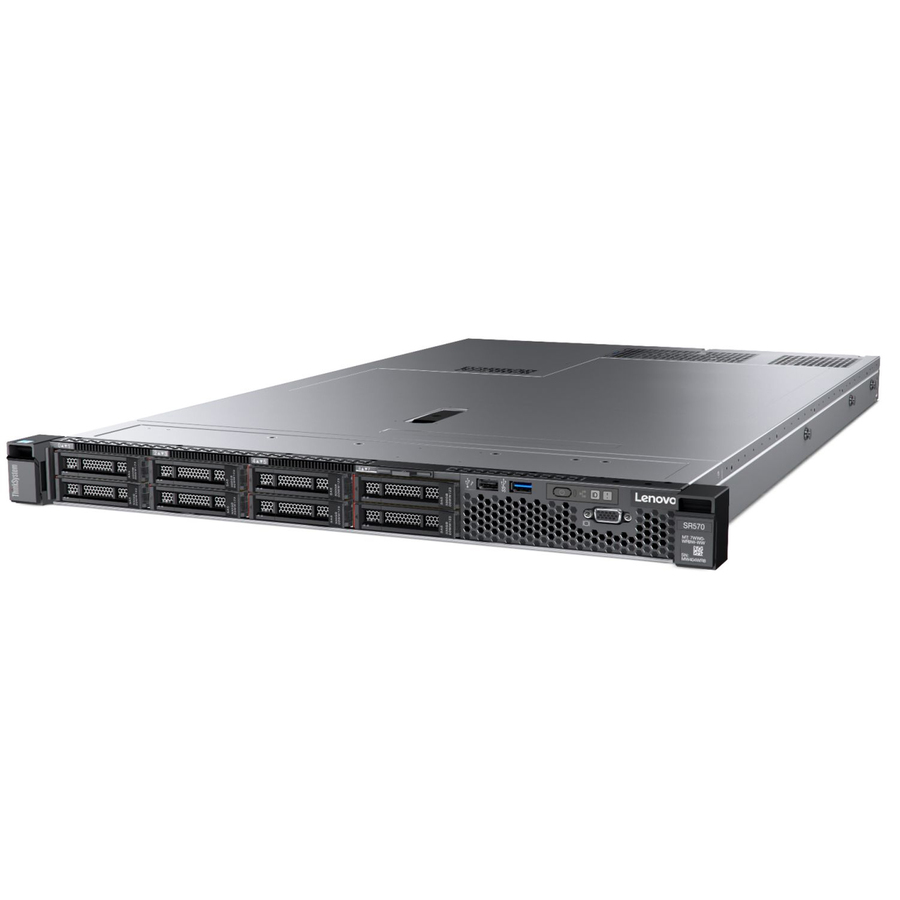
Lenovo ThinkSystem SR570 7Y03A06GNA 1U Rack Server
7Y03A06GNA
A Lenovo ThinkSystem SR570 1U rack server with a Xeon Bronze 3204 — an entry current-generation 1U for a small business standardizing on the ThinkSystem line.
$3,012.11Back-ordered2U SR590 entry
Lenovo
Lenovo ThinkSystem SR590 7X99A087NA 2U Rack Server
7X99A087NA
A Lenovo ThinkSystem SR590 2U rack server with a Xeon Bronze 3204 — the 2U counterpart for a business that wants more drive bays and expansion in the same generation.
$3,088.39Back-ordered1U SR570, Silver
Lenovo
Lenovo ThinkSystem SR570 7Y03A06FNA 1U Rack Server
7Y03A06FNA
A Lenovo ThinkSystem SR570 1U rack server with a Xeon Silver 4208 — a mid-entry 1U for light-to-moderate virtualization or a shared application server.
$3,431.63Back-ordered2U SR590, Silver
Lenovo
Lenovo ThinkSystem SR590 7X99A086NA 2U Rack Server
7X99A086NA
A Lenovo ThinkSystem SR590 2U rack server with a Xeon Silver 4208 — a 2U with the drive and expansion room for compute plus internal storage in one box.
$3,507.91Back-ordered1U SR250 V3, current
Lenovo
Lenovo ThinkSystem SR250 V3 7DCL1000NA 1U Rack Server
7DCL1000NA
A Lenovo ThinkSystem SR250 V3 1U rack server with a current-generation Xeon E-2478 — the newest entry 1U here, for a small business buying into the latest platform.
$5,079.95Back-ordered1U SR570, Gold
Lenovo
Lenovo ThinkSystem SR570 7Y03A06CNA 1U Rack Server
7Y03A06CNA
A Lenovo ThinkSystem SR570 1U rack server with a Xeon Gold 5218 — the higher-tier 1U for heavier consolidation where a single dense box does the work.
$5,643.63Back-ordered1U SR630 V3, current
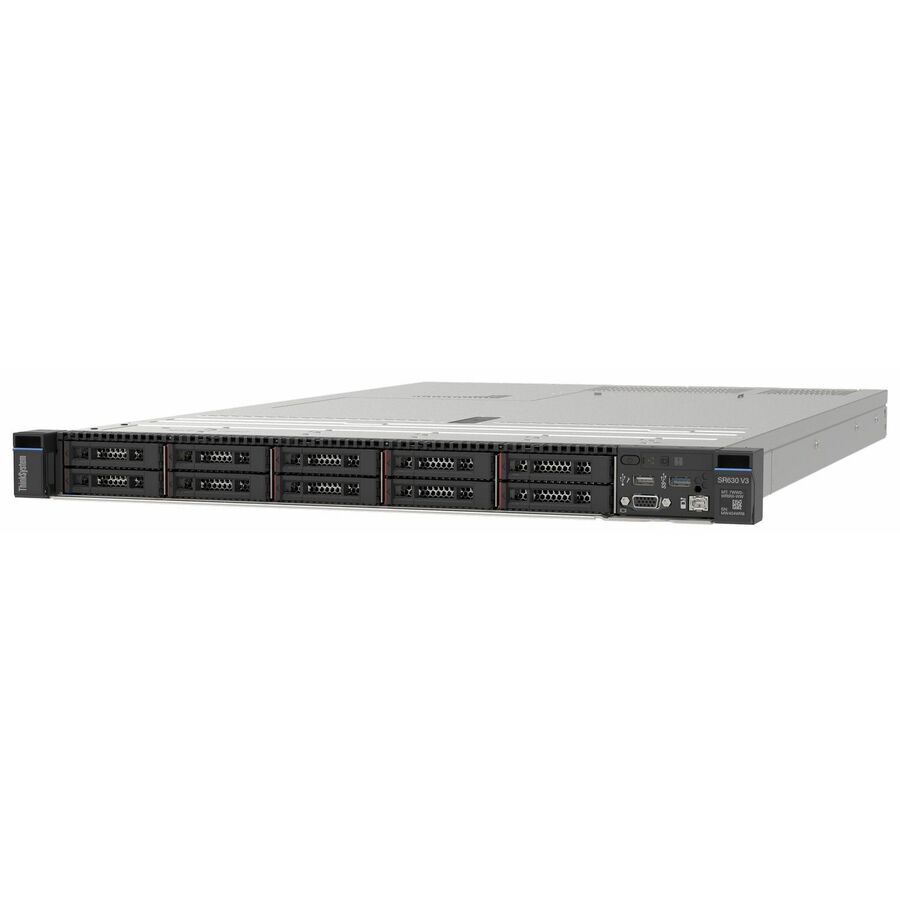
Lenovo
Lenovo ThinkSystem SR630 V3 7D731000NA 1U Rack Server
7D731000NA
A Lenovo ThinkSystem SR630 V3 1U rack server with a current-generation Xeon Silver 4410T — a modern mainstream 1U for a growing small business's virtualization host.
$7,837.61Back-ordered2U SR650 V3, current
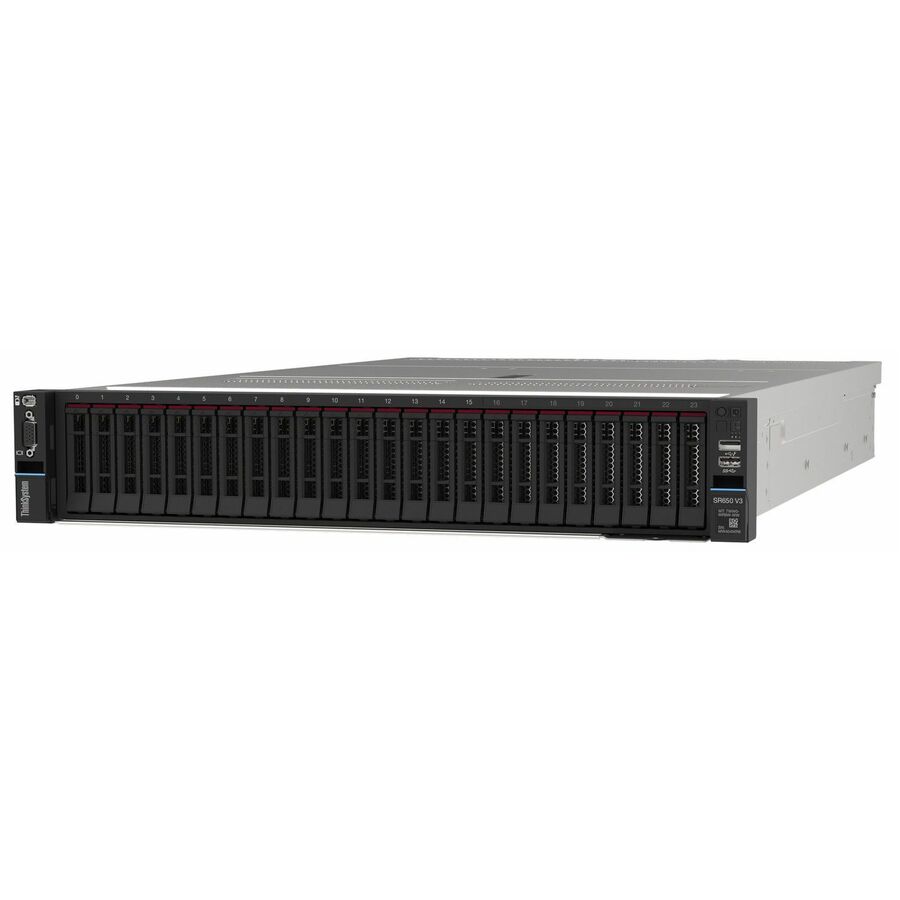
Lenovo
Lenovo ThinkSystem SR650 V3 7D76A07NNA 2U Rack Server
7D76A07NNA
A Lenovo ThinkSystem SR650 V3 2U rack server with a current-generation Xeon Silver 4510 — the modern 2U workhorse, with the drive bays and expansion for compute and storage together.
$9,938.12Back-orderedMore servers in the Uniqcli catalog
See all 458 serversMore from across this category. In-stock lines lead, and a back-ordered line carries the same estimated availability its product page does — with live pricing throughout, NDAA §889 screening before checkout and TAA verified on request.
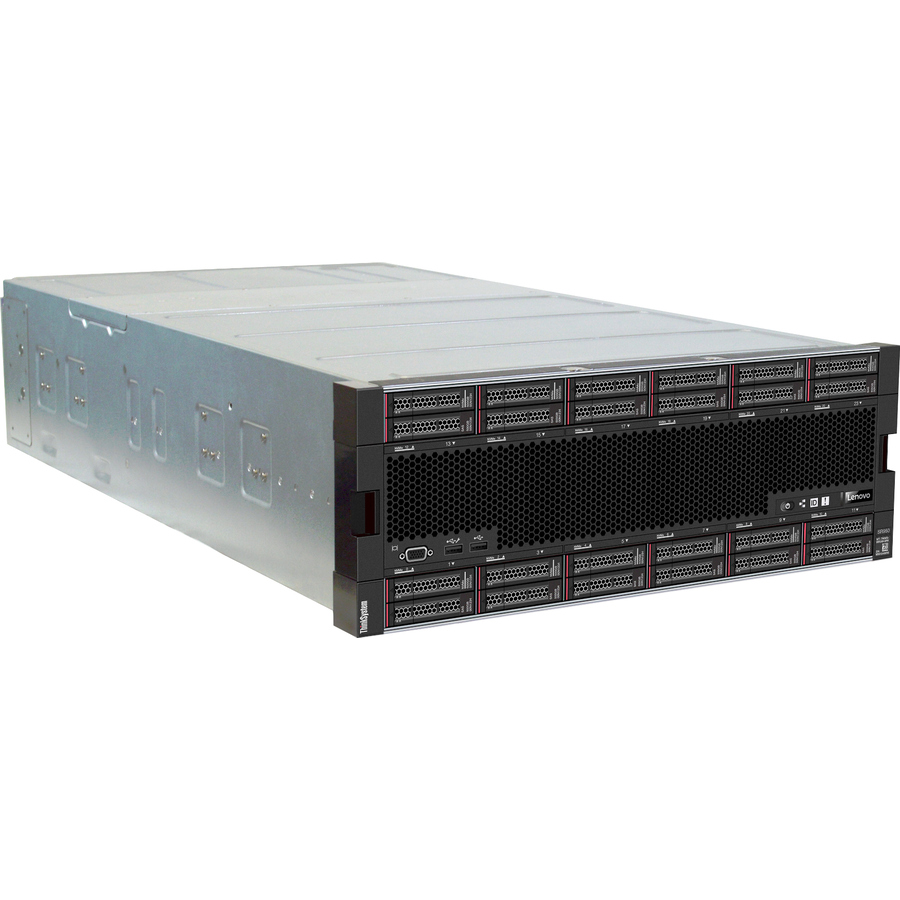
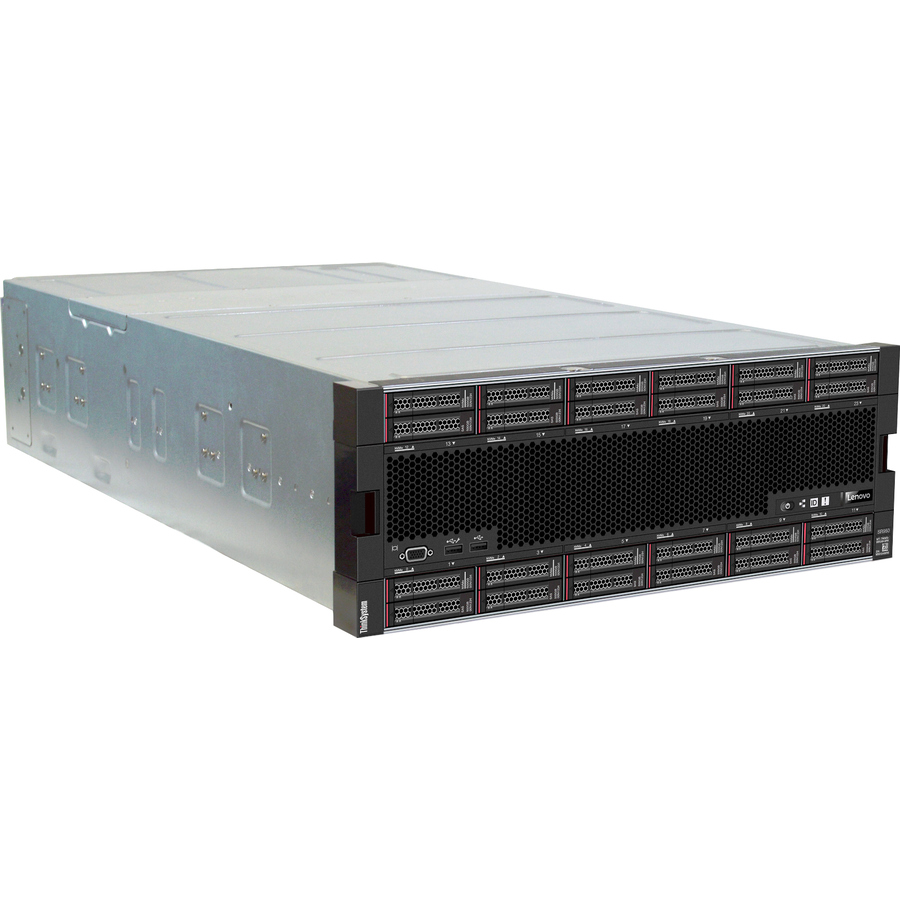
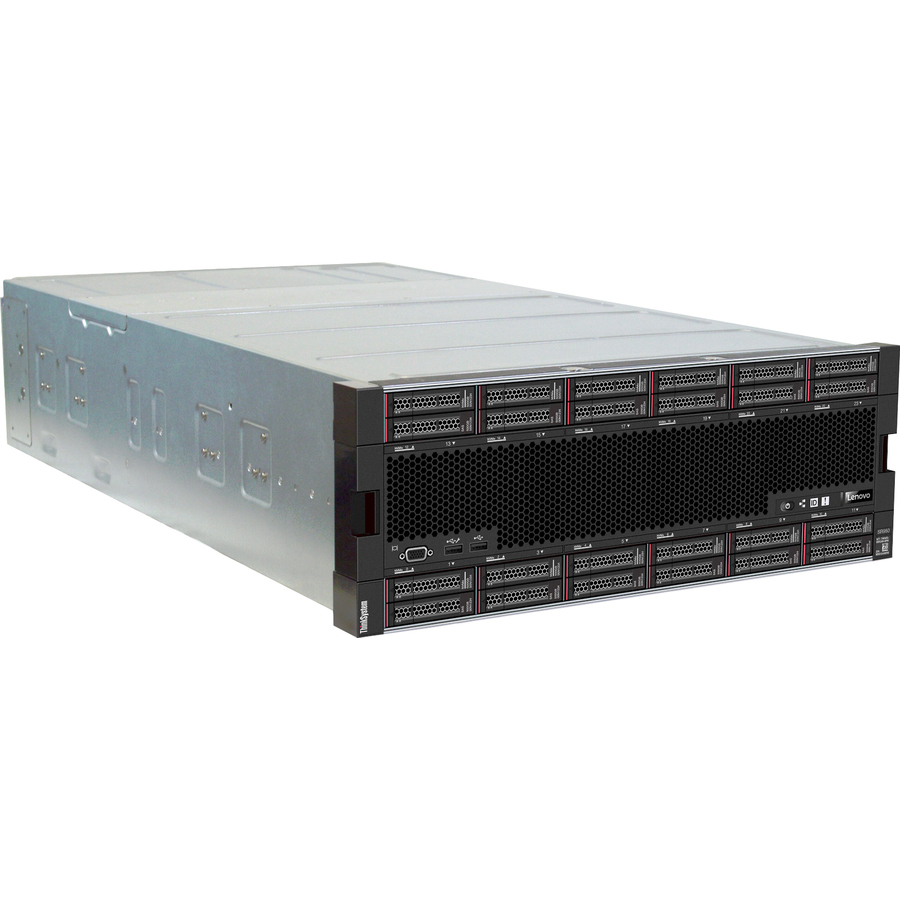
- LenovoLenovo ThinkSystem SR950 7X12A02XNA 4U Rack Server - 8 Xeon Platinum 8260 2.40 GHz - 256 GB RAM - 12Gb/s SAS, Serial ATA/600 Controller - Intel C624 Chip - 8 Processor Support - TruDDR4 - 0, 1, 5, 6, 10, 50, 60 RAID Levels Up to 16 MB Graphic Card - 10 Gigabit Ethernet - 24 x Total Bay(s) - 24 x SFF Bay(s) - Hot Swappable Bays - 4 x 1600 W - Redundant Power Supply7X12A02XNA
$144,999.00
$110,598.73
Back-orderedBack-ordered — estimated OEM lead time 3–8 weeks (Nov 9 – Dec 14 if ordered today).
Back-ordered — estimated OEM lead time 3–8 weeks (Nov 9 – Dec 14 if ordered today).
Back-ordered — estimated OEM lead time 3–8 weeks (Nov 9 – Dec 14 if ordered today).
Back-ordered — estimated OEM lead time 3–8 weeks (Nov 9 – Dec 14 if ordered today).
- LenovoLenovo ThinkSystem SR950 7X12A02RNA 4U Rack Server - 4 Xeon Platinum 8253 2.20 GHz - 128 GB RAM - 12Gb/s SAS, Serial ATA/600 Controller - Intel C624 Chip - 8 Processor Support - TruDDR4 - 0, 1, 5, 6, 10, 50, 60 RAID Levels Up to 16 MB Graphic Card - 10 Gigabit Ethernet - 8 x Total Bay(s) - 8 x SFF Bay(s) - Hot Swappable Bays - 2 x 1600 W7X12A02RNA
$54,999.00
$41,950.77
Back-orderedBack-ordered — estimated OEM lead time 3–8 weeks (Nov 9 – Dec 14 if ordered today).
Back-ordered — estimated OEM lead time 3–8 weeks (Nov 9 – Dec 14 if ordered today).
Back-ordered — estimated OEM lead time 3–8 weeks (Nov 9 – Dec 14 if ordered today).
Back-ordered — estimated OEM lead time 3–8 weeks (Nov 9 – Dec 14 if ordered today).
- LenovoLenovo ThinkSystem SR950 7X12A02UNA 4U Rack Server - 4 Xeon Gold 5220 2.20 GHz - 128 GB RAM - 12Gb/s SAS, Serial ATA/600 Controller - Intel C624 Chip - 8 Processor Support - TruDDR4 - 0, 1, 5, 6, 10, 50, 60 RAID Levels Up to 16 MB Graphic Card - 10 Gigabit Ethernet - 8 x Total Bay(s) - 8 x SFF Bay(s) - Hot Swappable Bays - 2 x 1600 W7X12A02UNA
$35,999.00
$27,458.42
Back-orderedBack-ordered — estimated OEM lead time 3–8 weeks (Nov 9 – Dec 14 if ordered today).
Back-ordered — estimated OEM lead time 3–8 weeks (Nov 9 – Dec 14 if ordered today).
Back-ordered — estimated OEM lead time 3–8 weeks (Nov 9 – Dec 14 if ordered today).
Back-ordered — estimated OEM lead time 3–8 weeks (Nov 9 – Dec 14 if ordered today).
Back-ordered — estimated OEM lead time 3–8 weeks (Nov 9 – Dec 14 if ordered today).
- LenovoLenovo ThinkSystem SR950 7X12A02NNA 4U Rack Server - 2 Xeon Gold 6230 2.20 GHz - 64 GB RAM - 12Gb/s SAS, Serial ATA/600 Controller - Intel C624 Chip - 8 Processor Support - TruDDR4 - 0, 1, 5, 6, 10, 50, 60 RAID Levels Up to 16 MB Graphic Card - 10 Gigabit Ethernet - 8 x Total Bay(s) - 8 x SFF Bay(s) - Hot Swappable Bays - 2 x 1100 W7X12A02NNA
$23,499.00
$17,923.98
Back-orderedBack-ordered — estimated OEM lead time 3–8 weeks (Nov 9 – Dec 14 if ordered today).
- LenovoLenovo ThinkSystem SR590 7X99A085NA 2U Rack Server - Xeon Gold 6242 2.80 GHz - 32 GB RAM - 12Gb/s SAS, Serial ATA/600 Controller - Intel C622 Chip - 2 Processor Support - 1 TB RAM Support - TruDDR4 Up to 16 MB Graphic Card - 10 Gigabit Ethernet, Gigabit Ethernet - Intel Optane Memory Ready7X99A085NA
$11,299.00
$8,618.36
Back-orderedBack-ordered — estimated OEM lead time 3–8 weeks (Nov 9 – Dec 14 if ordered today).
Back-ordered — estimated OEM lead time 3–8 weeks (Nov 9 – Dec 14 if ordered today).
- LenovoLenovo ThinkSystem SR590 7X99A081NA 2U Rack Server - Xeon Gold 6230 2.10 GHz - 32 GB RAM - 12Gb/s SAS, Serial ATA/600 Controller - Intel C622 Chip - 2 Processor Support - 1 TB RAM Support - TruDDR4 Up to 16 MB Graphic Card - 10 Gigabit Ethernet, Gigabit Ethernet - Intel Optane Memory Ready7X99A081NA
$9,499.00
$7,245.41
Back-orderedBack-ordered — estimated OEM lead time 3–8 weeks (Nov 9 – Dec 14 if ordered today).
- LenovoLenovo ThinkSystem SR570 7Y03A069NA 1U Rack Server - Xeon Gold 6230 2.10 GHz - 32 GB RAM - Serial ATA/600 Controller - Intel C622 Chip - 2 Processor Support - TruDDR4 Up to 16 MB Graphic Card - Gigabit Ethernet7Y03A069NA
$9,499.00
$7,245.41
Back-orderedBack-ordered — estimated OEM lead time 3–8 weeks (Nov 9 – Dec 14 if ordered today).
Back-ordered — estimated OEM lead time 3–8 weeks (Nov 9 – Dec 14 if ordered today).
Back-ordered — estimated OEM lead time 3–8 weeks (Nov 9 – Dec 14 if ordered today).
- LenovoLenovo ThinkSystem SR570 7Y03A091NA 1U Rack Server - Xeon - Serial ATA/600 Controller - Intel C622 Chip - 2 Processor Support - TruDDR4 - 0, 1, 5, 10 RAID Levels Up to 16 MB Graphic Card - Gigabit Ethernet7Y03A091NA
$8,318.72
Back-orderedBack-ordered — estimated OEM lead time 3–8 weeks (Nov 9 – Dec 14 if ordered today).
Back-ordered — estimated OEM lead time 3–8 weeks (Nov 9 – Dec 14 if ordered today).
Need pricing on rack servers for small business?
Tell us where to reach you and a Uniqcli specialist will follow up by email with current pricing, availability and lead time for the quantities you need — including parts that aren’t shown on this page.
Buying for an organization or for yourself — both work. No payment up front.
Rack height is the first number on a small-business rack server. A 1U machine is the densest single-socket form and suits a domain controller, file server or virtualization host; a 2U buys room for more drives, more expansion and better cooling. Above 2U, and above one socket, is a different class of machine. Plan the memory at purchase — consolidation is memory-bound long before it is CPU-bound.
A rack server is the machine that goes in the cabinet rather than under the desk, and for a small business it is usually the first step from a single tower into a proper server room — a box that mounts on rails, draws from rack power, and sits alongside the switch, the UPS and the patch panel. The rack servers the catalog carries priced are Lenovo's System x, ThinkServer and ThinkSystem lines, and the way to read them is the way you read any rack server: by how tall they are, how many processor sockets they hold, which processor tier is fitted, and how much memory and how many drives they can take. Those four decide whether a server is right-sized for a small business or is a data-center machine that a small office will never fill.
Rack height is the first number. A 1U server is a single rack unit tall — the densest form, single-socket at the small-business end, ideal for a domain controller, a file server or a virtualization host where compute matters more than internal storage. A 2U server is twice the height, which buys room for more drives, more expansion and better cooling, and is the natural fit for a business that wants storage and compute in one box. Above that sit the 4U and multi-socket machines built for the data center, which a small business rarely needs and should not pay for. Socket count follows: a single-socket 1U or 2U is the small-business shape, and the multi-socket boxes are for workloads a small office does not run.
Nothing on this page is a test result. The grid is fenced to Servers whose own manufacturer title names a rack-mountable server with its rack height, which is what makes the heading true for every card; the picks below stay in the 1U and 2U single-socket tier that suits a small-business server room, from an entry System x through the ThinkSystem SR line, rather than the enterprise 4-socket boxes that share the shelf. Cards show live pricing and current availability, and Uniqcli can quote the server, the rails, the memory, the drives and the rack alongside it on one document.
Buyer's checklist
How to choose a rack server for a small business
- Start with rack height: 1U for the densest single-socket compute (domain controller, file server, virtualization host), 2U where the business wants more drive bays, expansion and cooling headroom in one box. Above 2U is usually a data-center machine a small office will not fill.
- Right-size the socket count. A single-socket 1U or 2U is the small-business shape; multi-socket 4U machines are built for workloads a small office does not run, and paying for a second socket that stays empty is money the budget can spend on memory or drives.
- Match the processor tier to the job, not to the top of the range. An entry Xeon (E-series or Bronze/Silver) handles file, print, directory and light virtualization; a Gold tier is for heavier consolidation. Size the CPU to the actual workload with room to grow.
- Plan the memory at purchase. Virtualization and consolidation are memory-bound long before they are CPU-bound, so confirm the installed memory and the number of free DIMM slots for later expansion — a server bought light on RAM is the one that gets replaced early.
- Count the drive bays and choose the controller. A 1U holds fewer drives than a 2U; decide the RAID level, hot-swap requirement and whether the internal storage is the primary store or a boot pair with data living on a NAS or SAN.
- Confirm the rails, the rack depth and the power. A rack server needs the correct rail kit for the cabinet, a cabinet deep enough for it, and rack power — ideally on a UPS — sized for the draw. These are the parts that turn a server into a working install.
- Specify redundancy where the business depends on the box: redundant hot-swap power supplies, hot-swap drives and out-of-band management for a server that has to stay up and be administered without a trip to the rack.
1U versus 2U for a small server room
The choice between 1U and 2U is the choice most small-business rack-server buys come down to, and it is really a choice about what the server is for. A 1U server is a single rack unit tall and packs its compute densely — one socket at the small-business end, a modest number of drives, and the efficiency that suits a domain controller, a file or application server, or a virtualization host whose data lives elsewhere. It saves rack space and power, and for a business whose storage sits on a NAS or SAN it is often the right and cheaper shape. Its constraint is internal expansion: fewer drive bays, fewer slots, and tighter cooling than a taller box.
A 2U server trades density for room. The extra rack unit buys more drive bays for internal storage, more expansion slots, larger and quieter cooling, and often better serviceability — which is why a business that wants compute and a meaningful amount of storage in a single box tends to land on 2U. The rule for a small server room is to buy the height the workload needs rather than the largest available: a 1U where compute is the point and storage lives on the network, a 2U where the server is also the store, and 4U or multi-socket only where a genuinely large workload demands it, which for most small businesses it does not.
Processor tier, memory and the rack around the server
The processor tier is where it is easiest to over-buy or under-plan. An entry Xeon — an E-series or a Bronze or Silver part — comfortably handles file, print, directory, backup and light-to-moderate virtualization, which is the bulk of what a small business runs; a Gold-tier processor is for heavier consolidation and denser virtualization. Size the CPU to the actual workload with a margin, and put the money the top tier would have cost into memory instead, because virtualization and consolidation run out of RAM long before they run out of cores. Confirm the installed memory and the free DIMM slots at purchase — a server bought light on memory is the one that gets replaced early.
A rack server is only as useful as the rack around it. It needs the correct rail kit for the specific cabinet, a cabinet deep enough to take it, and rack power sized for its draw — ideally on a UPS so a short outage does not become a hard shutdown. Redundant hot-swap power supplies and hot-swap drives keep a business-critical box serviceable without downtime, and out-of-band management lets it be administered from a desk rather than a trip to the rack. Uniqcli can quote the server, the rails, the memory, the drives, the UPS and the cabinet together on one document so the server room is specified as a system rather than a pile of boxes that arrive on different days.
FAQ
Common questions
- What is the difference between a 1U and a 2U rack server?
- Height, and what that height buys. A 1U server is one rack unit tall and packs its compute densely — one socket at the small-business end, fewer drive bays and slots, and lower power and cooling — which suits a domain controller, a file server or a virtualization host whose data lives on a NAS or SAN. A 2U server is twice as tall, trading density for more drive bays, more expansion slots, larger cooling and often easier servicing, which fits a business that wants compute and storage in one box. For a small server room, buy the height the workload needs: 1U where compute is the point, 2U where the server is also the store.
- How much processor does a small business rack server need?
- Usually less than the top of the range, and more memory than people expect. An entry Xeon — an E-series or a Bronze or Silver part — handles file, print, directory, backup and light-to-moderate virtualization, which is the bulk of a small business's workload; a Gold tier is for heavier consolidation. The common mistake is spending on a high CPU tier and skimping on RAM, because virtualization and consolidation run out of memory long before cores. Size the processor to the actual workload with a margin, then put the budget into memory and confirm the free DIMM slots, so the server has room to grow rather than a fast CPU that idles.
- Do I need redundant power supplies in a small business server?
- It depends on how much the business leans on the box. Redundant hot-swap power supplies let a server keep running if one supply fails or one power feed drops, and combined with hot-swap drives and out-of-band management they keep a business-critical machine serviceable without downtime — worth specifying on the server that runs the line-of-business application or the shared files. A server that is genuinely non-critical, or one backed by a spare, can run a single supply. The rule is to match the redundancy to the cost of the server being down, and to put any critical box on a UPS regardless.
- What else do I need to install a rack server?
- A rack server is a system, not just the box. It needs the correct rail kit for the specific cabinet — rails are model-and-cabinet specific — a cabinet deep enough to take the server, and rack power sized for its draw, ideally on a UPS so a short outage is a ride-through rather than a hard shutdown. Plan the internal storage and RAID, the network uplinks, and where the data actually lives (in the server, or on a NAS or SAN). Ordering the server, the rails, the memory, the drives, the UPS and the cabinet together avoids the usual delay of a server that arrives without the one part that lets it mount.
- Can business, government and education buyers order these?
- Every line Uniqcli quotes is sourced through US distribution and screened for TAA country-of-origin and NDAA §889 status before checkout — with documentation tied to the specific part number, not a product family.
Need rack servers for small business pricing?
Send a bill of materials or part numbers — we confirm stock and a below-market total, with TAA verified on request. No payment up front.