
Best Tripp Lite UPS Systems for Network Closets and Edge Racks
SmartOnline double-conversion and SmartPro line-interactive rack/tower units at 5 kVA and 6 kVA.
Tripp Lite by Eaton UPS systems in stock at Uniqcli
How to choose →A curated selection with live pricing — in-stock lines first, then back-ordered lines with a typical lead time. Every line is sourced through US distribution and screened for NDAA §889 status before checkout, with TAA verified on request.
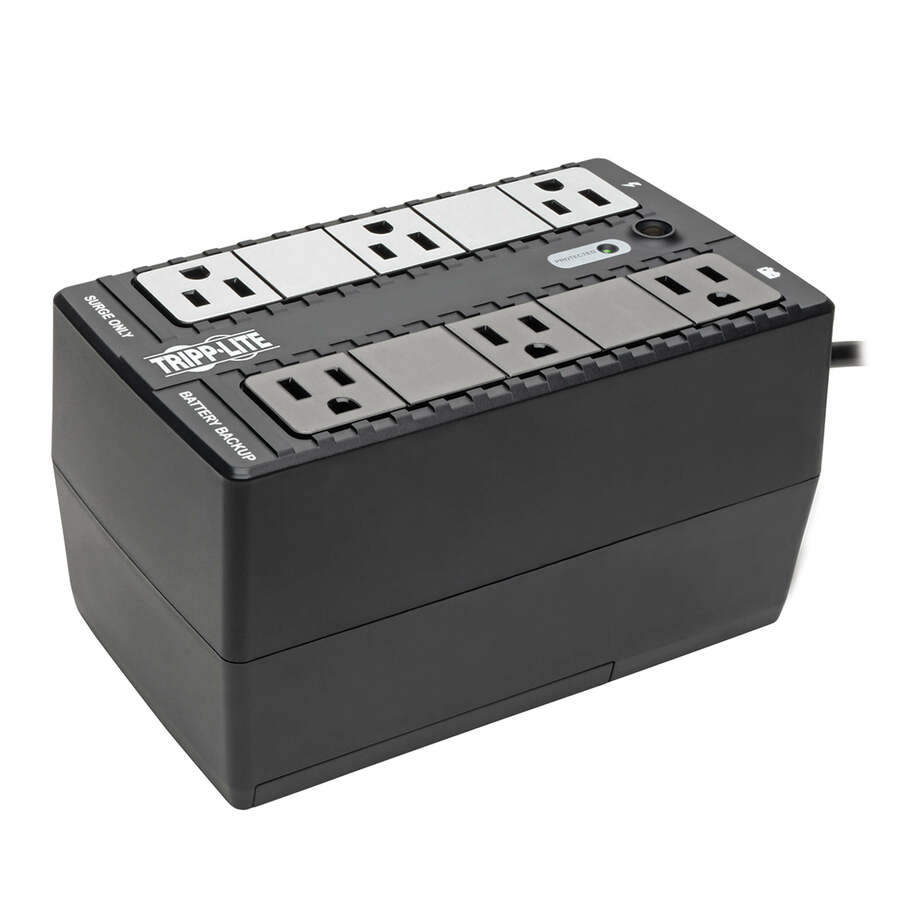
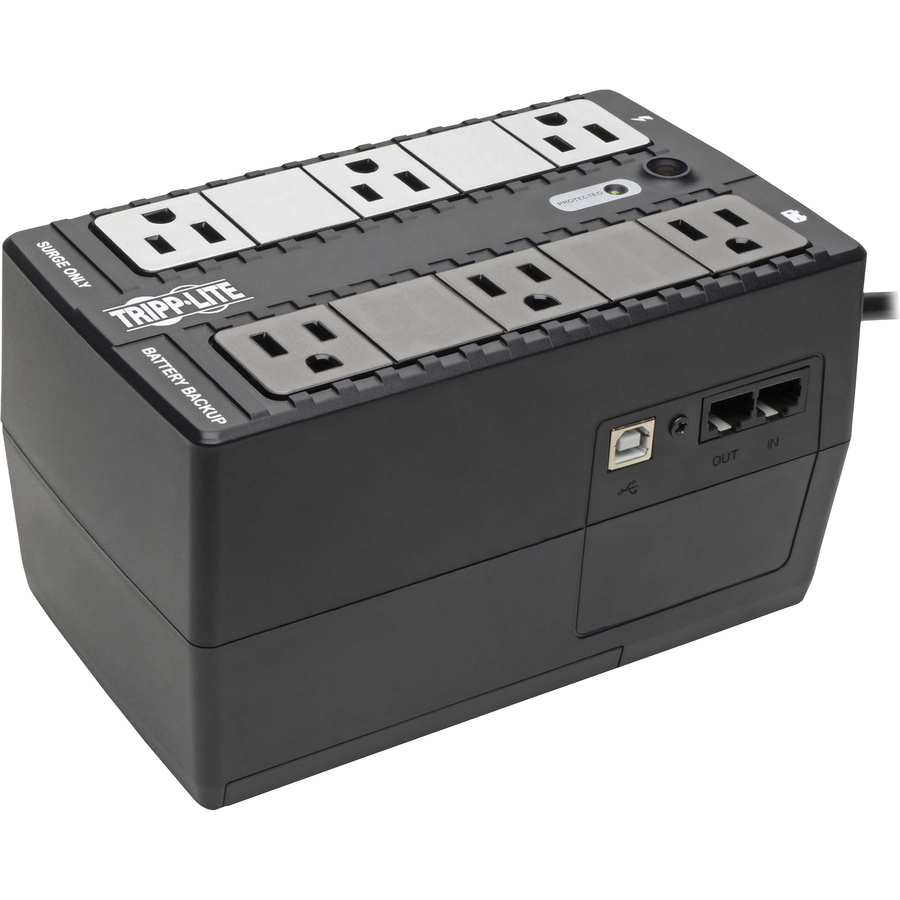
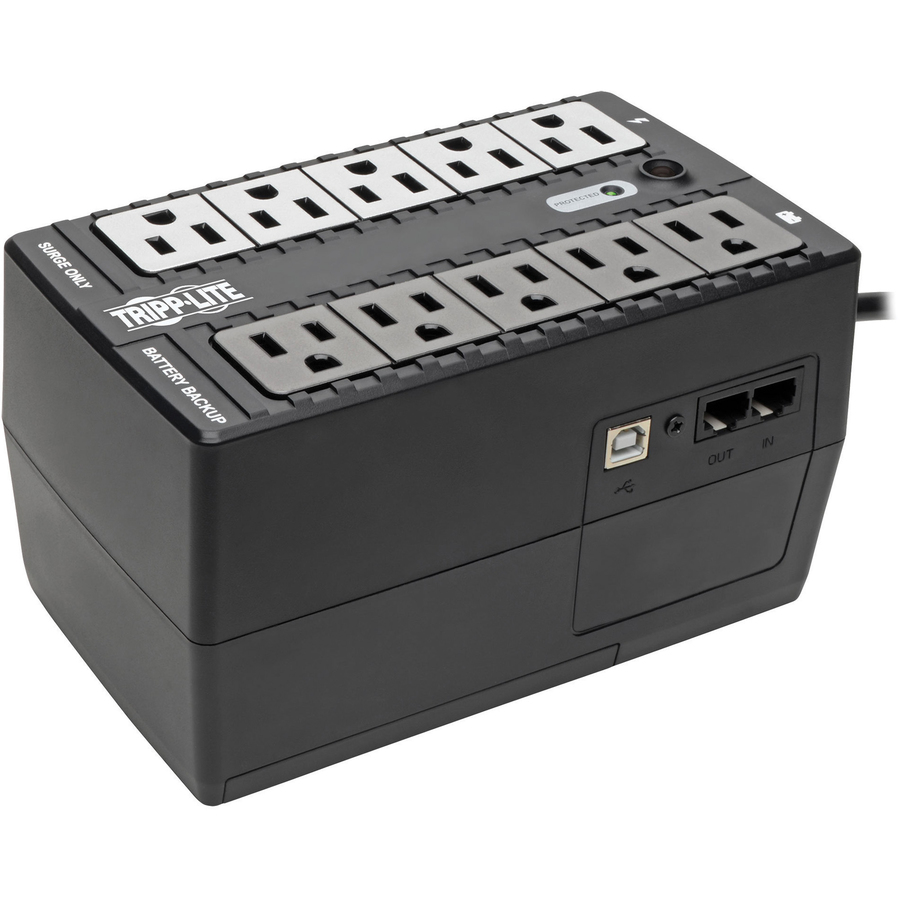
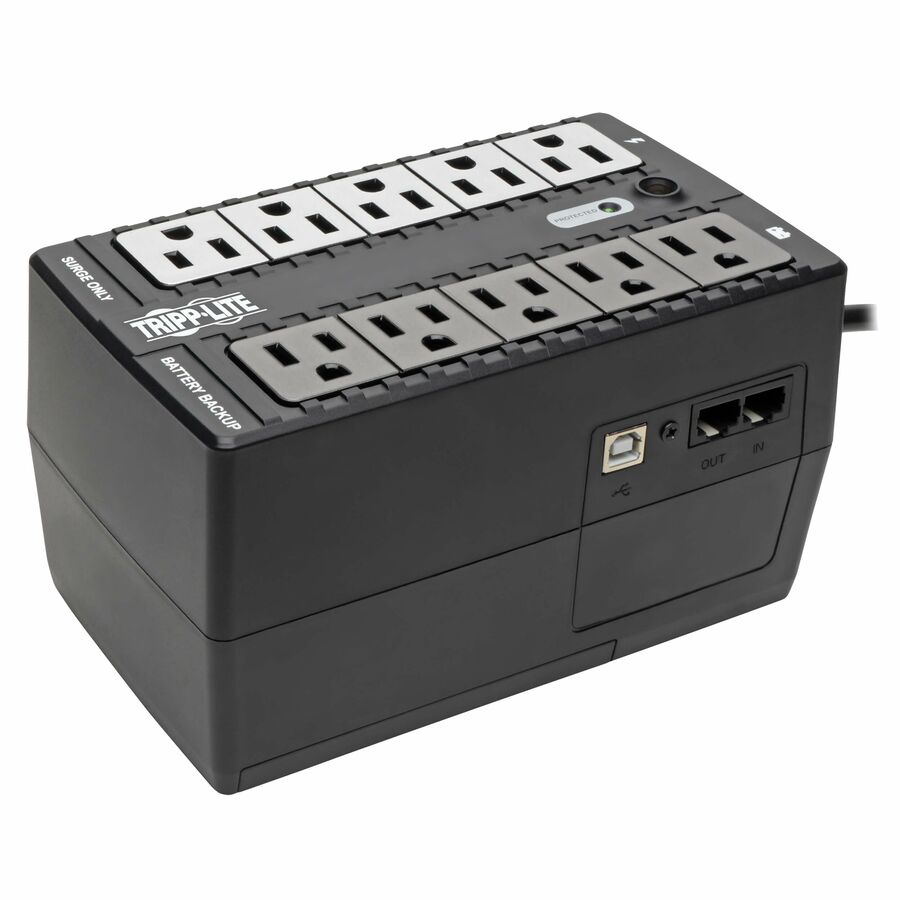
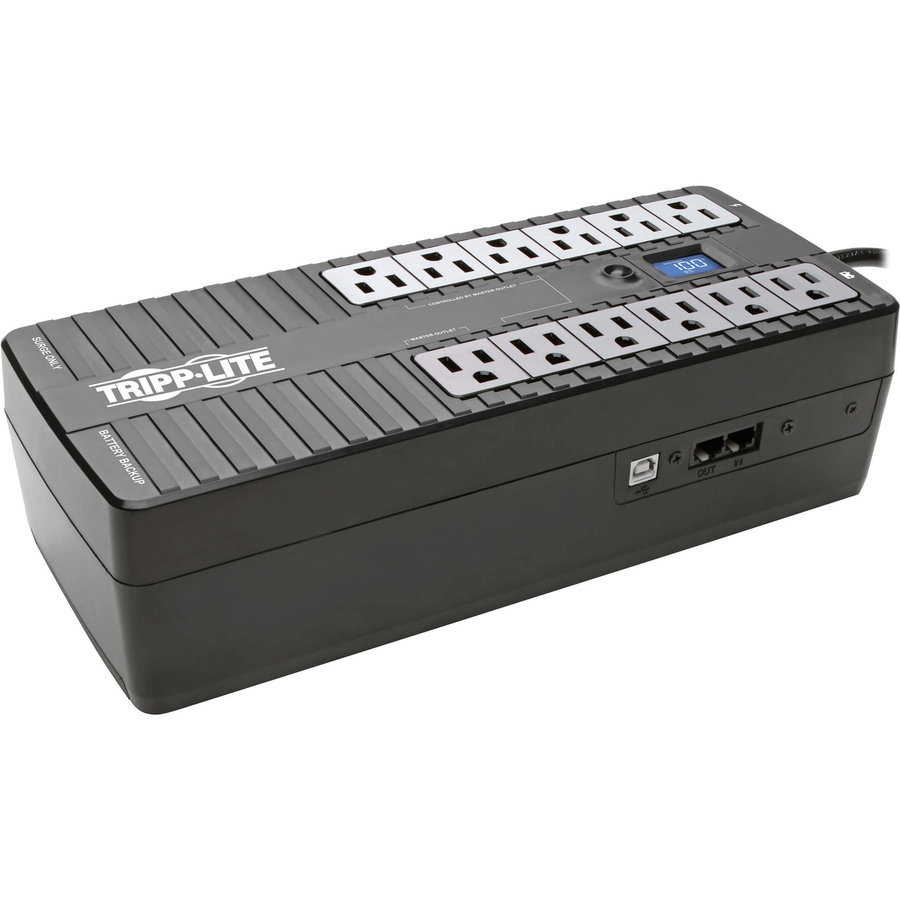
- EatonTripp Lite series Internet Office INTERNET600U 600VA Ultra-compact desktop/tower/wall mount UPS - Ultra-compact Desktop/Tower/Wall Mount - 6.50 Hour Recharge - 1 Minute Stand-by - 120 V AC Input - 120 V AC, 110 V AC, 115 V AC Output - Single Phase - Pulse-width Modulated Sine Wave - USB - LCD Display - 10 x NEMA 5-15R Receptacle(s)INTERNET600U
$138.00
$126.96
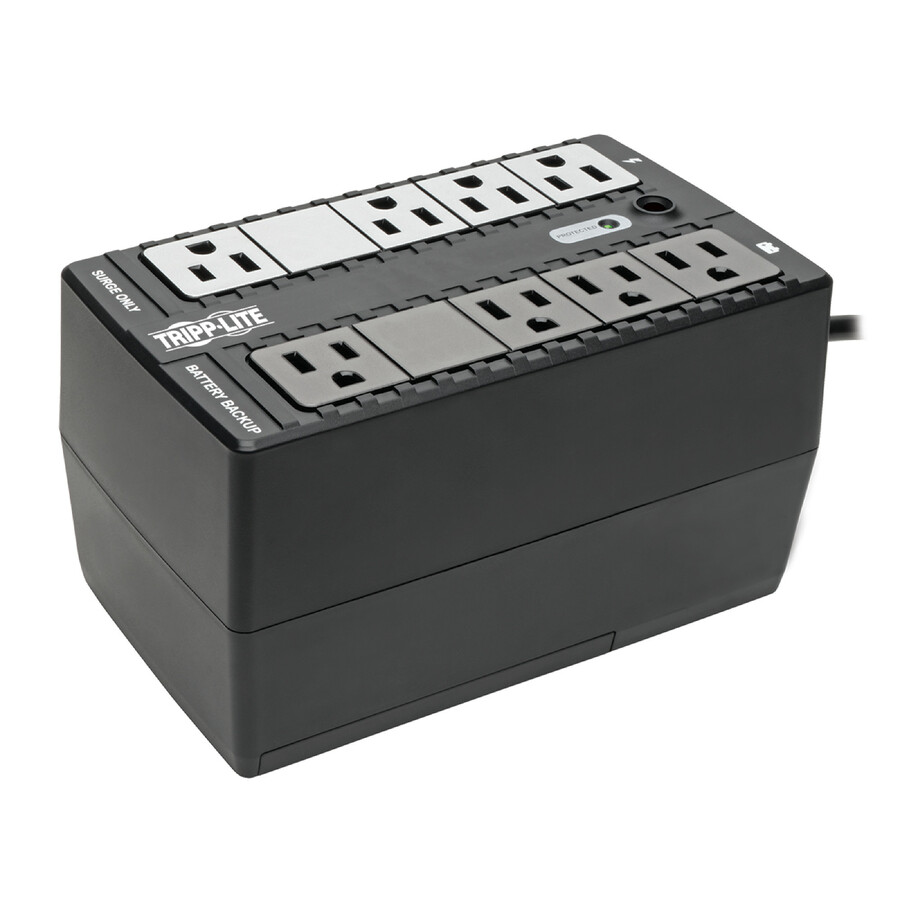
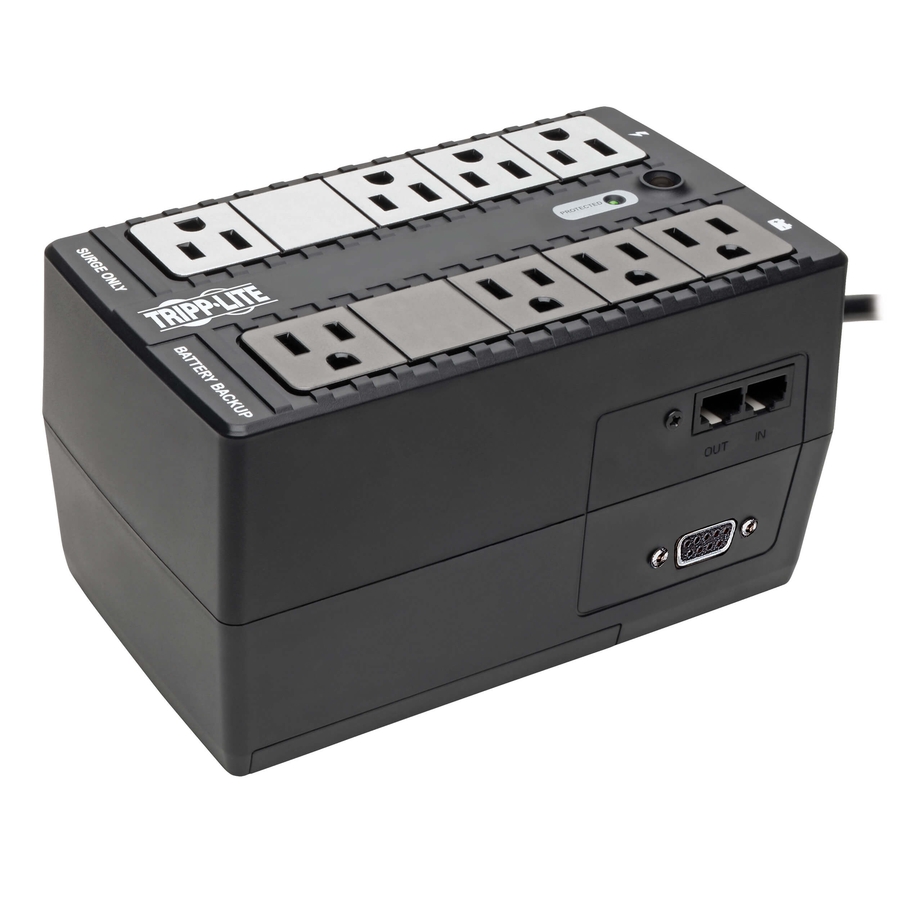
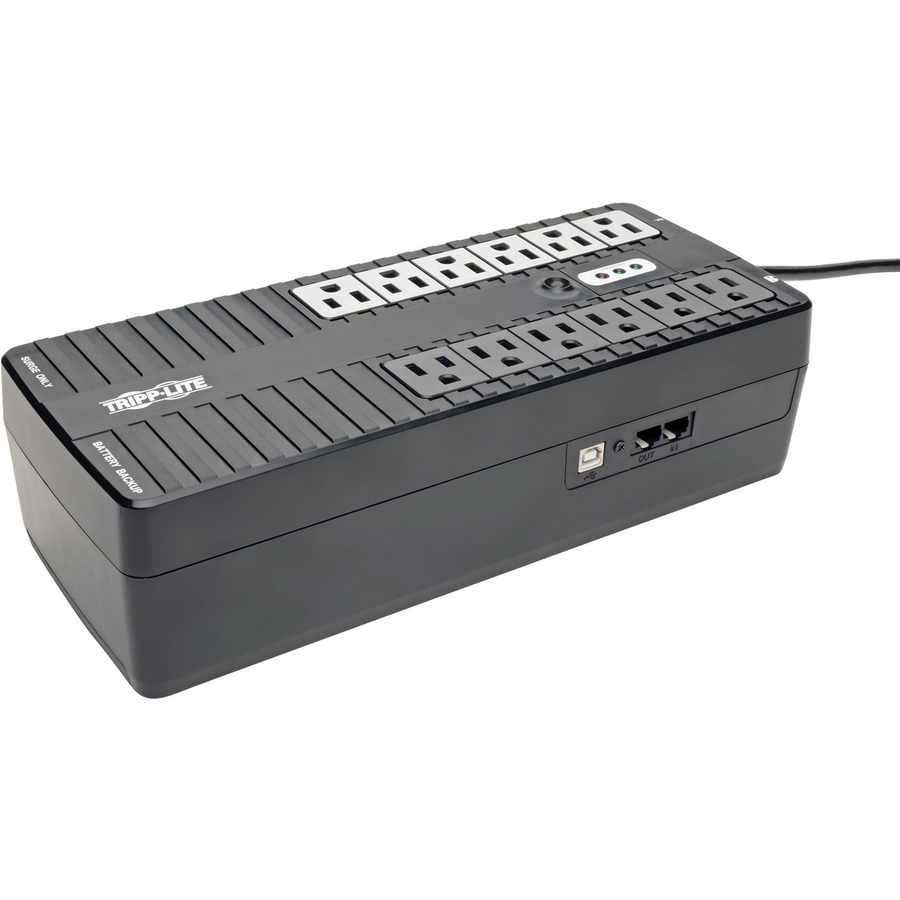
610 in stock - EatonTripp Lite by Eaton UPS 750VA 450W Standby UPS - 12 NEMA 5-15R Outlets 120V 50/60 Hz USB 5-15P Plug Desktop / Wall Mount - Ultra-compact Desk-mount - 4 Hour Recharge - 2.50 Minute Stand-by - 110 V AC Input - 120 V AC Output - 6 x NEMA 5-15R, 6 x NEMA 5-15R, 6 x NEMA 5-15R, 6 x NEMA 5-15R, 6 x NEMA 5-15R, 6 x NEMA 5-15RINTERNET750U
$207.00
$190.44
1,486 in stock

Browse all 1,114 UPS systems
Not the right one above? Filter the whole range by the specs that matter — live pricing and honest availability on every row, the same NDAA §889 screening before checkout, and TAA verified on request.
Showing 24 of 1,114 UPS systems
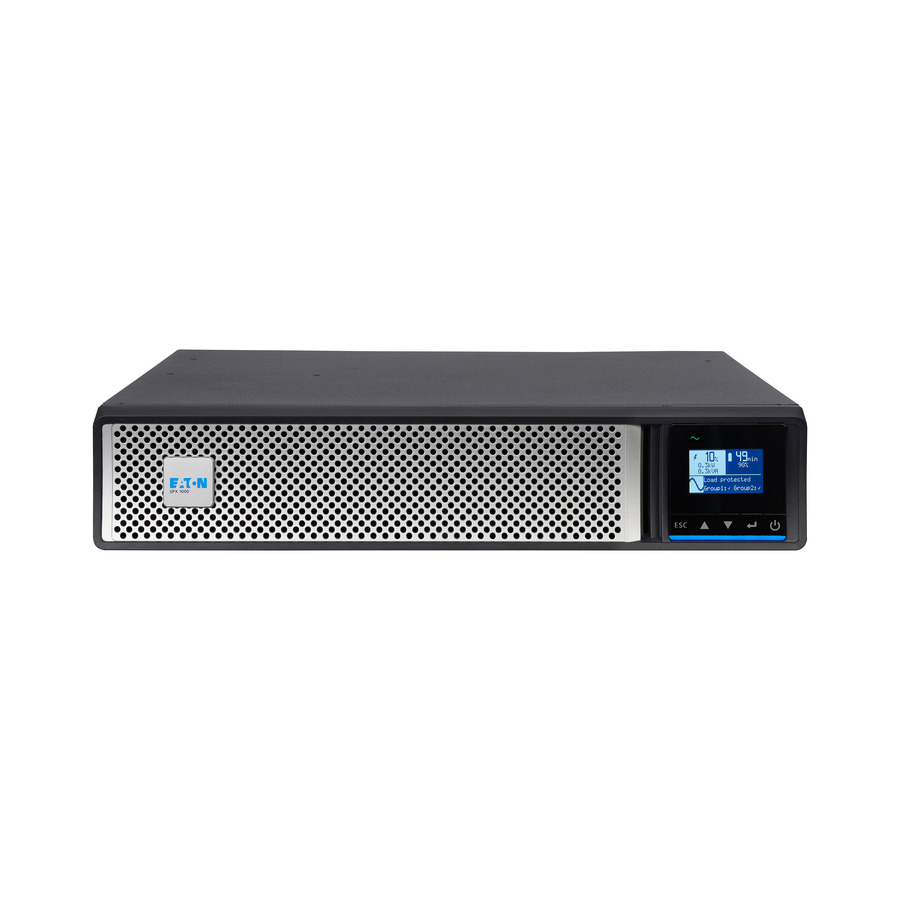
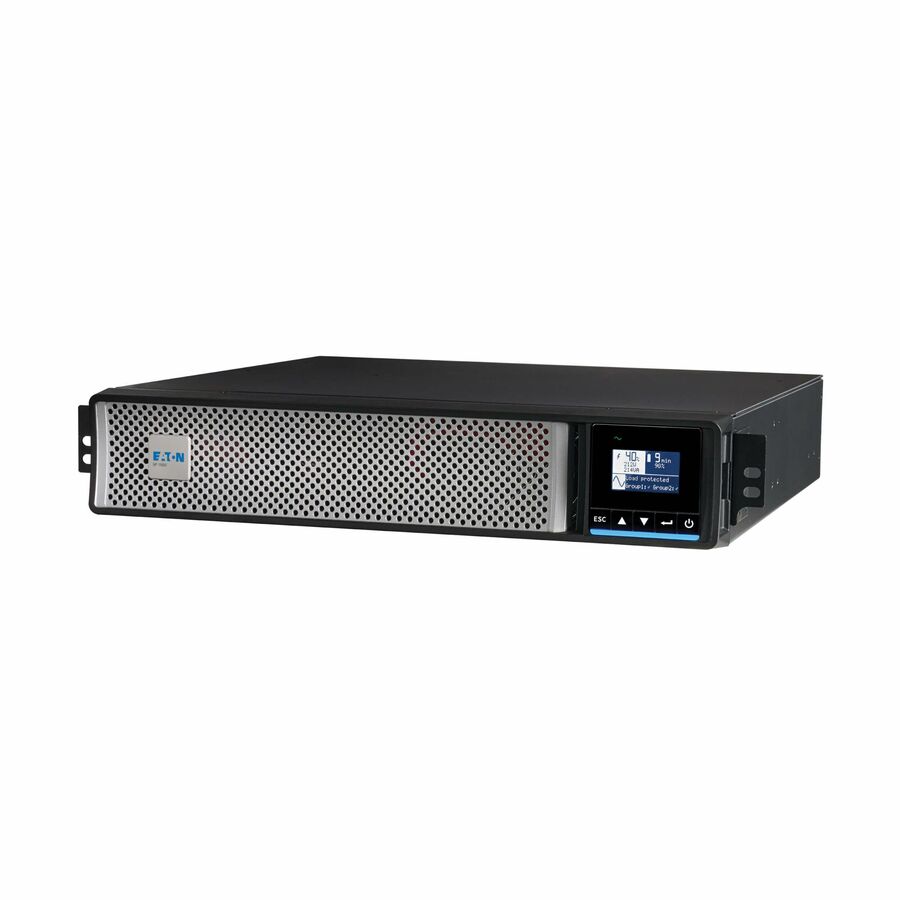
- EatonEaton 5P Gen2 5P1500RTG2 1440VA Rack/Tower UPS - 2U Rack/Tower - AVR - 9 Hour Recharge - 5 Minute Stand-by - 120 V AC Input - 100 V AC, 120 V AC, 125 V AC Output - Single Phase - Sine Wave, Pure Sine Wave - Serial Port - LCD Display - 8 x NEMA 5-15R Receptacle(s) - Network-M3 Card, RS-2325P1500RTG2
$1,142.00
$1,050.64
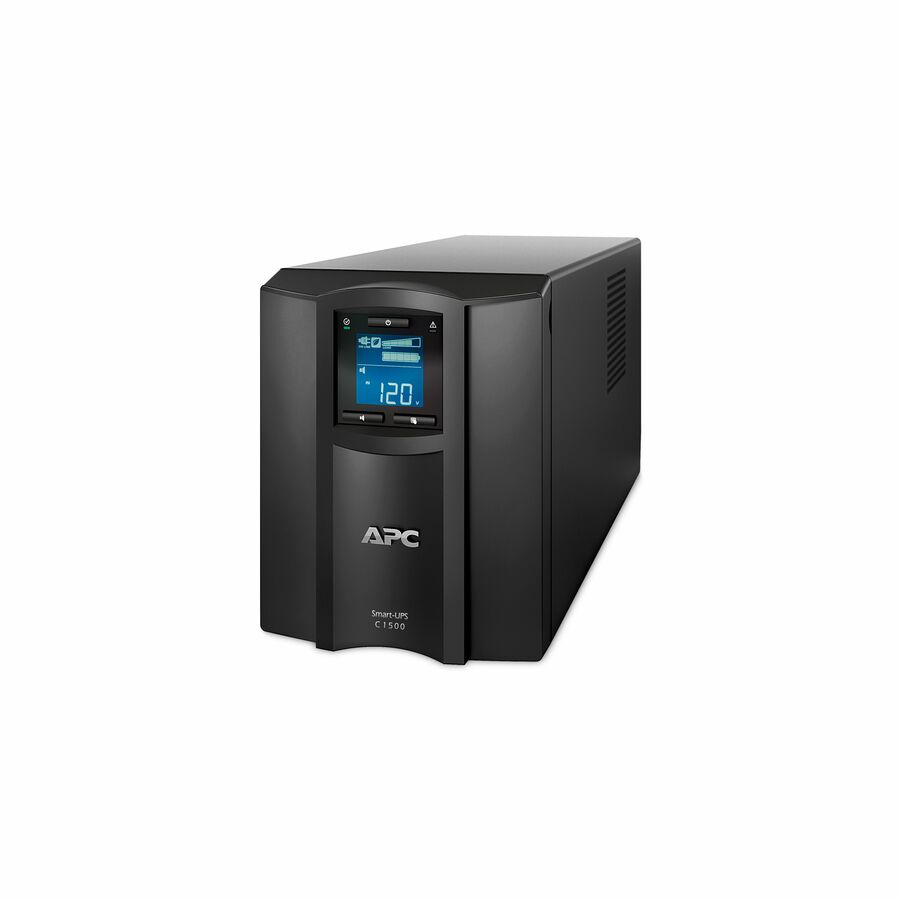
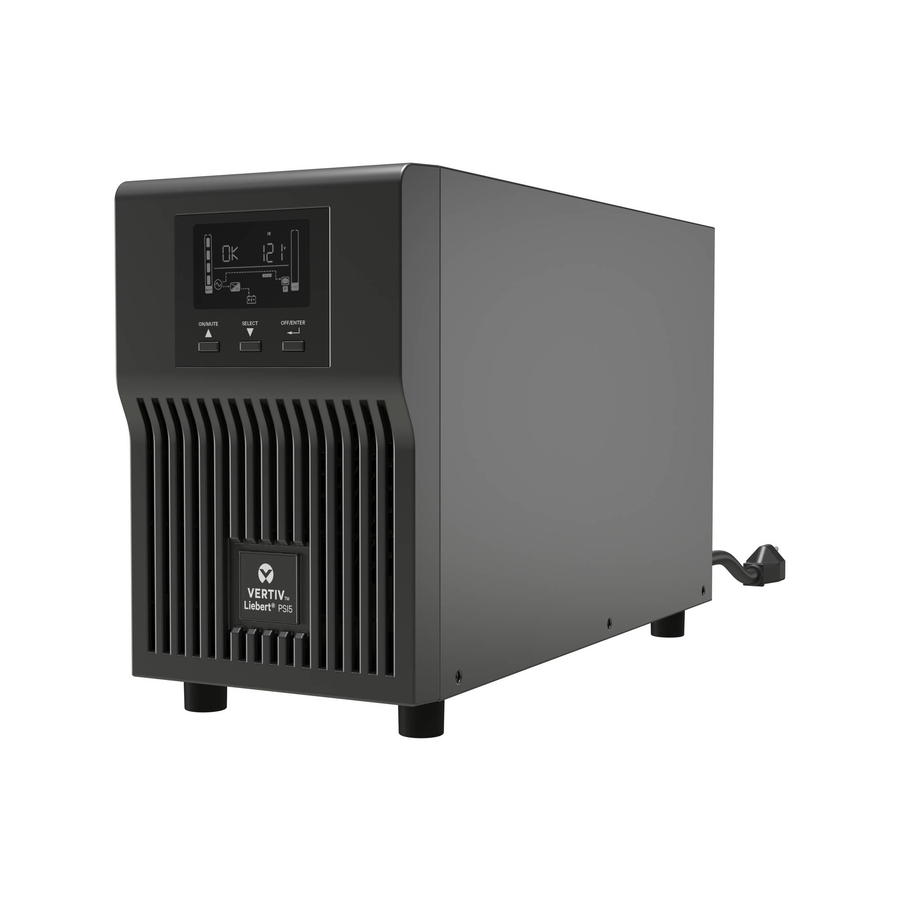
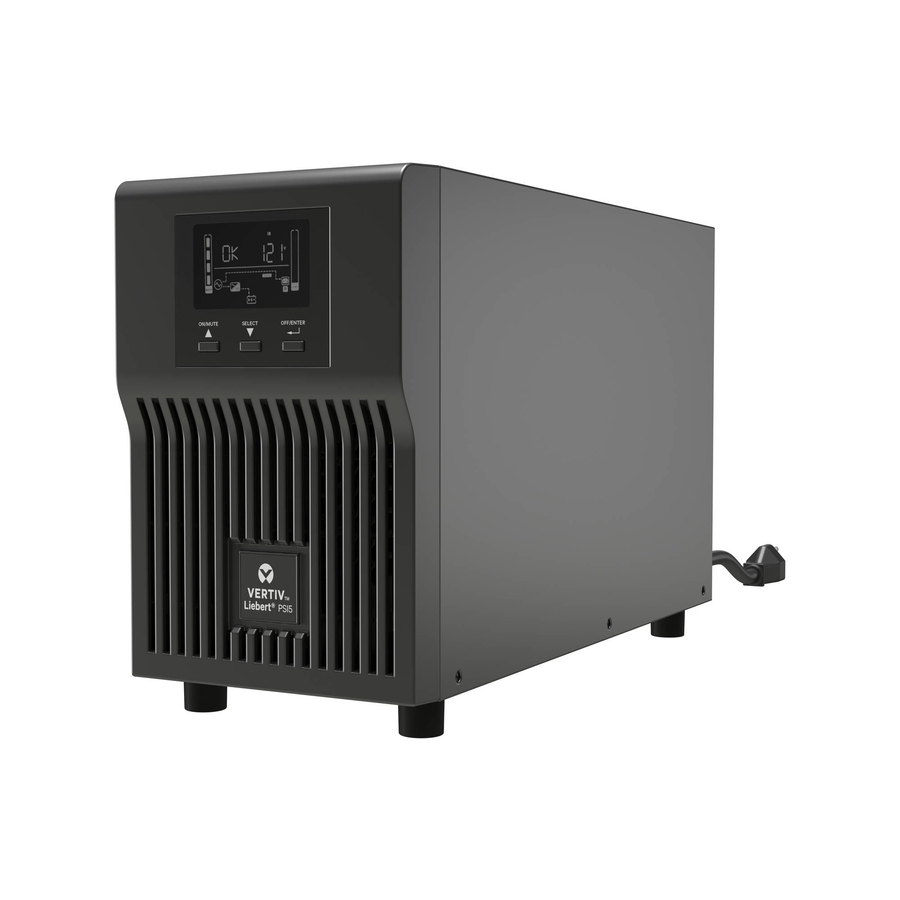
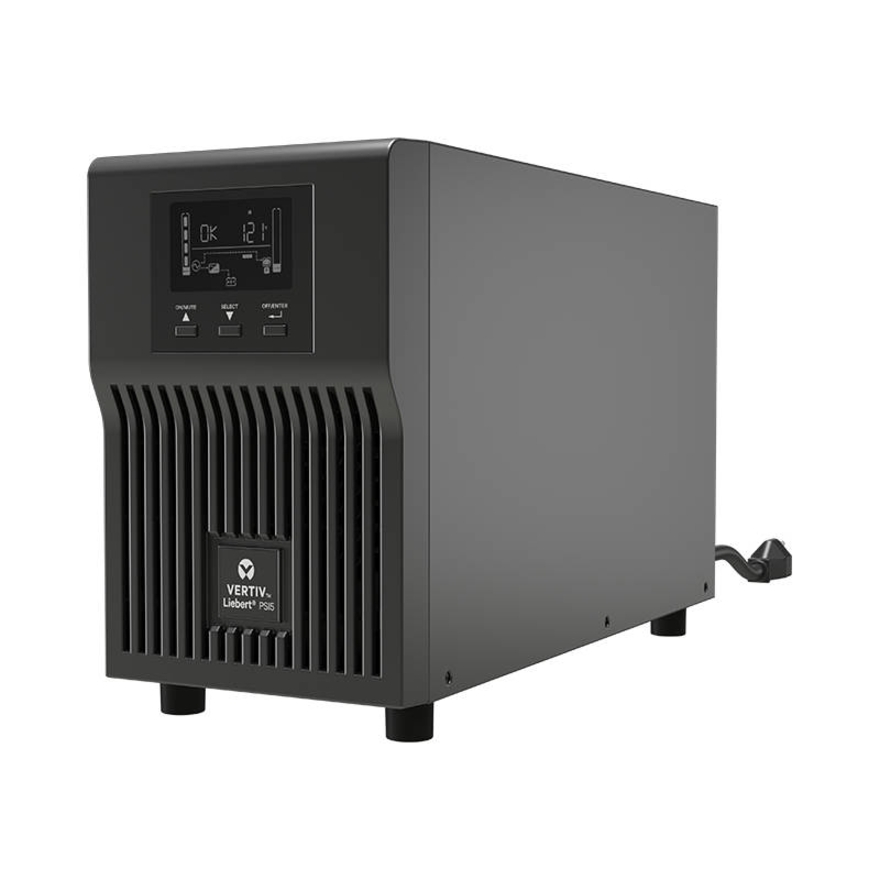
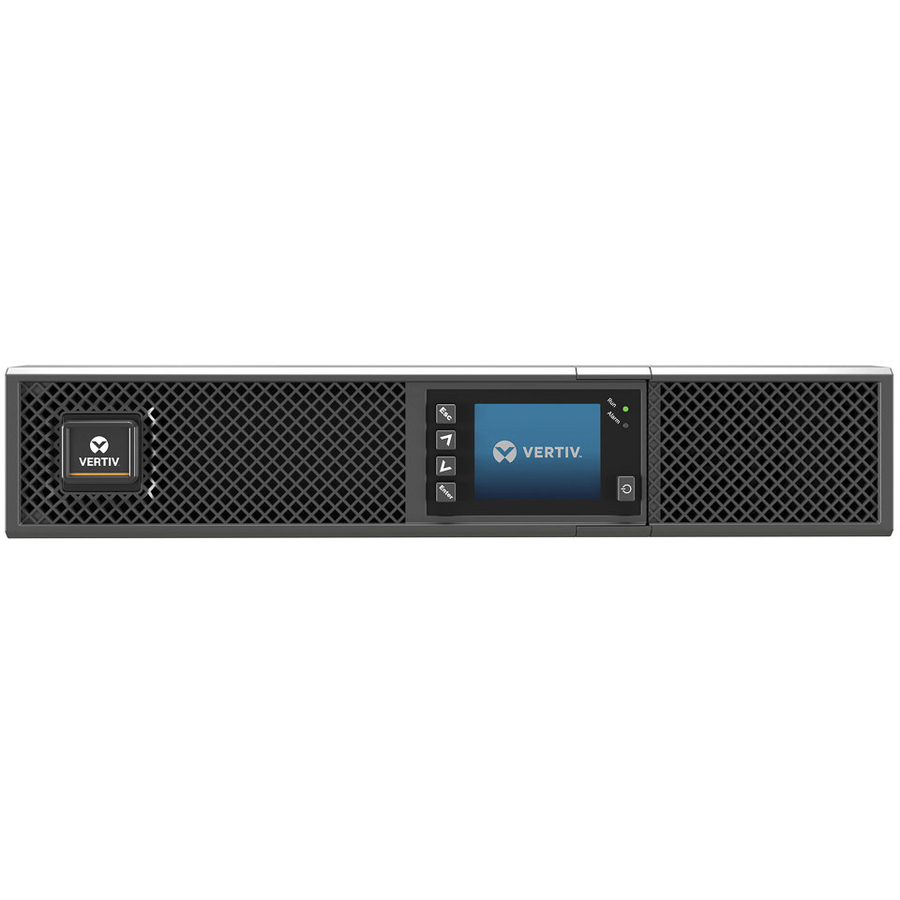
52 in stock - VertivVertiv Liebert GXT5 UPS - 500VA/500W 120V | Online Rack Tower Energy Star - Double Conversion| 2U| Optional RDU120 Card| Color/Graphic LCD| 3-Year WarrantyGXT5-500LVRT2UXL
$1,554.00
$1,184.15
153 in stock
Specifications are read from the manufacturer product title as supplied to us; where a value is not stated it is left blank rather than estimated. Every line is screened for NDAA §889 status before checkout, with TAA verified on request.
Need pricing on Tripp Lite by Eaton UPS systems?
Tell us where to reach you and a Uniqcli specialist will follow up by email with current pricing, availability and lead time for the quantities you need — including parts that aren’t shown on this page.
Buying for an organization or for yourself — both work. No payment up front.
SmartOnline units — the SU part numbers — are online double-conversion, so protected equipment never sees a transfer; SmartPro units, listed as SM and SMART, are line-interactive and hold output voltage steady through sags and swells instead. Settle the topology first, then size against the watt rating rather than the VA figure.
Tripp Lite by Eaton splits its UPS range into two families, and the part number tells you which one you are looking at. SmartOnline units — the SU prefixes — are online double-conversion: they rebuild the output waveform continuously, so protected equipment never sees a transfer. SmartPro units, listed as SM and SMART, are line-interactive sine wave designs that hold output voltage steady through sags and swells instead of spending battery on them. Settle the family before the size, because it decides what the unit actually protects against.
The models on this page are the rack/tower end of that range: 5 kVA and 6 kVA units in 3U and 6U chassis with sine wave output — the SmartOnline rows state it as pure sine wave. Interfaces vary by part number rather than by family: every SmartOnline row here lists an LCD display, and all but one list a network card — two say it is included outright, and most add SNMP and dry-contact monitoring alongside USB and DB-9 serial — while the SmartPro rows list network card options with USB and DB-9. Four rows are listed as extended-run designs, the variants built to take external battery packs; the rows that publish a watt figure run from 3,750W to 5,400W; and one lists a step-down transformer with maintenance bypass for a 208V feed that still has 120V equipment behind it.
That size band is the comms room, the small server room and the edge rack — where a plug strip stops being the answer and the circuit becomes an electrical decision. Cards are ordered in-stock first, priced live. If the requirement is smaller — a tower unit for a retail counter, a kiosk or a single edge appliance — the line runs well below what is shown here, so send the load list and we will quote it.
Buyer's checklist
How to choose a Tripp Lite UPS for a rack
- Pick the topology first: SmartOnline double-conversion where the load cannot tolerate a transfer, SmartPro line-interactive where steady output voltage and cost are the real requirements.
- Size against real watts, not VA — half of these listings publish both figures, and where only a VA rating is shown, ask for the watt rating before you size the load.
- Read the receptacles and the input plug together: the two listings here that state an input plug list L6-30P, and L6-20R/L6-30R outlets mean a dedicated circuit and a matching PDU, not a wall outlet.
- Match the voltage before the chassis — 120V, 208V and 230V variants are separate part numbers, and a step-down transformer model is what bridges a 208V feed to 120V gear.
- Read each runtime figure the way its own listing states it — the SmartOnline rows here publish a three-minute stand-by rating, the SmartPro rows publish 8.5 to 16 minutes at full load — then decide whether an extended-run model with external battery packs is cheaper than a bigger UPS.
- Confirm whether the network card is included or optional on the exact SKU, and budget 3U or 6U of rack space plus the battery weight the cabinet has to carry.
Where these units fit
A 5 kVA or 6 kVA rack UPS is the power anchor for a comms room or an edge rack: the switch stack, a firewall pair, one or two hosts and the out-of-band management that has to stay reachable when the site does not. Distribution sites, campus IDFs, clinics and remote facilities land in this band: the load fits one cabinet, and a graceful shutdown has to be automatic rather than a call-out.
Circuits and rack fit before you order
At this rating the electrical question comes first. A twist-lock input needs a dedicated circuit terminated to match, so confirm the receptacle at the rack before the requisition rather than after delivery. Then check the physical fit: 3U or 6U of rack space, chassis depth against the cabinet, and enough front clearance for battery service. Where the feed is 208V and the equipment is 120V, the step-down transformer model removes a separate conversion step from the design.
Batteries are the running cost
The purchase price is the smaller half of what a UPS costs over its life. Batteries are consumables, they lose capacity with age and heat, and a unit that has never been load-tested will not deliver its published runtime in year four. Plan replacement into the budget, keep the room cool, and standardize part numbers across sites so one battery SKU covers the estate. Extended-run models make that easier, since capacity is added in packs rather than by replacing the UPS.
FAQ
Common questions
- SmartOnline or SmartPro — which does a network closet need?
- SmartPro is line-interactive: it regulates output voltage against sags and swells on the incoming supply and switches to battery on an outage with a brief transfer time, which is appropriate for switches, routers, firewalls and general IT loads. SmartOnline is online double-conversion, rebuilding the output waveform continuously from the DC bus so there is effectively no transfer and the load is isolated from input disturbances — the right call for equipment that cannot tolerate an interruption, for generator-fed sites, or where incoming power quality is genuinely poor. Most network closets are well served by SmartPro; buy SmartOnline where the load or the site justifies it.
- How much runtime do these units give at full load?
- Each part number publishes its own figure and the two families read differently: the SmartOnline rows in this selection list a three-minute stand-by rating, while the SmartPro rows list roughly 8.5 to 16 minutes at full load. Runtime rises steeply as load falls, so a unit at half capacity holds far longer than its full-load number suggests. Where a specific holdup time is required, the extended-run models take external battery packs, which is usually cheaper than oversizing the UPS itself — send the load and the target runtime and we will size it.
- What outlets and input connections do these use?
- The rack units in this selection list NEMA 5-20R and 5-15R outlets for standard equipment plus L6-20R, L6-30R and, on one model, L14-30R twist-lock receptacles for higher-draw or 208V loads. Two of these listings state an input plug, and both list L6-30P. That combination means the UPS is fed from a dedicated circuit and distributes through a PDU or twist-lock cabling rather than a general-purpose plug strip, so confirm what is actually terminated at the rack — and what the equipment in it expects — before ordering.
- Some Tripp Lite part numbers say TAA — what does that mean here?
- A few of these part numbers carry a TAA designation inside the manufacturer's own product naming; that is Eaton's statement about the specific part number, not an independent Uniqcli certification, and it is not a property of the product family. Separately, every order Uniqcli quotes is screened for TAA country-of-origin and NDAA Section 889 status before checkout, with documentation tied to the exact part number you buy. If that documentation is contract-critical, ask for it up front on the quote rather than after award.
- Can Uniqcli quote Tripp Lite UPS systems for a government or education purchase?
- Every line Uniqcli quotes is sourced through US distribution and screened for TAA country-of-origin and NDAA §889 status before checkout — with documentation tied to the specific part number, not a product family.
Need Tripp Lite by Eaton UPS systems pricing?
Send a bill of materials or part numbers — we confirm stock and a below-market total, with TAA verified on request. No payment up front.