
Eaton Price Increase 2026: Power Lead Times Are the Real Story
Eaton has already raised Electrical Americas list prices twice in 2026 and says more are coming. But for anyone buying UPS, PDUs, or transfer switches into a data-center or facility project, the price letter is the smaller risk — queue position is the bigger one.
By Uniqcli Team · · 7 min read · Updated

Key takeaways
- Eaton confirmed Electrical Americas price increases effective January 15 and April 1, 2026, with more price actions anticipated in H2 2026.
- No public source has published a percentage figure for Eaton's 2026 increases; Hubbell's comparable 2026 hike ranged from low single digits to 10%.
- Eaton's data-center backlog is about 228 gigawatts, roughly 12 years of 2025 build rates, with orders up about 240% year over year in Q1 2026.
- For project power like UPS, PDUs, and transfer switches, lead time and allocation queue position matter more than the price increase itself.
- Eaton's confirmed 2026 increase dates are January 15 and April 1; no public record supports a rumored 'August 2026' increase.
On this page
Market Watch
The Eaton price increase 2026 is a schedule problem wearing a price tag
Eaton confirmed on its Q1 2026 earnings call, reported May 4, 2026, that it "announced and implemented April 1 price increases in Electrical Americas... with additional price actions anticipated" — the company is treating incremental increases as a stated margin lever for the second half of the year, not a one-time event. For buyers of Eaton UPS, rack PDUs, and transfer switches feeding a data center or facility build, the percentage on the next price letter is real but secondary. The binding constraint is lead time: Eaton reported a data-center backlog of roughly 228 gigawatts — about twelve years at 2025 build rates — with data-center orders up around 240 percent year over year. Price recovers on the next quote; a slipped queue position does not.
Confirmed Eaton 2026 effective dates — January 15 and April 1, per distributor notices; not August
Eaton data-center backlog, roughly 12 years at 2025 build rates (Q1 2026)
Eaton data-center segment order growth, Q1 2026
Industry-expectation range (Hubbell comparable) — no Eaton-confirmed figure exists
Which Eaton power lines are actually affected
The 2026 increases show up in distributor bulletins rather than a single Eaton press release with a headline percentage. Per authorized-distributor notices (Womack Electric Supply Market Watch, corroborated by Crown Supply and Geary Pacific), Eaton notified distributors on January 30, 2026 of a price increase — effective April 1, 2026 — covering Wiring Devices, the Crouse-Hinds, B-Line, and Bussmann series, and, most relevant here, Power Systems and D-IT. Power Systems is the umbrella that covers Eaton's UPS and data-center critical-power gear; D-IT (Distributed IT) covers rack and edge power infrastructure. A separate 'Eaton Power' notice took effect earlier, on January 15, 2026, citing 'continued marketplace constraints.'
For the specific lines buyers ask about — the 5P, 9PX, and 93PM UPS families, rack PDUs, and automatic transfer switches — no public notice itemizes the increase by SKU. Those product families sit inside the Power Systems and D-IT categories named in the April 1 notice, so they are within scope of the same action even though there is no line-item percentage for a 9PX or a specific ATS in any bulletin we could find. The practical read: treat any UPS, PDU, or transfer-switch quote written before these effective dates as stale, and confirm the current list against your reseller's live price file rather than a prior quote.
One honest correction worth making up front: Eaton's disclosed 2026 effective dates cluster at January 15 and April 1 — not August. If a quote or a reseller cites a specific 'August 2026 Eaton increase,' ask them to produce the actual vendor price letter and effective date. It may be a mid-year list refresh or a distributor-specific pass-through, but it is not, on the public record, a confirmed Eaton-wide event.
The driver: AI power demand is rewiring the supply chain
Eaton attributes the Electrical Americas increases to 'significant cost pressures driven by rapidly rising raw material and operational expenses' (per the distributor notices), against a 2026 tariff backdrop — steel and aluminum tariffs raised to 50 percent in mid-2025, a 50 percent copper tariff from August 1, 2025 — that industry coverage widely cites as upstream pressure on all electrical equipment. But cost inflation is only half the story, and for power gear it is not the more important half.
The demand side is what makes Eaton's power lines different from a laptop or a switch. Eaton's Q1 2026 materials report data-center segment orders up roughly 240 percent year over year, data-center revenue up about 50 percent, and a total data-center backlog near 228 gigawatts. The company raised full-year 2026 organic growth guidance to a 10 percent midpoint, with Electrical Americas guided to 12 to 14 percent organic growth. This is a manufacturer allocating UPS, switchgear, and transfer-switch capacity against a queue that is growing faster than it — or its peers — can add plants.
Zoom out to the category and the constraint gets sharper. Trade coverage of the 2026 data-center supply chain (Build Inc., Data Center Knowledge, and related reporting) puts power-transformer lead times around 128 weeks, describes medium-voltage switchgear as effectively sold out through 2028 in many channels, and cites analyst estimates (attributed to Sightline Climate in industry press) that 30 to 50 percent of the 2026 AI data-center pipeline is at risk of delay from power-equipment constraints alone. When the upstream gear a facility depends on is quoted years out, the UPS and ATS at the rack level inherit that schedule risk.
The honest number: there isn't a confirmed Eaton percentage
We will not attribute a specific percentage to Eaton that Eaton has not published. As of this research, no public bulletin, press release, or trade article states a percentage figure for the January 15 or April 1, 2026 Eaton increases — the notices confirm the action and the effective date, not the size.
The defensible anchor is a comparable, not an Eaton number. Hubbell, a peer electrical-equipment manufacturer, announced 2026 increases reported 'generally ranging from low single digits up to 10 percent,' driven by steel, aluminum, and copper escalation; ABB's Midwest division separately announced increases effective April 13, 2026 tied to the same metals. For FY26 and FY27 planning, a conservative assumption of roughly mid-single-digit to low-double-digit cost growth on Eaton power-protection lines — informed by that Hubbell comparable, not an Eaton-confirmed figure — plus real schedule contingency for lead time is more defensible in a procurement justification than citing an unconfirmed Eaton percentage. And because Eaton has stated more price actions are anticipated in H2 2026, treat this as a moving list, not a fixed one.
Why 'order by' logic looks different for project power
For most IT hardware, 'lock the price before the effective date' is the whole play. For Eaton power gear tied to a build, there are two clocks, and the price clock is the slower one. The first clock is the price letter: Eaton's disclosed 2026 pattern is roughly quarterly (January 15, April 1, more anticipated), so a quote can go stale in a quarter. The second clock is allocation: on a UPS, switchgear, or transfer-switch line feeding a facility with a fixed commissioning or IOC date, a 60-to-90-day delay in placing the task order or exercising an option does not just re-quote you at a higher list — it slips you to the back of a queue measured in quarters, where the schedule cost can dwarf the list-price delta.
That reorders the contract language you care about. A 'price protection' clause is useful, but on project power an 'allocation and lead-time protection' commitment — a firm quoted lead time against your delivery date — is the one that protects the milestone. Lock quantities and lead times early against a firm requirement, and treat the price hedge as the secondary win, not the primary one. This is also where a single reseller PO that spans your whole power bill of materials helps: one order can hold pricing and lead-time commitments across Eaton UPS, PDUs, and transfer switches at once, rather than racing three separate effective dates.
Eaton power lines in this catalog
Eaton
6000VA 5400W 208V 9PX Online Double-Conversion UPS
$14,181.69In stockEaton
Eaton G4 EVMI2120X 42-Outlets PDU
$1,099.05In stockEaton
Eaton Tripp Lite Series 72V Extended Battery Module (EBM)…
$1,390.12*In stock
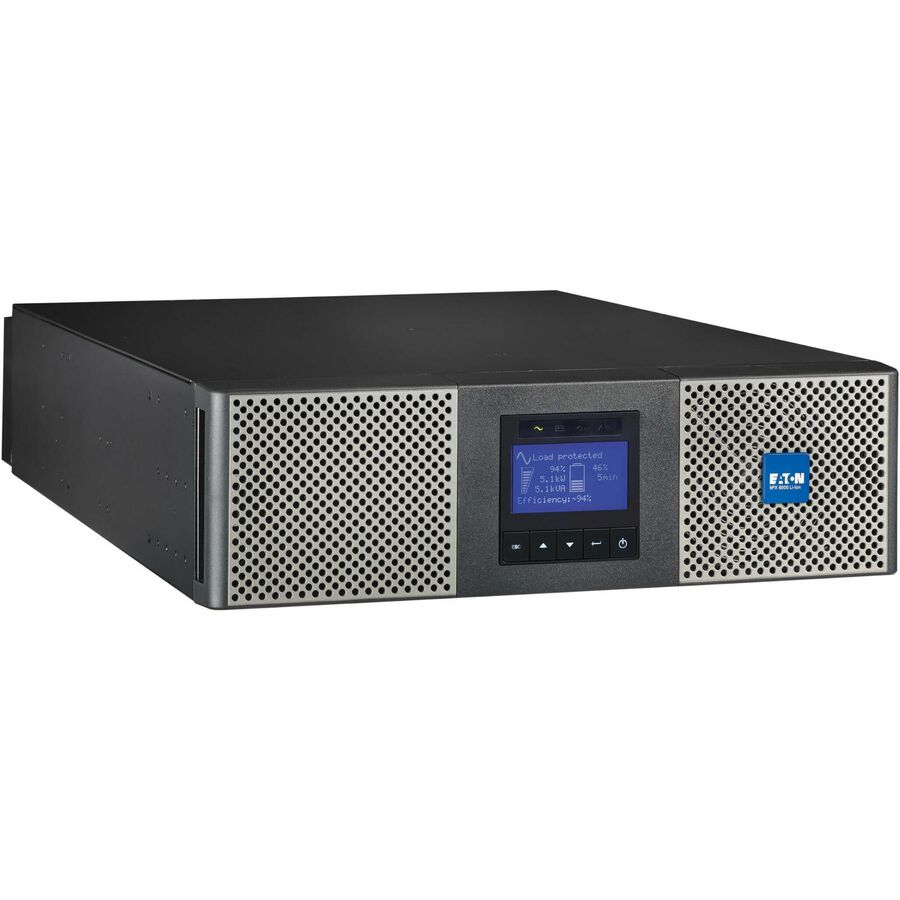
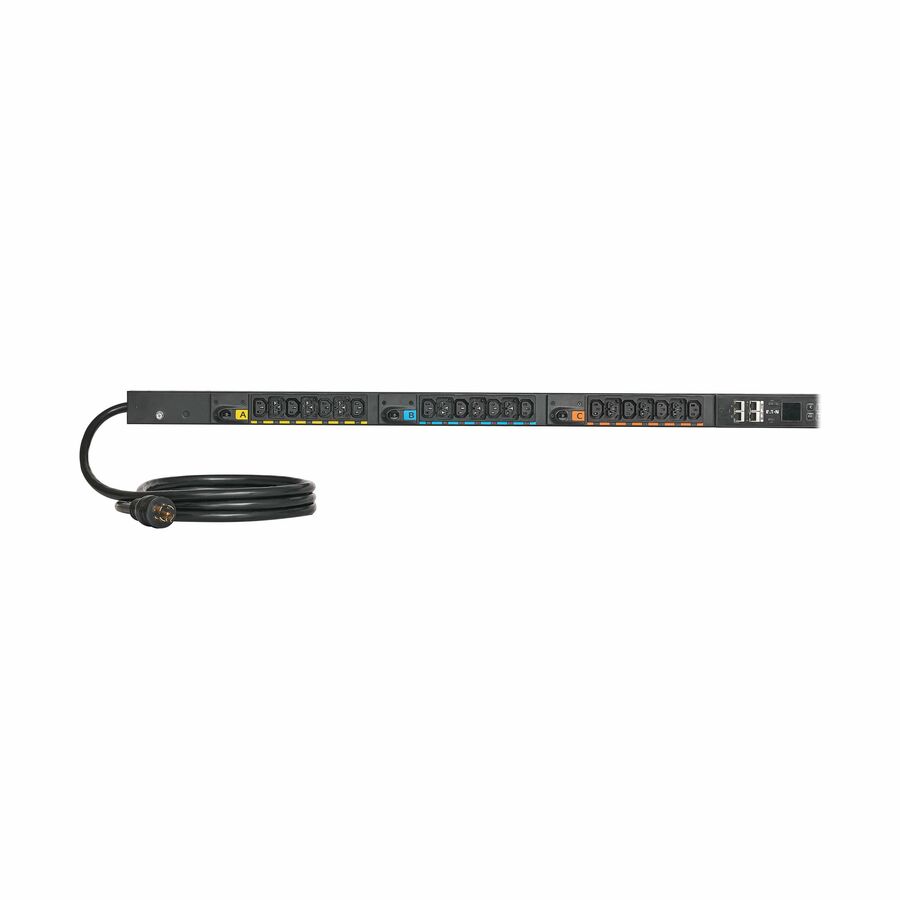
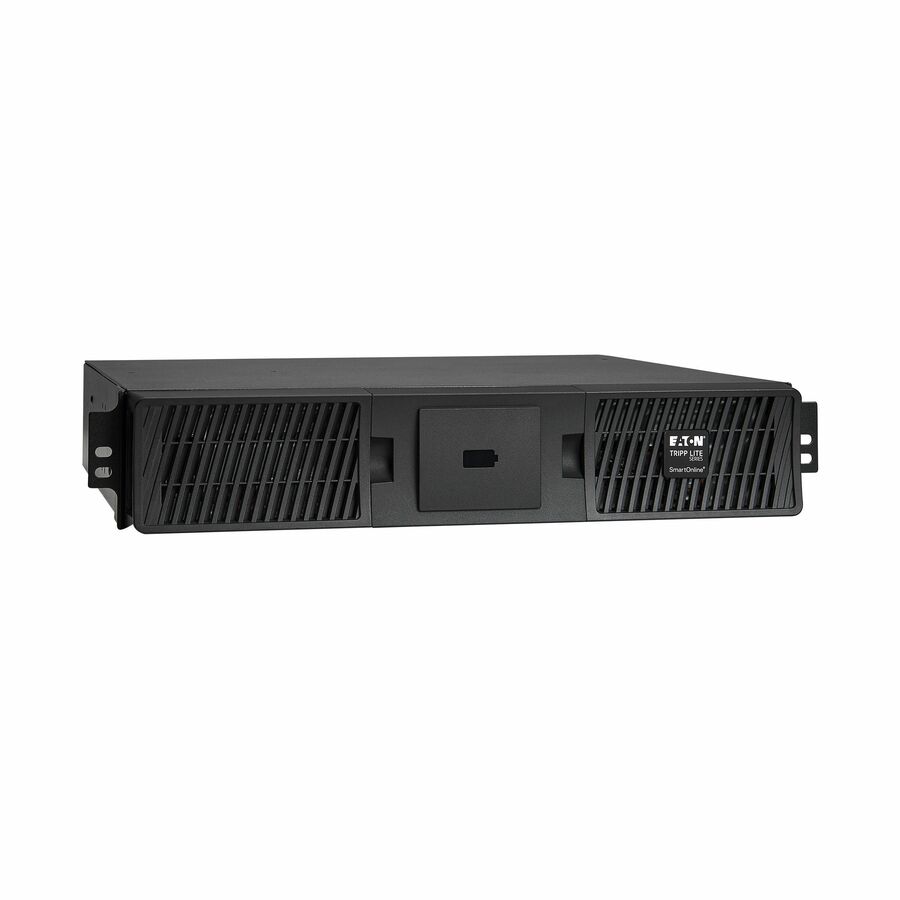
An online double-conversion UPS, a metered rack PDU and an extended battery module — the rack-level end of the power bill of materials, where a queue measured in quarters is felt as a delivery date rather than as a list price. Read them as three line types, not as a configuration that goes together: a battery module is matched to a specific UPS family and battery voltage, and these three were not picked to pair with each other. On this page availability is the reading that matters more than the number beside it, and both are pulled from the catalog when it renders rather than written in on the publication date. A row available today is not a lead-time commitment for a quantity or a configuration: ask for the quoted lead time against your commissioning date in writing.
Lock pricing and lead time before the next Eaton price letter
There is no single market-wide 'order by' date for Eaton — the right date is a function of the specific SKU's effective date, your distributor's order cutoff, and your quote's own expiration and ship-by terms. Work this checklist against your own paperwork, not a rumor, and give yourself buffer rather than ordering on the last possible day.
- Get the specific effective date and any distributor order-cutoff, in writing, for your exact Eaton UPS, PDU, or transfer-switch SKUs — Power Systems and D-IT are in scope of the April 1 notice, but confirm the live list price against your reseller's current file, not a prior quote
- Ask whether your quote locks to PO acceptance or to ship date — some vendor terms reprice orders placed before an increase but not shipped by a stated cutoff, so 'order by' alone may not protect the price
- Prioritize a firm quoted lead time against your commissioning or IOC date over the price hedge — on project power, allocation slippage costs more than the list-price delta
- Build the full power bill of materials in the BOM Builder so UPS, PDUs, and transfer switches move on one PO instead of three separate effective-date races
- Request a firm quote, TAA verified on request — every line NDAA 889-screened, and a quoted order never requires payment up front, so locking a price costs you nothing to hold
- Read this alongside The 2026 IT Price Increases: Order-Timing After the August Round for the cross-brand order-by mechanics (GSA EPA lag, SEWP ceiling pricing, distributor price protection)
Lock current pricing before the effective date
Send a bill of materials and we return a firm quote across every brand on one PO, TAA verified on request. Quoted orders never require payment up front, and every line is NDAA 889-screened.
Buyer questions
Is there a confirmed Eaton price increase percentage for 2026 UPS and PDU lines?
No. Eaton's 2026 increases were disclosed through authorized-distributor bulletins (Womack Electric Supply, Crown Supply, Geary Pacific) that confirm the action and the effective dates — January 15 and April 1, 2026 — but state no percentage for the UPS, PDU, or transfer-switch lines. Eaton's own Q1 2026 earnings materials confirm April 1 Electrical Americas increases with 'additional price actions anticipated,' again without a public figure. The best honest anchor is a peer comparable: Hubbell's 2026 increases were reported in the 'low single digits up to 10 percent' range. Treat roughly 3 to 10 percent as an industry expectation, not an Eaton-confirmed number, and verify against your actual quote.
I saw an 'August 2026 Eaton price increase' referenced — is that real?
Eaton's confirmed 2026 effective dates cluster at January 15 and April 1, not August. We found no public evidence of an Eaton-wide August 2026 event. If a distributor or reseller cites one, ask them to produce the specific vendor price letter and effective date. It may be a mid-year list refresh or a distributor-specific pass-through, but it should be verified against the current price file rather than assumed — and Eaton has said more increases are coming in H2 2026, so the list is genuinely moving.
For a data-center or facility project, is the price increase or the lead time the bigger risk?
For project-based power, lead time is usually the binding constraint. Eaton reported a data-center backlog near 228 gigawatts and orders up about 240 percent year over year in Q1 2026, and industry coverage puts power-transformer lead times around 128 weeks with medium-voltage switchgear sold out through 2028 in many channels. On a build with a fixed commissioning or IOC date, a delay that slips your allocation queue by quarters can cost far more than the price delta on the letter. Lock quantities and a firm quoted lead time early; treat the price hedge as secondary.
Can I lock current Eaton pricing across UPS, PDUs, and transfer switches on one order?
Yes — that is the point of quoting the whole power bill of materials together. Build it in the BOM Builder and request a firm quote, and a single Uniqcli PO can hold pricing and lead-time commitments across Eaton UPS, rack PDUs, and transfer switches at once, rather than racing three separate effective dates. Every line is TAA-screened and NDAA 889-screened, and a quoted order never requires payment up front, so holding a locked price costs you nothing while you finalize the task order.
Go deeper
Tools
Related buyer guides