
Best Wall-Mount Network Cabinets for IDF and Branch Closets
Enclosed wall-mount cabinets for switches, patch panels and small UPS units — sized on rack units, depth and load.
Wall-mount network cabinets in stock at Uniqcli
How to choose →A curated selection with live pricing — in-stock lines first, then back-ordered lines with a typical lead time. Every line is sourced through US distribution and screened for NDAA §889 status before checkout, with TAA verified on request.
- LegrandMiddle Atlantic DWR 10RU Pivoting Wall Mount Rack - 17in Depth Wall Mount Cabinet - Includes Front Door - TAA Compliant - 10U Rack Height x 19" Rack Width x 15" Rack Depth - Wall Mountable - Black Powder Coat - Steel, Plexiglas - 200 lb Maximum Weight CapacityDWR1017PD
$1,174.00
$1,009.10
8 in stock - LegrandMiddle Atlantic DWR 16RU Pivoting Wall Mount Rack - Plexi Front Door - 22in Depth Wall Mount Cabinet - TAA Compliant - 16UDWR1622PD
$1,584.00
$1,368.68
20 in stock - LegrandMiddle Atlantic DWR 24RU Pivoting Wall Mount Rack - Plexi Front Door - 17in Depth Wall Mount Cabinet - TAA Compliant - 24U Rack Height x 19" Rack Width x 17" Rack Depth - Wall Mountable - Black Powder Coat - Steel, Plexiglass - 300 lb Maximum Weight CapacityDWR2417PD
$1,838.00
$1,582.86
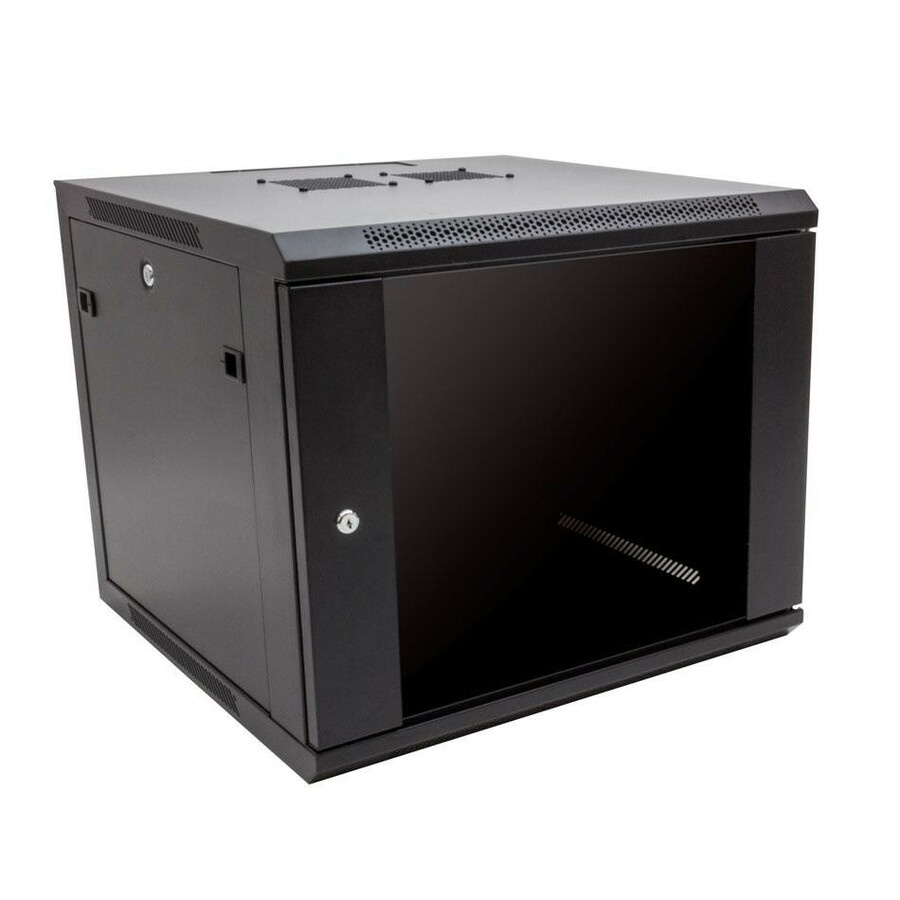
1 in stock - Rack SolutionsRack Solutions 9U Wall Mount Cabinet 600mm x 600mm (WxD) with Glass Door - For LAN Switch, Patch Panel - 9U Rack Height x 19" Rack Width - Wall Mountable - TAA Compliant185-4760
$298.51*
Back-orderedBack-ordered — estimated OEM lead time 3–8 weeks (Nov 13 – Dec 18 if ordered today).
- Rack SolutionsRack Solutions 12U Wall Mount Cabinet 600mm x 600mm (WxD) with Glass Door - For LAN Switch, Patch Panel - 12U Rack Height x 19" Rack Width - Wall Mountable - TAA Compliant185-4761
$326.96*
Back-orderedBack-ordered — estimated OEM lead time 3–8 weeks (Nov 13 – Dec 18 if ordered today).
- Rack SolutionsRack Solutions 12U Swing Out Wall Mount Cabinet 600mm x 600mm (WxD) with Glass Door - For LAN Switch, Patch Panel - 12U Rack Height x 19" Rack Width - Wall Mountable - TAA Compliant185-4765
$357.51*
Back-orderedBack-ordered — estimated OEM lead time 3–8 weeks (Nov 13 – Dec 18 if ordered today).
- LegrandMiddle Atlantic DWR 12RU Pivoting Wall Mount Rack - 17in Depth Wall Mount Cabinet - TAA Compliant - For A/V Equipment - 12U Rack Height x 19" Rack Width x 15" Rack Depth - Wall Mountable Enclosed Cabinet - Black Powder Coat - Steel - 200 lb Maximum Weight Capacity - TAA CompliantDWR1217
$965.00
$835.71*
Back-orderedBack-ordered — estimated OEM lead time 3–8 weeks (Nov 13 – Dec 18 if ordered today).
- LegrandMiddle Atlantic DWR 12RU Pivoting Wall Mount Rack - 22in Depth Wall Mount Cabinet - TAA Compliant - 12UDWR1222
$1,053.00
$916.67*
Back-orderedBack-ordered — estimated OEM lead time 3–8 weeks (Nov 13 – Dec 18 if ordered today).
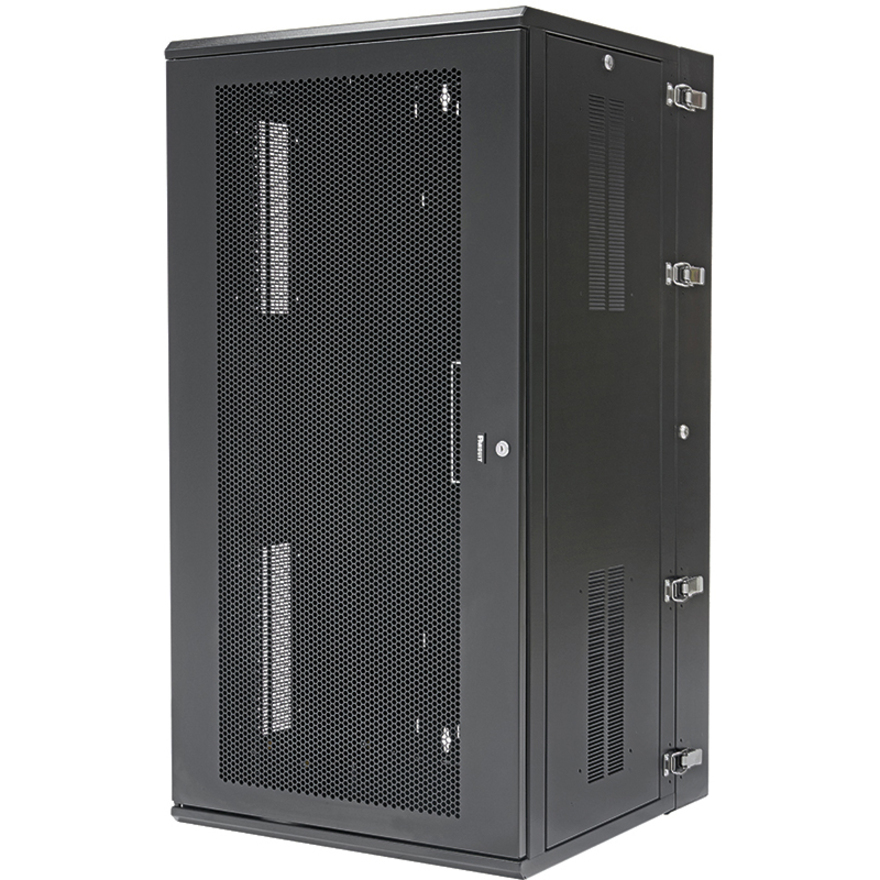
- PANDUITPanZone Wall Mount Cabinet - For Patch Panel, LAN Switch - 12U Rack Height x 19" Rack Width - Wall Mountable Enclosed Cabinet - Black - Steel - 250 lb Maximum Weight Capacity - 1 Year WarrantyPZWMC12P
$1,246.89
$969.44
Back-orderedBack-ordered — estimated OEM lead time 3–8 weeks (Nov 13 – Dec 18 if ordered today).
- PANDUITPanduit PanZone Wall Mount Cabinet with Windowed Front Door, 12 RU, Black - 12U Rack Height - Wall Mountable - Black - Steel - 250 lb Maximum Weight CapacityPZWMC12W
$1,246.89
$969.44
Back-orderedBack-ordered — estimated OEM lead time 3–8 weeks (Nov 13 – Dec 18 if ordered today).
- PANDUITPanduit Wall Mount Cabinet, 12RU, 30" Depth, Windowed Door, Black - For Networking, UPS, Switch, Patch Panel - 12U Rack Height x 19" Rack Width - Wall Mountable Enclosed Cabinet - Black - Steel - 250 lb Maximum Weight Capacity - 1 Year WarrantyPZWMC1230W
$1,359.52
$1,036.39
Back-orderedBack-ordered — estimated OEM lead time 3–8 weeks (Nov 13 – Dec 18 if ordered today).
- PANDUITPanduit Wall Mount Cabinet - For LAN Switch, Patch Panel, UPS - 12U Rack Height x 19" Rack Width - Wall Mountable - Black - Steel - 250 lb Maximum Weight CapacityPZWMC1230P
$1,359.52
$1,058.18
Back-orderedBack-ordered — estimated OEM lead time 3–8 weeks (Nov 13 – Dec 18 if ordered today).
- PANDUITPanduit Wall Mount Cabinet, 12RU, 30" Depth, Windowed Door, White - For Networking - 12U Rack Height - Wall Mountable Enclosed Cabinet - White - Steel - 250 lb Maximum Weight Capacity - 1 Year WarrantyPZWMC1230WH
$1,359.52
$1,061.12
Back-orderedBack-ordered — estimated OEM lead time 3–8 weeks (Nov 13 – Dec 18 if ordered today).
- LegrandMiddle Atlantic DWR 18RU Pivoting Wall Mount Rack - 17in Depth Wall Mount Cabinet - TAA Compliant - 18UDWR1817
$1,244.00
$1,073.34*
Back-orderedBack-ordered — estimated OEM lead time 3–8 weeks (Nov 13 – Dec 18 if ordered today).
- LegrandMiddle Atlantic DWR 16RU Pivoting Wall Mount Rack - No Front Door - 22in Depth Wall Mount Cabinet - TAA Compliant - 16UDWR1622
$1,270.00
$1,099.50
Back-orderedBack-ordered — estimated OEM lead time 3–8 weeks (Nov 13 – Dec 18 if ordered today).
- LegrandMiddle Atlantic DWR 18RU Pivoting Wall Mount Rack - 22in Depth Wall Mount Cabinet - TAA Compliant - 18UDWR1822
$1,368.00
$1,184.66*
Back-orderedBack-ordered — estimated OEM lead time 3–8 weeks (Nov 13 – Dec 18 if ordered today).
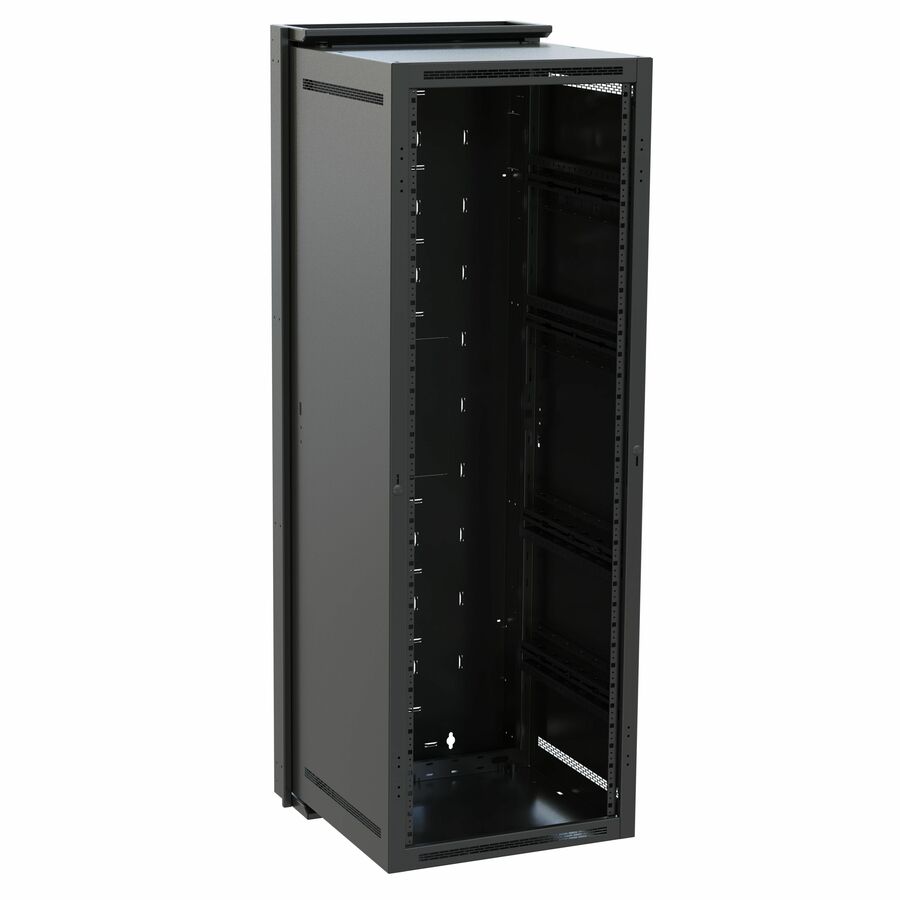
- LegrandMiddle Atlantic DWR 24RU Pivoting Wall Mount Rack - No Front Door - 17in Depth Wall Mount Cabinet - TAA Compliant - 24U Rack Height x 19" Rack Width x 15" Rack Depth - Wall Mountable Enclosed Cabinet - Black Powder Coat - Steel - 300 lb Maximum Weight Capacity - TAA CompliantDWR2417
$1,437.00
$1,240.37*
Back-orderedBack-ordered — estimated OEM lead time 3–8 weeks (Nov 13 – Dec 18 if ordered today).
- PANDUITPanduit PanZone Wall Mount Cabinet - 18U Rack Height x 19" Rack Width - Wall Mountable Enclosed Cabinet - Black - Steel, Perforated-steel - 300.05 lb Maximum Weight CapacityPZWMC18P
$1,635.30
$1,259.68
Back-orderedBack-ordered — estimated OEM lead time 3–8 weeks (Nov 13 – Dec 18 if ordered today).
- PANDUITPanduit Wall Mount Cabinet, 18RU, 25" Depth, Windowed Door, Black - For Networking, UPS, Switch, Patch Panel - 18U Rack Height x 19" Rack Width - Wall Mountable Enclosed Cabinet - Black - Steel - 300.04 lb Maximum Weight Capacity - 1 Year Warranty - TAA CompliantPZWMC18W
$1,635.30
$1,264.08*
Back-orderedBack-ordered — estimated OEM lead time 3–8 weeks (Nov 13 – Dec 18 if ordered today).
- LegrandMiddle Atlantic DWR 18RU Pivoting Wall Mount Rack - 32in Depth Wall Mount Cabinet - TAA Compliant - 18U Rack Height - Wall Mountable Open Frame - Black - SteelDWR-18-32
$1,463.00
$1,294.23
Back-orderedBack-ordered — estimated OEM lead time 3–8 weeks (Nov 13 – Dec 18 if ordered today).
- PANDUITPanduit PanZone Wall Mount Cabinet - For LAN Switch, Patch Panel, UPS - 18U Rack Height x 19" Rack Width - Wall Mountable - Black - Steel, Perforated-steel - 300 lb Maximum Weight CapacityPZWMC1830P
$1,747.97
$1,352.40
Back-orderedBack-ordered — estimated OEM lead time 3–8 weeks (Nov 13 – Dec 18 if ordered today).


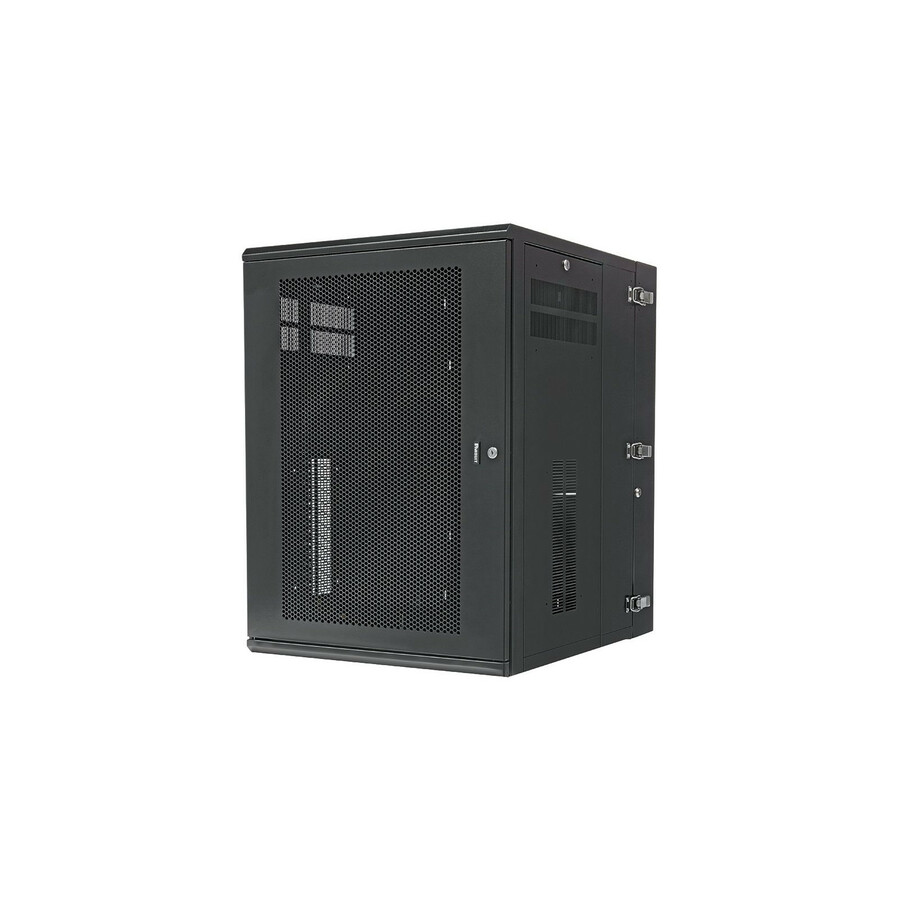
Top pick
Legrand
Middle Atlantic DWR 12RU Pivoting Wall Mount Rack
DWR1222PD
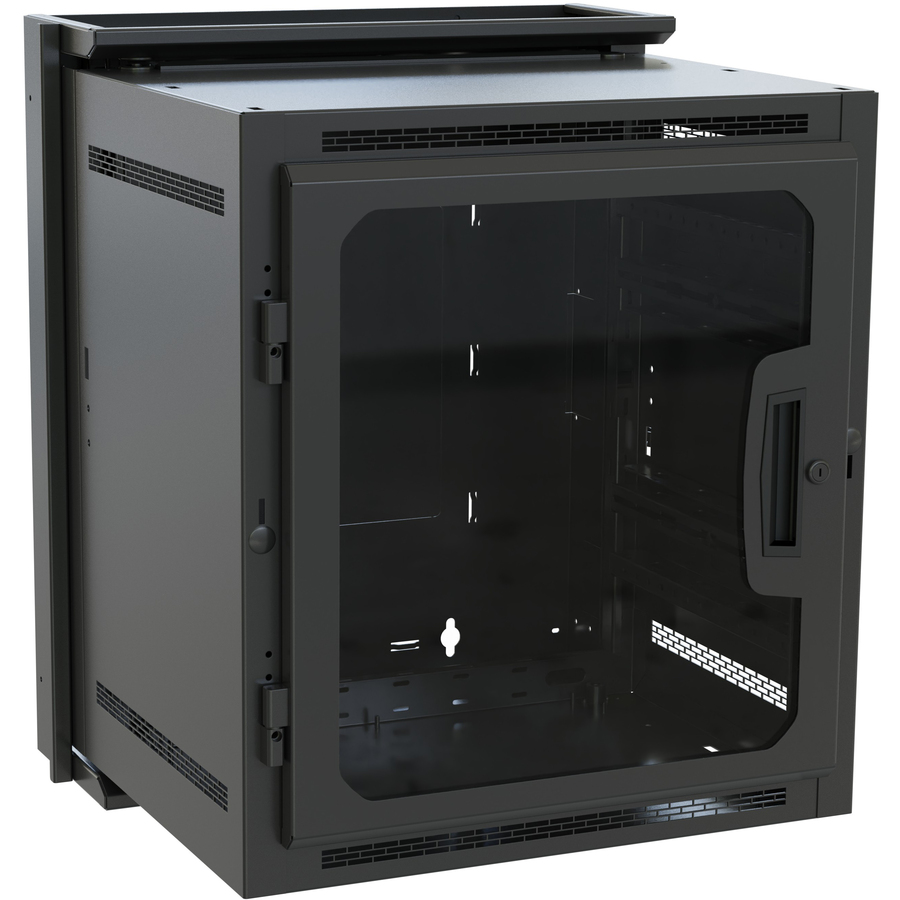
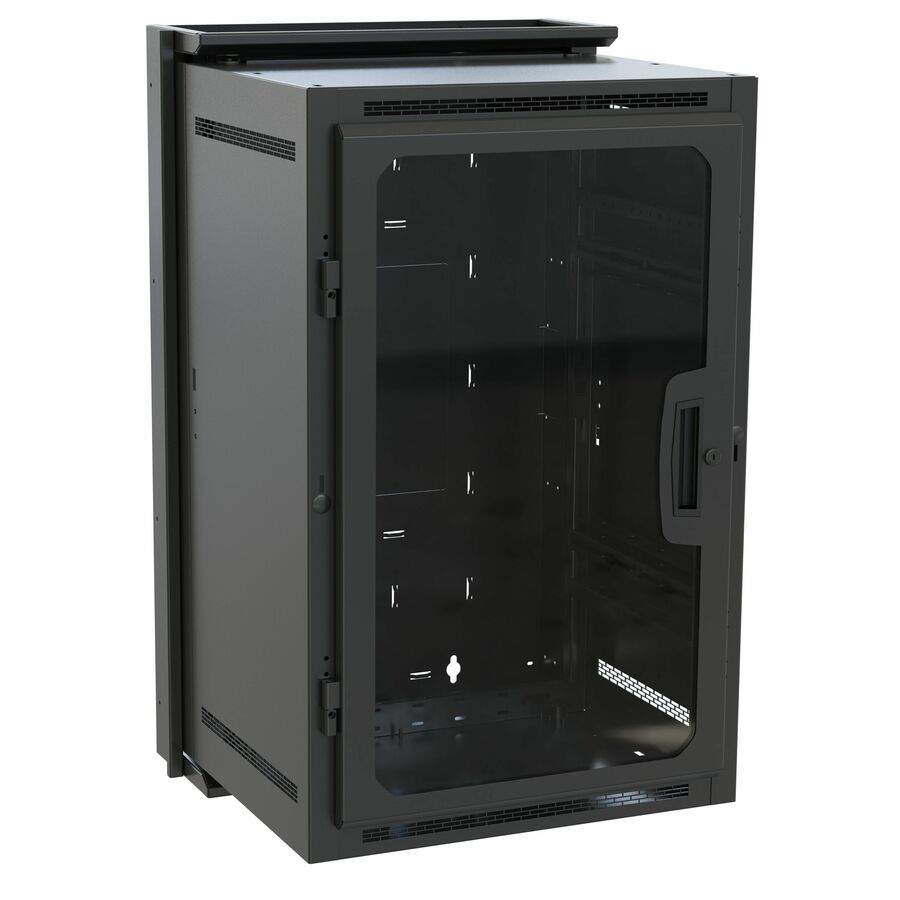
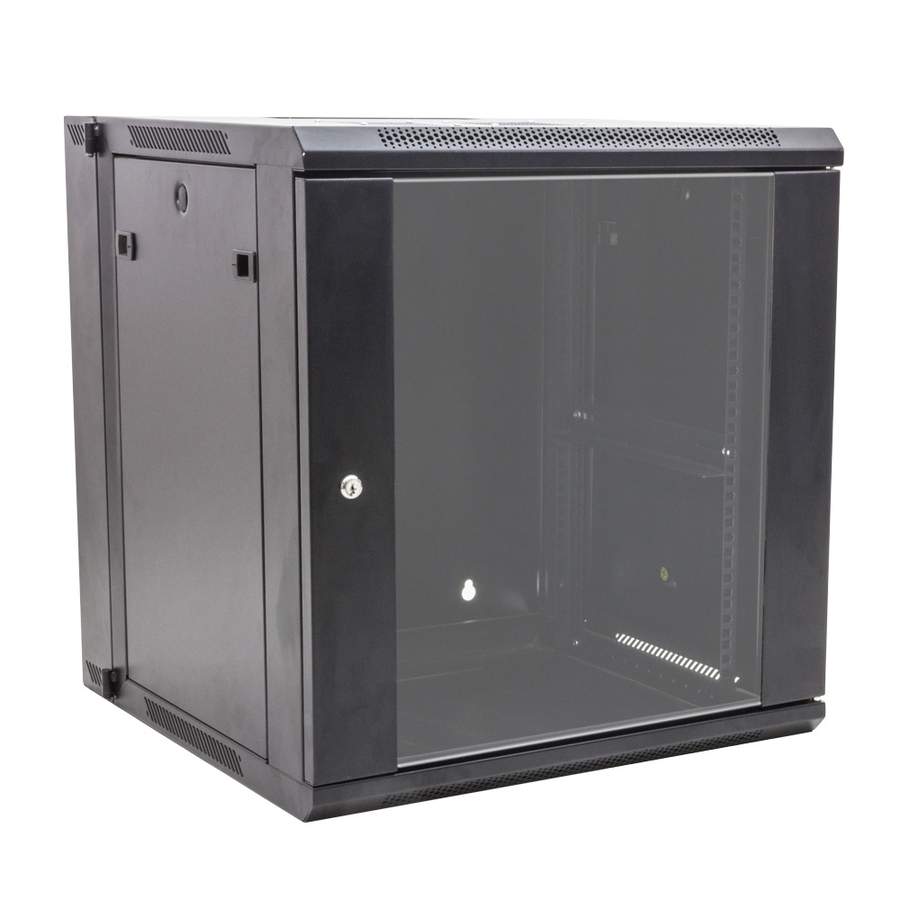
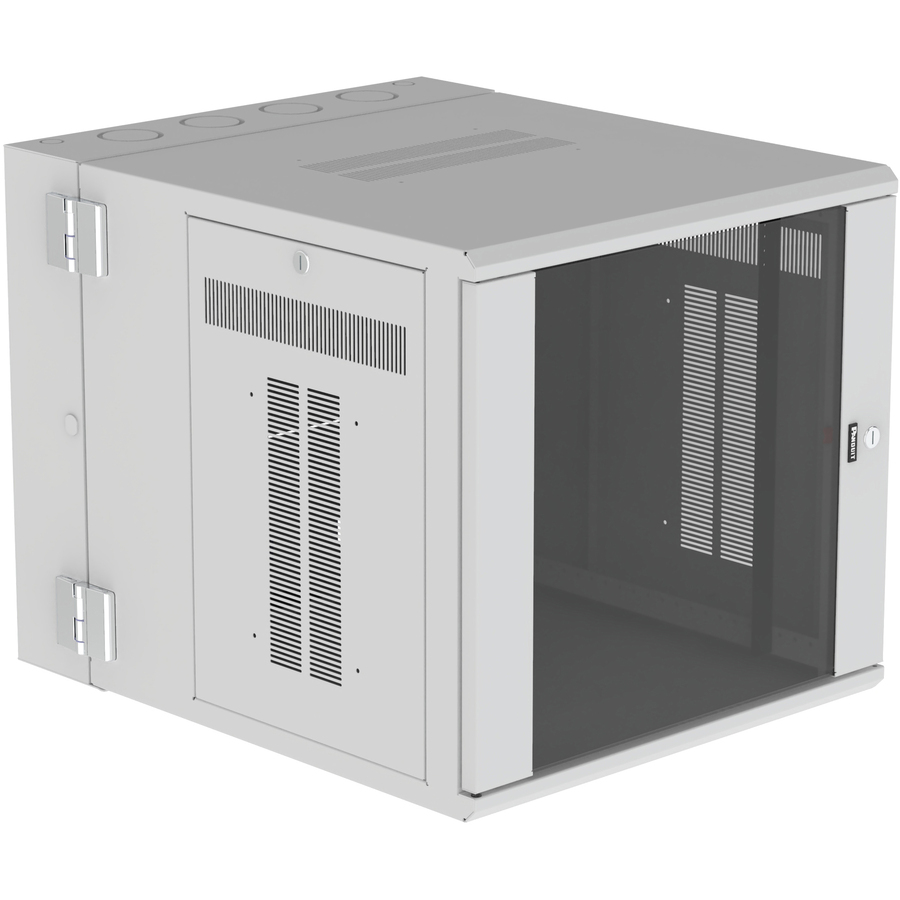
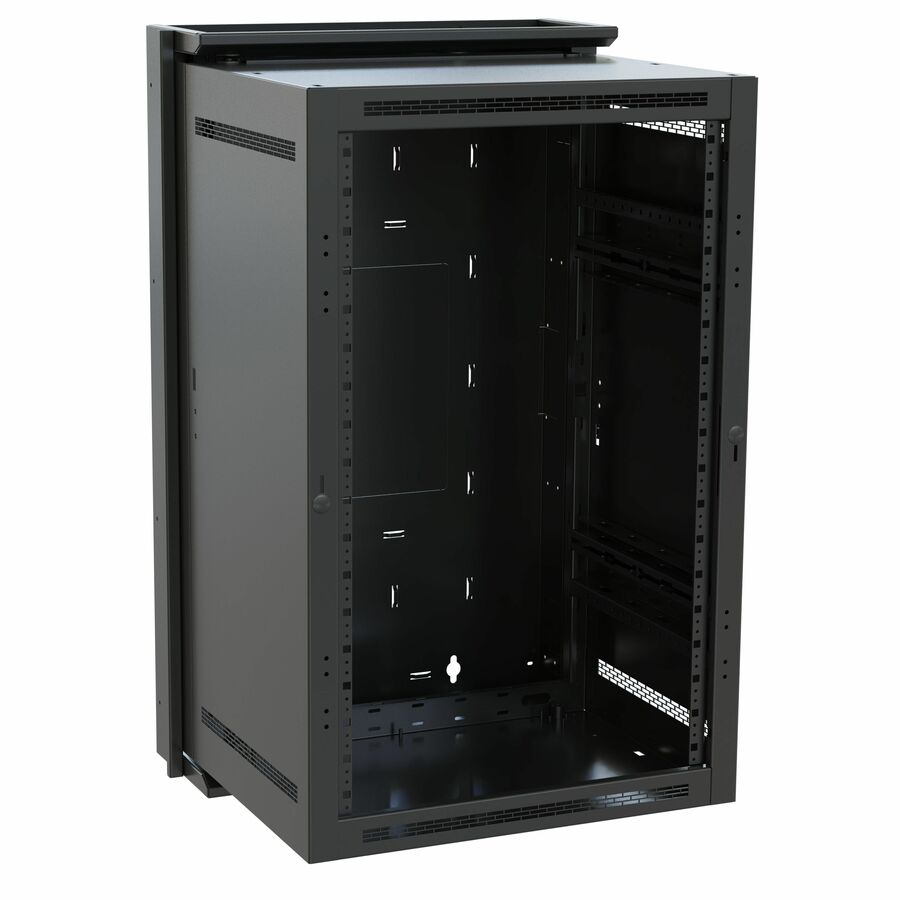
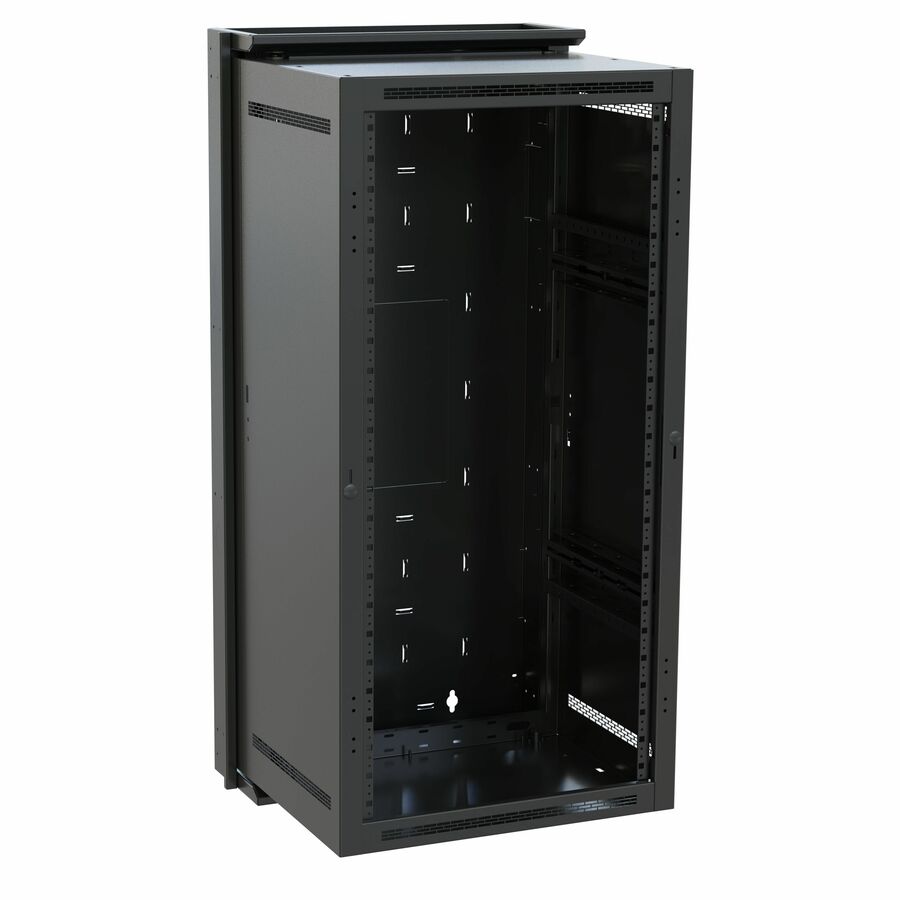
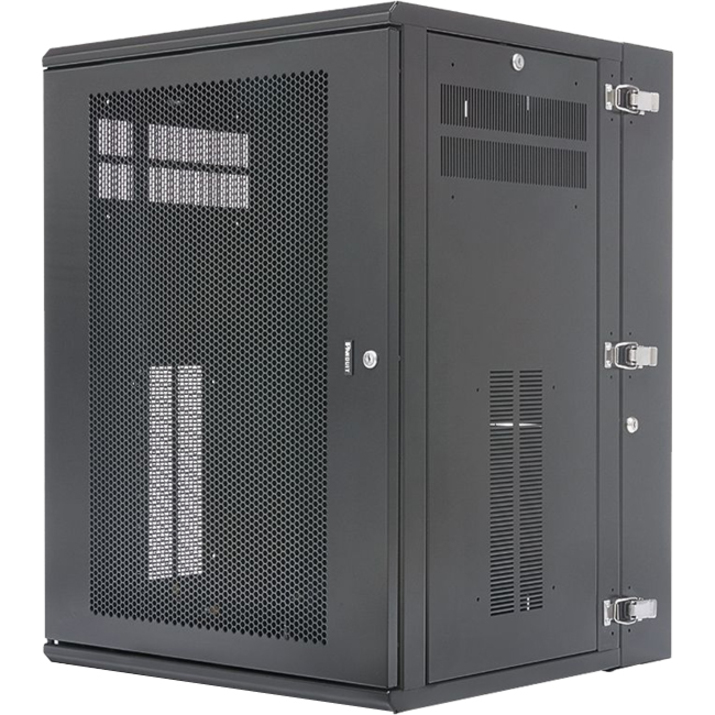
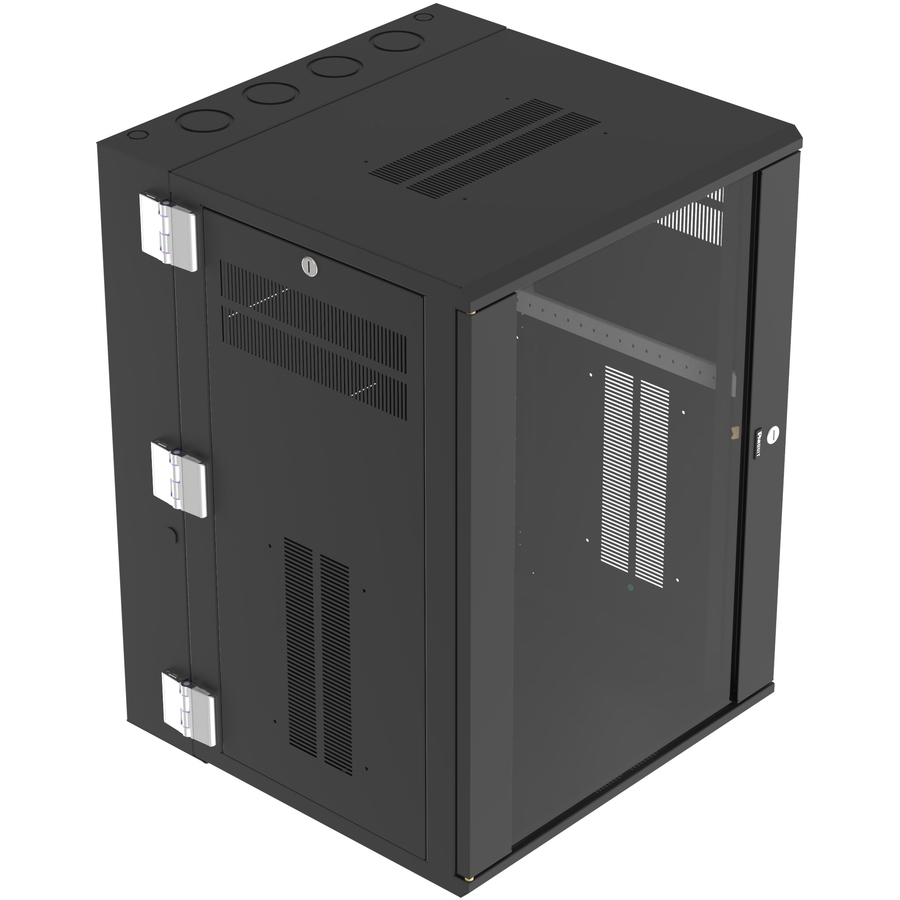
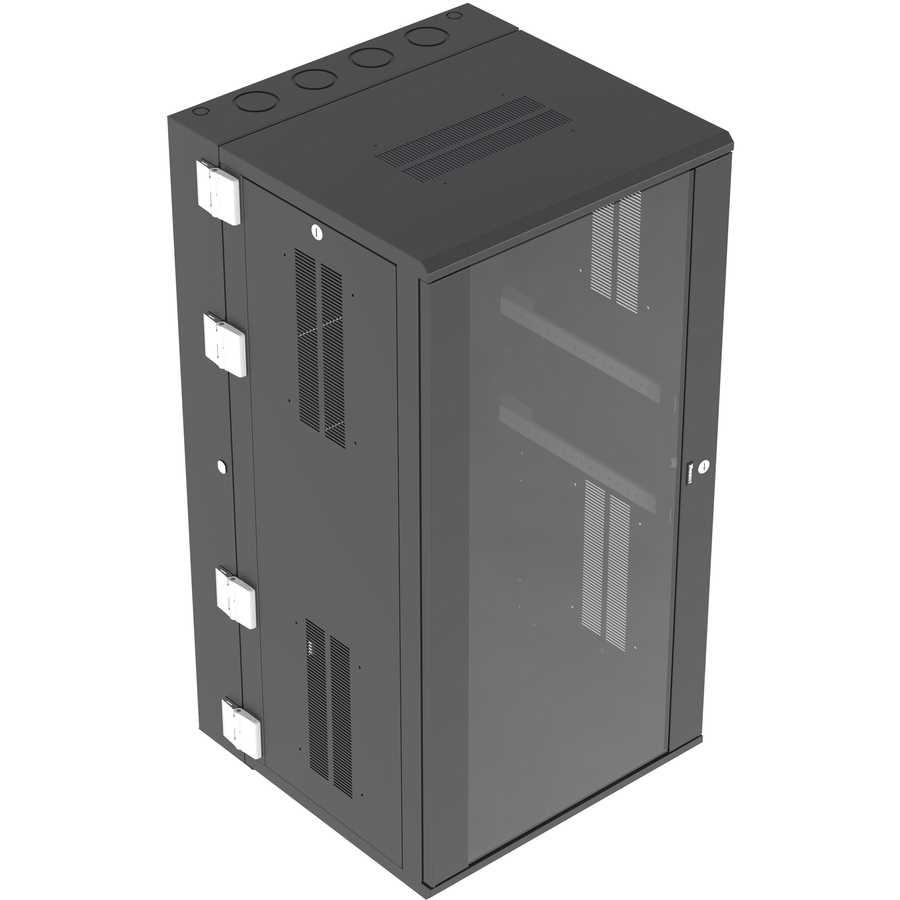
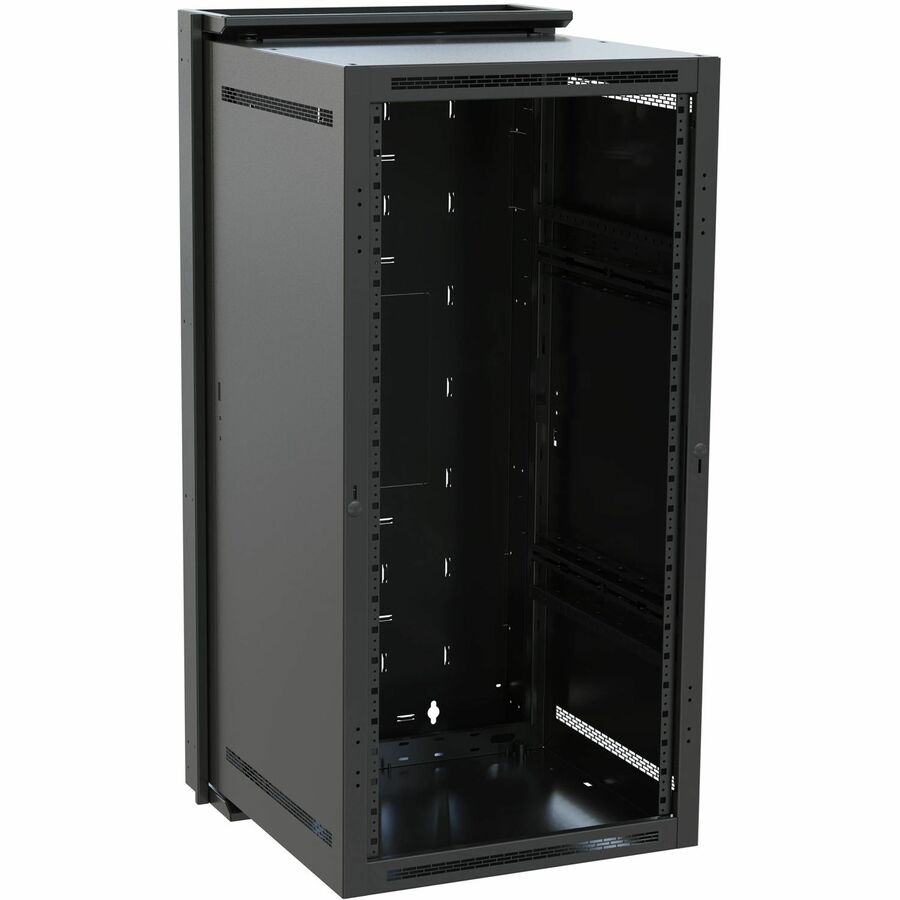
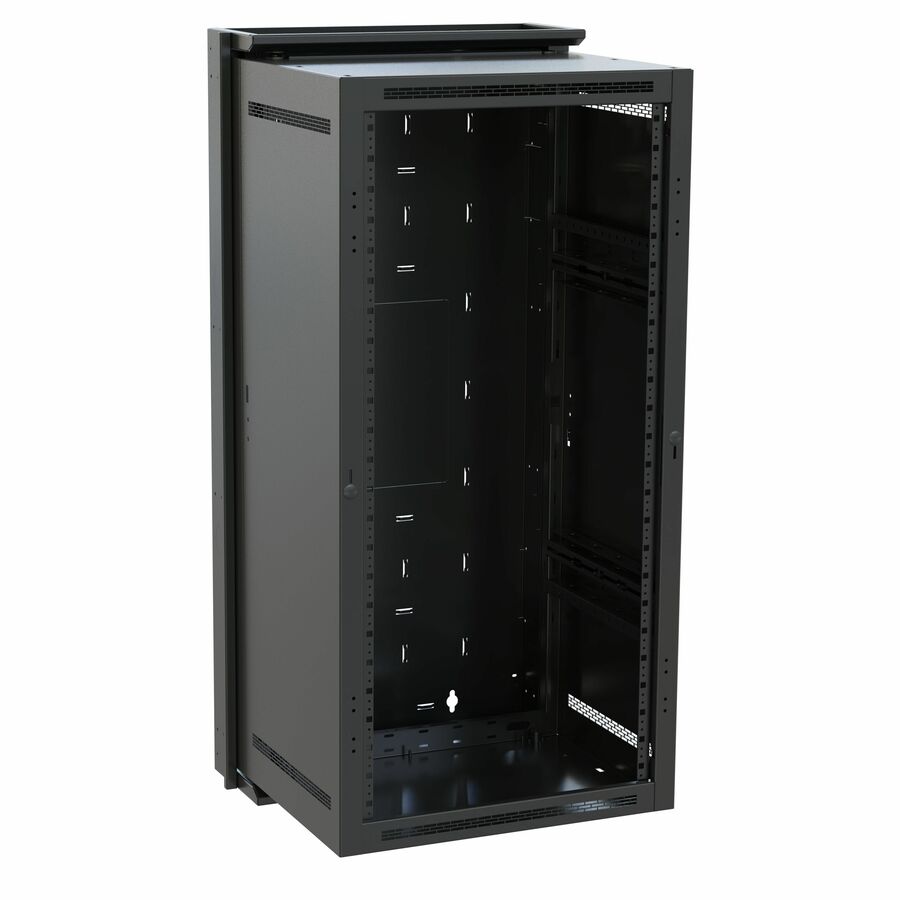
The ordinary-in-a-good-way closet cabinet: 12 rack units of 19-inch width at 22 inches of depth, with the front door included, on a pivoting body that swings the whole frame off the wall when you need the back of a patch panel. Black powder-coated steel, 200 lb maximum weight capacity. Twelve U is the size that covers a branch switch stack, a patch field and a small power unit with room left for the thing nobody mentioned.
The manufacturer's title records this part number as TAA Compliant. We confirm the screening result against this exact part number on the quote rather than restating it as a Uniqcli certification.
$1,161.90In stockSmallest sensible
Legrand
Middle Atlantic DWR 10RU Pivoting Wall Mount Rack
DWR1017PD
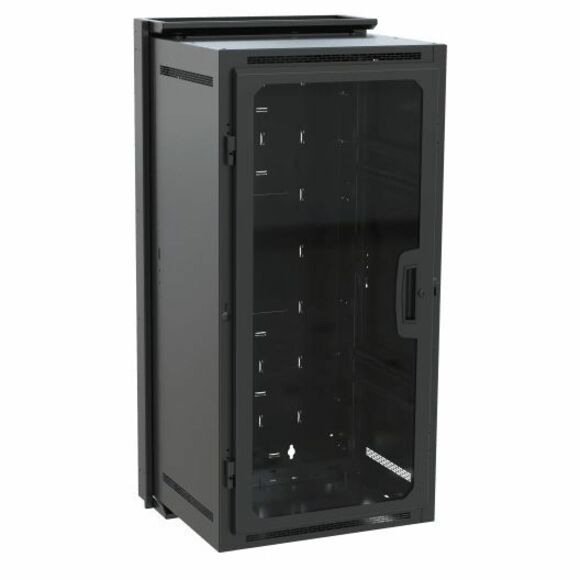
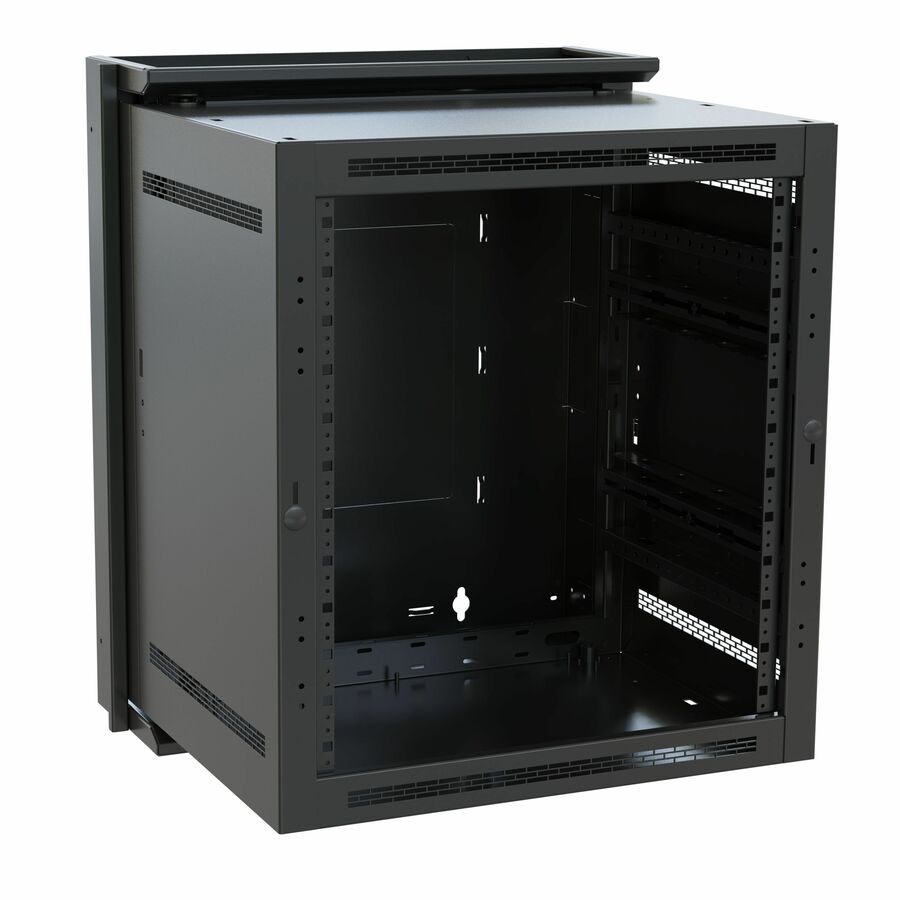
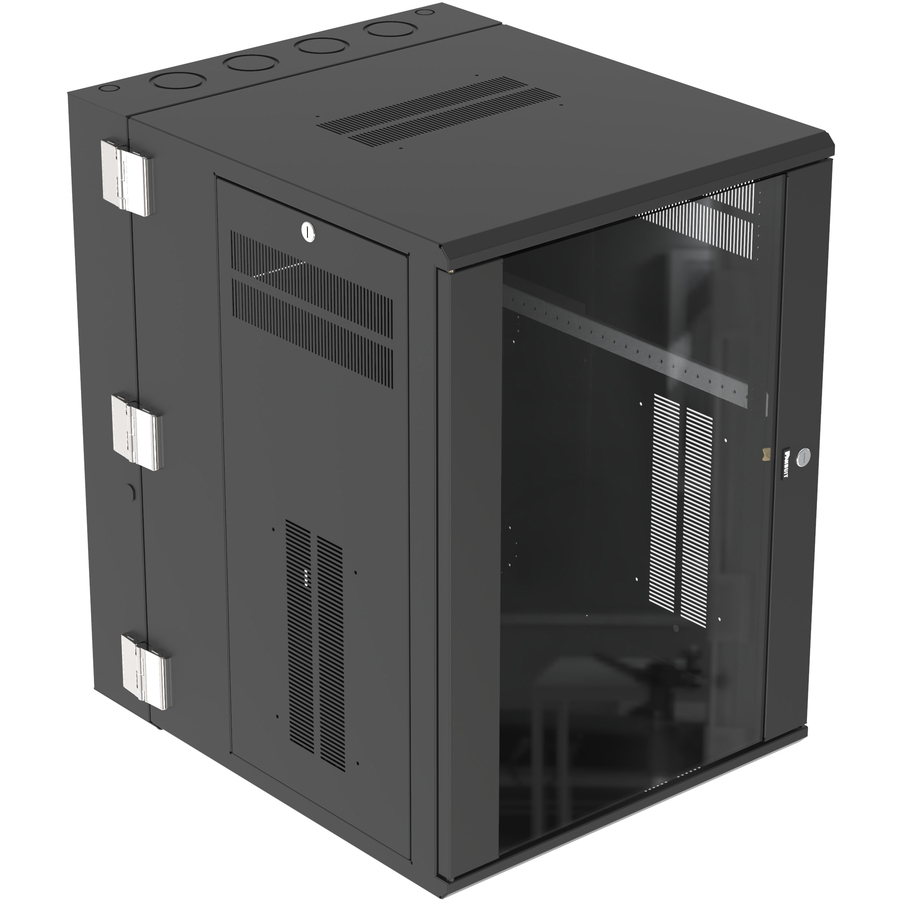
Ten rack units at 17 inches of depth with a front door and the same pivoting frame, in black powder coat with steel and Plexiglas construction and a 200 lb maximum weight capacity. This is the shallow one — right where the closet is a recess rather than a room, and the deepest thing going in is an access switch and a patch panel rather than a rack-mount server.
The manufacturer's title records this part number as TAA Compliant. Confirm the 17-inch usable depth against the deepest chassis you intend to fit, including the cable bend in front of the rail.
$1,009.10In stockRoom to grow
Legrand
Middle Atlantic DWR 16RU Pivoting Wall Mount Rack
DWR1622PD
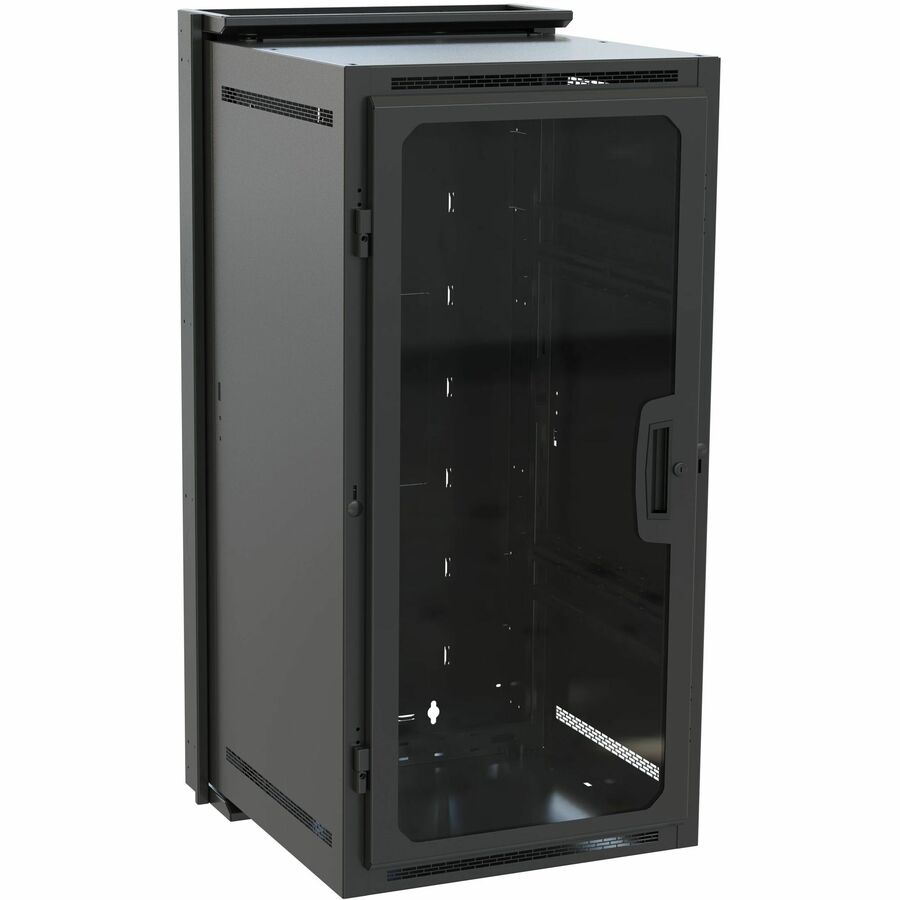
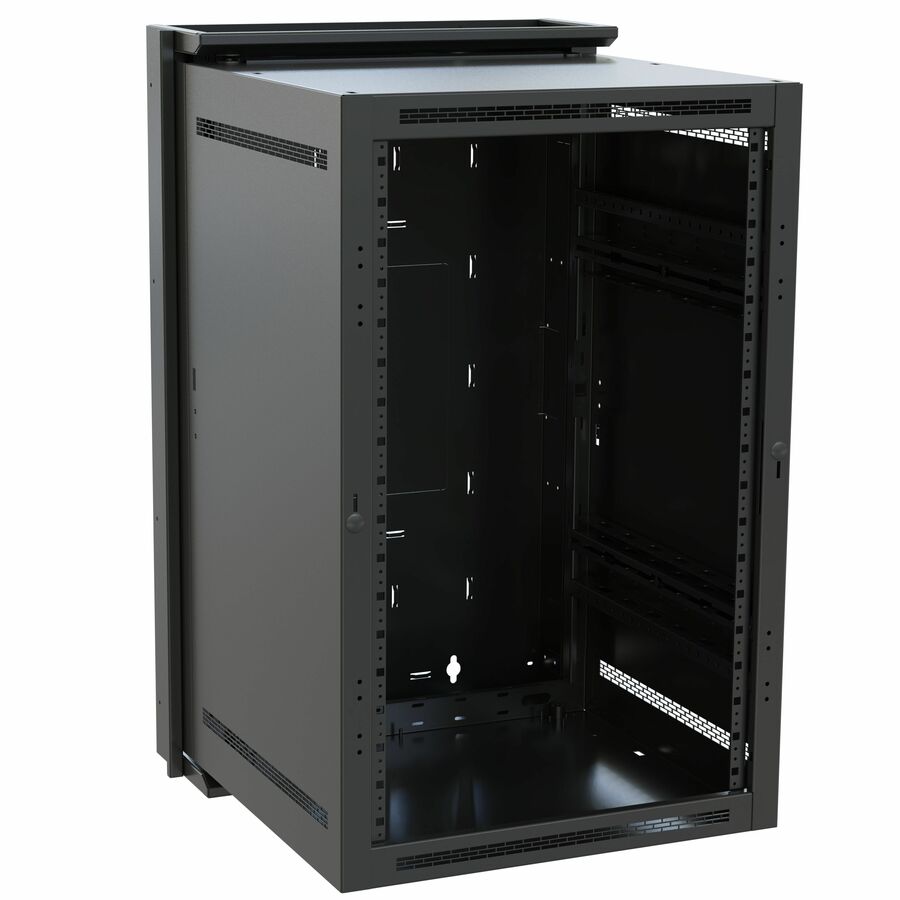
Sixteen rack units at 22 inches of depth with a Plexi front door on the pivoting DWR body — the step you take when a 12U elevation is already three-quarters full on the drawing. The extra U are cheaper bought once than added later as a second cabinet, a second wall penetration and a second set of hands on a ladder.
The manufacturer's title records this part number as TAA Compliant.
$1,368.68In stockDeepest pivoting body
Legrand
Middle Atlantic DWR 24RU Pivoting Wall Mount Rack
DWR2426PD
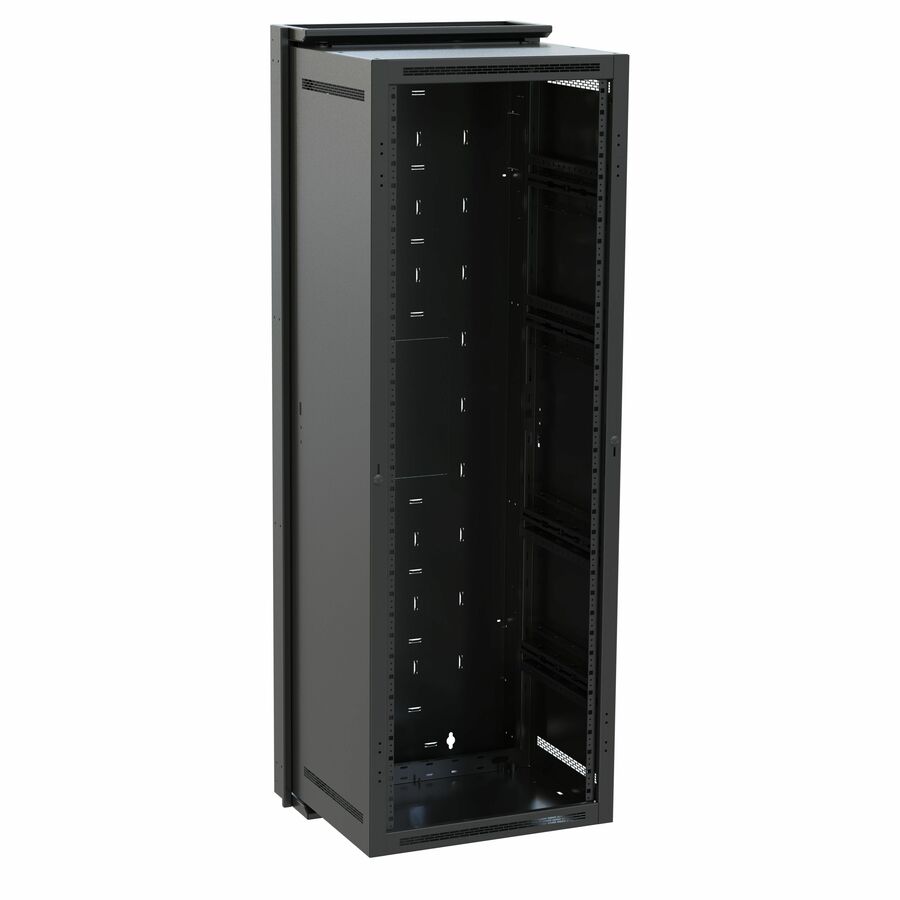
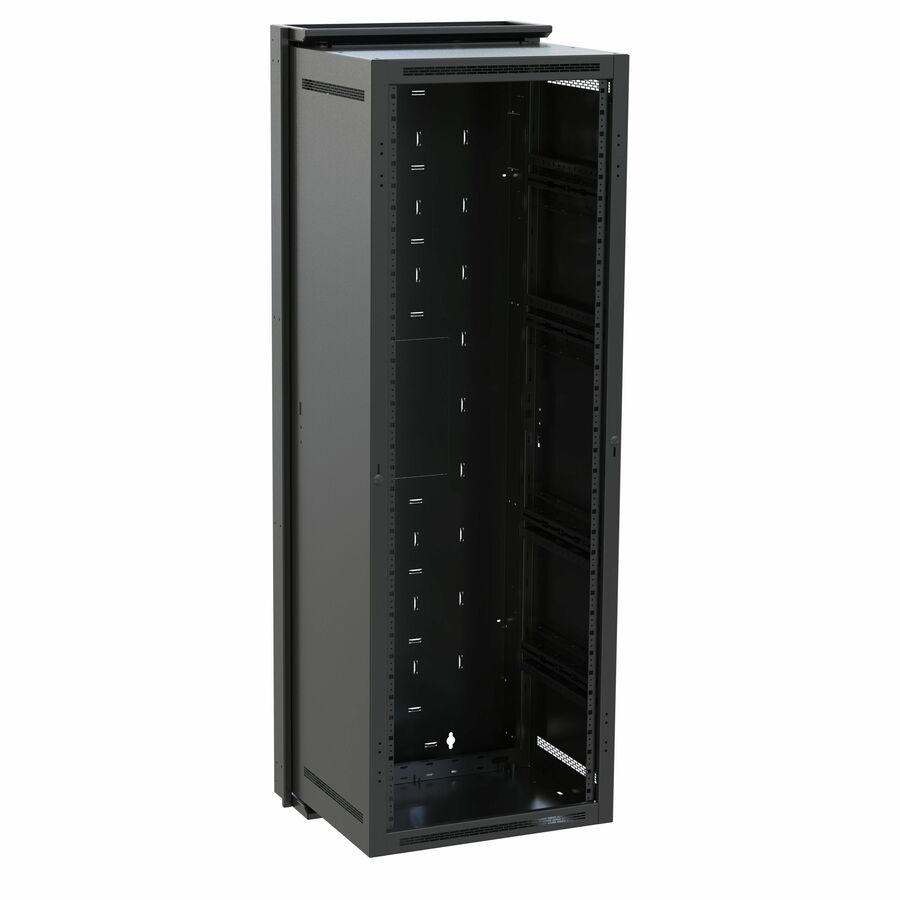
Twenty-four rack units at 26 inches of depth with a Plexi front door and a 300 lb maximum weight capacity — the largest and deepest of the pivoting cabinets here. Reach for this where the closet is doing real work: a patch field, a switch stack, a rack power unit and the depth for something with a proper chassis, still hung on a wall rather than standing on a floor.
The manufacturer's title records this part number as TAA Compliant. At this size, check the stated capacity against the loaded weight and settle the anchoring with the trade doing the install.
$1,993.86In stockSteel and glass, 12U
PANDUIT
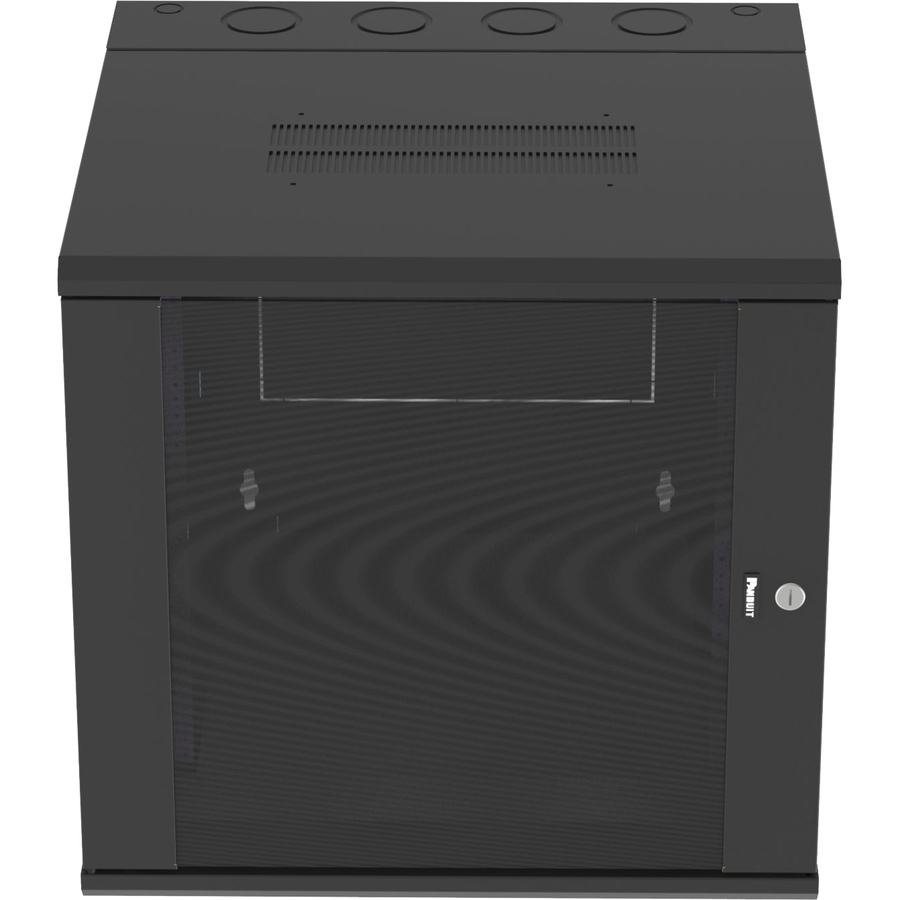
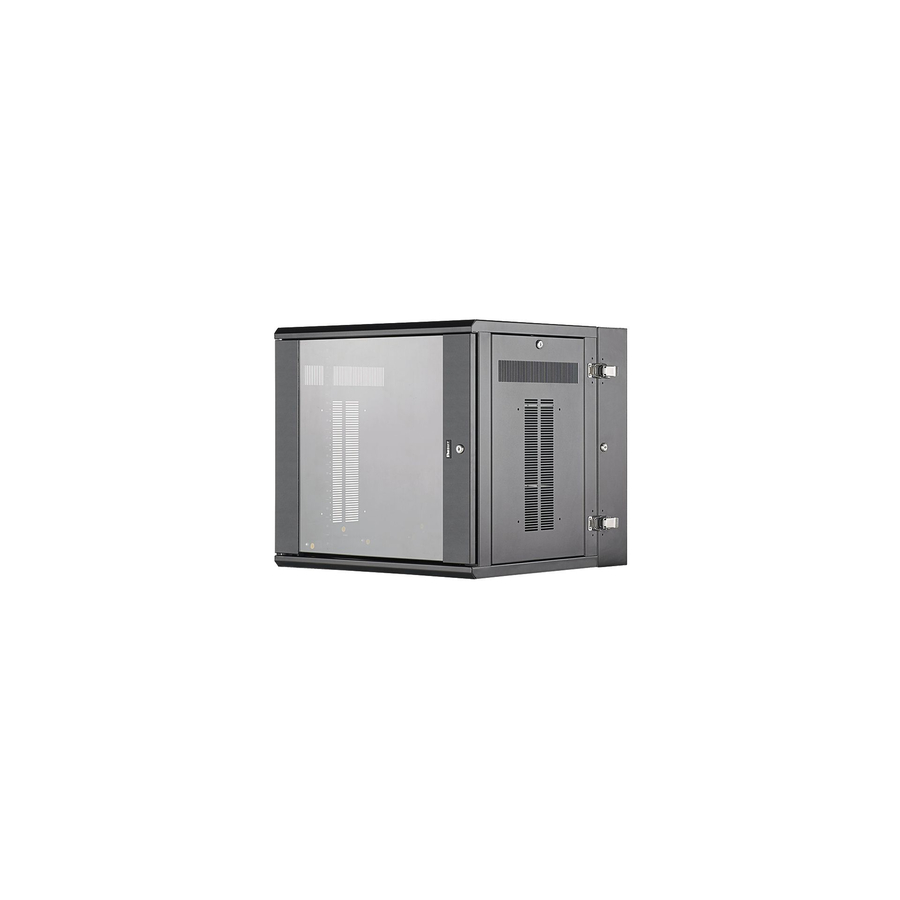
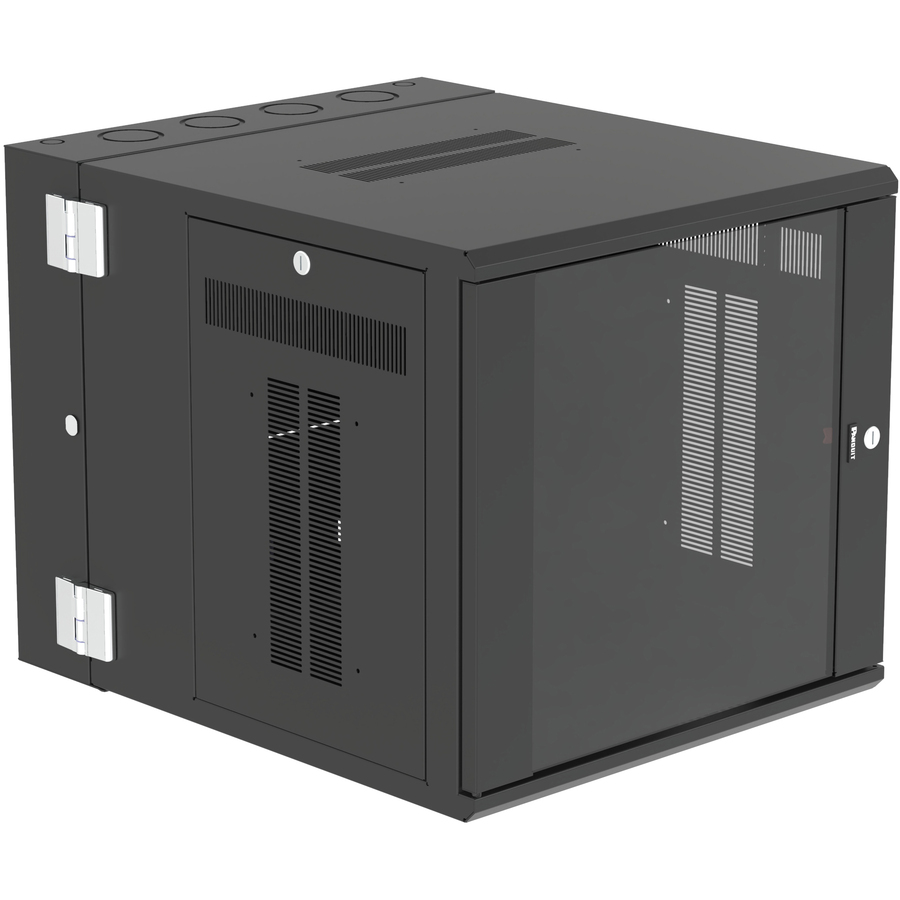
Panduit Wall Mount Cabinet, 12RU, 30" Depth, Windowed Door, Black
PZWMC1230W
Panduit's 12RU PanZone cabinet at 30 inches of depth with a windowed front door in black steel, rated to a 250 lb maximum weight capacity and titled for networking, UPS, switch and patch panel duty. Thirty inches is the deep end of the wall-mount class — this is the one to price when the elevation includes a rack UPS or anything with a real chassis behind the front rail.
One year manufacturer warranty per the product title. This part number carries no TAA marking in its own title.
$1,036.39Back-orderedAirflow front
PANDUIT
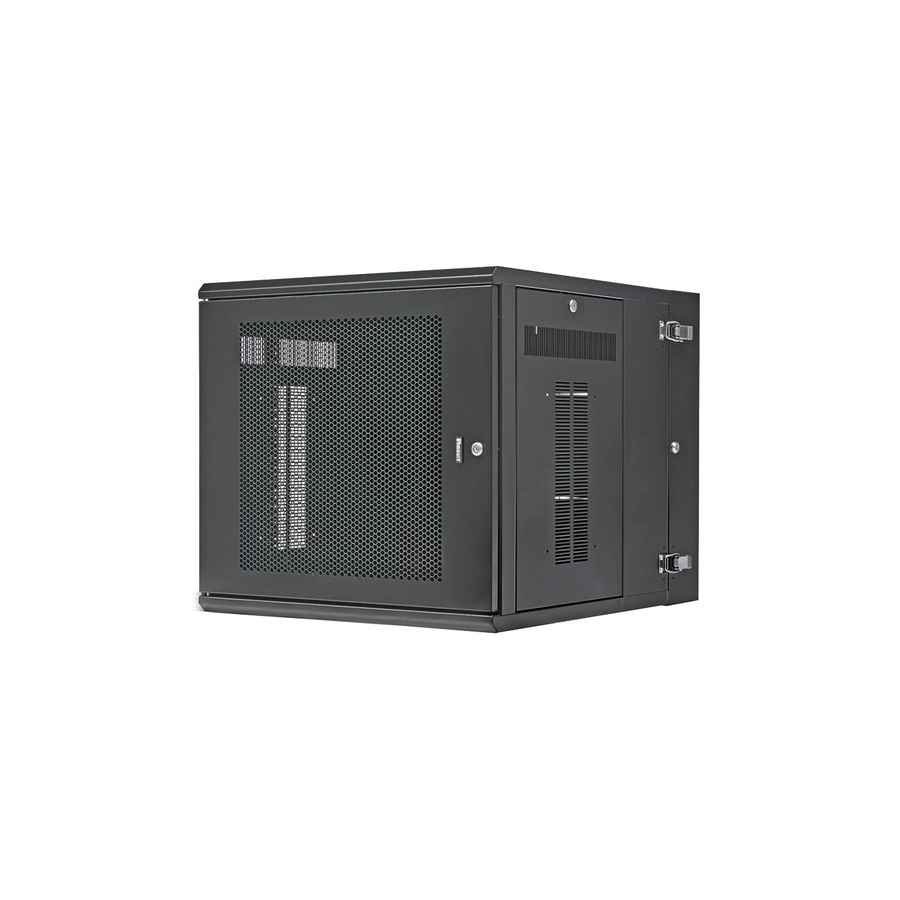
Panduit PanZone Wall Mount Cabinet
PZWMC18P
Eighteen rack units of 19-inch width in a black enclosed PanZone cabinet built from steel with a perforated-steel front, rated to a 300.05 lb maximum weight capacity. The perforated door is the choice for a closet with no ventilation of its own: you give up the read-the-link-lights window and get considerably more air through the box.
This part number carries no TAA marking in its own title.
$1,259.68Back-orderedCompact PanZone
PANDUIT
PanZone Wall Mount Cabinet
PZWMC12P
The 12RU PanZone enclosed cabinet in black steel, titled for patch panel and LAN switch duty at a 250 lb maximum weight capacity. A straightforward closed box for a straightforward distribution point — switching and patching behind a lockable door, with the capacity headroom that a small power unit needs.
One year manufacturer warranty per the product title. This part number carries no TAA marking in its own title.
$969.44Back-orderedLargest here
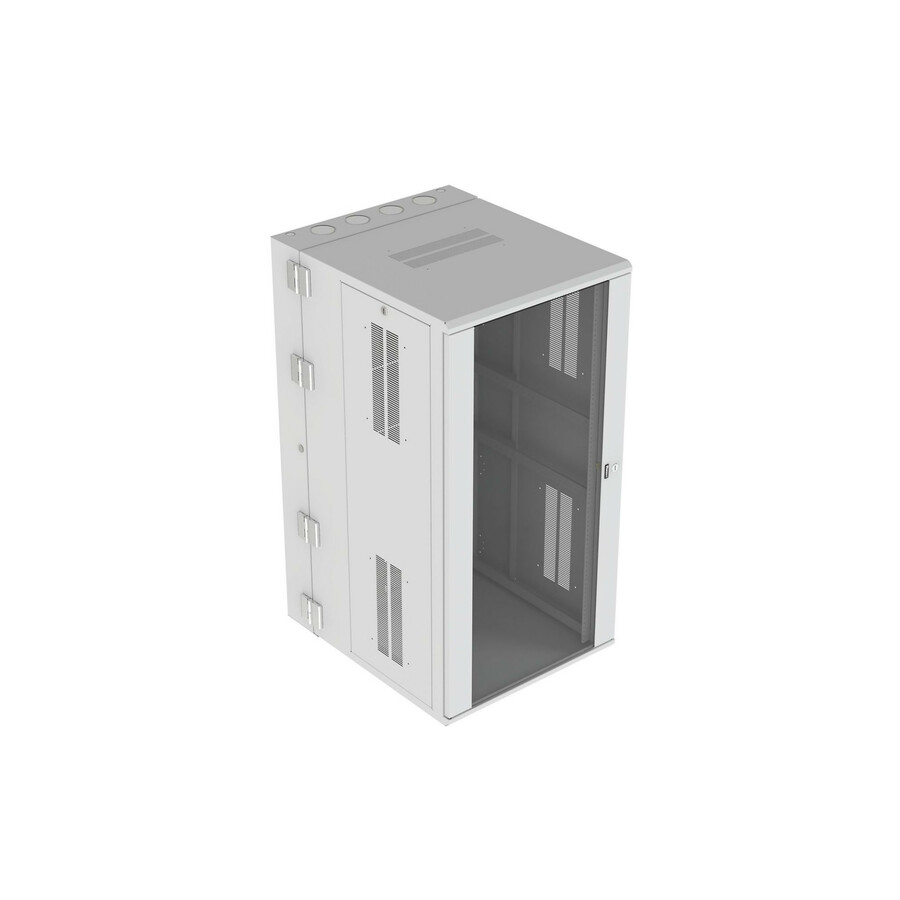
PANDUIT
Panduit Wall Mount Cabinet
PZWMC2630WH
Twenty-six rack units of 19-inch width in white steel, titled for LAN switch, patch panel and UPS duty at a 350 lb maximum weight capacity — the highest capacity and the tallest body on this page. White is worth noticing rather than ignoring: in a finished corridor or a front-of-house recess it disappears in a way a black box does not.
One year manufacturer warranty per the product title. Twenty-six U on a wall is a load question before it is a rack question — settle the mounting surface first.
$1,546.94Back-orderedGlass door, 9U
Rack Solutions
Rack Solutions 9U Wall Mount Cabinet 600mm x 600mm (WxD) with Glass Door
185-4760
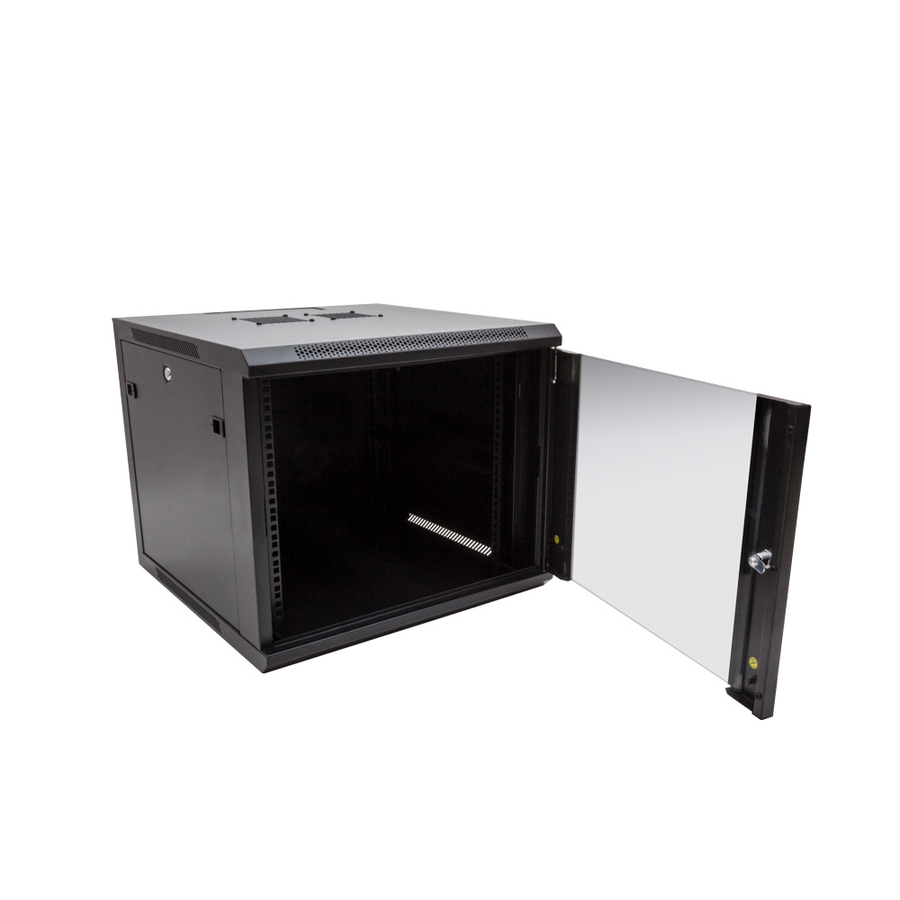
A 9U cabinet at 600 mm by 600 mm with a glass door, titled by the manufacturer for LAN switch and patch panel duty at 19-inch rack width. Nine U is the smallest honest distribution point — an access switch, a patch panel, a cable manager and a blank — and the glass front means a walk-past tells you whether anything is dark.
The manufacturer's title records this part number as TAA Compliant. The 600 mm depth is roughly 23.6 inches; check it against the deepest chassis going in.
$298.51*Back-orderedSwing-out access
Rack Solutions
Rack Solutions 12U Swing Out Wall Mount Cabinet 600mm x 600mm (WxD)…
185-4765
The same 12U 600 mm by 600 mm glass-door format with a swing-out body, so the frame hinges away from the wall and the back of the patch field becomes reachable. If the closet is one you expect to re-patch — a school, a clinic, a branch that keeps adding drops — the swing-out is the version that stops turning a ten-minute job into an hour.
The manufacturer's title records this part number as TAA Compliant. A swing-out body needs side clearance to open; check the closet, not only the wall.
$357.51*Back-orderedMore rack equipment in the Uniqcli catalog
See all 4,747 rack equipmentMore from across this category. In-stock lines lead, and a back-ordered line carries the same estimated availability its product page does — with live pricing throughout, NDAA §889 screening before checkout and TAA verified on request.
- PANDUITPanduit Wall Mount Cabinet - For LAN Switch, Patch Panel, UPS - 26U Rack Height x 19" Rack Width - Wall Mountable Enclosed Cabinet - White - Steel - 350 lb Maximum Weight Capacity - 1 Year WarrantyPZWMC2630WH
$2,087.87
$1,546.94
Back-orderedBack-ordered — estimated OEM lead time 3–8 weeks (Nov 13 – Dec 18 if ordered today).
- PANDUITPanZone Wall Mount Cabinet - For Networking - 26U Rack Height x 19" Rack Width - Wall Mountable Enclosed Cabinet - Black - Steel - 350.09 lb Maximum Weight Capacity - 1 Year WarrantyPZWMC2630P
$2,087.87
$1,619.60
Back-orderedBack-ordered — estimated OEM lead time 3–8 weeks (Nov 13 – Dec 18 if ordered today).
- PANDUITPanduit Wall Mount Cabinet, 26RU, 30" Depth, Windowed Door, Black - For Networking, UPS, Switch, Patch Panel - 26U Rack Height x 19" Rack Width - Wall Mountable Enclosed Cabinet - Black - Steel - 350.09 lb Maximum Weight Capacity - 1 Year WarrantyPZWMC2630W
$2,087.87
$1,626.18
Back-orderedBack-ordered — estimated OEM lead time 3–8 weeks (Nov 13 – Dec 18 if ordered today).
- PANDUITPanduit PanZone Wall Mount Cabinet - For Networking, UPS, Switch, Patch Panel - 26U Rack Height x 19" Rack Width - Wall Mountable Enclosed Cabinet - Black - Steel - 350.09 lb Maximum Weight Capacity - 1 Year WarrantyPZWMC26P
$1,975.22
$1,526.72
Back-orderedBack-ordered — estimated OEM lead time 3–8 weeks (Nov 13 – Dec 18 if ordered today).
- PANDUITPanZone Wall Mount Cabinet, 26RU, 25" Depth, Windowed Door, Black - For Networking - 26U Rack Height x 19" Rack Width - Wall Mountable Enclosed Cabinet - Black - Steel - 350.09 lb Maximum Weight Capacity - 1 Year WarrantyPZWMC26W
$1,975.22
$1,533.32
Back-orderedBack-ordered — estimated OEM lead time 3–8 weeks (Nov 13 – Dec 18 if ordered today).
- PANDUITPanduit Wall Mount Cabinet, 18RU, 30" Depth, Windowed Door, Black - For Networking, UPS, Patch Panel, Switch - 18U Rack Height x 19" Rack Width - Wall Mountable Enclosed Cabinet - Black - Steel - 300.04 lb Maximum Weight Capacity - 1 Year WarrantyPZWMC1830W
$1,747.97
$1,356.80
Back-orderedBack-ordered — estimated OEM lead time 3–8 weeks (Nov 13 – Dec 18 if ordered today).
- LegrandMiddle Atlantic DWR 35RU Pivoting Wall Mount Rack - No Front Door - 26in Depth Wall Mount Cabinet - TAA Compliant - 26U Rack Height x 19" Rack Width x 24" Rack Depth - Wall Mountable Enclosed Cabinet - Black - Steel, Plexiglass - 300 lb Maximum Weight Capacity - TAA CompliantDWR3526
$2,196.00
$1,907.46*
Back-orderedBack-ordered — estimated OEM lead time 3–8 weeks (Nov 13 – Dec 18 if ordered today).
- LegrandMiddle Atlantic DWR 24RU Pivoting Wall Mount Rack - 26in Depth Wall Mount Cabinet - TAA Compliant - For PDU - 24U Rack Height - Wall Mountable Enclosed Cabinet - Black - Plexiglas, Steel - 300 lb Maximum Weight CapacityDWR2426
$1,981.00
$1,697.37
Back-orderedBack-ordered — estimated OEM lead time 3–8 weeks (Nov 13 – Dec 18 if ordered today).
- LegrandMiddle Atlantic DWR 35RU Pivoting Wall Mount Rack - No Front Door - 22in Depth Wall Mount Cabinet - TAA Compliant - 35U Rack Height x 19" Rack Width x 20" Rack Depth - Wall Mountable Enclosed Cabinet - Black - Steel, Plexiglass - 300 lb Maximum Weight Capacity - TAA CompliantDWR3522
$1,961.00
$1,705.67*
Back-orderedBack-ordered — estimated OEM lead time 3–8 weeks (Nov 13 – Dec 18 if ordered today).
- LegrandMiddle Atlantic DWR 24RU Pivoting Wall Mount Rack - No Front Door - 22in Depth Wall Mount Cabinet - TAA Compliant - 24U Rack Height20" Rack Depth - Wall Mountable Enclosed Cabinet - Black - Plexiglas, Steel - 300 lb Maximum Weight Capacity - TAA CompliantDWR2422
$1,673.00
$1,440.80*
Back-orderedBack-ordered — estimated OEM lead time 3–8 weeks (Nov 13 – Dec 18 if ordered today).
- LegrandMiddle Atlantic DWR 35RU Pivoting Wall Mount Rack - 17in Depth Wall Mount Cabinet - TAA Compliant - 35U Rack Height x 19" Rack Width x 15" Rack Depth - Wall Mountable Enclosed Cabinet - Black - Steel, Plexiglas - 300 lb Maximum Weight Capacity - TAA CompliantDWR3517
$1,698.00
$1,480.74*
Back-orderedBack-ordered — estimated OEM lead time 3–8 weeks (Nov 13 – Dec 18 if ordered today).
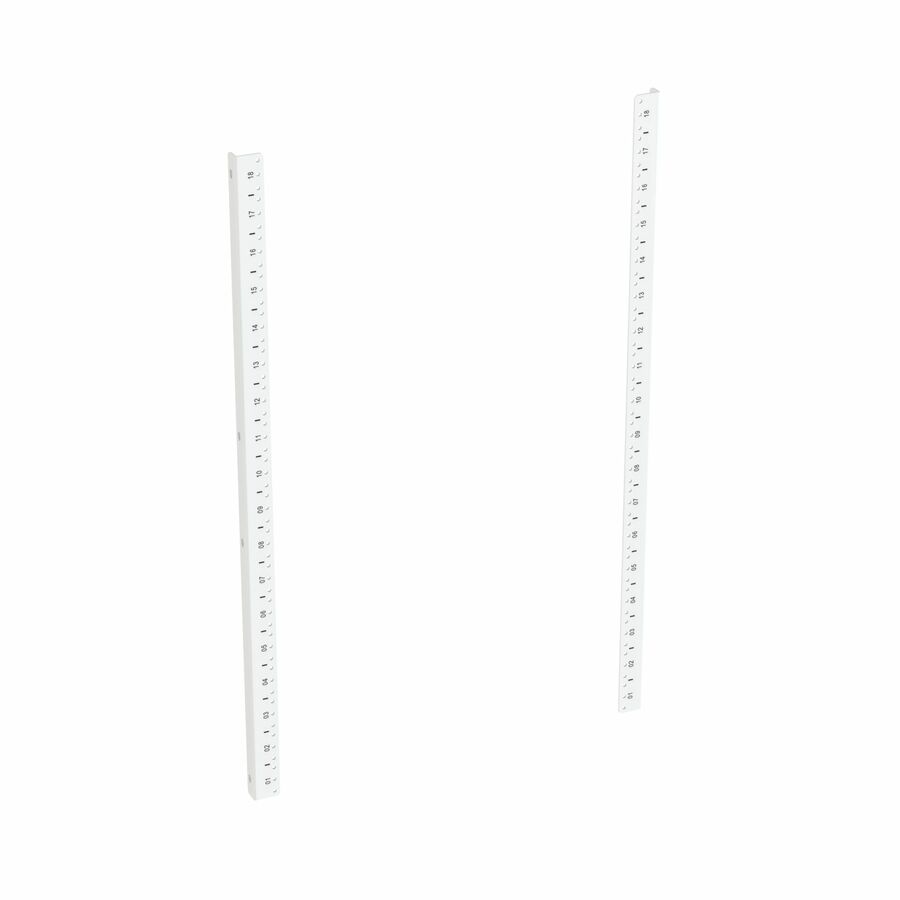
- PANDUITPanduit Wall Mount Cabinet, 18RU Rear Rail Kit, White - For Cabinet, Network Equipment - 18U Rack Height - Wall Mountable - White - SteelPZWMC18RRWH
$164.44
$122.35
Back-orderedBack-ordered — estimated OEM lead time 3–8 weeks (Nov 13 – Dec 18 if ordered today).
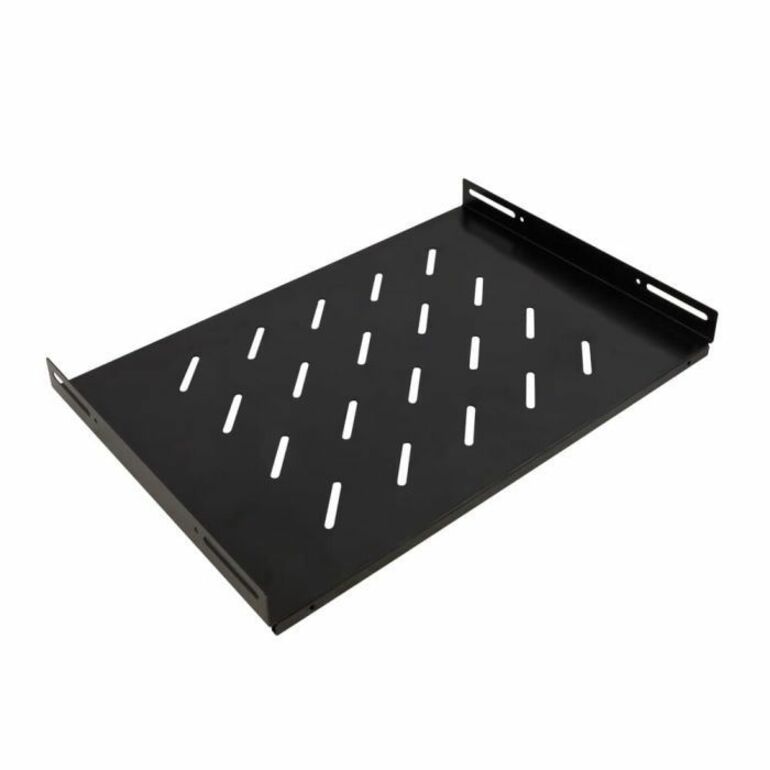
- Innovation First InternationalRack Solutions 1U Fixed Side Mount Shelf 430mm Depth for Wall Mount Cabinets - For Cabinet - 1U Rack Height - Black180-4883
$38.41
Back-orderedBack-ordered — estimated OEM lead time 3–8 weeks (Nov 13 – Dec 18 if ordered today).

Need pricing on wall-mount network cabinets?
Tell us where to reach you and a Uniqcli specialist will follow up by email with current pricing, availability and lead time for the quantities you need — including parts that aren’t shown on this page.
Buying for an organization or for yourself — both work. No payment up front.
A wall-mount cabinet is what you put a branch closet in when there is no floor for a rack and no door you would trust on an open frame. It carries the same 19-inch rails as a full cabinet, hangs off the wall studs or a plywood backboard, and closes — which is the whole point in a corridor, a stockroom, a classroom cupboard or a clinic riser where the equipment shares its room with people, mops and dust. Every unit in this grid is titled by its manufacturer as a wall mount cabinet, and the three facts you actually buy on are stated in those titles: the rack height in U, the usable depth in inches or millimetres, and the maximum weight capacity, which on this shelf runs from 200 lb through 350 lb.
Depth is the number that decides whether a build works, and it is the one people skip. A switch is shallow; a 1U server, a rack UPS or a patch field with a cable manager behind it is not, and a cabinet's stated depth has to cover the deepest thing going in plus the bend radius of everything plugged into the front. The titles here name depths from 17 inches through 32 inches on the pivoting Middle Atlantic bodies and 600 mm on the Rack Solutions units, and 25-inch and 30-inch options on the Panduit PanZone cabinets. Door style is the second decision and it is stated too — glass, plexiglass, a windowed steel door, or perforated steel where the heat load argues for airflow over the view.
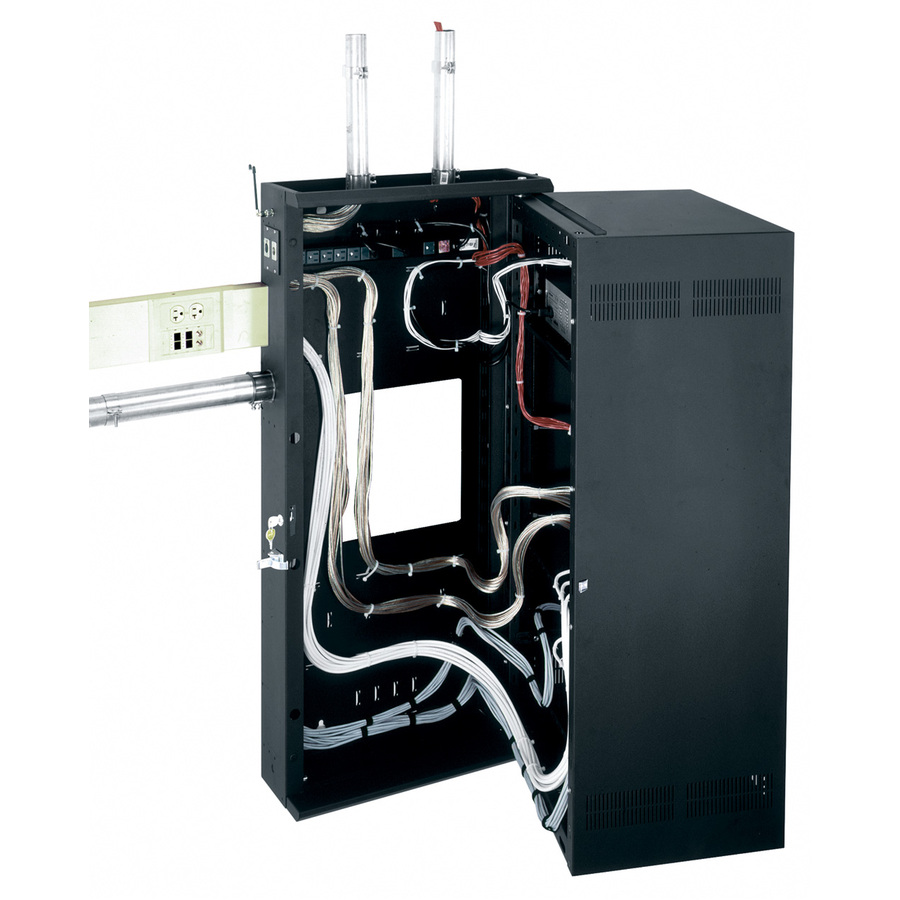
The third fact is access, and it is why the pivoting and swing-out bodies exist. A fixed box against a wall gives you the front and nothing else, so terminating the back of a patch panel means working blind at arm's length. A pivoting or swing-out cabinet hinges the whole rack frame away from the wall, which turns that job into a normal one. It costs a little depth clearance on one side and it is worth it in any closet you expect to re-patch. This grid is drawn from the wall-mount cabinets Uniqcli currently lists, with live availability on each card.
Buyer's checklist
How to choose a wall-mount network cabinet
- Size the rack height on what goes in plus what gets added: the U height is stated per part in these titles, from 9U through 35U, and a cabinet that is full on the commissioning day is a second cabinet the following year. Leave a blanked U above and below the switch stack for airflow and for the thing nobody mentioned.
- Buy the depth for the deepest device, not the average one. Depths are named per part here in inches and in millimetres, and the figure has to cover the chassis plus the cable bend behind the front rail — a shallow cabinet that will not close on a patched switch is a return, not a workaround.
- Check the stated maximum weight capacity against the loaded weight, and remember that a wall-mount cabinet transfers all of it into the wall. Capacities on this shelf are titled from 200 lb to 350 lb; the mounting surface, the anchors and the local code are a site question to settle with the trade doing the install, not something to infer from a product page.
- Choose the door on heat and hands. A glass or plexiglass front lets a technician read link lights without opening anything; a perforated steel door trades that for airflow where the closet has no ventilation of its own. Both keep dust and casual fingers off the equipment, which is the reason to buy an enclosed cabinet rather than an open wall rack.
- Decide whether you need to get behind the equipment. Pivoting and swing-out bodies are titled as such here, and they are the difference between terminating a patch panel comfortably and terminating it by feel — but they need side clearance to open, so check the closet, not just the wall.
- Where the purchase order carries an origin clause, read TAA on the part number itself. It is titled per unit on this shelf and it is genuinely mixed within it; screening results are available with your quote on request, tied to the specific part number.
- Order the closet, not the box. A cabinet on its own is not a working IDF — the rack PDU, the patch panels, the cable management, the blanking panels and the horizontal run back to the MDF all land on the same job, and quoting them together is what stops the second delivery.
Wall-mount cabinet or open wall rack — and when a floor cabinet wins
The three answers to a small distribution point look similar on a drawing and behave very differently in a building. An open wall rack is two rails and a frame: cheapest, coolest, easiest to work on, and completely exposed. It belongs in a locked, clean, dedicated room where the only people near it are the people who own it. An enclosed wall-mount cabinet — the class on this page — adds a door, sides and a lock, which is what you want the moment the equipment shares its space with anything else: a stockroom, a corridor recess, a classroom cupboard, a back-of-house passage in a clinic or a hotel. The cost is airflow and access, which is exactly what the perforated doors and the pivoting bodies in this grid are answering.
A floor-standing cabinet wins when the load or the depth stops being a wall's problem. Wall-mount capacities here are titled from 200 lb to 350 lb, and a stack that includes a rack UPS, a couple of switches and a server will find that ceiling faster than the U count will. Depth is the other trigger: past roughly 30 inches you are describing a floor cabinet with extra steps. The honest rule is that a wall-mount cabinet is for a distribution point — switching, patching, a small UPS, a router — and a floor cabinet is for anything with compute in it.
Reading the titles: U height, depth, doors and weight
Rack height is stated in U and it is the least ambiguous number on the page, but it is also the one most often bought exactly to requirement. Count the U you have, add the blanking panels you will fit for airflow and the U a cable manager will take between patch fields, then buy the next size. The step from a 12U to an 18U body on this shelf is real money and it is still cheaper than a second cabinet, a second wall penetration and a second set of hands on a ladder.
Depth is stated per part and it means the usable rack depth, which is not the same as the outside dimension of the box. The Middle Atlantic DWR bodies here are titled at 17, 22, 26 and 32 inches; the Panduit PanZone cabinets at 25 and 30 inches; the Rack Solutions units at 600 mm square. Match the deepest device you will fit, then check what plugs into it — a stiff power cord, a bundle of patch leads and a locking latch all need room in front of the rail before the door will close on them.
Weight capacity and door style are the last two title-borne facts and they interact. A perforated steel door moves more air than glass or plexiglass, which matters as the load in the box goes up; a windowed door lets a technician confirm a link light without unlocking anything, which matters in a closet somebody visits at three in the morning. The capacities titled on this shelf run 200 lb, 250 lb, 300 lb and 350 lb, and every one of them is a statement about the cabinet, not about the wall it hangs on — the anchoring is an installation decision made against the actual construction.
What ships around a closet build
A wall-mount cabinet arrives in the middle of a job, and the parts that make it a working IDF are rarely on the same line of the purchase order. Power is first: a rack PDU or power strip sized to the circuit the closet actually has, and a decision about whether the switching in that box needs to ride through a short outage. Then the passive infrastructure — patch panels, horizontal cable management, blanking panels for the empty U, and the labelled horizontal runs back out to the work area. Where the closet is new, the backboard, the anchors, the earth bond and the pathway are trade work that has to be scheduled against the delivery rather than after it.
Uniqcli quotes all of that on one order, and not only the hardware: the structured cabling and low-voltage work that terminates the runs, the network installation labour that racks and patches the closet, and the manufacturer warranty and support lines that attach to the switching going into it are quotable alongside the cabinets. Where the deployment is a branch programme rather than one closet — a chain of sites standardising on the same elevation — standardising the part number first is what keeps the spares, the cord lengths and the runbook identical from site to site.
Send the list — the sites, what goes in each cabinet, the depth of the deepest device, the circuits available and the quantities — and we will come back with part numbers, availability, lead times and volume pricing, with the power, passive and services lines alongside, before anything is committed.
FAQ
Common questions
- What size wall-mount cabinet do I need?
- Two numbers, both stated per part in these titles. The rack height in U has to cover the equipment plus the blanking panels and cable managers you will actually fit — count what you have, add the empties, then take the next size up; the shelf here runs from 9U to 35U. The usable depth has to cover the deepest chassis plus the cable bend in front of it, and the titles name 17, 22, 26 and 32 inches on the pivoting bodies, 25 and 30 inches on the PanZone cabinets and 600 mm on the Rack Solutions units. Depth is the dimension people get wrong, because a switch fits in almost anything and a rack UPS or a 1U server does not.
- Enclosed cabinet or open wall rack?
- It depends on who else is in the room. An open wall rack is cheaper, cooler and easier to work on, and it is the right answer only in a locked, clean, dedicated space. An enclosed wall-mount cabinet — every unit on this page — adds a lockable door, sides and dust protection, which is what a corridor recess, a stockroom, a classroom cupboard or a shared back-of-house space needs. If the closet has no ventilation of its own, choose a perforated steel door over glass or plexiglass, and leave blanked U above and below the switch stack so the air that does move goes where it is useful.
- How much weight can a wall-mount cabinet carry?
- The cabinet's own limit is titled per part, and on this shelf it runs 200 lb, 250 lb, 300 lb and 350 lb. That figure is a statement about the cabinet, not about your wall: a loaded cabinet transfers all of it into the mounting surface, so the studs or backboard, the anchors and the local code are an installation question to settle with the trade doing the work against the actual construction. If the intended load is close to the stated capacity, or the wall is not something you would hang a person off, the honest answer is usually a floor-standing cabinet instead.
- Which of these cabinets are TAA compliant?
- It is a per-part-number fact, not a brand or family rule, and this shelf is genuinely mixed: the Middle Atlantic DWR pivoting bodies and three of the four Rack Solutions cabinets carry a TAA Compliant marking in their own product titles, while the Panduit PanZone rows do not. Where our catalog data records a part number as TAA compliant, that is what we are reporting: our catalog data records this part number as TAA compliant. Screening is performed before the quote and screening results are available with your quote on request, tied to the specific part number and never restated as a Uniqcli certification.
- Can business, government and education buyers order these?
- Every line Uniqcli quotes is sourced through US distribution and screened for TAA country-of-origin and NDAA §889 status before checkout — with documentation tied to the specific part number, not a product family.
Need wall-mount network cabinets pricing?
Send a bill of materials or part numbers — we confirm stock and a below-market total, with TAA verified on request. No payment up front.