
Best Rack Blanking Panels and Filler Panels
Solid, vented and tool-less filler panels from 1U to 4U for 19-inch racks and cabinets — the cheapest thermal fix in a rack, and the one every audit finds missing.
Blanking panels in stock at Uniqcli
How to choose →A curated selection with live pricing — in-stock lines first, then back-ordered lines with a typical lead time. Every line is sourced through US distribution and screened for NDAA §889 status before checkout, with TAA verified on request.
- LegrandMiddle Atlantic Blanking Panel - Black - 1U Rack Height - 3.5" HeightUFAF-1A
$39.17
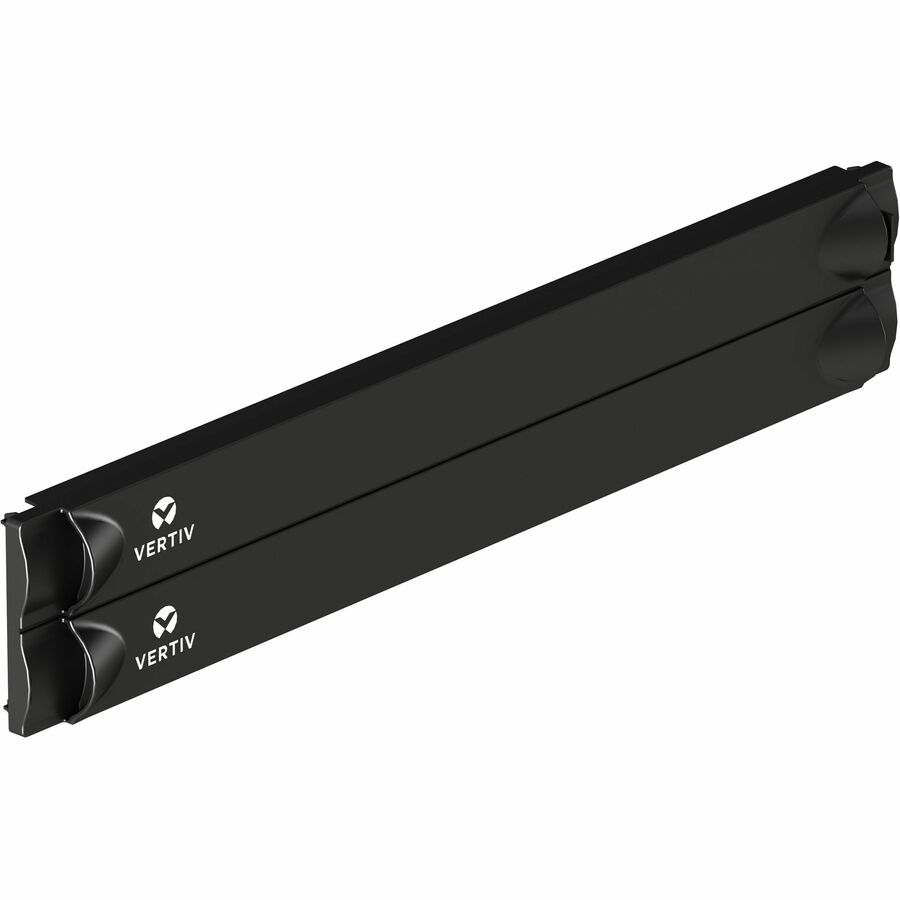
148 in stock - VertivVertiv 19" Blanking Panels 1U - Metal - Black - 1U Rack Height - 2 Pack - 19" WidthVRA2003
$51.00
$41.02
425 in stock


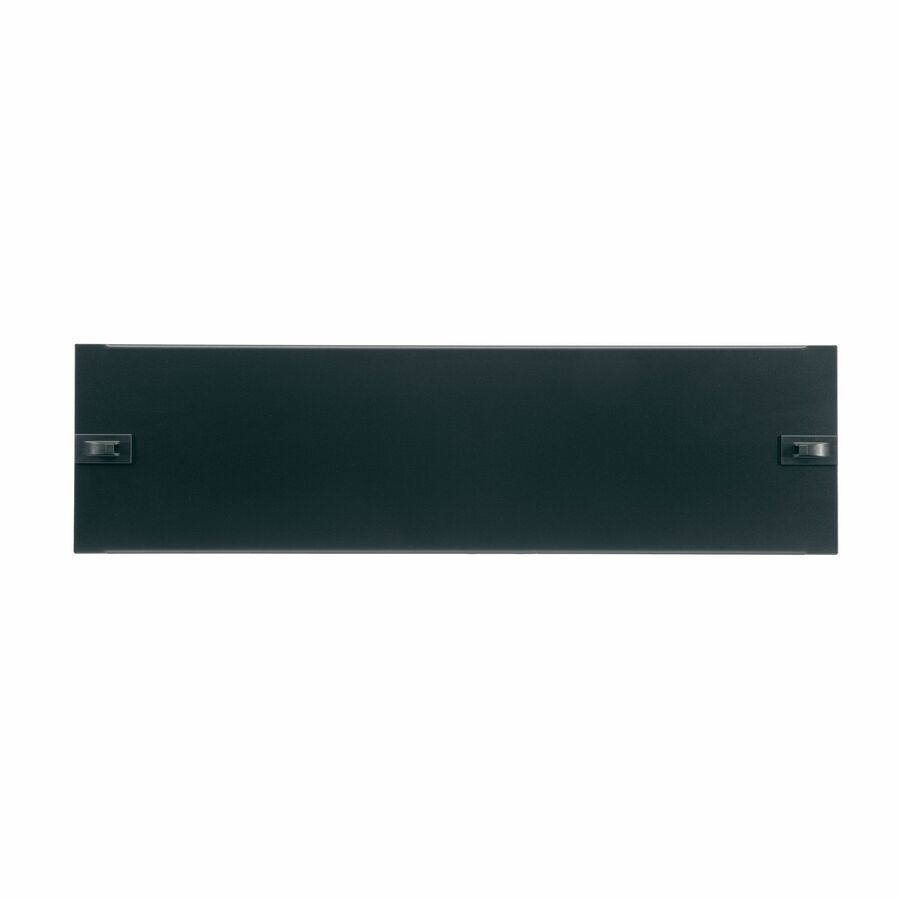
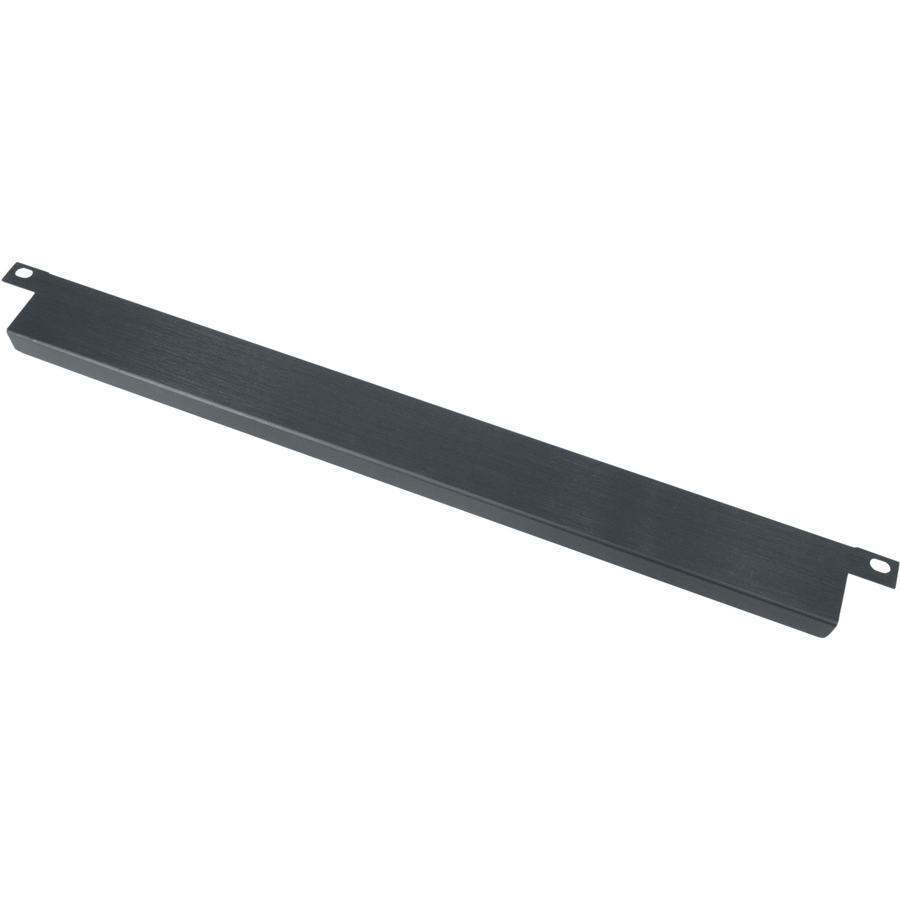
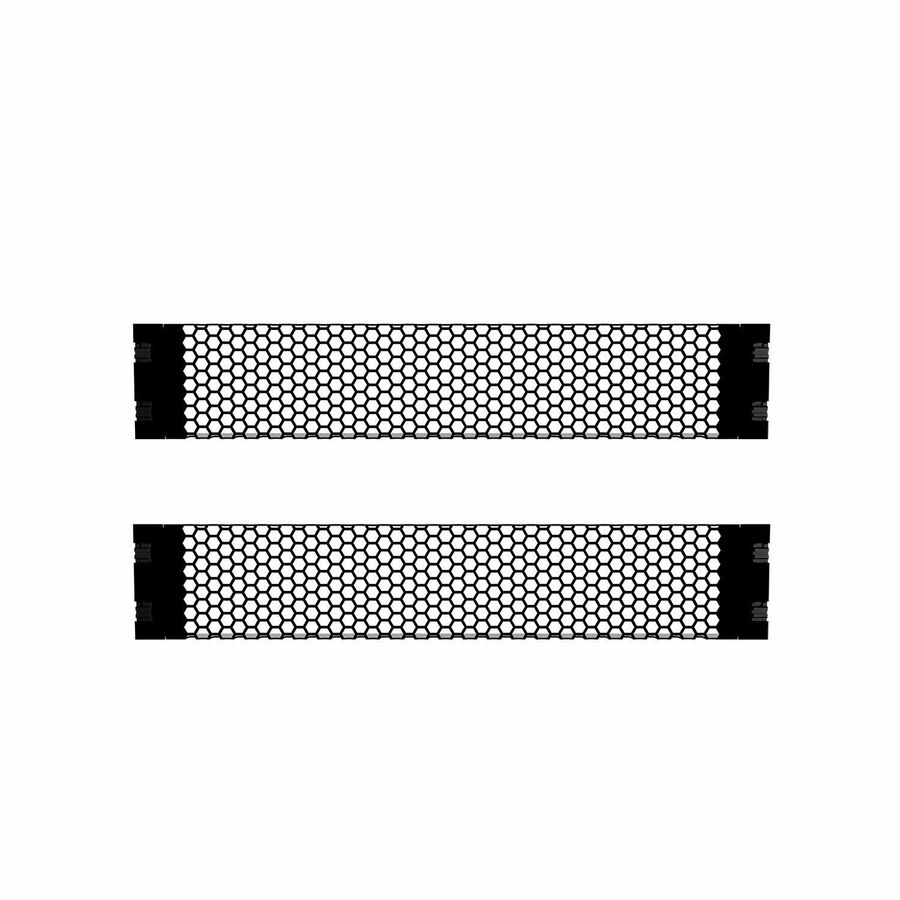

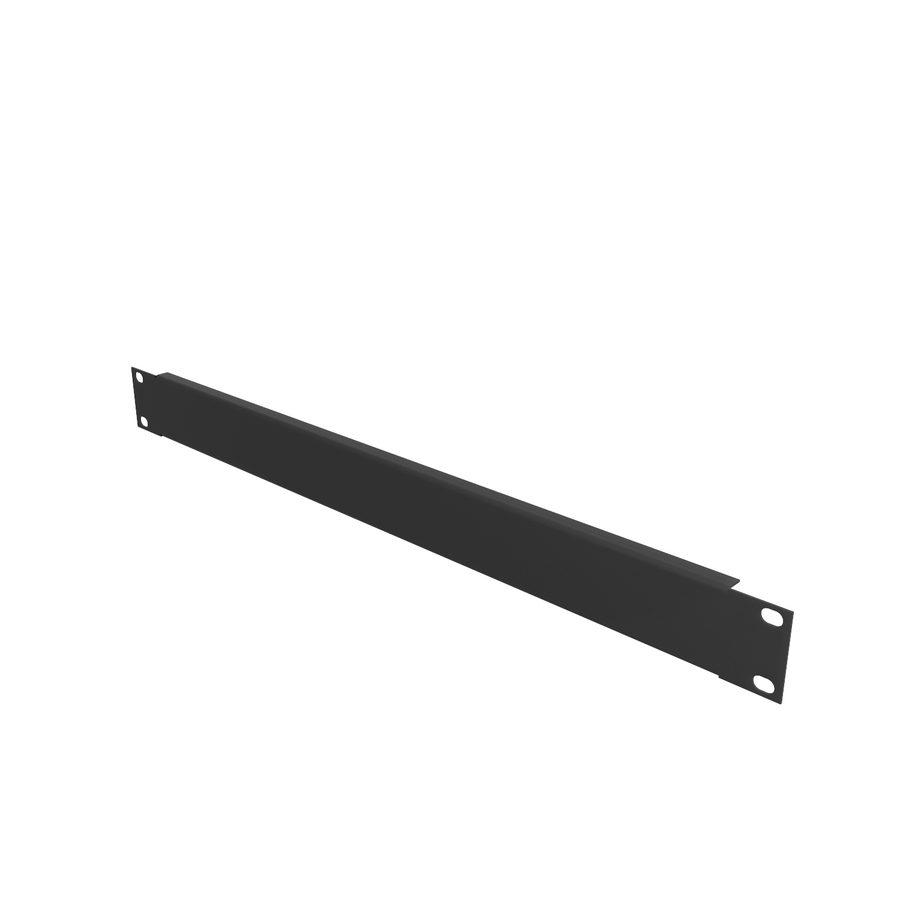

1U standard
StarTech.com
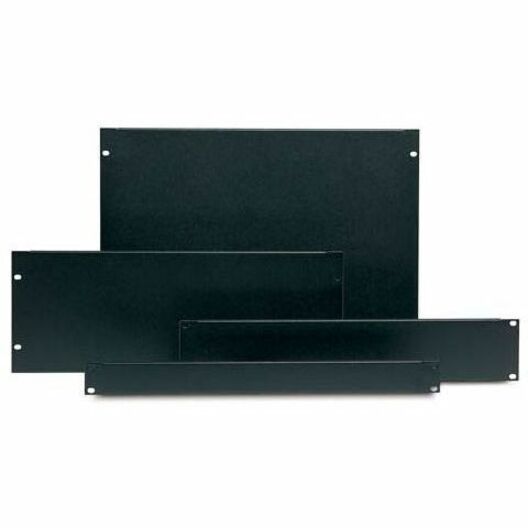
StarTech Blanking Panel
BLANKB1
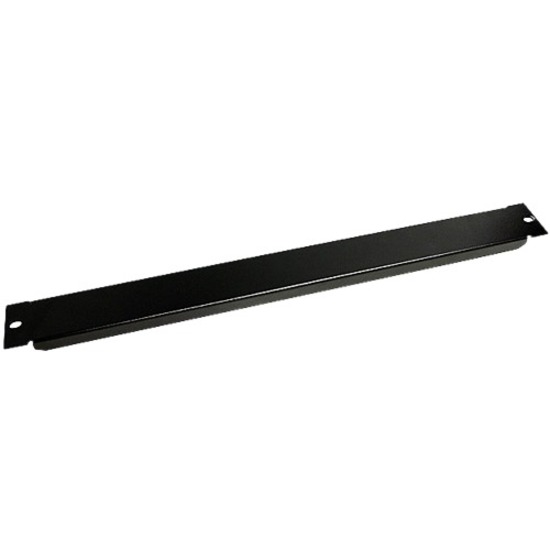
A 1U, 19-inch steel blanking panel in black powder coat — the plain default that most racks need in quantity. The manufacturer's listing states the purpose exactly: fill the gaps between equipment to improve cooling flow.
$17.90In stockTool-less 1U
Legrand
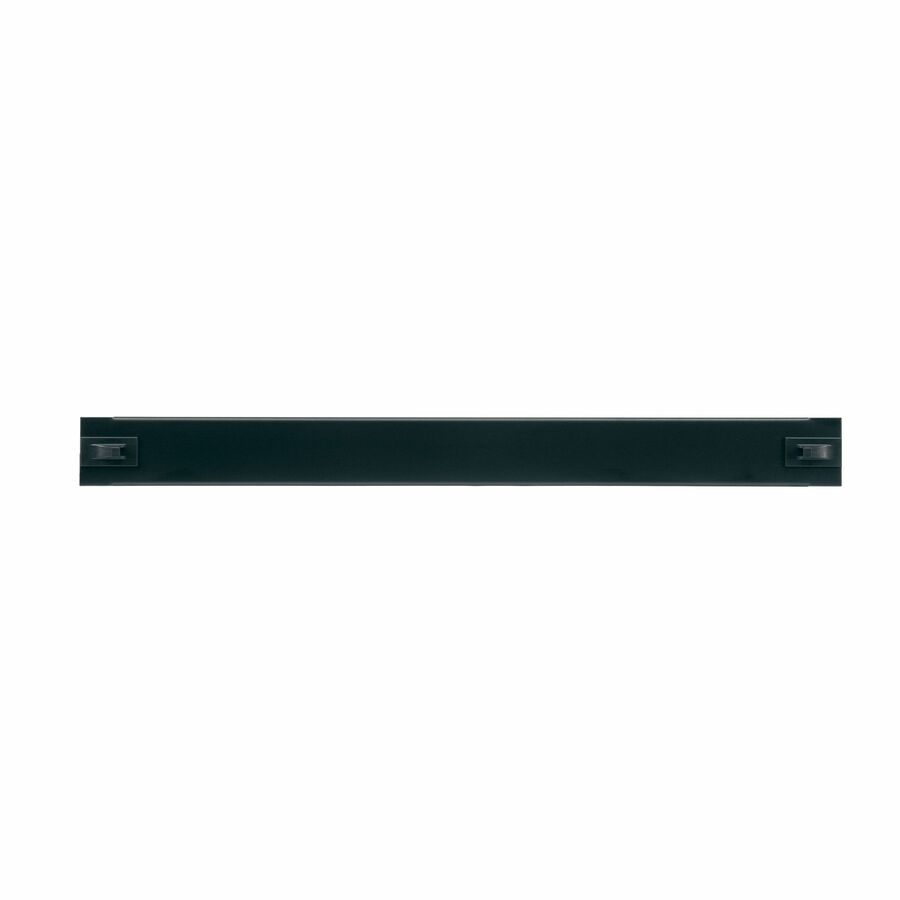
Middle Atlantic Forward 1RU Tool-less Blank Rack Panel
FWD-EB1
A flanged 1U steel blanking panel that fits without hardware, recorded on the listing as a tool-less design for enclosures. Worth the small premium in any rack whose contents move, because a panel that is annoying to refit is a panel that ends up on the floor.
$29.15In stockVented 1U
Legrand
Middle Atlantic 1RU Vented Rack Blanking Panel
EVT1
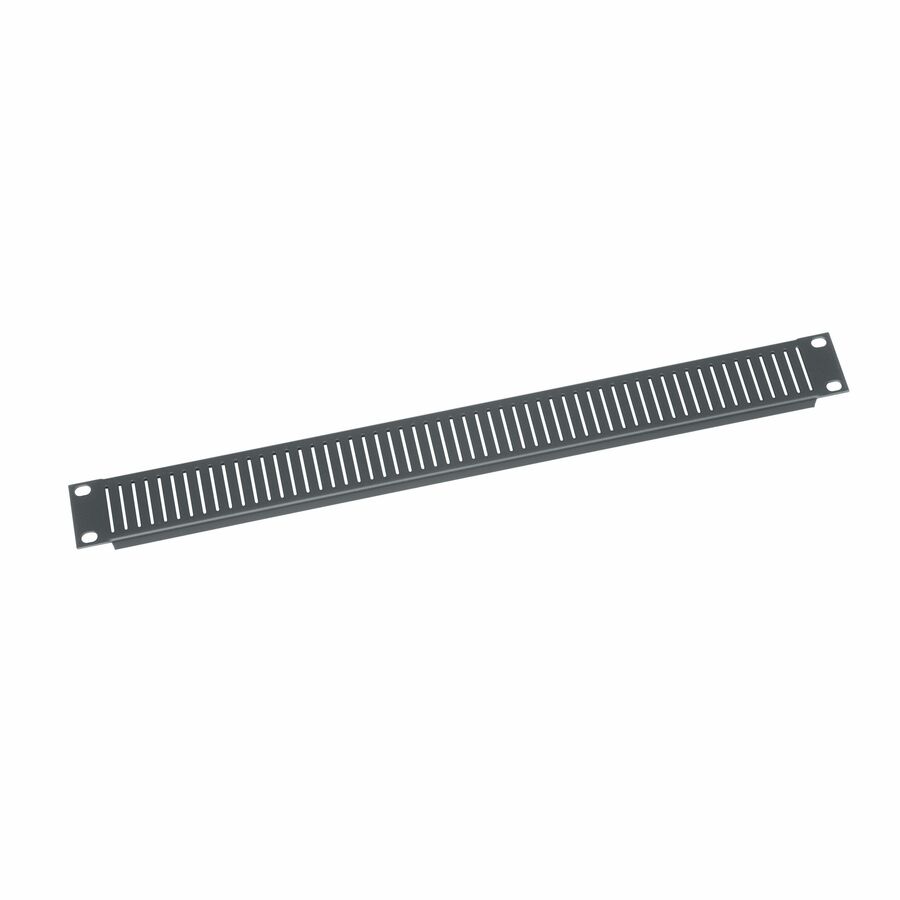
A flanged 1U steel panel with 17% open area, catalogued by the manufacturer as a vent panel rather than a blank. The deliberate exception: use it where a section genuinely needs controlled front-to-back airflow, not as a general substitute for solid blanking.
Vented panels give back part of what blanking buys. One in the right place is useful; a rack full of them is not blanked.
$28.07In stock2U pick
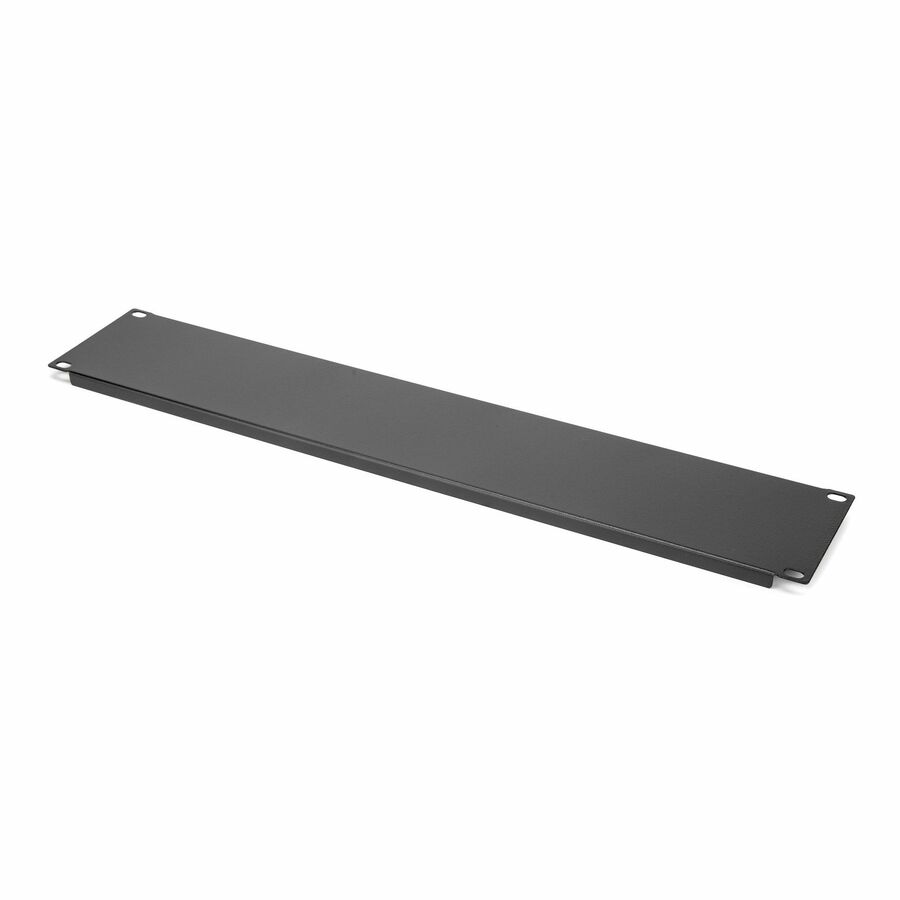
Rocstor
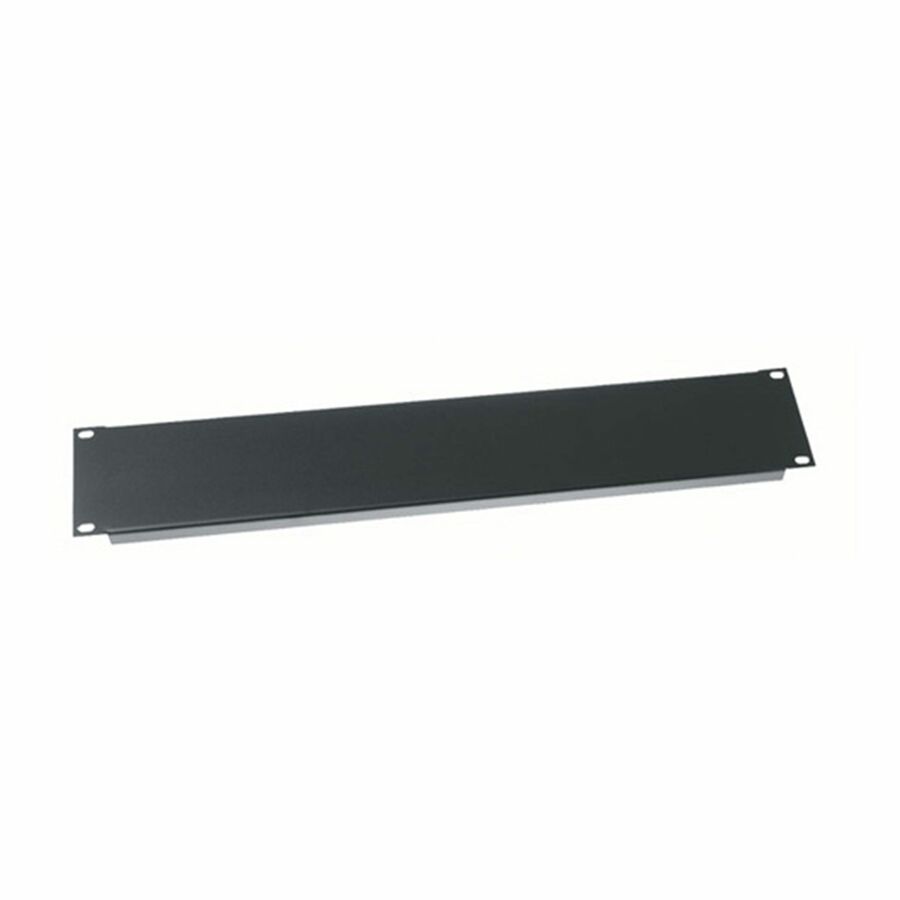
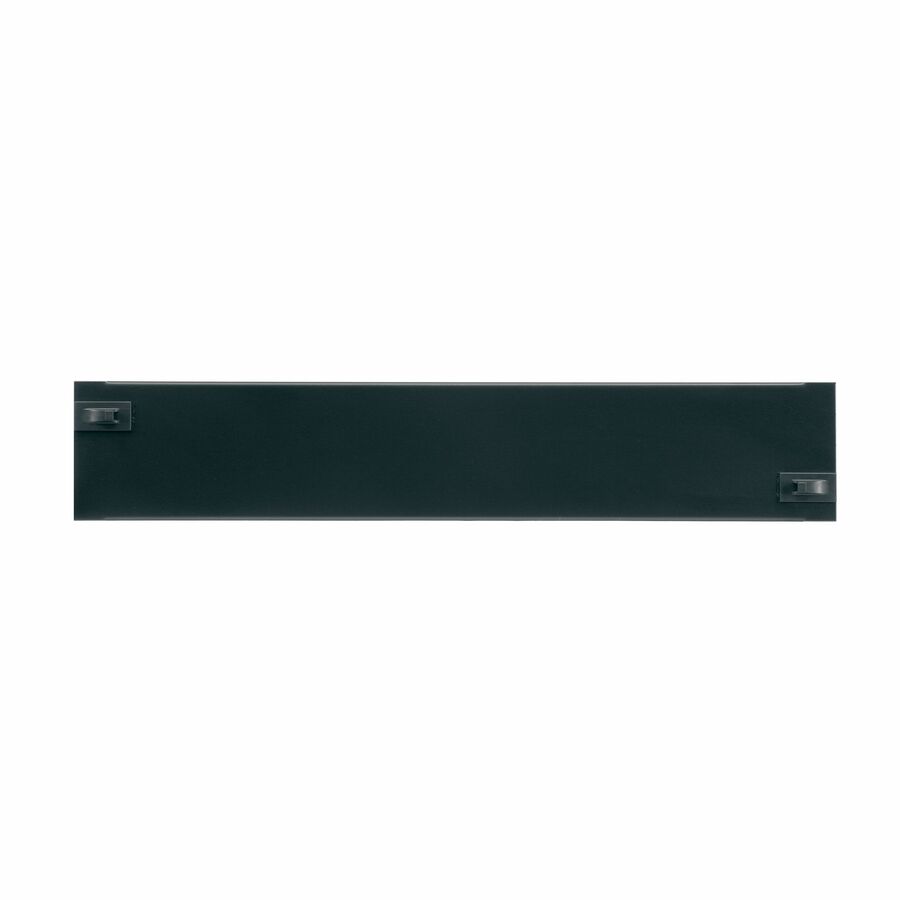
Rocstor Premium 2U Rack Blank Panel for 19in Server Racks and Cabinets
Y10E076-B1
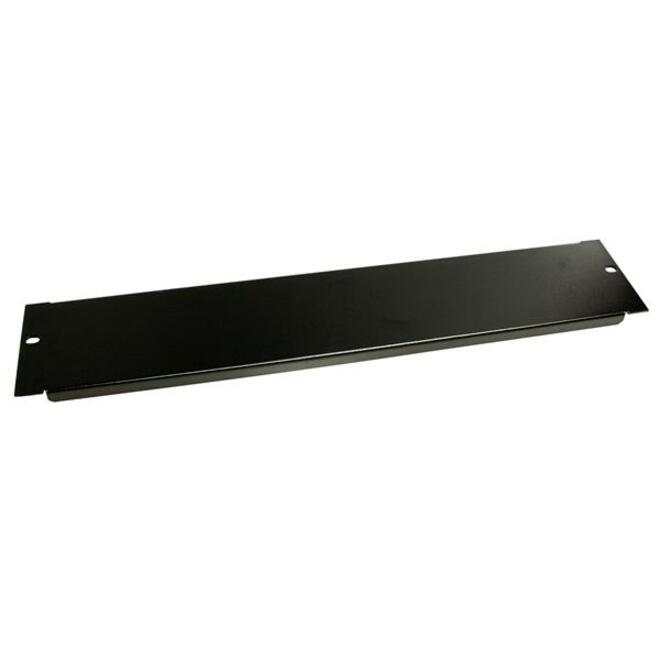
A 2U cold-rolled-steel blank panel for 19-inch racks and cabinets in black powder coat. One plate across a two-unit gap seals better than two singles with a seam between them, and it fits faster.
$15.54In stock3U pick
Legrand
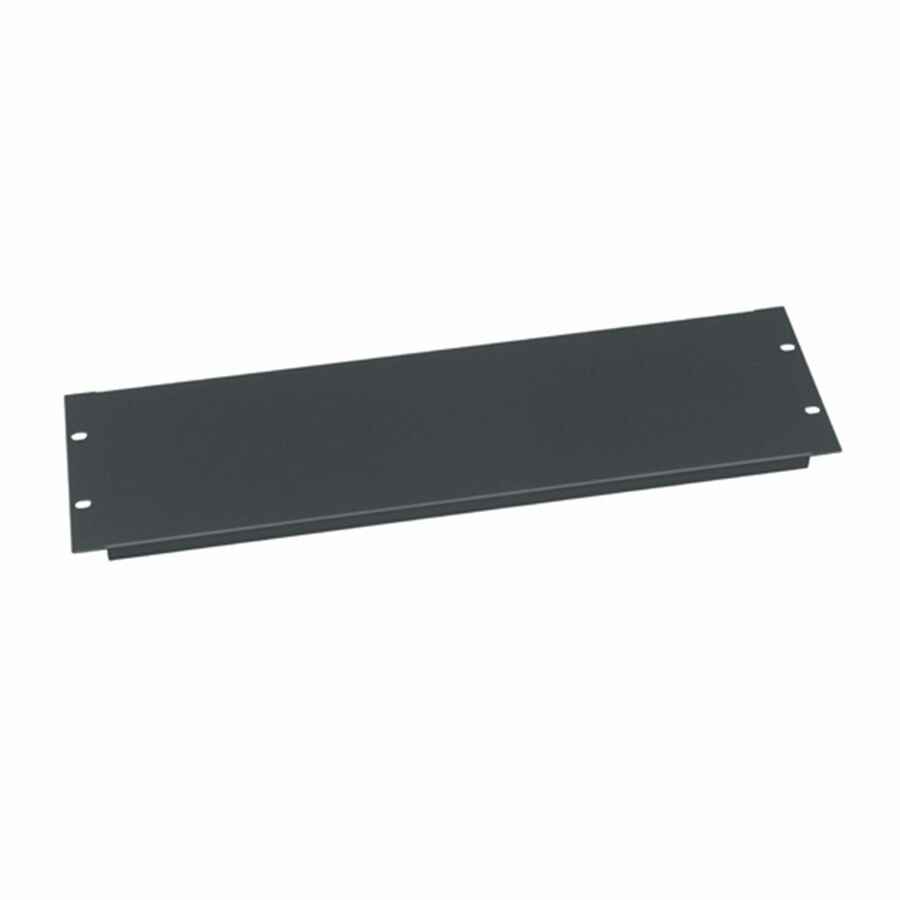
Middle Atlantic 3RU Blank Rack Panel
EB3
A flanged 3U steel blank panel in flat black powder coat, 5.3 inches by 19. The listing records a lifetime limited warranty and GREENGUARD certification — a manufacturer claim about the panel's material emissions, not a thermal rating.
$31.38In stock4U pick
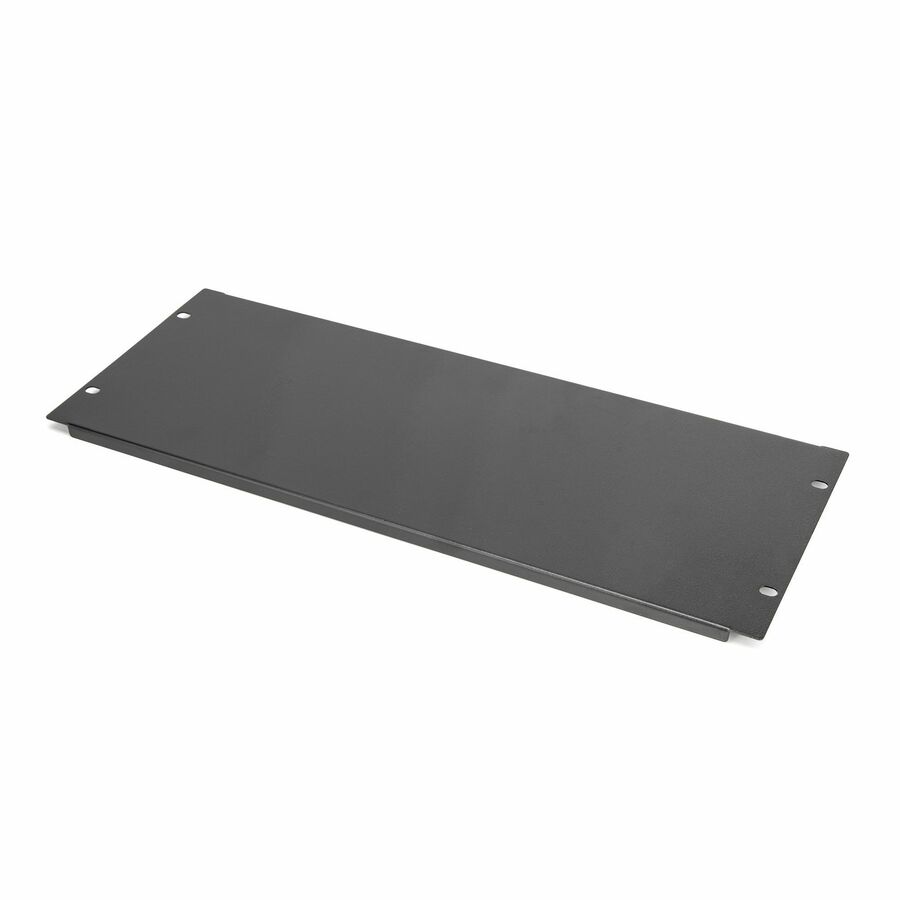
Rocstor
Rocstor Universal 4U Blank Panel for 19 inch Rack
Y10E075-B1
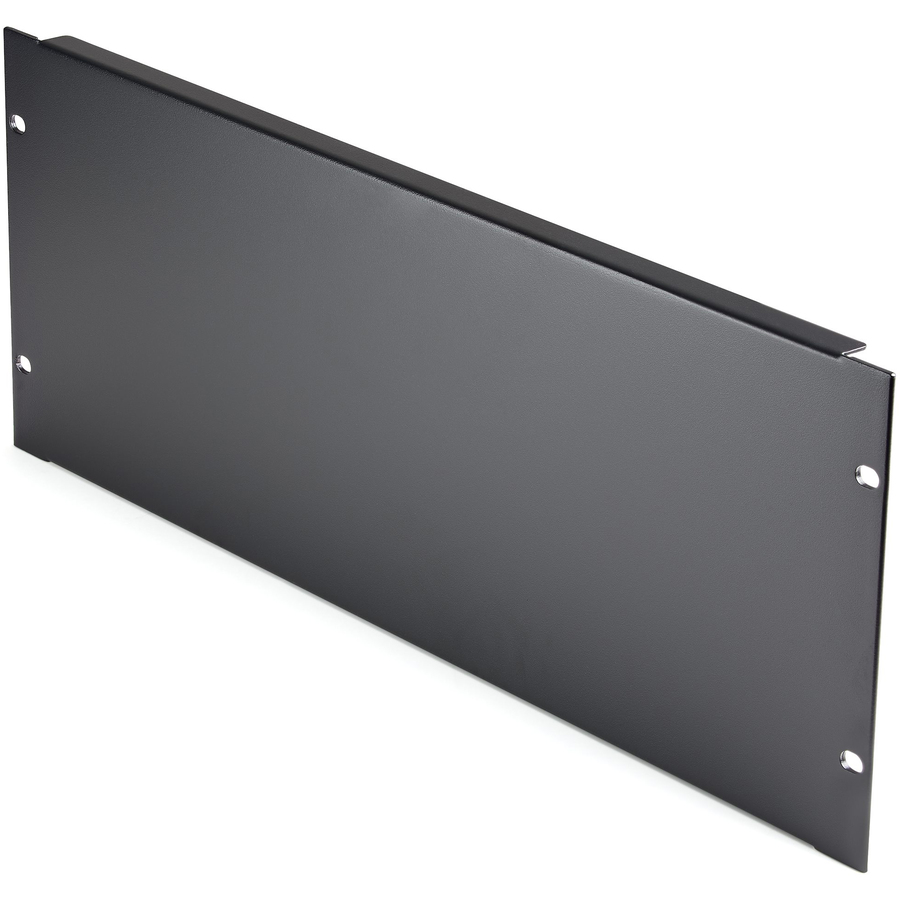
A universal 4U cold-rolled-steel blank panel supplied with two sets of M6 cage nuts and screws, so the mounting hardware is not a separate line to forget. The right part for the large empty section a half-populated rack always has.
$24.69In stockMore rack panels in the Uniqcli catalog
See all 1,244 rack panelsMore from across this category. In-stock lines lead, and a back-ordered line carries the same estimated availability its product page does — with live pricing throughout, NDAA §889 screening before checkout and TAA verified on request.
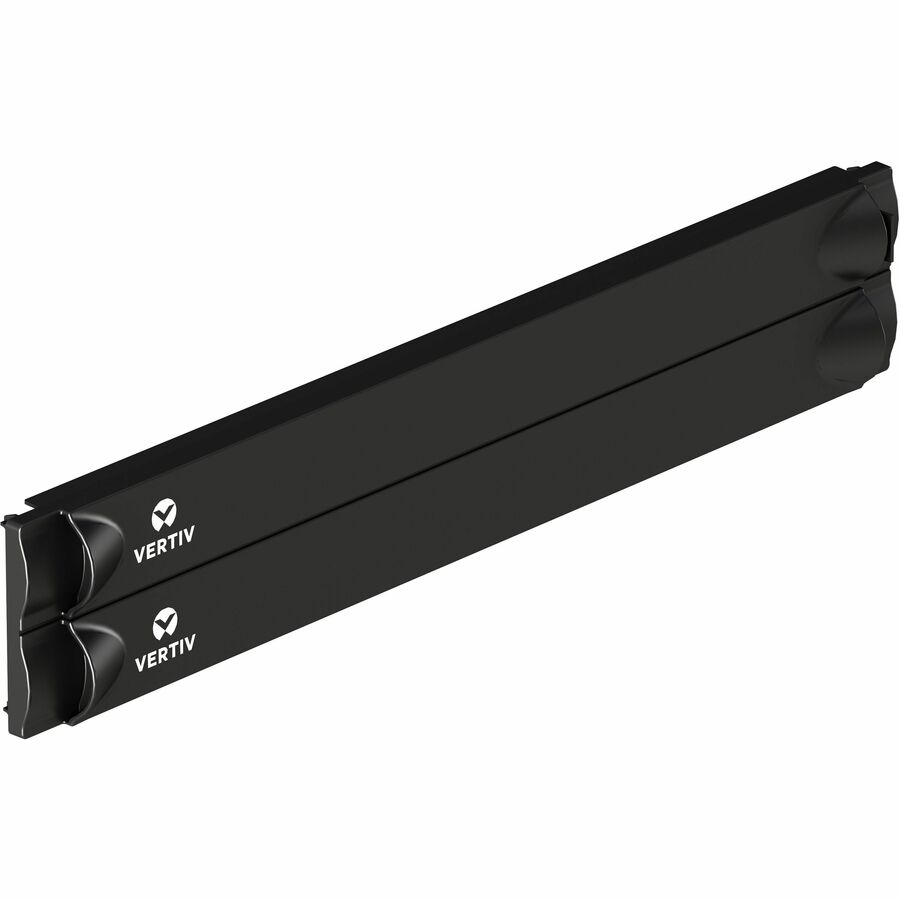
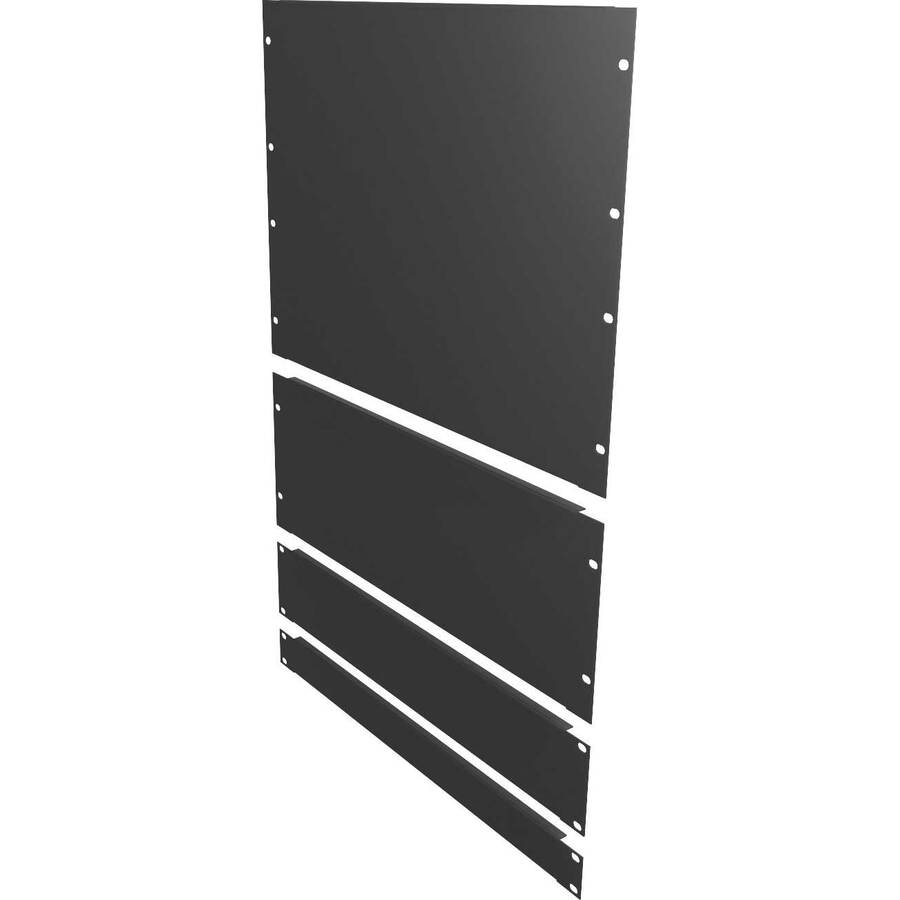
- VertivVertiv 19" Blanking Panel Kit (1U, 2U, 4U, 8U) Black (Qty 1 ea. Size) - Metal - Black - 1 Pack - 19" WidthVRA2002
$175.00
$140.75
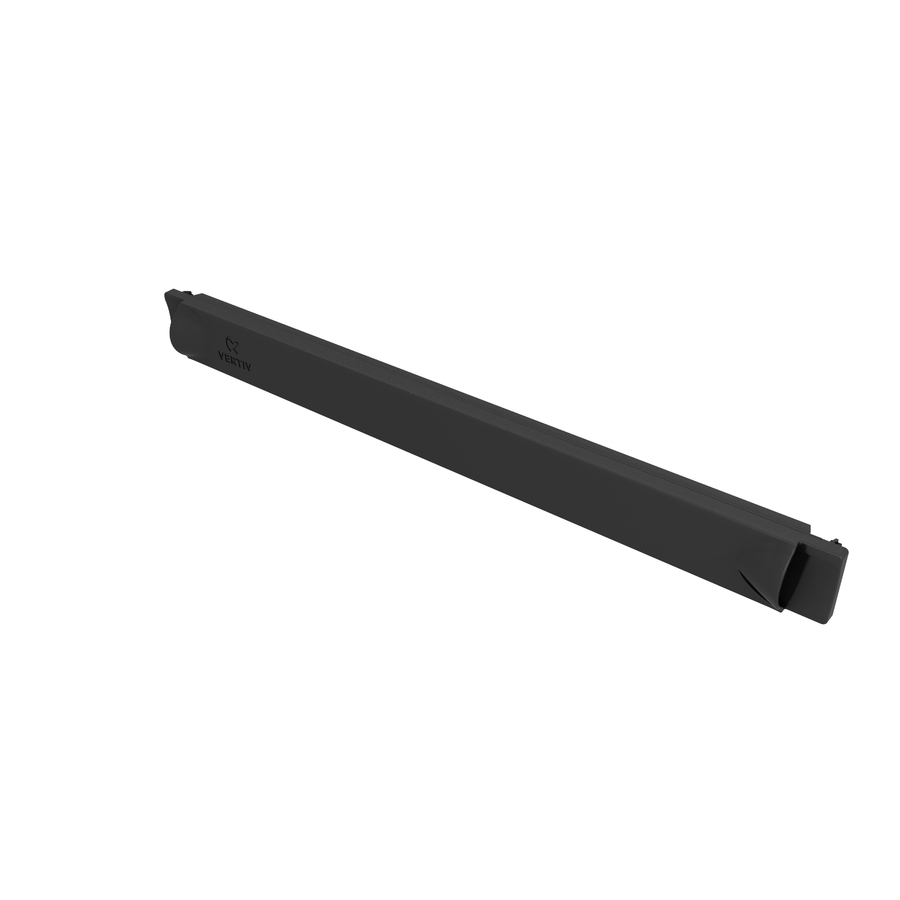
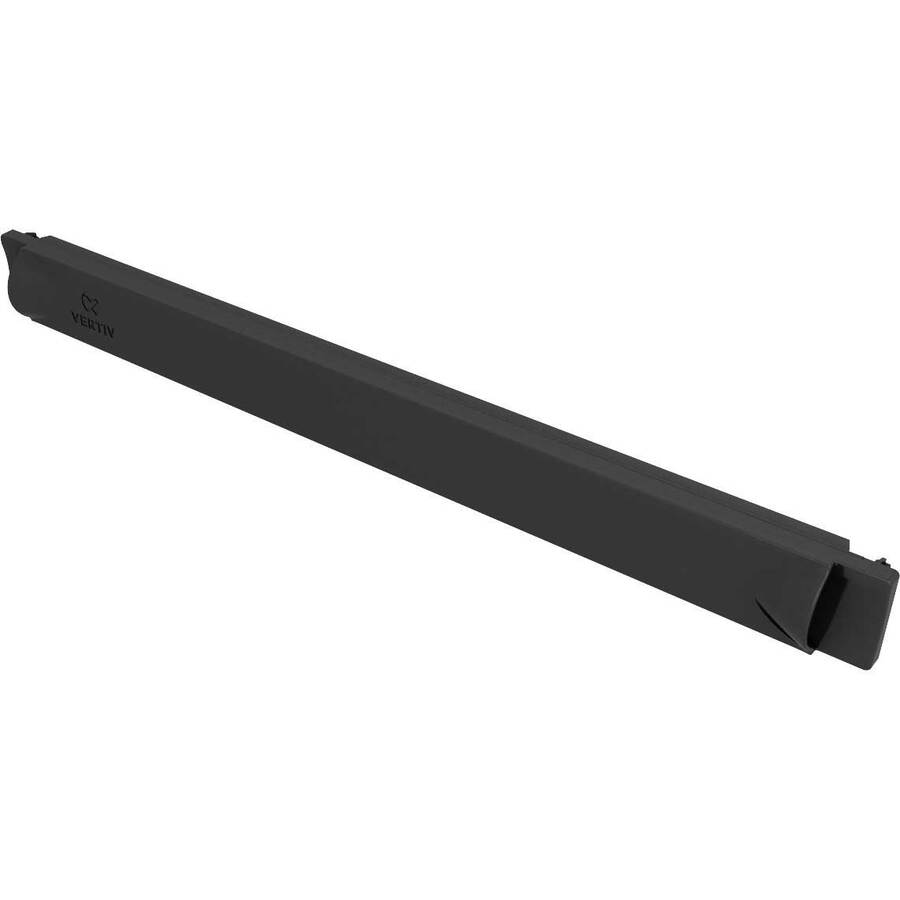
209 in stock - VertivVertiv 1U 19" Black Plastic Toolless Blanking Panels - Plastic - Black - 1U Rack Height - 10 Pack - 19" WidthVRA2000
$139.00
$111.80
476 in stock - Black BoxBlack Box Blanking Chassis Panel for KVM Extender - Quad Slot - TAA CompliantACU5004
$81.82
$70.13*
1 in stock


Need pricing on blanking panels?
Tell us where to reach you and a Uniqcli specialist will follow up by email with current pricing, availability and lead time for the quantities you need — including parts that aren’t shown on this page.
Buying for an organization or for yourself — both work. No payment up front.
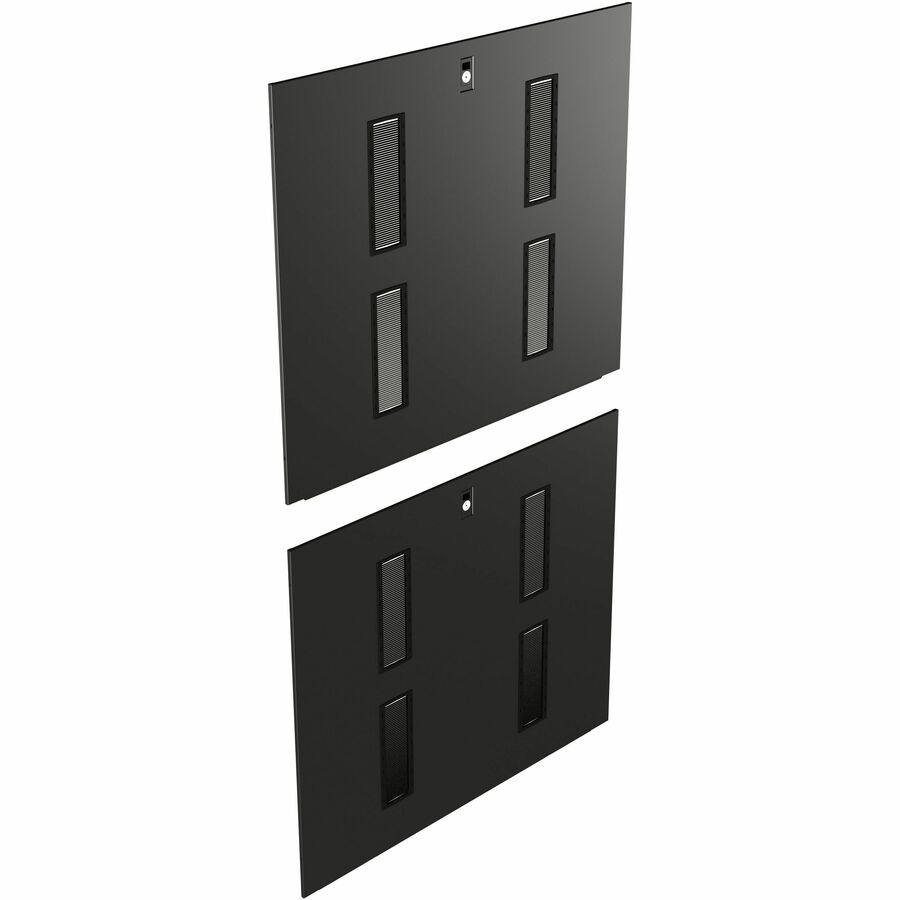
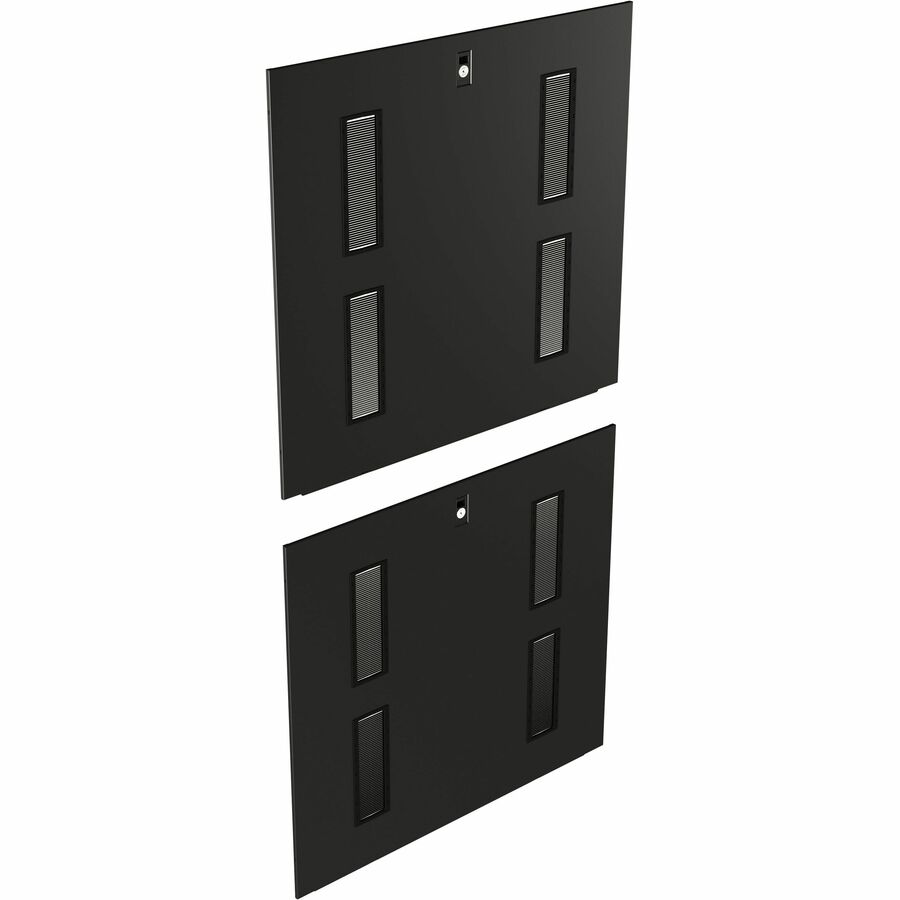
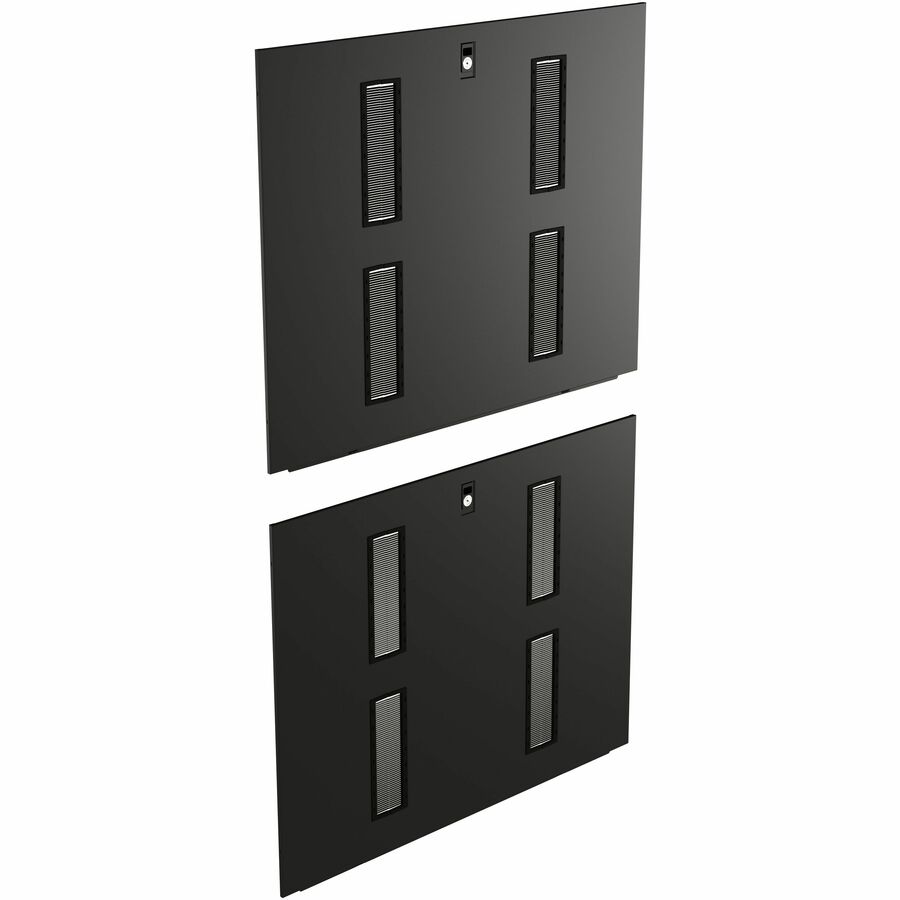
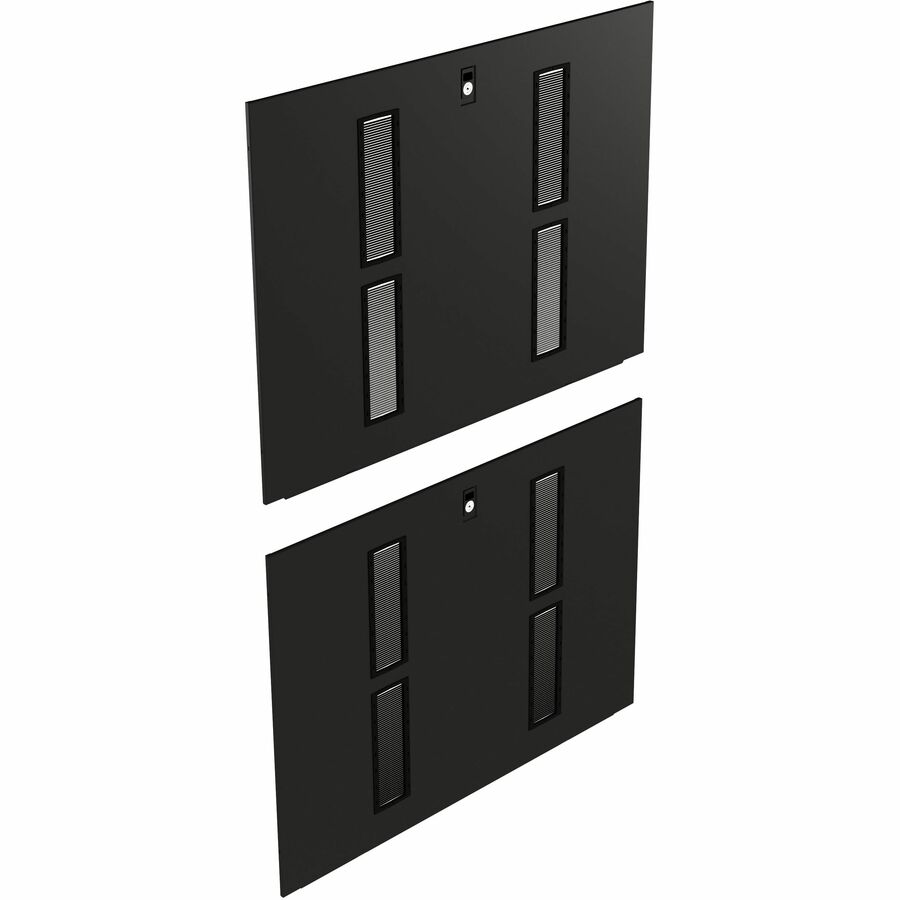
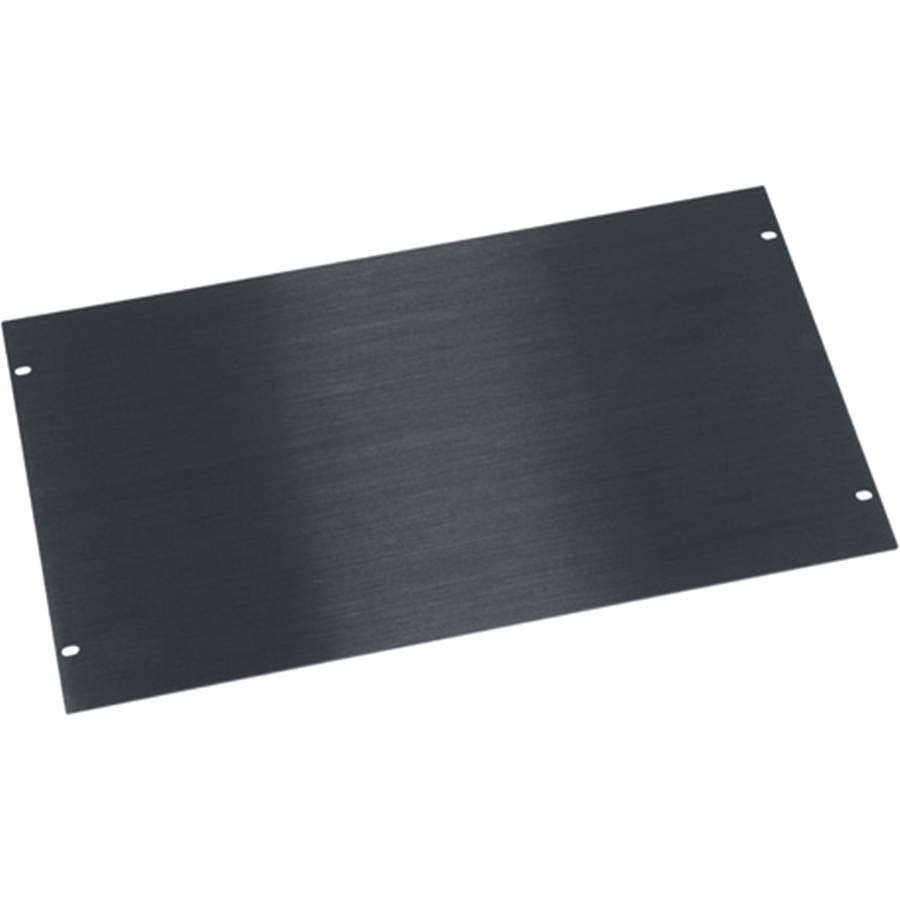
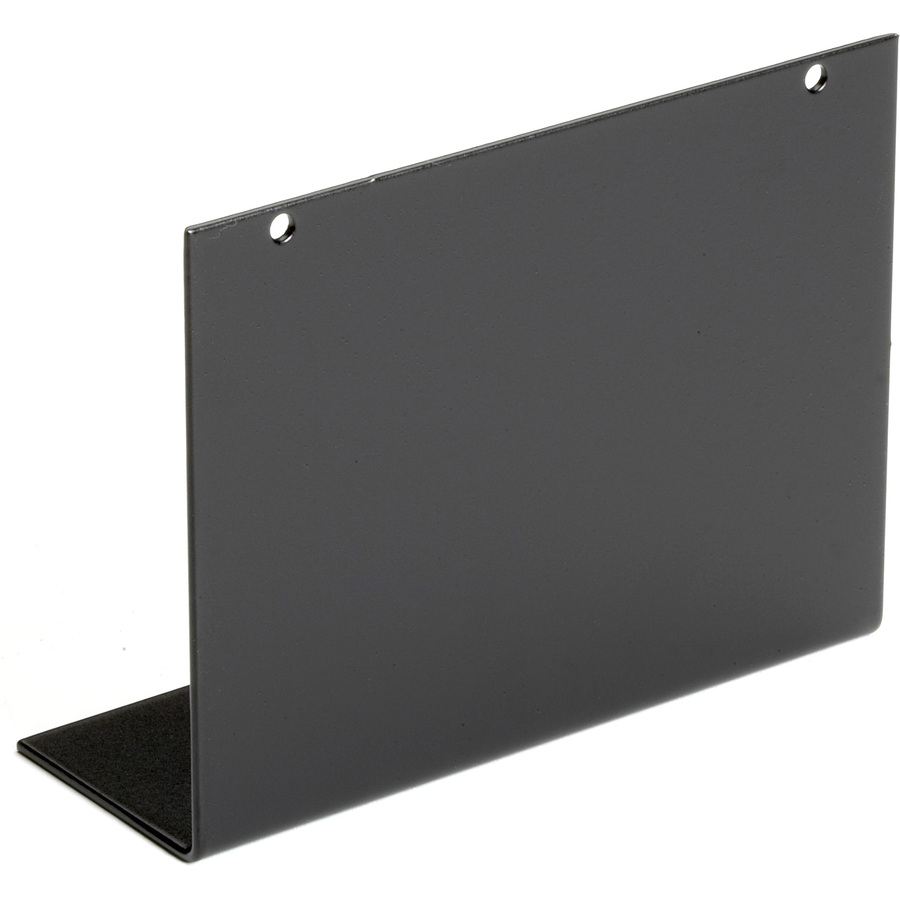
A blanking panel fills an empty rack unit so cold supply air cannot take the short path through the front of the rack and back to the equipment intakes. The specification is simple: measure the empty gap in rack units, buy that many U, and cover every gap in the front rails from the floor to the top of the equipment. Solid is the default.
A blanking panel is a flat plate that fills an empty rack unit so cold supply air cannot take the short path through the front of the rack and straight back to the equipment intakes. Without it, air that the room's cooling system paid to chill bypasses the servers entirely and returns warm, and the servers respond by pulling more of their own hot exhaust back around the sides. The result is a rack whose inlet temperatures climb even though the room is cold, and it is fixed with a part that costs less than a patch cable.
The specification is almost trivially simple. Measure the empty gap in rack units, buy that many U of panel, and cover every gap in the front rails from the floor to the top of the equipment. Solid panels are the default. Vented panels exist for the specific case where a rack needs some controlled front-to-back airflow through an unoccupied section — a passively cooled device, or a cabinet where the layout genuinely requires it — and using them everywhere gives back most of what blanking buys. Tool-less panels snap into square-hole rails and are worth the small premium in any rack whose contents move.
Two things are worth planning alongside the panels themselves. The first is the rest of the airflow package: brush grommets on the cable cut-outs, side and rail air-dams where the cabinet allows them, and a hot/cold aisle discipline that the blanking is there to protect. The second is the equipment plan those U are being held open for. If a rack is being blanked as part of a refresh, the same order usually carries the switches or servers going in, the software licensing they run on, and the installation and commissioning labour — worth quoting together rather than as three unrelated purchase orders.
Buyer's checklist
How to choose and size rack blanking panels
- Count the empty U in the front rails, floor to top, and buy that total. A rack blanked from the equipment up but left open below still recirculates.
- Default to solid. Vented panels have a real purpose but they are a deliberate exception, not a safer general choice.
- Match the mounting to the rail. Tool-less panels snap into square-hole rails; threaded and cage-nut racks need screw-in panels and the right hardware.
- Prefer steel over plastic in a cabinet that gets handled — a bent plastic filler stops sealing and nobody notices until an intake temperature moves.
- Buy multi-U panels for large gaps. One 4U plate is faster to fit and seals better than four 1U plates with three seams between them.
- Blank the sides too where the cabinet supports it. Panels close the front-rail gaps; air-dams and grommets close the rest of the bypass path.
- Order more than the current gap count. Racks change, and a spares box on site is the difference between blanking a rack today and putting it on a queue.
- Confirm the rack width and depth the panel is cut for. Almost everything here is 19-inch, but flanged, wrinkled and forward-mount variants sit differently in the rail.
What an unblanked rack actually costs
Recirculation is the failure mode, and it is quiet. Cold supply air arriving at the front of a rack takes whichever path offers least resistance, and an open rack unit is the least resistance there is. Air that passes through the gap never touches a heatsink, returns to the cooling plant already cold, and drags the return temperature down — which makes the cooling system look like it has capacity it does not have. Meanwhile the servers, short of supply air, pull their own hot exhaust back around the open U and their inlet temperatures rise.
The visible symptoms are a room that reads cold at the CRAC return while individual servers report high inlet temperatures, fans running harder than the load explains, and hot spots that move when equipment is added. Fan speed is the part that shows up on a bill: server fans scale sharply with inlet temperature, so a rack that recirculates burns real power on air movement before anything else is addressed. None of this needs instrumentation to start fixing — the panels cost a few dollars a unit and the improvement is immediate.
Solid, vented, and where each one belongs
Solid panels are the answer almost everywhere. Their whole job is to make the front rail a sealed plane so that the only way air reaches the back of the rack is through equipment. Vented panels exist for the narrow case where a section of the rack does need airflow through it without equipment in the way — a passively cooled device, a cable-management zone that would otherwise trap heat, a cabinet arrangement that a solid plane would starve. Used deliberately, they are useful. Used as a default because they look like a compromise, they hand back most of the benefit.
The tool-less versus screw-in question is about handling rather than thermals. A tool-less panel snaps into square-hole rails and comes out with a thumb, which matters in a rack that changes monthly; a screw-in panel is fine in a rack that is built once and closed. What actually predicts whether a rack stays blanked a year later is how annoying the panels are to refit, so in any high-churn environment the tool-less premium usually pays for itself.
Blanking is one part of the airflow package
Panels close the gaps in the front rails. They do not close the gaps beside the rails, the unsealed cable cut-outs in the floor or the roof, or the space between a rack and its neighbour. A rack that has been blanked and still recirculates is usually leaking through one of those, and the fixes are equally cheap: brush grommets on every cut-out, air-dams or filler strips at the rail edges where the cabinet supports them, and blanking the empty rack positions in a row rather than just the empty U within a cabinet.
Above that sits the containment question, which is a design decision rather than a parts order — hot-aisle or cold-aisle containment, or neither, and where the racks sit relative to the supply. Blanking is what makes containment work rather than an alternative to it. Uniqcli quotes the panels, the grommets and the rack hardware alongside the equipment going into the rack and the installation labour, so a refresh arrives as one project instead of a pallet and three follow-up orders.
Related reading
FAQ
Common questions
- Do blanking panels really make a measurable difference?
- Yes, and the mechanism is simple enough to reason about without instrumentation. An empty rack unit is a low-resistance path from the cold front of the rack to the hot back of it, so supply air uses it instead of passing through equipment, and equipment starved of supply air pulls its own exhaust back around the gap. Closing the gaps forces air through the servers, which lowers inlet temperatures and lets fans slow down. The parts cost a few dollars per unit, so the question is rarely whether it is worth doing.
- How many blanking panels do I need?
- Count every empty rack unit in the front rails, from the floor to the top of the highest mounted device, and cover all of them. The common mistake is blanking only the gaps between equipment and leaving the space below the lowest device open, which is often the largest single opening in the rack. Where a gap is several units, one multi-U panel is better than several singles: fewer seams, faster to fit, and it stays put.
- Should I use vented or solid blanking panels?
- Solid by default. The point of a blanking panel is to make the front rail a sealed plane so air can only reach the back of the rack through equipment, and a vented panel deliberately breaks that. Vented panels have a genuine purpose in specific positions — a passively cooled device, or a section that would otherwise trap heat — but choosing them everywhere as a hedge gives back most of the benefit. Decide per position rather than per rack.
- Are tool-less panels worth paying more for?
- In any rack whose contents change, yes. Tool-less panels snap into square-hole rails and come out by hand, which means they get refitted after a change instead of being left on top of the cabinet. Screw-in panels are perfectly good in a rack that is built once and rarely opened, and they are the only option on threaded or cage-nut rails. The deciding factor is churn, not thermals — both types seal the same gap.
- Can Uniqcli quote rack blanking panels for a government or education order?
- Every line Uniqcli quotes is sourced through US distribution and screened for TAA country-of-origin and NDAA §889 status before checkout — with documentation tied to the specific part number, not a product family.
Need blanking panels pricing?
Send a bill of materials or part numbers — we confirm stock and a below-market total, with TAA verified on request. No payment up front.