
Best Compatible Fiber Transceivers: SFP+, QSFP28 and 100G Optics
Third-party AddOn and Axiom transceivers coded for the major switch platforms — 1G SFP through 100G QSFP28 and CFP.
Compatible transceivers in stock at Uniqcli
How to choose →A curated selection with live pricing — in-stock lines first, then back-ordered lines with a typical lead time. Every line is sourced through US distribution and screened for NDAA §889 status before checkout, with TAA verified on request.
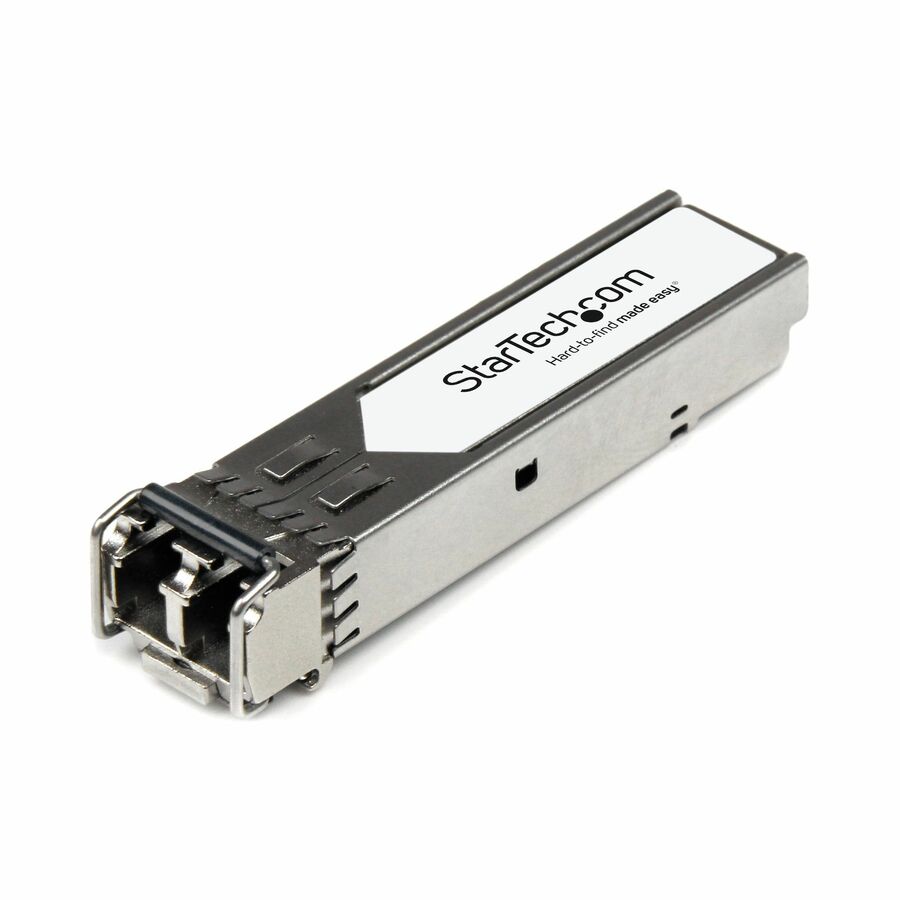

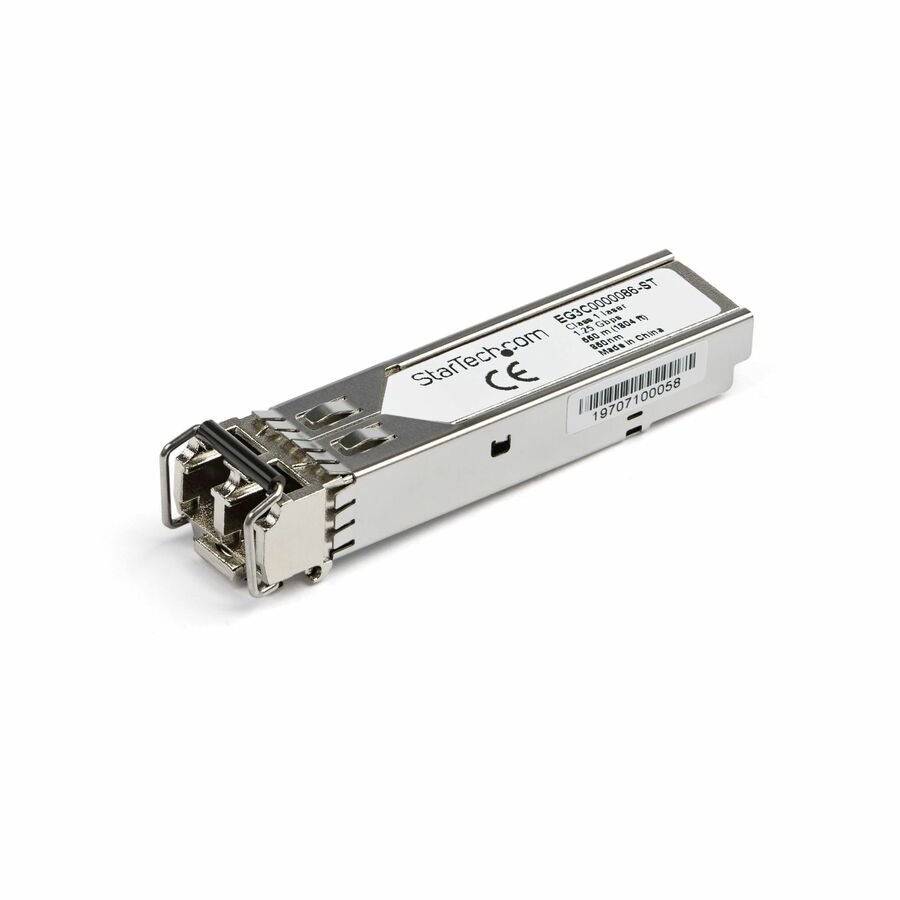
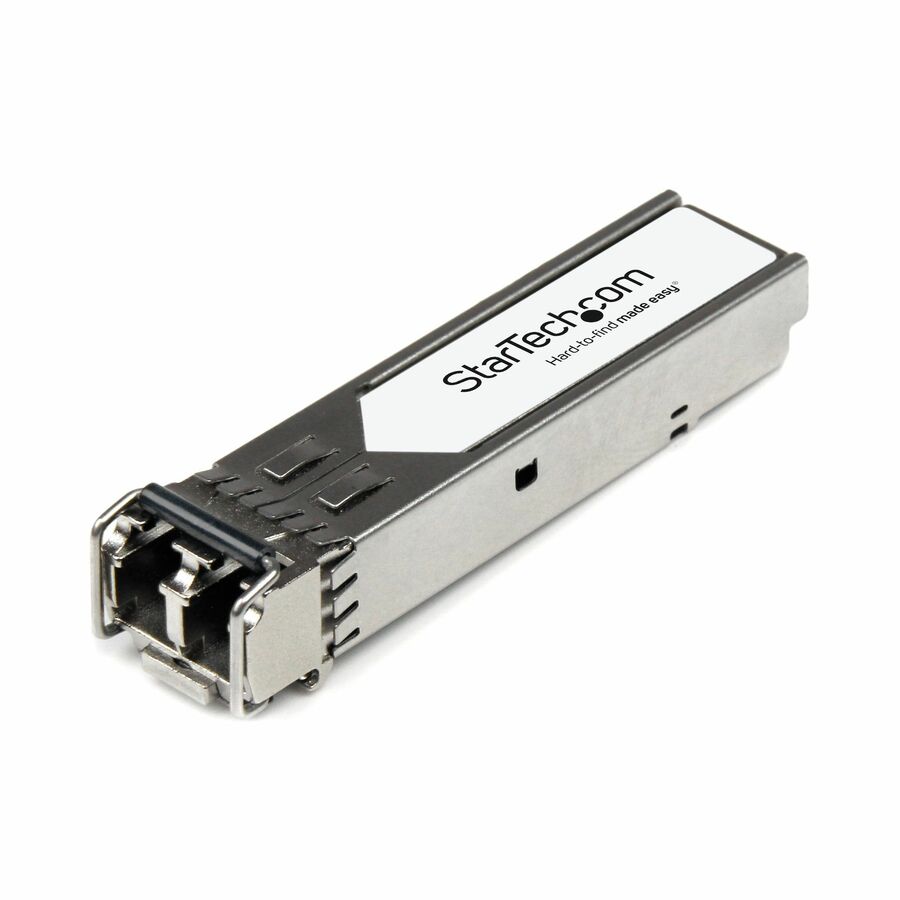
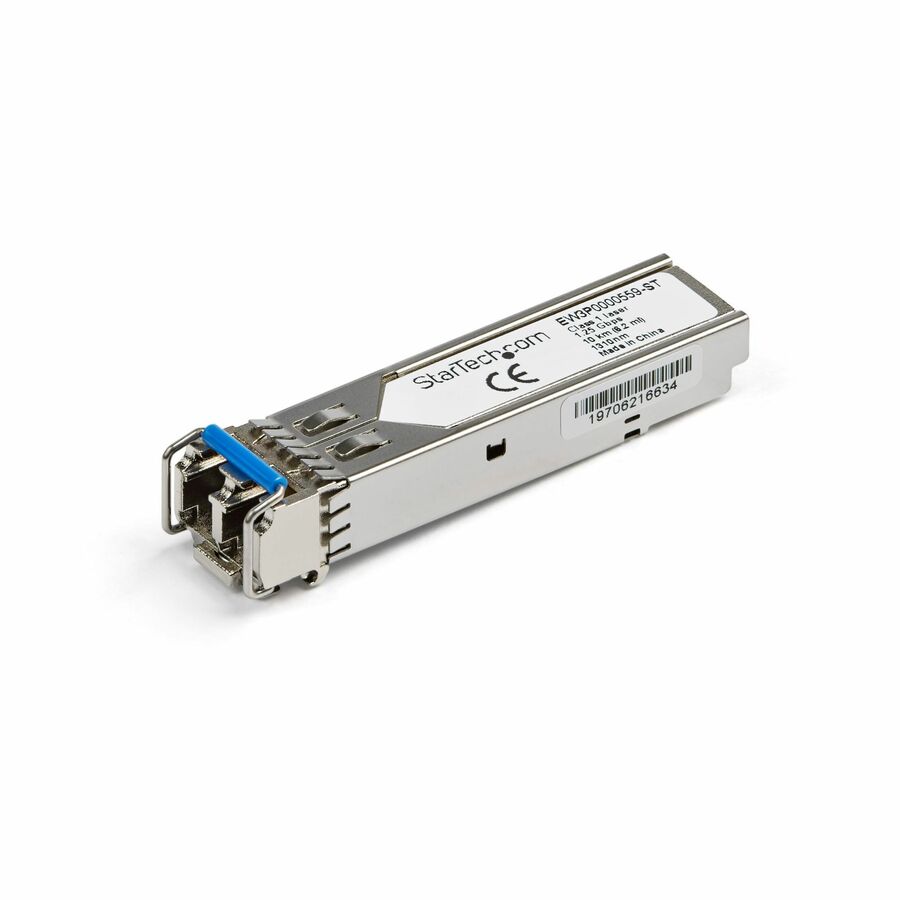
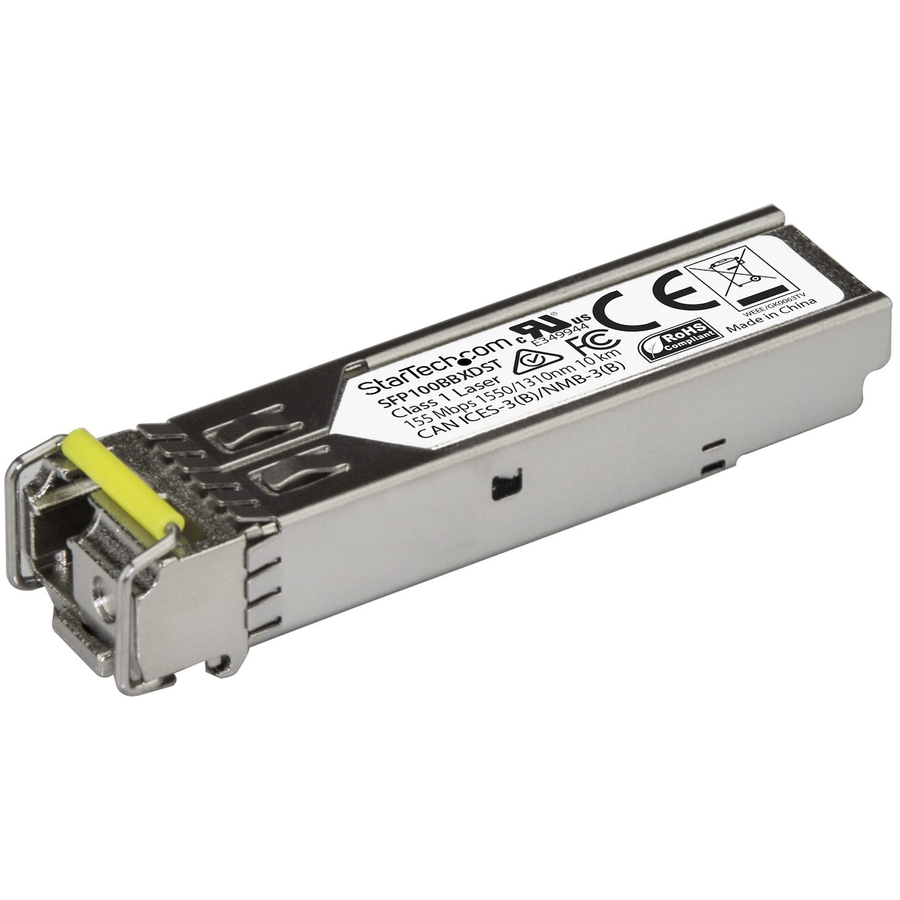
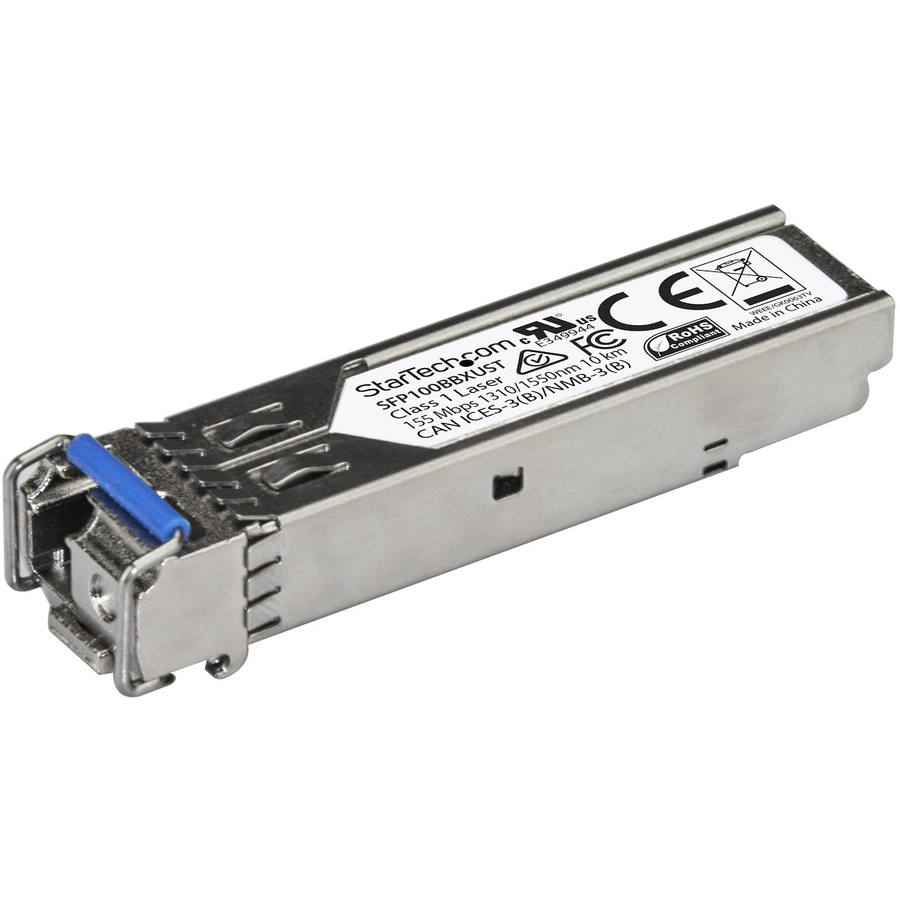
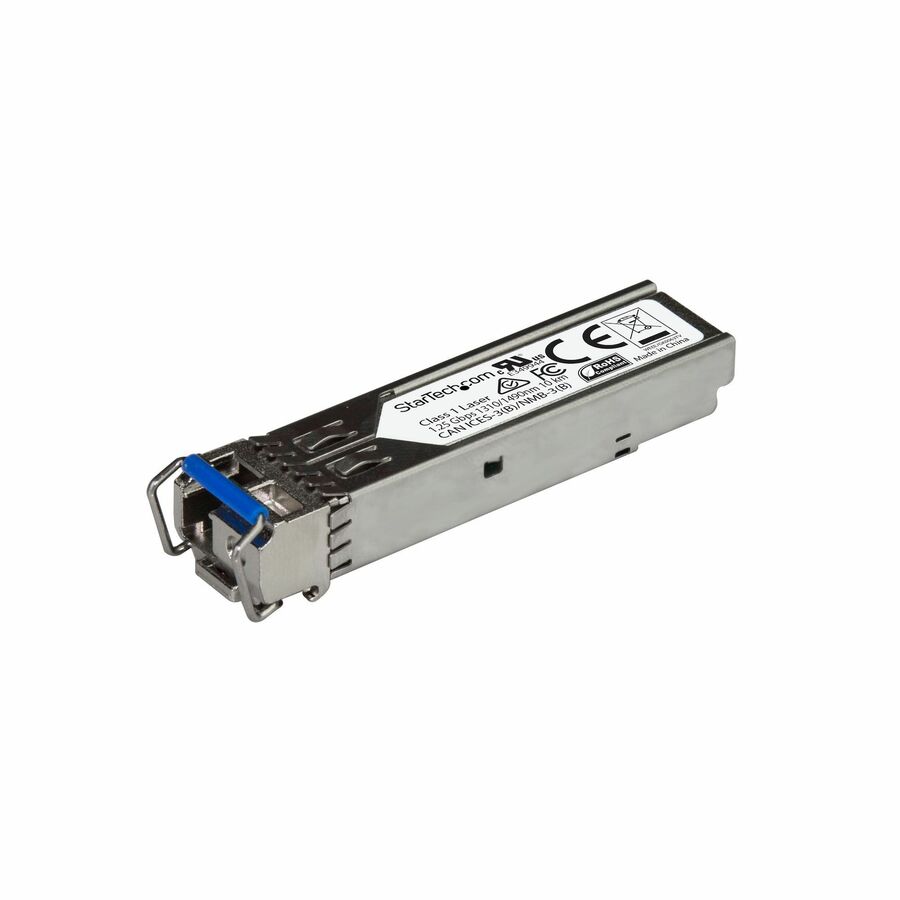
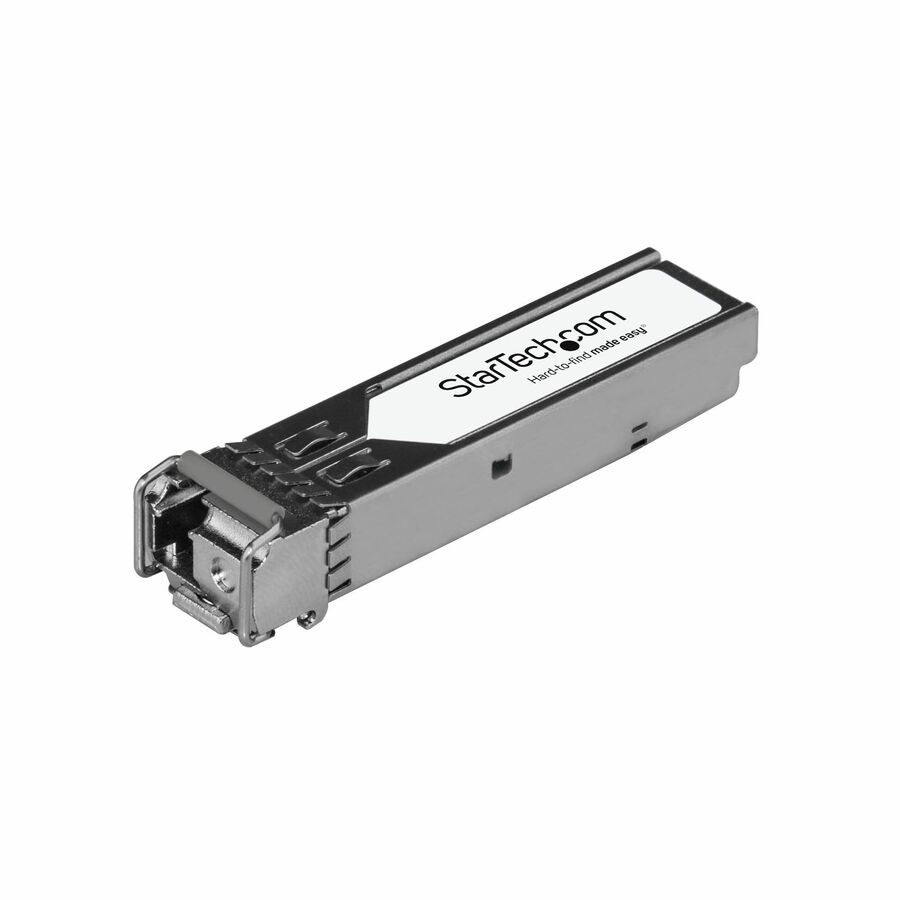
More transceivers in the Uniqcli catalog
See all 19,405 transceiversMore from across this category. In-stock lines lead, and a back-ordered line carries the same estimated availability its product page does — with live pricing throughout, NDAA §889 screening before checkout and TAA verified on request.
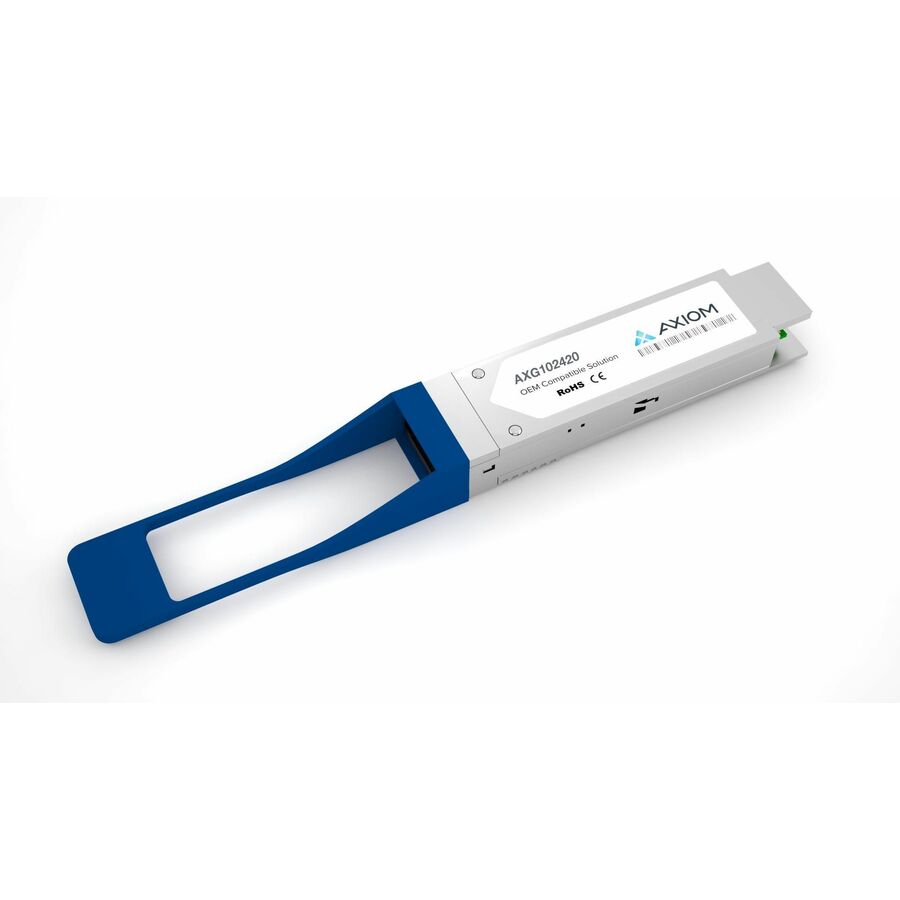
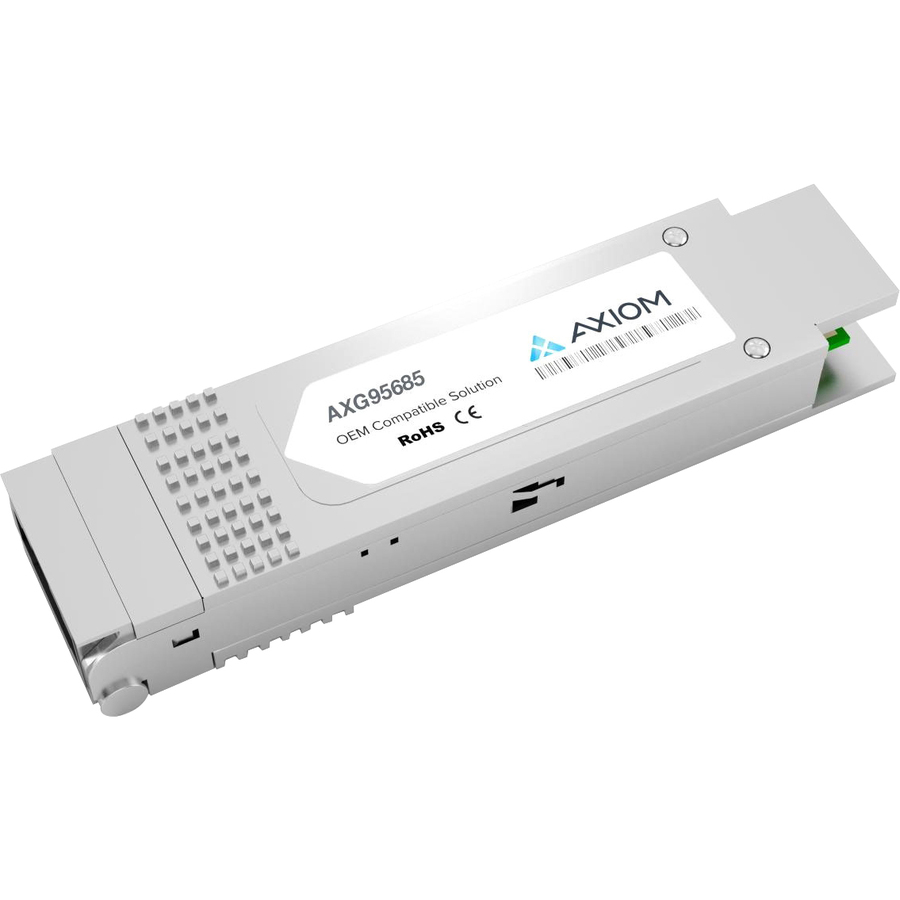
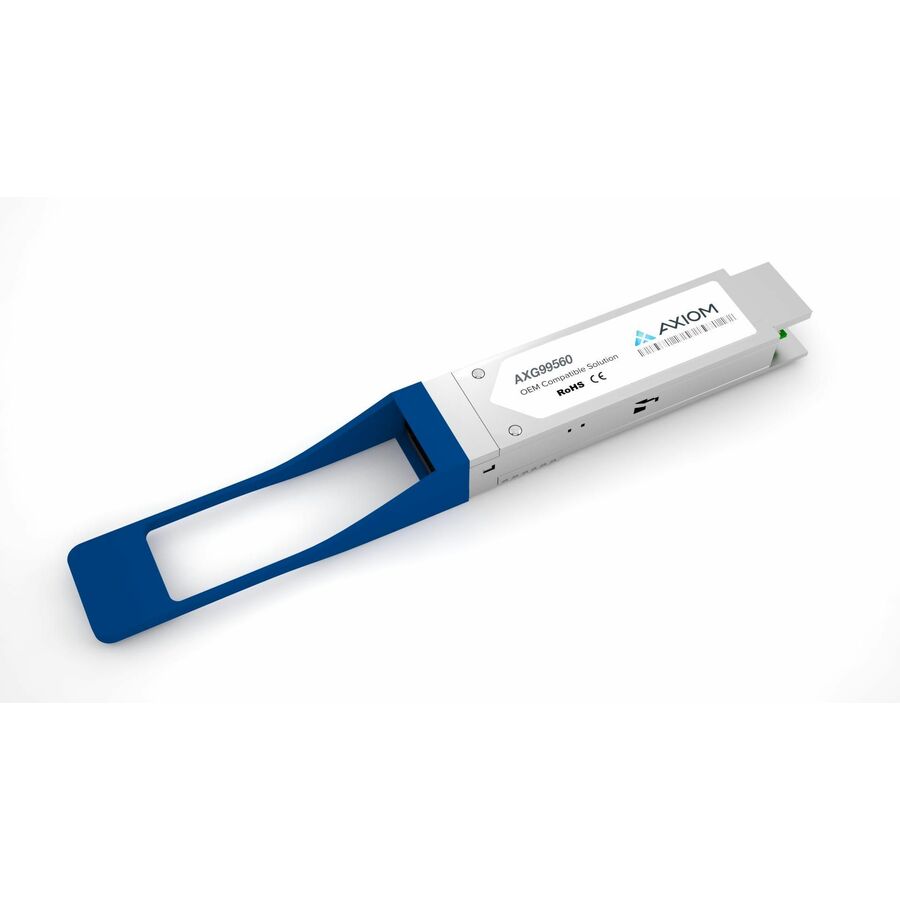
- Axiom Memory SolutionsAxiom 100% Arista Compatible 100GBASE-ZR4 QSFP28 - 100GBASE-ZR4 QSFP28 Transceiver for Arista - QSFP-100G-ZR4 - TAA CompliantAXG102420
$34,893.33
$13,841.40*
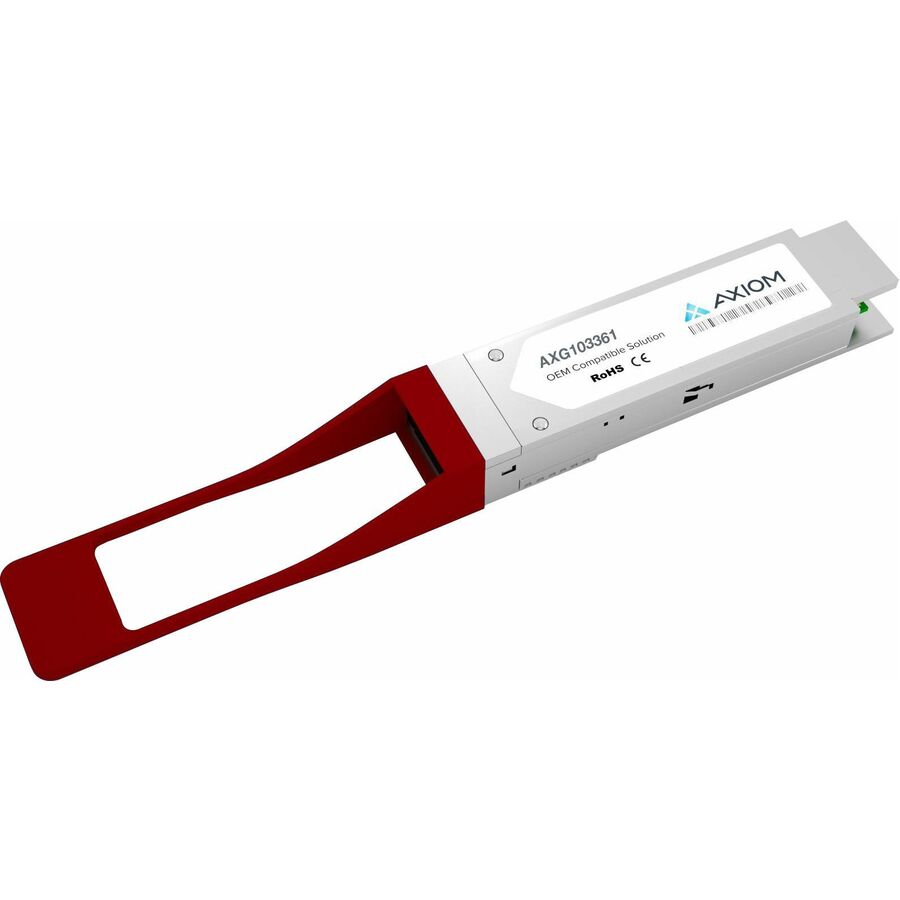
1 in stock - Axiom Memory Solutions100% Gigamon Compatible 100GBASE-ER4L QSFP28 - Axiom 100GBASE-ER4L QSFP28 Transceiver for Gigamon - Q28-504AXG103361
$14,460.00
$5,736.03
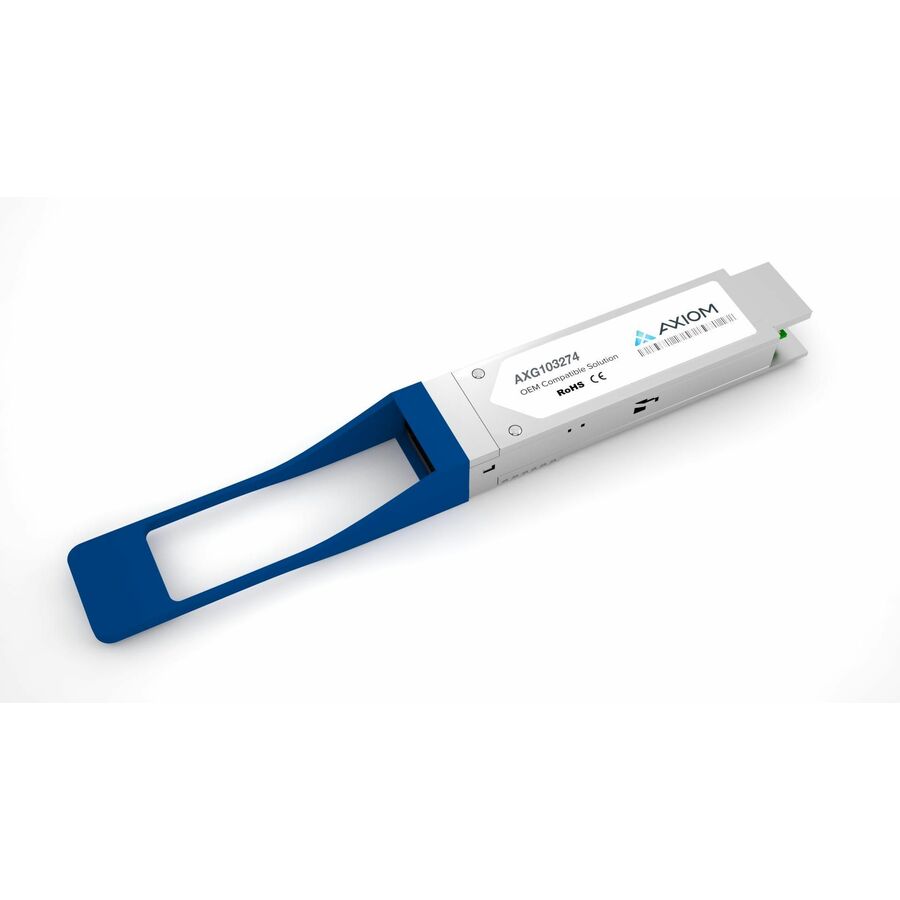
4 in stock - Axiom Memory SolutionsAxiom 100% MSA Compatible 100GBASE-LR4 QSFP28 - 100GBASE-LR4 QSFP28 Transceiver - AXG103274 - TAA CompliantAXG103274
$11,933.33
$4,733.77*
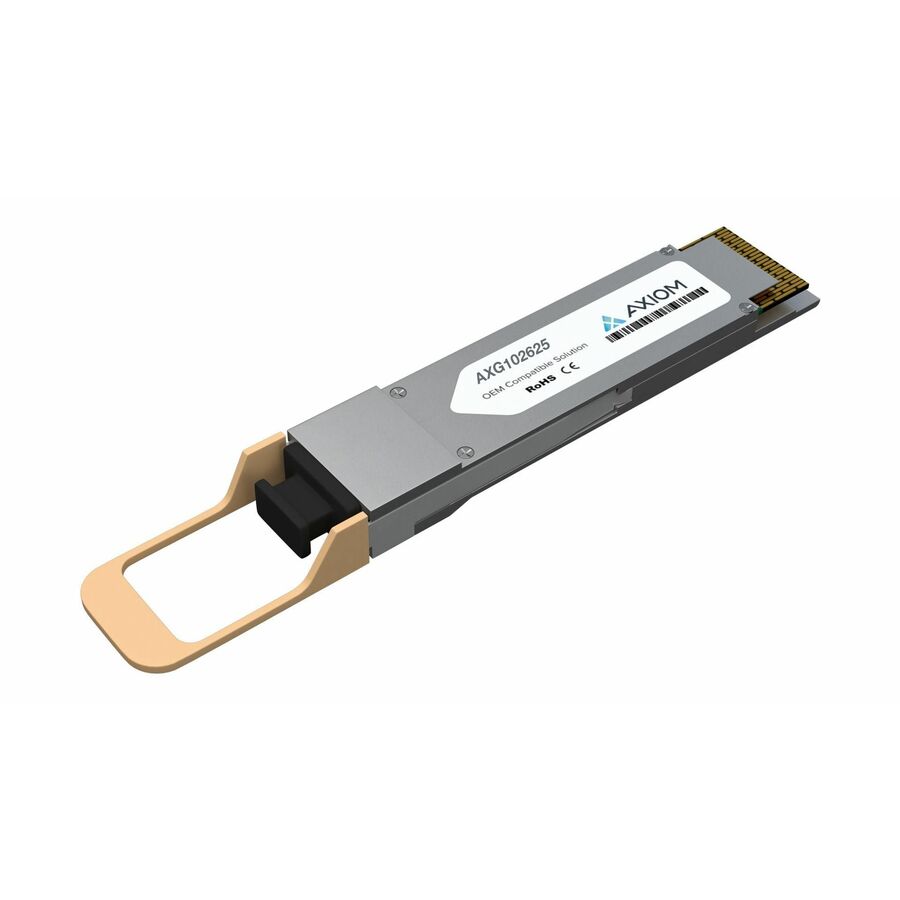
316 in stock - Axiom Memory SolutionsAxiom 400GBASE-SR4.2 QSFP-DD Transceiver for Arista - TAA Compliant - For Data Networking, Optical Network - 1 x MPO-12 400GBase-SR4.2-BX Network - Optical Fiber - Multi-mode - 400 Gigabit Ethernet - 400GBase-SR4.2-BX0.10 km Maximum Distance - TAA CompliantAXG102625
$10,410.00
$4,129.51*
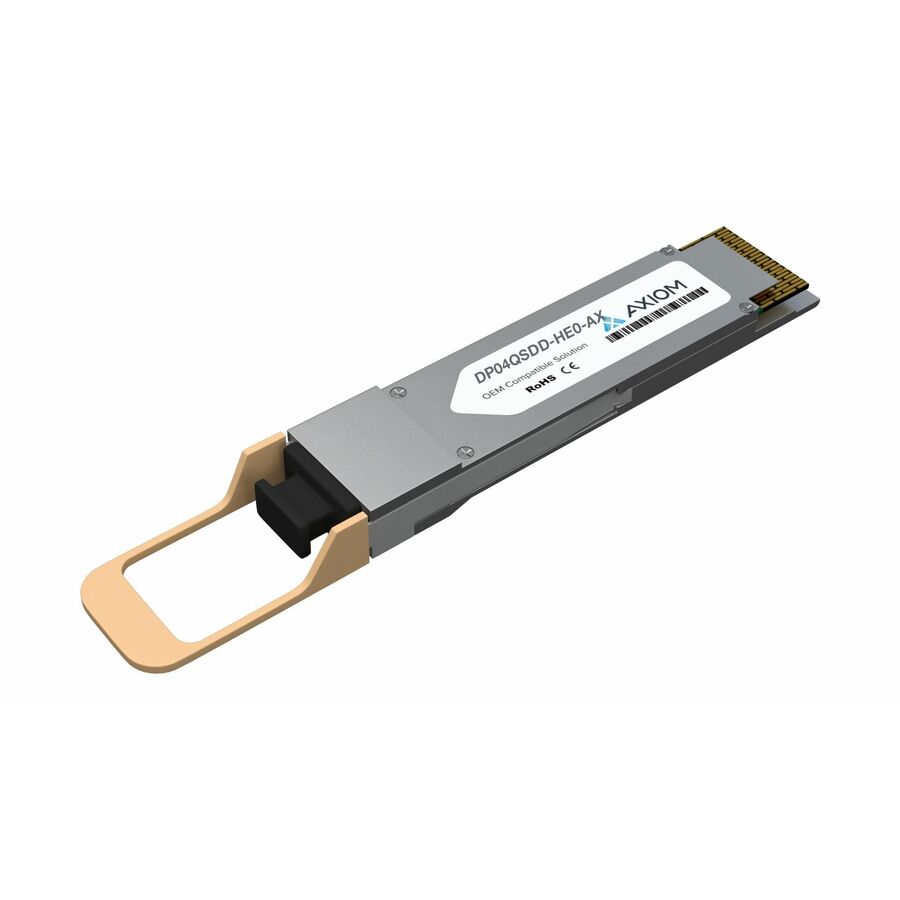
1 in stock - Axiom Memory SolutionsAxiom 100% Cisco Compatible 400GBASE-ZR+ QSFP-DD - Axiom 400GBASE-ZR+ QSFP-DD High TX Power Transceiver for Cisco - DP04QSDD-HE0DP04QSDD-HE0-AX
$42,266.15
$36,326.18
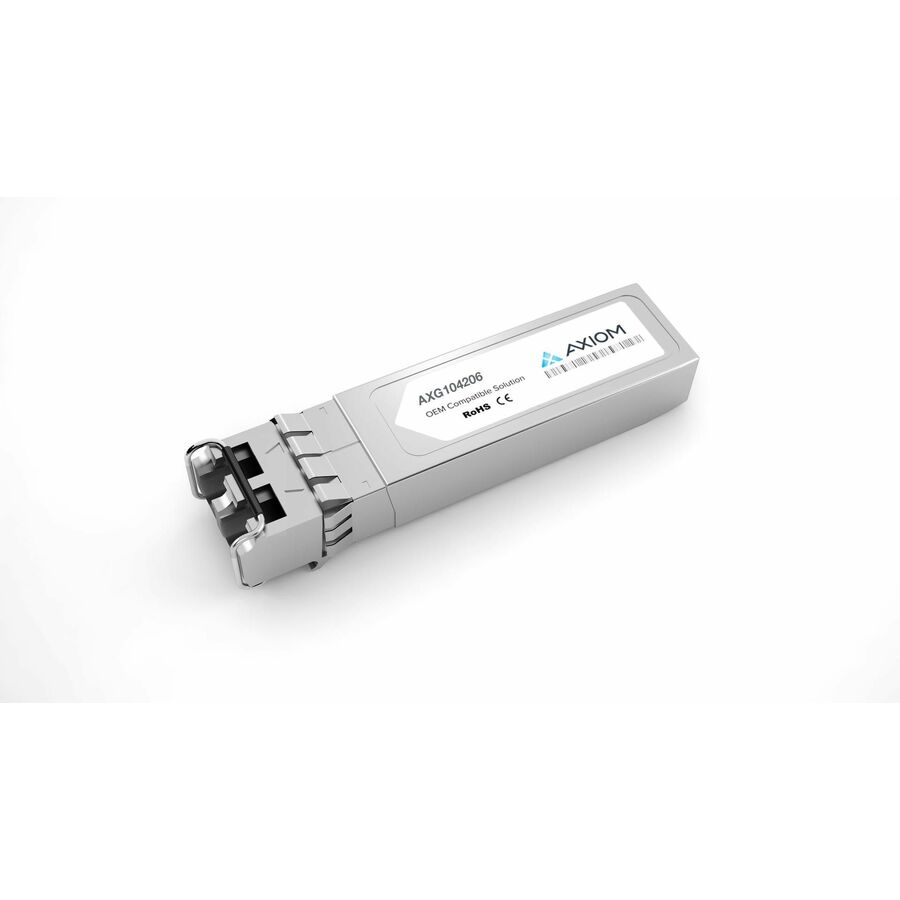
1 in stock - Axiom Memory SolutionsAxiom 10GBASE-ZR SFP+ Transceiver for Cisco - SFP-10G-ZR-120 - TAA Compliant - For Data Networking, Optical Network - 1 x LC 10GBASE-ZR Network - Optical Fiber - 1550 nm Wavelength - Single-mode - 10 Gigabit Ethernet - 10GBase-ZR - 10 Gbit/s - 120 km Maximum Distance - TAA CompliantAXG104206
$9,447.00
$3,747.27*
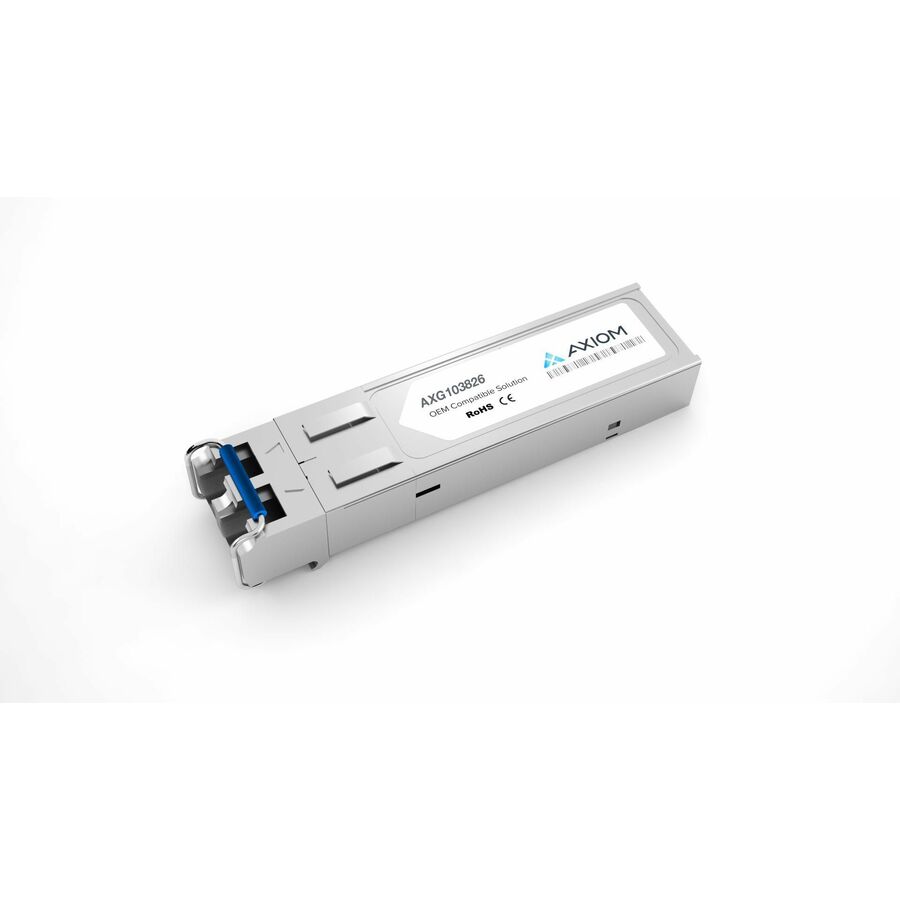
1 in stock - Axiom Memory SolutionsAxiom 100% Qlogic Compatible 32GBASE-LW SFP+ - 32GBASE-LW SFP+ Transceiver for Qlogic - SFP32-LR-SP - TAA CompliantAXG103826
$8,990.00
$3,566.13*
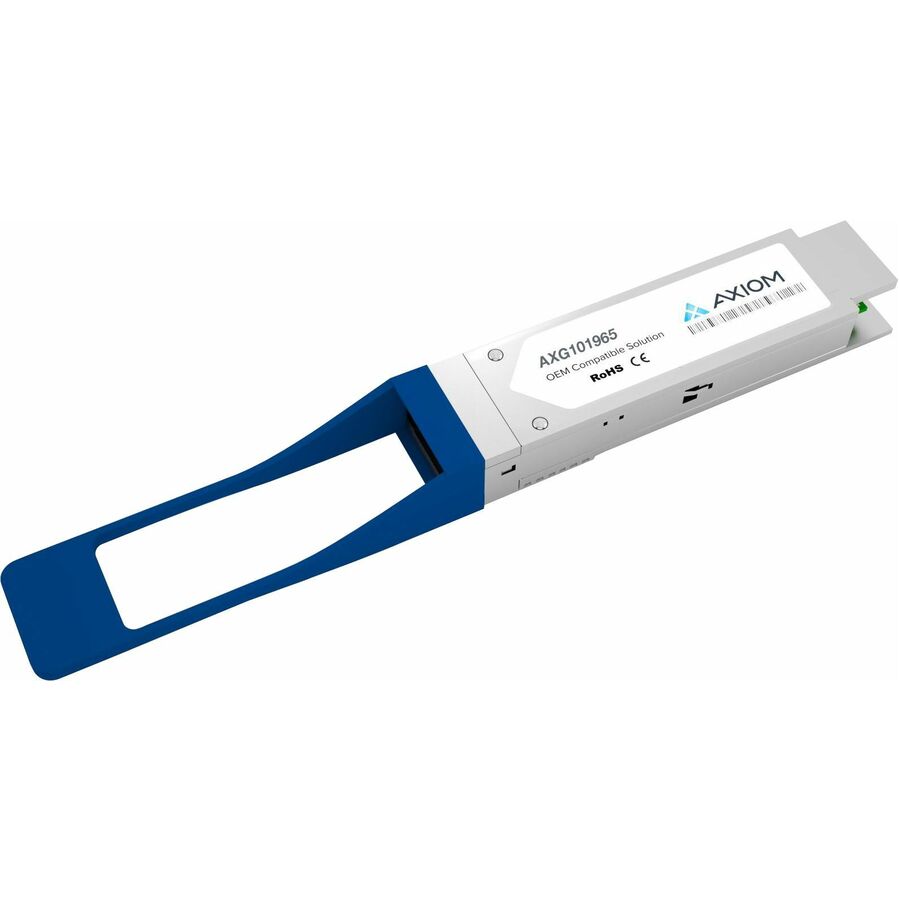
1 in stock - Axiom Memory SolutionsAxiom 100GBase-ERL QSFP28 Transceiver for Cisco - QSFP-100G-ERL-S -TAA Compliant - For Optical Network, Data Networking - 1 x LC 100GBase-ERL Network - Optical Fiber - Single-mode - 100 Gigabit Ethernet - 100GBase-ERL - 100 Gbit/s - 25 km Maximum Distance - TAA CompliantAXG101965
$7,860.00
$3,117.99*
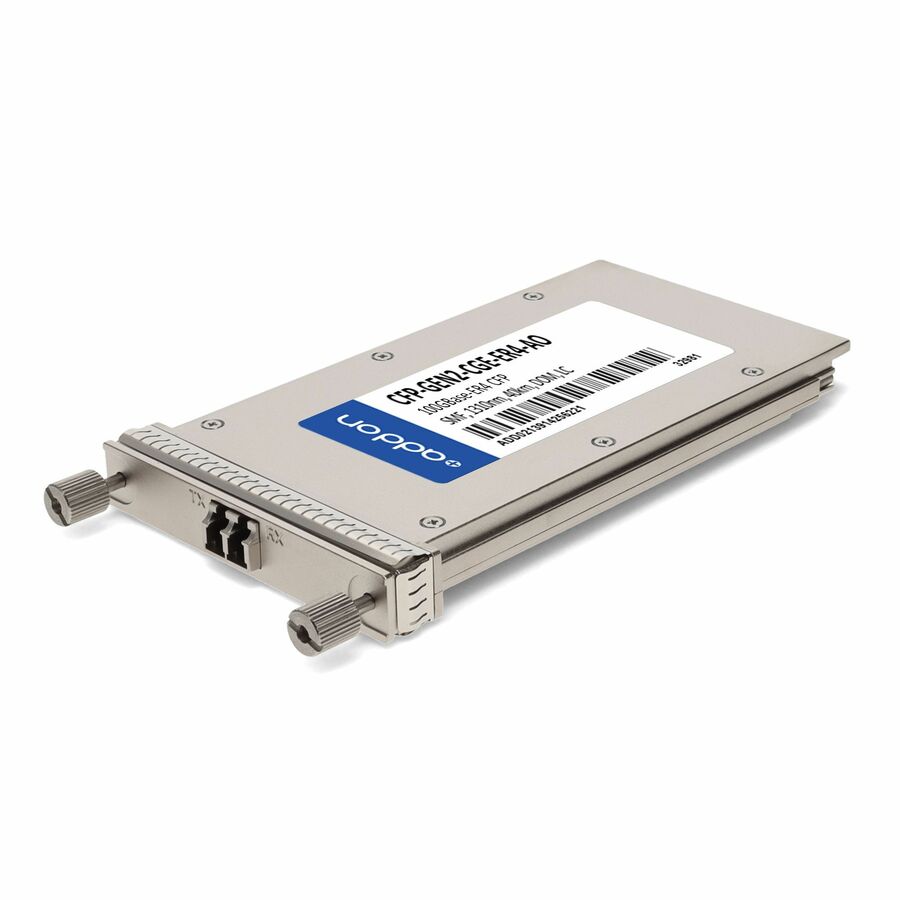
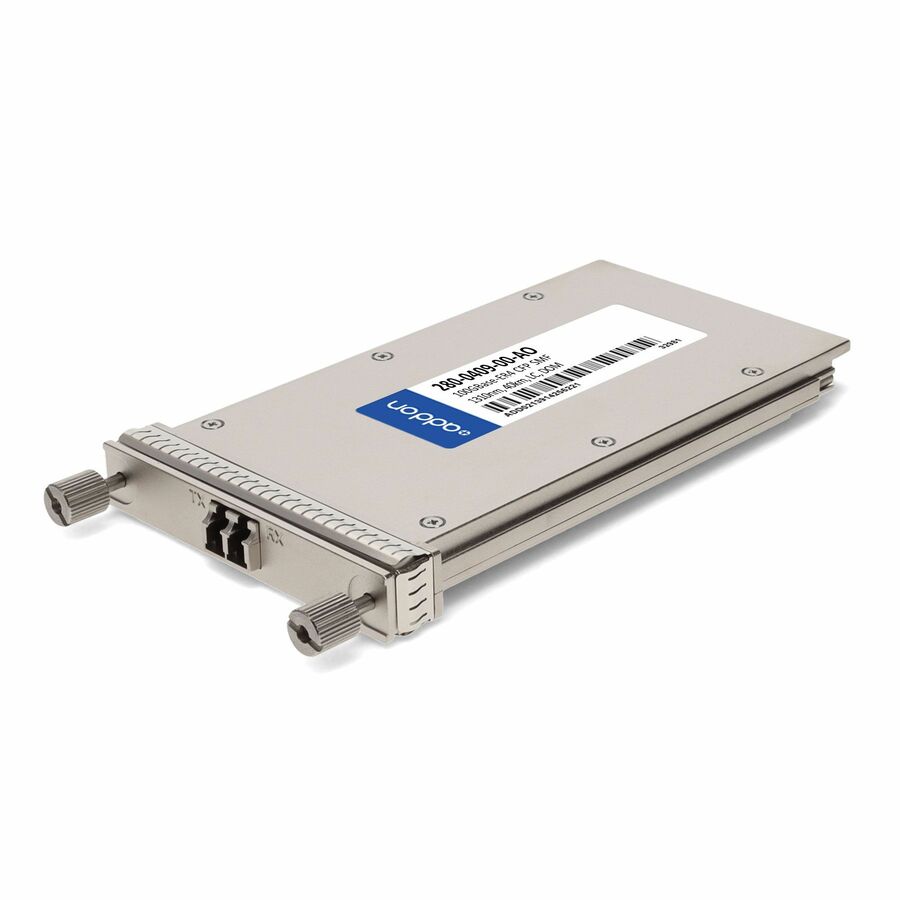
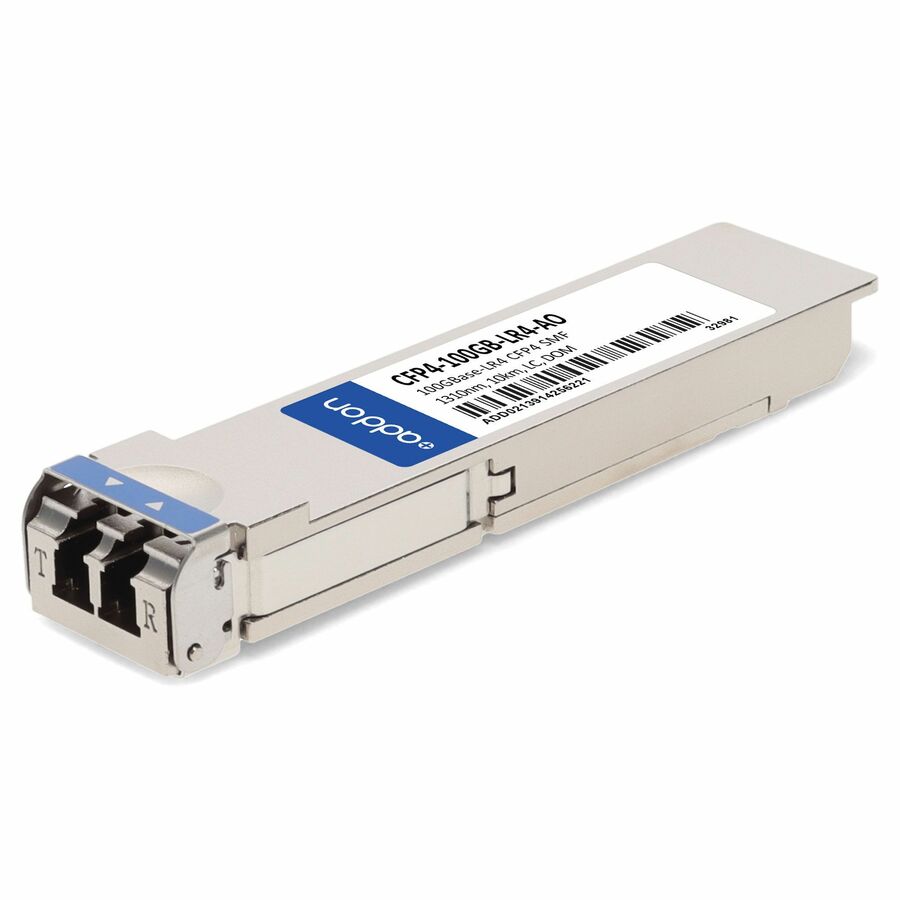
4 in stock - AddOnAddOn Cyan® 280-0409-00 Compatible TAA 100GBase-ER4 CFP Transceiver (SMF, 1310nm, 40km, LC, DOM) - For Data Networking, Optical Network - 1 x LC 100GBase-ER4 Network - Optical Fiber - Single-mode - 100 Gigabit Ethernet - 100GBase-ER4 - Hot-swappable - 1 - TAA Compliant280-0409-00-AO
$58,000.00
$53,360.00*
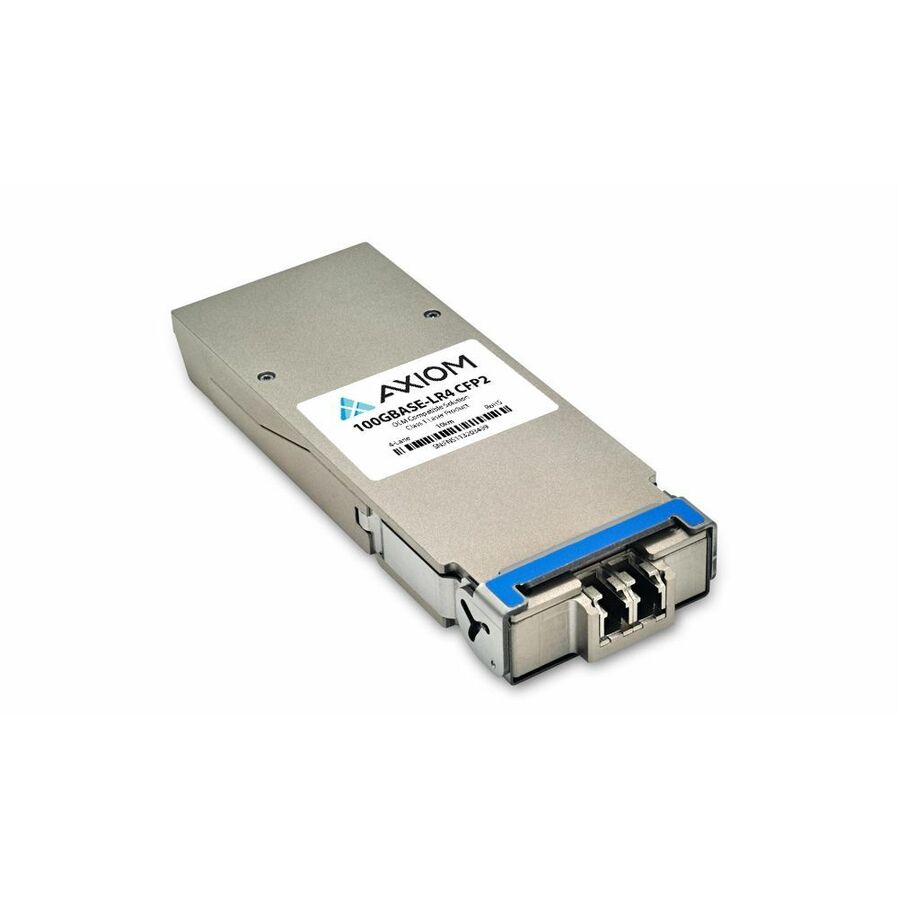
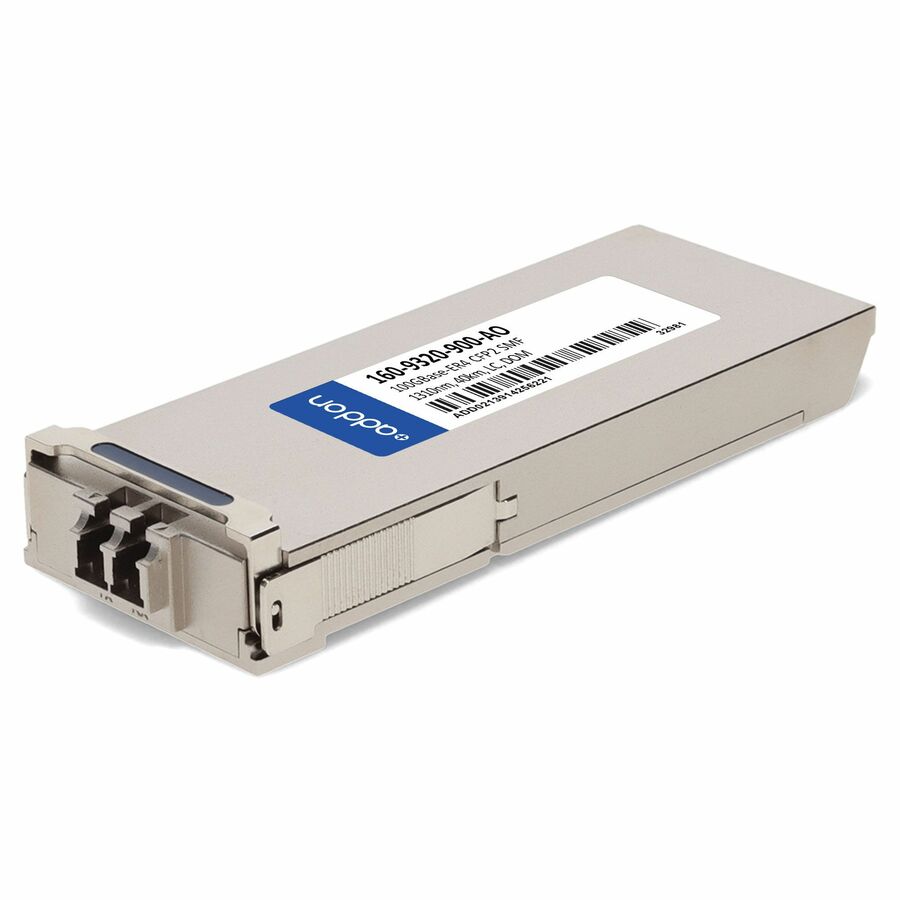
17 in stock - AddOnAddOn Ciena® 160-9320-900 Compatible TAA 100GBase-ER4 CFP2 Transceiver (SMF, 1310nm, 40km, LC, DOM) - For Data Networking, Optical Network - 1 x LC 100GBase-ER4 Network - Optical Fiber - Single-mode - 100 Gigabit Ethernet - 100GBase-ER4 - Hot-swappable - 1 - TAA Compliant160-9320-900-AO
$58,000.00
$53,360.00*
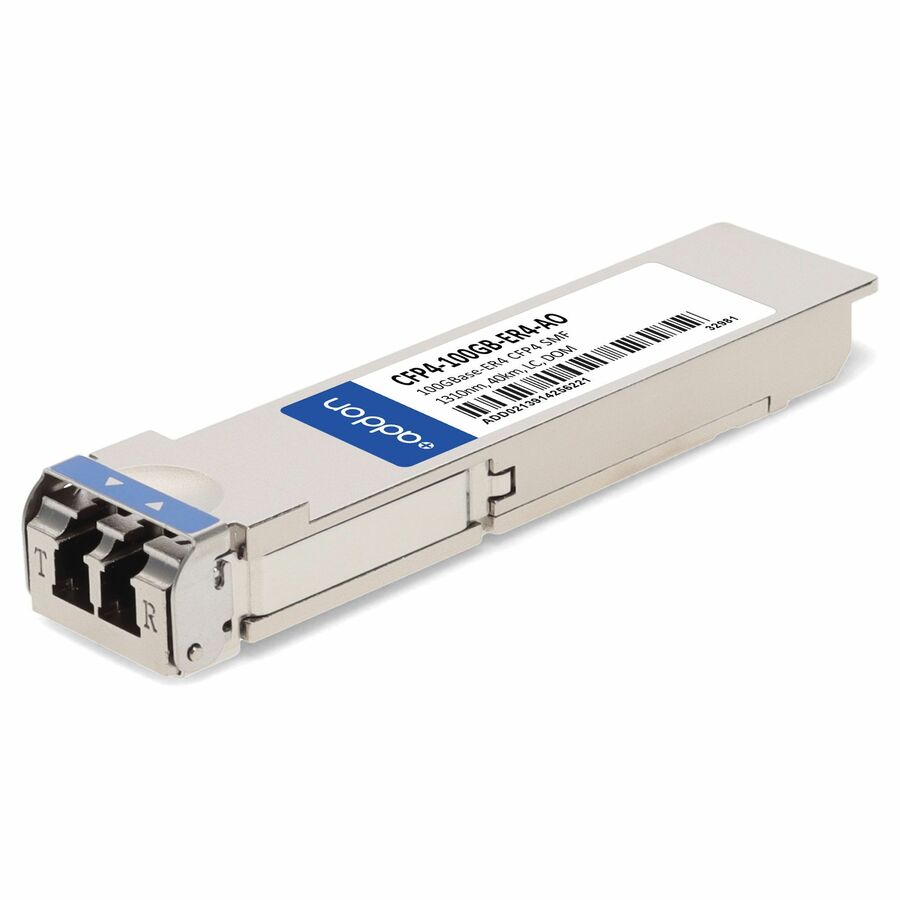
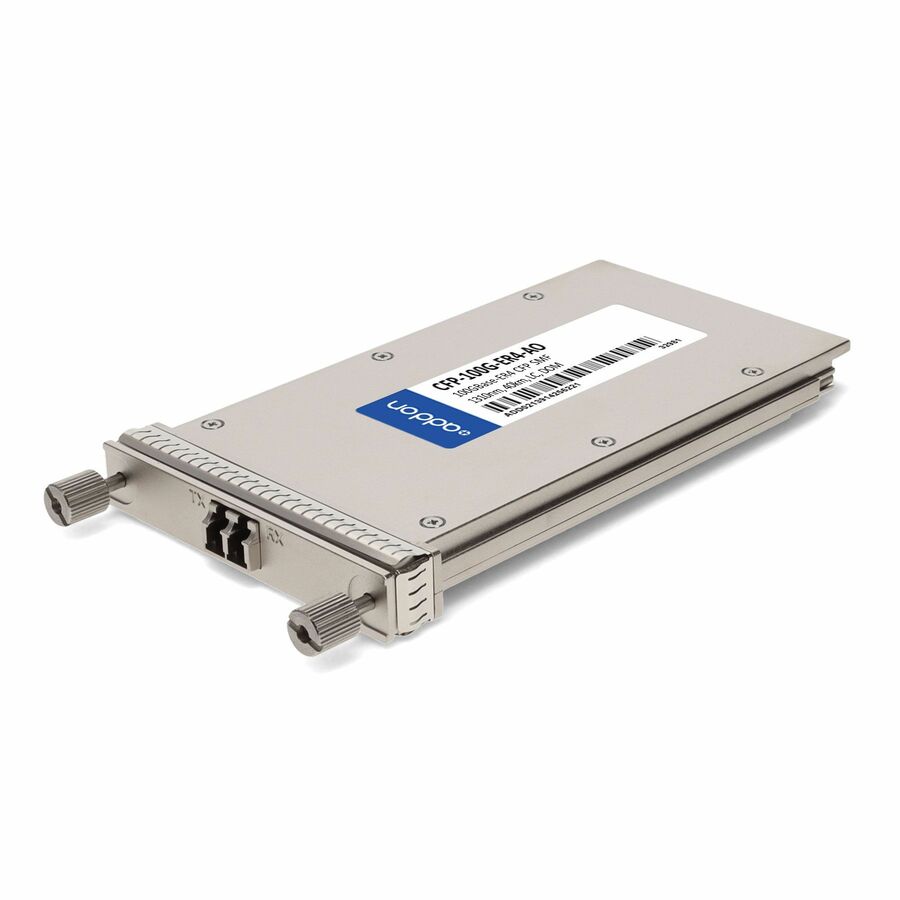
30 in stock - AddOnAddOn Cisco® CFP-100G-ER4 Compatible TAA 100GBase-ER4 CFP Transceiver (SMF, 1310nm, 40km, LC, DOM) - For Data Networking, Optical Network - 1 x LC 100GBase-ER4 Network - Optical Fiber - Single-mode - 100 Gigabit Ethernet - 100GBase-ER4 - Hot-swappable - 1 - TAA CompliantCFP-100G-ER4-AO
$52,000.00
$47,840.00*
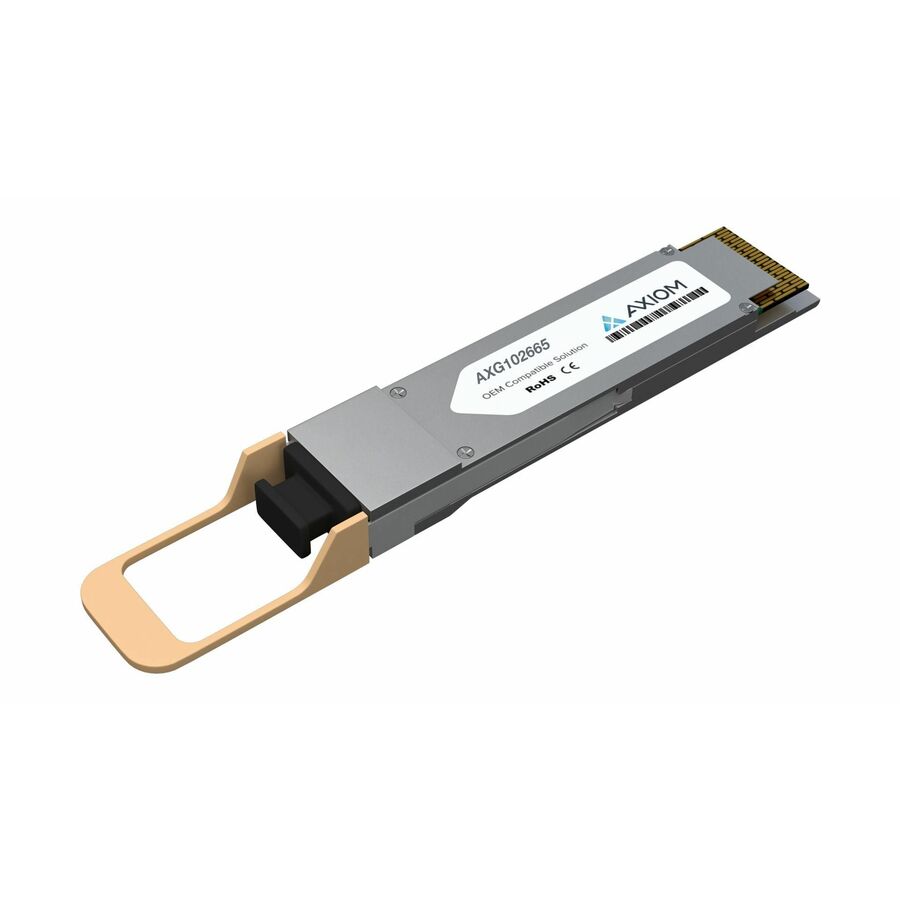
17 in stock - Axiom Memory SolutionsAxiom 100% Dell Compatible 400GBASE-SR8 QSFP-DD - 400GBASE-SR8 QSFP-DD Transceiver for Dell - 407-BCHW - TAA CompliantAXG102665
$5,110.00
$1,052.64*
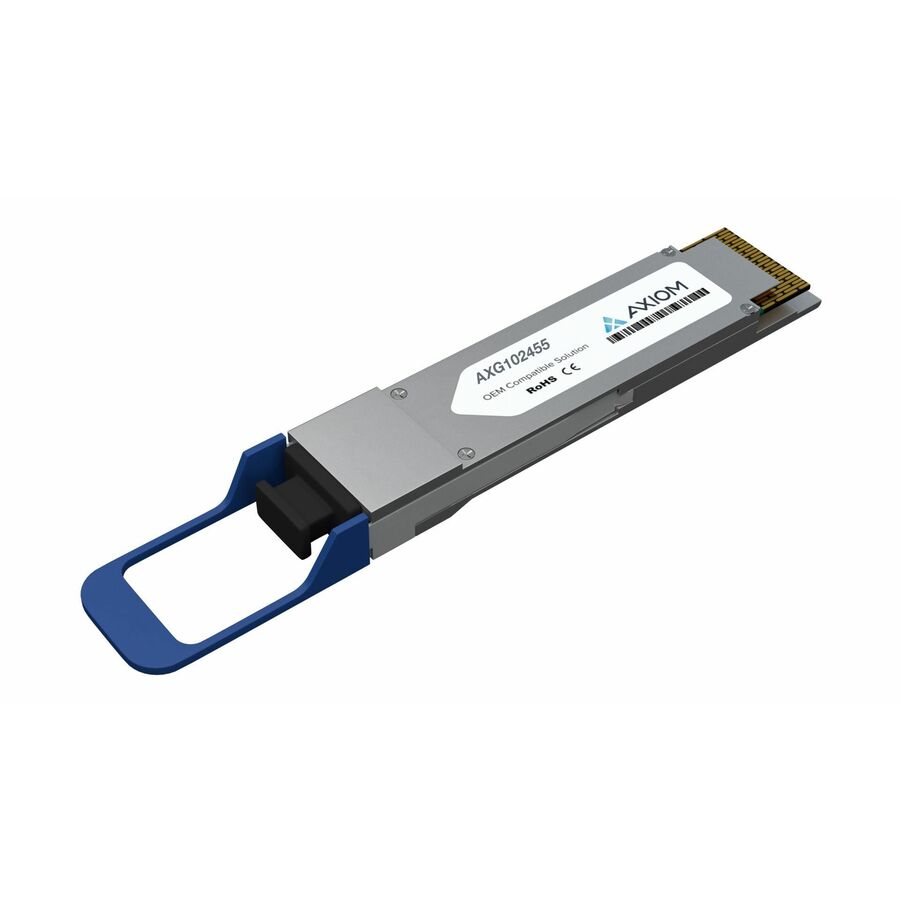
3 in stock - Axiom Memory SolutionsAxiom 400GBase-LR4 QSFP-DD Transceiver for Cisco - QDD-400G-LR4-S - TAA Compliant - For Optical Network, Data Networking - 1 x LC Duplex 400GBase-LR4 Network - Optical Fiber - Single-mode - 400 Gigabit Ethernet - 400GBase-LR4 - 400 Gbit/s - 10 km Maximum Distance - TAA CompliantAXG102455
$6,576.67
$2,608.92*
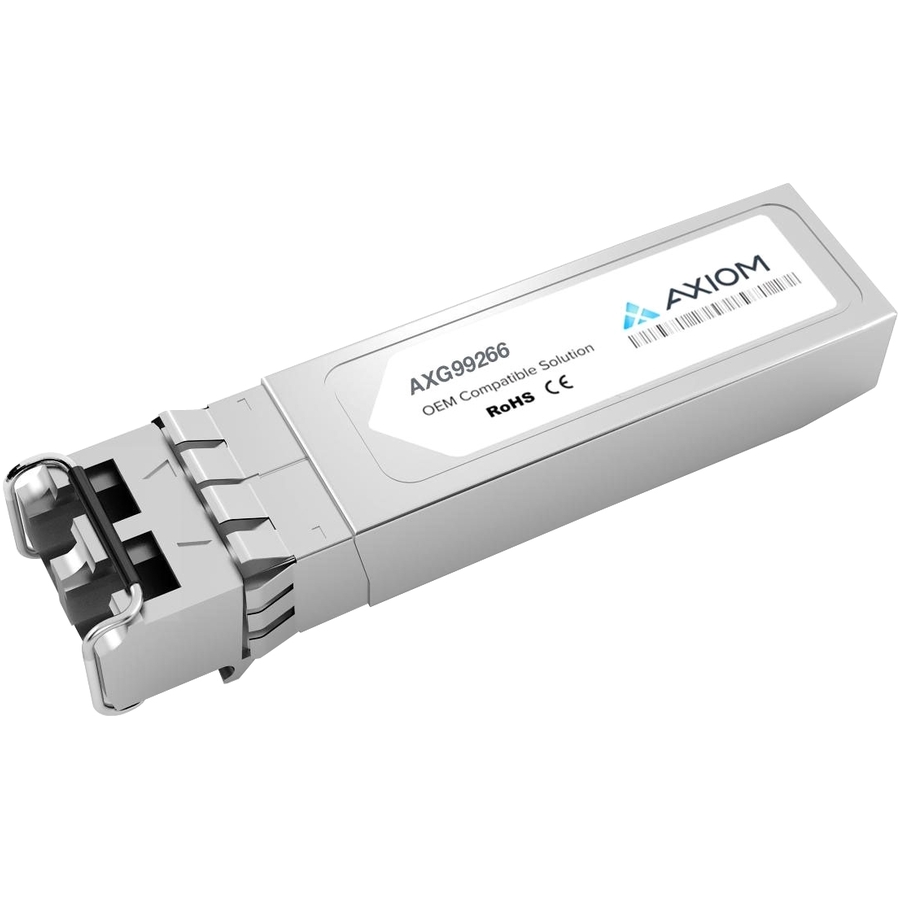
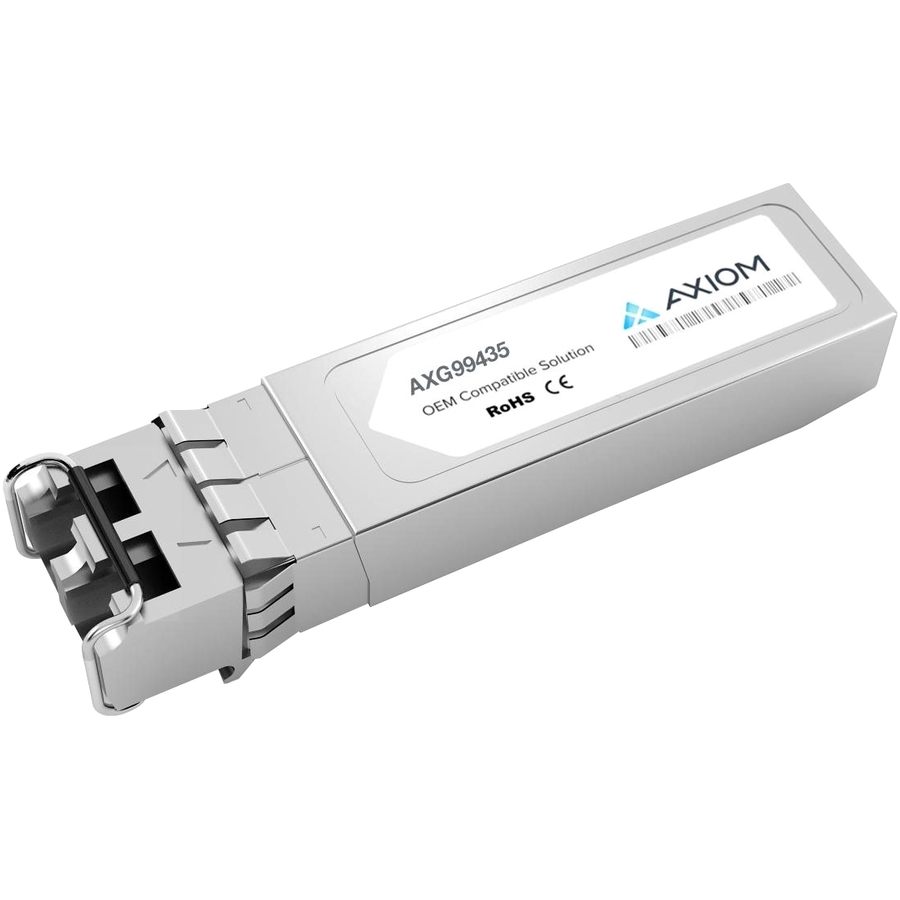
42 in stock - Axiom Memory SolutionsAxiom 10GBASE-ZR SFP+ Transceiver for Meraki - MA-SFP-10GB-ZR - TAA Compliant - 100% Meraki Compatible 10GBASE-ZR SFP+AXG99435
$6,536.67
$2,592.95*
159 in stock


Need pricing on compatible transceivers?
Tell us where to reach you and a Uniqcli specialist will follow up by email with current pricing, availability and lead time for the quantities you need — including parts that aren’t shown on this page.
Buying for an organization or for yourself — both work. No payment up front.
A compatible transceiver is a third-party optic built to the standard and coded to present itself to one platform, so what you match is the OEM part number named in the module's own title — SFP-10G-SR, 407-BBRM — rather than the speed alone. Then pick the reach class from the actual run: SR-class multimode in-building, LR-class single-mode across a campus.
A compatible transceiver is a third-party optic manufactured to the standard's specification and coded to present itself to a specific platform — and that coding is the whole discipline of buying one. The AddOn and Axiom modules in this grid are titled against the exact OEM part they stand in for: a title like "Cisco® SFP-10G-SR Compatible" or "10GBASE-SR SFP+ Transceiver for Dell — 407-BBRM" names the platform part number the module is coded to replace, and that named part — not the speed alone — is what you match to your switch. The coded families here span Cisco, Juniper, Arista, Dell, HPE, Intel, Mellanox and more, alongside MSA-standard parts for open platforms. These are compatible optics, never sold as genuine OEM parts: the manufacturer behind the module is AddOn or Axiom, and so is the warranty.
Two more title-borne facts do the sorting. TAA Compliant appears on a large share of the parts here — a per-part-number fact to read on the exact module you order, which matters to public-sector buyers, and every order is screened for TAA and NDAA-889 regardless. And the optical facts ride in the title too: form factor and speed (SFP, SFP+, SFP28, QSFP+, QSFP28, CFP families from 1G through 100G and beyond), reach and fiber type (SR-class multimode for in-row and in-building runs, LR- and ER-class single-mode for the long ones, with distances like 10km and 40km named per part), and DOM where diagnostic monitoring is supported. The grid below is sorted price-ascending, so it opens on the 1G and 10G workhorses and climbs toward the 100G-class modules. This grid is drawn from the compatible transceivers Uniqcli currently stocks, with live availability on each card.
Buyer's checklist
How to choose a compatible transceiver
- Match the coded platform part, not just the speed: the OEM part number in the module's own title (SFP-10G-SR, 407-BBRM, and so on) is the compatibility target — order the module coded for your switch's part, per switch model, especially in multi-vendor fleets.
- Pick the reach class from the actual run: SR-class multimode optics cover in-rack and in-building distances, LR-class single-mode covers campus links, and the ER-class parts here are titled to distances like 40km — paying for reach you do not need is the most common optics overspend.
- Confirm the fiber plant matches the optic: multimode (MMF) and single-mode (SMF) are named per part in these titles, and an optic on the wrong fiber type is a dead link, not a slow one.
- Where the purchase order names TAA, read it on the part number — TAA Compliant is titled per module here, and it is a per-part fact rather than a family-wide rule.
- Prefer DOM-capable parts, titled as such, where your monitoring stack reads optical diagnostics — light levels you can see are failures you can catch early.
- Know your platform's posture on third-party optics before a large rollout: platforms differ in how they log or surface non-OEM modules, and the time to confirm yours is before eighty of them are in the racks. We can supply the coded part list for review first.
What compatible means — and what it does not
The transceiver form factors are standardized, which is what makes a third-party module possible at all: an SFP+ cage takes an SFP+ module, and the optical side either meets the 10GBase-SR specification or it does not. What the OEM adds is a vendor code the switch reads at insertion, and what a compatible module adds is that same coding done deliberately — an AddOn or Axiom part is programmed to present as the platform part named in its title, which is why the same physical optic appears here in separate part numbers for separate platforms. What compatible does not mean is genuine: nothing on this page is an OEM part, the brand on the module and the warranty behind it are AddOn's or Axiom's, and buyers who need the OEM's own part in the chassis for support-contract reasons should buy that instead. For everyone else, the economics are the argument — the standard is the standard, and the coded module either negotiates the link or it goes back under a return policy you can actually use.
Buying links, spares and fleet consistency
Optics are rarely bought one at a time — the real order is both ends of every link plus spares, and the spreadsheet is where transceiver orders go wrong. Work per link: the two ends must match on speed, reach class and fiber type, and each end must be coded for the switch it lands in, which in a mixed Cisco-and-Arista row means two different part numbers for one cable. Spares follow the speed tiers you actually run — a spare pool of the 10G and 25G workhorses covers most failures, while the 100G uplink parts are worth stocking at both ends' codings. And rollouts reward consistency: standardizing on one compatible brand per platform keeps codings, labels and RMAs predictable. Send the link list — switch models at each end, distances, fiber types and quantities — and we will return the coded part list with availability, lead times and volume pricing before anything is committed.
FAQ
Common questions
- Will a compatible transceiver actually work in my switch?
- When it is coded for that platform, yes — that is the entire product. The modules here are titled against the OEM part they present as, so the buying rule is to match that named part to your switch's own optic part number, not merely to match the speed. The honest caveats: platforms differ in how they treat third-party optics — some log them, some surface warnings, and support organizations differ on them — so confirm your platform's posture before a large deployment. These are AddOn and Axiom parts, never genuine OEM, and the warranty behind them is the third-party manufacturer's. For a fleet order, ask for the coded part list first and validate one link before committing quantities.
- What do SR, LR and the distance numbers in these titles mean?
- They are the reach class of the optic. SR-class parts run on multimode fiber over the short distances inside a building or a data-center row. LR-class parts run on single-mode fiber over campus-scale links, and the ER-class parts here are titled to distances like 40km for the genuinely long runs. The number to trust is the one in the exact part's title, read together with its fiber type — an optic on the wrong fiber type will not make a link at all, and reach beyond your actual run is money spent on distance you never use. Match both ends of every link on speed, reach class and fiber type.
- Can business, government and education buyers order these?
- Every line Uniqcli quotes is sourced through US distribution and screened for TAA country-of-origin and NDAA §889 status before checkout — with documentation tied to the specific part number, not a product family.
Need compatible transceivers pricing?
Send a bill of materials or part numbers — we confirm stock and a below-market total, with TAA verified on request. No payment up front.