
Cisco Price Increase 2026: Dates, Quotes, and Repricing
Cisco has confirmed that it announced price increases and revised channel and customer contractual terms as memory costs rose. It has not published one public percentage and date that safely applies to every product, country, channel, contract, and quote. Buyers need a SKU-level reprice and written terms.
By Uniqcli Team · · 10 min read · Updated

Key takeaways
- Cisco's Q2 fiscal 2026 prepared remarks explicitly connect significant memory price increases with Cisco price actions and revised contractual terms.
- That statement confirms action, not a universal rate. Exact impact requires the current official price list, contract schedule, partner notice, or accepted quote for the specific SKUs.
- Treat configuration validity, quote validity, price protection, order acceptance, allocation, and shipment as separate checkpoints.
- Reprice required components—optics, memory, power, subscriptions, and support—not only the chassis.
- Preserve the old and new BOMs and explain changes at line level. A higher total may include scope, term, or quantity changes that are not price increases.
- Check lifecycle at the same time. Saving on an older product can be a false economy when end-of-sale or support changes the usable life.
On this page
Market Watch
What Cisco has confirmed
In prepared remarks for its second fiscal quarter of 2026, Cisco said it had seen significant memory price increases affecting product costs. Cisco said it had already announced price increases and revised channel and customer contractual terms, and that it could make further adjustments as necessary.
That is primary evidence of a Cisco price and terms response. The prepared remarks do not identify a single global effective date, one percentage for all products, or the exact treatment of a buyer's agreement. Do not fill that gap with a round number from a reseller email and label it universal.
Cisco also publishes dated price-list files for certain public contracts. Those files are useful only within their stated scope. A California contract price list, for example, is evidence for the covered agreement and date—not a global commercial price list.
The five dates buyers should put side by side
Announcement date
This is when Cisco or an authorized channel communicates an upcoming change. It gives context but may not control a transaction.
Price-list effective date
The date a named price-list revision becomes effective. Record the price-list identifier, geography, currency, customer/channel, and contract.
Quote expiration date
The last date the offer remains open under the quote's terms. Expiration alone may not guarantee price through shipment.
Order-acceptance date
The date Cisco or the authorized seller accepts a complete, valid order. Some protection and allocation conditions attach here. A customer's purchase-order transmission is not always acceptance.
Shipment or fulfillment date
Certain terms can permit repricing, substitution, or cancellation when an item does not ship by a named date. Confirm whether the price is fixed at acceptance or remains exposed until shipment.
Put these dates in one row for every major configuration. Most “we thought the price was locked” disputes come from treating them as one event.
A buyer-verifiable Cisco evidence packet
Ask the Cisco partner or contract holder for:
- the current quote with quote number, revision, issue date, and expiration;
- the complete Cisco configuration output or BOM;
- the governing price-list name, revision, and effective date;
- the Cisco or distributor notice supporting any claimed increase;
- the seller terms incorporated into the quote;
- the condition for order acceptance and price protection;
- allocation and estimated lead-time status by constrained SKU;
- a lifecycle check for hardware, software, and required subscriptions;
- the proposed alternate for each constrained or end-of-sale item; and
- written confirmation of what changes if shipment slips.
If the seller cannot share a confidential notice, ask for a signed row-level price comparison and a written description of the applicable change. A vague “Cisco went up” comment is not adequate support for a material budget change.
Normalize the configuration before comparing prices
Cisco configurations contain dependencies that can disappear between revisions. Compare manufacturer product IDs, descriptions, quantities, license terms, service levels, and discounts. Keep removed lines visible.
Group the analysis into:
- base hardware and supervisors;
- line cards and modules;
- optics, transceivers, cables, and adapters;
- memory and storage;
- power supplies, fans, and rack accessories;
- perpetual and subscription licenses;
- support, success, and software services; and
- professional or deployment services.
A seller may update a recommended subscription bundle while repricing hardware. That can be valid, but it is a scope or term change and should not be described entirely as a price increase.
Calculate the delta without misleading the approver
Create one variance row for each identical part number and term:
Exact Cisco SKU
Qty: Old unit: New unit: Price-only delta: Other change: None / quantity / term / substitution. Evidence: Quote + price list.
Then summarize:
- change on identical rows;
- change from added or removed quantity;
- change from new licensing or support terms;
- freight, tax, tariff, or currency difference;
- discount or rebate change; and
- substitutions.
The result should tell management what Cisco changed and what the project team changed. Do not combine them.
Which Cisco purchases deserve first attention?
Memory-heavy systems
Cisco's public explanation specifically names memory cost pressure. Prioritize compute, high-scale routing/switching, security appliances, and other configurations with material memory content. The inference is that these may have greater exposure; the exact impact still comes from the quote.
Large configurations with many required accessories
A chassis price can look stable while optics, modules, support, or licensing move. A 200-port deployment magnifies small accessory changes.
Orders near quote expiration
If the internal approval date falls after expiration, request a refreshed quote immediately. Avoid building final price analysis on a quote the seller is no longer obligated to honor.
Products near lifecycle transitions
Check Cisco's official end-of-life notices for product-specific last-order, last-ship, software-maintenance, support-renewal, and last-date-of-support milestones. A less expensive predecessor may create a short support runway or substitution risk.
Custom or allocated configurations
Ask whether the order is actually allocated and whether a delayed ship date changes the price. An estimated lead time without an allocation condition is not a delivery commitment.
Network security and switching this catalog carries
SonicWall
SonicWall NSA 2700 Network Security/Firewall Appliance
$5,278.49*In stockWatchGuard Technologies
WatchGuard Firebox M590 Appliance Only
$4,013.34In stockNetgear
Netgear M4250-26G4XF-PoE+ AV Line Managed Switch
$2,666.92Back-ordered
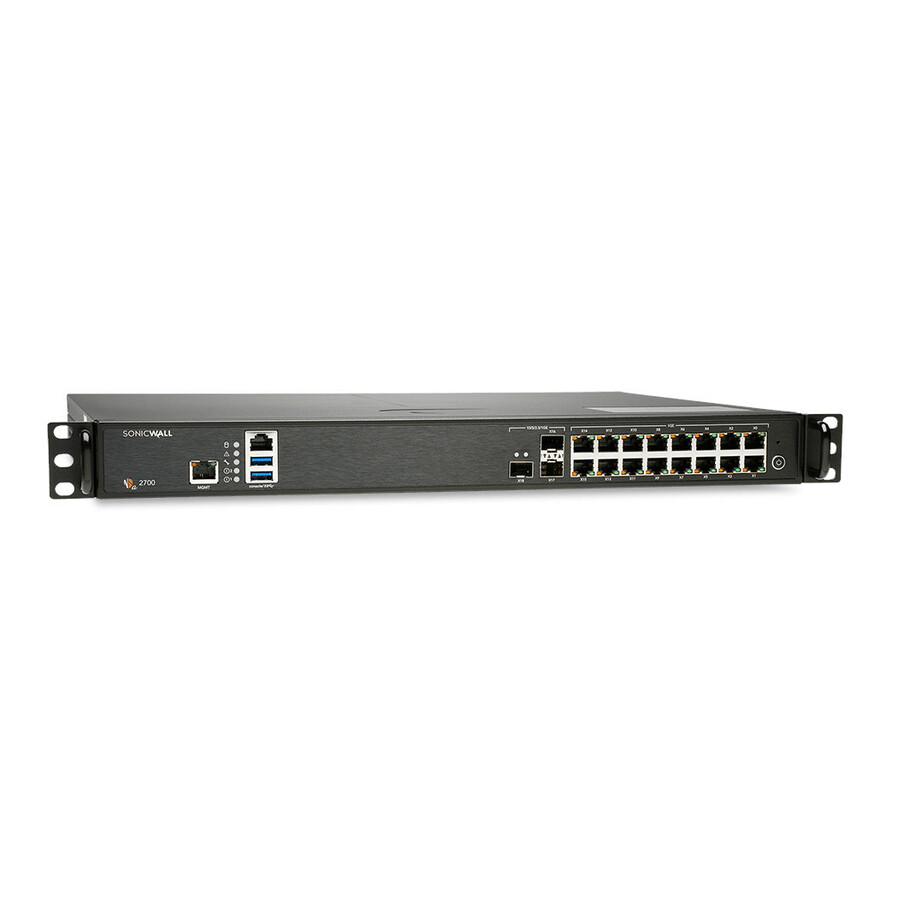
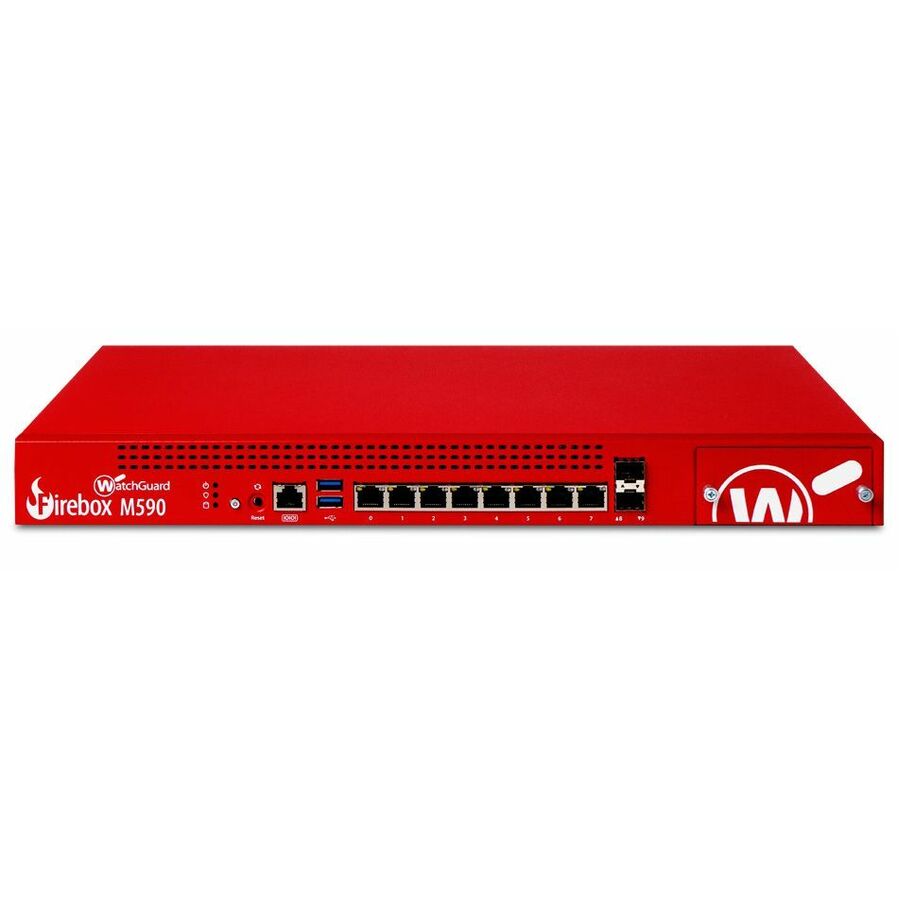
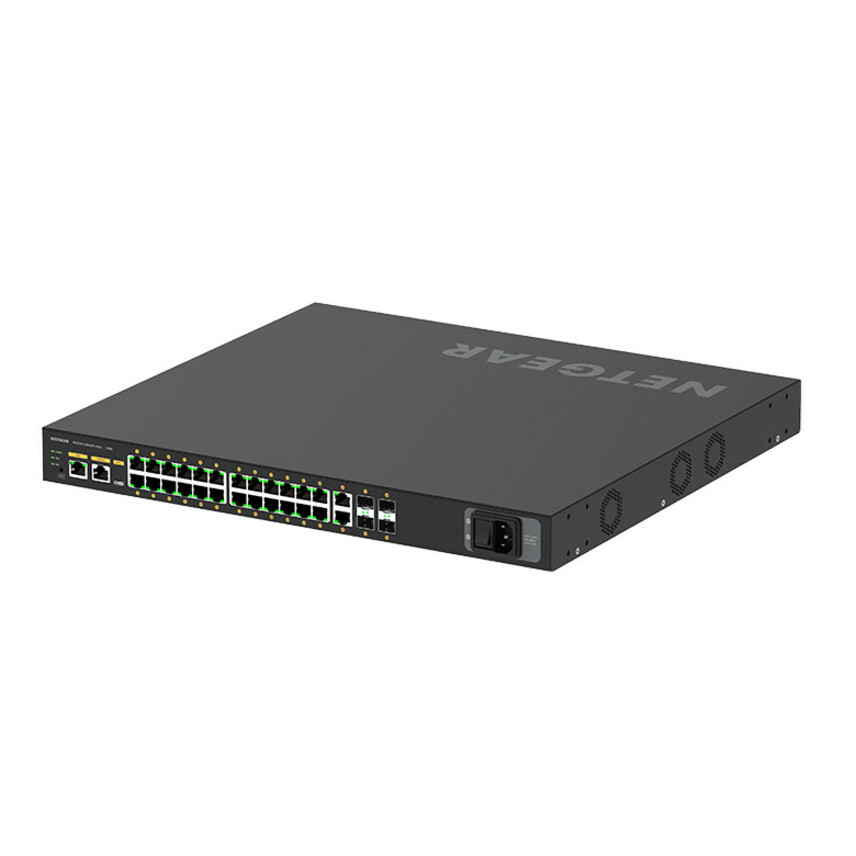
Cisco lines are listed here for reference and fulfilled through our Cisco storefront rather than added to a hub cart, so nothing in this rail is a Cisco equivalent or a substitution recommendation — these are firewall and switching lines the hub stocks in its own right, priced and availability-checked when this page renders. If a Cisco renewal is what you are pricing, send the contract and we will quote it directly.
Quote validity is not automatically price protection
Read the quote and incorporated seller terms. Look for language governing:
- errors and omissions;
- taxes, freight, duties, tariffs, and currency;
- manufacturer price changes;
- partial shipment;
- backorder and allocation;
- configuration changes;
- substitutions;
- order cancellation;
- acceptance; and
- shipment deadlines.
Ask the seller to complete this sentence: “For quote [quote number] revision [revision number], the price for the unchanged configuration is protected when [triggering event], and remains protected through [date], except for [exclusions].” Save the response.
If a partner quote relies on Cisco pricing, clarify whether partner acceptance or Cisco booking is the relevant event. Different relationships can produce different answers.
Contract vehicles and public-sector schedules
Do not assume a Cisco announcement changes a contract price automatically. Review the specific vehicle's economic price adjustment terms, modification process, catalog revision, effective date, and order hierarchy. A contract price list can trail or differ from other channels.
Record the contract number, modification, price-list date, and line item used. If a partner says the price is “on contract,” ask for the exact contract line or authorized configuration and confirm required items are included.
This article does not claim Uniqcli holds a particular Cisco contract vehicle or status. Vehicle eligibility and reseller authorization should be verified independently for the proposed transaction.
A practical reprice workflow
1. Freeze the baseline
Export the configuration and quote used for technical approval. Assign a version and date. Capture quantities, terms, discount, lead time, and assumptions.
2. Ask for a like-for-like refresh
Tell the seller not to optimize or substitute on the first pass. A like-for-like quote isolates price movement. Request a second option for recommended changes.
3. Verify every changed row
Require the source: new price list, change notice, discount adjustment, expired promotion, exchange rate, or scope correction. Separate reported changes from primary evidence.
4. Test the dates
Overlay quote expiration, approval, PO, order acceptance, allocation, and expected shipment. Identify the first date the team could miss and assign an owner.
5. Review lifecycle and compatibility
Check official Cisco end-of-life notices and compatibility requirements. Verify that alternates support the required software release, optics, licenses, features, power, and support.
6. Reapprove material changes
If the BOM, performance, compliance evidence, support, or lifecycle changes, route it back to the accountable reviewers. A procurement deadline does not authorize a silent substitution.
7. Confirm booking and monitor fulfillment
Obtain written order acknowledgment and monitor constrained lines. Reconfirm any promise tied to ship date. Preserve notices and changes through receiving.
Questions for a Cisco partner
- Which Cisco price-list revision and customer/channel applies?
- What precise date and condition changes this quote?
- Which product IDs changed relative to the prior quote?
- Did discount, rebate, or deal-registration treatment change?
- Are subscriptions and support co-termed the same way?
- Is the configuration Cisco-valid now, and how long is it valid?
- Which items are allocated, constrained, or end-of-sale?
- Does submitting the PO protect price, or must Cisco accept/book it?
- Can a delayed shipment trigger repricing?
- What alternate is fully supported, and what tradeoff does it introduce?
The best answer includes a document and a date. If the answer is verbal, send a recap and ask the seller to confirm it.
Procurement scenarios
Campus switching refresh
The initial quote includes switches but undercounts optics and power. First correct the BOM; then compare identical rows with the old quote. Report the scope correction separately from Cisco price changes. Check access-point and controller dependencies and relevant lifecycle notices.
Data-center order awaiting funding
The quote expires before funding approval. Request a like-for-like refresh and ask how long the new quote can be held. Develop an approved alternate, but do not change memory or interfaces without workload and compatibility review.
Public-sector order on a schedule
The commercial notice says one date, while the schedule has a different effective modification. Use the governing contract price list and terms. Document why it controls the order and verify the reseller's authorization for the quoted items.
Backordered item after acceptance
Ask whether price is protected despite the backorder and whether the proposed substitute changes product ID, license, support, performance, security, or lifecycle. Obtain approval before accepting the substitute.
What this article will not claim
It will not state a universal percentage without a public Cisco source covering that scope. It will not convert analyst or channel reporting into a Cisco announcement. It will not promise that a quote is protected merely because it has not expired. It will not call a product available without a current supplier check. And it will not imply that any reseller has a certification or contract vehicle unless verified.
A 48-hour quote triage for an expiring configuration
When a legitimate quote is close to expiration, compress communication rather than diligence.
Hour 0–4
confirm the baseline configuration, governing agreement, expiration time zone, and the supplier's definition of acceptance. Ask whether the seller will extend or refresh the quote. Mark every missing approval.
Hour 4–12
technical and security owners review only the unchanged baseline and any clearly labeled alternate. Procurement normalizes the quote against the prior revision. Finance confirms funds and the amount at risk. The supplier provides written stock/allocation and lead-time status.
Hour 12–24
resolve material variances. If a configuration changed, route it to the owner qualified to accept that change. If an exact increase lacks evidence, request the applicable price list or signed explanation. Do not let a countdown turn a reported percentage into fact.
Hour 24–36
contracting confirms the acquisition path, terms, required competition or justification, and the act that creates an accepted order. The program chooses between the validated baseline, validated alternate, refreshed quote, or documented delay.
Hour 36–48
release only an authorized order and obtain acknowledgment. Record unresolved shipment or allocation risk. If the team cannot finish mandatory review, let the quote expire and reprice. An expired price is a manageable commercial event; an unsupported purchase can be a much larger operational problem.
Receiving controls for a repriced Cisco order
Price diligence should survive delivery. Provide receiving with the accepted BOM, permitted substitutions, and escalation contact. Reconcile product IDs, quantities, serial numbers, license entitlements, and support dates. For factory-configured systems, retain the configuration record tied to the serial number where available.
If a shipment contains a different revision or split quantity, do not assume the alternate carries the same lifecycle or licensing. Quarantine material discrepancies under the organization's process and request a written correction or approval. Confirm that support did not start months before a delayed installation unless the agreement explicitly makes that acceptable.
Close the purchase with three records: what was accepted commercially, what was physically received, and what was activated in Cisco licensing/support systems. Differences among those records create renewal, warranty, and asset-management surprises long after the price headline is forgotten.
Decision rules for alternates
An alternate is ready only when the team can answer yes to all relevant questions:
- Does it meet required throughput, port, radio, power, environmental, and redundancy needs?
- Is the software train and feature/license set supported?
- Are optics, controllers, management, and subscriptions compatible?
- Is the security and supply-chain evidence complete for the new product ID?
- Does the lifecycle leave enough supported service life?
- Are lead time, allocation, return rights, warranty, and support confirmed?
- Has the authorized technical and contracting reviewer approved the variance?
If the cheaper choice requires extra optics, licenses, engineering, or earlier replacement, show those costs. “Equivalent” is a conclusion supported by a requirement comparison, not a word copied from a distributor catalog.
How to brief leadership
Keep the brief to evidence, exposure, options, and deadline. For example: “Cisco has confirmed price and contractual-term actions in response to memory costs. Our like-for-like quote refresh shows $[amount] of change on identical rows, $[amount] from scope changes, and $[amount] still unexplained. The quote expires [date]; the seller says price is protected when [triggering event], subject to [condition]. Option A preserves the approved configuration. Option B uses the validated alternate and changes [configuration change]. Decision needed by [date].”
That format tells a decision-maker what is known, what remains uncertain, and which date matters without pretending a market-wide percentage settles the purchase.
Attach the baseline and refreshed BOM, supplier clarification, applicable price-list or contract reference, and a one-page timeline. Date the brief. If a new Cisco statement or quote arrives, issue a revision instead of overwriting the evidence used for the earlier decision.
Frequently asked questions
Did Cisco confirm a 2026 price increase?
Yes. Cisco told investors it had announced price increases and revised channel and customer contractual terms in response to memory costs. The exact impact must be verified for the buyer's SKUs and agreement.
What is the Cisco effective date?
There is no one public date safely applicable to every Cisco product, market, contract, and channel in the cited primary source. Obtain the applicable dated price list or notice from Cisco or the authorized seller.
Will a valid quote protect the old price?
Not automatically. Confirm the quote and seller terms, including whether protection starts at acceptance, booking, allocation, or shipment and what exceptions apply.
Should we place an order before the quote expires?
Only after technical, compliance, funding, and contracting approval. If those cannot finish in time, request a refreshed quote and disclose the budget risk rather than bypassing controls.
Can a compatible Cisco substitute be accepted without review?
No. Validate configuration, licensing, support, lifecycle, performance, and security. Obtain the approval required by the contract and project.
September 2026 update
As of September 4, 2026, Cisco has published no new price notice beyond the actions described above, and none of the month-qualified searches buyers keep running — August, September, October — resolves to a dated Cisco letter. The primary record still stops where it did: The Register reported on February 12, 2026 that on Cisco’s Q2 FY2026 earnings call CEO Chuck Robbins said the company was raising prices and “revising contractual terms with channel partners and customers to address evolving component prices,” and that networking appliances need less memory than servers, so their increases are “more nominal.”
The component side did move over the summer. TrendForce forecast conventional DRAM contract prices up 13–18% quarter over quarter in 3Q26 and NAND Flash up 10–15% (July 3, 2026), and on August 25, 2026 it put server DRAM contract prices up a cumulative 64% in 2H25 with a further rise of roughly 270% expected across 2026. That is the cost line behind Cisco’s stated reason for acting. It is not a Cisco percentage and it must not be quoted as one.
None of this changes the workflow above. The date that governs a specific order is the price-list revision named on the quote, not a month in a headline. If a seller cites an autumn increase, ask for the letter.
September 2026 questions
Is Cisco raising prices?
Yes, and Cisco said so itself. The Register reported on February 12, 2026 that on Cisco’s Q2 FY2026 earnings call CEO Chuck Robbins said the company had raised prices and was revising contractual terms with channel partners and customers because component prices were moving, and that networking appliances carry less memory than servers so their increases are “more nominal.” Cisco has not published one percentage covering every product ID, contract and channel, so the size of the change on a given order comes from that order’s quote.
Is there a Cisco price increase in October 2026?
No Cisco notice with an October 2026 effective date had surfaced in a public source as of September 4, 2026. Cisco did say in February 2026 that it would make further adjustments as necessary, so an autumn action is possible — but until a dated letter exists, an October increase is a claim rather than a date. Ask the seller for the price-list revision and its effective date.
Where do I get the Cisco price change announcement as a document?
Cisco issues price-list files and change notices through partner and customer channels rather than as one public download. Ask the seller for the file that governs your agreement — its name, revision and effective date — and save it alongside the quote. A forwarded summary email is not the notice.
Go deeper on the components