
Best 1000BASE-T Copper SFP Modules for RJ45 Runs
Gigabit copper transceivers that turn an SFP cage into an RJ45 port — coded for the switch you own, rated to 100 m over Cat5e or Cat6.
Copper SFP modules in stock at Uniqcli
How to choose →A curated selection with live pricing — in-stock lines first, then back-ordered lines with a typical lead time. Every line is sourced through US distribution and screened for NDAA §889 status before checkout, with TAA verified on request.
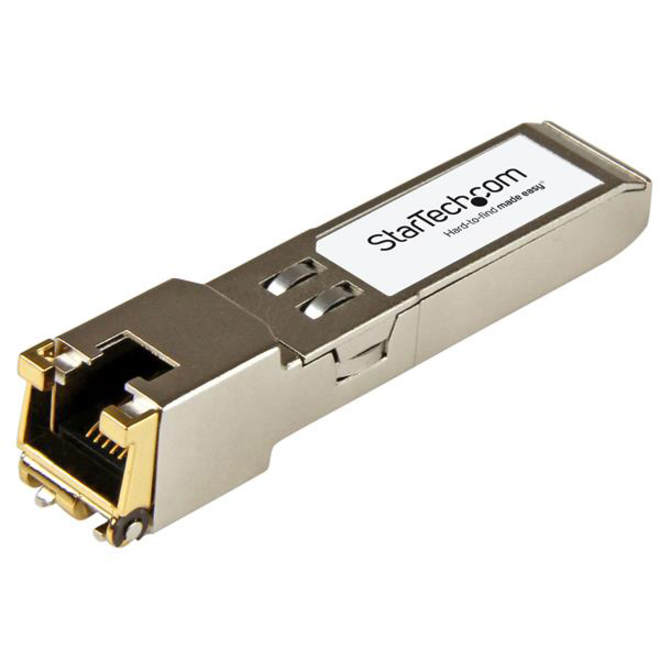
- StarTech.comStarTech Brocade BRSFP-1GECOPR Compatible SFP Module - 1000BASE-T - 1GE Gigabit Ethernet SFP to RJ45 Cat6/Cat5e Transceiver - 100m - Brocade BRSFP-1GECOPR Compatible SFP - 1000BASE-T 1Gbps - 1GbE Module - 1GE Gigabit Ethernet SFP Copper Transceiver - 100m (328ft) - RJ-45 Connector - Hot-Swappable & MSA Compliant - Lifetime WarrantyBRSFP-1GECOPR-ST
$31.99
$29.43
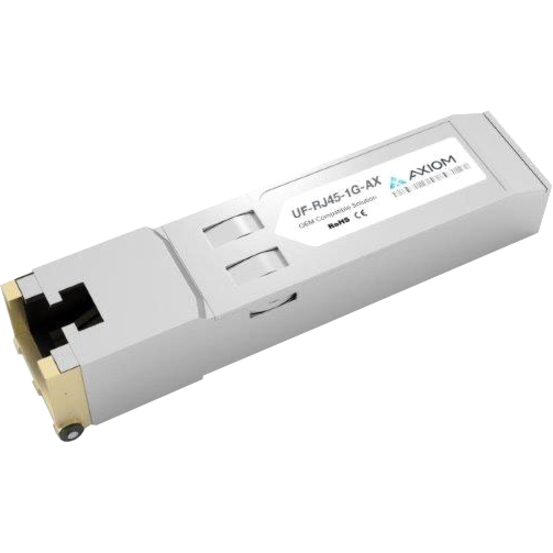
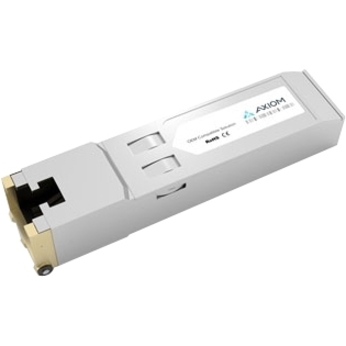
115 in stock - Axiom Memory SolutionsAxiom 1000BASE-T SFP Transceiver for U Fiber - UF-RJ45-1G - 100% U Fiber Compatible 1000BASE-T SFPUF-RJ45-1G-AX
$40.00
$34.66
1,052 in stock


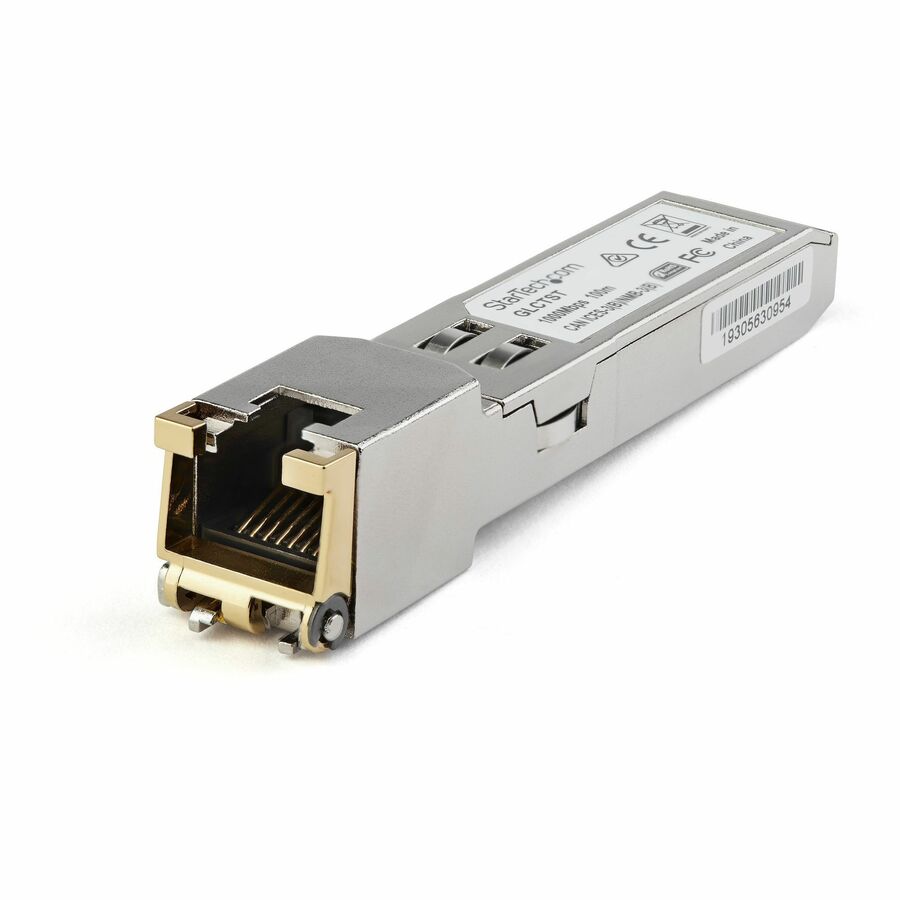
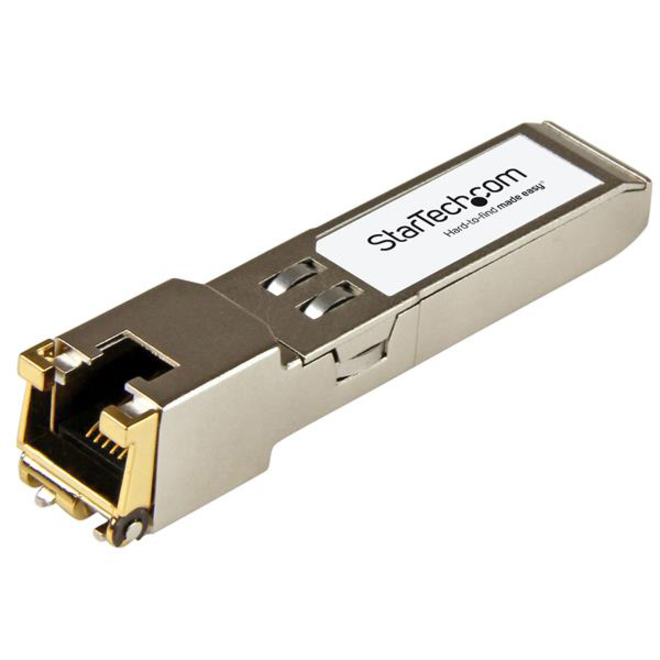
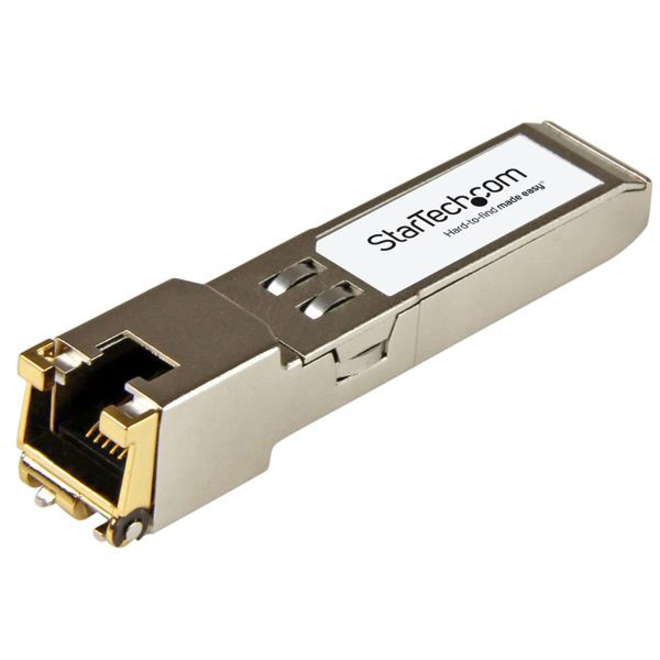
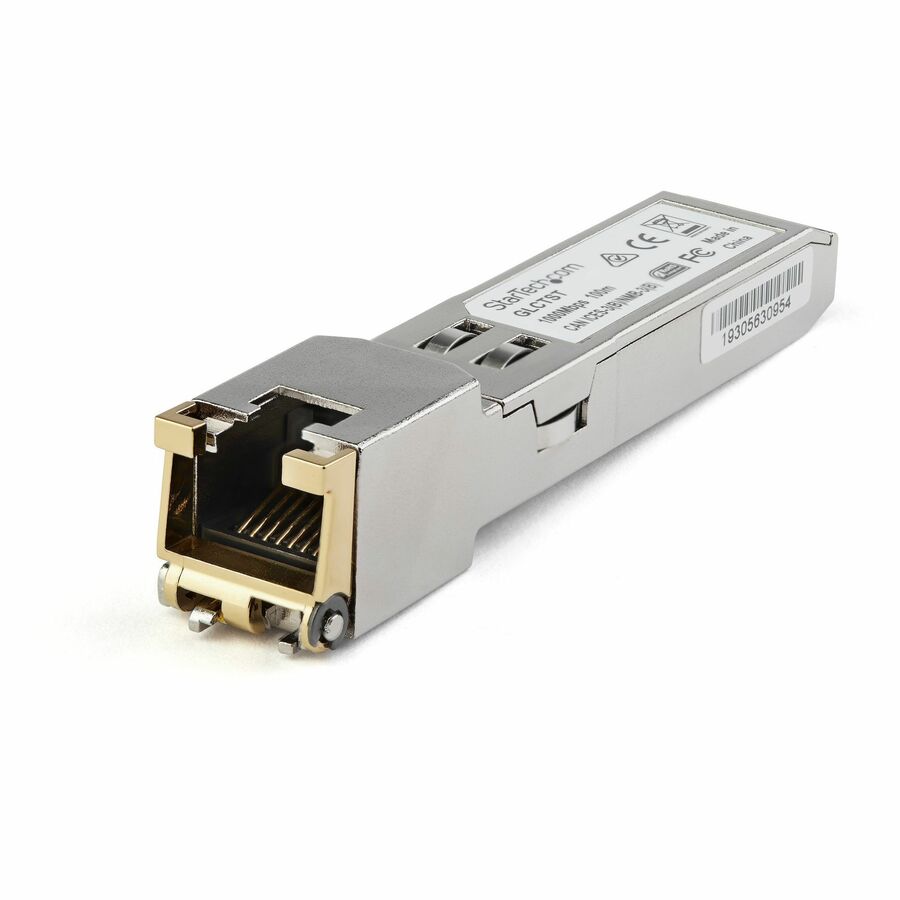
Ubiquiti OEM pick
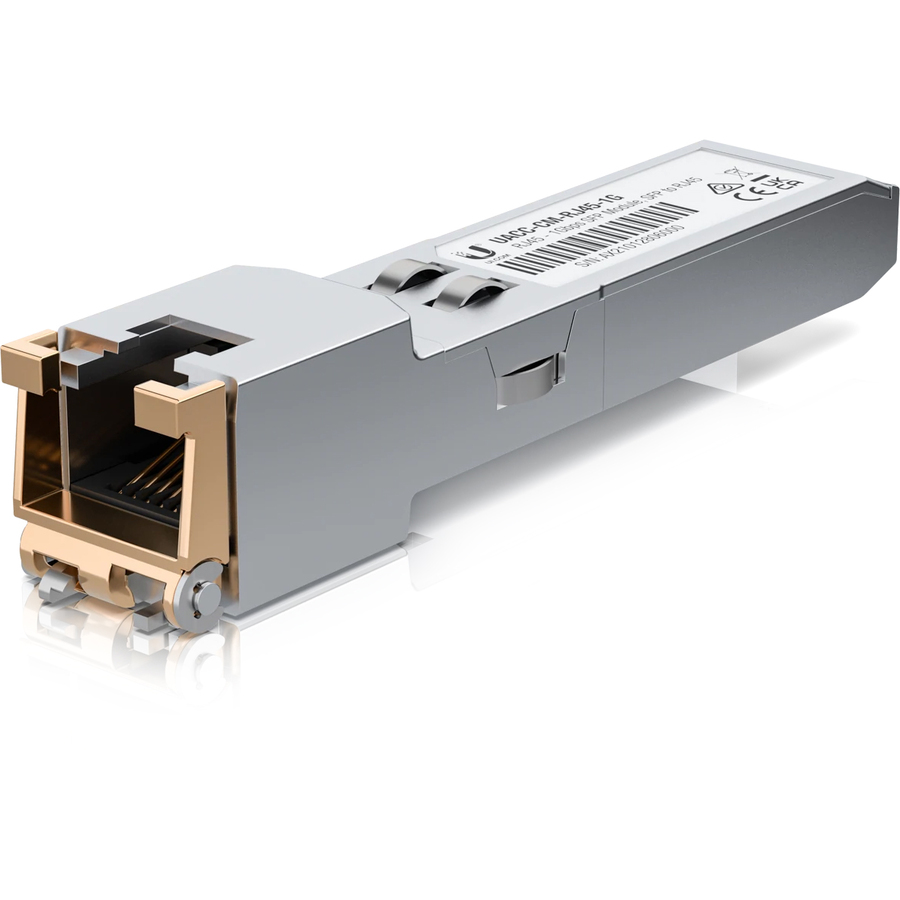
Ubiquiti
Ubiquiti SFP (mini-GBIC) Module
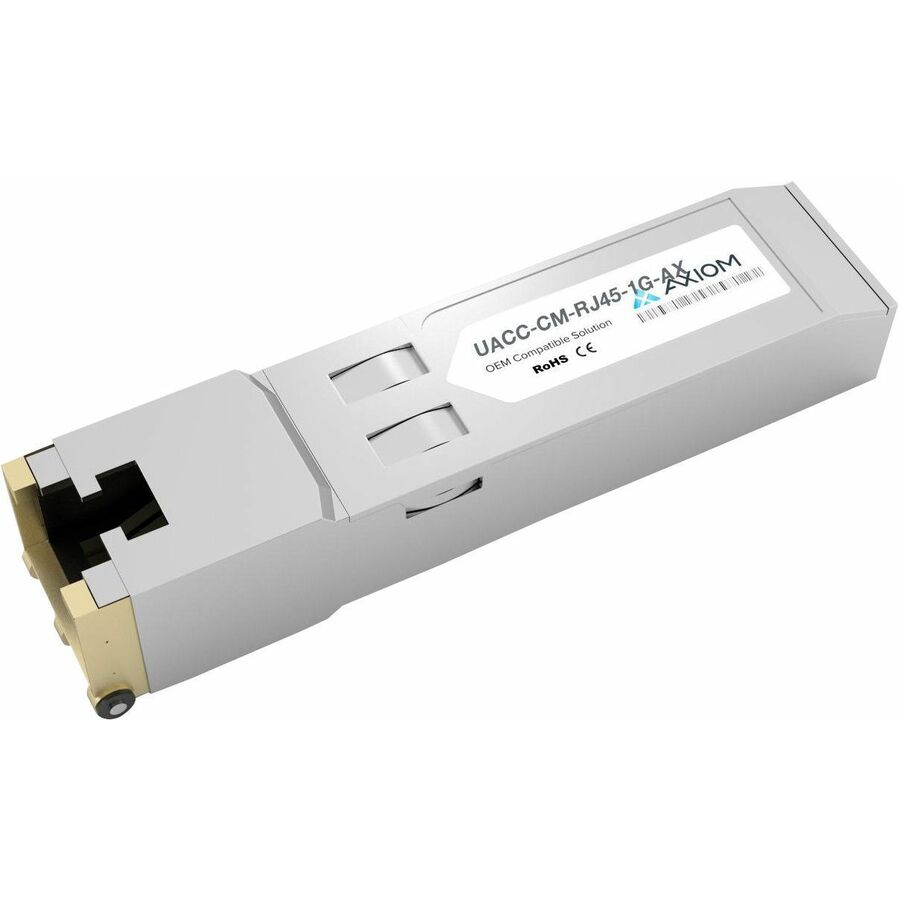
UACC-CM-RJ45-1G
Ubiquiti's own SFP (mini-GBIC) copper module, listed as 10/100/1000Base-T over twisted pair. The straightforward answer for a UniFi switch whose SFP cage has to terminate a copper run, with no coding question to resolve at all.
$24.03Back-orderedUbiquiti-coded pick
Axiom Memory Solutions
Axiom 1000BASE-T SFP Transceiver for Ubiquiti
UACC-CM-RJ45-1G-AX
The MSA-compliant equivalent of the Ubiquiti part above, coded for the same UACC-CM-RJ45-1G identifier and listed at 0.10 km maximum distance. Same role, different maker — useful when the OEM part is on a long lead time.
MSA-compliant and coded to interoperate with Ubiquiti switches. It carries the module maker's warranty, not Ubiquiti's.
$26.66In stockBrocade-coded pick
StarTech.com
StarTech Brocade XBR-000190 Compatible SFP Module
XBR-000190-ST
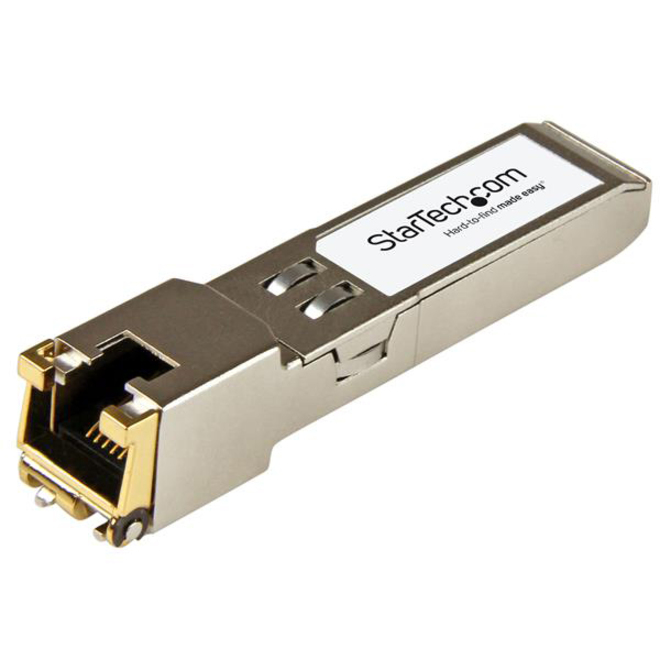
Coded for Brocade's XBR-000190: a gigabit SFP-to-RJ45 copper transceiver rated to 100 m over Cat6 or Cat5e, hot-swappable and MSA compliant. The Brocade and Ruckus ICX answer when a fiber cage has to reach a copper device.
$22.07In stockJuniper-coded pick
StarTech.com
StarTech Juniper CTP-SFP-1GE-T Compatible SFP Module
CTPSFP1GETST
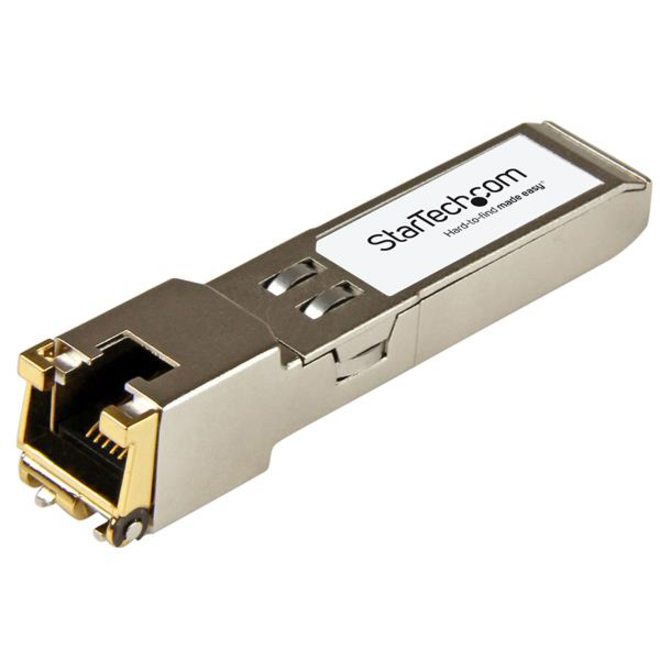
The Juniper CTP-SFP-1GE-T equivalent, same 100 m copper rating over Cat6 or Cat5e with an RJ-45 connector. Buy it where a Juniper port reports that part number and the far end is copper rather than fiber.
$29.43In stockHPE-coded pick
StarTech.com
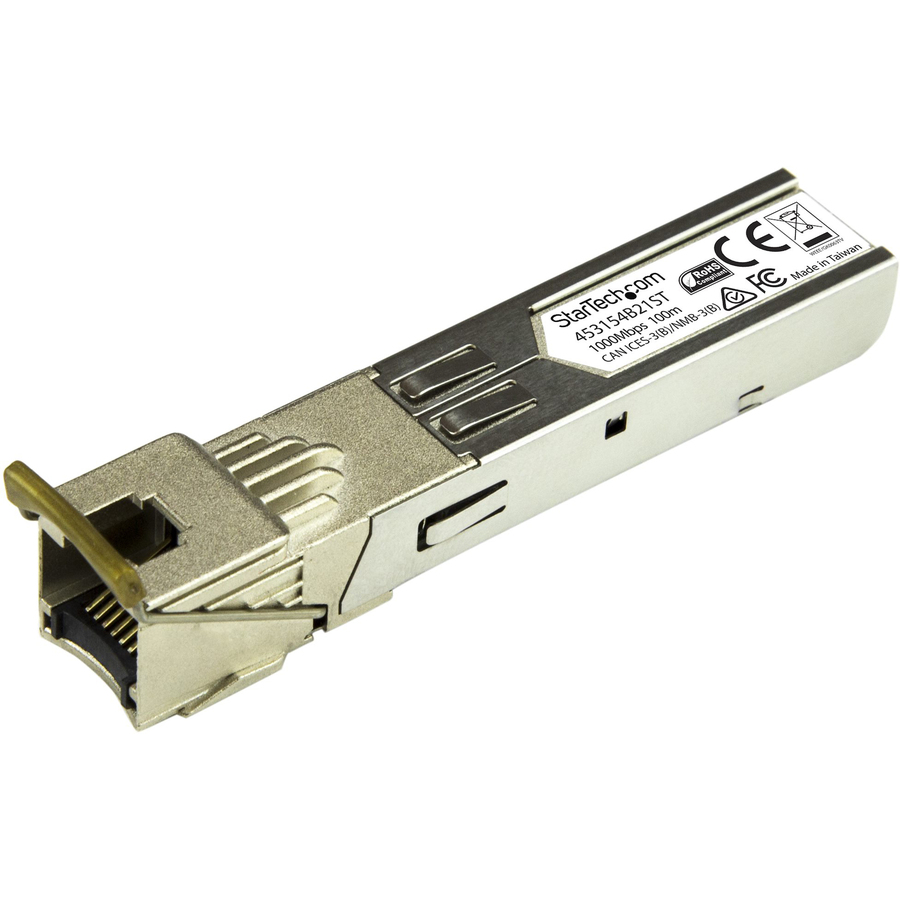
StarTech HPE 453154-B21 Compatible SFP Module, 1000BASE-T, 1GE Gigabit…
453154B21ST
Coded for HPE's 453154-B21, a gigabit copper SFP rated to 100 m over Cat6 or Cat5e. The manufacturer's own listing records this part number as TAA compliant, which is worth noting where the order will be screened for origin.
$30.35*In stockIBM/Lenovo-coded pick
StarTech.com
StarTech Brocade 95Y0549 Compatible SFP Module
95Y0549-ST
The 95Y0549 equivalent — same gigabit SFP-to-RJ45 role, 100 m over Cat6 or Cat5e, hot-swappable and MSA compliant. Included because this coding turns up on mixed-vendor closet inventories more often than people expect.
$29.43In stockMore optical transceivers in the Uniqcli catalog
See all 19,405 optical transceiversMore from across this category. In-stock lines lead, and a back-ordered line carries the same estimated availability its product page does — with live pricing throughout, NDAA §889 screening before checkout and TAA verified on request.
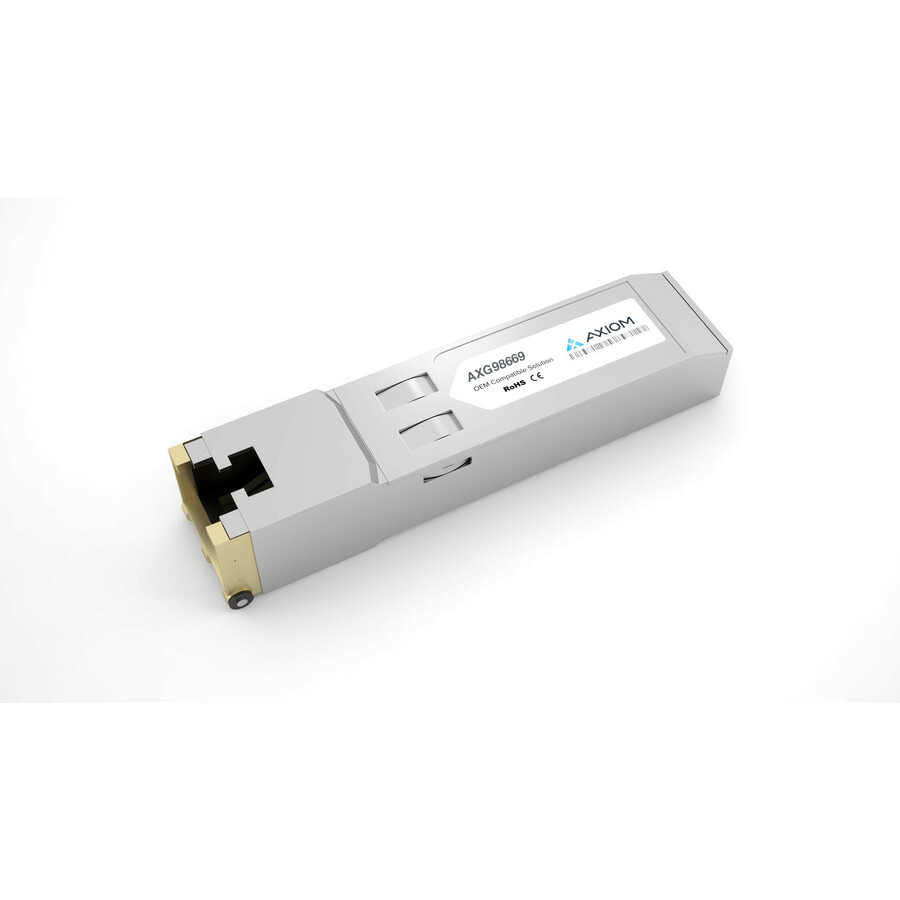
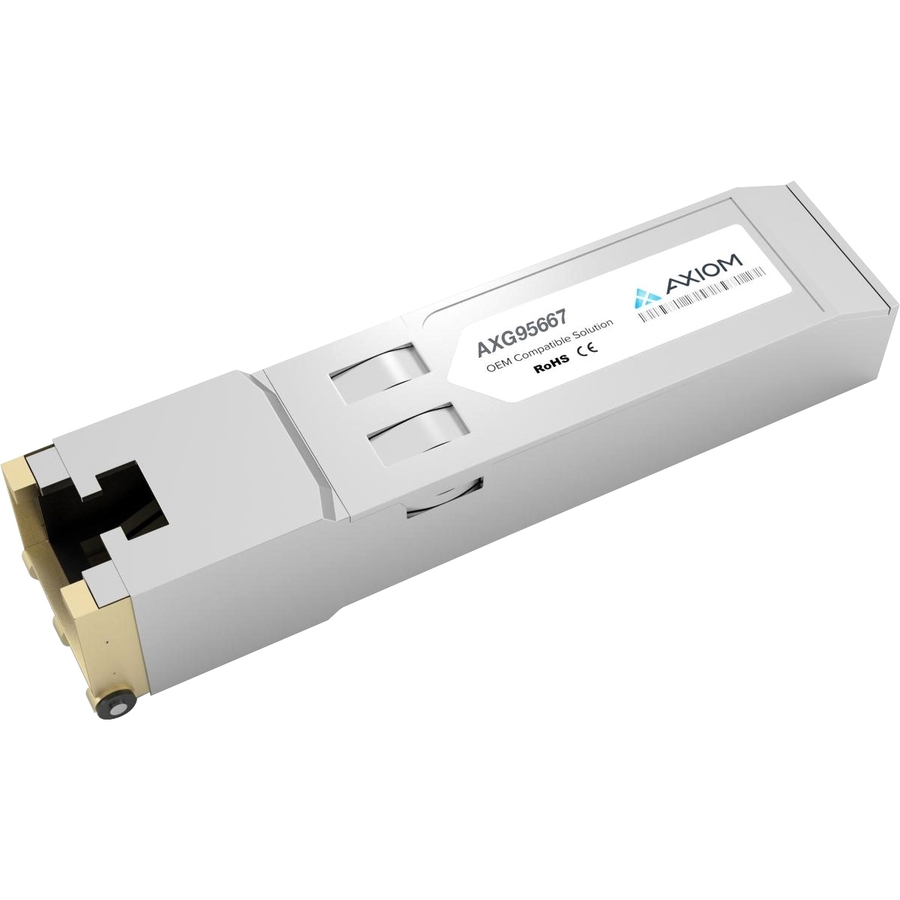
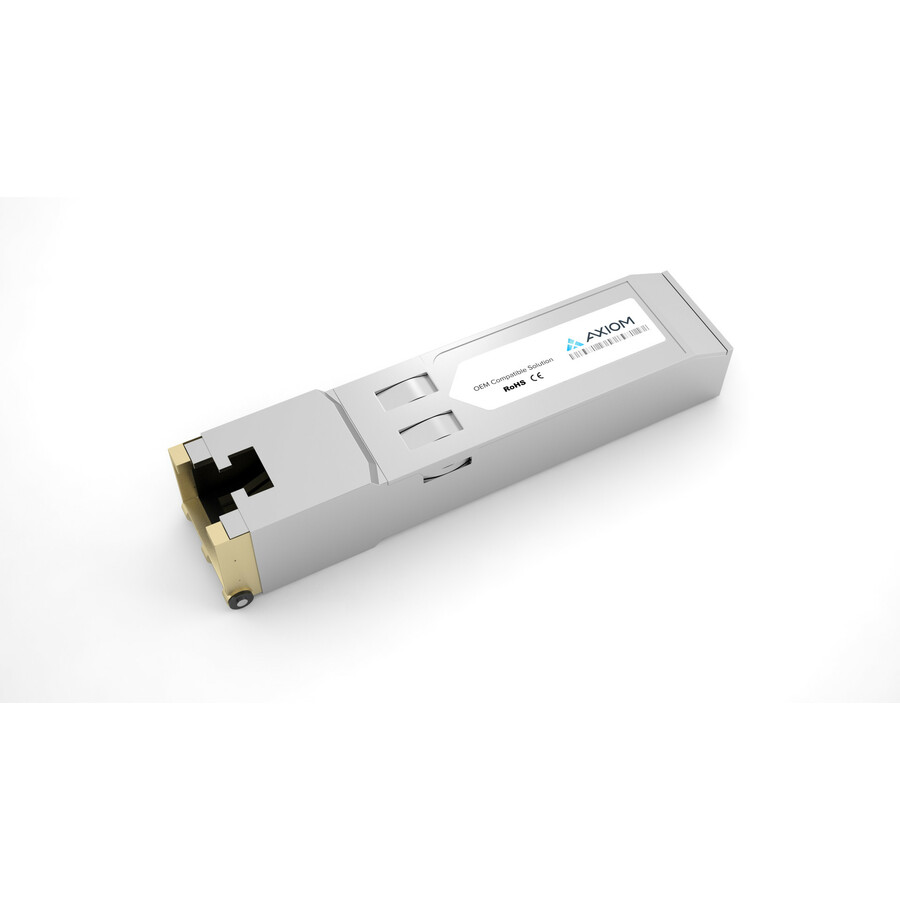
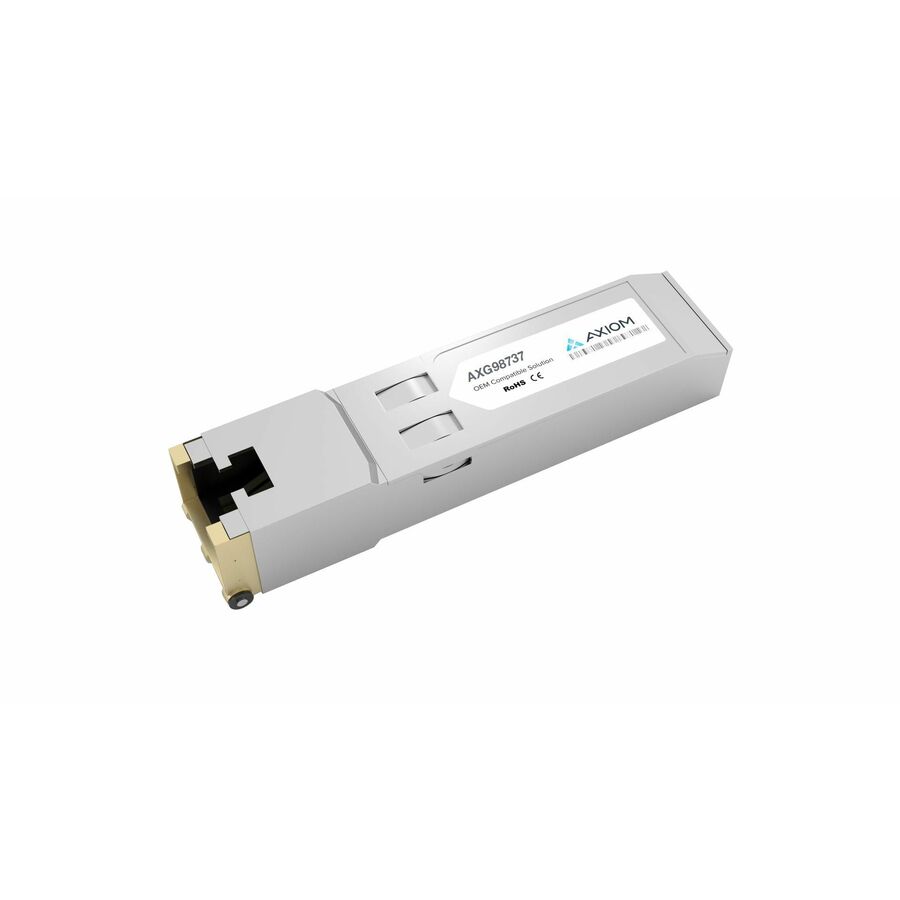
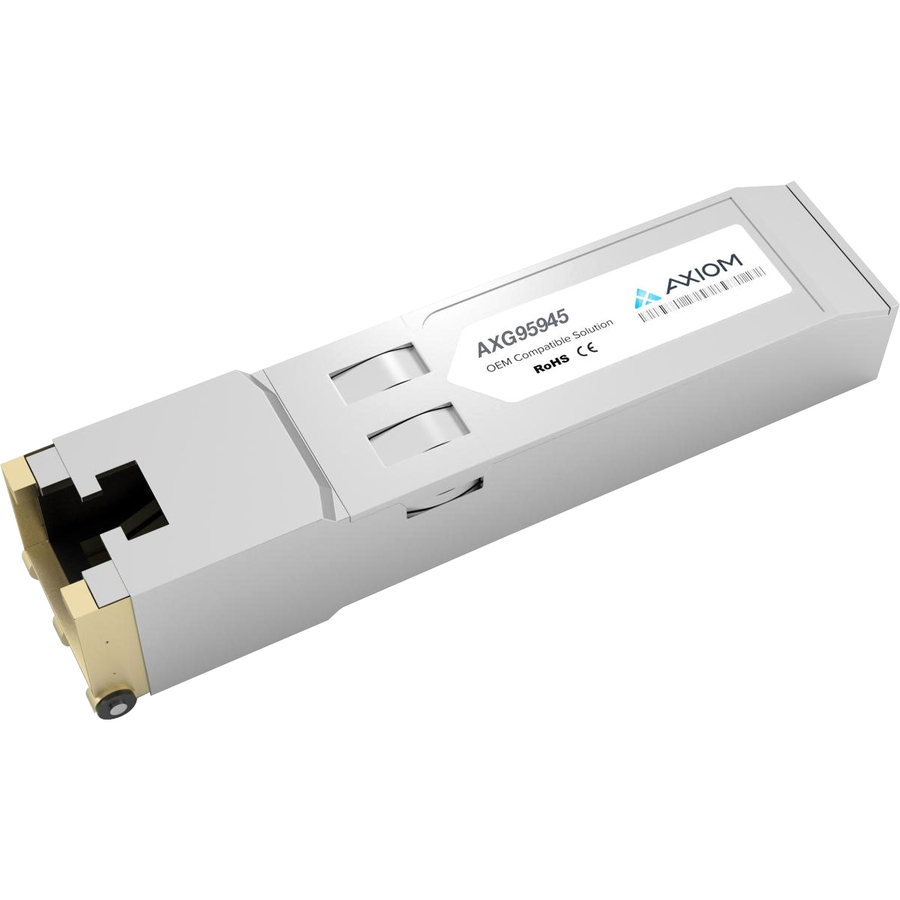
- Axiom Memory SolutionsAxiom 1000BASE-T SFP Transceiver for Dell - 407-BBDX - TAA Compliant - 100% Dell Compatible 1000BASE-T SFPAXG95667
$187.00
$74.62*
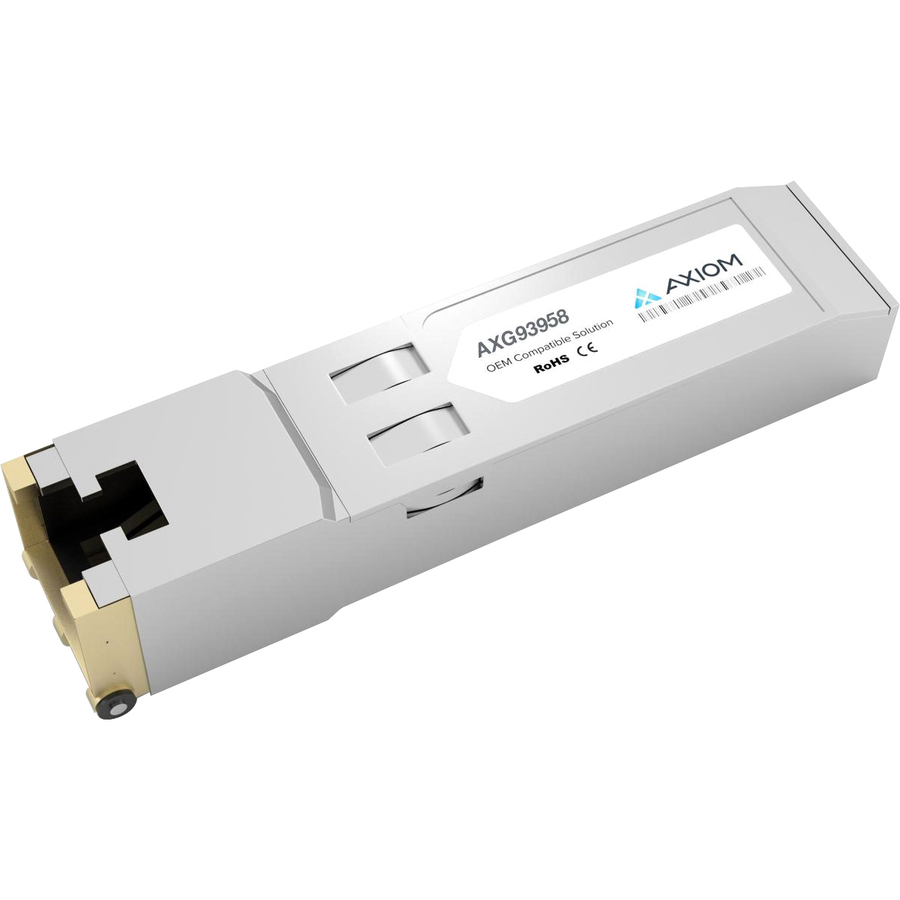
1,052 in stock - Axiom Memory SolutionsAxiom 1000BASE-T SFP Transceiver - SFP100TXFIN-AX - TAA Compliant - 100% MSA Compatible 1000BASE-T SFPAXG93958
$160.00
$63.96*
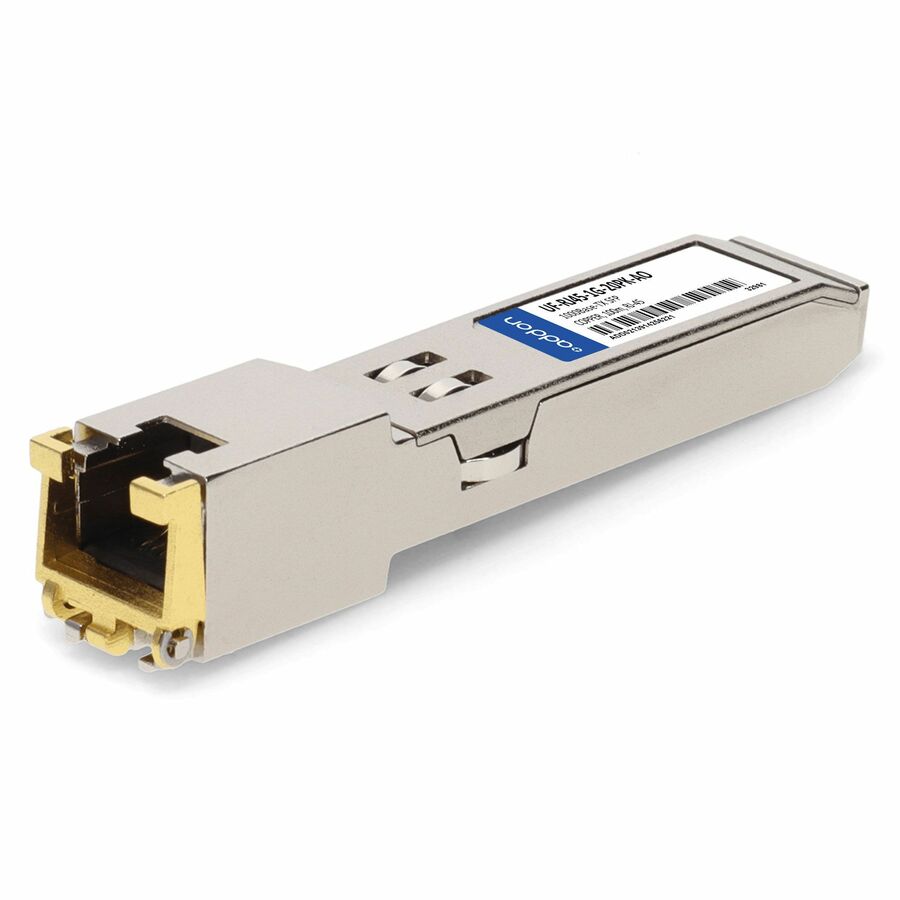
1,052 in stock - AddOnAddOn 20-Pack of Ubiquiti UF-RJ45-1G-20PK Compatible TAA Compliant 10/100/1000Base-TX SFP Transceiver (Copper, 100m, RJ-45) - 100% compatible and guaranteed to workUF-RJ45-1G-20PK-AO
$1,152.00
$1,059.84*
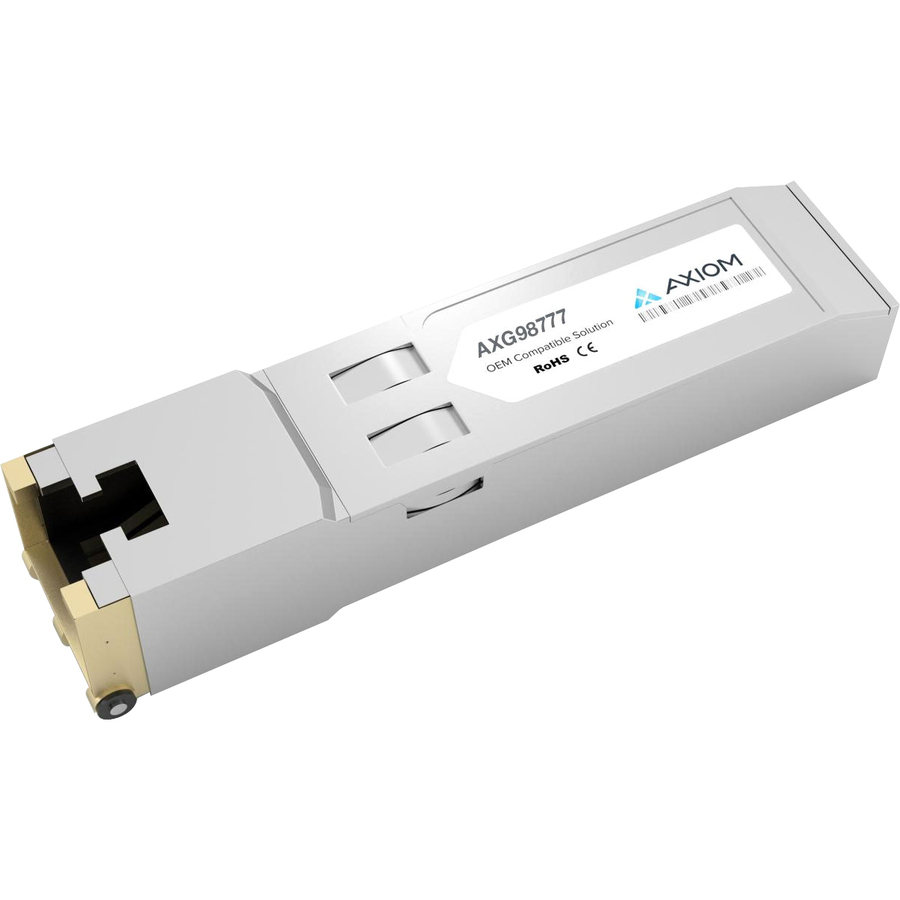
125 in stock - Axiom Memory SolutionsAxiom 1000BASE-T SFP Transceiver for Ixia - 958-0036 - TAA Compliant - 100% Ixia Compatible 1000BASE-T SFPAXG98777
$150.00
$59.96*
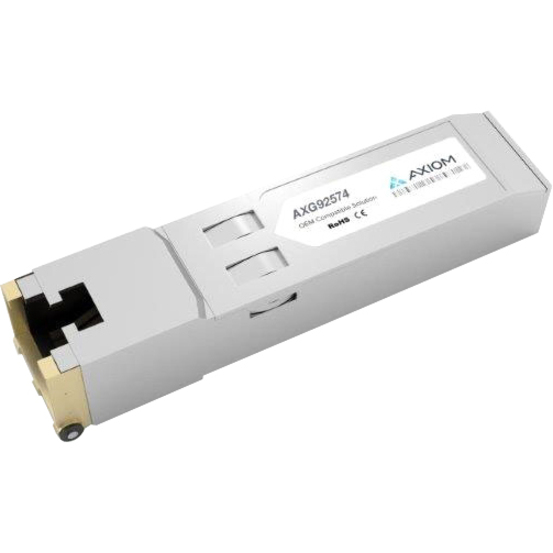
1,052 in stock - Axiom Memory SolutionsAxiom 1000BASE-T SFP Transceiver for HP - JD089B - TAA Compliant - 100% HP Compatible 1000BASE-T SFPAXG92574
$147.00
$58.63*
1,052 in stock - Axiom Memory Solutions100% Comnet Compatible 1000BASE-T SFP - 1000BASE-T SFP Transceiver for Comnet - SFP-1 - TAA CompliantAXG99467
$143.00
$57.30*
451 in stock


Need pricing on copper SFP modules?
Tell us where to reach you and a Uniqcli specialist will follow up by email with current pricing, availability and lead time for the quantities you need — including parts that aren’t shown on this page.
Buying for an organization or for yourself — both work. No payment up front.
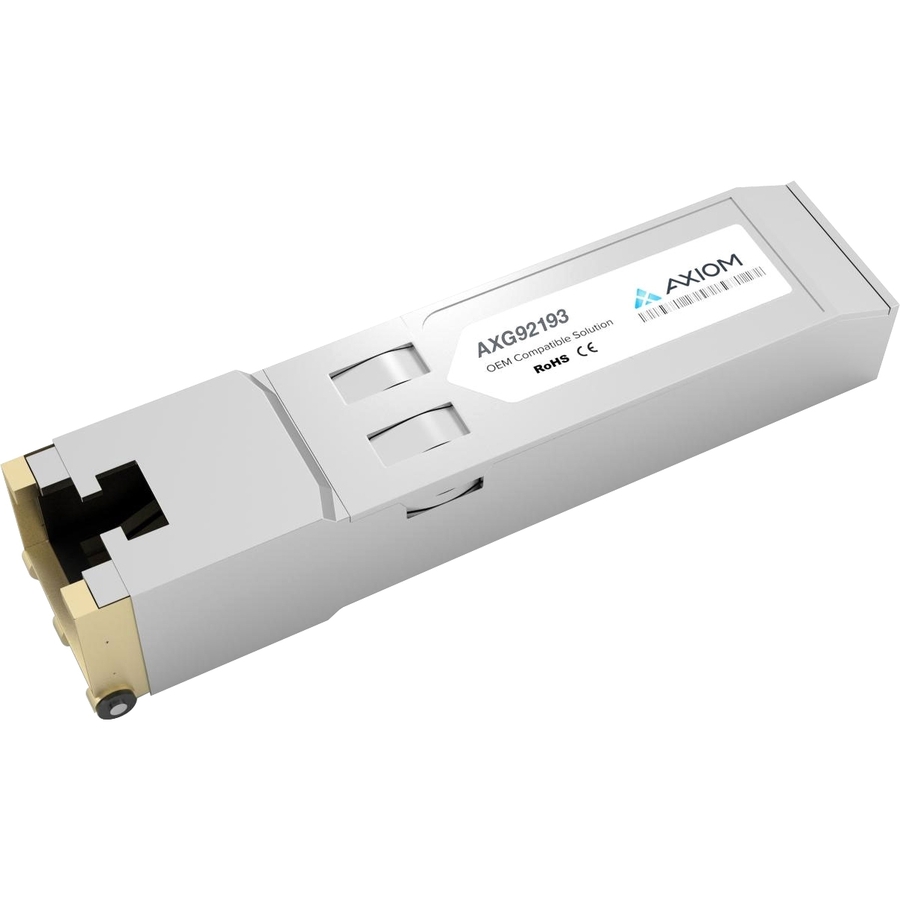
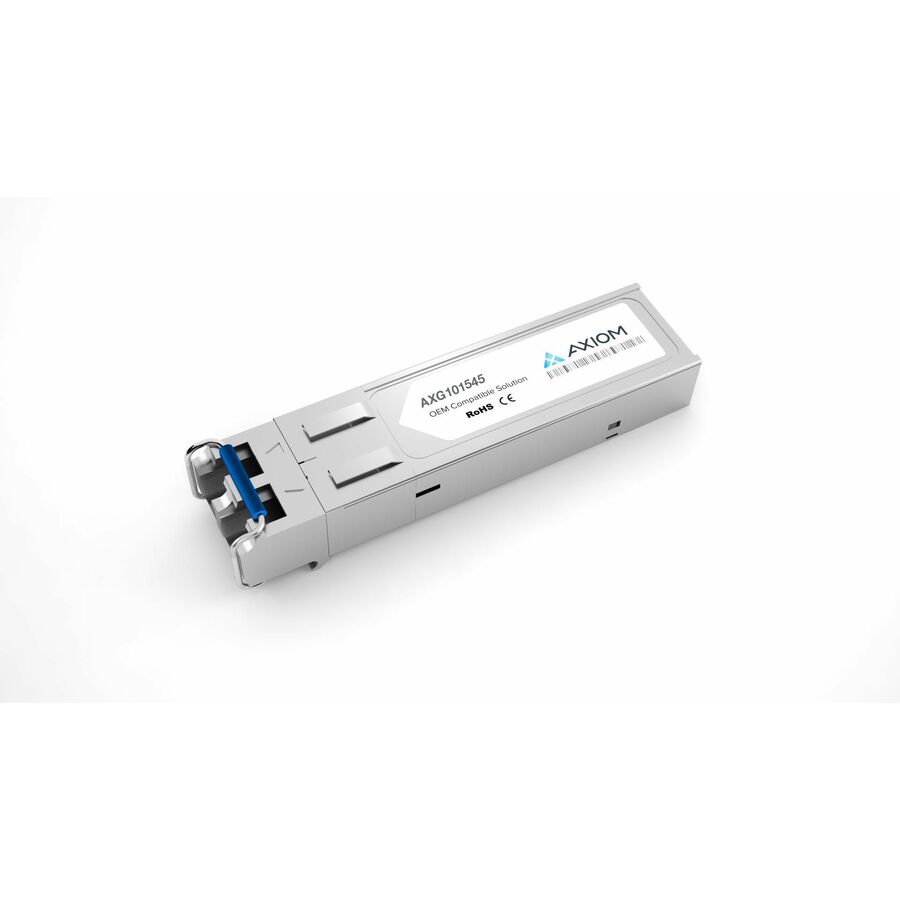
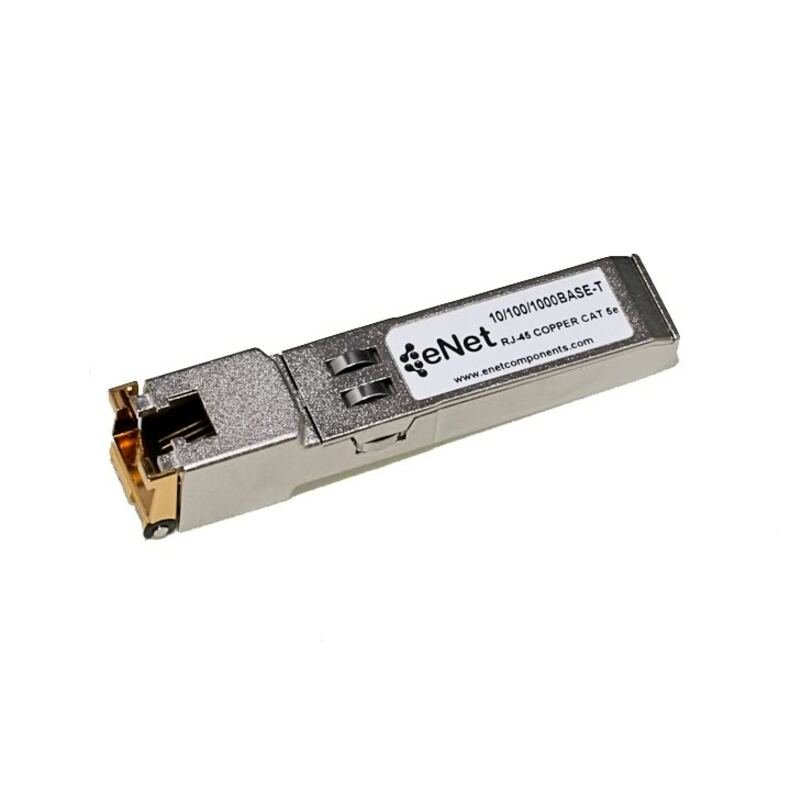
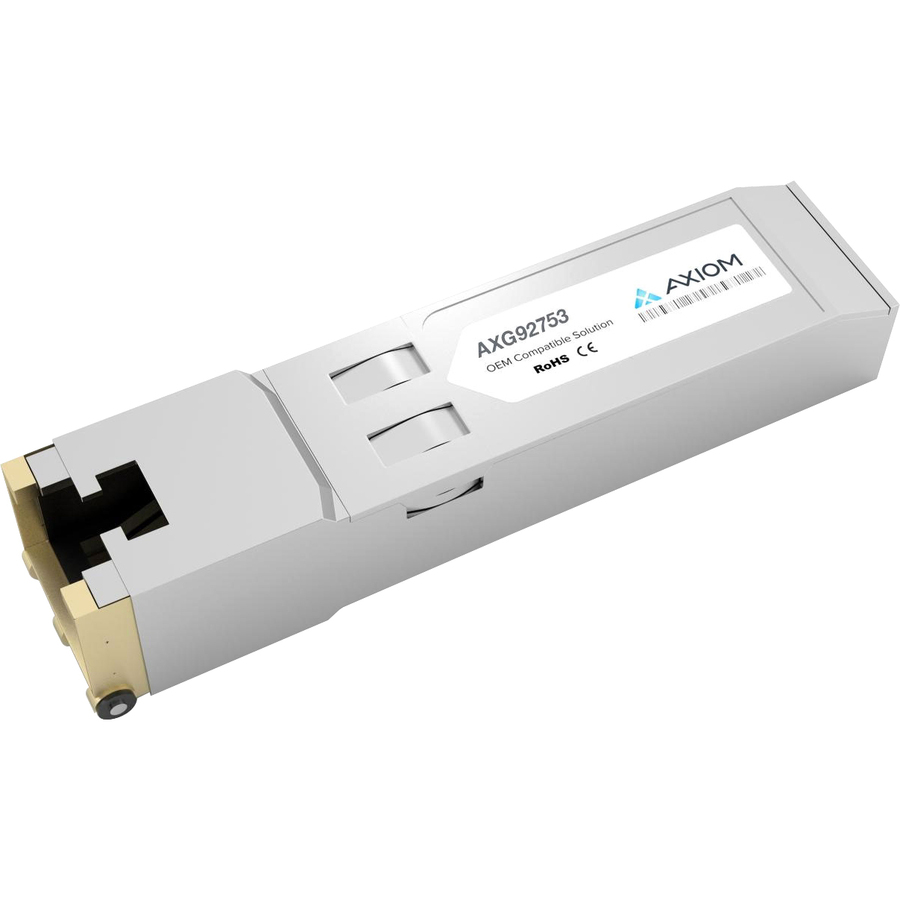
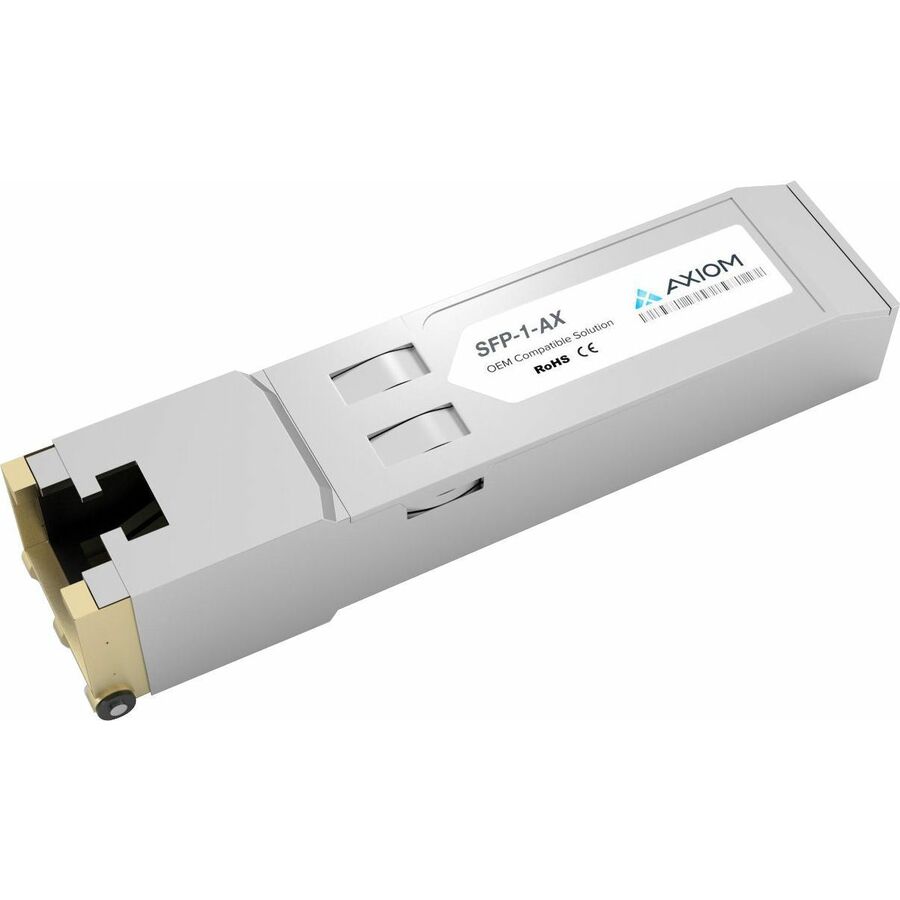
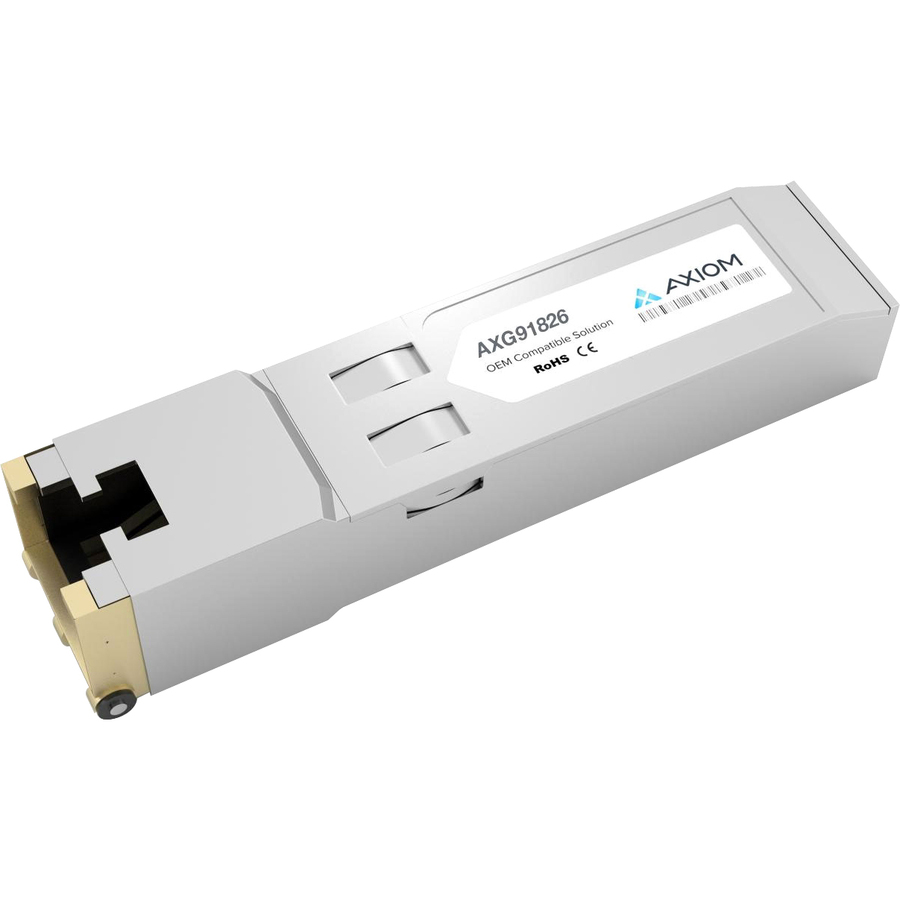
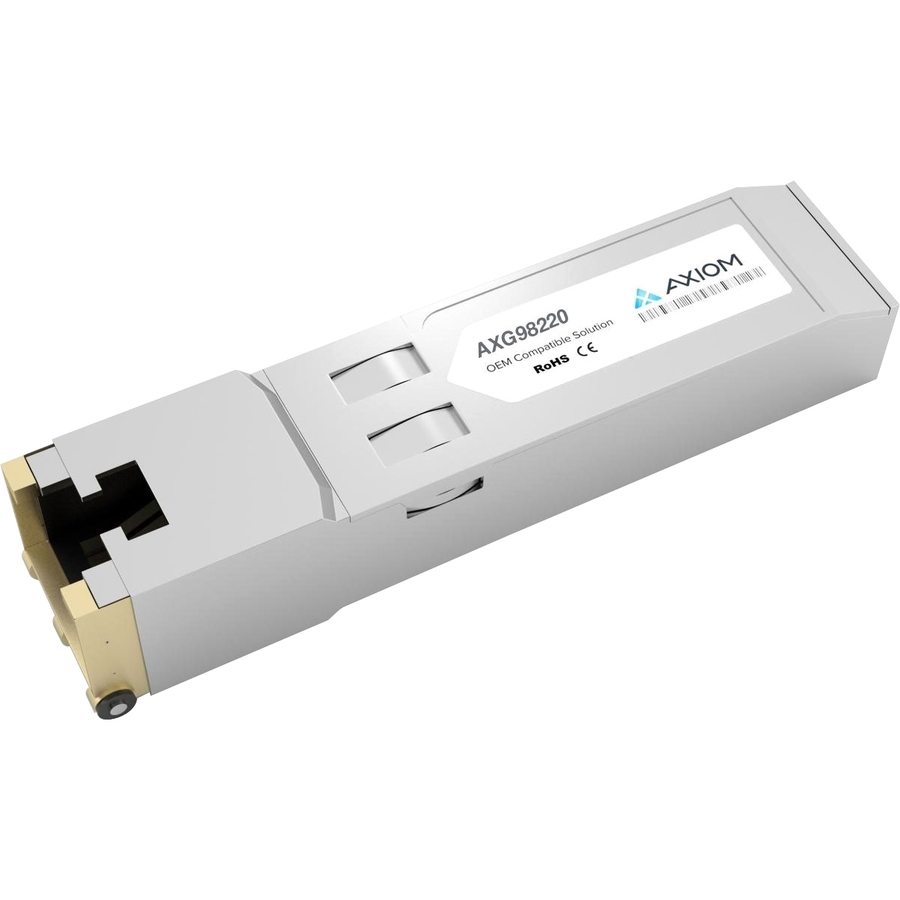
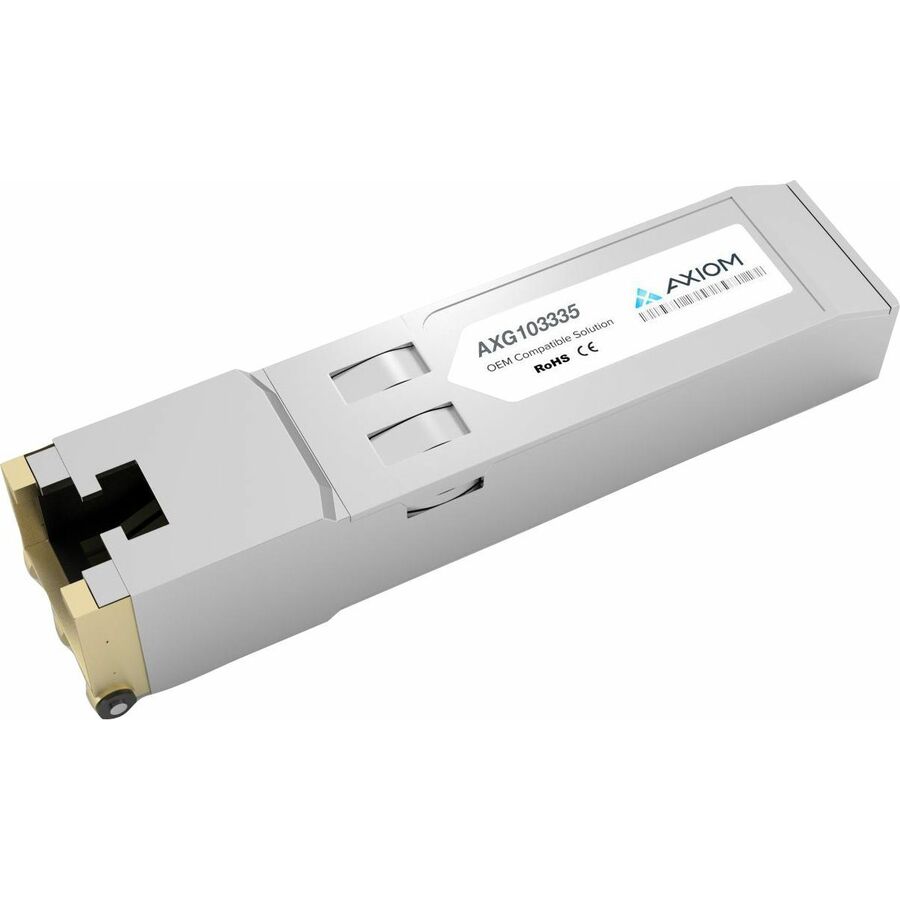
A 1000BASE-T copper SFP is a transceiver with an RJ45 jack instead of an LC pair: it turns a fiber cage into an ordinary gigabit copper port, rated to 100 m over Cat5e or Cat6. Two things decide the part — the coding the switch expects, and whether the cage will take a copper module at all, since some platforms restrict them to particular slots or particular speeds.
This is a purchase almost nobody plans. A switch arrives with SFP cages where the ports were expected to be, or a closet consolidation leaves one gigabit link that has to reach a device down a copper run, and suddenly the question is whether an SFP slot can terminate an RJ45 cable at all. It can: a 1000BASE-T copper SFP is a transceiver with an RJ45 jack instead of an LC pair, and it turns a fiber cage into an ordinary gigabit copper port rated to 100 m over Cat5e or Cat6.
The two things that decide the part are the same two that decide any transceiver. Coding comes first — the module identifies itself to the switch, so buy the one coded for the OEM part number your platform expects rather than a generic copper SFP. Then check the module's own rating: these are gigabit parts, so a run that has outgrown 1 Gbps is a different conversation, and some platforms restrict copper SFPs to specific cages or specific speeds. The distance ceiling is the copper standard's, not the module's, and 100 m is where it stops.
Worth knowing before you commit to the approach: a copper SFP draws noticeably more power than an optical one and runs warmer, so a switch filled with them can bump into the port group's power budget in a way a fiber build does not. Where several ports need copper, it is often cheaper and cooler to put a small copper switch at the far end and feed it with one fiber link. Where the requirement is a floor rather than a port, the whole thing is usually a cabling and switching project — hardware, licensing and the installation labour on one quote rather than a handful of modules bought in isolation.
Buyer's checklist
How to choose a copper SFP module
- Match the coding to the switch. A copper SFP identifies itself the same way an optical one does, so buy the module coded for the OEM part number your platform reports.
- Confirm the cage will take a copper SFP at all — some platforms restrict them to particular slots, or to particular speeds within a slot.
- Read the cable requirement: 1000BASE-T is rated to 100 m over Cat5e or better, and a marginal older run is the first thing to suspect when a link negotiates low.
- Check the switch's per-port and per-group power budget before filling several cages. Copper modules draw more than optical ones and run warmer.
- Decide whether one copper SFP is really the answer, or whether one fiber link to a small copper switch serves the far end better and cheaper.
- For an outdoor, industrial or unheated location, check the module's rated temperature range rather than assuming a commercial part will hold.
- Buy a spare per closet. These are cheap parts in an awkward place, and a spare in the cabinet is the difference between a swap and a site visit.
When a copper SFP is the right answer, and when it is a workaround
It is the right answer when the port count is small and fixed: one or two links out of an SFP-heavy switch to a device that will never be fiber — a camera head end, a gate controller, a legacy appliance with a single RJ45 jack. In that shape a copper module costs less than any alternative, adds no equipment to manage and takes the same rack space as nothing at all. It is also the right answer during a transition, where a closet is being moved to fiber over months and a handful of copper endpoints have to keep working meanwhile.
It becomes a workaround when the count grows. Copper modules draw more power and produce more heat than optical ones, so a switch with most of its cages filled with copper can run into per-group power limits and thermal headroom in a way the same switch full of optics does not. At that point the cheaper and cooler build is one fiber link to a small copper switch at the far end, which also gives the far end its own port capacity for whatever arrives next. The switch from one shape to the other usually happens around the point where you are buying modules by the handful rather than by the pair.
The distance ceiling belongs to the cable
1000BASE-T is a 100 m standard over Cat5e or better, and a transceiver does not change that. Where a copper SFP link negotiates at a lower speed or flaps, the cause is nearly always the run rather than the module: length over the limit, an older or damaged cable, a punch-down that was never certified, or a patch panel hop nobody counted. Certify the run before replacing parts, because a marginal cable will make a perfectly good module look faulty.
If the distance genuinely exceeds what copper carries, the module is not the lever. The choices are fiber to the far end with an optical transceiver at each side, or an intermediate switch that splits the run in two. Both are ordinary builds; what is not ordinary is trying to stretch a copper standard past its specification, which produces an intermittent link that costs far more in diagnosis than the fiber would have cost to install.
Buying these as part of the closet, not on their own
A copper SFP is almost never the whole requirement. It shows up inside a closet refresh, a camera or access-control rollout, or a site consolidation, and it is the smallest line on that bill of materials — which is exactly why it gets forgotten and then expedited. Sending the switches, the optics, the copper modules and the patch cabling as one list means the small parts are committed against the same date as the large ones.
The same list is where the non-hardware side belongs. Switch licensing, the monitoring the new links will feed, and the staging and installation labour are part of the same project, and quoting them together keeps one schedule instead of three. Everything on this page is checked against manufacturer documentation and live catalog data; confirm a part number's current coding and rating at each re-order rather than copying a previous quote forward.
Related reading
FAQ
Common questions
- Can I put a copper SFP in any SFP port?
- Usually, but not always, and it is worth checking rather than assuming. Some switch platforms restrict copper SFP modules to specific cages, or support them only at particular speeds, and a few combo ports behave differently depending on whether the copper RJ45 beside them is populated. The module also has to be coded for the platform. Check the switch's own documentation for copper SFP support on the specific slots you plan to use before ordering a handful of them.
- How far will a 1000BASE-T SFP module reach?
- 100 m over Cat5e or better, which is the copper standard's limit rather than the module's. A transceiver cannot extend it. If a link negotiates below gigabit or flaps intermittently, suspect the cable run first — length past the limit, an uncertified punch-down, damage, or an extra patch panel hop nobody counted. Certify the run before replacing hardware, because a marginal cable makes a working module look faulty.
- Do copper SFPs use more power than fiber ones?
- Yes, noticeably, and they run warmer. That rarely matters for one or two modules, but a switch with most of its cages filled with copper transceivers can approach per-port or per-group power limits and reduce the thermal headroom in the cabinet. Where several ports need copper, one fiber link out to a small copper switch at the far end is usually cheaper, cooler and gives the far end spare port capacity as well.
- Is a copper SFP the same as a media converter?
- No. A copper SFP is a transceiver that sits inside a switch's own cage and becomes one of that switch's ports, managed and powered by the switch. A media converter is a separate powered box that bridges between two media outside any switch, with its own power supply and its own failure point. If the copper endpoint hangs off a switch you control, the module is simpler; if there is no switch cage available at that point, the converter is the road.
- Can Uniqcli quote copper SFP modules for a government or education order?
- Every line Uniqcli quotes is sourced through US distribution and screened for TAA country-of-origin and NDAA §889 status before checkout — with documentation tied to the specific part number, not a product family.
Need copper SFP modules pricing?
Send a bill of materials or part numbers — we confirm stock and a below-market total, with TAA verified on request. No payment up front.