
Best 100G QSFP28 Transceivers and Adapters
MSA-compliant 100G modules coded for Mellanox, Cisco, Arista, HPE and Dell EMC switches, plus the QSFP28-to-SFP28 adapters that let a 100G port serve a 25G endpoint.
QSFP28 modules in stock at Uniqcli
How to choose →A curated selection with live pricing — in-stock lines first, then back-ordered lines with a typical lead time. Every line is sourced through US distribution and screened for NDAA §889 status before checkout, with TAA verified on request.
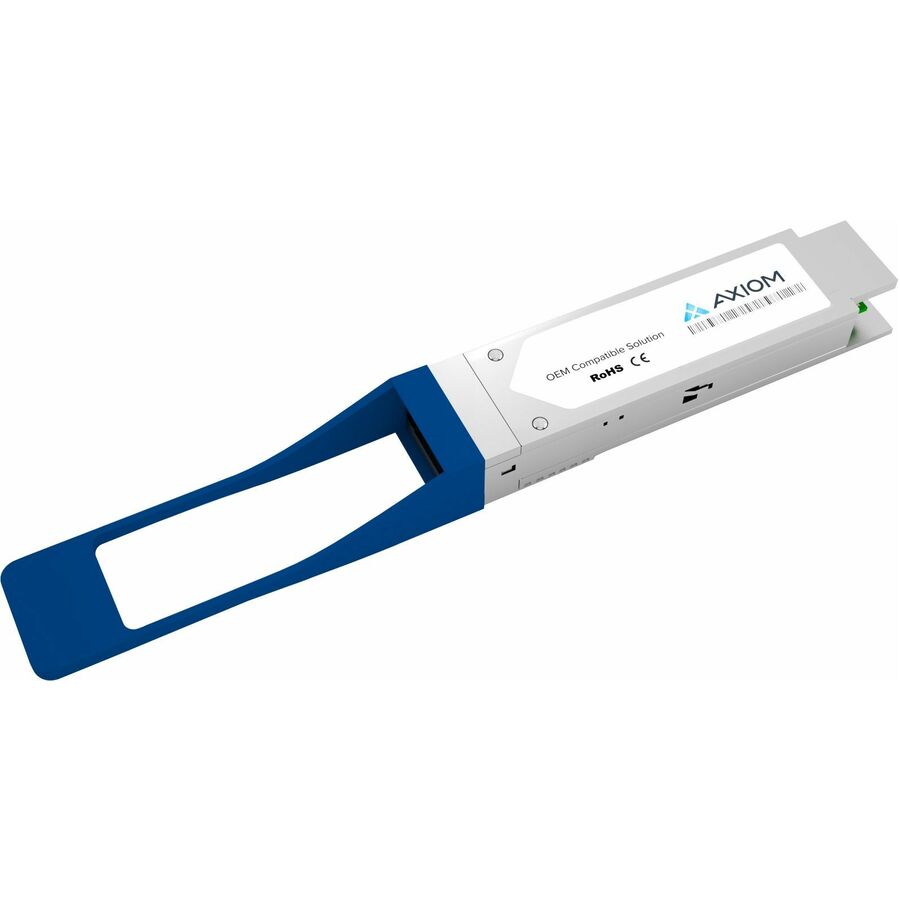
- Axiom Memory SolutionsAxiom QSFP28 Module - For Optical Network, Data Networking - 1 x 100G Network - Optical Fiber407-BBZL-AX
$193.85
$167.26
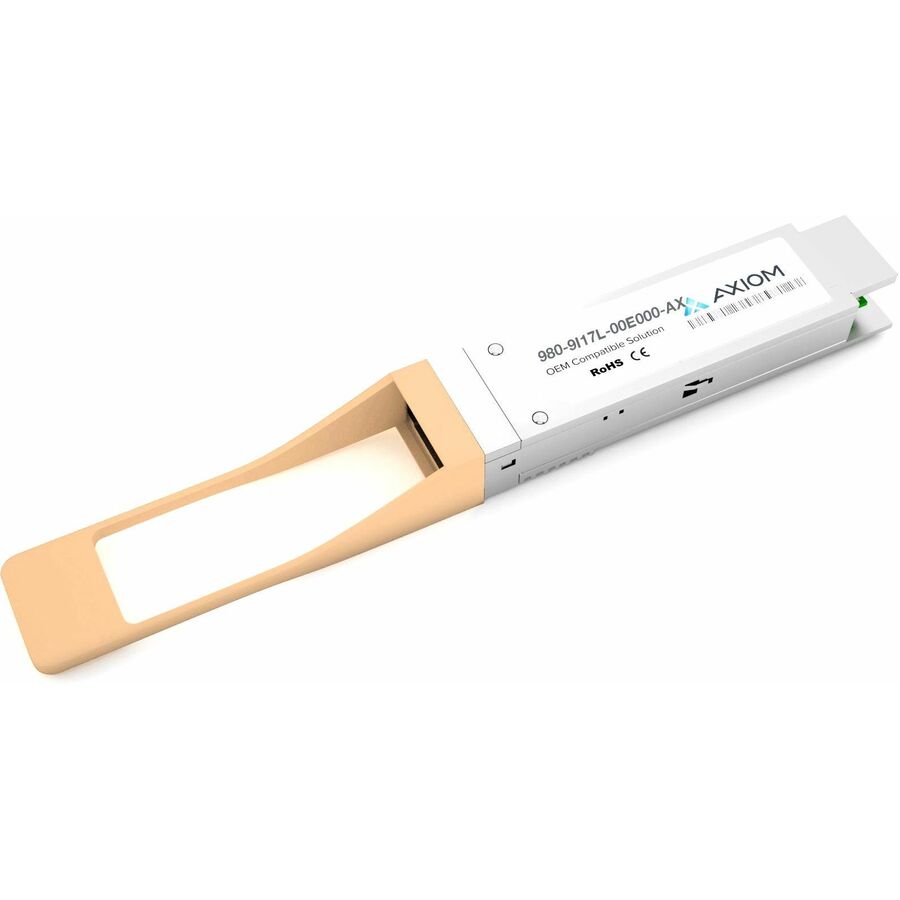
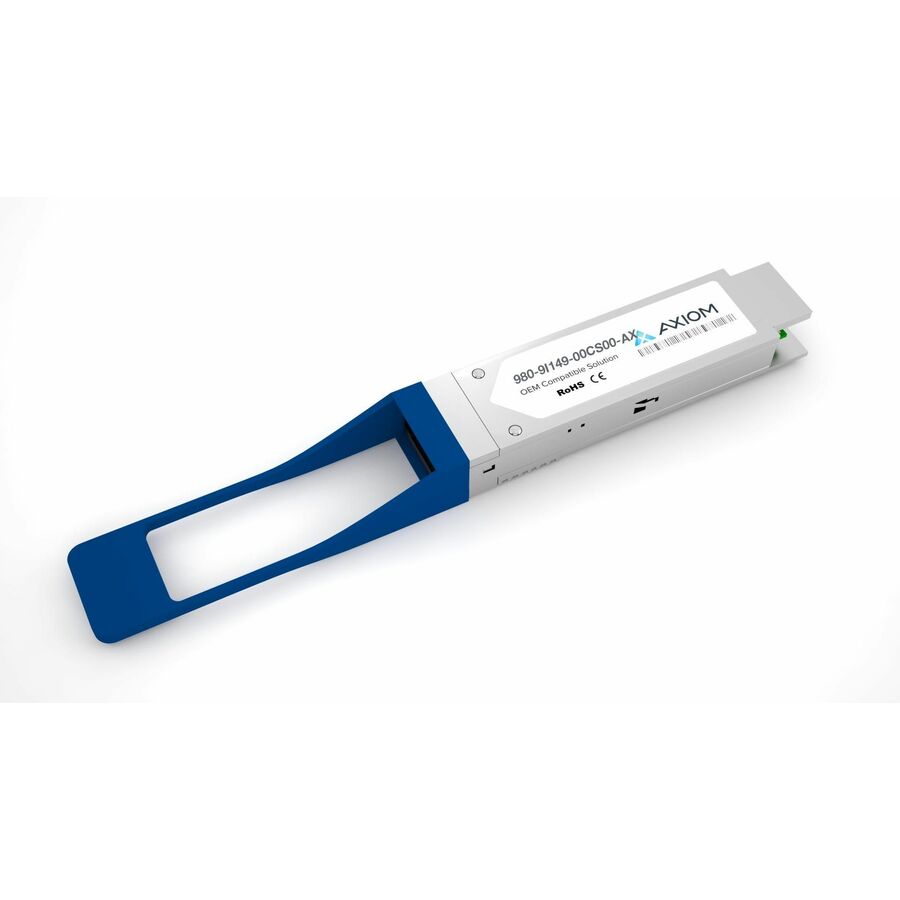
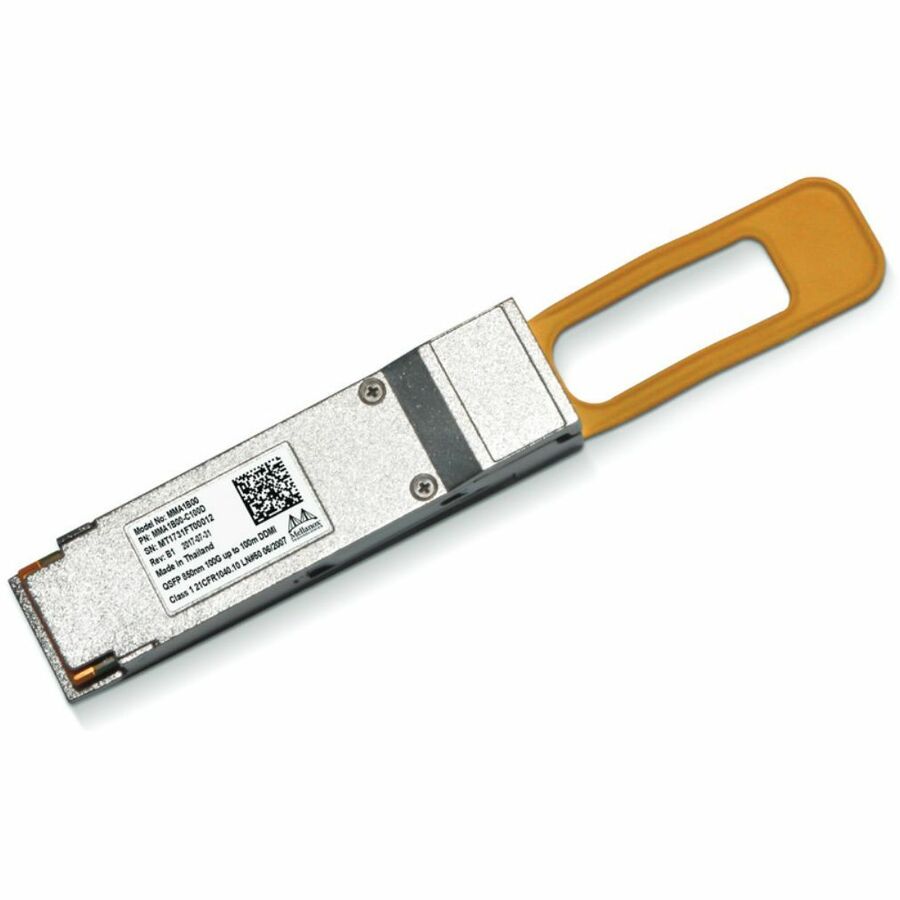
36 in stock - Axiom Memory SolutionsAxiom 100GBASE-SR4 QSFP28 Transceiver for Mellanox - MMA1B00-C100D - 100% Mellanox Compatible 100GBASE-SR4 QSFP28MMA1B00C100D-AX
$193.85
$167.26
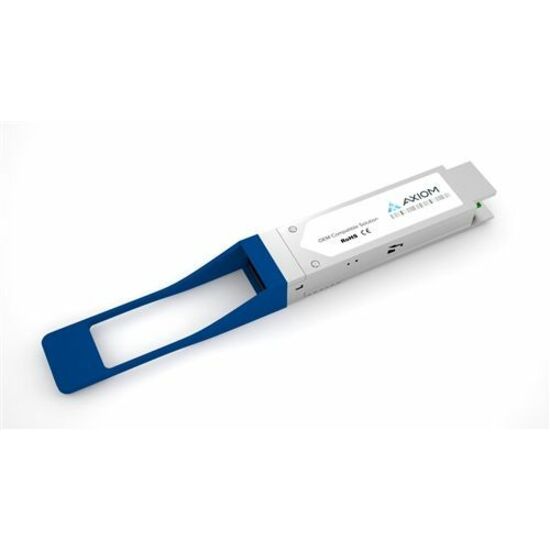
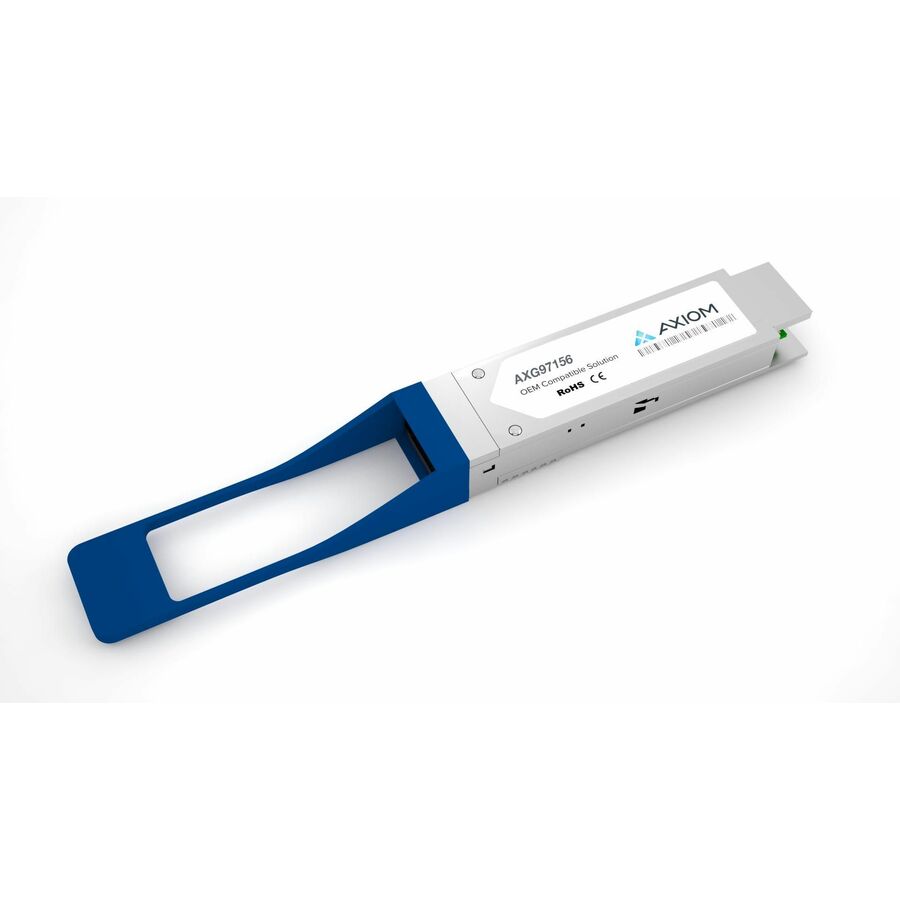
21 in stock - Axiom Memory SolutionsAxiom 100GBASE-SR4 QSFP28 Transceiver for Mellanox - MMA1B00-C100D - TAA Compliant - For Data Networking, Optical Network - 1 x MPO-12 100GBase-SR4 Network - Optical Fiber - Multi-mode - 100 Gigabit Ethernet - 100GBase-SR40.10 km Maximum Distance - TAA CompliantAXG97156
$443.00
$176.54*
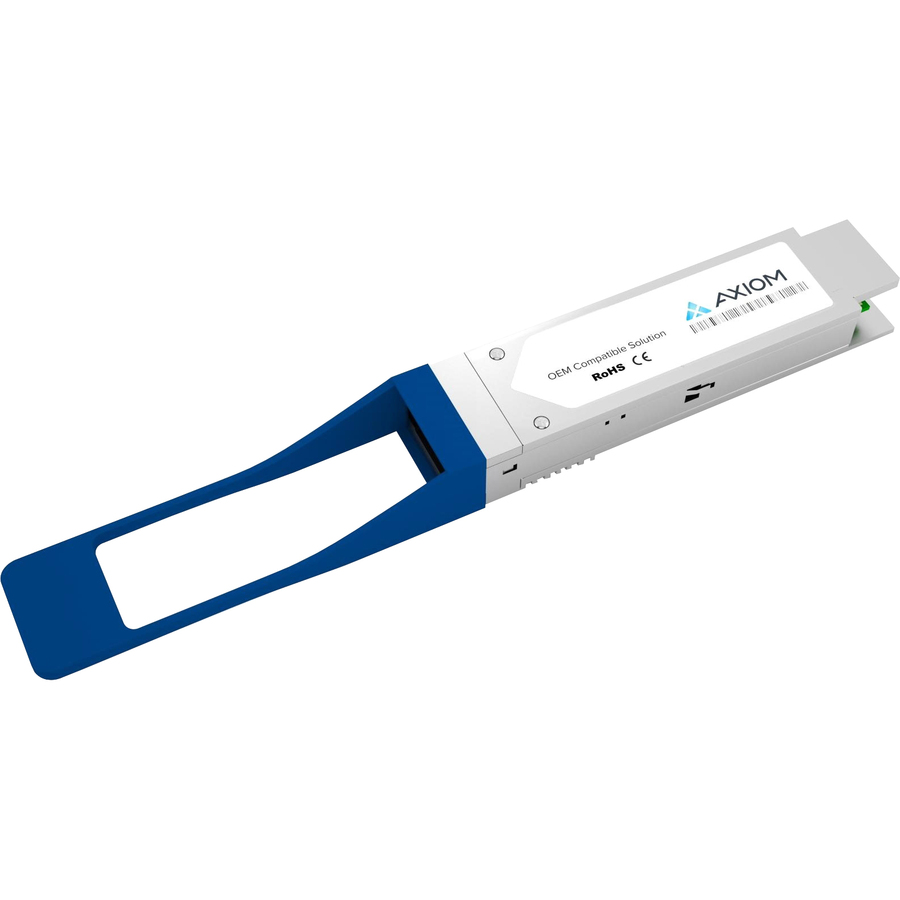
21 in stock - AddOnAddOn Mellanox MMA1B00-C100D Compatible TAA Compliant 100GBase-SR4 QSFP28 Transceiver (MMF, 850nm, 100m, MPO, DOM) - 100% compatible and guaranteed to workMMA1B00-C100D-AO
$210.00
$193.20*
38,023 in stock




Port-adapter pick
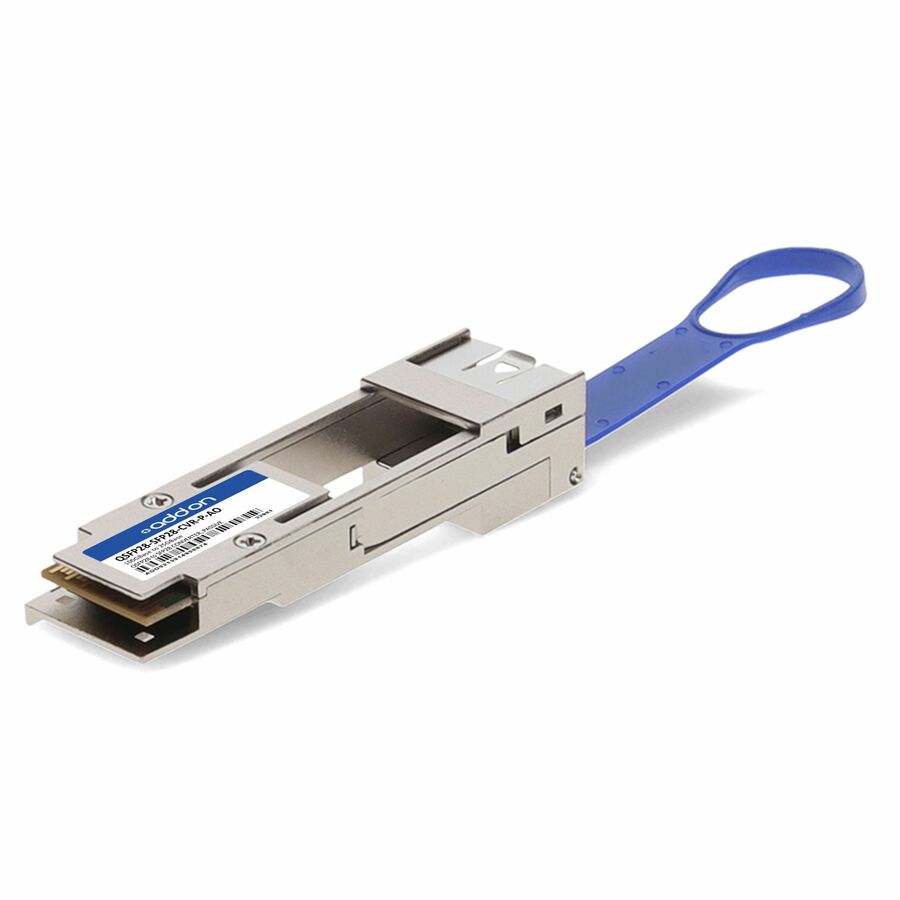
AddOn
AddOn MSA and TAA 25GBase-Converter QSFP28 Transceiver…
QSFP28-SFP28-CVR-P-AO
A passive QSFP28-to-SFP28 converter that seats a single 25G SFP28 module in a 100G cage — the cheapest way to make a spine switch feed 25G servers. The manufacturer's listing records it as MSA and TAA compliant and rates the port at 25 Gbit/s.
Passive: it converts the cage, not the signal. The optical module and its reach are still whatever SFP28 you seat in it.
$82.80*In stockTop pick
AddOn
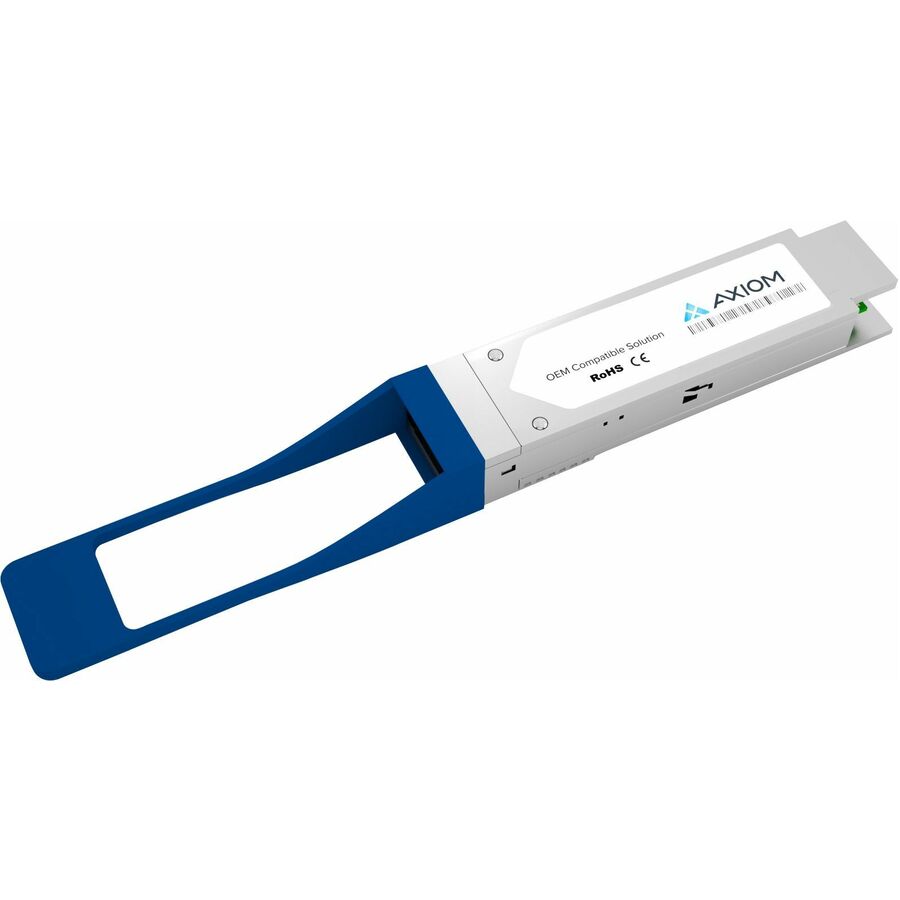
AddOn Mellanox MMA1B00-C100D Compatible TAA Compliant 100GBase-SR4…
MMA1B00-C100D-AO
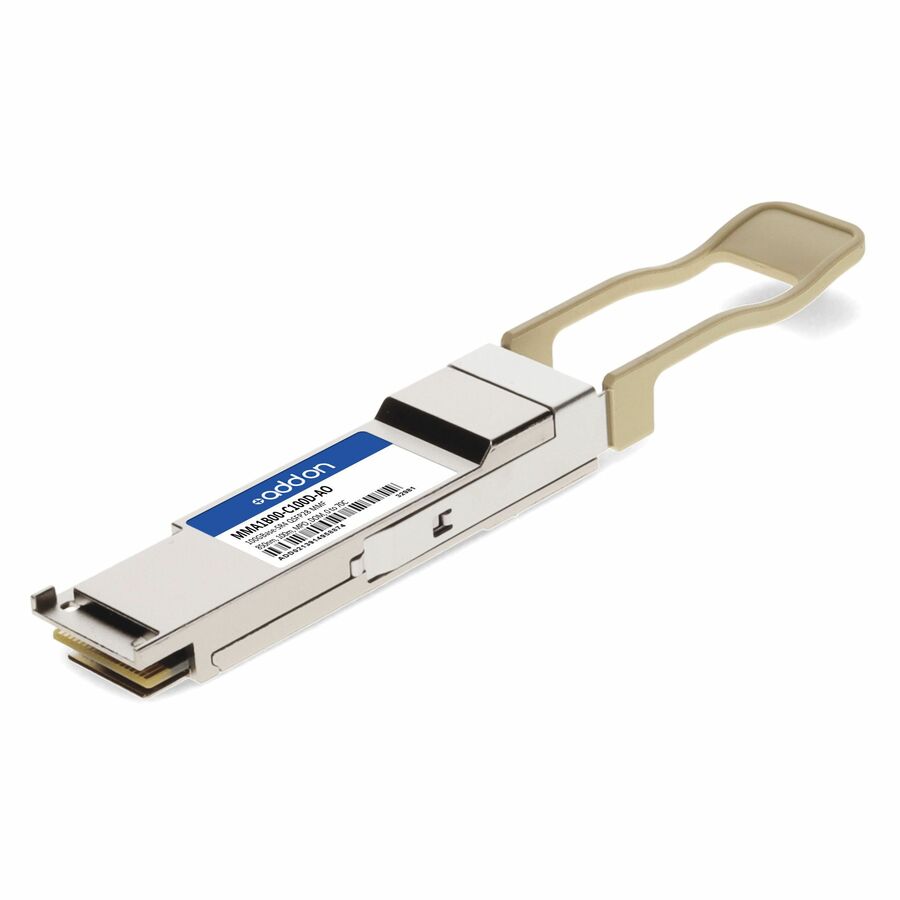
A 100GBASE-SR4 QSFP28 module coded for Mellanox, on multimode fiber at 850 nm to a rated 100 m, with an MPO connector and DOM. The manufacturer's listing records it as TAA compliant and names the Mellanox SN2410 as a compatibility target.
$193.20*In stockAdapter pick
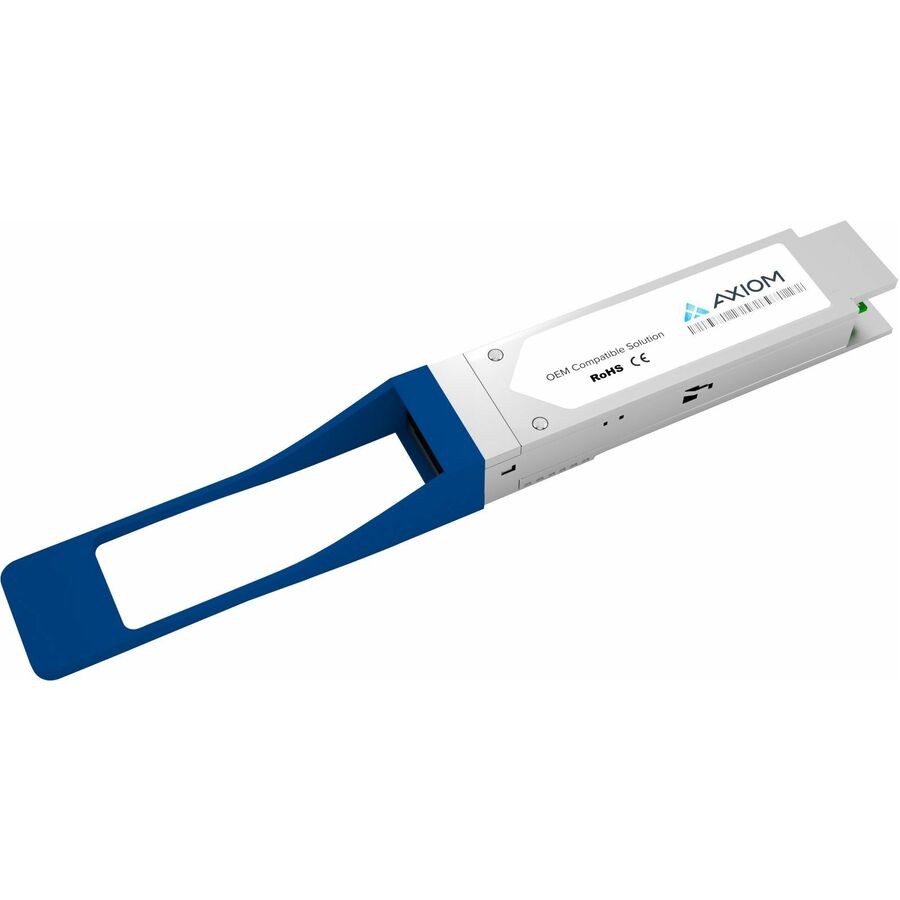
Axiom Memory Solutions
Axiom QSFP28 100G to SFP28 25G Adapter Module for Mellanox
MAM1Q00A-QSA28-S-AX
The Mellanox MAM1Q00A-QSA28-S adapter module in a coded third-party build: one QSFP28 100G cage presented as one SFP28 25G port, on optical fiber. The listing records a lifetime limited warranty and RoHS compliance.
Request pricingInfiniBand pick
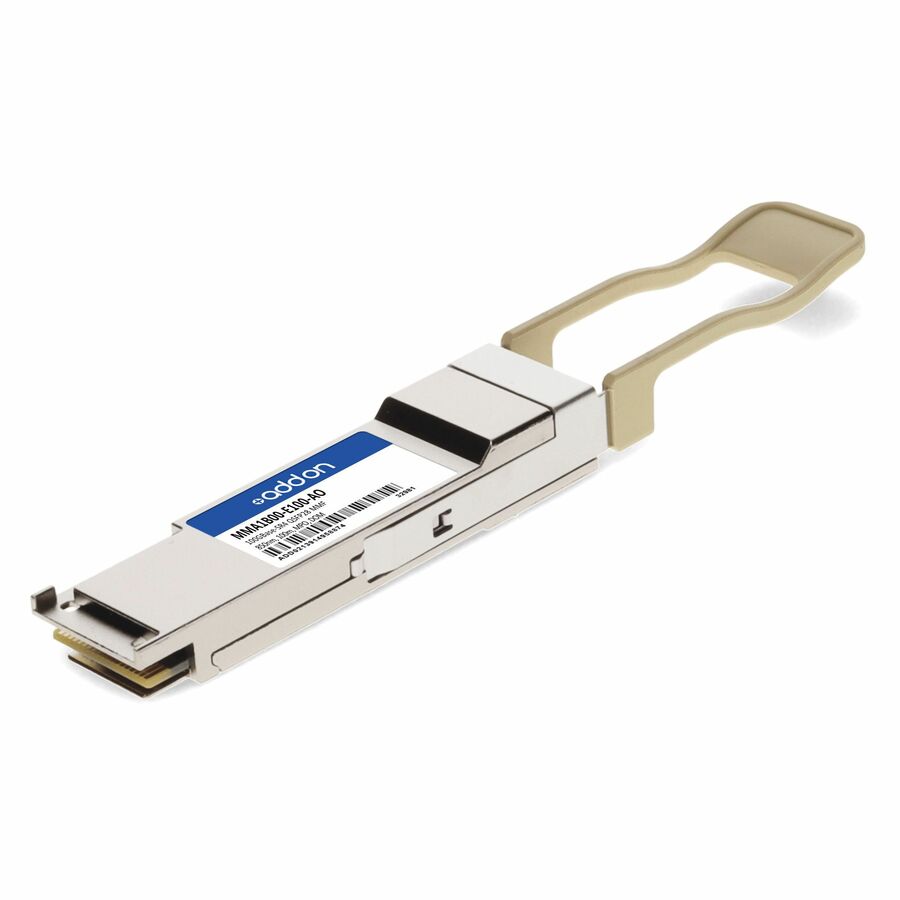
AddOn
Mellanox MMA1B00-E100 Compatible TAA 100GBase-SR4 QSFP28 Transceiver…
MMA1B00-E100-AO
The EDR InfiniBand sibling of the top pick — 100GBASE-SR4 on multimode at 850 nm to a rated 100 m, MPO, DOM, hot-swappable. Worth naming separately because a GPU fabric and an Ethernet fabric are not the same order even when the cage is.
This part number's manufacturer record publishes a country of origin of United States — the only pick here that states origin as an attribute rather than in the description.
$211.60*In stockEthernet-fabric pick
Axiom Memory Solutions
Axiom Mellanox QSFP28 Module
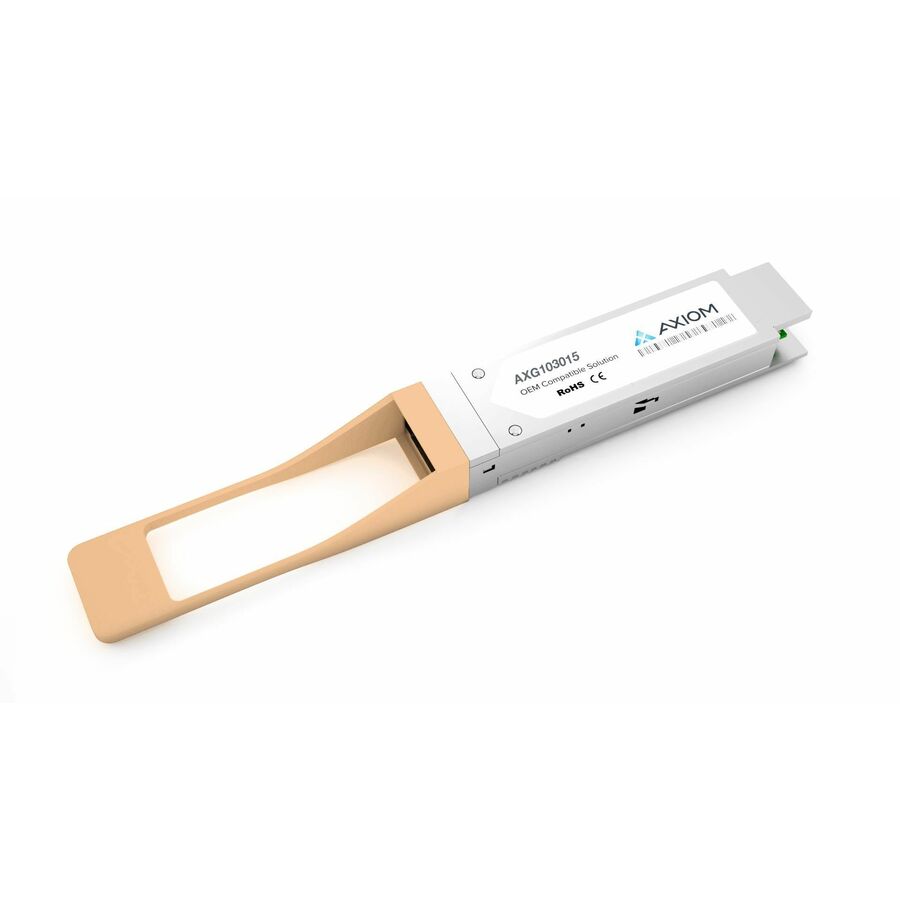
AXG103015
A 100GBASE-SR4 QSFP28 module coded for Mellanox at a rated 100 Gbit/s. Its manufacturer record carries an explicit TAA Compliant attribute, which makes it the easier line to defend when a country-of-origin question is coming.
$160.63*In stockSecond-source pick
Axiom Memory Solutions
Axiom 100GBASE-SR4 QSFP28 Transceiver for Mellanox
MMA1B00C100D-AX
The same Mellanox MMA1B00-C100D coding as the top pick, built by a different third-party vendor — multimode, MPO, 100GBASE-SR4, recorded on the listing as MSA compliant. Naming a second source for one coding is how a fabric avoids a single-vendor stall at re-order.
$167.26In stockMore transceiver modules in the Uniqcli catalog
See all 19,405 transceiver modulesMore from across this category. In-stock lines lead, and a back-ordered line carries the same estimated availability its product page does — with live pricing throughout, NDAA §889 screening before checkout and TAA verified on request.
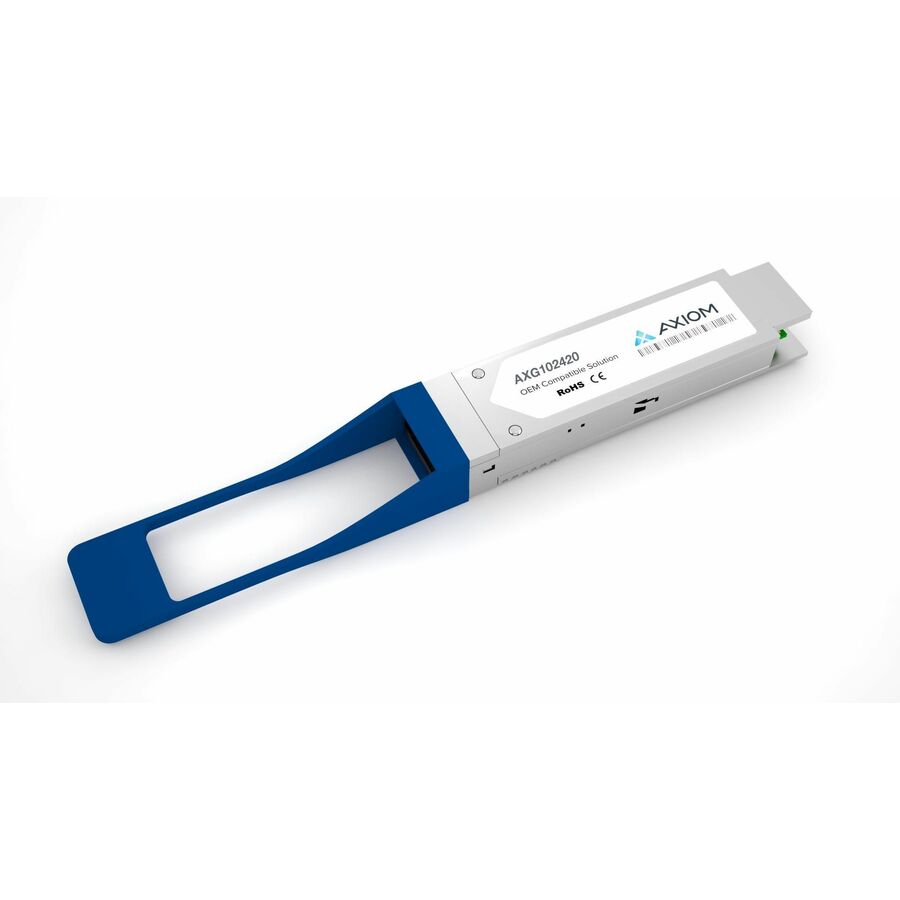
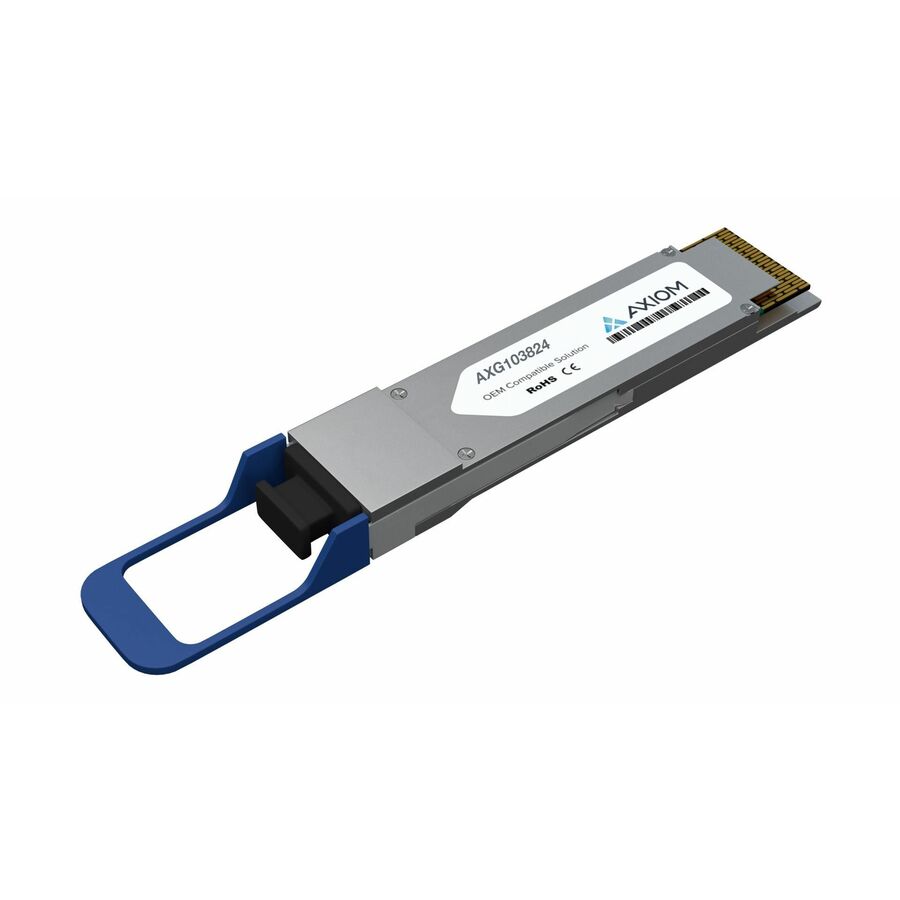
- Axiom Memory SolutionsAxiom 100% Arista Compatible 100GBASE-ZR4 QSFP28 - 100GBASE-ZR4 QSFP28 Transceiver for Arista - QSFP-100G-ZR4 - TAA CompliantAXG102420
$34,893.33
$13,841.40*
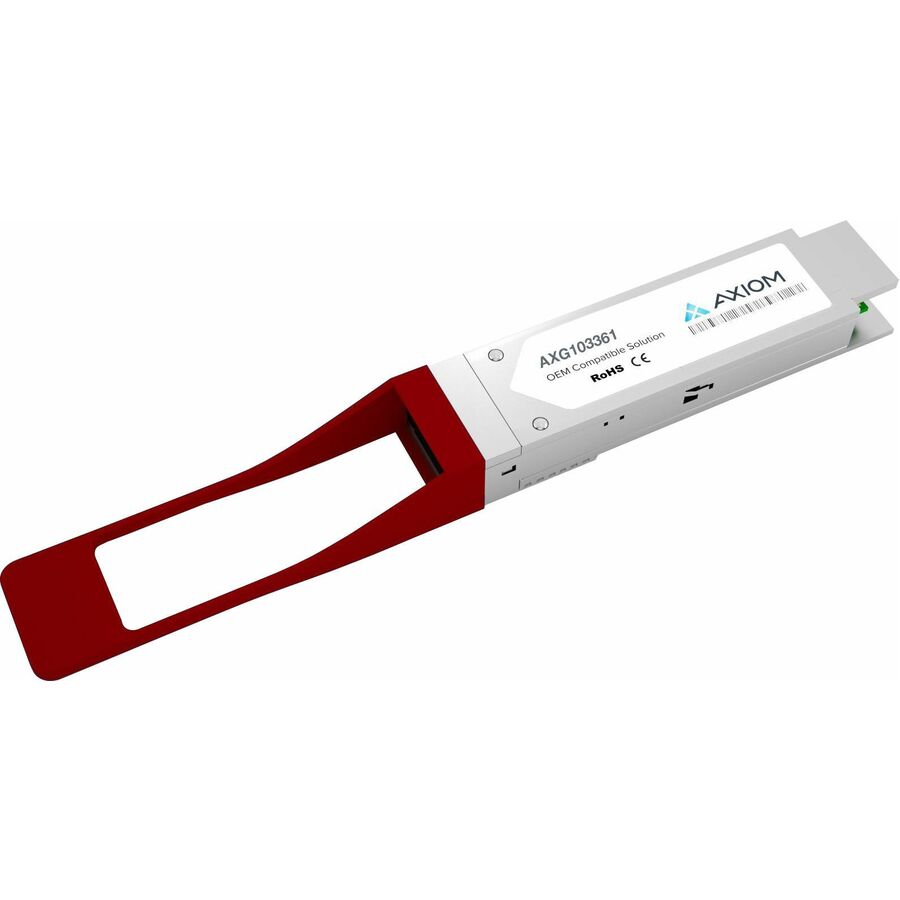
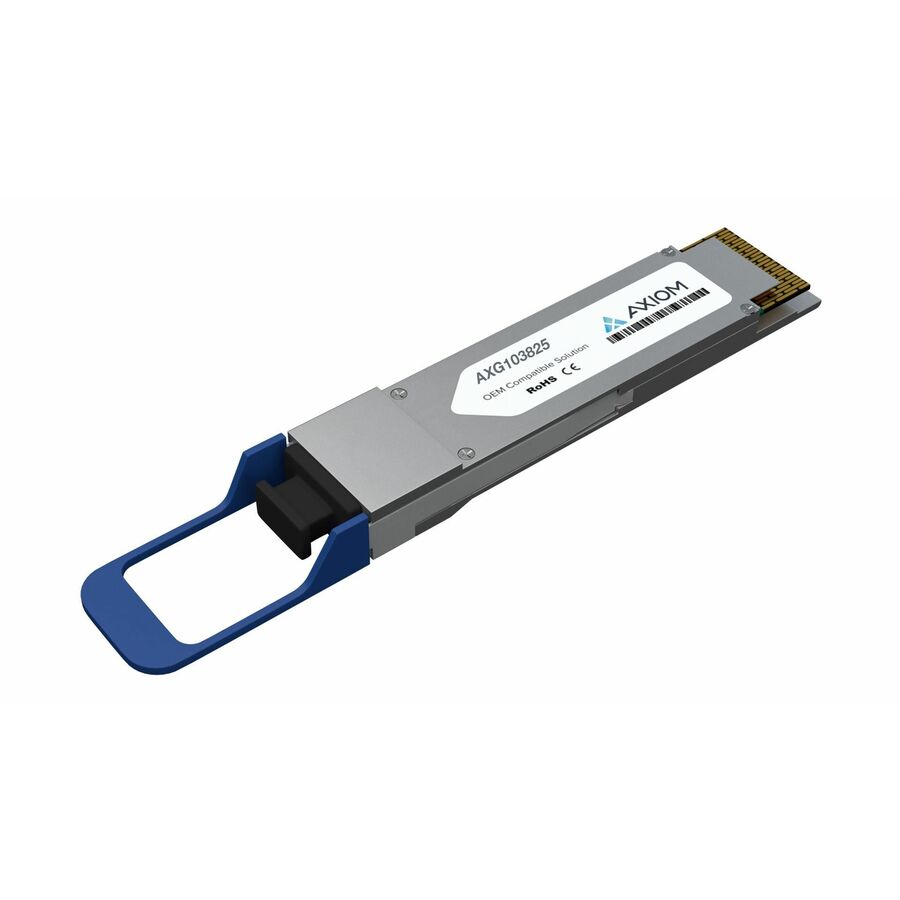
1 in stock - Axiom Memory Solutions100% Gigamon Compatible 100GBASE-ER4L QSFP28 - Axiom 100GBASE-ER4L QSFP28 Transceiver for Gigamon - Q28-504AXG103361
$14,460.00
$5,736.03
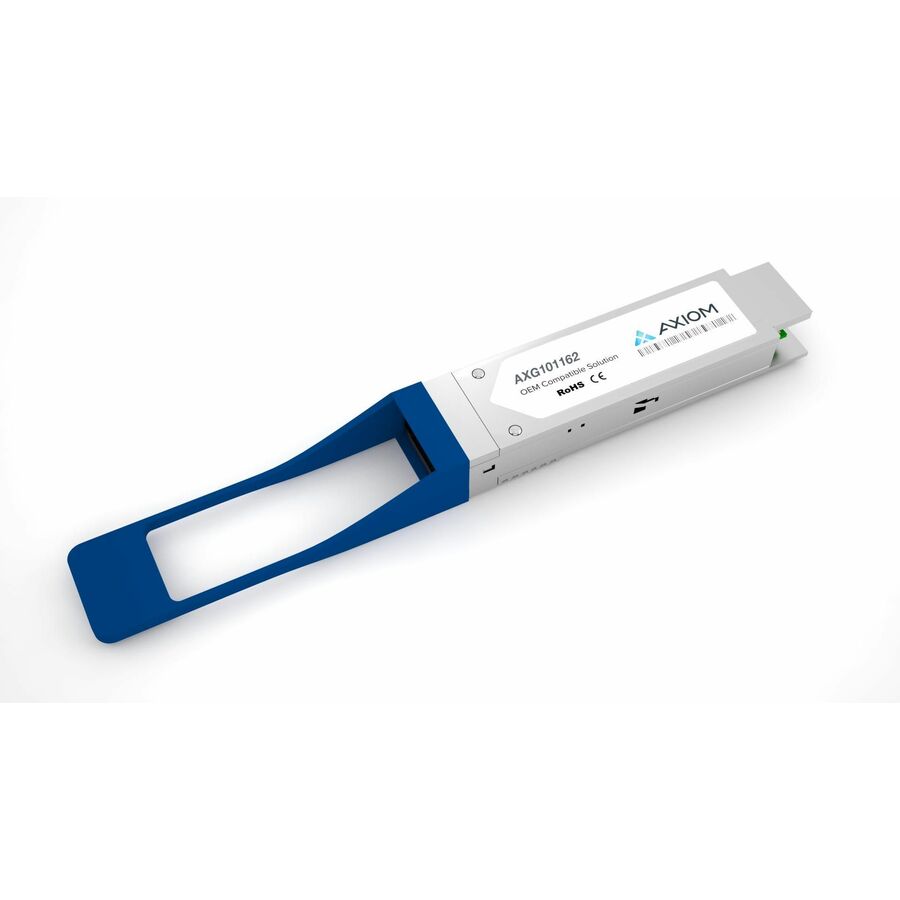
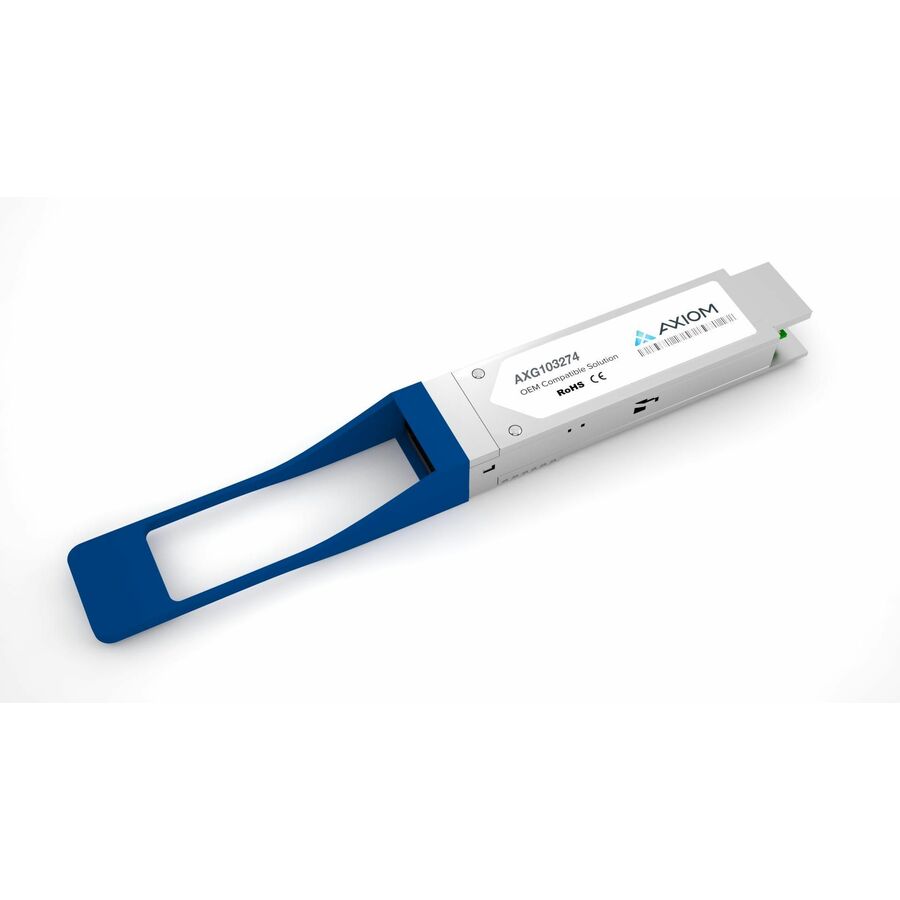
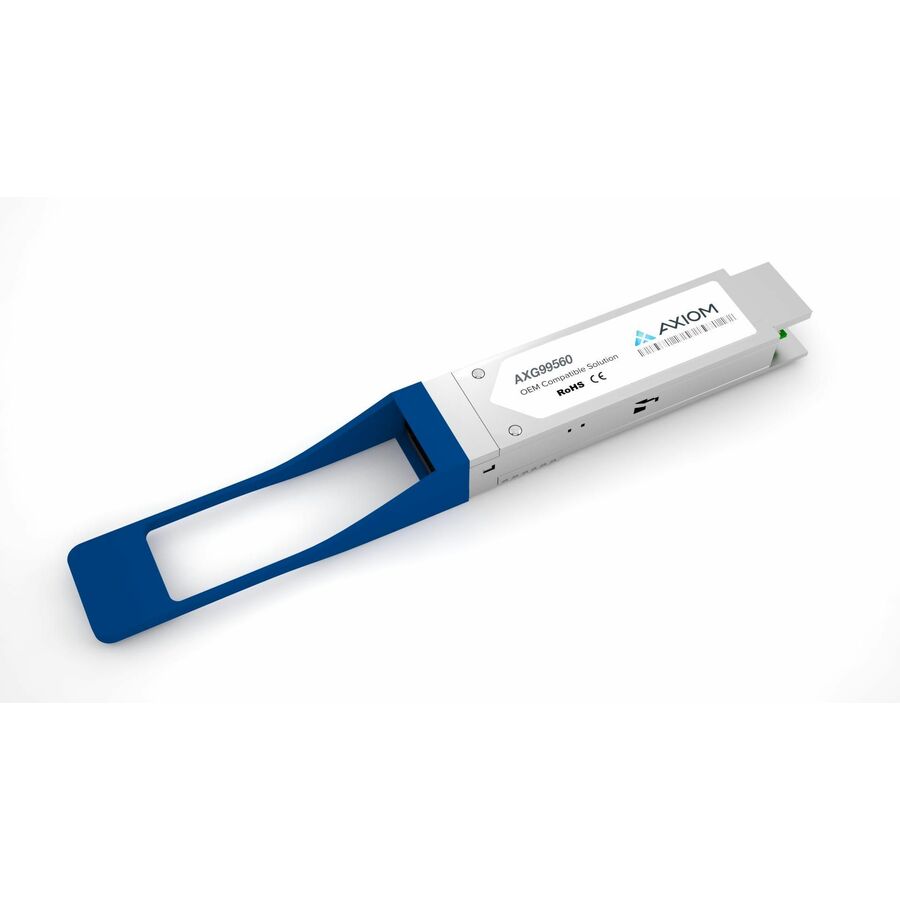
4 in stock - Axiom Memory SolutionsAxiom 100% MSA Compatible 100GBASE-LR4 QSFP28 - 100GBASE-LR4 QSFP28 Transceiver - AXG103274 - TAA CompliantAXG103274
$11,933.33
$4,733.77*
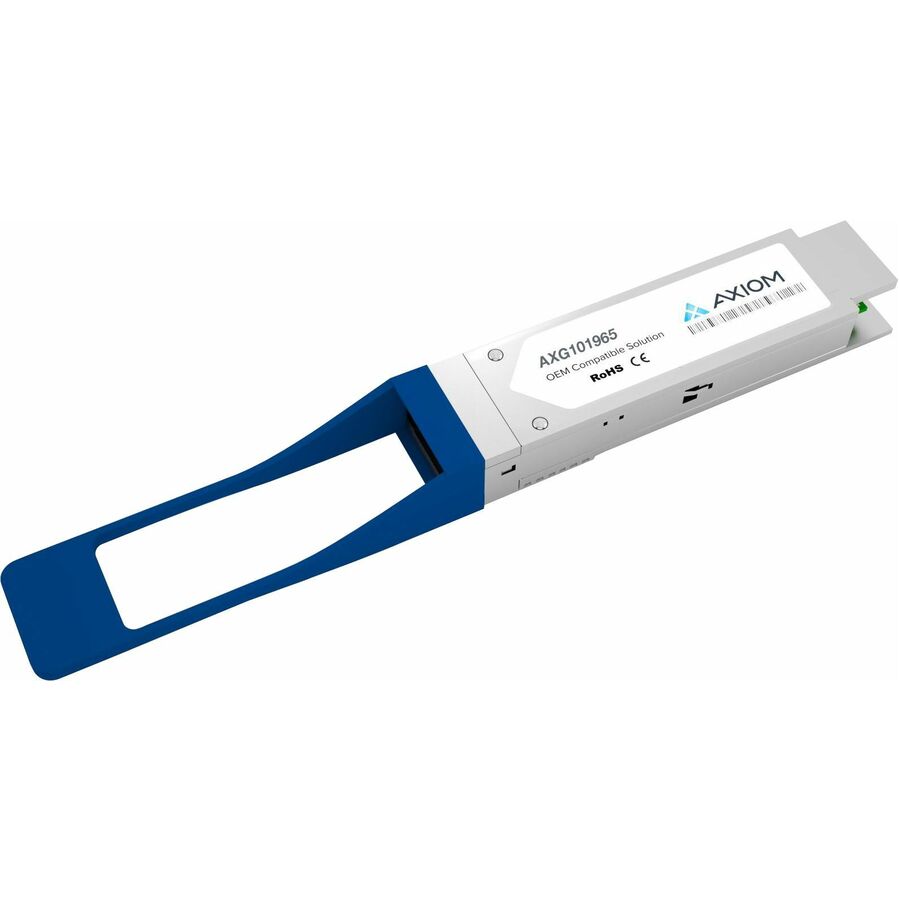
316 in stock - Axiom Memory SolutionsAxiom 100GBase-ERL QSFP28 Transceiver for Cisco - QSFP-100G-ERL-S -TAA Compliant - For Optical Network, Data Networking - 1 x LC 100GBase-ERL Network - Optical Fiber - Single-mode - 100 Gigabit Ethernet - 100GBase-ERL - 100 Gbit/s - 25 km Maximum Distance - TAA CompliantAXG101965
$7,860.00
$3,117.99*
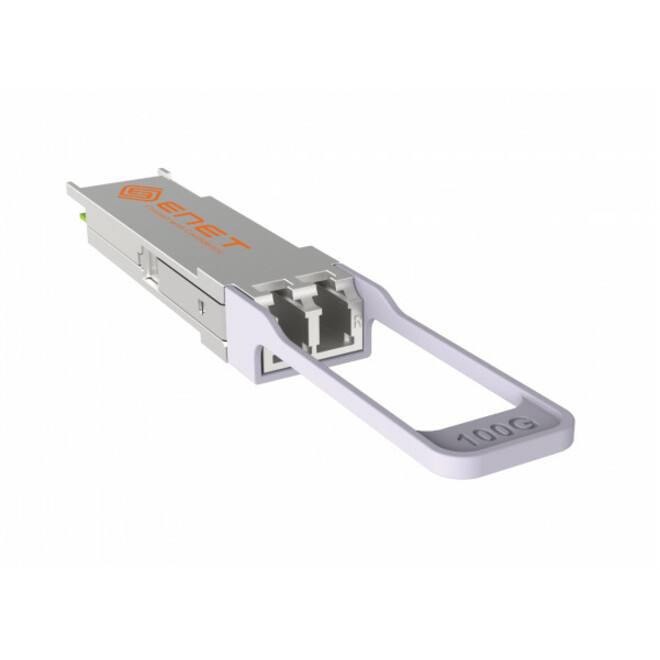
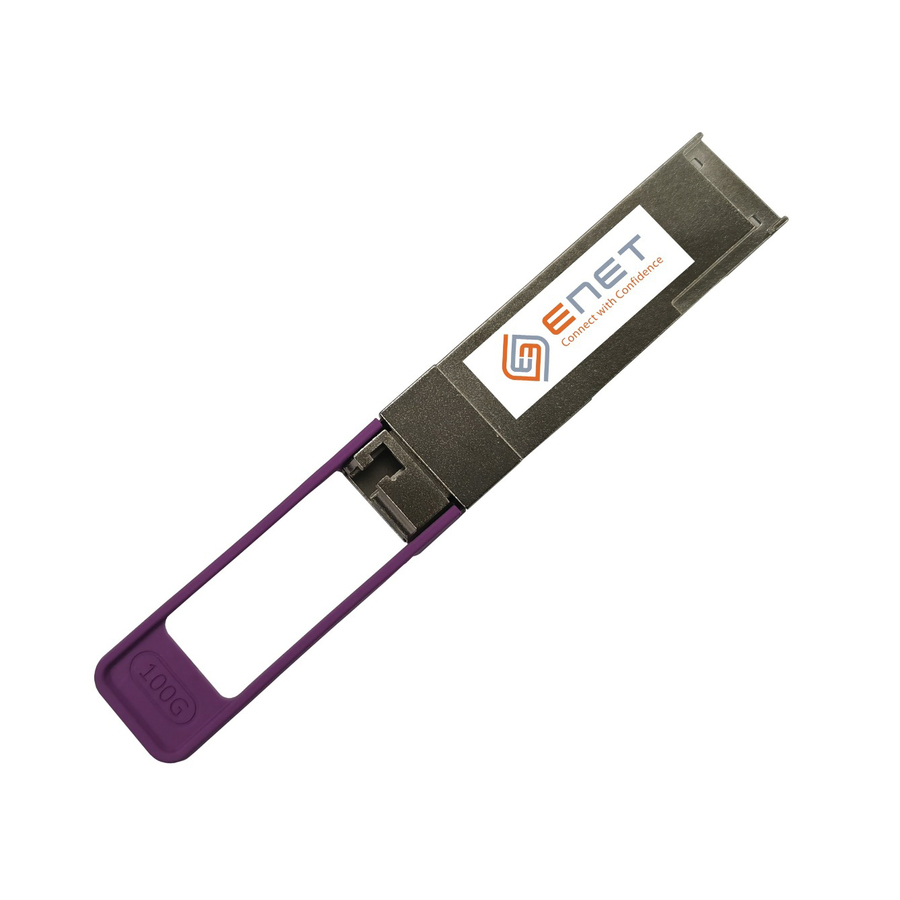
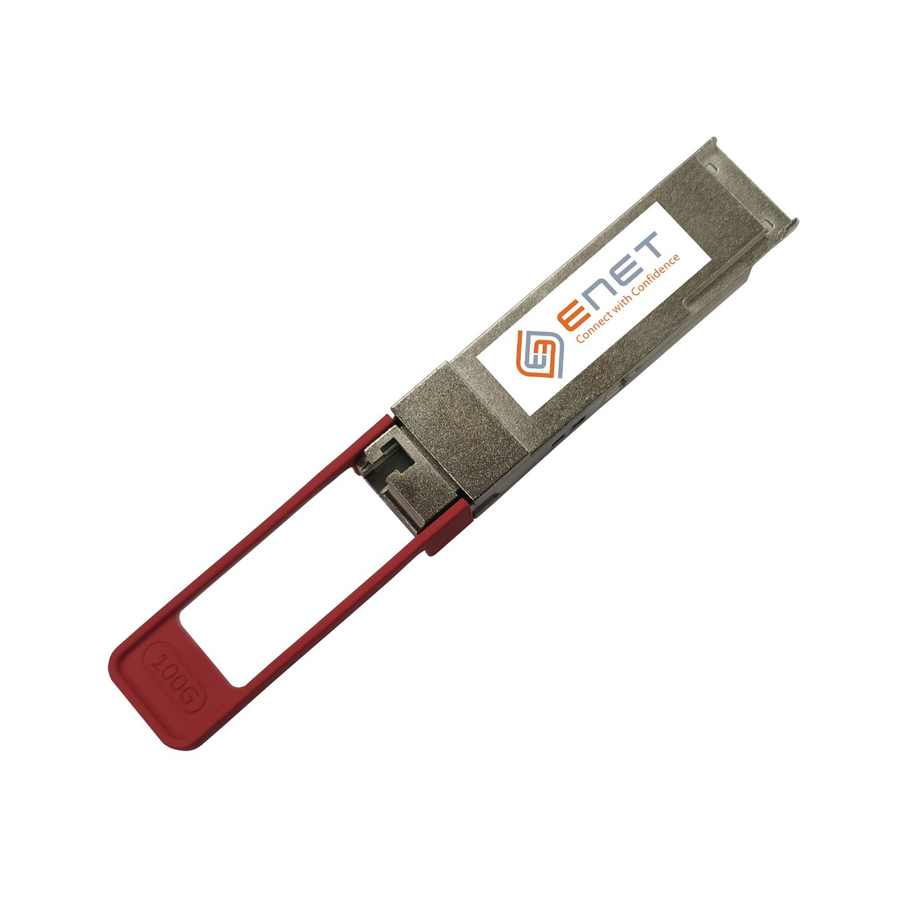
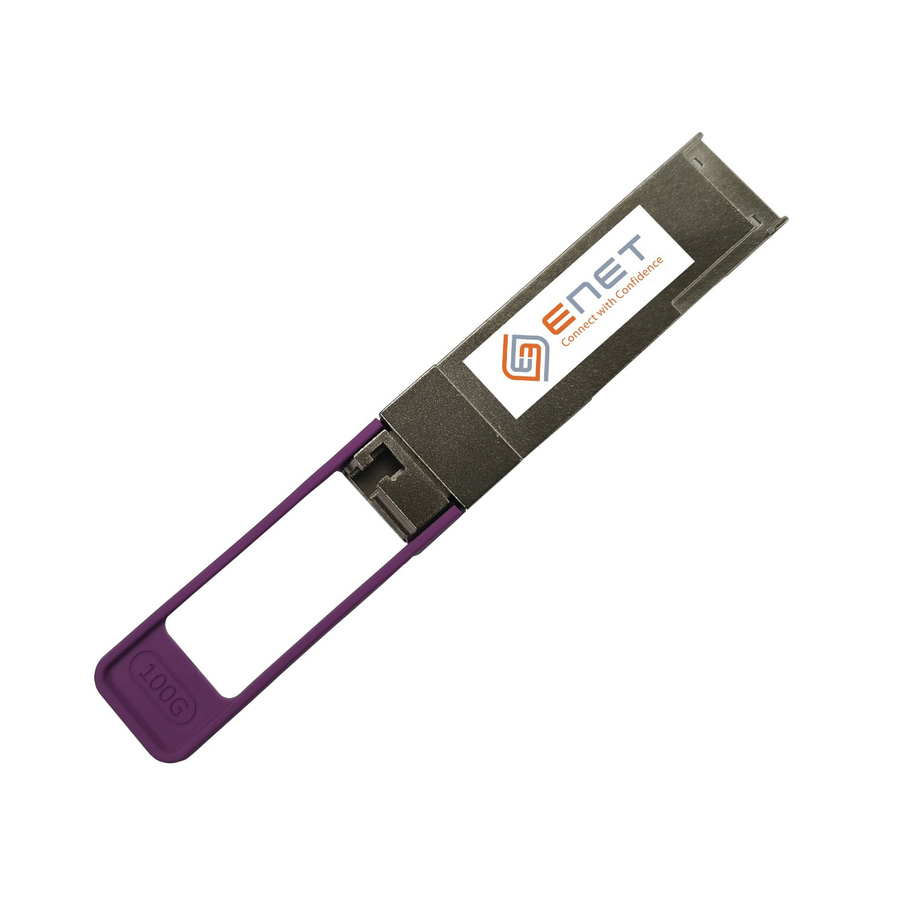
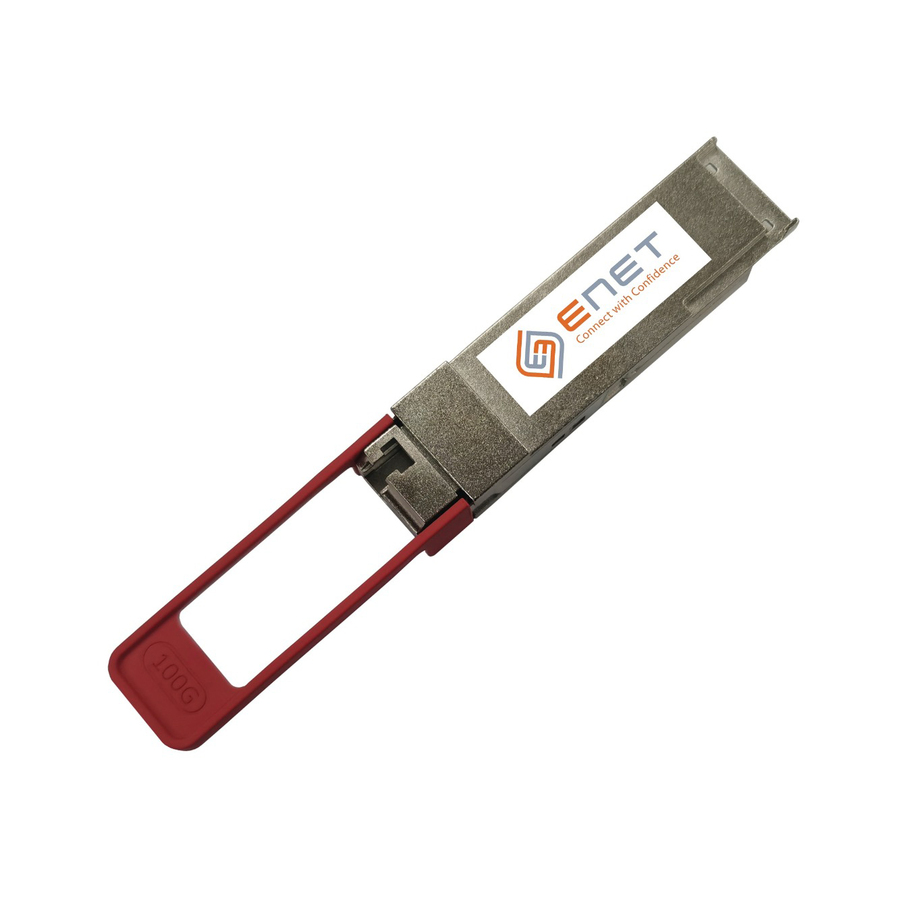
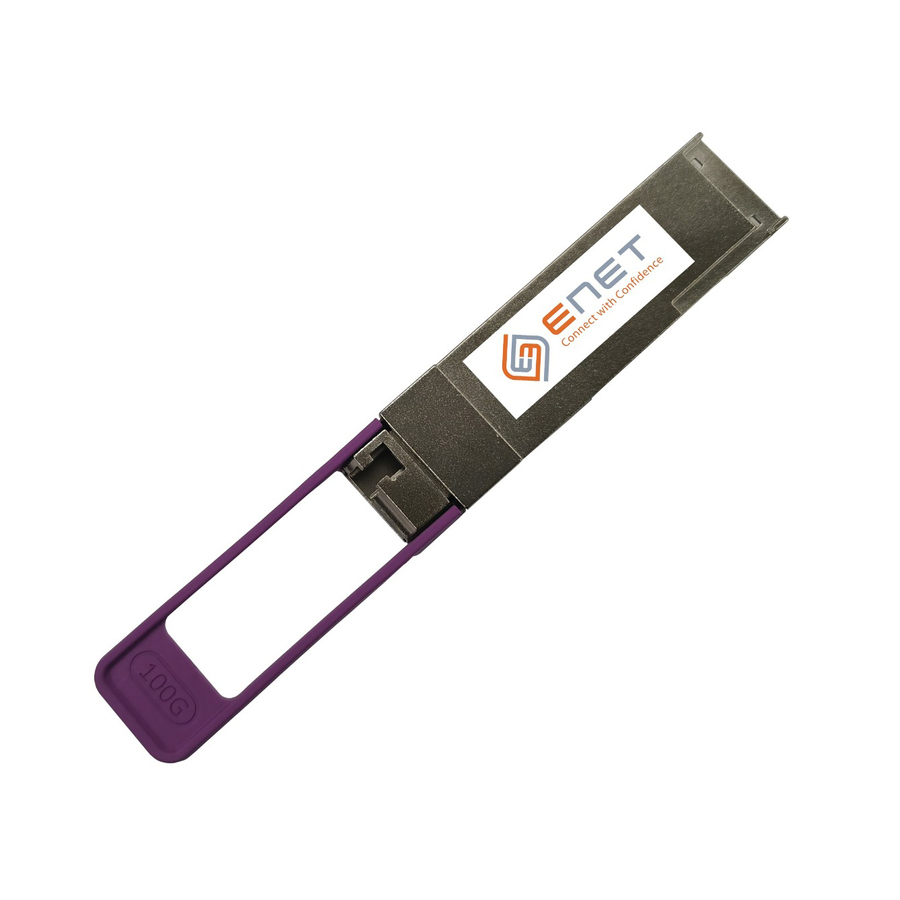
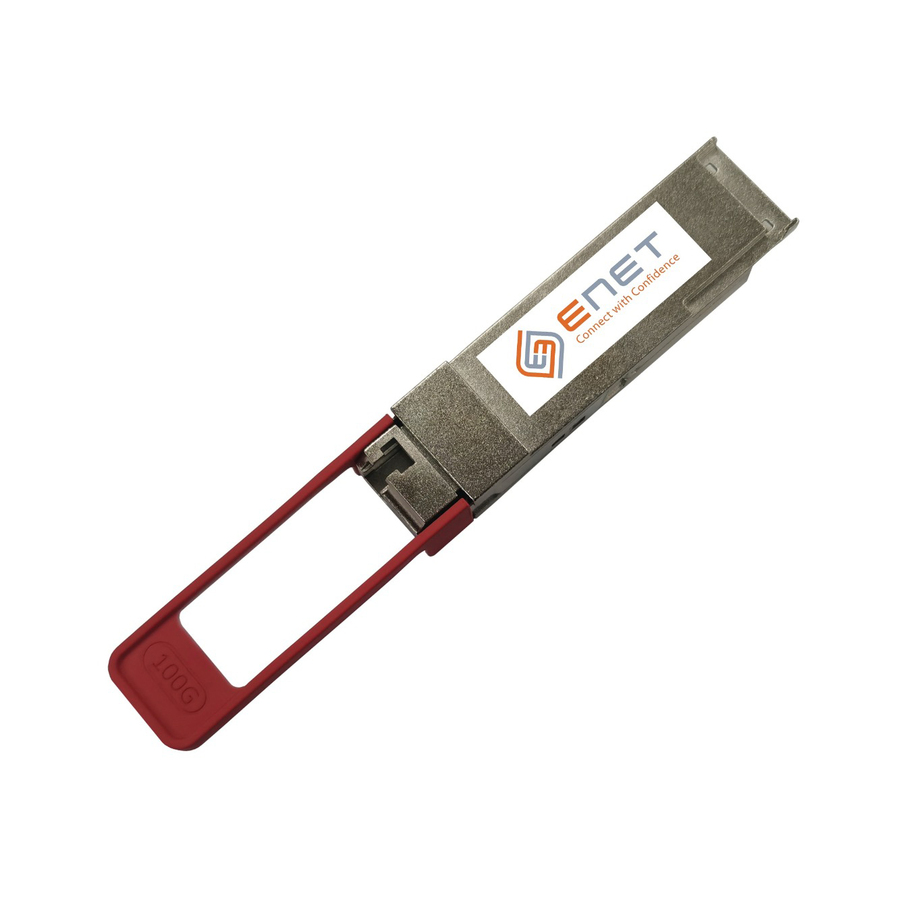
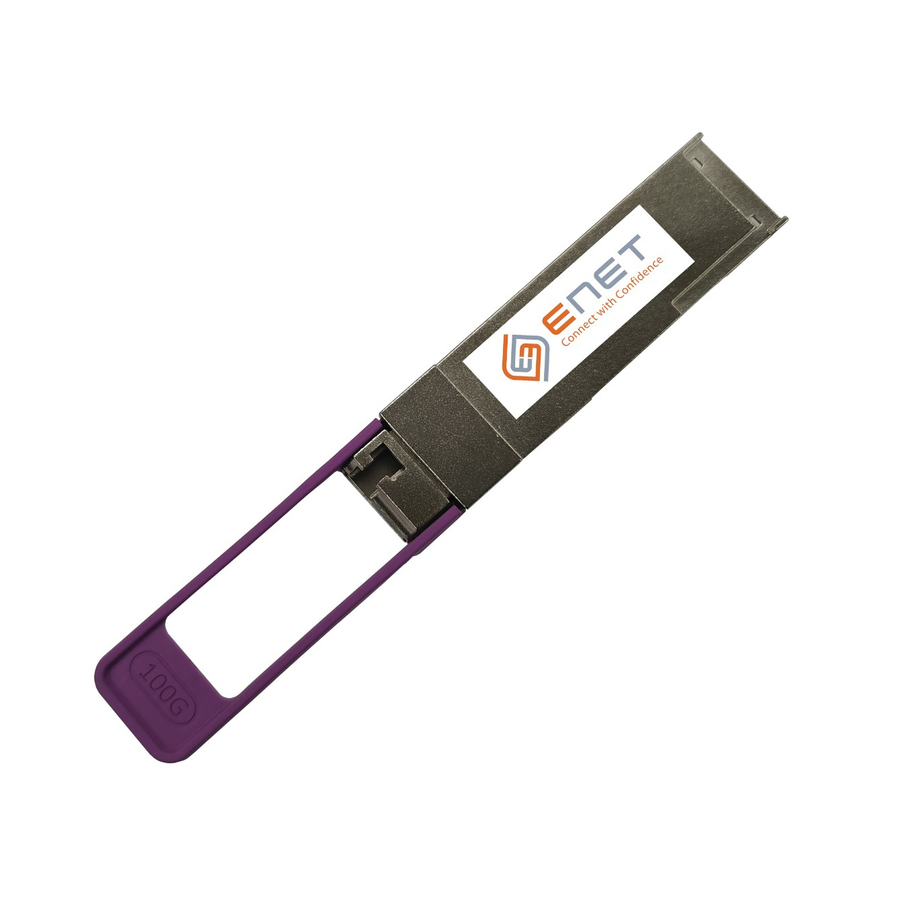
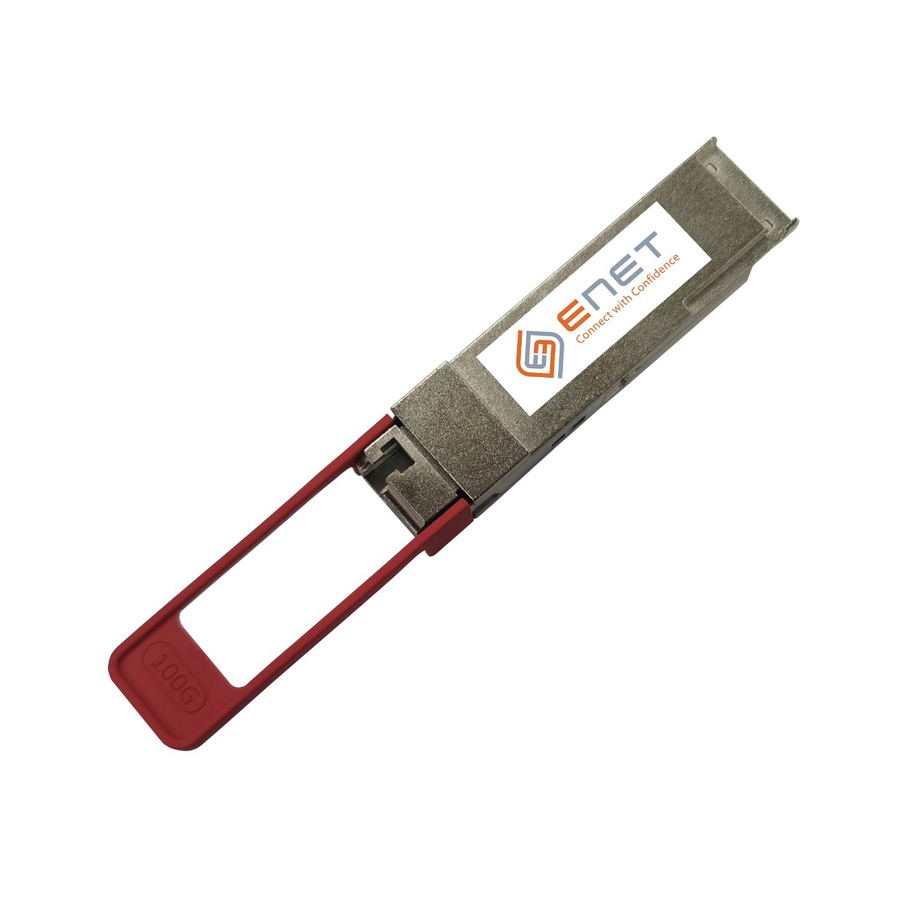
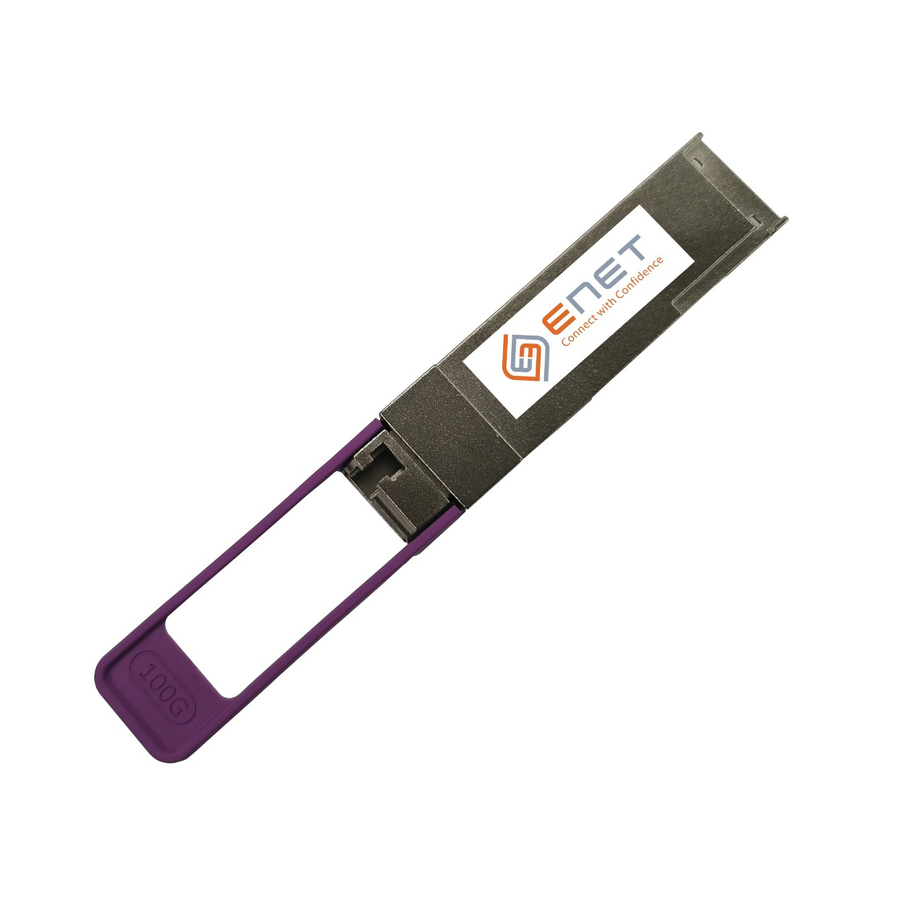
4 in stock - NSI IndustriesENET Ruckus (Formerly Brocade) E100G-SQFP28-BXU-10KM Compatible TAA Compliant Functionally Identical 100GBASE-BIDI QSFP28 1271/1331nm 10km DOM SMF Simplex LC Connector Commercial Temp - Programmed, Tested, and Supported in the USA, Lifetime WarrantyE100G-QSFP28-BXU-10KM-ENC
$9,800.00
$7,130.50
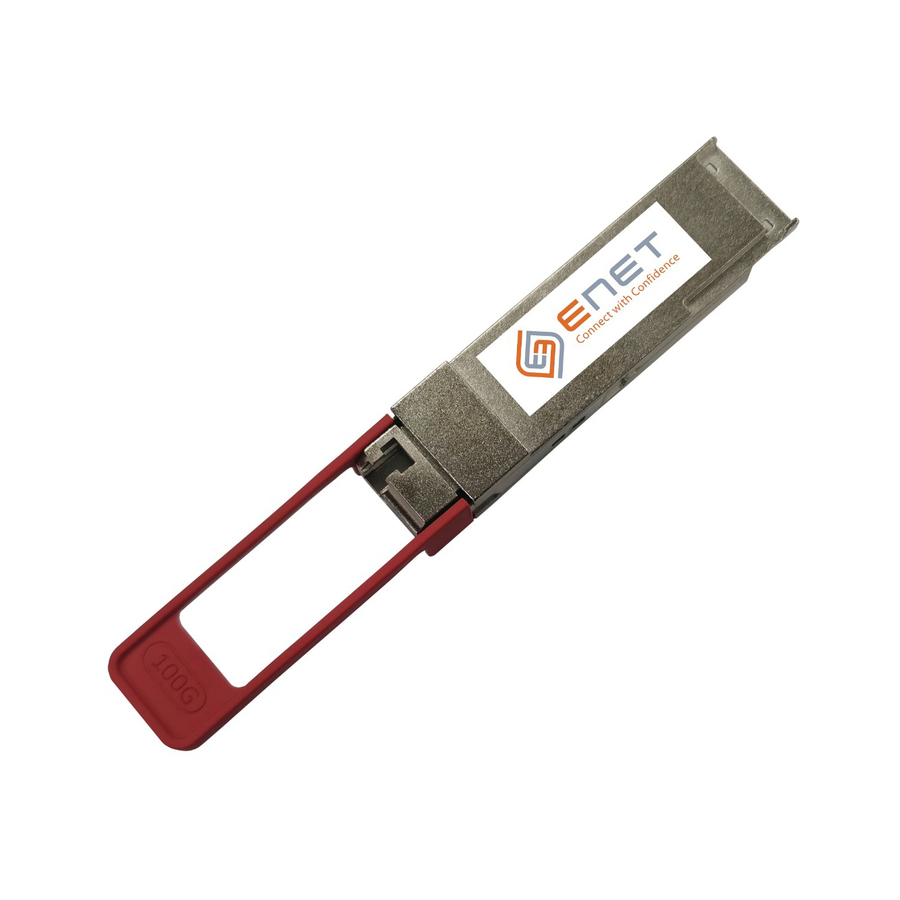
8 in stock - NSI IndustriesENET Ruckus (Formerly Brocade) E100G-SQFP28-BXD-10KM Compatible TAA Compliant Functionally Identical 100GBASE-BIDI QSFP28 1331/1271nm 10km DOM SMF Simplex LC Connector Commercial Temp - Programmed, Tested, and Supported in the USA, Lifetime WarrantyE100G-QSFP28-BXD-10KM-ENC
$9,800.00
$7,130.50
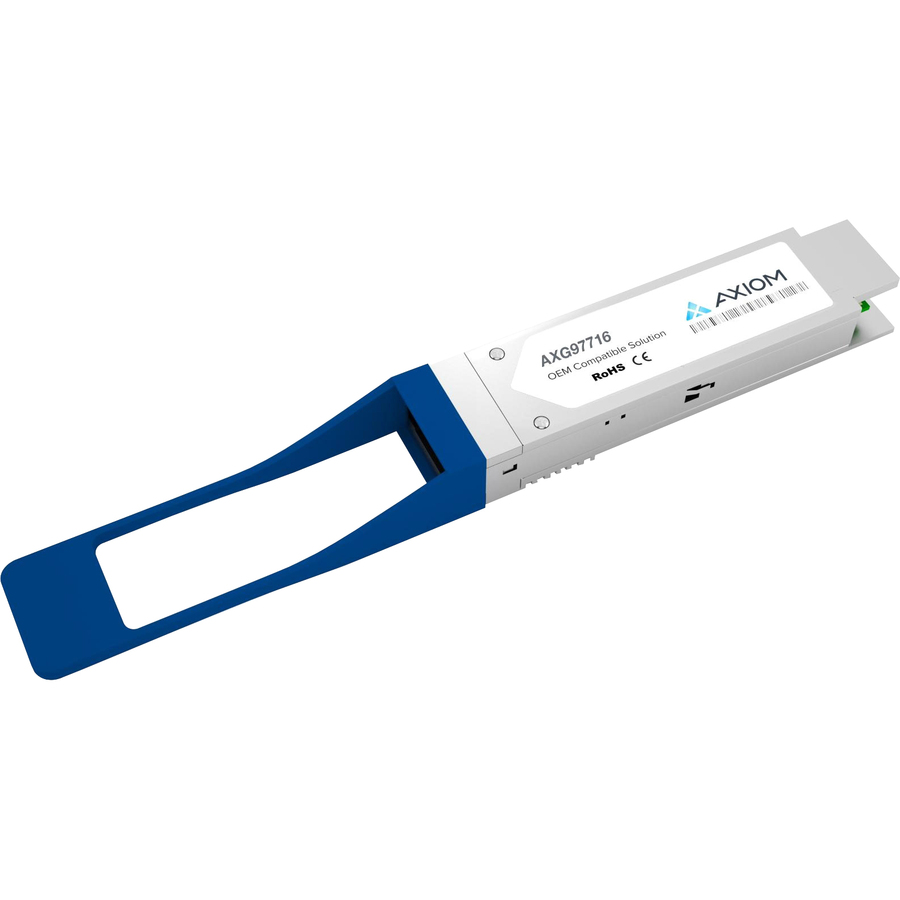
8 in stock - Axiom Memory SolutionsAxiom 100GBASE-LR4 QSFP28 Transceiver for Palo Alto - TAA Compliant - 100% Palo Alto Compatible 100GBASE-LR4 QSFP28AXG97716
$3,440.00
$808.03*
316 in stock

Need pricing on QSFP28 modules?
Tell us where to reach you and a Uniqcli specialist will follow up by email with current pricing, availability and lead time for the quantities you need — including parts that aren’t shown on this page.
Buying for an organization or for yourself — both work. No payment up front.
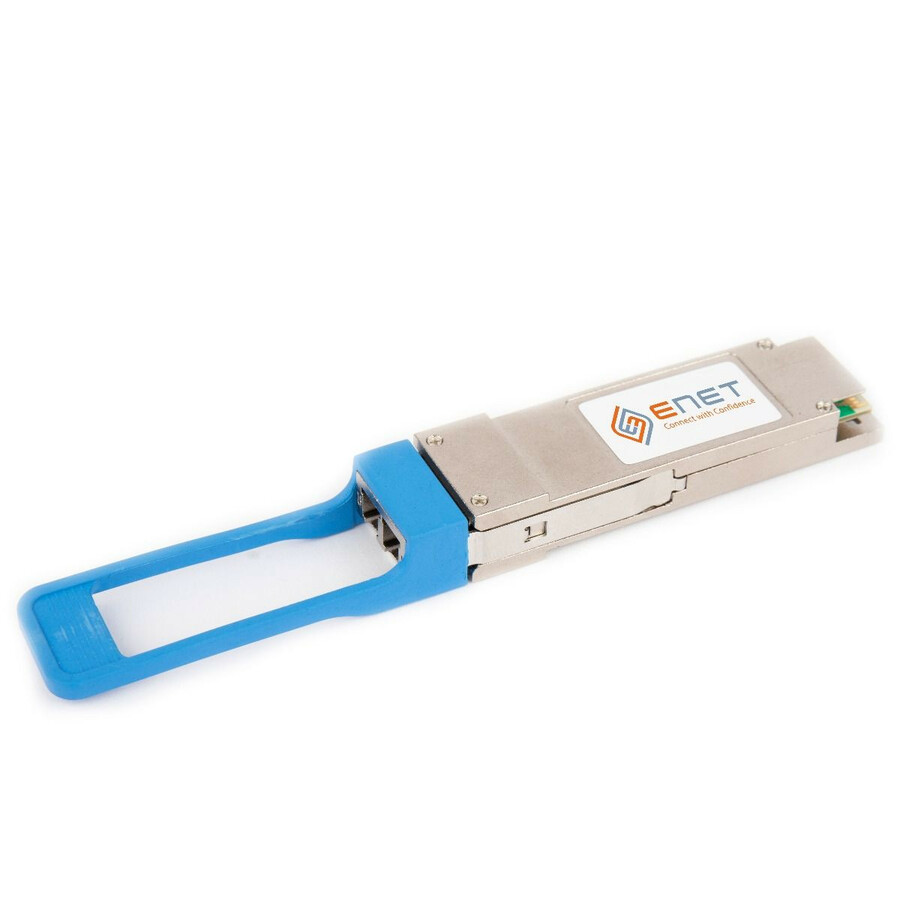
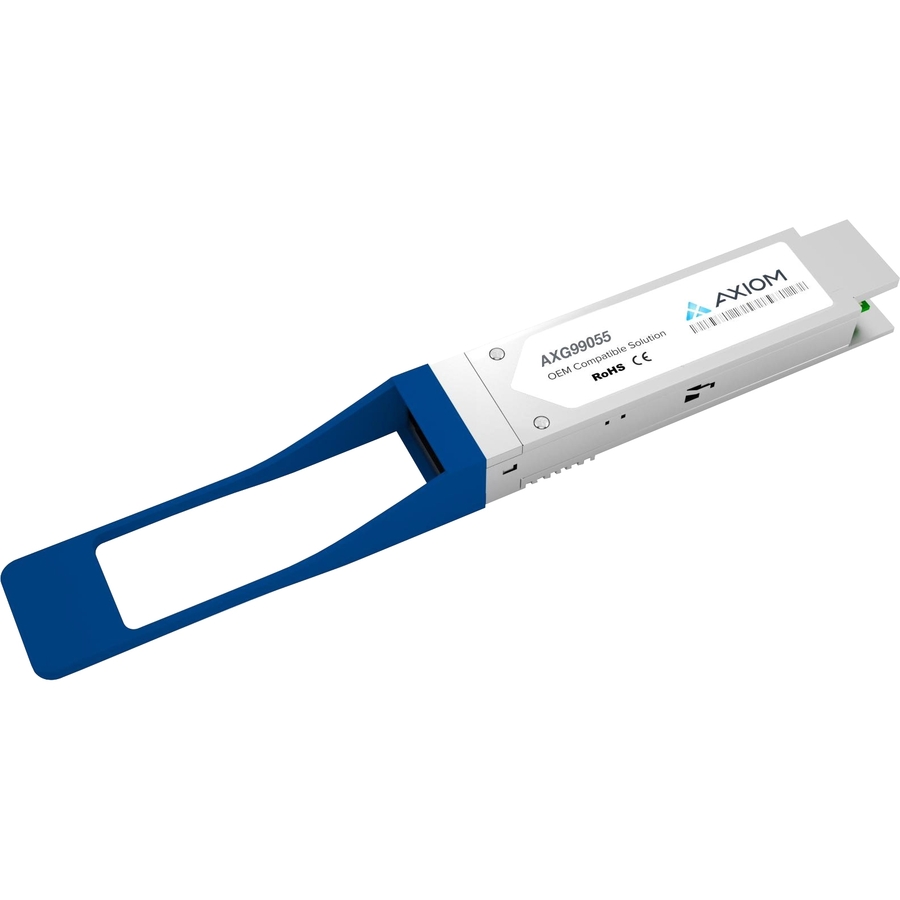
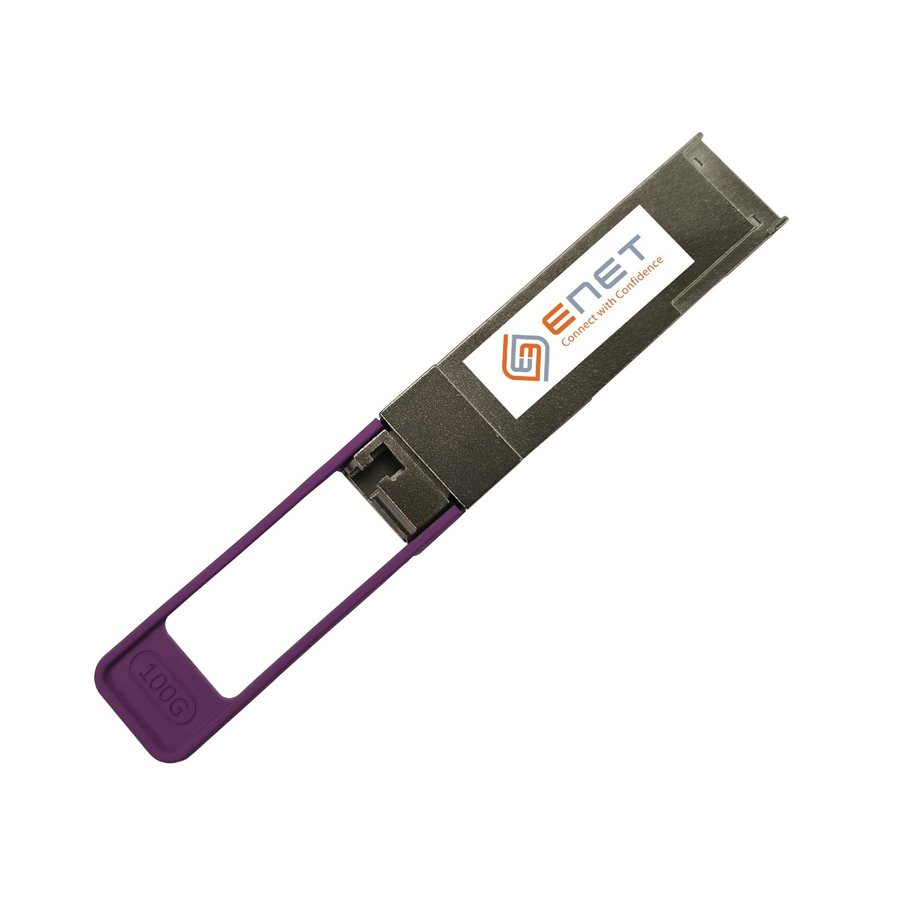
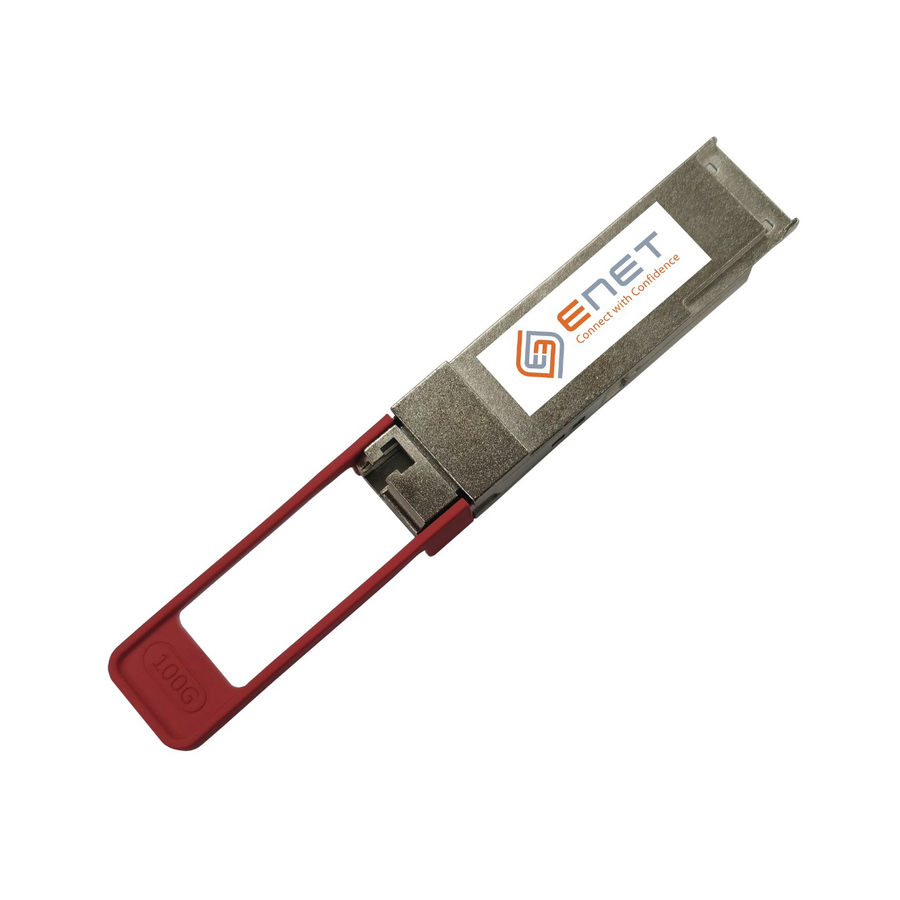
A 100G port is four 25G lanes in one cage, and the connector follows from that: 100GBASE-SR4 sends those four lanes down four pairs of multimode fiber and terminates in an MPO-12, not the duplex LC a 1G or 10G module uses. Check the connector before the transceiver, then match the coding to the switch platform per part number.
A 100G port is four 25G lanes in one cage, and almost every decision on this page follows from that sentence. 100GBASE-SR4 — the standard that dominates this category and every pick below — sends those four lanes down four pairs of multimode fiber and terminates in an MPO-12 connector, not the duplex LC a 1G or 10G module uses. If the fiber going into the rack is duplex LC patch cord, an SR4 module cannot use it, and that discovery usually arrives after the switches do. Check the connector before the transceiver.
The second decision is coding. A switch reads a module's EEPROM and decides whether to bring the port up, so a module has to be coded for the platform it is going into: a part coded for Mellanox will not necessarily light in an Arista cage, and the same optical component ships under several codings at several prices. Everything in this grid is third-party, MSA-compliant optics coded for a named platform — which is what this market is, and what every vendor ranking for these queries sells. It is not OEM stock, it does not carry an OEM warranty, and it does not carry an OEM support entitlement; where a support contract requires OEM optics in a specific chassis, that requirement wins and the quote should say so.
The third is the adapter question, which is why this page is not transceivers alone. A QSFP28-to-SFP28 adapter drops a single 25G module into a 100G cage, so a spine switch bought for fabric uplinks can also serve 25G servers without a breakout harness or a second switch. It is a cheap part that changes what a port inventory is worth. Fabric-scale orders — the 64-port build, the GPU cluster, the spine refresh — are quoted as a bill of materials alongside the switch licensing and the staging and cabling labour, rather than assembled a card at a time.
Buyer's checklist
How to choose a 100G QSFP28 module
- Identify the connector first. SR4 and PSM4 terminate in MPO-12; a duplex LC patch cord will not mate with either, and the fiber usually cannot be changed as easily as the module.
- Match the coding to the switch platform, per part number — the same optical component ships under several codings, and a switch that does not recognise the EEPROM will not bring the port up.
- Confirm the fiber type and grade the reach assumes. SR4 is multimode; OM3 and OM4 do not reach the same distance, and the module's own listing states the figure it was rated against.
- Decide whether the port is a fabric uplink or an endpoint feed. A QSFP28-to-SFP28 adapter turns one 100G cage into a 25G port and is far cheaper than the switch you would otherwise buy.
- Check DOM support if your monitoring stack reads optical power. It is per part number and it is stated on the listing, not implied by the standard.
- Ask about the support posture before standardising. Third-party optics are the norm in this category, but a chassis under an OEM support contract may have a contractual requirement that overrides the price.
- Order spares with the fabric. A dead module on a spine link is an outage, and the lead time on a coded part is not the lead time on a generic one.
- Put the switch licensing, the fiber, the cassettes and the staging labour on the same quote as the optics — a fabric is a project, and splitting it across purchase orders is how the schedule slips.
SR4, PSM4 and the connector that decides everything
100GBASE-SR4 is the short-reach standard this category is built on. Four lanes at 25G each, multimode fiber at 850 nm, an MPO-12 connector, and a rated reach measured in tens of metres rather than kilometres — which is exactly right for a link that stays inside a row. PSM4 is the parallel single-mode answer for the same MPO connector when the run leaves the row, and it uses four single-mode fibers instead of four multimode pairs. Both are parallel optics, and both are why a 100G project buys MPO trunks and cassettes rather than duplex patch cords.
The trap is that a 1G or 10G module uses duplex LC and a 100G SR4 module does not, so a team that has cabled a rack for years without thinking about connectors will find the fiber is the blocker. Retrofitting MPO into an existing duplex plant is a cabling project, not a parts order. Establish which connector the fiber terminates in before the transceiver line is priced, and if the answer is duplex LC, the conversation moves to breakout cassettes or a different standard rather than a cheaper module.
Why a 100G port sometimes wants to be a 25G port
Spine and leaf switches are bought for fabric bandwidth, and a build almost always ends up with more 100G cages than 100G endpoints. A QSFP28-to-SFP28 adapter closes that gap for the price of a cable: seat the adapter, seat a 25G module, and the port serves a server NIC instead of sitting empty. It is the single most useful cheap part in this category and it is routinely left off a bill of materials because nobody thinks to ask for it.
The alternative — a 4x25G breakout from one QSFP28 into four SFP28 endpoints — is a different part and a different topology, and it is the right answer when four servers sit close enough to share one cage. Both approaches beat buying a second switch to terminate a handful of 25G links. Decide which one the rack layout supports before the port count is finalised, because the harness lengths are fixed and short.
What a fabric costs beyond the optics
Optics are rarely the biggest line on a fabric order and they are almost never the longest-lead one. A 100G build carries the switches themselves, the operating-system and feature licensing those switches need, MPO trunks and cassettes sized to the row, the patch panels they land in, structured cabling labour, and the staging and configuration work that turns a pallet into a running fabric. On an AI or GPU cluster, add the InfiniBand side and the management network, both of which have their own optics.
Uniqcli quotes those together — hardware, licensing, and the deployment and lifecycle services — on one document rather than leaving half of it to a second purchase order. For a build of any size the practical route is the bill-of-materials upload rather than a cart: it prices the whole fabric at once, keeps the country-of-origin and §889 screening attached to every line, and produces a single quote a programme can actually approve.
FAQ
Common questions
- Will a third-party QSFP28 module work in my switch?
- It depends on the coding, not on the optics. A switch reads the module's EEPROM and decides whether to bring the port up, so a module has to be coded for the platform it is going into — a part coded for Mellanox is not automatically accepted in an Arista or Cisco cage. Each listing states the platform its coding targets. Some switch operating systems also require an explicit configuration flag before they will accept a non-OEM module, and where a chassis sits under an OEM support contract that contract may require OEM optics regardless of whether the port comes up. Check both before standardising a fleet on a third-party part.
- What is the difference between 100GBASE-SR4 and PSM4?
- Both are parallel optics carrying four 25G lanes and both terminate in an MPO connector, so the cabling looks the same. The difference is the fiber. SR4 runs on multimode fiber at 850 nm and is rated in tens of metres, which suits links inside a row. PSM4 runs on parallel single-mode fiber and reaches much further, which suits links that leave the row or the room. The module you can buy is decided by the fiber already in the building, not the other way round.
- Can a 100G port serve a 25G server?
- Yes, in two ways. A QSFP28-to-SFP28 adapter seats one 25G module in the 100G cage and presents the port as a single 25G link — simple, cheap, and the right answer when one server needs feeding. A 4x25G breakout splits one QSFP28 cage into four SFP28 endpoints over a fixed harness, which is better value when four servers sit close enough together. Both avoid buying a second switch to terminate a handful of 25G links, and both should be on the bill of materials before the port count is signed off.
- Do I need DOM on a 100G module?
- You need it if anything monitors optical power. Digital optical monitoring exposes transmit and receive power, temperature and bias current to the switch, which is how a network team sees a fiber degrading before a link drops rather than after. On a spine or a GPU fabric that visibility is worth having. DOM support is stated per part number on the listing rather than implied by the standard, so read it on the specific module rather than assuming the family carries it.
- Can Uniqcli quote 100G optics for a government or education order?
- Every line Uniqcli quotes is sourced through US distribution and screened for TAA country-of-origin and NDAA §889 status before checkout — with documentation tied to the specific part number, not a product family.
Need QSFP28 modules pricing?
Send a bill of materials or part numbers — we confirm stock and a below-market total, with TAA verified on request. No payment up front.