
Best Single-Mode (OS2) Fiber Patch Cables
OS2 9/125 cords in LC, SC, ST, FC and MPO/MTP — simplex and duplex, UPC and APC polish, in LSZH, OFNP plenum and armored jackets.
Single-mode fiber patch cables in stock at Uniqcli
How to choose →A curated selection with live pricing — in-stock lines first, then back-ordered lines with a typical lead time. Every line is sourced through US distribution and screened for NDAA §889 status before checkout, with TAA verified on request.
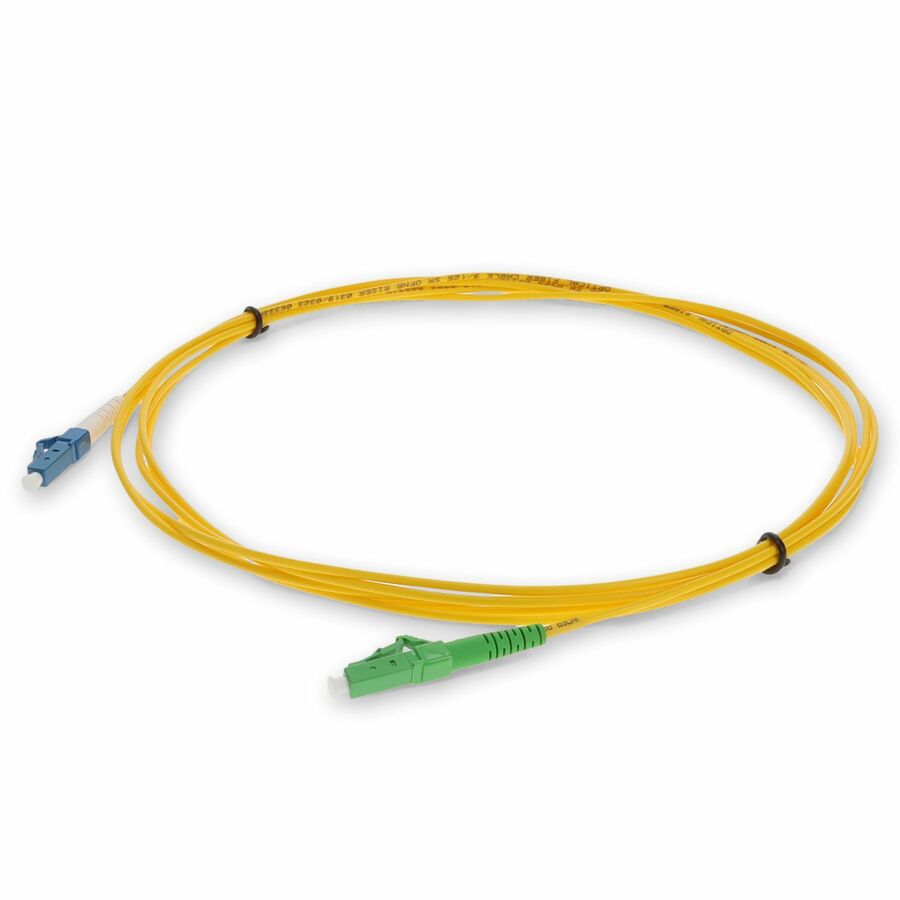
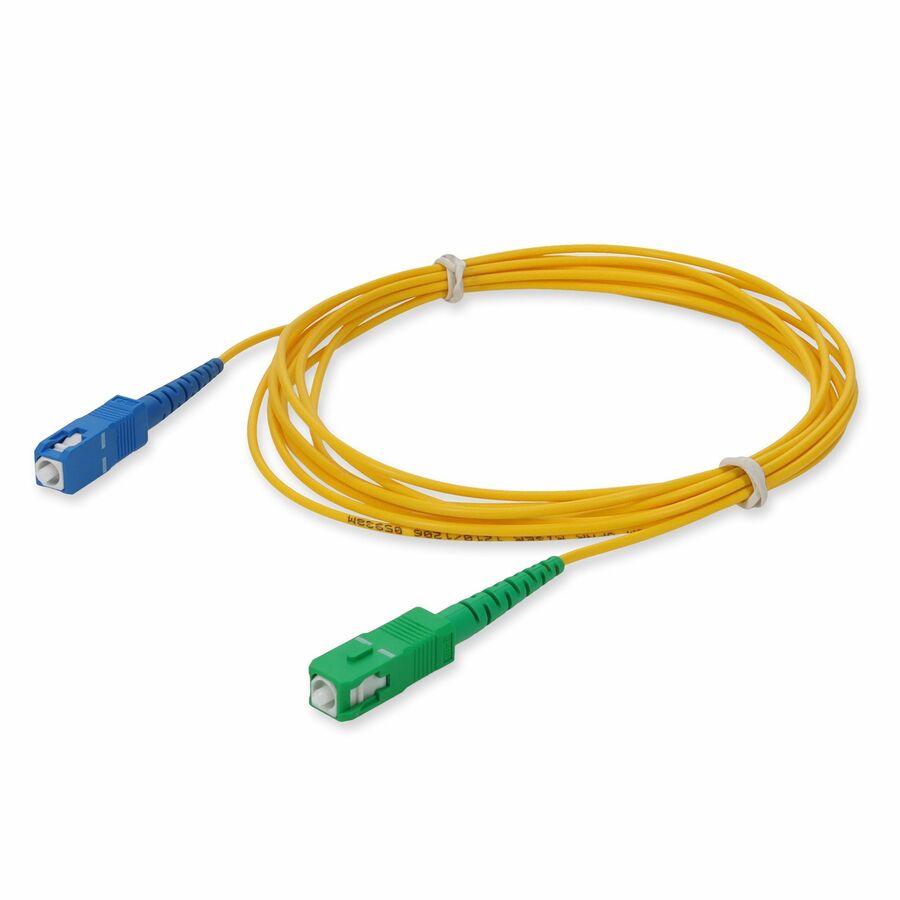
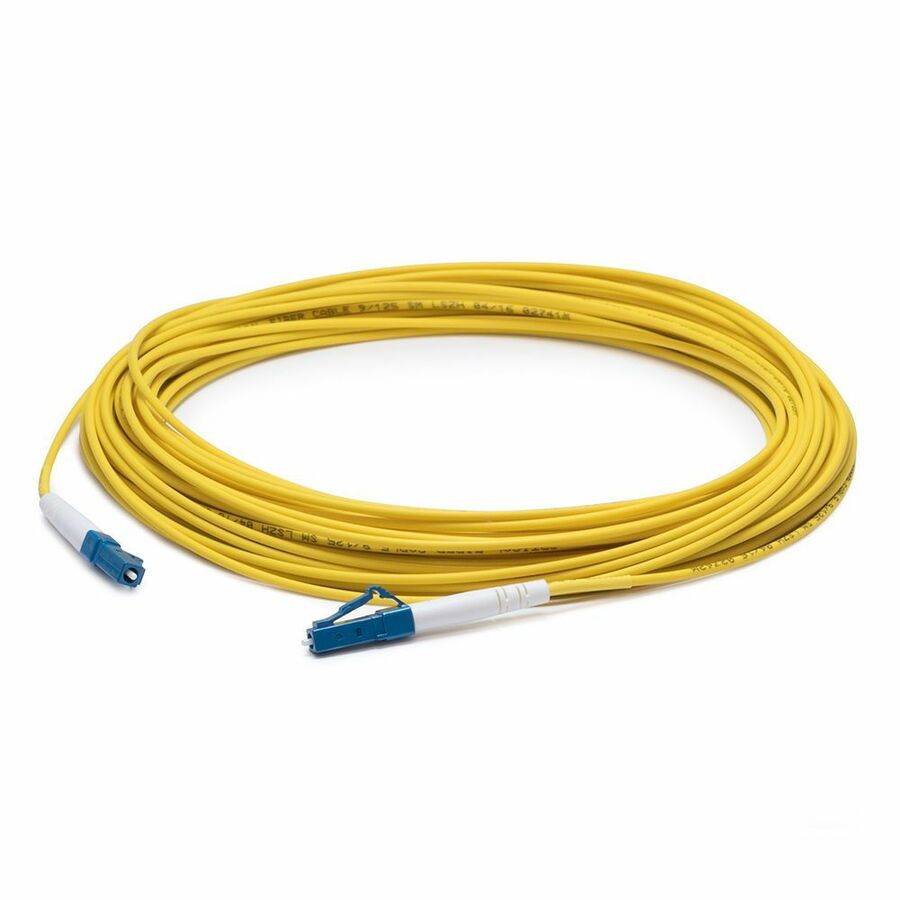
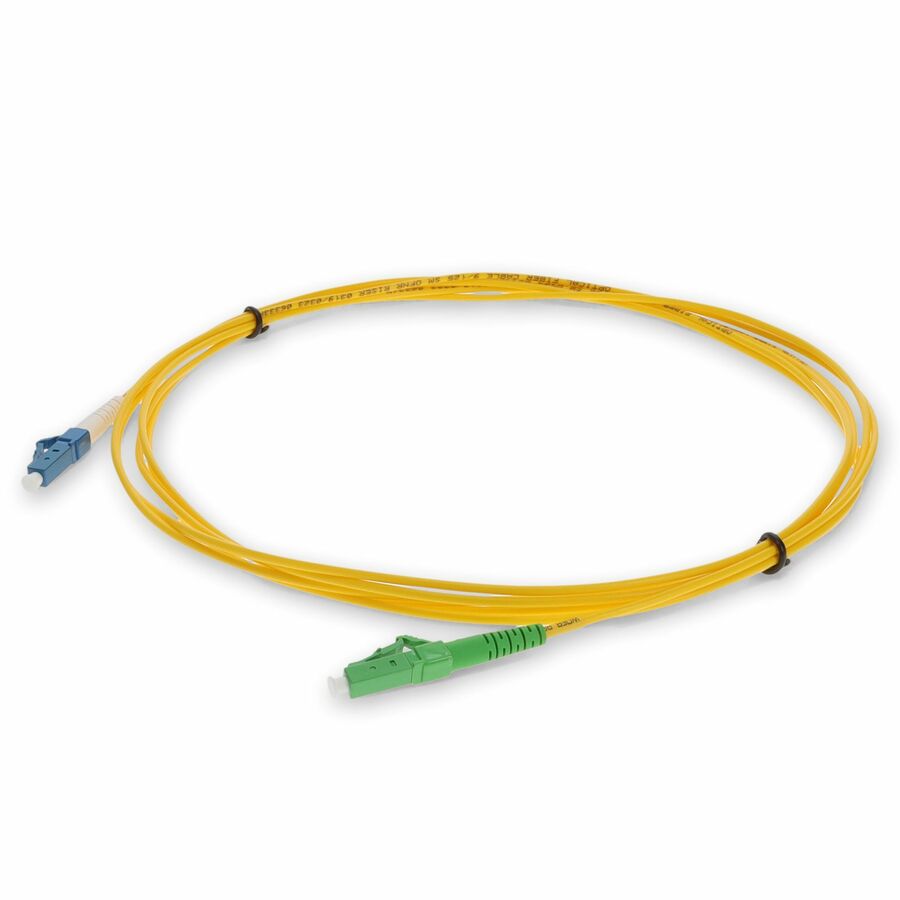
- AddOnAddOn 1m ALC to LC Yellow OS2 Simplex OFNR (Riser-Rated) SMF (Single Mode) Fiber Patch Cable, 9/125 - 3.28 ft Fiber Optic Network Cable for Network Device - First End: 1 x ALC Network - Male - Second End: 1 x LC Network - Male - Patch Cable - Riser, OFNR - Single-mode - Simplex - 9/125 µm - Yellow - 1.0ADD-ALC-LC-1MS9SMF
$9.00
$8.28
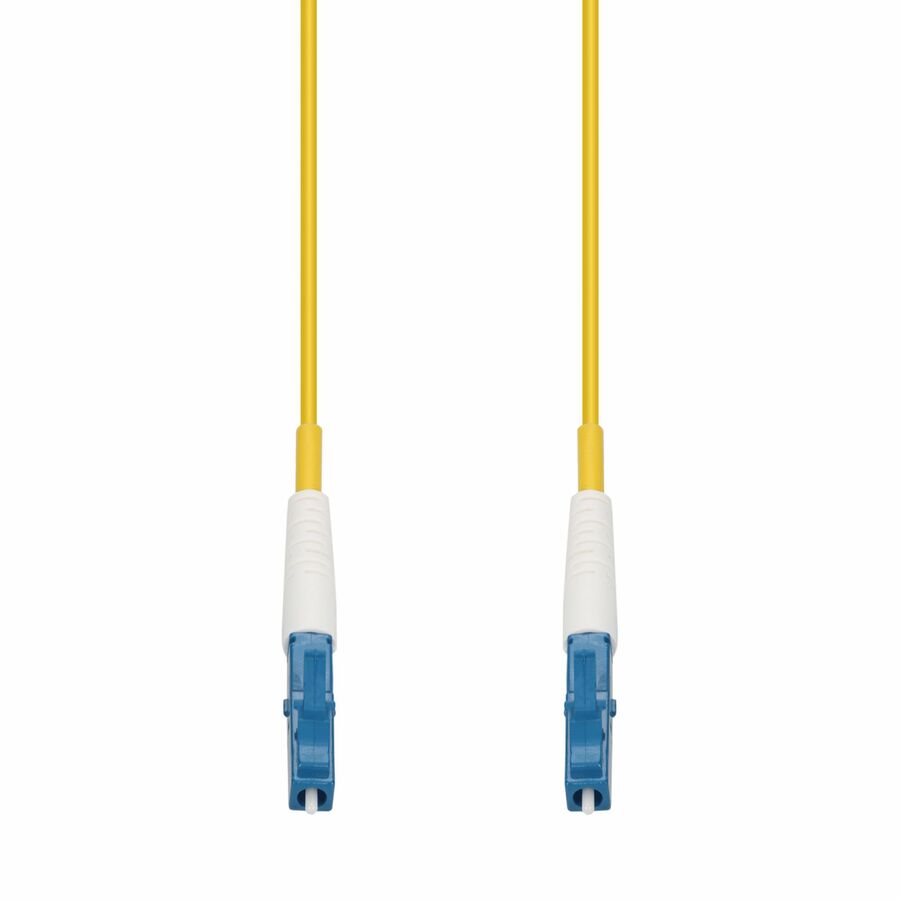
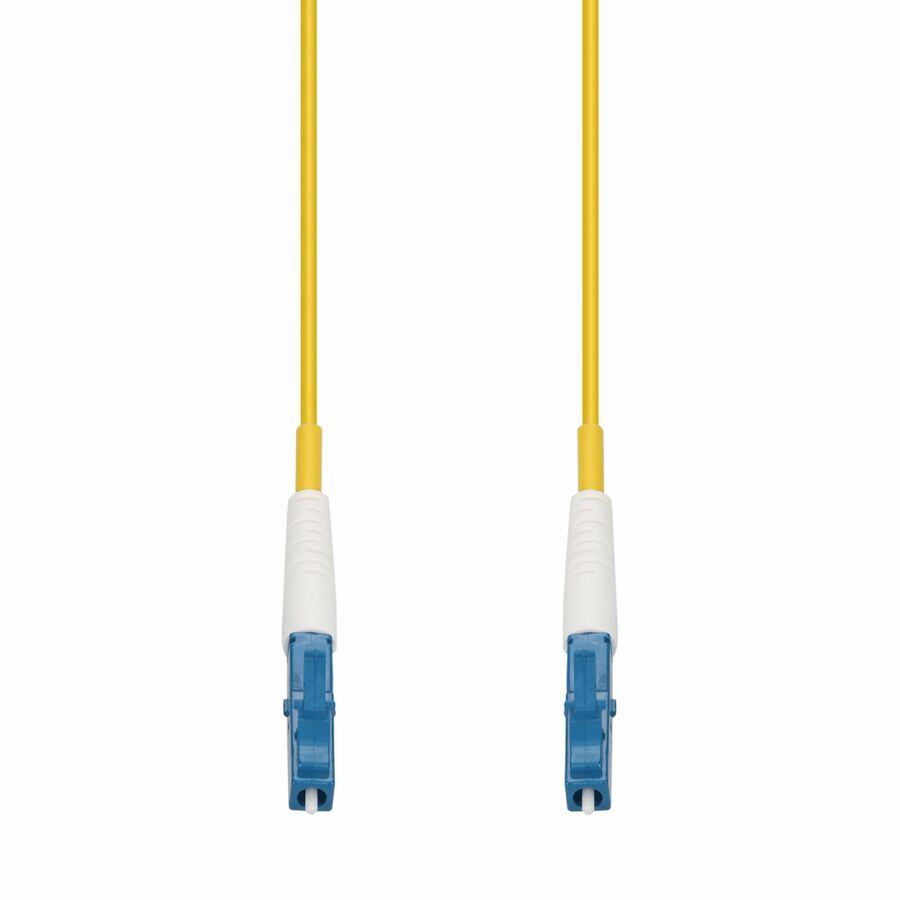
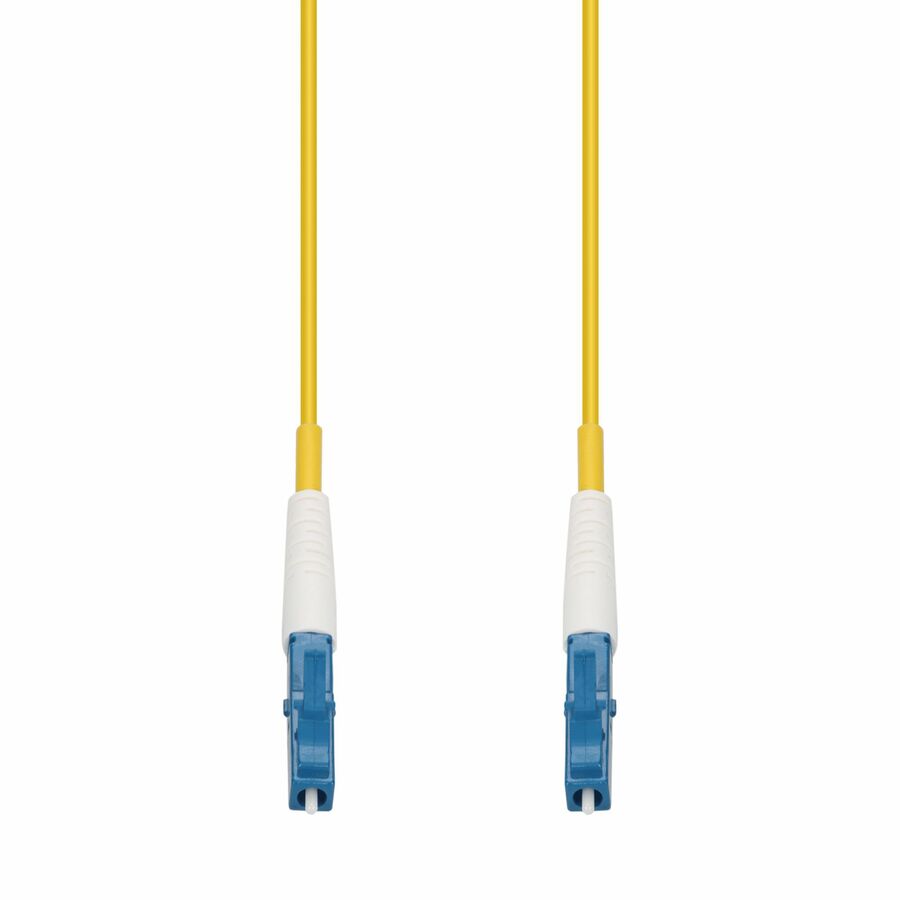
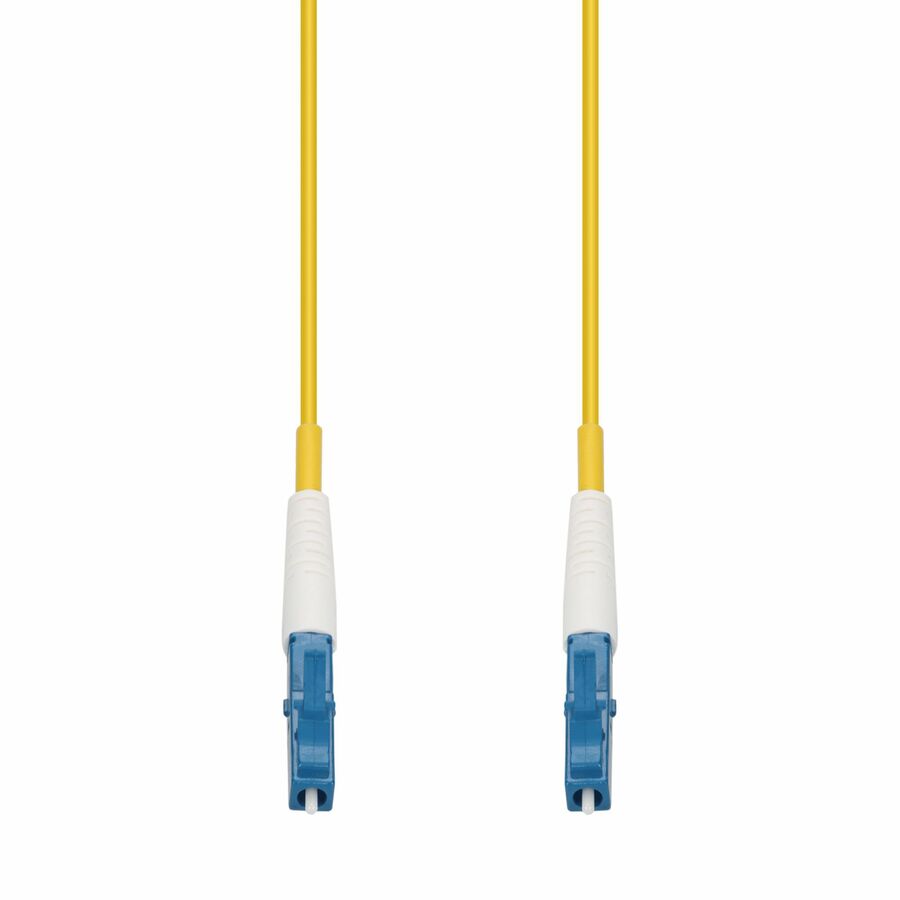
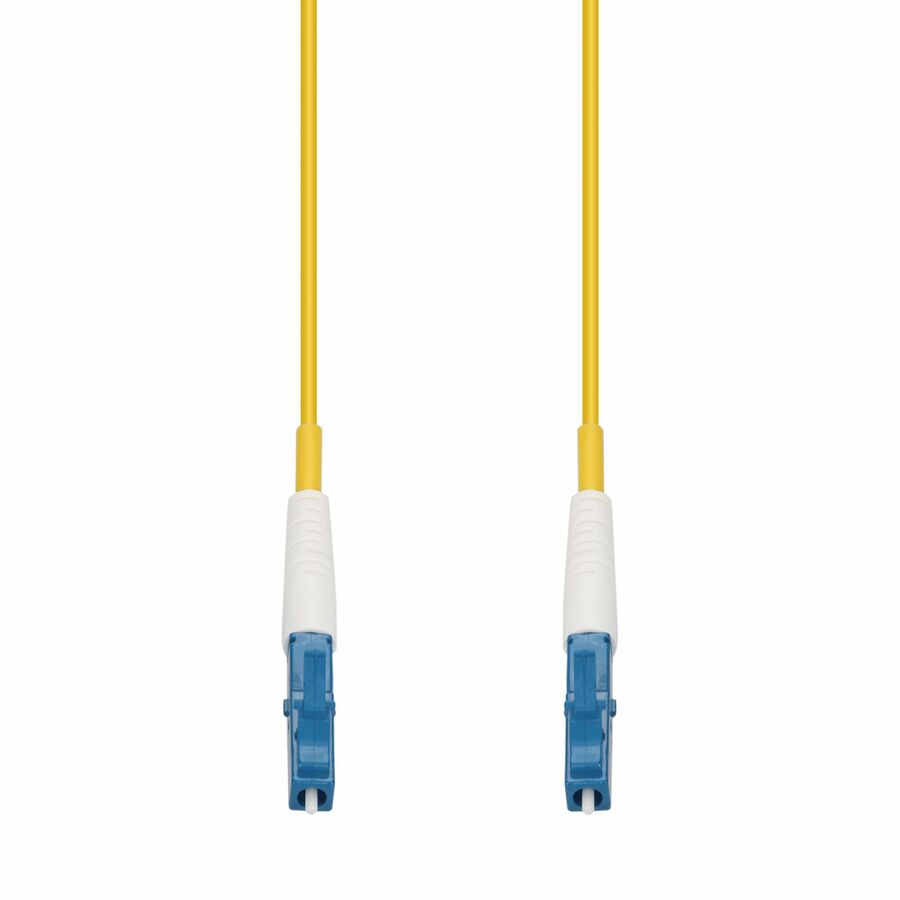
31 in stock - AddOnAddOn 2m LC to LC Yellow OS2 Simplex OFNR (Riser-Rated) SMF (Single Mode) Fiber Patch Cable, 9/125 - 6.56 ft Fiber Optic Network Cable for Network Device - First End: LC - Male - Second End: LC Network - Male - Patch Cable - Riser, OFNR - Single-mode - Simplex - 9/125 µm - Standard - Yellow - 1ADD-LC-LC-2MS9SMF
$9.00
$8.28
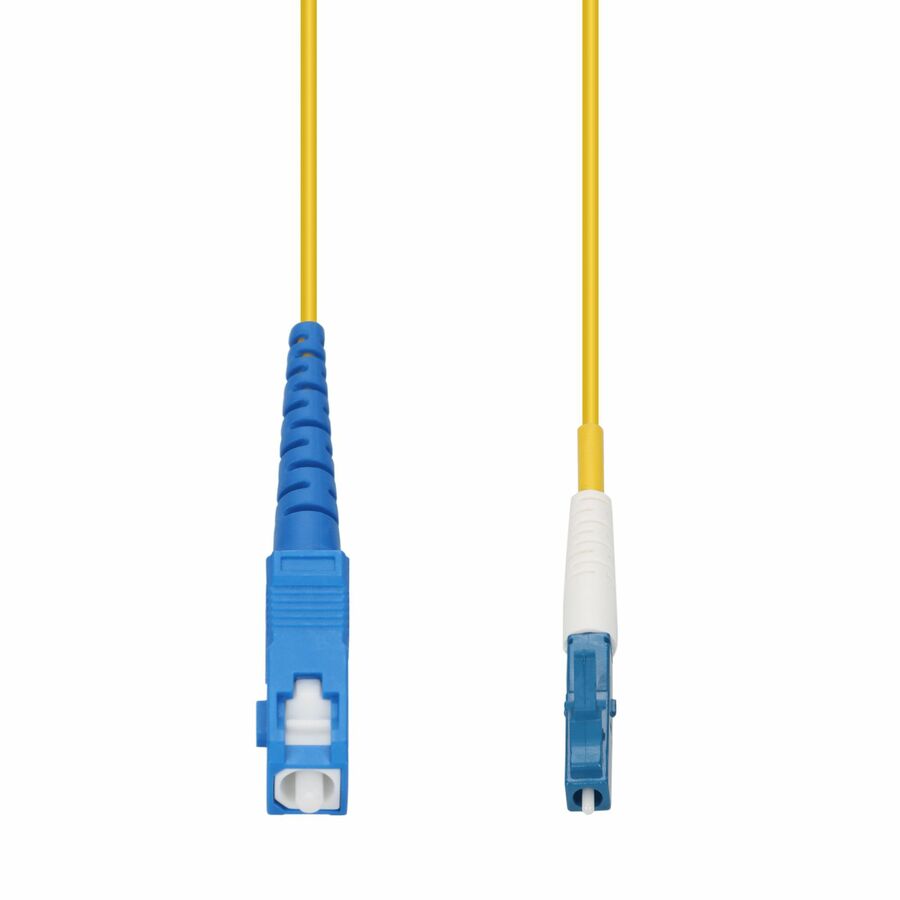
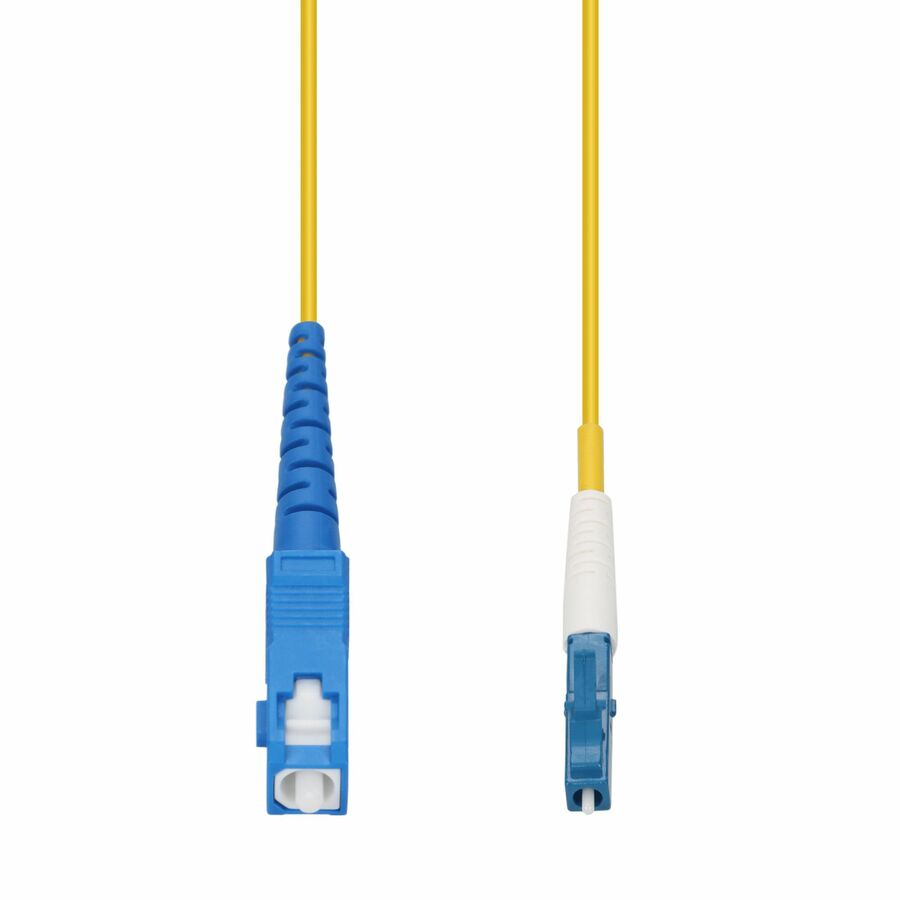
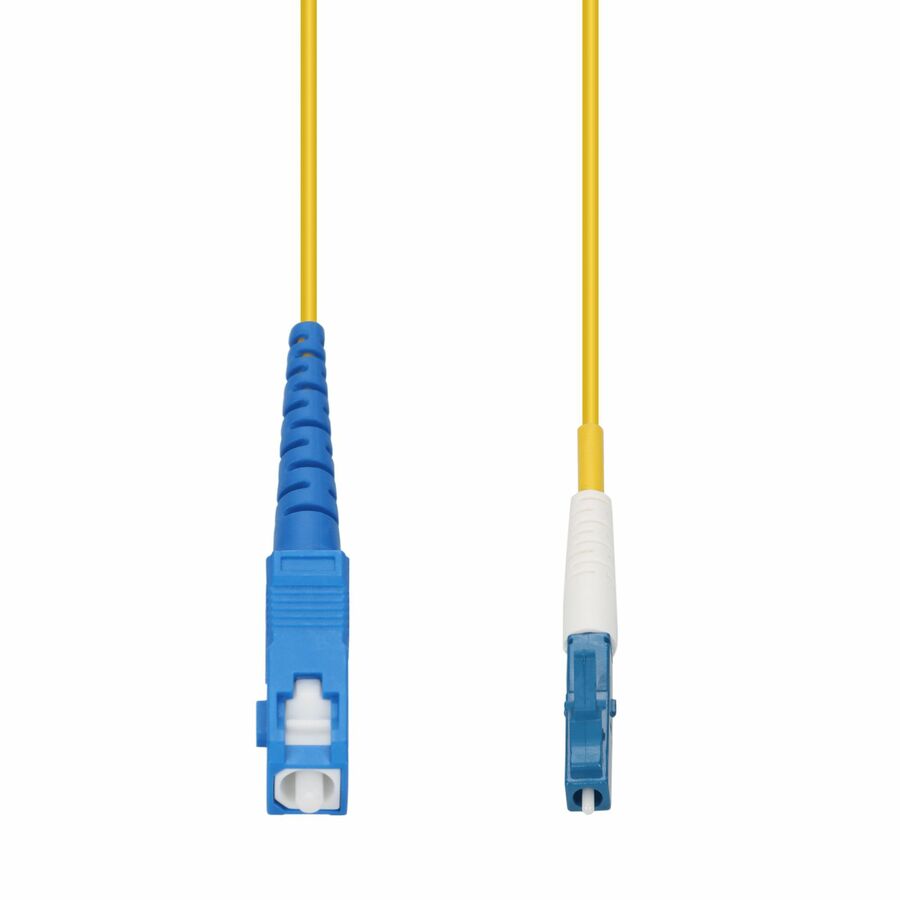
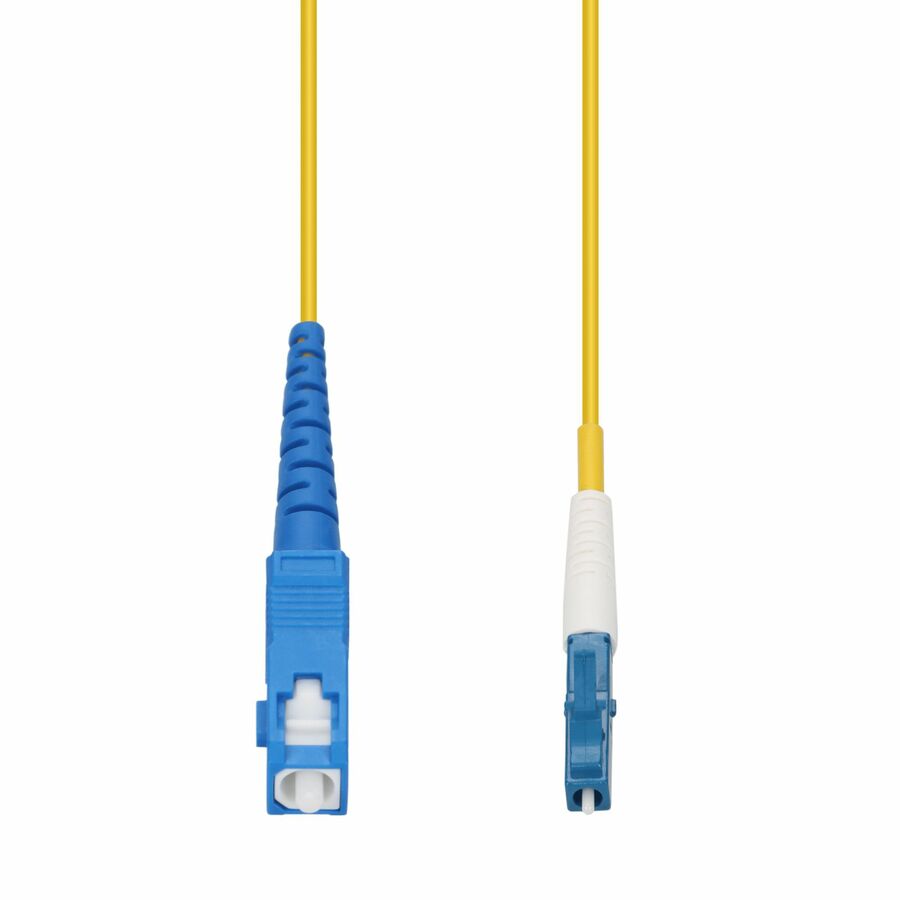
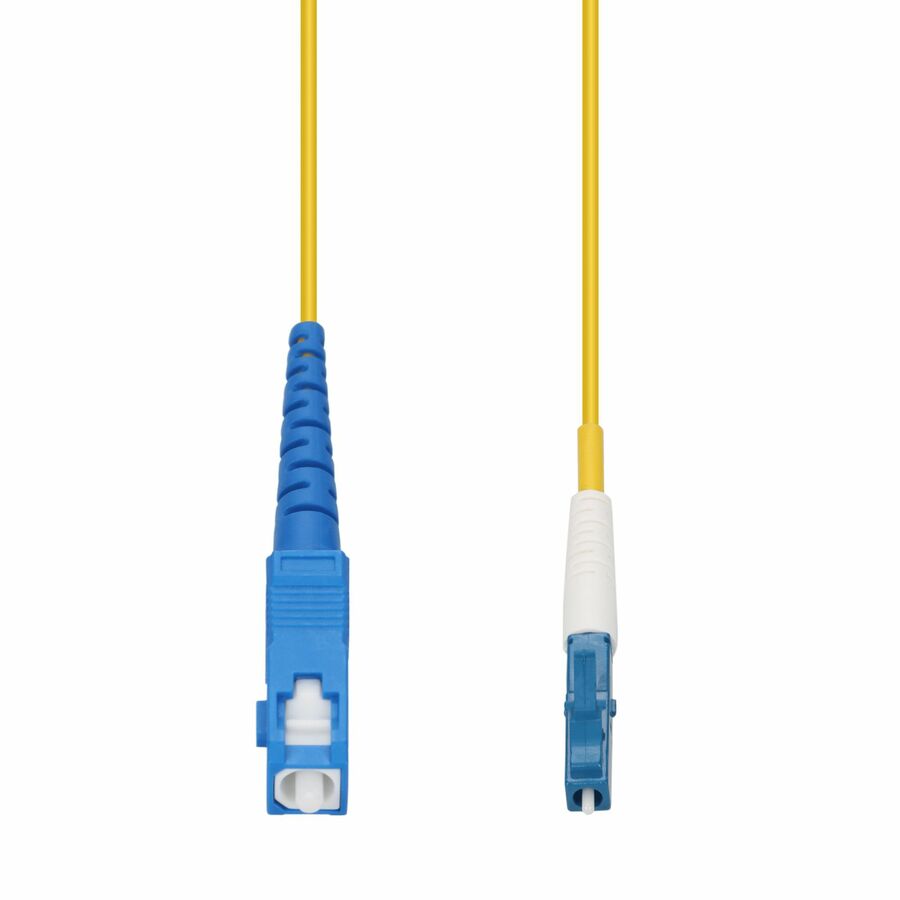
139 in stock - AddOnAddOn 2m SC to LC Yellow OS2 Simplex OFNR (Riser-Rated) SMF (Single Mode) Fiber Patch Cable, 9/125 - 6.56 ft Fiber Optic Network Cable for Network Device - First End: SC Network - Male - Second End: LC Network - Male - Patch Cable - Riser, OFNR - Single-mode - Simplex - 9/125 µm - Standard - Yellow - 1ADD-SC-LC-2MS9SMF
$9.00
$8.28
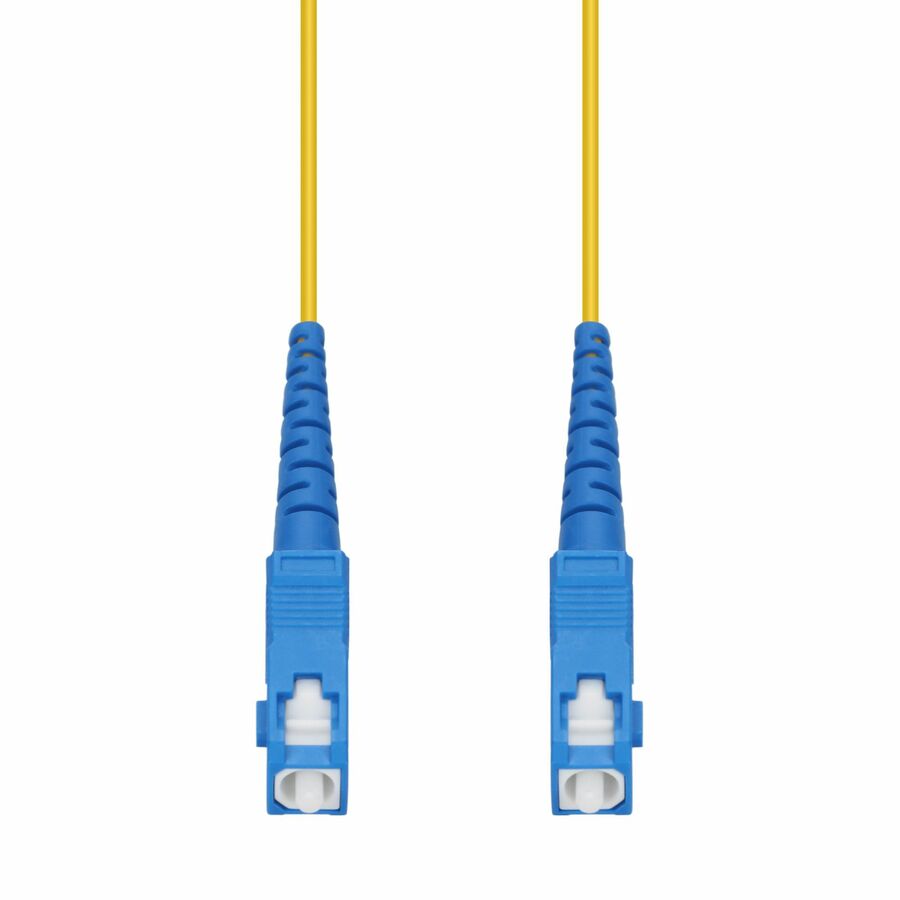
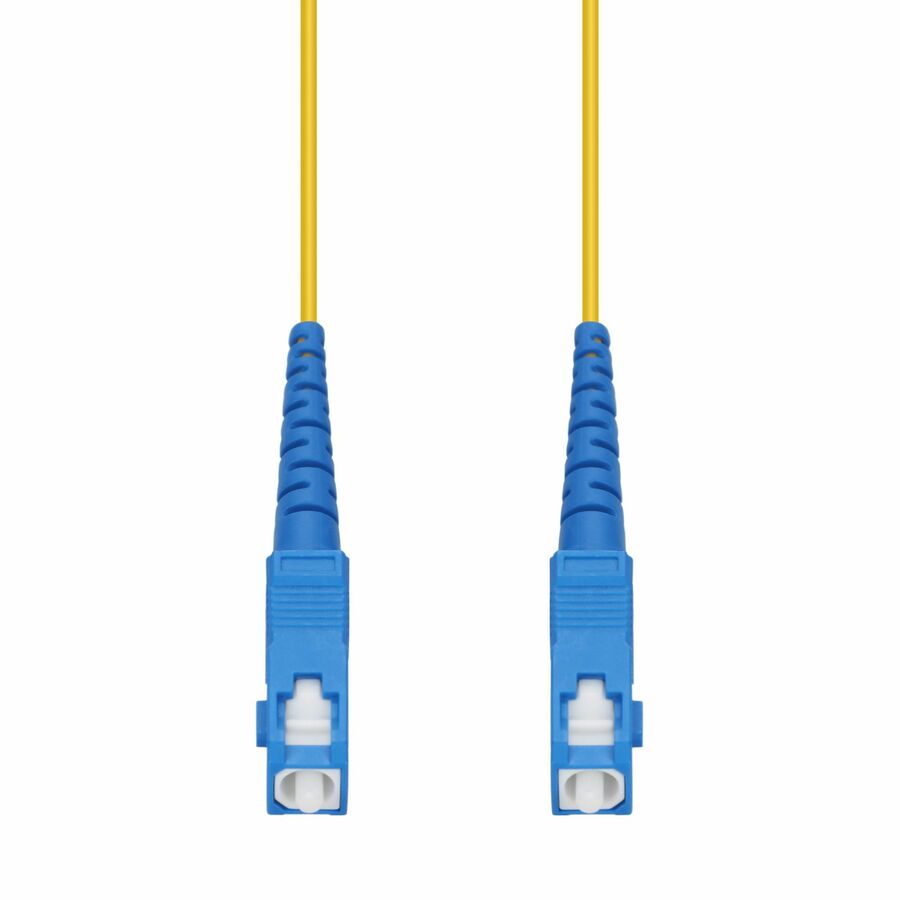
52 in stock - AddOnAddOn 2m SC to SC Yellow OS2 Simplex OFNR (Riser-Rated) SMF (Single Mode) Fiber Patch Cable, 9/125 - 6.56 ft Fiber Optic Network Cable for Network Device - First End: SC Network - Male - Second End: SC Network - Male - Patch Cable - Riser, OFNR - Single-mode - Simplex - 9/125 µm - Standard - Yellow - 1ADD-SC-SC-2MS9SMF
$9.00
$8.28
75 in stock - AddOnAddOn 1m ASC to ASC Yellow OS2 Simplex OFNR (Riser-Rated) SMF (Single Mode) Fiber Patch Cable, 9/125 - 3.28 ft Fiber Optic Network Cable for Network Device - First End: 1 x SC/APC Network - Male - Second End: 1 x SC/APC Network - Male - Patch Cable - Single-mode - 9/125 µm - YellowADDASCASC1MS9SMF
$9.00
$8.28
32 in stock - AddOnAddOn 3m LC to LC Yellow OS2 Simplex OFNR (Riser-Rated) SMF (Single Mode) Fiber Patch Cable, 9/125 - 9.84 ft Fiber Optic Network Cable for Network Device - First End: LC - Male - Second End: LC Network - Male - Patch Cable - Riser, OFNR - Single-mode - Simplex - 9/125 µm - Standard - Yellow - 1ADD-LC-LC-3MS9SMF
$9.50
$8.74
52 in stock - AddOnAddOn 3m SC to LC Yellow OS2 Simplex OFNR (Riser-Rated) SMF (Single Mode) Fiber Patch Cable, 9/125 - 9.84 ft Fiber Optic Network Cable for Network Device - First End: SC Network - Male - Second End: LC Network - Male - Patch Cable - Riser, OFNR - Single-mode - Simplex - 9/125 µm - Standard - Yellow - 1ADD-SC-LC-3MS9SMF
$9.50
$8.74
377 in stock - AddOnAddOn 3m SC to SC Yellow OS2 Simplex OFNR (Riser-Rated) SMF (Single Mode) Fiber Patch Cable, 9/125 - 9.84 ft Fiber Optic Network Cable for Network Device - First End: SC Network - Male - Second End: SC Network - Male - Patch Cable - Riser, OFNR - Single-mode - Simplex - 9/125 µm - Standard - Yellow - 1ADD-SC-SC-3MS9SMF
$9.50
$8.74
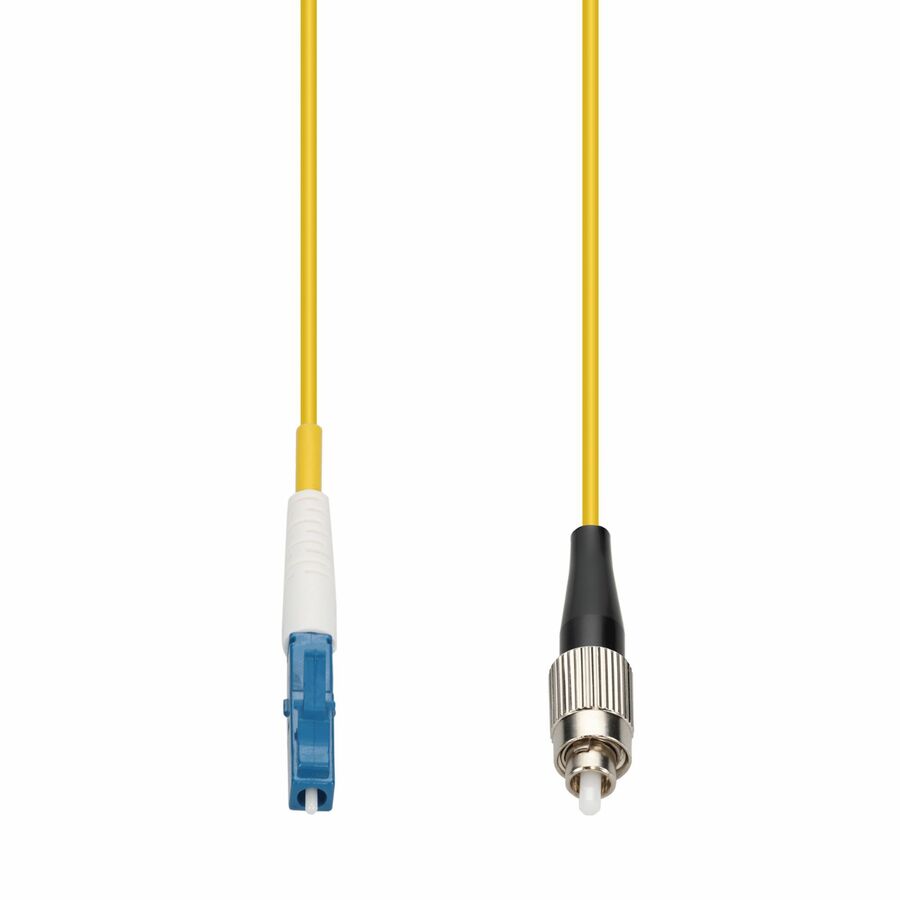
11 in stock - AddOnAddOn 2m LC to FC Yellow OS2 Simplex OFNR (Riser-Rated) SMF (Single Mode) Fiber Patch Cable, 9/125 - 6.56 ft Fiber Optic Network Cable for Network Device - First End: LC - Male - Second End: FC Network - Male - Patch Cable - Riser, OFNR - Single-mode - Simplex - 9/125 µm - Standard - Yellow - 1ADD-LC-FC-2MS9SMF
$10.00
$9.20
20 in stock - AddOnAddOn 4m LC to LC Yellow OS2 Simplex OFNR (Riser-Rated) SMF (Single Mode) Fiber Patch Cable, 9/125 - 13.12 ft Fiber Optic Network Cable for Network Device - First End: LC - Male - Second End: LC Network - Male - Patch Cable - Riser, OFNR - Single-mode - Simplex - 9/125 µm - Standard - Yellow - 1ADD-LC-LC-4MS9SMF
$10.00
$9.20
3 in stock - AddOnAddOn 4m SC to LC Yellow OS2 Simplex OFNR (Riser-Rated) SMF (Single Mode) Fiber Patch Cable, 9/125 - 13.12 ft Fiber Optic Network Cable for Network Device - First End: SC Network - Male - Second End: LC Network - Male - Patch Cable - Riser, OFNR - Single-mode - Simplex - 9/125 µm - Standard - Yellow - 1ADD-SC-LC-4MS9SMF
$10.00
$9.20
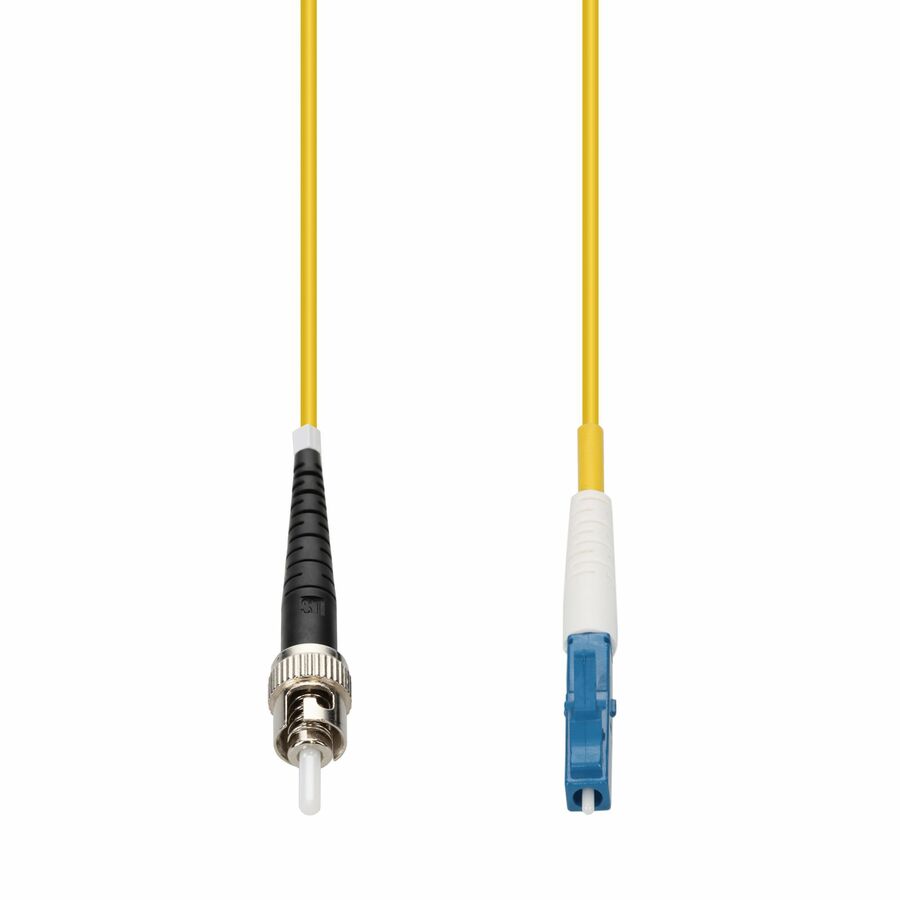
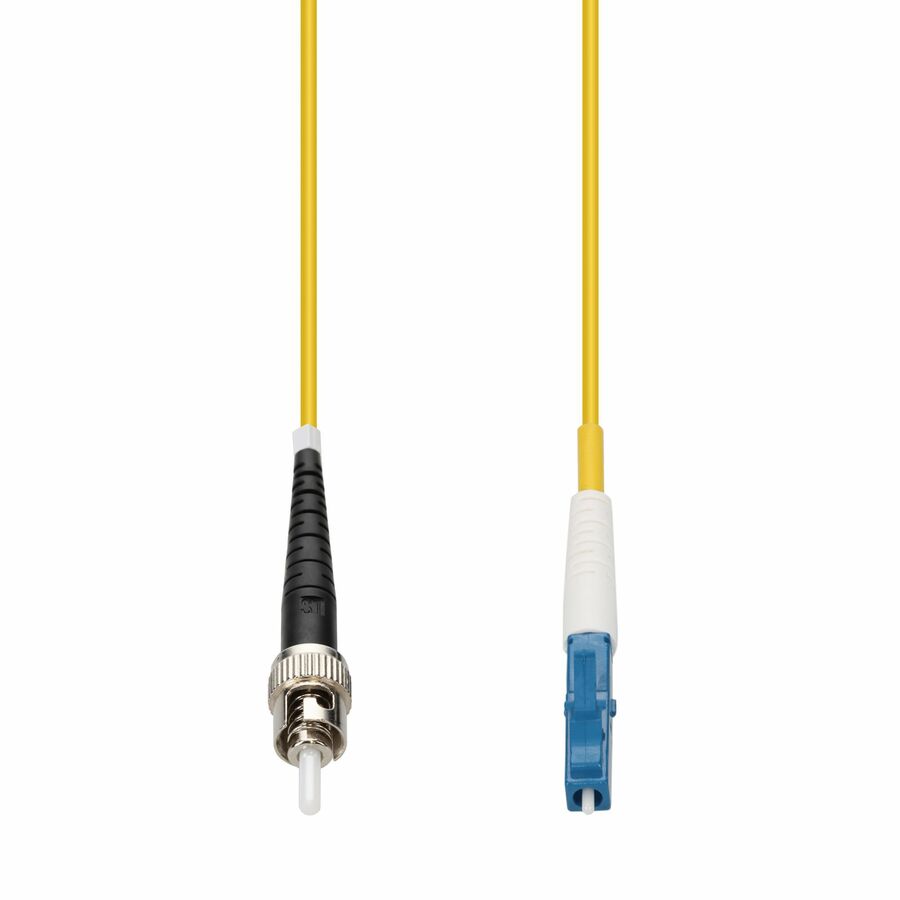
49 in stock - AddOnAddOn 3m ST to LC Yellow OS2 Simplex OFNR (Riser-Rated) SMF (Single Mode) Fiber Patch Cable, 9/125 - 9.84 ft Fiber Optic Network Cable for Network Device - First End: ST Network - Male - Second End: LC Network - Male - Patch Cable - Riser, OFNR - Single-mode - Simplex - 9/125 µm - Standard - Yellow - 1ADD-ST-LC-3MS9SMF
$10.00
$9.20
14 in stock - AddOnAddOn 3m ALC to ALC Yellow OS2 Simplex OFNR (Riser-Rated) SMF (Single Mode) Fiber Patch Cable, 9/125 - 9.84 ft Fiber Optic Network Cable for Network Device - First End: 1 x ALC Network - Male - Second End: 1 x ALC Network - Male - Patch Cable - Riser, OFNR - Single-mode - Simplex - 9/125 µm - Yellow - 1.0ADDALCALC3MS9SMF
$10.00
$9.20
17 in stock - AddOnAddOn 3m ALC to LC Yellow OS2 Simplex OFNR (Riser-Rated) SMF (Single Mode) Fiber Patch Cable, 9/125 - 9.84 ft Fiber Optic Network Cable for Network Device - First End: 1 x LC/APC Network - Male - Second End: 1 x LC Network - Male - Patch Cable - Single-mode - 9/125 µm - YellowADDALCLC3MS9SMF
$10.00
$9.20
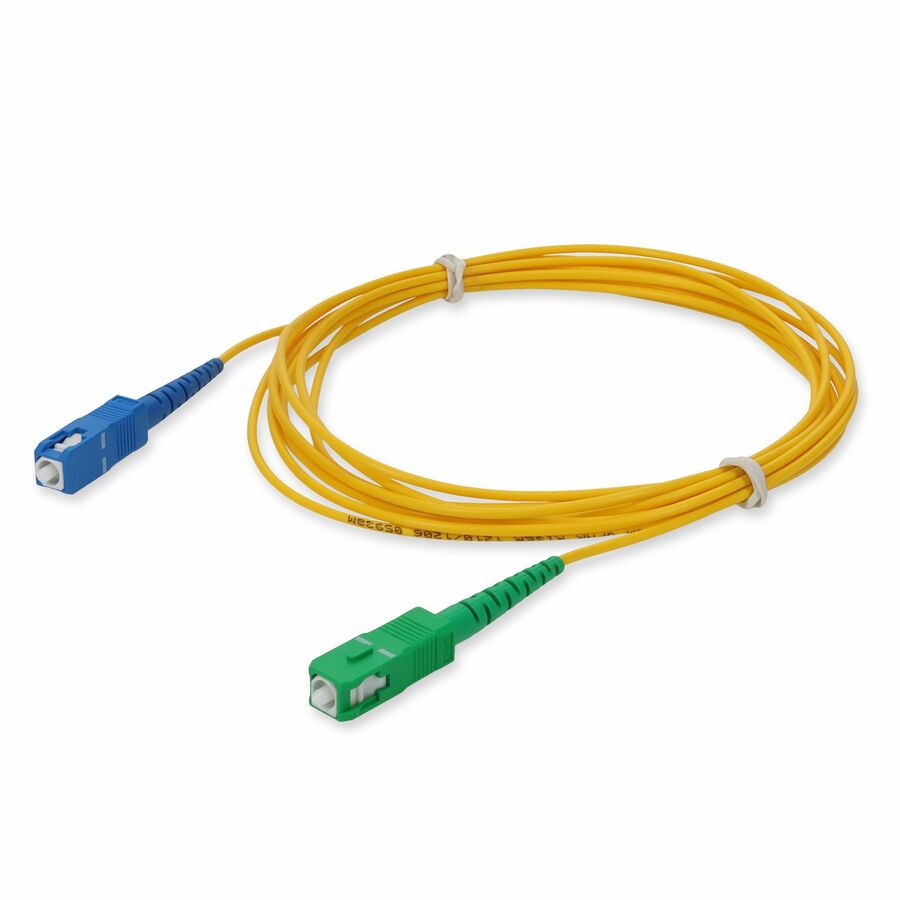
15 in stock - AddOnAddOn 3m ASC to SC Yellow OS2 Simplex OFNR (Riser-Rated) SMF (Single Mode) Fiber Patch Cable, 9/125 - 9.84 ft Fiber Optic Network Cable for Network Device - First End: 1 x SC/APC Network - Male - Second End: 1 x SC Network - Male - Patch Cable - Single-mode - 9/125 µm - YellowADDASCSC3MS9SMF
$10.00
$9.20
1 in stock - AddOnAddOn 5m LC to LC Yellow OS2 Simplex OFNR (Riser-Rated) SMF (Single Mode) Fiber Patch Cable, 9/125 - 16.40 ft Fiber Optic Network Cable for Network Device - First End: LC - Male - Second End: LC Network - Male - Patch Cable - Riser, OFNR - Single-mode - Simplex - 9/125 µm - Standard - Yellow - 1ADD-LC-LC-5MS9SMF
$10.50
$9.66
138 in stock - AddOnAddOn 5m SC to LC Yellow OS2 Simplex OFNR (Riser-Rated) SMF (Single Mode) Fiber Patch Cable, 9/125 - 16.40 ft Fiber Optic Network Cable for Network Device - First End: SC Network - Male - Second End: LC Network - Male - Patch Cable - Riser, OFNR - Single-mode - Simplex - 9/125 µm - Standard - Yellow - 1ADD-SC-LC-5MS9SMF
$10.50
$9.66
18 in stock - AddOnAddOn 5m SC to SC Yellow OS2 Simplex OFNR (Riser-Rated) SMF (Single Mode) Fiber Patch Cable, 9/125 - 16.40 ft Fiber Optic Network Cable for Network Device - First End: SC Network - Male - Second End: SC Network - Male - Patch Cable - Riser, OFNR - Single-mode - Simplex - 9/125 µm - Standard - Yellow - 1ADD-SC-SC-5MS9SMF
$10.50
$9.66
1 in stock - AddOnAddOn 4m ST to LC Yellow OS2 Simplex OFNR (Riser-Rated) SMF (Single Mode) Fiber Patch Cable, 9/125 - 13.12 ft Fiber Optic Network Cable for Network Device - First End: ST Network - Male - Second End: LC Network - Male - 10 Gbit/s - Patch Cable - Riser, OFNR - Simplex - 9/125 µm - Yellow - 1ADD-ST-LC-4MS9SMF
$10.50
$9.66
16 in stock - AddOnAddOn 4m SC to LC Yellow OS2 Simplex OFNP (Plenum-Rated) SMF (Single Mode) Fiber Patch Cable, 9/125 - 13.12 ft Fiber Optic Network Cable for Network Device - First End: SC Network - Male - Second End: LC Network - Male - Patch Cable - Plenum, OFNP - Single-mode - Simplex - 9/125 µm - Standard - Yellow - 1ADD-SC-LC-4MS9SMFP
$11.00
$10.12
4 in stock

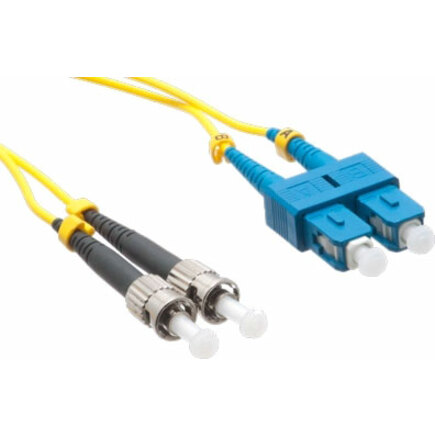
SC to ST duplex
Axiom Memory Solutions
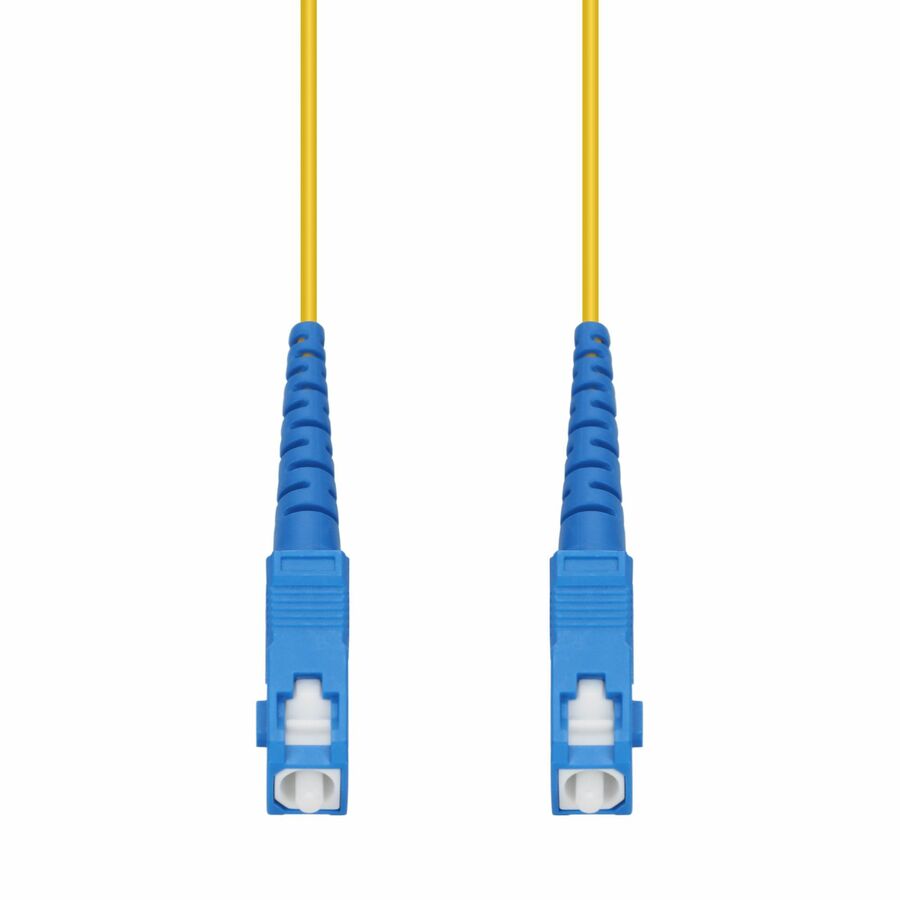
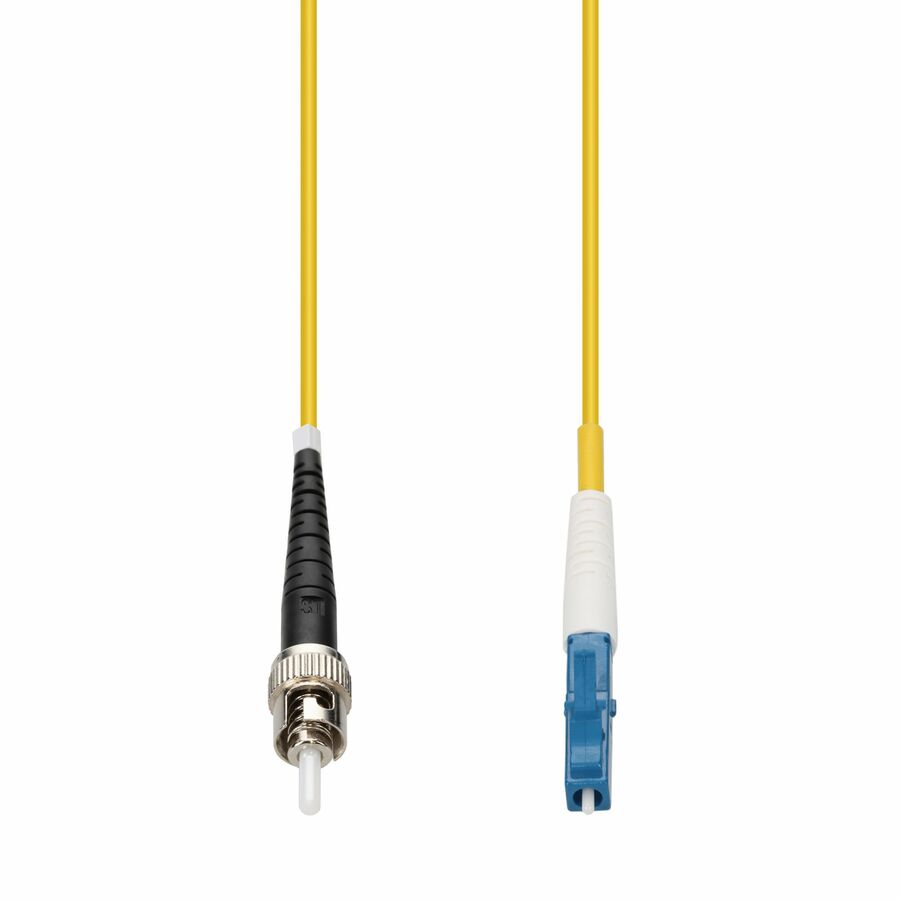
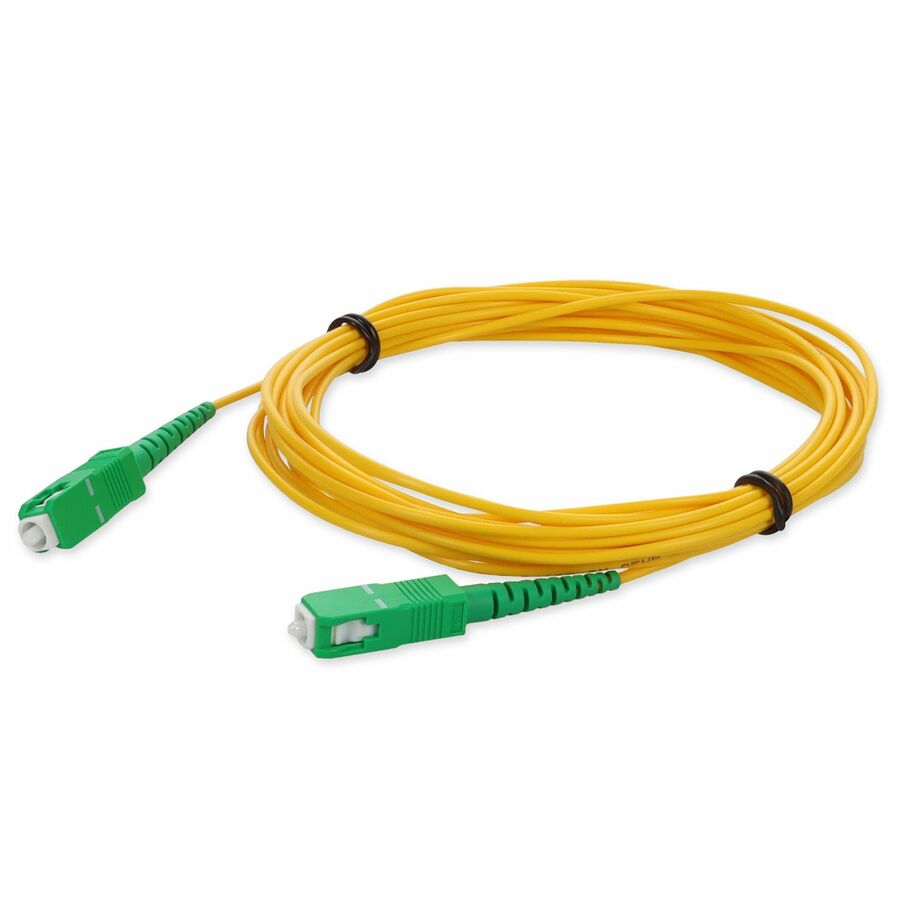
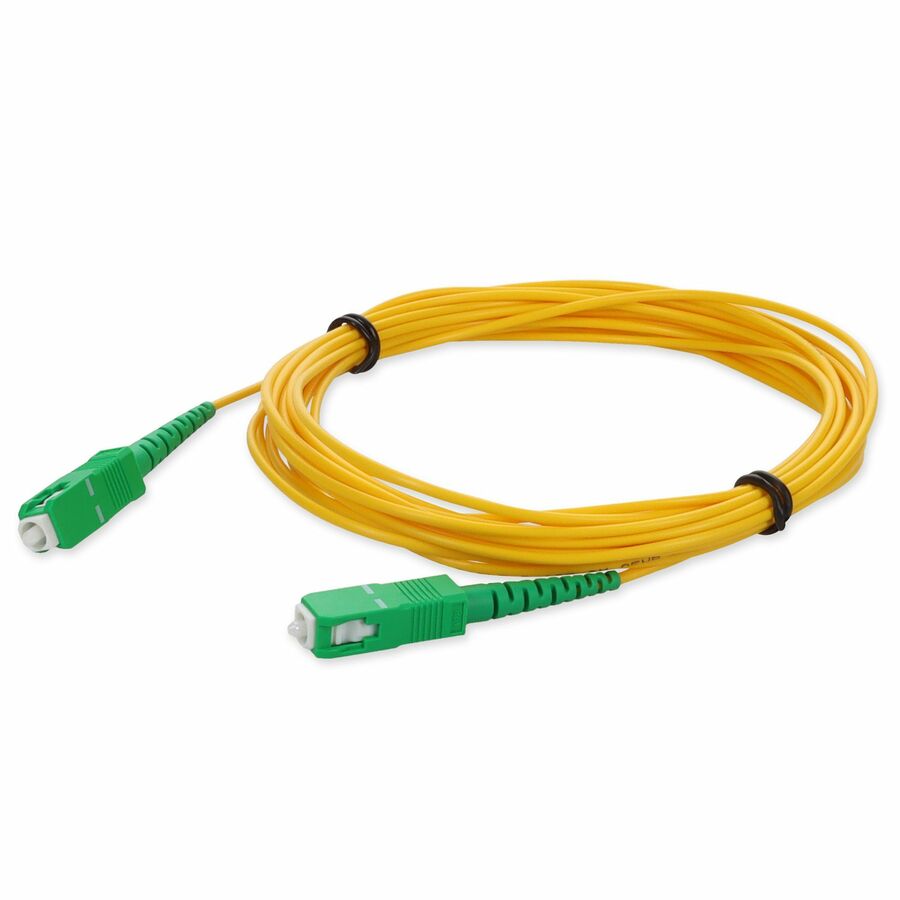
Axiom SC/ST Singlemode Duplex OS2 9/125 Fiber Optic Cable 3m
AXG92723
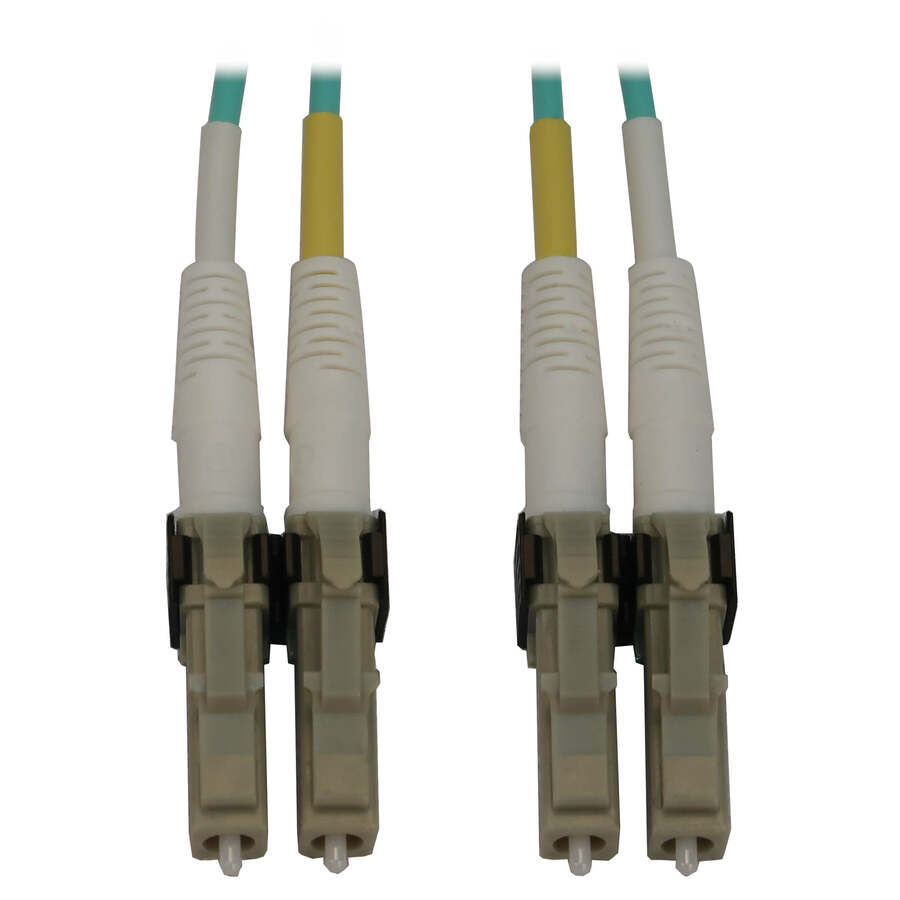
Axiom's 3 m SC/ST single-mode duplex OS2 9/125 cord — the hybrid pair for a legacy ST campus field landing on an SC panel, without an extra adapter in the loss budget.
Titled TAA Compliant — a per-part fact to confirm on the exact length ordered.
$41.86*In stockLC to SC duplex
Axiom Memory Solutions
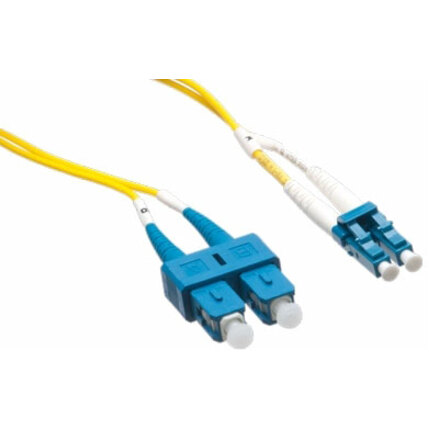
Axiom LC/SC Singlemode Duplex OS2 9/125 Fiber Optic Cable 5m
LCSCSD9Y-5M-AX
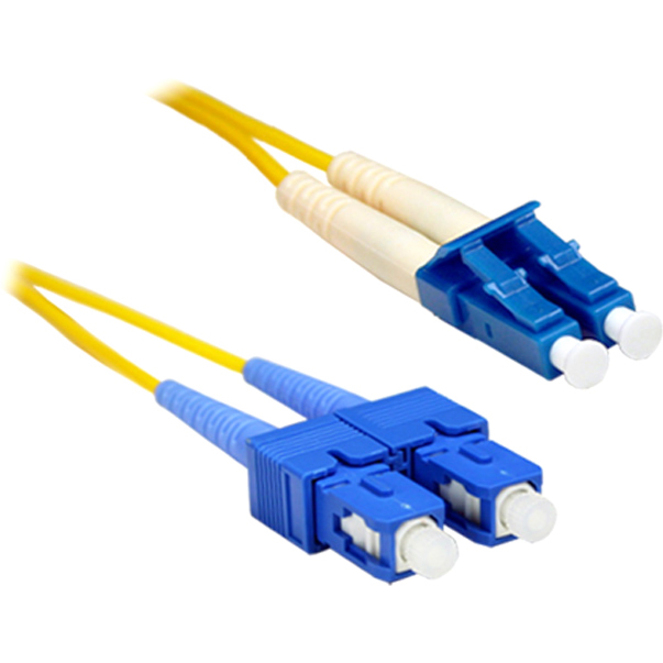
A 5 m LC/SC single-mode duplex OS2 9/125 cord from Axiom — the everyday hybrid that connects an SFP cage to an SC-terminated panel or carrier demarcation.
$23.58In stockST to ST duplex
Axiom Memory Solutions
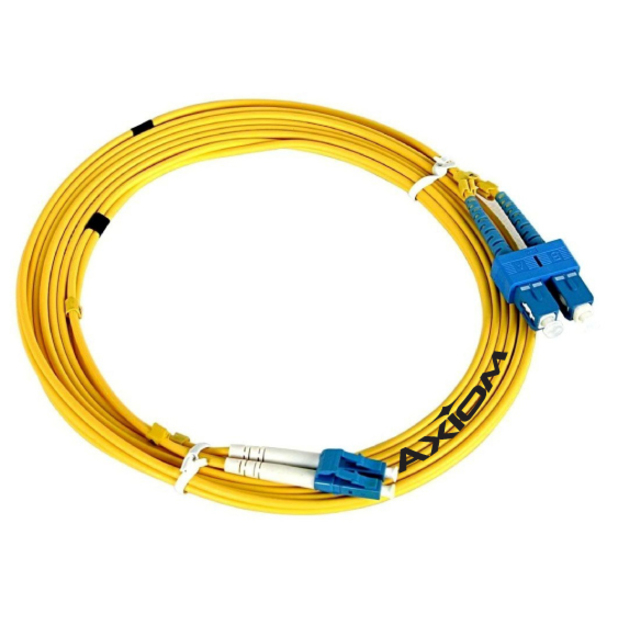
Axiom ST/ST Singlemode Duplex OS2 9/125 Fiber Optic Cable 2m
STSTSD9Y-2M-AX
Axiom's 2 m ST/ST single-mode duplex OS2 cord, bayonet at both ends — the short jumper for an all-ST legacy field that has not been re-terminated yet.
$18.90In stockSC simplex, plenum
AddOn
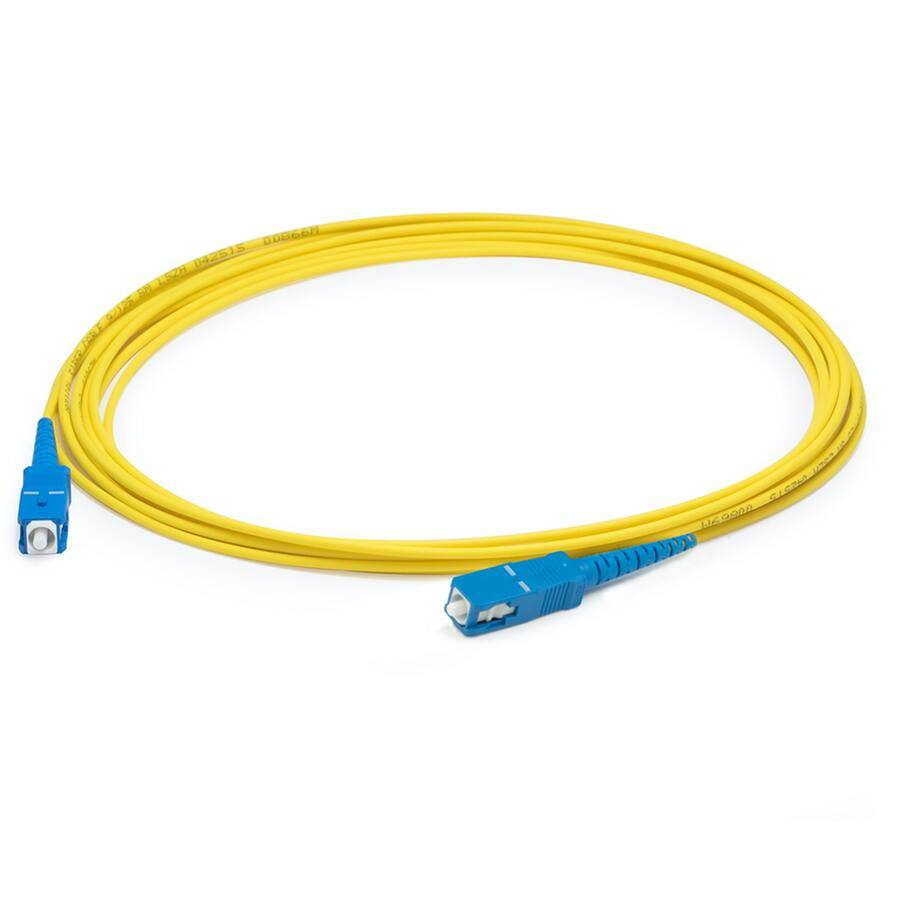
AddOn 12m SC to SC Yellow OS2 Simplex OFNP (Plenum-Rated) SMF Fiber…
ADD-SC-SC-12MS9SMFP
AddOn's 12 m SC-to-SC OS2 simplex cord in an OFNP plenum-rated jacket — one strand for a bidirectional optic, in the jacket an air-handling space requires.
$26.22Back-orderedMPO fanout to LC
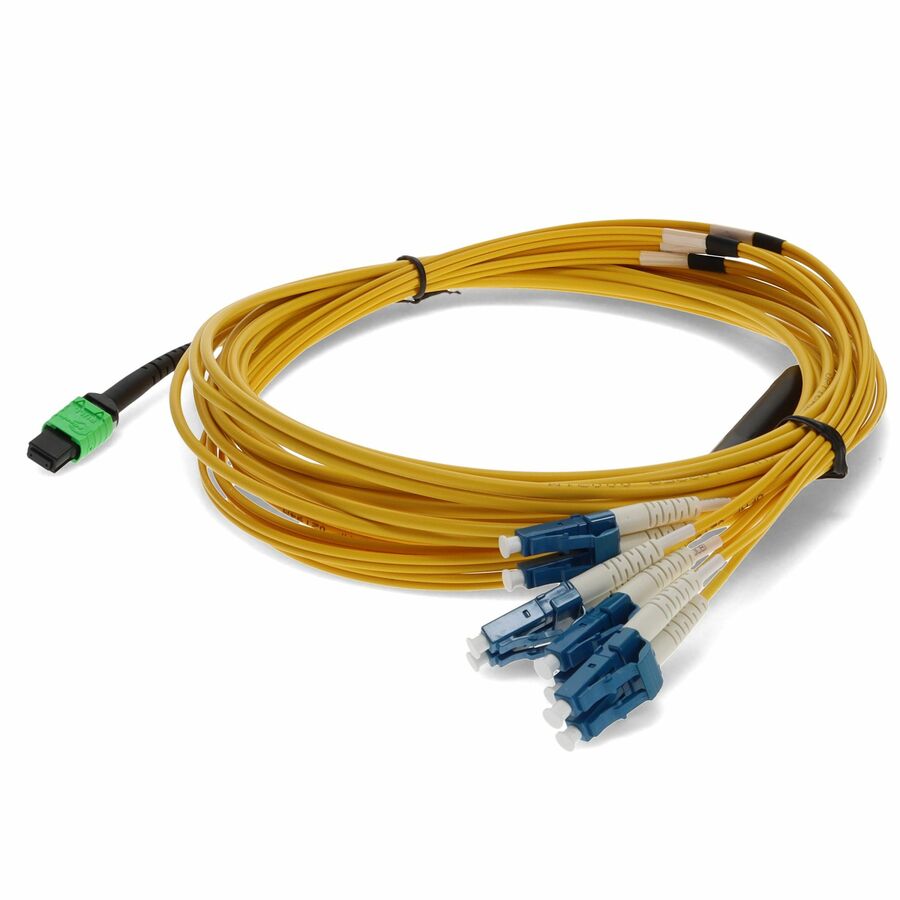
AddOn
AddOn 10m MPO/APC to 4xLC/UPC Duplex Yellow OS2 OFNP (Plenum-Rated)…
ADD-MPO-4LC10M9SMFP
A 10 m MPO/APC to four duplex LC/UPC OS2 fanout, 8-strand and plenum-rated — how one parallel 40G or 100G port is broken out to four duplex ports.
$178.48Back-orderedMPO trunk, 12F
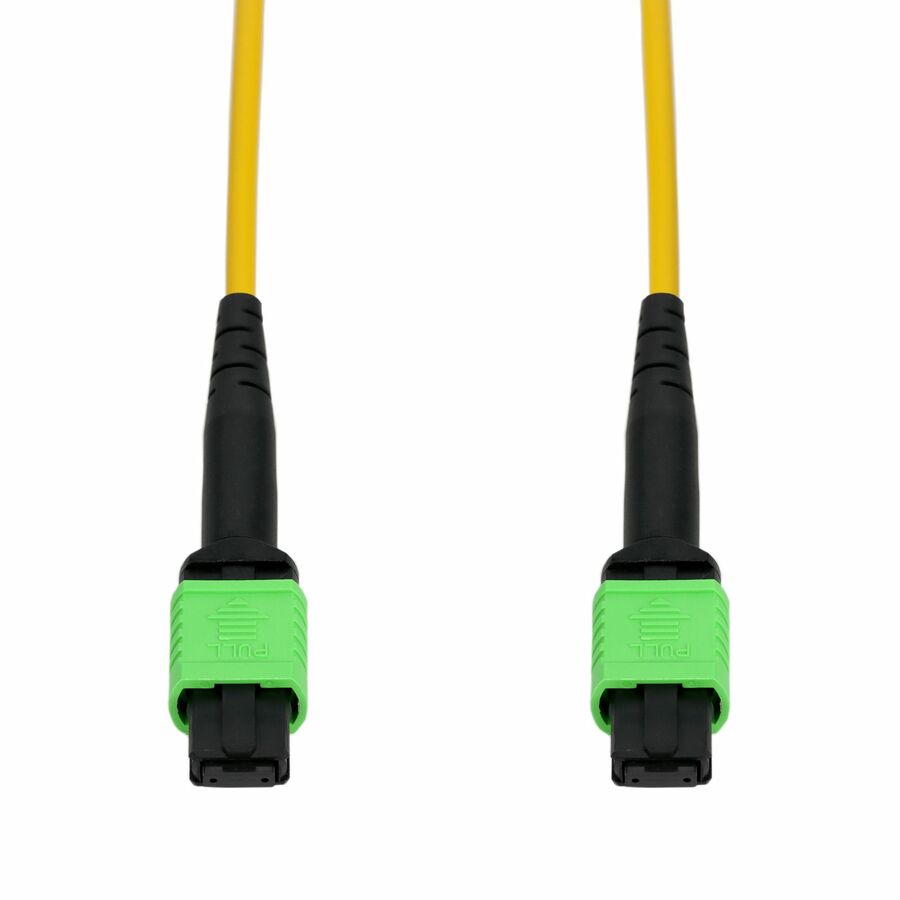
AddOn
AddOn 3m MPO/APC to MPO/APC Yellow OS2 OFNP (Plenum-Rated) 12-Strand…
ADD-MPOMPO-3M9SMFP
AddOn's 3 m MPO/APC to MPO/APC OS2 12-strand plenum cord in Type-A straight polarity — the trunk between two parallel optics or two cassettes.
$150.88Back-orderedArmored LC duplex
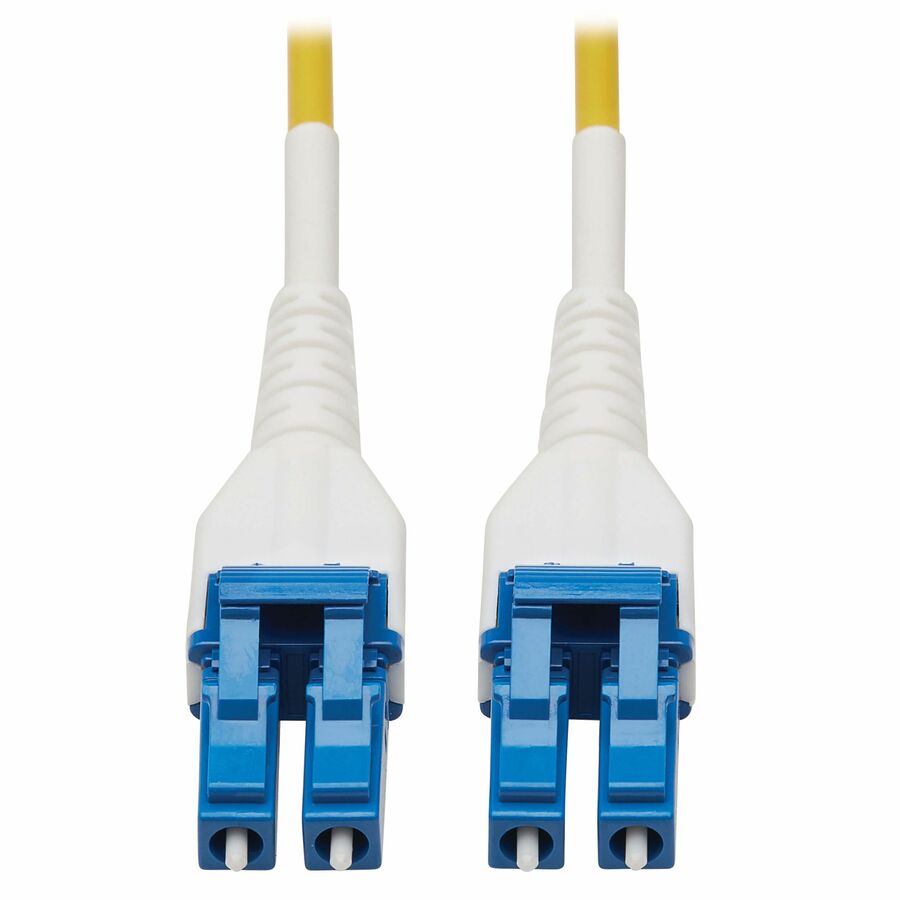
Eaton
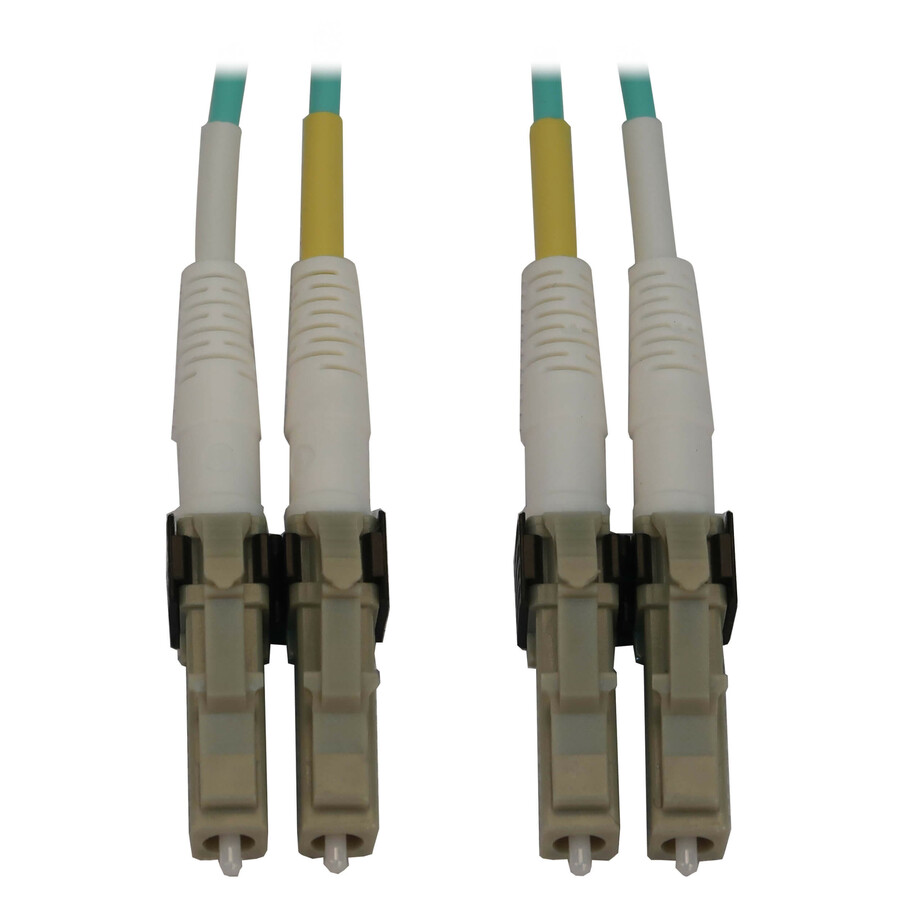
Eaton Tripp Lite Series 100G Duplex Singlemode 9/125 OS2 Armored Fiber…
N370-50M-AR
Eaton Tripp Lite's 100G duplex single-mode 9/125 OS2 armored cord at 50 m in LSZH — the steel-interlocked assembly for a run that crosses a floor or a busy tray.
$157.15In stockMTP/MPO-APC, 12F
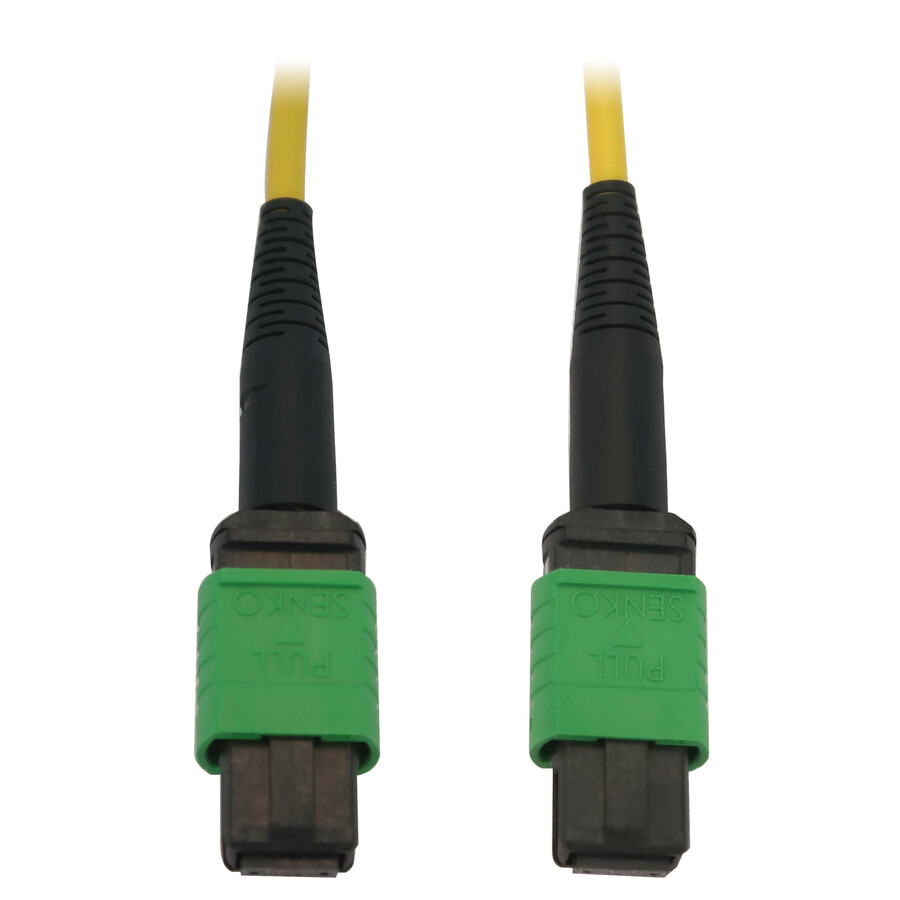
Eaton
Tripp Lite by Eaton 40/100G Singlemode 9/125 OS2 Fiber Optic Cable…
N390B-05M-12-AP
A 5 m Tripp Lite by Eaton 40/100G single-mode OS2 cord terminated MTP/MPO-APC at both ends in LSZH — the angled-polish parallel trunk for a spine-and-leaf fabric.
$227.67Back-orderedSC simplex, 30 m
StarTech.com
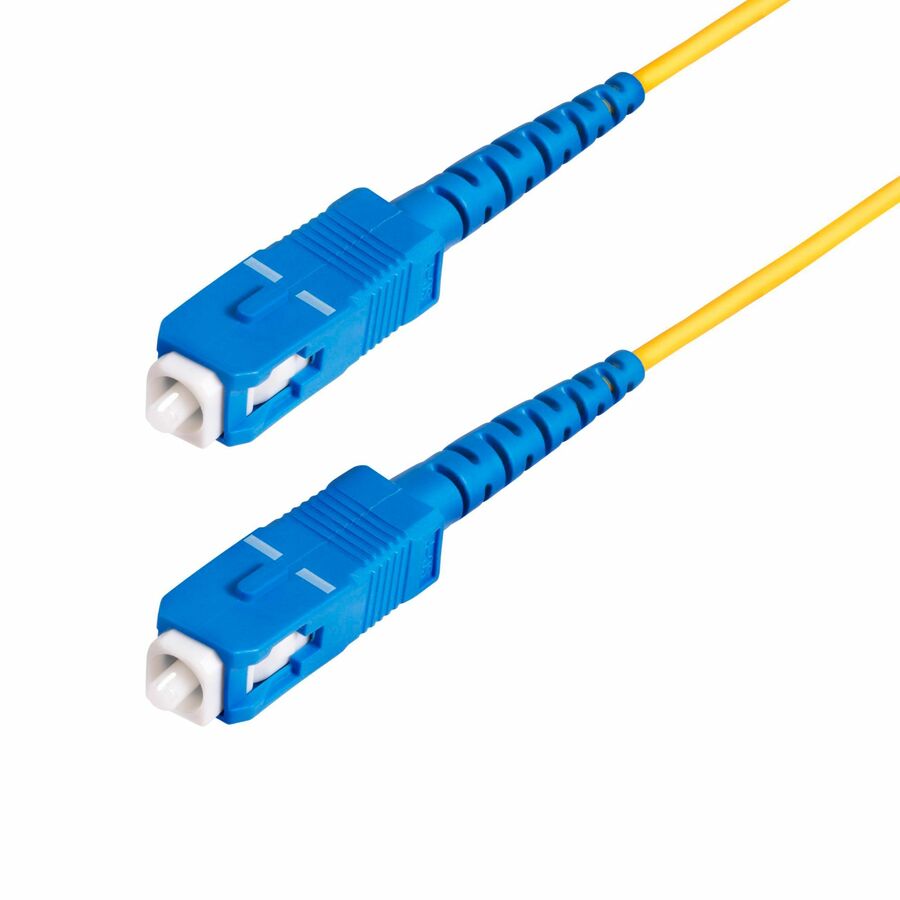
StarTech 30m (98.4ft) SC to SC (UPC) OS2 Single Mode Simplex Fiber…
SPSMSCSC-OS2-30M
StarTech's 30 m SC-to-SC UPC OS2 single-mode simplex jumper in LSZH, rated for 40G and 100G with low insertion loss — a single strand across a building.
$45.99In stockLC to SC, 30 m
StarTech.com
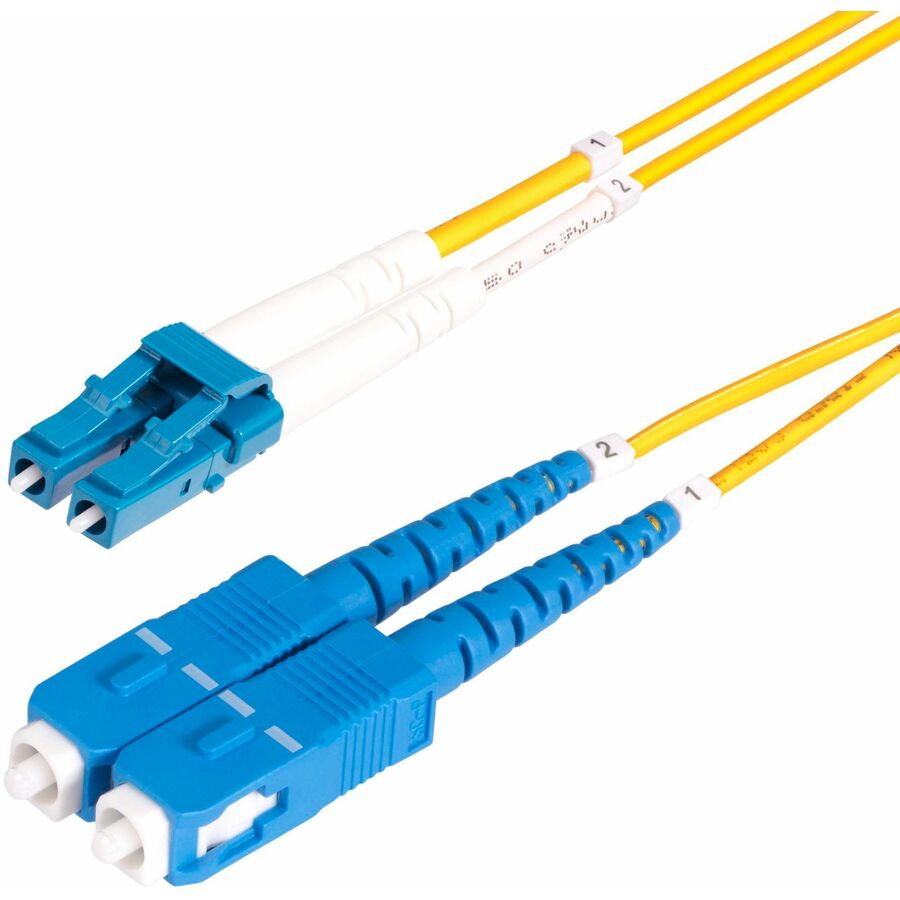
StarTech 30m (98.4ft) LC to SC (UPC) OS2 Single Mode Duplex Fiber Optic…
SMLCSC-OS2-30M
The 30 m LC-to-SC UPC OS2 duplex jumper in the same StarTech LSZH range — the long hybrid run from an SFP cage to an SC panel.
$39.55In stockLC to LC/APC simplex
PANDUIT
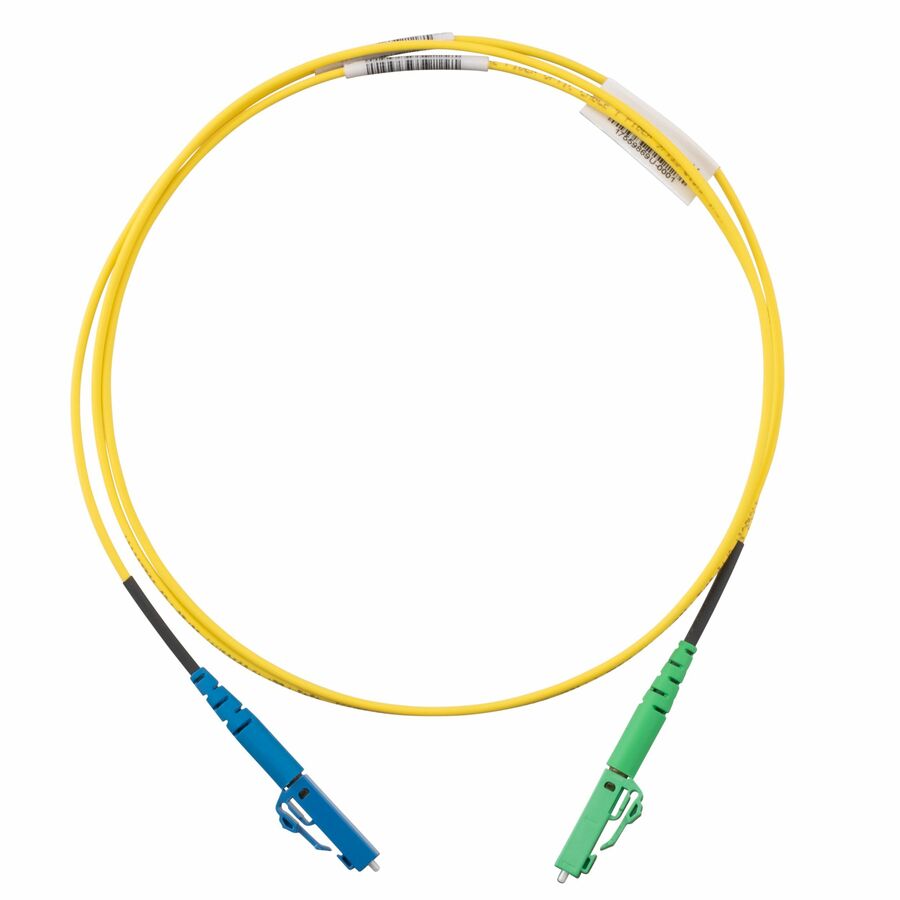
Panduit OS2 1f 1.6mm PC LSZH LC Simplex to LC/APC Std Polarity Std IL…
F91EL1NB1SNM015
Panduit's 15 m OS2 single-fibre 1.6 mm LSZH cord, LC simplex on one end and LC/APC on the other — the deliberate UPC-to-APC transition, made as a specified assembly rather than an adapter stack.
$43.77Back-orderedKeyed LC duplex, OFNP
PANDUIT
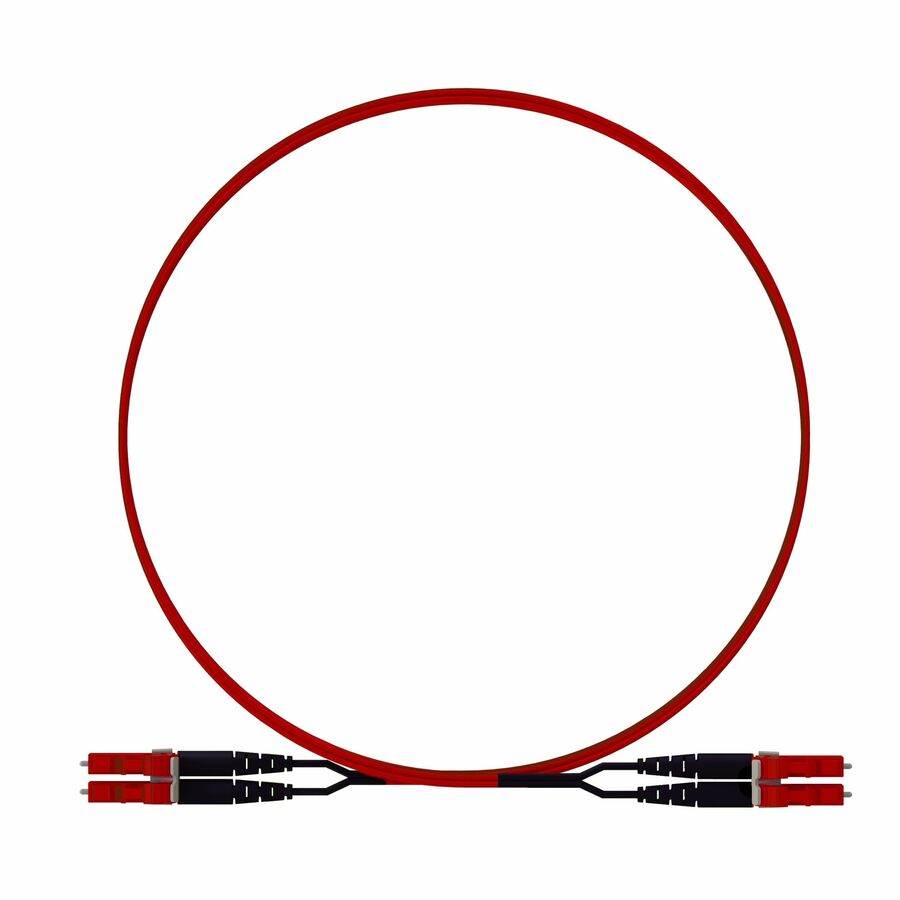
Panduit OS2 2f 1.6mm PC OFNP LC Key B / LC Dup Std Polarity Std IL RD…
F92EPKBLNSBM002
A Panduit 2 m OS2 two-fibre 1.6 mm OFNP plenum cord with a keyed LC connector and a red jacket — keying and colour are how a critical channel is kept from being cross-patched.
$55.41Back-orderedSC to LC, LSZH
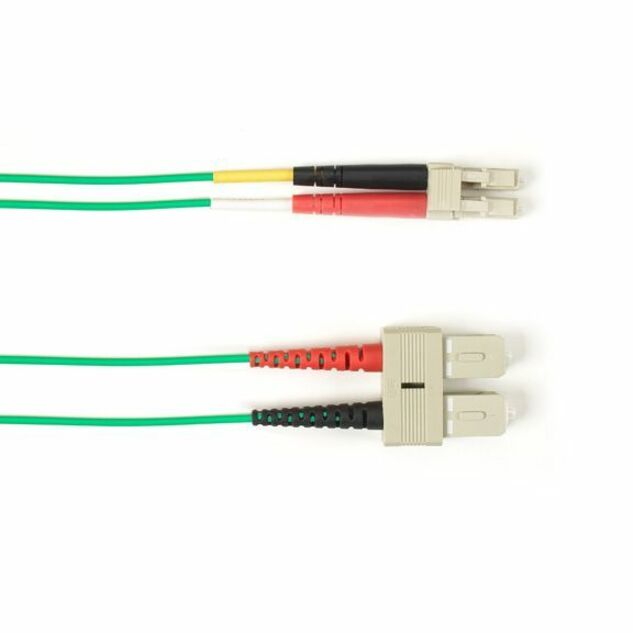
Black Box
Black Box Colored Fiber OS2 9/125 Singlemode Fiber Optic… - 26.25 ft
FOLZHSM-008M-SCLC-GN
Black Box's 8 m colored OS2 9/125 single-mode patch cable in an LSZH jacket, SC to LC — the hybrid in a documentation colour for an enclosed occupied space.
$59.66*Back-ordered12-strand LC pigtail
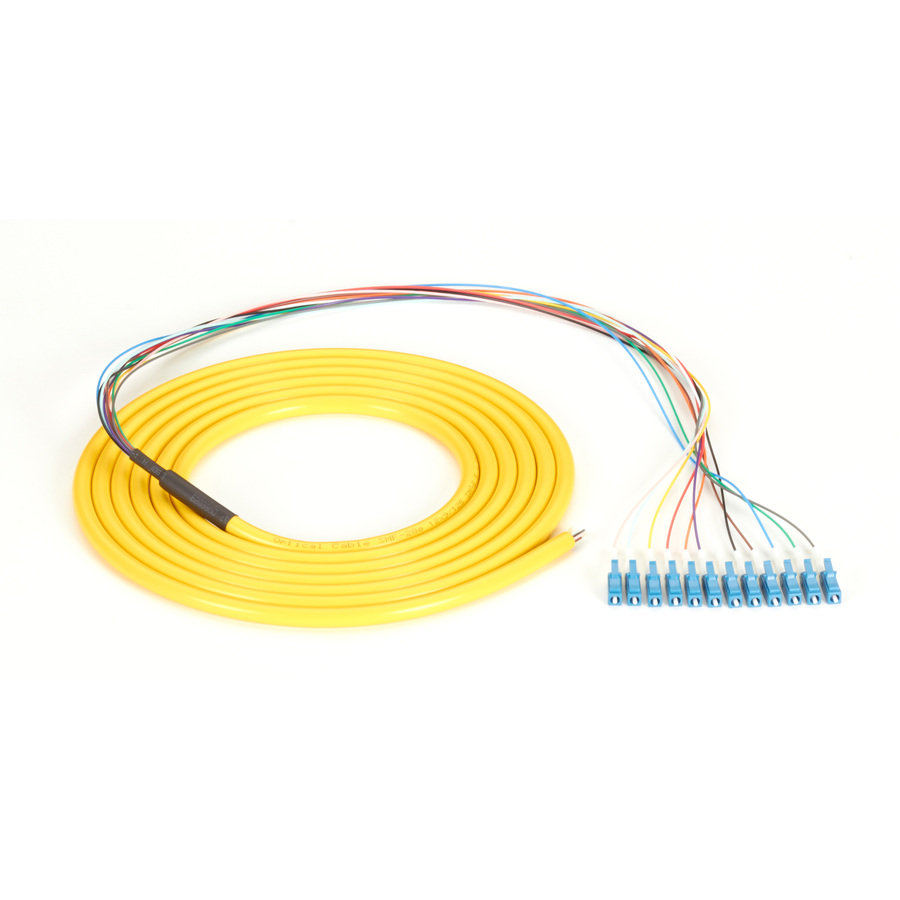
Black Box
Black Box OS2 9-Micron Single-Mode Fiber Optic Pigtail
FOPT50S1-LC-12YL-3
A Black Box OS2 9-micron single-mode pigtail, 12-strand LC in an OFNR PVC jacket — the fusion-splice tail that terminates a backbone into an enclosure.
$122.54In stockTested LC duplex, 3 m
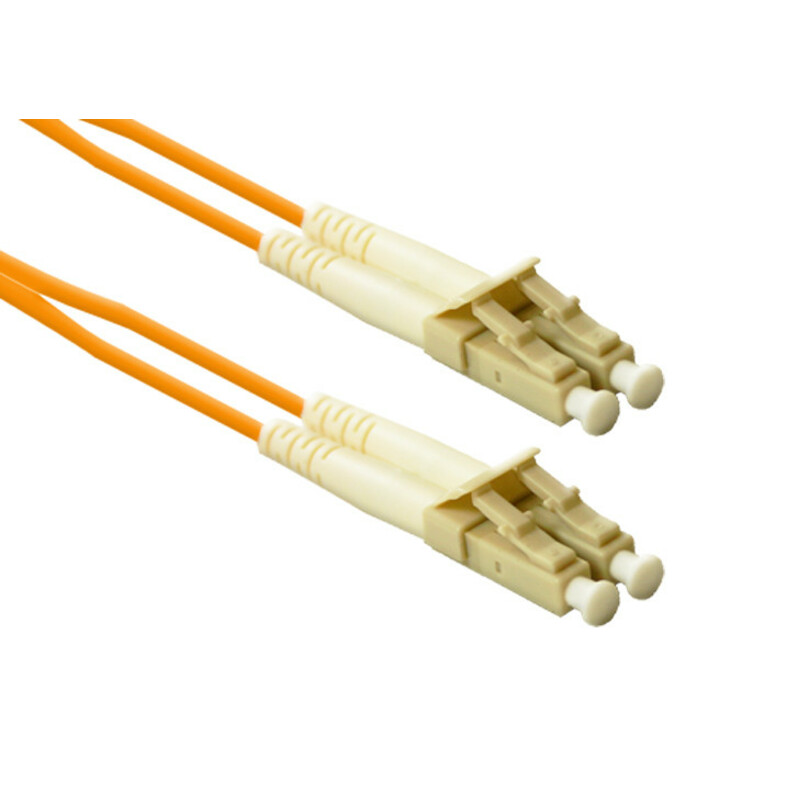
NSI Industries
ENET 3M LC/LC Duplex Single-mode 9/125 OS2 or Better Yellow Fiber Patch…
LC2-OS2P-3M-ENC
ENET's 3 m LC/LC duplex single-mode 9/125 OS2 cord, individually tested and carrying a lifetime warranty in the manufacturer's own title.
$45.05Back-orderedOS2 LC UPC, 5 m
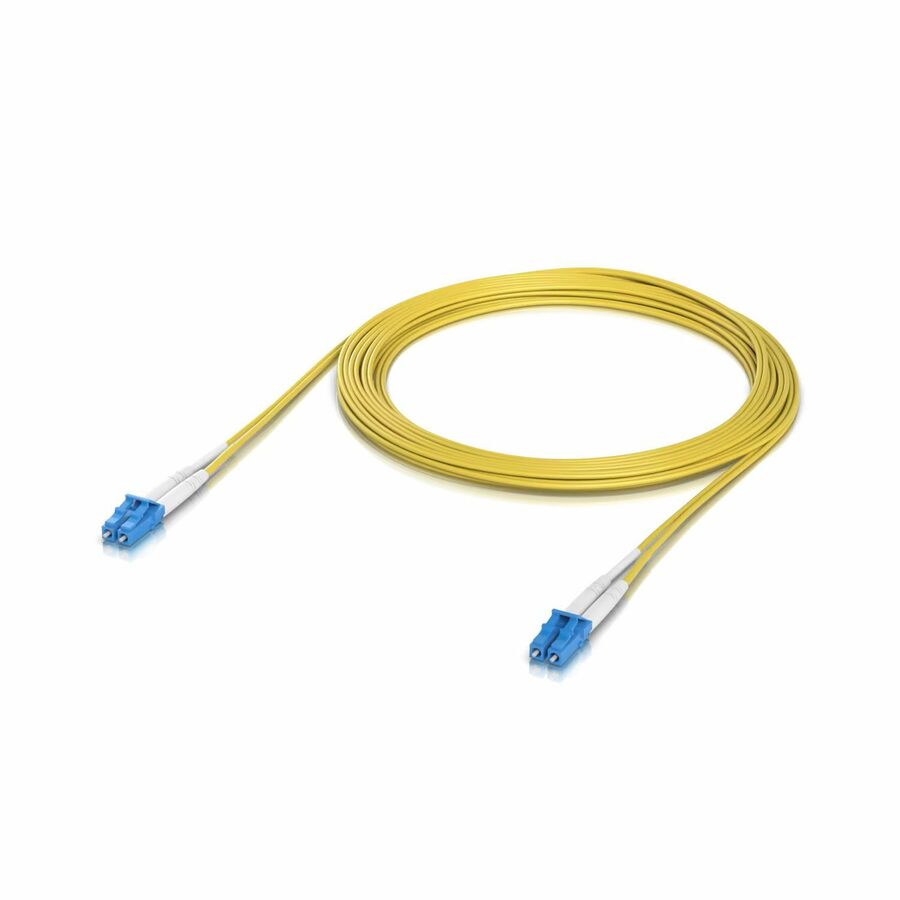
Ubiquiti
Ubiquiti OS2 Duplex LC UPC Fiber Patch Cable - 16.40 ft
UACC-OFC-S2-LULU-5M
Ubiquiti's 5 m OS2 duplex LC UPC fibre patch cable — the short single-mode jumper to standardise on where the switching and optics are already UniFi.
$10.59Back-orderedBrowse all 48,470 network and connector cables
Not the right one above? Filter the whole range by the specs that matter — live pricing and honest availability on every row, the same NDAA §889 screening before checkout, and TAA verified on request.
Showing 24 of 48,470 network and connector cables
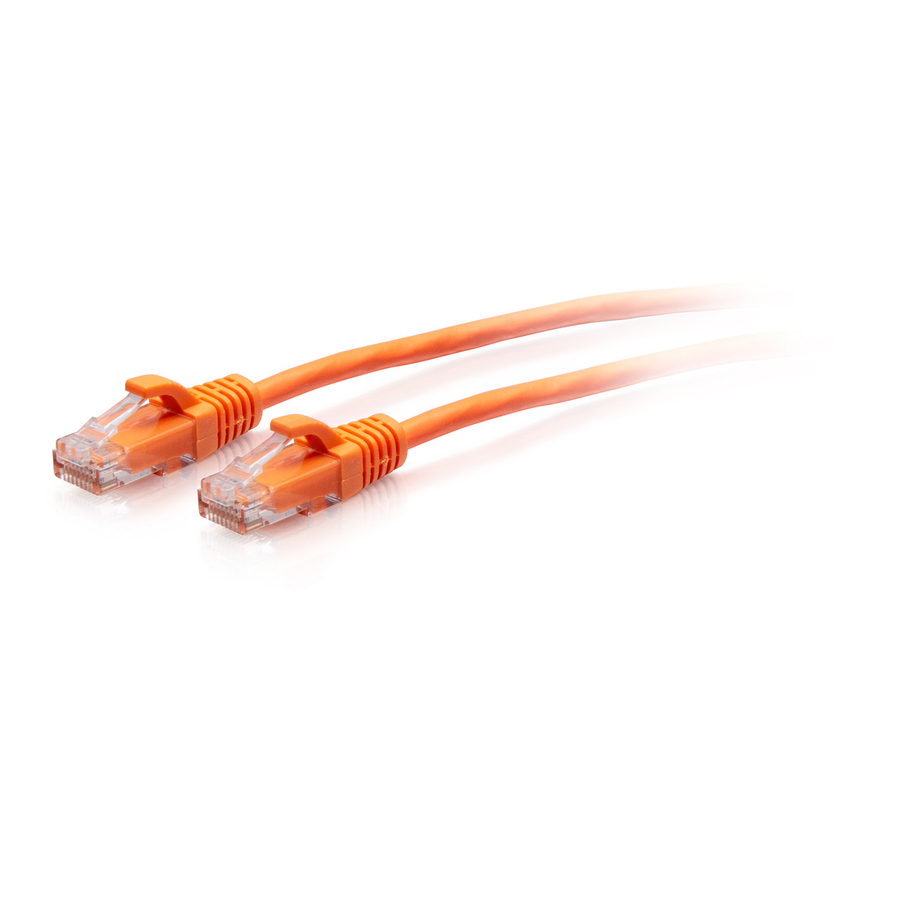
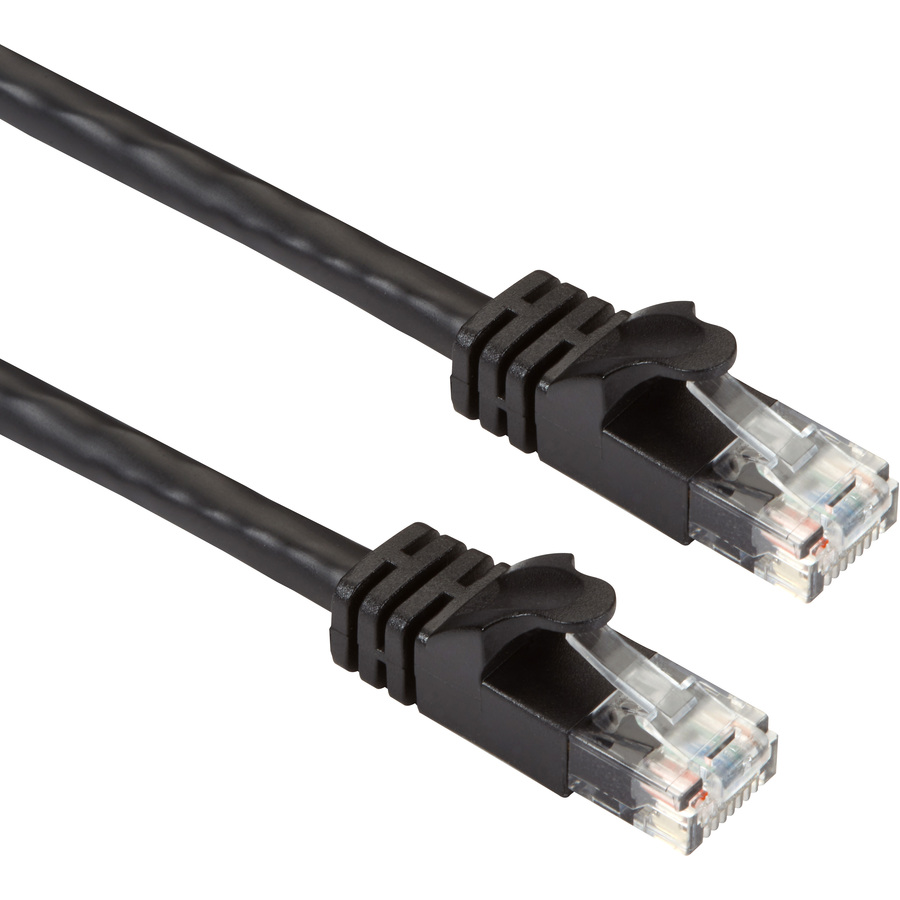
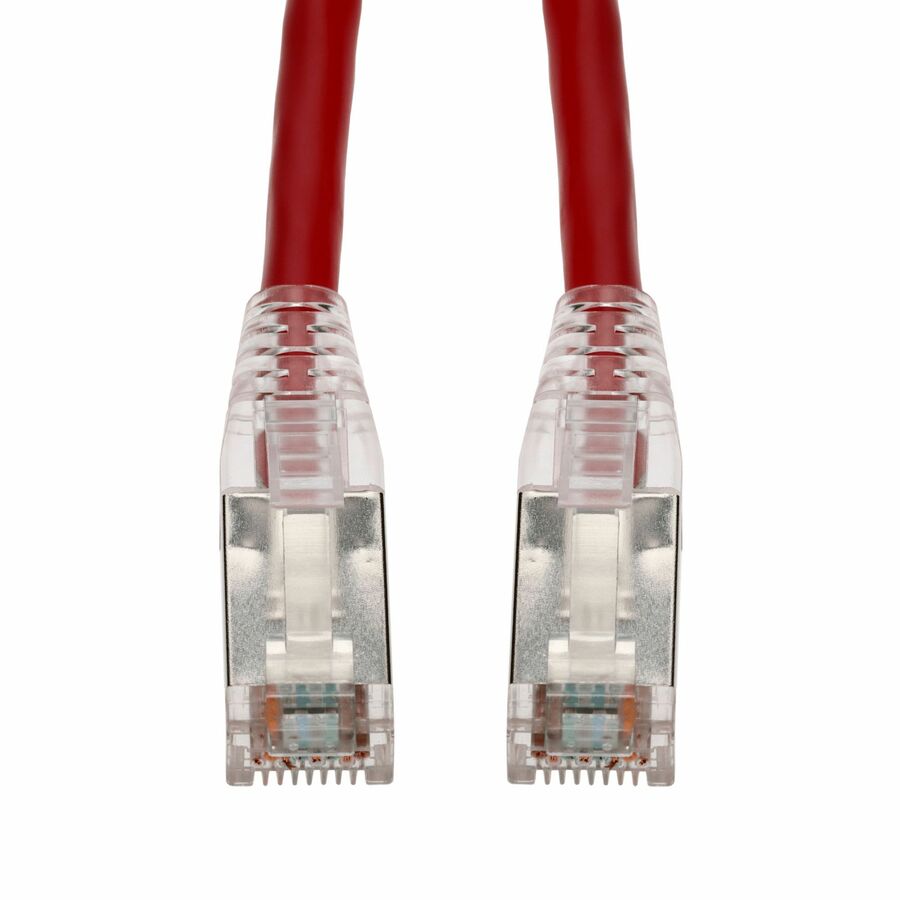
- Black BoxBlack Box CAT6A 500-MHz STR Patch Cable Slim Molded Snagless Boot - UTP, CM PVC, BK, 25FT - 25 ft Category 6a Network Cable for Network Device - First End: 1 x RJ-45 Network - Male - Second End: 1 x RJ-45 Network - Male - Patch Cable - Gold Plated Contact - CM - 26 AWG - BlackCAT6APC-025-BK
$28.87
$24.99
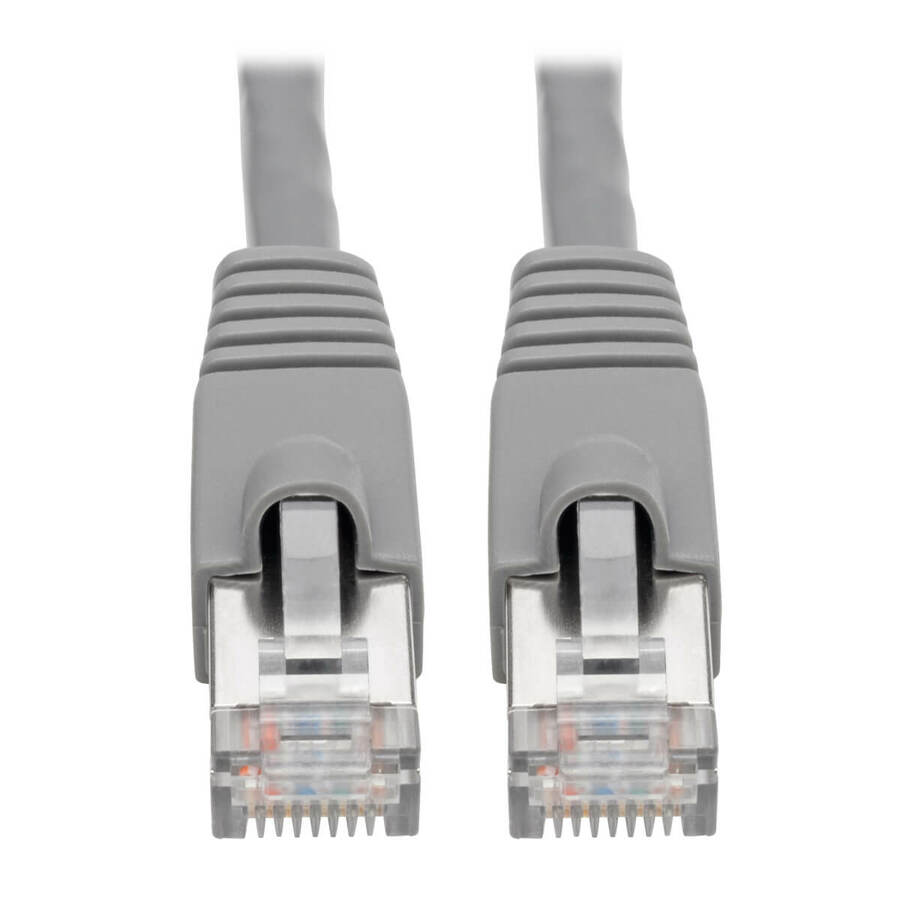
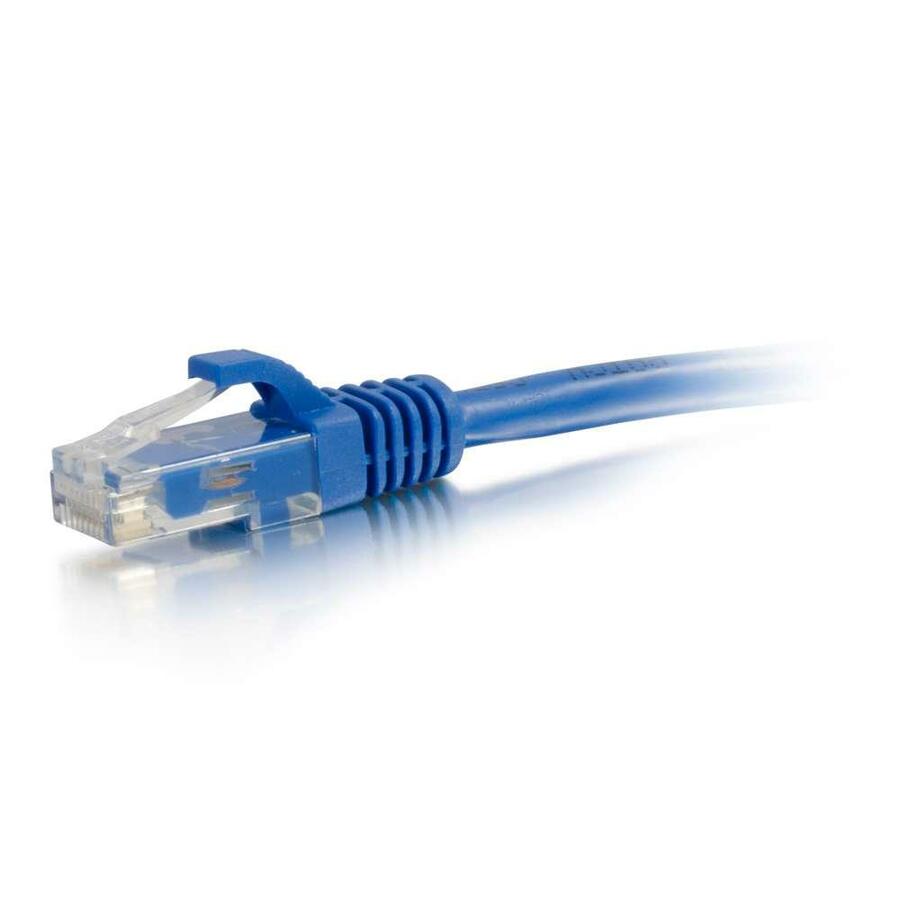
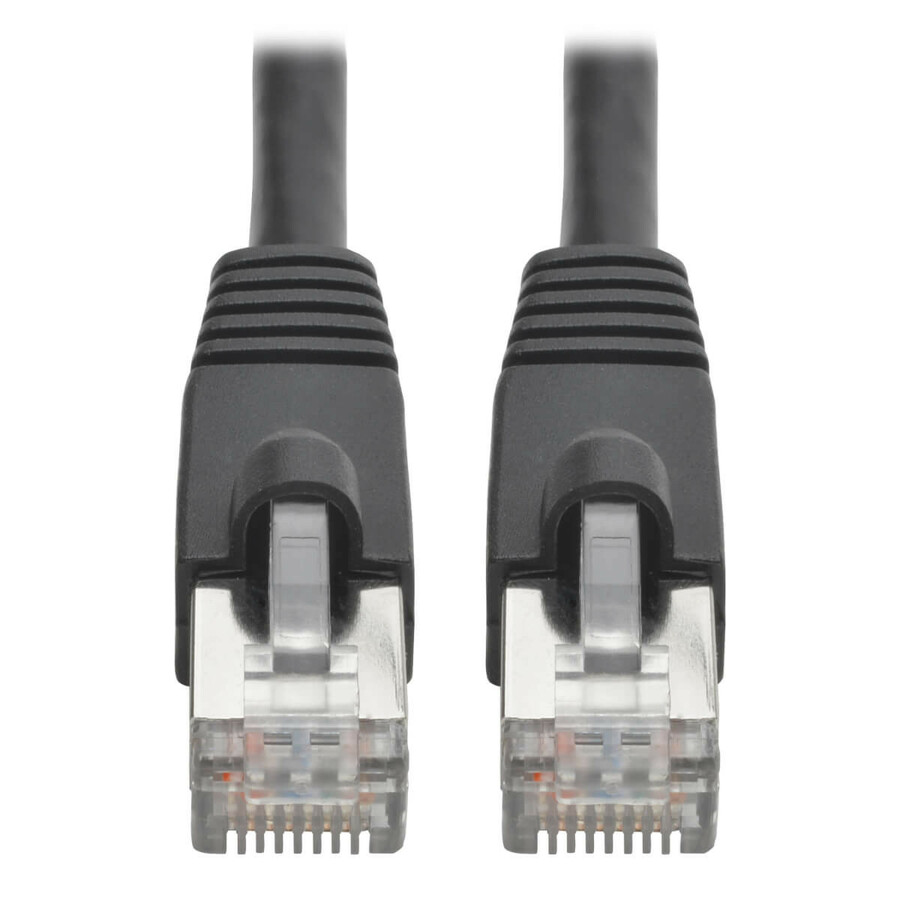
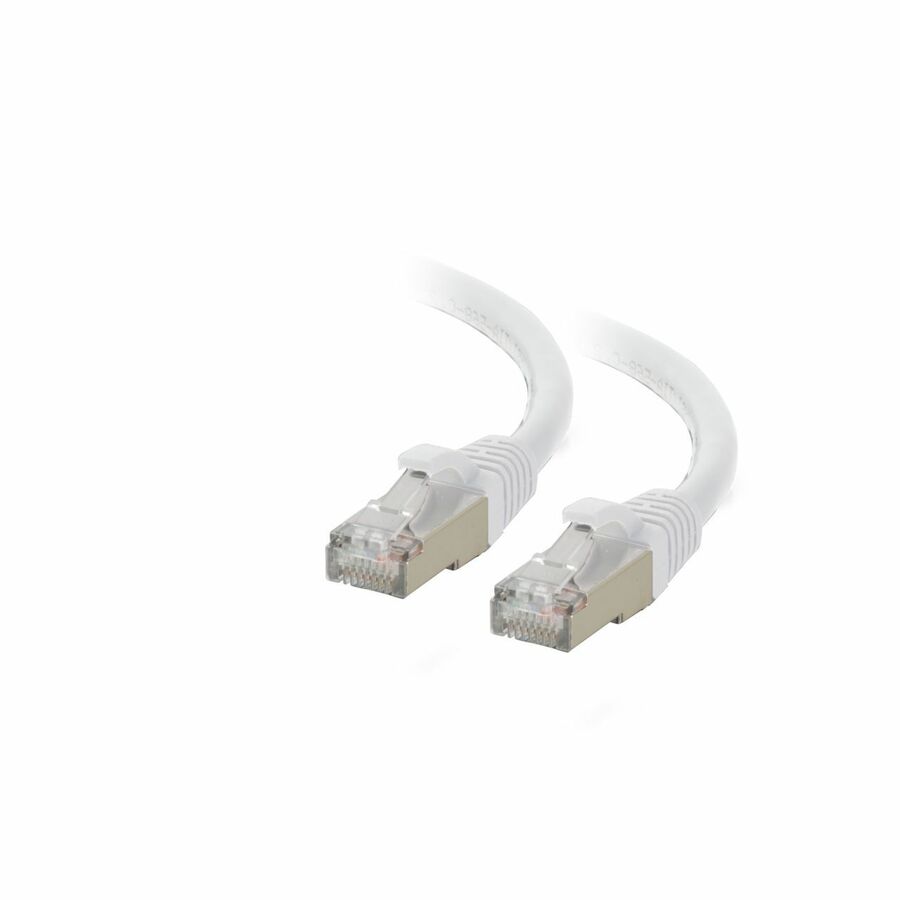
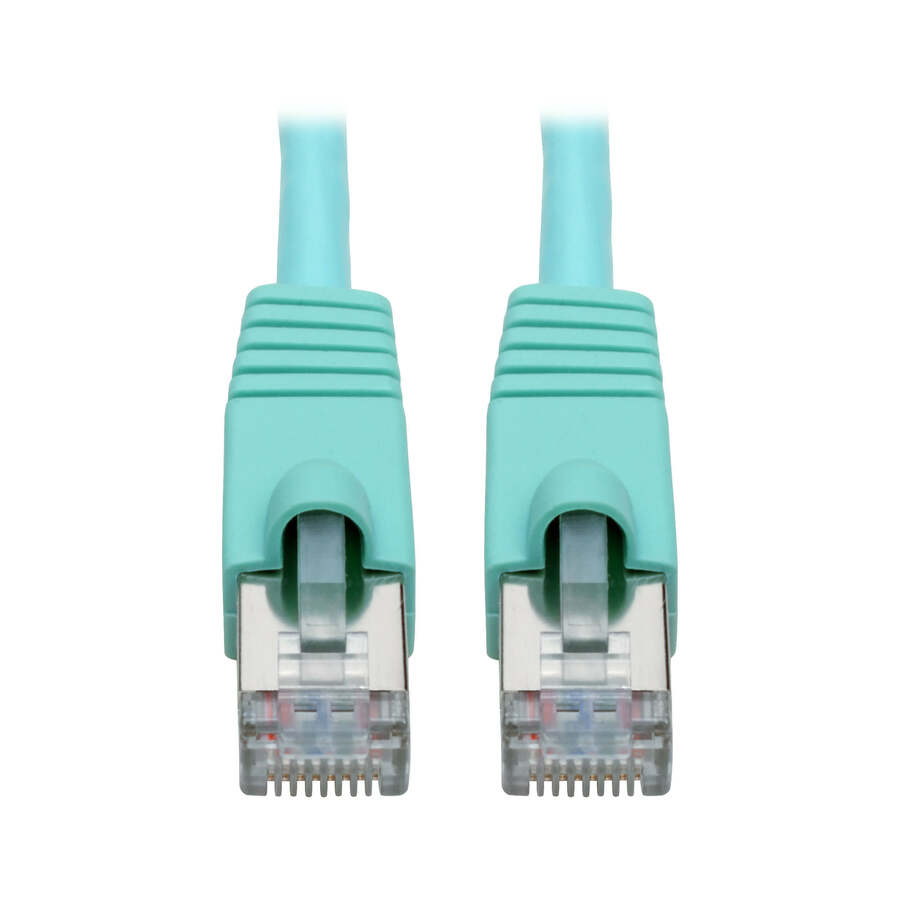
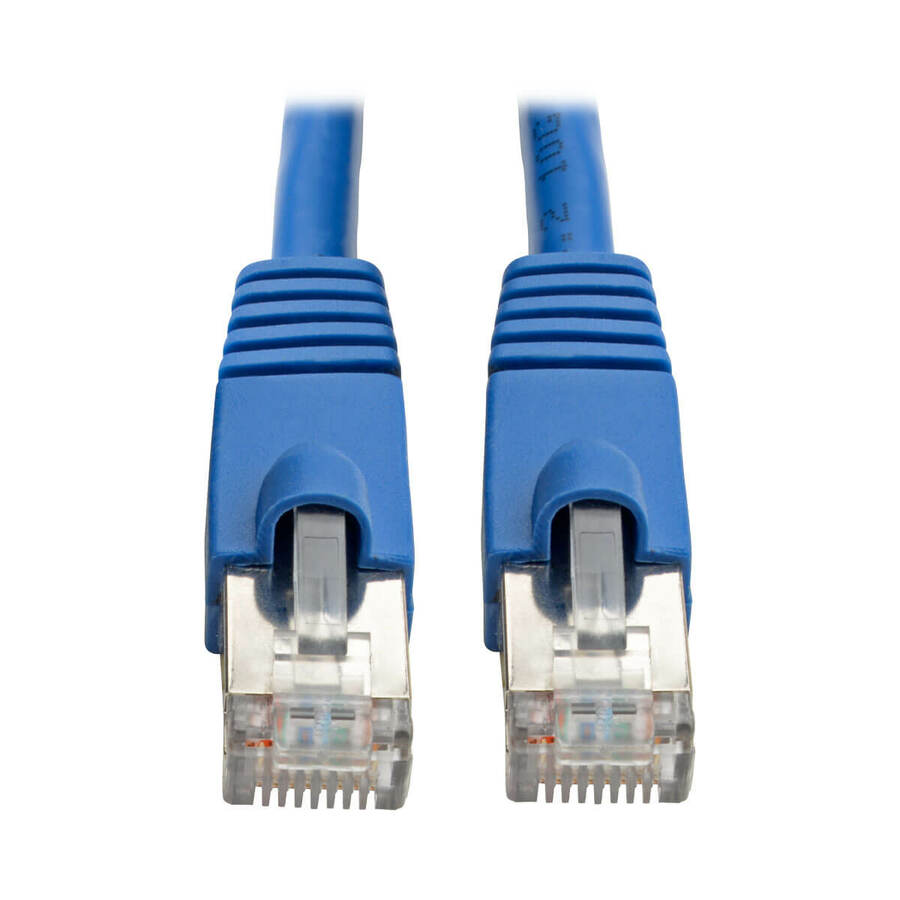
92 in stock - EatonTripp Lite by Eaton Cat6a 10G Snagless Shielded STP Ethernet Cable (RJ45 M/M) PoE Blue 7 ft. (2.13 m) - 7 ft Category 6a Network Cable for Network Device - First End: 1 x RJ-45 Network - Male - Second End: 1 x RJ-45 Network - Male - 10 Gbit/s - Patch Cable - Shielding - 26 AWG - BlueN262-007-BL
$23.65
$21.76
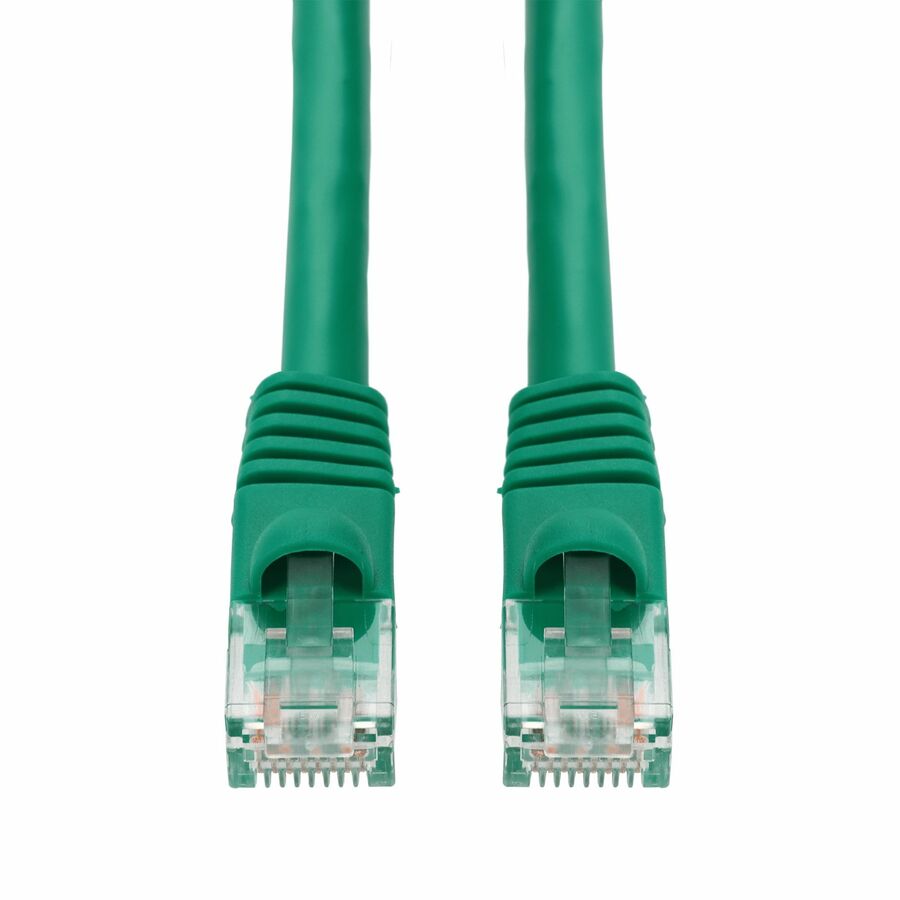
1,533 in stock - AddOnAddOn 2.5ft Green CAT 6 PVC Ethernet Cable Snagless Bubble Boot RJ-45 M/M - 2.50 ft Category 6 Network Cable for Network Device - First End: 1 x RJ-45 Network - Male - Second End: 1 x RJ-45 Network - Male - Patch Cable - Unshielded Twisted Pair (UTP) - CM - 24 AWG - Green - 1 PieceADD-2-5FCAT6-GN
$23.50
$21.62
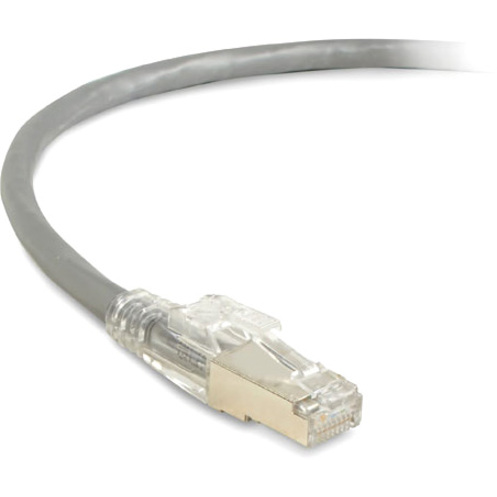
49 in stock - Black BoxBlack Box GigaTrue 3 Cat.6 (S/FTP) Patch Network Cable - 7 ft Category 6 Network Cable for Patch Panel, Wallplate, Network Device - First End: 1 x RJ-45 Network - Male - Second End: 1 x RJ-45 Network - Male - 1 Gbit/s - Patch Cable - Shielding - Gold Plated Contact - CM - 24 AWG - GrayC6PC70S-GY-07
$23.71
$20.34
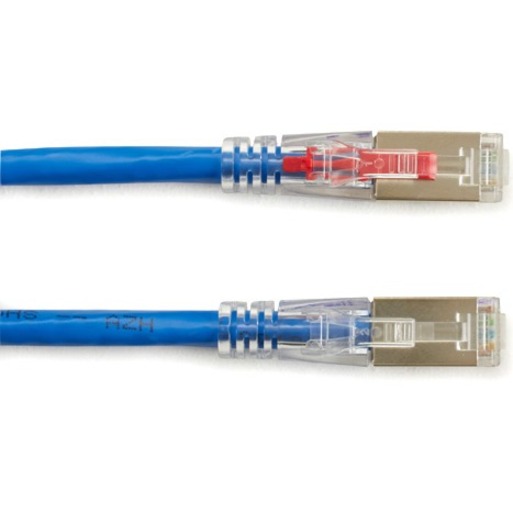
386 in stock - Black BoxBlack Box CAT6A 650-MHz Locking Snagless Patch Cable S/FTP CM PVC BL 7FT - 7 ft Category 6a Network Cable for Patch Panel, Network Device - First End: 1 x RJ-45 Network - Male - Second End: 1 x RJ-45 Network - Male - 10 Gbit/s - Patch Cable - Shielding - Gold Plated Contact - CM - 26 AWG - BlueC6APC80S-BL-07
$23.19
$19.86
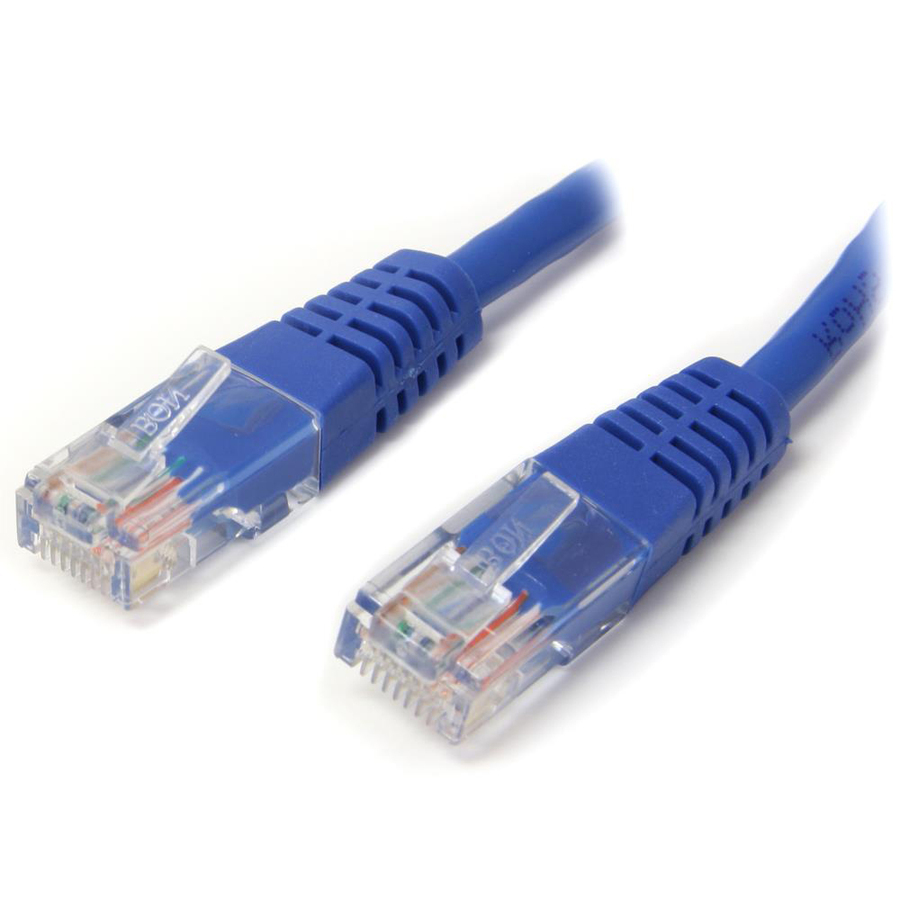
60 in stock - StarTech.comStarTech 75 ft Blue Molded Cat5e UTP Patch Cable - Make Fast Ethernet network connections using this high quality Cat5e Cable, with Power-over-Ethernet capability - 75ft Cat5e Patch Cable - 75ft Cat 5e Patch Cable - 75ft Cat5e Patch Cord - 75ft Molded Patch Cable - 75ft RJ45 Patch CableM45PATCH75BL
$27.66
$25.45
118 in stock
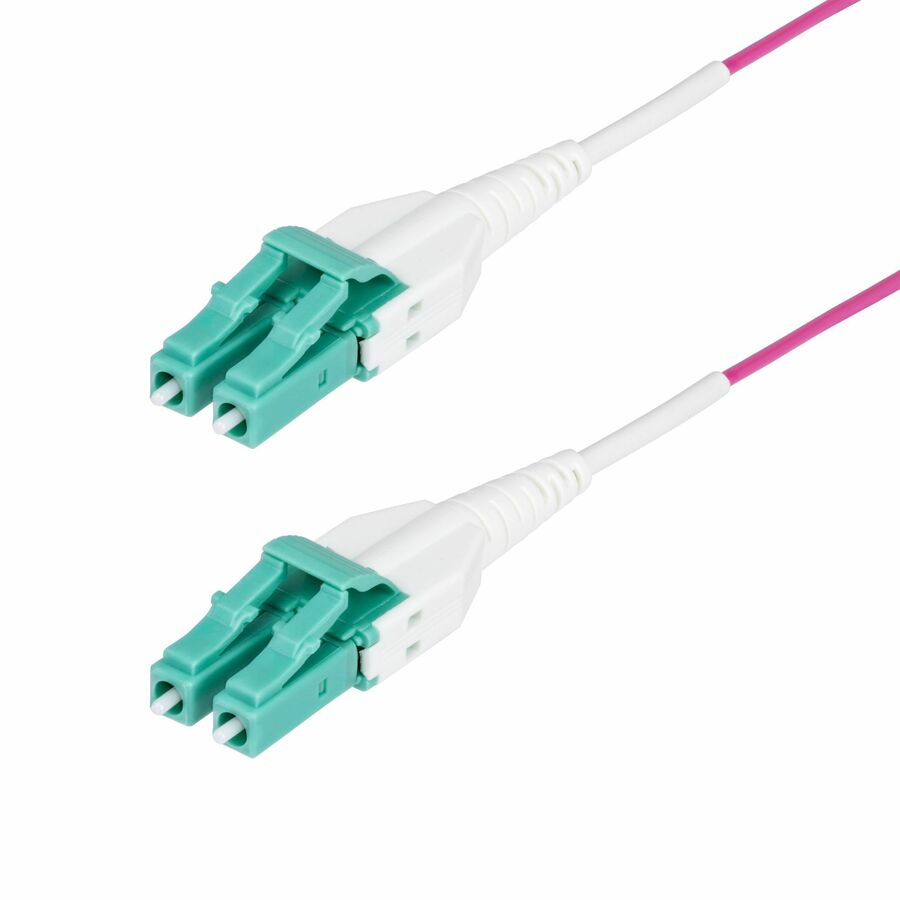
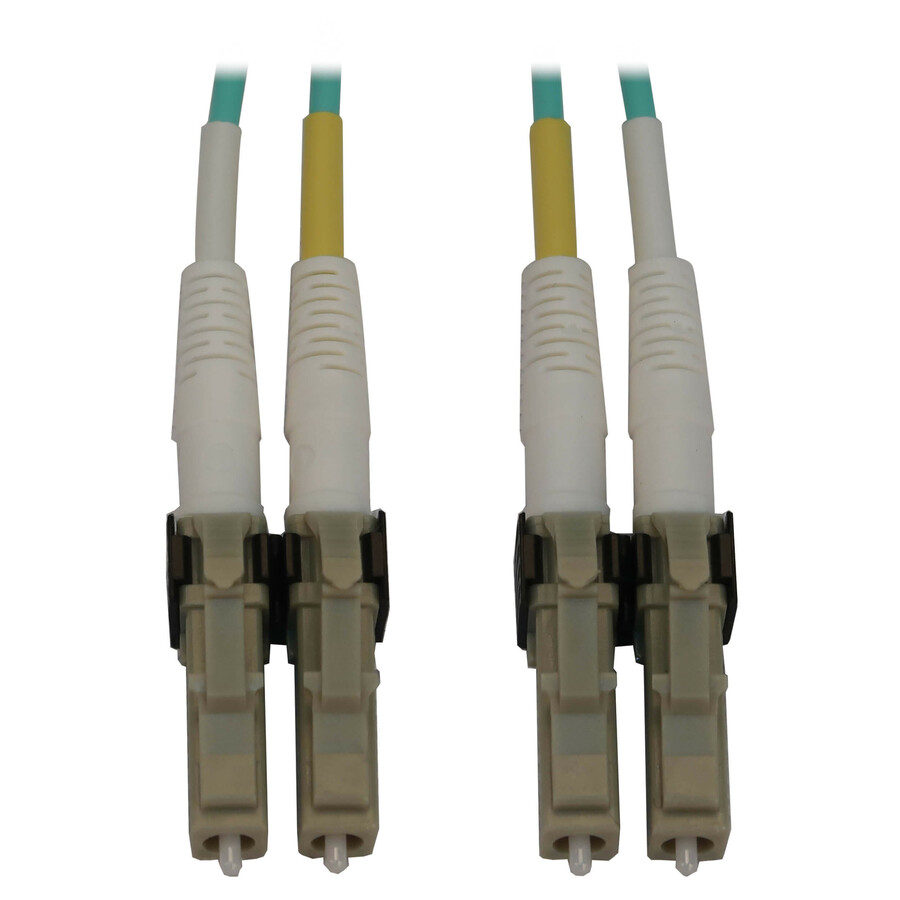
Specifications are read from the manufacturer product title as supplied to us; where a value is not stated it is left blank rather than estimated. Every line is screened for NDAA §889 status before checkout, with TAA verified on request.
Need pricing on single-mode fiber patch cables?
Tell us where to reach you and a Uniqcli specialist will follow up by email with current pricing, availability and lead time for the quantities you need — including parts that aren’t shown on this page.
Buying for an organization or for yourself — both work. No payment up front.
Single-mode fiber is the long-distance answer. Its 9-micron core carries one optical path instead of many, which removes the modal dispersion that limits multimode reach — so a single-mode link is measured in kilometres where a multimode link is measured in hundreds of metres. OS2 is the current grade: a loose-tube or tight-buffered 9/125 fibre with low water-peak attenuation, specified for the campus backbone, the building-to-building run, the carrier hand-off and, increasingly, the data-centre spine where 100G and 400G optics are single-mode anyway. Every cord on this page names OS2 in the manufacturer's own title.
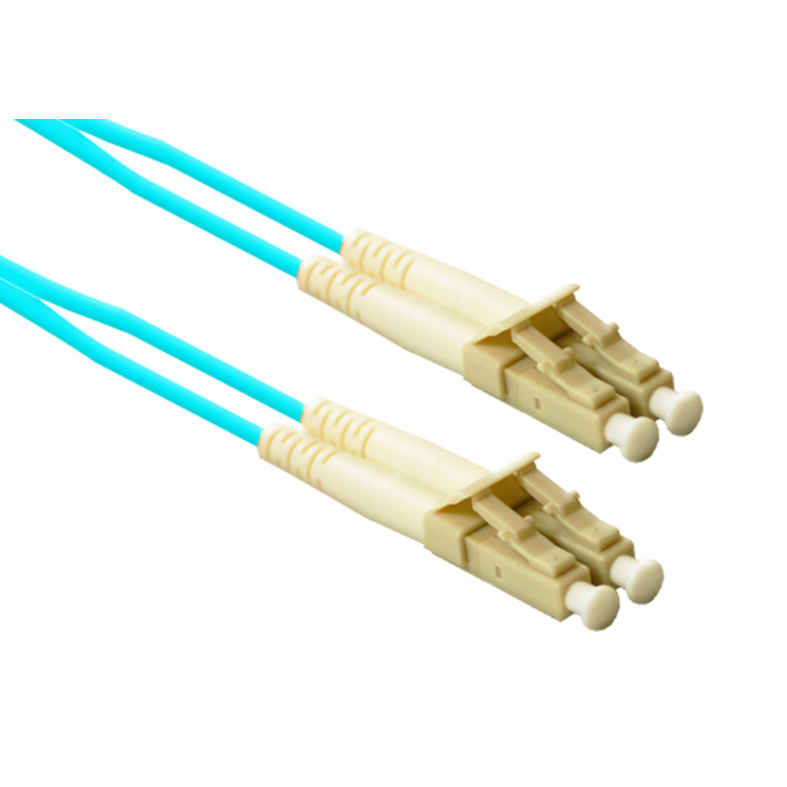
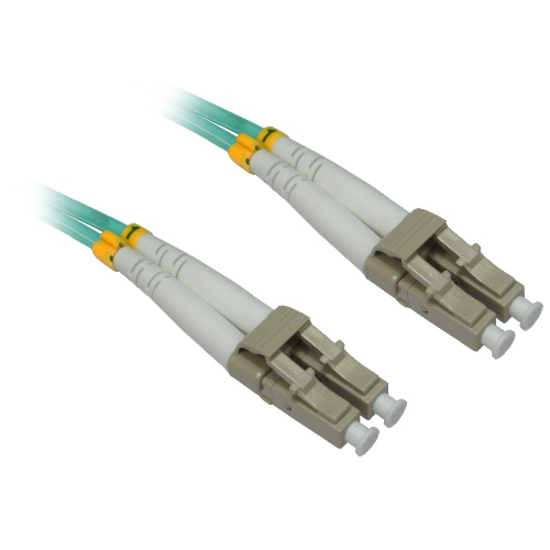
Two things decide the part number. The first is the connector pair at each end — LC is the small-form-factor default that SFP and QSFP cages take, SC is the older square latch still standard on many panels and carrier demarcations, ST is the bayonet connector common in legacy campus fields, FC screws down where vibration is a concern, and MPO/MTP is the multi-fibre ferrule that 40G, 100G and 400G parallel optics use. A cord with different connectors on each end (LC to SC, SC to ST, LC to FC) is a normal and useful part, not a compromise. The second is simplex or duplex: two strands for a conventional transmit-and-receive pair, one strand where the optic is bidirectional.
Then polish, jacket and length. UPC is the flat-polished, blue-bodied default; APC is the angled green-bodied polish used where return loss matters — and UPC and APC must never be mated to each other, which is the single most common and most expensive fibre mistake on a punch list. Jacket runs OFNR riser, OFNP plenum and LSZH, and which one a run needs comes from the pathway and the adopted code edition, not from a datasheet. Armored cords add a steel interlock for runs that will be walked on or pulled through a tray. Cards carry live pricing and current availability from the catalog.
Buyer's checklist
How to choose single-mode fiber patch cables
- Match the fibre to the optic, not the other way round. A single-mode optic needs single-mode fibre and a multimode optic needs multimode; the two are not interchangeable in either direction, and a single-mode cord plugged into a multimode transceiver is a link that either fails or degrades unpredictably.
- Never mate UPC to APC. The angled APC ferrule (green body) and the flat UPC ferrule (blue body) do not make physical contact correctly, the insertion loss is severe and the polished endface can be damaged. Read the polish on both ends of the cord and on the panel it lands in before ordering.
- Buy the connector pair the panel actually has. LC is the small-form-factor standard for SFP and QSFP cages, SC is still common on panels and carrier demarcations, ST appears in legacy campus fields, FC screws down where vibration matters. Hybrid cords — LC to SC, SC to ST, LC to FC — exist so you do not need an extra adapter and an extra loss budget.
- Choose simplex or duplex from the optic. Conventional transceivers use two strands, one to transmit and one to receive, and want a duplex cord; bidirectional optics multiplex both directions onto one strand and want simplex. Ordering the wrong one is a return, not a workaround.
- Use MPO/MTP where the optic is parallel. 40G, 100G and 400G parallel optics terminate on a multi-fibre ferrule, and a breakout or fanout cord is what turns one MPO into individual duplex LC pairs. Polarity type — A, B or C — has to match the rest of the channel, so read it on the part.
- Match the jacket to the pathway. OFNR riser, OFNP plenum and LSZH are three different building situations, and the rating a given run requires is set by the code edition your jurisdiction has adopted and by the authority having jurisdiction. Armored cords earn their price where the run crosses a floor, a tray or anywhere a cord will be stood on.
- Where the purchase order carries an origin clause, read TAA on the part number itself. Several parts on this page carry a TAA marking in the manufacturer's own title and others in the same family do not; screening is performed before the quote, tied to the specific part number.
Single-mode or multimode: the decision behind the cord
The physical difference is core size — roughly 9 microns for single-mode against 50 microns for OM3/OM4/OM5 multimode — and everything else follows from it. A wider core admits many light paths that arrive at slightly different times, which smears the pulse and caps how far a given data rate can travel; that is modal dispersion, and it is why multimode links are specified in hundreds of metres. A 9-micron core admits essentially one path, so a single-mode link is limited by attenuation rather than dispersion and reaches kilometres. That is what makes single-mode the campus backbone, the between-buildings run and the carrier hand-off.
The cost argument has moved. Single-mode fibre itself has not been the expensive part for a long time; the optics were, because a single-mode laser has historically cost more than a multimode VCSEL. At 100G and above that gap has narrowed and much of the ecosystem is single-mode by default, which is why new backbone and spine builds increasingly go OS2 even over distances multimode could have served. If the run is inside one room and the optics are already multimode, keep them; if you are pulling new backbone that has to survive two refresh cycles, OS2 is the fibre that will not be the reason you re-pull.
Connectors, polish and polarity: what actually goes wrong
Most fibre problems on a commissioning punch list are mechanical, not optical. The first is the UPC/APC mismatch: the flat blue UPC ferrule and the angled green APC ferrule cannot mate correctly, and forcing them costs both the link and, often, the endface. The second is polarity on MPO/MTP channels — type A, B and C trunks and cords are not interchangeable, and a channel assembled from a mixture is a transmit pair talking to a transmit pair. The third is simply dirt: an unmated single-mode endface picks up contamination that a 9-micron core cannot tolerate, which is why dust caps stay on until the moment of connection and why an inspection scope and cleaner belong in the same order as the cords.
Plan the channel as a whole. Send us the connector pair at each end, the polish, the strand count, the jacket rating the pathway requires, whether any run needs armor, the lengths and the quantities, and we will come back with part numbers, availability, lead times and volume pricing — with the enclosures, cassettes, adapter panels, transceivers and the fibre labour on one document, so the small parts and the install date stay together. Where the order carries an origin clause, request a TAA-verified quote and screening is performed before it is issued.
FAQ
Common questions
- What is the difference between OS1 and OS2 single-mode fiber?
- Both are 9/125 single-mode, but OS2 is the modern specification: it is a loose-tube or tight-buffered construction with low water-peak attenuation, which means lower loss per kilometre and usable transmission across a wider set of wavelengths, including the region legacy OS1 fibre attenuates. OS1 was specified for indoor tight-buffered runs at shorter distances. For anything new — campus backbone, between-buildings, carrier hand-off, data-centre spine — OS2 is what to specify. Some cords in this catalog carry an OS1 model name in a legacy part number while stating OS2 in the description; read the grade on the exact part.
- Can I mix UPC and APC connectors?
- No, and this is the most expensive routine mistake in fibre work. UPC is a flat, ultra-polished endface in a blue-bodied connector; APC is an eight-degree angled endface in a green-bodied connector, used where reflection and return loss matter. Mated to each other they cannot make correct physical contact — the loss is severe, the link is unreliable, and the angled ferrule can permanently damage the flat one. Read the polish on both ends of the cord and on the adapter panel it lands in, and keep the two polishes on separate, clearly labelled channels.
- When do I need an MPO or MTP cord instead of LC?
- When the optic is parallel. 40G, 100G and 400G parallel transceivers terminate on a single multi-fibre ferrule carrying eight, twelve or twenty-four strands rather than on two LC connectors, so the cord has to be MPO or MTP. Two shapes matter: MPO-to-MPO trunk cords link two parallel optics or a cassette, and breakout or fanout cords split one MPO into individual duplex LC pairs so a parallel port can feed several duplex ports. Polarity type — A, B or C — has to match across the whole channel, so read it on every element rather than assuming.
- Do I need armored fiber patch cords?
- Where the cord is exposed to being crushed, walked on, pulled hard or dragged through a tray, yes. An armored cord adds a flexible steel interlock under the jacket that protects the fibre from crush and from a bend tighter than its minimum radius, which is exactly the failure that a cord routed across a floor or through a busy cable tray eventually suffers. It is heavier, stiffer and more expensive, so it is not the default for a clean patch field inside a cabinet — buy it for the specific runs that are exposed.
- Are these single-mode fiber cables TAA compliant?
- It is a per-part-number fact rather than a family rule, and this page is mixed: several parts carry a TAA marking in the manufacturer's own catalog title while otherwise similar parts in the same range do not. Where our catalog data records a part number as TAA compliant, that is what we are reporting. Where an order carries a country-of-origin clause, request a TAA-verified quote and read the designation on the exact part number ordered — screening is performed before the quote and screening results are available with it, tied to that part number and never restated as a Uniqcli certification.
- Can business, government and education buyers order these?
- Every line Uniqcli quotes is sourced through US distribution and screened for TAA country-of-origin and NDAA §889 status before checkout — with documentation tied to the specific part number, not a product family.
Need single-mode fiber patch cables pricing?
Send a bill of materials or part numbers — we confirm stock and a below-market total, with TAA verified on request. No payment up front.