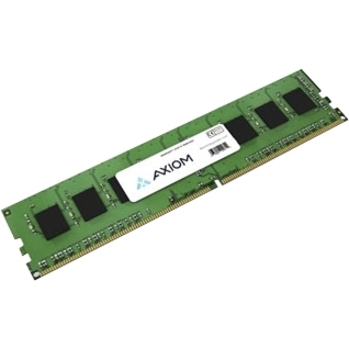
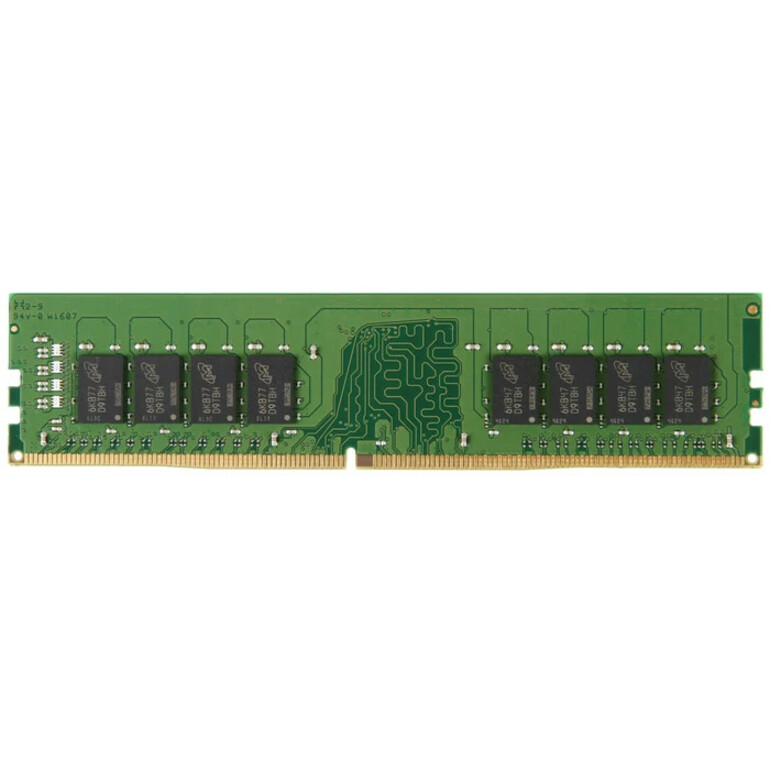
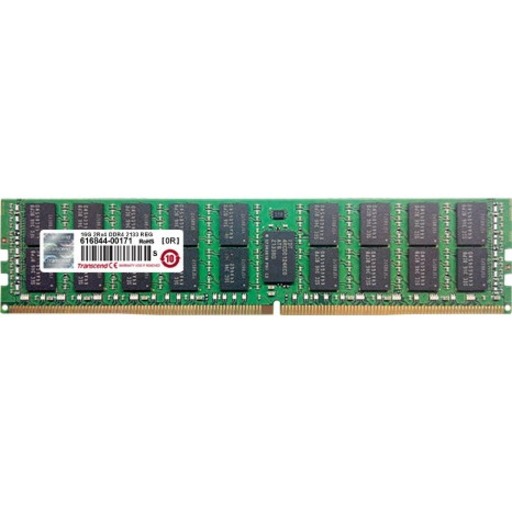
Special order — estimated OEM lead time 3–8 weeks. Order today and we expect to receive stock between Oct 31 and Dec 5, then process your delivery right after.
Genuine Transcend Information through authorized distribution — NDAA §889 screened before checkout. TAA verified on request.
SKU
Category
RAM Modules
Country of origin
Taiwan
Country of origin is manufacturer-reported and can vary by production lot. Where TAA applies to your purchase, we verify the shipping unit's origin on request.
Overview
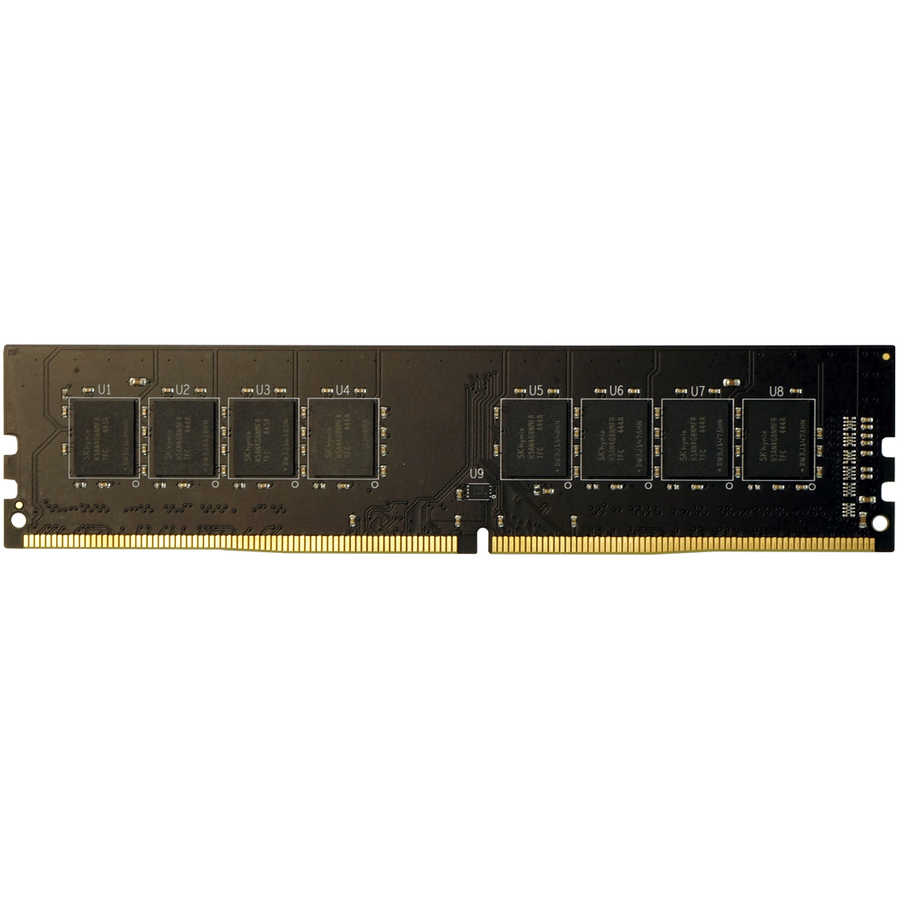
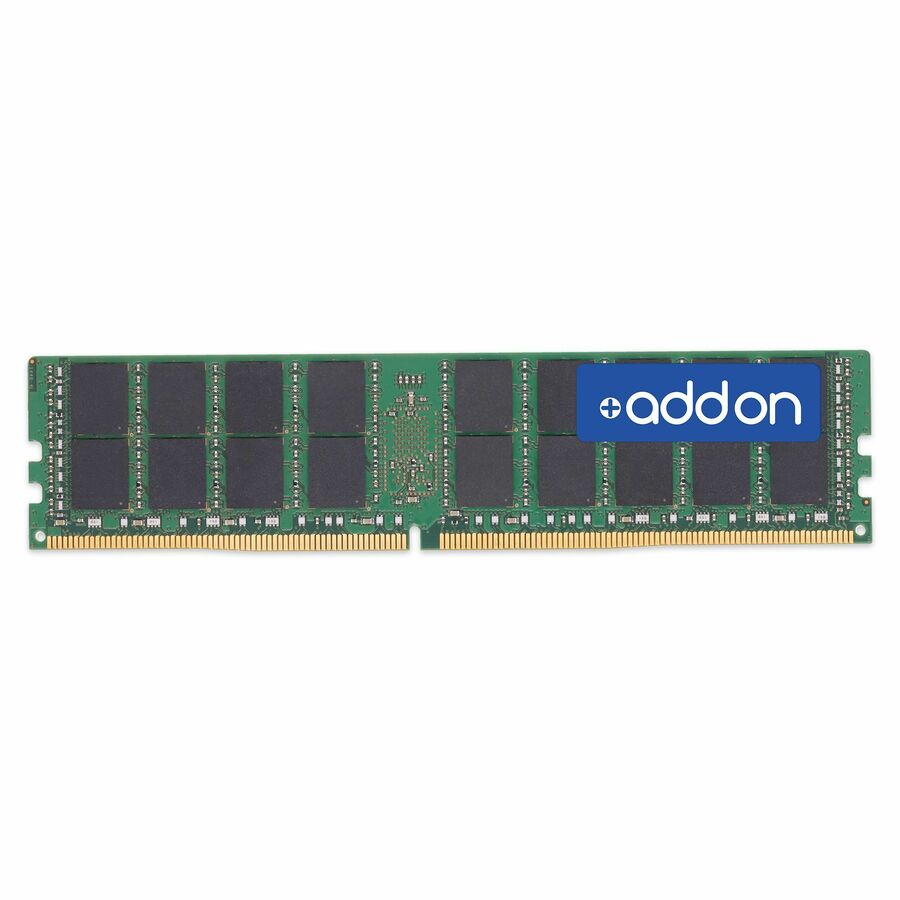
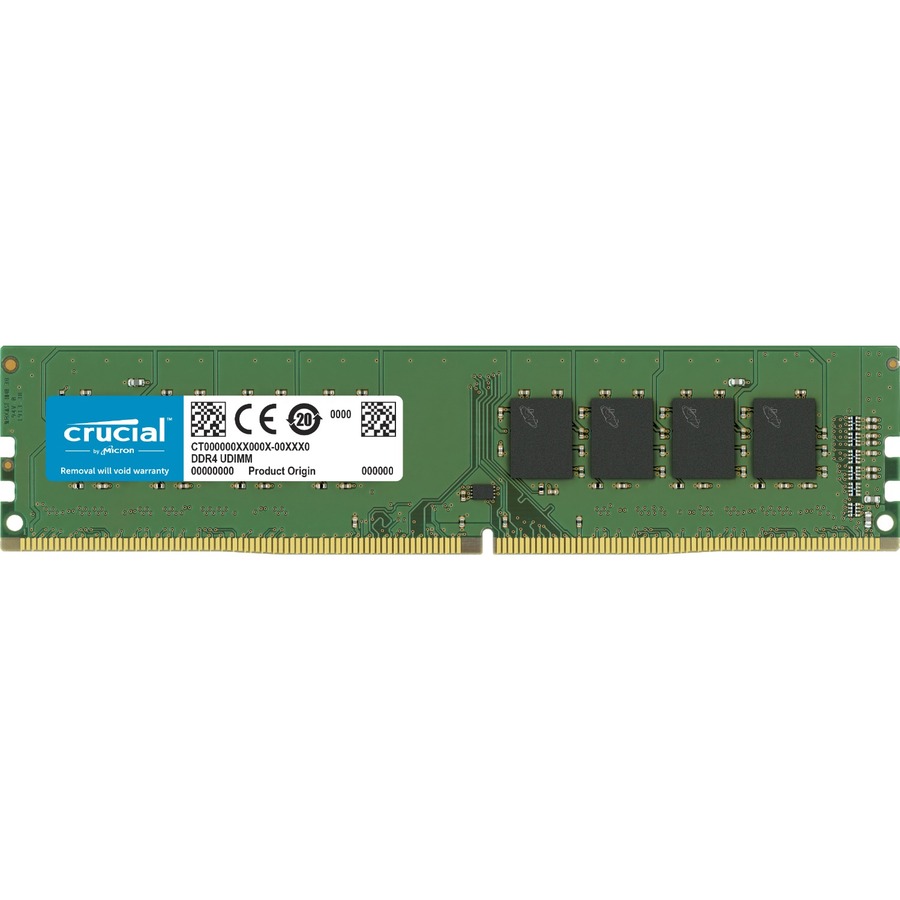
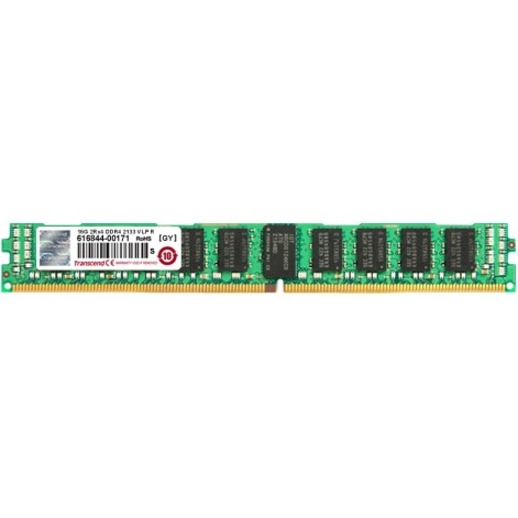
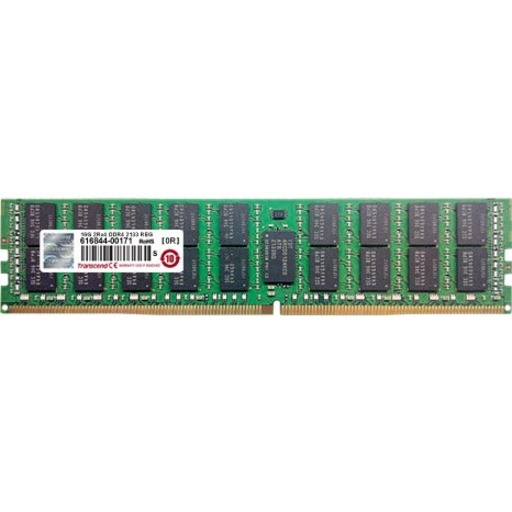
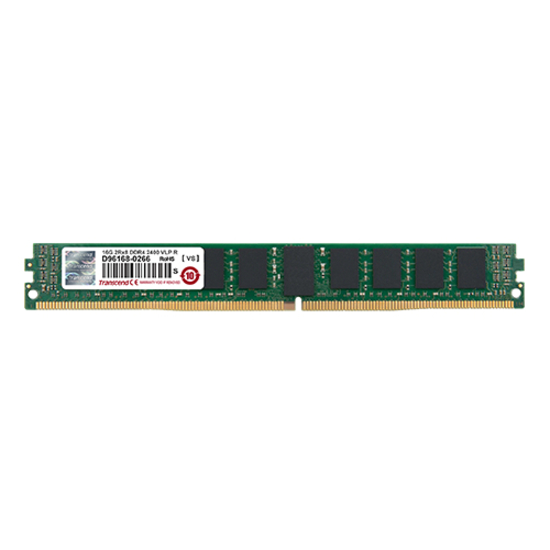
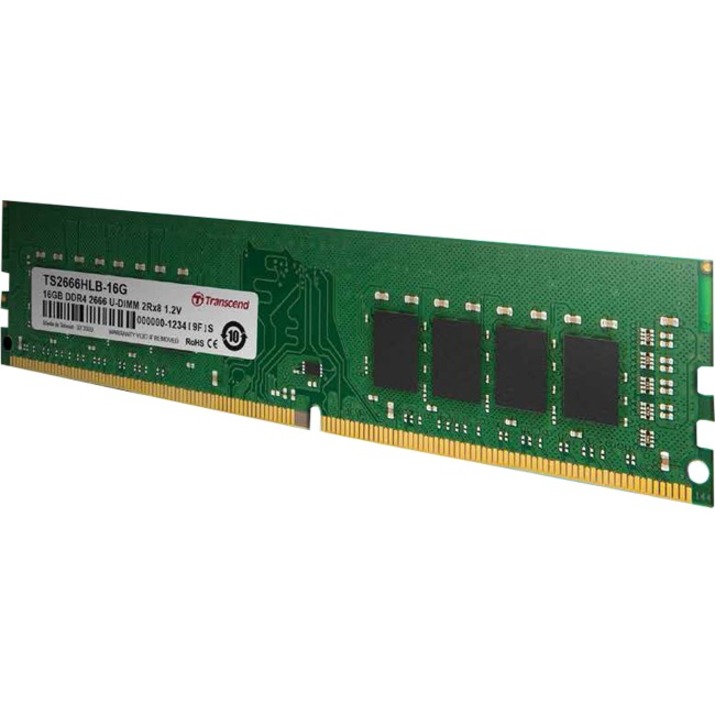
DDR4 ECC-DIMM Stable and reliable operation is critical for both servers and workstations. Transcend's DDR4 ECC-DIMMs are fully compatible with Intel® Xeon® E5-2600 v3 server family processor (codenamed as "Haswell-EP"). The memory modules feature Error Correcting Code, which monitors the data that gets transferred in and out of memory and corrects any errors found. Each module is constructed with top quality DRAM chips and is rated at 2133MHz, maximizing data transmission efficiency with higher bandwidth of up to 17GB/s. Operated at a nominal voltage of just 1.2V, Transcend's DDR4 ECC-DIMMs reduce electrical load on the memory controller, consuming up to 40% less power compared to 1.5V standard DDR3 DIMMs.
Highlights
Allow convenient and fast access to the stored information your computer is actively using for maximum efficiency
Up to 2133 MHz speed with unbuffered signal for playing the latest games and using heavy software
Editing high-resolution pictures, rendering 3D graphics and playing the latest games is not a big deal with 16 GB of memory that effortlessly manages them
288-pin DDR4 SDRAM interface multiplexes 2-bit data from memory cell and I/O buses to minimize processor idle time and enhance your computer's performance
288-pin for faster, dependable performance and better access to data and information
DIMM form factor with 288-pin and 16 GB memory size for enhanced performance and speed to allow maximum usability
Unbuffered signal processing provides reliable optimization for your required applications to allow maximum usability