
Best DDR5 RDIMM Server Memory for Rack and Tower Servers
288-pin registered ECC DDR5 RDIMMs for rack and tower servers — selected by capacity, data rate, rank and whether the module carries a TAA designation.
DDR5 RDIMM server memory in stock at Uniqcli
How to choose →A curated selection with live pricing — in-stock lines first, then back-ordered lines with a typical lead time. Every line is sourced through US distribution and screened for NDAA §889 status before checkout, with TAA verified on request.
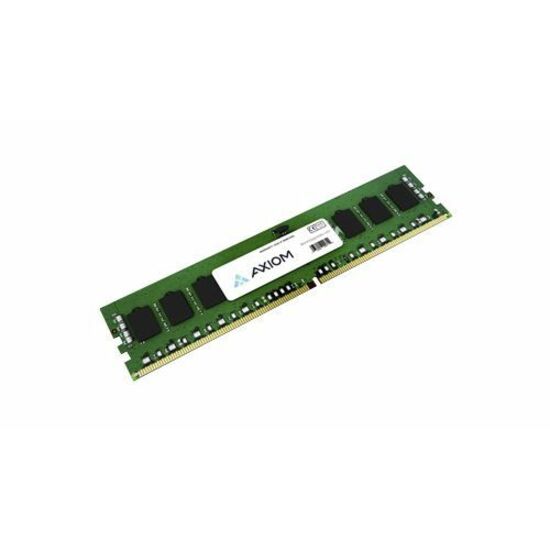
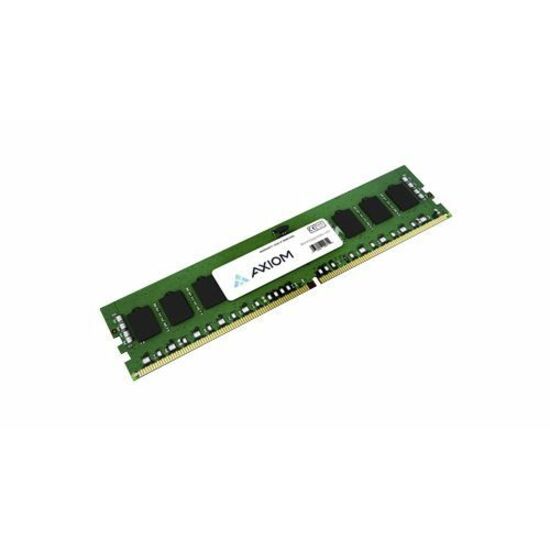
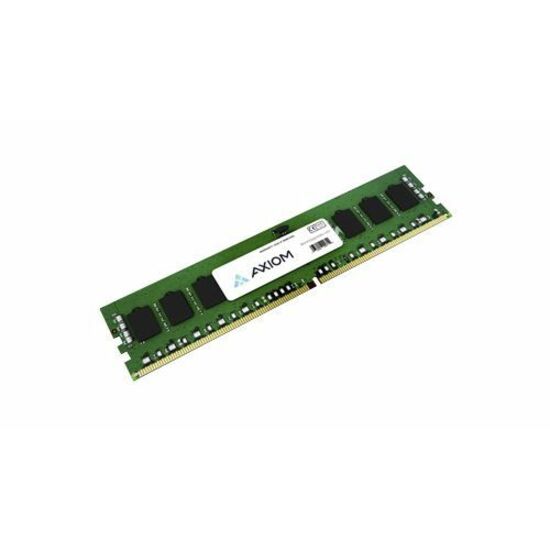
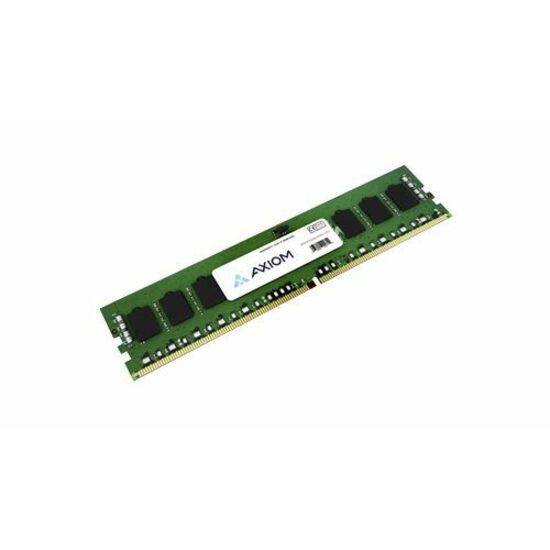
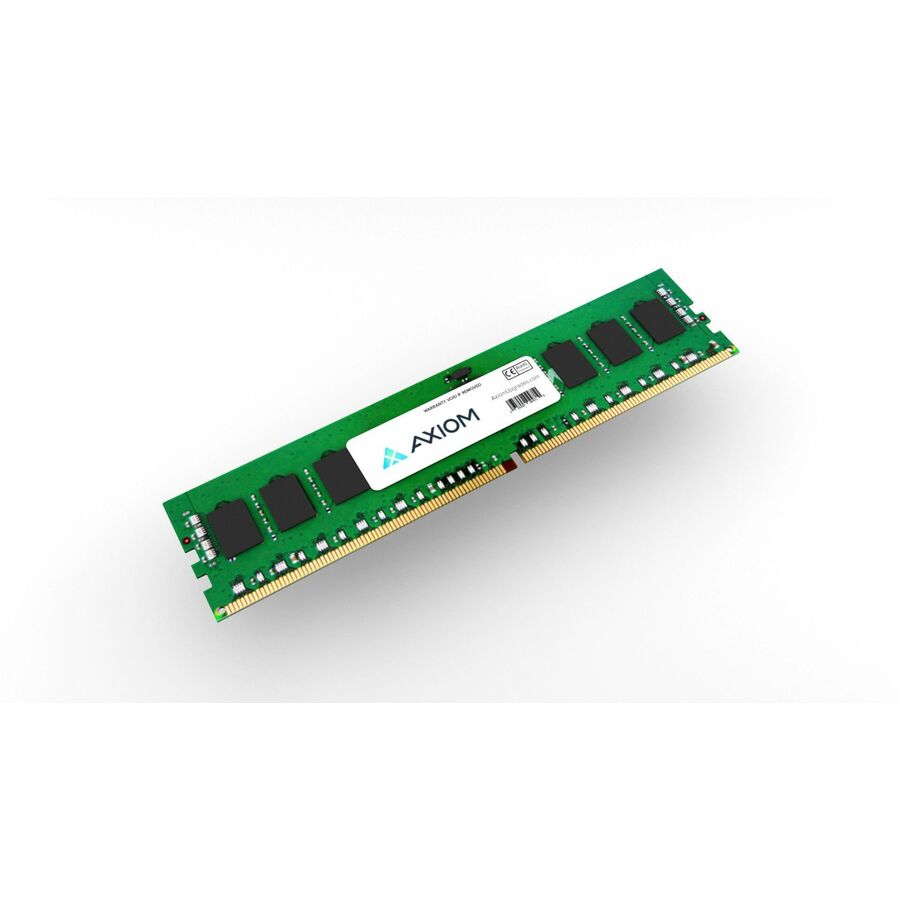
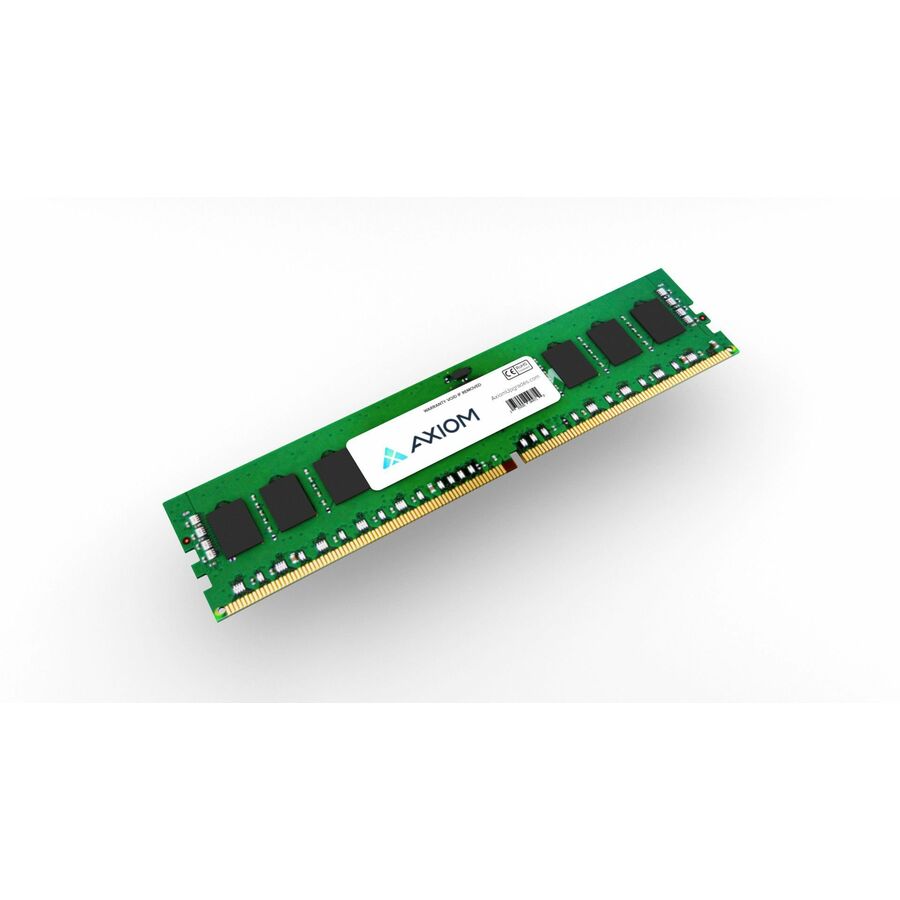
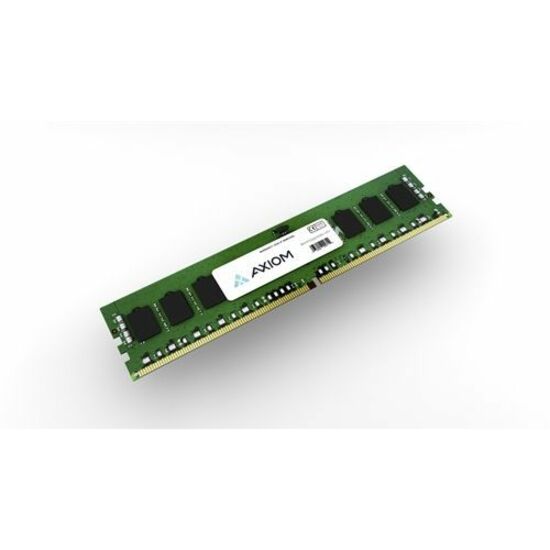
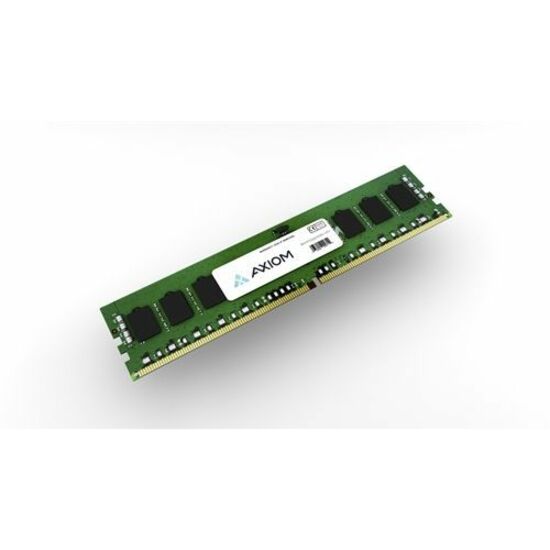
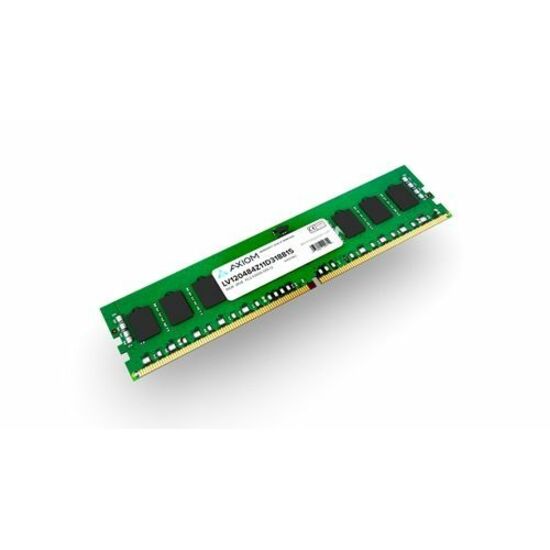
- Axiom Memory Solutions16GB DDR5-5600 ECC RDIMM Cisco - UCSX-MRX16G1RE3 - 16GB DDR5-5600 ECC RDIMM for Cisco - UCSX-MRX16G1RE3UCSX-MRX16G1RE3-AX
$1,914.00
$1,644.90
1 in stock - Axiom Memory SolutionsAxiom 16GB DDR5-6400 ECC RDIMM Cisco - UCSX-MRX16G1RE5 - 16GB DDR5-6400 ECC RDIMM for Cisco - UCS-MRX16G1RE5UCSX-MRX16G1RE5-AX
$1,914.00
$1,644.90
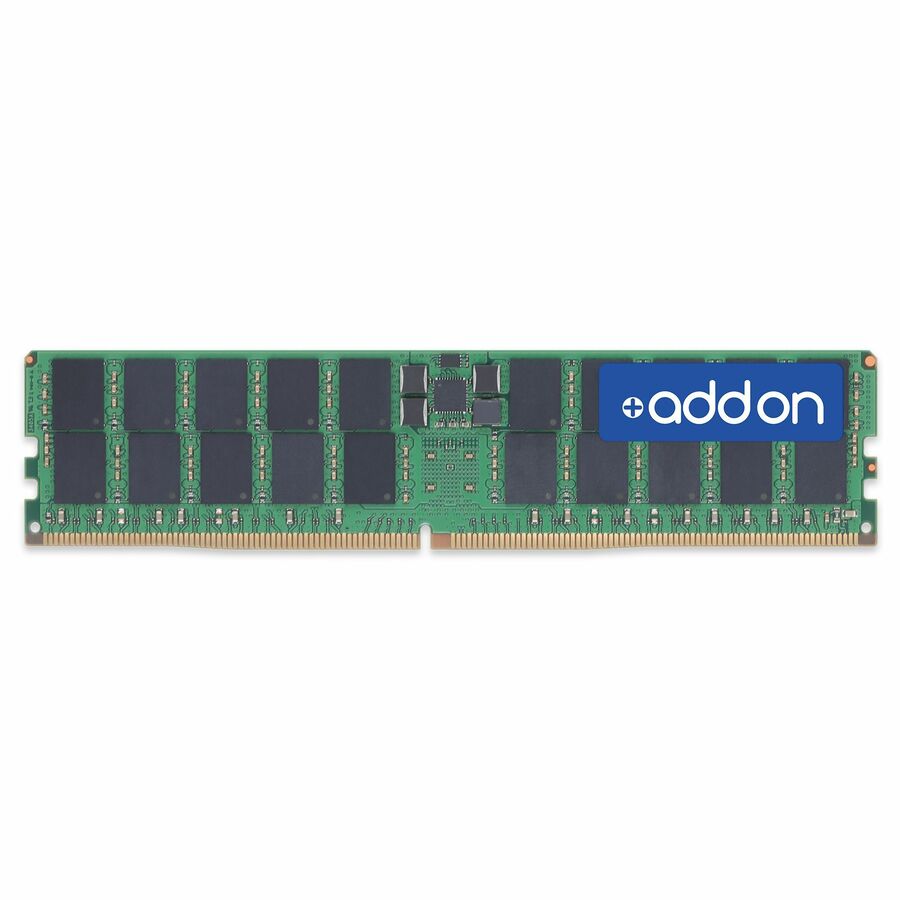
1 in stock - AddOnAddOn HP® 340K1AA Compatible 16GB DDR5-4800MHz Registered Single Rank x8 1.1V 288-pin CL40 RDIMM - For Server - 16 GB (1 x 16GB) - DDR5-4800/PC5-38400 DDR5 SDRAM - 4800 MHz Single-rank Memory - CL40 - 1.10 V - ECC - Registered - 288-pin - RDIMM - Lifetime Warranty340K1AA-AM
$2,560.00
$2,355.20
58 in stock - AddOnAddOn Lenovo® 4X77A77029 Compatible 16GB DDR5-4800MHz Registered Single Rank x8 1.1V 288-pin CL40 RDIMM - For Server - 16 GB (1 x 16GB) - DDR5-4800/PC5-38400 DDR5 SDRAM - 4800 MHz Single-rank Memory - CL40 - 1.10 V - ECC - Registered - 288-pin - RDIMM - Lifetime Warranty4X77A77029-AM
$2,560.00
$2,355.20
58 in stock - AddOnAddOn Lenovo® 4X77A81437 Compatible 16GB DDR5-4800MHz Registered Single Rank x8 1.1V 288-pin CL40 RDIMM - For Server - 16 GB (1 x 16GB) - DDR5-4800/PC5-38400 DDR5 SDRAM - 4800 MHz Single-rank Memory - CL40 - 1.10 V - ECC - Registered - 288-pin - RDIMM - Lifetime Warranty4X77A81437-AM
$2,560.00
$2,355.20
58 in stock - AddOnAddOn Dell® AC239377 Compatible 16GB DDR5-4800MHz Registered Single Rank x8 1.1V 288-pin CL40 RDIMM - For Server - 16 GB (1 x 16GB) - DDR5-4800/PC5-38400 DDR5 SDRAM - 4800 MHz Single-rank Memory - CL40 - 1.10 V - ECC - Registered - 288-pin - RDIMM - Lifetime WarrantyAC239377-AM
$2,560.00
$2,355.20
58 in stock - AddOnAddOn Supermicro® MEM-DR516MB-ER48 Compatible 16GB DDR5-4800MHz Registered Single Rank x8 1.1V 288-pin CL40 RDIMM - For Server - 16 GB (1 x 16GB) - DDR5-4800/PC5-38400 DDR5 SDRAM - 4800 MHz Single-rank Memory - CL40 - 1.10 V - ECC - Registered - 288-pin - RDIMM - Lifetime WarrantyMEM-DR516MB-ER48-AM
$2,560.00
$2,355.20
58 in stock - AddOnAddOn HP® P43322-B21 Compatible 16GB DDR5-4800MHz Registered Single Rank x8 1.1V 288-pin CL40 RDIMM - For Server - 16 GB (1 x 16GB) - DDR5-4800/PC5-38400 DDR5 SDRAM - 4800 MHz Single-rank Memory - CL40 - 1.10 V - ECC - Registered - 288-pin - RDIMM - Lifetime WarrantyP43322-B21-AM
$2,560.00
$2,355.20
58 in stock
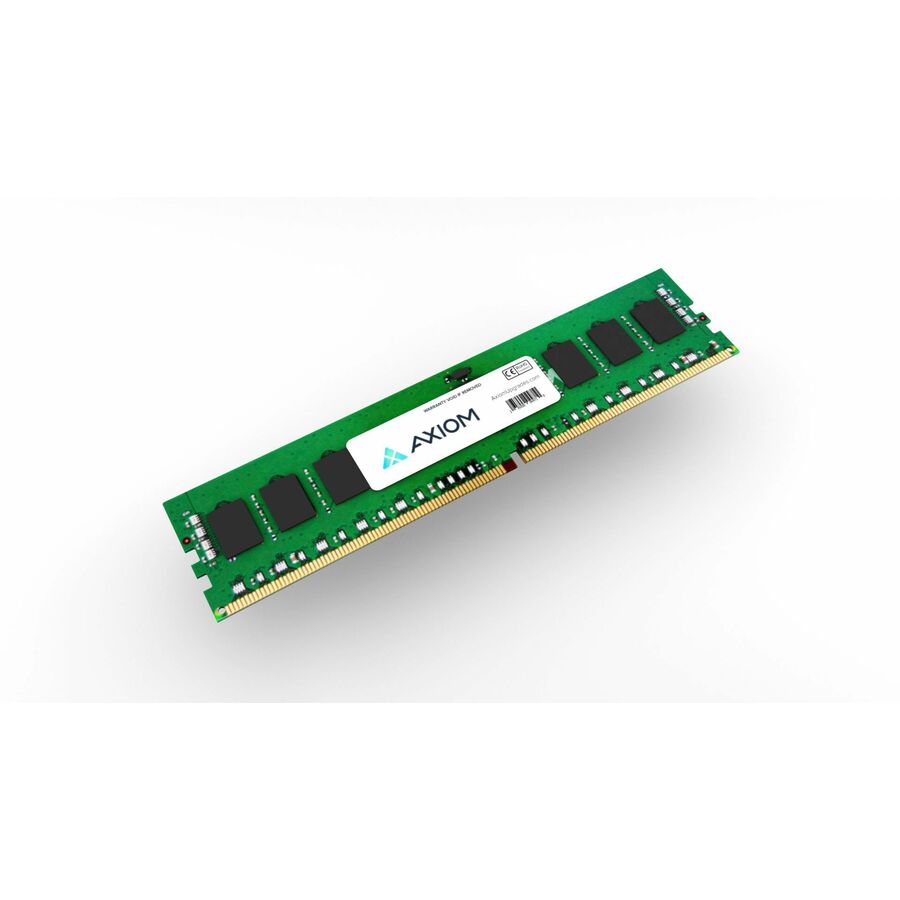

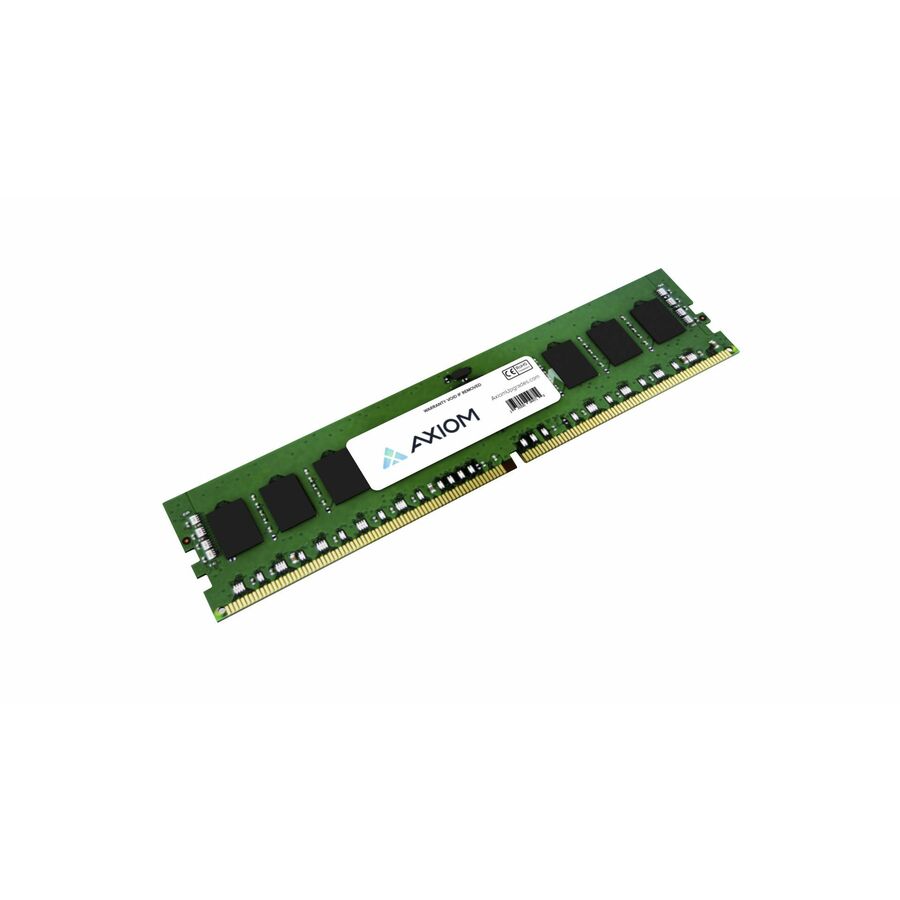
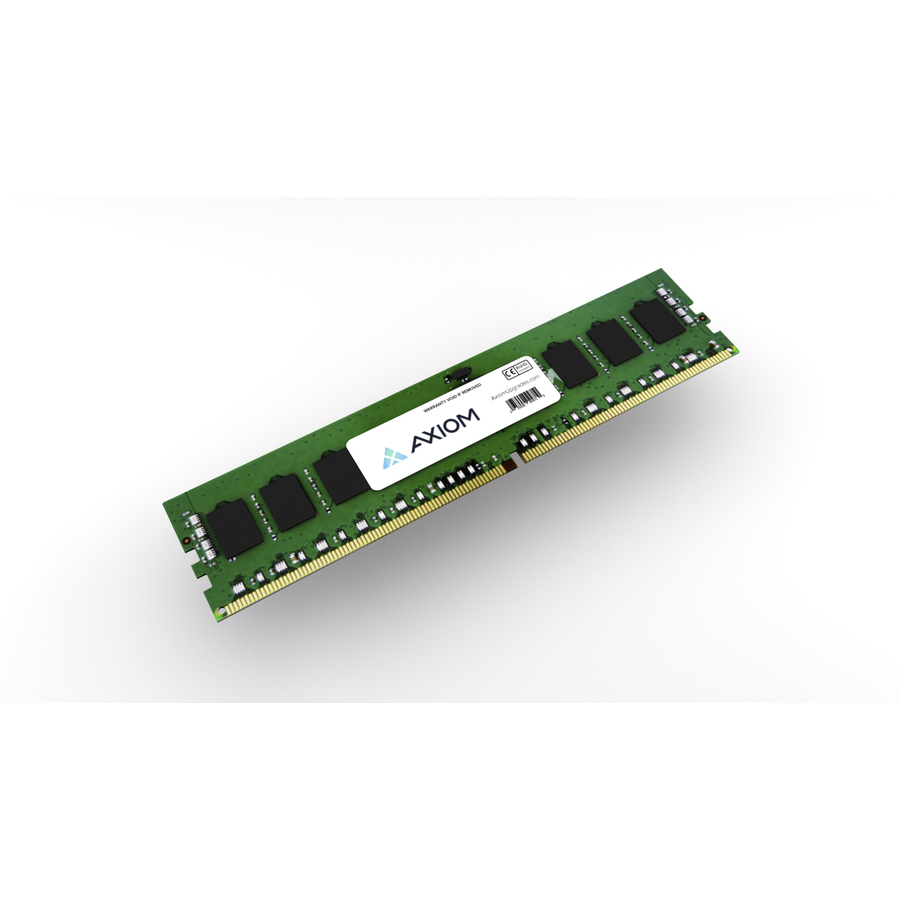
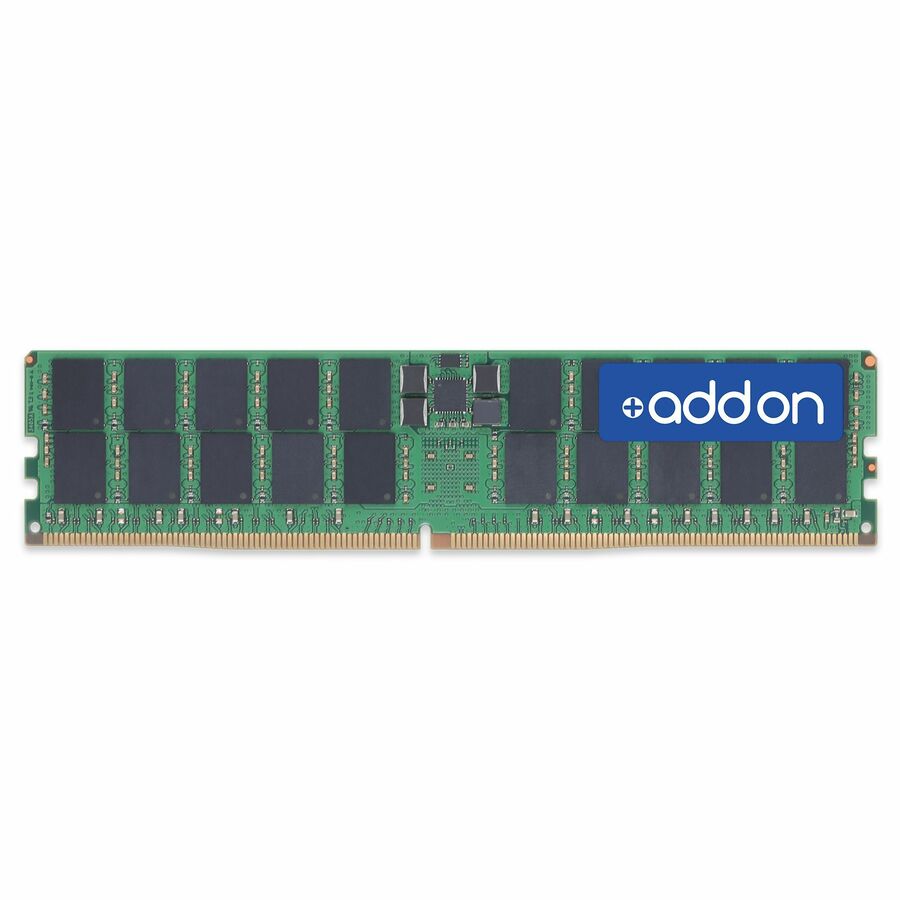
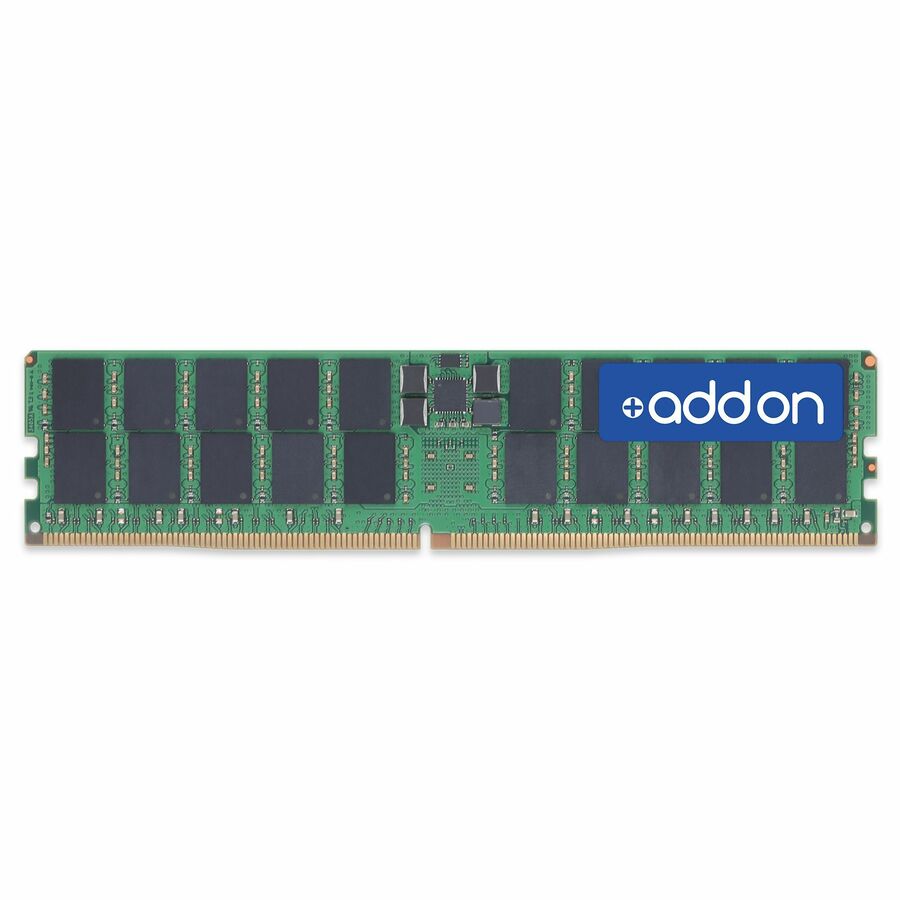
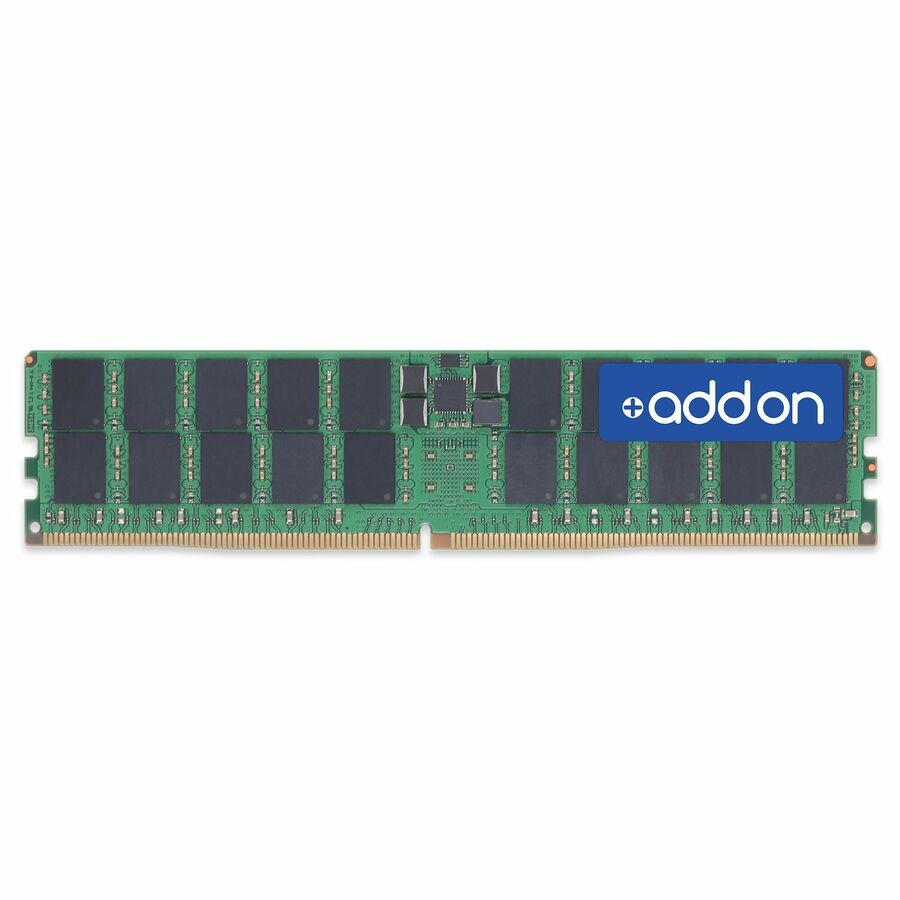
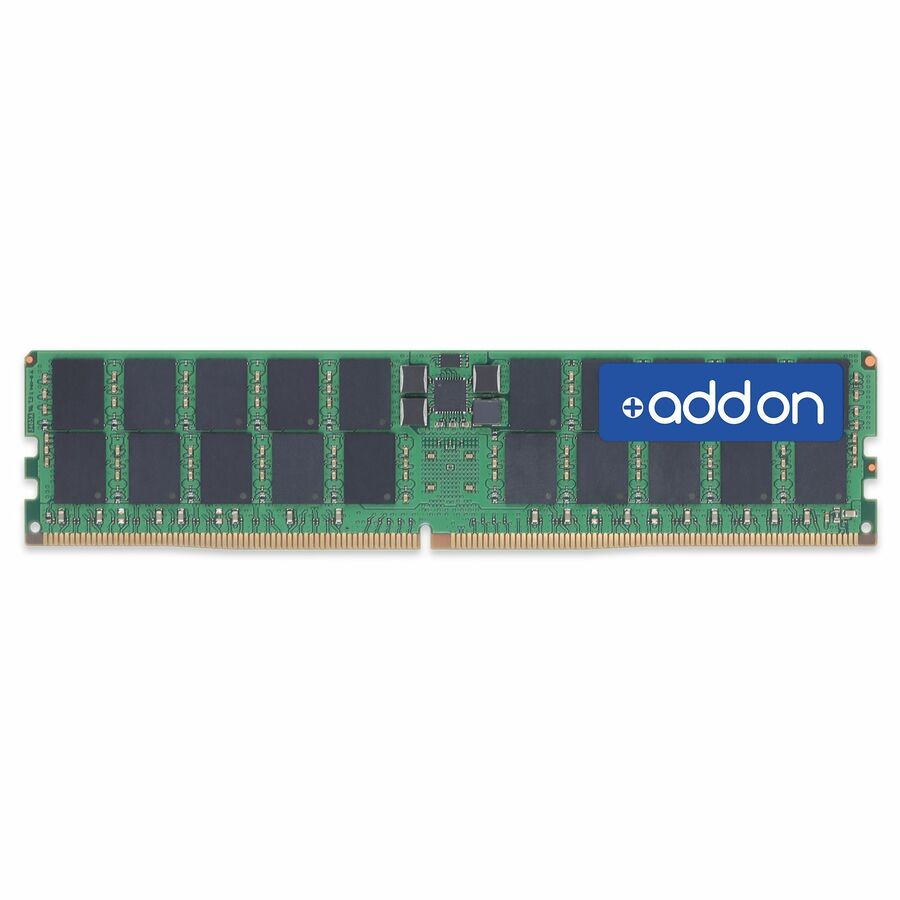
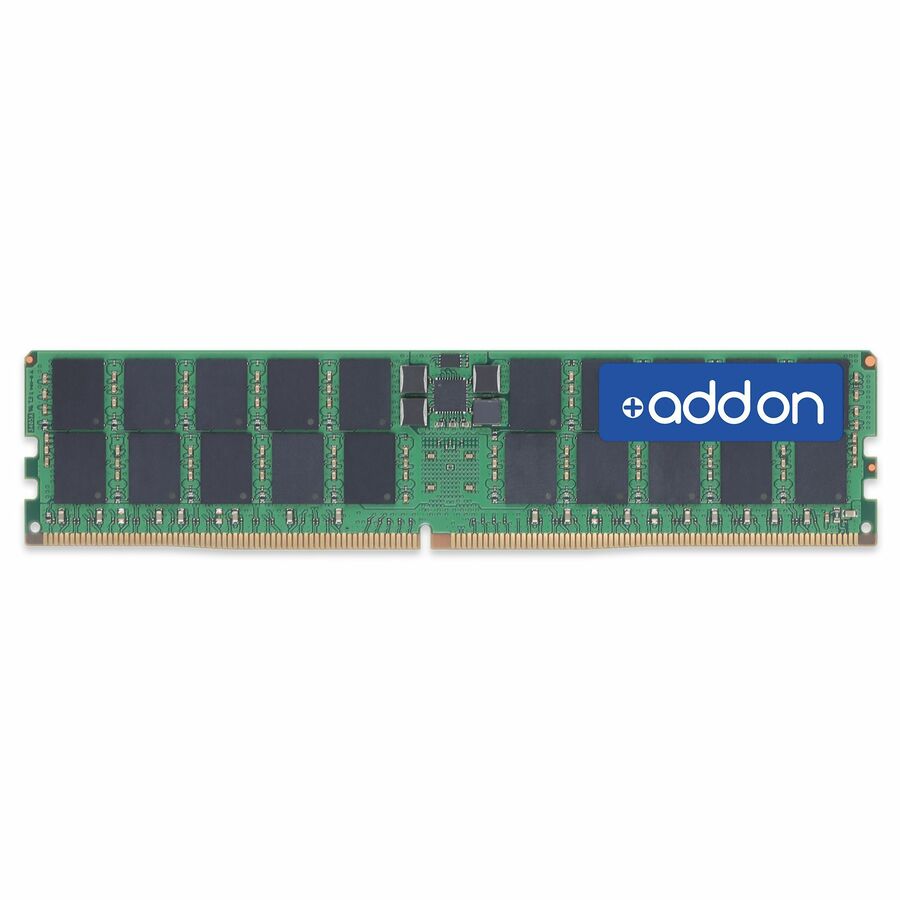
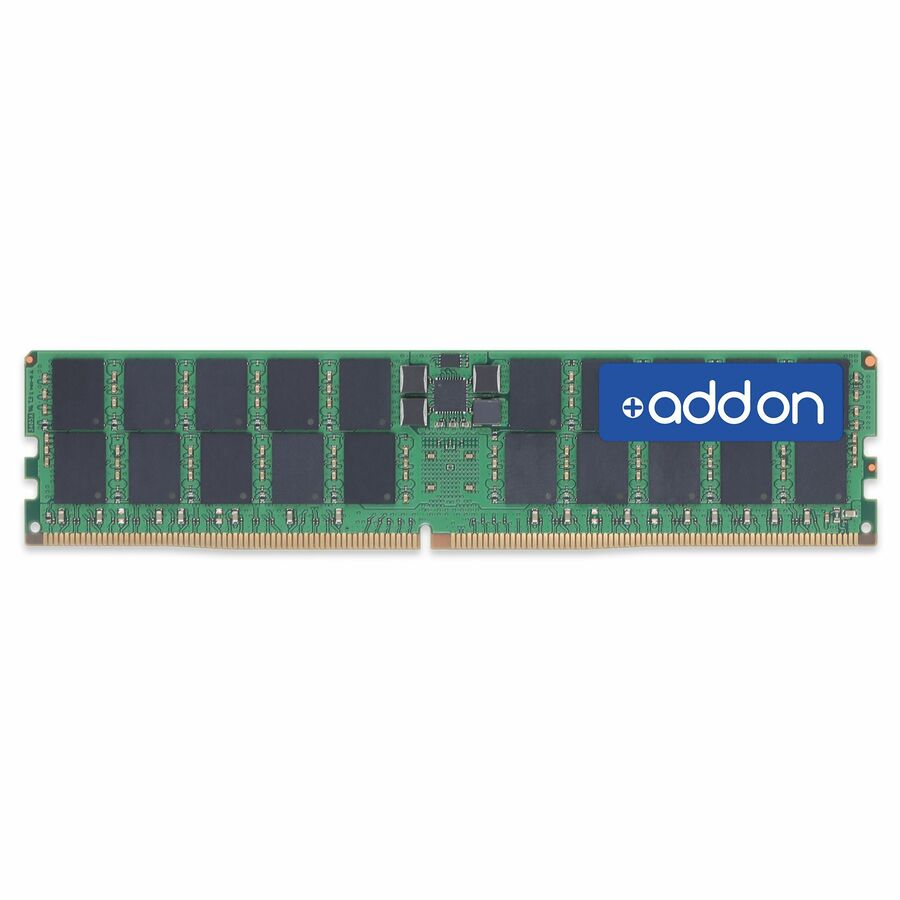
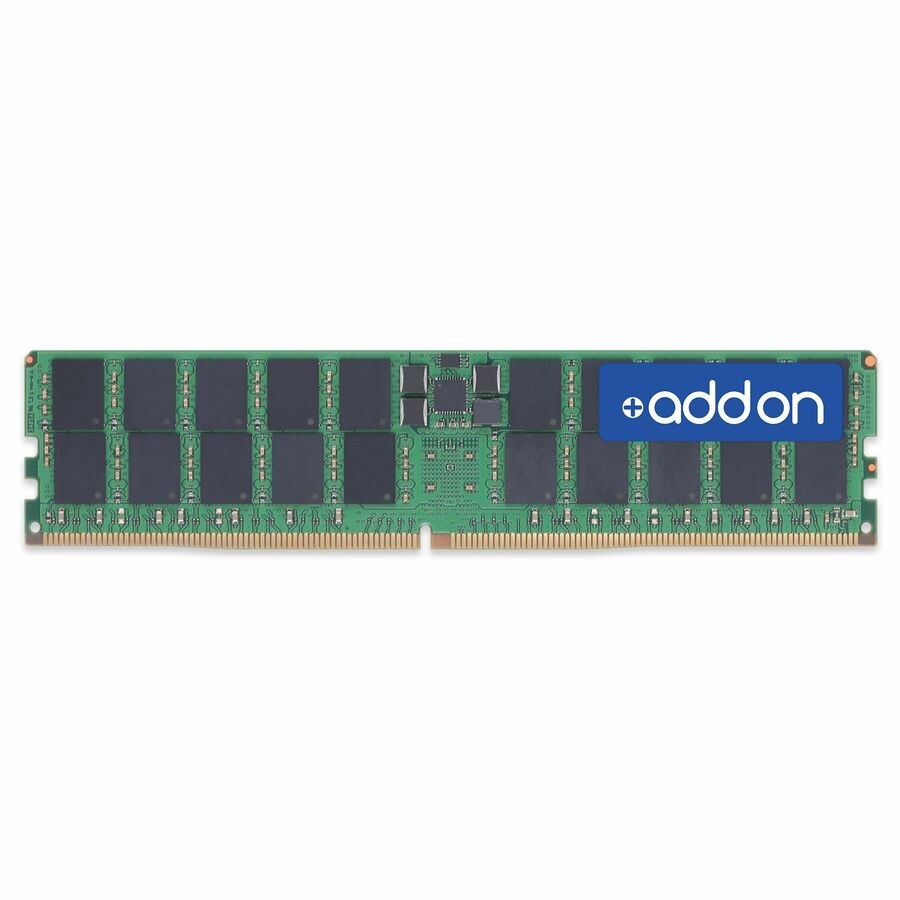
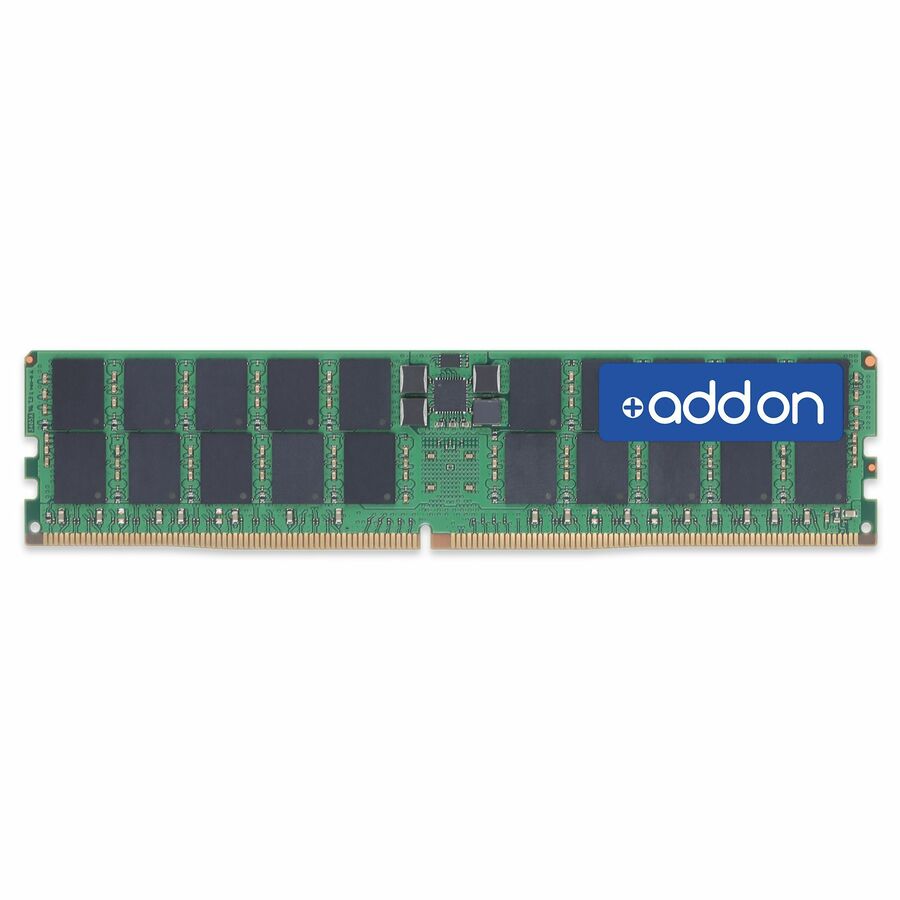
Entry 16GB
AddOn
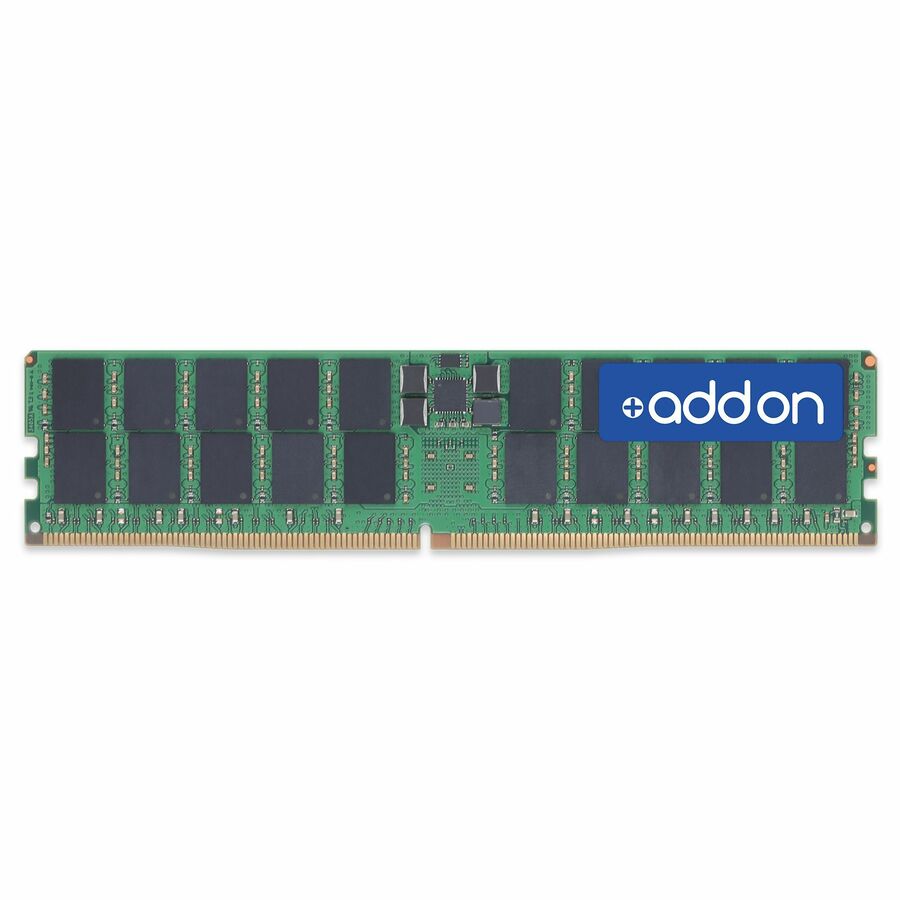
AddOn Cisco® UCS-MRX16G1RE1 16GB DDR5-4800MHz Registered Single Rank x8…
UCS-MRX16G1RE1-AM
A 16GB DDR5-4800 single-rank registered ECC RDIMM for a Cisco UCS server — the density-per-slot floor for a general server build, at the entry data rate.
$1,766.40Back-ordered16GB, HP platform
AddOn
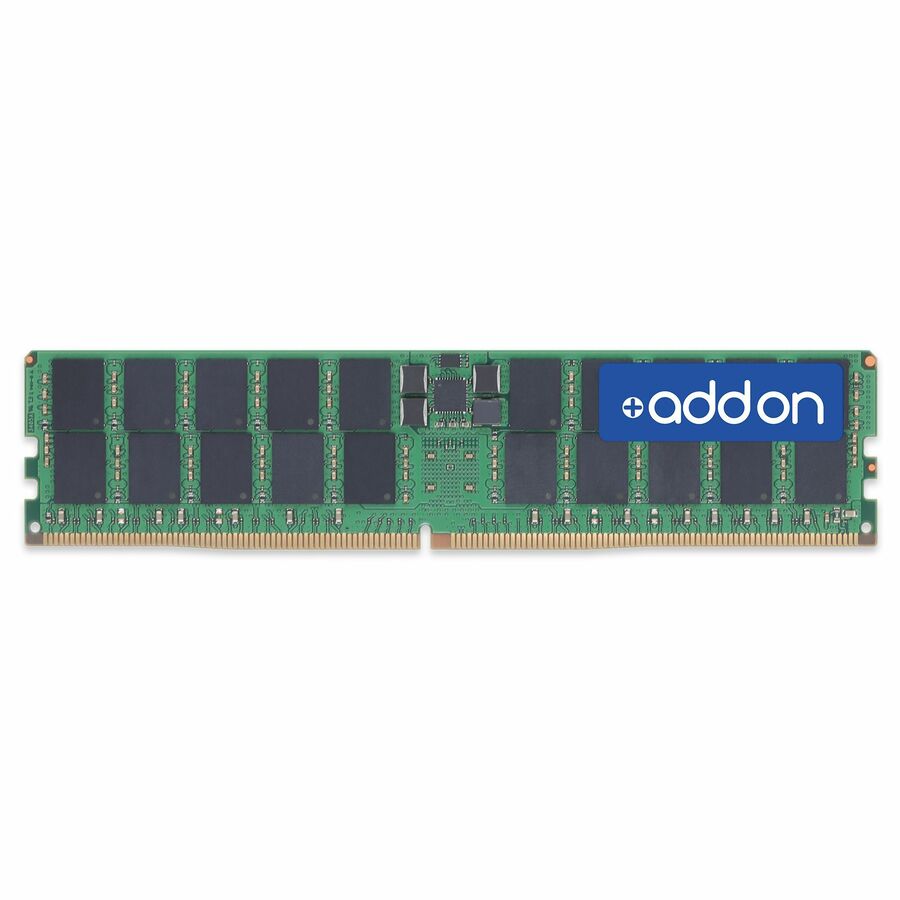
AddOn HP® P43322-B21 Compatible 16GB DDR5-4800MHz Registered Single…
P43322-K21-AM
A 16GB DDR5-4800 single-rank registered ECC RDIMM equivalent to an HP server part number — same electrical spec, third-party pricing.
$2,355.20In stock16GB TAA
Axiom Memory Solutions
Axiom 16GB DDR5-5600 ECC RDIMM TAA Compliant
AXG1149102517/1
An Axiom 16GB DDR5-5600 ECC RDIMM at a faster data rate, with a lifetime warranty on the module.
Titled TAA Compliant, a per-part fact to confirm on the row ordered.
$1,586.72*In stock16GB, fastest
AddOn
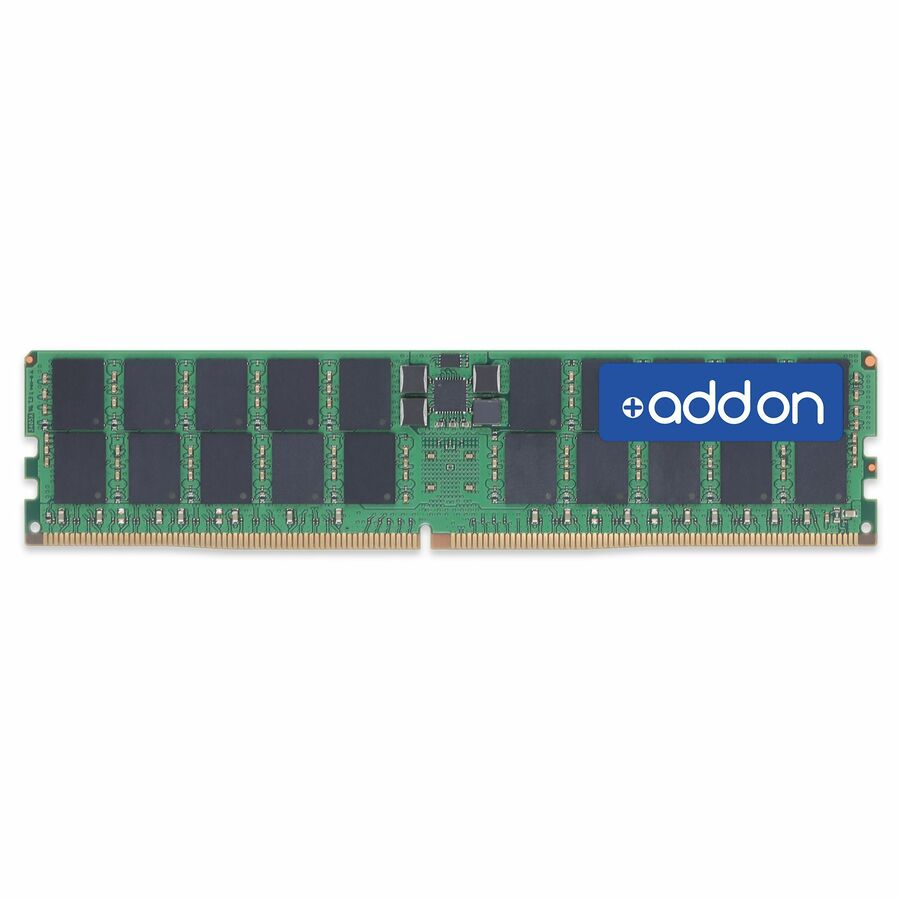
AddOn Cisco UCS-MRX16G1RE5 16GB DDR5-6400MHz Registered Single Rank x8…
UCS-MRX16G1RE5-AM
A 16GB DDR5-6400 single-rank registered ECC RDIMM — the top data rate in the 16GB tier, for a platform that can actually run it.
$3,400.32Back-ordered32GB dual-rank
AddOn
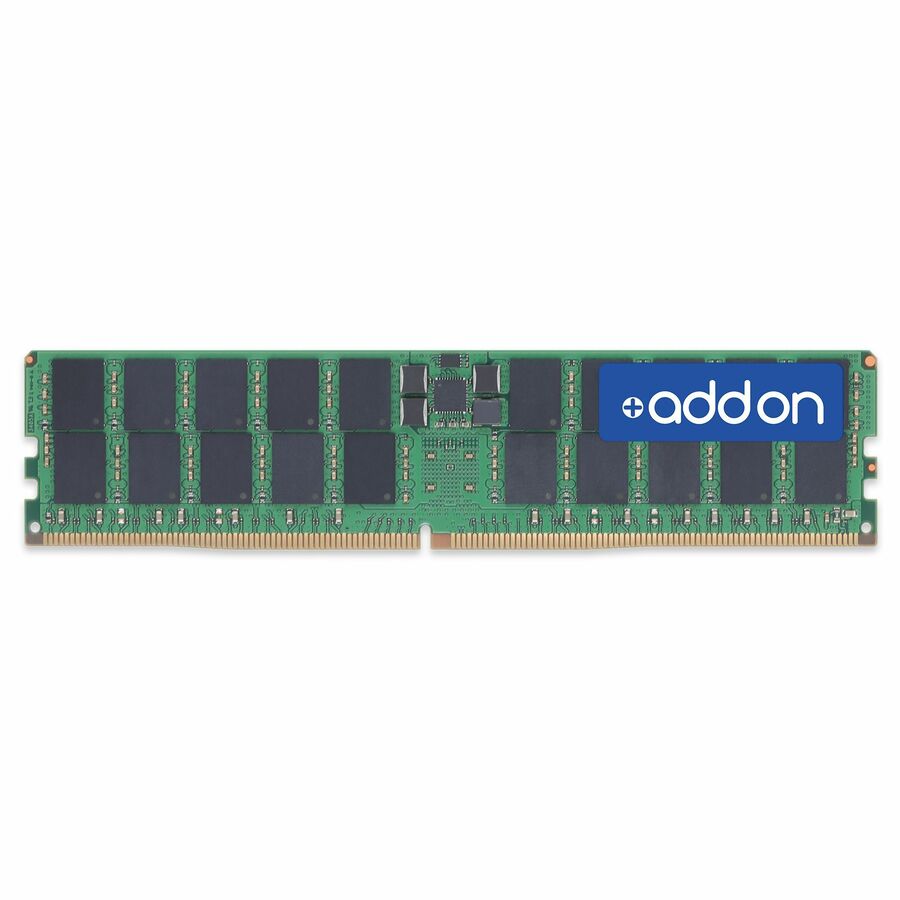
AddOn 32GB DDR5-4800MHz Registered ECC Dual Rank x8 1.1V 288-pin CL40…
AM4800D5DR8RN/32G
An AddOn 32GB DDR5-4800 dual-rank registered ECC RDIMM — the mainstream density for filling channels on a general-purpose server.
$6,554.08Back-ordered32GB single-rank
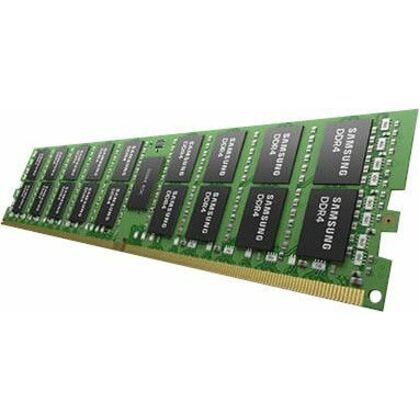
Samsung
Samsung RAM Module
M321R4GA0PB0-CWM
A Samsung 32GB DDR5-5600 single-rank registered ECC RDIMM — an OEM-tier module direct from the DRAM maker, single-rank for platforms that prefer it for speed.
$3,709.99Back-ordered32GB dual-rank
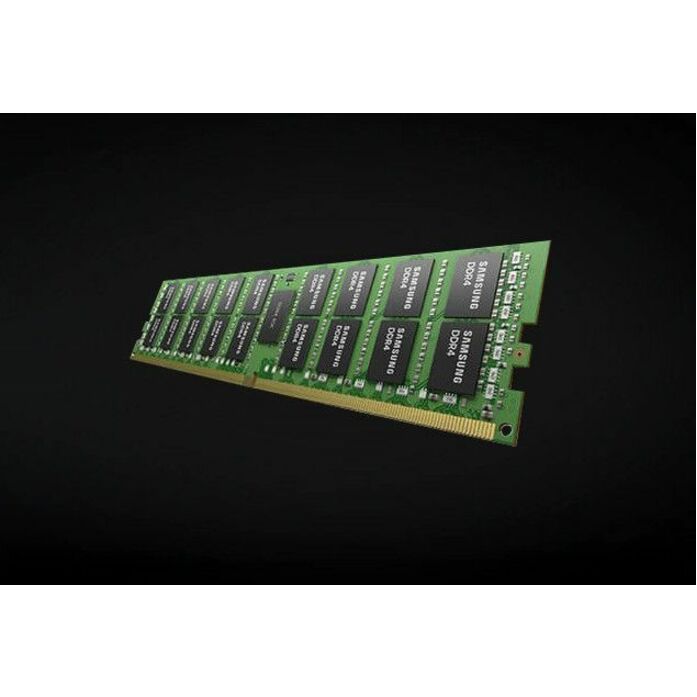
Samsung
Samsung RAM Modules
M321R4GA3PB0-CWM
The Samsung 32GB DDR5-5600 dual-rank registered ECC RDIMM — the density-favoring rank of the same capacity, for boards that run dual-rank at full speed.
$5,771.98Back-ordered32GB TAA
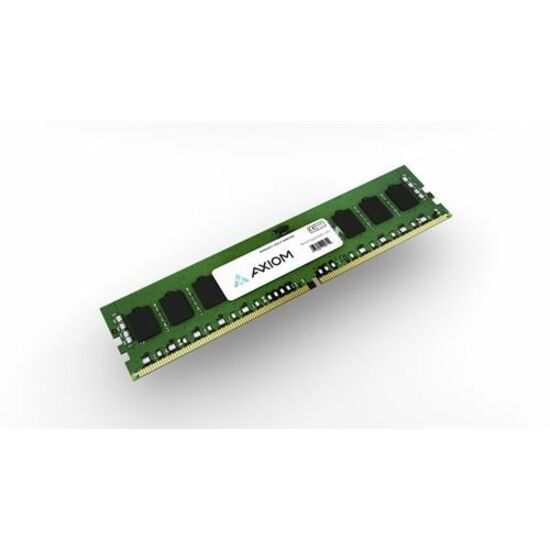
Axiom Memory Solutions
Axiom 32GB DDR5-5600 ECC RDIMM TAA Compliant
AXG1149102516/1
An Axiom 32GB DDR5-5600 ECC RDIMM with a lifetime warranty — the mid-capacity TAA option for a compliance-scoped build.
Titled TAA Compliant.
$3,173.41*In stock64GB, ThinkSystem
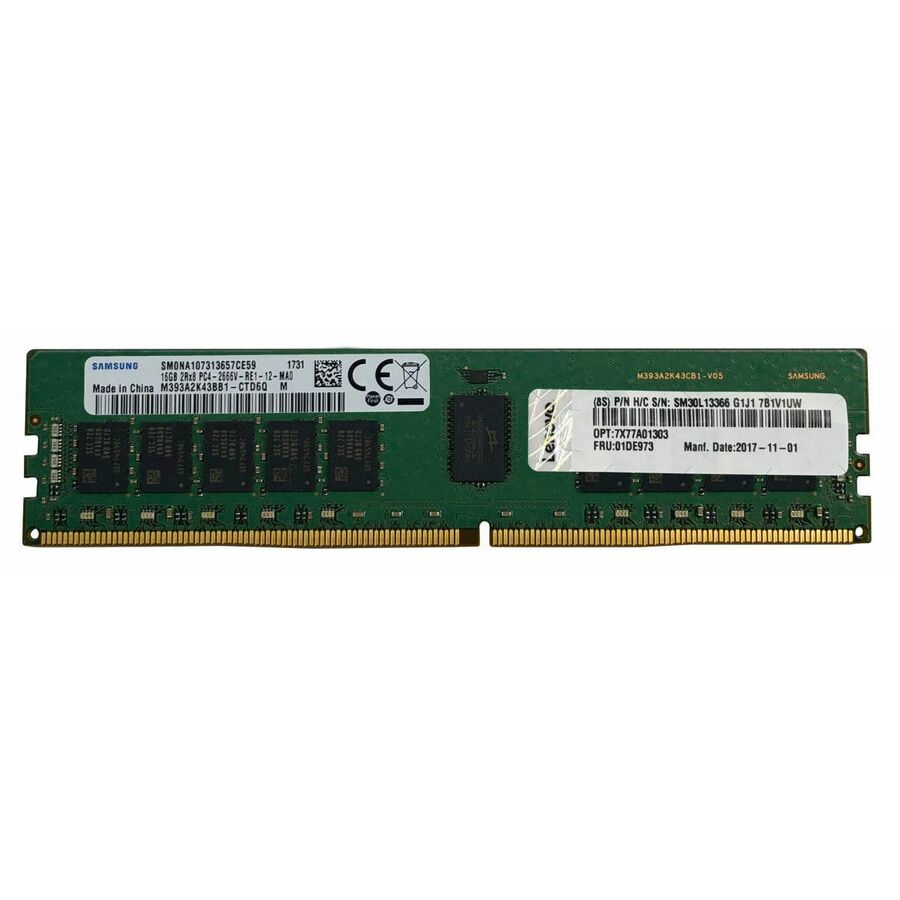
Lenovo
Lenovo ThinkSystem 64GB TruDDR5 Performance+ 5600MHz (2Rx4) RDIMM
4X77A90992
A Lenovo ThinkSystem 64GB TruDDR5 Performance+ 5600MHz (2Rx4) RDIMM — the OEM-branded high-capacity module for a Lenovo server that wants the vendor's own part.
$3,847.81Back-ordered64GB equivalent
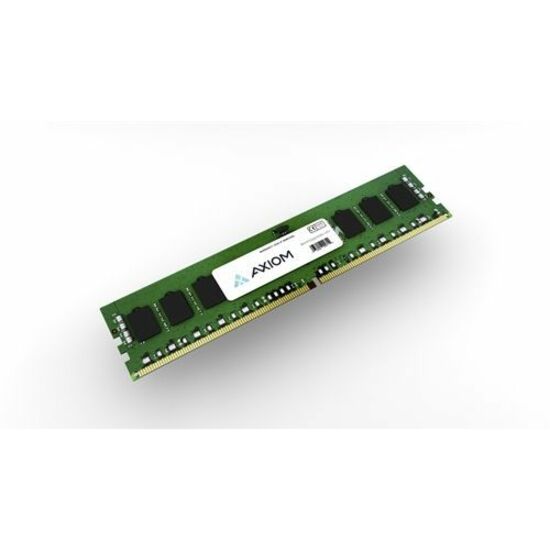
Axiom Memory Solutions
Axiom 64GB DDR5-5600 ECC RDIMM AX55600R46G/64G
AX55600R46G/64G
An Axiom 64GB DDR5-5600 ECC RDIMM — high density at a third-party price for a virtualization or in-memory host that needs capacity per slot.
$5,611.63In stock64GB TAA
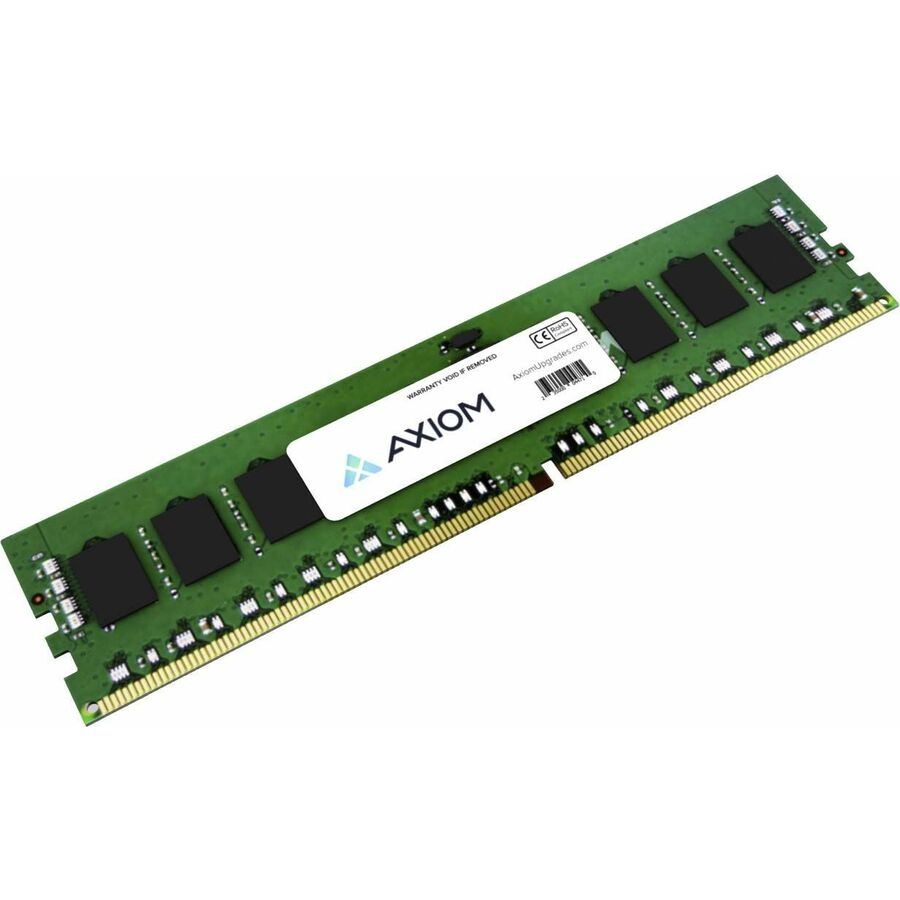
Axiom Memory Solutions
Axiom 64GB DDR5-5600 ECC RDIMM TAA Compliant
AXG1149102519/1
An Axiom 64GB DDR5-5600 ECC RDIMM with a lifetime warranty — the high-capacity TAA option where the order carries a country-of-origin clause.
Titled TAA Compliant.
$5,985.83*In stock64GB TAA, AddOn
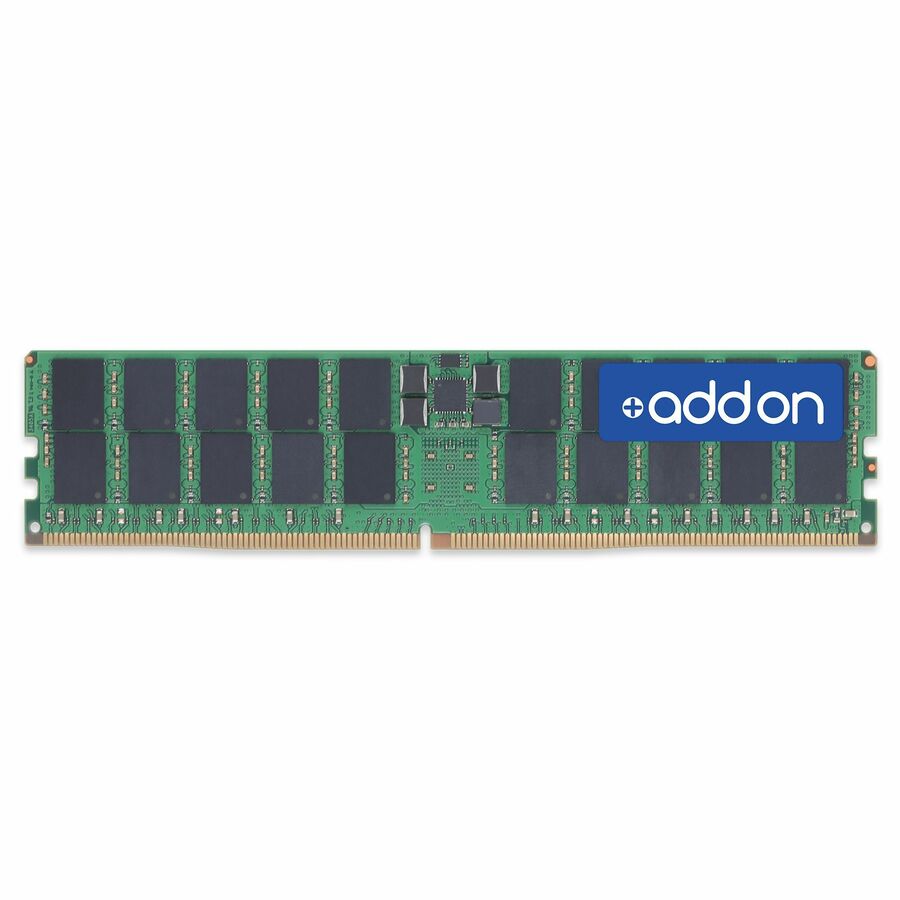
AddOn
AddOn 64GB DDR5-5600MHz Registered ECC Dual Rank 1.1V 288-pin CL46…
AMT5600D5DR4RN/64G
An AddOn 64GB DDR5-5600 dual-rank (x4) registered ECC RDIMM in the TAA line — a second-source high-capacity TAA module for a mixed-vendor build.
Titled TAA.
$12,074.08*Back-ordered96GB density
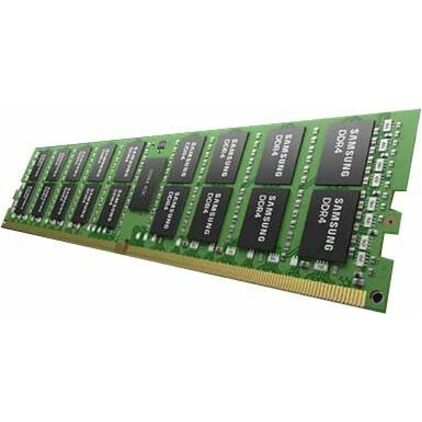
Samsung
Samsung RAM Module
M321RYGA0PB0-CWM
A Samsung 96GB DDR5-5600 dual-rank registered ECC RDIMM — a non-binary capacity for packing maximum memory into a fixed slot count on a dense host.
$9,755.44Back-orderedWorkstation RDIMM
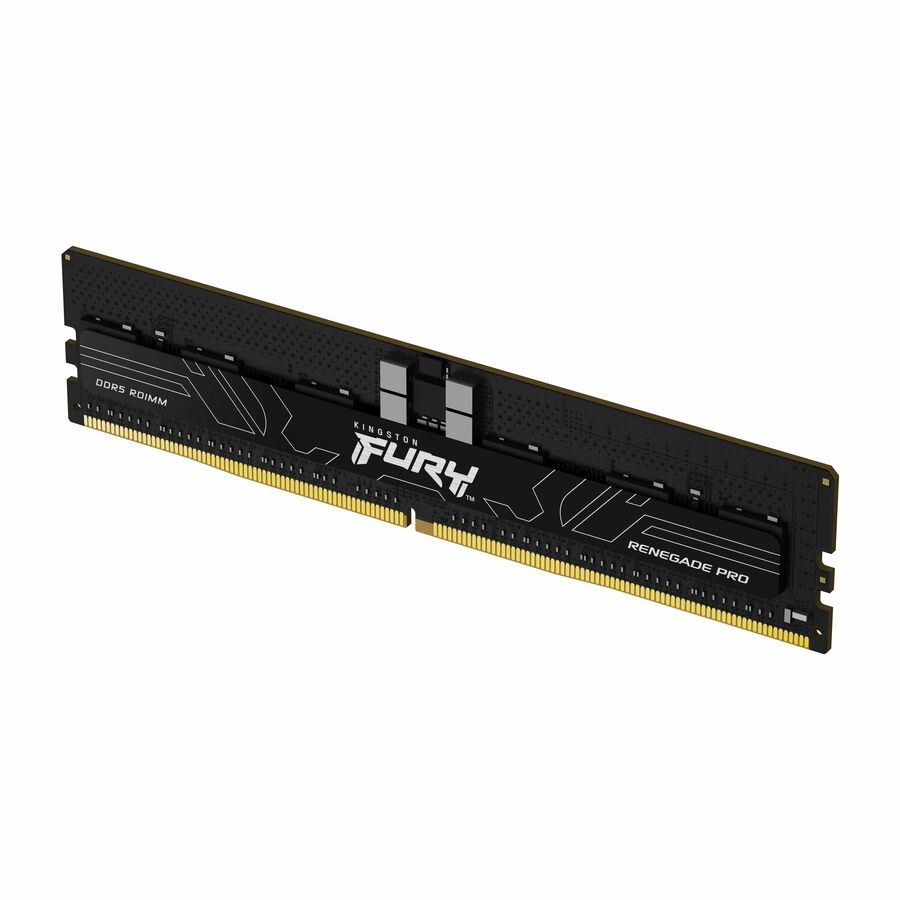
Kingston Technology
Kingston 32GB (1 x 32GB) DDR5 5600MT/s CL28 FURY Renegade Pro RDIMM…
KF556R28RBE2-32
A Kingston 32GB DDR5-5600 FURY Renegade Pro registered ECC RDIMM — a tuned, low-latency (CL28) module for a Threadripper Pro or Xeon workstation board that takes RDIMMs.
Titled 'For Motherboard' — a workstation/HEDT RDIMM, not an OEM server part; confirm against the board's supported list.
Request pricingBrowse all 2,828 memory modules
Not the right one above? Filter the whole range by the specs that matter — live pricing and honest availability on every row, the same NDAA §889 screening before checkout, and TAA verified on request.
Showing 24 of 2,828 memory modules
- Axiom Memory SolutionsAxiom 32GB DDR4-2933 ECC RDIMM for Lenovo - 4X70V98062 - 32 GB - DDR4-2933/PC4-23466 DDR4 SDRAM - 2933 MHz - ECC - Registered - RDIMM4X70V98062-AX
$1,202.00
$1,032.70
44 in stock - AddOnAddOn Lenovo® 4ZC7A08707 Compatible Factory Original 16GB DDR4-2933MHz Registered ECC Single Rank x4 1.2V 288-pin CL17 RDIMM - For Computer - 16 GB (1 x 16GB) - DDR4-2933/PC4-23400 DDR4 SDRAM - 2933 MHz Single-rank Memory - CL17 - 1.20 V - ECC - Registered - 288-pin - RDIMM - Lifetime Warranty4ZC7A08707-AM
$616.00
$566.72
127 in stock - AddOnAddOn Cisco® UCS-MR-X32G2RW Compatible Factory Original 32GB DDR4-3200MHz Registered ECC Dual Rank x4 1.2V 288-pin CL17 RDIMM - For Rack Server - 32 GB (1 x 32 GB) - DDR4-3200/PC4-25600 DDR4 SDRAM - 3200 MHz Dual-rank Memory - CL17 - 1.20 V - ECC - Registered - 288-pin - DIMM - Lifetime WarrantyUCS-MR-X32G2RW-AM
$1,472.00
$1,354.24
80 in stock - Axiom Memory SolutionsAxiom 16GB DDR4-3200 ECC RDIMM - 16GB DDR4-3200 ECC RDIMM - MTA18ASF2G72PDZ-3G2R1RMTA18ASF2G72PDZ-3G2R1R-AX
$607.00
$520.96
10 in stock - Axiom Memory SolutionsAxiom 32GB DDR4-3200 ECC RDIMM for Lenovo - 4X71B67861 - 32 GB - DDR4-3200/PC4-25600 DDR4 SDRAM - 3200 MHz - ECC - Registered - RDIMM4X71B67861-AX
$1,376.00
$1,182.11
27 in stock - AddOnAddOn 32GB DDR4-2933MHz Registered ECC Dual Rank x4 1.2V 288-pin CL17 RDIMM JEDEC Standard Factory Original - For Server - 32 GB (1 x 32GB) - DDR4-2933/PC4-23466 DDR4 SDRAM - 2933 MHz Dual-rank Memory - CL17 - 1.20 V - ECC - Registered - 288-pin - DIMM - Lifetime WarrantyAM2933D4DR4RN/32G
$960.00
$883.20
7 in stock - AddOnAddOn IBM® 46W0825 Compatible Factory Original 8GB DDR4-2400MHz Registered ECC Dual Rank x8 1.2V 288-pin CL17 RDIMM - 8 GB (1 x 8GB) - DDR4-2400/PC4-19200 DDR4 SDRAM - 2400 MHz Dual-rank Memory - CL17 - 1.20 V - ECC - Registered - 288-pin - DIMM - Lifetime Warranty46W0825-AM
$232.00
$213.44
8 in stock - Axiom Memory SolutionsAxiom 64GB DDR4-2933 ECC RDIMM for Lenovo - 4X70V98063 - 64 GB - DDR4-2933/PC4-23466 DDR4 SDRAM - 2933 MHz - ECC - Registered - RDIMM4X70V98063-AX
$2,356.00
$2,024.39
59 in stock - AddOnAddOn Lenovo® 01AG618 Compatible Factory Original 16GB DDR4-2666MHz Registered ECC Dual Rank x8 1.2V 288-pin CL17 RDIMM - 16 GB (1 x 16GB) - DDR4-2666/PC4-21333 DDR4 SDRAM - 2666 MHz Dual-rank Memory - CL17 - 1.20 V - ECC - Registered - 288-pin - DIMM - Lifetime Warranty01AG618-AM
$450.00
$414.00
4 in stock - AddOnAddOn IBM® 46W0787 Compatible Factory Original 8GB DDR4-2133MHz Registered ECC Single Rank x4 1.2V 288-pin RDIMM - 8 GB (1 x 8GB) - DDR4-2133/PC4-17000 DDR4 SDRAM - 2133 MHz Single-rank Memory - CL15 - 1.20 V - ECC - Registered - 288-pin - RDIMM - Lifetime Warranty46W0787-AM
$192.00
$176.64
8 in stock
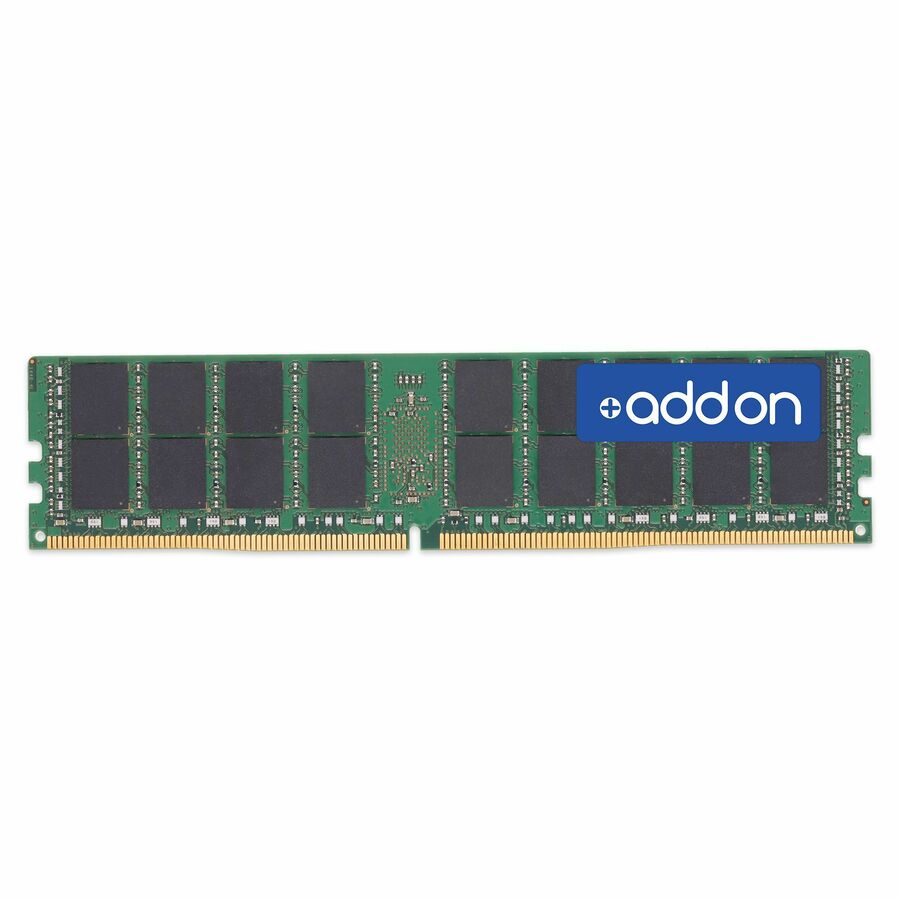
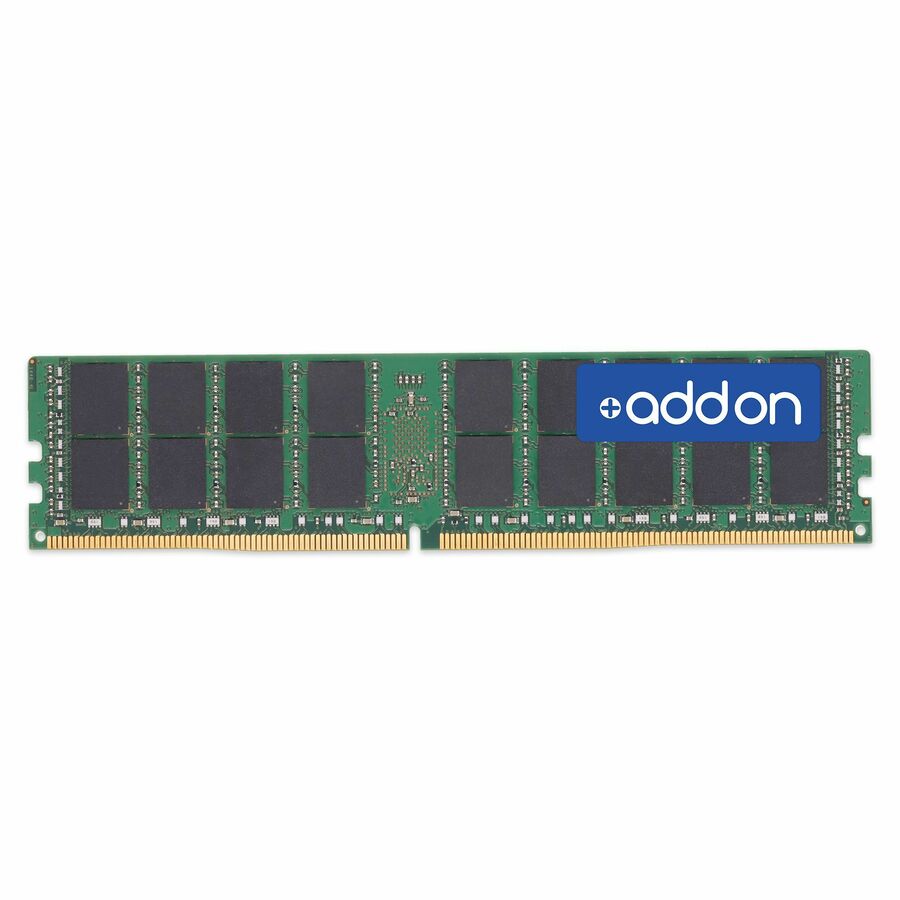
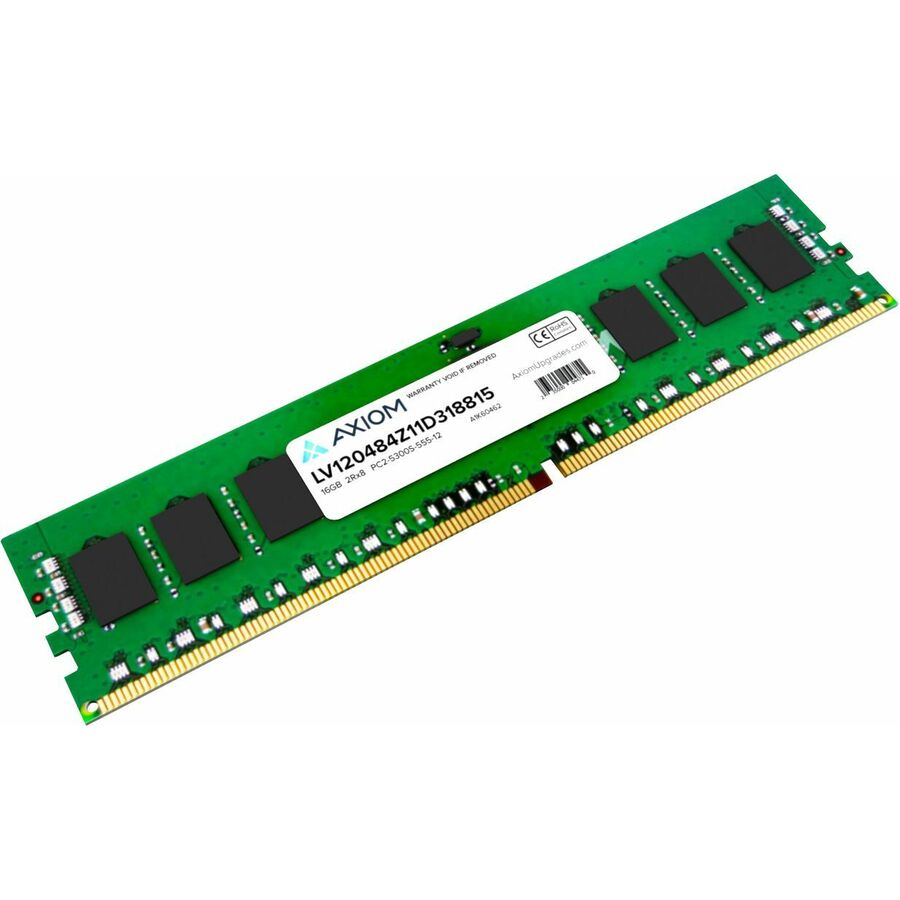
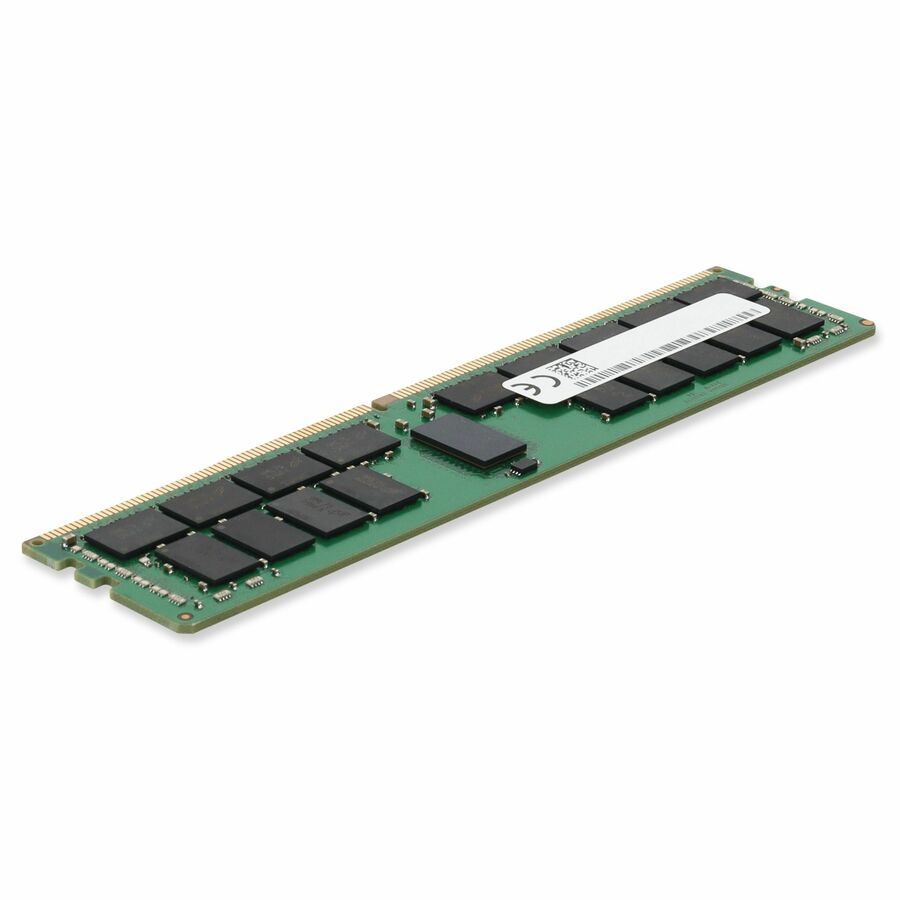
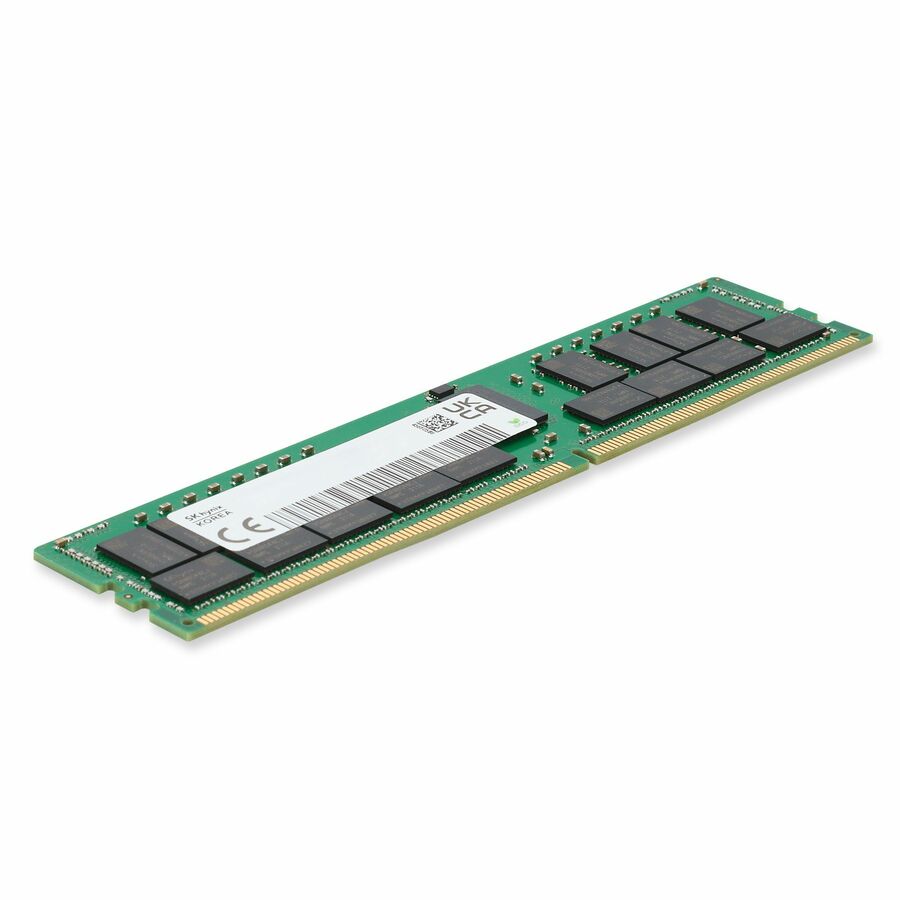
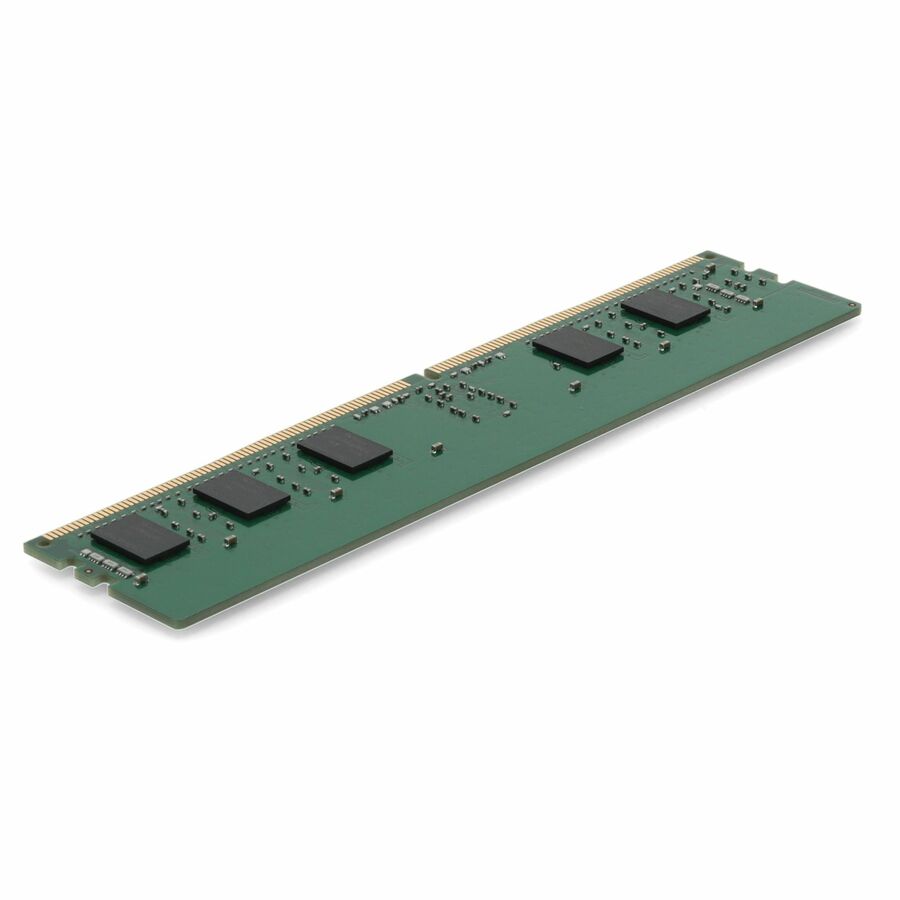
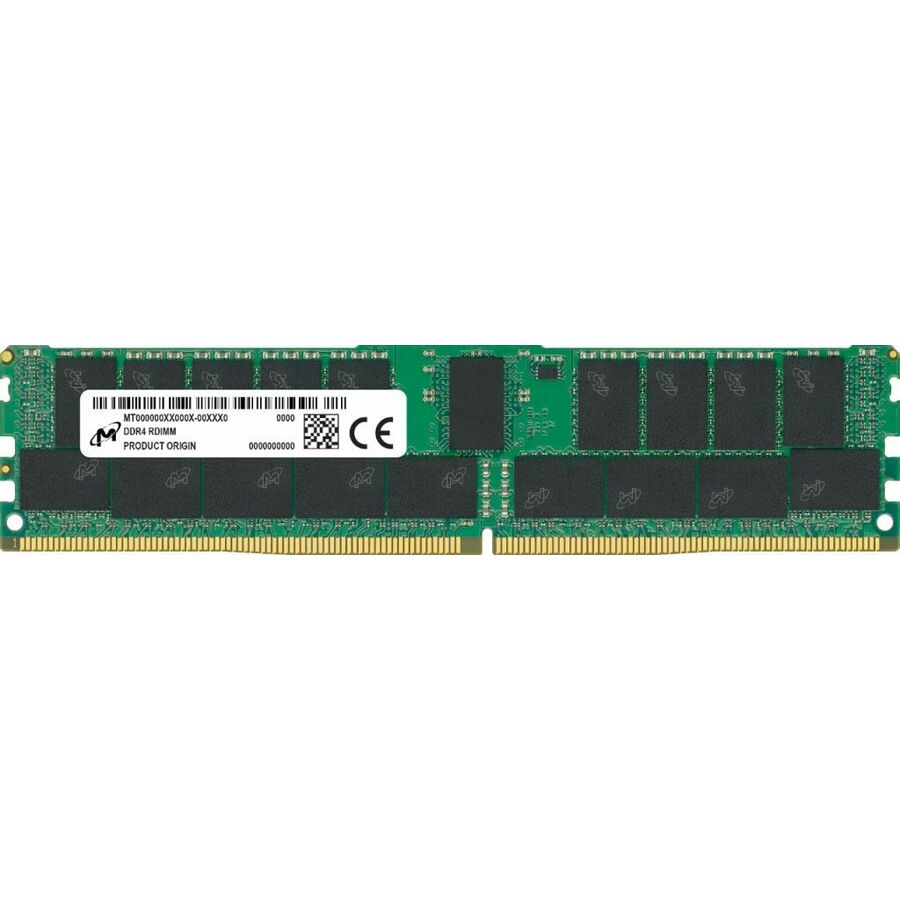
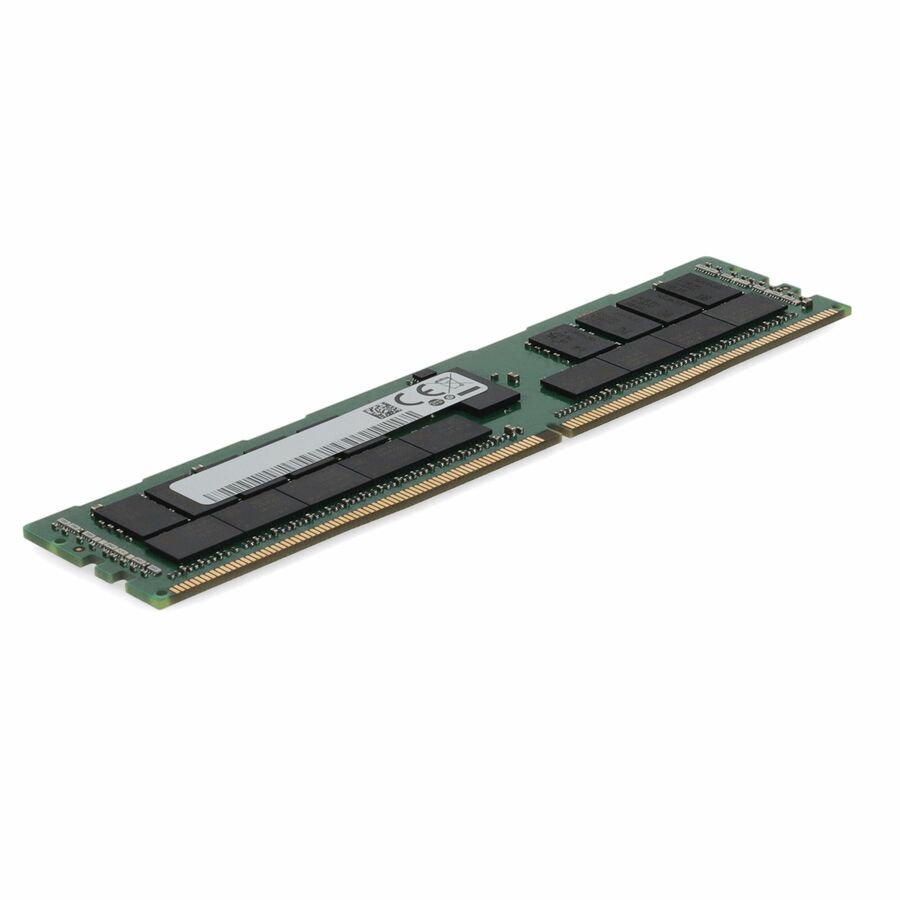
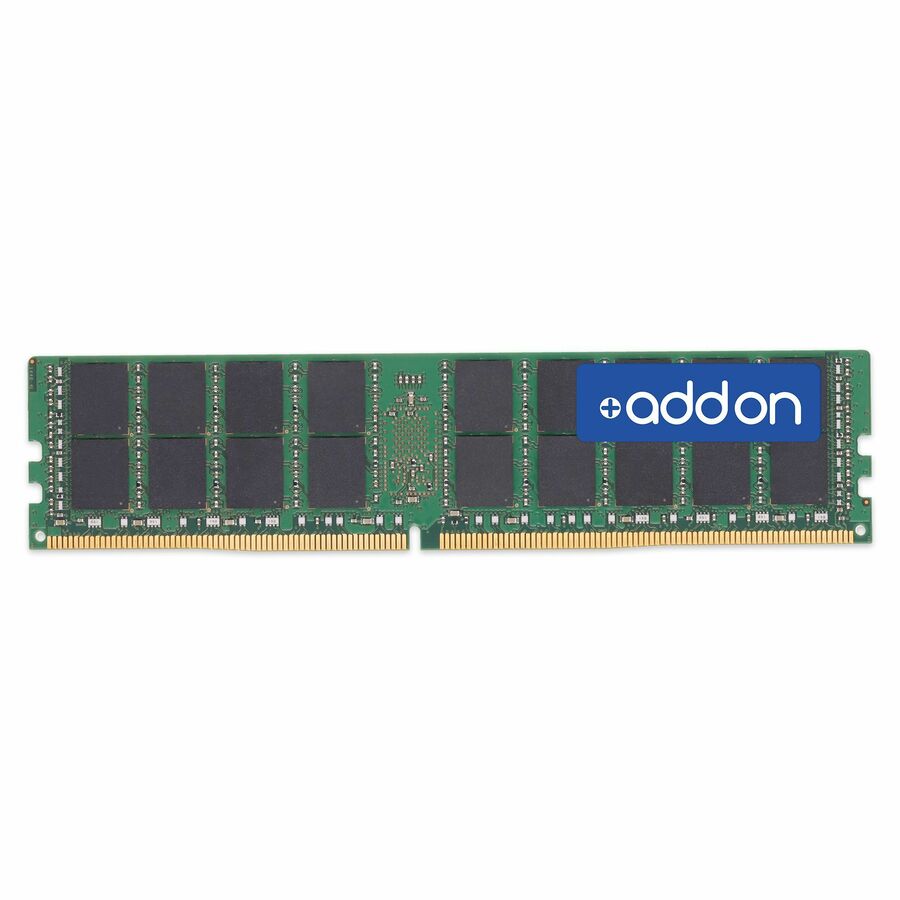
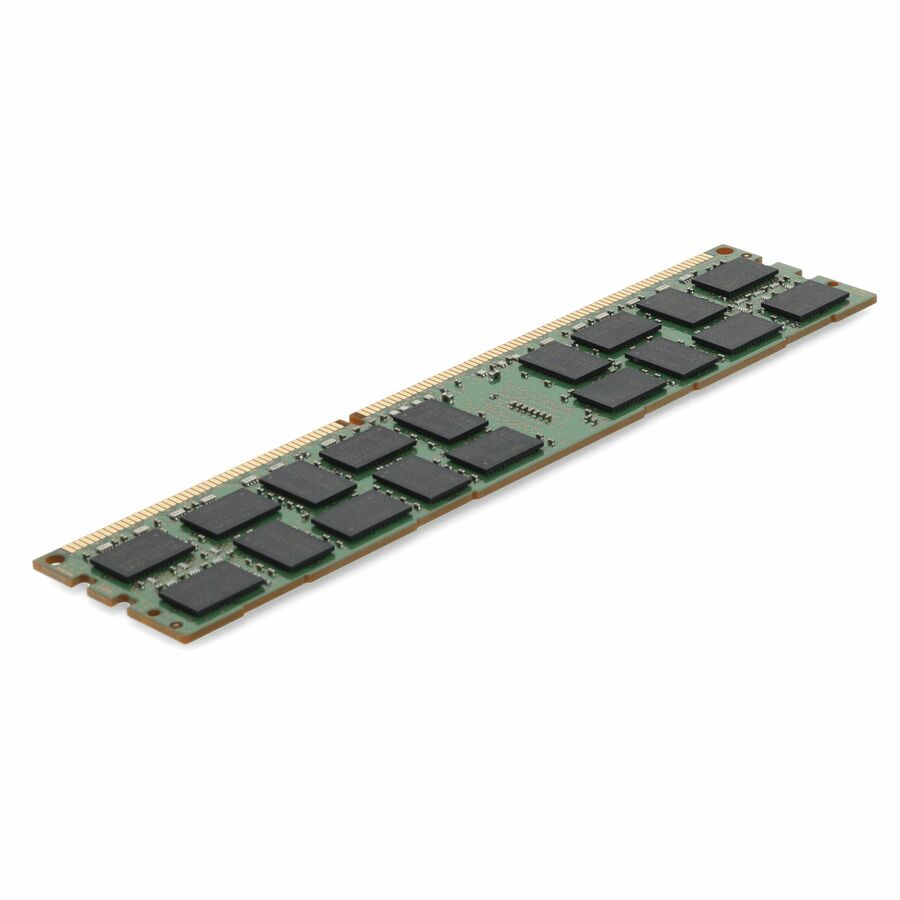
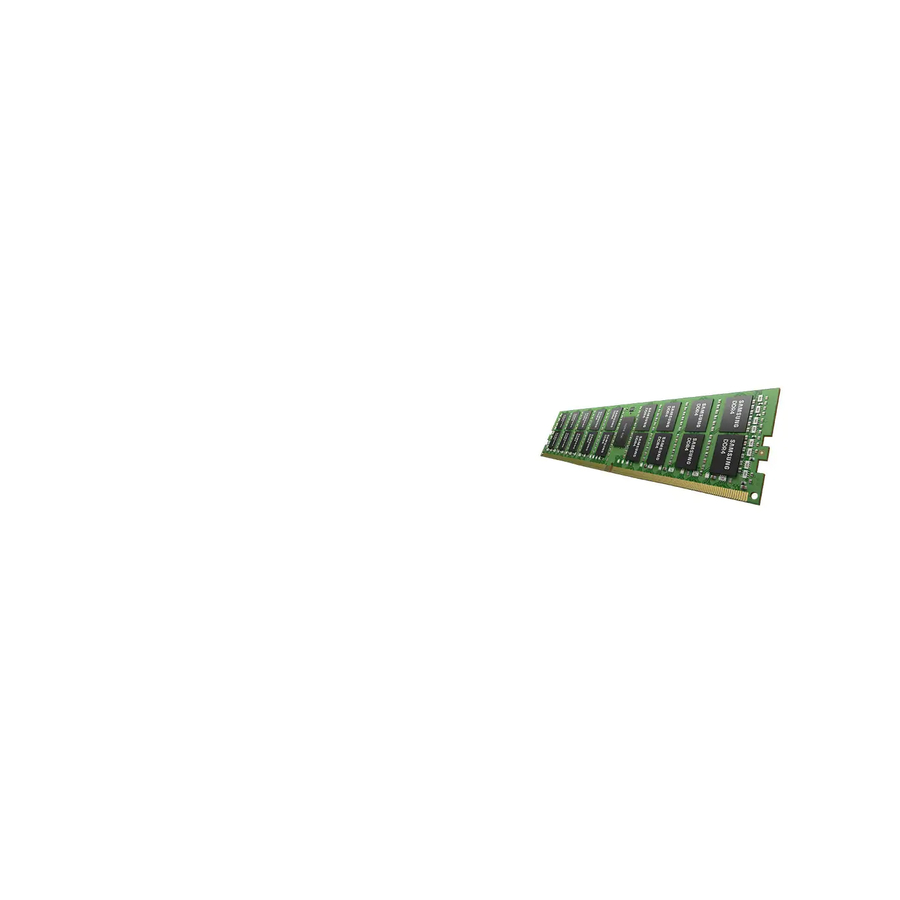
Specifications are read from the manufacturer product title as supplied to us; where a value is not stated it is left blank rather than estimated. Every line is screened for NDAA §889 status before checkout, with TAA verified on request.
Need pricing on DDR5 RDIMM server memory?
Tell us where to reach you and a Uniqcli specialist will follow up by email with current pricing, availability and lead time for the quantities you need — including parts that aren’t shown on this page.
Buying for an organization or for yourself — both work. No payment up front.
A server takes a 288-pin registered DIMM — an RDIMM — whose register buffers the address and command lines so the board can carry more modules at higher capacity than an unbuffered desktop or laptop module could. Capacity, data rate, rank and qualification then decide the part, and the data rate is read against the platform: a system runs memory at the rate its processor supports.
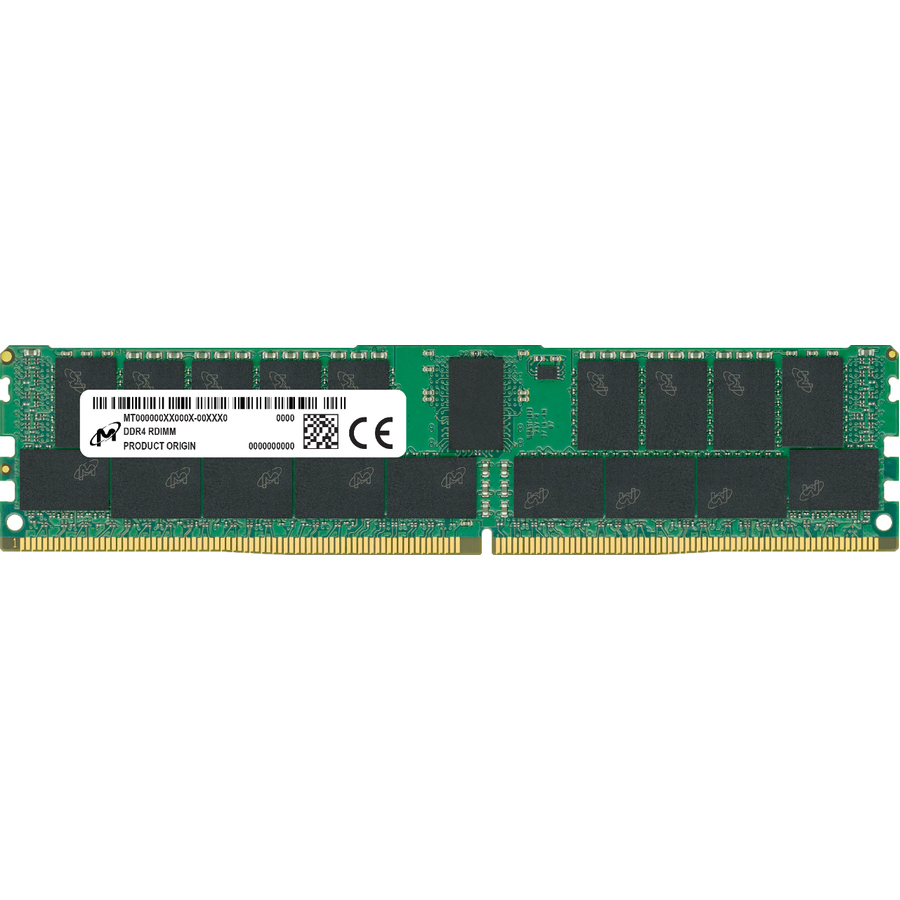
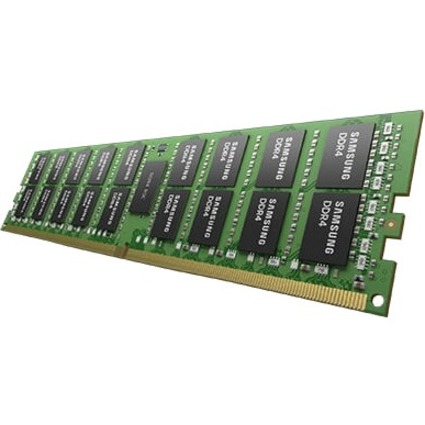
Populating a DDR5 server means matching the module to the platform, and the first thing to get right is the form factor. A server takes a 288-pin registered DIMM — an RDIMM — with a register that buffers the address and command lines so a board can carry more modules at higher capacity than an unbuffered desktop or laptop module ever could. Every row on this page states both DDR5 and RDIMM in the manufacturer's own catalog title, which removes the most expensive first mistake: ordering a desktop UDIMM or a laptop SODIMM for a slot that will only accept a registered server module.
Beyond the form factor, four facts decide the module: capacity, data rate, rank, and how it is qualified. This selection spans 16 GB through 96 GB per module, DDR5-4800 through DDR5-6400, single- and dual-rank parts, and both OEM-branded and third-party equivalents. Read the data rate against the platform rather than against the fastest number available — a processor and its channel configuration run memory at a supported rate, and populating more ranks per channel can step that rate down, so the label on the box is a ceiling, not a promise.
The last decision is qualification. Server memory is bought as an OEM part number for a specific server line, as a third-party equivalent that carries the same electrical specification at a different price, or as a TAA-designated module where an order requires it. All three are on this page. Nothing here is a test result; the selection is fenced to catalog rows whose own title names DDR5 and the RDIMM form factor, and where a country-of-origin clause applies, the TAA designation is read on the exact part number — several rows carry it and others do not.
Buyer's checklist
How to choose DDR5 RDIMM server memory
- Confirm the form factor and the qualified module list first. A server slot takes a 288-pin registered RDIMM; the desktop UDIMMs and laptop SODIMMs that appear beside it in a search will not run, and most server vendors publish a supported-module list worth checking before the order.
- Read the data rate against the platform, not the catalog. Modules here run DDR5-4800 through DDR5-6400; a system runs memory at the rate its processor and channel configuration support, and filling more ranks per channel can step it down — buying above that ceiling buys nothing.
- Decide single-rank versus dual-rank deliberately. The titles state which, and rank interacts with how many DIMMs per channel the platform allows and at what speed — it is a configuration decision, not a spec to leave to whichever part came up first.
- Populate channels correctly. DDR5 servers gain most of their bandwidth from filling every memory channel with matched modules; a half-populated board leaves performance on the table, so plan the module count around the CPU's channel count from the start.
- Match capacity to the workload and the slot count. Virtualization and in-memory workloads want density per slot; a general server may not. Count the DIMM slots and the maximum supported capacity per slot before deciding module size.
- Choose OEM versus third-party equivalent on policy, not reflex. Both are here; the OEM part carries the server vendor's own number and the third-party equivalent carries the same electrical specification at a different price, and which matters more is a warranty and support decision.
- For an order carrying a country-of-origin requirement, read the TAA designation on the exact part number. Several modules here carry TAA Compliant in the manufacturer's own title and others do not — it is a per-part fact to confirm on the row you order.
RDIMM, UDIMM, LRDIMM: why the server module is different
The register is the whole point of a server module. An unbuffered DIMM — the UDIMM in a desktop — wires the memory chips straight to the controller, which is simple and fast but limits how many modules and how much capacity a channel can carry before the electrical load becomes too much. A registered DIMM puts a buffer on the address and command lines, which lets a board host more modules at higher density and is why servers standardized on RDIMMs. A load-reduced DIMM (LRDIMM) goes further, buffering the data lines too for the very highest capacities, and is a distinct part to specify deliberately where a platform supports it. The modules on this page are RDIMMs, the mainstream server form, and they are not interchangeable with the UDIMMs and SODIMMs that fill the rest of the memory shelf.
That difference is also why a server board will simply not post with the wrong module in it. The slot is keyed and the firmware checks the module type, so a desktop UDIMM ordered by mistake is not a slow server, it is a server that does not start — which is the reason the form factor is the fence this page is built on.
Populating the platform for bandwidth, not just capacity
DDR5 servers earn their memory bandwidth from channel population, not from the fastest single module. A modern server CPU exposes many memory channels, and the platform delivers its rated bandwidth only when each channel is filled with a matched module; a board with half its channels populated runs at a fraction of the memory throughput the processor is capable of, no matter how fast the DIMMs are rated. That makes the module count a design decision tied to the CPU's channel count, taken before the capacity per module — it is usually better to fill every channel with a sensible module than to stack two large modules into one channel and leave others empty.
Rank and speed interact with that plan. Filling more ranks per channel can step the supported data rate down on some platforms, so the headline speed on the box is a ceiling that the final configuration decides. Plan the whole memory layout — module size, count, rank and target speed — against the specific server's documentation, and buy matched modules across the set so the platform runs predictably. Uniqcli can quote the memory, the servers and the rest of the build on one document for business, government and education buyers.
FAQ
Common questions
- What is the difference between RDIMM and UDIMM server memory?
- The register. A registered DIMM (RDIMM) puts a buffer on the address and command lines between the memory chips and the controller, which lets a board carry more modules at higher density — which is why servers use them. An unbuffered DIMM (UDIMM) wires the chips straight to the controller, which is simpler and common in desktops but limits capacity per channel. They are physically keyed and not interchangeable: a server that expects an RDIMM will not post with a UDIMM in the slot. Every module on this page is a DDR5 RDIMM; if your platform's documentation calls for UDIMMs or LRDIMMs instead, buy to that.
- Will faster DDR5 memory make my server quicker?
- Only up to the rate the platform actually runs, and often less than the label suggests. A server runs memory at the rate its processor and channel configuration support, and populating more ranks per channel can step that rate down — so a module rated DDR5-6400 in a platform that tops out lower simply runs slower, and you paid for headroom the system will not use. Read your server's memory documentation for the supported speed at the population you intend, and spend the budget on filling every channel with matched modules rather than on a rated speed the board cannot reach.
- Can I mix module capacities or speeds in a server?
- It is far safer not to. A server delivers predictable bandwidth when every channel is filled with matched modules of the same capacity, rank and speed; a mixed set may run at the slowest module's rate, may run in a reduced configuration, or may not be supported at all on a given platform. Diagnosing a flaky or underperforming mixed-memory server across a fleet costs more than the price difference a mismatched module ever saved. Plan the memory as one matched set per server from the start, and keep spares in the same specification.
- Are these DDR5 server modules TAA compliant?
- Some of them are, and it is stated per part rather than per brand. Several rows here carry TAA Compliant in the manufacturer's own catalog title and others do not, including otherwise identical modules sitting beside each other. Where an order carries a country-of-origin clause, read the designation on the exact part number you are ordering and confirm it on the quote — a manufacturer's designation is its own statement about that part number, not an independent certification and not a property of the product family.
- What is a server memory?
- Server memory is the registered or load-reduced ECC module a server board is built to take — on DDR5 a 288-pin RDIMM. The register buffers the address and command lines so many high-capacity modules can share a channel, and error correction is standard because a silent bit flip in a machine that runs for years is a data-integrity event rather than an inconvenience.
- Is server RAM the same as PC RAM?
- No. A server RDIMM and a desktop UDIMM are keyed differently and are not interchangeable, even at the same DDR generation and speed. The server module carries the register that buffers address and command lines, plus error correction, and it runs only in a board that expects a registered module — a desktop board will not start with one fitted.
- Why is server memory so expensive?
- Three things sit on top of the raw DRAM: the extra chip per rank that carries error correction, the register or buffer that lets many high-capacity modules share a channel, and validation against specific server platforms and their qualified-module lists. Volumes are also much smaller than the desktop market, so the same capacity costs more per gigabyte.
- Can business, government and education buyers order these?
- Every line Uniqcli quotes is sourced through US distribution and screened for TAA country-of-origin and NDAA §889 status before checkout — with documentation tied to the specific part number, not a product family.
Need DDR5 RDIMM server memory pricing?
Send a bill of materials or part numbers — we confirm stock and a below-market total, with TAA verified on request. No payment up front.