
Server Memory In Stock: ECC RDIMM Buying Guide
Registered ECC modules for servers and workstations, DDR4 and DDR5, matched to the platform they go in — with live pricing and stock on every line.
ECC RDIMM server memory in stock at Uniqcli
How to choose →A curated selection with live pricing — in-stock lines first, then back-ordered lines with a typical lead time. Every line is sourced through US distribution and screened for NDAA §889 status before checkout, with TAA verified on request.

Entry DDR4 capacity
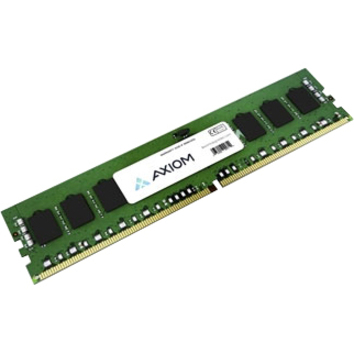
Axiom Memory Solutions
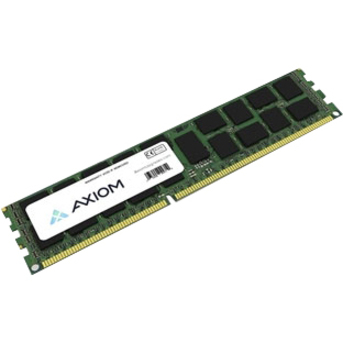
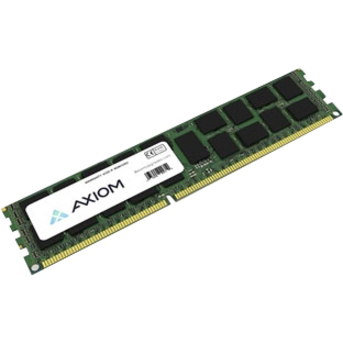
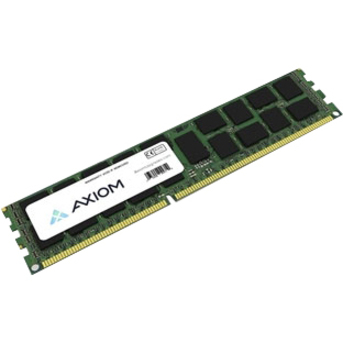
Axiom 8GB DDR4-2666 ECC RDIMM
AX42666R19B/8G
An 8 GB DDR4-2666 registered ECC module, CL19 at 1.20 V on a 288-pin RDIMM. The starting capacity for a DDR4-generation server, and the part to fill an under-populated channel with rather than leaving a bank empty.
$279.89In stockTAA-listed 8 GB
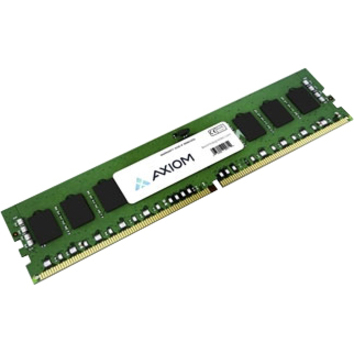
Axiom Memory Solutions
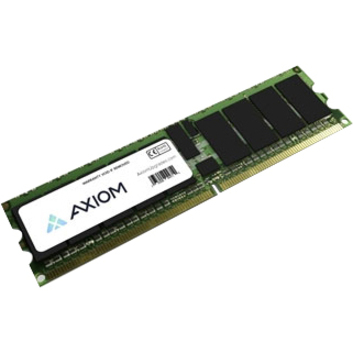
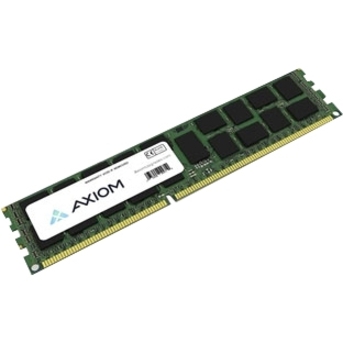
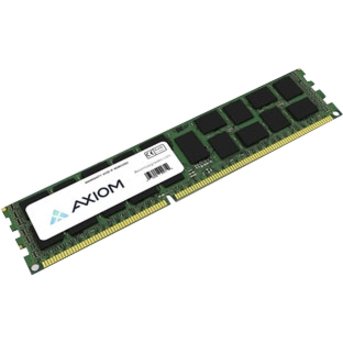
8GB DDR4-2666 ECC RDIMM
AXG83997546/1
The same 8 GB DDR4-2666 registered ECC specification, on a part number our catalog data records as TAA compliant.
Country-of-origin documentation is confirmed against the specific part number at sourcing and provided with the quote on request.
$298.46*In stockVolume 16 GB module
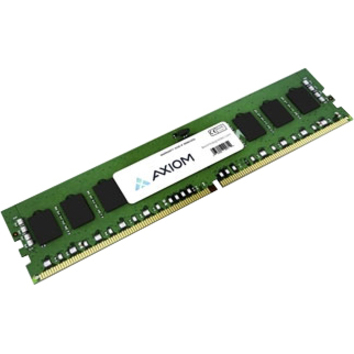
Axiom Memory Solutions
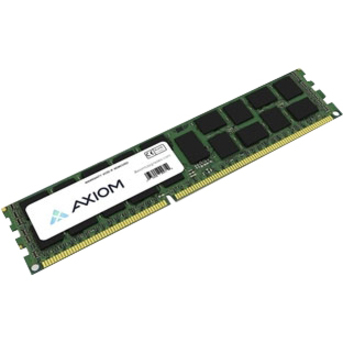
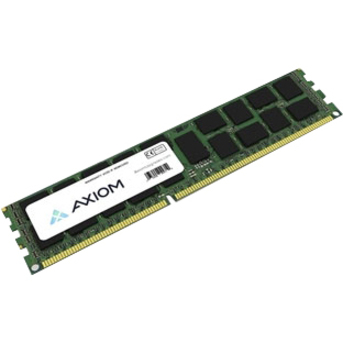
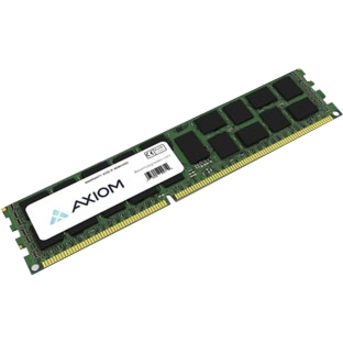
Axiom 16GB DDR4-2400 ECC RDIMM
AX42400R17C/16G
A 16 GB DDR4-2400 registered ECC module at CL17. DDR4-2400 is the speed a very large installed base of servers actually runs at, and 16 GB per slot is the capacity most of those boards were populated with when new.
$487.94In stockFaster DDR4 tier
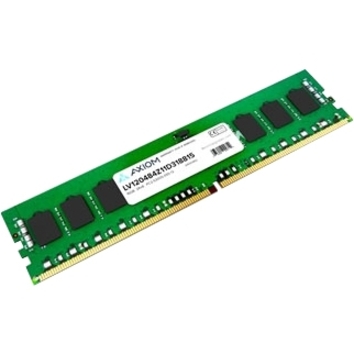
Axiom Memory Solutions
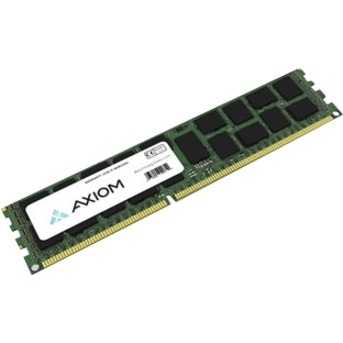
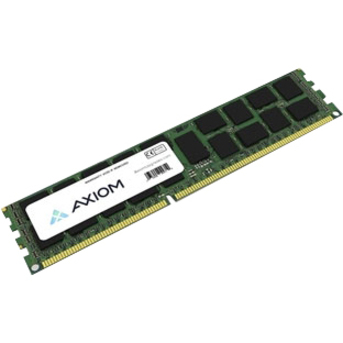
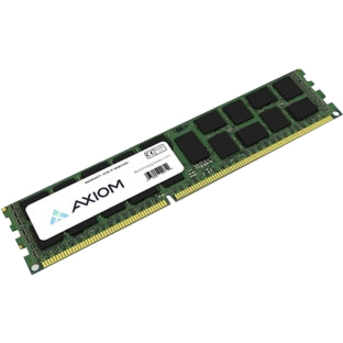
Axiom 16GB DDR4-3200 ECC RDIMM
AX43200R22B/16G
A 16 GB DDR4-3200 registered ECC module — the top DDR4 speed grade, for the later platforms in that generation. On a board running slower banks it will clock down to match, so buy it where the platform supports it.
$520.99In stockTAA-listed 16 GB
Axiom Memory Solutions
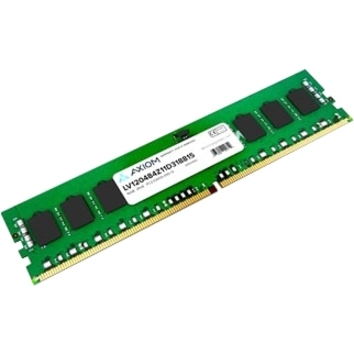
Axiom 16GB DDR4-3200 ECC RDIMM
AXG995100220/1
A 16 GB DDR4-3200 registered ECC module on a part number our catalog data records as TAA compliant, for deliveries where that has to be stated on the line rather than assumed.
Country-of-origin documentation is confirmed against the specific part number at sourcing and provided with the quote on request.
$555.37*In stockLarge legacy module
Axiom Memory Solutions
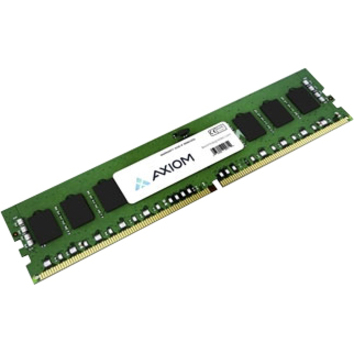
Axiom 32GB DDR4-2133 ECC RDIMM
AX42133R15C/32G
A 32 GB DDR4-2133 registered ECC module for first-generation DDR4 platforms — the capacity step that keeps an older server useful without a board replacement, on boards whose slots are already full at 16 GB.
$867.41In stock32 GB at DDR4-3200
Axiom Memory Solutions
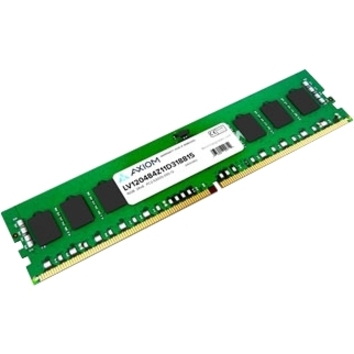
Axiom 32GB DDR4-3200 ECC RDIMM
AX43200R22C/32G
A 32 GB DDR4-3200 registered ECC module: the configuration to reach for when a later DDR4 platform has to carry a virtualization or database workload for the rest of its service life on the slots it already has.
$1,182.11In stockDDR5 platform pick
Axiom Memory Solutions
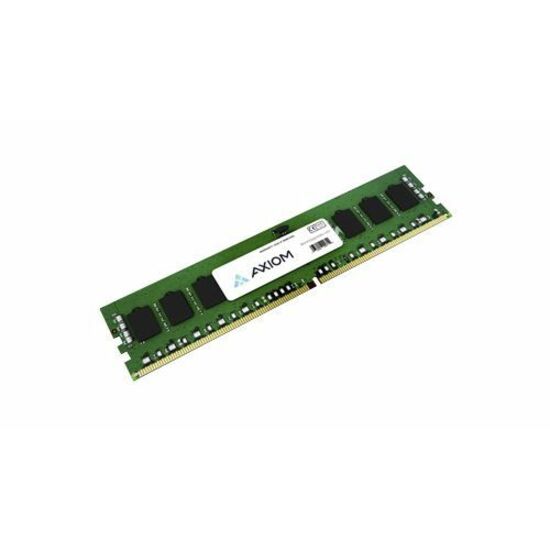
Axiom 16GB DDR5-5600 ECC RDIMM AX55600R46D/16G
AX55600R46D/16G
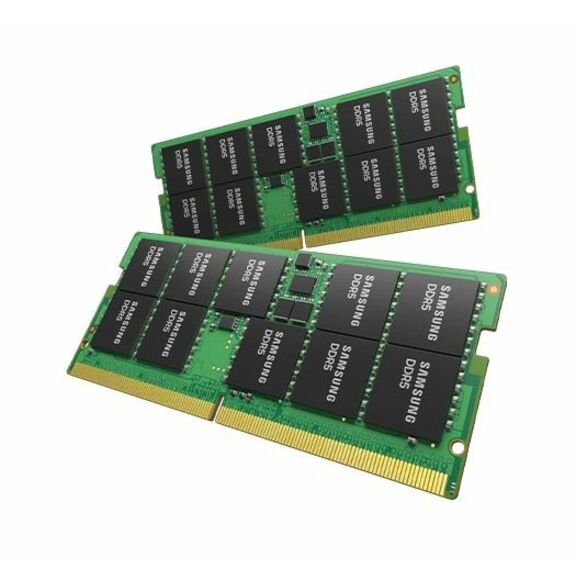
A 16 GB DDR5-5600 registered ECC module at CL46 and 1.10 V. Named here because the successor generation belongs in the same conversation: if the platform is DDR5, nothing on the DDR4 side of this page fits it, in either direction.
$1,487.55In stockBrowse all 4,015 memory modules
Not the right one above? Filter the whole range by the specs that matter — live pricing and honest availability on every row, the same NDAA §889 screening before checkout, and TAA verified on request.
Showing 24 of 4,015 memory modules
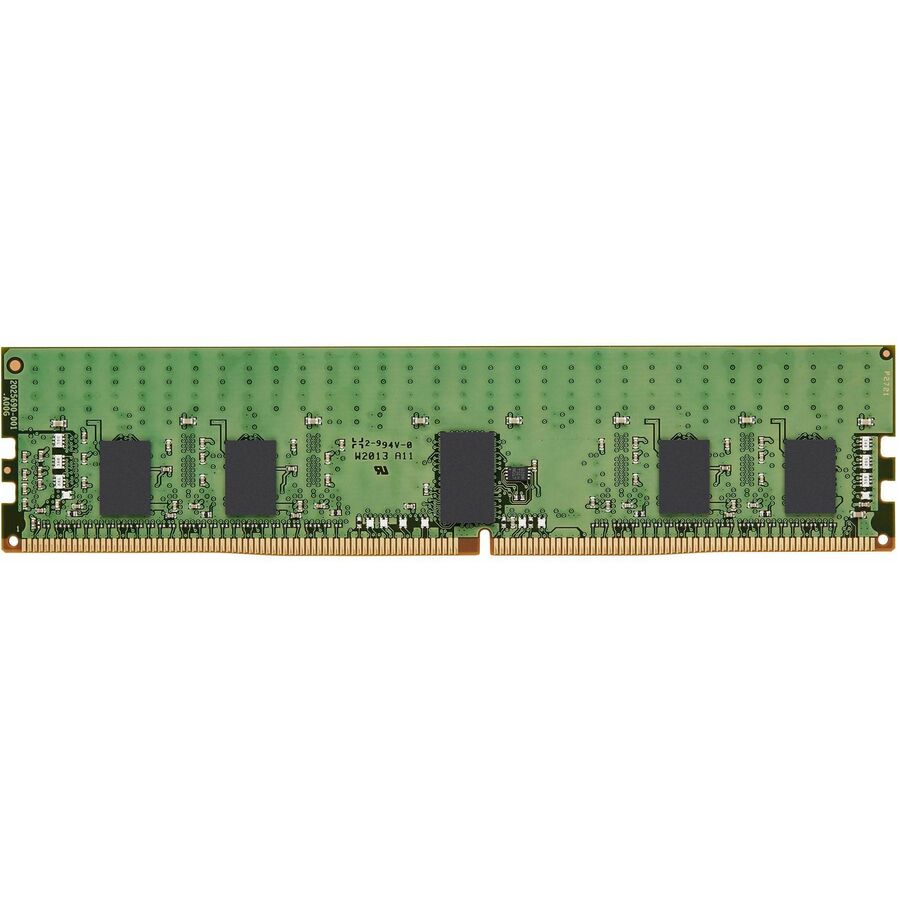
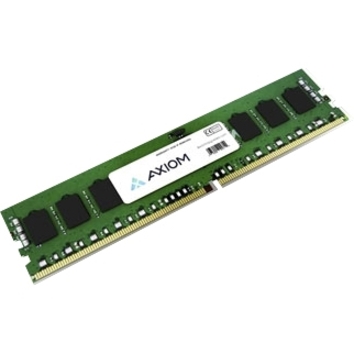
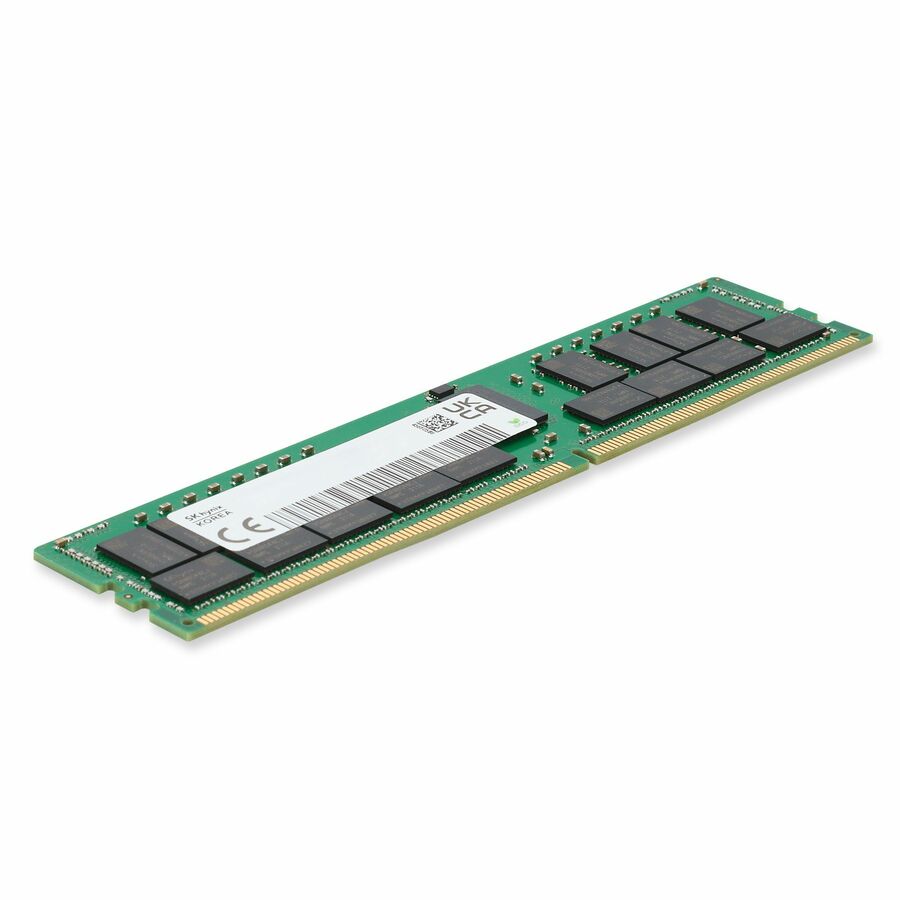
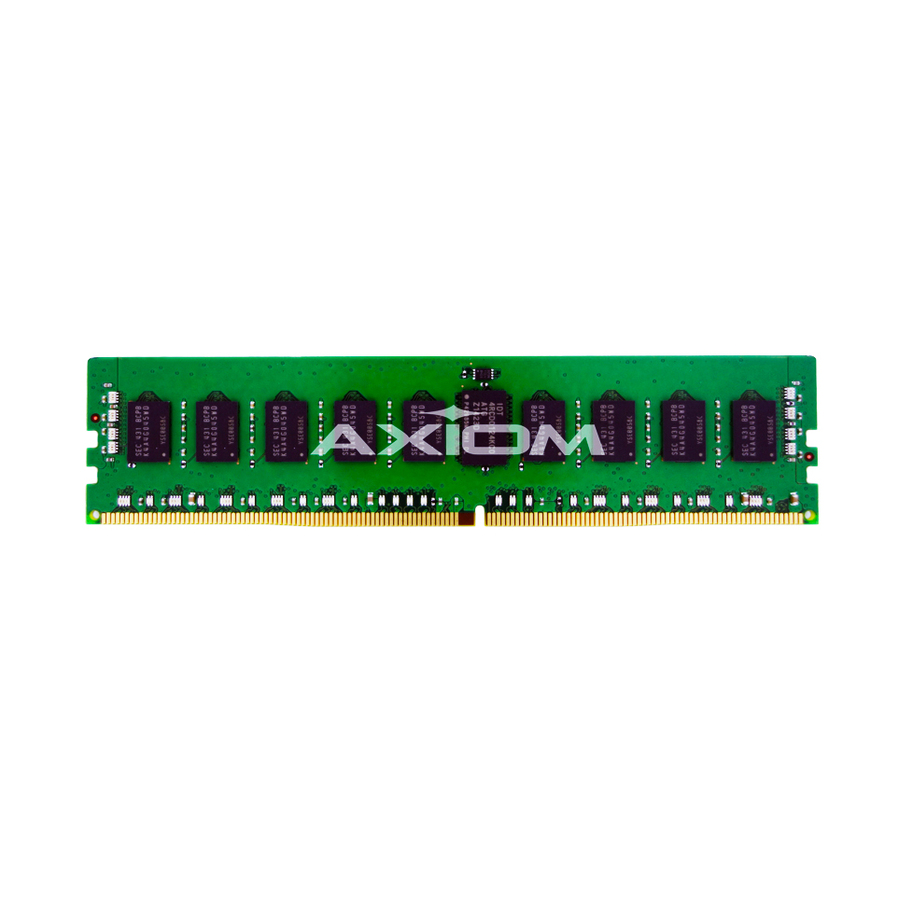
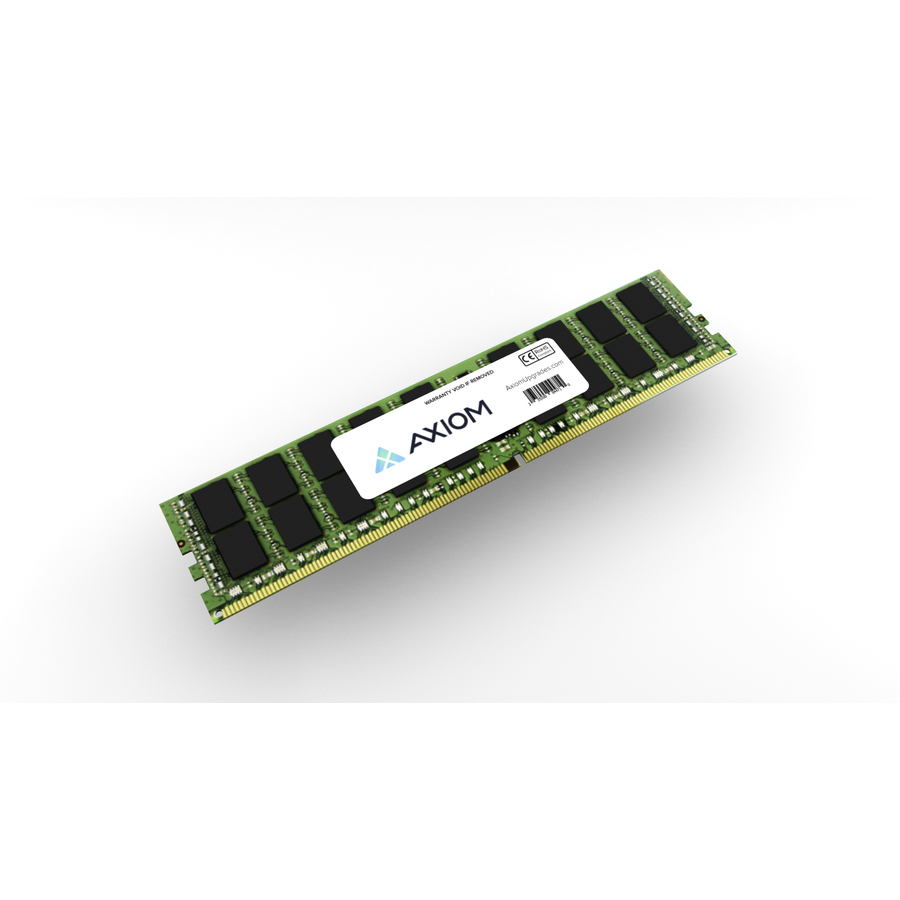
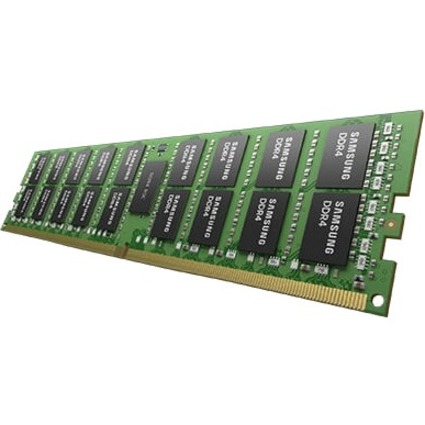
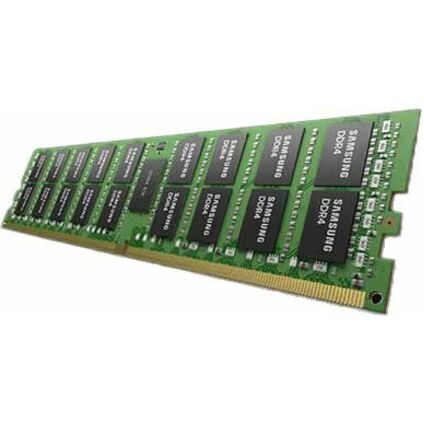
- Axiom Memory SolutionsAxiom 32GB DDR4-2933 ECC RDIMM for Lenovo - 4X70V98062 - 32 GB - DDR4-2933/PC4-23466 DDR4 SDRAM - 2933 MHz - ECC - Registered - RDIMM4X70V98062-AX
$1,202.00
$1,032.70
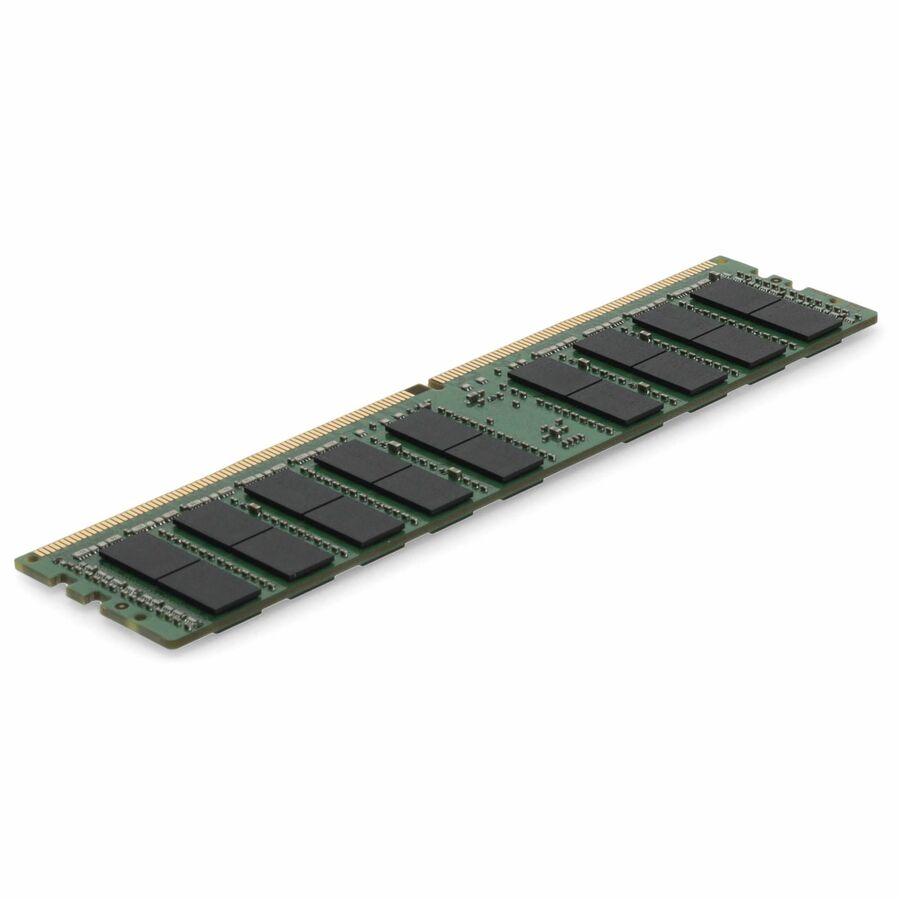
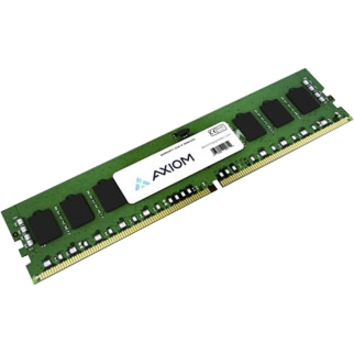
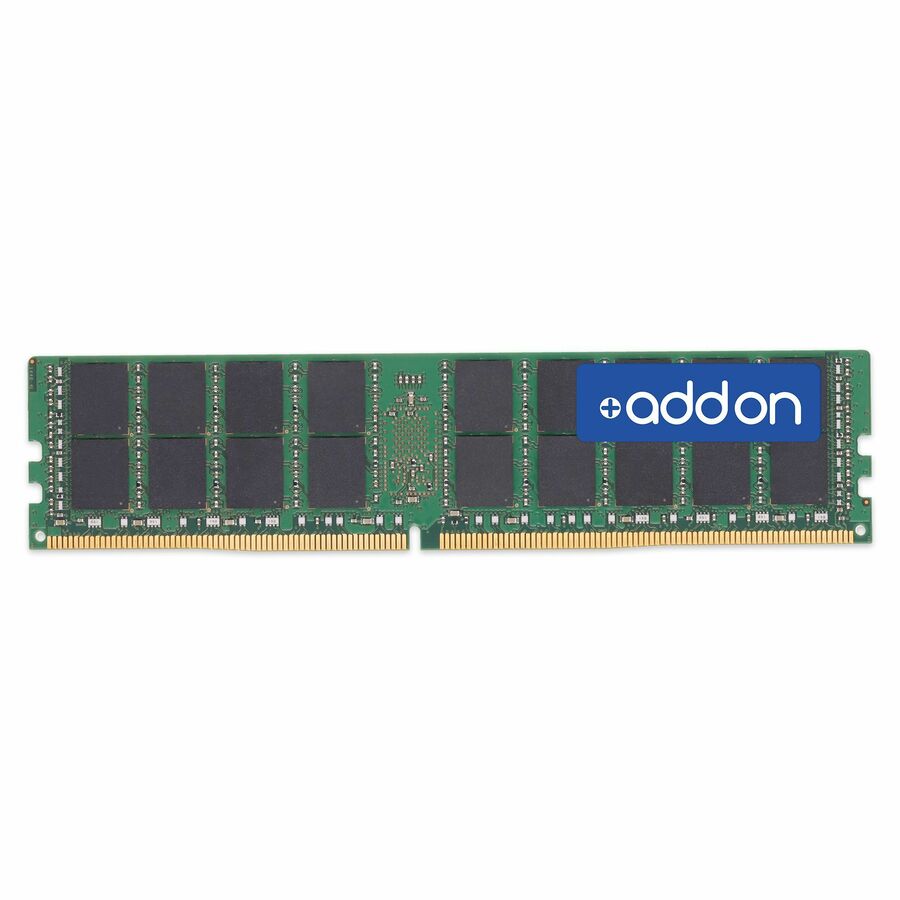
44 in stock - AddOnAddOn Lenovo® 4ZC7A08707 Compatible Factory Original 16GB DDR4-2933MHz Registered ECC Single Rank x4 1.2V 288-pin CL17 RDIMM - For Computer - 16 GB (1 x 16GB) - DDR4-2933/PC4-23400 DDR4 SDRAM - 2933 MHz Single-rank Memory - CL17 - 1.20 V - ECC - Registered - 288-pin - RDIMM - Lifetime Warranty4ZC7A08707-AM
$616.00
$566.72
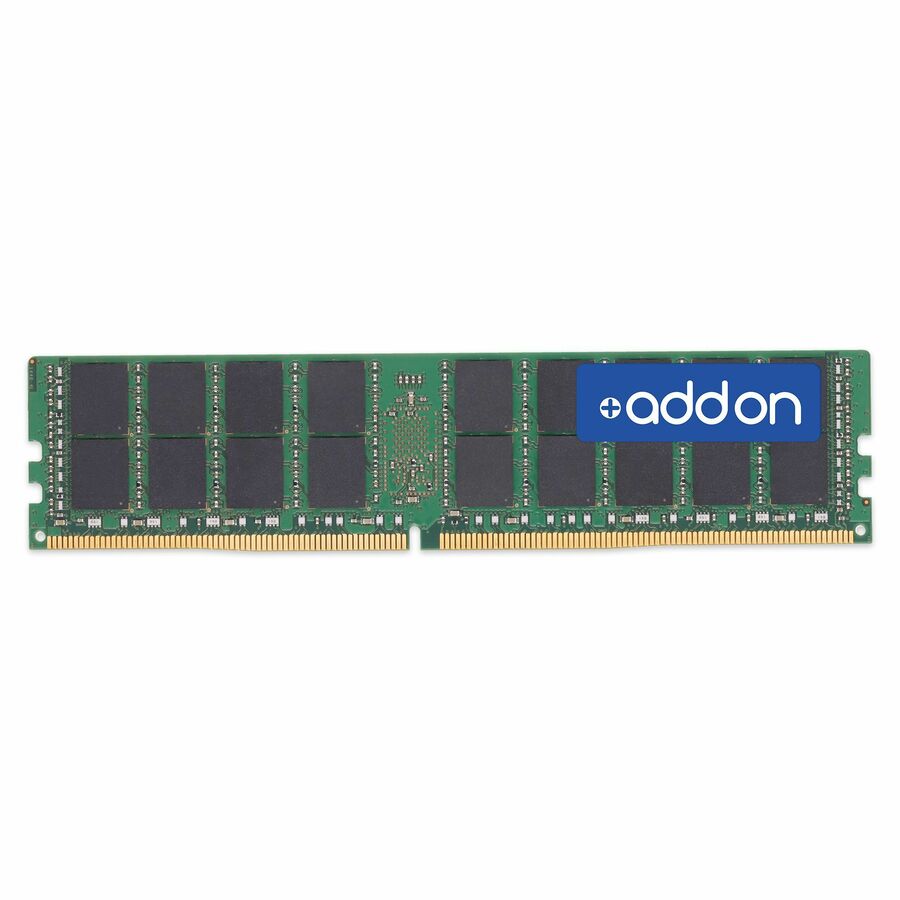
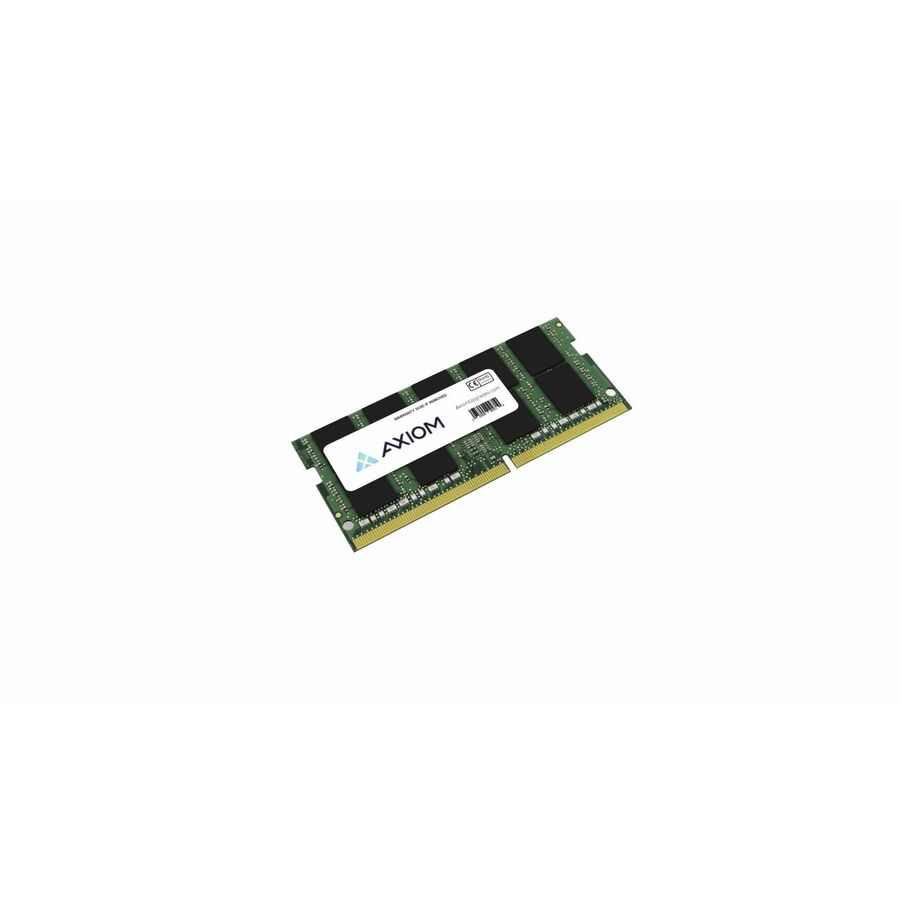
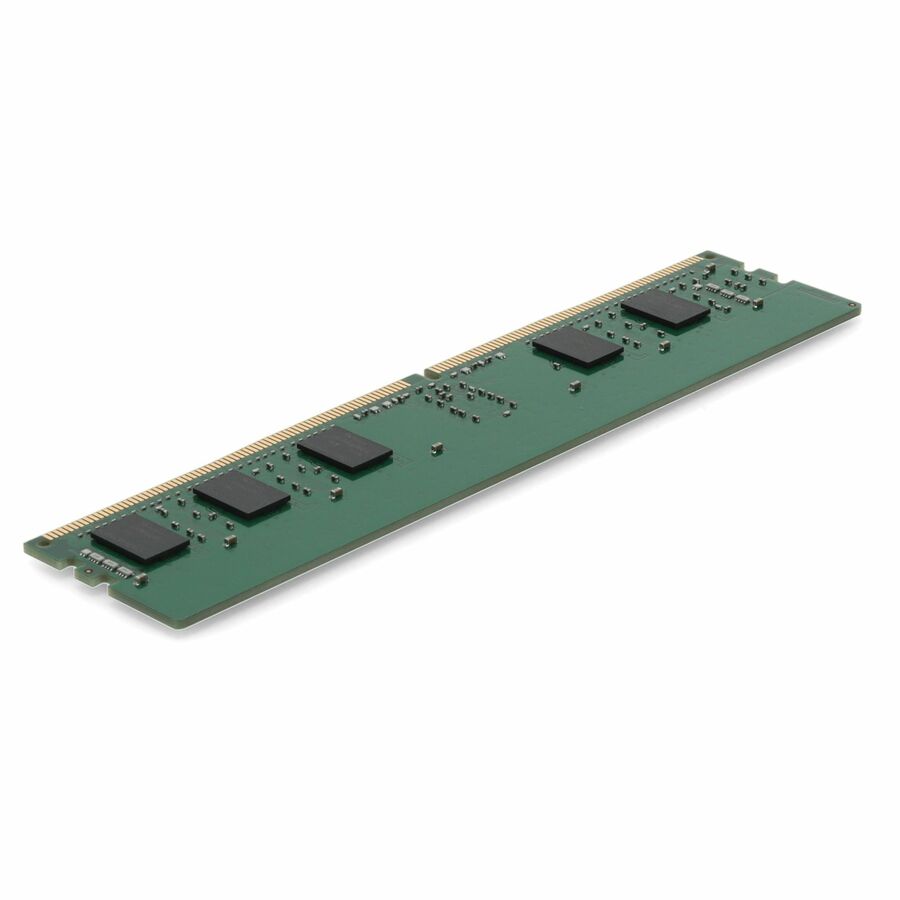
127 in stock - AddOnAddOn 32GB DDR4-2933MHz Registered ECC Dual Rank x4 1.2V 288-pin CL17 RDIMM JEDEC Standard Factory Original - For Server - 32 GB (1 x 32GB) - DDR4-2933/PC4-23466 DDR4 SDRAM - 2933 MHz Dual-rank Memory - CL17 - 1.20 V - ECC - Registered - 288-pin - DIMM - Lifetime WarrantyAM2933D4DR4RN/32G
$960.00
$883.20
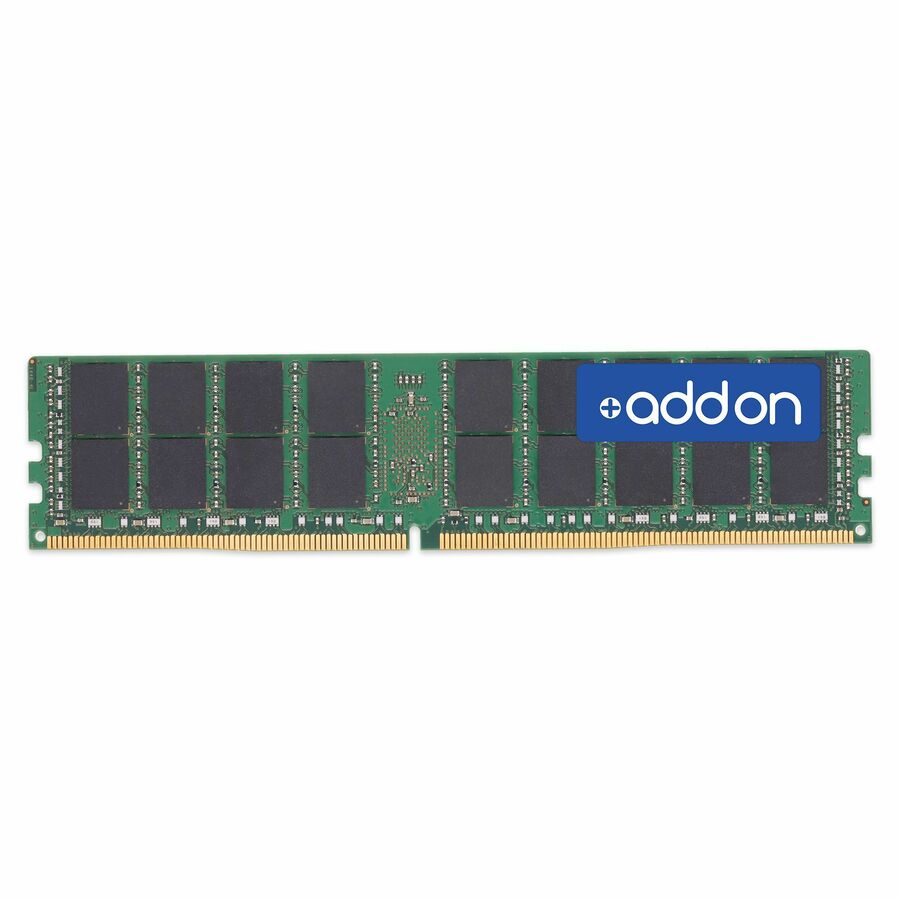
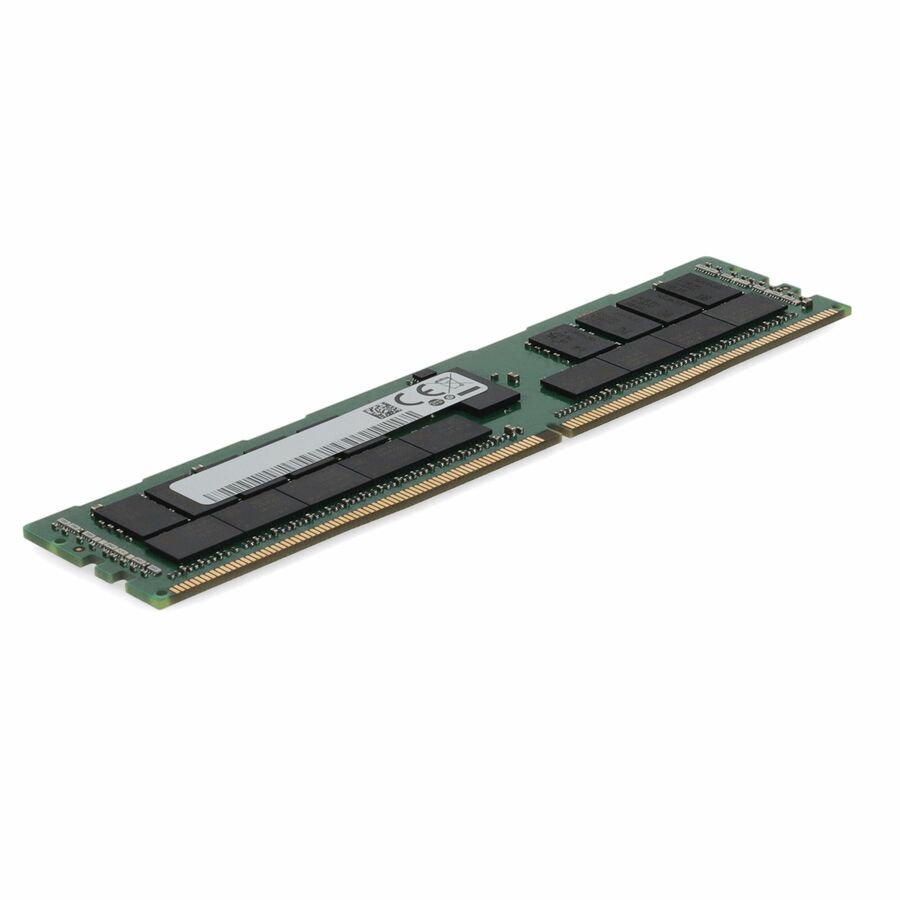
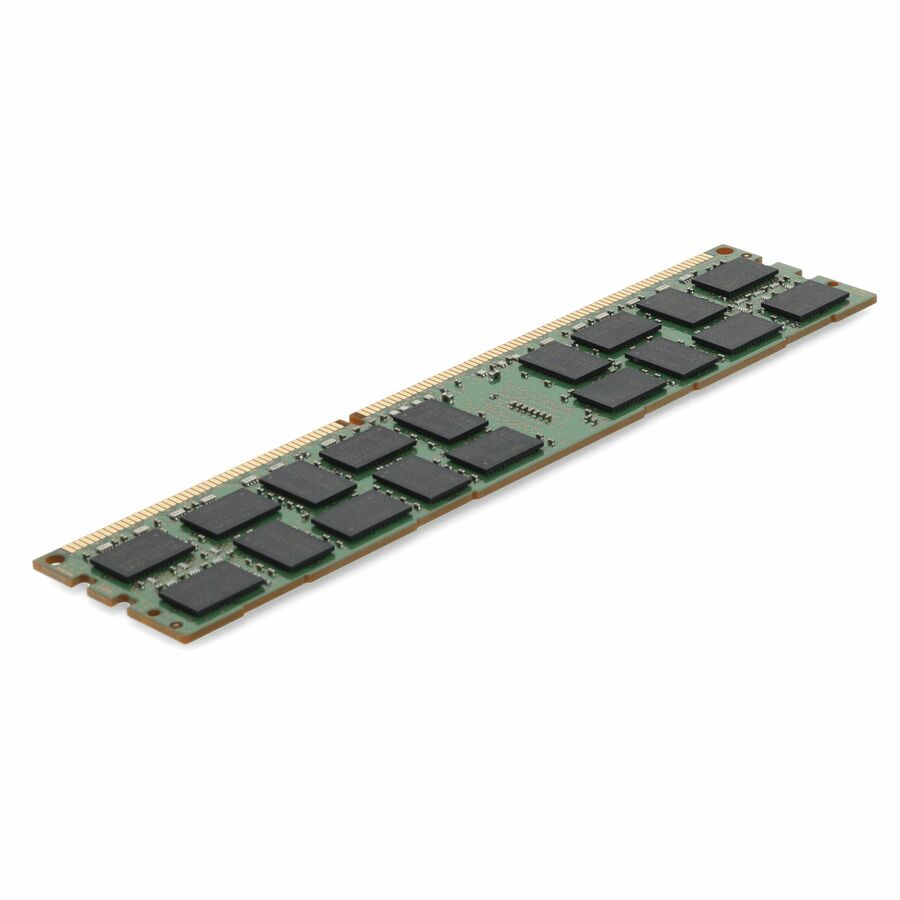
7 in stock - AddOnAddOn IBM® 46W0825 Compatible Factory Original 8GB DDR4-2400MHz Registered ECC Dual Rank x8 1.2V 288-pin CL17 RDIMM - 8 GB (1 x 8GB) - DDR4-2400/PC4-19200 DDR4 SDRAM - 2400 MHz Dual-rank Memory - CL17 - 1.20 V - ECC - Registered - 288-pin - DIMM - Lifetime Warranty46W0825-AM
$232.00
$213.44
8 in stock - AddOnAddOn Lenovo® 01AG618 Compatible Factory Original 16GB DDR4-2666MHz Registered ECC Dual Rank x8 1.2V 288-pin CL17 RDIMM - 16 GB (1 x 16GB) - DDR4-2666/PC4-21333 DDR4 SDRAM - 2666 MHz Dual-rank Memory - CL17 - 1.20 V - ECC - Registered - 288-pin - DIMM - Lifetime Warranty01AG618-AM
$450.00
$414.00
4 in stock - AddOnAddOn IBM® 46W0787 Compatible Factory Original 8GB DDR4-2133MHz Registered ECC Single Rank x4 1.2V 288-pin RDIMM - 8 GB (1 x 8GB) - DDR4-2133/PC4-17000 DDR4 SDRAM - 2133 MHz Single-rank Memory - CL15 - 1.20 V - ECC - Registered - 288-pin - RDIMM - Lifetime Warranty46W0787-AM
$192.00
$176.64
8 in stock
Specifications are read from the manufacturer product title as supplied to us; where a value is not stated it is left blank rather than estimated. Every line is screened for NDAA §889 status before checkout, with TAA verified on request.
Need pricing on ECC RDIMM server memory?
Tell us where to reach you and a Uniqcli specialist will follow up by email with current pricing, availability and lead time for the quantities you need — including parts that aren’t shown on this page.
Buying for an organization or for yourself — both work. No payment up front.
Server memory is decided by the board, not by the price. The platform sets the generation (DDR3, DDR4 or DDR5), the module type — registered RDIMM, load-reduced LRDIMM or unbuffered ECC UDIMM — the rated speed and the maximum capacity per slot, and none of those is interchangeable in a slot. Populate channels evenly: mixing rated speeds clocks the bank down to the slowest module.
DDR4 server memory is the part of a 2026 refresh worth ordering early, and the reason is on the record rather than in a forecast. TrendForce reported conventional DRAM contract prices up 58–63% quarter over quarter in the second quarter of 2026, with NAND up 70–75%, and in guidance published July 3, 2026 projected a further 13–18% on DRAM and 10–15% on NAND in the third quarter — moderating, but still climbing, as AI server demand keeps supply tight. Gartner's full-year 2026 forecast has DRAM up 125%. DDR4 is the generation feeling that squeeze hardest, because the major manufacturers have been steering capacity toward DDR5 and high-bandwidth memory while DDR4 demand from installed servers has not gone anywhere.
The practical consequence for anyone running a DDR4-generation fleet is that the upgrade you were planning for next budget cycle is a different price from the same upgrade today, and the parts themselves get harder to source as production winds down rather than cheaper as a generation ages. That is the opposite of how memory buying has worked for most of the last decade, and it is the single thing to get right about timing this year: buy the capacity the platform will need for the rest of its service life while the modules are still being made, not when the server finally runs short.
Everything in this selection is a registered ECC module — an RDIMM — which is server and workstation memory rather than desktop memory. It spans DDR4 and DDR5, plus some legacy DDR3 parts for platforms still in service, and generation is not interchangeable: a DDR4 board takes DDR4, full stop. Match the module to the platform, not to the price. The modules are quoted alongside the servers, the licensing and the installation work they belong with, sourced through US distribution.
Buyer's checklist
How to buy registered ECC server memory
- Start from the server's own memory support list rather than from a specification sheet: the generation (DDR3, DDR4, DDR5), the module type (registered, load-reduced, unbuffered), the rated speed and the maximum capacity per slot are all set by the platform, and a module outside any one of them will not run.
- Know which of the three types you need. Registered (RDIMM) modules buffer the address and command lines and are the mainstream server part; load-reduced (LRDIMM) modules buffer the data lines too and exist to reach the highest capacities; unbuffered ECC (UDIMM) is the entry-server and workstation part. They are not interchangeable in a slot.
- Populate channels evenly. A server's memory controller runs fastest when every channel is filled identically, and an odd module added to a full-looking board can drop the whole system to a lower speed — plan the final configuration before ordering the first upgrade.
- Mixing rated speeds is legal on most platforms and clocks everything down to the slowest module present, so a fast module dropped into a slower bank buys nothing. Buy the speed the board runs at, not the highest number available.
- Buy the capacity for the platform's remaining service life in one order where you can. Slots are finite, larger modules cost disproportionately more per gigabyte, and in this market a second purchase later is not a cheaper purchase later.
- Check the module's rank and its physical height against the chassis on dense or 1U builds — low-profile and full-height parts both exist under similar descriptions, and the wrong one does not fit under the airflow shroud.
- For DDR5, note that the voltage regulation and on-module error correction moved onto the module itself; a DDR5 RDIMM is not a DDR4 RDIMM with more pins, and no adapter exists in either direction.
- Say up front if the delivery carries a country-of-origin or NDAA §889 requirement — screening happens against the specific part number at sourcing, and several modules in this category are listed with the origin position stated on the part.
Why DDR4 is the generation to buy early
Memory generations usually get cheaper as they age, because production capacity that was expensive at launch has long since been amortized and demand tapers off gradually. DDR4 is not following that curve. Manufacturing capacity has been steered toward DDR5 and high-bandwidth memory for AI accelerators, which is where the margin is, while the installed base of DDR4-generation servers — an enormous number of machines with years of service life left — keeps needing modules. Contracting supply against steady demand moves prices in one direction.
The measured numbers are the ones above: DRAM contract prices up 58–63% quarter over quarter in the second quarter of 2026 per TrendForce, with a further 13–18% projected for the third quarter in its July 3, 2026 guidance, and Gartner forecasting DRAM up 125% across the full year. Treat forecasts as forecasts. The part that is not a forecast is the direction of travel and the reason for it, and neither has reversed at any point this year.
What that means for planning is a change of instinct rather than a panic. If a server is staying in service for another two or three years and you already know it will need more memory in that time — a virtualization host running close to its ceiling, a database server that has been swapping, a build machine that was specified thin — the upgrade is worth pulling forward into this budget cycle. If the platform is being replaced anyway, do not buy modules for it; put the money into the replacement, which will be DDR5 and which has its own timing conversation.
Registered, load-reduced and unbuffered — and why it matters
Server memory comes in three types that look similar in a listing and are not interchangeable in a slot. A registered module (RDIMM) puts a buffer between the memory controller and the module's address and command lines, which is what lets a board carry many modules per channel without the electrical load becoming unmanageable; it is the mainstream server part and it is what this whole selection is. A load-reduced module (LRDIMM) buffers the data lines as well and exists to reach the very highest per-slot capacities. An unbuffered ECC module (UDIMM) has neither buffer and is the entry-server and workstation part.
ECC itself is the separate feature people often conflate with all of this: error-correcting code memory detects and corrects the single-bit errors that occur in any large memory array, which is why it is standard on servers and absent from most desktops. A machine that requires ECC will not run non-ECC modules, and a desktop that does not support ECC gains nothing from them. The platform's own memory support list settles both questions, and it is worth reading before a purchase order rather than after a failed boot.
The practical failure mode is not usually buying the wrong type outright — it is buying the right type at the wrong speed or the wrong rank and then wondering why the whole board dropped a speed grade. Populate channels evenly, keep the rated speed consistent across the banks that run together, and plan the end-state configuration before buying the first upgrade, because the slots you fill cheaply today are the slots you cannot use for a larger module tomorrow.
Buying memory through Uniqcli
Send the server model — or the existing module's part number, or the output of an inventory tool — and we will come back with the modules that platform takes, current pricing across the quantity, availability line by line and a dated lead time on anything not immediately available. Larger quantities are sourced as a deal through US distribution rather than picked off a shelf, which is what makes a quantity price different from a multiple of the single-module one. If you would rather narrow it yourself first, the memory finder below filters the whole ECC range by capacity, speed and platform.
Memory is rarely the only line. The same quote can carry the servers themselves, the storage that goes in them, the virtualization and operating-system licensing that runs on them, and the installation and configuration work — including scheduling an upgrade into a maintenance window rather than leaving a rack open. That is the point of quoting through distribution: one document covers the parts, the licences and the work, instead of three purchase orders that arrive on three different days.
Back-ordered lines here are still buyable — they are priced and orderable, and we quote a dated lead time with the line rather than after the order. If the date will not work for a maintenance window, say so and we will name which comparable modules land sooner. Orders over $2,500 ship free on US ground, which a multi-module upgrade usually clears on its own.
FAQ
Common questions
- Is DDR4 server memory going to get cheaper if we wait?
- Nothing this year suggests it will. TrendForce reported conventional DRAM contract prices up 58–63% quarter over quarter in the second quarter of 2026 and projected a further 13–18% for the third quarter in guidance published July 3, 2026; Gartner's full-year forecast has DRAM up 125%. The structural reason matters more than any single number: manufacturing capacity has been steered toward DDR5 and high-bandwidth memory while a very large installed base of DDR4 servers keeps needing modules, so this generation is contracting in supply rather than aging into a discount. Forecasts are forecasts and we will not pretend otherwise — but if a platform staying in service needs more memory in the next two years, pulling that purchase forward is the low-regret decision.
- What is the difference between RDIMM, LRDIMM and UDIMM?
- They differ in what is buffered between the memory controller and the memory chips, and they are not interchangeable in a slot. A registered module (RDIMM) buffers the address and command lines, which lets a board carry more modules per channel reliably; it is the standard server part and it is what this selection contains. A load-reduced module (LRDIMM) buffers the data lines as well and exists to reach the highest per-slot capacities on large-memory systems. An unbuffered ECC module (UDIMM) has no buffer and is the entry-server and workstation part. Your platform's memory support list names which one it takes — check there rather than inferring it from the chassis size.
- Can I mix DDR4 modules of different speeds or capacities?
- Different capacities are usually fine and different speeds usually run, but both come with consequences. A board populated with mixed speeds clocks every module down to the slowest one present, so a faster module dropped into a slower bank buys nothing. Mixed capacities can disable interleaving or leave channels unevenly populated, which costs bandwidth in a way that is easy to miss because nothing fails — the machine simply runs slower than the invoice suggests it should. What you cannot mix at all is the generation: a DDR4 board takes DDR4 and a DDR5 board takes DDR5, and there is no adapter in either direction. Plan the end-state configuration before you buy the first upgrade.
- How do I find the right module for a specific server?
- The fastest route is the part number of a module already in the machine, or the server's own model and configuration — either is enough for us to match against the platform's support list. Failing that, an inventory tool's memory report will state the generation, the speed, the module type and how the channels are currently populated, which is everything the decision needs. The memory finder on this page filters the ECC range by the same attributes if you would rather narrow it yourself, and for a multi-server upgrade it is worth sending the whole list at once so the modules arrive together rather than in three deliveries across two maintenance windows.
- Can Uniqcli quote server memory for a government or education order?
- Every line Uniqcli quotes is sourced through US distribution and screened for TAA country-of-origin and NDAA §889 status before checkout — with documentation tied to the specific part number, not a product family.
Need ECC RDIMM server memory pricing?
Send a bill of materials or part numbers — we confirm stock and a below-market total, with TAA verified on request. No payment up front.