
Best Axiom Server Memory Upgrades for ECC DDR4 and DDR5 Platforms
ECC Registered (RDIMM) and Load-Reduced (LRDIMM) server memory for DDR4 and DDR5 platforms — each listing stating its own capacity, generation, rated speed and module type.
Axiom server memory in stock at Uniqcli
How to choose →A curated selection with live pricing — in-stock lines first, then back-ordered lines with a typical lead time. Every line is sourced through US distribution and screened for NDAA §889 status before checkout, with TAA verified on request.
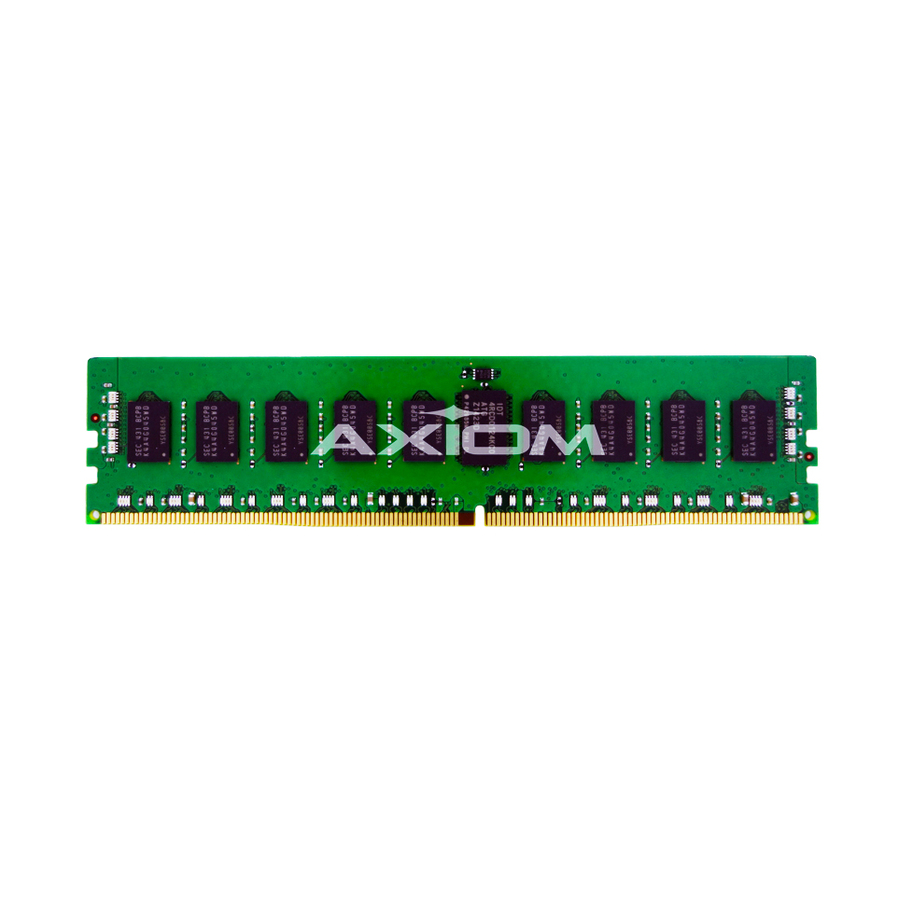

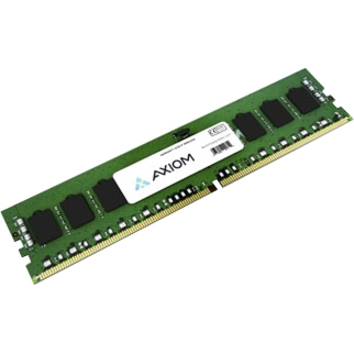
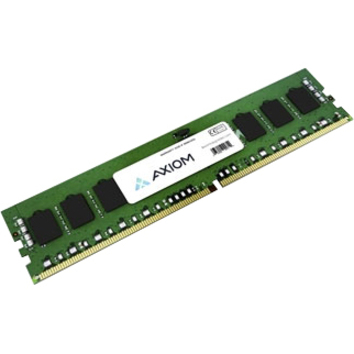
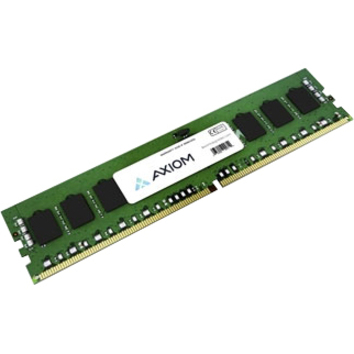
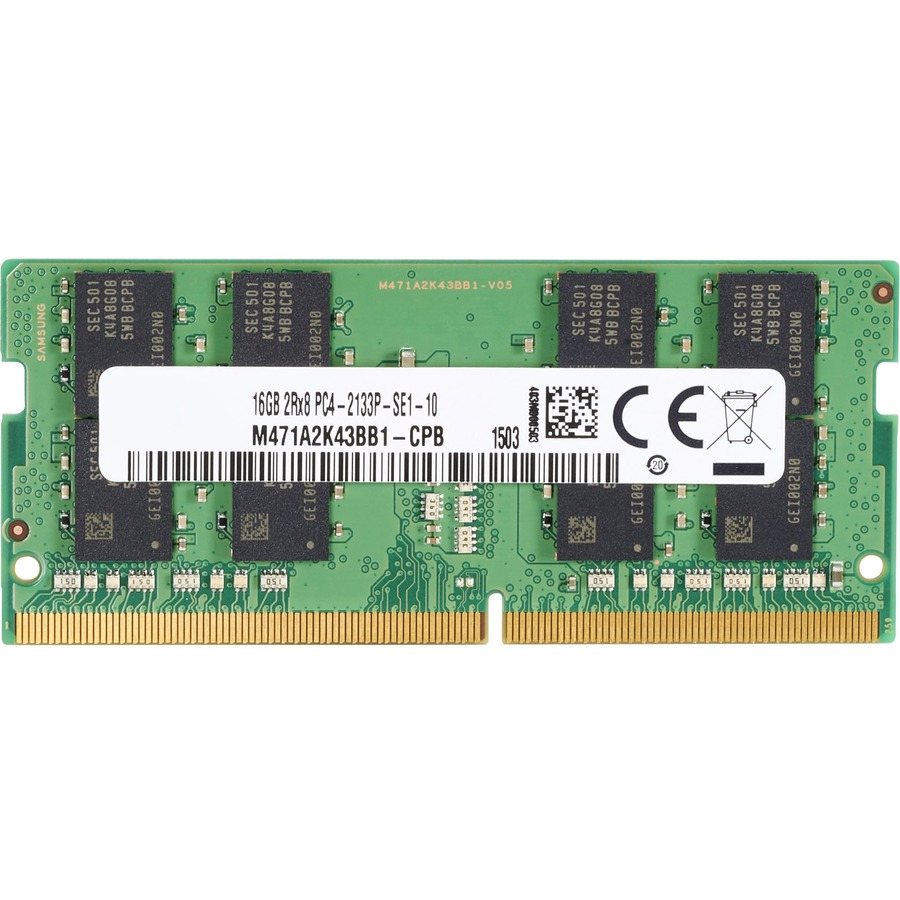
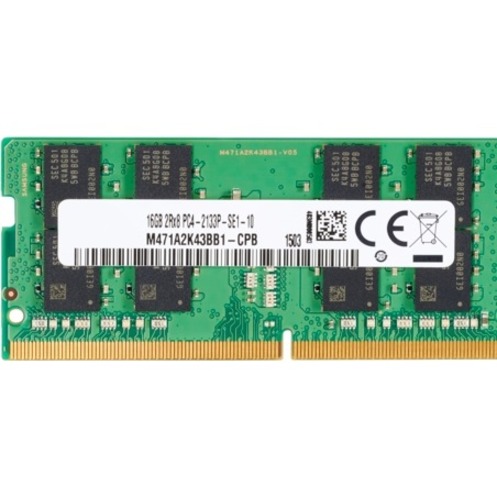
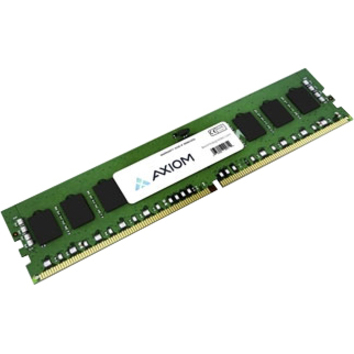
Browse all 4,017 ECC server memory modules
Not the right one above? Filter the whole range by the specs that matter — live pricing and honest availability on every row, the same NDAA §889 screening before checkout, and TAA verified on request.
Showing 24 of 4,017 ECC server memory modules
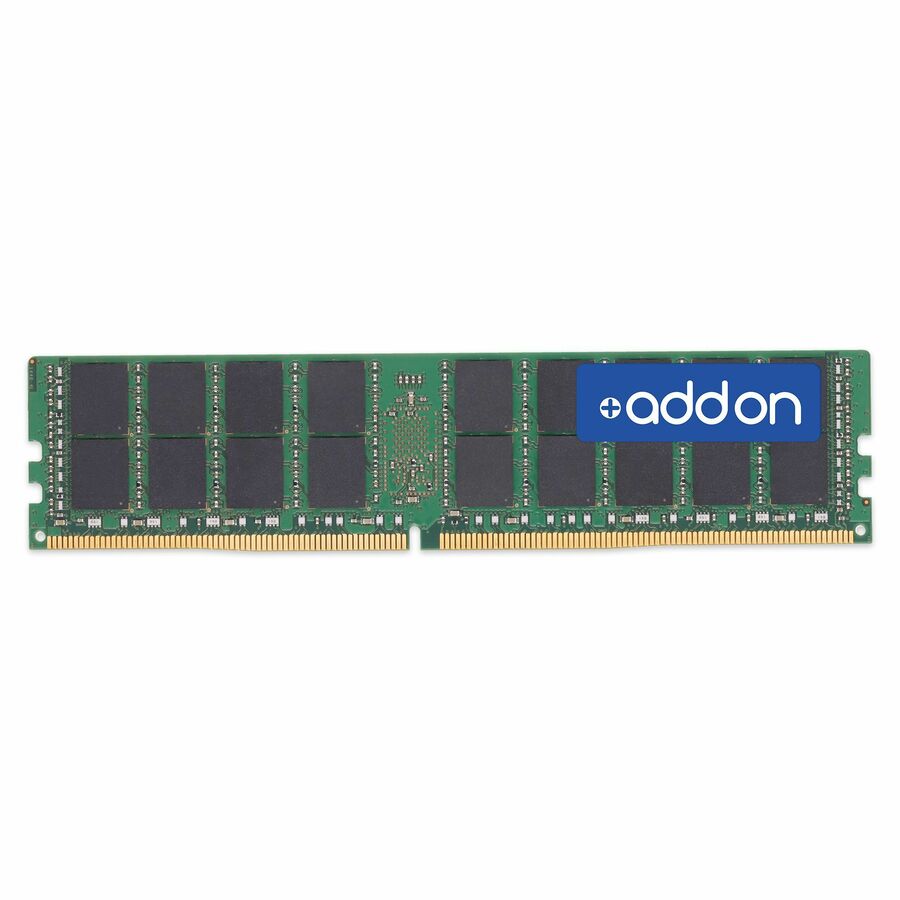
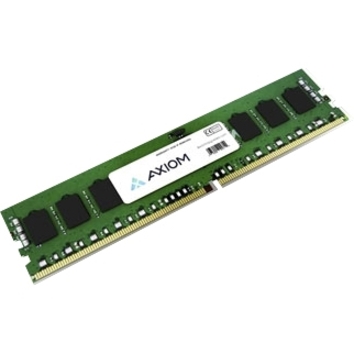
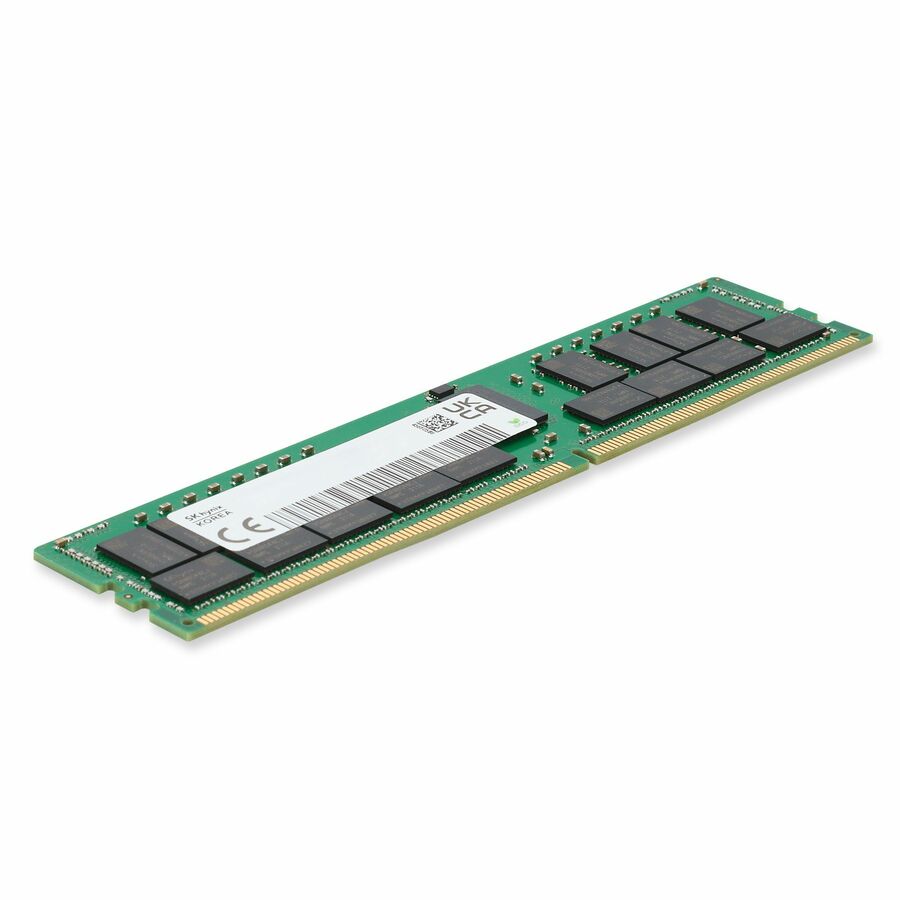
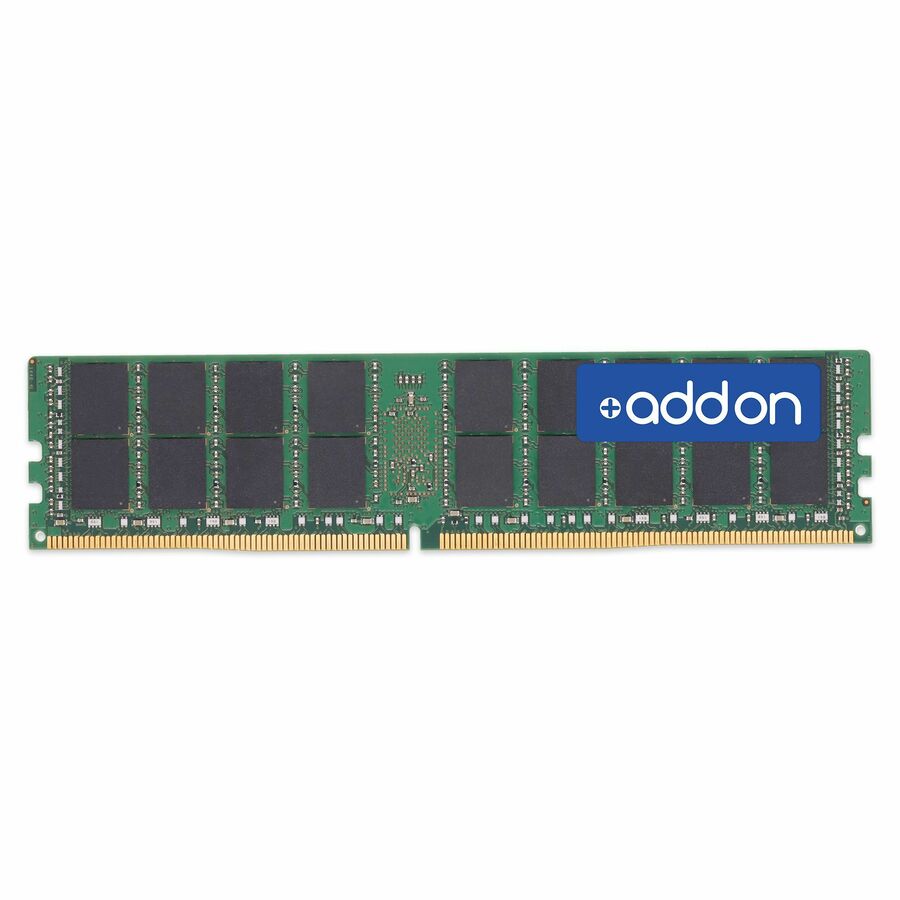
- AddOnAddOn Lenovo® 4ZC7A08707 Compatible Factory Original 16GB DDR4-2933MHz Registered ECC Single Rank x4 1.2V 288-pin CL17 RDIMM - For Computer - 16 GB (1 x 16GB) - DDR4-2933/PC4-23400 DDR4 SDRAM - 2933 MHz Single-rank Memory - CL17 - 1.20 V - ECC - Registered - 288-pin - RDIMM - Lifetime Warranty4ZC7A08707-AM
$616.00
$566.72
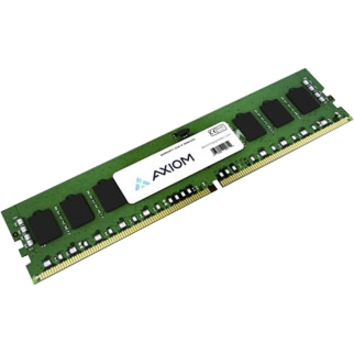
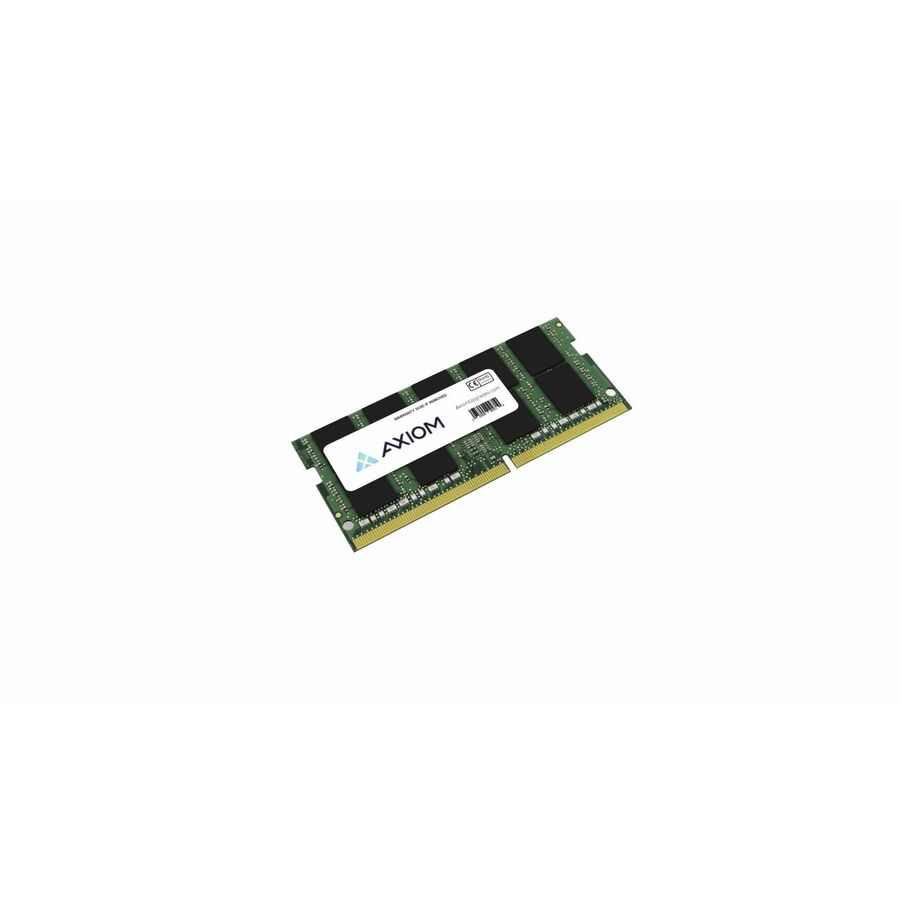
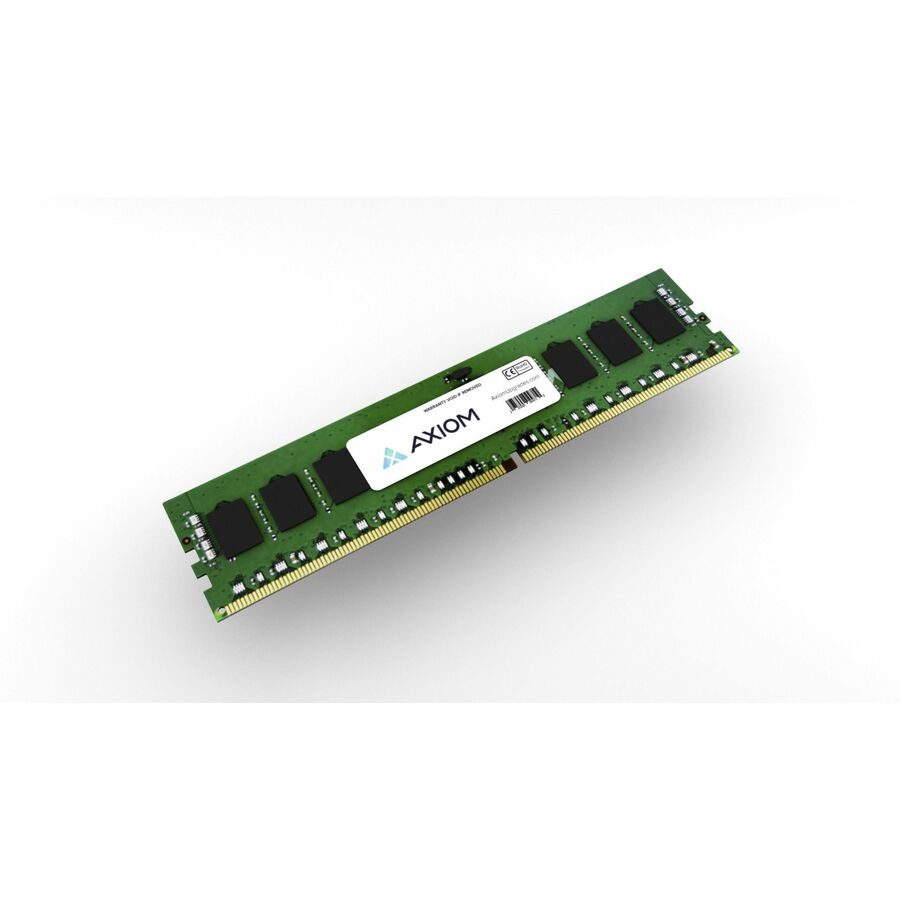
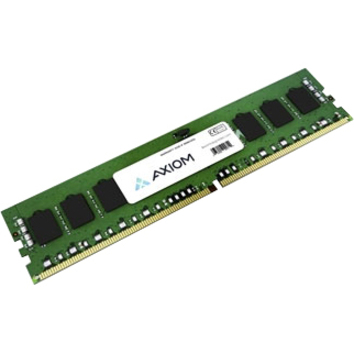
127 in stock - Axiom Memory SolutionsAxiom 16GB DDR4-3200 ECC RDIMM - 16GB DDR4-3200 ECC RDIMM - MTA18ASF2G72PDZ-3G2R1RMTA18ASF2G72PDZ-3G2R1R-AX
$607.00
$520.96
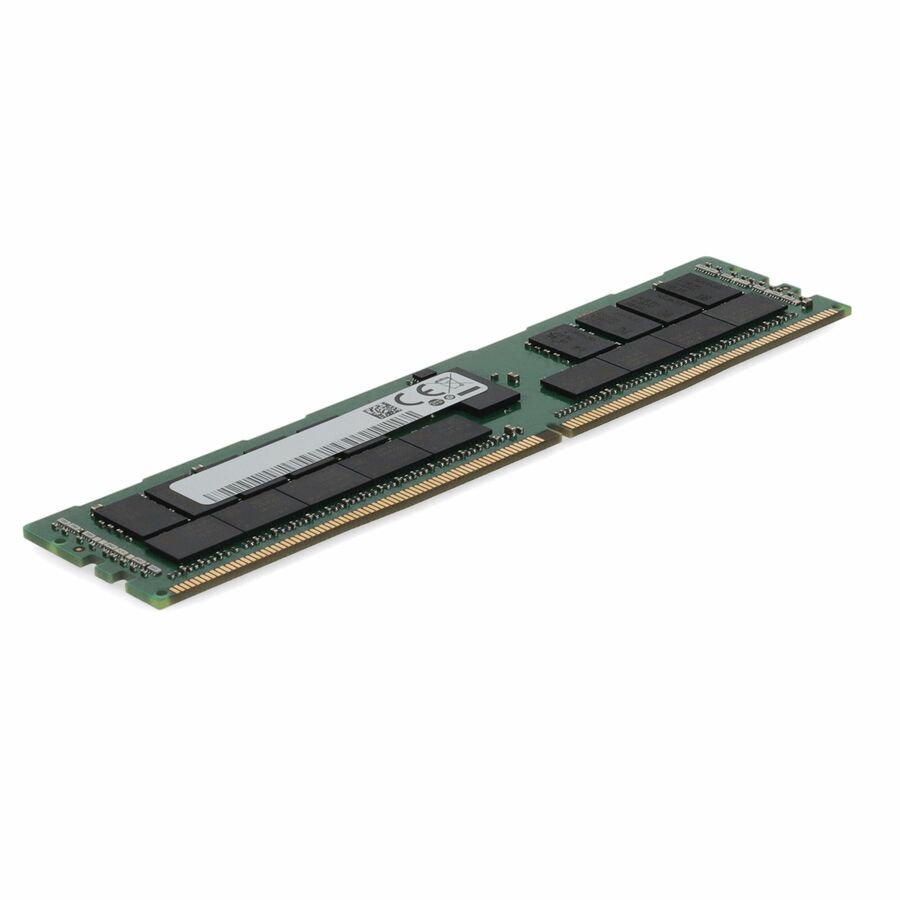
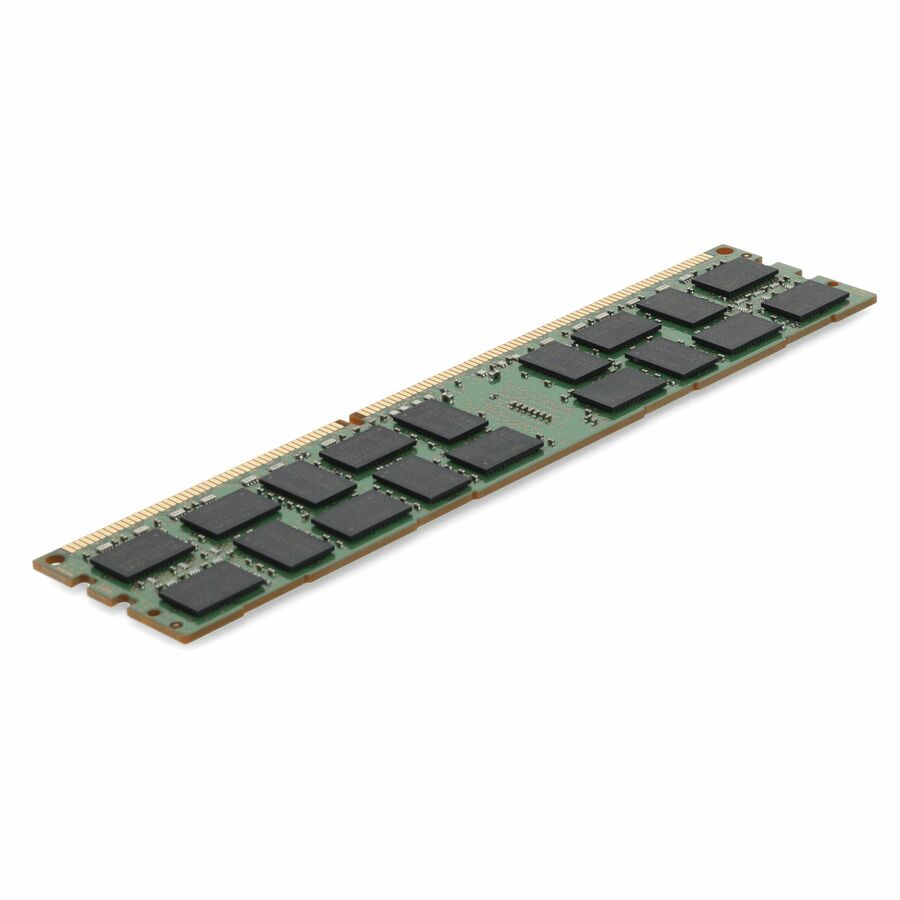
37 in stock - AddOnAddOn 32GB DDR4-2933MHz Registered ECC Dual Rank x4 1.2V 288-pin CL17 RDIMM JEDEC Standard Factory Original - For Server - 32 GB (1 x 32GB) - DDR4-2933/PC4-23466 DDR4 SDRAM - 2933 MHz Dual-rank Memory - CL17 - 1.20 V - ECC - Registered - 288-pin - DIMM - Lifetime WarrantyAM2933D4DR4RN/32G
$960.00
$883.20
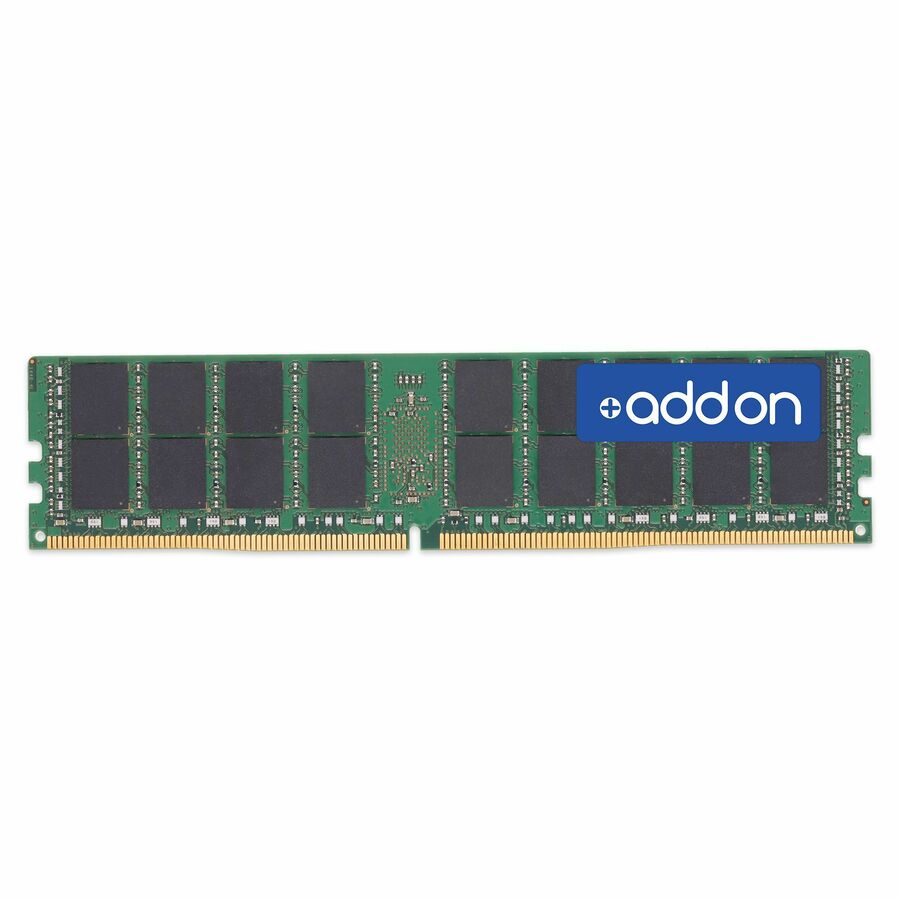
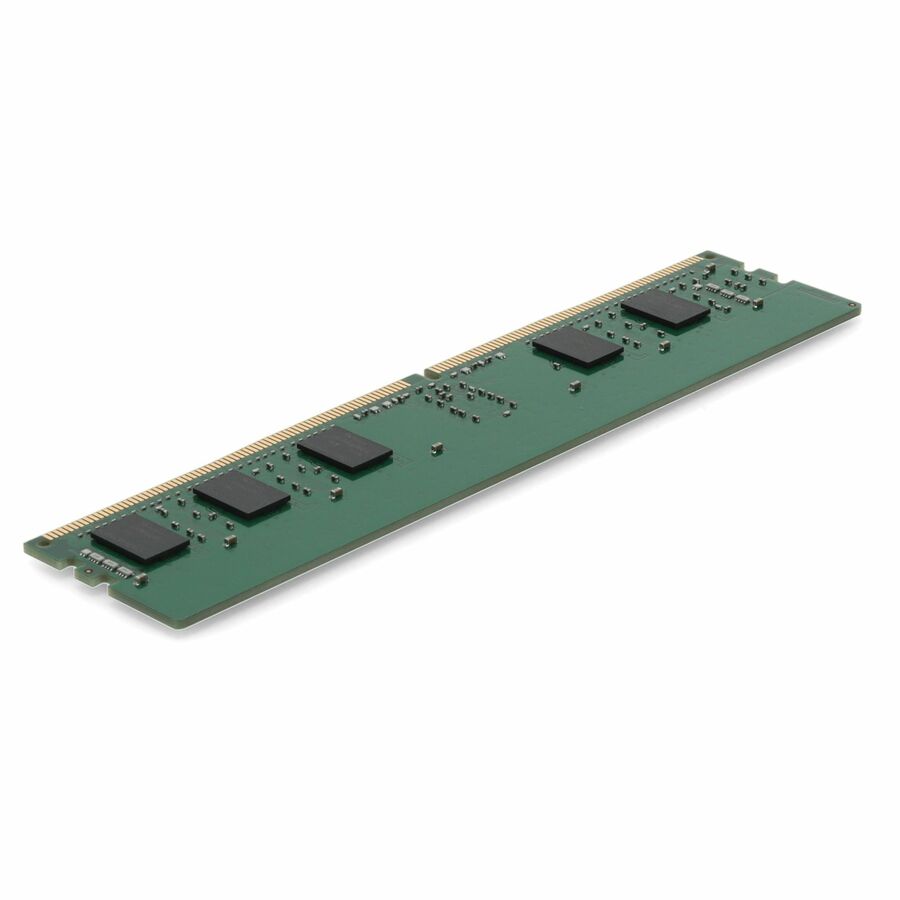
7 in stock - AddOnAddOn IBM® 46W0825 Compatible Factory Original 8GB DDR4-2400MHz Registered ECC Dual Rank x8 1.2V 288-pin CL17 RDIMM - 8 GB (1 x 8GB) - DDR4-2400/PC4-19200 DDR4 SDRAM - 2400 MHz Dual-rank Memory - CL17 - 1.20 V - ECC - Registered - 288-pin - DIMM - Lifetime Warranty46W0825-AM
$232.00
$213.44
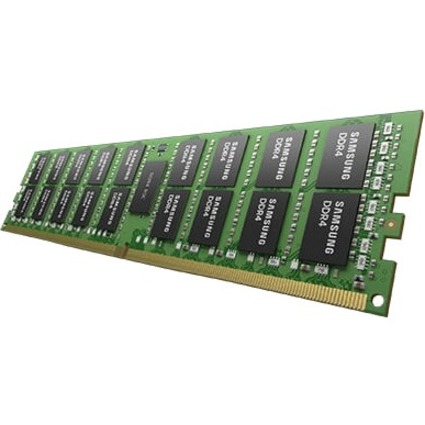
8 in stock - Axiom Memory SolutionsAxiom 64GB DDR4-2933 ECC RDIMM for Lenovo - 4X70V98063 - 64 GB - DDR4-2933/PC4-23466 DDR4 SDRAM - 2933 MHz - ECC - Registered - RDIMM4X70V98063-AX
$2,164.00
$1,859.10
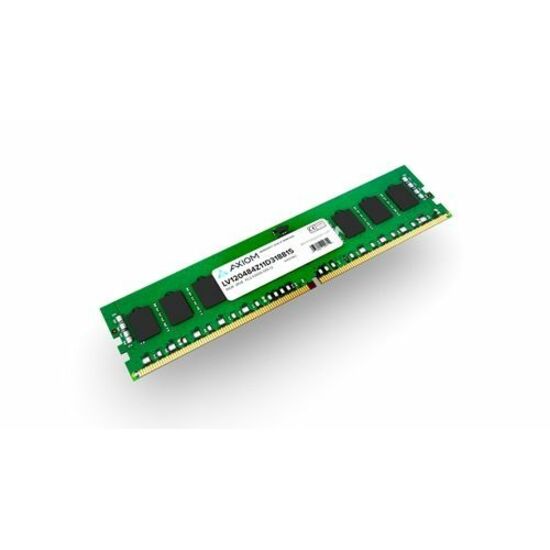
59 in stock - Axiom Memory SolutionsAxiom 64GB DDR4-3200 ECC RDIMM for Lenovo - 4X71B67862 - 64 GB - DDR4-3200/PC4-25600 DDR4 SDRAM - 3200 MHz - ECC - Registered - RDIMM4X71B67862-AX
$2,164.00
$1,859.10
101 in stock - AddOnAddOn Lenovo® 01AG618 Compatible Factory Original 16GB DDR4-2666MHz Registered ECC Dual Rank x8 1.2V 288-pin CL17 RDIMM - 16 GB (1 x 16GB) - DDR4-2666/PC4-21333 DDR4 SDRAM - 2666 MHz Dual-rank Memory - CL17 - 1.20 V - ECC - Registered - 288-pin - DIMM - Lifetime Warranty01AG618-AM
$450.00
$414.00
4 in stock - AddOnAddOn IBM® 46W0787 Compatible Factory Original 8GB DDR4-2133MHz Registered ECC Single Rank x4 1.2V 288-pin RDIMM - 8 GB (1 x 8GB) - DDR4-2133/PC4-17000 DDR4 SDRAM - 2133 MHz Single-rank Memory - CL15 - 1.20 V - ECC - Registered - 288-pin - RDIMM - Lifetime Warranty46W0787-AM
$192.00
$176.64
8 in stock
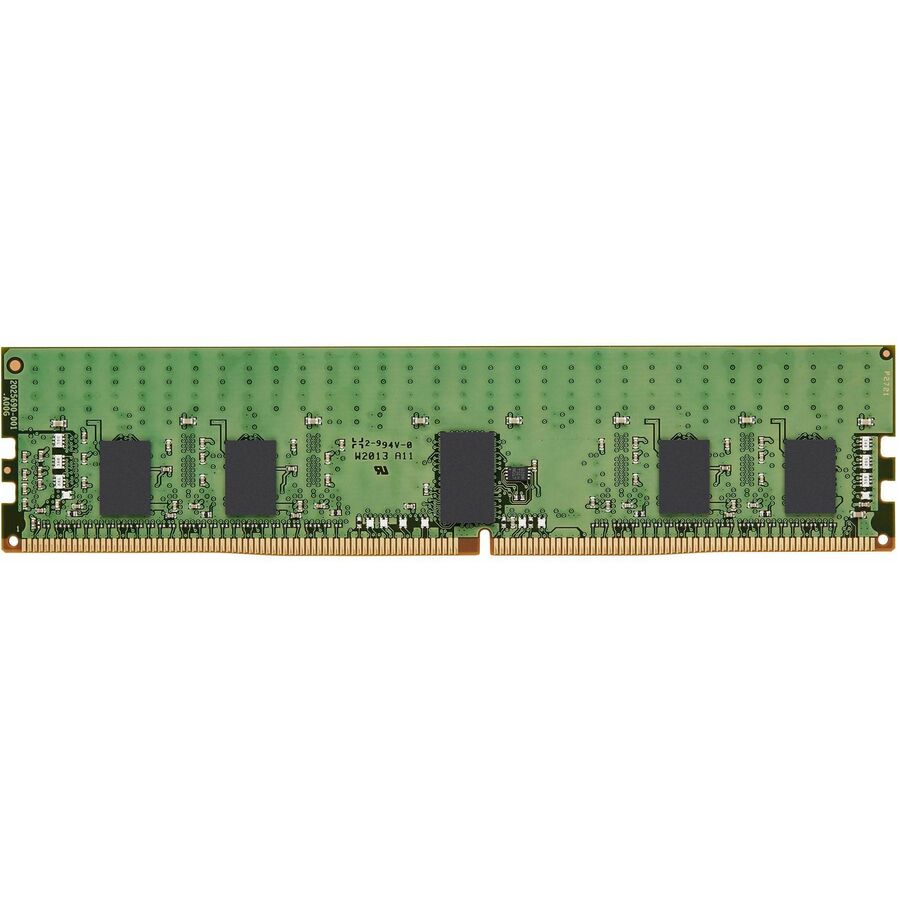
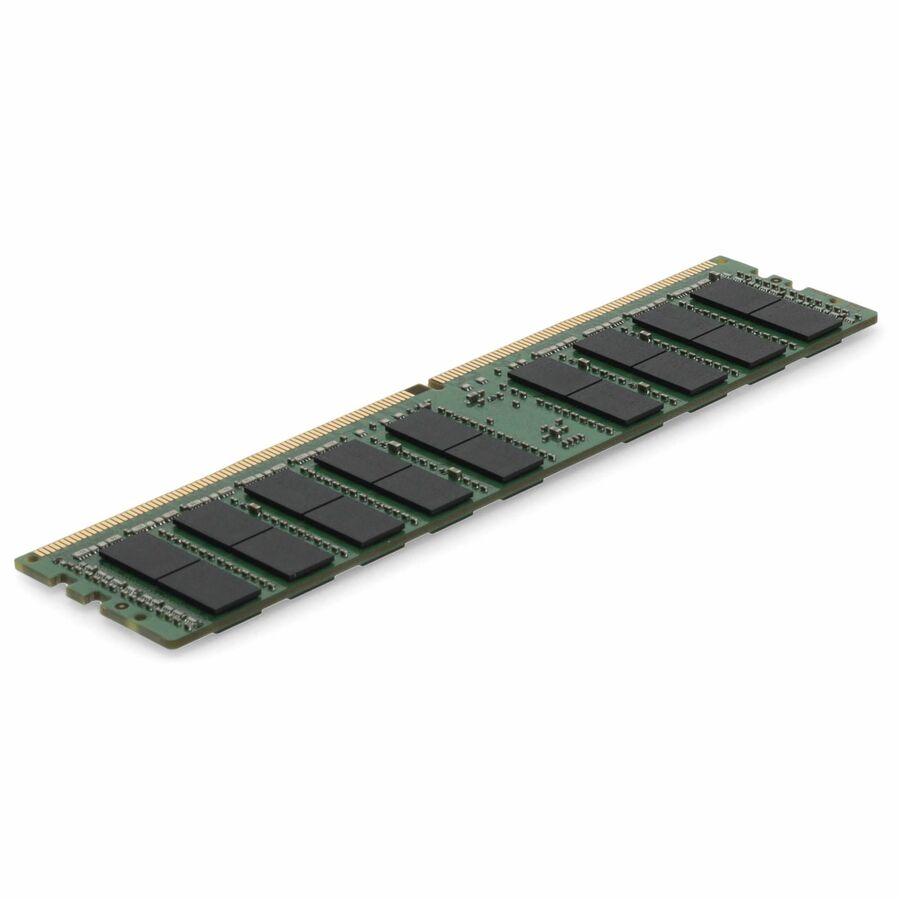
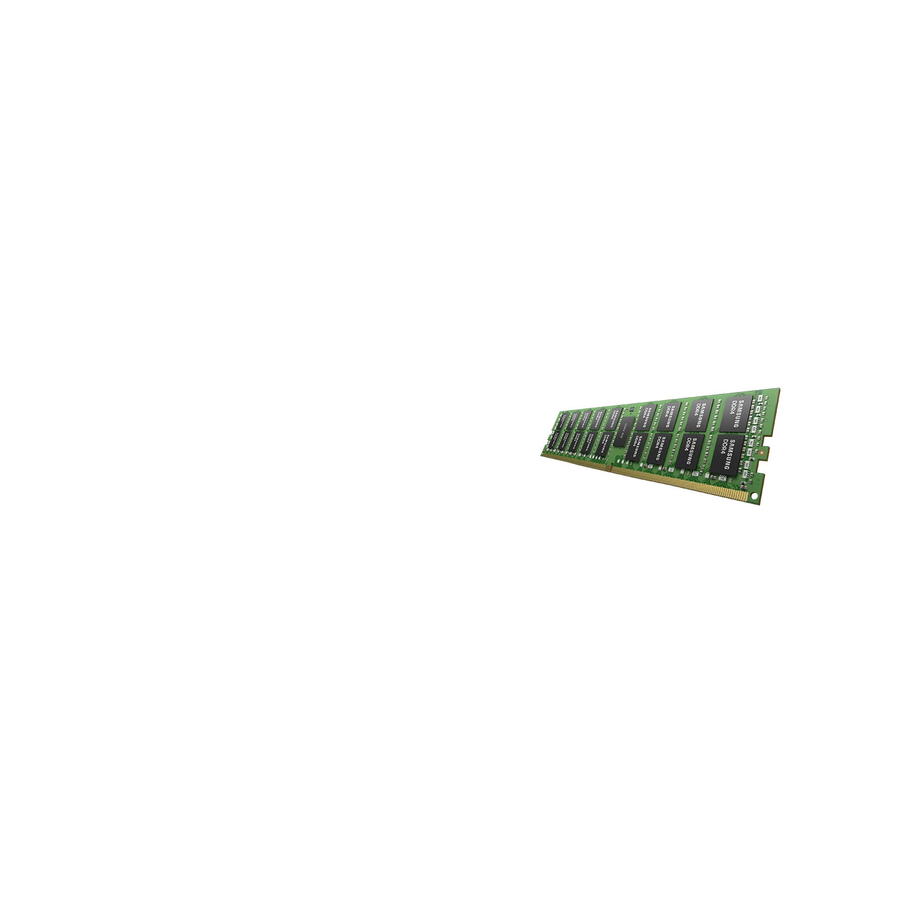
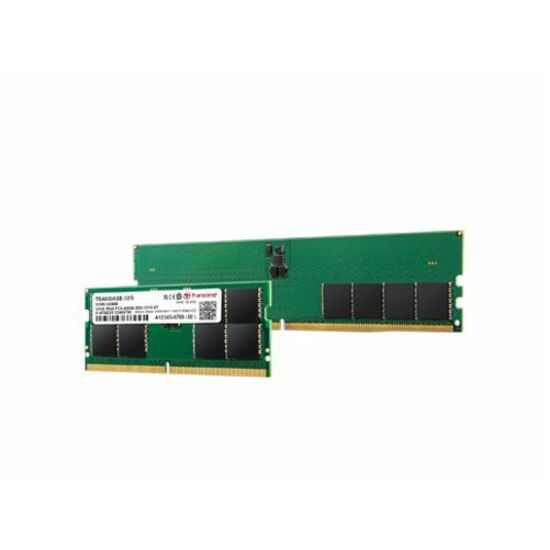
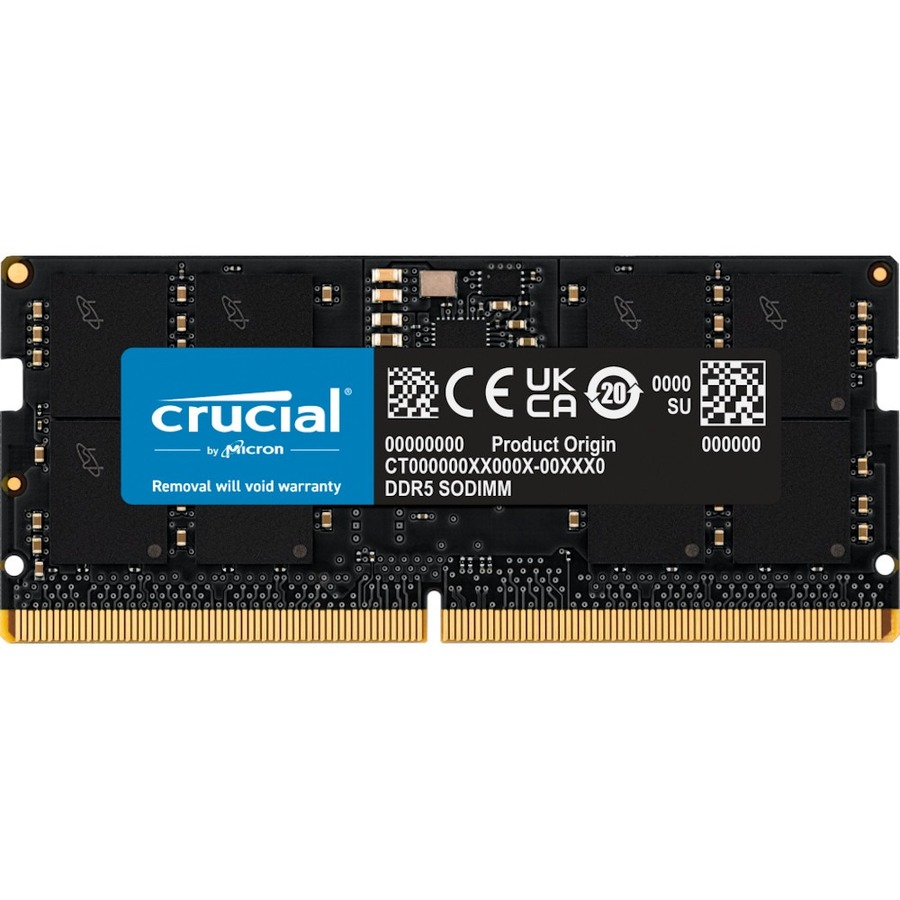
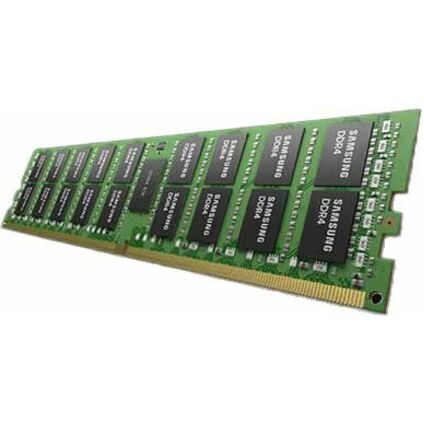
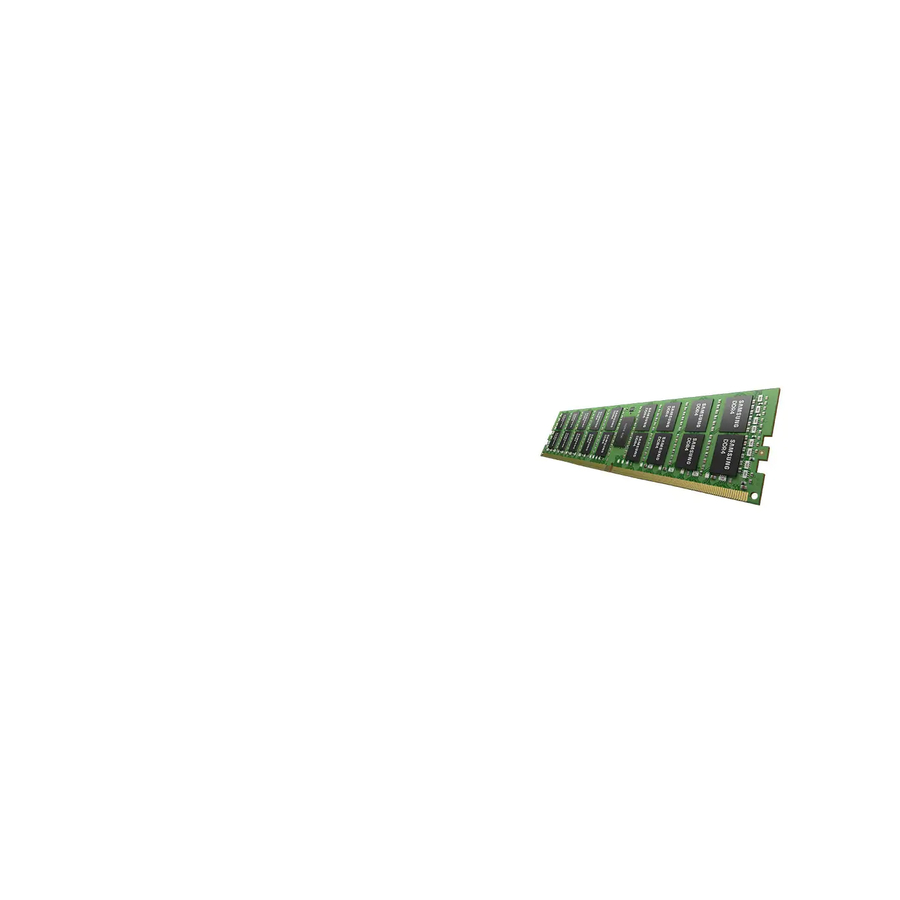
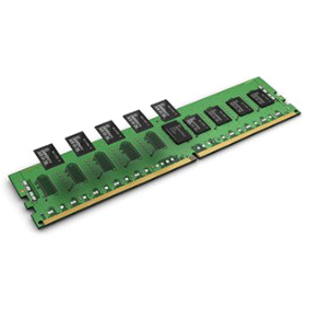
Specifications are read from the manufacturer product title as supplied to us; where a value is not stated it is left blank rather than estimated. Every line is screened for NDAA §889 status before checkout, with TAA verified on request.
Need pricing on Axiom server memory?
Tell us where to reach you and a Uniqcli specialist will follow up by email with current pricing, availability and lead time for the quantities you need — including parts that aren’t shown on this page.
Buying for an organization or for yourself — both work. No payment up front.
Server memory changes what a host can do without replacing the host, and it is one of the easiest line items to order incorrectly. Every listing below states its own electrical specification in the product title — capacity and kit composition, generation and rated speed (for example DDR4-3200/PC4-25600 or DDR5-4800/PC5-38400), ECC, module type and pin count, and CAS latency and voltage where the manufacturer publishes them. Read that specification against the memory your server's documentation calls for; parts of Axiom's range are also built for a named OEM platform, and where that applies the product title says so.
The first fork is module type, and the board decides it, not the budget. ECC Registered (RDIMM) modules buffer address and command signals so a server stays stable with many ranks populated. Load-Reduced (LRDIMM) modules buffer the data lines as well, which is how the largest configurations reach capacity — Axiom's 3 TB (12 x 256GB) DDR4-3200 LRDIMM kits ship as a single part number rather than twelve line items. ECC Unbuffered (UDIMM) modules serve entry servers and workstations whose documentation calls for unbuffered memory. A platform is designed for one of the three.
Then match generation and speed to the CPU and board. Across Axiom's ECC range, DDR4 covers 2133 through 3200 MT/s for the installed fleet, and DDR5 covers 4800, 5600 and 6400 MT/s, with per-module capacities reaching 256 GB. The selection below is what Uniqcli currently stocks, with in-stock status on each item — if the exact module or OEM part number you need is not listed, send it on an RFQ and it can usually be quoted.
Buyer's checklist
How to choose the right Axiom server memory
- Settle the module type first — ECC Registered (RDIMM), Load-Reduced (LRDIMM) or ECC Unbuffered (UDIMM). The platform accepts one of the three; the others will not post.
- Confirm the generation against the CPU and socket: DDR4 and DDR5 use different DIMM slots and cannot be mixed in a system.
- Read the specification stated in each product title — capacity, generation, rated speed, ECC, module type and pin count — against the memory specification in your server's documentation; where a listing names the OEM platform it is built for, that is the reference to match.
- Verify rated speed, CAS latency, rank and voltage against the platform's support list; adding ranks commonly forces the whole bank to a lower speed grade.
- Plan the full configuration in one pass and populate channels evenly rather than adding single DIMMs — bandwidth and the per-DIMM ceiling both depend on the slot map.
- For fleets, standardize on one part number per platform so spares, imaging and warranty handling stay predictable across the estate.
Where these modules fit
Two jobs dominate. The first is capacity extension on hosts that are otherwise healthy — a virtualization or database server that runs out of memory long before it runs out of CPU, where filling empty slots buys another budget cycle without a platform swap. The second is sustainment: keeping DDR4 fleets serviceable and holding spares for systems whose original part number is now harder to source. Because each listing states its full electrical specification, a spares decision comes down to matching that specification to the modules already in the host rather than starting a research project.
Population and validation before you order
Plan the whole configuration, not the next stick. Bandwidth depends on populating channels evenly, and server platforms publish validated slot maps by DIMM count; following the map avoids a host that posts but runs a tier below what the modules are rated for. Adding ranks often pushes an entire bank down a speed grade, so a mixed install can cost performance across every module in the system.
Documentation and lifecycle
On a long-lived line item, the paperwork matters as much as the part. Some Axiom part numbers carry a "TAA Compliant" designation in the manufacturer's own product naming; that is the manufacturer's statement about the part number, not an independent Uniqcli certification. TAA and NDAA Section 889 screening is performed on every order regardless, tied to the part number rather than a product family — request the documentation up front when it is contract-critical. Some listings also state a lifetime warranty in the manufacturer's product data, so one standardized part number can serve both new builds and the spares shelf.
FAQ
Common questions
- What is the difference between RDIMM, LRDIMM and ECC UDIMM?
- All three carry ECC error correction; they differ in how the module presents its electrical load to the memory controller. Registered (RDIMM) modules buffer address and command signals, which is what lets a server populate many ranks stably. Load-Reduced (LRDIMM) modules buffer the data lines as well, which is how the largest configurations — such as Axiom's 3 TB (12 x 256GB) DDR4-3200 LRDIMM kits, which ship as a single part number — reach their capacity. Unbuffered ECC (UDIMM) modules suit entry servers and workstations whose documentation calls for unbuffered memory. A platform is designed for one of the three, so check the server's memory documentation rather than assuming.
- How do I know an Axiom module will work in my server?
- Start from the specification printed in the product title — capacity and kit composition, generation and rated speed, ECC, module type (RDIMM, LRDIMM or UDIMM) and pin count, plus CAS latency and voltage where they are listed — and match it to the memory your server's documentation specifies. Parts of Axiom's range are built for a named OEM platform and identify it in the title; where that applies, match that reference too. If the exact module or OEM part number you need is not shown here, send it on an RFQ so it can be checked against what is available rather than substituted by guesswork.
- Can I add these to memory that is already installed?
- You can, but keep the generation, type, speed, rank and capacity consistent with the installed modules. A mixed install typically forces every DIMM in the bank to the slowest common profile, and adding ranks can push the whole host down a speed grade. Follow the platform's validated slot map when you populate — filling channels evenly matters more to real throughput than the headline speed printed on the module.
- Can Uniqcli quote Axiom server memory for a government or education buy?
- Every line Uniqcli quotes is sourced through US distribution and screened for TAA country-of-origin and NDAA §889 status before checkout — with documentation tied to the specific part number, not a product family.
Need Axiom server memory pricing?
Send a bill of materials or part numbers — we confirm stock and a below-market total, with TAA verified on request. No payment up front.