
Best Cat6 Keystone Jacks for Structured Cabling
The RJ-45 jack that turns a bulk Cat6 run into a working outlet — read by termination style, entry angle, pack size and whether the row carries a TAA designation.
Cat6 keystone jacks in stock at Uniqcli
How to choose →A curated selection with live pricing — in-stock lines first, then back-ordered lines with a typical lead time. Every line is sourced through US distribution and screened for NDAA §889 status before checkout, with TAA verified on request.
- Black BoxBlack Box CAT6 Keystone Jack - Unshielded, RJ45, White - 1 x RJ-45 Network Female - WhiteCAT6J-WH
$3.30
$2.84
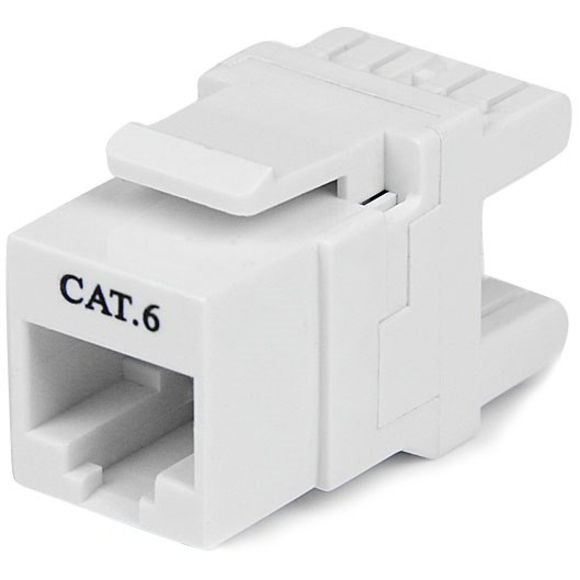
383 in stock - StarTech.comStarTech 180° Cat 6 Keystone Jack - RJ45 Ethernet Cat6 Wall Jack White - 110 Type - Terminate Cat6 cables at a 180° angle, for a more compact keystone jack installation - cat6 keystone jack - cat6 keystone - rj45 keystone - ethernet keystone - cat6 wall jackC6KEY110SWH
$12.29
$11.31
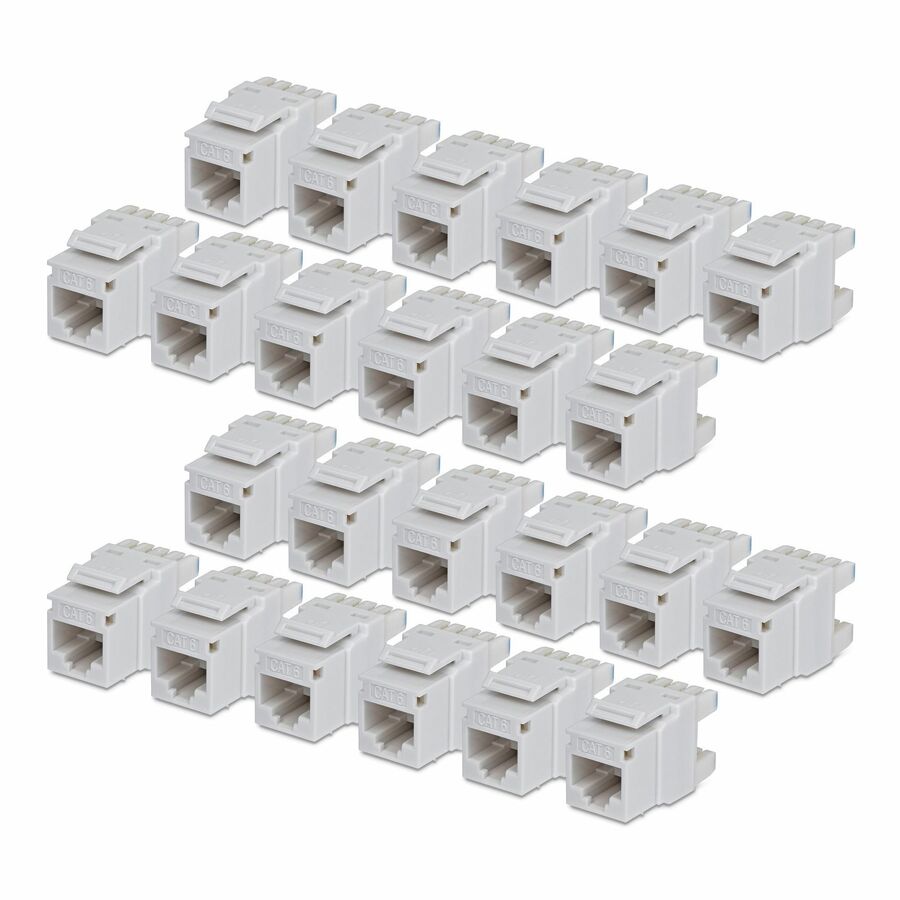
1,017 in stock - StarTech.comStarTech Cat6 Keystone Jack, 24-Pack RJ45 Ethernet Keystone Jacks, UTP Cat6 Wall Jack, 180-Degree 110 Punch Down, White - 24-pack of Cat6/Cat5e RJ45 UTP keystone jacks is ideal for patch panels and wall plates; 180-degree punch down enables straight-through rear cable termination; Supports T568A/B, 10Gbps and 100W PoE; Wiring schemes printed on the jackC6KEY110180WH24PK
$72.76
$66.94*
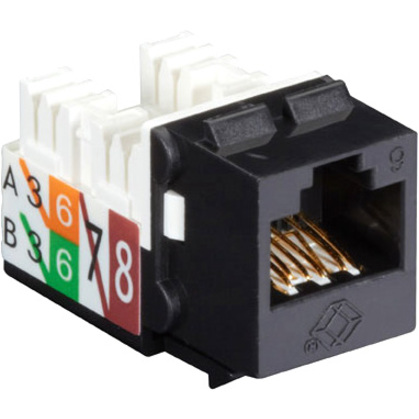
86 in stock - Black BoxBlack Box GigaTrue2 CAT6 Keystone Jack - Unshielded, 110 Punchdown Type, TAA, Black - 1 x RJ-45 Keystone Female, 1 x 110-punchdown Network - Black - TAA CompliantFMT631-R3
$9.24
$7.89*
Back-orderedBack-ordered — estimated OEM lead time 3–8 weeks (Oct 31 – Dec 5 if ordered today).
- Black BoxBlack Box Gray Unshielded CAT6 Keystone Jack, 110 Punchdown, TAA - 1 x RJ-45 Keystone Female, 1 x 110-punchdown Network - Gray - TAA CompliantFMT633-R3
$9.25
$7.89*
Back-orderedBack-ordered — estimated OEM lead time 3–8 weeks (Oct 31 – Dec 5 if ordered today).
- Black BoxBlack Box Office White Unshielded CAT6 Keystone Jack, 110 Punchdown, TAA - 1 x RJ-45 Keystone Female, 1 x 110-punchdown Network - Off White - TAA CompliantFMT635-R3
$9.24
$7.89*
Back-orderedBack-ordered — estimated OEM lead time 3–8 weeks (Oct 31 – Dec 5 if ordered today).
- Black BoxBlack Box Ivory Unshielded CAT6 Keystone Jack, 110 Punchdown, TAA - 1 - 1 x RJ-45 Keystone Female - Ivory - TAA CompliantFMT632-R3
$9.26
$7.91*
Back-orderedBack-ordered — estimated OEM lead time 3–8 weeks (Oct 31 – Dec 5 if ordered today).
- UbiquitiUbiquiti Cat6 Keystone Jack, 12-Pack - 12 / Pack - 1 x RJ-45 Keystone - FemaleUACC-Keystone-Jack-C6
$32.64
Back-orderedBack-ordered — we expect to receive stock the week of Nov 30 – Dec 6 and will process your delivery right after.
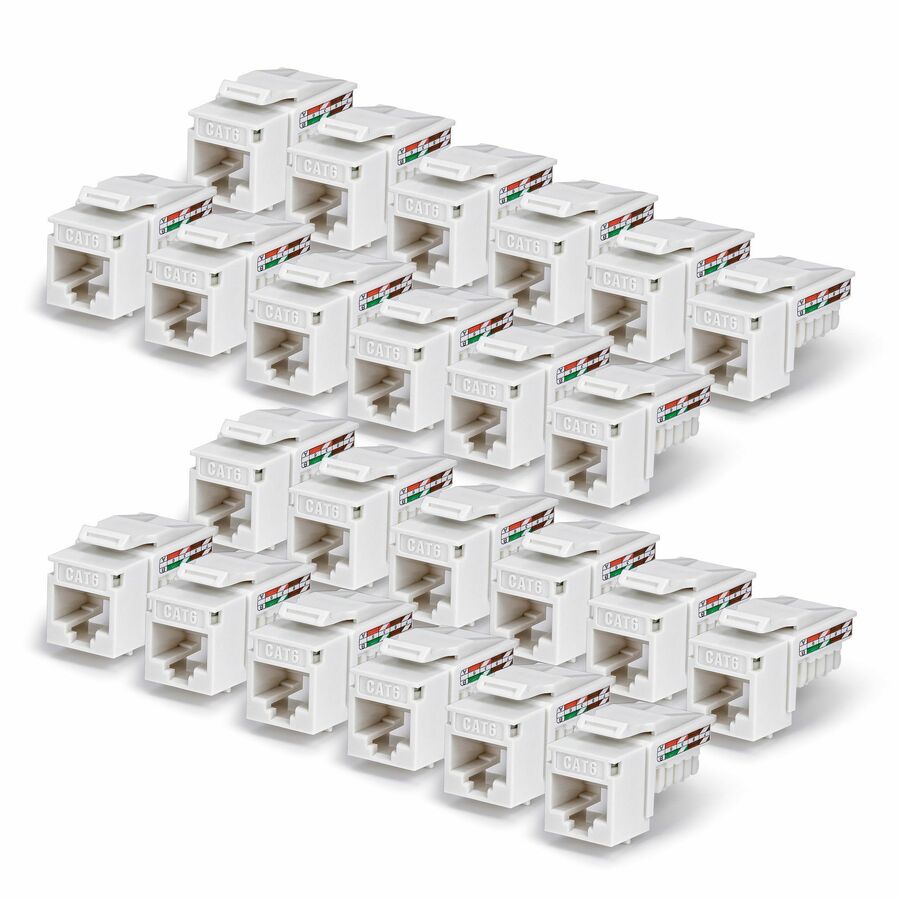
- TRENDnetTRENDnet Cat6 Keystone Jack, 25-Pack Bundle, 90° Angle Termination, Compatible With Cat5, Cat5e, Cat6 Cabling, Color-Coded Labeling, Gold-Plated Contacts, Tool-less Design, White, TC-K25C6 - 25 Pack Cat6 RJ-45 Keystone JackTC-K25C6
$48.13*
Back-orderedBack-ordered — estimated OEM lead time 3–8 weeks (Oct 31 – Dec 5 if ordered today).
- TRENDnetTRENDnet Cat6 Keystone Jack, 25-Pack Bundle, 90° Angle Termination, Compatible with Cat5, Cat5e, & Cat6 Cabling, Color-Coded Labeling for T568B Wiring, Gold-Plated Contacts, Black, TC-K25C6BK - 25 Pack - 1 x RJ-45 Female - BlackTC-K25C6BK
$48.24
Back-orderedBack-ordered — estimated OEM lead time 3–8 weeks (Oct 31 – Dec 5 if ordered today).
Back-ordered — we expect to receive stock the week of Nov 9–15 and will process your delivery right after.
Back-ordered — we expect to receive stock the week of Nov 9–15 and will process your delivery right after.
- StarTech.comStarTech Cat6 Keystone Jack, 24-Pack RJ45 Ethernet Keystone Jacks, UTP Cat6 Wall Jack, 180-Degree 110 Punch Down, Black - 24-pack of Cat6/Cat5e RJ45 UTP keystone jacks is ideal for patch panels and wall plates; 180-degree punch down enables straight-through rear cable termination; Supports T568A/B, 10Gbps and 100W PoE; Wiring schemes printed on the jackC6KEY110180BK24PK
$84.04
$77.32*
Back-orderedBack-ordered — estimated OEM lead time 3–8 weeks (Oct 31 – Dec 5 if ordered today).
- TRENDnetTRENDnet Cat6 Keystone Jack 50-Pack Bundle, TC-K50C6, Compatible with Cat5/Cat5e/Cat6 Cabling Cat6 RJ45 Keystone Jacks, Use with the TC-KP24 or TC-KP48 Blank Keystone Patch Panels (Sold Separately) - 50 Pack Cat6 RJ-45 Keystone JackTC-K50C6
$85.29*
Back-orderedBack-ordered — estimated OEM lead time 3–8 weeks (Oct 31 – Dec 5 if ordered today).
- Black BoxBlack Box CAT6 Keystone Jack - Unshielded, RJ45, White, 25-Pack - 25 - 1 x RJ-45 Network Female - WhiteCAT6J-WH-25PAK
$108.67
$92.88
Back-orderedBack-ordered — estimated OEM lead time 3–8 weeks (Oct 31 – Dec 5 if ordered today).
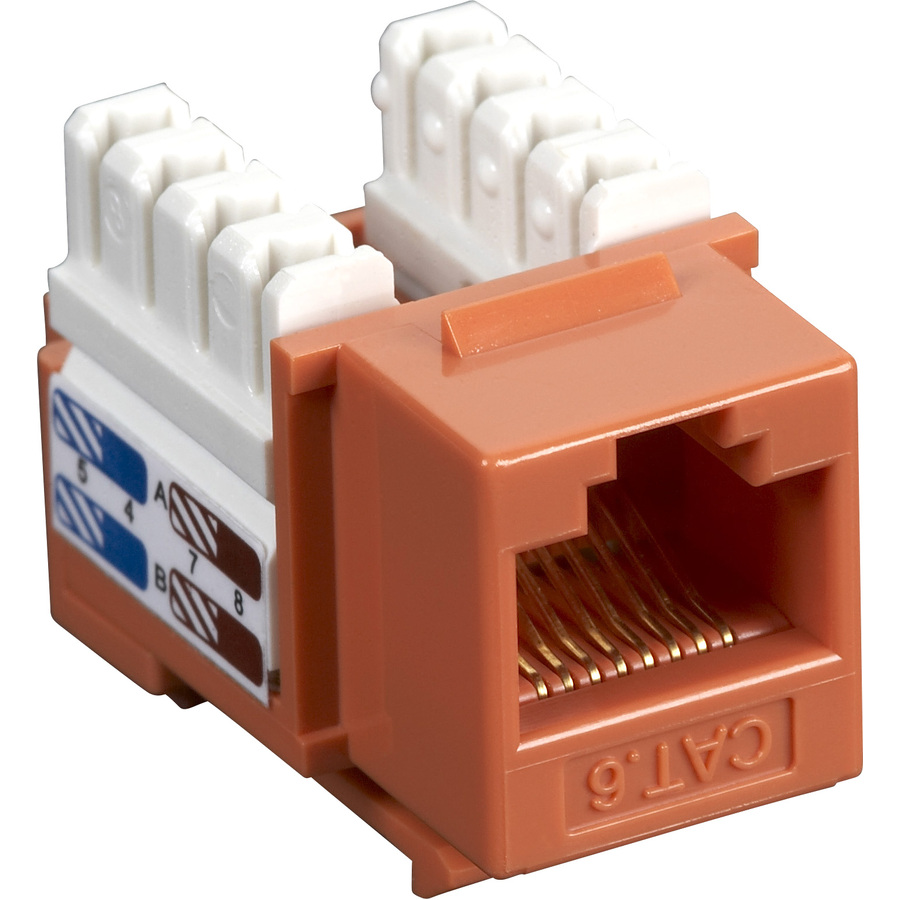
- Black BoxBlack Box CAT6 Keystone Jack - Unshielded, RJ45, Orange, 25-Pack - 25 - 1 x RJ-45 Network Female - OrangeCAT6J-OR-25PAK
$108.67
$93.01
Back-orderedBack-ordered — estimated OEM lead time 3–8 weeks (Oct 31 – Dec 5 if ordered today).
- Black BoxBlack Box 25-PK Black Unshielded CAT6 Keystone Jack, 110 Punchdown, TAA - 25 - 1 x RJ-45 Keystone Female, 1 x 110-punchdown Network - Black - TAA CompliantFMT631-R3-25PAK
$197.59
$168.30*
Back-orderedBack-ordered — estimated OEM lead time 3–8 weeks (Oct 31 – Dec 5 if ordered today).
- Black BoxBlack Box 25-PK Orange Unshielded CAT6 Keystone Jack, 110 Punchdown, TAA - 25 - 1 x RJ-45 Keystone Female - Orange - TAA CompliantFMT636-R3-25PAK
$197.59
$168.68*
Back-orderedBack-ordered — estimated OEM lead time 3–8 weeks (Oct 31 – Dec 5 if ordered today).

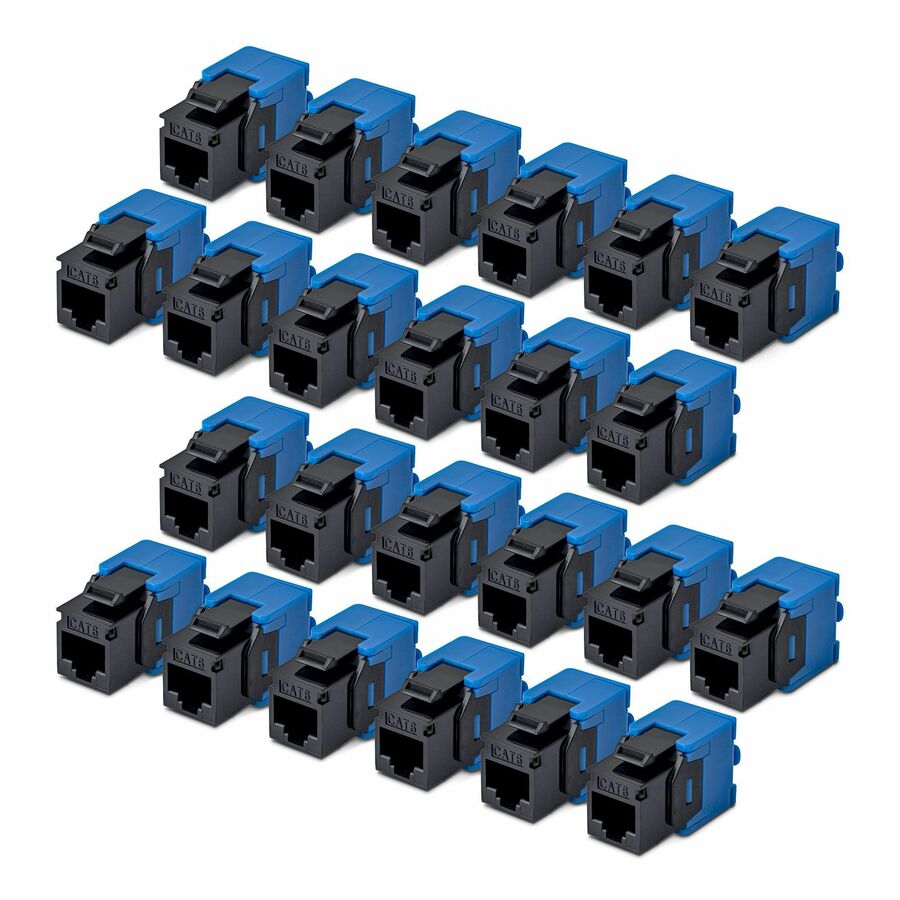
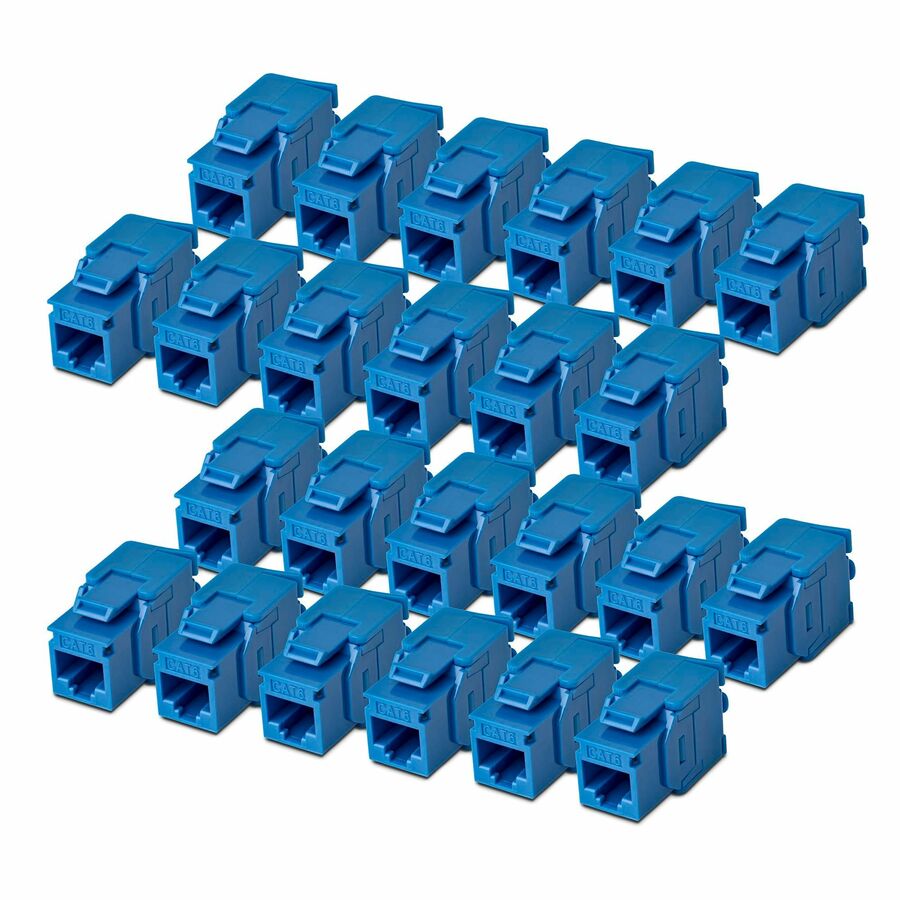
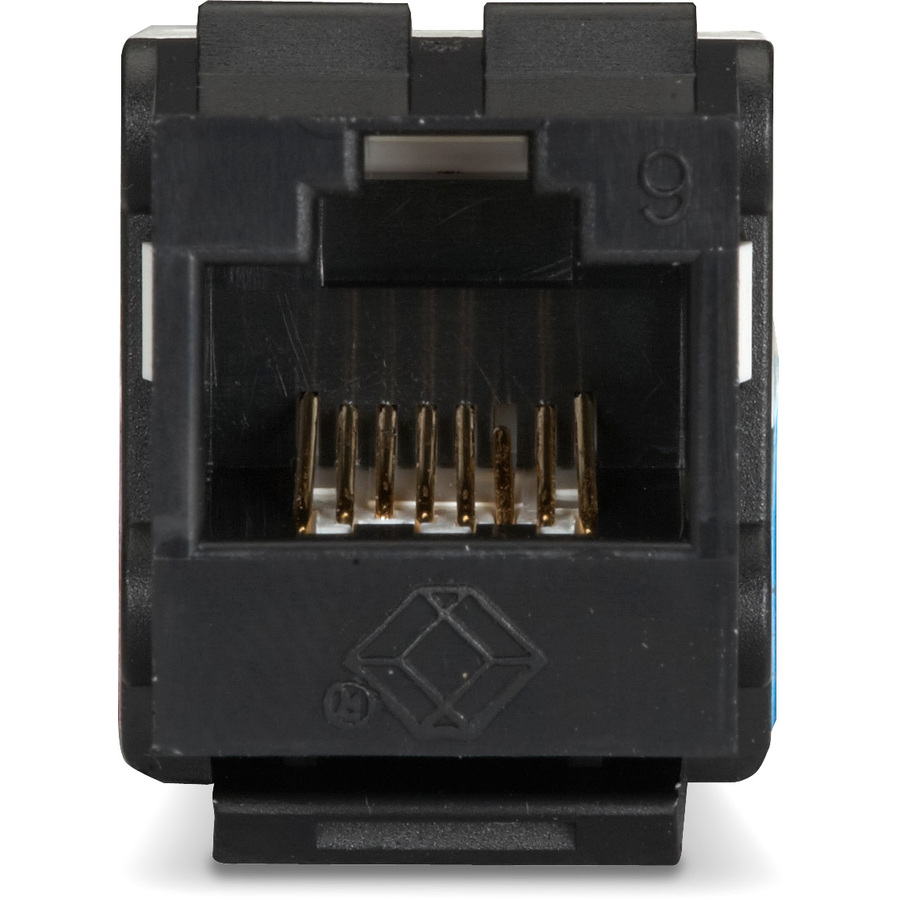
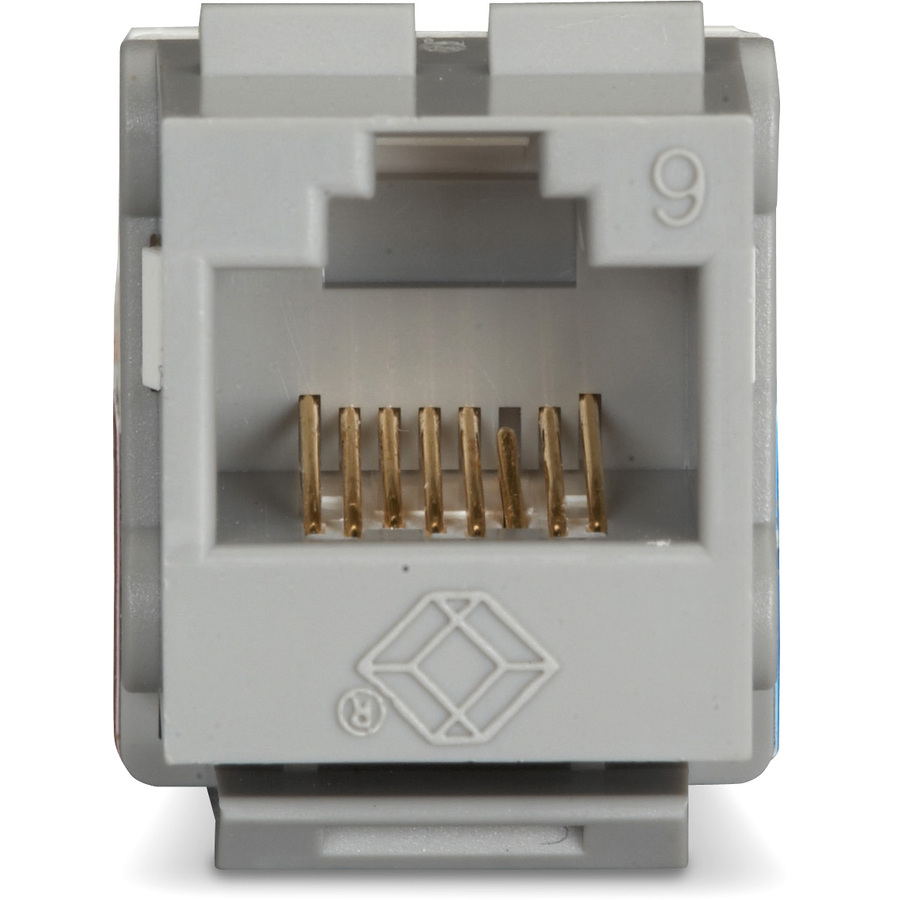


TAA punchdown, single
Black Box
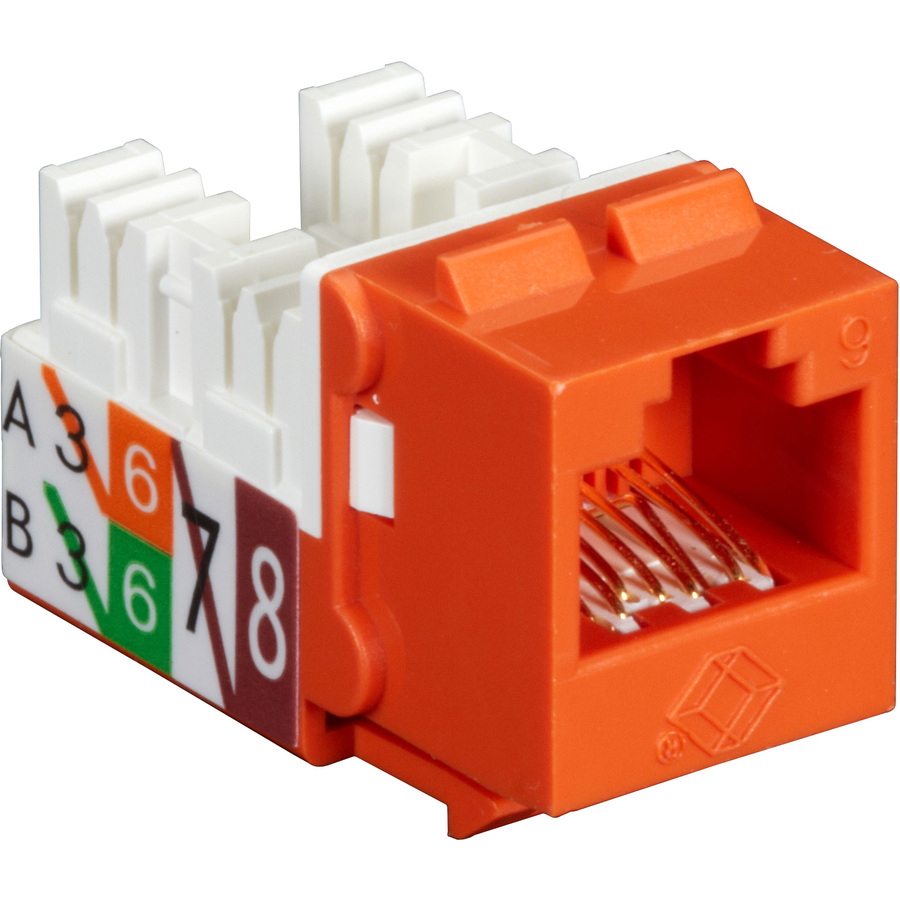
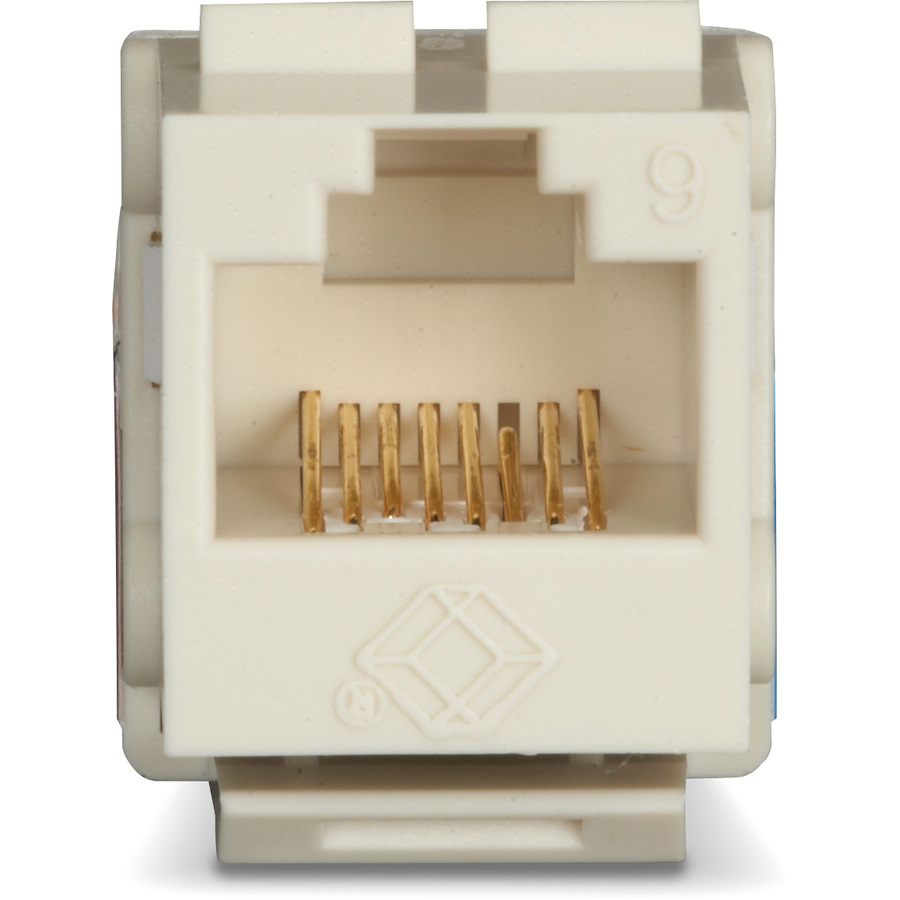
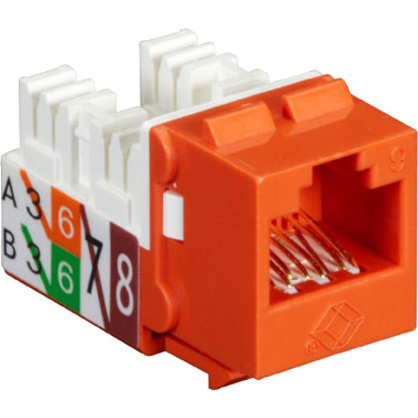
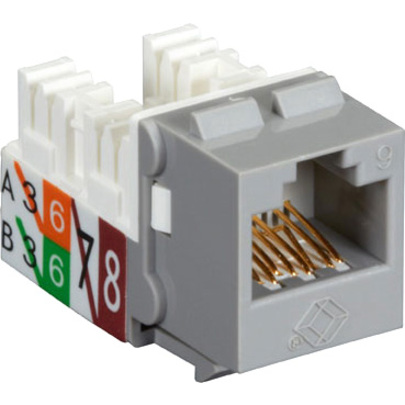
Black Box Gray Unshielded CAT6 Keystone Jack, 110 Punchdown, TAA
FMT633-R3
An unshielded Cat6 keystone jack with a 110 punchdown termination in grey — the plain single-outlet jack, and the colour range runs across the same part family.
Titled TAA Compliant, which is a per-part fact to confirm on the row you order.
$7.89*Back-orderedValue single
Black Box
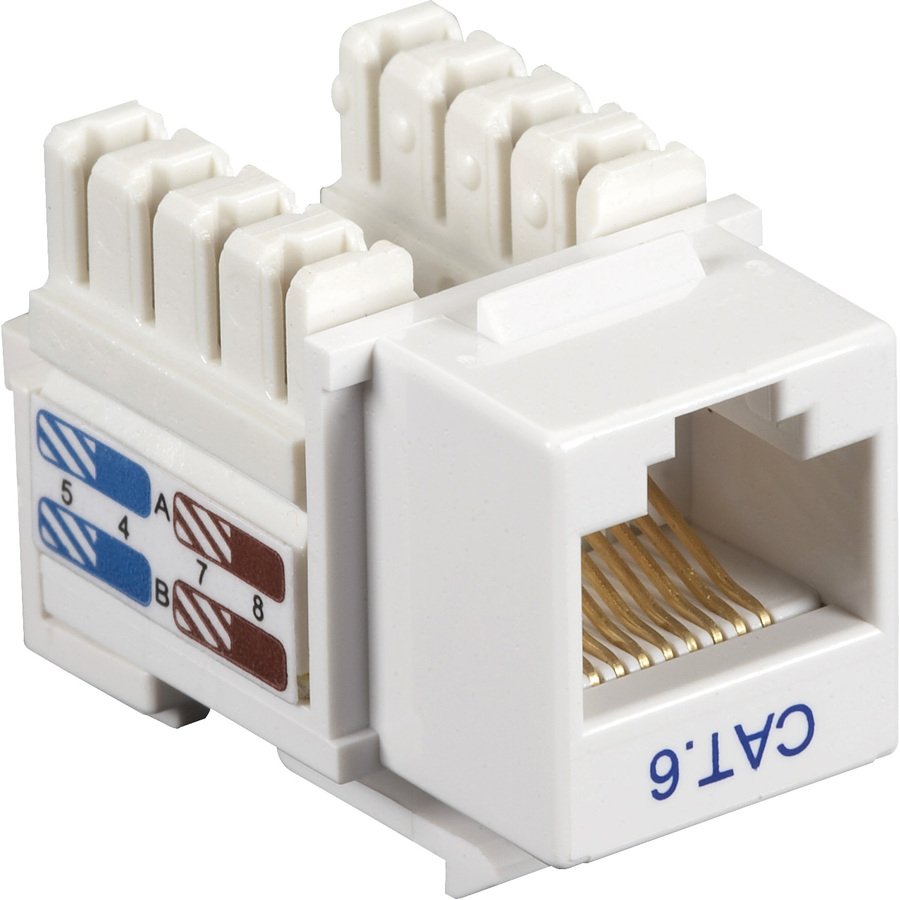
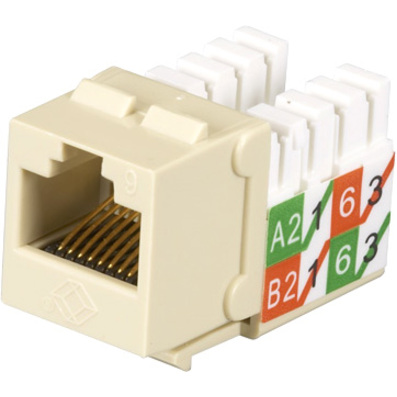
Black Box CAT6 Keystone Jack
CAT6J-WH
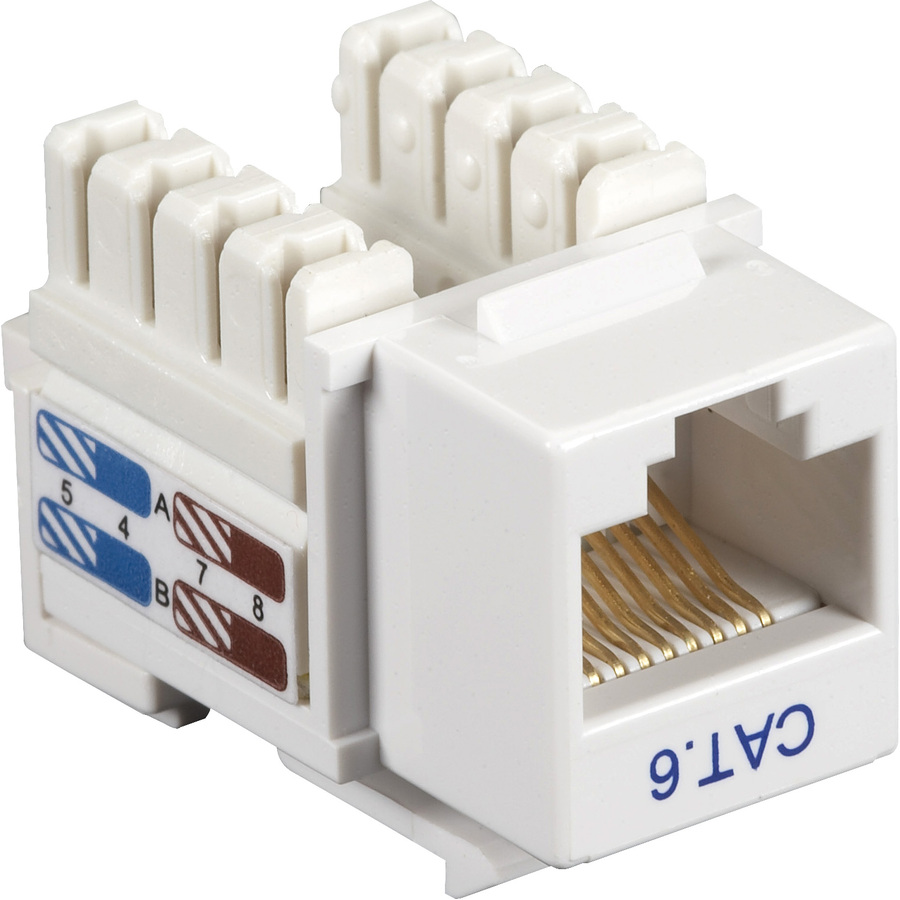
The unshielded RJ-45 Cat6 keystone jack in white: the repair and spares part, and the one to keep a small box of on a site with live outlets.
$2.84In stockShielded Cat6
Black Box
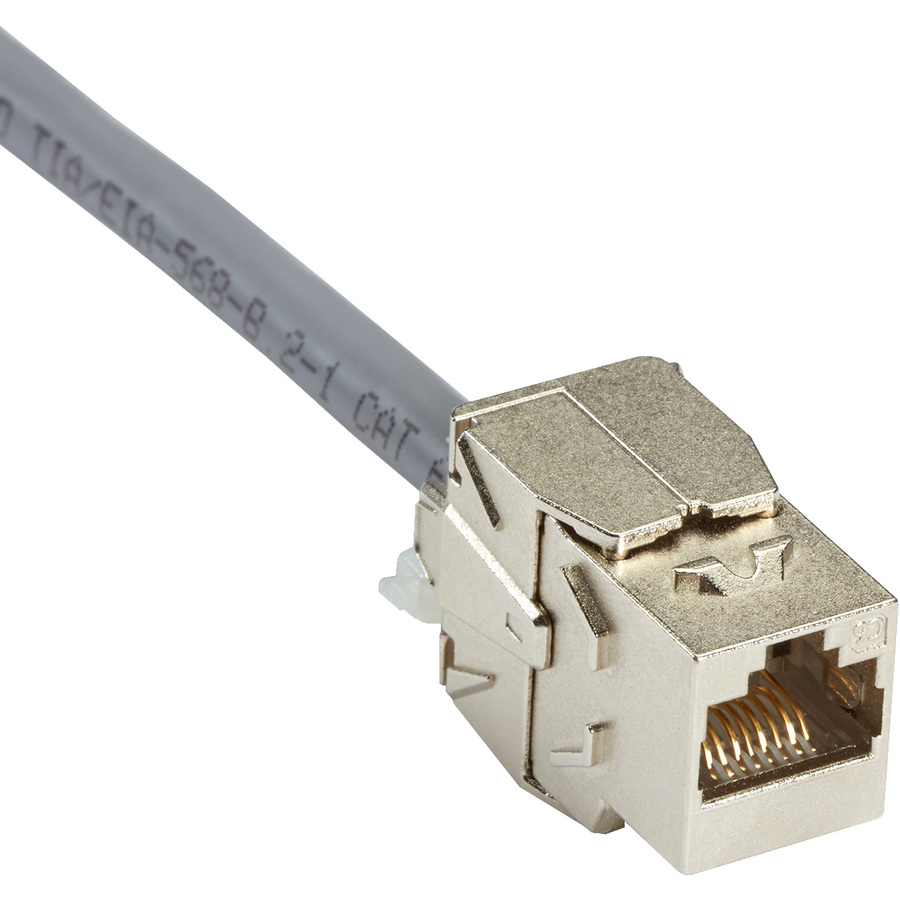
Black Box CAT6 Shielded Keystone Jack w/ Universal Wiring
FMS300-R2
A shielded Cat6 keystone jack with universal wiring, for a run that passes electrically noisy plant and is terminated into a bonded, shielded path at both ends.
Titled TAA Compliant. A shielded jack only earns its price when the cable, the panel and the ground path are shielded too.
$10.28*In stock24-pack, 180-degree
StarTech.com
StarTech Cat6 Keystone Jack, 24-Pack RJ45 Ethernet Keystone Jacks, UTP…
C6KEY110180WH24PK
Twenty-four unshielded Cat6 RJ-45 jacks with 180-degree 110 punchdown entry, supporting T568A and T568B with the wiring schemes printed on each jack.
The straight-in entry is what a keystone patch panel or a deep back box wants.
$66.94*In stock24-pack, toolless
StarTech.com
StarTech Cat6 Keystone Jack, 24-Pack RJ45 Ethernet Keystone Jacks, UTP…
C6KEYTL180WH24PK
The same 24-jack unit in a toolless 180-degree design that terminates without a punchdown tool — the pack to buy when the outlets are at height or the install window is short.
$79.20*In stock25-pack, 90-degree
TRENDnet
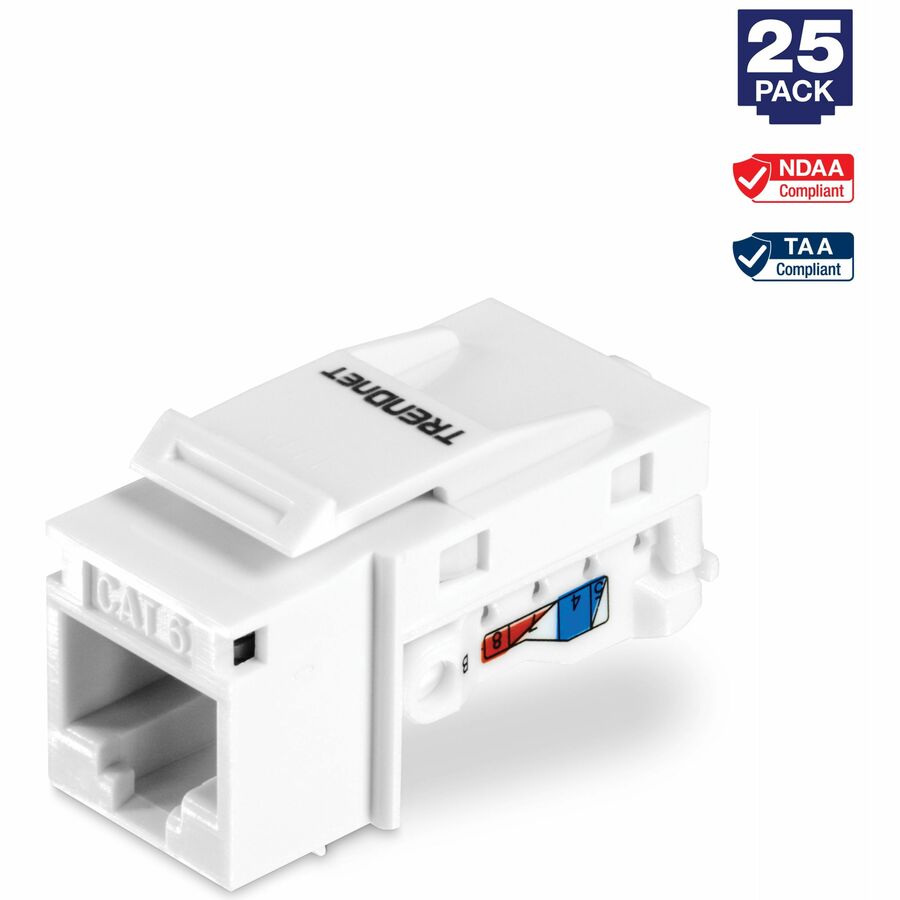
TRENDnet Cat6 Keystone Jack, 25-Pack Bundle, 90° Angle Termination…
TC-K25C6
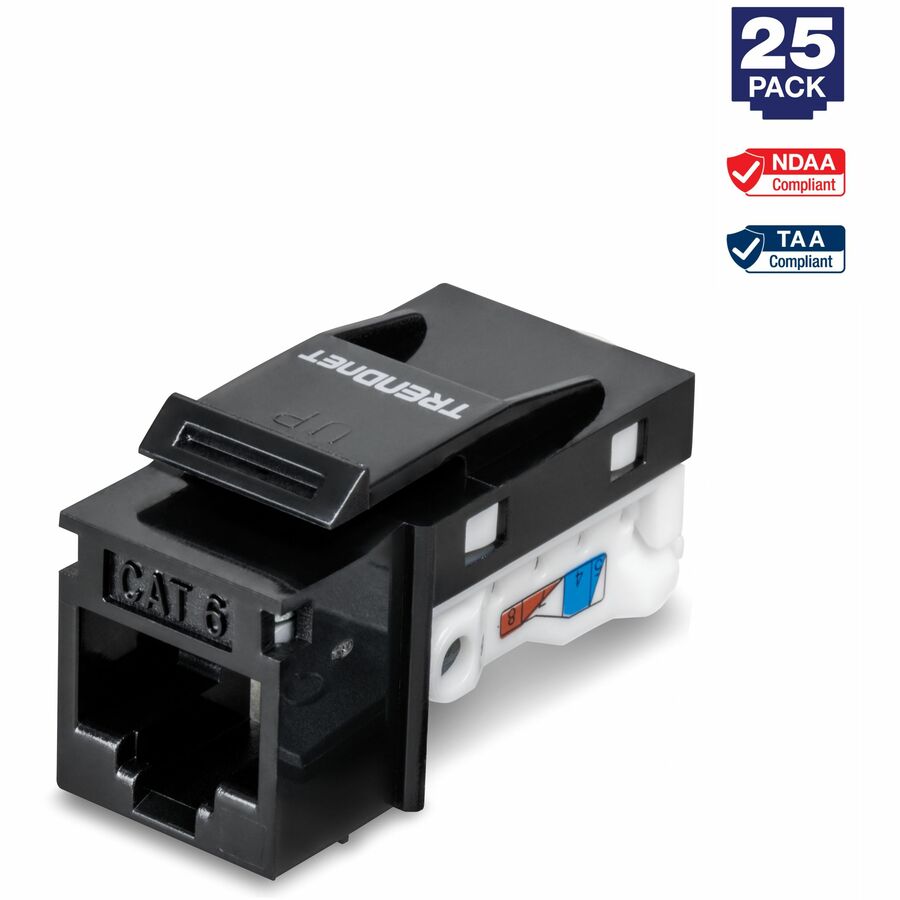
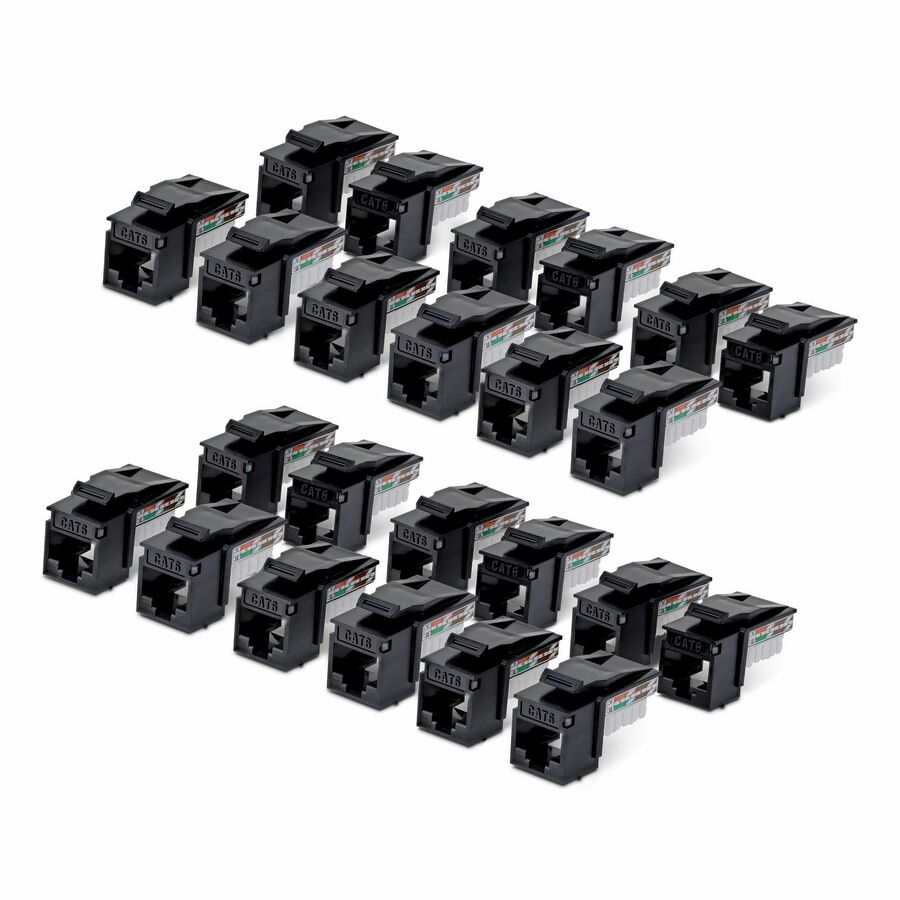
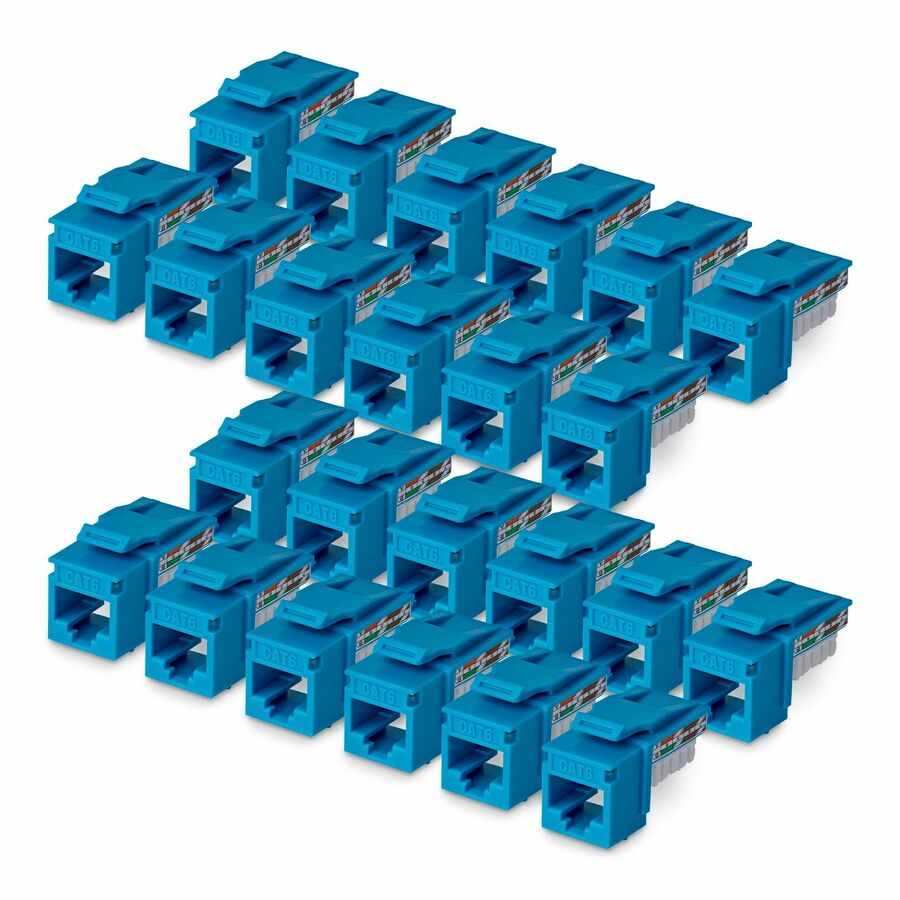
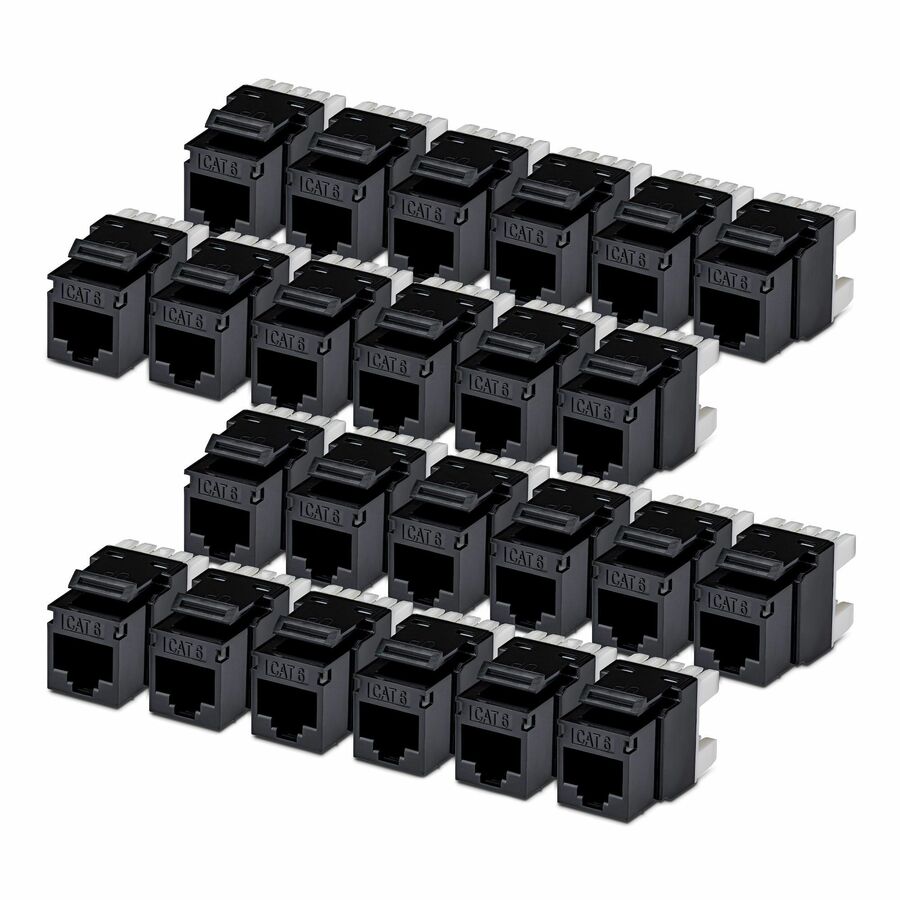
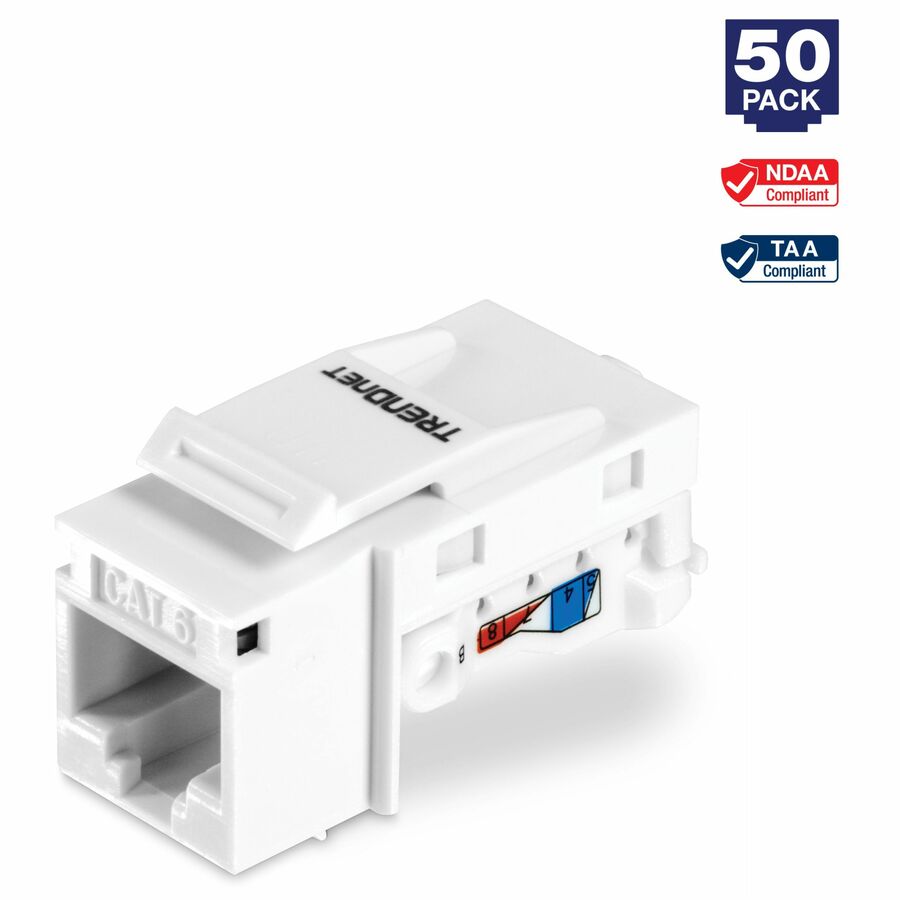
Twenty-five toolless Cat6 keystone jacks with 90-degree angle termination, gold-plated contacts and colour-coded labelling for the wiring scheme.
The side entry suits shallow surface boxes where a straight-in jack has no room behind it.
$48.13*Back-ordered12-pack
Ubiquiti
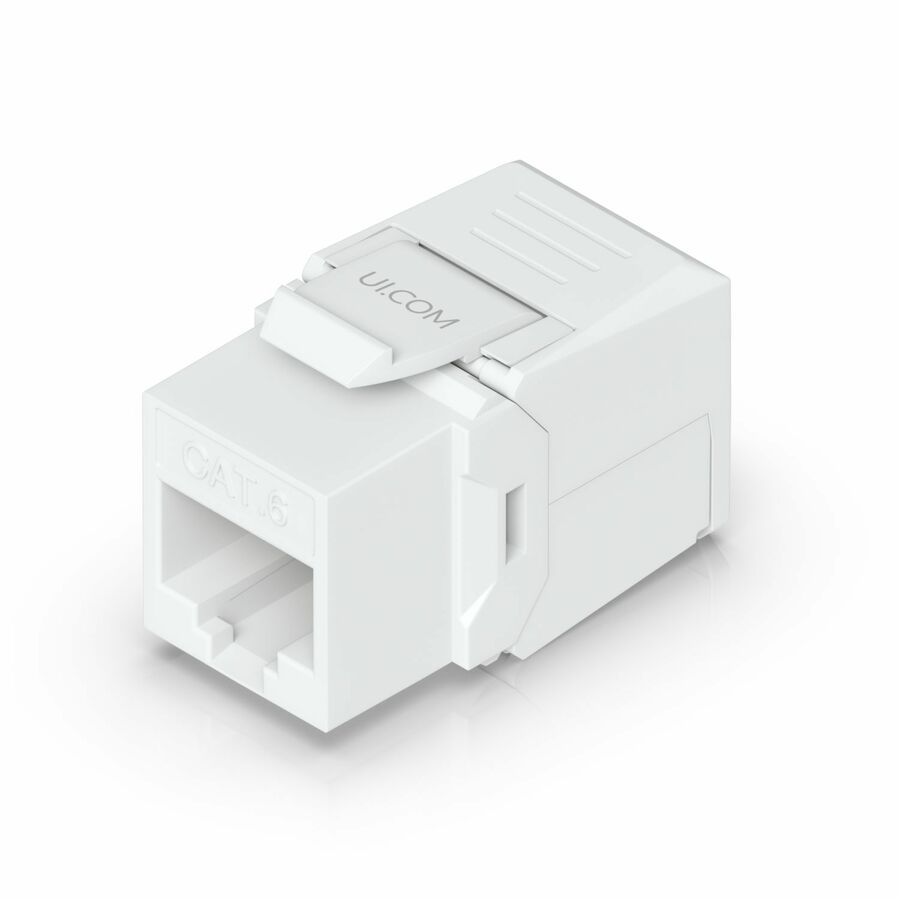
Ubiquiti Cat6 Keystone Jack, 12-Pack
UACC-Keystone-Jack-C6
A twelve-pack of Cat6 RJ-45 keystone jacks — the pack size that matches a small closet build or a floor's worth of added outlets rather than a whole cabling job.
$32.64Back-orderedTAA punchdown, red
Eaton
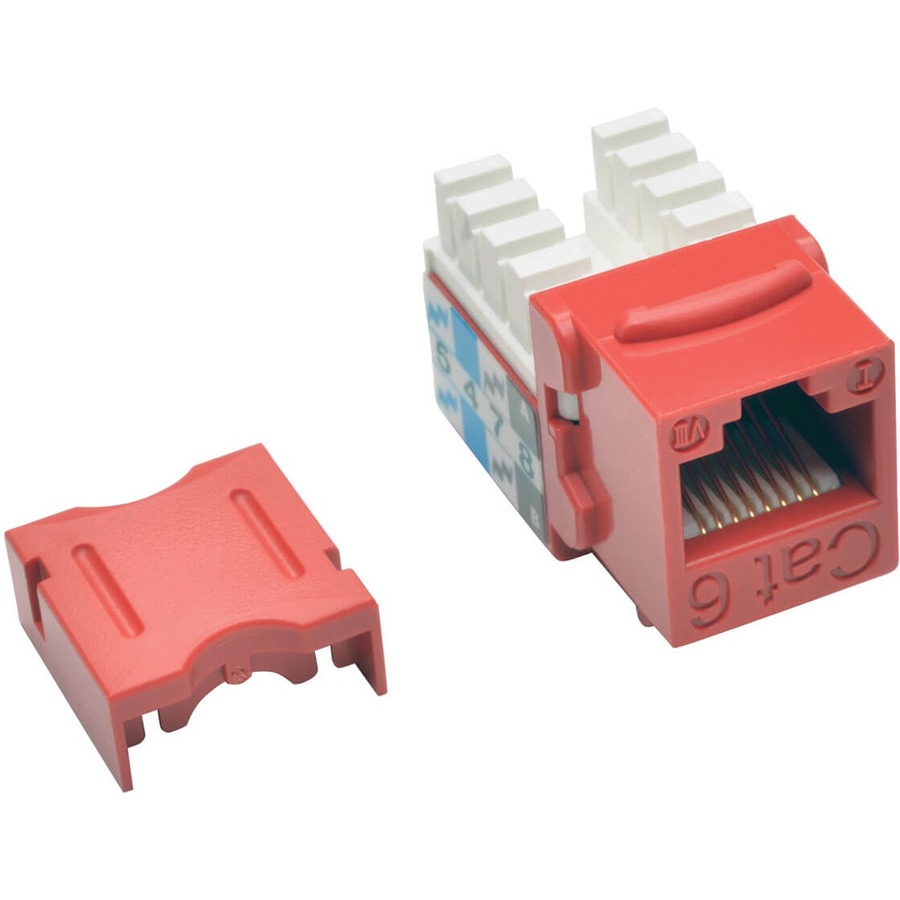
Eaton Tripp Lite Series Cat6/Cat5e 110 Style Punch Down Keystone Jack
N238-001-RD
A Cat6/Cat5e 110-style punchdown keystone jack in red, for a site that colour-codes outlets by service instead of labelling them twice.
Titled TAA Compliant — per part, and worth confirming on the exact colour ordered.
$7.41*In stockToolless, TAA
Eaton
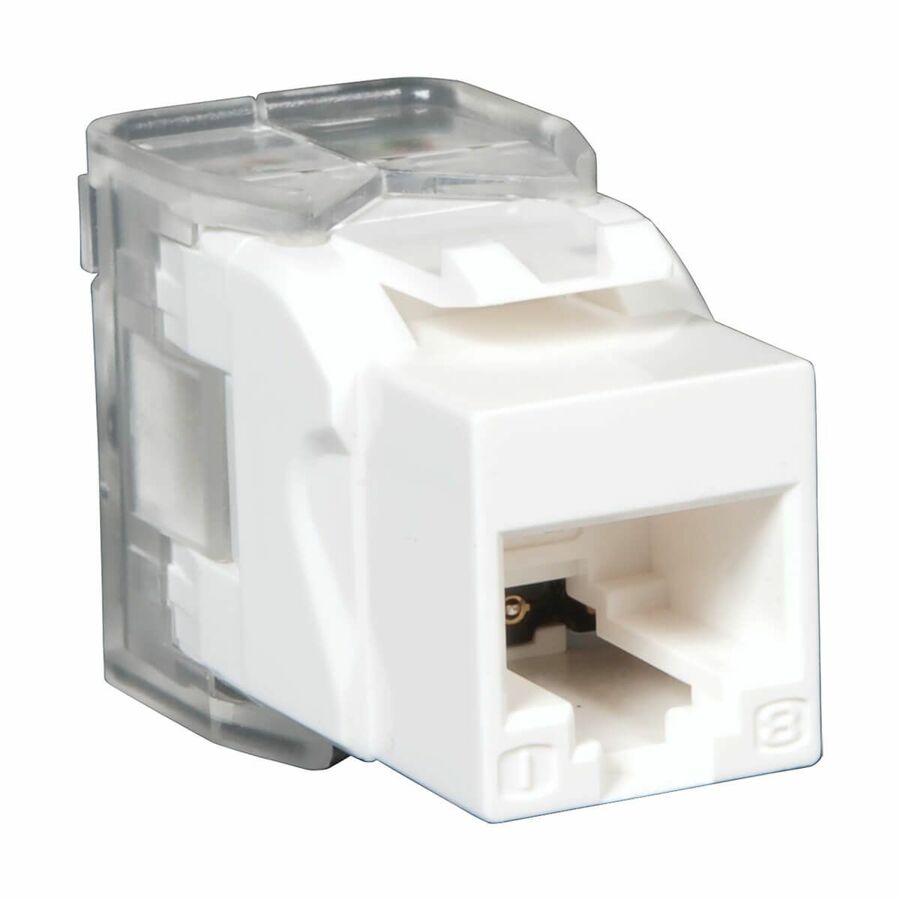
Eaton Tripp Lite Series Toolless Cat6/5e Keystone Jack
N238-001-WH-TF
A toolless Cat6/Cat5e keystone jack in white with a 110-punchdown contact set — the faster termination in the same part family as the punchdown row above.
Titled TAA Compliant.
$12.13*In stockIndustrial IP68 jack
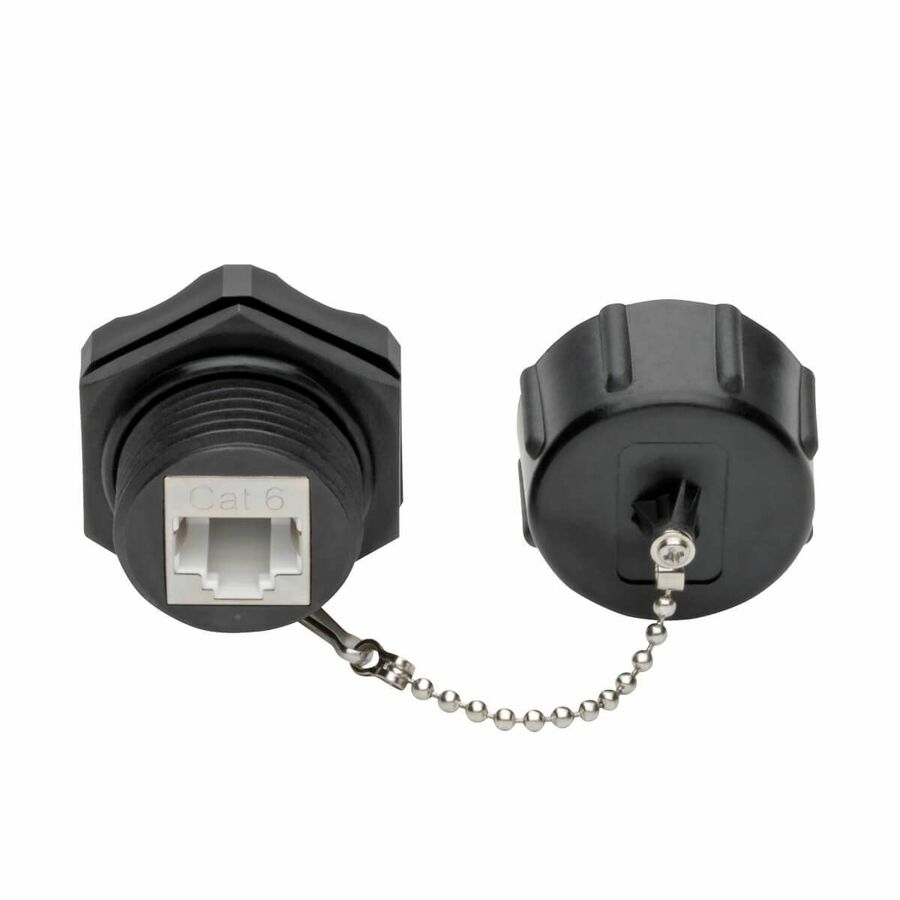
Eaton
Eaton Tripp Lite Series Keystone Jack Cat6/Cat5e, RJ45, Shielded, Dust…
N206-KJ01-IND
A shielded industrial Cat6/Cat5e keystone jack with a dust cap and an IP68 rating, terminated by 110 punchdown — for a plant-floor or outdoor enclosure rather than an office wall.
Titled TAA Compliant.
$46.84*In stock10-pack UTP
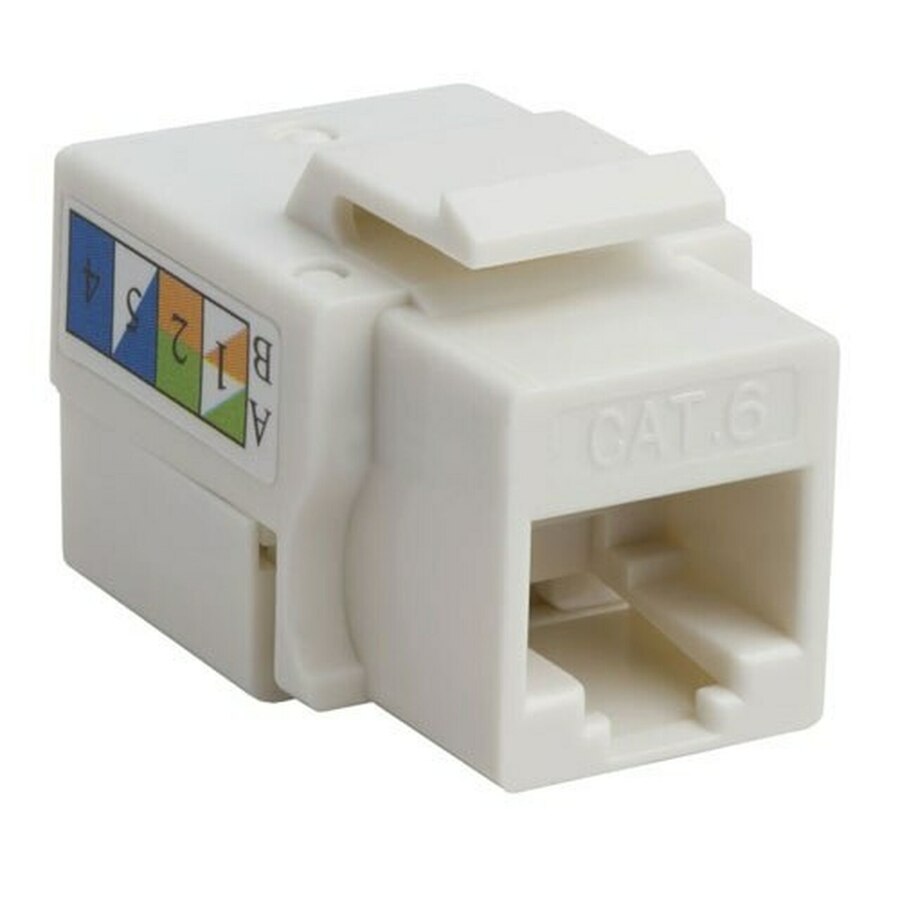
4XEM
4XEM 10 pack Cat6 RJ45 Keystone Jack UTP 110-Type (White)
4XKJC6WH10PK
Ten unshielded Cat6 RJ-45 keystone jacks with 110-type termination in white — the small project pack for a handful of outlets.
$20.72In stockSingle UTP jack
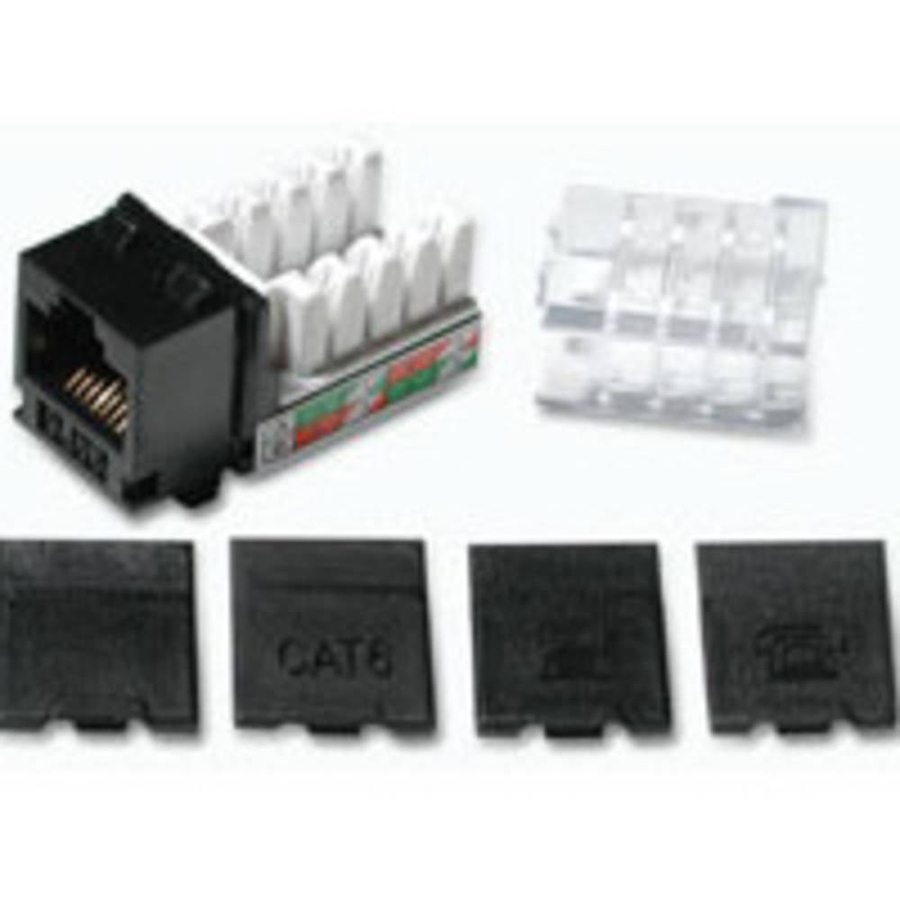
Legrand
C2G Cat6 RJ45 UTP Keystone Jack
29313
A Cat6 RJ-45 unshielded keystone jack with 110 punchdown in black, listed as a single — the straightforward one-outlet part.
$9.21In stockLacing-cap jack
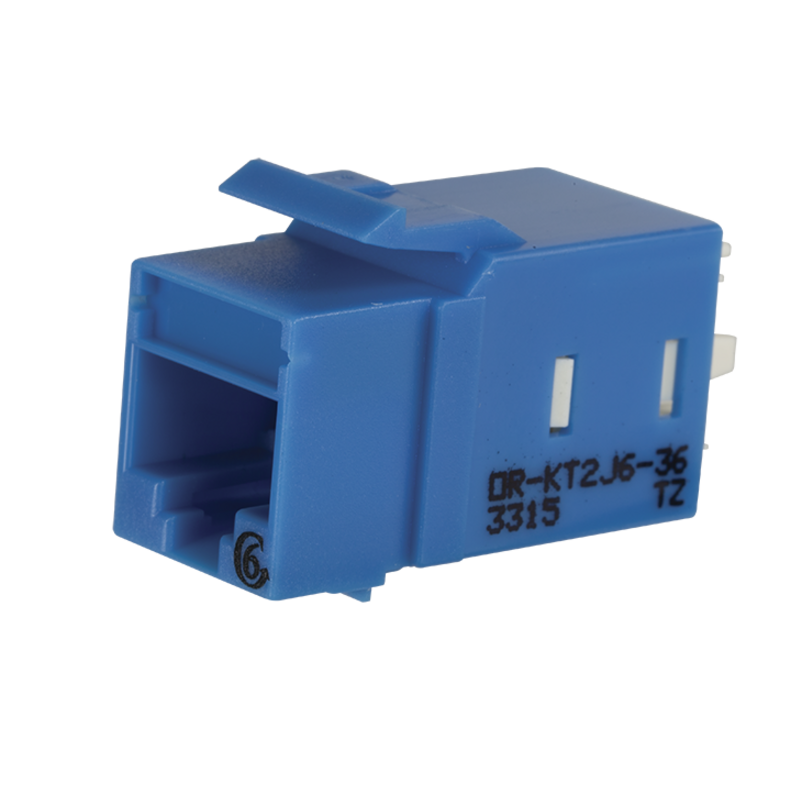
Legrand
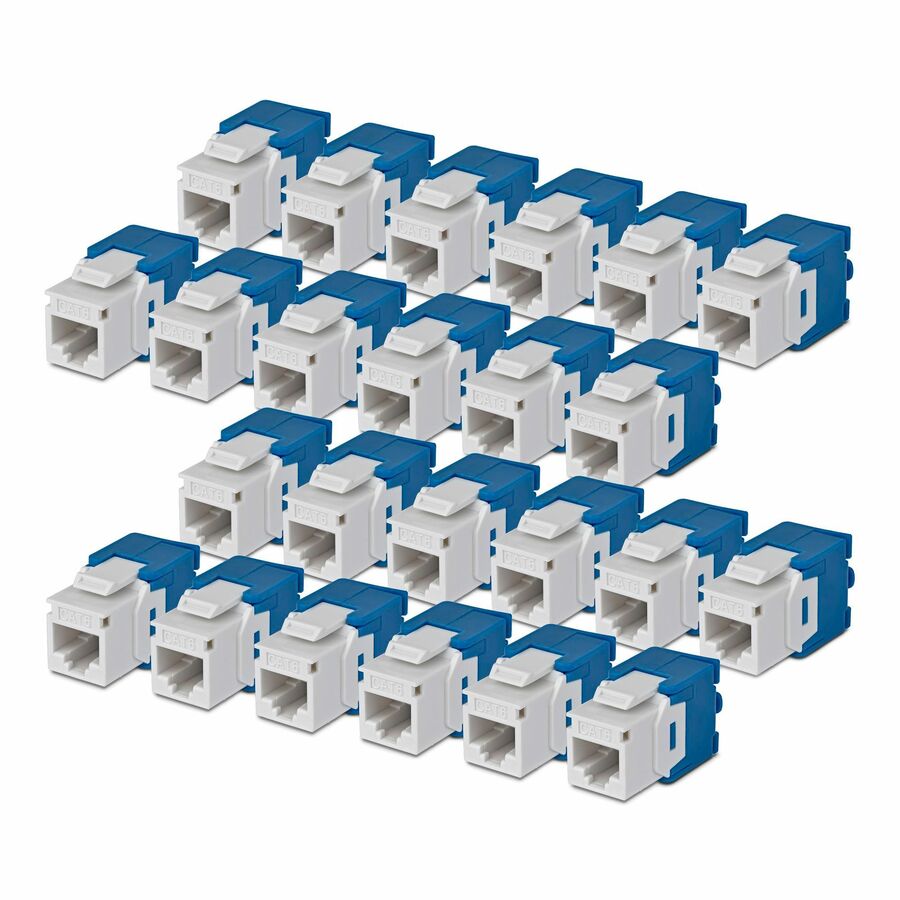
Ortronics Category 6 Keystone Jack, Lacing Cap Termination, Blue
KT2J6-36
A Category 6 keystone jack terminated with a lacing cap rather than a punchdown blade, with nickel and tin-plated contacts, in blue.
The lacing-cap style seats all four pairs in one action, which is why it turns up on larger cabling jobs.
$21.99Back-orderedHigh-density jack
Axiom Memory Solutions
Axiom Network Connector
KEY110C6HD-N-AX
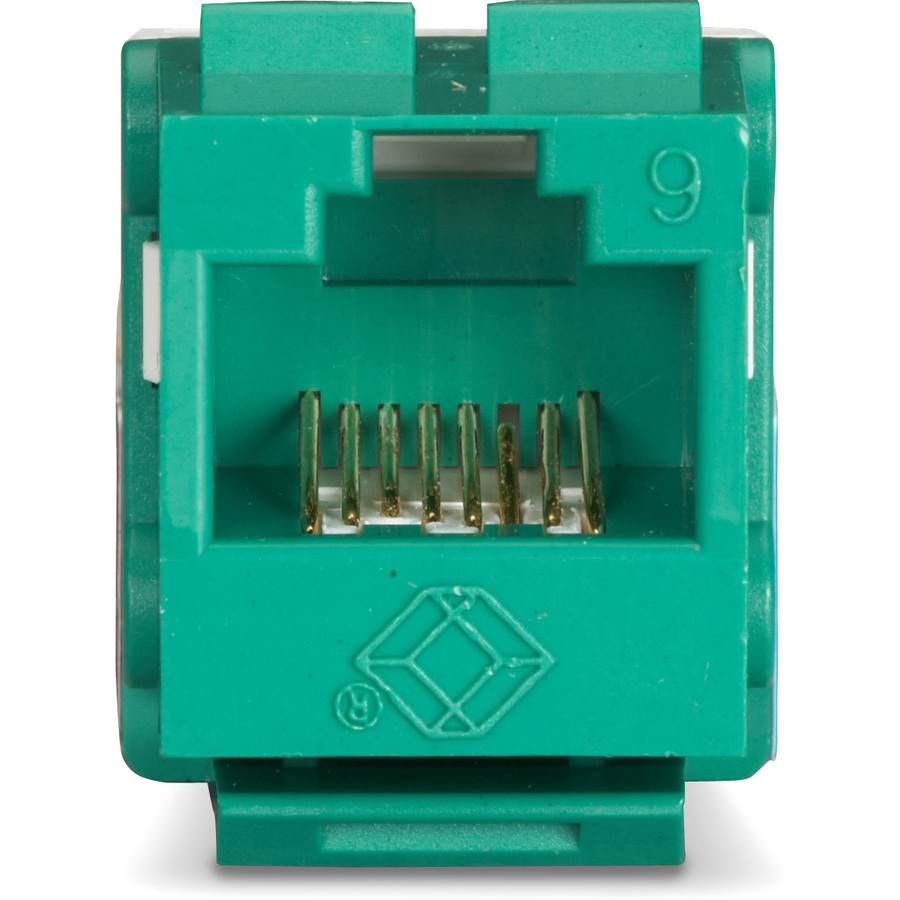
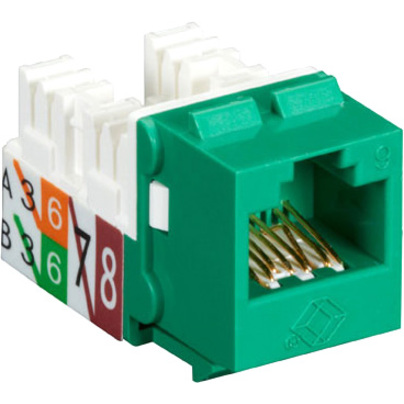
A CAT6 RJ-45 110-type high-density keystone jack in green, for a plate or panel position where the jack bodies sit tight against each other.
$4.16*In stockMore network connectors in the Uniqcli catalog
See all 1,330 network connectorsMore from across this category. In-stock lines lead, and a back-ordered line carries the same estimated availability its product page does — with live pricing throughout, NDAA §889 screening before checkout and TAA verified on request.
- Black BoxBlack Box 25-PK Green Unshielded CAT6 Keystone Jack, 110 Punchdown, TAA - 25 - 1 x RJ-45 Keystone Female, 1 x 110-punchdown Network - Green - TAA CompliantFMT634-R3-25PAK
$197.59
$168.74*
Back-orderedBack-ordered — estimated OEM lead time 3–8 weeks (Oct 31 – Dec 5 if ordered today).
- Black BoxBlack Box 25-PK Ivory Unshielded CAT6 Keystone Jack, 110 Punchdown, TAA - 25 - 1 x RJ-45 Keystone Female - Ivory - TAA CompliantFMT632-R3-25PAK
$197.59
$168.74*
Back-orderedBack-ordered — estimated OEM lead time 3–8 weeks (Oct 31 – Dec 5 if ordered today).
- Black BoxBlack Box 25-Pack Gray Unshielded CAT6 Keystone Jack, 110 Punchdown, TAA - 25 - 1 x RJ-45 Keystone Female, 1 x 110-punchdown Network - Gray - TAA CompliantFMT633-R3-25PAK
$197.59
$168.75*
Back-orderedBack-ordered — estimated OEM lead time 3–8 weeks (Oct 31 – Dec 5 if ordered today).
Need pricing on Cat6 keystone jacks?
Tell us where to reach you and a Uniqcli specialist will follow up by email with current pricing, availability and lead time for the quantities you need — including parts that aren’t shown on this page.
Buying for an organization or for yourself — both work. No payment up front.
Pick a Cat6 keystone jack by termination style and entry angle, not by the category rating. A 110 punchdown jack is cheaper per outlet and needs the tool; a toolless jack seats and trims the pairs as it closes, which is faster on a ladder. A 90-degree jack enters from the side for a shallow box; a 180-degree jack enters straight from the rear, which is what a patch panel wants.
A keystone jack is the smallest part on a cabling job and the one that decides whether it passes. The spool, the panel and the plate are all standard; the jack is where the pairs are untwisted, seated and cut, and it is where a run either certifies at Category 6 or comes back as a re-termination visit. Buying it well is mostly about matching the jack to how the installer works and to the plate and panel it has to click into, because the keystone form factor itself is the one thing that is already standard across all of them.
Three choices sit on the row. Termination style is first: a 110 punchdown jack is the traditional, inexpensive answer and needs a punchdown tool with a blade, while a toolless jack seats the pairs in a cap that closes over them and trims as it clicks, which is faster per outlet and much faster in a ceiling or on a ladder. Entry angle is second, and it is the one people discover after the fact: a 90-degree jack takes the cable in from the side and suits a shallow surface box, while a 180-degree jack takes it straight in from behind, which is what you want in a patch panel or a deep wall box where the cable has room to run straight. Pack size is third — a single jack for a repair, a 10, 12, 24 or 25-pack for a floor's worth of outlets, and the multi-pack is almost always the honest unit for a project.
Nothing on this page is a test result. The grid is fenced to rows whose own manufacturer title names both Cat6 and a keystone jack, which is what makes the heading true for every card; the editorial picks below widen that to the same class of part where a vendor spells it differently — Cat6/Cat5e, Category 6 — and to the shielded, toolless and industrial answers the literal fence leaves out. Cards carry live pricing and current availability from the catalog.
Buyer's checklist
How to choose Cat6 keystone jacks
- Pick the termination style by who is installing: 110 punchdown is cheapest per outlet and needs the tool and the technique; toolless jacks cost more each and pay it back in labour on any job with a ceiling, a ladder or a deadline.
- Match the entry angle to the enclosure. A 90-degree jack takes the cable in from the side for a shallow surface box or a tight wall plate; a 180-degree jack takes it straight in from the rear, which is what a patch panel and a deep back box want.
- Buy the pack size the job actually is. Singles are for repairs and spares; 10, 12, 24 and 25-packs are the project unit and keep one part number on the bill of materials instead of five.
- Specify a colour scheme and buy to it. Colour-coding outlets by service — data, voice, camera, out-of-band — costs nothing at purchase and saves an afternoon at every future move, and the jacks here are listed per colour as separate part numbers.
- Standardize on one wiring scheme across the site. These jacks support both T568A and T568B and several print the wiring map on the body; the mistake is not choosing the wrong one, it is having both on the same floor.
- Where the run passes machinery or heavy electrical plant, use shielded jacks with shielded cable and a bonded ground path at both ends. A shielded cable terminated into an unshielded jack has no shield.
- Where the purchase order names TAA, read it on the part number. Several of these jacks carry TAA Compliant in the manufacturer's own title and others do not — it is a per-part fact to confirm on the exact row you order, not a property of the brand.
Jack, plate, panel: the three parts that have to agree
The keystone standard is what lets a jack from one manufacturer click into a plate from another, and it is genuinely reliable — but the parts still have to agree on three things. Count is the first: a one, two, four or six-port plate decides how many jacks are ordered per outlet, and running spare capacity in a wall box is far cheaper now than opening it again later. Depth is the second, and it is where the entry angle matters: a shallow surface-mount box on a hard wall simply does not have the room behind a 180-degree jack for the cable's bend radius, while a patch panel does. The third is the panel itself — a keystone patch panel is an empty frame, so the jacks are a separate line item and the rack build stalls without them, which is the single most common sequencing mistake on a small cabling job.
Order the parts as one set. Jacks, plates, surface boxes, the keystone patch panel and the labelling scheme go on the same purchase order, along with the bulk cable and the patch cords for both ends, so that the installer is never waiting on the smallest part in the box.
Category 6, Category 6A and what the jack contributes
A permanent link is certified end to end, which means the jack is part of the result rather than an accessory to it. Category 6 hardware is specified to 250 MHz and Category 6A to 500 MHz, and mixing categories in one link drags the whole channel to the lowest component in it — a Category 6A run terminated on Category 6 jacks is a Category 6 link, no matter what the spool cost. That is the reason to decide the category once, at the design stage, and then hold it across cable, jacks, patch panels and patch cords together.
The workmanship half is just as decisive and is not something a part number can fix. Keep the untwist at the termination as short as the jack's design allows, respect the cable's bend radius at the back of the box, and do not overtighten cable ties into the jacket — each of those is a routine cause of a failed certification on otherwise correct components. Where a job has to be certified rather than merely working, budget the test and the report with the labour; Uniqcli can quote the jacks, the panels, the plates, the bulk cable and the installation on one document, so that the small parts and the install date stay on the same page.
FAQ
Common questions
- What is the difference between a punchdown and a toolless keystone jack?
- How the pairs are seated. A 110 punchdown jack has the conductors pressed into insulation-displacement contacts with a punchdown tool, which cuts the excess as it seats them; it is the traditional, lower-cost jack and it depends on the installer having the tool and the technique. A toolless jack lays the pairs into a cap that closes over the contacts and trims them as it clicks shut, so it terminates faster and without a tool — which is worth real money on a job done at height or against a deadline. Both are on this page, and both certify fine when terminated correctly; the choice is a labour decision rather than a performance one.
- Do I need a 90-degree or a 180-degree keystone jack?
- It depends on what is behind the jack. A 180-degree jack takes the cable straight in from the rear, which suits a keystone patch panel or a deep wall box where the cable has room to run straight and be dressed behind the frame. A 90-degree jack turns the cable in from the side, which is what a shallow surface-mount box or a tight retrofit wall plate needs, because there is no depth behind the plate for a straight entry plus the cable's bend radius. Buying the wrong one usually shows up as a plate that will not sit flush, so check the box depth before the order rather than after.
- Can I use Cat6 jacks with Cat6A cable?
- You can physically, and the link is then a Category 6 link. Certification is end to end, so the lowest-rated component in the permanent link sets the result — Category 6 jacks on Category 6A cable give you a Category 6 channel, and the extra you paid for the spool does nothing. If the design calls for Category 6A, the jacks, the patch panel and the patch cords have to be Category 6A too. The reverse is safe and common: Category 6 jacks on Category 6 cable, with the whole channel specified together at the design stage.
- Are these keystone jacks TAA compliant?
- Some of them are, and it is stated per part rather than per brand. Several rows here carry TAA Compliant in the manufacturer's own catalog title and others do not, including rows from the same manufacturer sitting beside each other in the same colour range. Where an order carries an origin clause, read the designation on the exact part number you are ordering and confirm it on the quote — a manufacturer's designation is its own statement about that part number, not an independent certification and not a property of the product family.
- Can business, government and education buyers order these?
- Every line Uniqcli quotes is sourced through US distribution and screened for TAA country-of-origin and NDAA §889 status before checkout — with documentation tied to the specific part number, not a product family.
Need Cat6 keystone jacks pricing?
Send a bill of materials or part numbers — we confirm stock and a below-market total, with TAA verified on request. No payment up front.