
Best 64GB Memory Modules for Servers and Workstations
Single 64GB modules and 64GB kits for servers and workstations — read by memory type (registered, load-reduced or unbuffered), DDR generation, speed and rank.
64GB memory modules in stock at Uniqcli
How to choose →A curated selection with live pricing — in-stock lines first, then back-ordered lines with a typical lead time. Every line is sourced through US distribution and screened for NDAA §889 status before checkout, with TAA verified on request.
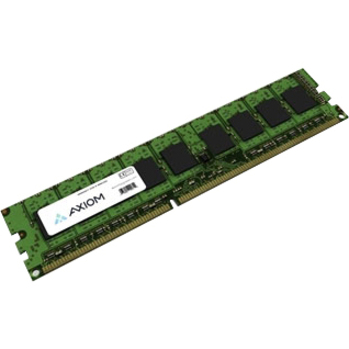
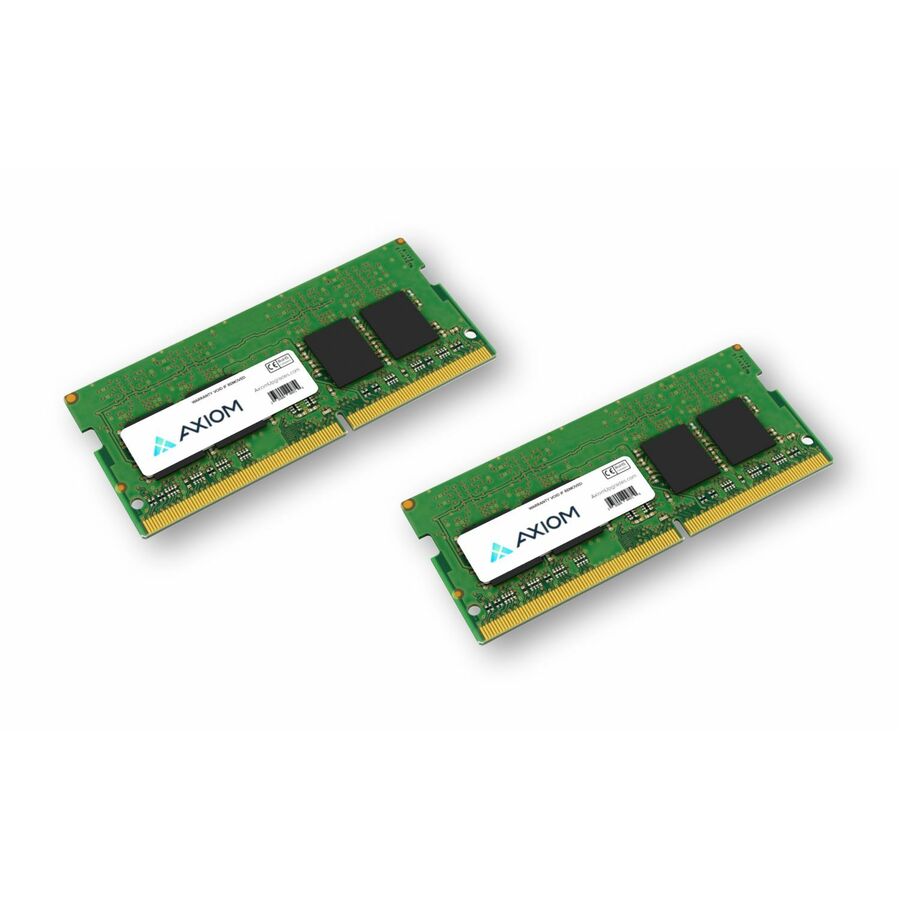
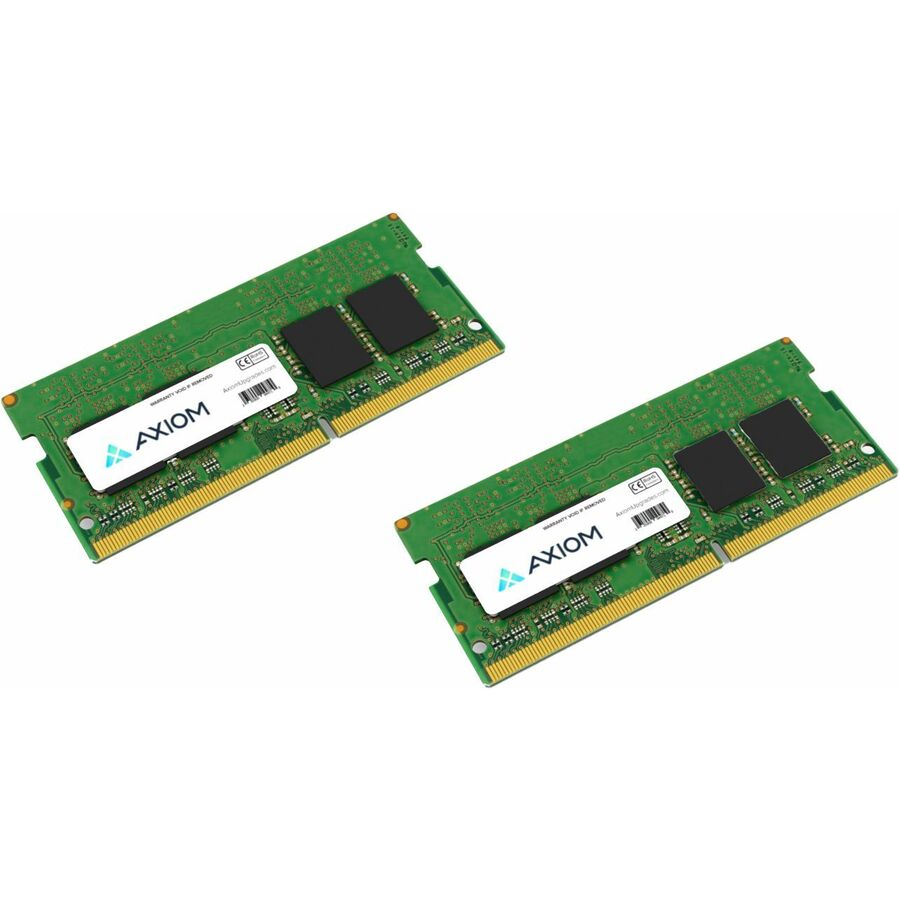
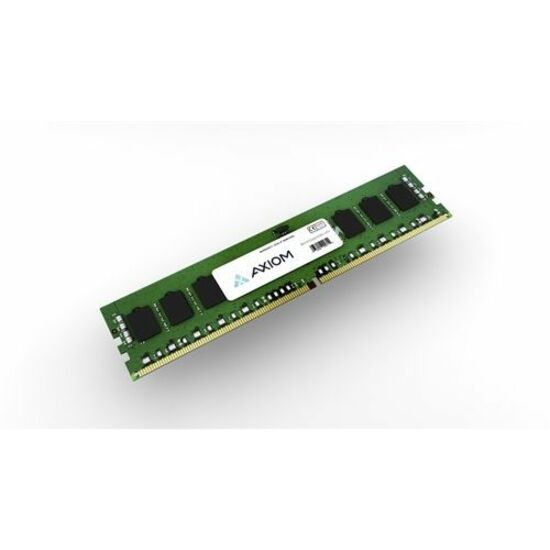
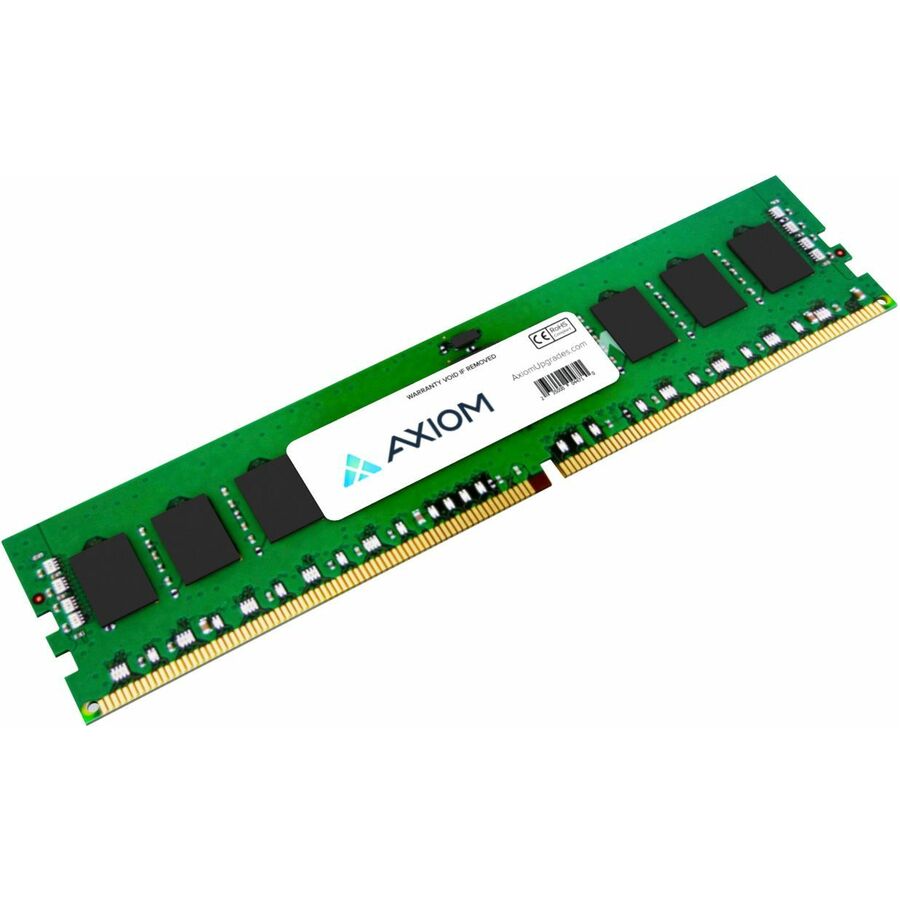
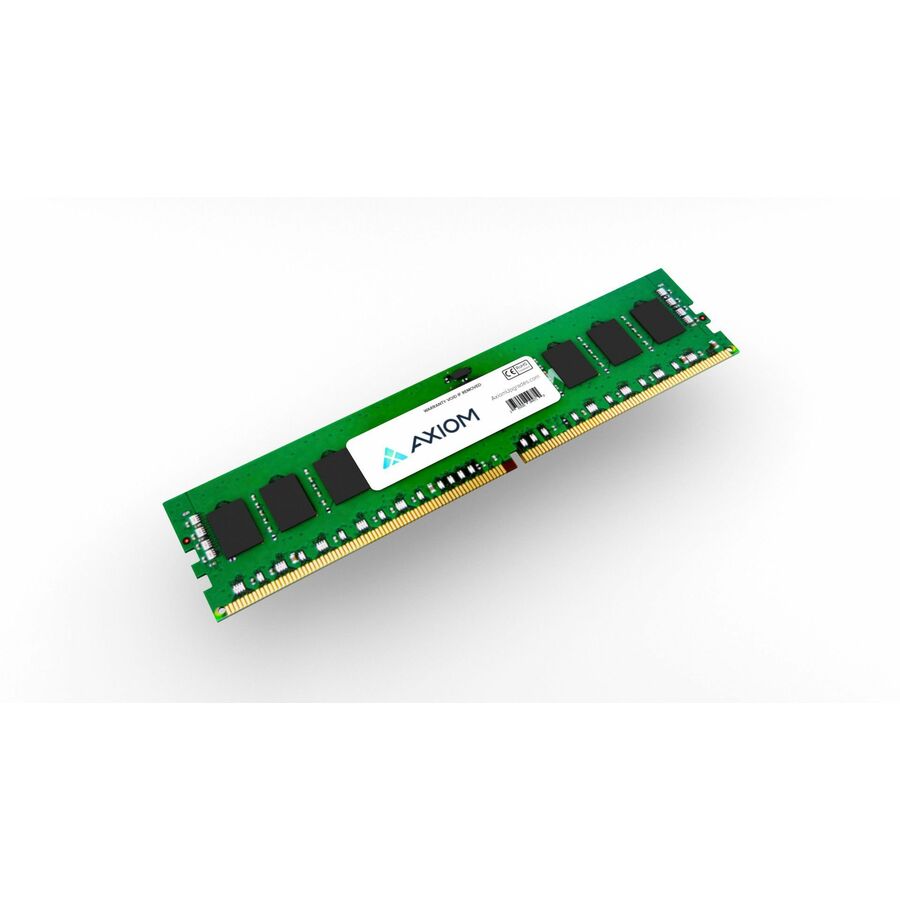
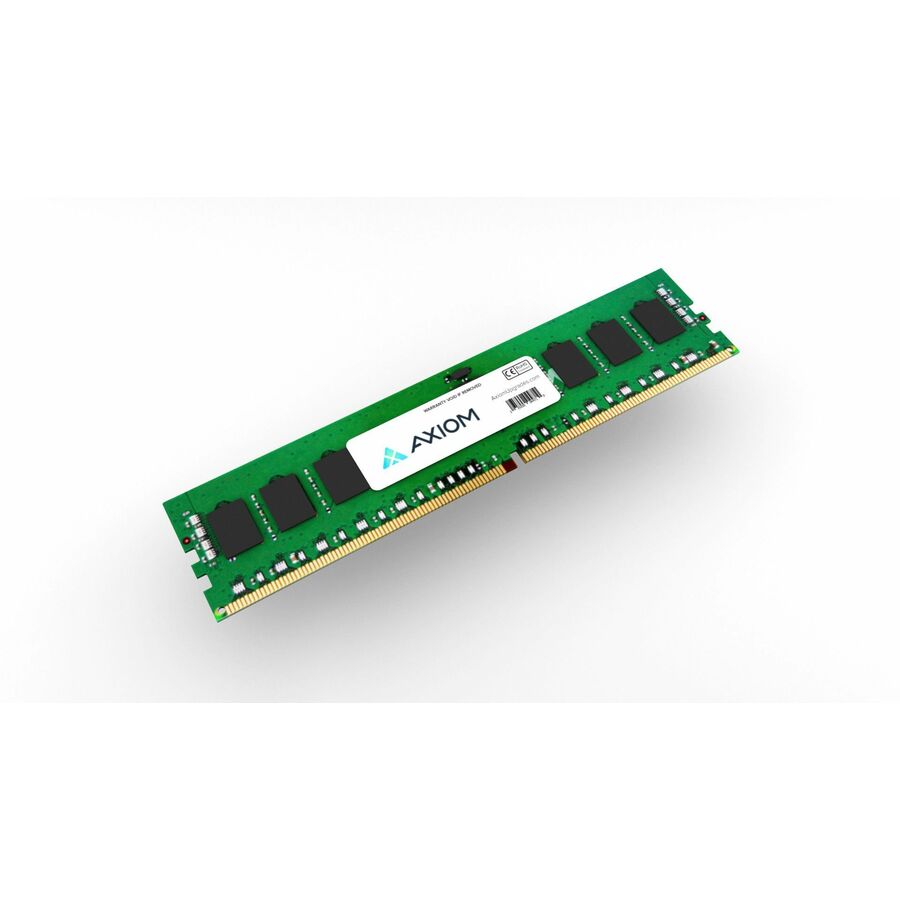
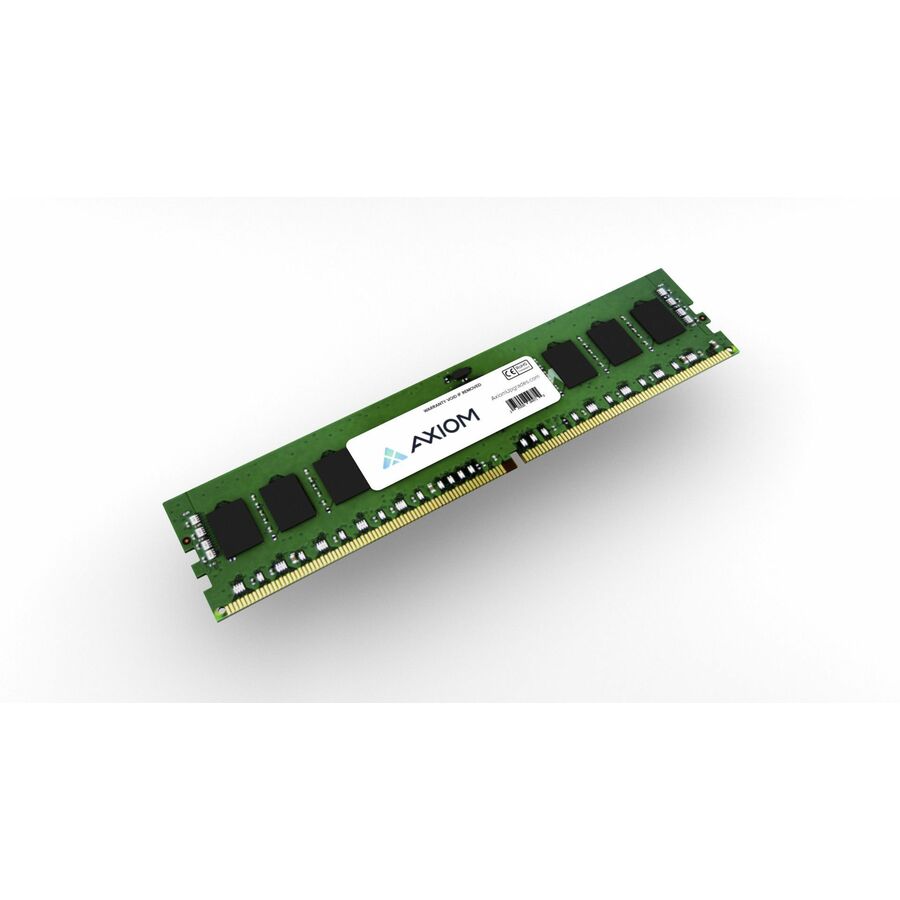
- Axiom Memory SolutionsAxiom 64GB DDR4-3200 SODIMM CT2K32G4SFD832A - 64GB DDR4-3200 SODIMM Kit (2 x 32GB) - CT2K32G4SFD832ACT2K32G4SFD832A-AX
$1,136.00
$975.83
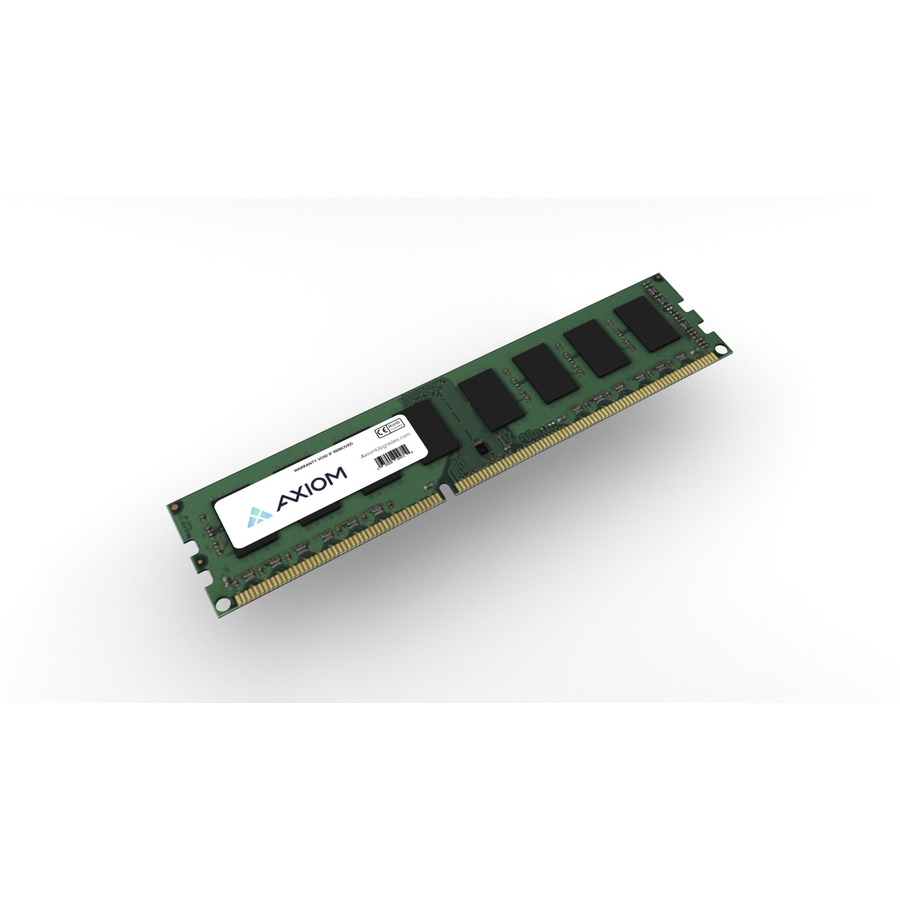
205 in stock - Axiom Memory Solutions64GB DDR4-3200 SODIMM Kit TAA COmpliant - 64GB DDR4-3200 SODIMM Kit (2 x 32GB) - TAA CompliantAXG1018100471/2
$2,890.00
$1,040.62*
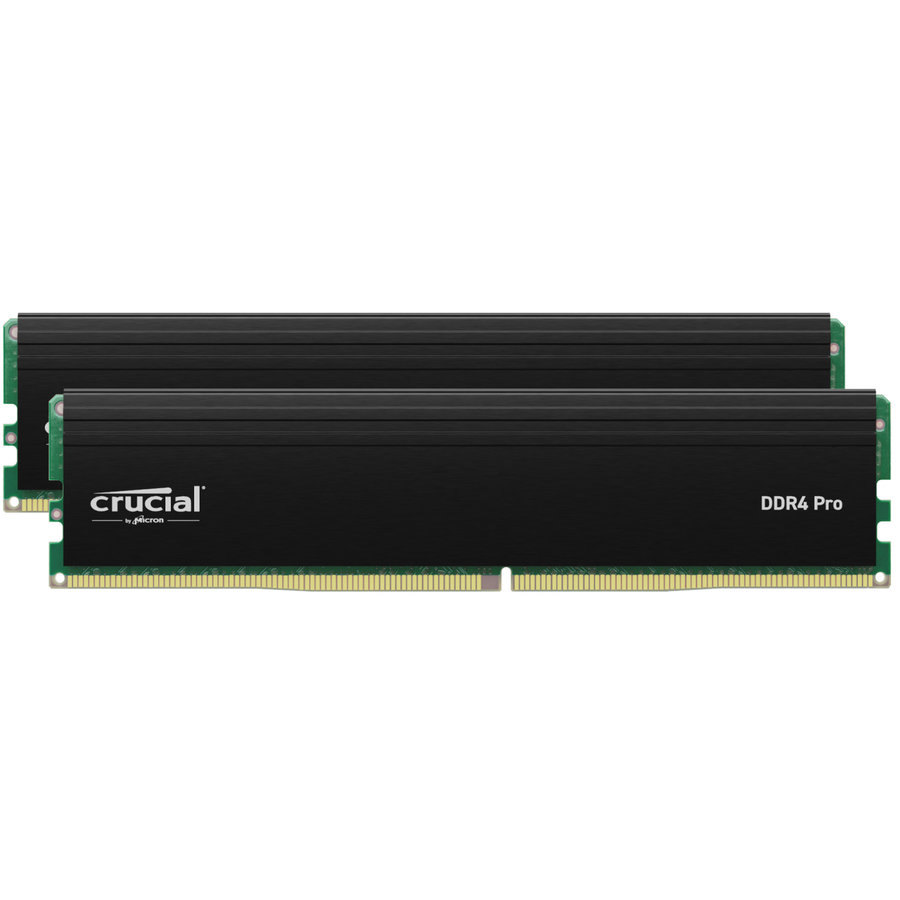
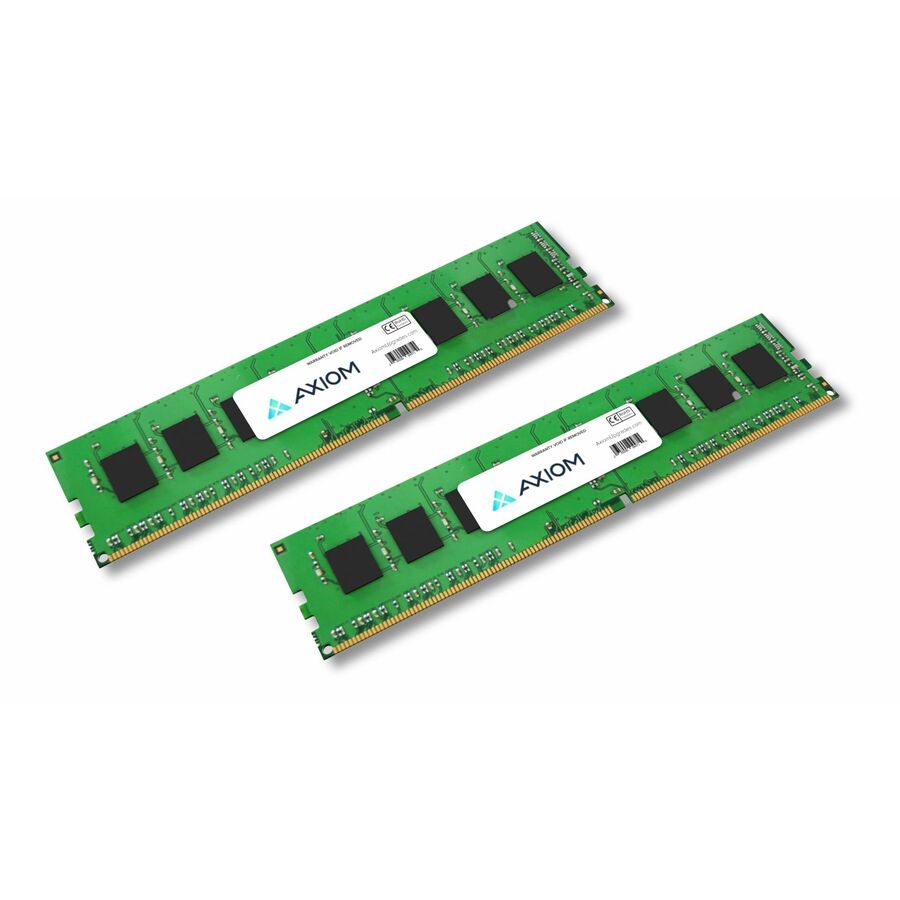
205 in stock - Axiom Memory SolutionsAxiom 64GB DDR4-3200 UDIMM Kit CT2K32G4DFD832A - 64GB DDR4-3200 UDIMM Kit (2 x 32GB) - CT2K32G4DFD832ACT2K32G4DFD832A-AX
$1,308.00
$1,123.95
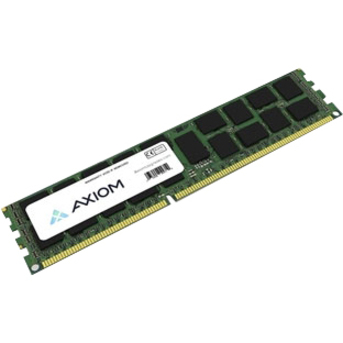
18 in stock - AddOnAddOn Cisco® HX-ML-1X644RV-A Compatible Factory Original 64GB DDR4-2400MHz Load-Reduced ECC Quad Rank x4 1.2V 288-pin CL15 LRDIMM - For Server - 64 GB (1 x 64GB) - DDR4-2400/PC4-19200 DDR4 SDRAM - 2400 MHz Quad-rank Memory - CL15 - 1.20 V - ECC - 288-pin - LRDIMM - Lifetime WarrantyHX-ML-1X644RV-A-AM
$1,292.00
$1,188.64
4 in stock - AddOnAddOn Cisco® HX-ML-X64G4RS-H Compatible Factory Original 64GB DDR4-2666MHz Load-Reduced ECC Quad Rank x4 1.2V 288-pin LRDIMM - For Computer, Server - 64 GB (1 x 64GB) - DDR4-2666/PC4-21300 DDR4 SDRAM - 2666 MHz Quad-rank Memory - CL19 - 1.20 V - ECC - Unbuffered - 288-pin - LRDIMM - Lifetime WarrantyHX-ML-X64G4RS-H-AM
$1,552.00
$1,427.84
1 in stock - AddOnAddOn Cisco® UCS-ML-X64G4RS-H Compatible Factory Original 64GB DDR4-2666MHz Load-Reduced ECC Quad Rank x4 1.2V 288-pin for Cisco LRDIMM - For Server - 64 GB (1 x 64GB) - DDR4-2666/PC4-21300 DDR4 SDRAM - 2666 MHz Quad-rank Memory - 1.20 V - ECC - 288-pin - LRDIMM - Lifetime WarrantyUCS-ML-X64G4RS-H-AM
$1,552.00
$1,427.84
1 in stock
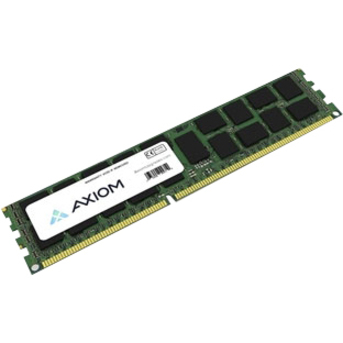

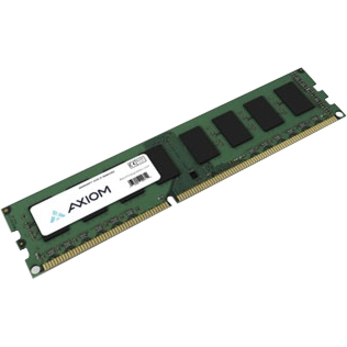
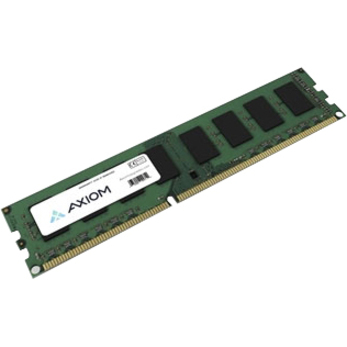
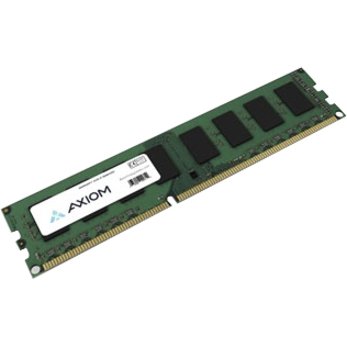
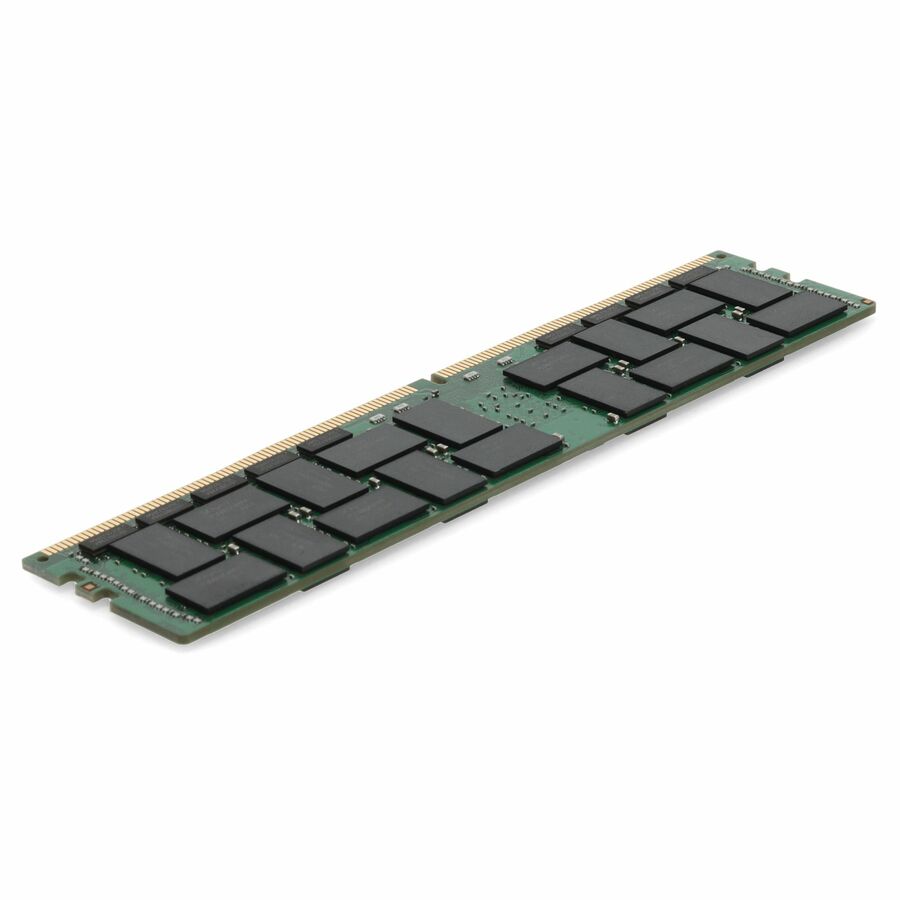

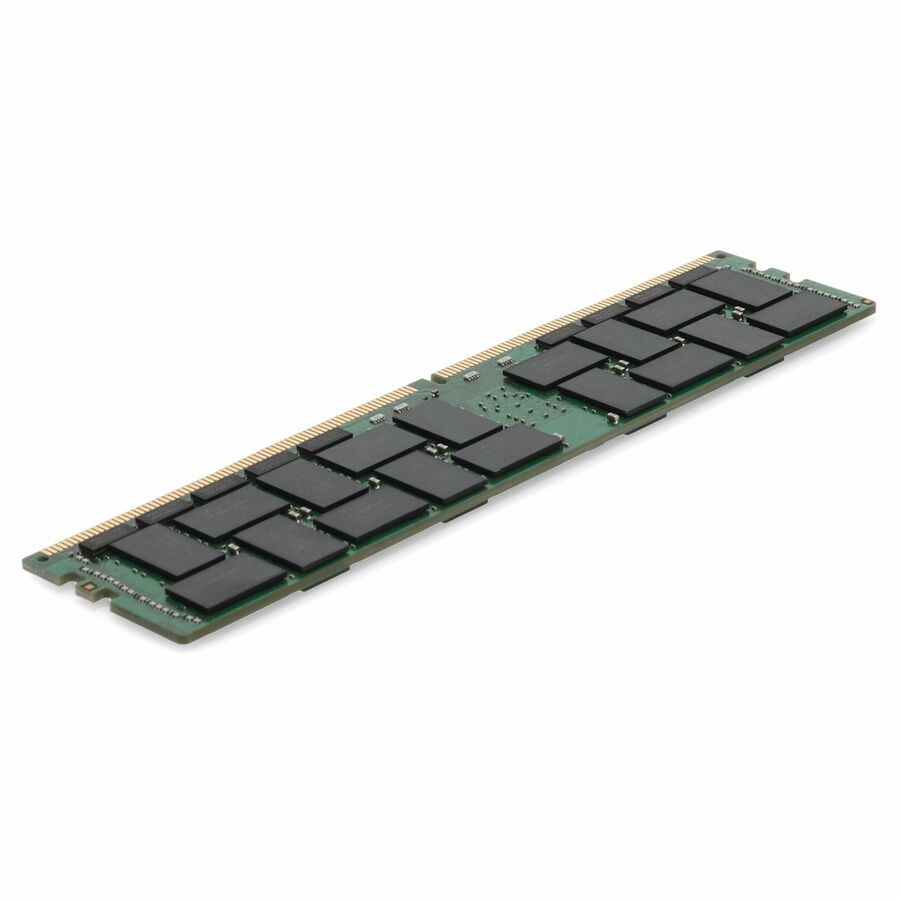
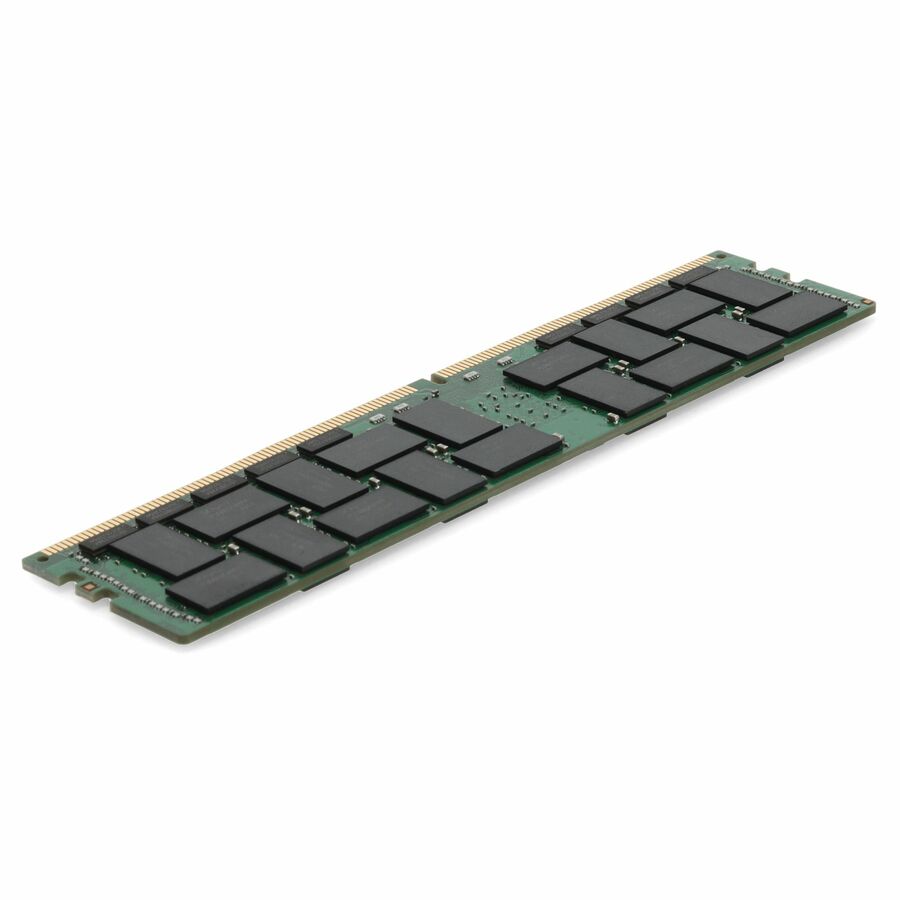
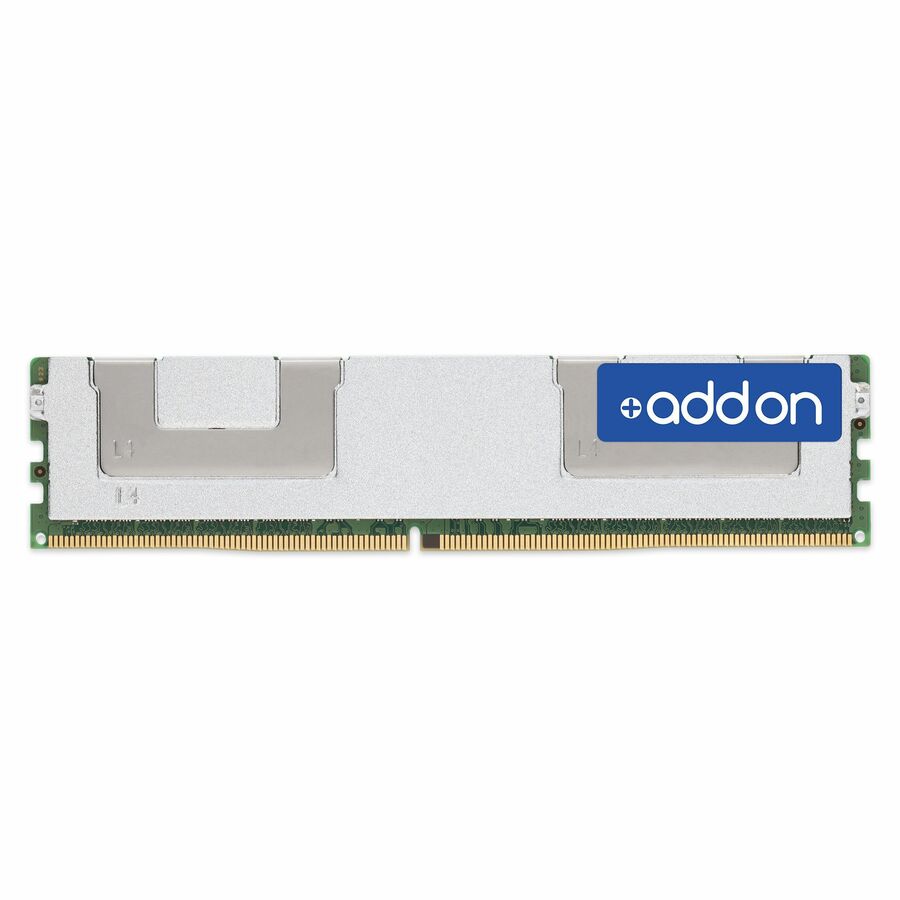
DDR4 LRDIMM, server
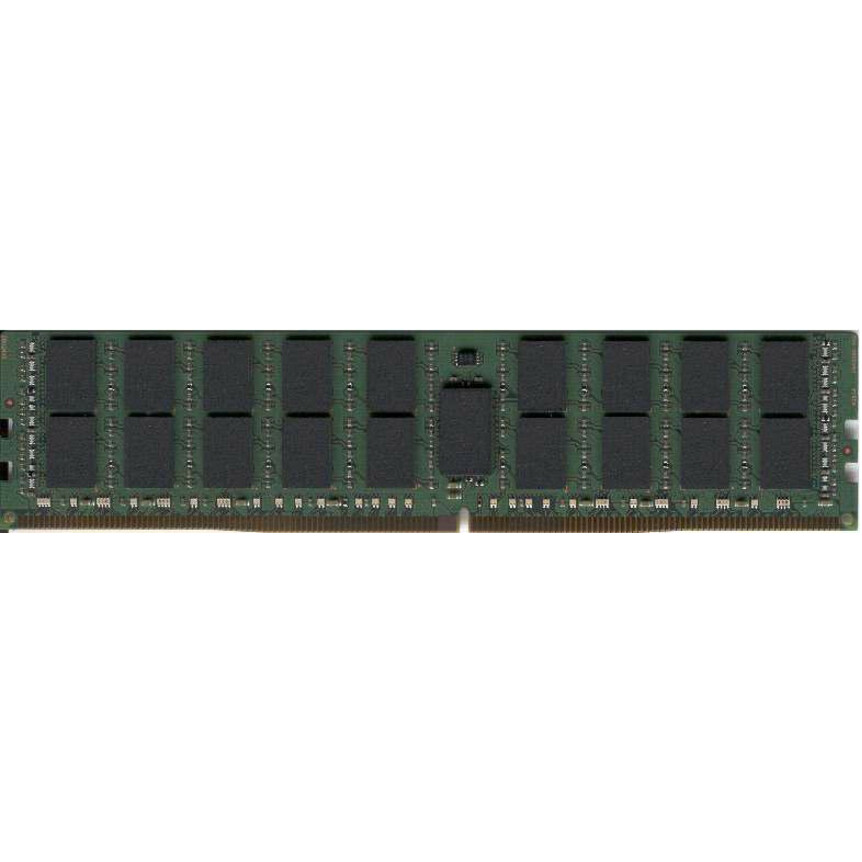
Dataram
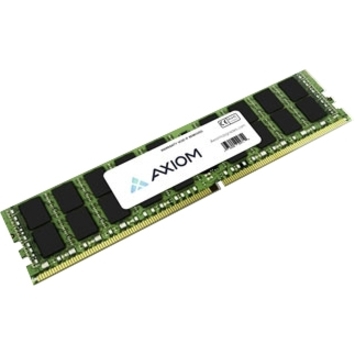
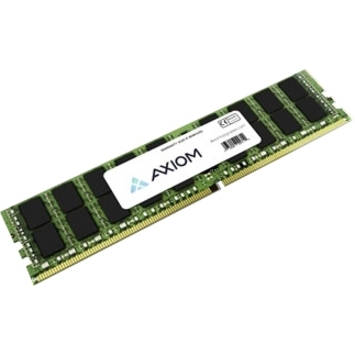
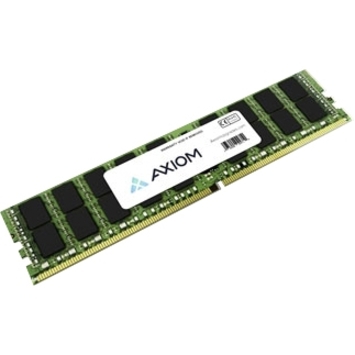
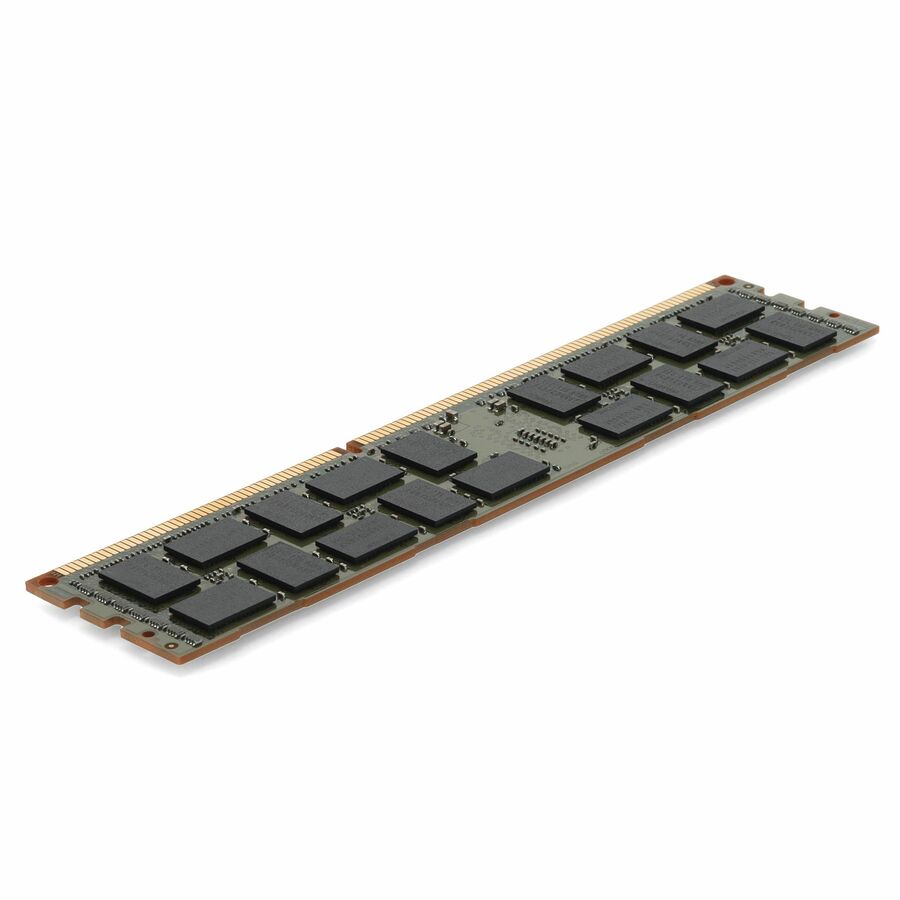
Dataram 64GB DDR4 SDRAM Memory Module
DRIX2400LR/64GB
A single 64GB DDR4-2400 load-reduced module listed for server use — the buffered-data-line type that lets a server backplane carry high capacity across a fully-populated channel.
$142.42Back-orderedDDR4 LRDIMM, workstation
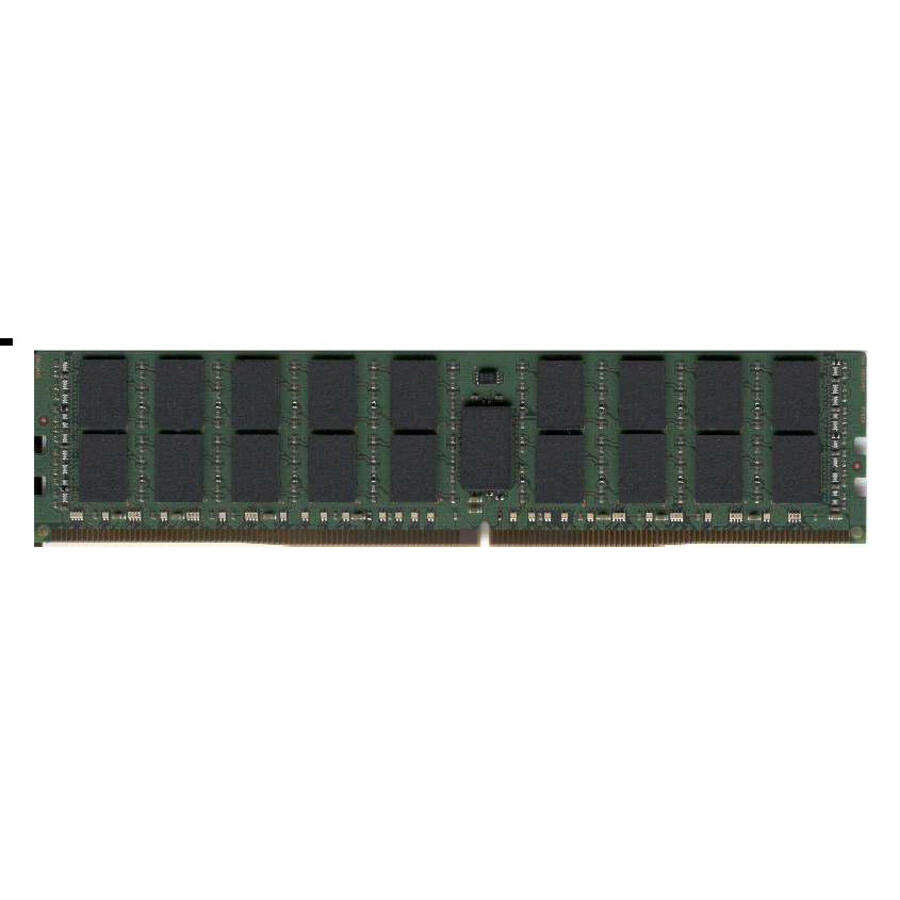
Dataram
Dataram 64GB DDR4 SDRAM Memory Module
DRHZ2400LR/64GB
A 64GB DDR4-2400 load-reduced module from the same line, listed for workstation duty — one part number, the capacity stated in the title.
$142.42Back-orderedDDR3 LRDIMM, HP Gen8
Axiom Memory Solutions
Axiom 64GB PC3-12800L (DDR3-1600) ECC LRDIMM for HP Gen 8
700838-B21-AX
A 64GB PC3-12800L (DDR3-1600) ECC load-reduced module built to an HP Gen8 spec, for an older server platform still in service that takes DDR3 LRDIMMs.
$439.08In stockDDR3 LRDIMM, TAA
Axiom Memory Solutions
64GB PC3-12800L (DDR3-1600) ECC LRDIMM
AXG57594843/1
A 64GB PC3-12800L (DDR3-1600) ECC load-reduced module, listed by the manufacturer as TAA Compliant in its own title — a per-part fact to confirm on the row you order.
Titled TAA Compliant by the manufacturer; the designation is a property of this part number.
$466.81*In stockDDR3 RDIMM, HP server
Axiom Memory Solutions
Axiom 64GB DDR3-1600 Low Voltage ECC RDIMM Kit (4 x 16GB) for HP
AT128A-AX
A 64GB DDR3-1600 low-voltage ECC registered kit built to an HP server spec and listed for server use, buffering address and command lines for a populated channel.
$495.94In stockDDR4-2133, for server
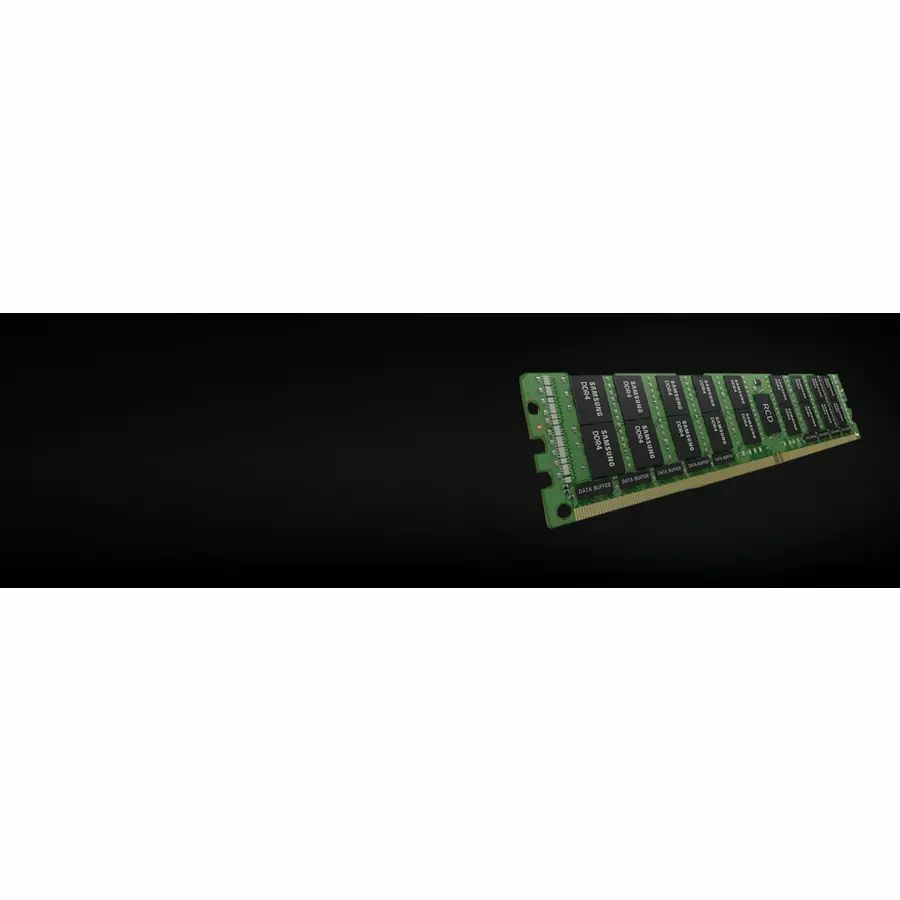
Samsung
Samsung 64GB DDR4 SDRAM Memory Module
M386A8K40BM1-CPB
A single 64GB DDR4-2133 module listed by the maker For Server — the entry point on the DDR4 server ladder where the platform clocks at the lower grade.
$3,096.72Back-orderedDDR4-2666, for server
Samsung
Samsung 64GB DDR4 SDRAM Memory Module
M386A8K40CM2-CTD
A 64GB DDR4-2666 module listed For Server, the middle of the DDR4 server range where most Broadwell-and-later platforms sit.
$708.98Back-orderedDDR4-2933, for server
Samsung
Samsung 64GB DDR4 SDRAM Memory Module
M393A8G40AB2-CVF
A 64GB DDR4-2933 module listed For Server, for the faster DDR4 platforms that can clock the higher grade across the channel.
$1,724.53Back-orderedDDR4-2933 registered
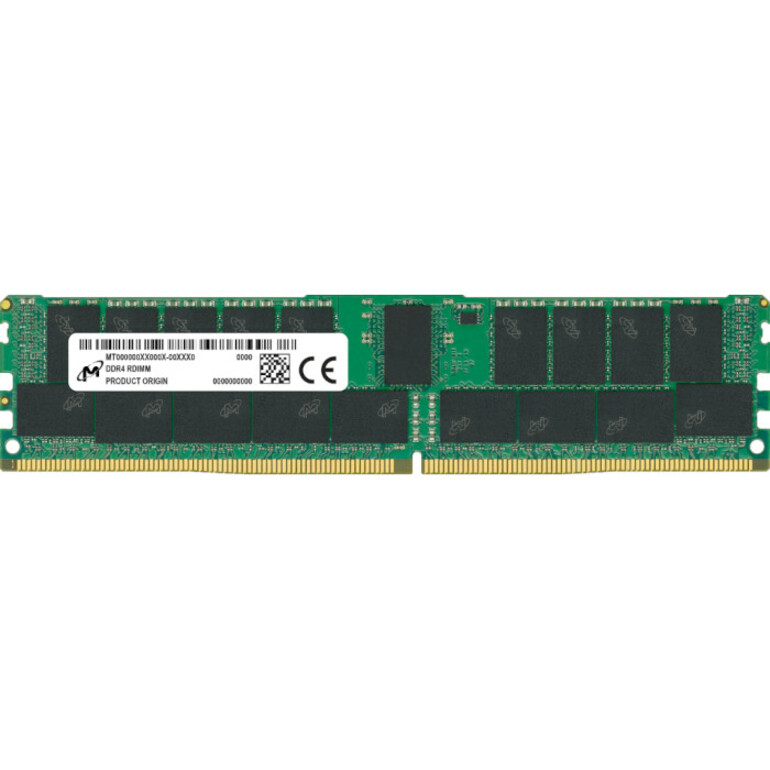
Micron Technology
Micron 64GB DDR4 SDRAM Memory Module
MTA36ASF8G72PZ-2G9R
A 64GB DDR4-2933 registered module the maker lists For Server, Workstation — the dual-use part where one module type serves both a server board and a registered-memory workstation.
$1,413.83Back-orderedDDR4-3200 LRDIMM
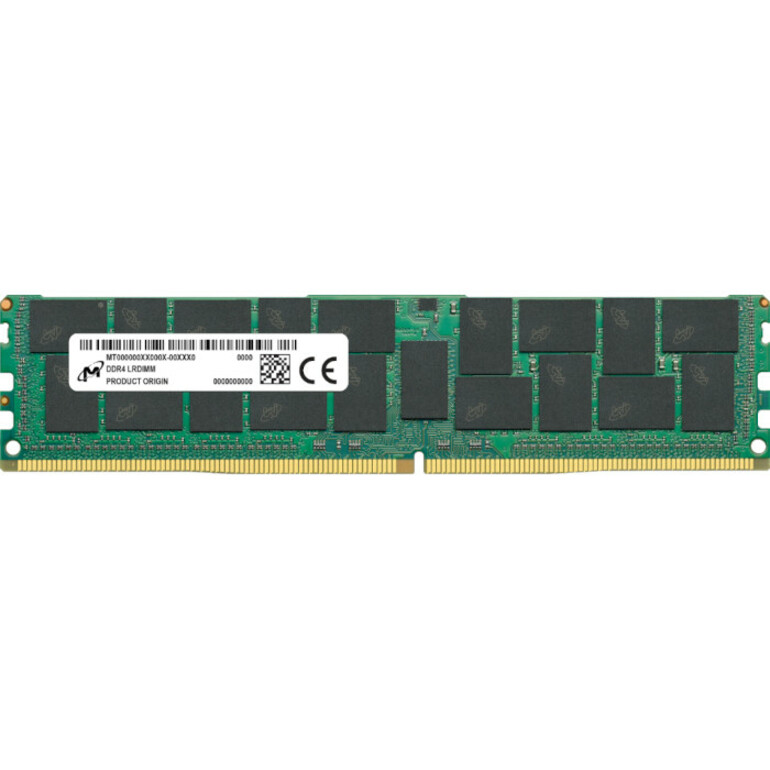
Micron Technology
Micron 64GB DDR4 SDRAM Memory Module
MTA36ASF8G72LZ-3G2R
A 64GB DDR4-3200 load-reduced module listed For PC/Server, Workstation — the top DDR4 grade in a buffered-data-line part for a densely-populated channel.
$1,761.55Back-orderedDDR5-5600 module
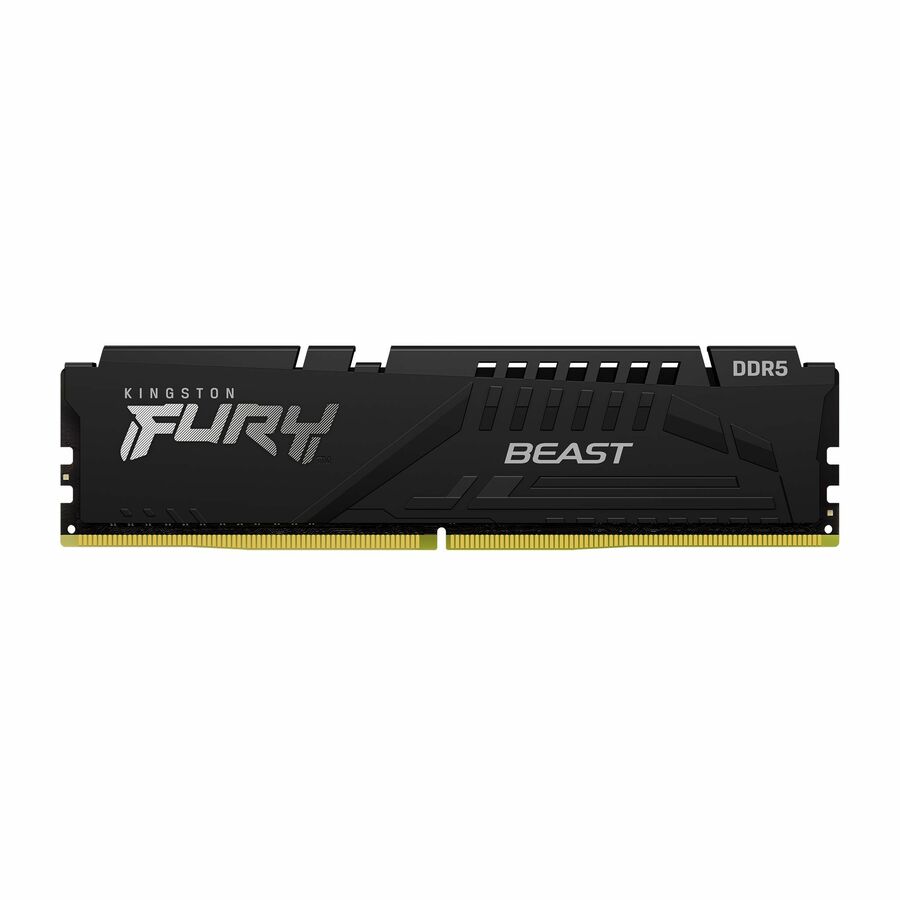
Kingston Technology
Kingston FURY Beast RAM Module
KF556C36BBE-64
A single 64GB DDR5-5600 module for a motherboard — the high-capacity, high-clock stick for a modern workstation build rather than a registered server backplane.
This is an unbuffered module for a workstation-class board, not a registered server DIMM — match it to a platform that takes unbuffered memory.
Request pricingDDR4-2666 registered ECC
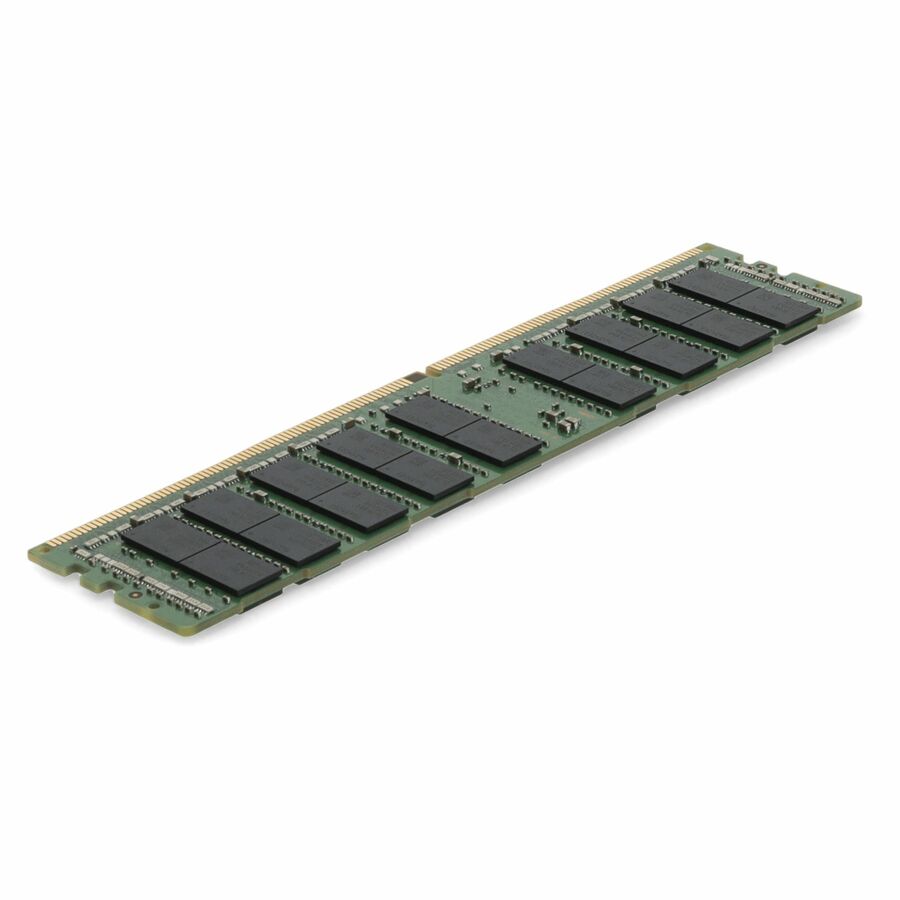
AddOn
AddOn HP® 850882-001 Compatible 64GB DDR4-2666MHz Registered ECC Quad…
850882-001-AM
A 64GB DDR4-2666 registered ECC quad-rank module built to an HP server spec, error-correcting and buffered for a server that runs for months at a time.
$1,407.60Back-orderedDDR4-2666 registered
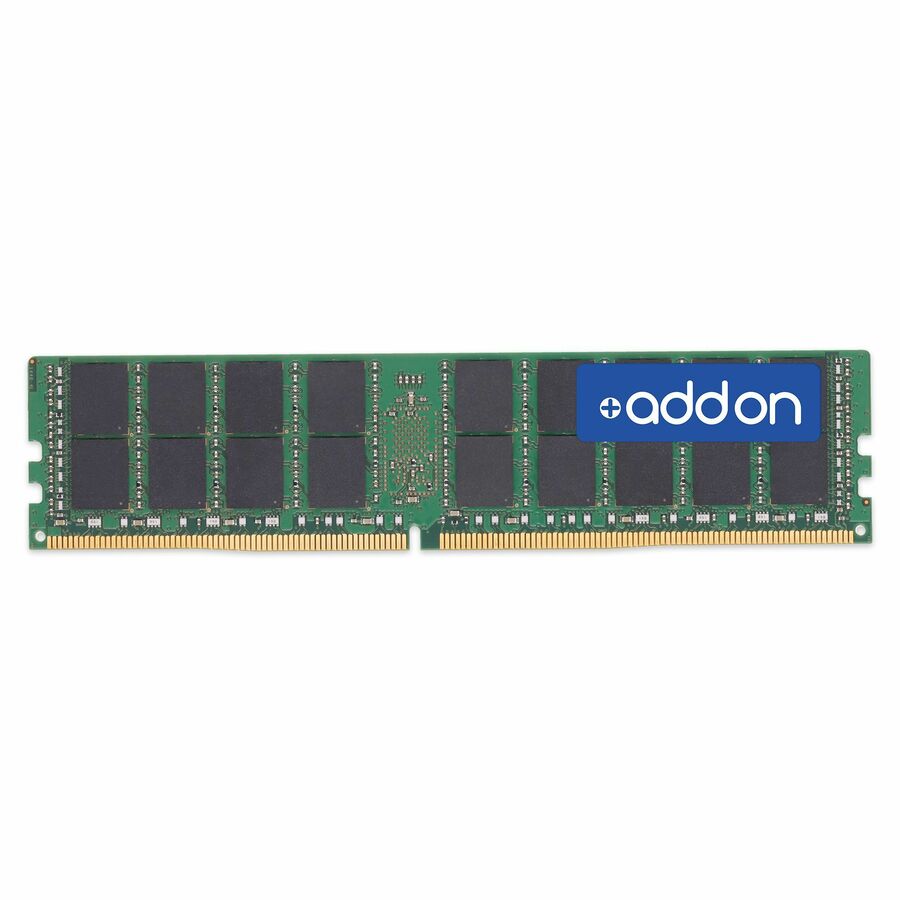
AddOn
AddOn JEDEC Standard Factory Original 64GB DDR4-2666MHz Registered ECC…
AM2666D4QR4RN/64G
A 64GB DDR4-2666 registered ECC quad-rank module built to the JEDEC standard rather than a single OEM spec, for a server board that takes registered memory.
$1,795.84Back-orderedDDR4-2666 LRDIMM, Cisco
AddOn
AddOn Cisco® UCS-ML-X64G4RS-H Compatible Factory Original 64GB…
UCS-ML-X64G4RS-H-AM
A 64GB DDR4-2666 load-reduced ECC quad-rank module built to a Cisco UCS spec, for a UCS node populating its channels with high-capacity LRDIMMs.
Every row this page renders states 64GB in the manufacturer's own title, as this one does.
$1,427.84In stockMore memory modules in the Uniqcli catalog
See all 8,708 memory modulesMore from across this category. In-stock lines lead, and a back-ordered line carries the same estimated availability its product page does — with live pricing throughout, NDAA §889 screening before checkout and TAA verified on request.
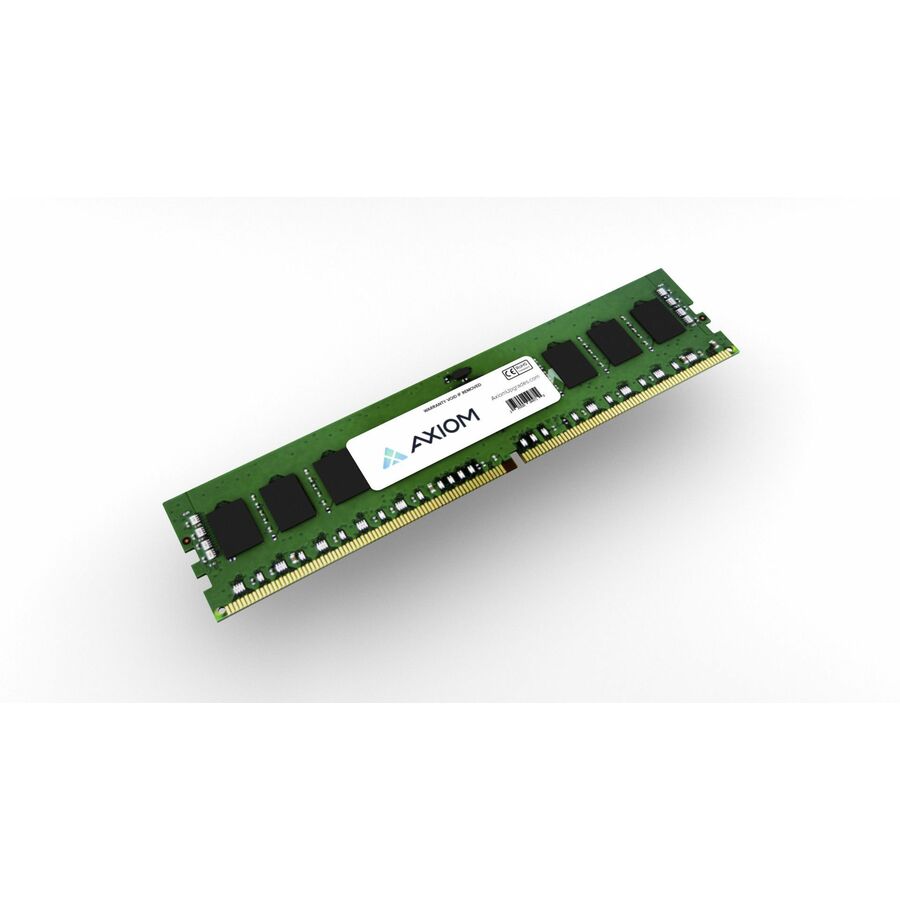
- Axiom Memory SolutionsAxiom 64GB DDR5-6400 ECC RDIMM TAA Compliant - 64GB DDR5-6400 ECC RDIMM - TAA CompliantAXG1080103516/1
$14,644.00
$6,161.70*
12 in stock - Axiom Memory SolutionsAxiom 64GB DDR4-3200 ECC RDIMM - TAA Compliant - 64 GB - DDR4-3200/PC4-25600 DDR4 SDRAM - 3200 MHz - TAA Compliant - ECC - Registered - RDIMMAXG995100088/1
$5,890.00
$2,159.26*
106 in stock - Axiom Memory Solutions64GB DDR5-4800 UDIMM KIT TAA Compliant - 64GB DDR5-4800 UDIMM Kit (2 x 32GB) - TAA CompliantAXG1018101379/2
$4,134.00
$1,675.69*
38 in stock - Axiom Memory SolutionsAxiom 64GB DDR4-3200 ECC LRDIMM TAA Compliant - 64GB DDR4-3200 ECC LRDIMM - TAA compliantAXG1012100319/1
$3,977.00
$1,930.50*
1 in stock - Axiom Memory SolutionsAxiom 64GB DDR5-6400 ECC RDIMM Cisco - UCSX-MRX64G2RE5 - 64GB DDR5-6400 ECC RDIMM for Cisco - UCSX-MRX64G2RE5UCSX-MRX64G2RE5-AX
$7,107.00
$6,107.48
1 in stock - Axiom Memory Solutions64GB DDR5-5600 ECC RDIMM Cisco - UCSX-MRX64G2RE3 - 64GB DDR5-5600 ECC RDIMM for Cisco - UCSX-MRX64G2RE3UCSX-MRX64G2RE3-AX
$6,914.00
$5,942.20
15 in stock - Axiom Memory Solutions64GB DDR5-6400 ECC RDIMM for Dell - AD089130 - Axiom 64GB DDR5-6400 ECC RDIMM for Dell - AD089130AD089130-AX
$6,722.00
$5,776.92
12 in stock - Axiom Memory SolutionsAxiom 64GB DDR5-5600 ECC RDIMM AX55600R46G/64G - For Server - 64 GB - DDR5-5600/PC5-44800 DDR5 SDRAM - 5600 MHz - ECC - Registered - 288-pin - DIMMAX55600R46G/64G
$6,529.00
$5,611.63
129 in stock
Need pricing on 64GB memory modules?
Tell us where to reach you and a Uniqcli specialist will follow up by email with current pricing, availability and lead time for the quantities you need — including parts that aren’t shown on this page.
Buying for an organization or for yourself — both work. No payment up front.
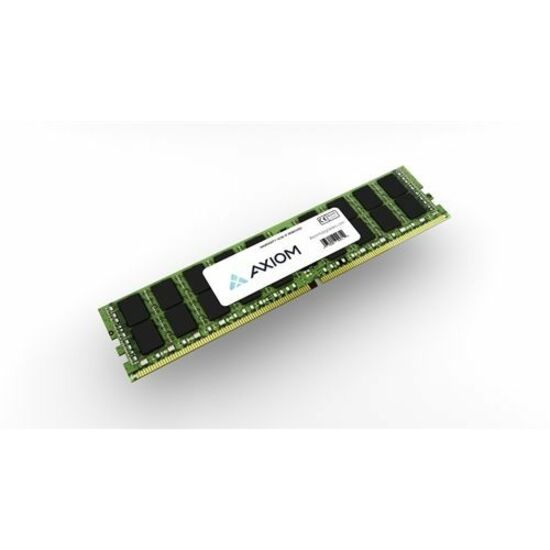
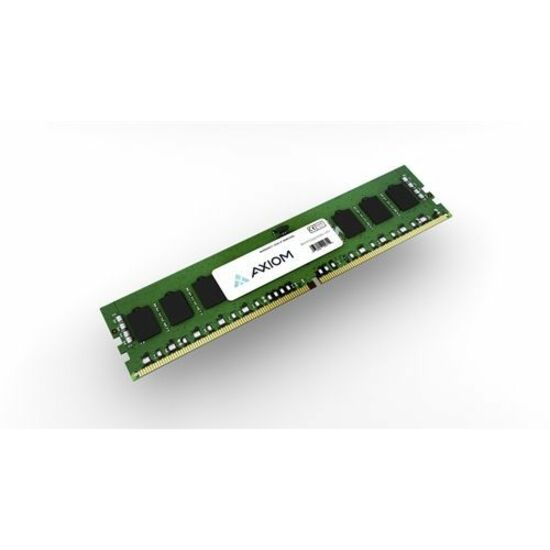
At 64 GB per module the type on the label decides more than the capacity. Registered (RDIMM) and load-reduced (LRDIMM) modules buffer the memory controller so a server can carry many high-capacity sticks per channel, and they run only in boards built for them; unbuffered 64 GB modules are what most workstation platforms take. Confirm the board supports 64 GB per slot at all before ordering.
Sixty-four gigabytes on one module is where memory stops being a component and starts being an architecture decision. It is the capacity you reach for when a database wants its working set in RAM, when a hypervisor is packing more guests onto fewer hosts, or when a workstation is holding a whole simulation or a stack of virtual machines open at once. At that size the module type matters more than the badge on it, and every row on this page states 64GB in the manufacturer's own catalog title so nothing here is a smaller module being reframed as a large one.
The type on the label is the first fork, and it is not cosmetic. Registered (RDIMM) and load-reduced (LRDIMM) modules put a buffer between the memory controller and the chips so a server can populate many high-capacity sticks per channel without the electrical load collapsing; they run only in boards that expect them. Unbuffered modules are what most workstation platforms take, and a 64GB DDR5 unbuffered stick is a different purchase entirely from a 64GB quad-rank LRDIMM. The titles below say which is which, and putting the wrong one in a board is the most common way a large memory order comes back.
Read the rest of the line the same way you read the capacity. The DDR generation and speed have to match what the platform supports, because memory negotiates down to the slowest supported grade and a fast module in a slow board simply runs slow. Rank and voltage decide how many modules a channel will take and whether they play with what is already installed. Send the exact server or workstation model, or the motherboard, and the modules can be matched to the platform's own qualified-list rules rather than to a spec sheet alone.
Buyer's checklist
How to choose a 64GB memory module
- Read the module type before anything else. Registered and load-reduced modules run only in server and workstation boards built for them; an unbuffered 64GB stick runs in a desktop-class platform. The titles here name the type per part, and it is the specification that most often sends an order back.
- Match the DDR generation and speed to the platform, not to the biggest number. Memory runs at the slowest supported grade across the channel, so a DDR4-3200 module in a DDR4-2666 board runs at 2666 — pay for the speed the board can actually clock.
- Confirm the platform supports 64GB per slot at all. Some boards top out at 32GB modules regardless of how many slots are free; the capacity ceiling is a property of the memory controller and the board, and 64GB sticks are wasted in a platform that will not address them.
- Mind rank and load when you populate several slots. Quad-rank and load-reduced modules exist precisely so many can share a channel; mixing ranks or exceeding the board's supported load is how a fully-populated server refuses to post.
- Decide single module versus kit deliberately. A matched kit is tested together and is the safer way to fill empty channels at once; a single module is for adding to an existing, known configuration. The titles say which shape a part is.
- Do not mix a new module blindly with what is installed. Server and workstation platforms are particular about running unlike modules together; where a machine is already partly populated, match the existing part number or repopulate the channel as a set.
- For a server, treat ECC as non-negotiable. Registered and load-reduced server modules carry error correction because a silent bit flip in a machine that runs for years is a data-integrity event, not an inconvenience — the titles state ECC where the part carries it.
- Buy against the platform's own qualified list where one exists. A module that meets the JEDEC spec still has to be one the specific server or workstation vendor validated, and matching to the machine rather than the spec sheet is the difference between a clean expansion and a support ticket.
Registered, load-reduced and unbuffered — the fork that decides everything
At 64GB the buffering on the module is the specification that governs whether it will work at all. A registered module (RDIMM) places a register between the controller and the DRAM so address and command signals are buffered, which lets a server drive more modules per channel than an unbuffered stick could. A load-reduced module (LRDIMM) goes further and buffers the data lines too, which is what makes very high capacities per channel electrically possible — it is why the largest server configurations are built on LRDIMMs. Both run only in boards that expect them, and both are the norm for the 64GB parts a server actually takes.
Workstations are the other half of this page, and many workstation platforms take unbuffered memory rather than registered. A 64GB DDR5 unbuffered module for a modern workstation board and a 64GB DDR4 quad-rank LRDIMM for a server backplane are both '64GB memory modules', and they are not interchangeable in either direction. That is exactly why the titles below state the type, and why the honest way to order at this capacity is to name the machine: the platform decides which of these shapes it will accept, and the capacity alone does not.
Speed, rank and the qualified list
Once the type is right, the remaining decisions are about how the module behaves in a populated channel. Speed is negotiated down to the slowest supported grade across everything installed, so a channel of mixed speeds runs at the lowest, and a fast module bought for a slow board is money spent on a number the platform will never clock. Rank — the number of independent sets of chips on the module — interacts with how many modules a channel will support; quad-rank and load-reduced parts exist to let more capacity share fewer channels, but exceeding the board's supported rank or load is a common cause of a server that will not complete its memory training at boot.
The last discipline is the vendor's own qualified-vendor list. Server and workstation makers validate specific module part numbers against specific platforms, and a module that is correct on paper can still be one the machine was never tested with. That is not a reason to fear compatible or third-party modules — many on this page are built exactly to a platform's spec — it is a reason to order against the machine. Send the server or workstation model, or the motherboard and how many slots are already filled, and the modules, the rank plan and the population order come back matched to the platform rather than guessed from the capacity.
FAQ
Common questions
- What is the difference between RDIMM, LRDIMM and unbuffered 64GB memory?
- It is the buffering on the module, and it decides which board the part runs in. A registered module (RDIMM) buffers the address and command signals so a server can drive more modules per channel. A load-reduced module (LRDIMM) buffers the data lines as well, which is what makes the highest capacities per channel electrically possible — most large server builds use them. Unbuffered modules carry no register and are what many workstation and desktop-class platforms take. The titles here state the type per part, and the three are not interchangeable: a board built for registered memory will not run unbuffered sticks, and the reverse is equally true.
- Will a 64GB module work in any server or workstation?
- No — the platform has to support 64GB per slot and the correct module type. Some boards cap at 32GB per slot no matter how many are free, because the ceiling lives in the memory controller and the board rather than in the slot. Beyond that, the machine expects a specific type (registered, load-reduced or unbuffered), a supported speed and a supported rank. The reliable way to buy at this capacity is to send the exact server or workstation model so the module is matched to the platform's own rules, not to the spec sheet.
- Do I need ECC memory in a server?
- For a server, treat it as required. Registered and load-reduced server modules carry error-correcting code because a machine that runs for months at a time will eventually see a random bit flip, and in a server that is a silent data-integrity event rather than a crash you notice. The titles here name ECC where the part carries it. Workstations vary — some platforms take ECC unbuffered memory, others take standard unbuffered — which is another reason to match the module to the machine.
- Should I buy a single 64GB module or a matched kit?
- It depends on what is already in the machine. A matched kit is tested together and is the safer way to fill several empty channels at once, which suits a fresh build or a full repopulation. A single module is for adding to a known, existing configuration — but server and workstation platforms are particular about running unlike modules together, so where a machine is partly populated the safest paths are to match the installed part number or to repopulate the channel as a set. The titles say which shape each part is.
- Can business, government and education buyers order these?
- Every line Uniqcli quotes is sourced through US distribution and screened for TAA country-of-origin and NDAA §889 status before checkout — with documentation tied to the specific part number, not a product family.
Need 64GB memory modules pricing?
Send a bill of materials or part numbers — we confirm stock and a below-market total, with TAA verified on request. No payment up front.