
Best C13 to C14 and NEMA Power Cords for Racks
The cord that connects a device inlet to a PDU outlet — how to read the connector codes, and what changes between a rack jumper and a wall cord.
Power cords in stock at Uniqcli
How to choose →A curated selection with live pricing — in-stock lines first, then back-ordered lines with a typical lead time. Every line is sourced through US distribution and screened for NDAA §889 status before checkout, with TAA verified on request.
- LegrandC2G 4ft Power Extension Cord - 18 AWG - IEC320C14 to IEC320C13 - 4ft03145
$7.99
$7.46
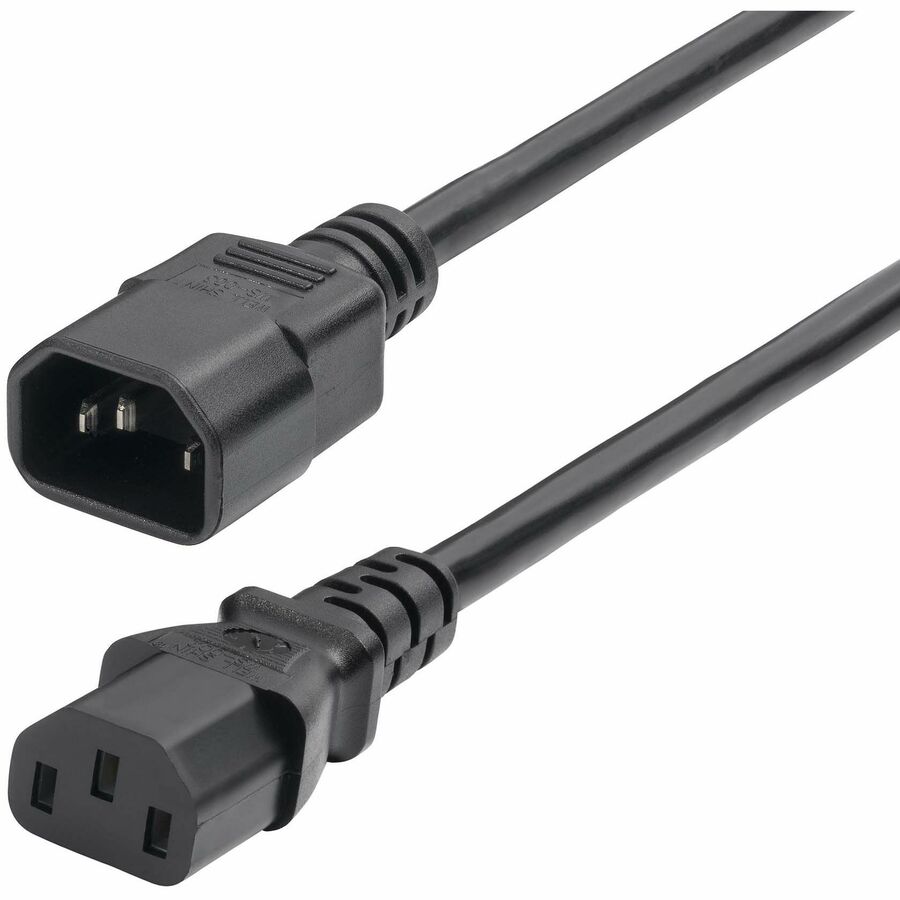
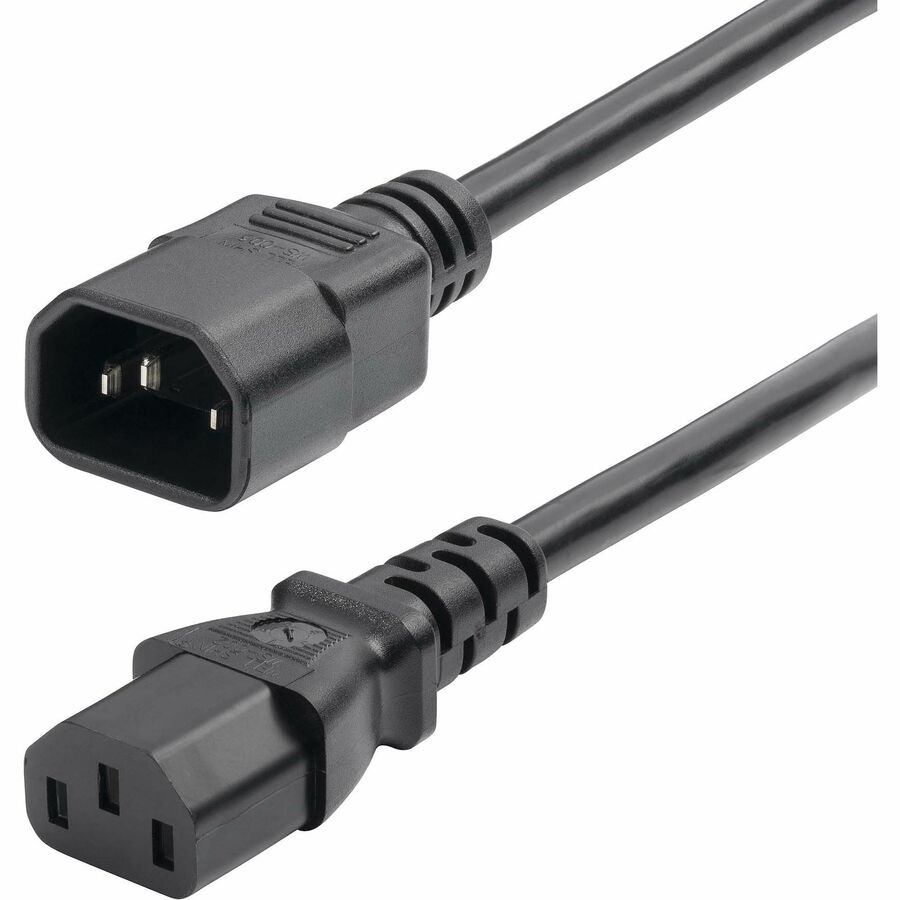
7,335 in stock - StarTech.comStarTech 1ft (0.3m) Power Extension Cord, IEC 60320 C14 to C13 PDU Power Cord, 10A 250V, 18AWG, UL Listed, TAA - 1ft universal power cord w/IEC 60320 C14 to C13 connectors; Rated to carry 250V at 10A; UL Listed; Wire: 100% Copper; Fire Rating: VW-1; 18AWG; Jacket Rating: SJT; Temp Range: -4 to 221°F; Cable O.D.: 0.3in; TAA Compliant8713-8100-POWER-CORD
$8.19
$7.53*
1 in stock - StarTech.comStarTech 2ft (60cm) Power Extension Cord, IEC 60320 C14 to C13 PDU Power Cord, 10A 250V, 18AWG, UL Listed, TAA - 2ft universal power cord with IEC 60320 C14 to C13 connectors; Rated to carry 250V at 10A; UL Listed; Wire: 100% Copper; Fire Rating: VW-1; 18AWG; Jacket Rating: SJT; Temp Range: -4 to 221°F; Cable O.D.: 0.3in; TAA Compliant8713-8200-POWER-CORD
$8.19
$7.53*
278 in stock





Short rack jumper
Eaton
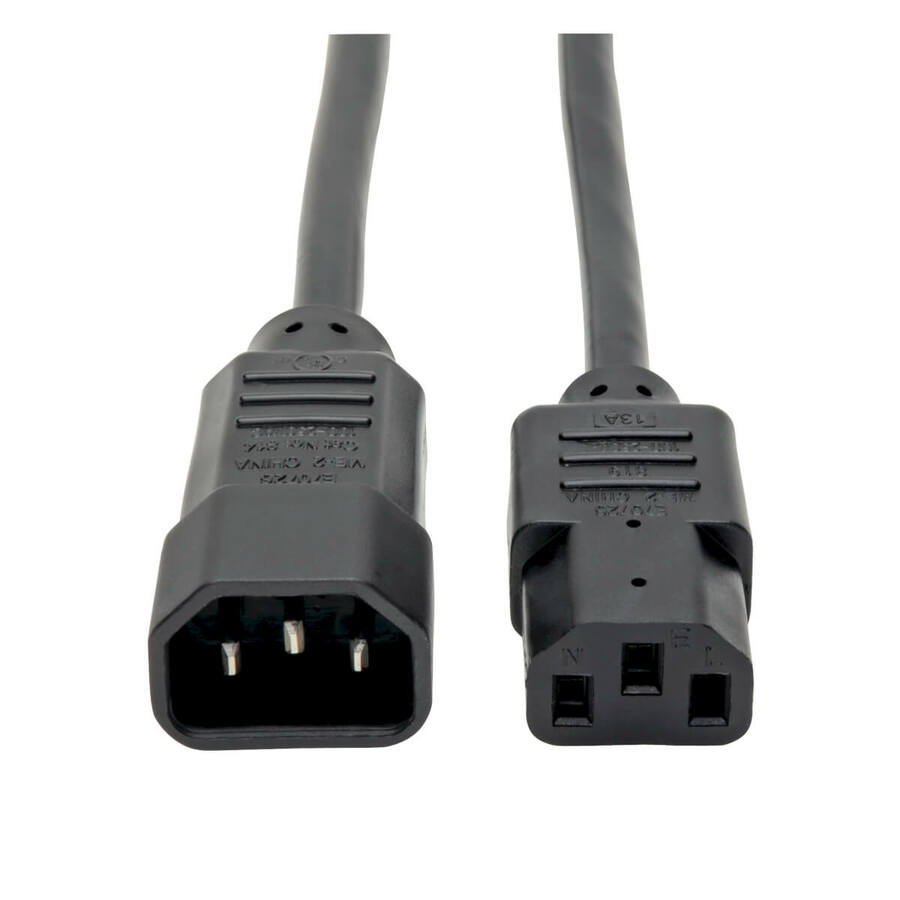
Eaton Tripp Lite Series PDU Power Cord, C13 to C14
P004-002-AOR
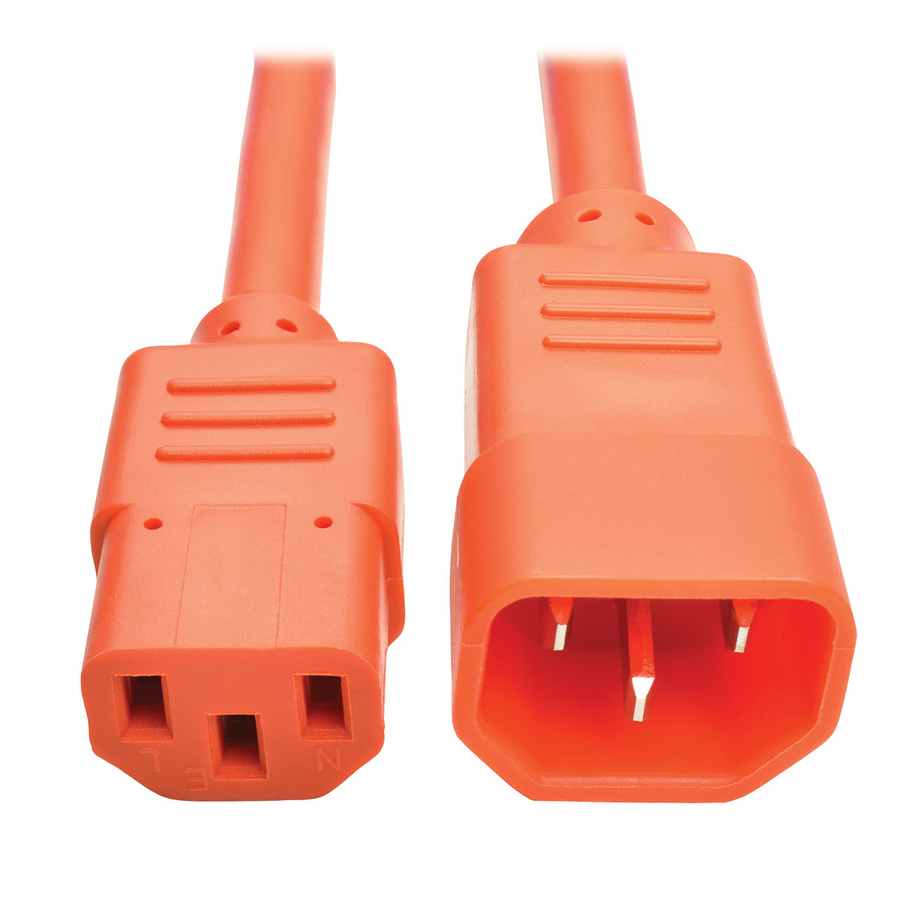
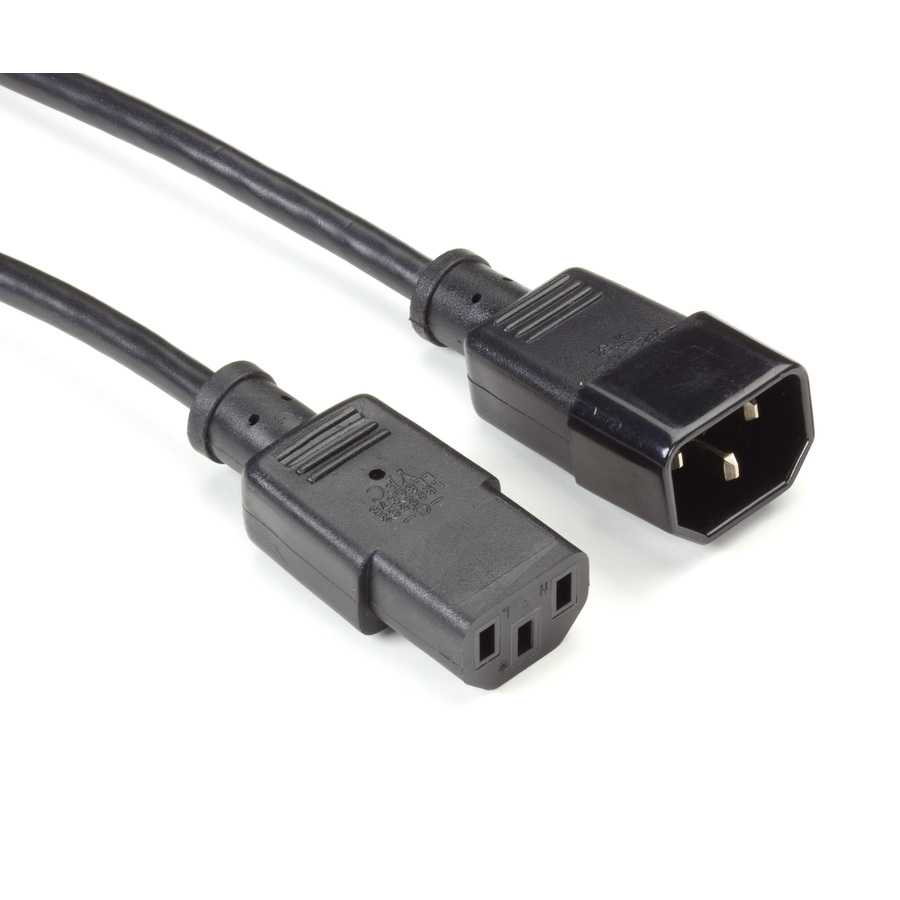
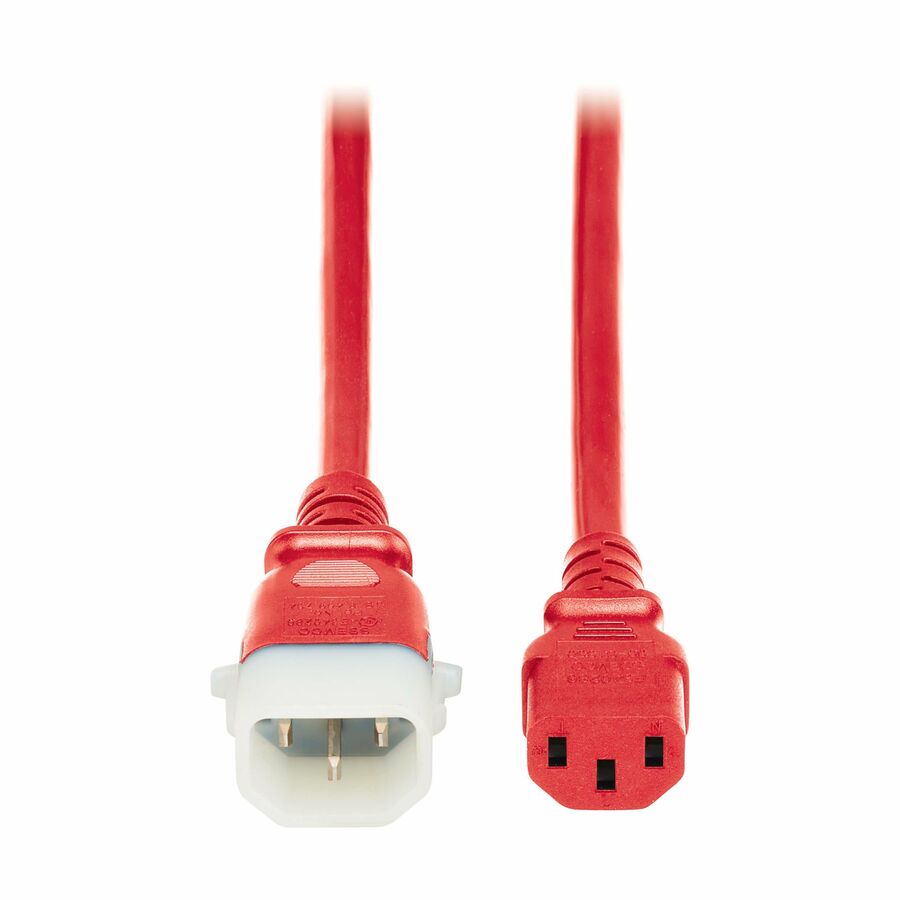
A two-foot C13-to-C14 PDU jumper in 18 AWG, rated 10 A at 250 V, in orange. Short jumpers are the right default inside a cabinet — the cord reaches the outlet above the device and nothing coils behind the rails.
The colour is the point in a dual-fed rack: run one supply in orange and the other in black and the power path is readable at a glance.
$4.86In stockBlack rack jumper
Eaton
Eaton Tripp Lite Series PDU Power Cord, C13 to C14
P004-002
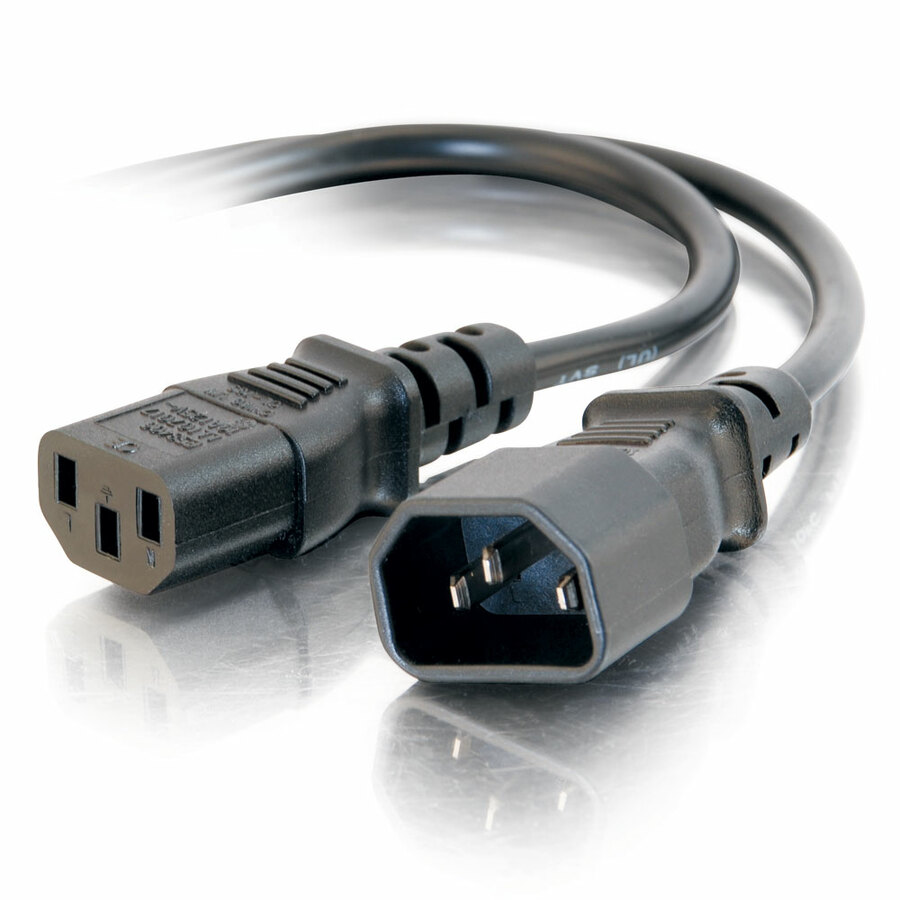
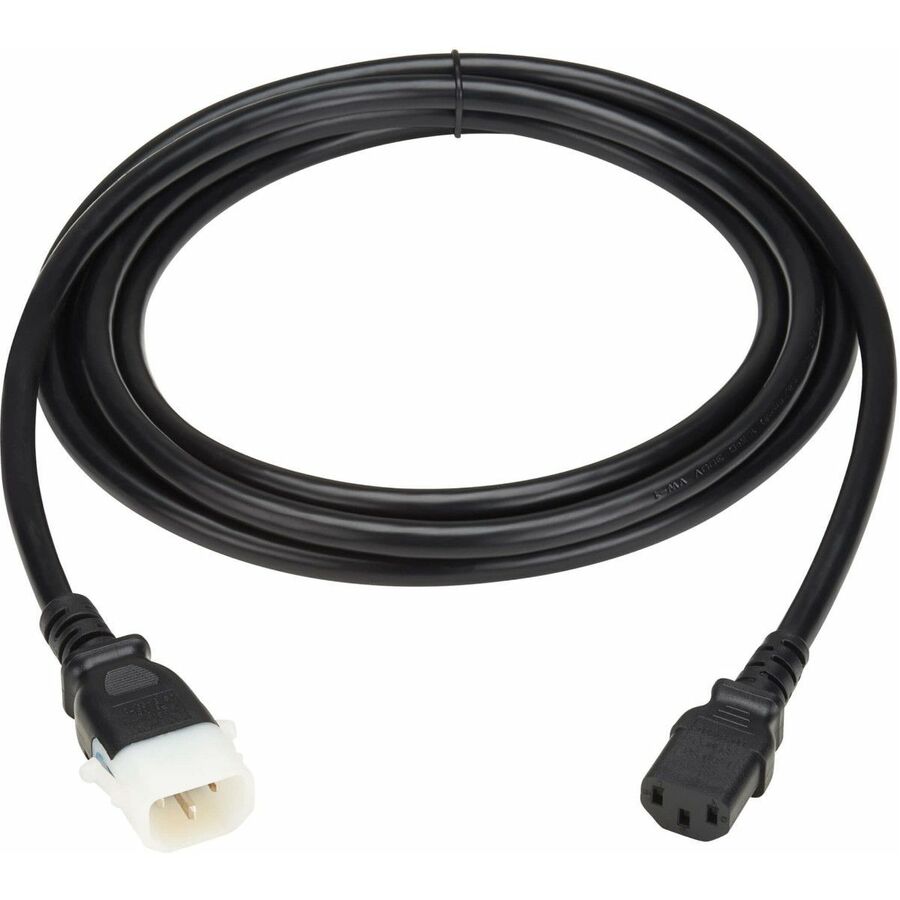
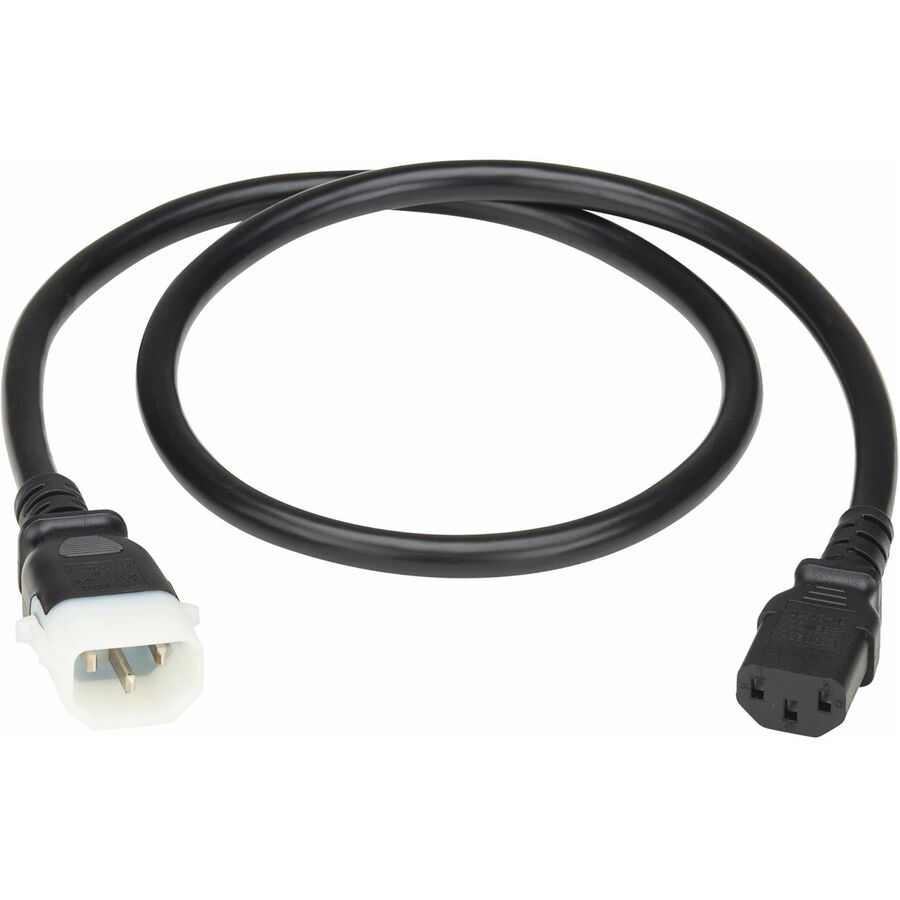
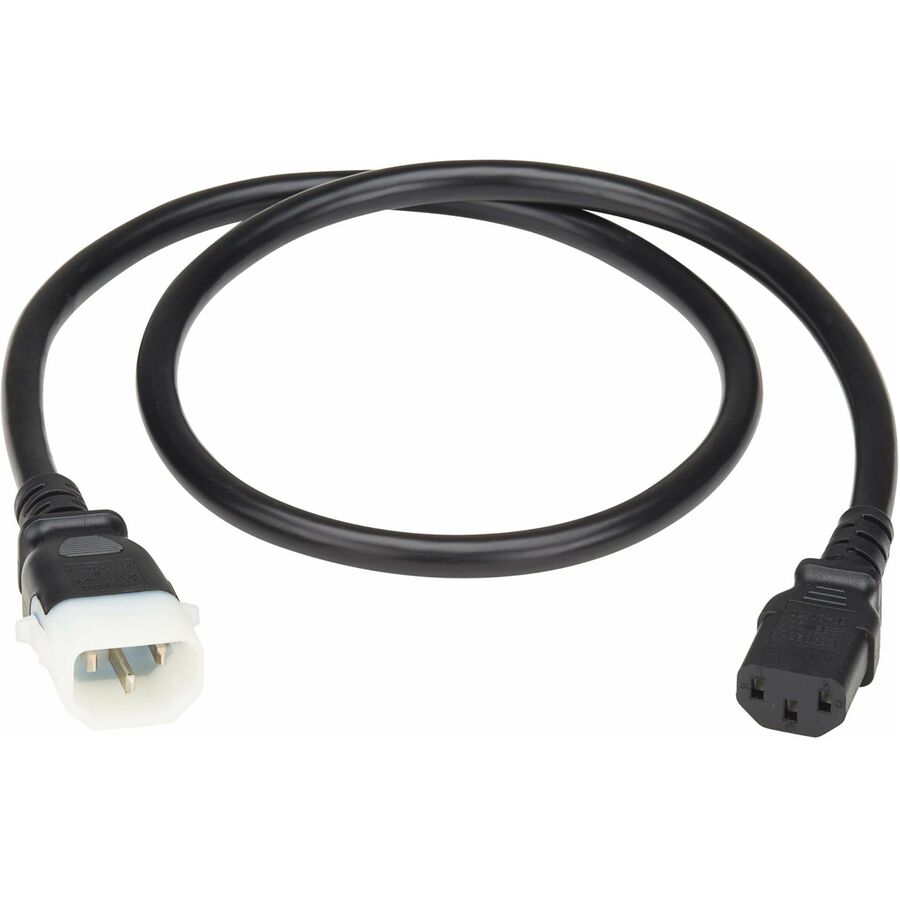
The same two-foot C13-to-C14 jumper in 18 AWG at 10 A, 250 V, in black. This is the ordinary cabinet cord, the one to buy by the box when a rack is being populated rather than repaired.
$8.62In stockExtension jumper
StarTech.com
StarTech 1ft (0.3m) Power Extension Cord, IEC 60320 C14 to C13 PDU…
8713-8100-POWER-CORD
A one-foot IEC 60320 C14-to-C13 extension cord, 18 AWG, rated to 250 V at 10 A and UL listed. One foot is the length that solves the outlet-is-directly-behind-the-device problem without adding slack to manage.
The manufacturer's own listing records this part number as TAA compliant, which matters where the whole rack build will be screened for origin.
$7.53*In stockDesktop wall cord
Eaton
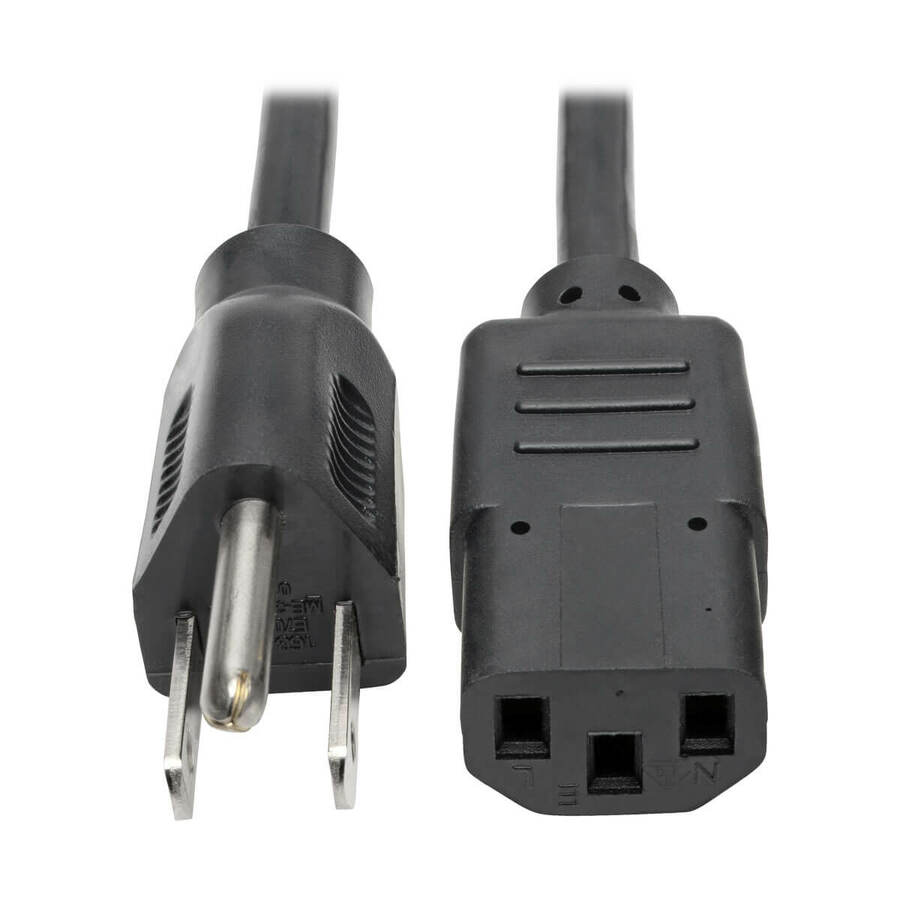
Tripp Lite by Eaton Desktop Computer AC Power Cable NEMA 5-15P to C13
P006-003
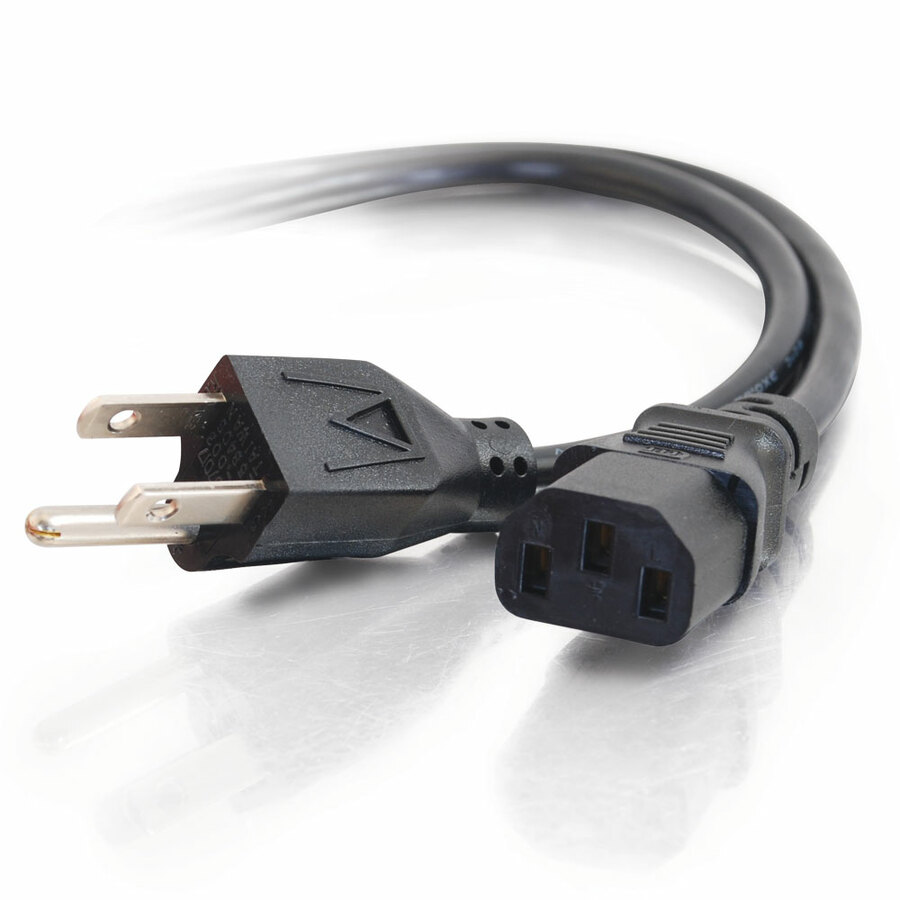
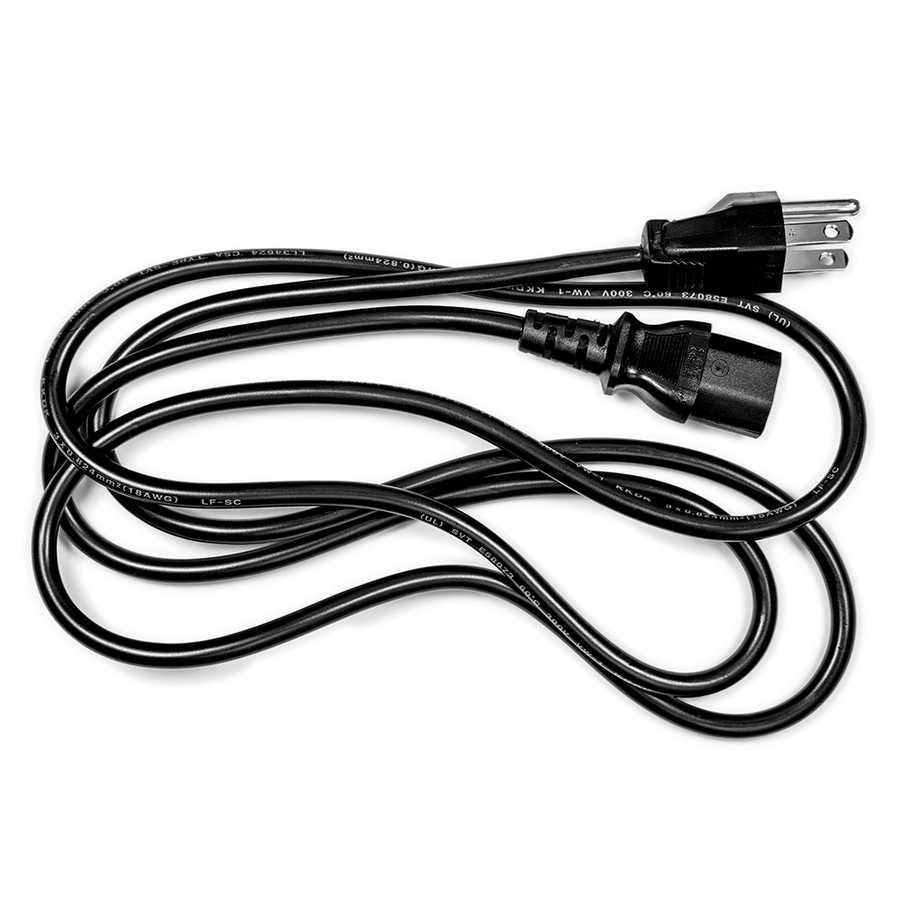
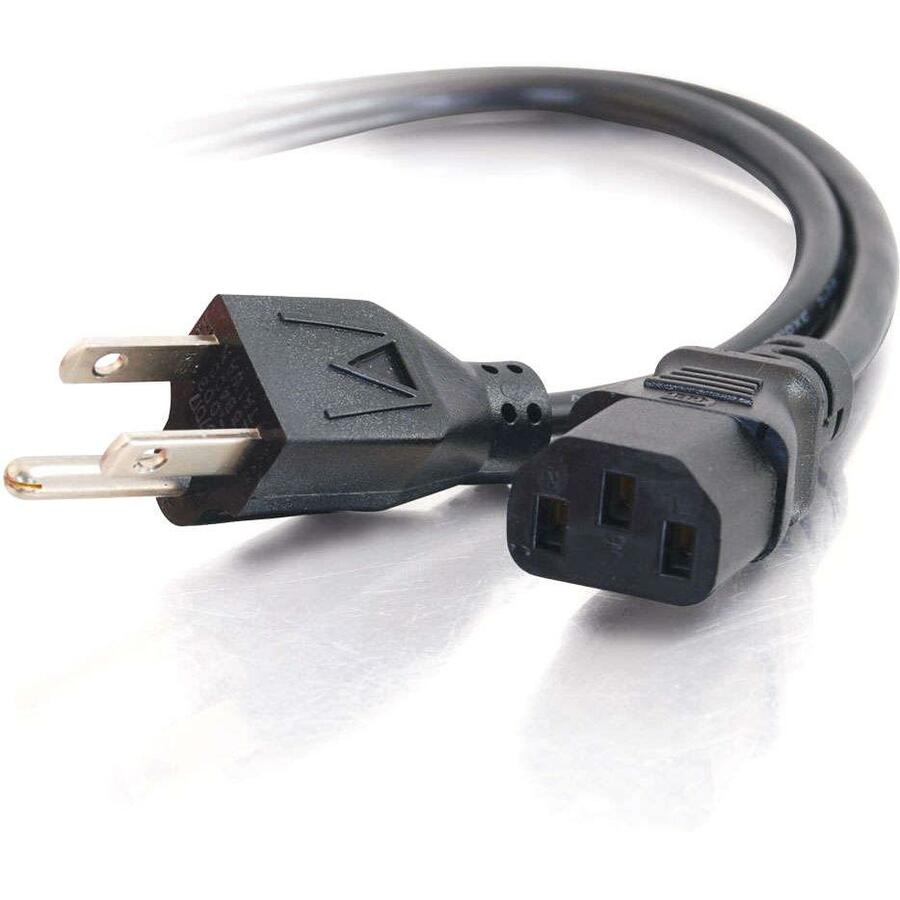
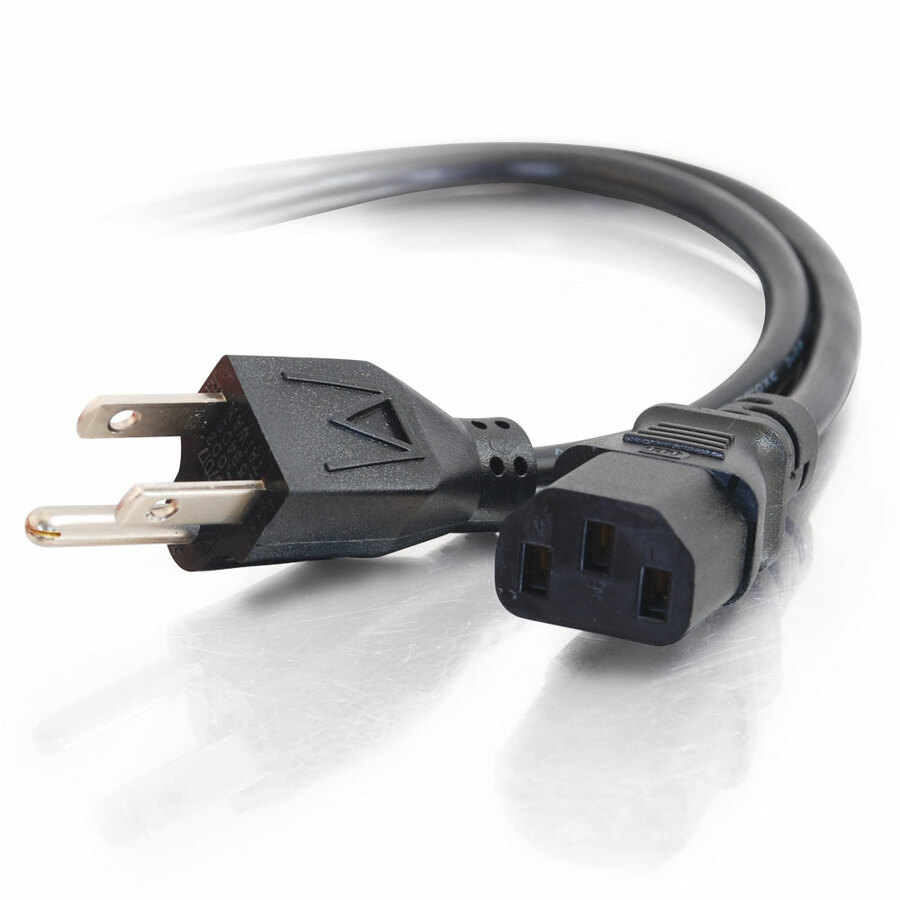
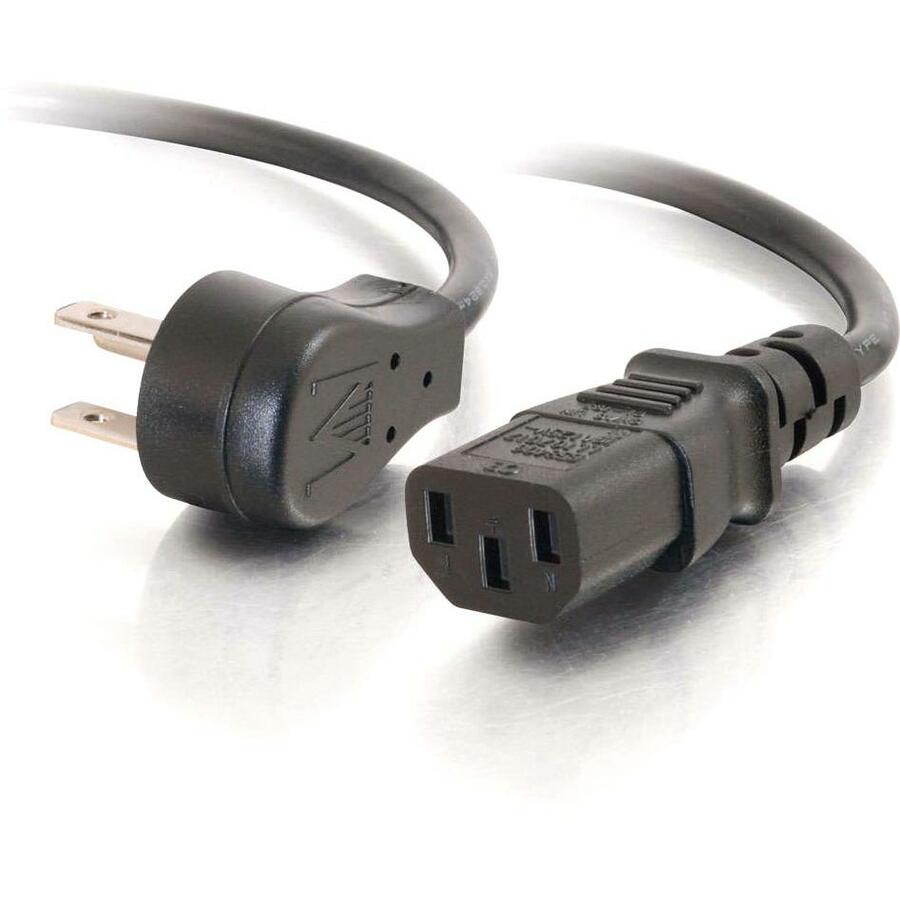
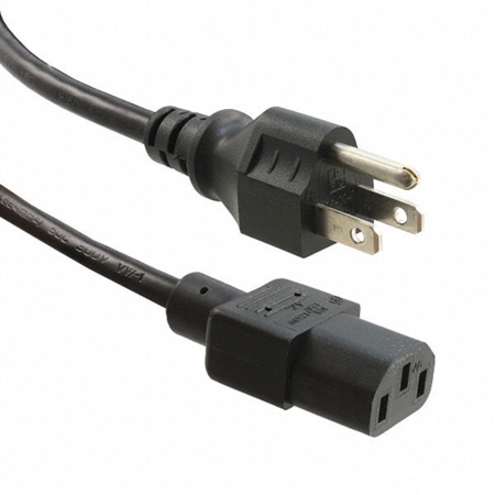
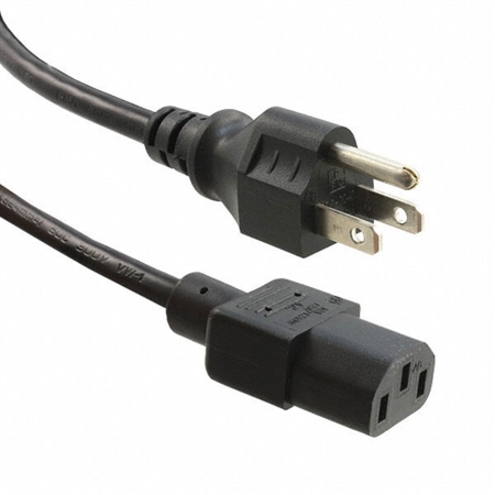
The other family: a three-foot NEMA 5-15P to C13 AC power cable in 18 AWG at 10 A, 125 V. This is what a desktop, a monitor or a standalone appliance needs — a wall plug on one end rather than a PDU connector.
$8.65In stockShort universal cord
Legrand
C2G 1ft Universal Power Cord
24240
A one-foot NEMA 5-15P to IEC320C13 universal power cord in 18 AWG. Useful where equipment sits directly under a surge strip or a wall outlet and a standard six-foot cord would simply be coiled.
The manufacturer's own listing records this part number as TAA compliant.
$5.06In stockHospital-grade cord
StarTech.com
StarTech 3ft (1m) Hospital Grade Power Cord, 18AWG, NEMA 5-15P to C13…
PXTMG1013
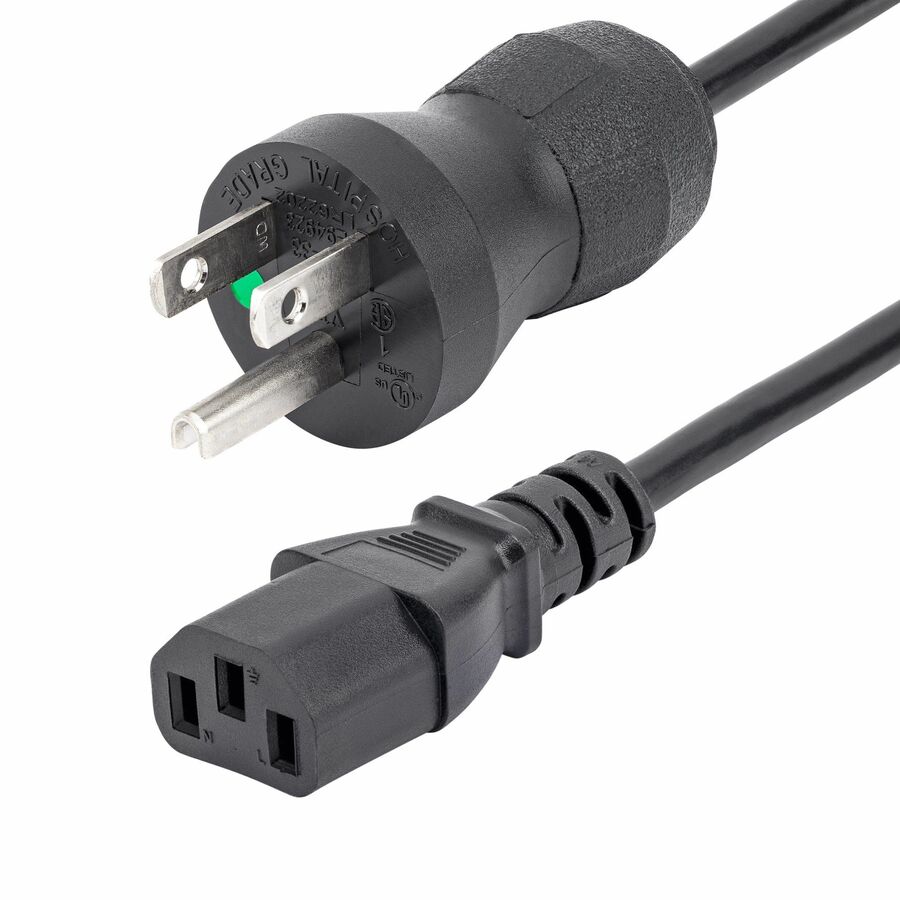
A three-foot hospital-grade cord, 18 AWG, NEMA 5-15P to C13, rated 10 A at 125 V, UL listed with the green dot and a fully molded hospital-grade plug. The part to specify when a clinical environment requires it rather than a general-purpose cord.
$7.53In stockMore power cords in the Uniqcli catalog
See all 3,839 power cordsMore from across this category. In-stock lines lead, and a back-ordered line carries the same estimated availability its product page does — with live pricing throughout, NDAA §889 screening before checkout and TAA verified on request.
- LegrandMiddle Atlantic Standard Power Cord - 2.99 ft Cord Length - NEMA 5-15P / IEC 60320 C13 - 100IEC-36X100
$2,140.00
$1,724.45
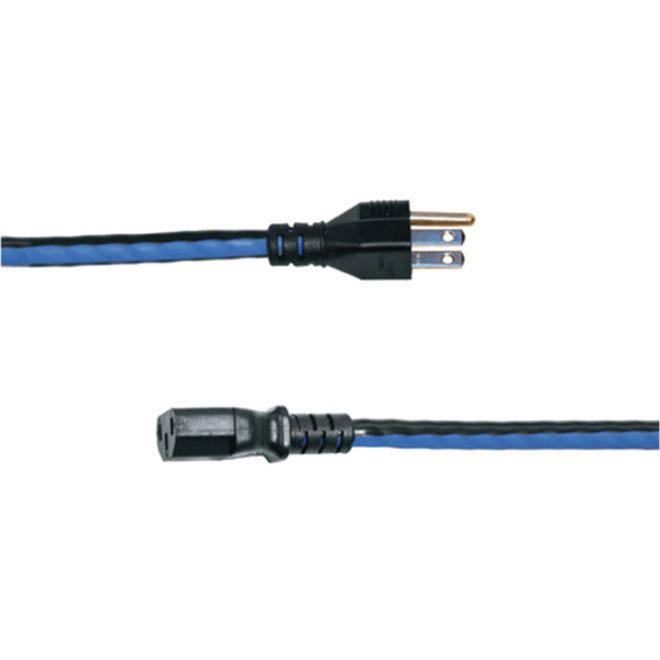
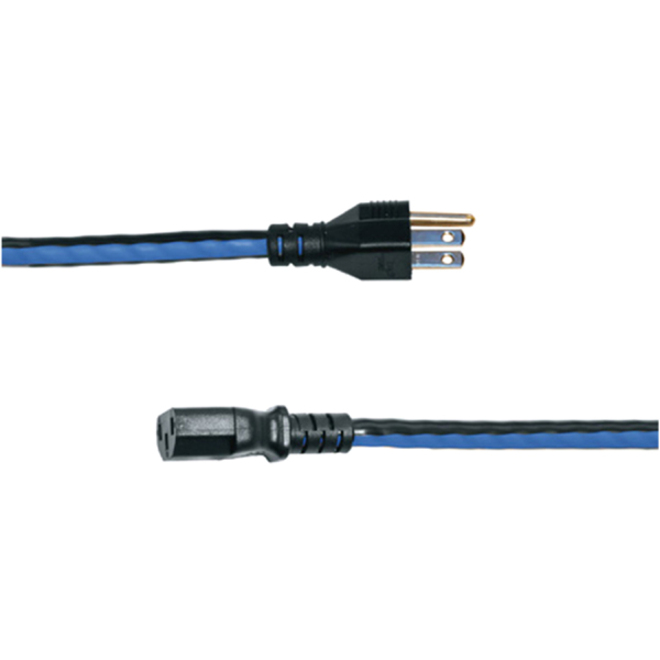
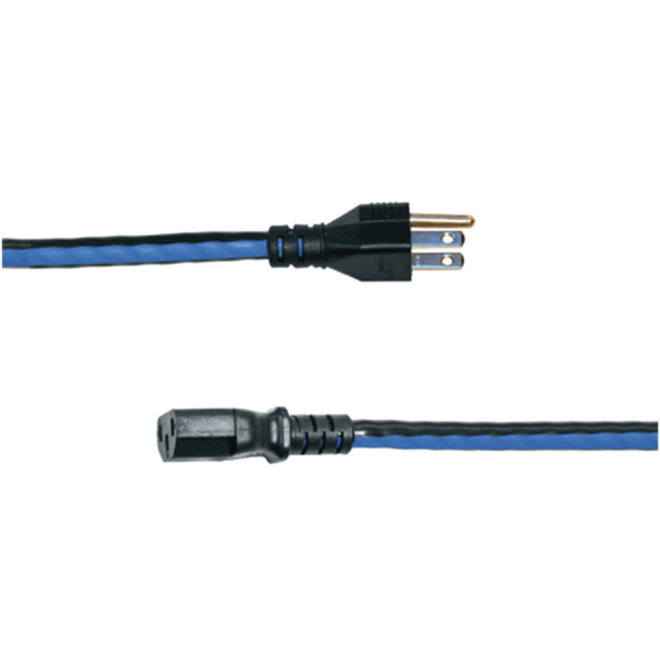
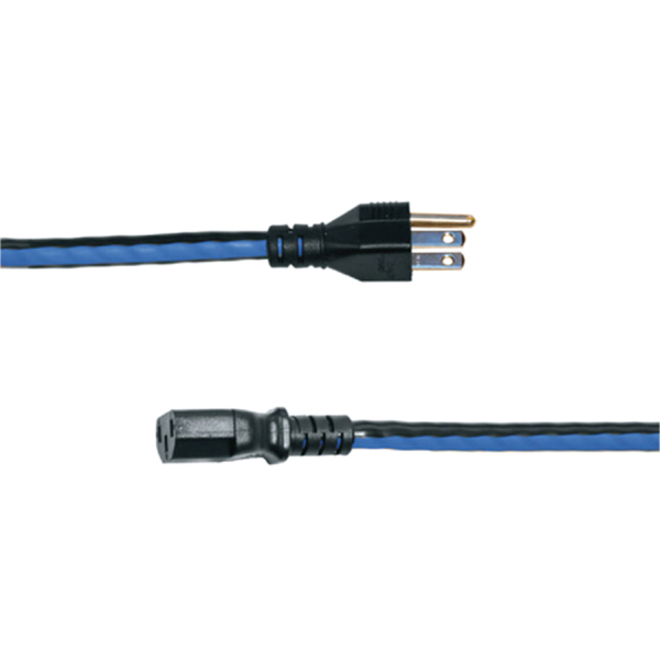
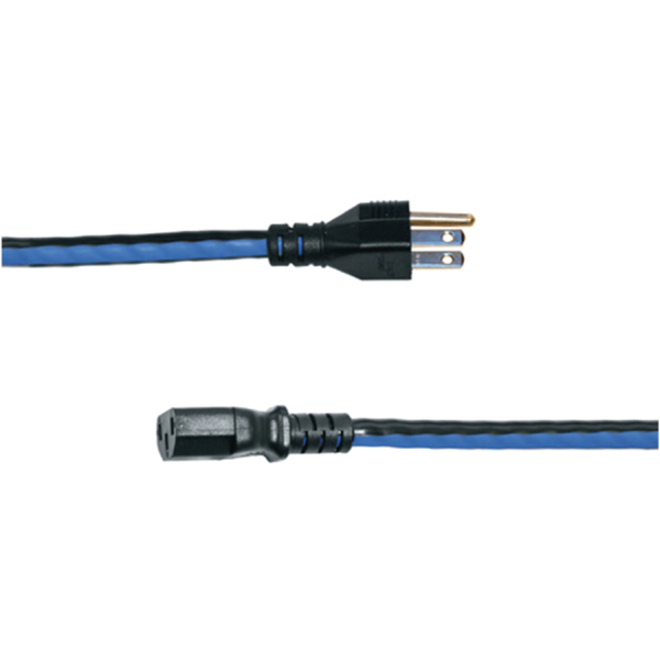
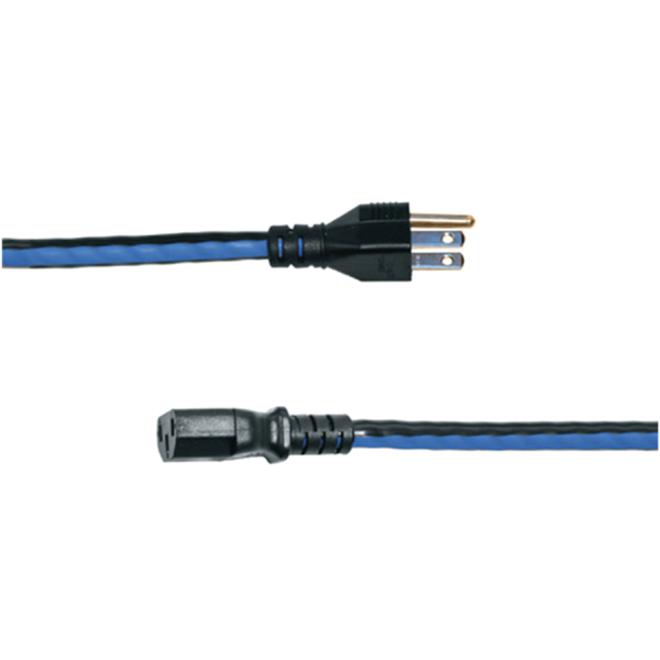
1 in stock - LegrandMiddle Atlantic SignalSAFE Standard Power Cord - Blue Stripe - 2 ft Cord Length - NEMA 5-15P / IEC 60320 C13 - 100IEC-24X100
$1,950.00
$1,567.94
2 in stock - LegrandMiddle Atlantic SignalSAFE Standard Power Cord - Blue, Black - 12" Cord Length - NEMA 5-15P / IEC 60320 C13 - 100IEC-12X100
$1,590.00
$1,276.51
7 in stock - LegrandMiddle Atlantic SignalSAFE IEC-48X20 Standard Power Cord - Blue - 4 ft Cord Length - IEC 60320 C13 - 20IEC48X20
$920.00
$737.78
2 in stock - LegrandMiddle Atlantic SignalSAFE IEC-24X20 Standard Power Cord - Blue - 2 ft Cord Length - IEC 60320 C13 - 20IEC-24X20
$540.00
$433.02
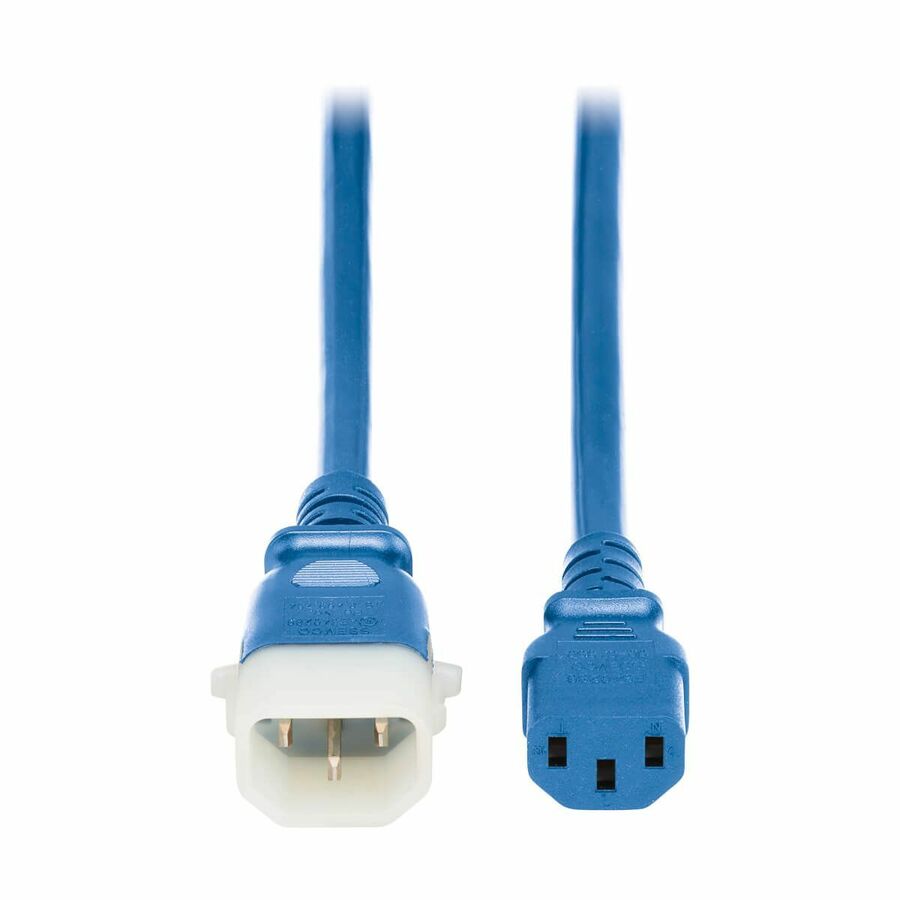
6 in stock - EatonEaton Tripp Lite Series PDU Power Cords, C13 to P-Lock C14 - Heavy-Duty, 15A, 250V, 14 AWG, 10 ft. (3.1 m), Blue, 6 Pack - For PDU, Computer, Monitor, HDTV, Printer, Server, UPS, Network Device, Switch, Workstation, Rack - 14 Gauge - 120 V AC / 15 A, 230 V AC - Blue - 10 ft Cord Length - IEC 60320 C13 / IEC 60320 C14 - North America - 6 PackP005-E10-ABL-6
$822.08
$756.31
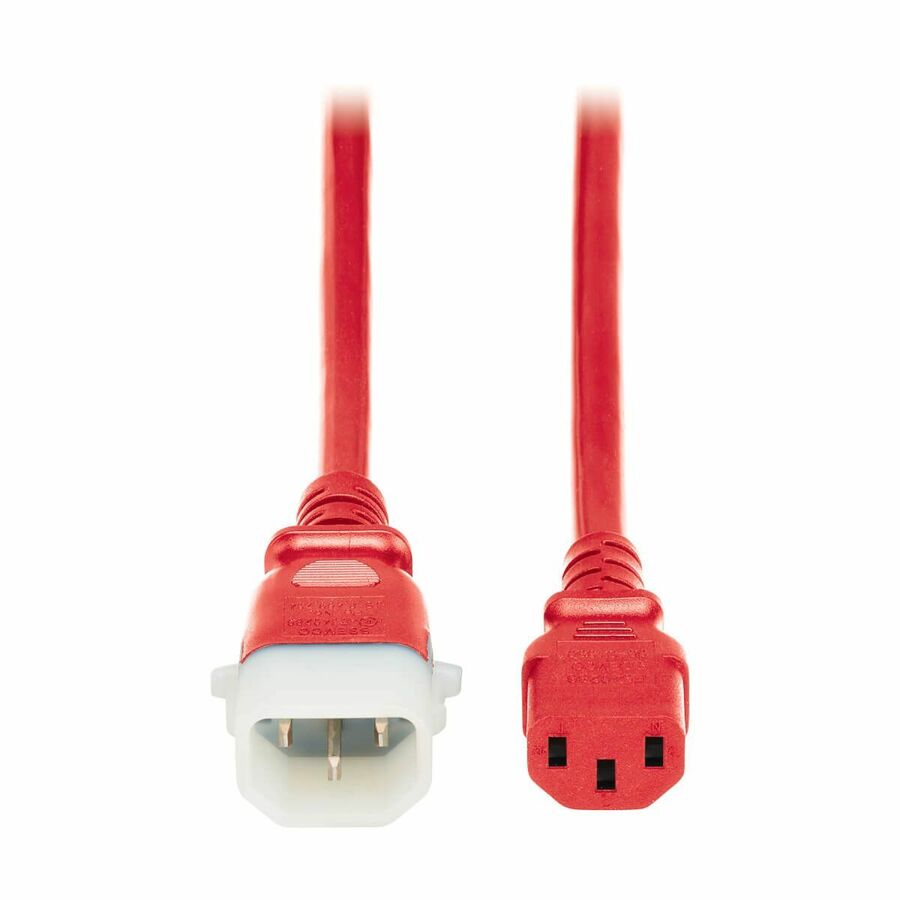
12 in stock - EatonEaton Tripp Lite Series PDU Power Cords, C13 to P-Lock C14 - Heavy-Duty, 15A, 250V, 14 AWG, 6 ft. (1.8 m), Red, 6 Pack - For PDU, Computer, Monitor, HDTV, Printer, Server, UPS, Network Device, Switch, Workstation, Rack - 14 Gauge - 120 V AC / 15 A, 230 V AC - Red - 6 ft Cord Length - IEC 60320 C13 / IEC 60320 C14 - North America - 6 PackP005-E06-ARD-6
$574.88
$528.89
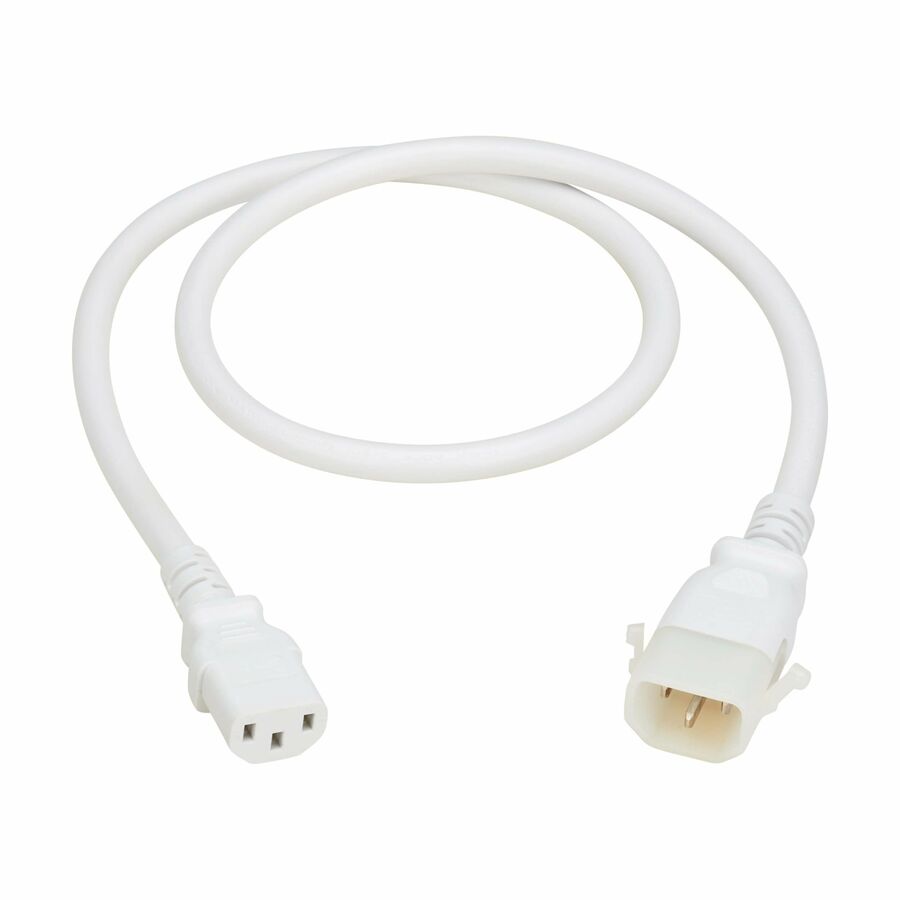
25 in stock - EatonEaton Tripp Lite Series PDU Power Cords, C13 to P-Lock C14 - Heavy-Duty, 15A, 250V, 14 AWG, 6 ft. (1.8 m), White, 6 Pack - For PDU, Computer, Monitor, HDTV, Printer, Server, UPS, Network Device, Switch, Workstation, Rack - 14 Gauge - 120 V AC / 15 A, 230 V AC - White - 6 ft Cord Length - IEC 60320 C13 / IEC 60320 C14 - North America - 6 PackP005-E06-AWH-6
$574.88
$528.89
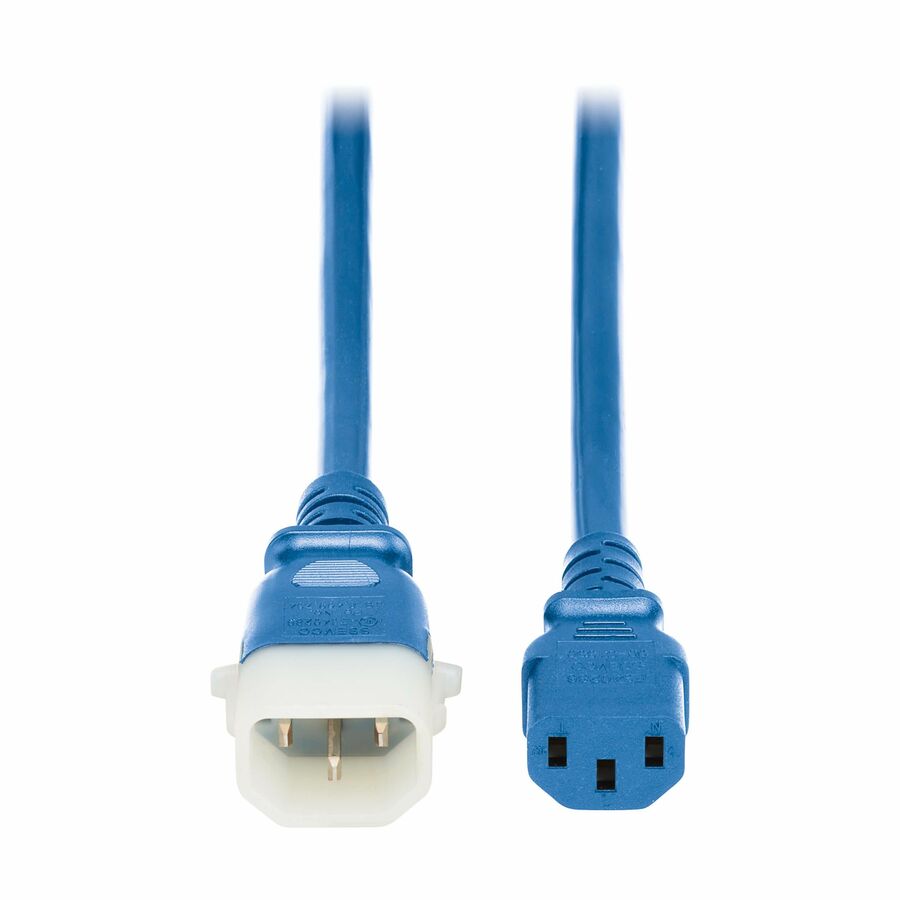
41 in stock - EatonEaton Tripp Lite Series PDU Power Cords, C13 to P-Lock C14 - Heavy-Duty, 15A, 250V, 14 AWG, 6 ft. (1.8 m), Blue, 6 Pack - For PDU, Computer, Monitor, HDTV, Printer, Server, UPS, Network Device, Switch, Workstation, Rack - 14 Gauge - 120 V AC / 15 A, 230 V AC - Blue - 6 ft Cord Length - IEC 60320 C13 / IEC 60320 C14 - North America - 6 PackP005-E06-ABL-6
$574.88
$528.89
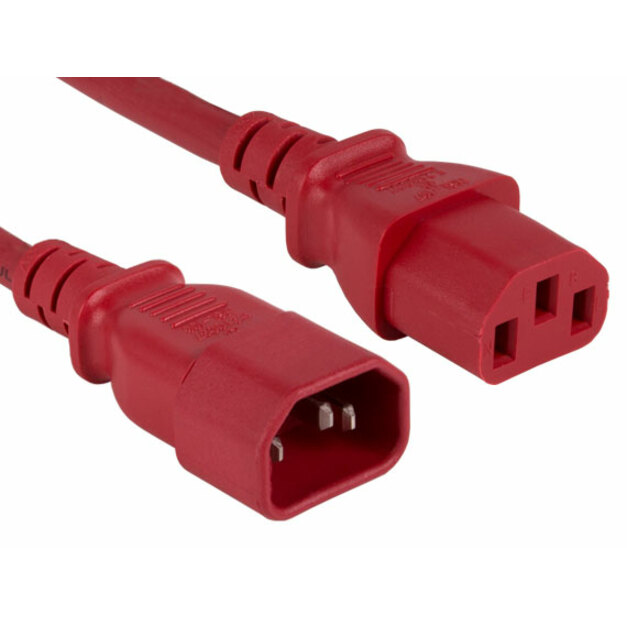
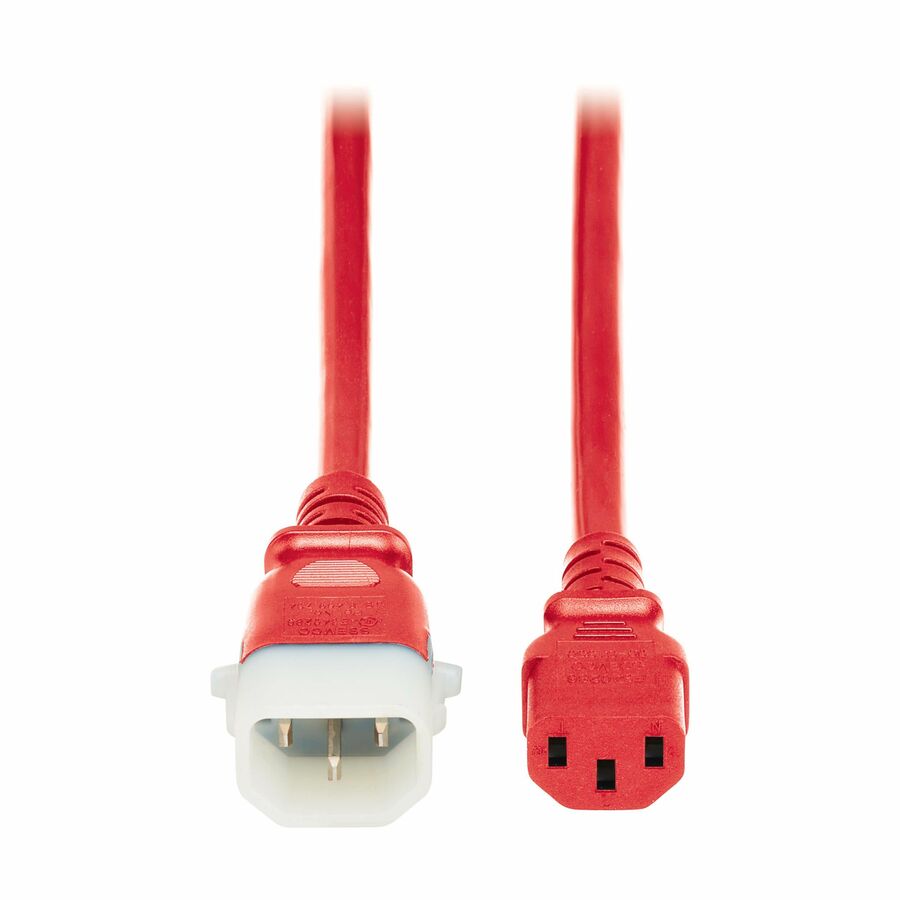
31 in stock - NSI IndustriesENET C13 to C14 2ft Red Power Extension Cord / Cable 250V 18 AWG 10A NEMA IEC-320 C13 to IEC-320 C14 2' - Lifetime WarrantyC13C14-RD-2F-ENC
$88.00
$43.28
10 in stock - NSI IndustriesENET 5-15P to C13 25ft Black External Power Cord / Cable NEMA 5-15P to IEC-320 C13 10A 25' - Lifetime WarrantyN515-C13-25F-ENC
$79.00
$40.60
6 in stock - EatonEaton Tripp Lite Series PDU Power Cords, C13 to P-Lock C14 - Heavy-Duty, 15A, 250V, 14 AWG, 4 ft. (1.2 m), Red, 6 Pack - For PDU, Computer, Monitor, HDTV, Printer, Server, UPS, Network Device, Switch, Workstation, Rack - 14 Gauge - 120 V AC / 15 A, 230 V AC - Red - 4 ft Cord Length - IEC 60320 C13 / IEC 60320 C14 - North America - 6 PackP005-E04-ARD-6
$465.38
$428.15
10 in stock - LegrandMiddle Atlantic SignalSAFE IEC-240X1 Standard Power Cord - Blue - 20 ft Cord Length - NEMA 5-15P / IEC 60320 C13 - 1IEC-240X1
$150.00
$120.32
147 in stock - NSI IndustriesENET 5-15P to C13 6ft Black External Heavy-Duty Power Cord / Cable NEMA 5-15P to IEC-320 C13 15A 14AWG Black 6' - Lifetime WarrantyN515-C13-15A-6F-ENC
$64.00
$34.49
3 in stock - EatonEaton Tripp Lite Series PDU Power Cords, C13 to P-Lock C14 - Heavy-Duty, 15A, 250V, 14 AWG, 3 ft. (0.9 m), White, 6 Pack - For PDU, Computer, Monitor, HDTV, Printer, Server, UPS, Network Device, Switch, Workstation, Rack - 14 Gauge - 120 V AC / 15 A, 230 V AC - White - 3 ft Cord Length - IEC 60320 C13 / IEC 60320 C14 - North America - 6 PackP005-E03-AWH-6
$361.35
$332.44
67 in stock - EatonEaton Tripp Lite Series PDU Power Cords, C13 to P-Lock C14 - Heavy-Duty, 15A, 250V, 14 AWG, 3 ft. (0.9 m), Red, 6 Pack - For PDU, Computer, Monitor, HDTV, Printer, Server, UPS, Network Device, Switch, Workstation, Rack - 14 Gauge - 120 V AC / 15 A, 230 V AC - Red - 3 ft Cord Length - IEC 60320 C13 / IEC 60320 C14 - North America - 6 PackP005-E03-ARD-6
$361.35
$332.44
17 in stock - EatonEaton Tripp Lite Series PDU Power Cords, C13 to P-Lock C14 - Heavy-Duty, 15A, 250V, 14 AWG, 3 ft. (0.9 m), Blue, 6 Pack - For PDU, Computer, Monitor, HDTV, Printer, Server, UPS, Network Device, Switch, Workstation, Rack - 14 Gauge - 120 V AC / 15 A, 230 V AC - Blue - 3 ft Cord Length - IEC 60320 C13 / IEC 60320 C14 - North America - 6 PackP005-E03-ABL-6
$361.35
$332.44
40 in stock

Need pricing on power cords?
Tell us where to reach you and a Uniqcli specialist will follow up by email with current pricing, availability and lead time for the quantities you need — including parts that aren’t shown on this page.
Buying for an organization or for yourself — both work. No payment up front.
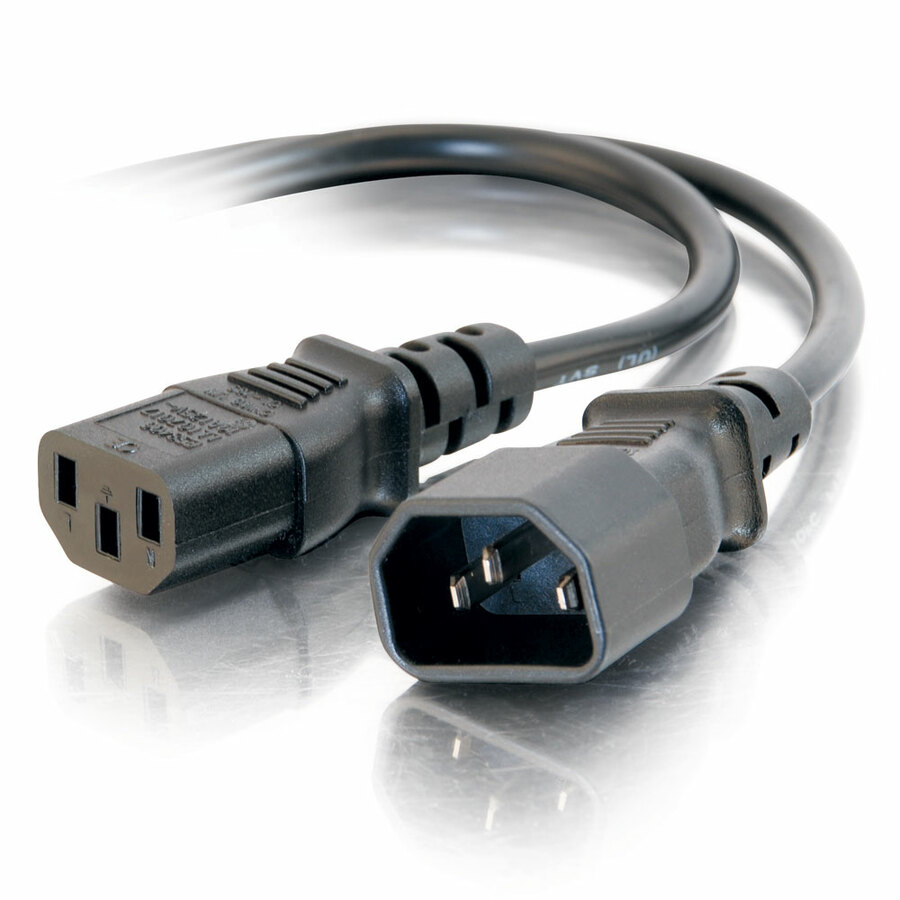
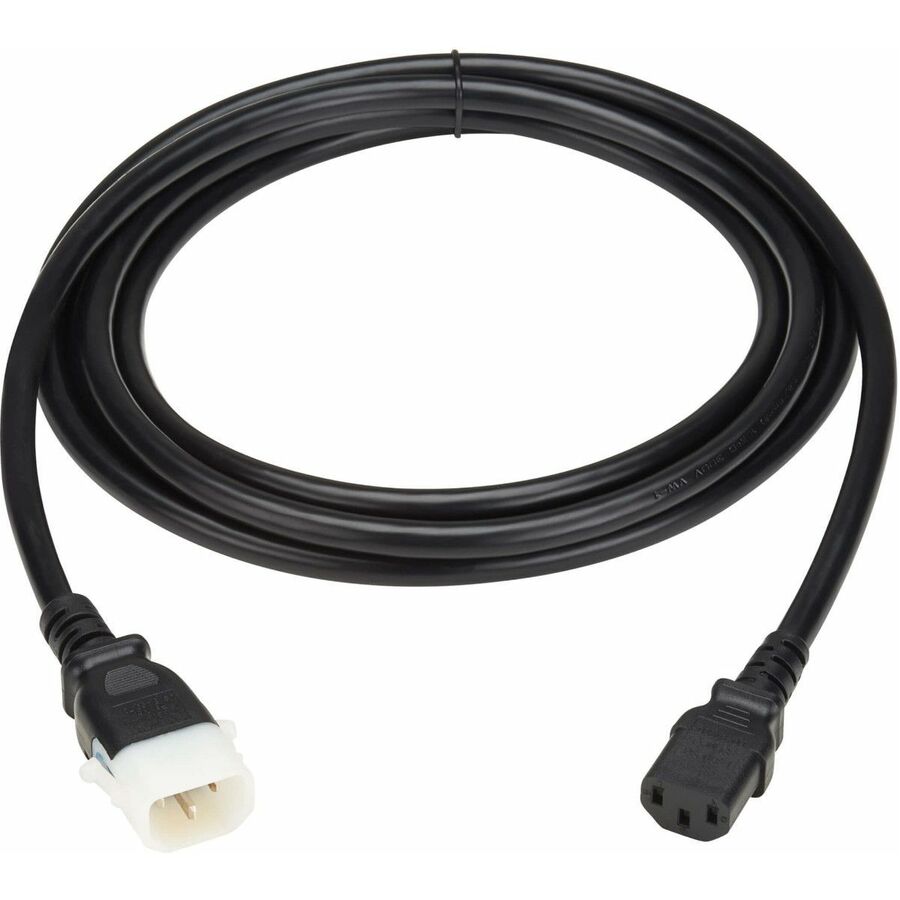
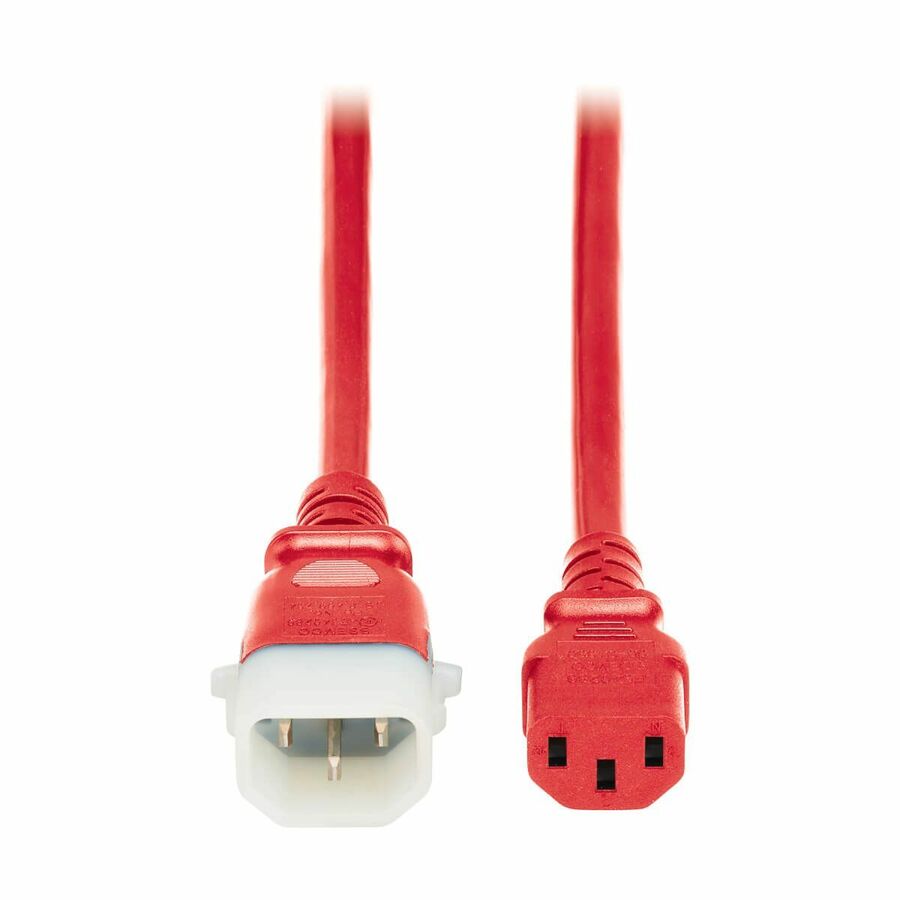
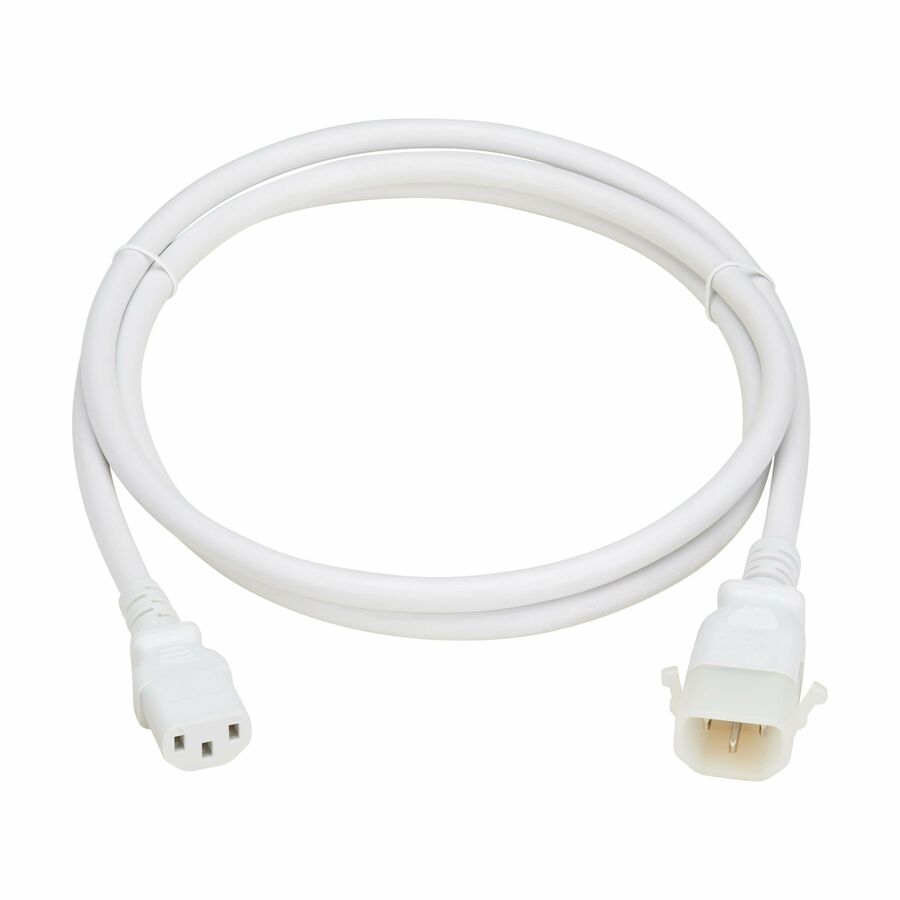
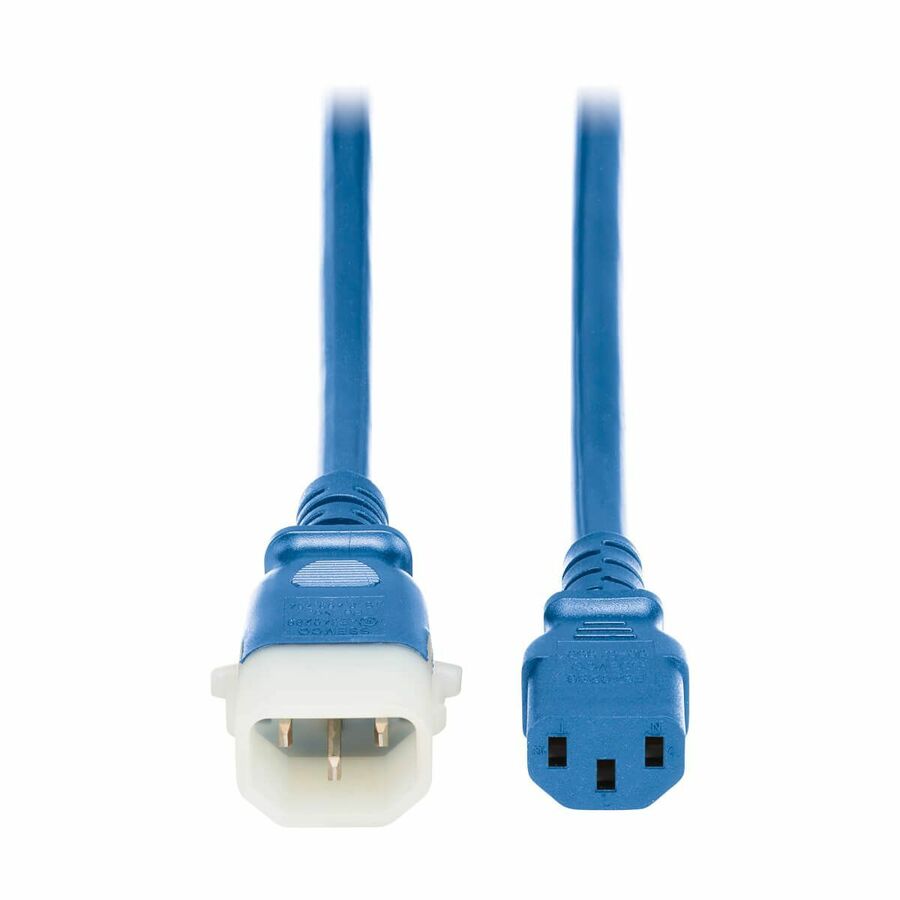
The connector codes are the whole problem. IEC 60320 names them with a letter and a number: even numbers are inlets on equipment, odd numbers are the connectors on cords, and C13 and C14 are the matched pair people routinely reverse when ordering. A C13-to-C14 jumper runs from a PDU outlet to a device inside a rack; a NEMA 5-15P-to-C13 cord runs from a wall socket to a device outside one.
Nobody searches for this until a rack build is most of the way finished and a device inlet does not match the outlet in front of it. The vocabulary is the whole problem: IEC 60320 names the connector types with a letter and a number, the even numbers are inlets on equipment and the odd numbers are the connectors on cords, and the two most common — C13 and C14 — are a matched pair that people routinely reverse when ordering. A C13-to-C14 cord runs from a PDU outlet to a server, switch or power supply, and it is the single most-ordered part in any cabinet.
The second decision is where the other end goes. Inside a rack the cord is a jumper: C14 at the PDU, C13 at the device, and the only remaining questions are length and colour. Outside a rack it is a wall cord: a NEMA plug on one end and a C13 on the other, which is what a desktop, a monitor or a standalone appliance actually needs. Buying one when you needed the other is the most common way a rack build stalls, and the two are easy to tell apart on paper — if the far end has pins for a wall socket, it is a wall cord.
After that, three details decide the specific part. Amperage and gauge have to carry the device: a 10 A cord in 18 AWG covers most rack equipment, and heavier draws move to a different connector family entirely. Length should be measured rather than guessed, because a cabinet full of three-foot cords where one-foot cords would do is a cabinet with an airflow problem behind the rails. And colour-coded cords are worth the small premium anywhere a rack is dual-fed, because it is the cheapest way to see at a glance which side of the power path a device is on. Cords are also a natural line on a larger quote — a rack build usually carries the PDUs, the UPS, the mounting hardware and the installation labour alongside them.
Buyer's checklist
How to choose a power cord for a rack or a desk
- Read the device inlet first, then the PDU outlet. Even IEC numbers are inlets on equipment; odd numbers are the mating connectors on cords, and reversing them is the usual ordering mistake.
- Decide jumper or wall cord: a C13-to-C14 jumper runs PDU-to-device inside a rack, a NEMA 5-15P-to-C13 cord runs wall-to-device outside one.
- Check the amperage and gauge against the equipment's draw rather than against the connector — a connector type sets the ceiling, not the requirement.
- Confirm the wall-plug standard before ordering. This category carries international plug variants alongside the US ones, and they are only distinguishable from the description.
- Measure the run instead of rounding up. Excess cord length behind the rails is an airflow and cable-management problem that costs more than the cord saved.
- Colour-code the two feeds in a dual-fed cabinet. It is the cheapest possible way to see which supply a device is on when something trips.
- Specify hospital-grade where a clinical environment requires it — the green dot is a certification the cord either carries or does not.
- Order by the box for a build. Cords are consumed in quantities nobody estimates correctly, and a spares tray is cheaper than an expedited order mid-installation.
Reading the connector codes without a chart
IEC 60320 is a family of appliance couplers, and the naming is more consistent than it looks. Types are numbered in pairs: the even number is the inlet built into a piece of equipment or a PDU, and the odd number one higher is the connector on the cord that mates with it. C14 is the inlet you see on the back of a server, a switch or a rack PDU; C13 is the connector on the cord that plugs into it. That is why a rack jumper is described as C13-to-C14 and why the description reads backwards to people who expect the device end to be listed first.
The pair above it works the same way. C20 is the higher-current inlet found on larger power supplies, UPS units and some PDUs, and C19 is its mating connector — a physically different, larger coupler that carries considerably more current than the C13 family. The two families do not adapt to each other in any way you should buy: if a device has a C20 inlet, it needs a C19 cord and a PDU with outlets that accept one. Checking which family a device uses before ordering the PDU is what stops the entire cabinet's cord list from being wrong.
Length, colour and the cabinet nobody can work in
Cord length is a cooling decision disguised as a purchasing one. A cabinet built with generic six-foot cords ends up with several feet of coiled copper behind every device, which sits exactly where the hot exhaust needs to leave. Measuring the actual distance from each outlet to each inlet and ordering the length that fits — often one, two or three feet inside a rack — costs the same money and produces a cabinet that can be worked in and that moves air the way the layout intended.
Colour is the other small decision that pays back later. In a dual-fed cabinet, running the A feed in one colour and the B feed in another means anyone can see which supply a device is on without tracing a cord by hand, which is precisely the thing you want to be obvious during an incident rather than during a discovery exercise. The same logic applies to labelling: a cord with a legible label at both ends is a cord nobody has to unplug to identify.
Buying cords with the build rather than after it
Cords are the last thing quoted and the first thing that stalls an installation. A rack build has a shape — the enclosure, the PDUs, the UPS, the mounting hardware, the patch cabling and the cords that tie the whole thing to power — and putting that shape on one bill of materials means every part is committed against the same date. Ordering the cabinet and the PDUs properly and then buying cords from whatever is nearest is how a build ends up with the wrong connector family on site.
The same document is the right place for the work as well as the parts. Rack installation, cable management and the commissioning of the power path belong with the hardware, and where a project spans several cabinets or several sites the schedule is easier to hold when one quote carries it. Everything on this page is checked against manufacturer documentation and live catalog data; connector families and ratings are stable, but confirm the specific part number's length and rating at each re-order.
FAQ
Common questions
- What is the difference between a C13 and a C14 connector?
- They are the two halves of one pair. C14 is the inlet — the male appliance connector built into the back of a server, switch, power supply or rack PDU. C13 is the female connector on the end of a cord that plugs into it. A rack jumper therefore has a C14 on the PDU end and a C13 on the device end, which is why it is sold as a C13-to-C14 cord. If you are looking at a piece of equipment and trying to work out what to order, the inlet on the equipment is almost always a C14.
- Can I use a C13 cord where the equipment has a C20 inlet?
- No. C19 and C20 are a separate, physically larger pair rated for considerably more current than C13 and C14, and they do not mate with the smaller family. A device with a C20 inlet needs a C19 cord and a PDU with C19 outlets. This is worth checking before the PDU is ordered rather than after, because a cabinet whose larger power supplies need C19 and whose PDU only has C13 outlets is a cabinet that needs a different PDU.
- Does cord length affect anything other than reach?
- Yes, mainly airflow and serviceability. Excess cord length inside a cabinet coils behind the equipment, which is where hot exhaust air needs to leave, and it makes tracing a specific circuit slow. Measuring each run and ordering the length that actually fits — often one to three feet inside a rack — costs no more than buying generic long cords and produces a cabinet that moves air properly and can be worked in without unplugging things to see them.
- What does hospital-grade mean on a power cord?
- It refers to a cord and plug assembly built and tested to a stricter standard for grounding reliability and mechanical durability, identified by a green dot on the plug. Clinical environments specify it for patient-care areas because a plug that loosens or a ground that degrades has consequences it does not have in an office. It is a certification the specific cord either carries or does not — check the part rather than assuming it from the brand, and specify it where your facility's requirement calls for it.
- Can Uniqcli quote power cords in bulk for a rack build?
- Every line Uniqcli quotes is sourced through US distribution and screened for TAA country-of-origin and NDAA §889 status before checkout — with documentation tied to the specific part number, not a product family.
Need power cords pricing?
Send a bill of materials or part numbers — we confirm stock and a below-market total, with TAA verified on request. No payment up front.