
Best Eaton Surge Protectors for Racks, Networks, and Facilities
Rackmount 1U, in-line PoE/network, hospital- and medical-grade, Isobar metal-housing, and Protect It! desktop units — matched to where they mount.
Eaton surge protectors in stock at Uniqcli
How to choose →A curated selection with live pricing — in-stock lines first, then back-ordered lines with a typical lead time. Every line is sourced through US distribution and screened for NDAA §889 status before checkout, with TAA verified on request.
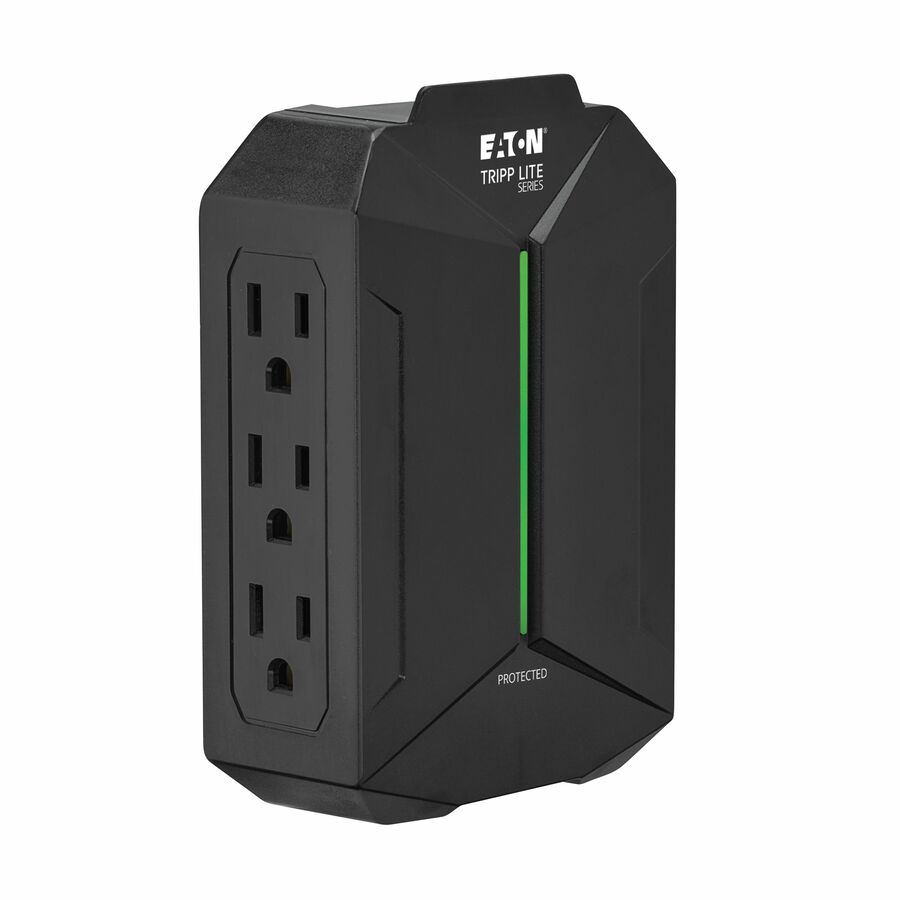
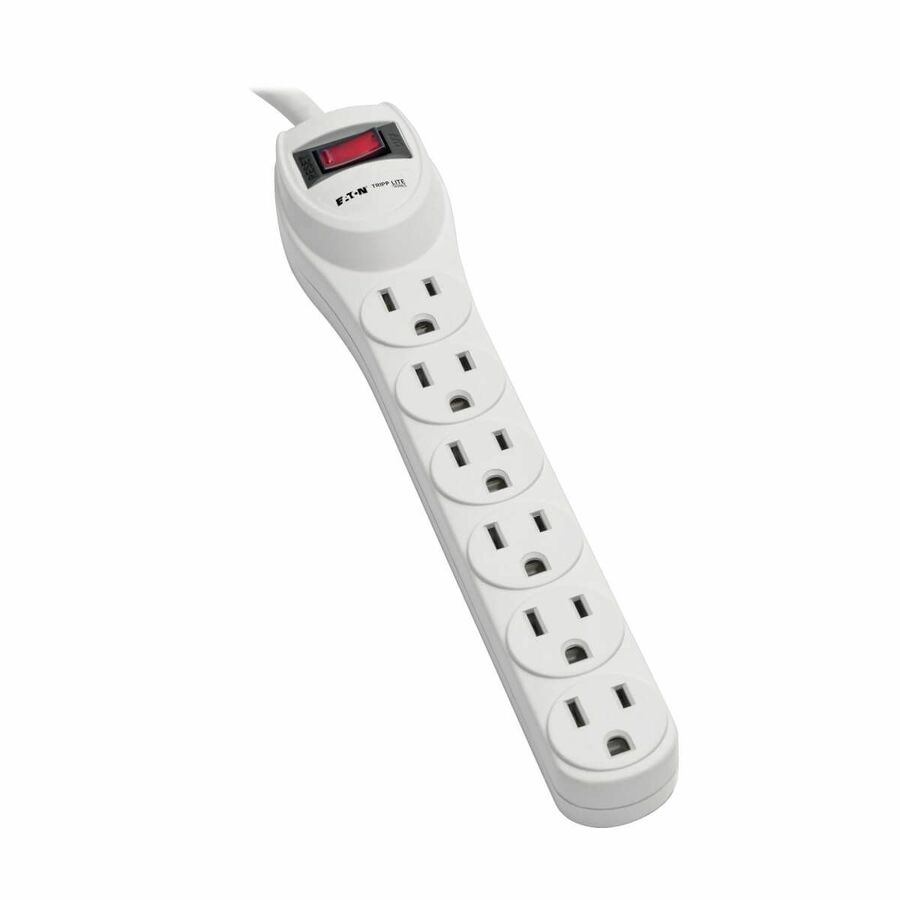
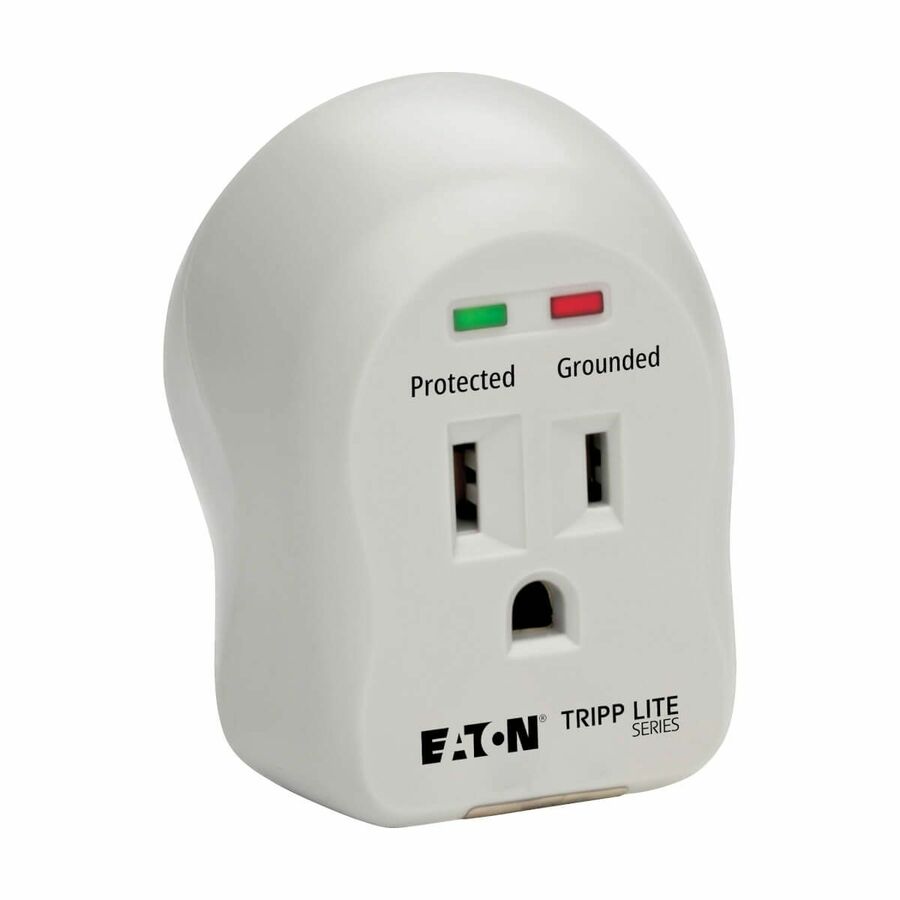
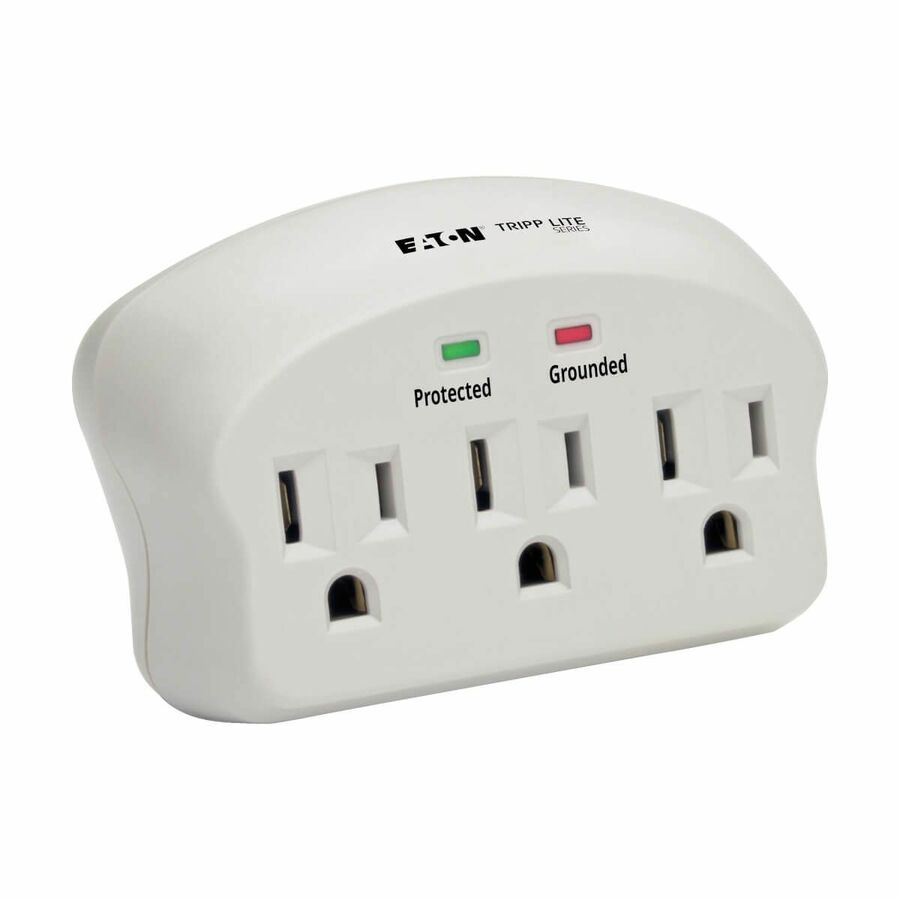
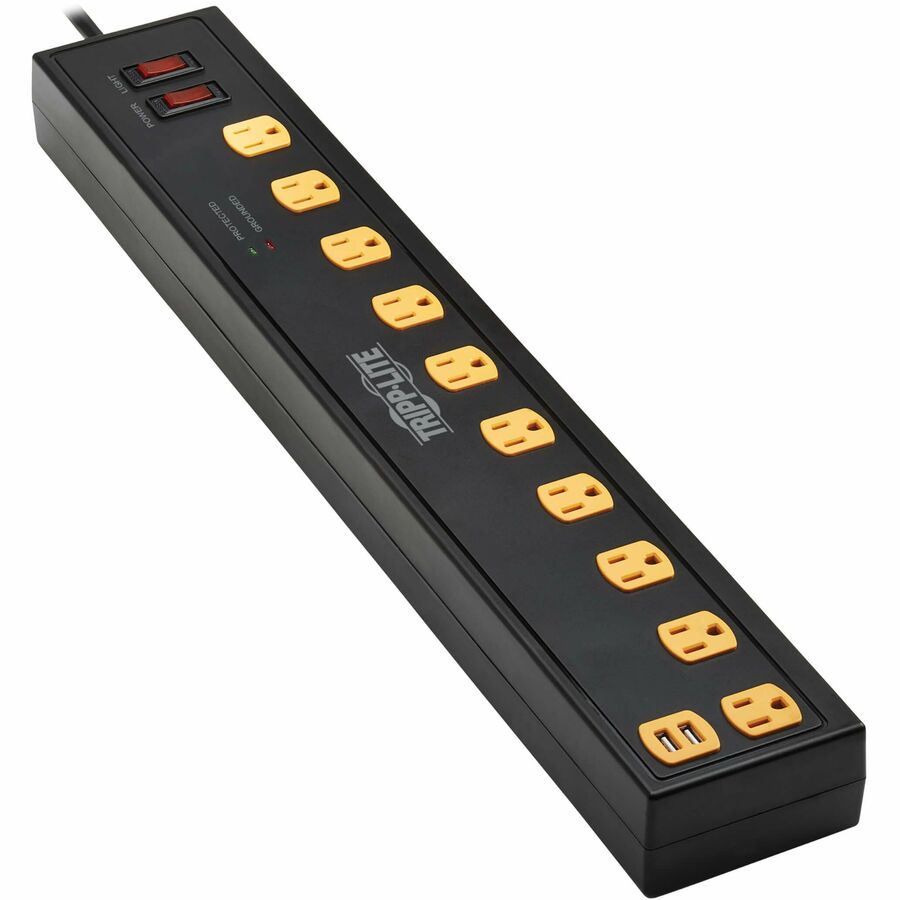
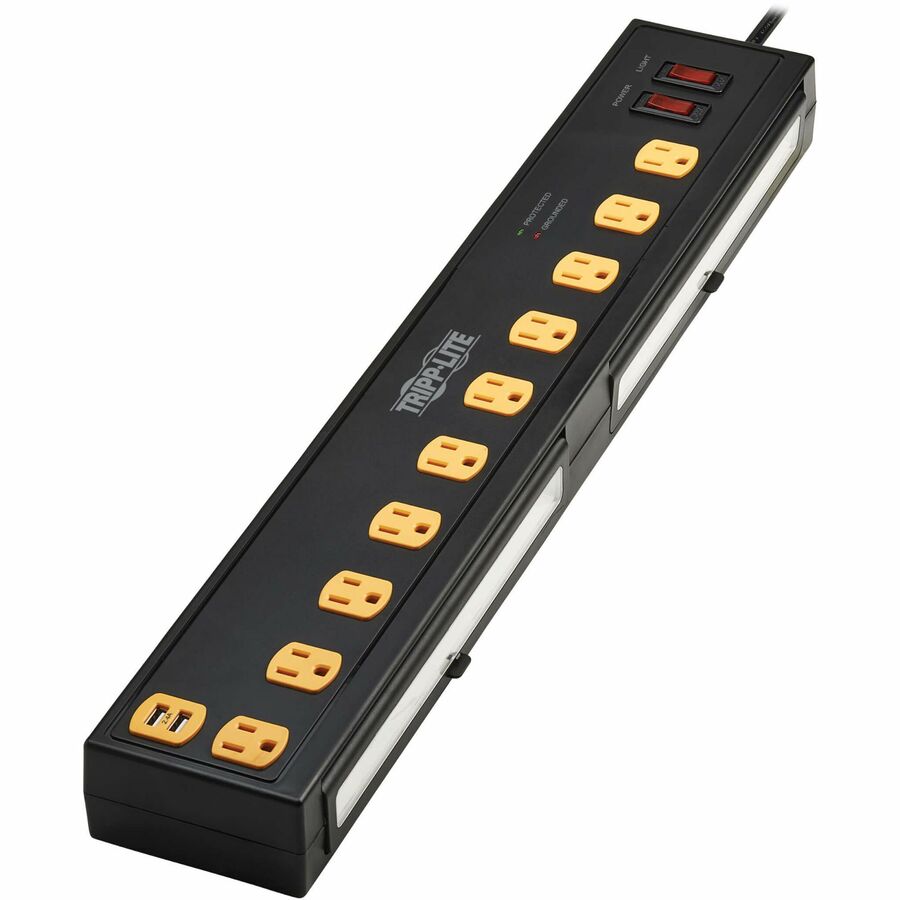
- EatonTripp Lite series Protect It! TLP76B 7-Outlets Surge Suppressor/Protector - Household Electronic, Computer, Printer, Stereo System, Lamp & Lighting, Workstation, Home Theater System - Black - NEMA 5-15P - 7 x NEMA 5-15R - 1800 VA - 1500 J - 120 V AC Input - 6 ft - Wall MountableTLP76B
$25.00
$23.00
4,082 in stock

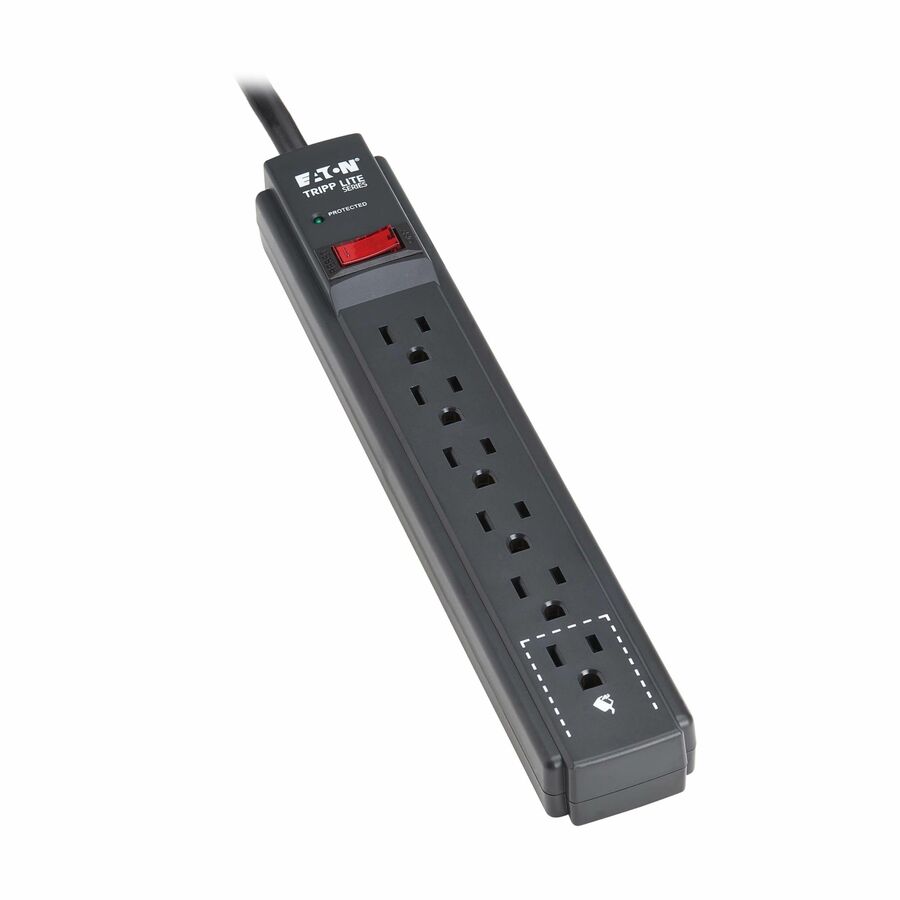
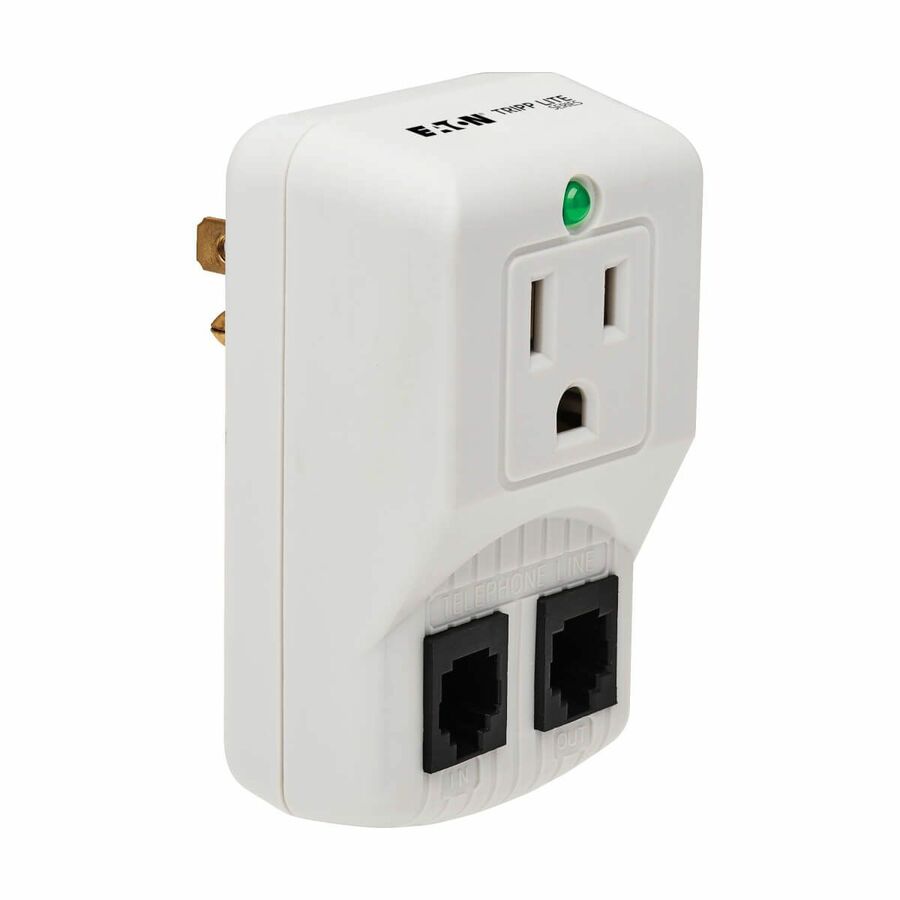
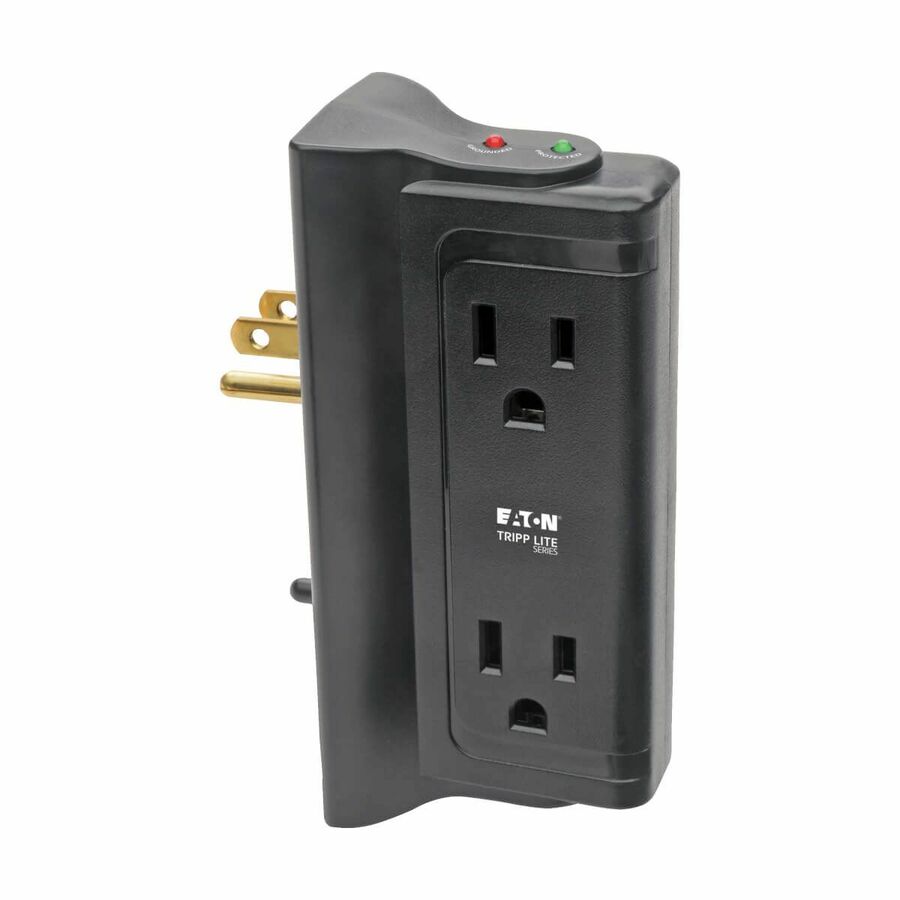
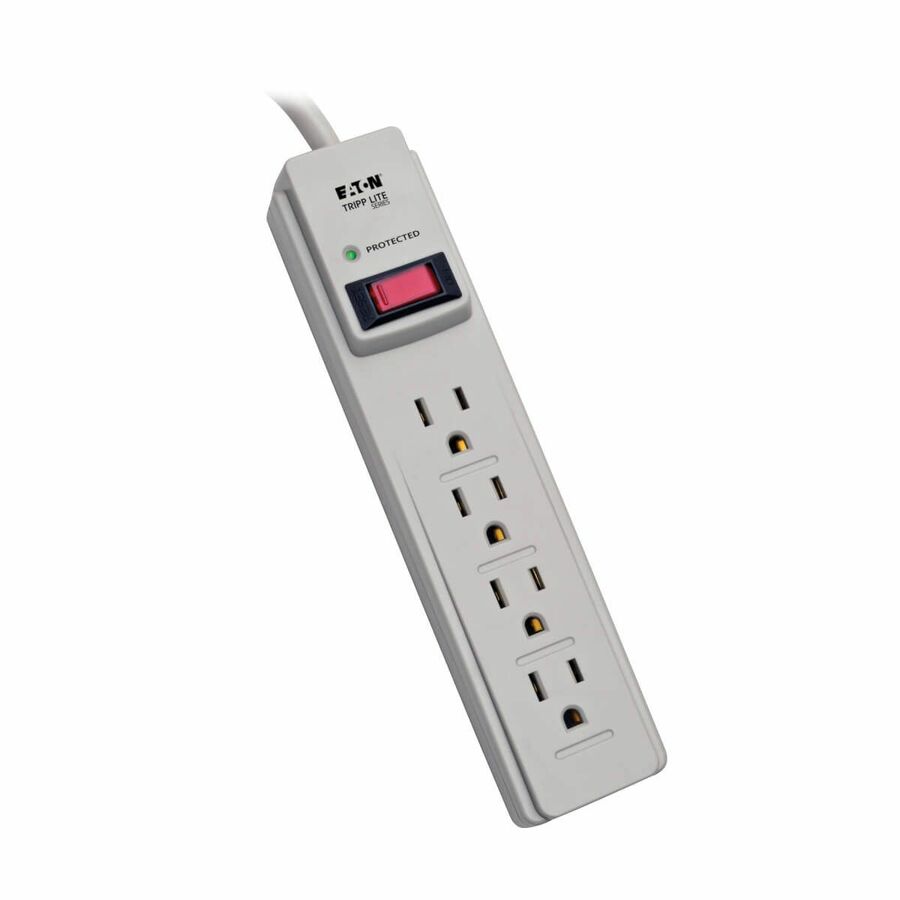
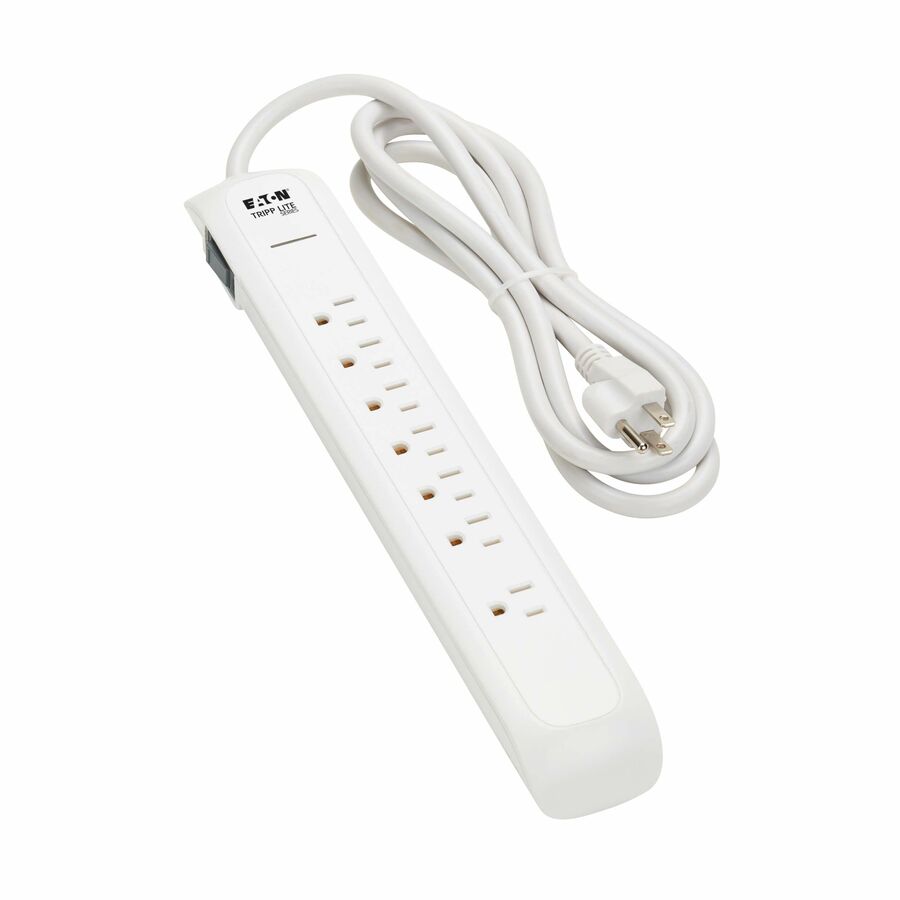
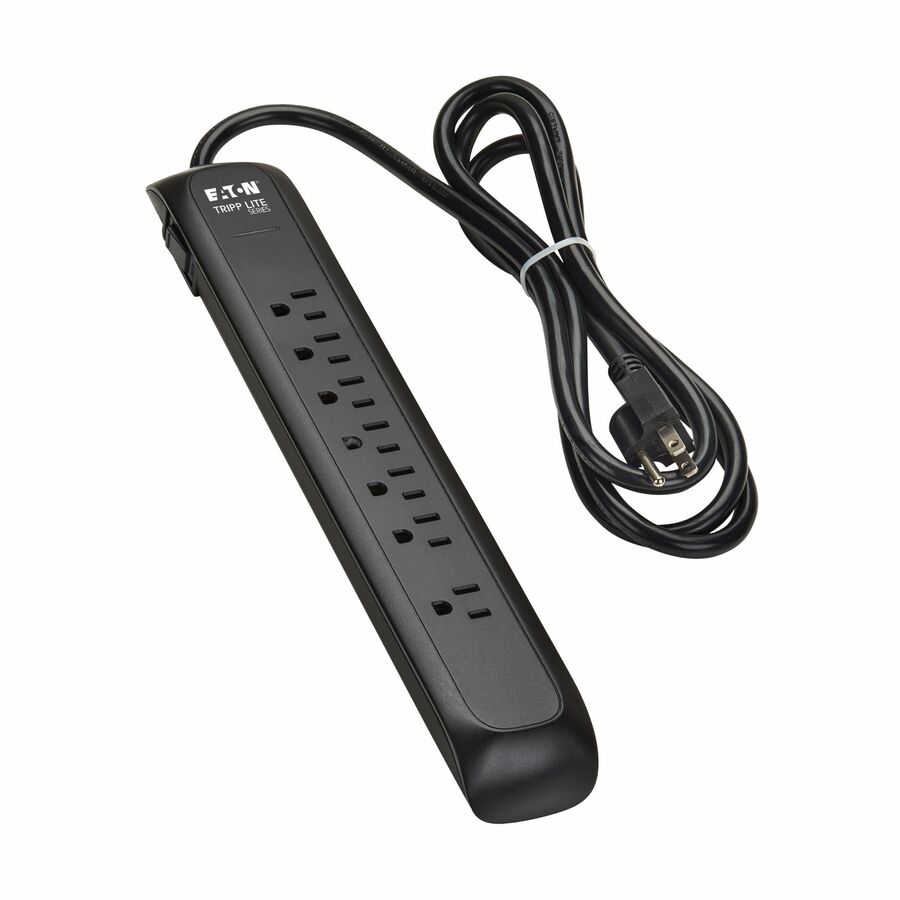
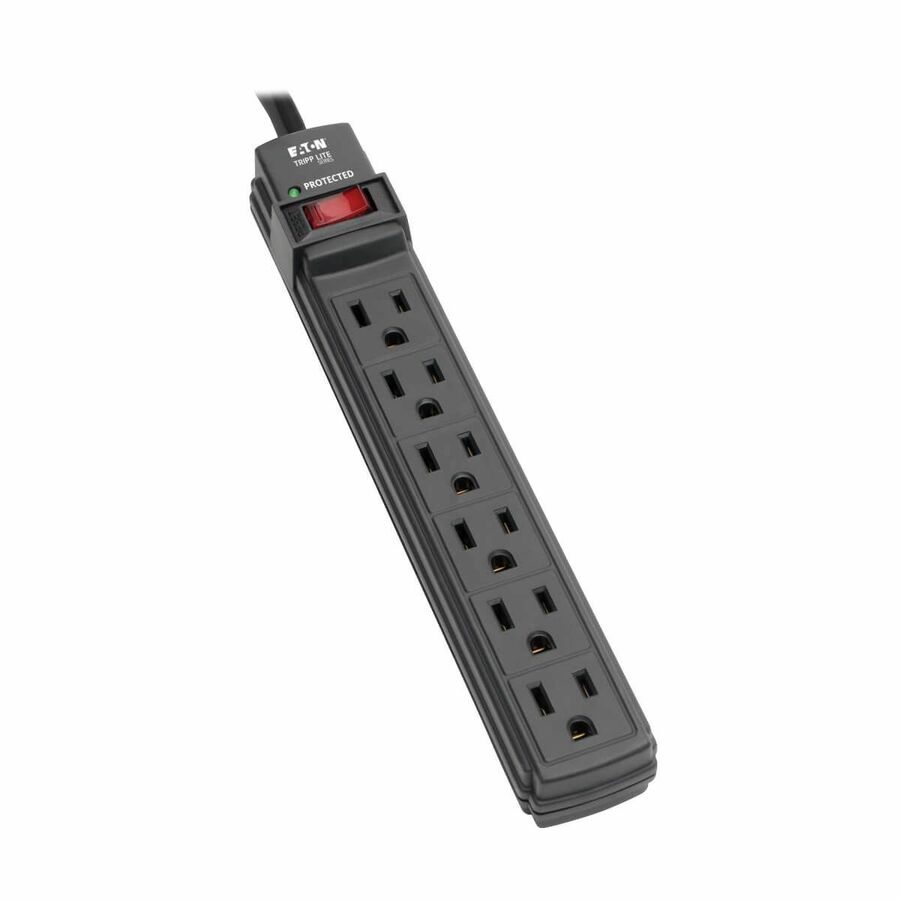
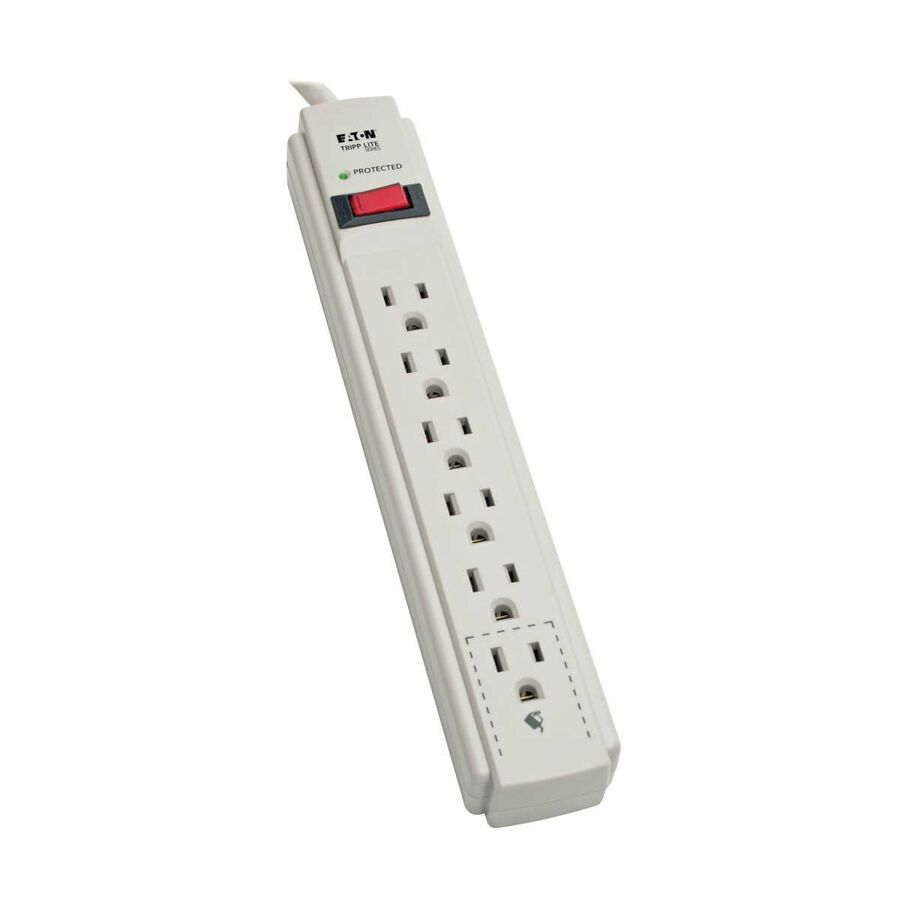
More surge protectors in the Uniqcli catalog
See all 510 surge protectorsMore Eaton first — closest to what you were just looking at; “See all surge protectors” above opens every other brand in the category. In-stock lines lead, and a back-ordered line carries the same estimated availability its product page does — with live pricing throughout, NDAA §889 screening before checkout and TAA verified on request.
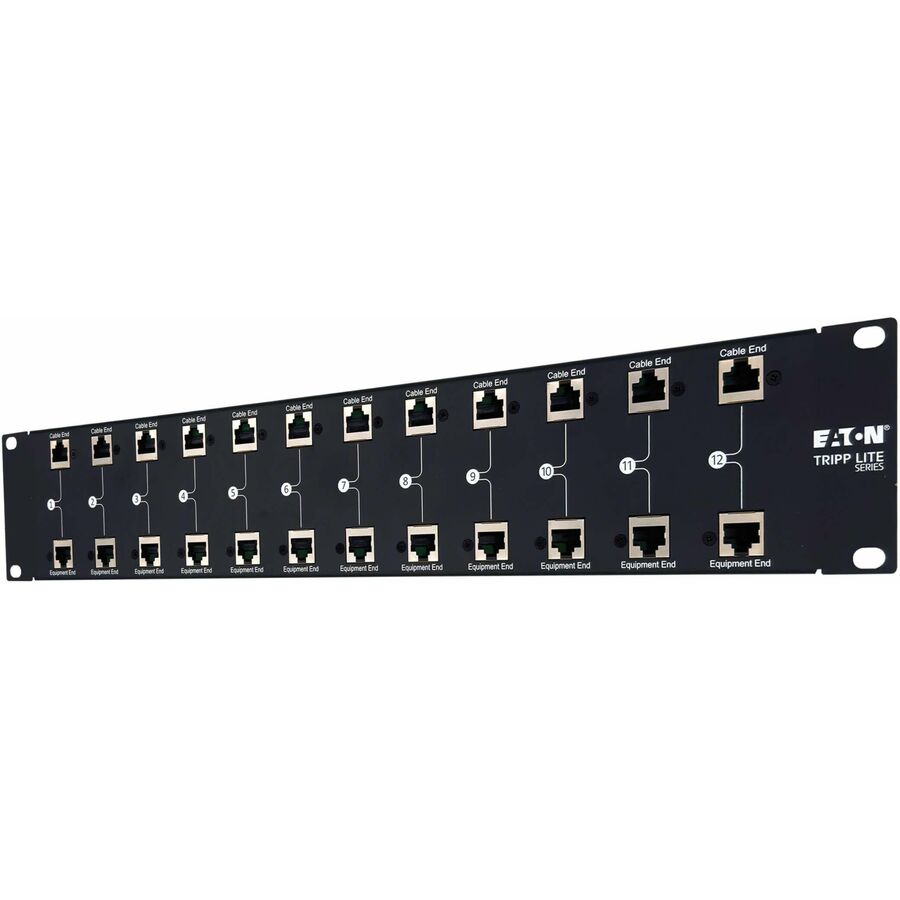
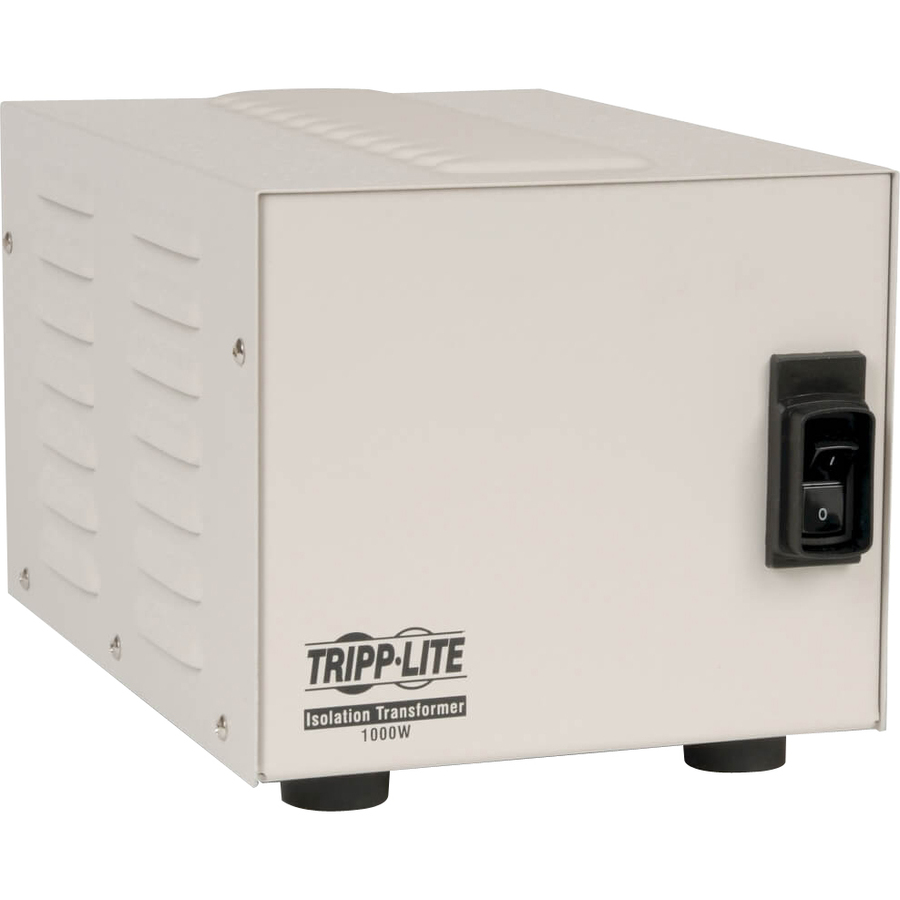
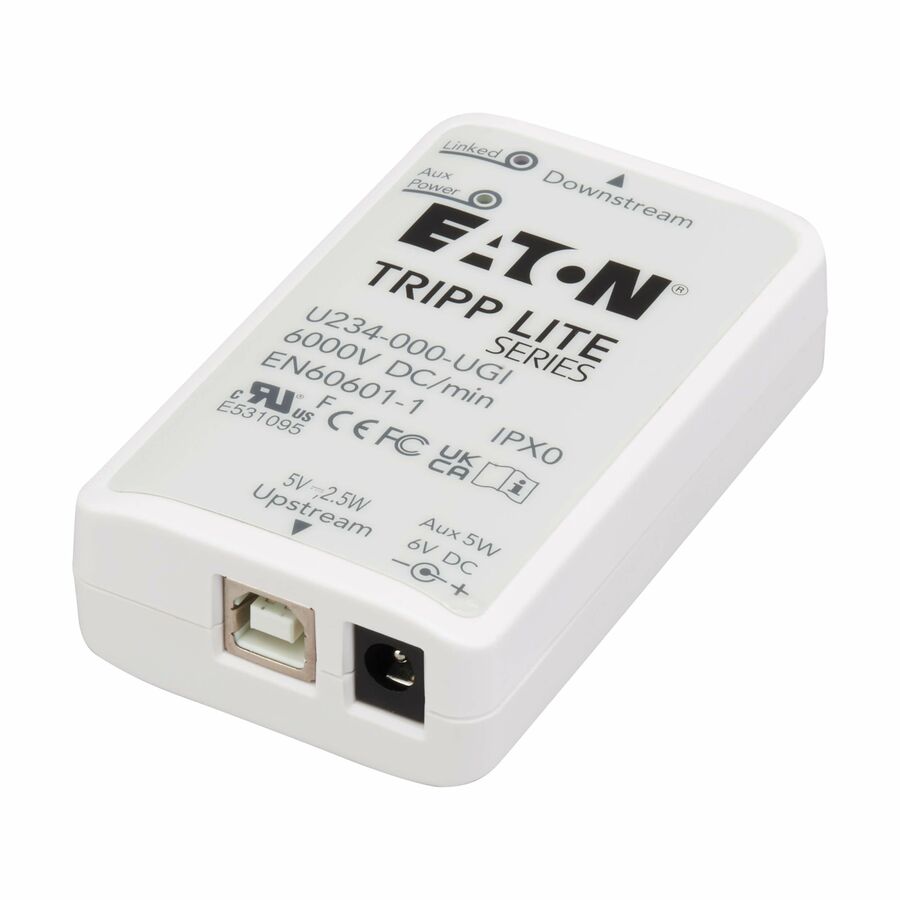
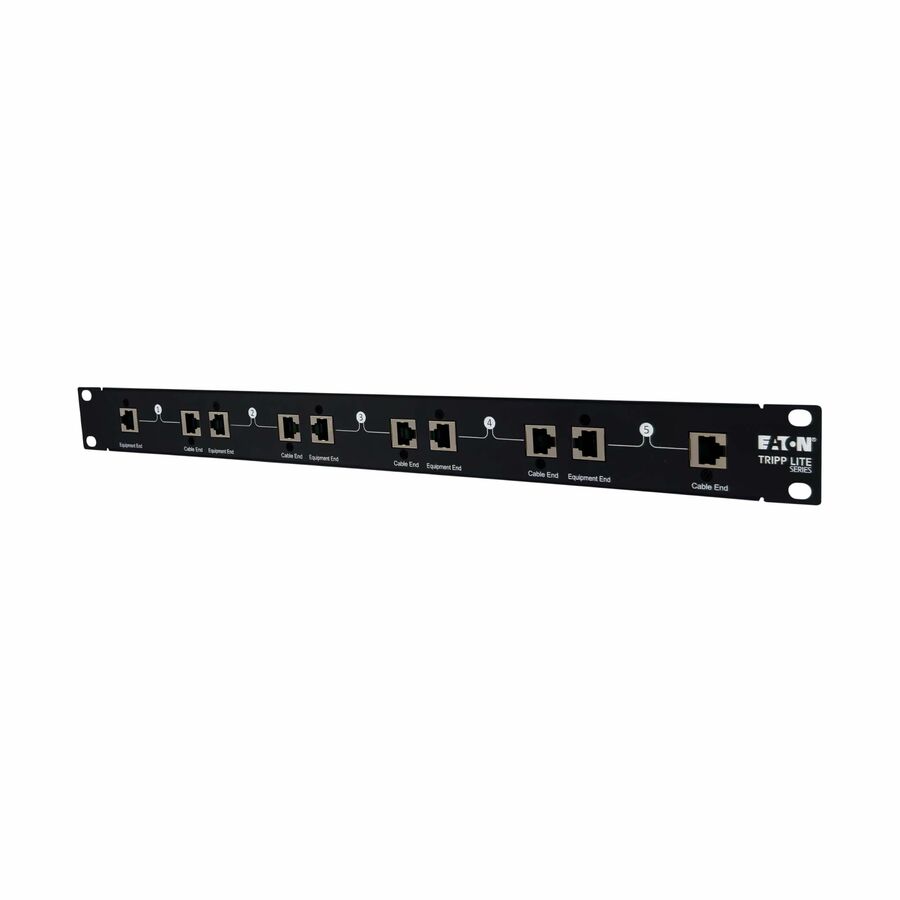
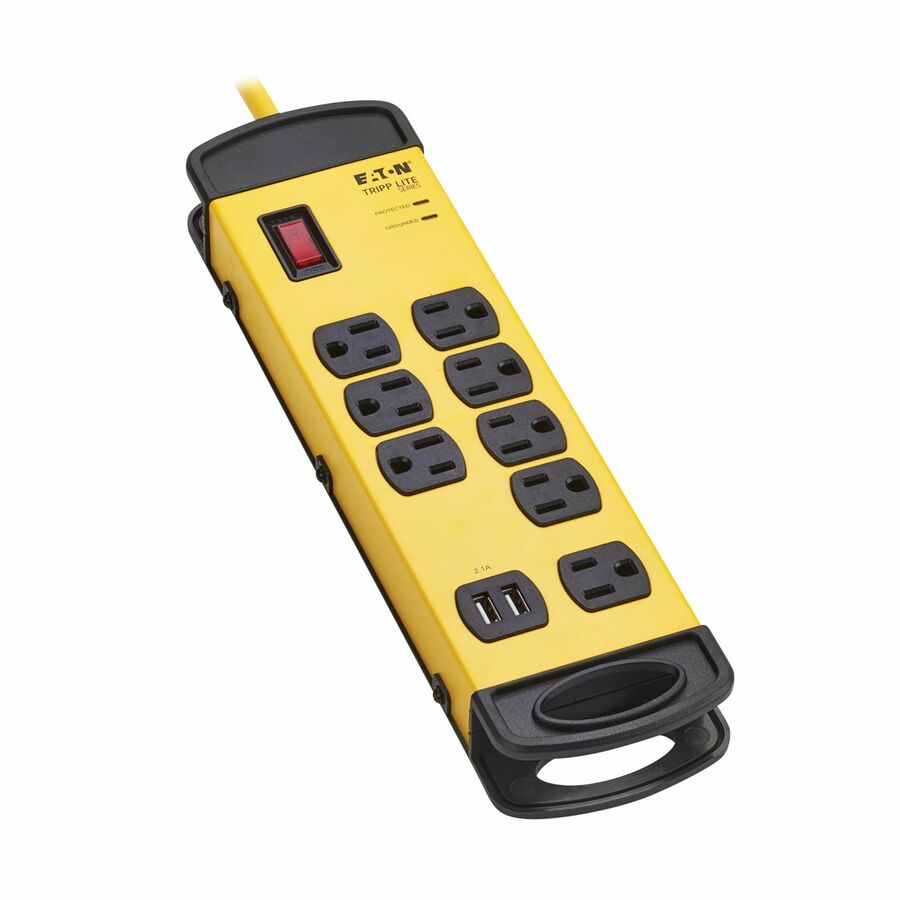
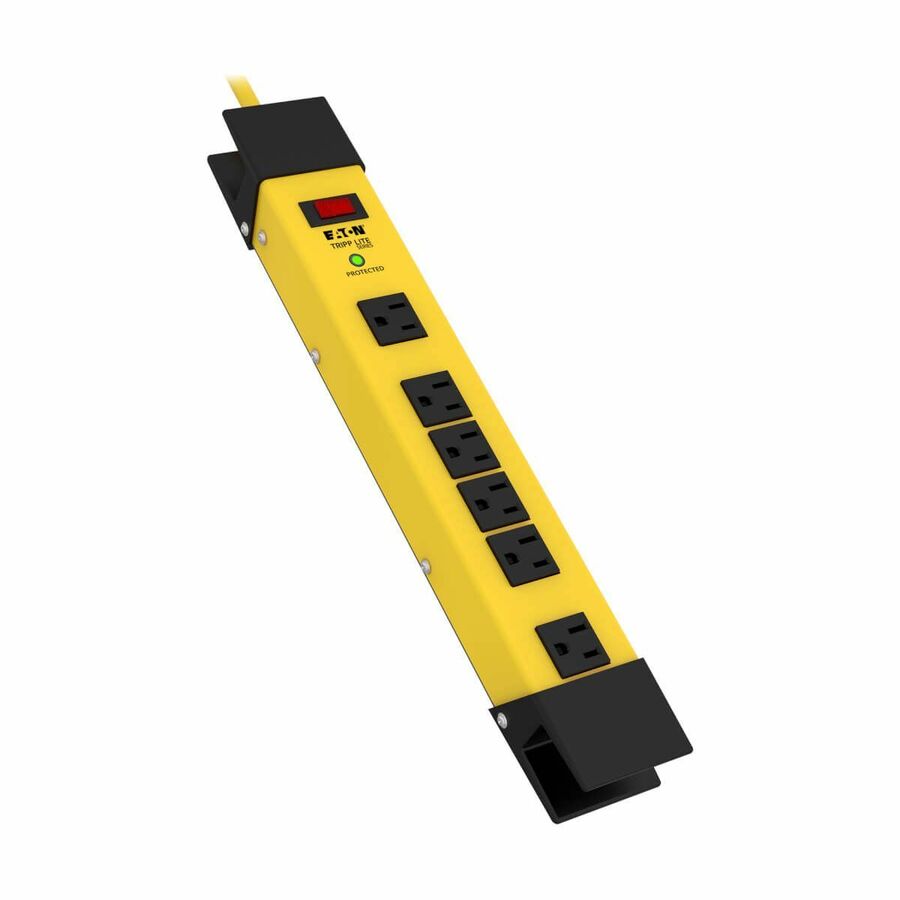
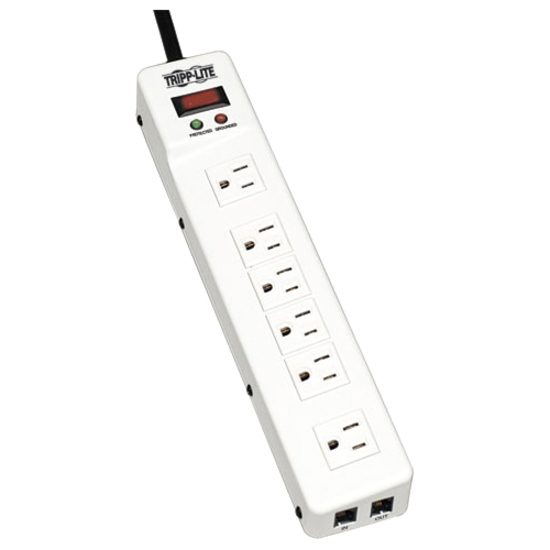
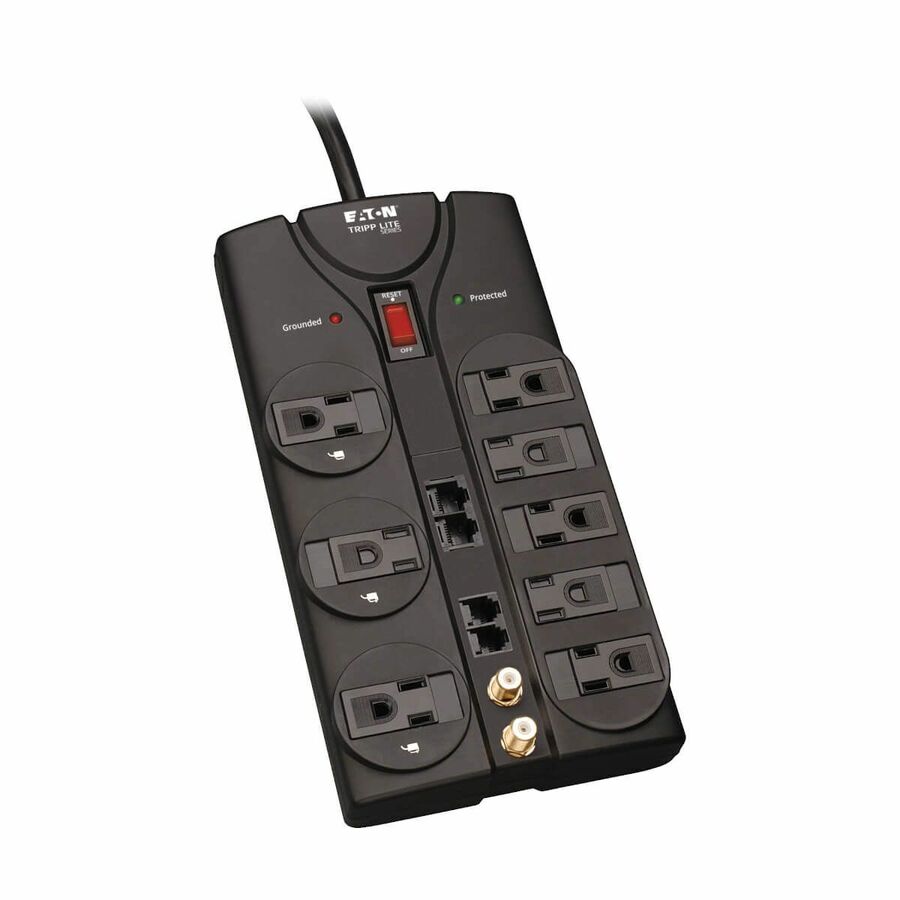
Need pricing on Eaton surge protectors?
Tell us where to reach you and a Uniqcli specialist will follow up by email with current pricing, availability and lead time for the quantities you need — including parts that aren’t shown on this page.
Buying for an organization or for yourself — both work. No payment up front.
Place the surge protector first, then read the joule rating. A 1U rackmount strip feeds cabinet gear, an in-line PoE++ protector goes on an outdoor Ethernet run to a camera or access point, and hospital- and medical-grade units are built to the UL grades clinical spaces require. Joules are absorption headroom, from roughly 1,000 on light-duty strips to the several-thousand range.
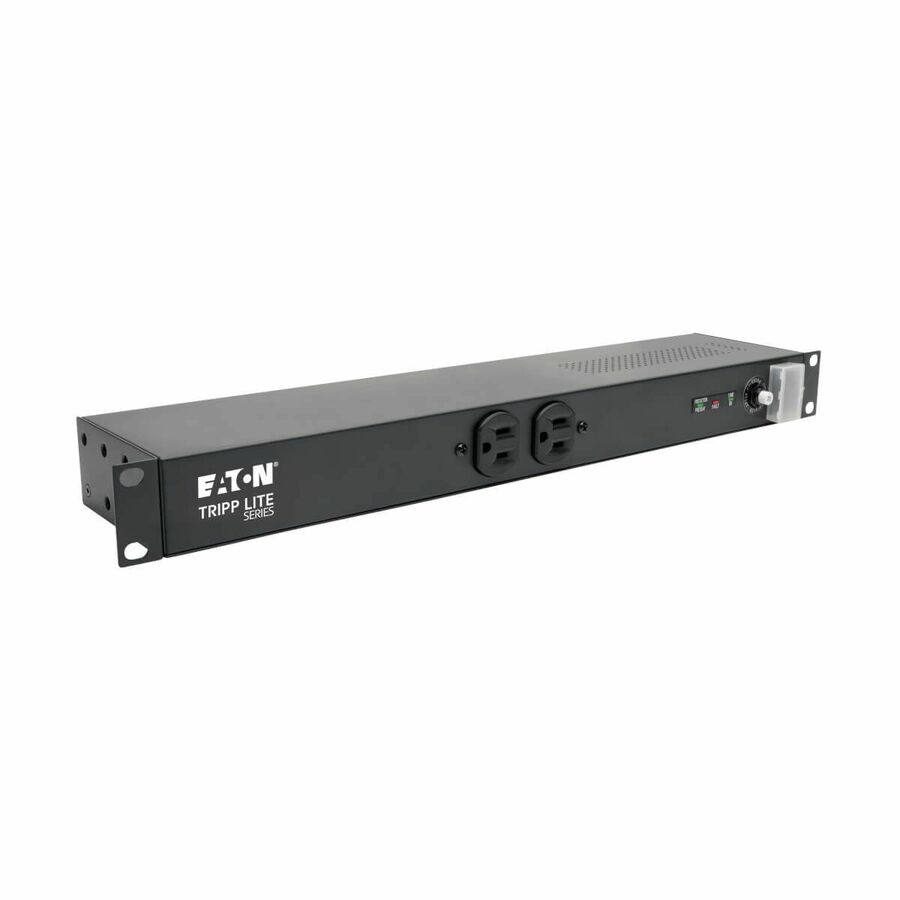
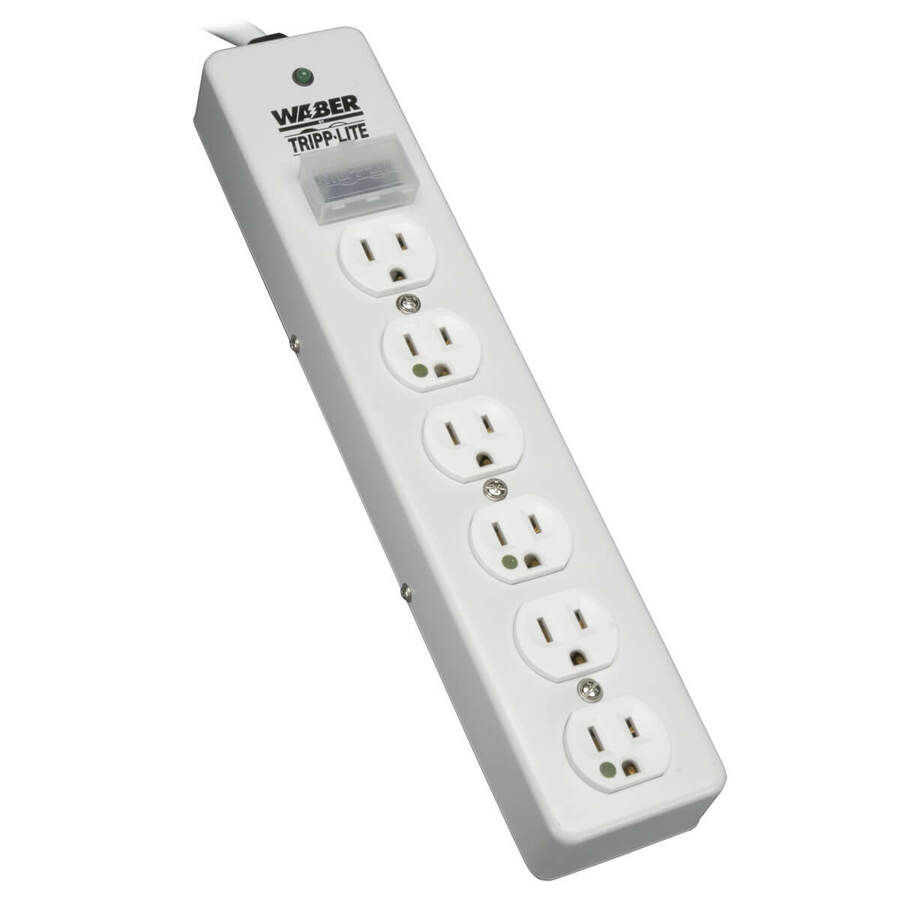
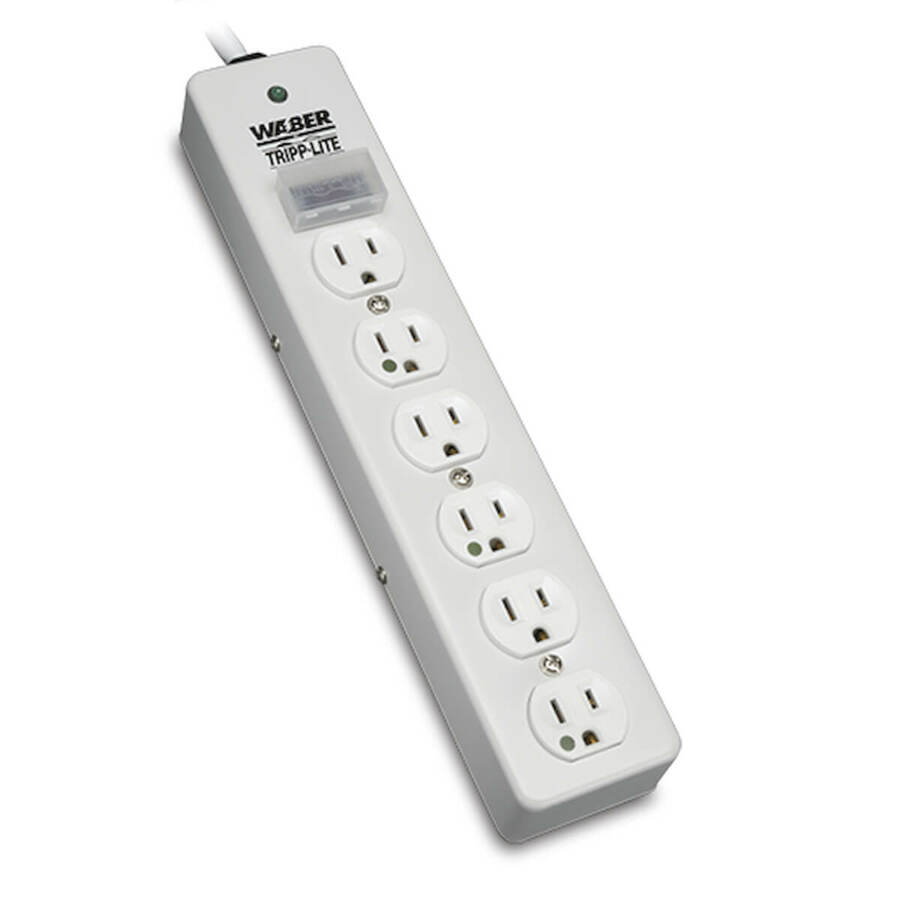
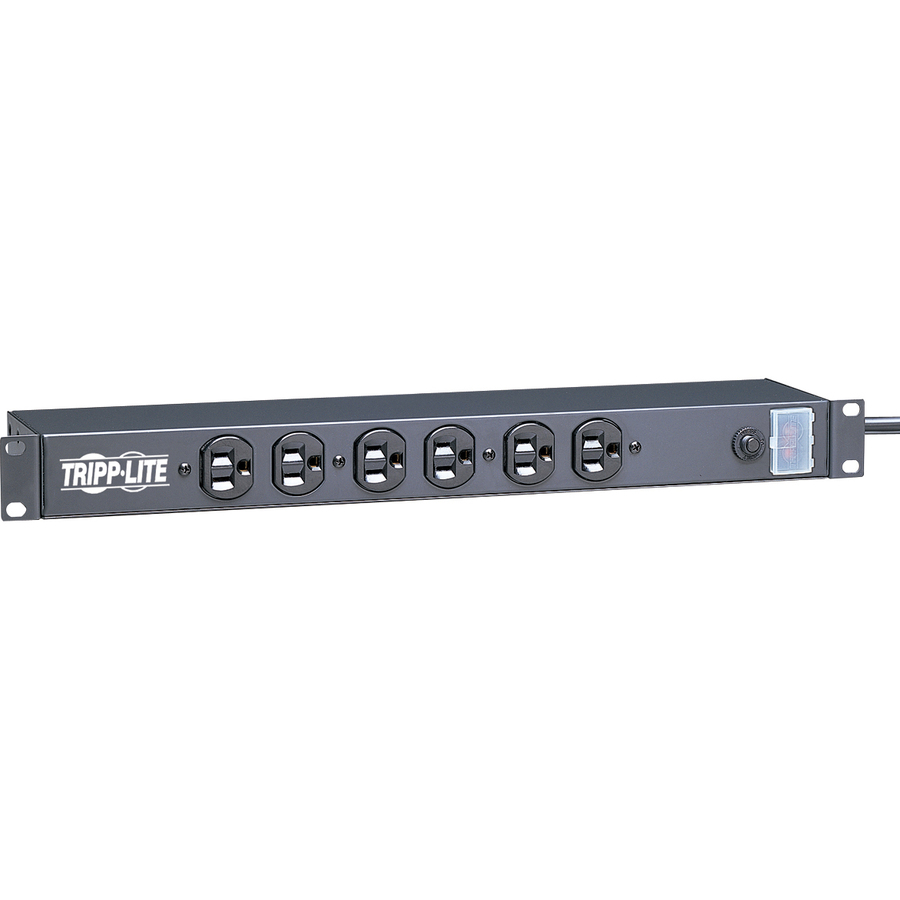
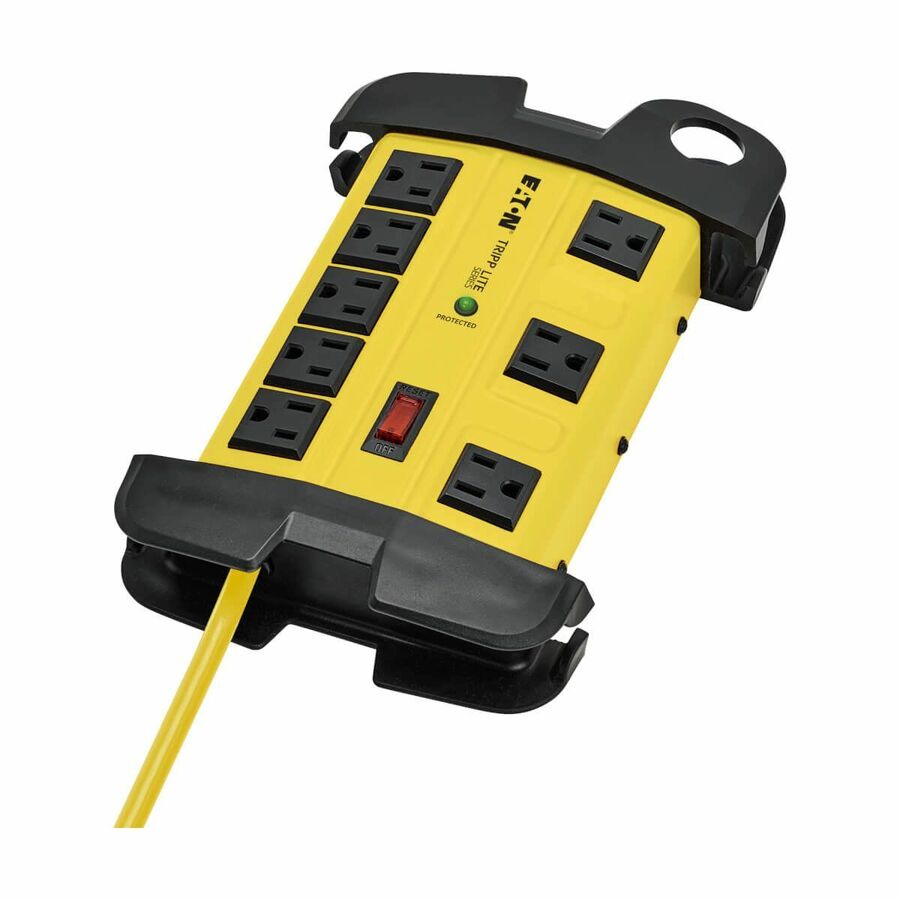
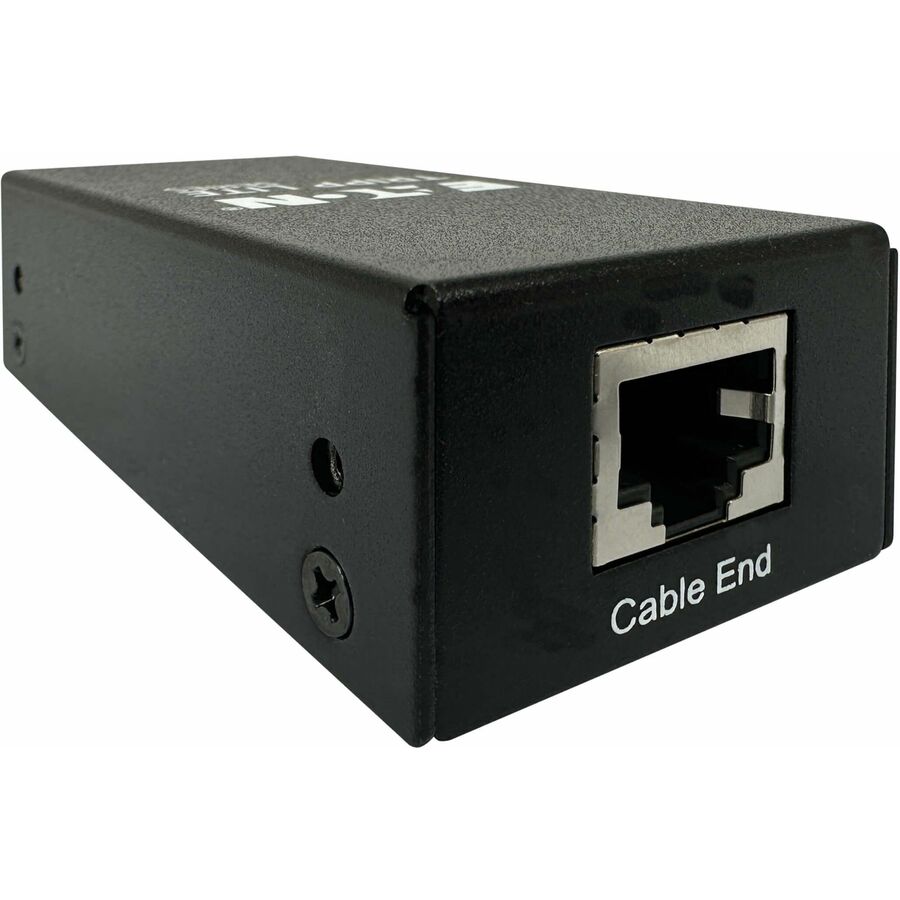
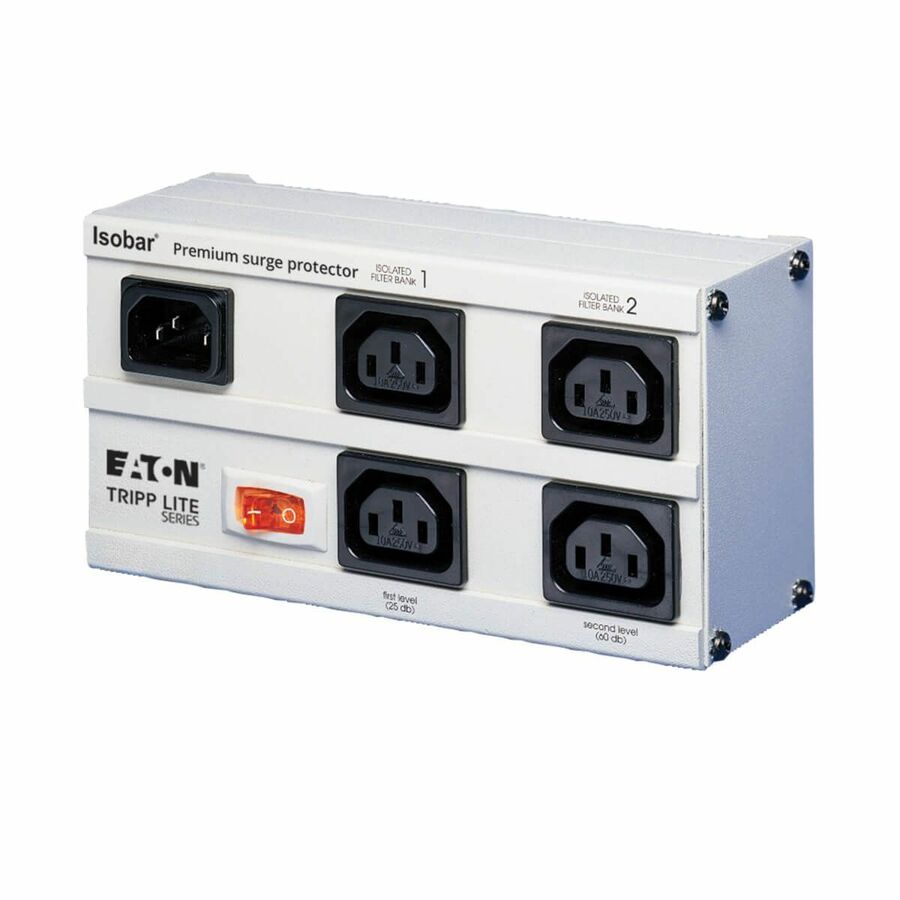
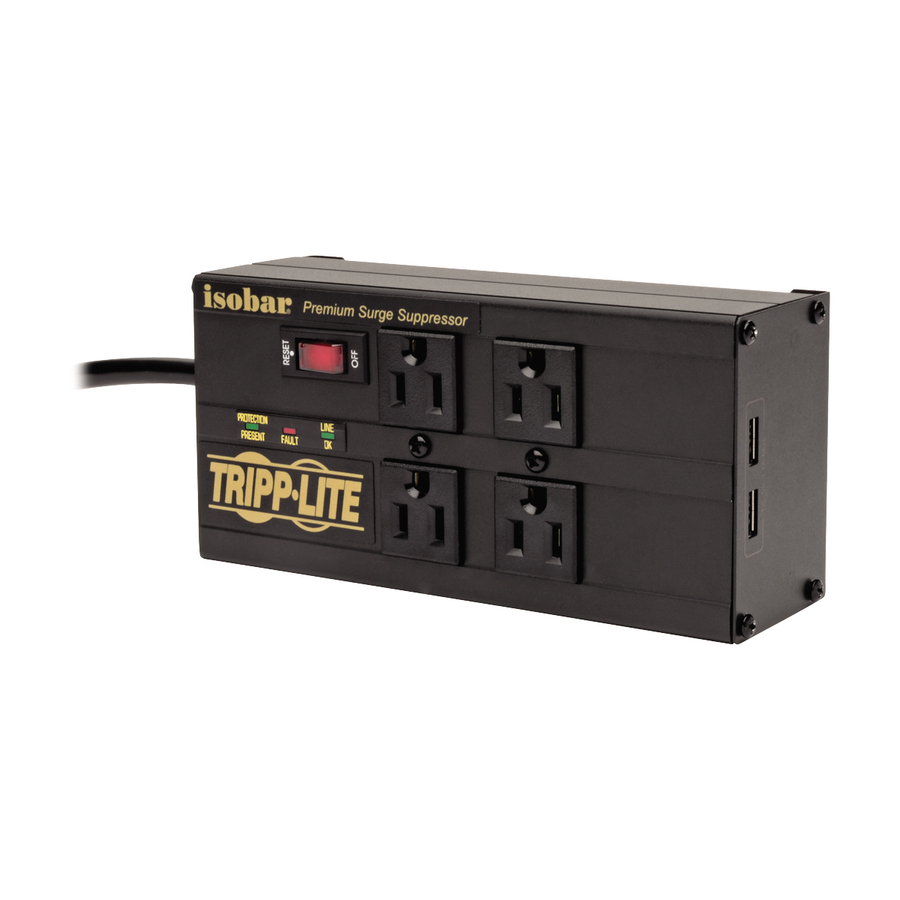
Eaton's surge protection, sold under the Tripp Lite by Eaton brand, covers a wide span of form factors, and picking well starts with where the unit actually sits. A 1U rackmount strip belongs in a cabinet feeding servers and network gear; an in-line PoE++ protector goes on an outdoor Ethernet run to a camera or access point; a metal-housing Isobar or Protect It! unit protects a workstation or AV bench; and hospital- and medical-grade models are built to the electrical-safety grades clinical spaces require. Reading the title tells you most of what you need — outlet type and count (typically NEMA 5-15R), joule rating, cord length, and rack height.
Joule rating is the headroom figure. The units here span from roughly 1,000 joules on compact hospital-grade strips up to the several-thousand-joule range on Isobar and Protect It! models. Higher joules buy more absorption before the protection degrades, which matters most on dirtier power or on equipment you can't easily take offline. For network and PoE runs, the relevant specs shift to the rated surge current on the data pairs and the RJ-45 port count rather than joules — check the clamp and discharge-current figures listed on the in-line PoE++ models.
Everything in this guide is what Uniqcli currently carries, with live in-stock status shown on each product page so you can see availability before you commit. Confirm the exact model against the outlet, mounting, and clearance you have, and for regulated environments read the UL grade in the title carefully — the difference between a patient-care-vicinity unit and a general hospital-grade unit is not cosmetic.
Buyer's checklist
How to choose an Eaton surge protector
- Match the form factor to the install point: 1U rackmount for cabinets, in-line for PoE/Ethernet runs, metal-housing desktop for workstations and AV benches.
- Read the joule rating against the environment — around 1,000 joules on light-duty strips up to the several-thousand-joule range on Isobar and Protect It! units where you want more absorption headroom.
- Confirm outlet type, outlet count, and cord length: most models use NEMA 5-15R receptacles, and cords here run from about 6 to 15 feet.
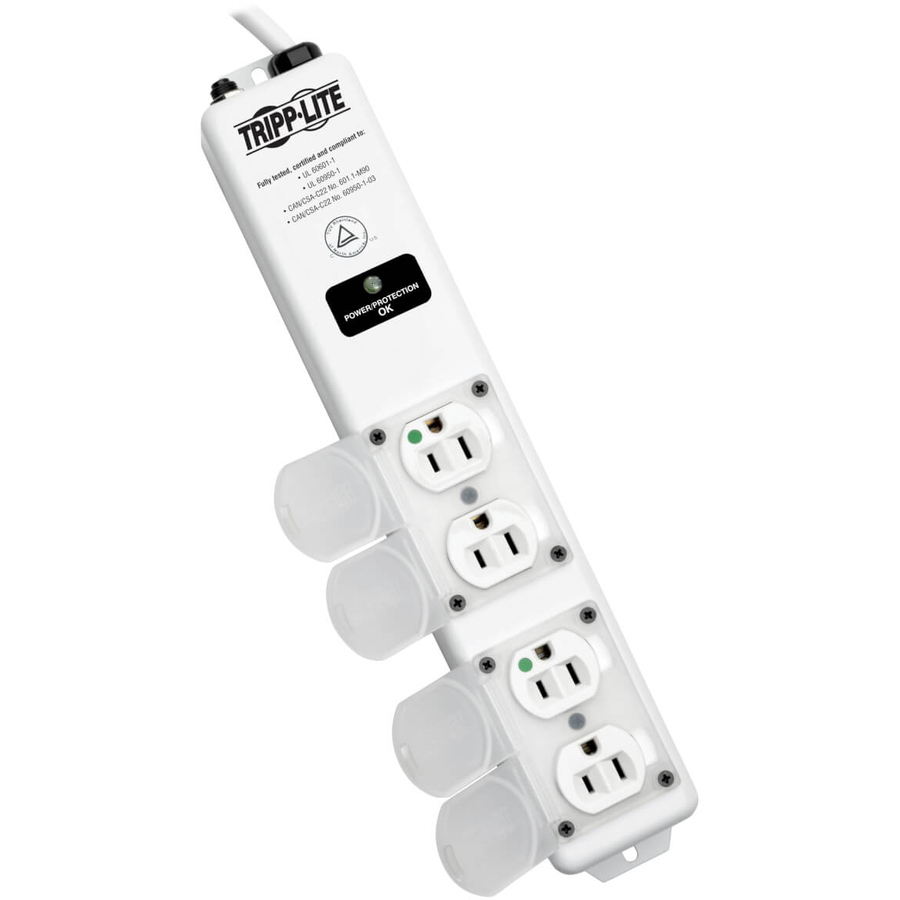
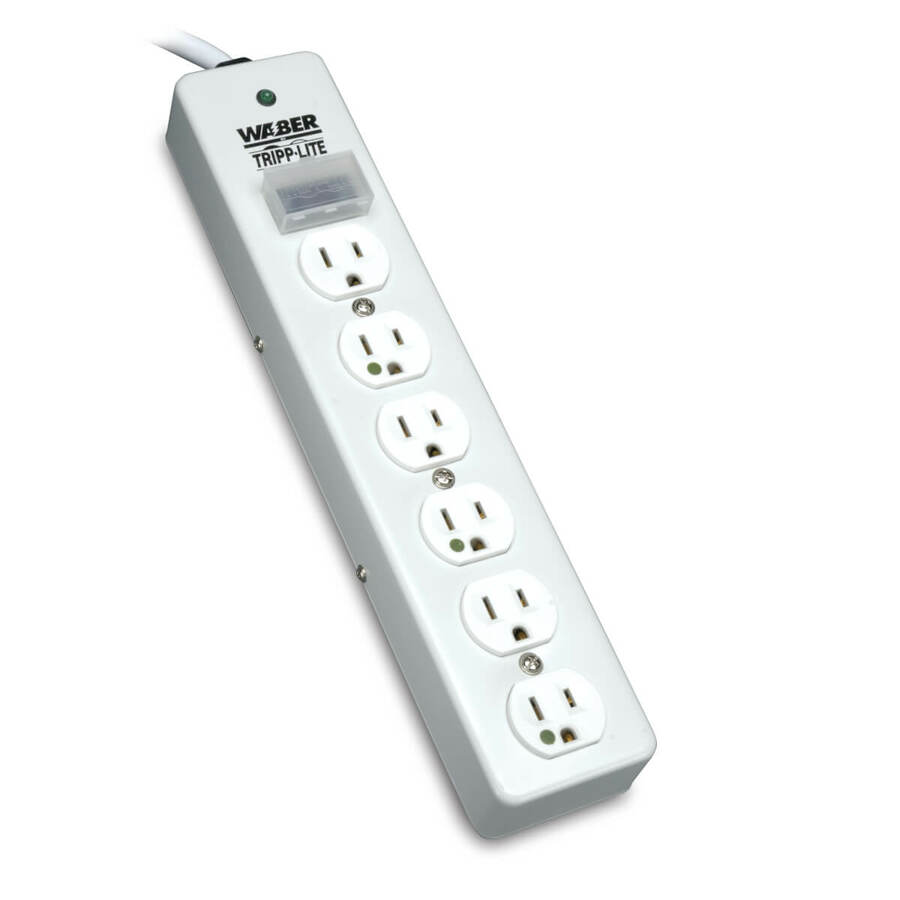
- For clinical spaces, verify the exact UL grade named in the title — medical-grade (UL 60601-1) for the patient-care vicinity versus hospital-grade (UL 1363), which is commonly marked as not for patient-care areas — and confirm against the product listing.
- For network and PoE, check the PoE class it supports (up to PoE++/802.3bt), the rated surge current on the data pairs, and the RJ-45 port count rather than joules.
- Look for diagnostic LEDs or protection-present indicators so staff can see at a glance when a unit has done its job and needs replacing.
One layer in a facility's protection scheme
A plug-in strip protects the last few feet of the branch circuit — the equipment plugged into it — not the whole building. In a facility with service-entrance or panel-level protection, these units are the final downstream layer that catches what upstream devices let through, plus the transients generated inside the building by motors, HVAC, and switching loads. Sizing that last layer with real headroom matters most on equipment you can't easily take offline, where a single unclamped event is expensive.
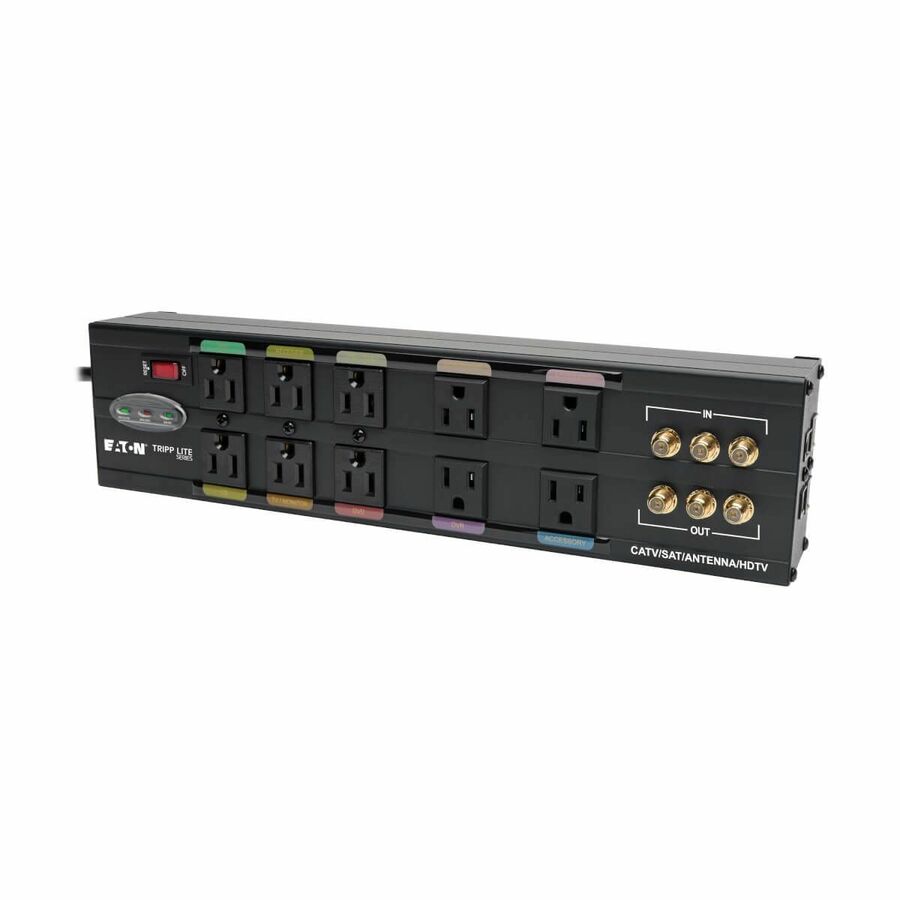
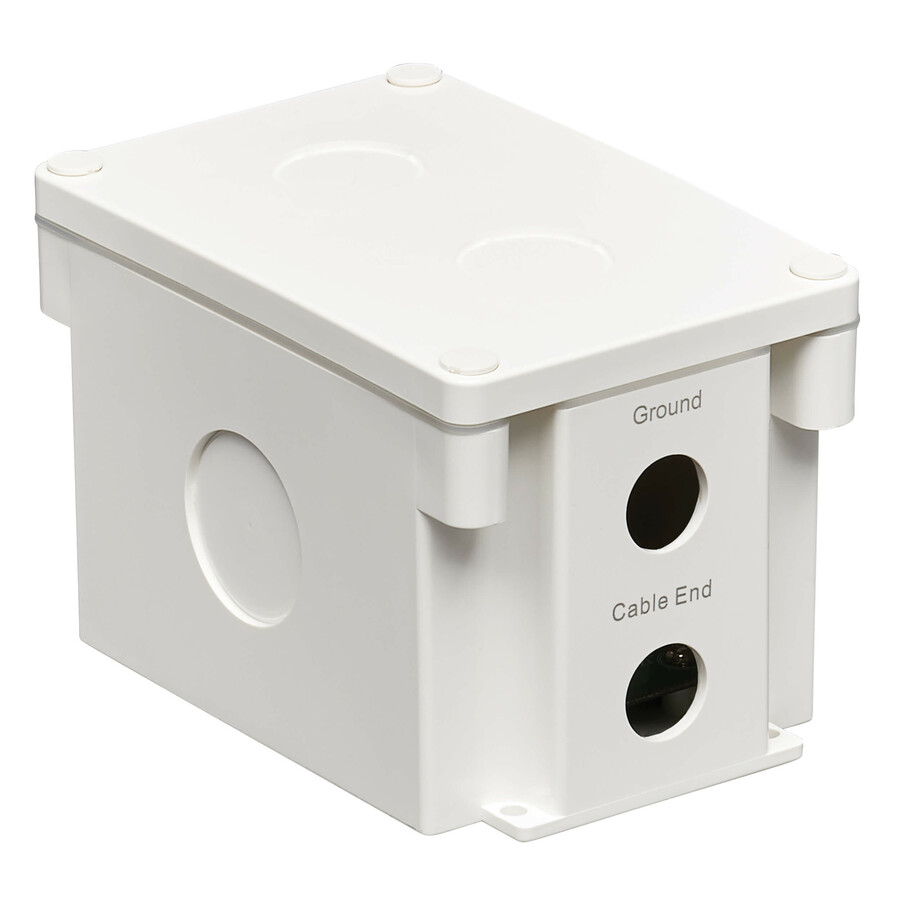
Power is only one path in. Surges also ride data and signal lines — Ethernet, coax, and the power-and-data pairs of a PoE run out to an outdoor camera or access point — which a power-only strip never sees. That is why the in-line network protectors are a distinct product rather than a feature of the rack strip: an exposed outdoor cable run often needs protection on the data pairs as much as the device needs it on the power side.
Treat suppressors as a consumable, not a fixture
The metal-oxide components inside a suppressor wear a little with every transient they clamp, so protection is finite and silent as it depletes — the strip keeps passing power long after its clamping capacity is spent. That is what the protection-present indicator is for: an LED that has gone dark means the unit is now just an outlet strip and should be swapped, not left in service until the next surge finds the gap. Building replacement into the maintenance cycle, rather than waiting for failure, is the whole discipline.
Standardizing across a facility
Across a site it pays to converge on a short list — one rack strip, one desktop unit, one in-line network protector — so replacements are stocked, staff recognize the same indicators everywhere, and regulated rooms always receive the grade the space requires rather than whatever is on the shelf. Label each unit with its install date so the fleet rotates on a known schedule instead of by guesswork, and keep the medical- and hospital-grade stock physically separated at the storeroom so a well-meant substitution can't quietly break a room's compliance.
FAQ
Common questions
- What's the difference between the rackmount and in-line surge protectors here?
- Rackmount units are 1U metal strips that mount in a cabinet and feed servers, switches, and other gear through NEMA 5-15R outlets. In-line PoE++ models are compact protectors that sit on a single Ethernet/PoE run — for a camera, access point, or switch link — and clamp surges across the data pairs rather than powering multiple devices. Check the rated surge current and PoE class on the specific model.
- How many joules do I need?
- Joules measure how much surge energy the unit can absorb over its life before protection degrades. The models here range from roughly 1,000 joules on compact hospital-grade strips to the several-thousand-joule range on Isobar and Protect It! units. Higher joules give more headroom on dirtier power or for equipment you can't easily take offline; for critical loads, favor the higher ratings and units with a protection-present LED.
- Are the hospital-grade units safe for patient-care rooms?
- Read the title and product listing carefully — the grades are not interchangeable. Units marked medical-grade (typically listed to UL 60601-1) are intended for the patient-care vicinity, while units marked hospital-grade (UL 1363) commonly state they are not for use in patient-care areas. Match the exact grade named on the model to your facility's requirement and your clinical-engineering guidance.
- Can business, government, and education buyers order these?
- Yes. These are available to business, government, and education buyers. Each part is sourced through US distribution and screened for TAA country-of-origin and NDAA 889 status before checkout, with documentation tied to the specific part number. Several Tripp Lite by Eaton lines are marketed by the manufacturer as TAA Compliant; we confirm the screening result for the exact model you order rather than treating compliance as a blanket claim.
Need Eaton surge protectors pricing?
Send a bill of materials or part numbers — we confirm stock and a below-market total, with TAA verified on request. No payment up front.