
Best Fluke Multimeters and Clamp Meters
Fluke digital multimeters, True-RMS clamp meters and T5 electrical testers for facility, electrical and IT maintenance teams.
Fluke multimeters in stock at Uniqcli
How to choose →A curated selection with live pricing — in-stock lines first, then back-ordered lines with a typical lead time. Every line is sourced through US distribution and screened for NDAA §889 status before checkout, with TAA verified on request.
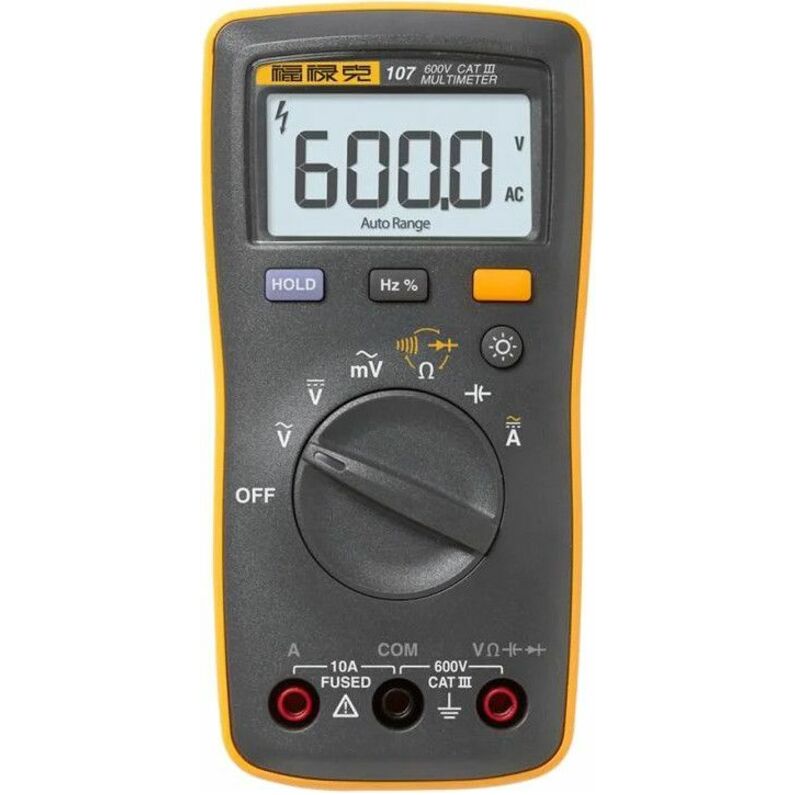
- FlukeFluke 107 Palm-sized, CAT III Digital Multimeter - 600 V, 10 A AC - 600 V, 10 A DC - Backlight, Data HoldFLUKE-107 ESP
$160.99
$155.14
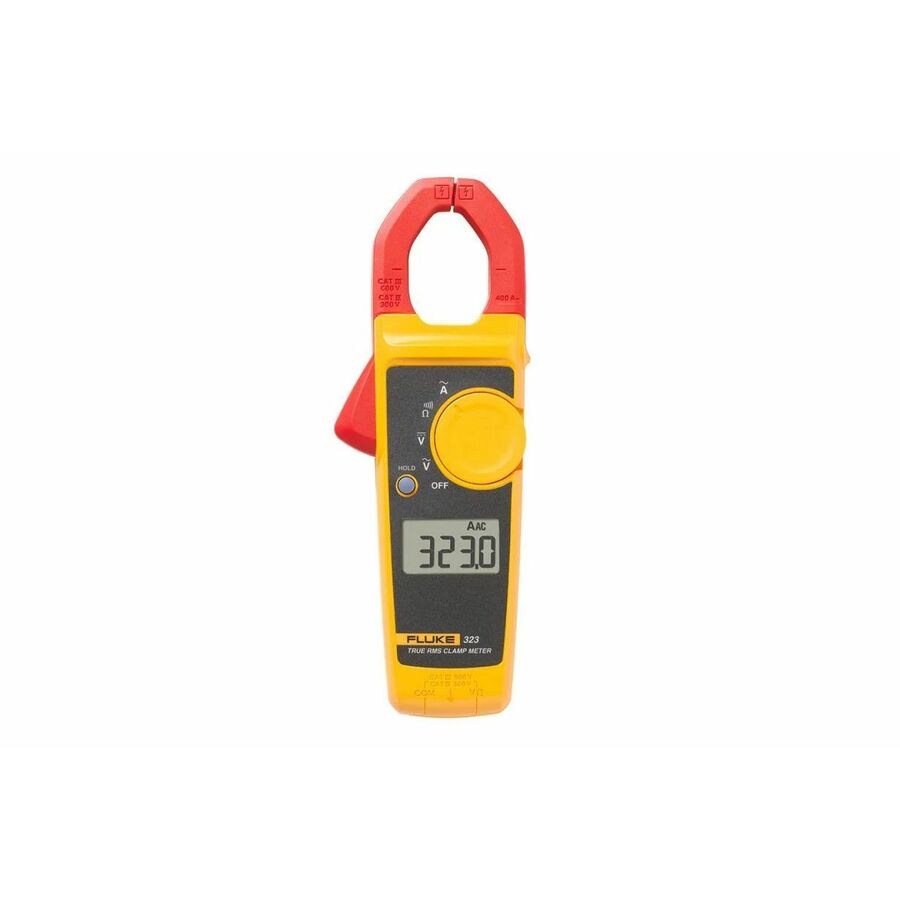
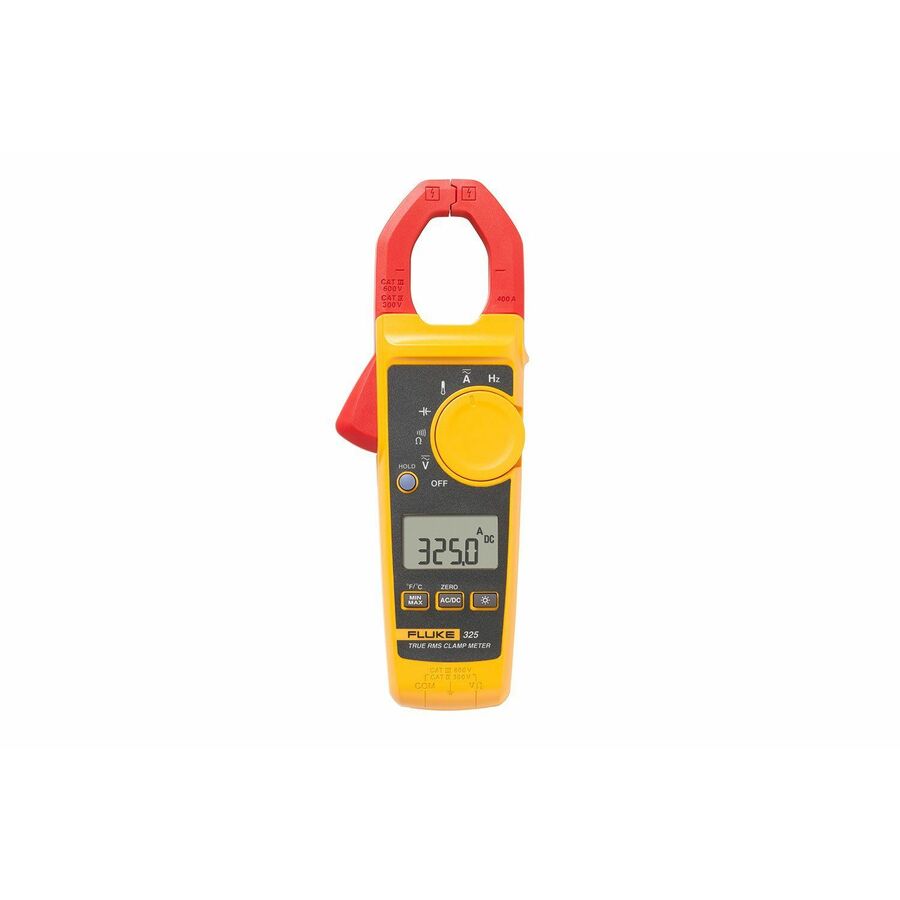
2 in stock - FlukeFluke 323 True RMS Clamp Meter - 600 V, 400 A AC - 600 V DC - Data HoldFLUKE- 323
$208.74
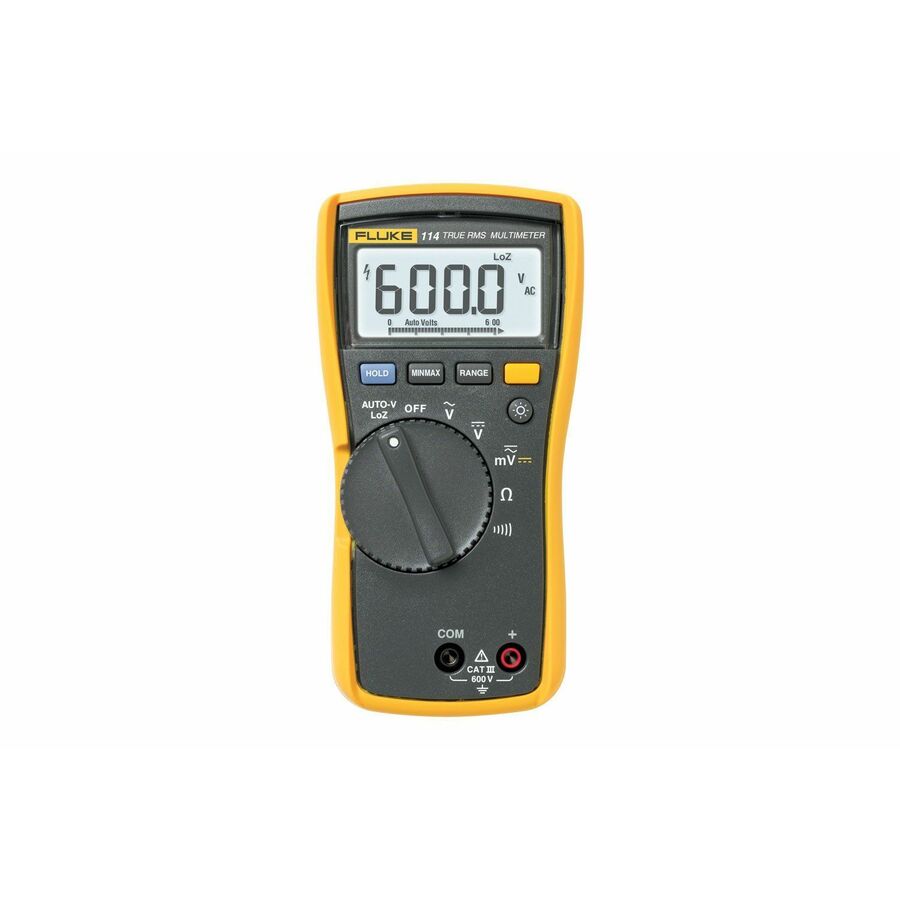
18 in stock - FlukeFluke 114 Electrical Multimeter - 600 V AC - 600 V DC - BacklightFLUKE-114
$227.99
$218.71
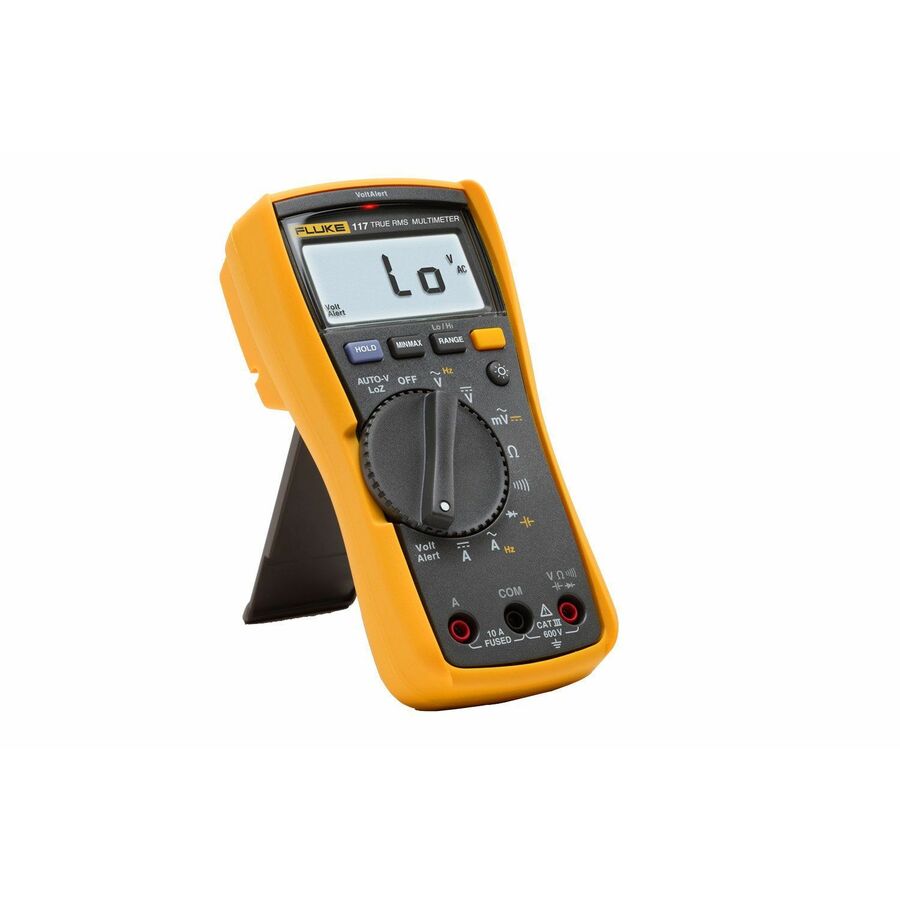
6 in stock - FlukeFluke 117 Digital Multimeter - 600 V, 10 A AC - 600 V, 10 A DCFLUKE117
$304.99
$292.43
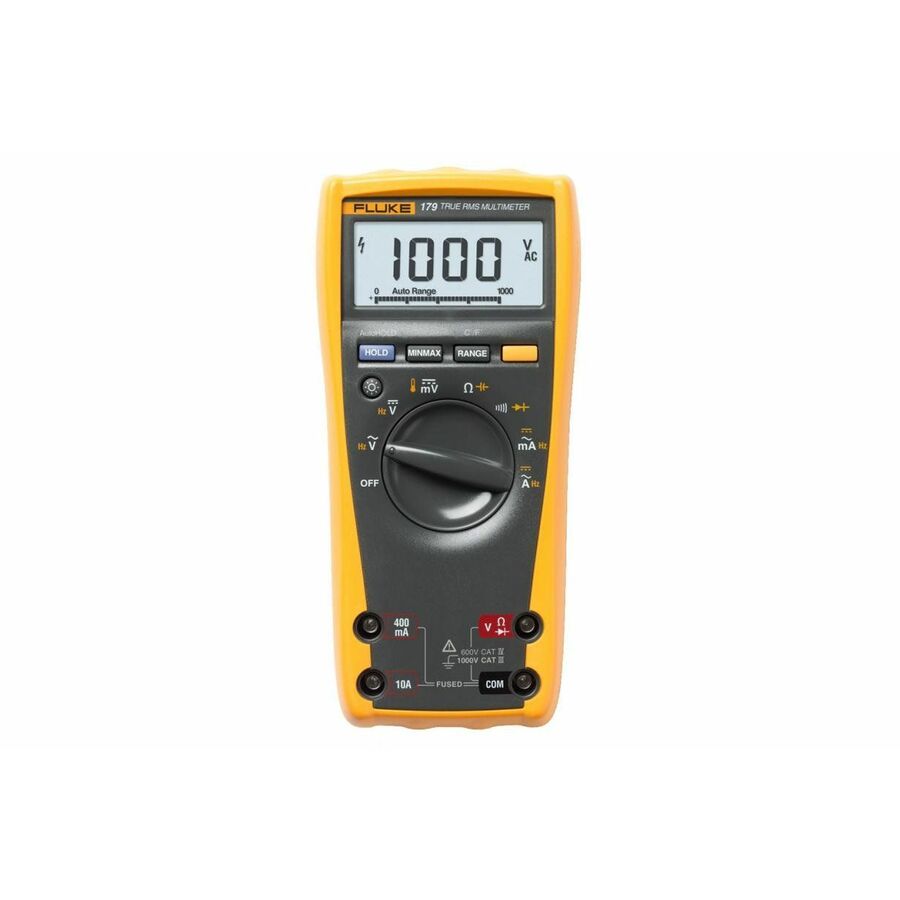
71 in stock - FlukeFluke 179 TRMS Digital Multimeter with Temperature Readings - 1000 V, 10 A AC - 1000 V, 10 A DC - BacklightFLUKE-179 ESFP
$524.28
20 in stock

More multimeters in the Uniqcli catalog
See all 98 multimetersMore Fluke first — closest to what you were just looking at; “See all multimeters” above opens every other brand in the category. In-stock lines lead, and a back-ordered line carries the same estimated availability its product page does — with live pricing throughout, NDAA §889 screening before checkout and TAA verified on request.
- FlukeFluke 1587 FC Insulation Multimeter - 1000 V, 400 mA AC - 1000 V, 400 mA DC - Auto Power OffFLUKE-1587 FC
$1,123.06
19 in stock - FlukeFluke 376 FC True-RMS Clamp Meter with iFlex - 1000 V, 999.90 A AC - 1000 V, 999.90 A DCFLUKE-376 FC
$696.03
4 in stock - FlukeFluke 88V Deluxe Automotive Multimeter - 1000 V, 10 A AC - 1000 V, 10 A DC - BacklightFLUKE-88-5
$656.31
21 in stock - FlukeFluke 28 II Ex Intrinsically Safe True RMS Digital Multimeter - 1000 V, 10 A AC - 1000 V, 10 A DC - BacklightFLUKE-28IIEX/ETL
$2,860.99
$2,690.68
Back-orderedBack-ordered — estimated OEM lead time 3–8 weeks (Nov 14 – Dec 19 if ordered today).
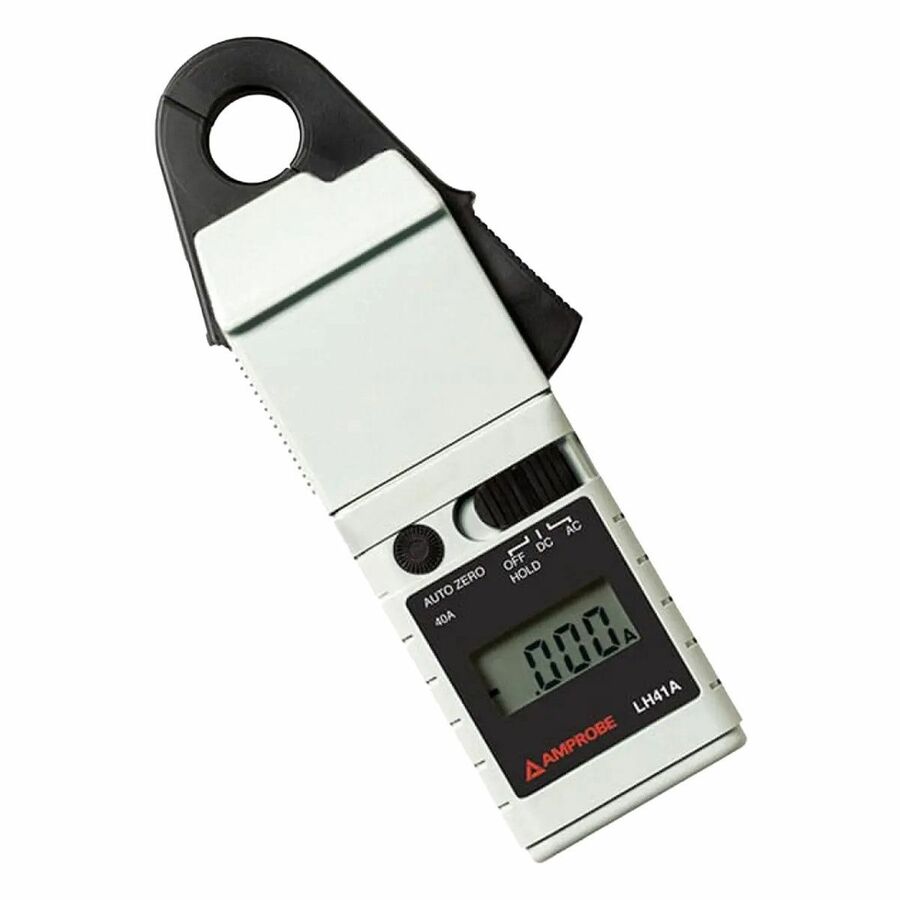
- FlukeAmprobe LH41A Low Current Clamp On Ammeter - 40 A AC - 40 A DC - Data Hold, Auto Power OffLH41A
$874.46
$796.20
Back-orderedBack-ordered — estimated OEM lead time 3–8 weeks (Nov 14 – Dec 19 if ordered today).
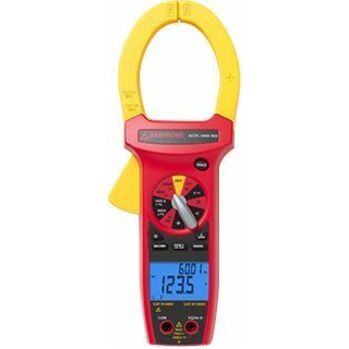
- FlukeAmprobe ACDC-3400 IND AC/DC CAT IV TRMS Clamp Meter - 1 kA AC - 1 kA DC - Auto Power Off, Data Hold, BacklightACDC-3400 IND
$809.57
$737.91
Back-orderedBack-ordered — estimated OEM lead time 3–8 weeks (Nov 14 – Dec 19 if ordered today).
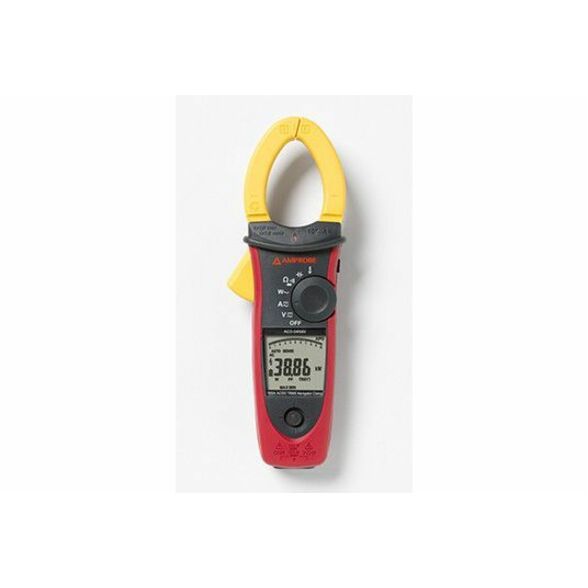
- FlukeAmprobe ACDC-54NAV 1000 A AC/DC Navigator Clamp Meter with Temperature - 1000 V, 1 kA AC - 1000 V, 1 kA DC - Auto Power Off, Data Hold, BacklightACDC-54NAV
$720.99
$657.38
Back-orderedBack-ordered — estimated OEM lead time 3–8 weeks (Nov 14 – Dec 19 if ordered today).
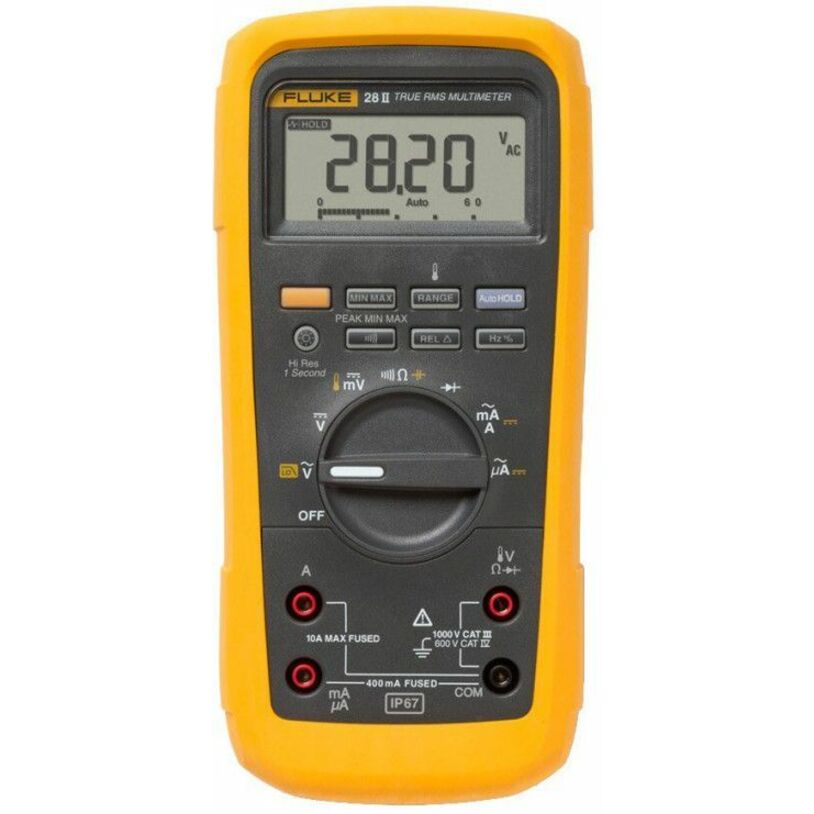
- FlukeFluke 28 II Rugged Digital Multimeter - 1000 V, 10 A AC - 1000 V, 10 A DC - CAT III 1000V - Dust Proof, Water Proof, BacklightFLUKE-28II
$801.99
$764.33
Back-orderedBack-ordered — we expect to receive stock the week of Nov 2–8 and will process your delivery right after.
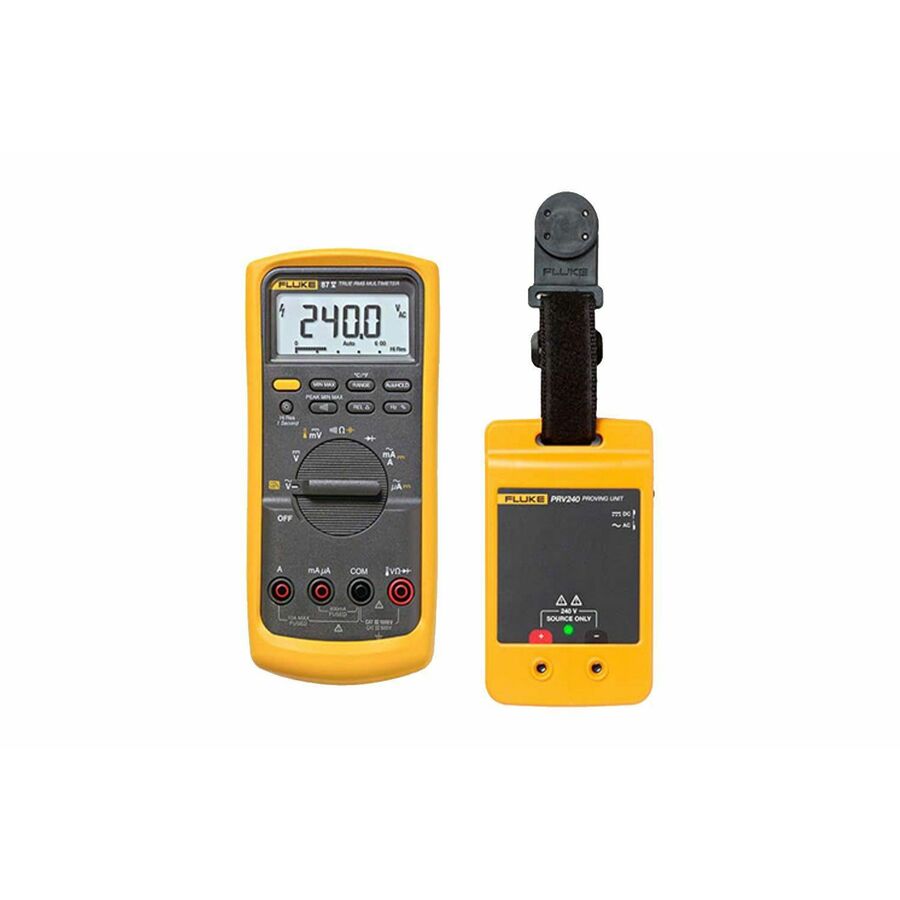
- FlukeFluke 87V Digital Multimeter with PRV240 Proving Unit Kit - 1000 V, 10 A AC - 1000 V, 10 A DC - CAT III 1000VFLUKE-87V/PRV240
$789.99
$753.09
Back-orderedBack-ordered — estimated OEM lead time 3–8 weeks (Nov 14 – Dec 19 if ordered today).
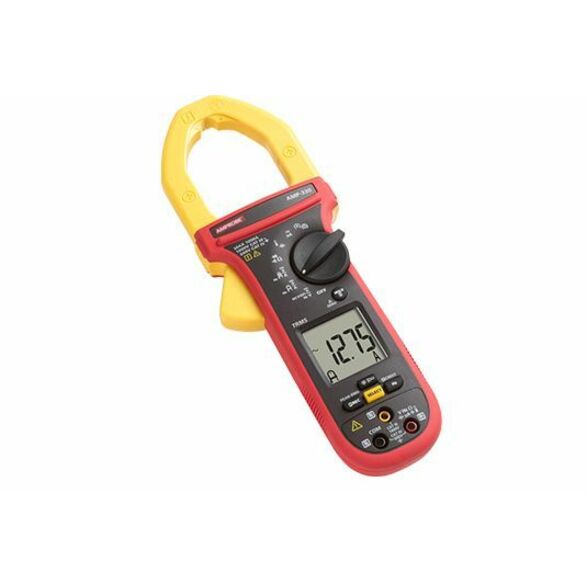
- FlukeAmprobe AMP-330 1000A AC/DC TRMS Motor Maintenance Clamp Meter - 1000 V, 600 A AC - 600 V, 1 kA DC - Data Hold, Auto Power Off, Backlight, Non-contact Voltage DetectionAMP-330
$434.65
$397.86
Back-orderedBack-ordered — estimated OEM lead time 3–8 weeks (Nov 14 – Dec 19 if ordered today).
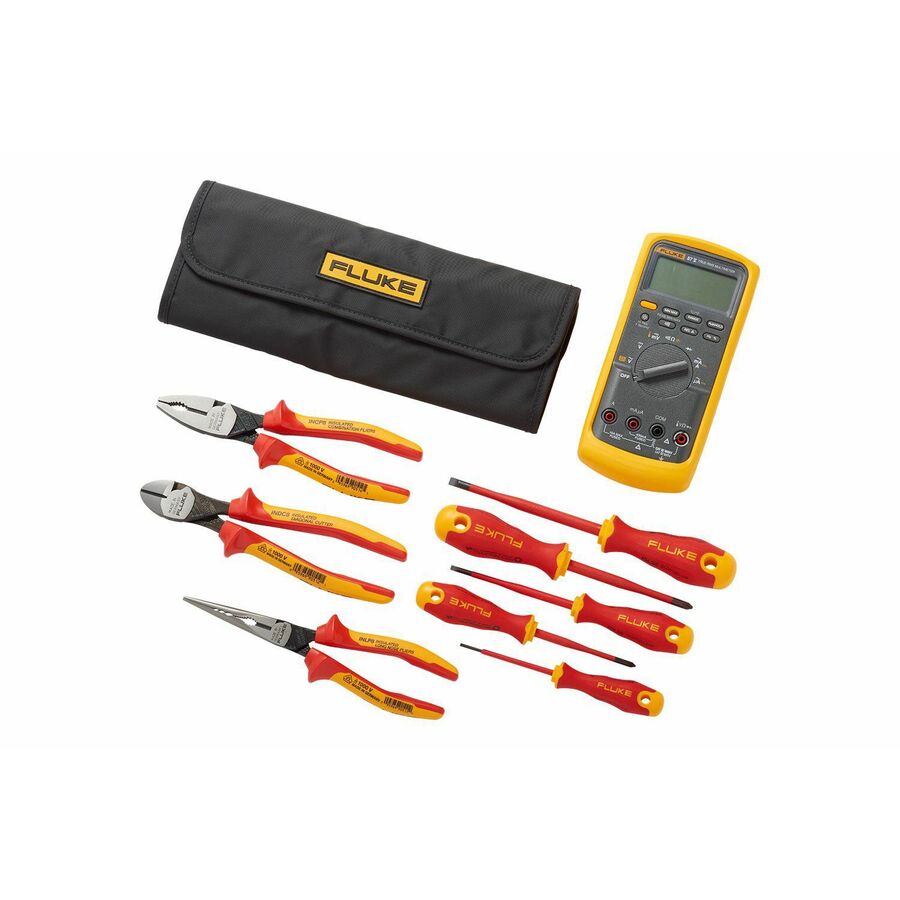
- FlukeFluke Industrial True RMS Multimeter - 1000 V, 10 A AC - 1000 V, 10 A DC - Built-in ThermometerIB875K
$815.99
$779.30
Back-orderedBack-ordered — estimated OEM lead time 3–8 weeks (Nov 14 – Dec 19 if ordered today).
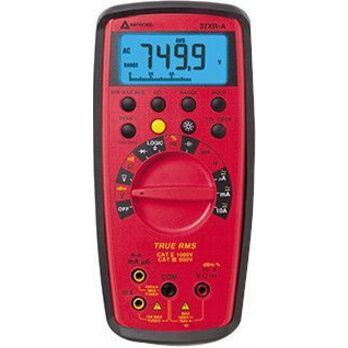
- FlukeAmprobe 37XR-A Multimeter - 1000 V, 10 A AC - 1000 V, 10 A DC - CAT III 600V - Auto Power Off, Data Hold, Fuse Protection37XR-A
$371.82
$340.90
Back-orderedBack-ordered — estimated OEM lead time 3–8 weeks (Nov 14 – Dec 19 if ordered today).
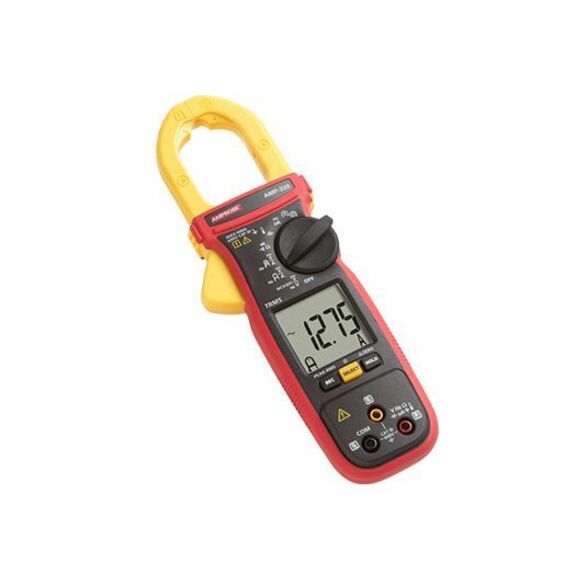
- FlukeAmprobe AMP-320 600A AC/DC TRMS Motor Maintenance Clamp Meter - 600 V, 600 A AC - 600 V, 600 A DC - Data Hold, Auto Power Off, Backlight, Non-contact Voltage DetectionAMP-320
$370.79
$340.11
Back-orderedBack-ordered — estimated OEM lead time 3–8 weeks (Nov 14 – Dec 19 if ordered today).
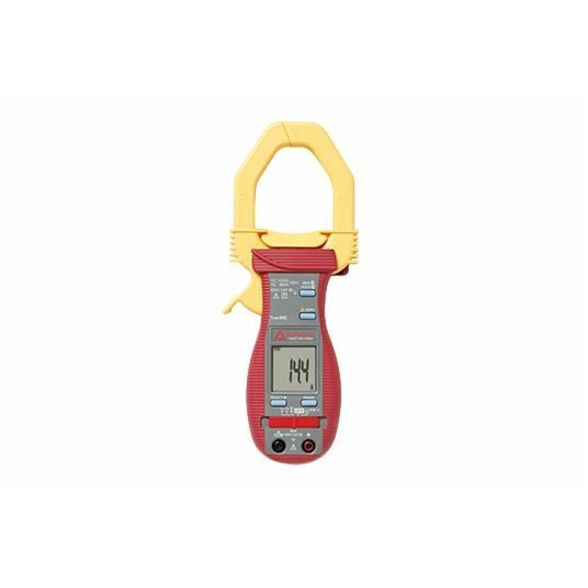
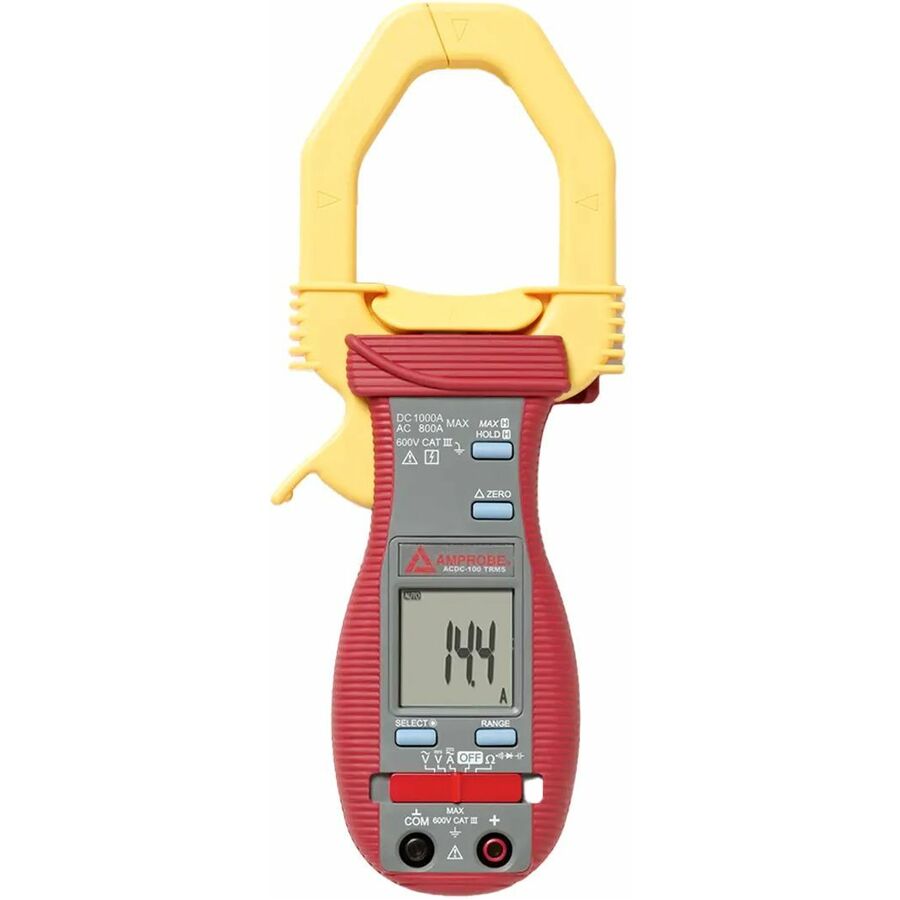
- FlukeAmprobe ACDC-100 TRMS 1000 A AC/DC Clamp Meter - 600 V, 800 A AC - 600 V, 1 kA DC - Data Hold, Backlight, Auto Power OffACDC-100 TRMS
$355.34
$325.76
Back-orderedBack-ordered — estimated OEM lead time 3–8 weeks (Nov 14 – Dec 19 if ordered today).
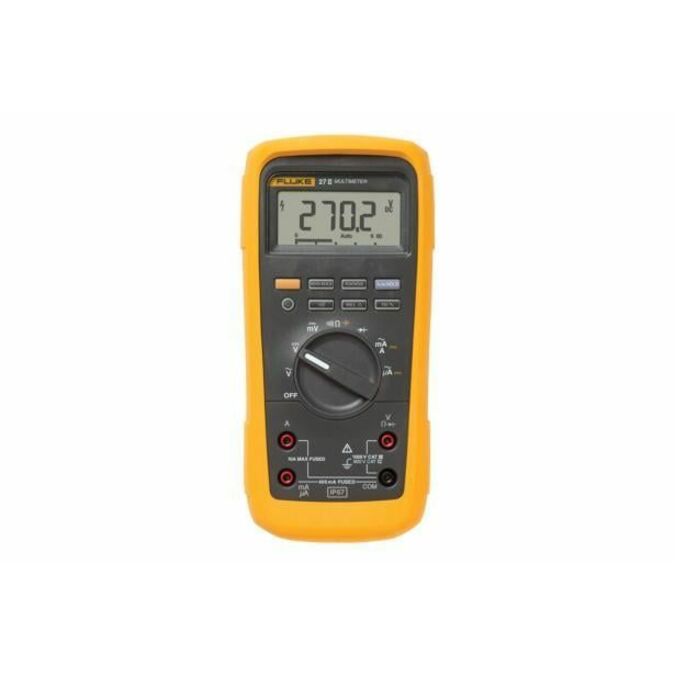
- FlukeFluke 27 II Rugged Digital Multimeter - 1000 V, 10 A AC - 1000 V, 10 A DC - CAT III 1000V - Dust ProofFLUKE-27II
$779.99
$751.19
Back-orderedBack-ordered — estimated OEM lead time 3–8 weeks (Nov 14 – Dec 19 if ordered today).
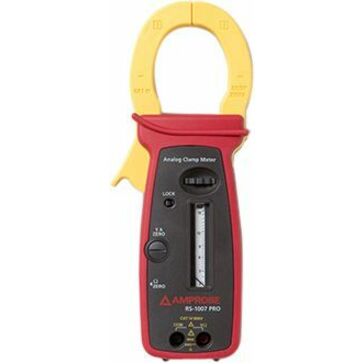
- FlukeAmprobe RS-1007 PRO CAT IV 1000 A Analog Clamp Meter - 600 V, 1 kA AC - CAT IV 600V - Data HoldRS-1007 PRO
$350.19
$321.51
Back-orderedBack-ordered — estimated OEM lead time 3–8 weeks (Nov 14 – Dec 19 if ordered today).
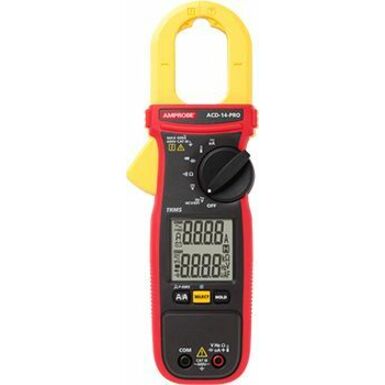
- FlukeAmprobe ACD-14-PRO Dual Display 600 A TRMS Clamp Meter - 600 V, 600 A AC - 600 V DC - Data Hold, Auto Power Off, Backlight, Non-contact Voltage DetectionACD-14-PRO
$324.44
$297.38
Back-orderedBack-ordered — estimated OEM lead time 3–8 weeks (Nov 14 – Dec 19 if ordered today).
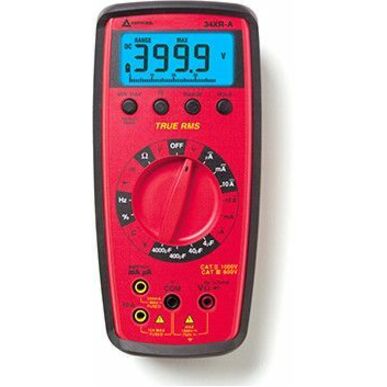
- FlukeAmprobe 34XR-A TRMS Digital Multimeter with Temperature - 1000 V, 10 A AC - 1000 V, 10 A DC - Auto Power Off, Data Hold, Backlight34XR-A
$312.08
$286.35
Back-orderedBack-ordered — estimated OEM lead time 3–8 weeks (Nov 14 – Dec 19 if ordered today).
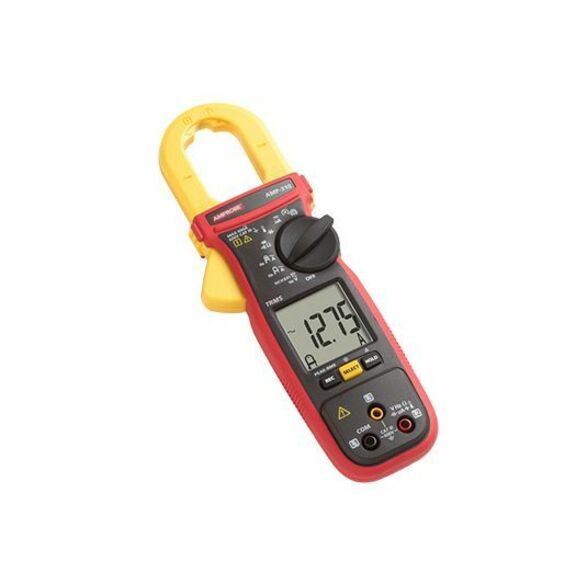
- FlukeAmprobe AMP-310 600A AC TRMS Motor Maintenance HVAC Clamp Meter - 600 V, 600 A AC - 600 V DC - Data Hold, Auto Power Off, Backlight, Non-contact Voltage DetectionAMP-310
$307.96
$282.40
Back-orderedBack-ordered — estimated OEM lead time 3–8 weeks (Nov 14 – Dec 19 if ordered today).
- FlukeAmprobe ACDC-100 Clamp Meter - 600 V, 800 A AC - 600 V, 1 kA DC - Data Hold, Backlight, Auto Power OffACDC-100
$294.57
$269.76
Back-orderedBack-ordered — estimated OEM lead time 3–8 weeks (Nov 14 – Dec 19 if ordered today).
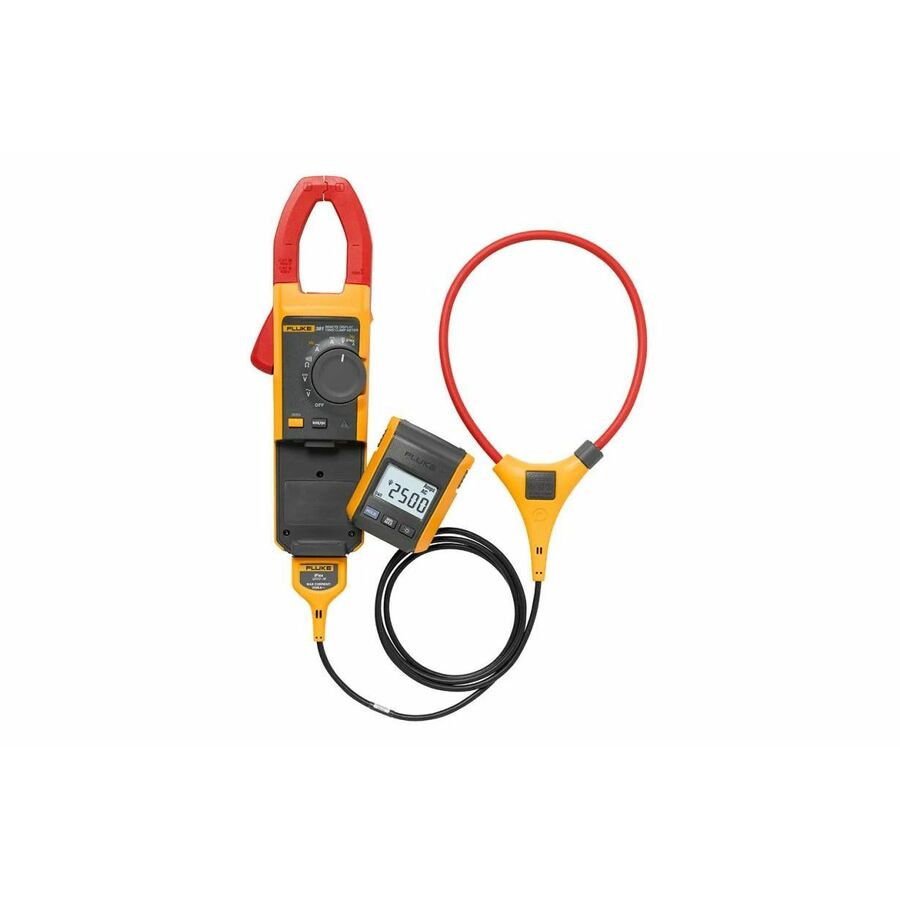
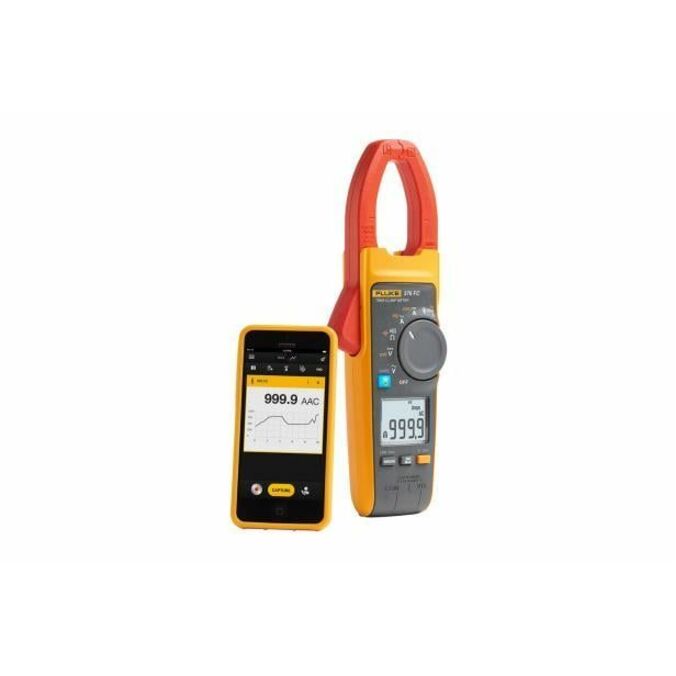
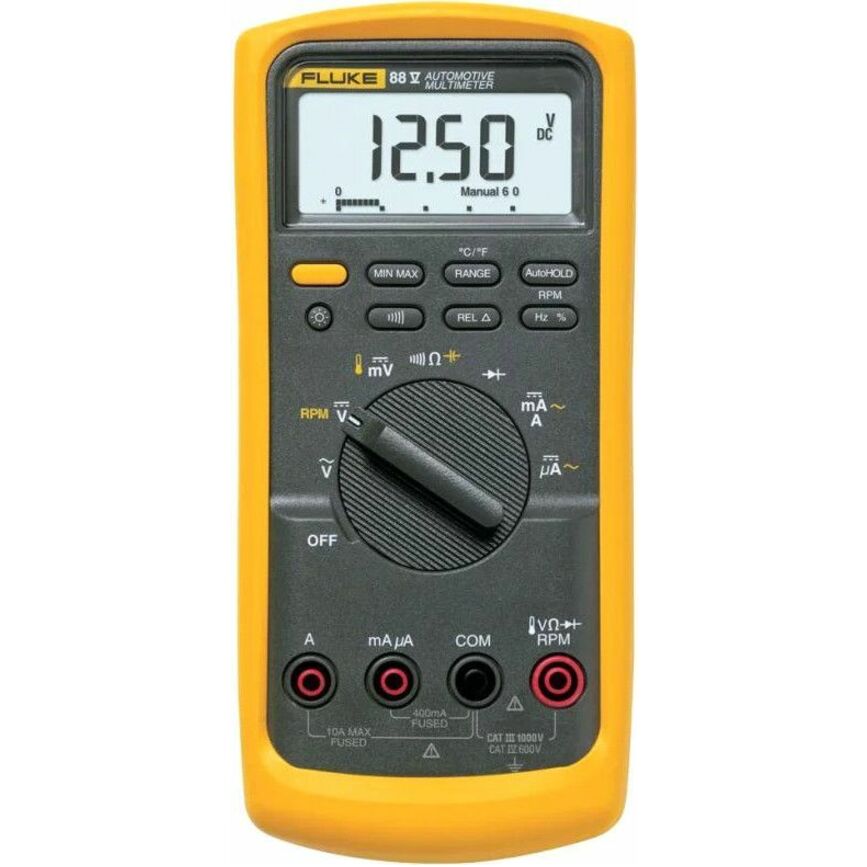
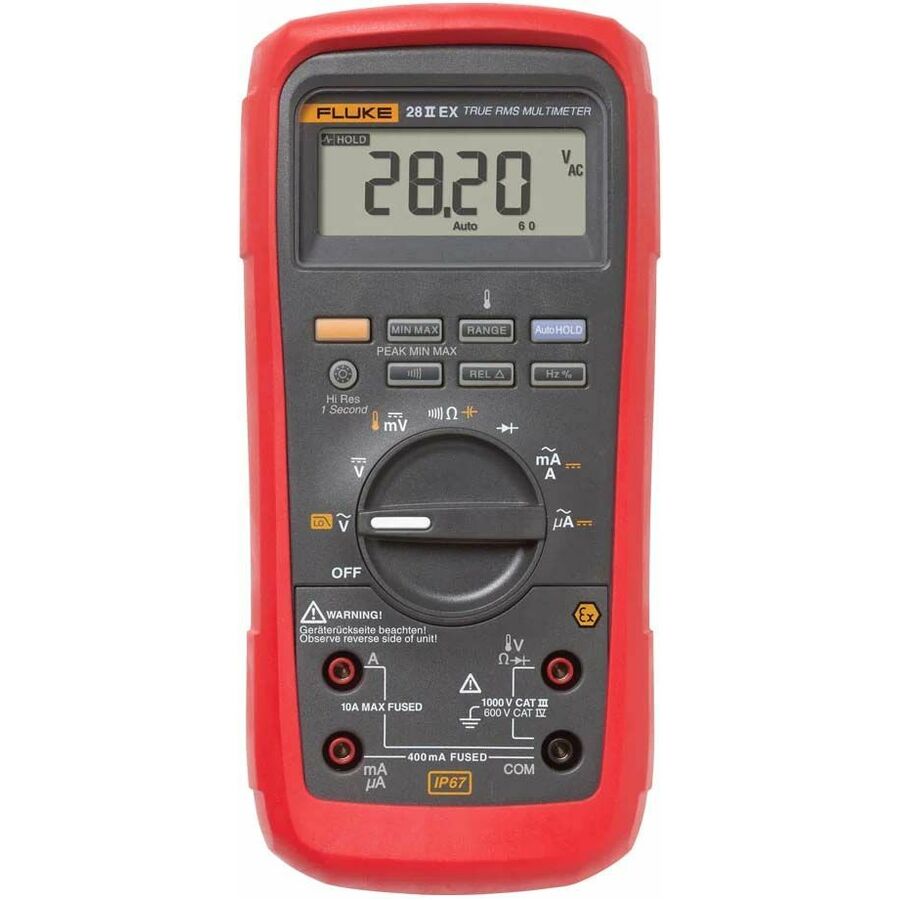
Need pricing on Fluke multimeters?
Tell us where to reach you and a Uniqcli specialist will follow up by email with current pricing, availability and lead time for the quantities you need — including parts that aren’t shown on this page.
Buying for an organization or for yourself — both work. No payment up front.
Pick the form before the model: a multimeter for bench and panel diagnostics, a clamp meter to read current without opening the circuit, or a T5 tester for fast voltage and continuity checks. Then match the CAT rating to where the leads will land — ratings such as CAT III 600 V are stated per model — and choose True-RMS where drives, LED lighting and switching supplies are in the mix.
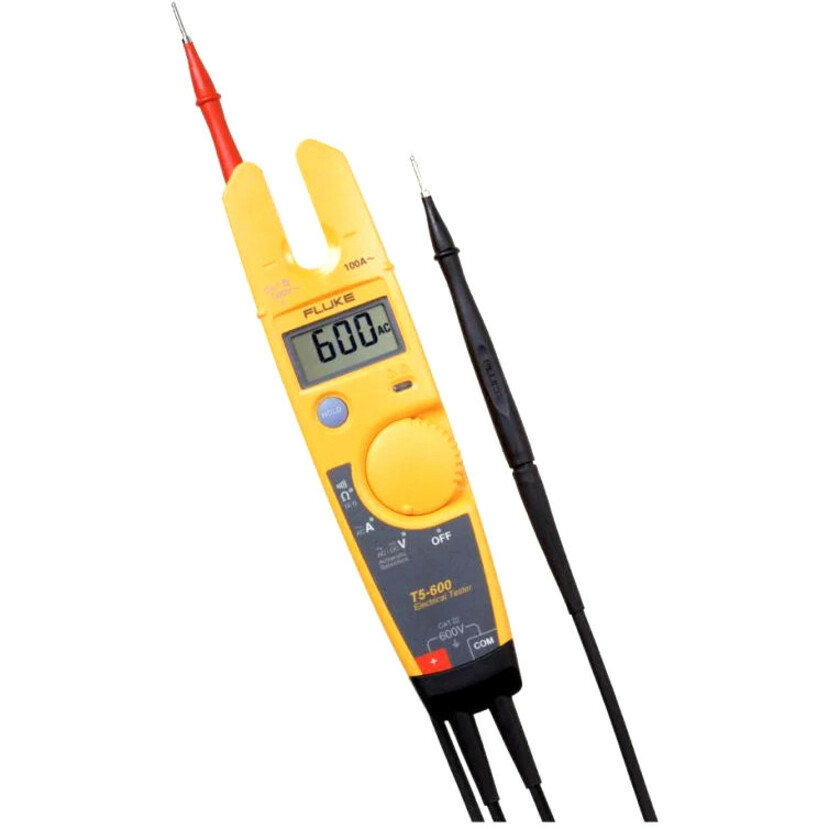
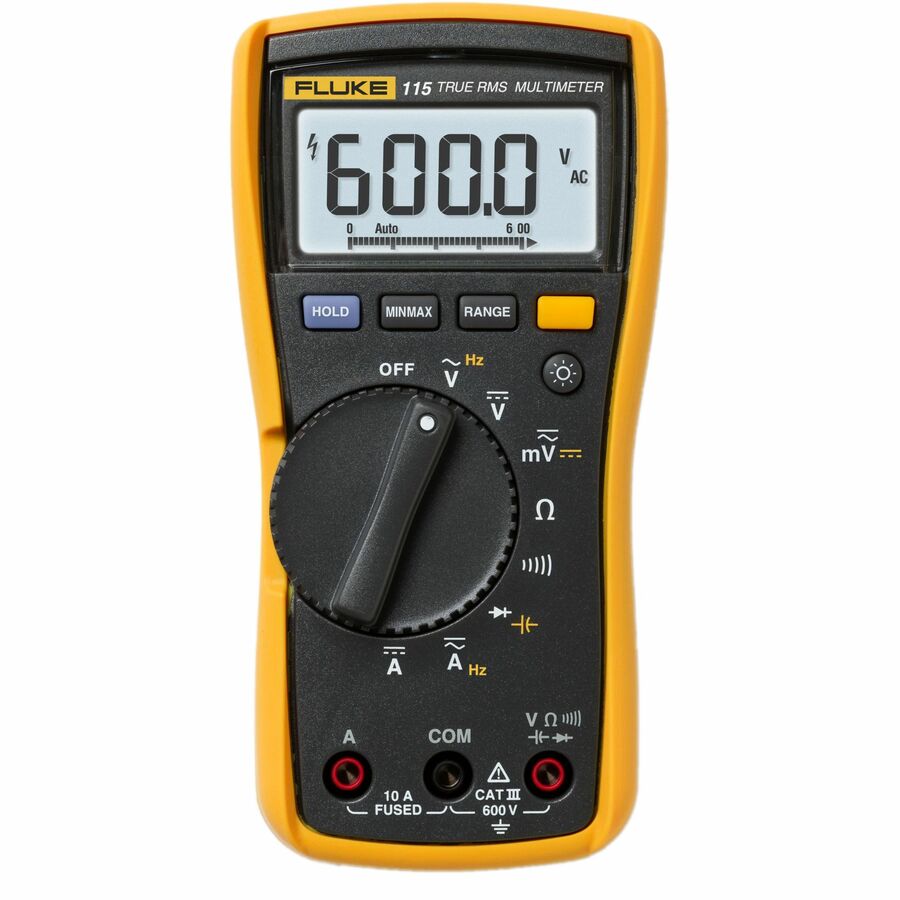
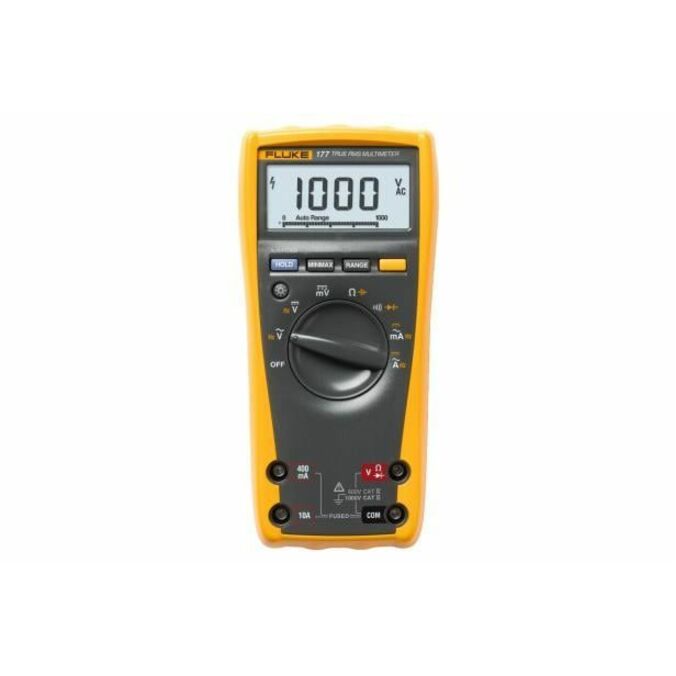
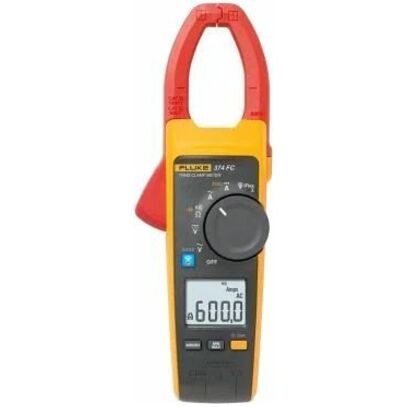
A Fluke meter is one of the few tools that outlives the person who ordered it, and the range here divides cleanly by how the measurement is taken and where it is taken. The digital multimeters run from the palm-sized 107 and the 11x series — the 113, 114, 115 and 117, all titled at 600 V — up through the 77 IV and the True-RMS 177 and 179 at 1000 V, with the 87V titled as the industrial model of the family. The clamp meters take current without breaking the circuit: the 323 and 325 are titled True-RMS at 400 A, and the 374 FC and 375 FC extend that to 600 A AC/DC. Alongside both sit the T5-600 and T5-1000 electrical testers — the glove-box tool for voltage and continuity checks that do not need a full meter.
The titles in this grid carry the facts that matter to a buyer: True-RMS appears on the models built for accurate readings on today's non-linear loads, CAT ratings such as CAT III 600 V appear per model, backlights are listed where they exist, and the 179 is titled with temperature readings. Those are per-model facts — read them on the part you order rather than assuming the family carries them. The grid below is sorted price-ascending, so it opens on the compact testers and climbs toward the industrial multimeters and the FC-series clamps. This grid is drawn from the Fluke test instruments Uniqcli currently stocks, with live availability on each card.
Buyer's checklist
How to choose a Fluke meter
- Pick the form first: a multimeter for bench and panel diagnostics, a clamp meter to read current without opening the circuit, or a T5 tester for fast voltage and continuity checks in the pouch.
- Match the CAT rating to the environment where the leads will actually land — the titles here carry ratings such as CAT III 600 V per model, and the rating is a safety floor, not a spec to economize on.
- Choose True-RMS models — titled as such on the 177, 179, 323, 325 and the FC clamps — where variable-frequency drives, LED lighting and switching power supplies are in the mix; average-responding meters misread those loads.
- Check the voltage class against the work: the 11x series is titled at 600 V, while the 77 IV, 17x series and 87V run to 1000 V.
- Buying for HVAC or electrical maintenance where temperature matters, note the 179 is titled with temperature readings — a per-model feature, not a family one.
- For teams, standardize on one model per role rather than mixing — identical meters mean identical readings, shared accessories and one calibration schedule.
Multimeter, clamp meter or tester
The three shapes serve three working styles. A digital multimeter is the diagnostic instrument — voltage, continuity, resistance and more at a bench, a panel or a rack, which is why the 11x and 17x series are the default issue for electricians and facility techs, and why the 87V exists for the industrial environments that eat lesser meters. A clamp meter answers the current question without breaking the circuit: clamp the jaw around a conductor and read — the 323 and 325 cover 400 A and the 374 FC and 375 FC reach 600 A AC/DC, which is the difference between checking a branch circuit and checking a feeder. The T5 testers are the third shape: not a full meter, but the fast voltage-and-continuity check that rides in the pouch and answers most day-to-day questions before the real meter comes out. Most teams end up owning all three shapes; the mistake is buying one shape and asking it to do the other two jobs.
Speccing a fleet order and keeping it consistent
Meters are bought in ones by hobbyists and in dozens by organizations, and the fleet order has its own rules. Standardize the model per role — the same meter across a crew means readings compare, leads and cases interchange, and calibration renews on one schedule instead of ten. Match the CAT rating and voltage class to the worst environment the role touches, not the average one. Decide the True-RMS question fleet-wide, because the buildings these teams maintain are full of the non-linear loads that punish average-responding meters. And treat the famous model names as a starting point rather than the answer: the right mix for a facilities department is usually a few industrial-grade meters where the risk lives, more mid-range True-RMS units for daily work, and T5 testers everywhere. Send the crew roles and the environments they work in, and we will quote the mix, availability and lead time together.
Related reading
FAQ
Common questions
- What does True-RMS mean and do I need it?
- True-RMS meters measure the actual effective value of a waveform, where average-responding meters assume a clean sine wave and correct mathematically. On modern loads — variable-frequency drives, LED drivers, computer power supplies — the waveform is not a clean sine, and an average-responding meter can read meaningfully wrong. The models here that carry True-RMS are titled with it, including the 177, 179 and the 32x and 37x FC clamp meters. If the buildings you maintain contain modern electronics — and they do — True-RMS is the safe default for the meters your team reaches for daily.
- What is the difference between the Fluke 117 and the 87V?
- Both are digital multimeters, but they are titled for different duty. The 117 is a 600 V, 10 A meter with a backlight — the compact everyday instrument for commercial electrical and facility work. The 87V is titled as the industrial multimeter of the family at 1000 V, 10 A, built for the harsher environments and higher-energy circuits of plant and industrial maintenance. The practical split: commercial buildings and IT-adjacent electrical work sit comfortably with the 11x and 17x series, while industrial floors and motor-drive work are what the 87V exists for. Check the CAT rating on the exact model against where the leads will land.
- Can business, government and education buyers order these?
- Every line Uniqcli quotes is sourced through US distribution and screened for TAA country-of-origin and NDAA §889 status before checkout — with documentation tied to the specific part number, not a product family.
Need Fluke multimeters pricing?
Send a bill of materials or part numbers — we confirm stock and a below-market total, with TAA verified on request. No payment up front.