
Best UPS Replacement Battery Cartridges
Sealed lead-acid replacement cartridges for the UPS units already installed — how to identify the right one, and what a scheduled refresh costs against an emergency one.
UPS replacement batteries in stock at Uniqcli
How to choose →A curated selection with live pricing — in-stock lines first, then back-ordered lines with a typical lead time. Every line is sourced through US distribution and screened for NDAA §889 status before checkout, with TAA verified on request.
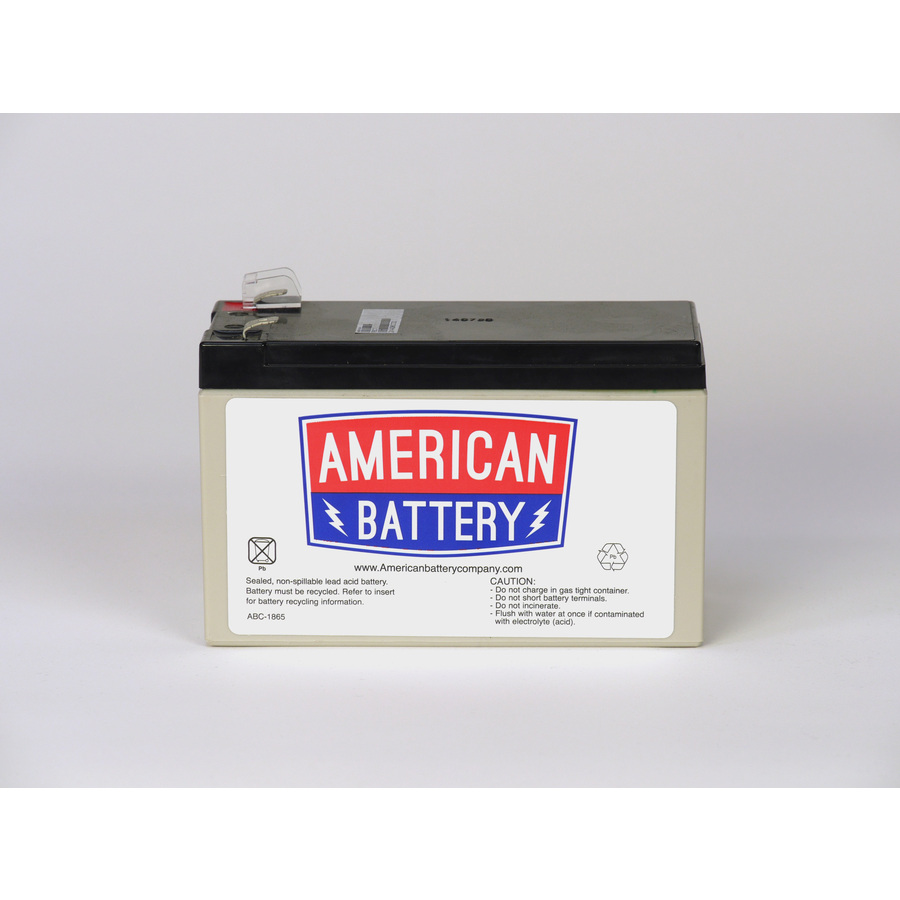
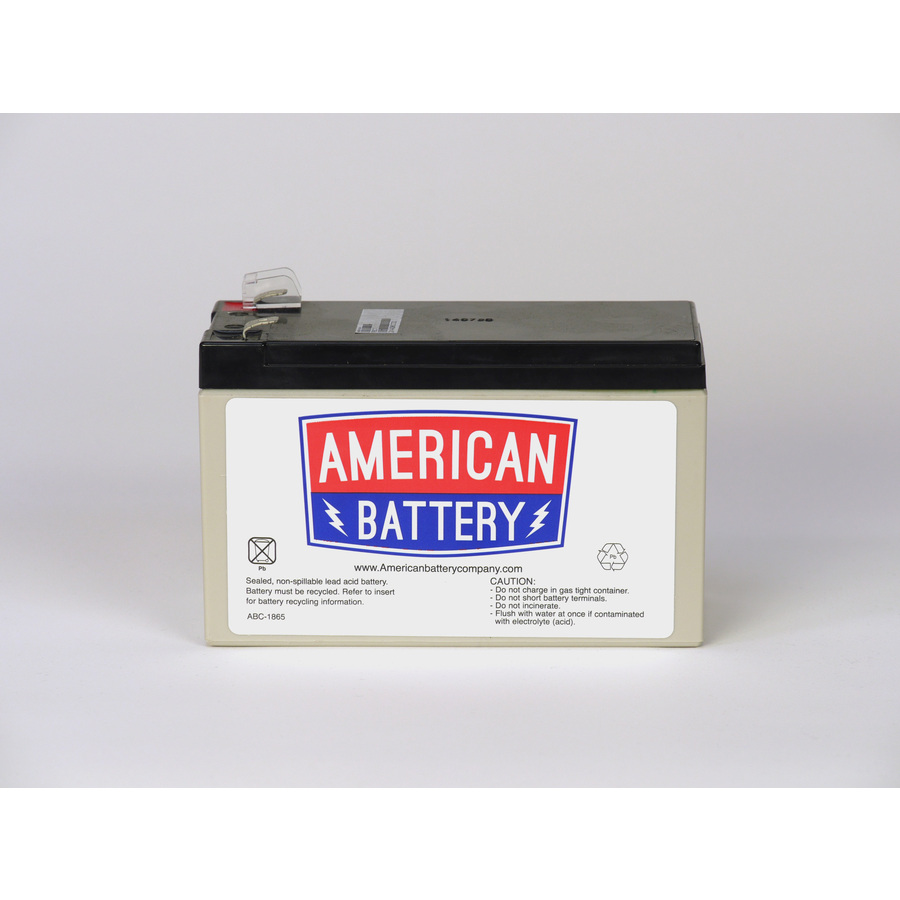
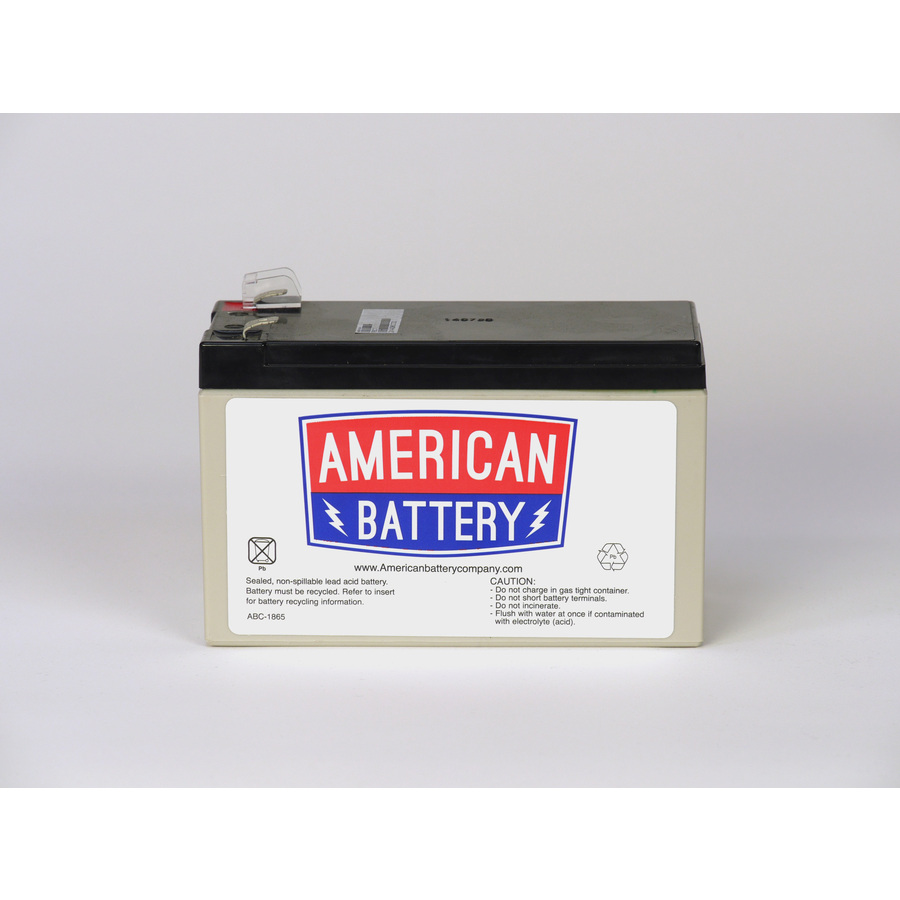
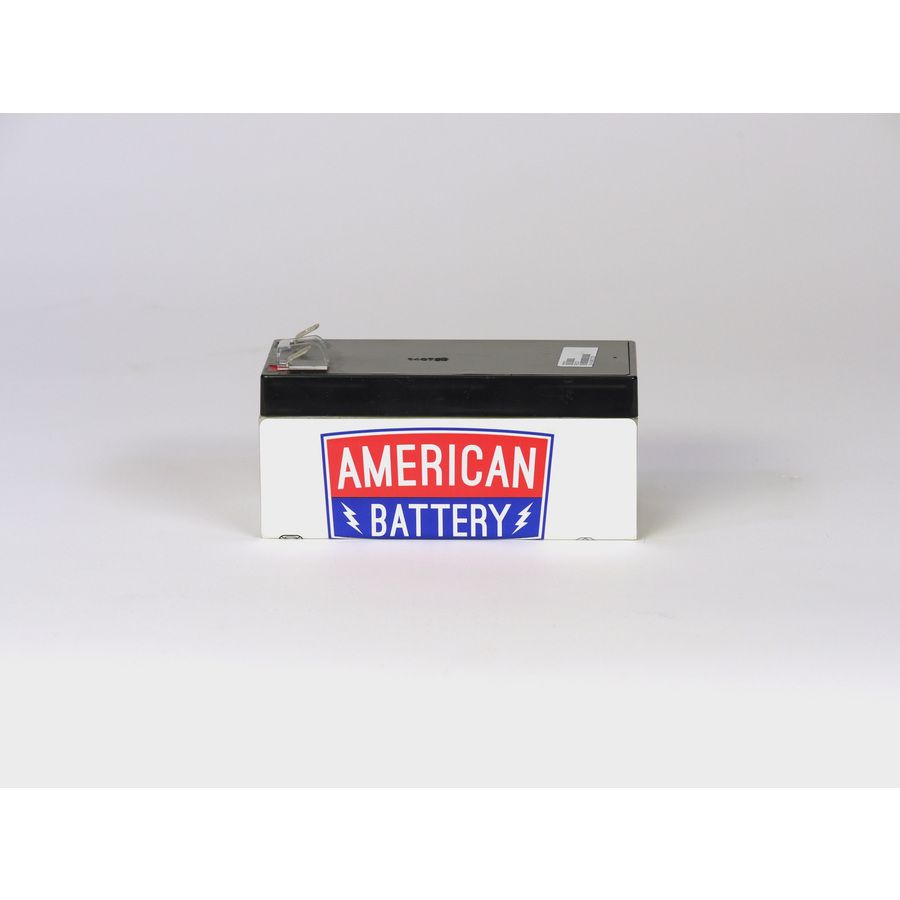
- American BatteryABC Replacement Battery Cartridge - 7000 mAh - 12 V DC - Lead Acid - Hot SwappableRBC110
$39.99
$34.82
10 in stock - American BatteryABC Replacement Battery Cartridge #2 - Maintenance-free Lead Acid Hot-swappableRBC2
$44.99
$36.21
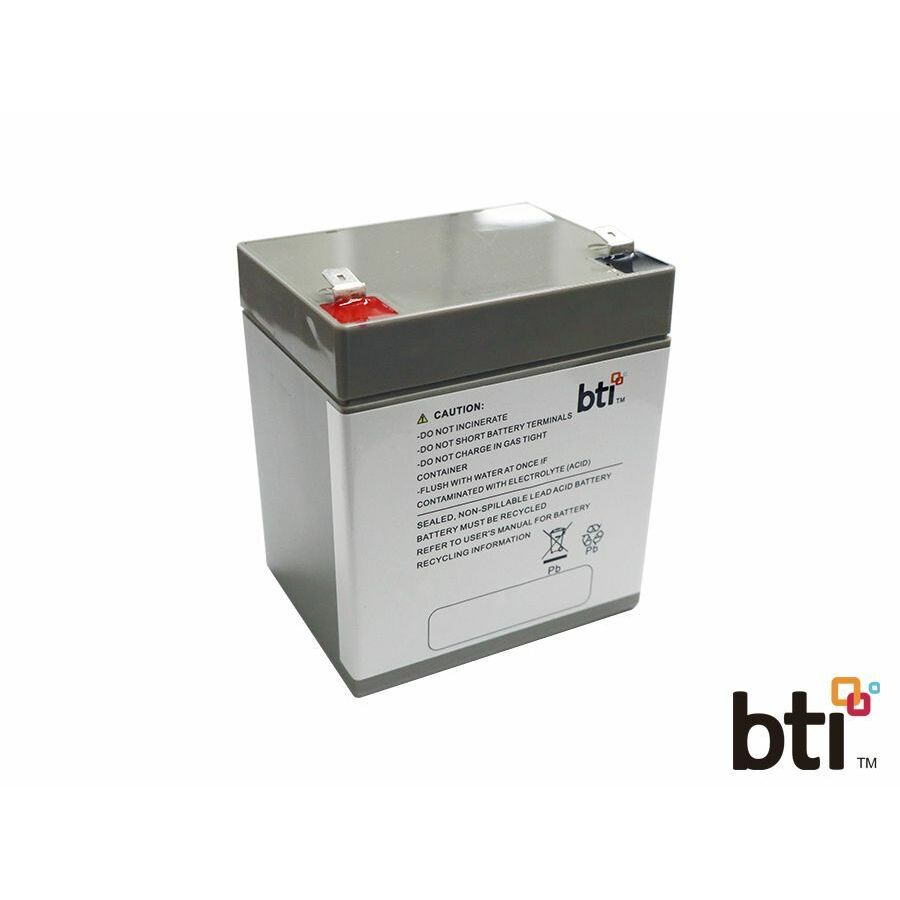
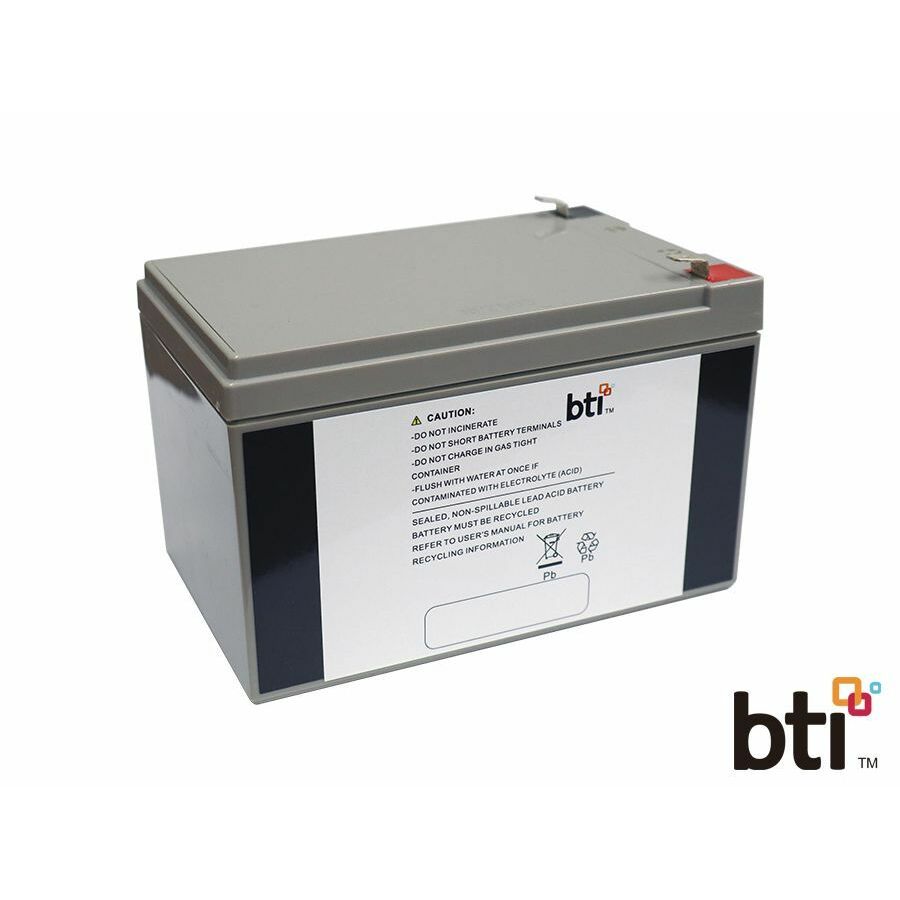
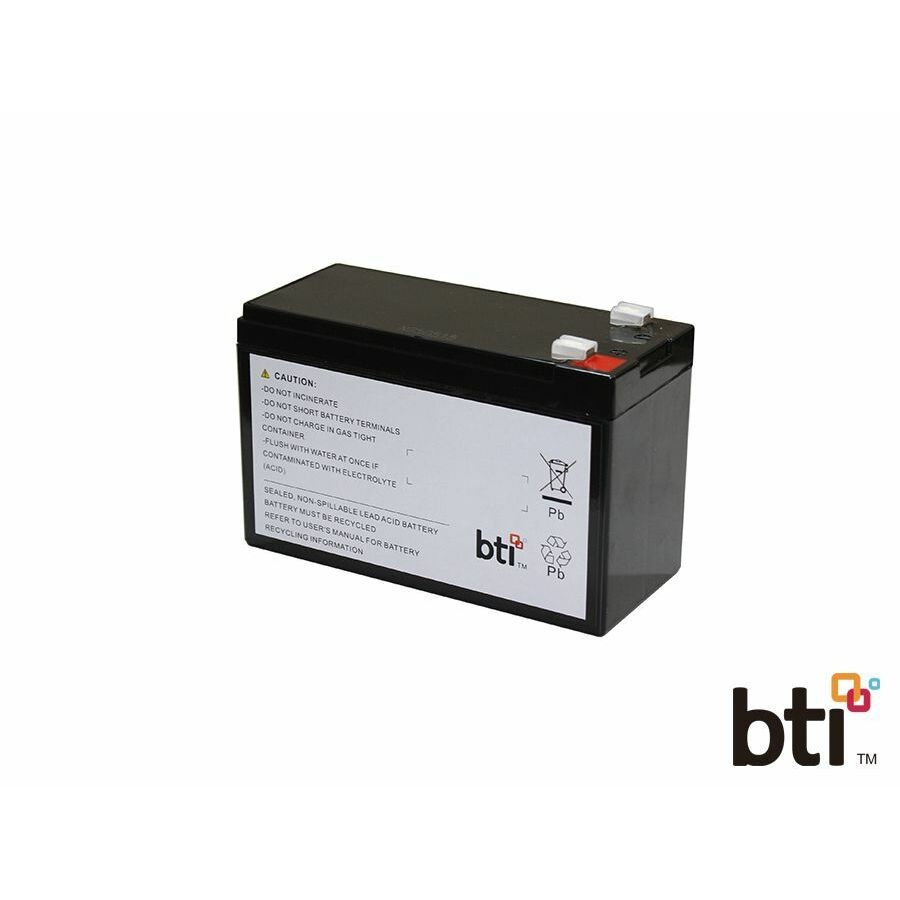
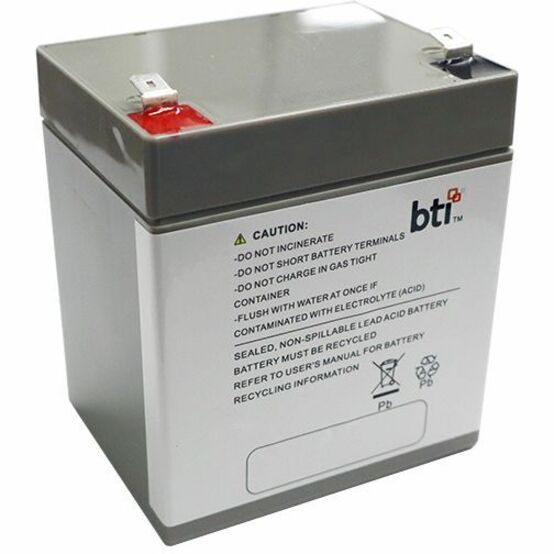
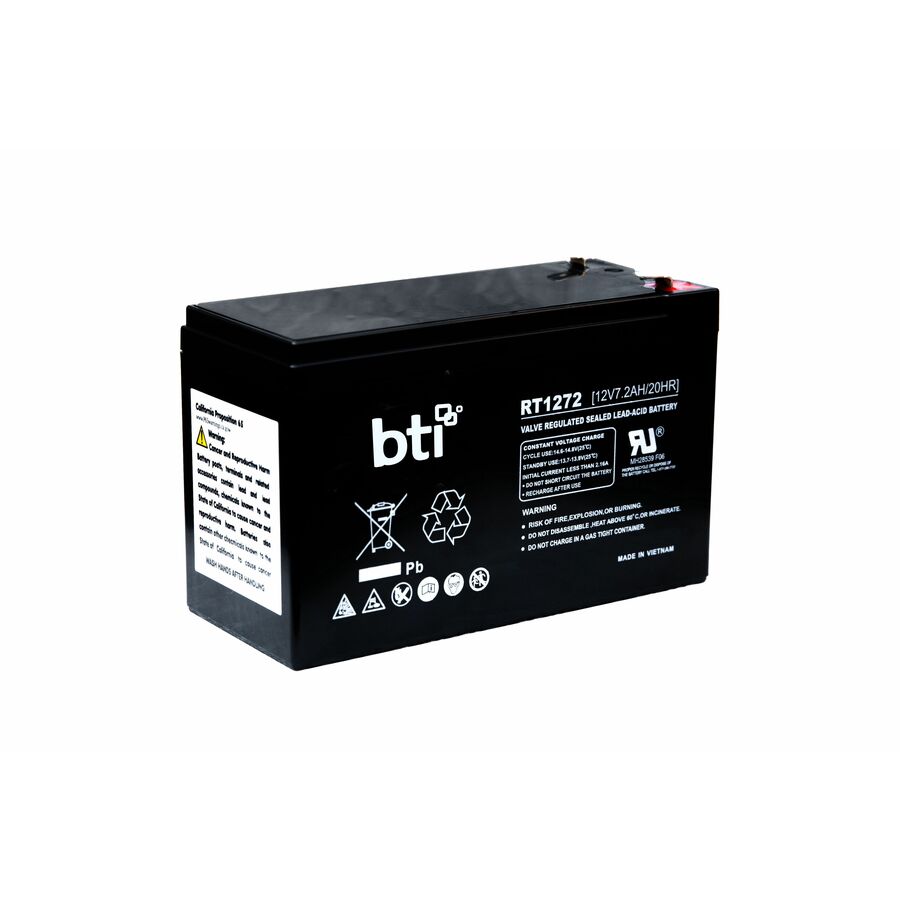
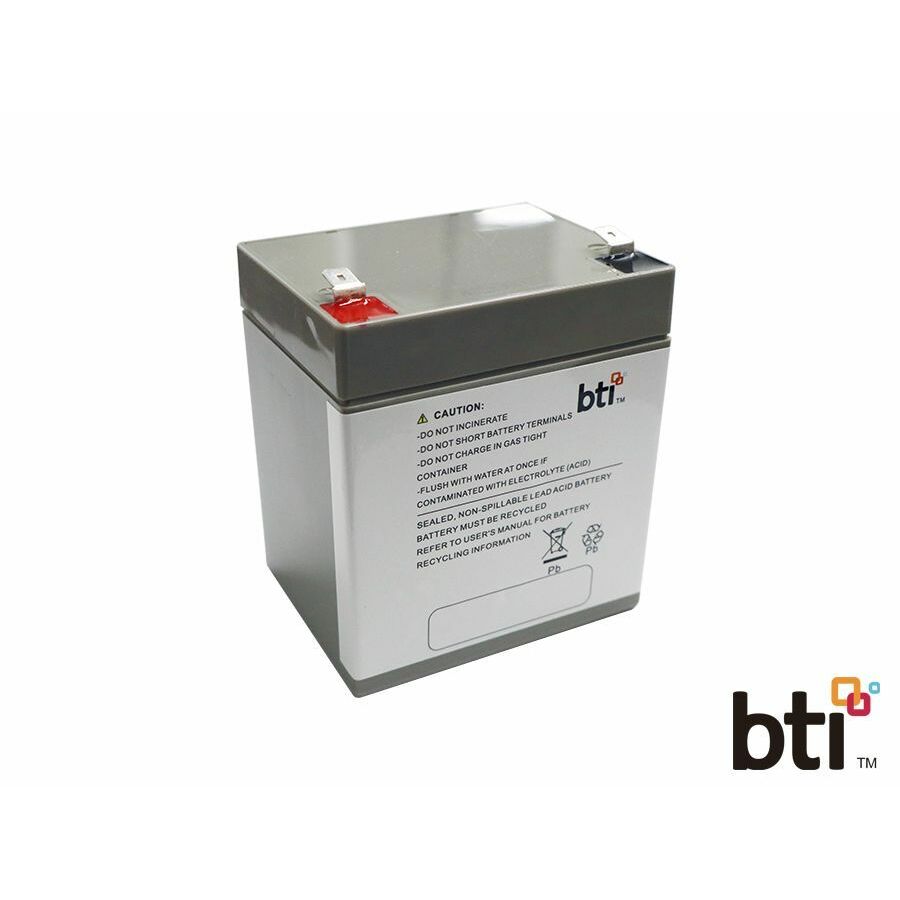
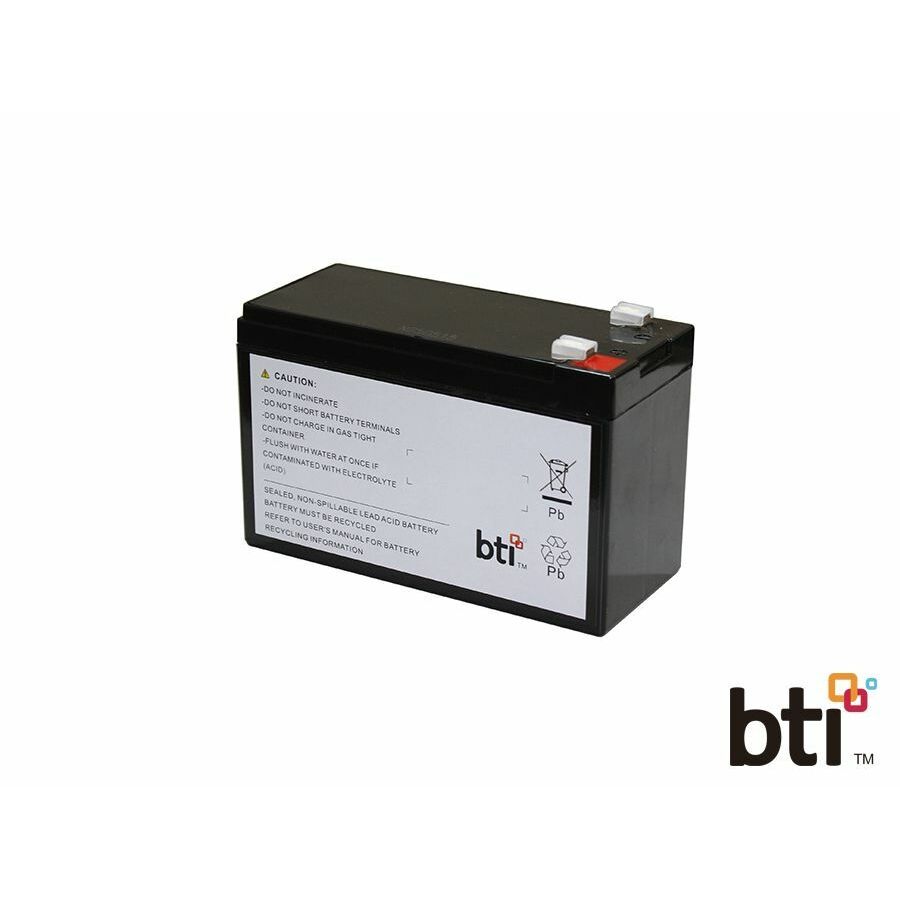
64 in stock - Battery TechnologyAPC Battery Unit - 7200 mAh - Lead Acid - Sealed12V7.2AH-T2-BATT-BTI
$77.99
$40.99
32 in stock

Back-UPS cartridge
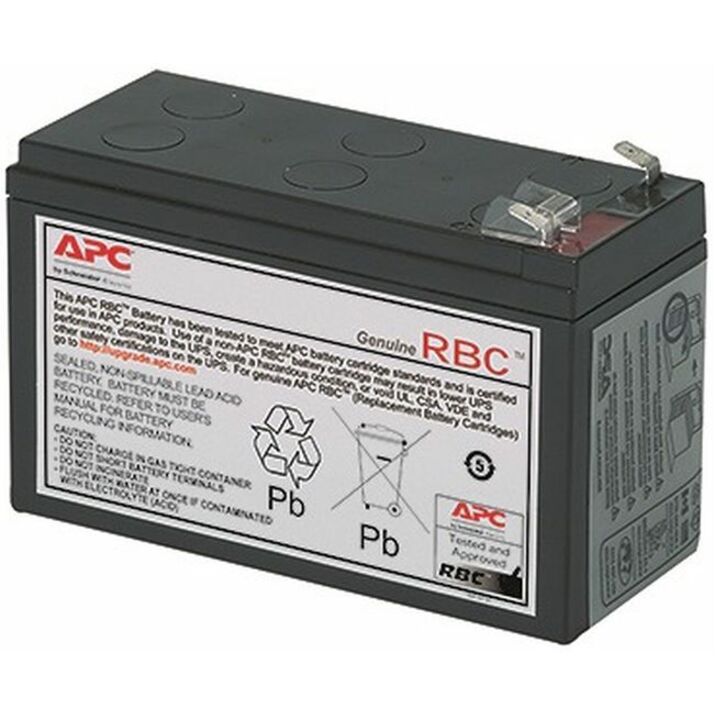
Schneider Electric
APC Replacement Battery Cartridge for Back-UPS, 12V 6.5Ah lead-acid…
APCRBC154
APC's own cartridge for Back-UPS units — a 12 V 6.5 Ah lead-acid battery the listing describes as leak-proof, maintenance-free and hot swappable, with a two-year repair-or-replace warranty and a stated three-to-five-year battery life range.
$89.89In stockSmart-UPS cartridge
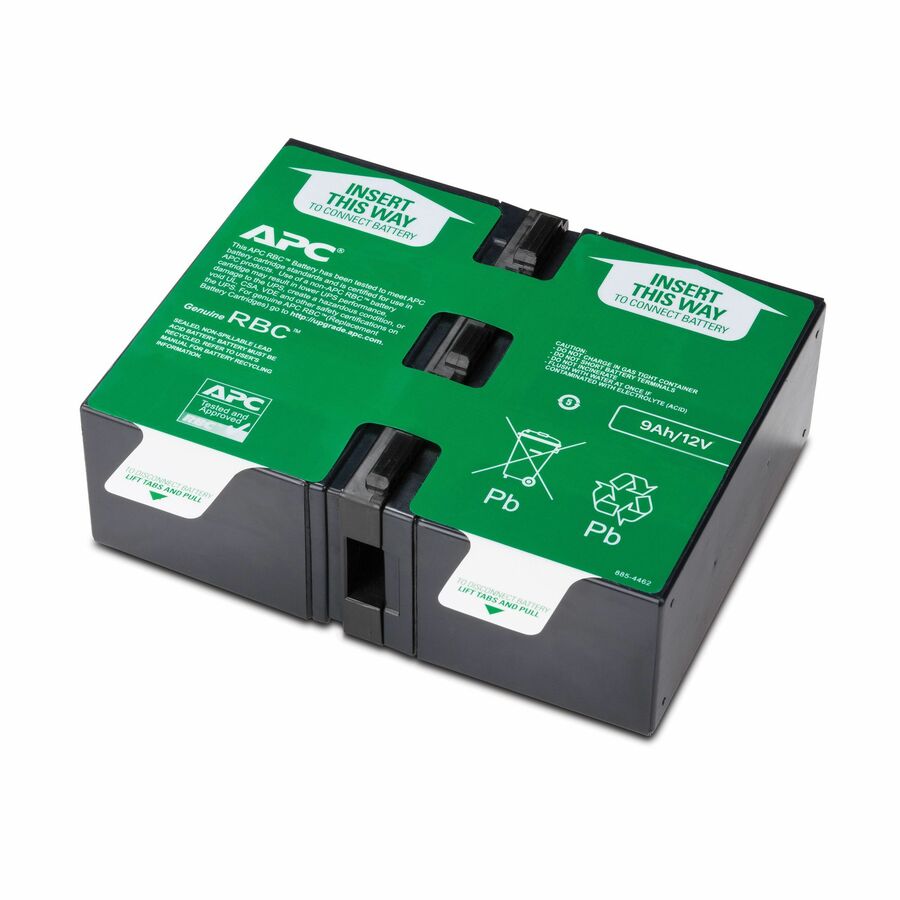
Schneider Electric
APC Replacement Battery Cartridge for Smart-UPS Line Interactive, 24V…
APCRBC124
The APC cartridge for line-interactive Smart-UPS units: 24 V 9 Ah lead-acid, hot swappable, with a two-year repair-or-replace warranty and a listed minimum battery life of three years and maximum of five.
Confirm the exact Smart-UPS model against the cartridge compatibility list before ordering — the family spans several cartridge sizes.
$161.09In stockAPC-compatible pick
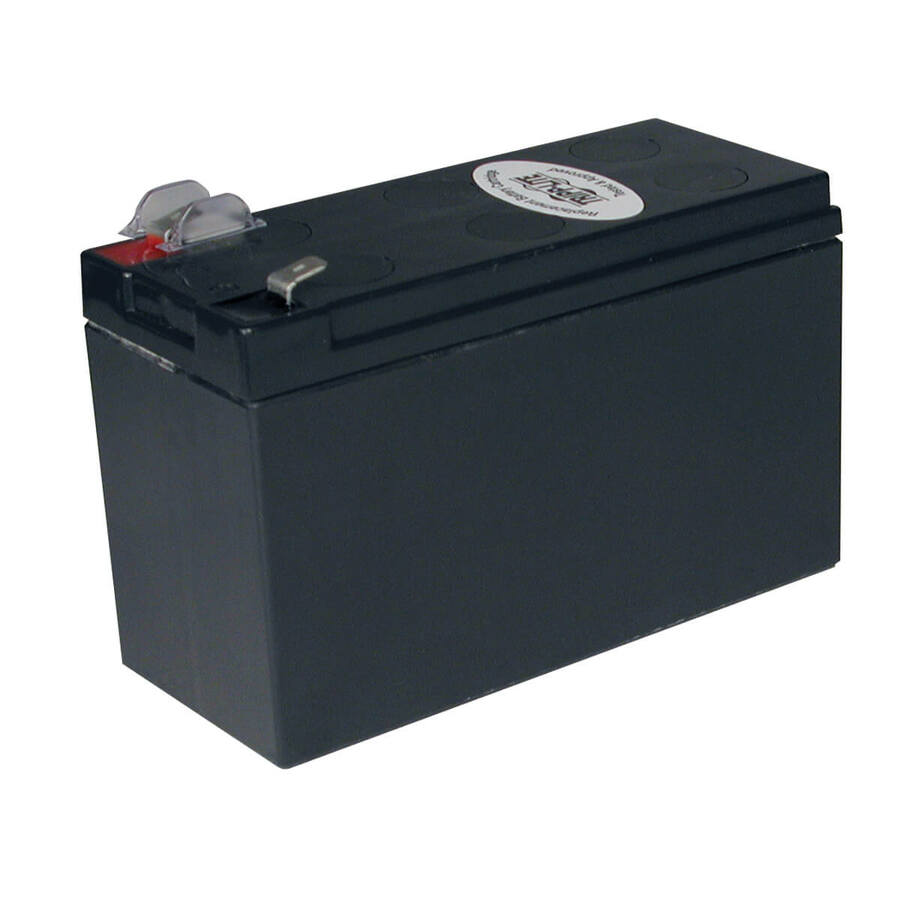
Eaton
Tripp Lite by Eaton UPS Replacement Battery Cartridge for select APC…
RBC2A
Tripp Lite by Eaton's maintenance-free lead-acid cartridge built for select APC units — a third-party equivalent rather than an APC part, which is exactly what makes it worth knowing about when the OEM cartridge is on allocation.
Check your APC model against the manufacturer's compatibility list; this cartridge covers a specific subset.
$72.68In stockCyberPower equivalent
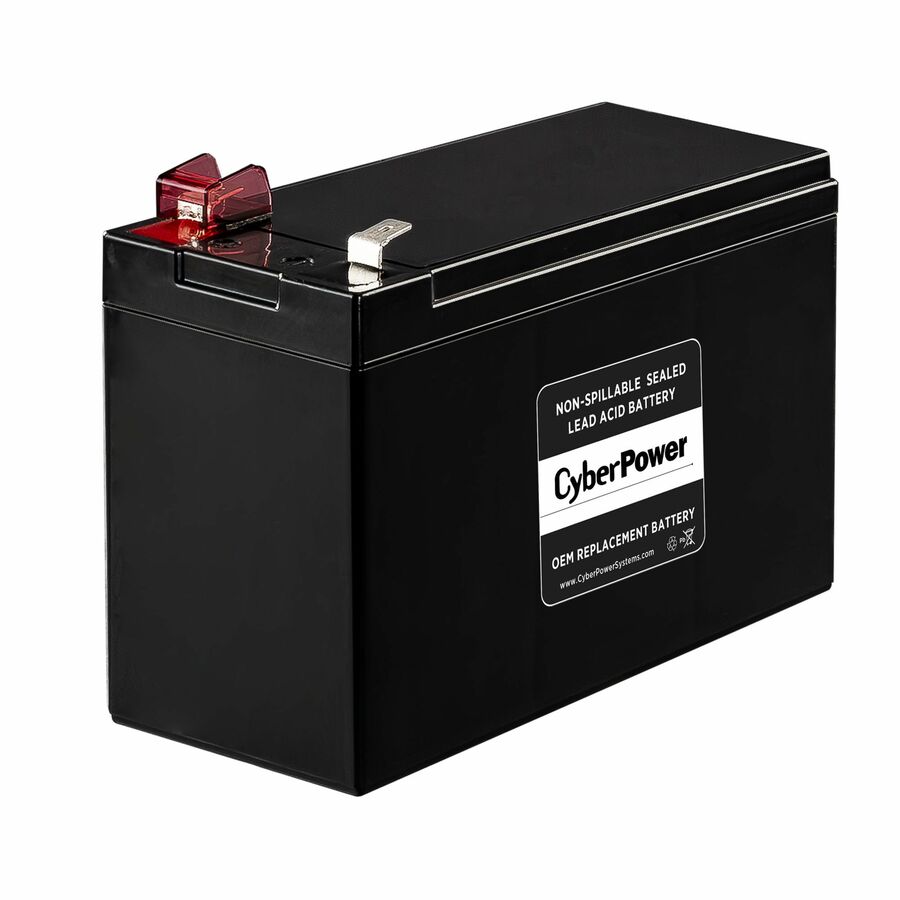
CyberPower Systems
CyberPower APCRBC110-CP Replacement Battery Cartridge
APCRBC110-CP
CyberPower's cartridge in the APCRBC110 form — a single 12 V 7 Ah sealed lead-acid battery with a two-year warranty on the listing. Another route to the same fit when the OEM part number is hard to source.
$58.89In stockAVR-series cartridge
Eaton
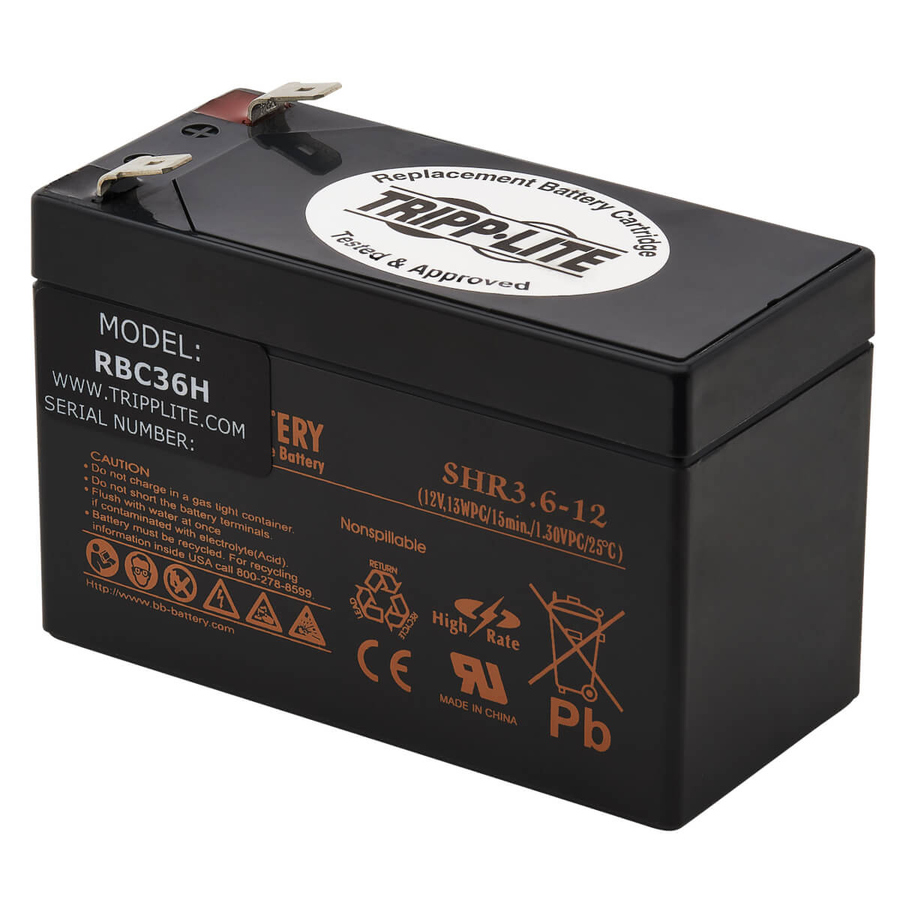
Eaton Tripp Lite Series UPS Replacement Battery Cartridge for Select…
RBC36H
Eaton's Tripp Lite Series cartridge for select AVR550U and AVRX550U systems: 12 V, leak-proof and maintenance-free, with a listed battery life of three years minimum and five years maximum.
$75.56In stockMixed-estate cartridge
Eaton
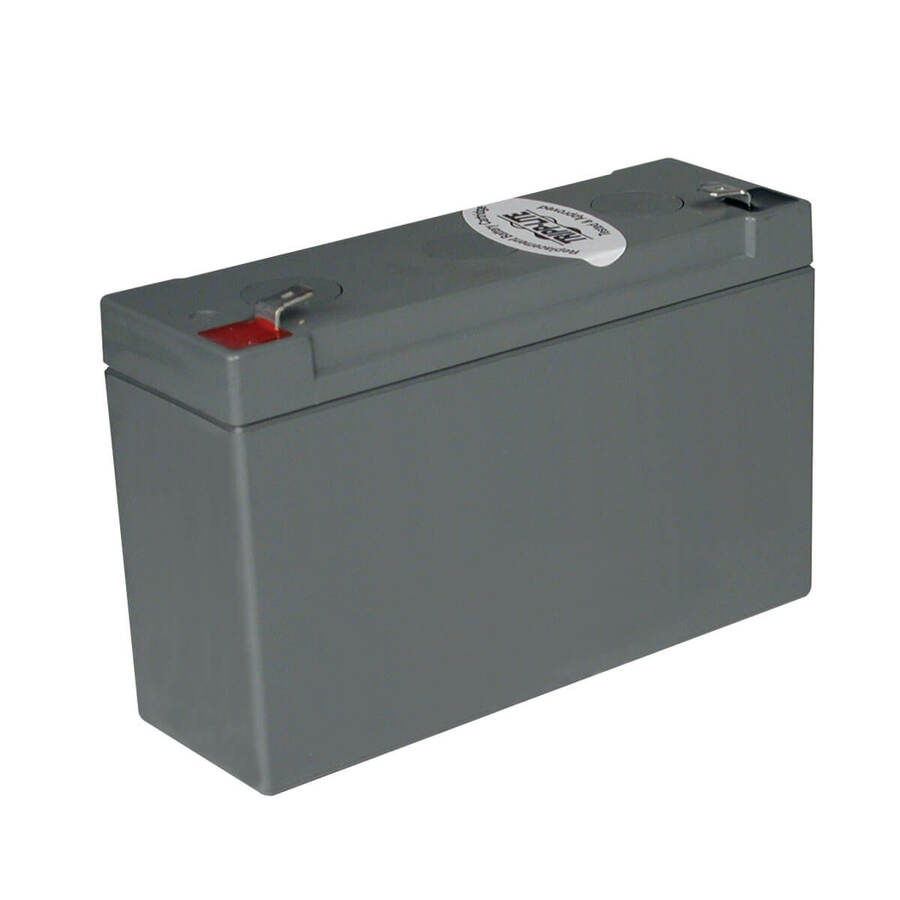
Eaton Tripp Lite Series UPS Replacement Battery Cartridge for Select…
RBC52
The cartridge worth knowing about on a site that is not single-vendor — Eaton lists it for select Best, Liebert, Minuteman and other UPS units, maintenance-free lead acid. One part number covering several older estates.
$77.28In stockMore UPS replacement batteries in the Uniqcli catalog
See all 1,020 UPS replacement batteriesMore from across this category. In-stock lines lead, and a back-ordered line carries the same estimated availability its product page does — with live pricing throughout, NDAA §889 screening before checkout and TAA verified on request.
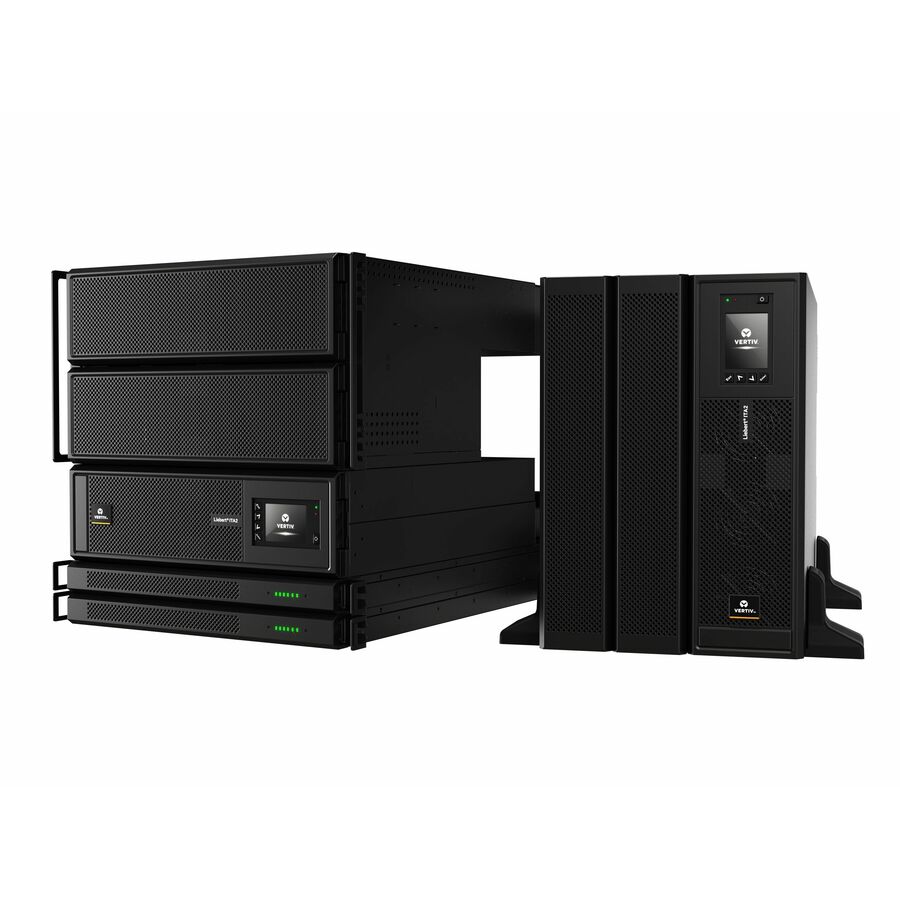
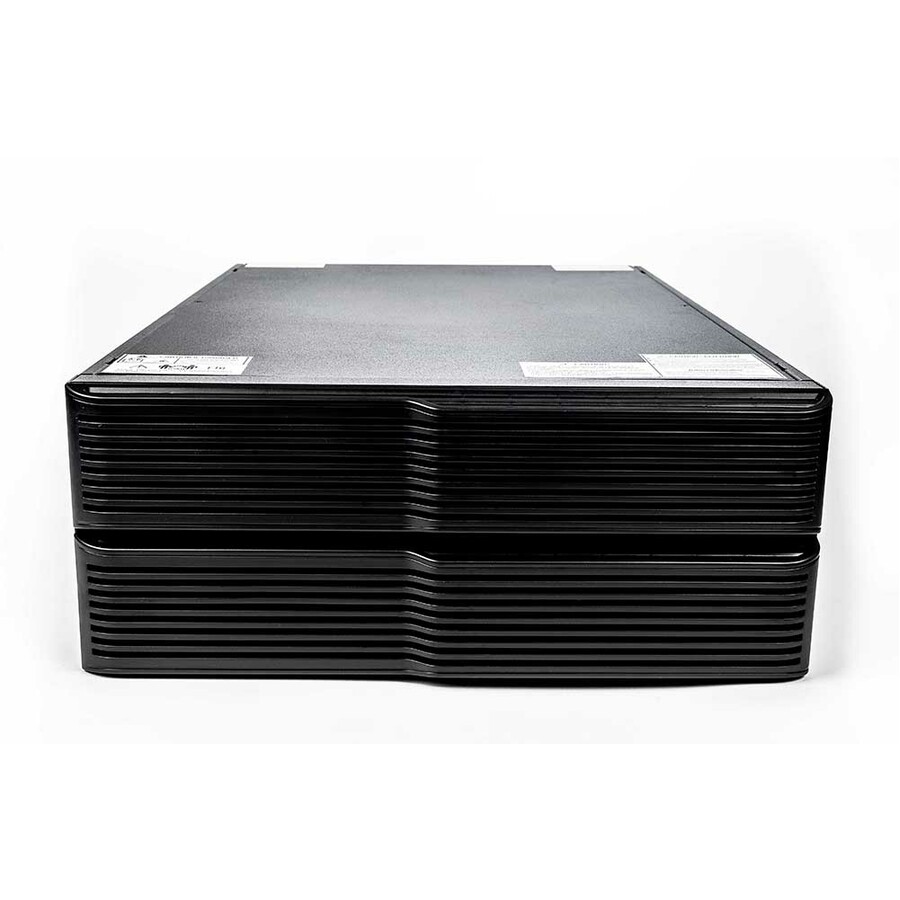
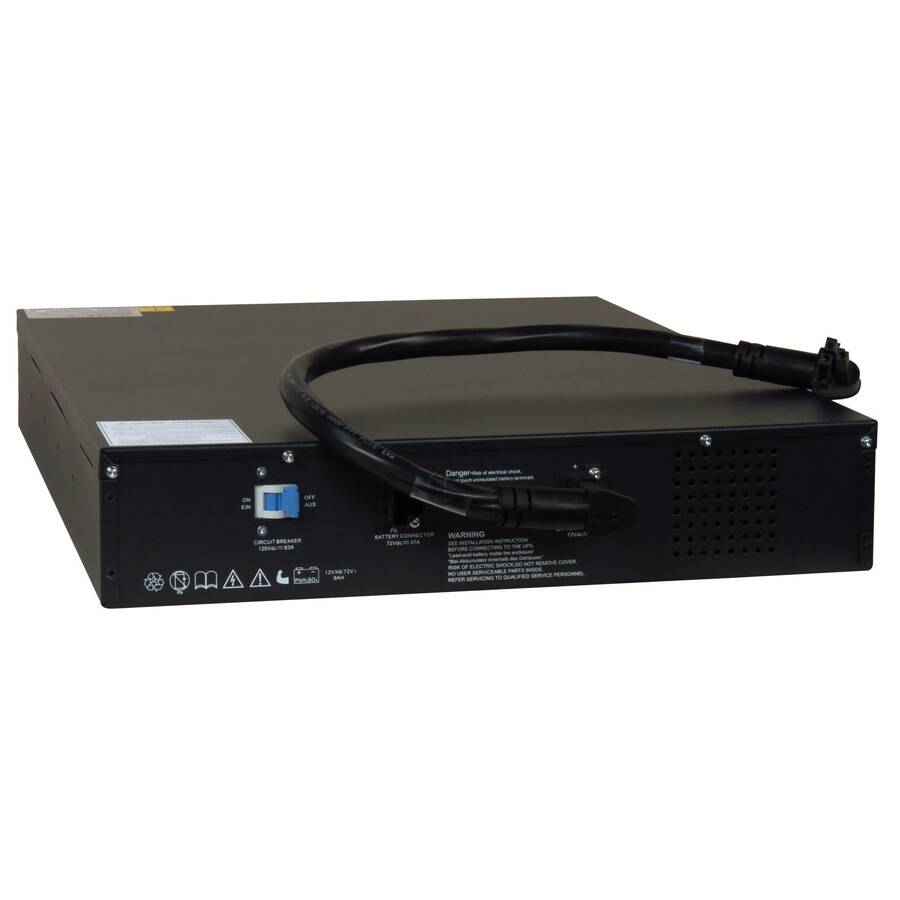
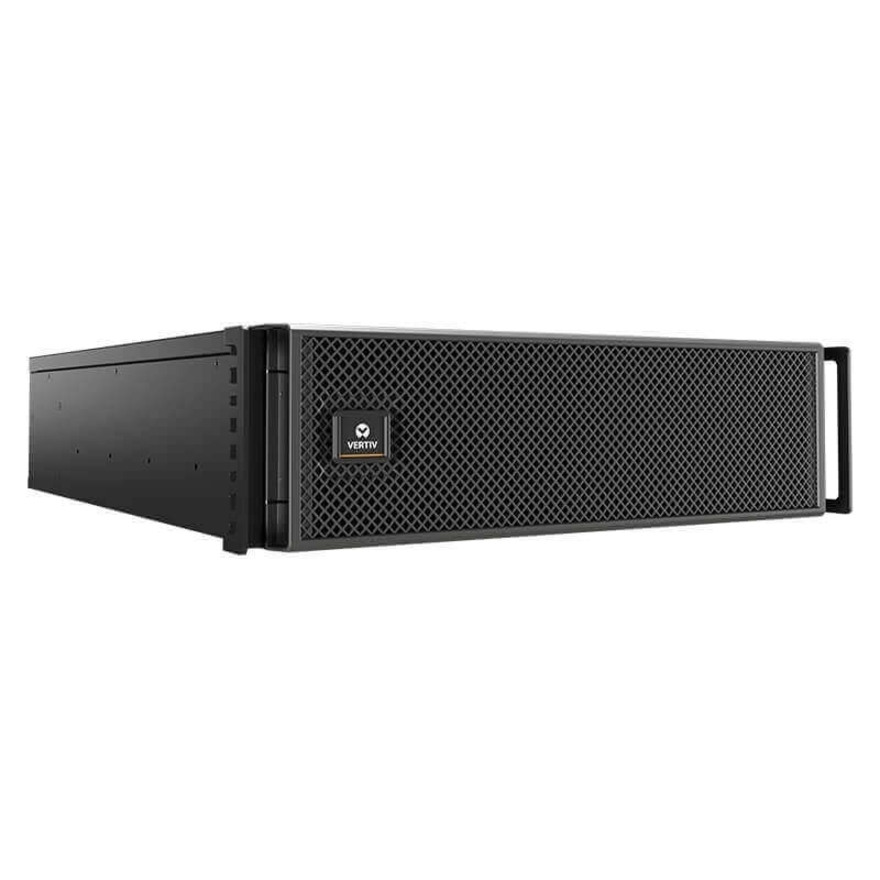
- VertivVertiv Liebert ITA2 UPS External Battery Cabinet System (Qty 2-3U Cabinets)(ITA2-BCI0020K02) - rack-mountable / tower - Qty 2 cabinets/string - each cabinet is 2U (4U per string) - One ITA2-BCI20K02L2 cable kit required for each additional (2 or more) battery cabinet systemsITA2-BCI0020K02
$3,947.00
$3,007.61
18 in stock - VertivVertiv Liebert GXT4-240VBATT 9 Ah, 240V External Battery Cabinet for Vertiv Liebert GXT4-6000RTL630, GXT4-5000RT230, GXT4-6000RT230, and GXT4-10000RT230 - GXT4-240VBATT | 240V | DC External Battery Cabinet | Rack Rails | 1.5' Cable | Lead Acid | Remote Management | 9 Ah | Enclosure | Tower InstallationsGXT4-240VBATT
$3,349.00
$2,551.94
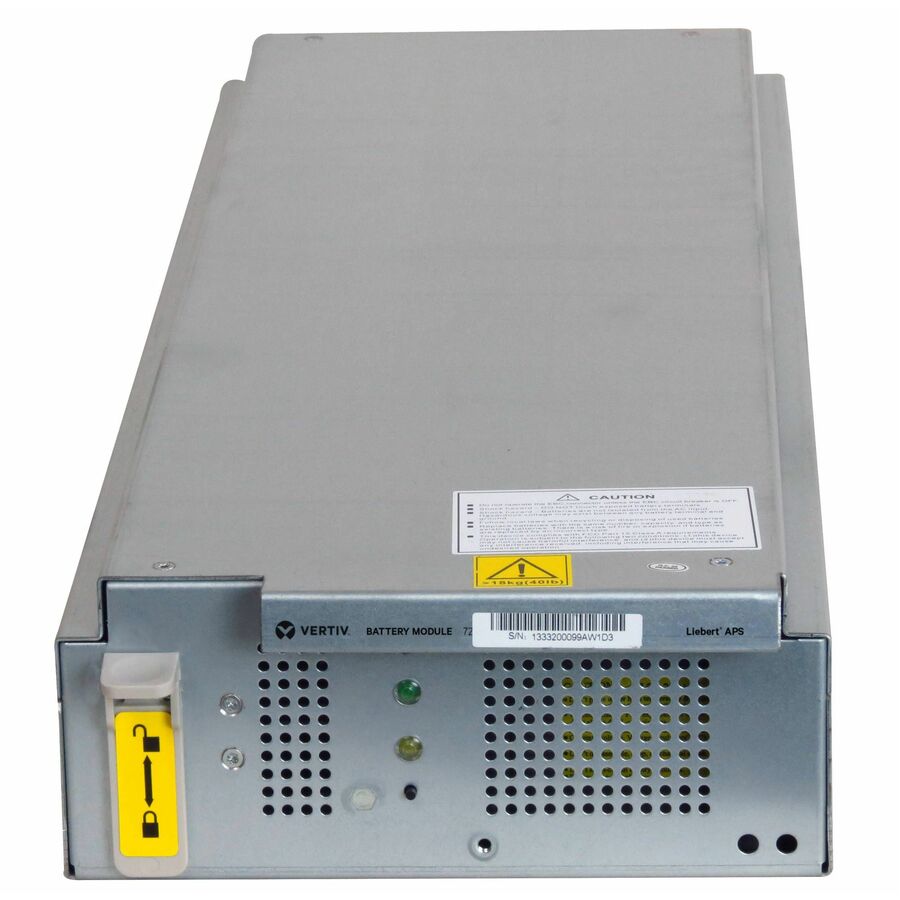
39 in stock - VertivVertiv Liebert APS Battery Module Kit|Pair for Replacement/Runtime Expansion - Pair of APS Battery Modules for replacement or runtime expansionAPSBATMODCU
$3,095.00
$2,358.39
12 in stock - VertivVertiv Liebert GXT4-288VBATT 9 Ah, 288V External Battery Cabinet for Vertiv Liebert GXT4-8000RT208 and GXT4-10000RT208 - GXT4-72VBATT | 288V | DC External Battery Cabinet | Rack Rails | 1.5' Cable | Lead Acid | Remote Management | 9 Ah | Enclosure | Tower InstallationsGXT4-288VBATT
$3,076.00
$2,343.91
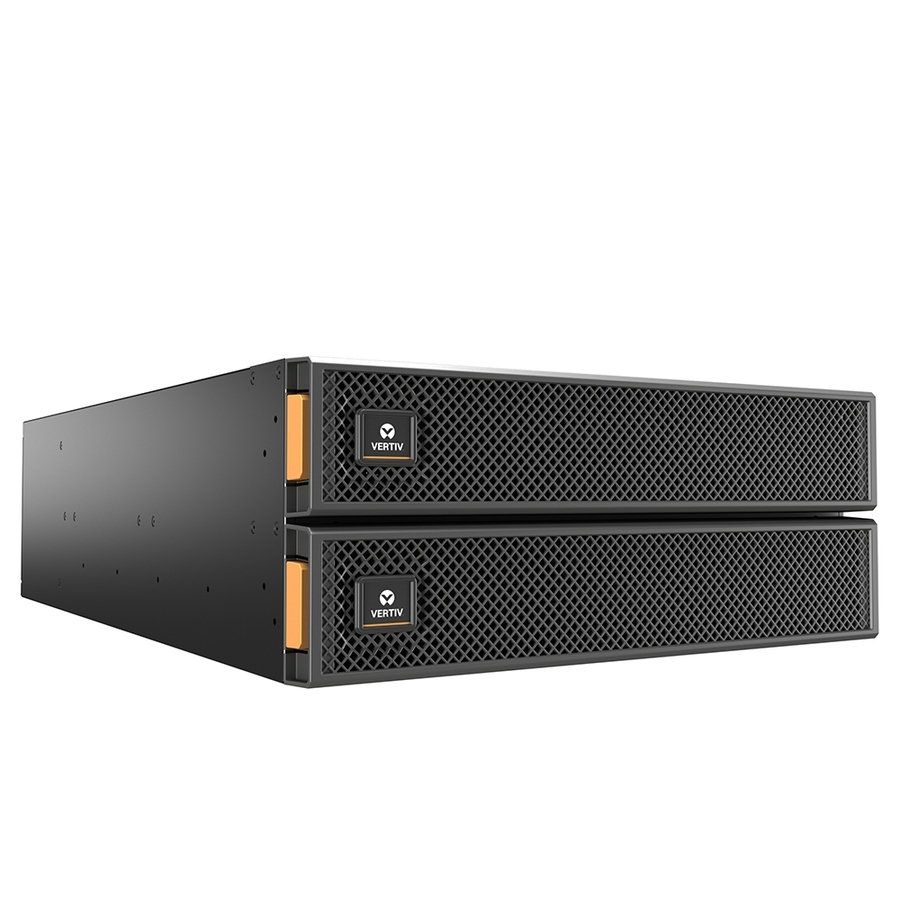
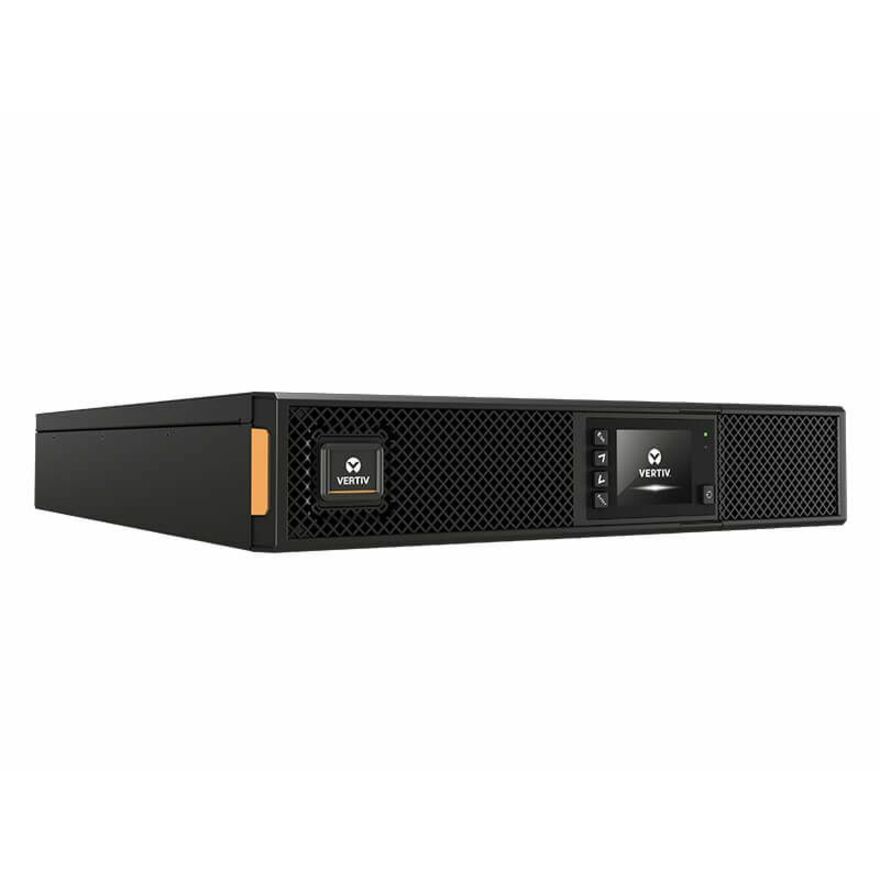
11 in stock - VertivVertiv Liebert GXT5 External Battery Cabinet - 8-10kVA/ 288V | MV - 288 V DC - Lead Acid - Sealed Lead Acid (SLA)GXT5-EBC288VRT4U
$2,481.00
$1,890.52
281 in stock - VertivVertiv Liebert GXT4-72VBATT 9 Ah, 72V External Battery Cabinet for Vertiv Liebert GXT4-3000RT120, GXT4-3000RT230, and GXT4-3000RT208 - GXT4-72VBATT | 72V | DC External Battery Cabinet | Rack Rails | 1.5' Cable | Lead Acid | Remote Management | 9 Ah | Enclosure | Tower InstallationsGXT4-72VBATT
$2,475.00
$1,885.95
35 in stock - VertivVertiv Liebert GXT4-144VBATT 9 Ah, 144V External Battery Cabinet for Vertiv Liebert GXT4-5000RT208 and GXT4-6000RT208 - GXT4-144VBATT | 144V | DC External Battery Cabinet | Rack Rails | 1.5' Cable | Lead Acid | Remote Management | 9 Ah | Enclosure | Tower InstallationsGXT4-144VBATT
$2,435.00
$1,855.47
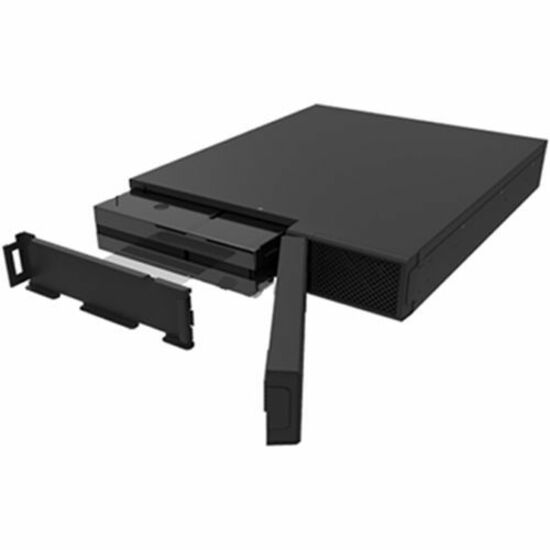
44 in stock - VertivVertiv Liebert GXT5LI-1000LVRT2UXL Internal Replacement Battery Kit - 6000 mAh - 48 V DC - Lithium Ion (Li-Ion) - User Replaceable - Hot SwappableGXT5LI-48VBATKIT1
$2,299.00
$1,751.84
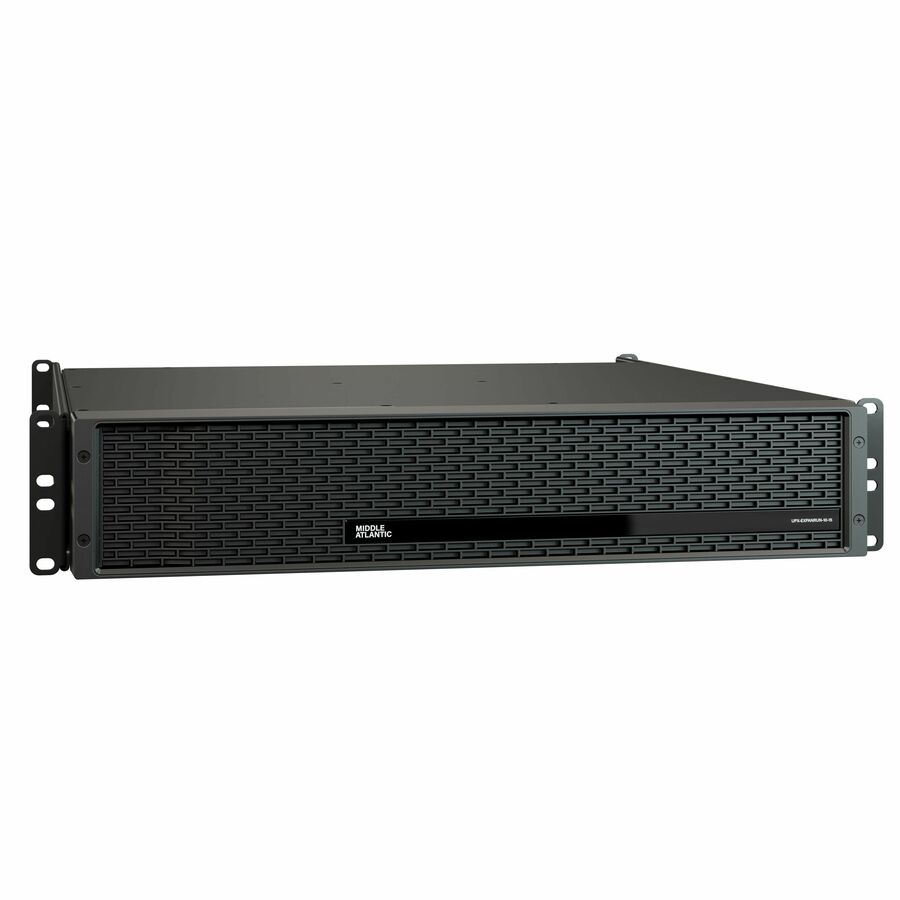
12 in stock - LegrandMiddle Atlantic NEXSYS UPS Battery Pack - Hot SwappableUPX-EXPANRUN-OL15
$2,708.00
$2,193.59
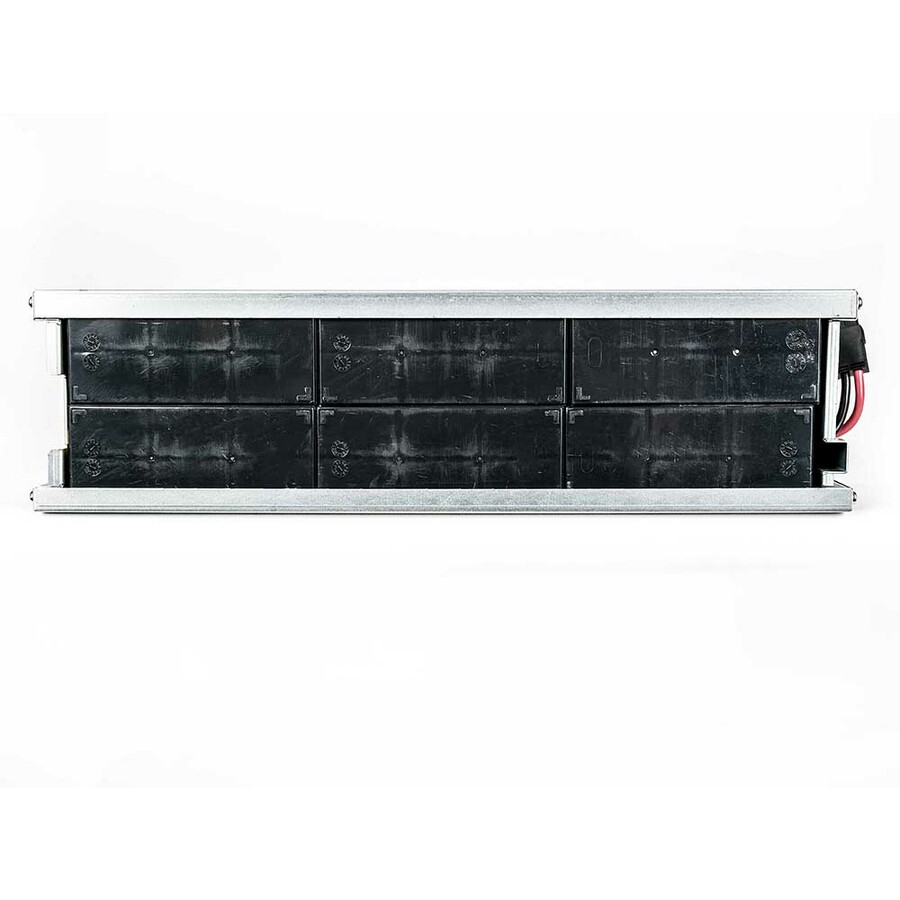
30 in stock - VertivVertiv Liebert GXT5 288V, 8-10kVA MV, Replacement UPS Battery Kit - 288 V DC - Lead Acid - Sealed Lead Acid (SLA)GXT5-288VBatkit
$2,140.00
$1,630.68
1 in stock - VertivVertiv Liebert Hot-Swap Internal 9 Ah, 144V Lead-Acid Battery for Liebert GXT4-5000RT208 and GXT4-6000RT208 UPS Systems - 144 VDCGXT4-144VBATKIT
$1,653.00
$1,259.59
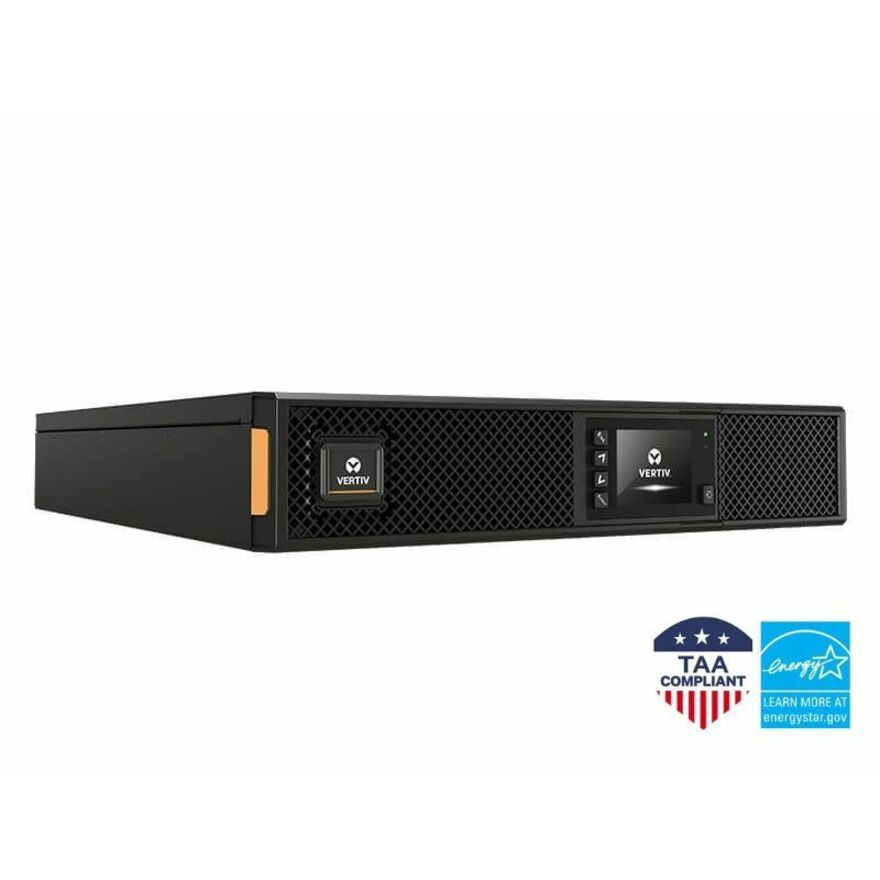
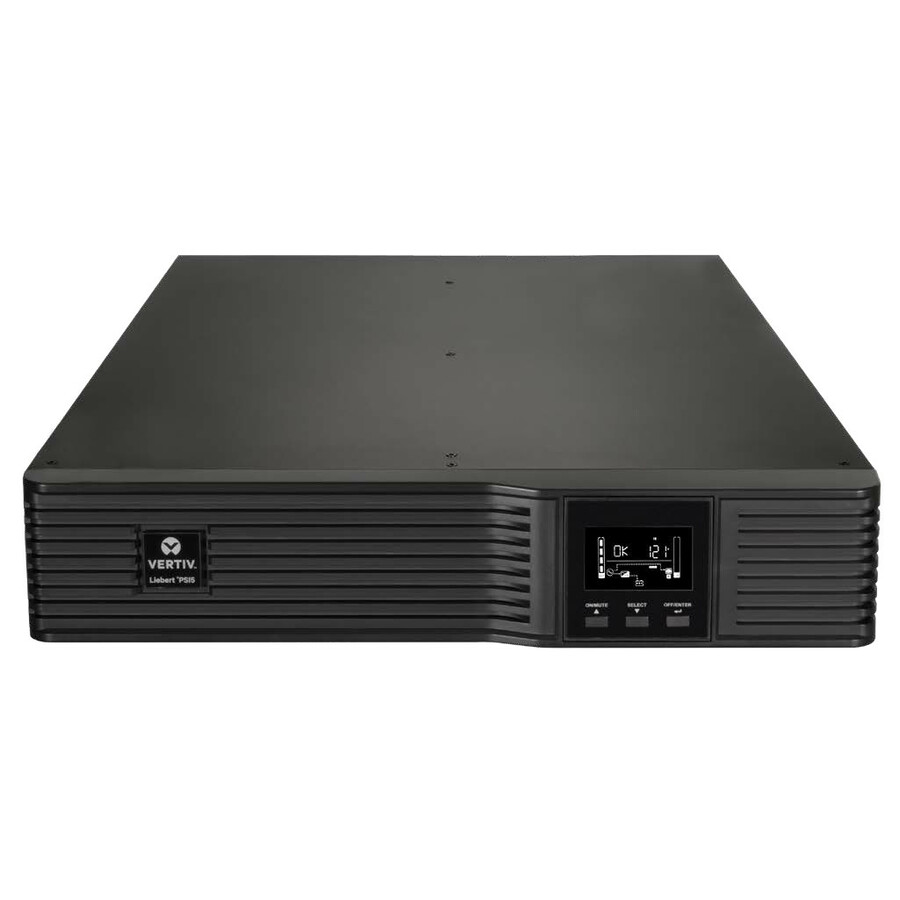
308 in stock - VertivVertiv Liebert PSI5 UPS 72V External Battery Cabinet TAA 9 Ah Lead-Acid - 3-Year Warranty | 2U | For Government and Government-Affiliate EnvironmentsPSI5-72VBATTTAA
$1,568.00
$1,194.82*
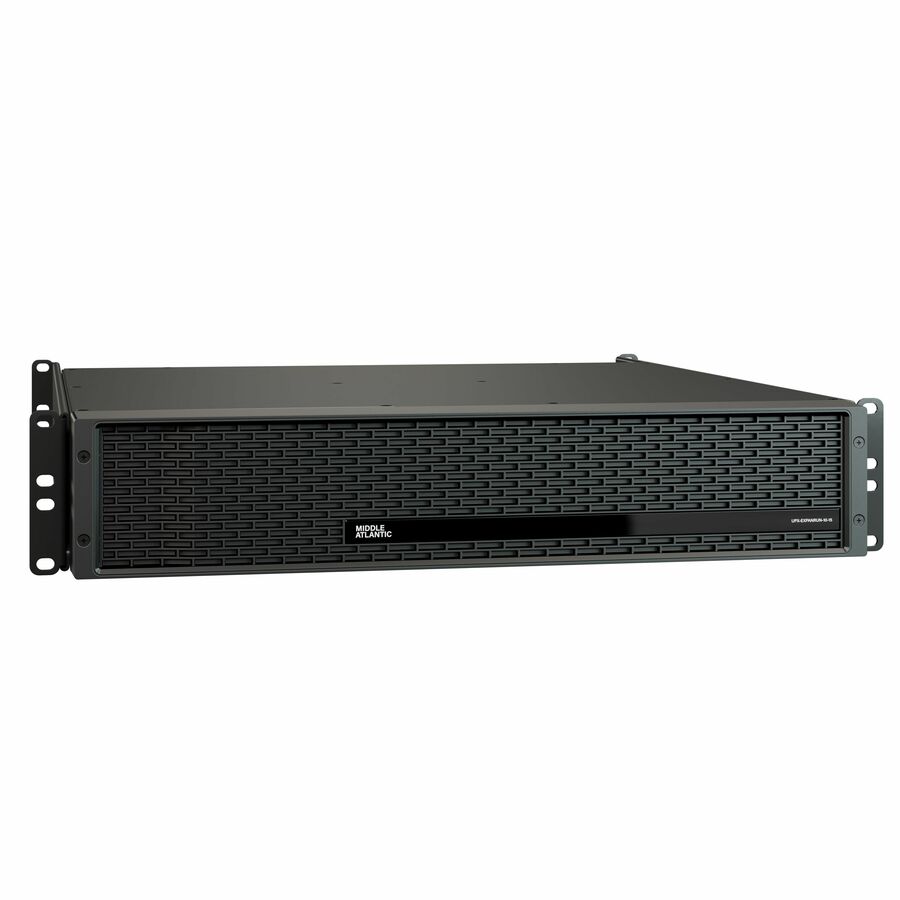
238 in stock - LegrandMiddle Atlantic UPS Expandable Run Time Unit - UPS Expandable Run Time Unit for 1000 and 1500VA UPS UnitsUPX-EXPANRUN-10-15
$1,960.00
$1,592.63
41 in stock - VertivVertiv Liebert External 9Ah, 48V Battery Cabinet for Liebert GXT4-500RT120, GXT4-700RT120, GXT4-1000RT120, GXT4-1500RT120, GXT4-2000RT120, GXT4-500RT230, GXT4-700RT230, GXT4-1000RT230, GXT4-1500RT230 and GXT4-2000RT230 UPS Models - GXT4-48VBATT ; 48VDC external battery cabinet; rack rails; 1.5' cableGXT4-48VBATT
$1,396.00
$1,063.75
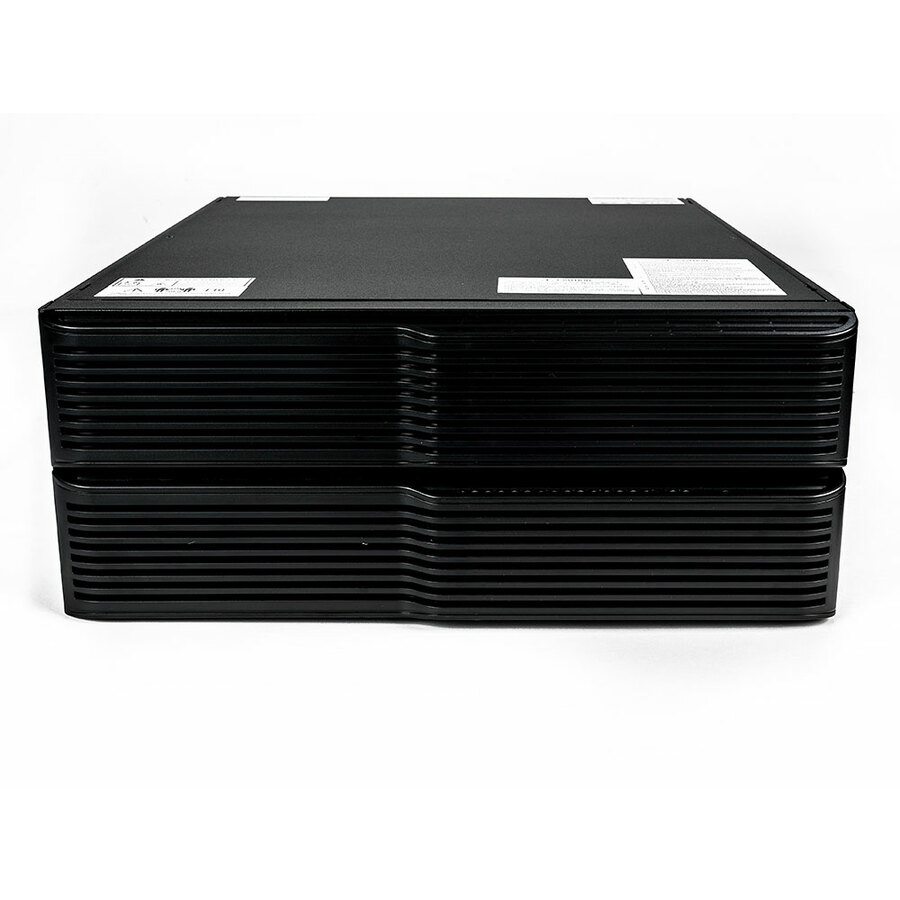
101 in stock - EatonEaton Two Rack mountable EBM required for either the 15kW or 20kW UPS Module - 480 V DC - Lead Acid - Valve Regulated Lead Acid (VRLA)93PX2EBM480U
$4,000.00
$3,680.00
11 in stock - VertivVertiv Liebert PSI5 UPS 48V External Battery Cabinet TAA 9 Ah Lead-Acid - 3-Year Warranty | 2U | For Government and Government-Affiliate EnvironmentsPSI5-48VBATTTAA
$1,300.00
$990.60*
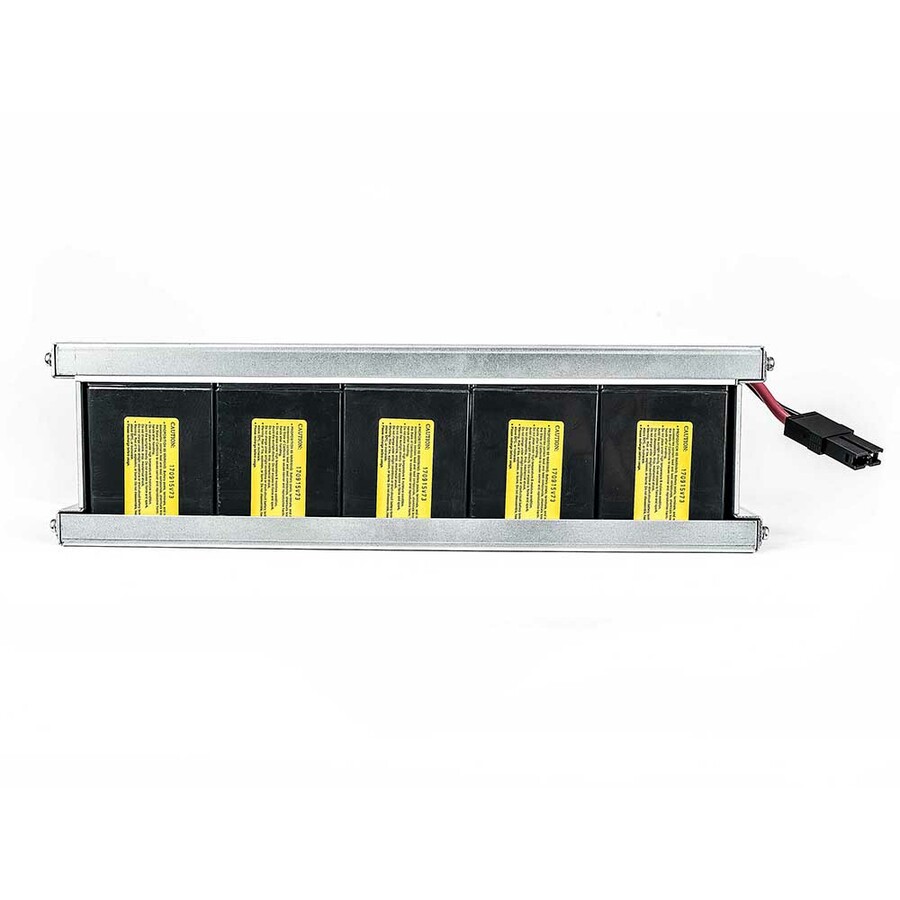
111 in stock - VertivLiebert GXT5 144V, 5-6kVA MV, Replacement UPS Battery Kit - 144 V DC - Lead Acid - Sealed Lead Acid (SLA) GXT5 BAT KIT 5-6KVA MVGXT5-144VBatkit
$1,142.00
$870.20
192 in stock



Need pricing on UPS replacement batteries?
Tell us where to reach you and a Uniqcli specialist will follow up by email with current pricing, availability and lead time for the quantities you need — including parts that aren’t shown on this page.
Buying for an organization or for yourself — both work. No payment up front.
A UPS battery is a consumable with a predictable service life: sealed lead-acid cartridges typically reach end of useful life in three to five years, and runtime collapses long before a unit reports a battery as failed. Cartridges are keyed to specific UPS models rather than to a voltage class, so start from the model number printed on the unit.
A UPS battery is a consumable with a predictable service life, and almost everyone treats it as a component that fails without warning. Two facts change how it gets budgeted: sealed lead-acid cartridges typically reach end of useful life in three to five years, and runtime collapses long before a unit ever reports a battery as failed. A four-year-old UPS that self-tests clean can still drop its load in ninety seconds, because the test proves the battery can supply current, not that it can supply it for the duration the design assumed.
Identifying the right cartridge is the practical problem this page solves. Cartridges are keyed to specific UPS models rather than to a voltage class, and the same physical battery appears under several part numbers — the OEM's, and one or more third-party equivalents built to the same form. The reliable route is to read the model number printed on the UPS itself and match it against the compatibility list the cartridge manufacturer publishes, which is the statement quoted on each card below. Getting it wrong is not usually dangerous, but it is a return.
Availability in this category moves week to week, so each card carries its own live status rather than a promise made here. For a single unit, the cartridge is a cart purchase. For a building — forty UPS units on a four-year cycle, with the old cells needing certified disposal — it is a quote, because the order is a schedule and a collection as much as it is a part number. The selection below is drawn from the replacement cartridges Uniqcli currently carries.
Buyer's checklist
How to choose a UPS replacement battery cartridge
- Start from the UPS model number printed on the unit, not from the battery voltage — cartridges are keyed to specific UPS families, and voltage alone does not identify one.
- Check the cartridge's published compatibility list for your exact model. The same physical battery ships under an OEM part number and one or more third-party equivalents, and the list is what distinguishes them.
- Confirm the connector and the cartridge form, not just the cell chemistry. A 12 V 7 Ah cell in the wrong tray or with the wrong harness will not seat.
- Match the amp-hour rating the original cartridge carried — a lower-capacity substitute will physically fit some trays and quietly shorten runtime.
- Prefer a hot-swappable cartridge where the UPS supports it, so the replacement does not require a load transfer or a scheduled outage.
- Plan certified disposal at the same time as the purchase. Sealed lead-acid is a regulated waste stream and the collection has to be arranged, not improvised.
- Order spares against the refresh schedule rather than the failure rate — a cartridge sitting on a shelf ages too, so buy them to be fitted rather than to be stored for years.
Batteries fail on a schedule, not at random
Sealed lead-acid cells lose capacity continuously from the day they are manufactured, and the loss accelerates with temperature. Manufacturers generally rate cartridges for three to five years of useful life in a controlled environment, and a closet that runs warm will sit at the short end of that. What makes this feel random is that the loss is invisible: the unit still supports the load, still passes its self-test, still shows a healthy indicator — right up to the day a real outage lasts longer than the shrunken runtime and the load drops.
The practical consequence is that a UPS battery belongs in a capital or operating schedule the way a filter change does, not in the incident queue. Record the install date on each unit, put the replacement in the budget at year three, and treat the self-test as a check that the unit works rather than as a measure of how long it will hold. Where the UPS reports estimated runtime, watch that number over time rather than at a point in time — a steady decline is the signal, and it usually arrives a year before anything alarms.
Matching a cartridge to a unit
Cartridges are identified by the UPS families they serve. That is why a part number like RBC110 or RBC124 tells you nothing on its own about voltage or capacity — it is an index into a compatibility list. The list is published by the cartridge manufacturer, and where a third party builds an equivalent to an OEM cartridge, the third-party listing names the OEM part it replaces. Both statements are the manufacturer's, and both are what we check against the model you give us before quoting.
Where this most often goes wrong is on a site with several UPS generations from one vendor. The units look alike, the cartridges look alike, and the model numbers differ by a suffix nobody recorded. Reading the label on each chassis before ordering is dull, and it is the whole job; a photograph of the rating plate is enough for us to confirm the cartridge on a quote.
What a fleet refresh actually involves
For one unit under a desk, replacement is a hot-swap and a cart purchase. For a building, it is a project: units identified and grouped by cartridge, replacement scheduled against maintenance windows where the UPS is not hot-swappable, and certified collection arranged for the old cells, which are a regulated waste stream rather than general refuse. Doing it as a scheduled batch is materially cheaper than doing it forty times as emergencies, and it is the difference between one collection and forty.
It is also the point at which the monitoring question is worth asking. If the estate has no visibility into per-unit battery age or runtime trend, the refresh is the moment to add it — network management cards, the monitoring software licences that go with them, and the configuration work to get the alerts somewhere a person reads. Uniqcli quotes that whole shape through US distribution: the cartridges, the licensing, and the deployment and lifecycle services around them.
FAQ
Common questions
- How often do UPS batteries need replacing?
- Sealed lead-acid cartridges are generally rated for three to five years of useful life, and a warm closet pushes that toward the short end. The important part is that capacity declines continuously rather than failing suddenly, so a four-year-old unit can pass its self-test and still drop the load in a real outage because the runtime has quietly shrunk. Record the install date on each unit, budget the replacement at year three, and watch the estimated-runtime figure over time rather than at a single point — a steady decline is the signal, and it usually appears about a year before anything raises an alarm.
- How do I find the right cartridge for my UPS?
- Read the model number printed on the UPS chassis and match it against the compatibility list the cartridge manufacturer publishes. Cartridges are keyed to specific UPS families rather than to a voltage class, so a part number on its own tells you very little — it is an index into that list. The same physical battery frequently ships under an OEM part number and one or more third-party equivalents, and the third-party listing names the OEM part it replaces. Send us a photograph of the rating plate and we will confirm the cartridge on the quote.
- Can I use a third-party battery instead of the OEM cartridge?
- In most cases yes, provided the cartridge manufacturer lists your exact UPS model as compatible and the form, connector and amp-hour rating match. Third-party cartridges are built to the same physical specification and are commonly the faster route when an OEM part number is on allocation. Two cautions: check whether the UPS is under a manufacturer service contract that specifies OEM parts, and do not substitute a lower amp-hour cell that happens to fit the tray, because it will seat correctly and silently shorten your runtime.
- Is a self-test enough to tell me the battery is healthy?
- No, and this is the most common misreading in the category. A self-test confirms the battery can supply current to the load; it does not confirm it can supply that current for the duration the design assumed. Capacity is what degrades, and it degrades gradually, so a unit will report a passing test for a long time after its usable runtime has fallen below what the load actually needs. Treat the test as a functional check, and the install date plus the runtime trend as the real health measure.
- What happens to the old batteries?
- Sealed lead-acid is a regulated waste stream and has to go to certified recycling rather than into general refuse — a legal obligation in every US jurisdiction, not a best practice. On a single-unit swap most organizations use a local battery recycler. On a fleet refresh it is worth arranging collection as part of the project, because scheduling one collection against a batch replacement is both cheaper and far easier to evidence than forty separate disposals across a year. Tell us the unit count and we will scope it alongside the cartridges.
- Can Uniqcli quote a fleet battery refresh for a government or education order?
- Every line Uniqcli quotes is sourced through US distribution and screened for TAA country-of-origin and NDAA §889 status before checkout — with documentation tied to the specific part number, not a product family.
Need UPS replacement batteries pricing?
Send a bill of materials or part numbers — we confirm stock and a below-market total, with TAA verified on request. No payment up front.